News related to
Stage

Over 80% Optimistic About Overseas Trade, Yet Tariffs and Costs Pose Key Hurdles

HONG KONG SAR – Media OutReach Newswire – 29 May 2026 – To support small and medium-sized enterprises (SMEs) in expanding into international markets, the Hong Kong Productivity Council (HKPC) and DHL Express Hong Kong (DHL) will co-host the “Blueprint for Global Expansion: Market Entry, Logistics & Risk Management” Forum on 12 June.

Amid an increasingly complex and rapidly evolving global supply chain landscape, the forum will delve into market strategies, logistics optimization, and risk management —equipping local businesses with the insights needed to navigate challenges and capture opportunities in global trade. As the first SME-focused forum jointly launched by HKPC and DHL, the initiative marks the beginning of a series of collaborative efforts to share practical expertise and support businesses in strengthening their international presence.

From Data to Strategy: Addressing the Three Key Barriers for SMEs Going Global
According to the latest quarterly “DHL Hong Kong Air Trade Leading Index (DTI)” survey, commissioned by DHL and conducted by HKPC, the primary challenges faced by enterprises expanding overseas are: “Complex tariff and customs clearance procedures” (23%), “High logistics and delivery costs” (20%) and “lack of local sales channels/ business partners” (12%). Despite these hurdles, over 85% of air traders remain neutral or positive about overseas trade prospects. In terms of readiness, 68% of respondents reported moderate confidence, while a further 18% showed high confidence, indicating a pragmatic and risk-aware approach among businesses pursuing global expansion.

In light of these findings, the forum will address the three critical dimensions of market, logistics, and risk management, offering professional guidance and targeted resources to help SMEs formulate immediate and actionable go-global strategies.

Andy Chiang, Senior Vice President and Managing Director, DHL Express Hong Kong and Macau, said, “DHL has long been committed to supporting SMEs in navigating the complexities of international trade. Through our GoTrade programme, we provide practical tools and expertise to help businesses manage cross-border logistics and customs processes more effectively. Our collaboration with HKPC focuses on equipping SMEs with actionable insights and strengthening their operational capabilities for global expansion. We look forward to continuing our partnership to deliver knowledge-sharing and networking opportunities that empower businesses to grow internationally with confidence.”

Three Thematic Sessions: A Comprehensive Global Expansion Blueprint for SMEs
The forum is specifically designed to address the pain points identified in the survey, featuring three expert speakers offering targeted insights:

○ Professor Roy Liang TAN, Practitioner Professor of Management and Business Strategy at the HKU Business School will provide an in-depth analysis of how to assess target market maturity, avoid common pitfalls, and leverage government funding schemes to optimise financial planning — transforming the go-global vision into a concrete action plan.

○ Ms Julian Tsoi, Director, Marketing Communications and Direct Sales, DHL Express Hong Kong, will share insights on how businesses can leverage global logistics networks and technology to enhance customs clearance efficiency and improve operational performance, while navigating the complexities of cross-border logistics and addressing common challenges in international expansion.

○ Mr Kenneth POON, Assistant General Manager – Business Division at the Hong Kong Export Credit Insurance Corporation, will analyse export trade risks across different stages in emerging markets and guide enterprises on using credit insurance tools to guard against bad debts and strengthen financing capabilities.

Beyond expert presentations, the forum will feature interactive networking and Q&A sessions, allowing participants to exchange practical experiences directly with speakers and fellow SMEs, and explore business growth opportunities together.

Registration is now open. Seats are limited, first come first served!

“Blueprint for Global Expansion: Market Entry, Logistics & Risk Management” Forum

Date: 12 June 2026 (Friday)
Time:
3:00 PM – 5:00 PM
Venue: LG1, Future Manufacturing Hall, HKPC Building, 78 Tat Chee Avenue, Kowloon
Language: Cantonese and Putonghua
Registration Link: https://campaigns.hkpc.org/zh-hk/rsvp-blueprint-for-global-expansion

Hashtag: #HKPC

The issuer is solely responsible for the content of this announcement.

About Hong Kong Productivity Council

The Hong Kong Productivity Council (HKPC) is a statutory body established in 1967, dedicated to enhancing the productivity and competitiveness of Hong Kong enterprises through world-class applied R&D, innovative technology services, and integrated manufacturing solutions. As a market-oriented, international R&D organisation, HKPC leverages its deep expertise and extensive industry experience in key areas such as AI, advanced manufacturing, life and health technology, green technology and new energy to drive new industrialisation and support the growth of emerging and future industries.

HKPC focuses on addressing businesses challenges and industrial technology needs, promoting the full integration between technological and industrial innovation. Through technology transfer, product innovation, intellectual property protection and commercialisation of R&D outcomes, the Council fosters collaboration with the local business community as well as top global R&D institutions, delivering added value to industries and advancing the development of new productive forces. HKPC’s world-class R&D achievements have been widely recognised over the years, winning an array of local and overseas accolades, reinforcing Hong Kong’s role as an international innovation and technology centre and a smart city.

To help enterprises capitalise on Hong Kong’s strengths in international connectivity to expand into global markets, HKPC offers comprehensive overseas expansion services tailored to critical areas including product development, technology, manufacturing, and management, enabling businesses to successfully go global from Hong Kong.

HKPC is also committed to providing timely and practical support to SMEs and startups with timely and practical , assisting them in accessing Government funding programmes. Through its FutureSkills training initiatives, HKPC helps both industry and academia stay ahead in latest digital and STEM technologies, nurturing a future-ready talent pool for Hong Kong.

For more information, please visit HKPC’s website: .

DHL – The logistics company for the world

DHL is the leading global brand in the logistics industry. Our DHL divisions offer an unrivalled portfolio of logistics services ranging from national and international parcel delivery, e-commerce shipping and fulfillment solutions, international express, road, air and ocean transport to industrial supply chain management. With approximately 389,000 employees in more than 220 countries and territories worldwide, DHL connects people and businesses securely and reliably, enabling global sustainable trade flows. With specialized solutions for growth markets and industries including technology, life sciences and healthcare, engineering, manufacturing & energy, auto-mobility and retail, DHL is decisively positioned as “The logistics company for the world”.

DHL is part of DHL Group. The Group generated revenues of approximately 82.9 billion euros in 2025. With sustainable business practices and a commitment to society and the environment, the Group makes a positive contribution to the world. DHL Group aims to achieve net-zero emissions logistics by 2050.

The logistics company for the world.

Cybercriminals behind the ClearFake campaign have shifted deeper into blockchain-based command infrastructure, using BNB Smart Chain testnet contracts to deliver malicious code and frustrate conventional takedown efforts. The campaign marks an escalation in the abuse of decentralised infrastructure for malware operations. Instead of relying on domains, hosting providers or disposable servers that can be suspended, the operators are storing payload logic and routing instructions inside smart contracts […]

Cybersecurity researchers have warned that BTMOB, an Android remote access trojan, has developed into a potent tool for criminals seeking to hijack smartphones, steal data and run fraud from compromised devices. The malware, first identified in early 2025, has moved beyond the narrower behaviour associated with many banking trojans. It can capture screens, record activity, manage files, intercept credentials, control device functions and give an attacker near-live […]

Arabian Post Staff -Dubai MarsLab Pte Ltd has introduced a Singapore-based roadmap for AI inference infrastructure, positioning the company around enterprise and edge deployment at a time when organisations are shifting from model experimentation to production-scale artificial intelligence systems. The roadmap, announced on 28 May, centres on what MarsLab describes as a system-first approach to inference, the stage at which trained AI models generate outputs in live […]

Thousands of fraudulent FIFA-themed domains are being positioned to exploit supporters before the 2026 World Cup, with cyber-security researchers tracking more than 4,300 suspicious registrations since August 2025. The domains mimic FIFA’s official web presence and are designed to lure fans seeking tickets, merchandise, travel packages, streaming access, betting platforms and hospitality deals. Some use names close to FIFA, the World Cup, host cities or national teams, […]

Another significant step towards the success of ICVAX®

HONG KONG SAR – Media OutReach Newswire – 27 May 2026 – Immuno Cure Group (“Immuno Cure“), headquartered at Hong Kong Science Park, is pleased to announce the inauguration of the research facility for its HIV therapeutic DNA vaccine (“ICVAX®“) at the Center of International Innovation for Technology and Science (“CIITS”) located in Hetao, Shenzhen. The facility aims for the development and application of key technologies for the clinical research and commercialization of Immuno Cure’s ICVAX®. ICVAX® is developed by Immuno Cure with the aim of achieving antiretroviral therapy (“ART“)-free functional cure for HIV infection. This project is carried out in collaboration with Prof. Zhiwei CHEN, the Founding Director of the AIDS Institute of Li Ka Shing Faculty of Medicine, the University of Hong Kong (“HKU AIDS Institute“), and Prof. Hongzhou LU, President of the Third People’s Hospital of Shenzhen, in the capacity as advisors.

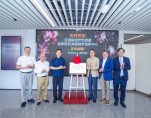
From left to right: Dr.Tengfei CAO, Deputy Director of CIITS; Mr. Tom LAU, Corporate Finance Director and Co-Founder of Immuno Cure; Dr. Renchen LIU, Executive Deputy Dean of Research Institute of Tsinghua University in Shenzhen and Director of CIITS; Dr. Xia JIN, CEO and Co-Founder of Immuno Cure; Prof. Zhiwei CHEN, Principal Scientific Advisor and Co-founder of Immuno Cure; Dr. Percy CHENG, Chairman and Co-Founder of Immuno Cure

CIITS is a national-level achievement transformation platform co-built by Guangdong Province, Shenzhen Municipality, and Tsinghua University, and is located at the Hetao Shenzhen-Hong Kong Science and Technology Innovation Co-operation Zone (“Hetao Co-operation Zone“). It is committed to building a world’s leading major technological innovation and industrialization platform with a global perspective. It focuses on key tracks including biomedicine, high-performance materials, and artificial intelligence (AI). It aims to aggregate global innovation resources, connect with leading enterprises, and conduct organized scientific research and achievement transformation to address national major strategic needs.

Since AIDS was first identified in 1981, 40.8 million people have died from HIV infection, with over 44.1 million people living with HIV globally. While antiretroviral therapy can effectively control HIV replication, it cannot cure the disease, highlighting the critical need for immunotherapies. Designed to enhance the host’s immune response, immunotherapies aim to achieve sustained viral control without lifelong ART, ultimately leading to complete viral suppression and functional cure. Immuno Cure’s proprietary innovative HIV therapeutic DNA vaccine, ICVAX®, induces broad-spectrum, polyfunctional virus-specific T cells to achieve the ultimate goal of ART-free functional cure of HIV infection.

Immuno Cure completed the first-in-human Phase I clinical trial of ICVAX® in November 2024, demonstrating excellent safety and promising immunogenicity. Two multi-center Phase II clinical trials—randomized, double-blind, and placebo-controlled—are scheduled to launch in Q2-2026 to evaluate the vaccine’s mechanism of action and efficacy. The trials will be conducted at Prince of Wales Hospital in Hong Kong, as well as eight top-tier hospitals in China, including the Shenzhen Third People’s Hospital, Beijing Ditan Hospital Affiliated to Capital Medical University, Beijing Youan Hospital affiliated to Capital Medical University, the Eighth People’s Hospital of Guangzhou, the Second People’s Hospital of Tianjin, the Sixth People’s Hospital of Zhengzhou, Chengdu Public Health Clinical Medical Center, and Chongqing Public Health Medical Center.

Notably, standardized testing systems for evaluating immunological and virological indicators are crucial for HIV vaccine clinical trials. However, the lack of domestic standard operating procedures (SOPs) for infectious samples in clinical trials hinders the clinical development and regulatory approval of novel infectious disease therapies like ICVAX®. The mission of this research facility at CIITS is to establish an internationally aligned standardized clinical testing system for T-cell immunogenicity and viral reservoirs, as well as identify core biomarkers associated with vaccine efficacy — filling a domestic technical gap. Immuno Cure will offer the ICVAX® Phase II clinical trial to facilitate the development of this standardized precision testing method for clinical sample analysis.

Dr. Xia JIN, CEO of Immuno Cure, stated, “I am delighted to be appointed to lead this key project of CIITS. I would also like to thank CIITS for the fully fitted modern laboratory space and the RMB10.0m funding support for this 2-year initial phase. My whole scientific team is committed to contributing diligently to the success of this project. I have no doubt that the development of a standardised testing regime would not only enhance the quality of our clinical trials for ICVAX® but would also eventually be adopted as industry and national standards for the clinical translation of medicine for HIV/AIDS and other infectious diseases.

Renchen LIU, Executive Deputy Dean of Research Institute of Tsinghua University in Shenzhen and Director of CIITS, stated, “Warmest congratulations on the inauguration of the research facility for ICVAX® at the CIITS. In the future, CIITS will continue to leverage its platform resources to implement full-chain incubation services. Project managers will provide service support throughout the entire project period, ensuring the smooth progress of the project through resource integration, talent recruitment and development, clinical collaboration, and achievement transformation. These efforts will safeguard the steady progress of the project.”

As the project advances, Immuno Cure’s ICVAX® is positioned to become the world’s first therapeutic DNA vaccine to deliver an ART-free functional cure for HIV infection, bringing new hope to people currently living with HIV. In parallel, the standardized testing platform and collaborative innovation model developed through this effort will provide a scalable, replicable blueprint for R&D of novel therapies targeting other major infectious diseases. Together, these outcomes will strengthen the global competitiveness of biomedicine development in GBA and contribute to the development of national biosecurity capabilities and a more resilient public health system.

Hashtag: #ImmunoCure


The issuer is solely responsible for the content of this announcement.

About the Center of International Innovation for Technology and Science (“CIITS”)

Center of International Innovation for Technology and Science (CIITS), as the international headquarter of the Greater Bay Area National Center of Technology Innovation (GBA NCTI), is operated by Research Institute of Tsinghua University in Shenzhen (RITS). CIITS actively promotes the commercialization of technology and scientific advances with overseas and domestic innovation institutions and teams, as well as industry partners, focusing on areas such as biomedicine, advanced materials and artificial intelligence.

To learn more about CIITS, please follow the WeChat official account: gh_425f503135d5

About Immuno Cure

Immuno Cure is a clinical-stage biotechnology group headquartered at Hong Kong Science Park. Immuno Cure is committed to the R&D of innovative DNA vaccines and antibody immunotherapies for infectious diseases, inflammations, and cancers. Immuno Cure possesses two technologies: the “PD-1 Enhanced DNA Vaccine Platform” and the “Anti-Δ42PD1 Antibody”.

To learn more about Immuno Cure, please visit:

Microsoft has issued fixes for a high-severity SharePoint Server vulnerability that could allow authenticated attackers to run code remotely on affected on-premises systems, sharpening security concerns for organisations that continue to rely on self-managed collaboration platforms. Tracked as CVE-2026-45659, the flaw affects SharePoint Server Subscription Edition, SharePoint Server 2019 and SharePoint Enterprise Server 2016. The vulnerability has been assigned a CVSS score of 8.8, placing it in […]

Advertisements

Asia’s first Design & Innovation Festival announces its venue and key speakers — where Japanese design expertise meets the cultural diversity of Asia

BANGKOK, THAILAND – Media OutReach Newswire – 27 May 2026 – On Friday, June 26, 2026, SYNC Design & Innovation in SITE 2026 will be held at Siam Paragon, Bangkok — a large-scale forum dedicated to the convergence of design and business. Organized by Nikkei Business Publications, Inc. (Nikkei BP) and co-organized by FOURDIGIT Inc. and the National Innovation Agency (NIA) of Thailand, the event announces its venue and principal speaker lineup.

SYNC_in_SITE.jpg

Event website: https://syncforum.asia
A special program within SITE 2026, one of Southeast Asia’s largest innovation festivals
SYNC Design & Innovation is realized in collaboration with SITE 2026 (June 25–27), the flagship startup and innovation technology festival hosted by NIA and one of the largest of its kind in Southeast Asia. Past editions have drawn more than 30,000 in-person visitors and generated approximately 2.89 million online impressions, establishing SITE as a focal point of the regional innovation calendar across Asia. SYNC will be staged on June 26, the second day of SITE 2026, as a dedicated forum within the festival, positioned as the meeting point where Japanese design intelligence converges with the cultural diversity of Asia.

A landmark gathering of Japan’s leading designers and business leaders

The program brings together pioneers who have carried the power of design from Japan to the global stage:

• Manabu Mizuno (good design company), known for long-horizon brand strategy and total direction
• Eisuke Tachikawa (NOSIGNER), Board of Directors, World Design Organization (WDO)
• Eriko Yamaguchi, founder of MOTHERHOUSE, a brand operating across six Asian markets
• Kazufumi Nagai (Tama Art University), behind the branding of numerous Japanese corporations
• Yoshihiro Yagi (dentsu Japan), recipient of more than 750 awards in Japan and abroad
From the co-organizer, Ryo Taguchi, CEO of FOURDIGIT Inc., who has pioneered UX design within Japan’s digital industry, and Takehiro Suenari, who has led service design practice across Southeast Asia, will also take the stage.

The business track features practitioners working at the intersection of AI, technology and enterprise, including Satoru Yamamoto, who leads AI initiatives across the Dentsu Group; Akio Kazama of ZOZO, Japan’s leading fashion commerce company; and Shinichiro Nishikawa of NTT DATA Global Payment, who has supported international financial innovation. They will be joined by senior leaders of Japanese enterprises based in Thailand.

Thai innovation and design leaders join the stage

From the host city, leaders shaping policy, business and design in Thailand will convene:

• Dr. Krithpaka Boonfueng, Executive Director of NIA, architect of the 4G Strategy for national growth
• Dr. Chakrit Pichyangkul, Executive Director of the Creative Economy Agency (CEA), driving Thailand’s creative economy
• Dr. Surapant Meknavin of the National Higher Education, Science, Research and Innovation Policy Council (NXPO), leading AI policy and digital transformation
• Dr. Nares Damrongchai, an international leader of organizational transformation
• Sumpatha Jadee, Senior Designer at Farm Group
A special live performance bridging music and innovation

Beyond the business and design sessions, SYNC will feature live performances by acclaimed Japanese and Thai artists, designed to symbolize the fusion of business and creativity and to broaden the event’s reach to wider audiences.

Featured artists include: Wednesday Campanella, KIKI, EYE VDJ MASA (with ALS MASATANE MUTO), Takahito Uchisawa (androp), STEREO DIVE FOUNDATION, Tom Kawada, Ohzora Kimishima, Hana Taguchi, inmintcondition, and others.

Special guest: Kumamon to appear with Manabu Mizuno

The forum welcomes a special guest from Japan: Kumamon, Sales and Happiness Manager of Kumamoto Prefecture. The beloved mascot will share the stage with creative director Manabu Mizuno, who designed Kumamon.

Event Overview
Name SYNC Design & Innovation in SITE 2026
Date Friday, June 26, 2026
Venue Paragon Hall, 5th Floor, Siam Paragon, Bangkok, Thailand
Admission Free (advance registration required)
Languages Thai / English / Japanese
Website https://syncforum.asia
Organizer Nikkei Business Publications, Inc.
Production & Co-organizers FOURDIGIT Inc., National Innovation Agency (NIA), Thailand
Supported by Creative Economy Agency (CEA)
Production partners Y’s Connection Inc., J-WAVE, Inc., iDID

Hashtag: #FOURDIGIT

The issuer is solely responsible for the content of this announcement.

Arabian Post Staff -Dubai ROSHN Group has signed a new agreement with Tatweer Buildings Company to design, build and supervise a public educational facility at WAREFA, its integrated residential community in East Riyadh, strengthening the role of schools as core infrastructure in Saudi Arabia’s expanding master-planned neighbourhoods. The agreement places Tatweer Buildings Company in charge of managing and executing the project through all phases, while ROSHN will […]

Donald Trump has urged Saudi Arabia and Qatar to move first in a renewed push to expand the Abraham Accords, linking wider recognition of Israel to US efforts to secure a deal with Iran and recast the Middle East diplomatic order. The US president said countries involved in the Iran negotiations should join the normalisation framework, naming Saudi Arabia, Qatar, Pakistan, Egypt, Turkey and Jordan among those […]

Dubai’s Eid Al Adha retail season is set to open with a wider-than-usual edition of the 3 Day Super Sale, offering discounts of up to 90 per cent across malls, shopping districts and participating outlets from 27 to 31 May. The campaign, organised under Dubai’s annual retail calendar, has been extended to five days despite retaining its familiar 3 Day Super Sale branding. The timing places the […]

By Nitya Chakraborty With the U.S. President Donald Trump himself downgrading the status of the four nation Quadrilateral Security Dialogue (QUAD), why is Indian government spending so much of its precious time on QUAD meetings? It is sheer wastage of time for the Prime Minister Narendra Modi as also Foreign Minister Dr. S Jaishankar. US […]

The article Trump Has Downgraded Status Of QUAD-India Should Not Waste Time On It appeared first on Latest India news, analysis and reports on Newspack by India Press Agency).

Sebi is preparing a regulatory reset for debt-only listed companies as it seeks to widen corporate bond issuance, reduce avoidable compliance costs and test a tokenised bond market that could make settlement faster and records more transparent.

The Securities and Exchange Board of India is examining whether companies that list only debt securities should continue to face disclosure and compliance obligations similar to those imposed on equity-listed companies. The review is part of a wider effort to deepen the corporate bond market, where heavy reliance on private placements, limited retail participation and concentration among highly rated issuers have kept market breadth below policy ambitions.

Chairman Tuhin Kanta Pandey, who took charge of the regulator in March 2025, has signalled that the next phase of reform will focus on making the debt market more usable for issuers and investors without weakening safeguards. A pilot framework for tokenising corporate bonds is expected to be launched within six to nine months, testing whether distributed-ledger technology can improve settlement speed, servicing, traceability and operational efficiency.

The proposed easing would be especially relevant for entities that raise money only through listed non-convertible securities and do not have listed shares. Such issuers have argued that several provisions under the Listing Obligations and Disclosure Requirements framework were designed primarily for equity-market governance, where public shareholders carry voting and ownership rights. Debt investors, by contrast, are focused mainly on credit quality, repayment capacity, covenant compliance and timely interest payments.

The regulatory challenge is to separate investor-useful disclosure from procedural duplication. Quarterly financials, credit-rating updates, default alerts, asset-cover statements, related-party exposure and material event reporting remain central to creditor protection. Requirements linked more closely to equity ownership, board-shareholder dynamics and public float may be reviewed where they impose costs disproportionate to the risks faced by bondholders.

India’s corporate bond market has expanded sharply but remains structurally narrow. Net outstanding corporate bonds rose from ₹17.5 trillion in FY2014-15 to about ₹53.6 trillion in FY2024-25, with fresh issuances touching ₹9.9 trillion during 2024-25. The market accounts for roughly 15-16 per cent of GDP, far below deeper Asian and developed markets, and is still dominated by highly rated financial and public-sector issuers.

Private placements remain the preferred route for large borrowers, while public bond issues account for only a small share of overall issuance. That pattern has kept institutional investors at the centre of the market and limited participation by individuals, smaller corporates and lower-rated issuers. For policymakers, the issue is not simply market size but market diversity, liquidity and the ability of bonds to finance infrastructure, housing, manufacturing and growth-stage companies at competitive rates.

Tokenisation is being positioned as a market-infrastructure experiment rather than a replacement for existing bond-market systems. Under such a model, a bond can be represented as a digital token on a permissioned ledger, with ownership transfers, coupon payments and redemption records updated through automated processes. A well-designed pilot could reduce reconciliation gaps, improve audit trails and allow faster post-trade processing while preserving regulatory oversight.

Global fixed-income markets have been exploring tokenisation for similar reasons. Automation through smart contracts can simplify issuance, settlement and corporate actions, while better record keeping can lower operational risk. The benefits, however, depend on legal clarity, interoperability with depositories and clearing systems, cyber-security standards and clear rules on investor rights if technology vendors, wallets or ledger nodes fail.

Sebi’s review also comes amid wider changes in India’s debt-market architecture. Online bond platforms have been brought under regulation, the request-for-quote platform has gained traction, and policymakers are looking at ways to widen access to international debt products through regulated channels. Municipal bonds are also drawing greater attention as cities seek market funding for infrastructure, adding to the broader shift from bank-led financing towards market-based debt.

Investor protection will remain the central test for any relaxation. Lighter disclosure rules could encourage more issuers to list debt securities, but weaker transparency would raise borrowing costs and damage confidence if defaults rise or credit risks are obscured. The most likely outcome is a calibrated framework that retains credit-critical reporting while reducing requirements that do not materially affect bondholder decisions.

NightSpire has moved from an emerging ransomware operation to a fast-scaling cyber-extortion threat, using exposed Remote Desktop Protocol access, legitimate administration tools and a Tor-based leak site to pressure victims across multiple sectors. First observed in early 2025, the group has built its campaign around double extortion, stealing sensitive files before encrypting systems and then threatening public exposure if victims refuse to pay. Its operations show a […]

Mexico will host Iran’s national football team during the 2026 World Cup, with the squad expected to sleep in Tijuana and cross into the United States only on match days after Washington declined to accommodate the team for a tournament-long stay. President Claudia Sheinbaum said her government had agreed to the arrangement after football authorities sought Mexico’s help, making clear that Mexico saw no reason to deny […]

A targeted cyber-espionage campaign has struck China’s higher education sector, using deceptive PDF-style shortcut files to install Cobalt Strike beacons on victim machines and open a path for remote control. The operation, labelled Dragon Whistle, has focused on Changzhou University and related academic users by exploiting a familiar administrative pressure point: compulsory student fitness testing tied to the 2026 National Student Physical Fitness and Health Standards. The […]

PuTTY users have been urged to move to version 0.84 after the maintainers fixed three low-severity security flaws affecting SSH key exchange, NIST ECDSA signature verification, and Telnet or Rlogin session prompt handling. The update, released on 22 May 2026, addresses defects that could allow a malicious server or a man-in-the-middle attacker to crash a PuTTY session or mislead a user during older, insecure remote-login workflows. The […]

  • At the launch, KPMG also unveiled its Trusted AI Assurance offering that is aligned with relevant international standards and frameworks to mitigate risk and build trust in AI deployment. This gives businesses a clear, credible pathway to scale AI confidently as Singapore reinforces its position as a trusted node in the global community.

SINGAPORE – Media OutReach Newswire – 25 May 2026 – As Singapore deepens its commitment to becoming a world-leading AI hub, the question of how organisations build AI that is trusted — by customers, regulators and international partners — has become as consequential as how fast they build it. Today, KPMG took a significant step in answering that question with the launch of its Trusted Artificial Intelligence Centre of Excellence (AI CoE). Supported by the Singapore Economic Development Board (EDB), the AI CoE is a dedicated capability hub designed to help organisations move beyond AI experimentation and embed AI as a trusted, enterprise-ready asset.

At the same event, KPMG also unveiled its Trusted AI Assurance — a structured, business-focused, evidence-based approach that gives Singapore businesses a rigorous multi-faceted assessment of their AI deployment and a clear pathway to scale confidently. Today’s launch — bringing together government, enterprise and the professional services sector — signals a pivotal shift in the national AI conversation: from speed to scale of adoption where trust is the foundational bedrock of deploying AI.

The Trusted AI CoE was officially launched by Ms Jasmin Lau, Minister of State, Ministry of Digital Development and Information & Ministry of Education, alongside Mr Jermaine Loy, Managing Director of the Singapore Economic Development Board (EDB), and Ms Lee Sze Yeng, Managing Partner of KPMG in Singapore.

KPMG’s 2025 Global CEO Outlook shows that more than seven in ten CEOs now rank AI as a top investment priority — yet for many, the gap between ambition and sustained enterprise impact remains wide. Governance, data readiness and workforce capability are the defining constraints of this next phase of adoption. Singapore-based businesses face a further dimension: as they expand regionally and globally, they need their AI systems to be trusted not just at home but across multiple jurisdictions — each with its own regulatory expectations and stakeholder standards.

Lee Sze Yeng, Managing Partner at KPMG in Singapore, said: “Across every sector, we are seeing the same pattern: organisations that moved fast on AI are now asking harder questions — where is the real value, are our people genuinely ready to work alongside AI, and can we stand behind the decisions our systems make? These are not technical questions. They are leadership questions. And for Singapore businesses with ambitions beyond our shores, there is an added dimension: the trust that matters to customers and regulators in the markets you are entering may be defined differently from what is required here. Through the KPMG Singapore Trusted AI Centre of Excellence, we are partnering with businesses to rigorously assess where they stand, close the gaps that matter, and build AI that is trusted not just locally but in the markets most critical to their growth. Trusted AI is not a constraint on ambition. Done well, it is the foundation for it.”

Jermaine Loy, Managing Director, EDB, said: “KPMG’s Trusted AI Centre of Excellence here in Singapore will enable businesses across diverse sectors – including financial services, healthcare, logistics and manufacturing – to scale use of AI with confidence, supported by robust governance frameworks and assurance capabilities. At the same time, this strengthens Singapore’s growing AI ecosystem by building enterprise capabilities and workforce readiness for AI adoption. We welcome KPMG Singapore’s efforts to work with EDB and the relevant agencies in advancing Singapore’s position as a globally trusted hub for AI deployment and innovation.”

Trusted AI Assurance — Giving Singapore Businesses a Foundation to Scale AI

For Singapore businesses, the ambition to scale AI is rarely the obstacle. What is harder — and more consequential — is the question of whether the AI they are building and deploying can genuinely be stood behind: by their boards, by their customers, employees and by the regulators and partners they will encounter as they grow beyond Singapore’s shores.

KPMG’s Trusted AI Assurance offering (the “Trusted AI Assurance”) was developed in response to the need to address the trust deficit with AI in the business community to boost adoption. It is not a certification exercise or a compliance checklist. It is a rigorous, evidence-based independent assessment that gives leadership teams an honest picture of where they stand — and a clear, practical path to where they need to be.

What makes it meaningful is its specificity. The Trusted AI Assurance is calibrated to each organisation’s sector, operating context and growth ambitions — because a financial institution navigating cross-border data regulation faces a fundamentally different set of questions from a manufacturer embedding AI into operational workflows, or a healthcare provider deploying AI-assisted diagnostics. Generic benchmarks serve neither well.

The assessment examines two things that are often conflated but must be considered separately: whether an organisation has the governance, culture and leadership practices to deploy AI responsibly; and whether the AI solutions it has built or acquired are themselves trustworthy — documented, risk-assessed, well-integrated and performing as intended. An organisation can have the right intentions and still be running AI that falls short of what its stakeholders — or another country’s regulators — would accept.

Across four domains, the Trusted AI Assurance examines what genuinely matters:

AI Governance — Whether the frameworks, operating models, policies and procedures that govern AI are real and embedded, not aspirational documents that sit untouched between audits.

AI Systems — The AI systems themselves: how they are documented, how risks are inventoried, how models are integrated into business workflows, and whether the data foundations — including Retrieval-Augmented Generation, pipelines and datasets — are robust enough to be relied upon.

AI Regulatory Compliance — How prepared an organisation is for the regulatory environments it currently operates in, and those it intends to enter. For Singapore businesses with expansion ambitions, this is often where the most important gaps surface: the Trusted AI Assurance can identify whether a specific AI system meets the requirements for deployment in a given market — such as the European Union — or what adjustments would make it so.

AI Security — The strategies and processes in place to protect AI systems, manage privacy, and ensure the organisation can detect, respond to and recover from threats as they evolve.

The stakes are sharpest for businesses in highly regulated sectors. Financial institutions, healthcare providers and infrastructure operators have long been accustomed to navigating complex compliance environments — and Singapore’s AI governance frameworks are among the most developed in the region. But as the EU AI Act moves into full enforcement, a new and specific set of expectations is taking effect for any organisation deploying AI within European markets, or handling the data of European citizens. What satisfies regulators here does not automatically satisfy regulators there.

The reality is one of regulatory diversity: different jurisdictions are building their AI governance regimes at different speeds, with different emphases, and with different evidentiary requirements. A Singapore company that has passed relevant local standards may still find that its AI systems require different documentation, greater explainability, or additional human oversight controls to operate with compliance and trust in a European context. Discovering that gap in the middle of a market entry, a cross-border partnership or a regulatory review is a risk that can be avoided.

The Trusted AI Assurance maps these jurisdictional differences, giving organisations a clear read of where they stand against the specific requirements of markets they are entering — before those requirements become obstacles. It is aligned with globally recognised standards including the EU AI Act, the NIST AI Risk Management Framework, ISO 42001 and Singapore’s Model AI Governance Framework, ensuring that what organisations build here is credible and defensible everywhere.

The Trusted AI Assurance is coupled with consultancy guidance — from KPMG or partnered stakeholders — ensuring every assessment leads to a practical path forward. The intent is to give Singapore businesses the clarity and confidence to grow their AI ambitions without having to rebuild trust from scratch in new markets they enter into regionally or globally.

A Framework for Singapore’s AI Ambition: The Four Doors

Beyond the Trusted AI Assurance, organisations can leverage the AI CoE to assess their broader AI strategies through KPMG’s Four Doors framework — four strategic pillars that help Singapore businesses move from isolated pilots to trusted, sustained AI at scale. Together, they address what it takes for Singapore to be not just an AI-capable nation, but a globally trusted one: where the AI solutions developed and deployed here meet the expectations of regulators, partners and customers worldwide.

Value — From Activity to Impact: Establishing the clear metrics and sector-specific solutions needed to distinguish AI activity from measurable business value, across Financial Services, Government, Healthcare, Real Estate, Infrastructure and Manufacturing.

Trust — Trusted-by-Design AI: Built on a human-centric foundation encompassing ten ethical pillars — including Fairness, Transparency, Accountability, Privacy and Sustainability — the Trust pillar puts responsible governance at the centre of AI strategy, rather than treating it as a compliance afterthought.

People — Genuine AI Fluency: Covering sustainable AI workforce strategy, job redesign, leadership development and change management — from executive ignition sessions that build board-level commitment to the behavioural shifts needed to embed AI into everyday working practices.

Data and Technology — Scalable Foundations: Establishing the trusted data and technology infrastructure that enterprise AI requires, supported by KPMG’s proprietary platforms and a market-ready suite of AI tools, with rigorous attention to data quality, system integration, product development and enterprise-wide AI deployment.

For Singapore’s business community, the Four Doors offer a structured path to becoming AI-trusted — not just AI-active. As global regulatory standards tighten and international partners raise governance expectations, that distinction will increasingly determine which Singapore enterprises are positioned to lead in the markets they enter.

Building AI Capability in Singapore

The Trusted AI CoE (the “CoE”) is designed to function as a capability hub to support Singapore’s position as a trusted node in the global community — co-creating knowledge, accelerating innovation and strengthening Singapore’s AI ecosystem across the business community, academia and the public sector.

At its core is a dedicated innovation team of AI/Software Engineers, Solution Architects, Data Analysts, Product Managers, Tech Business Analysts and Designers — 100 per cent Singapore-based and locally hired. This specialist nucleus is complemented by KPMG’s 3,600-strong Singapore workforce and over 275,000 professionals globally, giving the CoE both deep technical capability and multi-disciplinary reach across Audit, Advisory and Tax.

Solutions co-developed through the CoE are pressure-tested with KPMG as default “Client Zero” where appropriate — rigorously iterated across the firm’s own operations before being brought to clients. Initial focus sectors include Financial Services, Infrastructure and Logistics, Manufacturing, Government, Healthcare and Real Estate, alongside functional domains such as Finance, Governance Risk and Compliance, Customer Services and Operations. Strategic partnerships with technology companies, academic institutions and government agencies further support Singapore’s ambition to serve as a trusted and well-governed regional AI hub.

KPMG’s Commitment to Singapore

KPMG is the world’s first professional services firm to attain ISO/IEC 42001 certification for AI Management Systems — the globally recognised standard for responsible AI governance. This underpins every element of today’s launch, reflecting KPMG’s commitment to practising what it advocates: embedding the disciplines of trusted AI governance into its own operations before bringing them to clients.

KPMG continues to invest in Singapore’s AI talent pipeline through international mobility programmes, internal rotations and capability development across data, digital and leadership disciplines — directly aligned with Singapore’s national goal of growing the skilled workforce its AI ambitions require.

ANNEX: Bringing the KPMG Singapore Trusted AI Centre of Excellence to Life

To bring the KPMG Trusted AI Centre of Excellence (AI CoE) to life, guests at the launch were invited to explore four interactive stops (“windows”) showcasing how trusted AI can move from strategy into real-world enterprise and national impact.

Spanning areas including governance, workforce readiness, ecosystem collaboration and SME enablement, the windows offered a practical look at how organisations can scale AI responsibly while building trust, resilience and long-term capability.

FIRST WINDOW – AI Philosophy

The first window introduced guests to KPMG’s Four Doors framework and Trusted AI Assurance – an evidence-based approach designed to help organisations move from AI experimentation to AI that is genuinely trusted by their boards, their customers, and the regulators and partners they encounter as they grow beyond our shores.

Through an interactive scenario set in the financial services sector, the demonstration illustrated how organisations are assessed across four strategic pillars: Value, Trust, People, and Data and Technology. The walkthrough explored whether businesses have the governance structures, workforce readiness, data foundations and operational oversight needed to support trusted, scalable AI deployment.

  1. Value — Whether the organisation has clearly defined what its AI investments are meant to deliver, and whether it has the metrics to distinguish genuine business impact from mere AI activity
  2. Trust — Whether the organisation’s AI is built on a responsible, human-centric foundation — covering governance frameworks, ethical guardrails, risk management, security and accountability for AI-driven decisions
  3. People — Whether the workforce, from board to frontline, has the genuine AI fluency needed to work alongside AI systems, including the leadership commitment, job redesign and capability development required for adoption to take hold
  4. Data and Technology — Whether the data assets, infrastructure and system integration practices are robust enough to support trusted, scalable AI deployment

The experience also demonstrated how AI systems themselves are assessed – including areas such as system documentation, risk inventories, model integration and data platform robustness – highlighting the importance of building AI that is genuinely trusted.

  1. System Card — Whether each AI solution is properly documented, including how it performs and how it is used in practice
  2. Risk Inventory — Whether AI systems across the enterprise have been identified and their risks catalogued
  3. Model Integration — Whether adequate processes and controls govern how AI models are integrated into business workflows
  4. Data Platform — Whether the data foundations underpinning AI outputs — including Retrieval-Augmented Generation (RAG) pipelines and datasets — are fit for purpose

A second stage of the scenario then explored the reality of regulatory diversity across jurisdictions. While an organisation may be assessed as “trusted” in Singapore, areas that require attention may emerge when expanding into international markets such as Europe under the EU AI Act.

The demonstration underscored the growing importance of regulatory readiness for Singapore businesses with international ambitions, and how the AI CoE is designed to help organisations expand with confidence through trusted AI governance.

SECOND WINDOW – AI Journey

The second window focused on KPMG’s “Client Zero” approach, where suitable AI solutions are developed and applied within its own operations under real-world conditions, and in some cases co-developed with clients depending on their specific needs. This model reflects a simple philosophy: credibility in guiding responsible AI adoption must be earned by applying the same discipline internally. This approach is particularly relevant in Singapore’s context, where trust and reliability are central to how AI is being adopted across sectors.

KPMG’s “Client Zero” approach provides a structured pathway for scaling AI responsibly. Solutions are first embedded into live workflows – allowing organisations to address practical considerations such as human oversight, explainability, data handling and accountability – before broader deployment. This mirrors the journey many enterprises in Singapore are now facing, as they transition from pilots to AI that can be relied on consistently in regulated, cross-border environments. This shift is important, as trust at scale is built not through experimentation alone, but through systems that are reliable, auditable, and able to operate consistently across different contexts.

At this window, MOS will see this pathway brought to life with AI applied across real business workflows, through three solutions: KPMG’s Digital Gateway (DG) GenAI, KPMG Clara Intelligence and Kiara. These solutions are already implemented in real-time across KPMG’s various functions.

The first demonstration illustrates how the audit and tax professions are beginning to deploy AI agents within their workflows to enhance how work is performed. Rather than treating AI as standalone tools, these capabilities are being embedded into business processes to support analysis, decision-making and execution in a controlled and accountable manner. DG GenAI, KPMG’s Generative AI capability embedded within our Digital Gateway platform, will be used as a demonstration of how this is operationalised in practice — showing how AI capabilities can be integrated into everyday workflows, with appropriate governance, data security and user controls in place.

The second demonstration presents KPMG Clara Intelligence, an intelligent AI-powered platform which acts as a centralised platform. KPMG Clara Intelligence showcases the future of audit, where AI is used to support data-driven risk assessment, better insights and analysis and decision-making on a single platform. This reduces reliance on manual processes and enables auditors to focus on higher-value judgement, improving both efficiency and audit quality. MOS will see how this reflects a broader shift in the profession — towards AI-assisted workflows that require new skills and deeper analytical capabilities.

This window also highlighted how AI is reshaping the accountancy and professional services sector. As AI becomes embedded into core workflows, roles within the profession are evolving — routine, manual tasks are increasingly automated, allowing professionals to focus on higher‑value judgement, analysis and advisory work. At the same time, this shift requires a broader base of AI fluency across the workforce, not just among specialists, as professionals will need to work alongside AI systems in their day‑to‑day roles.

These changes are driving a wider rethinking of skills development across the sector, including how institutions and employers prepare current and future talent. Efforts are underway to align training and education pathways with these evolving needs, ensuring that individuals entering the profession — and those already in it — are equipped to operate effectively in an AI‑enabled environment. This reflects a broader transition towards a workforce that combines strong domain expertise with AI capabilities, in line with Singapore’s ambition to develop an AI‑bilingual workforce.

The third solution, Kiara, is KPMG’s GenAI recruitment assistant, illustrating how AI can enhance the candidate engagement and streamline scheduling of interviews. This highlights how AI is not only transforming business processes, but also how people work and interact with technology.

Overall, the window demonstrated how these solutions reflect the same principles KPMG advises its clients to adopt: strong data foundations, embedded governance, and human oversight at key decision points – illustrating the practical steps organisations take to deploy AI responsibly at scale, underpinning the rigour required for Singapore to continue its progress as a trusted hub for AI.

THIRD WINDOW – AI Vision

The third window focused on how AI does not merely change the tools organisations use, but changes the nature of work itself – which roles exist, how decisions are made, and what it means to be genuinely capable in a professional environment.

As organisations navigate AI-driven workforce transformation, the showcase highlighted the same set of questions organisations consistently grapple with: which roles are genuinely enhanced by AI, and which risk being hollowed out? Where should organisations invest in reskilling, and on what timeline? How are accountability and professional standards maintained when AI is embedded into decisions that used to rest entirely with a person?

The insight that emerges across sectors is consistent: organisations that treat AI workforce transformation as a technology deployment tend to underinvest in the human dimensions – and that is where adoption stalls, quality erodes or trust breaks down. The organisations that get it right treat it as a leadership and organisational design challenge first, with technology as the enabler.

The window also demonstrated how KPMG Mystro™, an AI-enabled workforce intelligence platform, is used to map how work is done today at the task and decision level, and model where AI can responsibly augment human roles across functions such as finance, audit and operations.

Drawing on examples from finance, audit and operations, the showcase illustrated professionals working alongside AI in ways that redirect their expertise toward work requiring human judgement. More broadly, it reinforced the importance of approaching AI transformation not simply as a technology deployment exercise, but as a broader leadership and organisational design challenge.

Singapore’s commitment to building an AI-bilingual workforce – professionals who are not merely aware of AI but genuinely capable of working alongside it, questioning its outputs and being accountable for the decisions it informs – rests on organisations taking the human dimension of transformation as seriously as the technology itself. The insights at this window speak directly to that agenda: what it takes to build not just AI capability, but the kind of AI-confident workforce that sustains Singapore’s competitiveness over the long term.

FOURTH WINDOW – AI Ecosystem

The fourth window focused on how trusted AI adoption cannot be the preserve of large enterprises alone. Singapore’s economic resilience depends on its SME community — the businesses that form the backbone of the economy and that stand to gain enormously from AI, but that often lack the resources, expertise or confidence to navigate adoption responsibly.

Referencing the DBS Spark GenAI programme and DBS SME AI Playbook – developed through a collaboration between DBS and KPMG, and supported by SkillsFuture Singapore – the showcase highlighted practical pathways designed to help SMEs build awareness and accelerate their AI adoption through tailored pathways depending on their AI maturity.

  1. Start — For businesses at the beginning of their AI journey: practical orientation on what AI can realistically deliver, where to begin, and what foundational steps to take before committing to more significant investment
  2. Accelerate — For businesses that have taken initial steps and are ready to move further: guidance on identifying higher-value use cases, building internal capability and managing the operational changes that come with deeper AI adoption
  3. Scale — For businesses ready to embed AI more systematically: the governance, integration and workforce considerations that responsible scaling requires

The window also highlighted the broader support ecosystem available to SMEs, including a broader ecosystem of over 16,000 solution providers globally via IMDA’s Open Innovation Platform, alongside the SME AI Playbook which offers practical use cases, success stories from real businesses, FAQs and an AI readiness diagnostic tool.

Economy-wide AI adoption – the kind that drives meaningful productivity gains across the full breadth of Singapore’s business community – only happens if SMEs are part of the story. The DBS SME AI Playbook is a direct response to that reality: a practical, accessible entry point into AI adoption calibrated to the real constraints and real ambitions of smaller businesses.

The collaboration between DBS and KPMG reflects how Singapore’s AI ecosystem works at its best: financial institutions, professional services firms, government platforms and businesses working together to make trusted AI adoption accessible to every part of the economy, not just its largest players.

Hashtag: #KPMG

The issuer is solely responsible for the content of this announcement.

About KPMG in Singapore

KPMG in Singapore is part of a global organization of independent professional services firms providing Audit, Tax and Advisory services. We operate in 138 countries and territories with more than 276,000 partners and employees working in member firms around the world. Each KPMG firm is a legally distinct and separate entity and describes itself as such. KPMG International Limited is a private English company limited by guarantee. KPMG International Limited and its related entities do not provide services to clients.

For more details about our structure, please visit .
For more information, visit
LinkedIn:

MTN Uganda is exploring a partnership with Starlink as the arrival of satellite broadband reshapes the country’s data market and pushes established telecom operators to treat the new entrant as a possible infrastructure ally rather than a direct threat. The talks follow Uganda’s decision to clear Starlink Services LLC for operations after a long regulatory process. The Uganda Communications Commission signed a memorandum of understanding and a […]

Arabian Post Staff -Dubai Ras Al Khaimah’s push to build a deeper corporate real estate market has gained momentum after major structural works were completed at RAK Central Square, the emirate’s first luxury Grade A office complex, keeping the project on track for a planned opening in the fourth quarter of 2027. The five-building development will provide 2.27 million sq ft of high-quality workspace, with large, efficient […]

Greenlogue/AP UAE officials used the World Hydrogen Summit & Exhibition in Rotterdam to reinforce the country’s ambition to become a global hub for low-emission hydrogen, placing cross-border trade, common standards and industrial decarbonisation at the centre of its energy transition agenda. The Ministry of Energy and Infrastructure represented the UAE at the gathering in the Netherlands, where governments, technology developers, financiers and energy companies examined the commercial […]

President Donald Trump said a proposed agreement with Iran to reopen the Strait of Hormuz has been “largely negotiated”, raising hopes of a diplomatic breakthrough after months of conflict disrupted one of the world’s most important energy routes. Final terms are still being discussed among Washington, Tehran and regional governments, with an announcement expected once the remaining points are settled. Trump said the framework followed calls with […]

Ras Al Khaimah’s first university research and innovation awards have drawn 189 submissions, giving the emirate a new platform to connect student ideas with national priorities in technology, sustainability, healthcare and advanced industry. The inaugural RAK Award for Excellence in University Research and Innovation 2026, organised by the American University of Ras Al Khaimah, brought together entries from 20 universities across the UAE. Of those, 94 projects […]

Cybercriminals are exploiting demand for AI coding tools by pushing fake Gemini CLI and Claude Code installation pages into search results, using the sites to deliver a fileless PowerShell infostealer aimed at developer workstations. The campaign, active since early March 2026, marks a sharper turn in financially motivated attacks against software teams as AI assistants become embedded in daily coding workflows. The attackers are not merely imitating […]

VISHNU RAJA
RYO YAMADA
HITORI GOTOH
IKUYO KITA