News related to
Technology

Washington’s state dinner honouring Saudi Arabia’s crown prince offered a carefully curated guest list that blended politics, finance and technology. Alongside executives such as Apple chief Tim Cook and Citigroup head Jane Fraser sat Lubna Olayan, placed next to Elon Musk, a seating choice that quietly reflected her standing as one of the most connected figures linking Wall Street and the Gulf. The gathering drew attention to […]

Kuwait has moved to deepen its role in Gulf maritime trade after the Kuwait Ports Authority said it signed a memorandum of understanding with Abu Dhabi Ports Group to develop and operate the container terminal at Shuaiba port under a concession agreement. The arrangement places a major state-backed ports operator from Abu Dhabi at the centre of a facility that has long served as a backbone of Kuwait’s seaborne commerce, signalling a shift towards international partnerships to modernise ageing infrastructure and boost competitiveness.

The memorandum outlines a framework for collaboration that could see Abu Dhabi Ports Group involved in terminal operations, capacity upgrades and efficiency improvements at Shuaiba, subject to regulatory approvals and the finalisation of commercial terms. While financial details have not been disclosed, officials described the understanding as a step towards unlocking investment, technology transfer and operational expertise at Kuwait’s oldest port, which has faced mounting pressure from larger and more automated hubs elsewhere in the region.

Shuaiba port was established in the 1960s and remains a critical gateway for imports and exports despite growing competition from newer facilities along the Gulf. The port covers a total area of about 2.2 million square metres and has 20 berths, according to data published by the Kuwait Ports Authority. Its container terminal includes a storage area of roughly 318,000 square metres, making it a significant asset in a country that relies heavily on maritime trade for food, consumer goods and industrial inputs.

Officials familiar with the discussions said the focus of the partnership would be on improving berth productivity, reducing vessel turnaround times and expanding container-handling capacity to meet shifting trade patterns. Kuwait’s logistics sector has faced challenges linked to congestion, limited automation and slower clearance processes compared with regional peers. Partnering with an experienced international operator is seen as a way to narrow that gap without placing the entire investment burden on the state.

Abu Dhabi Ports Group has expanded rapidly beyond the UAE over the past few years, building a portfolio that spans ports, terminals, maritime services and logistics corridors across the Middle East, Africa and South Asia. Its strategy has centred on long-term concessions and joint ventures that integrate port operations with industrial zones and inland logistics. The Shuaiba memorandum aligns with that approach, offering access to a mature but under-optimised port in a strategically located market.

For Kuwait, the agreement reflects a broader policy push to diversify the economy and improve infrastructure efficiency as part of long-term development plans. While the country has invested heavily in oil and gas facilities, progress in logistics and transport has been slower, partly due to regulatory complexity and limited private-sector participation. Bringing in a regional operator with a track record in terminal modernisation could help accelerate reforms that have proved difficult to deliver through public investment alone.

Industry analysts note that container volumes in the Gulf are increasingly concentrated at mega-ports with deep drafts, advanced cranes and integrated digital systems. Smaller or older ports risk being sidelined unless they upgrade or specialise. Shuaiba’s location near industrial zones and population centres gives it an advantage, but sustaining that position requires capital spending and operational know-how. The proposed concession model would allow Kuwait Ports Authority to retain ownership while delegating day-to-day operations to a specialist partner.

The memorandum also carries geopolitical and commercial significance. Closer cooperation between Kuwait and Abu Dhabi in maritime infrastructure adds to a growing web of Gulf logistics partnerships aimed at strengthening regional supply chains. As global trade routes adjust to disruptions in other corridors, Gulf ports are competing to attract transshipment traffic and value-added services. Collaboration rather than rivalry is increasingly seen as a way to enhance resilience and bargaining power with global shipping lines.

TOKYO, JAPAN – Media OutReach Newswire – 16 December 2025 – ANDPAD Inc. (Headquarters: Minato City, Tokyo; Representative Director: Takeo Inada; hereinafter “ANDPAD”), which operates a cloud-based construction project management service bearing its name, has newly launched language support for Indonesian, Thai, Taiwanese Mandarin (Traditional Chinese), and Spanish in the ANDPAD app, effective today. With the new addition of these four languages, ANDPAD now supports six languages, […]

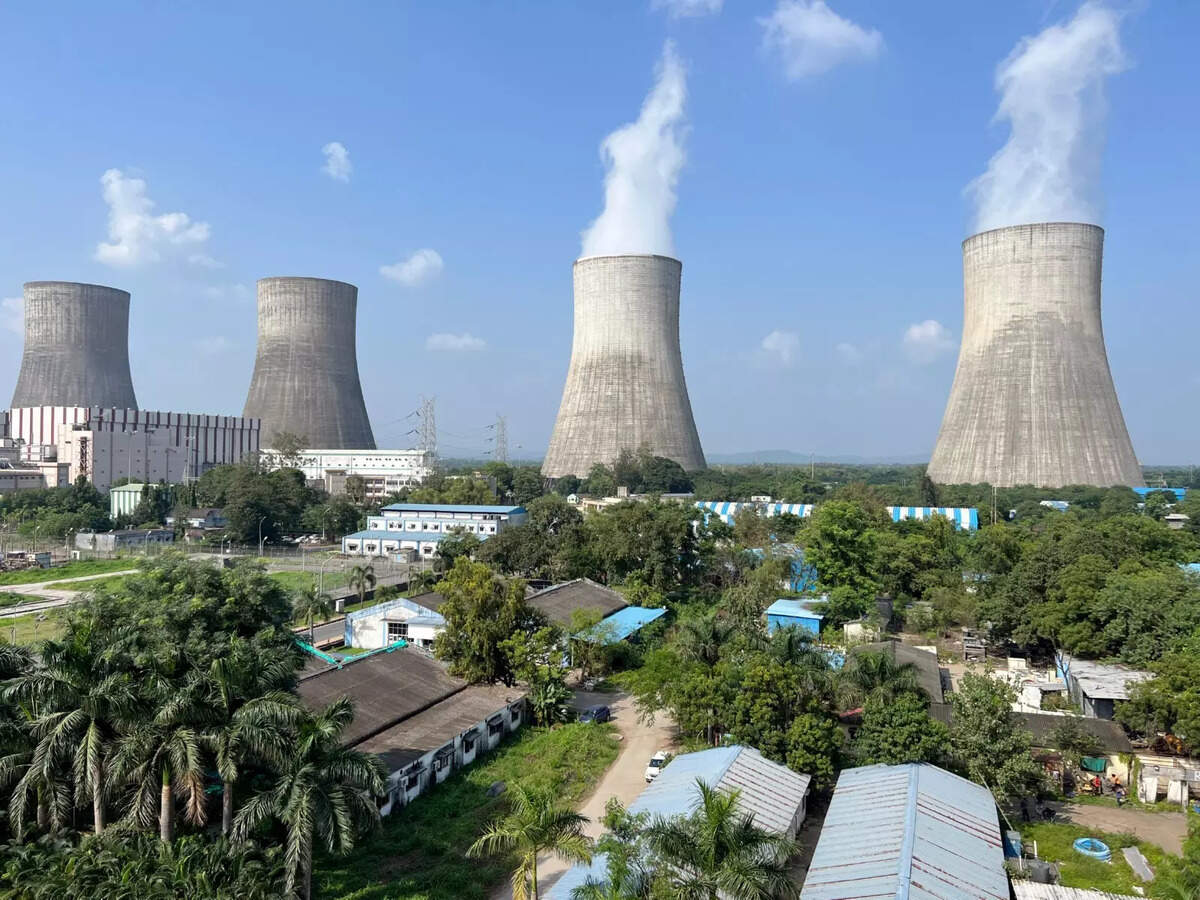
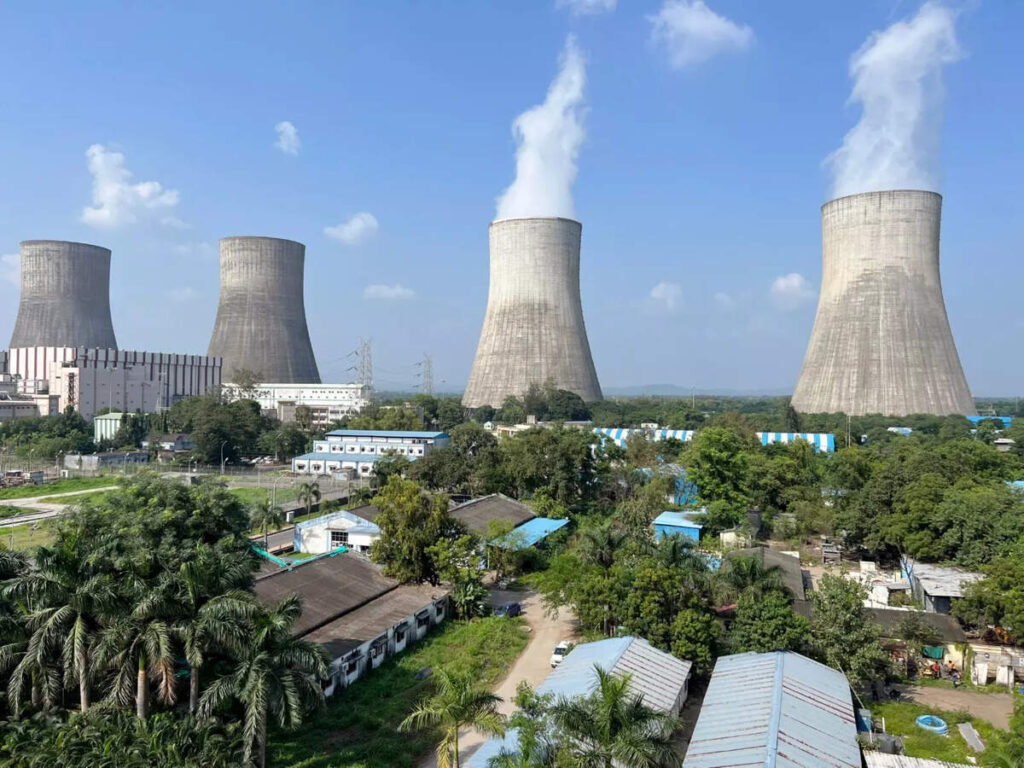
By Nantoo Banerjee It is difficult to explain why the government took nearly 17 years to decide on launching a bill in Parliament to allow private participation in India’s nuclear power generation programme. The proposed Sustainable Harnessing and Advancement of Nuclear Energy for Transforming India (SHANTI) Bill to amend the civil liability law to shield […]

The article ‘SHANTI’ Act Alone May Not Fully Protect Nuclear Plants Against Liabilities appeared first on Latest India news, analysis and reports on Newspack by India Press Agency).

Artificial intelligence is beginning to change how people with upper-limb loss interact with prosthetic technology, with researchers at Newcastle University developing an AI “co-pilot” system designed to make bionic hands respond in a more natural and intuitive way. The approach, which blends human intention with machine assistance, aims to reduce the mental and physical strain many amputees face when using advanced prostheses, while improving precision in everyday […]

Hassan Allam Construction has secured a contract valued at about $250 million to deliver the new headquarters of the African Export-Import Bank in Egypt, marking one of the most significant institutional construction awards in the country’s financial infrastructure sector this year. The project will house Afreximbank’s global headquarters and is positioned as a flagship development reflecting the lender’s expanding role in trade finance across the continent. The […]

Arabian Post Staff -Dubai GoPro has returned to the 360-degree camera segment with the Max 2, ending a six-year gap since the launch of its original Max and stepping back into a field that has evolved rapidly in its absence. The release comes at a time when rivals such as Insta360 and DJI have already iterated through multiple generations, raising questions about whether GoPro’s long-awaited update can […]

Advertisements

Abu Dhabi-based International Holding Company has increased its ownership in Invictus Investment Company to about 40 per cent after acquiring an additional 17.5 per cent stake in a transaction valued at roughly Dhs420m, signalling a deeper strategic alignment between one of the region’s largest conglomerates and a global commodities trading platform. The investment was executed through the purchase of about 196 million shares in a major block […]

SINGAPORE – Media OutReach Newswire – 12 December 2025 – Watchskins Singapore has announced the launch of Watchskins Ultra, a premium watch protection film designed specifically for luxury timepieces including Rolex, Patek Philippe, Audemars Piguet, Richard Mille, Tudor, and 10+ other prestigious brands. Crafted with premium 3M TPU film featuring advanced self-healing properties, Watchskins Ultra provides virtually invisible protection against everyday wear and minor scratches while preserving […]

Alphabet Inc is positioned to record a sizeable paper profit after a major insider share transaction at SpaceX valued the aerospace company at about $800 billion, a level that could significantly uplift the book value of Alphabet’s long-held stake in the Elon Musk-led venture. The valuation, anchored by a tender offer pricing shares at roughly $421 each, more than doubles earlier benchmarks and underscores the growing financial […]

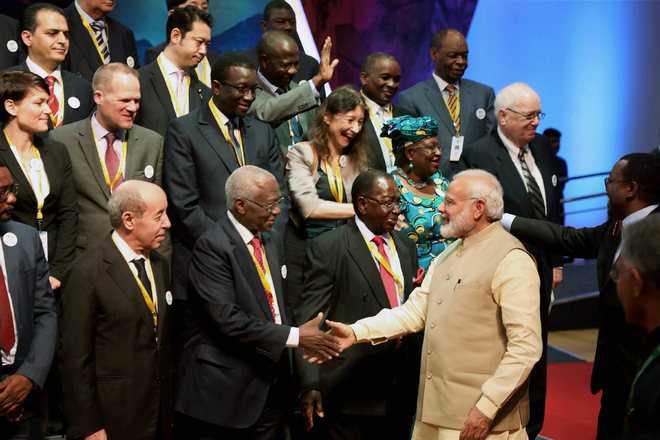
Prime Minister Narendra Modi began a three-nation diplomatic tour covering Jordan, Ethiopia and Oman, signalling a calibrated push to deepen political engagement, economic cooperation and people-to-people ties across West Asia and Africa. The visit places emphasis on long-standing partnerships while marking diplomatic milestones that officials describe as pivotal to a wider strategy linking the Gulf, the Horn of Africa and South Asia.

The tour opened in Jordan, where Modi held talks with King Abdullah II in Amman. Discussions focused on regional stability, counter-terror cooperation and expanding trade and investment links. Jordan occupies a strategic position in West Asia diplomacy, and both sides underlined shared concerns over conflicts affecting the region and their spillover effects. Bilateral exchanges also addressed cooperation in health care, education and technology, areas where existing agreements are being reviewed for expansion.

Jordan has emerged as a steady political partner, and the visit underscored efforts to elevate ties beyond symbolism. Officials highlighted collaboration in renewable energy and pharmaceuticals, alongside labour and skills partnerships that reflect Jordan’s role as a hub for regional services. Cultural engagement featured prominently, with references to the shared heritage reflected in academic exchanges and archaeological cooperation.

From Amman, Modi travelled to Addis Ababa, marking a significant diplomatic moment with Ethiopia. The visit coincides with the strengthening of relations with the African Union, headquartered in the Ethiopian capital, and signals intent to broaden engagement with Africa’s multilateral institutions. Talks with Prime Minister Abiy Ahmed centred on development cooperation, infrastructure financing and capacity building, as well as coordination in international forums.

Ethiopia’s role as a gateway to the Horn of Africa places it at the centre of regional connectivity and security discussions. The leaders examined cooperation in agriculture, manufacturing and digital public infrastructure, with attention to skills development and technology transfer. Ethiopia has been seeking diversified investment partnerships to support industrial parks and export-oriented growth, and the talks reflected interest in long-term collaboration rather than project-based engagement.

Diplomatic officials also pointed to cooperation in peacekeeping and humanitarian assistance, noting Ethiopia’s contribution to regional stability and its engagement with multilateral peace processes. The visit reinforced engagement with Africa at a time when competition for influence and investment has intensified, and when African economies are prioritising infrastructure and human capital development.

The final leg of the tour takes Modi to Oman, a country with deep historical and economic links, particularly in trade, energy and maritime cooperation. Meetings in Muscat are expected to focus on energy security, logistics and defence ties, building on agreements covering strategic petroleum reserves, port development and naval collaboration. Oman’s role as a stable interlocutor in the Gulf has given it a distinctive place in regional diplomacy.

Economic cooperation remains central to the Oman visit, with attention on bilateral trade, investment flows and collaboration in downstream energy projects. The presence of a large expatriate community has added a people-centric dimension to relations, shaping discussions on labour welfare, skills recognition and mobility. Financial services, tourism and green energy have emerged as additional areas of interest as both sides seek to diversify economic engagement.

Across the three stops, the tour reflects a broader pattern of outreach that links West Asia and Africa through trade corridors, energy routes and strategic partnerships. Officials involved in the preparations described the itinerary as a deliberate effort to balance political dialogue with economic substance, moving beyond ceremonial diplomacy. The focus on infrastructure, digital governance and energy transition aligns with priorities shared by many emerging economies.

Quality of life has emerged as the defining differentiator in Dubai’s luxury real estate market, overtaking the earlier emphasis on global brand names as affluent buyers continue to flow into the emirate, according to senior industry voices tracking buying behaviour at the top end of the sector.

Developers and brokers say high-net-worth individuals are no longer drawn solely by branded residences, waterfront addresses or headline prices. Instead, purchasing decisions are increasingly shaped by liveability factors such as community design, access to green space, wellness infrastructure, privacy, security, and the integration of daily services within residential districts. This shift reflects the changing profile of buyers, many of whom are relocating families or establishing long-term bases rather than acquiring purely investment assets.

Dubai’s luxury segment has expanded sharply over the past few years, with prime residential areas such as Palm Jumeirah, Emirates Hills, Jumeirah Bay Island and Dubai Hills Estate recording strong demand across villas and high-end apartments. Transaction values at the upper end of the market have risen, supported by sustained interest from buyers based in Europe, the Middle East, East Asia and parts of Africa. Market participants note that this demand has remained resilient despite global economic uncertainty, underpinned by Dubai’s status as a low-tax jurisdiction, political stability and international connectivity.

Industry executives argue that the maturation of buyer expectations is a sign of a more sophisticated market. Luxury purchasers are placing greater weight on neighbourhood planning, walkability, schools, healthcare access and leisure amenities, alongside the quality of construction and long-term maintenance standards. Smart home technology, energy efficiency, noise management and private outdoor space have become standard expectations rather than premium add-ons.

Wellness has become a particularly influential theme. Developers are incorporating features such as landscaped parks, jogging tracks, cycling paths, spa facilities and air-quality controls into master-planned communities. Water access, whether through beachfront living, marinas or canal-side developments, remains a powerful draw, but buyers are increasingly scrutinising how these elements support daily living rather than visual appeal alone.

The rise of liveability as a core selling point has altered developer strategies. Several major players are prioritising mixed-use developments that blend residential, retail, hospitality and office components into self-contained ecosystems. This approach is designed to reduce commuting times and create neighbourhoods where residents can live, work and socialise within a short radius, aligning with broader urban planning goals set out by Dubai authorities.

Pricing dynamics also reflect the shift. Properties that combine prime locations with strong community features have outperformed standalone luxury units that rely mainly on branding or architectural statement. Analysts observe that buyers are willing to pay premiums for homes that offer privacy, low density and access to well-managed communal spaces, while overly dense developments face greater scrutiny.

Rental demand in the luxury segment has mirrored these trends. Executive tenants and relocating families are seeking properties that provide stability and lifestyle benefits, driving demand for villas and larger apartments in established communities. This has supported yields in select areas, reinforcing the appeal of liveability-focused developments to both end users and long-term investors.

Dubai’s regulatory environment has also played a role in shaping buyer confidence. Clear property ownership rules, long-term residency options linked to investment, and transparent transaction processes have helped position the city as a secure destination for capital. Market participants say this framework encourages buyers to consider lifestyle factors, confident that their legal and financial interests are protected.

Competition among developers has intensified as a result. Rather than competing solely on scale or brand partnerships, firms are differentiating through design quality, community management and post-handover services. Some developers have expanded in-house property management and concierge offerings to ensure consistent standards after completion, addressing a long-standing concern among luxury buyers.


Cognizant has opened a new AI Lab and a Moment Studio in Bengaluru, signalling a deeper push into enterprise-focused artificial intelligence, multi-agent systems and immersive digital experiences as global clients accelerate adoption of advanced automation and data-driven platforms.

The facilities, located in the city’s technology corridor, are designed to function as integrated hubs where research, product engineering and client co-creation converge. Cognizant said the AI Lab will concentrate on applied research across generative AI, multi-agent architectures, responsible AI frameworks and industry-specific models, while the Moment Studio will focus on experience-led design, blending AI with data, cloud and interactive technologies to help enterprises modernise customer and employee journeys.

Bengaluru’s selection reflects its role as Cognizant’s largest delivery base worldwide and a centre for digital engineering talent. The company employs tens of thousands of professionals across the city, spanning cloud, analytics, cybersecurity and software engineering. Senior executives have described the new facilities as a strategic investment aimed at shortening the distance between innovation and deployment at a time when clients are moving from pilots to scaled AI implementation.

The AI Lab is expected to work on multi-agent systems that allow autonomous software agents to collaborate, negotiate tasks and adapt to changing business conditions. Such systems are increasingly viewed as a step beyond single-model generative AI, particularly for complex enterprise workflows such as supply chain optimisation, financial operations, software testing and IT service management. Cognizant engineers will also focus on building governance layers to address transparency, bias mitigation, data lineage and regulatory compliance, areas that have become central to enterprise adoption.

Alongside this, the Moment Studio will act as a client-facing environment where design teams, data scientists and engineers jointly prototype digital products. The studio model, which Cognizant has rolled out in several global locations, emphasises rapid experimentation, user-centric design and measurable business outcomes. In Bengaluru, the studio will place particular emphasis on AI-driven personalisation, intelligent interfaces, extended reality and data visualisation for sectors such as banking, healthcare, manufacturing and retail.

Company leadership has framed the expansion as part of a broader shift in client demand. Enterprises are no longer seeking isolated AI tools but integrated platforms that can be embedded into core operations with clear accountability. That shift has placed pressure on technology services firms to combine research capability with delivery scale and domain knowledge, areas where Bengaluru’s ecosystem offers advantages.

The move also aligns with Cognizant’s wider strategy to reposition itself as an AI-first services company. Over the past two years, the firm has increased investment in generative AI platforms, partnered with major cloud providers and integrated AI capabilities into its consulting and engineering offerings. The Bengaluru AI Lab is expected to collaborate closely with Cognizant’s global research teams and with academic institutions and startups in the region, although the company has not disclosed specific partnerships tied to the launch.

Industry analysts note that the emphasis on responsible AI is particularly significant. As enterprises deploy AI across regulated environments, scrutiny from boards, regulators and customers has intensified. Embedding governance, auditability and ethical safeguards at the design stage is increasingly seen as a differentiator rather than an optional feature. Cognizant’s decision to anchor this work in a dedicated lab suggests an attempt to institutionalise these practices across its delivery network.

The expansion also underscores the competitive dynamics among global technology services firms operating in Bengaluru. Peers have been scaling AI centres of excellence, experience studios and innovation labs in the city, seeking proximity to talent and clients while managing costs. For Cognizant, the dual-facility model aims to bridge the gap between conceptual innovation and real-world deployment, a gap that has slowed returns on AI investment for many organisations.

Google has expanded its cultural mapping ambitions with the debut of the Google Art Project, a digital platform that places high-resolution artworks and virtual museum galleries within reach of anyone with an internet connection. The initiative extends the company’s mapping tools beyond streets and landmarks, offering close-up access to paintings, sculptures and artefacts held by leading museums across Europe, North America and Asia. Launched as a collaboration […]

The United States government’s approval for Nvidia to export its powerful H200 artificial intelligence chips to China has upended expectations across global technology markets and deepened debate over export controls and strategic competitiveness. President Donald Trump confirmed that U. S. authorities will permit sales of Nvidia’s H200 processors to approved Chinese customers under a regime that levies a 25 per cent levy on such transactions, a policy […]

A coordinated cyber campaign using artificial intelligence to disguise malicious code is targeting researchers, developers and security professionals by exploiting trust in GitHub repositories, raising concerns about the resilience of open-source supply chains relied upon across academia and industry. Security analysts have identified a network of polished repositories seeded with a previously undocumented backdoor, dubbed PyStoreRAT, which is being distributed through reactivated GitHub accounts that had lain […]

A proposal in the House of Lords to restrict the use of virtual private networks by under-16s has reignited debate over child online safety, digital privacy and the enforceability of age-based controls. The amendment, put forward during scrutiny of the government’s online safety framework, aims to prevent children from using VPNs to bypass age checks on social media, adult content platforms and other regulated online services. Supporters […]

Linux developers have introduced NTFSPlus, a new in-kernel driver designed to address long-standing problems with NTFS support on Linux systems, an issue that has affected desktop users, system administrators and enterprise environments that rely on Windows-formatted storage. The project represents a ground-up reworking of the ageing NTFS driver that has been part of the Linux kernel for many years but has struggled to keep pace with modern […]

Sales at Elon Musk-owned social network X rose during the third quarter, offering a measure of momentum for a platform still absorbing heavy costs tied to restructuring, infrastructure upgrades and efforts to revive advertiser confidence after a turbulent period. The company, formerly known as Twitter, recorded higher revenue compared with the same quarter a year earlier, according to people familiar with its financial performance. The improvement reflects […]

Acquisition creates a fully integrated regional connectivity platform, enabling seamless, low-latency connectivity that supports ASEAN’s expanding digital economy SINGAPORE/KUALA LUMPUR, MALAYSIA – Media OutReach Newswire – 13 December 2025 – SEAX Global (“SEAX”), a leading wholesale connectivity provider in Southeast Asia, today announced it has acquired a major stake in Interlink Telecom Public Company Limited (“ITEL”), a prominent Thai fixed network telecommunications provider. This acquisition consolidates SEAX’s […]

ChatGPT has emerged as the most downloaded application on Apple’s App Store in the United States during 2025, marking the first time an artificial intelligence platform has topped the annual download charts and signalling a decisive shift in how mainstream consumers engage with AI-powered tools. Data compiled from Apple’s App Store rankings and corroborated by mobile analytics firms shows OpenAI’s ChatGPT overtaking long-established social media, gaming and […]

Chinese autonomous driving companies are accelerating plans to deploy self-driving taxi fleets across the Middle East, betting on strong government backing, advanced urban infrastructure and public openness to new mobility technologies to turn pilot projects into commercial services. Dubai has emerged as a key entry point. The Roads and Transport Authority issued its first autonomous driving trial permits in September, allowing Pony. ai, WeRide and Baidu’s Apollo […]

European Union regulators have opened a fresh competition investigation into Google, examining whether the search engine is undermining publishers and content creators by failing to pay fairly for their material while setting conditions that could disadvantage those unwilling to share content for artificial intelligence training. The European Commission said the inquiry will focus on Google Search and YouTube, with particular attention on how content is used to […]

Dubai Chamber of Commerce has launched the Bulgarian Business Council, marking a new institutional step aimed at expanding bilateral trade, strengthening commercial partnerships and encouraging mutual investment between Dubai and Bulgaria.

The council has been established under the umbrella of Dubai Chambers and is intended to serve as a structured platform for companies from both markets to collaborate, exchange market intelligence and identify joint opportunities. Officials involved in the initiative said the move reflects growing interest among Bulgarian firms in using Dubai as a regional base, while Dubai-based businesses increasingly view Bulgaria as a gateway to the European Union and South-Eastern Europe.

The new body brings together representatives from key sectors including manufacturing, logistics, food and agriculture, information technology, tourism, construction and renewable energy. Its mandate includes organising business delegations, facilitating B2B meetings, supporting regulatory understanding and helping members navigate investment frameworks in both jurisdictions. Dubai Chamber of Commerce indicated that the council will also work closely with public institutions and trade promotion agencies in Bulgaria to ensure alignment with national economic priorities.

Speaking at the launch, Dubai Chambers officials said the council was designed to “build stronger partnerships between business communities and unlock new opportunities for joint investment”, highlighting a shared interest in diversifying trade flows and deepening private-sector engagement. Bulgarian representatives echoed that view, noting that Dubai’s position as a global trade and logistics hub offers Bulgarian exporters and investors access to markets across the Middle East, Africa and Asia.

Trade ties between Dubai and Bulgaria have been expanding steadily, supported by improved logistics links and a broader push by Dubai to strengthen economic relations with European economies. Non-oil trade between the UAE and Bulgaria has grown over the past decade, driven by machinery, metals, chemicals, food products and pharmaceuticals, according to publicly available trade data. Dubai’s role as a re-export centre has also helped Bulgarian firms reach third markets more efficiently.

The launch of the Bulgarian Business Council fits into Dubai Chamber of Commerce’s wider strategy of establishing country-specific business councils to institutionalise trade relations and provide structured support to foreign investors. Dubai Chambers now hosts dozens of such councils, covering markets across Europe, Asia, Africa and the Americas. These councils have become a central tool in Dubai’s efforts to attract foreign direct investment, promote cross-border partnerships and reinforce the emirate’s status as a preferred base for international companies.

Analysts note that Bulgaria’s competitive advantages include its EU membership, relatively low operating costs, skilled workforce and strategic location linking Europe, the Balkans and the Black Sea region. For Dubai-based companies, these factors make Bulgaria an attractive destination for manufacturing, near-shoring, logistics and technology development. At the same time, Bulgarian companies see Dubai as a stable business environment with advanced infrastructure, business-friendly regulations and strong connectivity.

Investment interest between the two sides has been widening beyond traditional trade. Sectors such as renewable energy, agri-tech, fintech, health care and tourism development have emerged as areas of mutual focus. Bulgarian technology firms have shown growing interest in Dubai’s innovation ecosystem, while companies from Dubai are exploring opportunities in Bulgaria’s industrial zones, real estate and tourism assets.

The Bulgarian Business Council is expected to play a coordinating role in these areas by aligning private-sector initiatives with broader economic strategies. Its agenda includes promoting joint ventures, supporting start-ups seeking cross-border expansion and encouraging knowledge exchange in areas such as digitalisation and sustainability. Council members will also work to address practical barriers faced by businesses, including regulatory clarity, market entry requirements and partner identification.

Diplomatic and business officials involved in the initiative stressed that the council is intended to complement, rather than replace, existing government-to-government frameworks. By focusing on commercial engagement, it aims to translate high-level economic cooperation into tangible outcomes for companies operating on the ground. Similar councils under Dubai Chambers have previously been credited with accelerating deal-making and improving investor confidence by providing direct access to market insights and decision-makers.

VISHNU RAJA
RYO YAMADA
HITORI GOTOH
IKUYO KITA
Just in:
Row over Sabarimala toilet disruption // TORRAS Launches Two New iPhone Duo Cases from Its Popular Ostand Series, Addressing Foldable Phone Users’ Concerns About Difficult Stand Positioning and Scratches // Iran claims six-drone operation against US radar in Bahrain // Regulator demands answers on controversial power deal // Hong Kong International Airport Online Shop Winter Festive Offer // BJP-sponsored school exam approval revoked // Danone expands consumer insight capabilities to accelerate nutrition innovation through Southeast Asia R&I Application Lab upgrade // Bitcoin rebounds after weekend plunge wipes billions from cryptocurrencies // Govt offers talks to protesting teachers after CM signal // Pink Economy report puts equal rights at the heart of Thailand’s road to Bangkok WorldPride 2030 // US resumes flights after nationwide air traffic shutdown // Regulator demands answers on controversial power deal // US authorities dismantle North Korean cryptocurrency deception infrastructure // China’s Taiwan warning tests Washington’s defence commitments // Sun World Ba Den Mountain marks Vietnam Culture Day, welcoming Cambodian visitors over Bon Om Touk // ADQ Aviation raises Abu Dhabi Aviation holding to 71.61% // Hong Kong schedules Gulf-Asia investment forum for 2027 // HKGSEO Launches New SEO×GEO Dual-Engine Optimization Monthly Plan // Microsoft apologises as Outlook services recover after outage // Ramayana triggers high tourist traffic to Jatayu rock centre //