News related to
Technology

Man Group Plc has moved to secure a regulatory licence to establish an Abu Dhabi office next year, signalling a deeper shift among global asset managers toward the Gulf as the region accelerates its ambitions to become a leading centre for alternative investments. The London-listed hedge fund confirmed the application, underscoring its intention to broaden its footprint in a market that has drawn some of the world’s […]

Web3 momentum across the Gulf is increasingly visible in grassroots spaces where developers, founders, and early-stage investors gather to exchange ideas far from official boardrooms. The growth of these informal networks in Dubai, Abu Dhabi, Riyadh, and Bahrain has become a notable driver of activity in blockchain, tokenisation, digital assets, and decentralised applications, complementing government-led strategies that have positioned the region as a key hub for emerging […]

Abu Dhabi’s biggest sovereign investors —Abu Dhabi Investment Authority, Mubadala Investment Company and ADQ— have significantly increased their global footprint in finance, energy and artificial-intelligence infrastructure, edging the emirate ever closer to a central role in global capital flows and technology investment. ADIA has expanded its exposure to public and alternative asset managers, allocating roughly $40 billion to hedge funds in 2025, part of a long-term strategy […]

LONDON, UK – Media OutReach Newswire – 5 DECEMBER 2025 – Family wellbeing is emerging as one of the strongest predictors of success on international assignments – yet support for families has not always kept pace with modern mobility expectations, according to new research from AXA Global Healthcare. Now in its third iteration (previously published in 2017 and 2020), the 2025 World of Work Report draws on […]

SINGAPORE – Media OutReach Newswire – 8 December 2025 – Payment Options Pte Ltd, a Singapore-based payment solutions provider, is pleased to announce that it has received In-Principle Approval (IPA) from the Monetary Authority of Singapore (MAS) for a Major Payment Institution (MPI) licence under the Payment Services Act 2019. Payment Options Pte Ltd office in Singapore This milestone underscores Payment Options’ commitment to supporting Singapore’s small […]

SINGAPORE – Media OutReach Newswire – 7 December 2025 – The Singapore Institute of Management (SIM) is proud to reaffirm its commitment to developing future-ready graduates through a comprehensive scholarship framework that goes beyond academic achievement. These scholarships are designed to recognize and nurture qualities such as leadership, resilience, and talent. These attributes are essential for success in today’s dynamic global environment. For decades, scholarships have been […]

Netflix is set to take control of Warner Bros. Entertainment’s core studio and streaming assets through a landmark transaction valued at about $72 billion in equity, marking one of the largest media takeovers in decades and reshaping the balance of power across Hollywood. The agreement follows months of industry speculation over the future of Warner Bros. Discovery, which had been under pressure to stabilise debt while navigating […]

Advertisements

By Nitya Chakraborty The India-Russia joint statement issued on December 5 after two days of talks between President Vladimir Putin and the Indian Prime Minister Narendra Modi is more a vindication of India’s renewed exercise of its geopolitical status defying the pressure from the USA and the other western powers rather than a document on […]

The article Modi-Putin Summit Reinforces India’s Geopolitical Identity Amidst Headwinds appeared first on Latest India news, analysis and reports on Newspack by India Press Agency).

By T N Ashok NEW DELHI: Russian President Vladimir Putin arrived in India Thursday evening for a two-day state visit that has become a diplomatic flashpoint, testing New Delhi’s ability to maintain strategic independence amid mounting pressure from Washington and European capitals. The arrival marks Putin’s first trip to India since the Ukraine war began […]

The article Putin’s India Visit: A Stress Test Of Strategic Autonomy Amid Global Pressure appeared first on Latest India news, analysis and reports on Newspack by India Press Agency).

HANOI, VIETNAM – Media OutReach Newswire – 5 December 2025 – The VinFuture Foundation officially announces the laureates of the VinFuture Prizes 2025. Four outstanding scientific and technological breakthroughs have been honored, reflecting this year’s theme “Rising and Thriving”, and highlighting the role of cross-border scientific collaboration in addressing global challenges in health, environment, and human livelihood. The 2025 VinFuture Prize Award Ceremony was broadcast live on […]

Step into Galaxy Macau to enjoy magical precinct-wide experiences this Winter, unwrapping dazzling seasonal shopping rewards and lucky draws, tasty dining and glittering entertainment as the season of self-reward and gifting comes to life at Asia’s award-winning luxury resort. MACAU SAR – Media OutReach Newswire – 5 December 2025 – Galaxy Macau Integrated Resort proudly unveils its spectacular “Gift Yourself Extraordinary” Winter extravaganza, ushering in a season […]

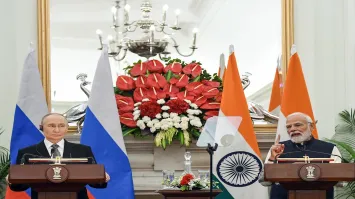
Crowds and cameras gathered at the Delhi airport as Vladimir Putin stepped off his aircraft and was received by Narendra Modi with a firm embrace that signalled the weight both leaders attach to a relationship tested by shifting global alignments. The state visit, framed by Moscow and New Delhi as an effort to reinforce political and economic cooperation, comes at a moment when both sides are seeking predictable partners amid geopolitical uncertainty.

Putin’s arrival on Thursday marked his first trip to the country in more than a year, timed to draw attention to long-standing strategic ties that have endured pressure from global sanctions on Russia and growing competition among major powers for influence in Asia. Modi’s greeting, captured widely by broadcasters, highlighted the government’s intention to maintain a working partnership with Moscow even as it deepens cooperation with Western governments on defence, technology and energy.

The two leaders are expected to focus on trade flows, defence equipment support, energy security arrangements and joint manufacturing proposals that have gained momentum since early 2024. Officials familiar with the agenda have pointed to Moscow’s push for expanded settlements in national currencies, aiming to mitigate complications arising from sanctions that have disrupted traditional payment channels. New Delhi has been looking for greater clarity on oil supply commitments, pricing transparency and long-term contracts, following fluctuations in global markets that prompted domestic refiners to diversify purchases.

Defence cooperation remains central to the partnership, though the balance has shifted over the past decade as New Delhi has widened procurement from the United States, France and other suppliers. Russia continues to service and upgrade a significant share of the armed forces’ equipment, and ongoing discussions cover spare-parts support, maintenance of legacy systems and joint development pathways that may offer greater flexibility than standalone purchases. Analysts tracking the talks say Moscow is keen to retain its foothold in the defence market while showcasing its willingness to adapt to collaborative production models.

Energy will feature prominently during the discussions as Russia seeks greater investment in its upstream projects and hopes to secure broader participation from New Delhi in pipeline and liquefied natural gas initiatives. Indian refiners have emerged as important buyers of Russian crude despite logistical and payment challenges, and both sides are expected to address delivery mechanisms that would reduce delays and improve predictability. Officials have also been reviewing possibilities for expanding cooperation in nuclear energy, where previous agreements have laid the groundwork for additional reactor units at existing sites.

Bilateral trade has risen sharply over the past two years, driven largely by energy imports, but New Delhi has expressed concerns about the wide imbalance, with exports to Russia trailing significantly. Commerce officials have been pushing for easier access for pharmaceuticals, agricultural goods and engineering products, arguing that a more balanced structure would strengthen the sustainability of the economic relationship. Russian representatives arriving with the delegation have proposed expanded use of logistics corridors passing through Central Asia, which they say would ease transport costs for exporters on both sides.

Regional security dynamics form another layer of the discussions, particularly Moscow’s role in Eurasia and its ties with Beijing. Diplomats note that New Delhi continues to walk a delicate line, maintaining cooperation with Russia while strengthening its partnerships across the Indo-Pacific. Strategic analysts caution that both sides must navigate sensitive points, including Moscow’s position on territorial disputes and broader alignments that could shape regional balances over the coming decade.

Putin’s schedule includes a ceremonial welcome, delegation-level talks and a review of key agreements under negotiation. Officials have indicated that deliverables may include frameworks on energy cooperation, updated defence industrial collaboration and initiatives supporting educational exchanges and technological research. Cultural diplomacy also features prominently, with both governments emphasising people-to-people connections that have historically underpinned the relationship.

The optics of the visit carry domestic significance for both leaders. Modi’s government seeks to project continuity in foreign policy through engagement with all major powers, underscoring its commitment to strategic autonomy. For Putin, the reception in New Delhi offers an opportunity to demonstrate that Russia retains influential partners beyond Europe and North America, reinforcing narratives about its engagement with Asia’s leading economies.

Analysts observing the visit note that the personal rapport between the two leaders has helped maintain channels of communication through periods of global stress. Their discussions routinely touch on multi-year strategic frameworks covering defence, energy, industrial cooperation and regional diplomacy, areas where incremental progress continues despite broader geopolitical complications.


Urban development in the UAE is undergoing a noticeable shift toward environments that support long-term physical and mental wellbeing. As cities across the Emirates continue to grow, architecture and planning agencies increasingly treat wellness not as an amenity but as a structural principle shaping buildings, public spaces, and residential communities. Recent projects, including PASSO by Beyond, reflect this new direction in which design is guided by light, airflow, […]

SHENZHEN, CHINA – Media OutReach Newswire – 5 December 2025 – On November 16, 2025, the three-day 27th China Hi-Tech Fair (CHTF) successfully concluded at Hall 16 of the Shenzhen World Exhibition & Convention Center (Bao’an District). As a major industrial event aligned with national strategic goals, this year’s fair closely followed the guidance outlined in the 15th Five-Year Plan, which calls for “accelerating the development of […]

A new specialised laboratory for testing and certifying sustainable aviation fuel is being set up in Fujairah, marking a significant expansion of the UAE’s ambitions to become a leading hub for low-carbon aviation fuels across the Middle East and North Africa. The project, developed by MENA Biofuels in partnership with Saybolt, is positioned as the first facility of its kind in the country dedicated to sustainable aviation fuel testing and is expected to strengthen the supply chain for carriers adopting cleaner fuel blends.

The laboratory will be located within the Fujairah Oil Industry Zone, one of the region’s key energy storage and logistics centres. According to the developers, the facility will operate under internationally recognised standards and provide independent verification and certification services for SAF produced in the UAE and the wider region. This will allow aviation fuel suppliers to meet the stringent quality and sustainability benchmarks required by global regulators and airlines, many of which are targeting large-scale SAF adoption over the coming decade.

MENA Biofuels and Saybolt have indicated that the lab is being designed to serve both domestic producers and international clients moving fuel through Fujairah’s terminals. Industry analysts note that Fujairah’s strategic location on the global maritime route linking the Gulf to Asia and Europe gives the new testing operation considerable potential to influence regional fuel flows. The developers said the initiative reflects growing demand among airlines for certified SAF, which is viewed as one of the most immediate pathways to reducing aviation emissions.

The UAE has been expanding investments in biofuels as part of its broader decarbonisation strategy, with several aviation stakeholders stepping up procurement of SAF blends for commercial flights. Etihad Airways and Emirates have both trialled SAF operations, while Abu Dhabi and Dubai authorities have emphasised the need for stronger regional production capacity. Industry data indicates that SAF supply remains constrained worldwide, making certification infrastructure a critical component for scaling up output. The new Fujairah lab aims to close a gap in regional capabilities by offering end-to-end testing that aligns with international requirements established by organisations such as ASTM International, which governs SAF specifications.

Saybolt, an inspection and testing group with long-standing operations in global energy markets, is expected to lead the technical management of the laboratory. Its role will involve implementing fuel-testing protocols, quality assurance systems and sustainability verification frameworks. Executives familiar with the arrangement said the partnership combines Saybolt’s technical expertise with MENA Biofuels’ regional network and logistics access. Market observers believe this gives the venture a strong foundation to support both emerging SAF producers and established energy companies evaluating diversification into aviation biofuels.

The decision to anchor the lab within the Fujairah Oil Industry Zone aligns with local authorities’ push to broaden the zone’s portfolio beyond crude and refined products. The zone already hosts significant tank storage, bunkering and refining infrastructure, and expanding into sustainable fuels aligns with the UAE’s national energy transition commitments. Investors and analysts have pointed to Fujairah’s ability to handle large volumes of fuel as an advantage for SAF certification, particularly for producers that require rapid turnaround on testing to meet airline delivery schedules.

Aviation industry figures have highlighted that the move addresses a structural bottleneck in the SAF market. Certification processes are often conducted in Europe or the United States, adding cost and delay for producers operating in the Gulf. By offering testing capacity locally, the Fujairah lab is expected to reduce lead times and encourage investment in regional SAF manufacturing. Some analysts say the initiative may draw interest from energy companies in neighbouring Gulf states exploring SAF pathways as part of their decarbonisation agendas.

Airline industry targets have accelerated demand for SAF, with global carriers collectively aiming for significant emissions reductions by 2030. Several Gulf-based airlines, including those operating through Abu Dhabi, Dubai and Sharjah, have pledged to expand their use of sustainable fuel blends once supply becomes more stable. SAF production in the region remains at an early stage, but energy firms have been evaluating waste-to-fuel pathways, renewable feedstocks and partnerships with technology providers to scale output. The establishment of credible certification capacity is viewed as an essential precursor to commercial production.

A fully digital escrow service for vehicle ownership transfers has been introduced through a partnership between SlashData and the Integrated Transport Centre, marking a significant shift in how transactions between buyers and sellers are executed in the UAE. The rollout of the platform known as Shary signals an effort to reduce paperwork, lift administrative burdens, and strengthen confidence in a market where used-car transactions continue to expand. […]

A decision to withdraw a controversial directive on compulsory smartphone app preinstallation has been taken by the authorities after sustained objections from device makers and technology firms. The policy reversal follows intense debate over whether phone manufacturers should be required to preload the government’s Sanchar Saathi platform, amid concerns about user privacy, operating system integrity and compliance burdens. The shift comes less than two days after reports that Apple had declined to adopt the mandate, setting off a wider industry pushback that accelerated the measure’s rollback.

Officials confirmed that the mandatory installation plan has been shelved, indicating that further consultations will be held before any such directive is reconsidered. The original order sought to ensure that every new smartphone sold in the country carried Sanchar Saathi, a platform designed to help users trace lost devices, block stolen handsets and verify mobile connections. While the tool is already available for voluntary download, stakeholders argued that forcing manufacturers to embed it at the system level risked creating fragmentation across devices, complicating software updates and compromising user choice.

Senior executives from major handset brands expressed relief at the reversal, noting that the directive had introduced uncertainty at a time when the phone market is preparing for a competitive year-end cycle. Apple, which typically restricts preinstalled third-party apps to maintain strict control over its ecosystem, had reportedly conveyed through official channels that compliance would conflict with long-standing platform policies. That position highlighted the technical complexities of enforcing a uniform preinstallation rule across operating systems that function on entirely different architectures. Android phone makers had also raised procedural questions, cautioning that mandatory system additions could require extensive vetting, security reviews and manufacturer-specific testing.

The broader industry reaction underscored concerns about data governance and user rights. Digital rights groups argued that preloading state-linked applications without explicit user consent could set a troubling precedent, even if the stated aim of the app was consumer protection. Cybersecurity specialists added that any software embedded at the system level must undergo rigorous, transparent auditing to prevent vulnerabilities that malicious actors could exploit. They warned that compulsory integration could expand the attack surface on devices at a time when financial fraud, phone cloning and identity theft cases continue to grow.

Officials involved in policymaking acknowledged that the industry’s logistical and legal objections played a decisive role in halting the order. They said the withdrawal would allow departments to reassess the technical feasibility of the measure and examine alternative ways to boost the adoption of Sanchar Saathi without imposing new conditions on manufacturers. The platform, launched by the Department of Telecommunications, has gained traction through voluntary use, particularly for blocking stolen phones via the Central Equipment Identity Register. Policymakers are studying whether awareness campaigns, improved onboarding flows and coordination with telecom operators could enhance user uptake more effectively than preinstallation.

Market analysts described the reversal as a pragmatic move aimed at preventing friction between the government and global technology firms, particularly at a time when the country’s digital manufacturing ambitions remain in focus. Apple, which has expanded iPhone assembly through local partners, is seen as a critical participant in that strategy. Analysts said any regulatory action that appears to conflict with its operating standards risks diluting investment momentum. They added that Android manufacturers, many of whom operate extensive local supply chains, would also have faced significant re-engineering work to align with the directive.

Industry groups emphasised that while supporting consumer safety initiatives, they prefer interventions that preserve user autonomy and maintain consistent software governance standards. Stakeholders reiterated that preinstallation mandates, unless narrowly tailored and transparently justified, can lead to compatibility issues and unintended consequences across a diverse device ecosystem. They also highlighted that global smartphone markets increasingly recognise the importance of limiting bloatware and avoiding compulsory system-level apps that cannot be removed by users.

A proposed acquisition involving Solmate and RockawayX is set to form a digital-asset business valued at about $2 billion, marking one of the most significant consolidation moves in the crypto infrastructure segment this year. The companies have signed a term sheet that lays the foundation for a unified institutional platform, bringing together treasury management, custody, infrastructure services, and investment capabilities under a single framework aimed at accelerating growth in regulated markets.

The structure under discussion places Marco Santori at the helm of Solmate as chief executive, overseeing the combined treasury and infrastructure strategy. Santori, whose career has spanned legal, compliance and policy roles across the crypto sector, is expected to steer the organisation through advancing regulatory requirements and the maturation of institutional demand for blockchain-based services. Viktor Fischer will continue as chief executive of the RockawayX subsidiary, maintaining operational continuity for the unit’s investment and venture activities, while supporting its integration into the broader strategy being shaped for the merged entity.

The term sheet signals a drive toward strengthening institutional-grade products, an area that has been expanding as asset managers, banks and corporates look for secure and compliant exposure to digital assets. Market analysts note that consolidation among service providers has intensified during the year, with firms seeking scale to meet tighter rules around custody, disclosures and consumer protection. The combined platform is positioned to benefit from these pressures, particularly as policymakers in Europe and the Gulf continue to advance clearer frameworks for crypto trading and asset tokenisation.

Both companies have been active in digital-asset infrastructure, with Solmate operating from the UAE while expanding its footprint across treasury services, custody architecture and enterprise solutions, and RockawayX building a presence in venture investment and decentralised finance infrastructure. Industry observers point out that merging these capabilities could create a diversified revenue base that spans recurring service fees and strategic investment returns. The proposal aligns with a wider shift toward vertically integrated models, enabling providers to streamline operations and reduce dependence on external platforms.

The acquisition plan comes at a time when institutional appetite for blockchain-based solutions has grown. Asset tokenisation has gained traction across global financial centres, with several regulators encouraging pilots in settlement, fund distribution and real-world asset token structures. Market estimates from financial institutions tracking tokenisation flows suggest that the segment could expand into multi-trillion-dollar territory over the next decade, creating opportunities for firms positioned to serve corporate treasuries and fund managers seeking secure digital infrastructure.

Santori has highlighted in prior industry engagements that regulatory clarity is central to institutional adoption. His role in shaping the combined strategy is seen as critical as Solmate works to align its offerings with evolving rules across the EU, the UK and the Gulf. Fischer, meanwhile, has maintained a focus on early-stage blockchain innovation and decentralised services, an area where RockawayX has built strong networks with founders and developers. The proposed structure allows both executives to operate within their respective strengths while contributing to a unified long-term roadmap.

The companies are expected to enter a detailed due-diligence phase, during which they will assess operational integration, regulatory conditions and market positioning. While the term sheet outlines key leadership and structural arrangements, the final agreement will depend on further negotiations and any regulatory permissions required in relevant jurisdictions. People familiar with transactions of this scale emphasise that the coming stages typically involve extensive compliance reviews, cybersecurity audits and technology-stack assessments, especially for firms engaged in digital-asset custody and treasury operations.

Market participants say the combined entity’s valuation of around $2 billion reflects the premium placed on platforms capable of serving institutional demand for secure storage, liquidity management, infrastructure and tokenisation support. Comparable transactions this year have highlighted a rising interest among investors in firms that can bridge traditional financial practices with advanced blockchain tools. Analysts also point out that bringing treasury and venture operations together may create synergies, allowing insights from early-stage ecosystems to inform enterprise-level product design.

California’s effort to advance autonomous freight transport moved a step forward as the state’s Department of Motor Vehicles unveiled a proposal to lift the long-standing prohibition on testing heavy self-driving trucks on public highways. The move sets the stage for a significant shift in how freight could be moved across the state, opening a path for commercial deployment as early as 2027 if safety benchmarks are met […]

Arabian Post Staff -Dubai Users of watchOS 26.2 will notice an adjustment in how nightly sleep is assessed and improvements to device connectivity for users in the European Union, among other performance enhancements. The Sleep Score feature has been recalibrated: the top classification is now “Very High” and the thresholds for all bands have been shifted to better reflect typical sleep experiences. This recalibration stems from new […]

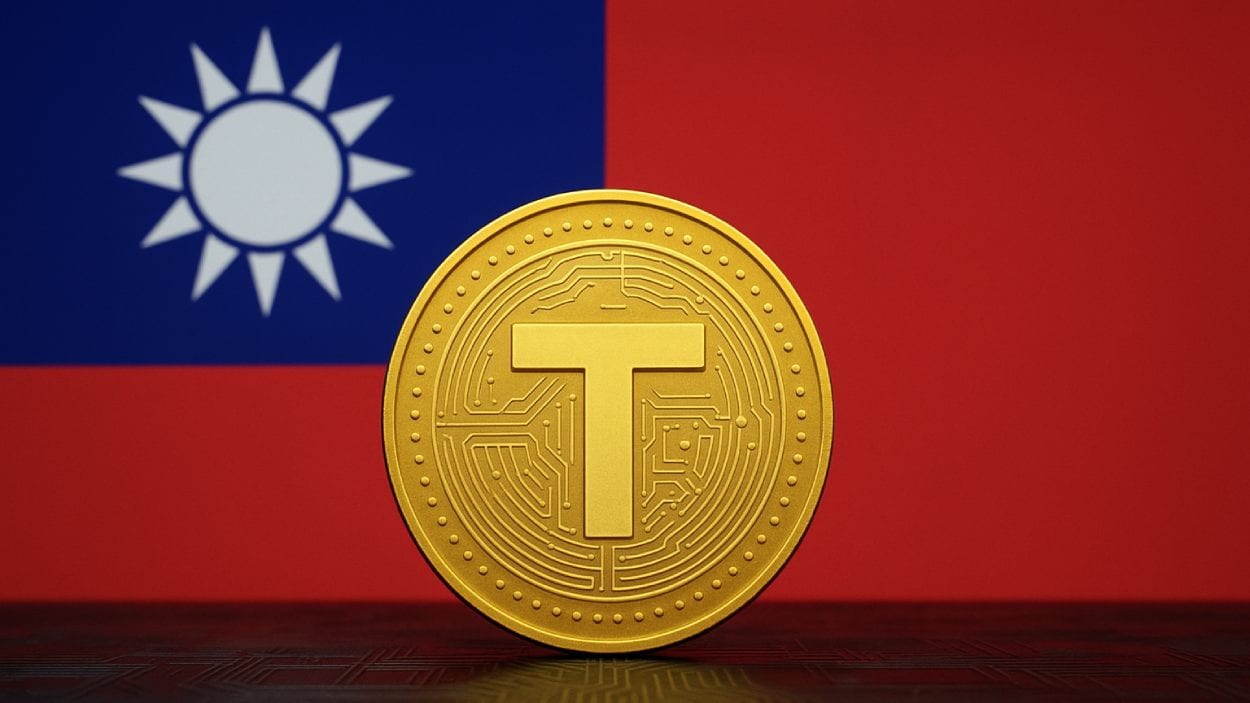
Taiwan’s financial authorities have confirmed that the territory is preparing to introduce its first regulated stablecoin by the second half of 2026, marking a significant step in its oversight of digital assets. The move establishes a formal framework for issuers and signals a wider effort to balance financial innovation with stricter consumer safeguards.

The Financial Supervisory Commission said the project aims to create a compliant asset-backed token that can operate within a supervised environment. Officials outlined that the proposed model would require issuers to undergo licensing, maintain verifiable reserves and implement robust disclosure rules. The initiative forms part of a broader regulatory roadmap that includes enhanced governance standards for exchanges and custodians, supplemented by anti-money laundering protocols already legislated in earlier phases of Taiwan’s digital asset oversight.

Taiwan has seen increased retail interest in digital tokens over the past two years, accompanied by concerns about informal trading platforms and fragmented reserve practices. Authorities have been developing clearer definitions around virtual asset providers, following earlier commitments to draft bespoke legislation for the sector. The stablecoin proposal marks the first time regulators have publicly set a target date for a national, fully supervised token that can circulate in mainstream financial channels.

Officials involved in the planning process described the stablecoin framework as an attempt to reduce systemic vulnerabilities that arise from lightly governed instruments. They indicated that the 2026 timeline allows sufficient room for market consultation with local banks, fintech operators and blockchain firms. The authorities emphasised the need for transparency around backing assets, independent audits and liquidity arrangements to prevent redemption shocks during periods of market stress.

Taipei’s policy trajectory mirrors a wider shift across Asia, where governments have begun formalising rules for digital currencies amid concerns about financial stability and technological competitiveness. Japan’s stablecoin regulations came into force earlier, requiring issuers to be banks, trust companies or registered intermediaries. Singapore’s approach has focused on wallet security, reserve segregation and consumer risk warnings. Taiwan’s proposed regime appears to blend elements of both models, adapting them to domestic institutions and supervisory capacities.

Market analysts say the announcement demonstrates how regulators are transitioning from broad guidance to more detailed rule-making. They note that several local financial institutions have shown interest in blockchain-based settlement systems but have lacked the legal certainty required to develop pilot projects. A regulated stablecoin could allow banks to explore tokenised deposits, speed up cross-border payments and reduce settlement backlogs, provided the technology meets stringent compliance standards.

Developers and industry groups argue that clarity around governance will be crucial to gaining public trust. They expect Taiwan’s framework to include ring-fencing of reserves, real-time reporting tools and strong oversight of custodial arrangements. Several blockchain service providers in Taiwan have already contributed to consultation papers, advocating for interoperability with international systems and stronger penalties for misappropriation of client funds.

Policy advisers involved in the consultation say authorities are mindful of global regulatory pressure, as jurisdictions coordinate rules for financial stability and cross-market supervision. They note that Taiwan has studied overseas cases where unbacked or poorly audited stablecoins faced severe liquidity issues, prompting large-scale withdrawals and disruptive price swings. Officials believe a regulated model will help Taiwan avoid similar vulnerabilities and foster safer digital innovation.

Some opposition lawmakers have urged the commission to publish more technical details, particularly regarding the choice of reserve assets, settlement architecture and the criteria required to issue the token. They want clearer rules on redemptions, consumer rights and supervisory intervention during market volatility. Financial regulators responded that these elements remain under review and will be formalised following extended consultation with the private sector.

Industry observers expect the stablecoin to be structured as a fully collateralised token backed by high-quality liquid assets such as government bonds or cash equivalents. This design is intended to minimise counterparty risk and ensure immediate redemption at par value. Regulators are also exploring how to embed cybersecurity requirements and resilience testing into the licensing regime, responding to heightened concerns about digital infrastructure vulnerabilities.

By Dr. Gyan Pathak When Indian rupee was falling in the Mumbai market against US dollar on Wednesday, December 3, 2023 – sliding past the 90-a-dollar mark for the second day, plumbing a new low of 90.29 in the morning trade after opening flat at 89.96, analysts were pegging the next level for the beleaguered […]


The article CEA’s Calmness Over Steep Fall Of Rupee Ignores Key Risks To India appeared first on Latest India news, analysis and reports on Newspack by India Press Agency).

The government of Saudi Arabia expects its borrowing to increase next year, driven by ongoing financing needs and a broad backdrop of monetary easing, according to a projection by CI Capital. The analysis suggests that softer interest rates and tightening liquidity could compel Riyadh to tap debt markets once again to meet fiscal and development commitments. Total government spending in the approved 2026 budget stands at 1.31 […]

Brooge Petroleum and Gas Investment Company, a subsidiary of shipping and logistics firm Gulf Navigation, has finalised an agreement to launch front-end engineering design for a new refinery in Fujairah aimed at producing Euro 5-grade gasoline from naphtha. The first phase of the project is expected to yield around 15,000 barrels per day. Under the agreement, BPGIC will work with PEG to steer the FEED stage — […]

VISHNU RAJA
RYO YAMADA
HITORI GOTOH
IKUYO KITA
Just in:
US authorities dismantle North Korean cryptocurrency deception infrastructure // Usha cleared for IOA voting // China’s Taiwan warning tests Washington’s defence commitments // TORRAS Launches Two New iPhone Duo Cases from Its Popular Ostand Series, Addressing Foldable Phone Users’ Concerns About Difficult Stand Positioning and Scratches // Ramayana triggers high tourist traffic to Jatayu rock centre // JCI Names the 2026 Ten Outstanding Young Persons of the World // ADQ Aviation raises Abu Dhabi Aviation holding to 71.61% // Sun World Ba Den Mountain marks Vietnam Culture Day, welcoming Cambodian visitors over Bon Om Touk // Danone expands consumer insight capabilities to accelerate nutrition innovation through Southeast Asia R&I Application Lab upgrade // Hong Kong International Airport Online Shop Winter Festive Offer // HKGSEO Launches New SEO×GEO Dual-Engine Optimization Monthly Plan // Regulator demands answers on controversial power deal // Bahrain broadcasts nationwide safety warnings amid aerial threats // Hong Kong schedules Gulf-Asia investment forum for 2027 // Pink Economy report puts equal rights at the heart of Thailand’s road to Bangkok WorldPride 2030 // Inpex reaffirms Gulf oil strategy despite shipping constraints // Bitcoin rebounds after weekend plunge wipes billions from cryptocurrencies // EU levies definitive duties on five steel suppliers // Thiruvambady Devaswom hails rejection of report // Govt rejects SIT Pooram report, orders new probe //