News related to
Technology

Swiss cloud storage leader pCloud introduces limited-time lifetime deals for Asian markets from November 3 to November 17, offering unmatched value on secure digital storage. ZUG, SWITZERLAND – Media OutReach Newswire – 6 November 2025 – Swiss-based cloud storage provider pCloud, trusted by more than 22 million users worldwide, announced today the launch of its exclusive 11.11 Mega Sale for Asia. Running from November 3 to November […]

A groundbreaking partnership has emerged between Ripple Labs, Mastercard Incorporated, WebBank and Gemini Trust Company to pilot the use of Ripple’s U. S. dollar-backed stablecoin, RLUSD, for credit-card settlement on the XRP Ledger network. The announcement, made at Ripple’s annual Swell 2025 event, signals a key move by a mainstream payments network to integrate blockchain-based tools into legacy infrastructure.

Under the terms of the pilot, Card issuer WebBank—partnering via Gemini’s credit-card programme—will explore settling Mastercard-network transactions using RLUSD on the XRPL. The goal is to streamline settlement flows between merchants and issuers, compressing what now often takes days into near-real-time settlement through blockchain rails, while preserving regulatory compliance and consumer protection.

Ripple noted that RLUSD has already surpassed a circulation threshold of $1 billion, and is issued under the oversight of the New York Department of Financial Services with reserves held in cash and short-term U. S. Treasuries. Mastercard described the collaboration as part of its broader strategy to integrate regulated digital assets. “Through our partnerships with Ripple, Gemini and WebBank, we’re using our global payments network to bring regulated, open-loop stablecoin payments into the financial mainstream,” said Sherri Haymond, Mastercard’s Global Head of Digital Commercialisation.

The partnership unfolds amid growing attention on stablecoins as institutional settlement tools rather than niche digital-asset instruments. Mastercard’s previous statements reflect cautious optimism: its Chief Product Officer, Jorn Lambert, has said that despite the potential of stablecoin technology, adoption demands “a seamless and predictable user experience, reach and wide distribution” beyond the technological narrative alone.

Industry analysts note that if scaled, this model could challenge entrenched settlement processes such as those using ACH and SWIFT and cut both transactional cost and latency—especially for cross-border commerce. Ripple executives suggest that the pilot is a demonstration of how stablecoins can function within regulated frameworks rather than as adversarial alternatives.

Nonetheless, key caveats remain. The pilot requires regulatory clearance before full onboarding begins, and adoption by issuers and merchants at scale remains to be proven. Some banks and payment networks continue to view stablecoins with caution, given ongoing questions about trust, custody, interoperability and how legacy infrastructure will migrate. As an example, Mastercard has publicly noted stablecoins still have “a long way to go” before becoming everyday payment tools.

This initiative builds on Ripple’s broader institutional push, which included a reported $500 million funding round at a $40 billion valuation, intended to fuel growth in custody, stablecoins and institutional payments infrastructure. The XRPL platform, which underpins XRP and is designed for low-cost, high-speed settlement and tokenisation, is central to the experiment.

For cardholders, the consumer experience may remain unchanged—swipe a card—but behind the scenes, settlement flows could shift dramatically. For merchants and issuers, the promise lies in reduced settlement risk, faster liquidity and improved traceability. For regulators and infrastructure providers, the test will show whether a hybrid bridge between legacy finance and blockchain can scale without undermining compliance or stability.


Abu Dhabi-listed investment firm Waha Capital has confirmed that its subsidiary, Waha VAS Limited, has completed its divestment from the AI-fintech group Optasia following the latter’s listing on the Johannesburg Stock Exchange. The firm reported proceeds of US$119 million, an internal rate of return of 25 per cent, and a multiple on invested capital of four times. Waha VAS initially acquired a 20 per cent stake in […]

Extends Agentic AI Safety from infrastructure to application with agentless EDR and integrated guardrails to secure next-generation AI factories HONG KONG SAR – Media OutReach Newswire – 5 November 2025 – Trend Micro Incorporated (TYO: 4704; TSE: 4704), a global cybersecurity leader, today announced a new integration with NVIDIA BlueField, which embeds protection directly into the data center layer for more secure and scalable AI factories. This […]

Wall Street’s surge in equity valuations, largely driven by a small group of technology giants, has raised concerns about the shallow nature of the rally and the potential risks that may follow. Leading the pack are companies such as Nvidia, Microsoft and Amazon. com, whose combined market capitalisations and dominant positions in artificial-intelligence-driven sectors are exerting an outsized influence on the broader market. Analysts note that the […]

HANOI/ ABU DHABI, VIETNAM – Media OutReach Newswire – 4 November 2025 – The Vietnam Exposition Center (VEC) and dmg events have announced a strategic partnership and launch their first collaborative initiative – a global energy congress and exhibition. Operated under an exclusive brand model, this global event is expected to become a new international platform connecting the renewable energy, power, hydrocarbons, energy storage, hydrogen, low-carbon technology, […]

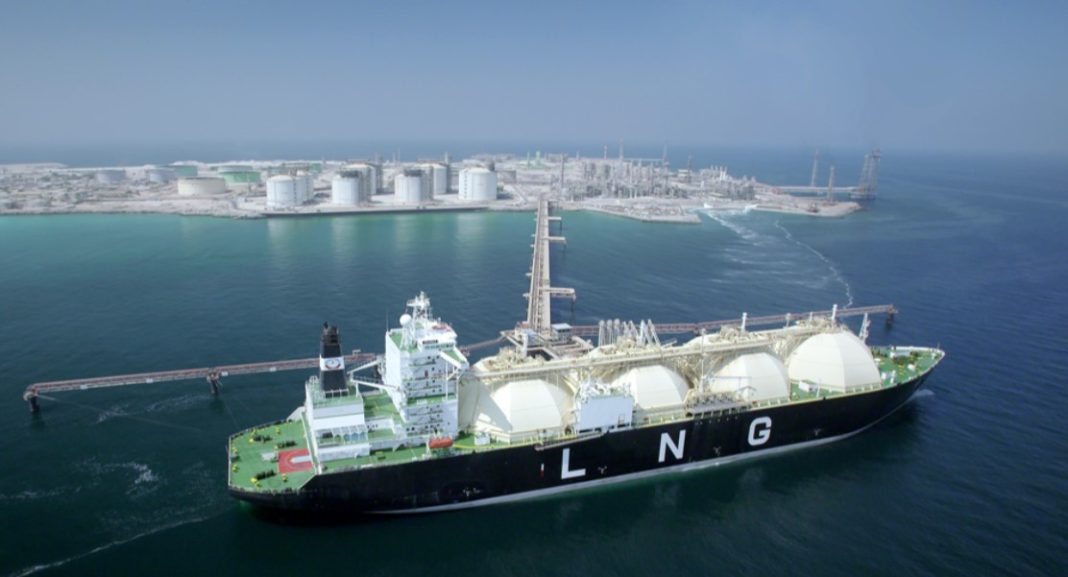
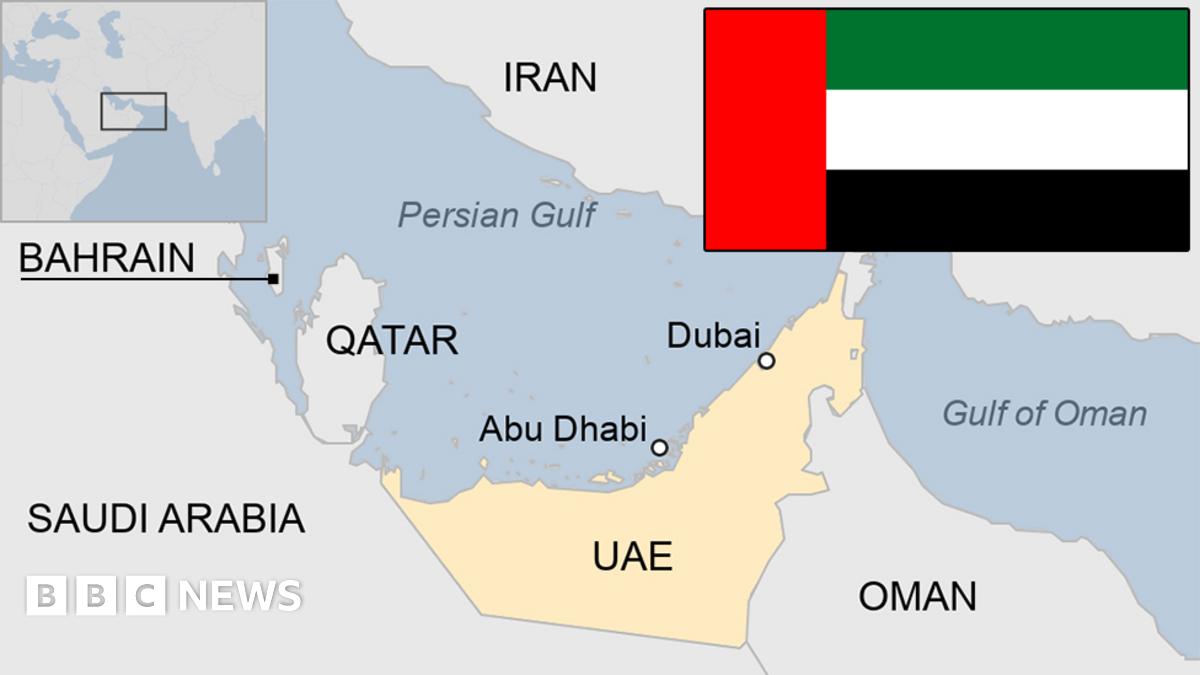
Abu Dhabi’s state energy company signed a 15-year sales and purchase agreement with a unit of British energy major for the delivery of up to 1 million tonnes per annum of liquefied natural gas. The contract represents the first long-term LNG sales deal between the company and Shell and marks the eighth offtake agreement secured for its new export facility.

The LNG will be supplied from the Ruwais LNG project in Al Ruwais Industrial City, Abu Dhabi, which is under development and is set to become the first LNG export plant in the Middle East and Africa region to operate on clean power. Shell holds a 10 per cent equity stake in the project. The agreement converts a previous heads of agreement into a definitive contract and accelerates the project’s commercial timeline.

By securing this deal, more than 8 mtpa of the facility’s planned 9.6 mtpa capacity has already been contracted across Asia and Europe, just 16 months after the project’s final investment decision in July 2024. The project comprises two liquefaction trains of 4.8 mtpa each and is designed to more than double the company’s existing LNG production capacity to around 15 mtpa.

The deal is timed to global gas-market conditions where demand is picking up and energy security is a key concern for buyers. By locking in long-term supply, the exporting company seeks to position itself as a “reliable global supplier of lower-carbon LNG”, while the buyer views the contract as a strategic commitment to expanding its LNG portfolio and securing long-term supplies.

For the seller, the rapid pace at which contract commitments have been won is significant. The chief executive of the gas-division described the achievement of contracting more than 80 per cent of the plant’s capacity within roughly a year of FID as “a new benchmark” for large-scale LNG projects globally, and noted that construction, contractor mobilisation and site works remain on track for commissioning by the end of 2028. The buyer emphasised its long-standing partnership of more than fifty years with the Abu Dhabi exporter and said the agreement supports its global LNG-expansion strategy.

Analysts note that the project’s clean-power design, advanced technology deployment, and rapid contracting distinguish it in the LNG market. That said, while the exporting company releases its ambition to expand its LNG portfolio, competitors in the region are also pursuing aggressive growth, raising competitive risk. Moreover, delivering commercial operations at a low-carbon intensity adds complexity and cost — achieving the projected timeline and performance will require careful execution.

On the demand side, the contract underscores how buyers are increasingly seeking longer-term and lower-emissions supply arrangements in the transition-era gas market. For the buyer, the deal adds to its diversified portfolio of LNG suppliers as it faces intensified competition for cargoes from traditionally dominant exporters. The seller’s ability to secure multiple offtake agreements rapidly helps de-risk the project and supports financing and construction momentum.

One key theme emerging is the alignment of LNG expansion with sustainability credentials. The Ruwais facility’s design to run on clean grid-powered operations, along with claims of being among the lowest-carbon intensity LNG plants globally, reflects a shift in gas-project metrics: projects are now evaluated not solely on cost and capacity but also on carbon footprint and technology sophistication. This trends suggests that access to lower-carbon LNG could become a differentiator among suppliers and a value driver for buyers.

However, achieving this low-carbon ambition may face challenges such as securing clean-power infrastructure, managing capital-cost escalation, and meeting stringent environmental and regulatory expectations across export markets. The broader LNG market is also subject to volatility in feed-gas supply, shipping capacity constraints, and fluctuating demand growth in key markets such as Asia and Europe.

Advertisements

HAI PHONG, VIETNAM – Media OuReach Newswire – 4 November 2025 – Indochina Kajima, the joint venture between Indochina Capital and Kajima Corporation, and ITOCHU Corporation held a ground-breaking ceremony for Core5 Vietnam’s second industrial project in Hải Phòng at Deep C 2 Hai Phong Industrial Zone. The project will deliver approximately 80,000sq.m of world-class ready-built factory space for lease, with a handover expected in Q1/2027. Photo […]

Microsoft has announced a commitment to invest approximately $15.2 billion in the United Arab Emirates by the end of 2029, while securing U. S. export licences to ship advanced AI chips to the Gulf state. The investment is centred on building and expanding cloud infrastructure, artificial-intelligence data centres and talent development in partnership with local entities.

The majority of this sum will flow into the construction and operation of AI-enabled data-centre campuses, with Microsoft Vice-Chair and President Brad Smith describing the growth of those facilities as “by far” the largest element of the investment. The U. S. export licences permit shipment of tens of thousands of the latest-generation Nvidia GB300 Grace Blackwell GPUs to the UAE, enabling Microsoft to deploy higher-end compute capacity in its regional centres.

The investment timeline outlines that Microsoft had invested just over $7.3 billion between 2023 and the end of the present year and plans to spend more than $7.9 billion from 2026 to 2029. Of the latter, over $5.5 billion is earmarked for capital expenditure on data-centres and cloud systems, with the remainder directed at local operating expenses and workforce development. The export licence approvals follow a strategic arrangement between Washington and Abu Dhabi, reflecting shifting U. S. policy on high-end chip exports and technology partnerships with Gulf states.

By leveraging the licences, Microsoft gains the ability to scale AI infrastructure in the UAE under its own operation and in concert with regional firms. The firm emphasizes talent and ecosystem-building alongside infrastructure, noting its launch of a Global Engineering Development Centre in Abu Dhabi, and targeting wide-scale skilling of AI talent across the region. Local partner G42-based in Abu Dhabi plays a key role, with Microsoft having invested $1.5 billion for a minority stake and a board seat for Smith. G42’s board participation and Microsoft’s alignment reinforce the strategy of blending global tech capability with regional execution.

Beyond the financials, the deeper strategic purpose illuminates broader geopolitical dynamics. The U. S. decision to grant chip-export licences to the UAE signals a recalibration of export controls in favour of trusted partners, even as Washington manoeuvres to counter Chinese influence in the global AI supply-chain. The UAE’s ambition to become a global AI hub, and to host one of the world’s largest data-centre complexes in Abu Dhabi, aligns with Microsoft’s drive to diffuse AI at scale. The chip-export approvals are bound by stringent cyber-security and physical-security conditions; Smith emphasised that Microsoft became “the first company” under this administration to obtain such licences for the Gulf region.

Concerns remain, however. Some U. S. lawmakers have flagged that the UAE’s past technology ties with China raise questions about enforcement of export-control safeguards and potential technology diversion. The export licences carry conditional compliance obligations; any lapses may provoke regulatory scrutiny. For Microsoft and the UAE, execution risk spans multiple fronts: timely deployment of infrastructure, talent acquisition and retention, regulatory alignment, and ensuring that capital investment yields operational returns in a cloud and AI market set to intensify.

For the UAE, the benefits are manifold: access to cutting-edge AI hardware, alignment with global technology leaders, and bolstered credentials as a regional innovation hub. For Microsoft, the Gulf expansion offers a new growth frontier outside its traditional markets, delivering cloud-services scale and AI-model hosting in a region keen to adopt generative-AI applications at high per-capita levels. According to Microsoft’s own AI diffusion data, the UAE leads global per-capita use of generative AI, with 59.4 per cent of its population reported to be active users, ahead of second-placed Singapore at 58.6 per cent.

The United Arab Emirates has established itself as a leading hub for innovation and the deployment of advanced technology in the energy sector, according to George Bou Mitri, President of Honeywell for the Middle East, Türkiye and Central Asia. Speaking at the sidelines of the Abu Dhabi International Petroleum Exhibition & Conference 2025, he highlighted how the country’s digital transformation initiatives are serving as a global model for sustainable, technology-driven energy systems.

Bou Mitri said the UAE presents a distinctive example of openness, collaboration and synergy between public and private sectors in driving innovations that are making a tangible global impact in the energy industry. “The solutions created here in the UAE extend their influence far beyond its borders,” he commented. He noted that the country is actively integrating advanced technologies across its energy ecosystem, including expanding the use of LNG, hydrogen, solar and developing sustainable aviation fuel and bio-fuel as part of its emissions-reduction drive.

Honeywell is playing a significant role in this transformation. Bou Mitri pointed to the company’s participation in a landmark project with Abu Dhabi National Oil Company for the Ruwais LNG facility, expected to produce about 9.6 million tonnes annually. He also revealed that Honeywell is developing the region’s first fully autonomous control room powered by agent-based artificial intelligence in partnership with Borouge, aimed at managing petrochemical operations without direct human intervention.

Bou Mitri stressed that digital transformation forms the backbone of the sector’s future. He noted that global energy demand is projected to increase by 32 percent by 2050, while electricity demand is expected to grow by more than 75 percent in the same period, necessitating comprehensive tech solutions to balance growth with emission reduction and operational efficiency. He added that the UAE is clearly adopting that approach, emphasising that the country’s facilities are becoming important development grounds for technologies related to emissions management, artificial intelligence applications and workforce productivity improvements through digitalisation.

The autonomous control-room initiative with Borouge stands out as a practical demonstration of this strategy. According to Borouge, the project will deliver the petrochemical industry’s first AI-driven control room at its UAE plant operations and forms part of its “AIDT” programme with a targeted value generation of US$575 million. The collaboration is intended to optimise production, reduce energy use and enhance safety while lowering costs at what is set to be the world’s largest petrochemical site.

The UAE’s positioning as an innovation frontier for energy technologies comes at a time when the industry is under growing pressure to adapt. Emerging themes include the convergence of artificial intelligence, digital twins, autonomous operations, and clean-energy integration. The broader Middle East region is witnessing major energy investment momentum, with expectations of exceeding US$130 billion this year in oil and gas alone, and simultaneous major expansion in clean-energy investments including hydrogen, LNG and carbon capture projects.

For Honeywell, the UAE’s energy ecosystem is a fertile environment for deploying its digital and automation technologies, but challenges remain. Among these are workforce skills deficits — Bou Mitri pointed out that more than 50 percent of the global energy workforce is aged over 45 — and the need to transfer accumulated expertise to a younger generation. In a sector where downtime, operational safety and emissions control have high stakes, the technology must deliver in real-world conditions, not just in controlled test environments.

Critics might point to the scale of investment required, potential cybersecurity and data governance risks as operations become more connected and autonomous, and the difficulty of scaling pilot programmes into full-scale operations across multiple sites. Nonetheless, the UAE’s strategic posture — combining government backing, private-sector capability and a willingness to test and deploy cutting-edge systems — presents a compelling case study for the global energy community.

There is a good deal of worry about AI. While some feel it’s a godsend, others think it might take away their career options. These are legitimate concerns. Let’s talk about some careers that AI is not likely to take away anytime soon.  Travel Agent If you’re a travel agent, and you set up a business with great payment processing for travel industry expenses and a highly […]

Nasdaq has issued a formal letter of reprimand to TON Strategy, citing a breach of listing rules after the company raised equity and used nearly half its privately raised funds to acquire a large holding in Toncoin without obtaining required shareholder approval. According to the regulatory filing, the company’s issuance of new common stock and warrants during a private investment in public equity transaction in August exceeded the 20 per cent threshold of outstanding shares that triggers an approval requirement.

The issuer, formerly known as Verb Technology and re-branded earlier this year to become a listed vehicle focused on digital asset treasury strategy, announced a $558 million PIPE closed on 7 August. The company disclosed that approximately 48.78 per cent of those proceeds were used to purchase Toncoin.

Nasdaq’s notice pointed out the omission of shareholder approval, which is required when share issuances exceed thresholds designed to protect existing investors and maintain transparency. The exchange concluded that while the misstep was a violation, it did not appear to reflect intentional avoidance of rules and therefore did not recommend delisting the company’s securities.

Toncoin’s market price reacted sharply, declining more than 5 per cent to around $2.165 following the notice, and trading volumes surged, which analysts interpreted as heightened investor concern about governance risks in crypto-linked public-company structures.

In a briefing, TON Strategy CEO Veronika Kapustina had warned that the nascent model of publicly traded cryptocurrency treasury firms could be showing “early indications of a bubble”, pointing to rising valuation and risk of complacency in transparency.

The leadership change within TON Strategy also drew attention: on the closing date of the PIPE, the firm appointed Manuel Stotz, former president of the TON Foundation, as Executive Chairman. The combination of leadership transition, major token purchase, and share issuance without vote has raised questions around alignment of interests and governance framework.

Market observers say the incident underscores a broader trend where public companies are adapting treasury models that hold large cryptocurrency positions, creating novel intersections of asset-class risk, corporate finance and regulatory oversight. Each of these linkages raises fresh scrutiny as traditional exchanges apply inspection regimes developed for conventional equity markets. One analyst commented that “crypto treasury firms now face the same listing rigour as any industrial company, but with far less precedent to guide them”.

For TON Strategy and its shareholders, immediate focus will be on how the company responds within the 45-day window typically afforded by Nasdaq to submit a corrective plan. The notice does not affect the company’s listing status so long as it meets other requirements, but revisions may include retroactive shareholder approval or altered future financing protocols.

The dominance of the Magnificent 7 now defines the shape of global markets. Apple, Microsoft, Alphabet, Amazon, Meta, Nvidia, and Tesla account for more than a third of the S&P 500’s total value, up from about 12% a decade ago. Their performance has lifted the index even as most of the remaining companies have moved sideways. The question for investors is whether these firms are overvalued or […]

A sweeping seven-year agreement valued at some US$38 billion has been struck between OpenAI and Amazon. com Inc.’s cloud arm Amazon Web Services, granting OpenAI access to hundreds of thousands of next-generation GPUs to fuel its artificial-intelligence models. The deal marks a significant shift in the cloud-computing landscape as OpenAI broadens its infrastructure base beyond longstanding relationships. OpenAI said it will begin deploying AWS’ compute capacity immediately, […]

From November 4-30, guests can scoop exclusive giveaways to celebrate Galaxy Macau’s hosting of the table tennis events for the 15th National Games of China. MACAU SAR – Media OutReach Newswire – 3 November 2025 – Galaxy Macau™ Integrated Resort (hereinafter “Galaxy Macau”) today announced its ‘Gold, Glory and Galaxy’ lucky draw, through which guests can win a sparkling selection of unique prizes when they visit during […]

Abu Dhabi-based energy major Abu Dhabi National Oil Company has sealed three new agreements with US-based robotics specialist Gecko Robotics aimed at embedding artificial intelligence and robotics into its operations while accelerating the development of local skills for nationals. The accords were signed at the ENACT Majlis forum in Abu Dhabi and span a multi-year deployment for ADNOC Gas, a collaboration with the group’s training arm ADNOC […]

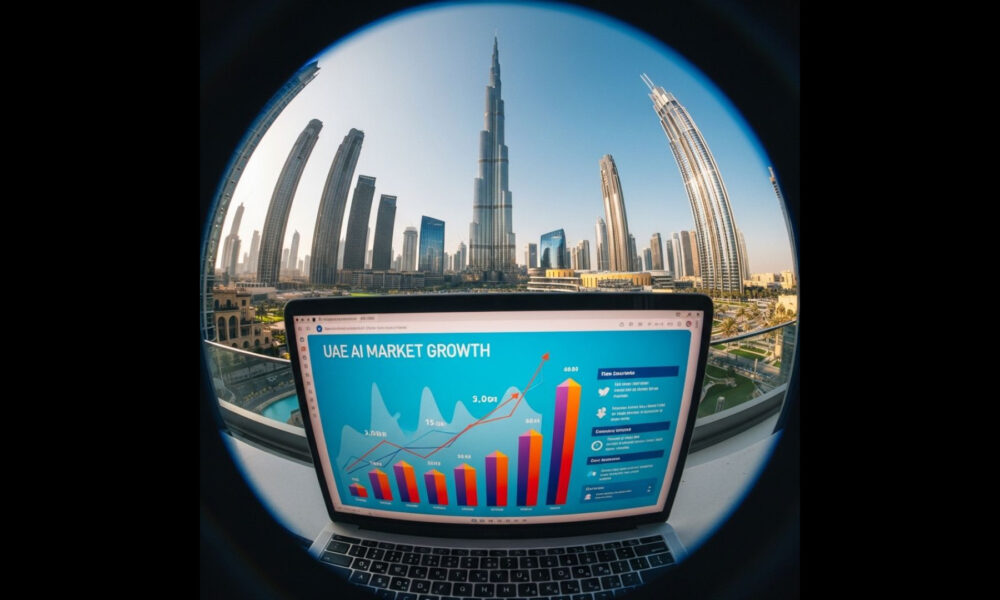
The United Arab Emirates is poised to become a major global hub for artificial intelligence, with its AI market projected to reach around Dh170 billion by 2030, according to a new study by market-research firm Grand View Research. The report indicates that the AI sector in the UAE is growing alongside the broader Middle East and North Africa region, where the AI market is forecast to expand to roughly US$166.3 billion by the end of the decade.

Key government initiatives are helping to drive this expansion. The UAE unveiled its first Arabic-language AI model earlier in the year and launched its “Strategic Plan 2031”, with the ambition of leveraging AI to improve federal-government efficiency and accelerate economic diversification. Grand View Research’s managing director, Swayam Dash, described the country and the wider region as “no longer just adopters of global AI technologies – they are shaping their own playbook,” pointing to sovereign-fund backing and proactive policy as major enablers.

The MENA region’s AI market, valued at about US$11.9 billion in 2023, is expected to grow at a compound annual growth rate of approximately 44.8 per cent between 2024 and 2030, reaching the projected US$166.3 billion figure. Within that broader region, the UAE’s market value is identified as roughly US$3.47 billion in 2023, with a projected CAGR of 43.9 per cent leading to the US$46.33 billion mark by 2030.

Analysts emphasise several drivers behind this growth. Public-sector adoption of AI for urban management, energy optimisation and security is mounting. Large language models and analytics tools are being integrated into government and enterprise workflows. Moreover, the UAE is building infrastructure to support AI ecosystems, including data centres, specialised talent programmes and partnerships with global technology firms.

However, growth is not without its challenges. The rapid adoption of AI raises concerns about data privacy, cybersecurity, ethical governance and workforce disruption. Some observers warn that regulatory frameworks may struggle to keep up with innovation rates. Others caution that scaling advanced AI beyond pilot projects into broad commercial deployment remains a complex and expensive endeavour.

Within the enterprise segment, cloud-based AI services are gaining traction, with the UAE’s cloud AI market estimated at approximately US$2.365 billion in 2024 and expected to reach US$11.08 billion by 2030. Meanwhile, the UAE healthcare-AI market is forecast to grow from US$17.2 million in 2023 to US$137.9 million by 2030, a CAGR of about 34.6 per cent.

CAN GIO, VIETNAM – Media OutReach Newswire – 3 November 2025 – The Can Gio Urban Area Project – Vinhomes Green Paradise – has officially applied to become a Participant in the global “7 Wonders of Future Cities” campaign, launched by the world-renowned New7Wonders organization. By firmly embracing this global initiative, Vinhomes reaffirms its forward-looking vision, positioning Vinhomes Green Paradise not merely as a real estate development […]

HONG KONG SAR – Media OutReach Newswire – 31 October 2025 – The Hong Kong Science and Technology Parks Corporation (HKSTP) joins hands with the Consulate-General of Japan in Hong Kong, DEFTA Partners, and the Alliance Forum Foundation in Special Consultative Status with the United Nations ECOSOC to co-host today’s Japan-Hong Kong Innovation and Technology Forum. The event successfully concluded as it convened distinguished leaders from government, […]

Dubai telecom operator du has launched a new cloud-mining subscription service named “Cloud Miner” offering residents in the UAE access to cryptocurrency mining without the need to purchase or operate hardware. The offering was introduced at a launch event held at the Burj Khalifa and will be managed under du’s B2B sub-brand du Tech. Customers will be able to lease 250 terahashes per second of mining capacity […]

A new initiative unveiled by the Dubai Future Foundation in collaboration with the MIT Senseable City Lab presents a data-intensive approach to urban greenery by applying artificial intelligence to evaluate the cooling effect of trees in multiple global cities. The project, named “Re-Leaf”, harnesses satellite imagery, street-level visuals and thermal data across locations such as Dubai, Amsterdam, Los Angeles and Rome to measure how trees can function as natural cooling infrastructure.

Re-Leaf reveals that shade and evapotranspiration from trees can reduce local surface temperatures by up to 15 °C compared with surrounding paved or built areas. One key finding is that drought-resistant species such as neem trees outperform more commonly planted palms in arid urban environments. DFF described the work as a shift in treating urban vegetation “as essential infrastructure for the cities of tomorrow”.

The initiative emerges under the banner of the 19th International Architecture Exhibition in Venice, curated by Carlo Ratti, in which Re-Leaf features as a special project. The exhibit presents city-scale “skyscraper-like” visualisations that depict greenery levels across the participating cities, with taller towers indicating higher vegetation cover.

Dubai’s establishment of the first Middle East-based Senseable City Lab via DFF provides a focal point for this research. The lab, working in partnership with MIT, developed the algorithms and datasets behind the project. From a strategic perspective, the work aligns with Dubai’s ambition to be an innovation hub and to address the demands of climate-resilient urban planning.

Beyond the headline figure of 15 °C cooling, the dataset comprises more than 2,000 trees across the four cities, allowing comparative analysis of species performance in different climates and urban morphologies. The research team emphasises that while the act of planting trees is well-known, the novelty lies in quantifying their impact using high-resolution AI tools and translating the results into actionable urban design decisions. “In a hotter world, trees must be seen as essential infrastructure, not just decoration,” Ratti said.

Urban planners and environmental scientists are responding to the project by pointing out its potential to shift policy focus from reactive mitigations—such as heavy air-conditioning—to proactive green infrastructure deployment. According to one expert, tree shading and transpiration “are vital for climate-responsive urban design”. For cities in arid or semi-arid zones—where energy use for cooling is high and water scarcity is acute—the findings are particularly relevant. The identification of species that deliver stronger cooling while requiring less water offers practical guidance for future planting strategies.

However, the project also faces scepticism around questions of scalability and implementation cost. Critics ask whether data-rich analyses can translate into large-scale urban forestry programmes in dense built environments, and note that factors such as soil depth, maintenance regimes and tree lifespan require further study. One architecture-critique article raised a broader question: “Do we need AI to confirm that trees cool cities?” highlighting the risk of attending to measurement rather than action.

The choice of cities for analysis – Dubai, Los Angeles, Amsterdam and Rome – reflects a mix of climatic zones and urban typologies, offering the chance to test how vegetation behaves across contexts. Amsterdam, with a temperate maritime climate, provides contrast to Dubai’s arid conditions, while Rome offers a dense historical fabric and Los Angeles a sprawling low-rise geography. Re-Leaf’s catalogue of thousands of tree species and urban cooling maps explicitly aims to support urban designers and policymakers.

For DFF and its partners, integrating tree-cooling metrics into master-planning holds promise beyond aesthetics. The project’s immersive display at Venice functions not only to showcase technology but to prompt debate on how cities invest in nature-based solutions. DFF Director of Dubai Future Labs, Khalifa Al Qama, described the work as generating insights with global value.

Bengaluru is set to become a linchpin in global chip manufacturing as the India Cellular and Electronics Association and the Global Semiconductor Alliance formally announced a strategic alliance aimed at deepening the country’s role in global semiconductor value chains. The agreement, unveiled at a joint press conference co-organised with the India Semiconductor Leadership Roundtable, marks a significant push to integrate local design, manufacturing and packaging capabilities with global technology networks.

ICEA chairman Pankaj Mohindroo described the industry as standing at “an inflection point” and said the partnership with the GSA represented “a strategic step towards positioning India as a vital node in global semiconductor value chains, where design, manufacturing and innovation converge.” Meanwhile, GSA chief executive Jodi Shelton noted the collaboration with ICEA and the India Semiconductor Mission reflected “a shared commitment to connect India’s dynamic innovation with the global semiconductor ecosystem.” Under the terms of the alliance, the two bodies will co-host the India Semiconductor Leadership Summit in 2026, providing a forum where global fabless firms, design innovators and equipment suppliers will engage with emerging Indian fab and OSAT capacity.

The partnership is underpinned by India’s policy drive under the ISM. The government has approved an outlay of ₹76,000 crore to build semiconductor and display manufacturing ecosystems, and around ten projects with investment commitments of nearly ₹1.6 lakh crore have already been sanctioned. The alliance signals a concerted push not only to attract foreign capital but also to nurture domestic design champions and bridge the gap between India’s expanding electronics ecosystem and global supply chains.

Industry analysts highlight India’s strengths: a growing engineering talent pool, improving infrastructure and a policy regime increasingly supportive of semiconductor manufacturing. ICEA points to electronics output in India having reached USD 150 billion, with exports expected to surpass USD 50 billion. The doubling of the Electronic Component Manufacturing Scheme budget underscores the emphasis on scaling manufacturing capacity.

Nevertheless, challenges remain. Global semiconductor value chains remain highly concentrated, especially in fabrication and advanced node manufacturing. To catch up, India will need to address constraints including high capital intensity, access to specialised equipment, materials, technology transfer regimes and workforce readiness for advanced manufacturing operations. There is also the task of aligning timelines: large-scale chip fabrication plants typically take multiple years to commission and ramp. The broader global context matters too — recent supply-chain disruptions, geostrategic tensions and export controls complicate efforts for any aspiring hub.

Despite these hurdles, the ICEA-GSA partnership reflects a strategic recognition that design capabilities, ecosystem linkages, and global connectivity will matter as much as fabrication. By positioning India as a design-to-manufacturing platform and emphasising cross-border collaboration, the alliance aims to raise the country’s profile in the semiconductor supply chain beyond simply being a site for assembly. Industry figures emphasise this direction: Dr Randhir Thakur, chair of ICEA’s Semiconductor Leadership Forum and managing director & chief executive of Tata Electronics, described the partnership as poised to bring “the global and Indian semiconductor ecosystems closer, delivering unique value to customers, design companies, manufacturers and suppliers.”

On the global front, the GSA brings nearly three decades of experience connecting semiconductor leaders worldwide; its network includes chip-design firms, fabs, equipment vendors and global platforms like Google, Amazon and Tesla. Shelton remarked that the aim is for India to become a site where global design houses can work, test and scale—and thereby feed into the broader manufacturing and packaging ecosystem. GSA’s commitment to including India in its annual global executive events underscores the intent to shine a spotlight on India’s semiconductor ambitions.

By K Raveendran The narrative circulating among professionals in high-performing technology firms is increasingly marked by anxiety. Reports of employees receiving lay-off notifications at 3 a.m. are emblematic of a culture in which even top-paid staff feel tethered to the abyss of “you may not be here tomorrow”. The juxtaposition of lucrative compensation and precarious […]


The article Big Tech’s Brutal Culture Pushes Employees Down An Abyss Of Anxiety appeared first on Latest India news, analysis and reports on Newspack by India Press Agency).

HONG KONG SAR – Media OutReach Newswire – 31 October 2025 – The local online pharmacy platform “FastMed HK” is actively advancing smart healthcare development in Hong Kong. Through its innovative online consultation and dispensing model, it provides the public with convenient and professional medical services. The platform integrates a comprehensive electronic distribution system to deliver a seamless medication experience: “online consultation, same-day medication delivery.” Professional Consultations: […]

VISHNU RAJA
RYO YAMADA
HITORI GOTOH
IKUYO KITA