News related to
Technology

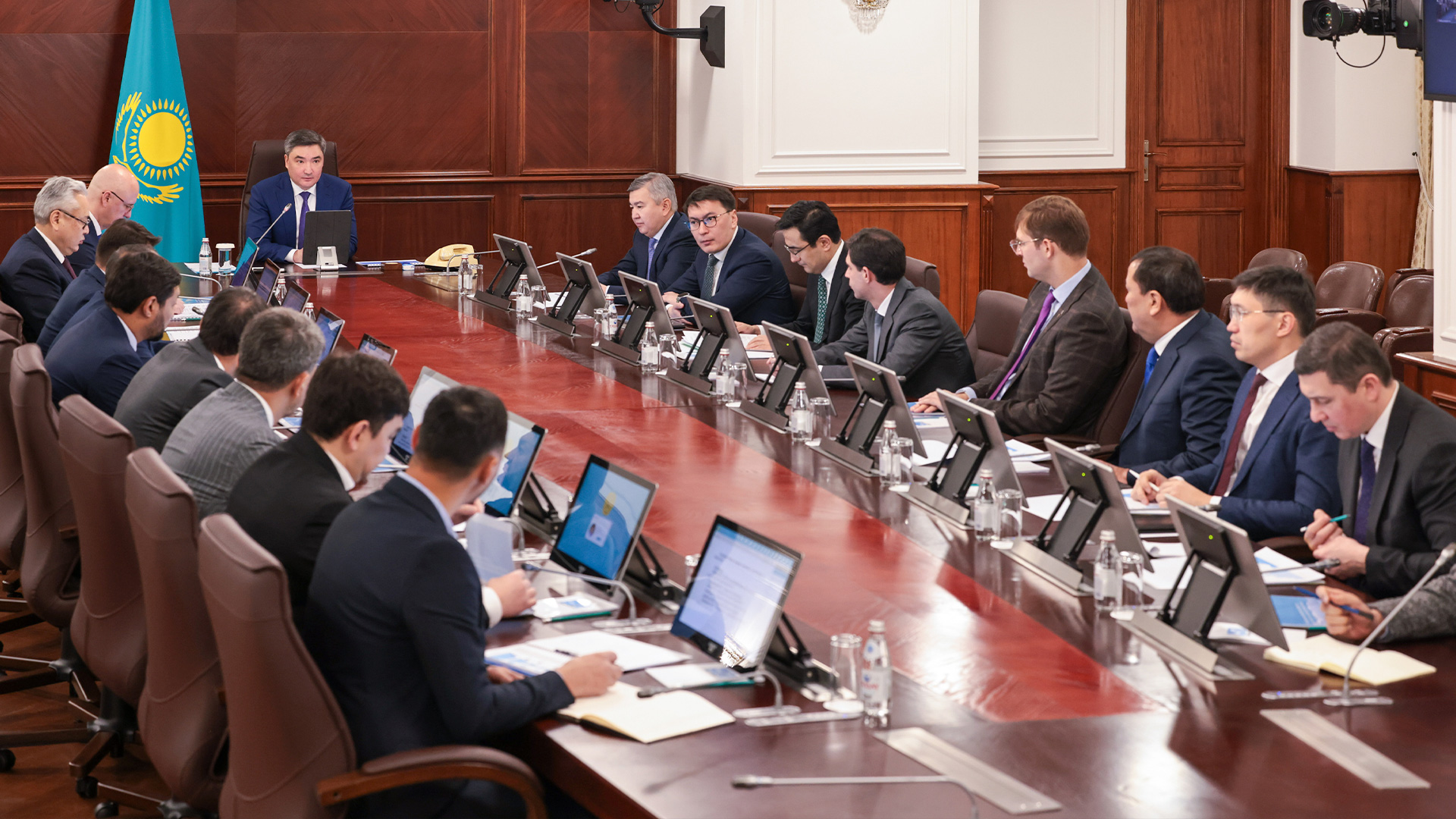
Kazakh authorities have initiated the establishment of a national digital-asset reserve fund valued at between US$500 million and US$1 billion, drawing in part on virtual assets seized or repatriated from abroad. The country’s central bank governor, Timur Suleimenov, stated in a London-based interview that the fund will steer clear of direct cryptocurrency holdings, instead placing capital into exchange-traded funds and shares in firms tied to digital assets. The aim is to have operational readiness by year-end or early January.

The planned vehicle is part of a broader push by the government and financial regulators to formalise the role of digital assets within the national economy. President Kassym‑Jomart Tokayev previously called for a dedicated State Fund of Digital Assets and draft legislation for a digital-asset law in his address to the legislature, signalling targets for implementation in 2026. Meanwhile, the central bank’s deputy governor, Berik Sholpankulov, confirmed to parliament that the fund will receive seized crypto assets from criminal proceedings and may also draw on portions of gold and foreign-exchange reserves.

Analysts note that the decision reflects a cautious yet strategic approach: by investing in regulated instruments such as ETFs rather than acquiring tokens directly, Kazakhstan aims to capture value from the digital-asset ecosystem while limiting exposure to price volatility, custody risks and regulatory ambiguity. The fund’s structure may serve as a model for other states exploring sovereign digital-asset exposure.

The initiative also aligns with Kazakhstan’s existing digital-finance agenda. The government has launched the Alem Crypto Fund, a state-backed vehicle that purchased the BNB token of the Binance network through a local partnership, marking one of the first publicly disclosed state-level digital-asset investments in the country. This fund, managed under the Astana International Financial Centre framework, is viewed as a precursor to the larger sovereign reserve vehicle. Kazakhstan has also announced plans for a so-called “CryptoCity” special zone in the Alatau region, intended to embed digital-asset payments, Web3 businesses and new financial-technology infrastructure.

The use of seized assets as a funding source underscores the interplay between regulatory enforcement and strategic investment. Kazakhstan’s law-enforcement agencies reported shutting down 130 unlicensed crypto exchanges suspected of money-laundering activity and seizing virtual assets worth US$16.7 million. These confiscated assets are earmarked for the fund according to public filings.

Financial-market participants view the reserve fund as serving multiple potential roles: diversification of state reserves, hedging against inflation or currency risk, and positioning Kazakhstan as a regional hub for digital-asset finance. One market strategist noted that “sovereign states are increasingly treating digital-asset exposure as part of long-term strategic reserve management rather than purely speculative allocation.”

Nevertheless, the plan is not without challenges. The absence of a clear regulatory framework for digital assets remains an obstacle: although legislation is under development, the timing and specific provisions are still vague. Market observers highlight that without robust custody, auditing and governance mechanisms, the sovereign reserve could prove vulnerable to volatility or operational failures. Further, the reliance on indirect exposure—through ETFs and equities—limits the fund’s upside in the event of a digital-asset price surge, while still subjecting it to broader capital-market risks.


Kenya’s leading telecommunications provider, Safaricom, has announced a significant 55 per cent increase in its half-year profits for 2025, driven by robust growth in data services and mobile transactions. The company, which holds a dominant position in East Africa’s telecom market, has seen a notable recovery in its performance following challenges in its Ethiopian venture. The surge in profits comes as Safaricom has navigated through the hurdles […]

The International Monetary Fund has commenced its 2025 Annual Research Conference, a high-profile event gathering economists, policymakers, and financial experts. This year’s theme, “The Evolving Landscape of Global Trade and Financial Systems,” is expected to delve into the complexities surrounding international trade, global economic policies, and emerging financial trends. Held in Washington, D. C., the conference is hosting a mix of seasoned experts from various sectors, including […]

Bitcoin’s fair value, according to JPMorgan Chase, should be as high as $170,000, based on a model that compares it to gold’s market role. The investment bank argues that Bitcoin should represent two-thirds of gold’s private investment base, a significant increase from its current value of approximately $102,000 per Bitcoin.

JPMorgan’s analysis draws from its long-standing views on digital assets and traditional commodities, asserting that Bitcoin is on a path to becoming an essential part of the global investment portfolio, particularly among institutional investors. The bank’s model incorporates risk capital metrics and examines the private investment demand for both Bitcoin and gold. As more institutional investors seek exposure to digital assets, Bitcoin is increasingly seen as a hedge against traditional financial uncertainties.

According to the model, Bitcoin’s rise aligns with the expanding use of blockchain technology and cryptocurrencies as a store of value, much like gold has functioned for centuries. This comparison has gained traction, particularly as Bitcoin’s network effects and its decentralized structure differentiate it from other assets. JPMorgan believes that Bitcoin’s potential growth is rooted in its ability to scale and the growing adoption of cryptocurrencies in the financial system.

While Bitcoin’s market capitalisation currently lags behind gold, JPMorgan’s model suggests that it could capture a significant portion of the gold market, primarily in the realm of private investment. The bank’s forecast is based on the assumption that Bitcoin will continue to prove its resilience and utility as an asset, making it increasingly attractive to both institutional and retail investors alike. JPMorgan’s analysis takes into account Bitcoin’s volatile price history, yet the bank remains optimistic about its long-term potential as the digital asset continues to mature.

The bank’s prediction of a $170,000 fair value for Bitcoin is a sharp contrast to its current trading price, which fluctuates in the $30,000 to $35,000 range. However, JPMorgan notes that such a valuation is achievable if Bitcoin continues to gain market share from traditional assets like gold, especially as demand for hedging against inflation and economic uncertainty rises. Additionally, the introduction of Bitcoin ETFs and other investment products could help bridge the gap between digital currencies and mainstream financial markets, facilitating broader adoption.

For JPMorgan, Bitcoin’s fair value also hinges on broader regulatory developments. While the US and other countries have begun to establish clearer regulatory frameworks for cryptocurrencies, the landscape remains uncertain, which could impact Bitcoin’s trajectory. However, JPMorgan suggests that clearer regulations could bring more institutional investors into the space, providing further support for Bitcoin’s long-term growth.

JPMorgan’s bullish outlook on Bitcoin comes amid a broader market trend where digital assets, particularly Bitcoin and Ethereum, are becoming integral to the portfolios of both retail and institutional investors. This shift is propelled by growing recognition of the asset class’s potential to diversify traditional investment portfolios and provide exposure to the evolving digital economy. The rise of decentralized finance platforms and the increasing use of blockchain technology in various industries have helped position Bitcoin as a viable alternative to traditional store-of-value assets like gold.

Bitcoin’s integration into the financial ecosystem is also supported by advancements in blockchain infrastructure and the growing acceptance of cryptocurrencies in various sectors, from payments to banking to supply chain management. As these applications expand, Bitcoin is poised to become a more integral component of financial markets, reinforcing JPMorgan’s argument that its fair value could reach $170,000.

Quantinuum, a leading quantum computing company, has officially launched Helios, a cutting-edge quantum system that it claims to be the most precise general-purpose commercial quantum computer globally. This milestone is seen as a significant development in the quantum computing industry, offering businesses the potential to solve complex computational problems with unprecedented accuracy and efficiency. Helios is powered by advanced quantum technology that allows it to solve problems […]

The European Commission has introduced the “Small Cars Initiative,” a new strategy designed to make small electric vehicles more accessible to European consumers. This move, coming at a time when China’s dominance in the global electric vehicle market continues to rise, aims to ensure Europe’s competitive position in the EV sector. The initiative is part of Europe’s broader efforts to transition to greener technologies and reduce dependence […]

CEOs across Africa are signalling substantial confidence in their firms’ growth prospects, driven by plans for increased hiring and investment in artificial intelligence, according to a newly published survey by KPMG. The study shows that 79 % of surveyed executives believe their own organisations will grow, while 88 % plan staff increases within the next year. The survey, covering more than 130 executives across the continent, reveals […]

Advertisements

Saudi Arabia’s two leading technology infrastructure firms, HUMAIN and DataVolt, have entered a strategic partnership aimed at creating a multi-gigawatt-scale data-centre pipeline designed to support high-intensity artificial-intelligence workloads within the Kingdom. The alliance seeks to mobilise capacity on a scale rarely seen in the Middle East and forms a significant step in the country’s broader ambition to become a global AI hub. HUMAIN, a state-backed AI company […]

Cyberport Welcomed 10 Listed Companies and 2 Unicorns over the past year Cyberport Investors Network (CIN) Celebrates 8th Anniversary with a Yearly Threefold Growth Cumulative Funds Surpassed HK$4.2 Billion HONG KONG SAR – Media OutReach Newswire – 6 November 2025 – The annual flagship event Cyberport Venture Capital Forum 2025 (CVCF) officially opened today at Hong Kong Cyberport. The two-day forum, themed “The Innovation-Venture Nexus: Igniting Transformative […]

Re-engineering towards a Resilient, Adaptive and Sustainable Supply Chain SINGAPORE – Media OutReach Newswire – 6 November 2025 – The 2nd edition of the Asia-Pacific Textile and Apparel Supply Chain Expo & Summit (APTEXPO 2025) returns to Singapore from 19–21 November 2025, reaffirming its role as the region’s premier platform for the textile and apparel industry. Bringing together global leaders, decision-makers, and innovators, the event will drive […]

The island administration of Tenerife has begun negotiations to sell 97 units of Bitcoin originally acquired by the research institute Institute of Technology and Renewable Energies in 2012 for €10,000. The potential sale—valued at around US$10 million—would represent a gain of nearly 1,000-times the procurement cost.

Under the oversight of councillor Juan José Martínez, ITER had purchased the bitcoins as part of an exploratory project to understand blockchain system dynamics rather than as a speculative investment. He emphasised that the holding “was one of the many investigations carried out … to experiment with different technological systems”.

Despite the modest initial outlay, the Council’s ability to monetise the asset has been complicated by regulatory and logistical hurdles. Martínez confirmed that discussions are ongoing with a Spanish financial institution authorised by the Bank of Spain and the National Securities Market Commission to ensure the sale meets regulatory compliance.

The delay in disposal stems in part from the nature of cryptocurrencies in public-sector portfolios. The Council attempted earlier sales but encountered banks unwilling to engage due to volatility risk and regulatory uncertainty. ITER officials were also unable to access the wallet for eight years owing to administrative inertia.

Market estimates suggest the 97 bitcoins are valued at approximately €10–11 million based on current trading prices, implying a gain of around 99,900 per cent relative to the original investment.

The Council plans to reinvest any proceeds into its research and innovation agenda, aligning with ITER’s evolving focus on quantum technologies and other advanced systems. Martínez said the logical next step is to channel the enhanced value into the institute’s core mission.

Observers note that while the transaction is small in global cryptocurrency terms, it signals growing institutionalisation of digital-asset holdings outside the private sector. Analyst Fernando Molina of Blockworks remarked that the sale could draw attention to the potential for public-administration bitcoin portfolios and the regulatory barriers they face.

The operational path to execution remains complex. The buyer remains undisclosed and must satisfy both Spanish financial-sector licensing and anti-money-laundering requirements. Because banks in Spain rarely accept bitcoin deposits, entities that facilitate the transaction must possess the requisite licences. The Council is navigating Spanish administrative processes that govern public-sector asset sales and digital-asset compliance.

Sector experts caution that while the gain is remarkable, cryptocurrencies held by public institutions carry unique risks. Price volatility, custody challenges, and regulatory oversight create additional burdens for an asset class still considered nascent. The Council’s case offers a rare example of such holdings being monetised by a sub-national government.

The Public Investment Fund and Jones Lang LaSalle Saudi Arabia Company Limited announced a memorandum of understanding to deepen collaboration in Saudi Arabia’s real-estate sector. The agreement, inked during the Future Investment Initiative in Riyadh, lays out a strategic partnership aimed at leveraging PIF’s infrastructure ambitions and JLL’s global real-estate expertise.

Under the MoU, PIF and JLL intend to focus on critical areas such as market-insight generation, valuation services, project-management frameworks and talent development within the real-estate industry. The goal is to increase private-sector participation, accelerate technology adoption in property development and support the transformation of Saudi Arabia’s built environment.

PIF’s local real-estate strategy positions the fund as a driver of urban innovation, economic diversification and quality-of-life enhancements in line with Vision 2030. As head of PIF’s Local Real Estate Investment Division, Saad Alkroud signed the agreement alongside Sue Aspre y Price, EMEA CEO and global head of Portfolio Services, Work Dynamics at JLL.

Real-estate activity in Saudi Arabia has come under the spotlight as the economy looks beyond oil and prioritises new sectors such as urban development, tourism and infrastructure. Data from real-estate-consultant estimates show that rents and purchase-prices have surged in major urban areas, prompting policymakers to explore responsive measures. Once largely dominated by public-sector investment, the market is shifting toward private-sector engagement — a key objective in the MoU. The agreement signals JLL’s commitment to the Kingdom, where the firm already has operations and plans to expand offerings in valuations, asset management and advisory services.

Execution will be critical. While the MoU is non-binding, it lays the foundation for joint initiatives to build local capacity, deploy digital and prop-tech solutions and drive more efficient project delivery. For JLL the partnership offers a fast-growing real-estate market with the backing of a sovereign investor. For PIF it opens global know-how and operational discipline in property-sector value chains. Analysts observe that the real-estate sector must contend with affordability pressures, consumer-demand dynamics and a need for asset-liability management frameworks in a transitional economy.

The collaboration also supports the broader push for sustainability in built-environment projects. As PIF steers giga-projects and landmark initiatives, JLL’s experience in global sustainability standards and ESG frameworks may be applied to help the Kingdom meet international benchmarks and investor expectations. According to the official statement, acceleration of new-technology adoption and fostering of local talent were emphasised as pillars of growth.

Industry watchers point out that the significance lies not just in the signing but in implementation. The proof will be in how swiftly joint programmes roll out, how private-sector engagement increases and how efficiently project pipelines convert into deliverables. The agreement comes at a time when Saudi policymakers are intensifying efforts to unlock private capital for real-estate, logistic and urban-development assets, with PIF central to that agenda.

With Saudi Arabia targeting a home-ownership rate of 70 per cent and major urban developments underway, the PIF-JLL alliance could become a cornerstone of the real-estate-ecosystem overhaul. Effective governance, transparency and strong monitoring mechanisms will be needed to ensure the partnership delivers the intended economic and social outcomes.

Swiss cloud storage leader pCloud introduces limited-time lifetime deals for Asian markets from November 3 to November 17, offering unmatched value on secure digital storage. ZUG, SWITZERLAND – Media OutReach Newswire – 6 November 2025 – Swiss-based cloud storage provider pCloud, trusted by more than 22 million users worldwide, announced today the launch of its exclusive 11.11 Mega Sale for Asia. Running from November 3 to November […]

A groundbreaking partnership has emerged between Ripple Labs, Mastercard Incorporated, WebBank and Gemini Trust Company to pilot the use of Ripple’s U. S. dollar-backed stablecoin, RLUSD, for credit-card settlement on the XRP Ledger network. The announcement, made at Ripple’s annual Swell 2025 event, signals a key move by a mainstream payments network to integrate blockchain-based tools into legacy infrastructure.

Under the terms of the pilot, Card issuer WebBank—partnering via Gemini’s credit-card programme—will explore settling Mastercard-network transactions using RLUSD on the XRPL. The goal is to streamline settlement flows between merchants and issuers, compressing what now often takes days into near-real-time settlement through blockchain rails, while preserving regulatory compliance and consumer protection.

Ripple noted that RLUSD has already surpassed a circulation threshold of $1 billion, and is issued under the oversight of the New York Department of Financial Services with reserves held in cash and short-term U. S. Treasuries. Mastercard described the collaboration as part of its broader strategy to integrate regulated digital assets. “Through our partnerships with Ripple, Gemini and WebBank, we’re using our global payments network to bring regulated, open-loop stablecoin payments into the financial mainstream,” said Sherri Haymond, Mastercard’s Global Head of Digital Commercialisation.

The partnership unfolds amid growing attention on stablecoins as institutional settlement tools rather than niche digital-asset instruments. Mastercard’s previous statements reflect cautious optimism: its Chief Product Officer, Jorn Lambert, has said that despite the potential of stablecoin technology, adoption demands “a seamless and predictable user experience, reach and wide distribution” beyond the technological narrative alone.

Industry analysts note that if scaled, this model could challenge entrenched settlement processes such as those using ACH and SWIFT and cut both transactional cost and latency—especially for cross-border commerce. Ripple executives suggest that the pilot is a demonstration of how stablecoins can function within regulated frameworks rather than as adversarial alternatives.

Nonetheless, key caveats remain. The pilot requires regulatory clearance before full onboarding begins, and adoption by issuers and merchants at scale remains to be proven. Some banks and payment networks continue to view stablecoins with caution, given ongoing questions about trust, custody, interoperability and how legacy infrastructure will migrate. As an example, Mastercard has publicly noted stablecoins still have “a long way to go” before becoming everyday payment tools.

This initiative builds on Ripple’s broader institutional push, which included a reported $500 million funding round at a $40 billion valuation, intended to fuel growth in custody, stablecoins and institutional payments infrastructure. The XRPL platform, which underpins XRP and is designed for low-cost, high-speed settlement and tokenisation, is central to the experiment.

For cardholders, the consumer experience may remain unchanged—swipe a card—but behind the scenes, settlement flows could shift dramatically. For merchants and issuers, the promise lies in reduced settlement risk, faster liquidity and improved traceability. For regulators and infrastructure providers, the test will show whether a hybrid bridge between legacy finance and blockchain can scale without undermining compliance or stability.

Abu Dhabi-listed investment firm Waha Capital has confirmed that its subsidiary, Waha VAS Limited, has completed its divestment from the AI-fintech group Optasia following the latter’s listing on the Johannesburg Stock Exchange. The firm reported proceeds of US$119 million, an internal rate of return of 25 per cent, and a multiple on invested capital of four times. Waha VAS initially acquired a 20 per cent stake in […]

Extends Agentic AI Safety from infrastructure to application with agentless EDR and integrated guardrails to secure next-generation AI factories HONG KONG SAR – Media OutReach Newswire – 5 November 2025 – Trend Micro Incorporated (TYO: 4704; TSE: 4704), a global cybersecurity leader, today announced a new integration with NVIDIA BlueField, which embeds protection directly into the data center layer for more secure and scalable AI factories. This […]

Wall Street’s surge in equity valuations, largely driven by a small group of technology giants, has raised concerns about the shallow nature of the rally and the potential risks that may follow. Leading the pack are companies such as Nvidia, Microsoft and Amazon. com, whose combined market capitalisations and dominant positions in artificial-intelligence-driven sectors are exerting an outsized influence on the broader market. Analysts note that the […]

HANOI/ ABU DHABI, VIETNAM – Media OutReach Newswire – 4 November 2025 – The Vietnam Exposition Center (VEC) and dmg events have announced a strategic partnership and launch their first collaborative initiative – a global energy congress and exhibition. Operated under an exclusive brand model, this global event is expected to become a new international platform connecting the renewable energy, power, hydrocarbons, energy storage, hydrogen, low-carbon technology, […]

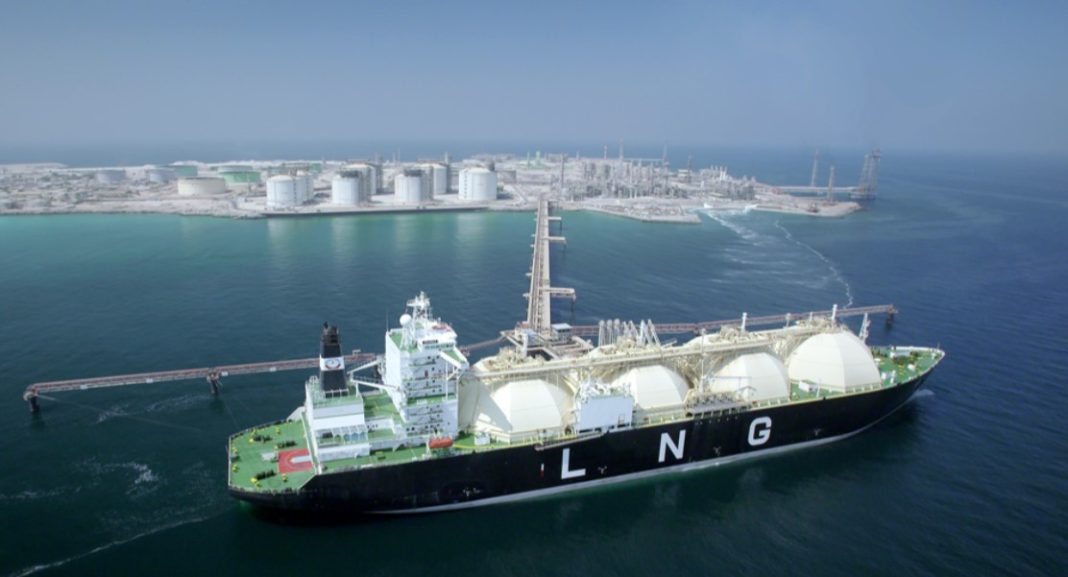
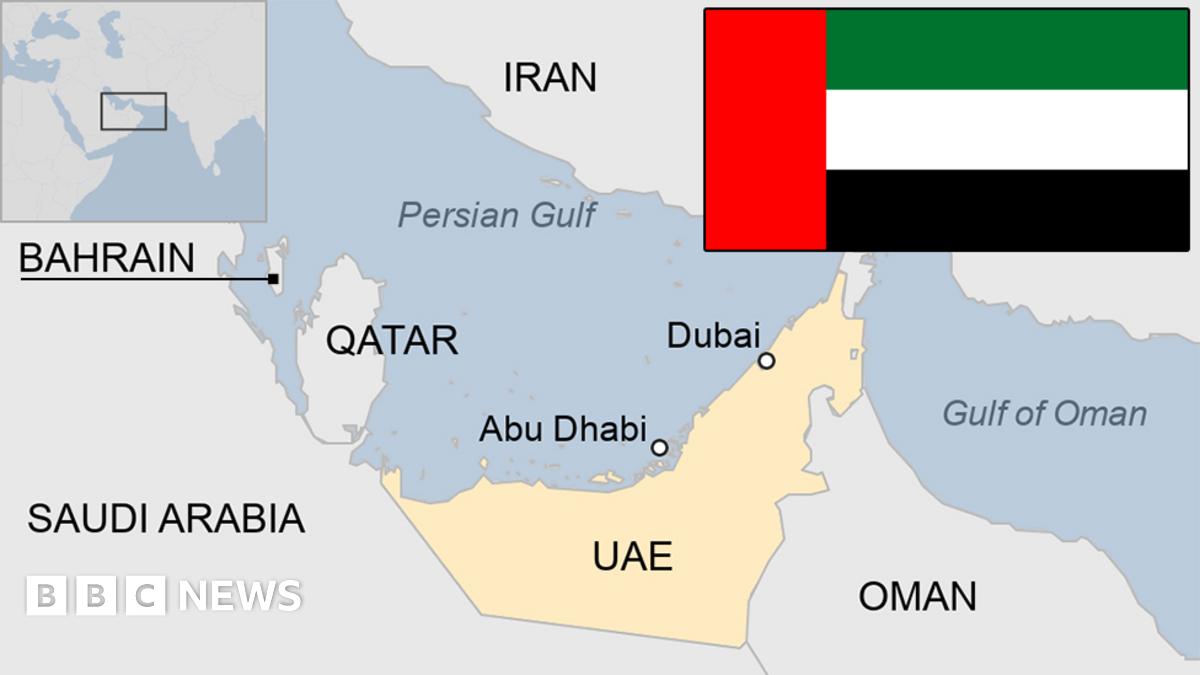
Abu Dhabi’s state energy company signed a 15-year sales and purchase agreement with a unit of British energy major for the delivery of up to 1 million tonnes per annum of liquefied natural gas. The contract represents the first long-term LNG sales deal between the company and Shell and marks the eighth offtake agreement secured for its new export facility.

The LNG will be supplied from the Ruwais LNG project in Al Ruwais Industrial City, Abu Dhabi, which is under development and is set to become the first LNG export plant in the Middle East and Africa region to operate on clean power. Shell holds a 10 per cent equity stake in the project. The agreement converts a previous heads of agreement into a definitive contract and accelerates the project’s commercial timeline.

By securing this deal, more than 8 mtpa of the facility’s planned 9.6 mtpa capacity has already been contracted across Asia and Europe, just 16 months after the project’s final investment decision in July 2024. The project comprises two liquefaction trains of 4.8 mtpa each and is designed to more than double the company’s existing LNG production capacity to around 15 mtpa.

The deal is timed to global gas-market conditions where demand is picking up and energy security is a key concern for buyers. By locking in long-term supply, the exporting company seeks to position itself as a “reliable global supplier of lower-carbon LNG”, while the buyer views the contract as a strategic commitment to expanding its LNG portfolio and securing long-term supplies.

For the seller, the rapid pace at which contract commitments have been won is significant. The chief executive of the gas-division described the achievement of contracting more than 80 per cent of the plant’s capacity within roughly a year of FID as “a new benchmark” for large-scale LNG projects globally, and noted that construction, contractor mobilisation and site works remain on track for commissioning by the end of 2028. The buyer emphasised its long-standing partnership of more than fifty years with the Abu Dhabi exporter and said the agreement supports its global LNG-expansion strategy.

Analysts note that the project’s clean-power design, advanced technology deployment, and rapid contracting distinguish it in the LNG market. That said, while the exporting company releases its ambition to expand its LNG portfolio, competitors in the region are also pursuing aggressive growth, raising competitive risk. Moreover, delivering commercial operations at a low-carbon intensity adds complexity and cost — achieving the projected timeline and performance will require careful execution.

On the demand side, the contract underscores how buyers are increasingly seeking longer-term and lower-emissions supply arrangements in the transition-era gas market. For the buyer, the deal adds to its diversified portfolio of LNG suppliers as it faces intensified competition for cargoes from traditionally dominant exporters. The seller’s ability to secure multiple offtake agreements rapidly helps de-risk the project and supports financing and construction momentum.

One key theme emerging is the alignment of LNG expansion with sustainability credentials. The Ruwais facility’s design to run on clean grid-powered operations, along with claims of being among the lowest-carbon intensity LNG plants globally, reflects a shift in gas-project metrics: projects are now evaluated not solely on cost and capacity but also on carbon footprint and technology sophistication. This trends suggests that access to lower-carbon LNG could become a differentiator among suppliers and a value driver for buyers.

However, achieving this low-carbon ambition may face challenges such as securing clean-power infrastructure, managing capital-cost escalation, and meeting stringent environmental and regulatory expectations across export markets. The broader LNG market is also subject to volatility in feed-gas supply, shipping capacity constraints, and fluctuating demand growth in key markets such as Asia and Europe.

HAI PHONG, VIETNAM – Media OuReach Newswire – 4 November 2025 – Indochina Kajima, the joint venture between Indochina Capital and Kajima Corporation, and ITOCHU Corporation held a ground-breaking ceremony for Core5 Vietnam’s second industrial project in Hải Phòng at Deep C 2 Hai Phong Industrial Zone. The project will deliver approximately 80,000sq.m of world-class ready-built factory space for lease, with a handover expected in Q1/2027. Photo […]

Microsoft has announced a commitment to invest approximately $15.2 billion in the United Arab Emirates by the end of 2029, while securing U. S. export licences to ship advanced AI chips to the Gulf state. The investment is centred on building and expanding cloud infrastructure, artificial-intelligence data centres and talent development in partnership with local entities.

The majority of this sum will flow into the construction and operation of AI-enabled data-centre campuses, with Microsoft Vice-Chair and President Brad Smith describing the growth of those facilities as “by far” the largest element of the investment. The U. S. export licences permit shipment of tens of thousands of the latest-generation Nvidia GB300 Grace Blackwell GPUs to the UAE, enabling Microsoft to deploy higher-end compute capacity in its regional centres.

The investment timeline outlines that Microsoft had invested just over $7.3 billion between 2023 and the end of the present year and plans to spend more than $7.9 billion from 2026 to 2029. Of the latter, over $5.5 billion is earmarked for capital expenditure on data-centres and cloud systems, with the remainder directed at local operating expenses and workforce development. The export licence approvals follow a strategic arrangement between Washington and Abu Dhabi, reflecting shifting U. S. policy on high-end chip exports and technology partnerships with Gulf states.

By leveraging the licences, Microsoft gains the ability to scale AI infrastructure in the UAE under its own operation and in concert with regional firms. The firm emphasizes talent and ecosystem-building alongside infrastructure, noting its launch of a Global Engineering Development Centre in Abu Dhabi, and targeting wide-scale skilling of AI talent across the region. Local partner G42-based in Abu Dhabi plays a key role, with Microsoft having invested $1.5 billion for a minority stake and a board seat for Smith. G42’s board participation and Microsoft’s alignment reinforce the strategy of blending global tech capability with regional execution.

Beyond the financials, the deeper strategic purpose illuminates broader geopolitical dynamics. The U. S. decision to grant chip-export licences to the UAE signals a recalibration of export controls in favour of trusted partners, even as Washington manoeuvres to counter Chinese influence in the global AI supply-chain. The UAE’s ambition to become a global AI hub, and to host one of the world’s largest data-centre complexes in Abu Dhabi, aligns with Microsoft’s drive to diffuse AI at scale. The chip-export approvals are bound by stringent cyber-security and physical-security conditions; Smith emphasised that Microsoft became “the first company” under this administration to obtain such licences for the Gulf region.

Concerns remain, however. Some U. S. lawmakers have flagged that the UAE’s past technology ties with China raise questions about enforcement of export-control safeguards and potential technology diversion. The export licences carry conditional compliance obligations; any lapses may provoke regulatory scrutiny. For Microsoft and the UAE, execution risk spans multiple fronts: timely deployment of infrastructure, talent acquisition and retention, regulatory alignment, and ensuring that capital investment yields operational returns in a cloud and AI market set to intensify.

For the UAE, the benefits are manifold: access to cutting-edge AI hardware, alignment with global technology leaders, and bolstered credentials as a regional innovation hub. For Microsoft, the Gulf expansion offers a new growth frontier outside its traditional markets, delivering cloud-services scale and AI-model hosting in a region keen to adopt generative-AI applications at high per-capita levels. According to Microsoft’s own AI diffusion data, the UAE leads global per-capita use of generative AI, with 59.4 per cent of its population reported to be active users, ahead of second-placed Singapore at 58.6 per cent.

The United Arab Emirates has established itself as a leading hub for innovation and the deployment of advanced technology in the energy sector, according to George Bou Mitri, President of Honeywell for the Middle East, Türkiye and Central Asia. Speaking at the sidelines of the Abu Dhabi International Petroleum Exhibition & Conference 2025, he highlighted how the country’s digital transformation initiatives are serving as a global model for sustainable, technology-driven energy systems.

Bou Mitri said the UAE presents a distinctive example of openness, collaboration and synergy between public and private sectors in driving innovations that are making a tangible global impact in the energy industry. “The solutions created here in the UAE extend their influence far beyond its borders,” he commented. He noted that the country is actively integrating advanced technologies across its energy ecosystem, including expanding the use of LNG, hydrogen, solar and developing sustainable aviation fuel and bio-fuel as part of its emissions-reduction drive.

Honeywell is playing a significant role in this transformation. Bou Mitri pointed to the company’s participation in a landmark project with Abu Dhabi National Oil Company for the Ruwais LNG facility, expected to produce about 9.6 million tonnes annually. He also revealed that Honeywell is developing the region’s first fully autonomous control room powered by agent-based artificial intelligence in partnership with Borouge, aimed at managing petrochemical operations without direct human intervention.

Bou Mitri stressed that digital transformation forms the backbone of the sector’s future. He noted that global energy demand is projected to increase by 32 percent by 2050, while electricity demand is expected to grow by more than 75 percent in the same period, necessitating comprehensive tech solutions to balance growth with emission reduction and operational efficiency. He added that the UAE is clearly adopting that approach, emphasising that the country’s facilities are becoming important development grounds for technologies related to emissions management, artificial intelligence applications and workforce productivity improvements through digitalisation.

The autonomous control-room initiative with Borouge stands out as a practical demonstration of this strategy. According to Borouge, the project will deliver the petrochemical industry’s first AI-driven control room at its UAE plant operations and forms part of its “AIDT” programme with a targeted value generation of US$575 million. The collaboration is intended to optimise production, reduce energy use and enhance safety while lowering costs at what is set to be the world’s largest petrochemical site.

The UAE’s positioning as an innovation frontier for energy technologies comes at a time when the industry is under growing pressure to adapt. Emerging themes include the convergence of artificial intelligence, digital twins, autonomous operations, and clean-energy integration. The broader Middle East region is witnessing major energy investment momentum, with expectations of exceeding US$130 billion this year in oil and gas alone, and simultaneous major expansion in clean-energy investments including hydrogen, LNG and carbon capture projects.

For Honeywell, the UAE’s energy ecosystem is a fertile environment for deploying its digital and automation technologies, but challenges remain. Among these are workforce skills deficits — Bou Mitri pointed out that more than 50 percent of the global energy workforce is aged over 45 — and the need to transfer accumulated expertise to a younger generation. In a sector where downtime, operational safety and emissions control have high stakes, the technology must deliver in real-world conditions, not just in controlled test environments.

Critics might point to the scale of investment required, potential cybersecurity and data governance risks as operations become more connected and autonomous, and the difficulty of scaling pilot programmes into full-scale operations across multiple sites. Nonetheless, the UAE’s strategic posture — combining government backing, private-sector capability and a willingness to test and deploy cutting-edge systems — presents a compelling case study for the global energy community.

There is a good deal of worry about AI. While some feel it’s a godsend, others think it might take away their career options. These are legitimate concerns. Let’s talk about some careers that AI is not likely to take away anytime soon.  Travel Agent If you’re a travel agent, and you set up a business with great payment processing for travel industry expenses and a highly […]

Nasdaq has issued a formal letter of reprimand to TON Strategy, citing a breach of listing rules after the company raised equity and used nearly half its privately raised funds to acquire a large holding in Toncoin without obtaining required shareholder approval. According to the regulatory filing, the company’s issuance of new common stock and warrants during a private investment in public equity transaction in August exceeded the 20 per cent threshold of outstanding shares that triggers an approval requirement.

The issuer, formerly known as Verb Technology and re-branded earlier this year to become a listed vehicle focused on digital asset treasury strategy, announced a $558 million PIPE closed on 7 August. The company disclosed that approximately 48.78 per cent of those proceeds were used to purchase Toncoin.

Nasdaq’s notice pointed out the omission of shareholder approval, which is required when share issuances exceed thresholds designed to protect existing investors and maintain transparency. The exchange concluded that while the misstep was a violation, it did not appear to reflect intentional avoidance of rules and therefore did not recommend delisting the company’s securities.

Toncoin’s market price reacted sharply, declining more than 5 per cent to around $2.165 following the notice, and trading volumes surged, which analysts interpreted as heightened investor concern about governance risks in crypto-linked public-company structures.

In a briefing, TON Strategy CEO Veronika Kapustina had warned that the nascent model of publicly traded cryptocurrency treasury firms could be showing “early indications of a bubble”, pointing to rising valuation and risk of complacency in transparency.

The leadership change within TON Strategy also drew attention: on the closing date of the PIPE, the firm appointed Manuel Stotz, former president of the TON Foundation, as Executive Chairman. The combination of leadership transition, major token purchase, and share issuance without vote has raised questions around alignment of interests and governance framework.

Market observers say the incident underscores a broader trend where public companies are adapting treasury models that hold large cryptocurrency positions, creating novel intersections of asset-class risk, corporate finance and regulatory oversight. Each of these linkages raises fresh scrutiny as traditional exchanges apply inspection regimes developed for conventional equity markets. One analyst commented that “crypto treasury firms now face the same listing rigour as any industrial company, but with far less precedent to guide them”.

For TON Strategy and its shareholders, immediate focus will be on how the company responds within the 45-day window typically afforded by Nasdaq to submit a corrective plan. The notice does not affect the company’s listing status so long as it meets other requirements, but revisions may include retroactive shareholder approval or altered future financing protocols.

VISHNU RAJA
RYO YAMADA
HITORI GOTOH
IKUYO KITA