Just in:
IEA forecasts fourth-quarter oil surplus as Gulf shipments rebound // Salik posts Dhs1.045bn profit despite lower toll traffic // ADQ Aviation raises Abu Dhabi Aviation holding to 71.61% // Govt rejects SIT Pooram report, orders new probe // China Reconciled To U.S. Curbs On Chips Exports, Woos South Korea For Supply // Sun World Ba Den Mountain marks Vietnam Culture Day, welcoming Cambodian visitors over Bon Om Touk // China’s Taiwan warning tests Washington’s defence commitments // BJP-sponsored school exam approval revoked // Lego restores BrickLink marketplace after security investigation // The Honey Trap Is The Headline, The Chip Pipeline Is The Story // Pink Economy report puts equal rights at the heart of Thailand’s road to Bangkok WorldPride 2030 // Thiruvambady Devaswom hails rejection of report // Bahrain broadcasts nationwide safety warnings amid aerial threats // OpenAI unveils ChatGPT Wallet for agent-led purchases // TORRAS Launches Two New iPhone Duo Cases from Its Popular Ostand Series, Addressing Foldable Phone Users’ Concerns About Difficult Stand Positioning and Scratches // October Food Price Shock Has Far Reaching Consequences // Danone expands consumer insight capabilities to accelerate nutrition innovation through Southeast Asia R&I Application Lab upgrade // Microsoft apologises as Outlook services recover after outage // Microsoft restores services gradually but gives no recovery deadline // Inpex reaffirms Gulf oil strategy despite shipping constraints //

News related to
Technology

  • First-of-its-kind multi-region study on the perceptions of ageing and ageing well officially launched at the Intercontinental Alliance for Integrated Care (IAIC) gala dinner.
  • The study featured insights from five member regions to advance support for ageing.
  • The Alliance welcomed seven new members, strengthened its local chapters and handed over 2026 hosting duties to the United Kingdom.

SINGAPORE – Media OutReach Newswire – 21 November 2025 – The Intercontinental Alliance for Integrated Care (IAIC), hosted by the Singapore University of Social Sciences (SUSS), today launched its first-ever multi-region study on the perceptions of ageing and ageing well. Now in its second edition, the Alliance’s annual flagship event IAIC 2025 brought together partners from across Asia, Europe, and North America, including new members from Estonia, India, Japan, Malaysia, South Korea, and Chinese Taipei, to advance new knowledge, partnerships and innovations shaping the future of ageing and integrated care.

Launch of the IAIC Multi-Region Study Report

Led by SUSS and co-developed with IAIC members, the multi-region study – A Study on Perceptions of Ageing and Ageing Well: Exploring Older Adults’ Experiences and Coping Strategies Across Regions – draws insights from five regions: Singapore, Canada, Mainland China, Hong Kong SAR and the United Kingdom. It examines how older adults across different societies understand ageing, navigate later-life transitions and define what it means to age well.

Guest-of-Honour, Mdm Halimah Yacob, Chancellor, SUSS, at the official launch of the IAIC Multi-Region study.

Placing the lived experiences of older adults at its core, the study offers a clearer picture of what ageing well means to them and underscores the role of families, communities and care systems in shaping those experiences. It provides a cross-cultural view of older adults’ aspirations and coping strategies, revealing how social, economic and policy contexts influence their day-to-day realities. Insights from Brunei and Thailand will be incorporated in the next phase and shared progressively.

Across regions, the findings highlight a common theme: ageing is shaped not only by biological changes, but also by social and cultural contexts. A recurring paradox emerges – despite physical decline, many older adults continue to experience purpose, connection and well-being.

Singapore Chapter: Local Insights into Ageing Well

Within this broader landscape, the Singapore chapter adds depth to how these themes manifest locally, drawing on responses from about 1,000 survey respondents and 15 in-depth interviews. Several key insights emerged on how older Singaporeans understand and experience ageing. For instance:

  • Women aged 75–84 placed higher value on family and close relationships than men of the same age bracket, underscoring the central role of social bonds. Staying socially connected helps them remain emotionally engaged and supported by strong community ties. Men, by contrast, are more vulnerable to isolation after retirement, particularly when their identities were closely tied to work.
  • The study also highlighted “mastery” – the belief that one can still influence the course of one’s life – as a strong predictor of successful ageing. Older adults with a strong sense of mastery tend to stay socially connected, feel more satisfied, and continue pursuing activities that bring purpose and joy. They remain active not simply because they are physically stronger, but because they believe their actions continue to matter.

For the full report, please visit https://suss.to/iaic2025-report.

Associate Professor Justina Tan, Vice President of Strategic Partnership and Engagement at SUSS and Principal Investigator for the study, shared “As Singapore becomes ‘super-aged’ next year, the multi-region study aims to provide us with invaluable insights to guide more targeted policies and interventions. By understanding the unique needs and aspirations of our older adults, we can design programmes that not only preserve autonomy and foster meaningful conversations but also ensure that support is tailored to help every senior thrive in their own way.”

Following today’s launch, the IAIC partners will move into the implementation phase, where each country will adapt insights into on-the-ground pilot initiatives within their local care systems.

IAIC 2025: Beyond Borders, Beyond Age

Themed “Beyond Borders, Beyond Age: Shaping Tomorrow’s Tapestry of Integrated Care”, IAIC 2025 convened like-minded partners such as academic institutions, care providers, policymakers, and innovators across regions to shape care systems that transcend geographical, generational, and institutional boundaries.

Across the two-day programme, delegates took part in discussions, learning journeys and collaborative sessions focused on integrated care and healthy ageing. A key highlight was a visit to TOUCHpoint@AMK 433 this morning, where participants learned about Singapore’s community-based approaches to ageing well and supporting seniors to age in place.

The event culminated in a gala dinner at Conrad Singapore Marina Bay, where Guest-of-Honour, Mdm Halimah Yacob, Chancellor, SUSS, witnessed the official launch of the multi-region study together with IAIC representatives from Singapore, Canada, Mainland China and the United Kingdom.

In her address, Mdm Halimah said “Ageing is not a burden to be managed. It is a season of life to be respected, supported, and reimagined, where every person, regardless of age, continues to have value, voice, and belonging.” She added, “As we look to the future, the challenge of ageing will test every society’s capacity for compassion, creativity, and courage. It also offers a profound opportunity to redefine what it means to live and age well, and to reaffirm our shared humanity.”

Alliance Expansion and New Local Chapters

IAIC 2025 also marked a significant milestone for the Alliance with the addition of seven new member institutions, welcomed through a symbolic handprint ceremony. Led by SUSS, the IAIC is supported by 12 founding members across Asia, Europe and North America, each contributing expertise in ageing and integrated care.

This year, the Alliance expanded its network with the following new members:

  • Jeonbuk National University (South Korea)
  • Center for Sports Science and Healthy Aging, National Cheng Kung University (Chinese Taipei)
  • National Mental Health and Welfare Commission (South Korea)
  • Public Health Foundation India (India)
  • Tallinn University (Estonia)
  • Teikyo University (Japan)
  • Universiti Pendidikan Sultan Idris (Malaysia)

SUSS also formalised two new Local Chapter Memoranda of Understanding (MOUs) with Presbyterian Community Social Services Limited and Singapore Hospice Council. These partnerships seek to strengthen community-based initiatives, pilot projects and workforce development in integrated care, while advancing applied research and fostering innovation to better serve community needs.

Intergenerational Fashion Runway Featuring Seniors and Young Designers

A highlight of the gala dinner was a vibrant intergenerational fashion showcase co-created by seniors from Lions Befrienders and student-designers from the Nanyang Academy of Fine Arts (NAFA), University of the Arts Singapore (UAS), in partnership with SUSS.

Themed “Tapestry of Style: Weaving Generations Together through Fashion,” the showcase brought together lived experience, creativity and technical skill as seniors and students co-designed each ensemble. It celebrated seniors as active creators, spotlighting their stories, perspectives and style while demonstrating the value of intergenerational collaboration.

Passing the Baton

IAIC 2025 drew to a meaningful close with a symbolic handover ceremony, where SUSS formally passed hosting duties to Royal Holloway, University of London, which will host IAIC 2026. After two years of stewardship in Singapore, the Alliance now continues its journey of learning and collaboration beyond Singapore’s shores.

The handover highlighted IAIC’s rotating stewardship model and its commitment to continuity, shared leadership and cross-border knowledge exchange. It reaffirmed the Alliance’s vision of a global community working together to advance integrated care through partnership, research and collective progress.

Professor Tan Tai Yong, President, SUSS, said “The Intercontinental Alliance for Integrated Care reinforces a collective commitment across regions to rethinking how societies can better support ageing populations. SUSS is proud to take the lead in convening this year’s Alliance and in spearheading the multi-region study with our partners. The intergenerational elements woven into this year’s edition – from the study’s findings to the collaborative fashion showcase with Lions Befrienders and the Nanyang Academy of Fine Arts – remind us that strengthening care systems requires the voices, creativity and participation of all ages.”
Hashtag: #IAIC2025 #SUSS #HealthyAgeing #IntegratedCare #ActiveAgeing #SeniorsWellbeing #PublicHealth #SocialCare #Gerontology #AgeFriendlySociety


The issuer is solely responsible for the content of this announcement.

About Singapore University of Social Sciences

At SUSS, we have a singular vision to be a university that inspires learning for life and impacts lives, regardless of age, background or life path. Our university is a vibrant tapestry of ages and experiences. From recent JC and polytechnic graduates to seasoned professionals, parents seeking new horizons and individuals redefining their careers in their golden years—our diverse community comes together for one common goal: to empower themselves with an education that impacts lives and society.

We offer more than 110 undergraduate and graduate programmes, available in full- and part-time study modes which are flexible, modular and interdisciplinary, catering to both fresh school leavers and adult learners. SUSS also offers a broad range of continuing education and training modular courses for the professional skills upgrading of Singapore’s workforce.

Our programmes and courses are offered by our six schools:

  • S R Nathan School of Human Development
  • School of Business
  • School of Humanities & Behavioural Sciences
  • School of Law
  • School of Science & Technology
  • School of Social Work & Social Development

Since becoming an Autonomous University in 2017, over 25,000 graduates have experienced our unique brand of education. More than 19,000 students are currently pursuing their full- and part-time studies with us.

The Institute for Adult Learning (IAL), as part of SUSS, leads in the field of research on adult and workplace learning and training of adult educators to build capabilities of the training and adult education sector in Singapore and beyond.

For more information about SUSS, please visit .

Cochin International Airport Ltd has begun the procurement process for hydrogen fuel cell electric buses, positioning the Kochi hub to operate what is being described by officials as the country’s first airport-based fleet powered entirely by hydrogen. The move places ground transport at the airport within a wider transition to low-emission mobility and aligns with Kerala’s push to build a hydrogen ecosystem tied to national climate and energy goals.

The plan covers the purchase and operation of three hydrogen fuel cell buses to handle airside passenger movement, a segment traditionally dominated by diesel vehicles. Airport authorities say the buses will be deployed on routes linking terminals and remote aircraft bays, where stop-start driving and idling make emissions reductions particularly challenging. The project is being executed by Cochin International Airport through its airport operating company, which has already gained global attention for running entirely on solar power.

The initiative forms part of the Kerala Hydrogen Valley programme, a state-led framework intended to aggregate demand, anchor pilot projects and attract private investment into hydrogen production, storage and end-use. State officials describe the airport deployment as a visible demonstration use case that can validate hydrogen technology in public transport settings and reduce perceived risk for other operators. The hydrogen valley concept is designed to link generation from renewable sources with consumers such as mobility providers, ports and industrial users, building scale over time rather than relying on isolated pilots.

At the national level, the project sits under the National Green Hydrogen Mission, which targets the creation of a domestic hydrogen market and seeks to lower the cost of green hydrogen through incentives, demand aggregation and infrastructure support. The mission, backed by the Government of India, prioritises applications where hydrogen can displace fossil fuels in hard-to-abate sectors, including transport, fertilisers and refining. Aviation ground operations have emerged as a promising niche because fleets are centrally managed and refuelling can be controlled within secure perimeters.

Airport officials say the buses under procurement will be fuel cell electric vehicles, generating electricity onboard through a chemical reaction between hydrogen and oxygen, with water vapour as the only tailpipe emission. Compared with battery-electric buses, hydrogen vehicles offer faster refuelling and longer range, features considered important for continuous airport operations. The buses will require dedicated refuelling infrastructure within the airport campus, and plans include on-site safety systems and training for personnel handling hydrogen.

Industry analysts note that hydrogen mobility in the country remains at an early stage, with high vehicle costs and limited refuelling networks acting as constraints. Fuel cell buses can cost several times more than diesel equivalents, and the economics depend heavily on access to competitively priced green hydrogen. Kerala’s approach has been to pair demand-side pilots with efforts to scale renewable-powered hydrogen production, reducing reliance on imported fossil fuels while addressing local air quality concerns.

Kochi airport’s history of renewable adoption has been cited by policymakers as a reason it was selected for the hydrogen bus deployment. The airport became the first fully solar-powered airport in the world and has since expanded its renewable portfolio, including battery storage and electric vehicle charging for landside transport. By extending decarbonisation to airside mobility, the airport is attempting to address a segment that contributes to operational emissions but often receives less public scrutiny than aircraft themselves.

Transport experts caution that the success of the hydrogen buses will depend on operational reliability and lifecycle emissions, not just tailpipe performance. Green hydrogen must be produced using renewable electricity to deliver meaningful climate benefits, and storage and distribution losses need to be minimised. Safety protocols will also be closely watched, given hydrogen’s flammability, although proponents point out that fuel cell vehicles have been operating in several countries under stringent standards.

The Kochi deployment is being monitored by other airports and urban transport authorities exploring alternatives to diesel. Several metropolitan transport agencies have trialled electric buses, while hydrogen has so far been limited to a handful of demonstration projects in public transport. If the airport fleet performs as expected, officials believe it could accelerate adoption in other controlled environments such as ports, logistics hubs and industrial campuses.

KUALA LUMPUR, MALAYSIA – Media OutReach Newswire – 30 January 2026 – In an era where investors are more selective than ever, SMEs can no longer rely on vision, passion, or static pitch decks alone. The new rule of fundraising is clear: No Data, No Talk.

Participants of the Data Fundraising Masterclass gather on Day 3 of the programme in Kuala Lumpur, where SME owners presented investor-ready pitch decks built using CapitalOS, BizPal’s data-driven corporate finance platform.


This message took centre stage at the
Data Fundraising Masterclass (12–14 December 2025) organised by BizPal by Simplyfi™, where close to 80 SME owners, founders, and senior leaders gathered to learn how technology, branding, and corporate finance must be integrated into a single, data-driven narrative to unlock capital and sustainable growth.

The three-day masterclass was designed to help SMEs move beyond siloed decision-making. Participants were guided through structuring their business models, identifying value drivers, and translating strategy into investor-ready financial narratives using CapitalOS — BizPal’s data-driven corporate finance platform that consolidates operational, strategic, and financial data into a coherent dashboard designed to speak the language of investors.

“I thank the team for their tireless preparation for the masterclass. Our mission is simple — SMEs should never walk into a funding conversation unsure of their numbers,” said Ms. Anya Tan, CEO of BizPal by Simplyfi™.

Rather than treating technology, brand, and finance as separate initiatives, CapitalOS demonstrated how these elements work together to form one credible, measurable story of enterprise value.

Technology as a Measurable Growth Strategy
As part of the programme, guest speaker Mr. Chris Teng, Sales Director of FSBM Holdings Berhad, shared insights on the role of technology in enterprise scalability.

“Every business today needs a clear technology blueprint — not just to operate efficiently, but to attract investors. Technology is the foundation of scalability. When you can demonstrate how your tech investments drive data, efficiency, and market access, your enterprise value naturally grows.”

This session reinforced a core principle of data fundraising: technology only creates value when it produces measurable outcomes. Within CapitalOS, participants learned how technology investments can be translated into operational metrics and long-term financial impact — moving technology from a backend function to a valuation driver.

Turning Brand and IP into Recognised Assets
In another session, Mr. Tee Lin Yik, CEO and Co-founder of Tee IP Sdn Bhd, addressed the growing importance of brand and intellectual property (IP) valuation in fundraising.

“Your marketing, design, and digital assets are not just expenses — they represent intangible value. When structured properly, these can be recognised as brand assets, contributing directly to enterprise valuation.”
Participants explored how branding and IP, when properly documented and governed, can be captured within CapitalOS as value-creating assets, strengthening credibility during fundraising discussions and due diligence.

Finance, Governance, and the Investor Lens
Concluding Day 2, Mr. Dylan Woon, Director of Sparta Haus, highlighted the importance of live data, governance, and transparency from an investor’s perspective.

“In the modern business environment, static reports are no longer enough. Investors expect live dashboards and clear governance trails. Platforms like CapitalOS help SMEs manage and present their data dynamically — aligning business strategy with financial credibility.”

Through guided exercises, participants learned to view their businesses from an investor’s lens — understanding how data consistency, governance discipline, and financial clarity directly influence valuation and funding decisions.

From Learning to Real Conversations
Beyond theory, the programme delivered tangible outcomes. Participants were guided to develop investor-ready pitch decks using AI-assisted tools, with many completing their decks during the three-day programme.

Several selected participants presented their pitch decks to investors and judging panelists on Day 3, leading to follow-up discussions and early expressions of interest.

Soft Launch of Global Mentorship Exchange (GMx)
Wrapping up Day 3 of the Data Fundraising Masterclass, BizPal also announced the soft launch of the Global Mentorship Exchange (GMx), a strategic ecosystem initiative designed to complement CapitalOS by connecting experienced business leaders with high-potential entrepreneurs.

BizPal Head of Innovation, Wayne, announcing the soft launch of the Global Mentorship Exchange (GMx) alongside Dato’ Jacky of Asia Success Media Group during Day 3 of the Data Fundraising Masterclass in Kuala Lumpur.

The initiative is built on a central premise: the greatest untapped resource in business is experience. GMx aims to make this experience more accessible by providing a structured platform where mentors, entrepreneurs, and investors can engage through data-backed evaluation, technology-enabled assessment, and transparent benchmarking.

GMx is positioned as a global exchange where experienced founders and industry leaders support emerging businesses not only through guidance, but through measurable insights aligned with investor expectations. By integrating mentorship with structured evaluation frameworks, GMx seeks to help high-potential SMEs gain visibility, credibility, and readiness for the global stage.

According to the organisers, the soft launch marks the first phase of a broader effort to formalise mentorship, recognition, and capital access into a single ecosystem — enabling experience, data, and technology to work together in supporting sustainable enterprise growth.

Validated by Participants
The impact of the masterclass was reflected in post-programme feedback:

  • Over 80% of respondents rated their likelihood to recommend the programme 8–10 on the Net Promoter Score (NPS) scale
  • Participants rated the programme an average of 4.52 out of 5 stars for value received relative to investment
  • The results highlight strong validation from SME owners on the programme’s relevance, practicality, and return on learning

Beyond the Masterclass
To ensure continuity and execution beyond the workshop, all participants have been invited to an upcoming online coaching session, where they will further strengthen their teams’ hands-on capability in using CapitalOS.
For SMEs interested in joining future cohorts, BizPal by Simplyfi™ is accepting early expressions of interest for upcoming Data Fundraising programmes in 2026.

Interested businesses can:
– Register interest for 2026 programmes: [email protected]
– Schedule a complimentary CapitalOS consultation: [email protected]

One System, One Story
The masterclass demonstrated a clear framework:

  • Technology generates data
  • Brand amplifies enterprise value
  • Corporate finance translates strategy into investor language

CapitalOS ties these elements together, enabling SMEs to move from intuition-led decision-making to data-backed, investor-ready positioning.

Through its CapitalOS methodology, BizPal by Simplyfi™ is helping canvASEAN SMEs transition from intuition-led decision-making to data-backed, investor-ready businesses — proving that in today’s capital market, the conversation begins with data, or it doesn’t begin at all.

Hashtag: #NoDataNoTalk #DataFundraising #InvestorReady #CapitalReadiness #FinTech #BusinessValuation #ASEANSMEs


The issuer is solely responsible for the content of this announcement.

About BizPal by Simplyfi™

BizPal by Simplyfi™ empowers ASEAN SMEs to become investor-ready through data-driven corporate finance solutions. Its flagship platform, CapitalOS, consolidates operational, strategic, and financial data into a unified system that speaks the language of investors. By integrating technology, brand, and finance into one measurable narrative, BizPal helps SMEs transition from intuition-led decision-making to data-backed growth strategies.

Gulf Warehousing Company has stepped onto a global technology stage with its debut at Web Summit Qatar 2026, signalling how logistics groups in the Gulf are repositioning themselves around data, automation and artificial intelligence. The Doha-based firm announced a partnership with Apify, a European cloud platform known for web data extraction, automation tools and AI-driven workflows, during the four-day summit held from 1 to 4 February in […]

Oracle is preparing to raise about $50 billion during 2026 as it accelerates spending on data centres, specialised chips and network capacity to meet a sharp rise in demand for artificial-intelligence workloads, according to people familiar with the company’s plans. The proposed capital raise, which would rank among the largest ever attempted by a US technology group in a single year, reflects the scale of investment required […]

Kenya is set to host its first public cloud region after iXAfrica Data Centres confirmed a partnership with Oracle, a move that places Nairobi at the centre of East Africa’s fast-expanding digital infrastructure map. The initiative, announced in January 2024, brings Oracle Cloud Infrastructure services to locally based facilities operated by iXAfrica, allowing businesses and public institutions to store and process data within the country rather than […]

A policy signal aimed at accelerating investment in data centres and cloud infrastructure has placed long-horizon tax certainty at the centre of India’s digital strategy, with the government outlining a framework that would allow eligible technology companies operating in designated zones to enjoy tax neutrality aligned with the national Vision 2047 roadmap.

The move, articulated through a combination of policy statements, budget-linked clarifications and regulatory guidance, is intended to draw hyperscalers, artificial intelligence firms and data infrastructure investors into large-scale, long-duration projects. Officials have framed the approach as a way to anchor capital-intensive facilities whose payback periods stretch over decades, while supporting the ambition of building a multi-trillion-dollar digital economy by the country’s centenary year.

Rather than a blanket exemption across the economy, the proposal centres on sector- and location-specific incentives. These include extended tax holidays and concessional regimes within special economic zones, international financial services hubs and approved data centre parks, alongside customs-duty relief on equipment, accelerated depreciation and stable indirect tax treatment for power, cooling and network inputs. Policy planners argue that such assurances reduce regulatory risk and make India competitive with rival hubs in Southeast Asia and the Middle East.

Data centres have emerged as a focal point of the strategy. Explosive growth in cloud computing, streaming services, digital payments and generative AI has driven demand for hyperscale facilities, each requiring billions of dollars in upfront investment and long-term commitments to energy supply. Government assessments suggest that predictable taxation over a multi-decade horizon is as critical as land and power availability when investors choose locations.

Senior policymakers have linked the tax framework to broader reforms designed to ease market entry. These include streamlined approvals through single-window systems, clarity on cross-border data flows under evolving digital governance rules, and incentives for renewable energy integration to address the sector’s heavy electricity needs. State governments are also playing a role, offering land at concessional rates and rebates on electricity duties to attract marquee projects.

Industry executives have responded cautiously but positively. Large cloud providers and colocation operators have welcomed signals of long-term stability, noting that uncertainty over future tax treatment has historically complicated investment planning. At the same time, companies are seeking detailed rules on eligibility, duration and compliance obligations, wary of policy reversals or narrow interpretations that could dilute the promised benefits.

Economists see both opportunity and risk in the approach. Supporters argue that anchoring global technology players could generate spillover benefits, from skilled employment and local supplier networks to improved digital services for domestic firms. They also note that data infrastructure underpins sectors ranging from finance and healthcare to manufacturing and logistics, amplifying its economic impact beyond headline investment numbers.

Critics caution that extended tax concessions must be carefully calibrated to avoid eroding the revenue base without delivering commensurate gains. They point to the need for clear performance benchmarks, such as minimum investment thresholds, local employment commitments and sustainability standards, to ensure public value. Questions have also been raised about competitive neutrality, with domestic firms seeking assurance that incentives will not unduly favour a handful of global giants.

The policy push comes amid intensifying global competition for data and AI infrastructure. Governments worldwide are offering combinations of tax relief, energy subsidies and regulatory flexibility to attract projects seen as strategic assets. India’s pitch emphasises scale, market growth and democratic governance, positioning the country as a long-term partner rather than a short-term tax arbitrage destination.

Advertisements

Arabian Post Staff -Dubai House of Shipping, a Dubai-headquartered advisory and execution firm serving the logistics and maritime sectors, has moved to deepen its technology and operations footprint by setting up a Global Capability Center in India, signalling a broader push by Gulf-based logistics specialists to tap skilled digital talent and scalable engineering capacity. The company has signed an agreement with InfoSun to establish the centre, which […]

Senior defence officials from Canada travelled to the United States for a formal ceremony marking progress on the F-35 fighter programme, underlining Ottawa’s commitment to the aircraft even as renewed trade and political frictions cloud the wider bilateral relationship and trigger fresh scrutiny of the country’s long-running CF-18 replacement plan. The event, hosted by Lockheed Martin at its Fort Worth, Texas facility, brought together representatives from the […]

Miral has confirmed plans to develop a Topgolf venue on Yas Island, adding another global leisure brand to Abu Dhabi’s flagship entertainment destination and reinforcing the emirate’s strategy of broadening year-round tourism beyond theme parks and seasonal events. The venue, to be known as Topgolf Yas Island, will be developed and operated by Miral under a licensing agreement with Topgolf International. It is expected to feature technology-enabled […]

HANOI, VIETNAM – Media OutReach Newswire – 30 January 2026 – Alternative finance provider F88 continued its strong growth momentum in the fourth quarter of 2025, reporting higher profits, expanding lending operations and surpassing its full-year business targets, reinforcing its position in Việt Nam’s non-traditional financial services market.

F88 continued to expand across three main channels: its nationwide transaction office network, partnerships and digital services via the My F88 application. — Photo courtesy of F88

The company announced pre-tax profit of VNĐ304 billion (US$12 million) for the final quarter, up 47 per cent year-on-year. For the whole year, pre-tax profit reached VNĐ907 billion, more than doubling 2024’s figure and exceeding the annual plan by 35 per cent.

These results highlight F88’s rapid expansion in serving mass-market customers who remain underserved by traditional banking institutions.

As of December 31, outstanding customer loans totalled VNĐ7.2 trillion, up 57 per cent from the beginning of the year, reflecting rising demand and the company’s growing operational capacity.

Disbursements in the fourth quarter alone reached nearly VNĐ5 trillion, up 40 per cent year-on-year and marking the highest quarterly level since the firm’s establishment. Total disbursements for 2025 rose 37 per cent to VNĐ16.5 trillion.

Revenue growth also accelerated. Fourth-quarter revenue climbed 53 per cent to nearly VNĐ1.21 trillion. Lending activities remained the main driver, contributing VNĐ1.05 trillion, or 86.4 per cent of total revenue, up 51 per cent. Insurance services generated VNĐ149 billion, surging 62 per cent and accounting for 12.2 per cent.

This diversified income structure has helped the company reduce reliance on a single revenue stream, while improving overall resilience.

Alongside expansion, F88 maintained a focus on risk management and portfolio quality. The on-time repayment rate remained stable at around 84 per cent. Net write-offs in the fourth-quarter stood at 3.1 per cent of average outstanding loans, slightly higher than previous quarters due mainly to prolonged storms and flooding through November, which temporarily affected borrowers’ repayment ability in impacted regions.

Operating efficiency improved, with the cost-to-income ratio declining to 45.3 per cent from 48.7 per cent a year earlier.

The combination of stronger scale, tighter risk controls and cost optimisation underpinned the company’s record annual performance.

Customer growth was another key driver. Nearly 76,700 new borrowers were added during the quarter, up 26 per cent year-on-year. New contracts almost doubled to 269,000. The proportion of repeat customers increased significantly, with returning borrowers accounting for 67 per cent of contracts, compared to 58 per cent in the first quarter, indicating rising customer trust and satisfaction.

F88 continued to expand across three main channels: its nationwide transaction office network, partnerships and digital services via the My F88 application. The blend of technology and physical outlets has enabled the company to scale while maintaining control over operations.

By the end of the year, the firm operated 950 transaction stores nationwide, up 82 from the start of the year and exceeding its 2025 target.

Strategic partnerships also strengthened distribution. Cooperation with e-wallet provider MoMo now allows more than 30 million users to directly access F88’s secured lending services through the MoMo app. Meanwhile, collaboration with Military Bank (MB) has enabled F88 to operate a agent banking model at all transaction points, processing over 100,000 transactions for MB customers during the year.

F88 Chairman Phùng Anh Tuấn said the results reflected the company’s consistent strategy of balancing expansion with financial discipline.

“Our fourth-quarter and full-year performance demonstrates our commitment to sustainable growth, customer-centric services and prudent risk management,” Tuấn said.

“In 2026, we will continue selective expansion, improve portfolio quality, develop complementary financial services and deepen strategic partnerships to reinforce our leadership in Việt Nam’s alternative finance sector.”

Beyond its business performance, F88 also gained recognition for corporate governance and workplace standards. The company was named a Best Managed Company by Deloitte Private and ranked among the top 100 best places to work nationwide by Anphabe and the Việt Nam Chamber of Commerce and Industry.
Hashtag: #F88

The issuer is solely responsible for the content of this announcement.

Corporate earnings calls and regulatory filings across the United States and Europe have converged on a familiar explanation for workforce reductions: artificial intelligence. Executives have framed job cuts as an inevitable consequence of automation and efficiency gains driven by new AI tools, presenting the technology as both a disruptor and a justification. Yet a closer examination of disclosures, hiring patterns and capital allocation suggests that AI is […]

A UAE-based investment firm has acquired a 49% holding in World Liberty Financial, the cryptocurrency platform linked to Donald Trump, in a transaction that values the venture at about $500 million and places foreign capital at the heart of a politically sensitive digital-asset business. The investment, disclosed through corporate filings and confirmed by people familiar with the transaction, gives the Gulf investor a near-equal stake in a […]

Nvidia Corp chief executive Jensen Huang has pushed back against suggestions that the chipmaker had lined up a $100 billion investment in OpenAI, saying any such figure was never a firm commitment and that the company would assess participation in funding rounds on their individual merits. The remarks seek to clarify Nvidia’s role at a moment when expectations around financing for advanced artificial intelligence models are reshaping […]

Abu Dhabi’s main stock exchange and Italy’s bourse have taken a formal step towards closer capital-market integration, signalling ambitions that extend beyond headline listings to the plumbing of cross-border settlement and custody. The Abu Dhabi Securities Exchange Group, ranked among the world’s top 20 exchanges by market capitalisation, and Borsa Italiana, part of the Euronext group, signed a letter of intent during the Abu Dhabi Investment Forum […]

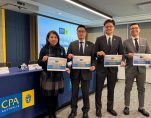
HONG KONG SAR – Media OutReach Newswire – 2 February 2026 – CPA Australia has today submitted a set of forward-looking recommendations for consideration in the Hong Kong SAR Government’s 2026-27 Budget. With an estimated HK$0.9 billion fiscal deficit for 2025–26 and solid fiscal reserves of HK$653 billion, CPA Australia propose a series of policy measures under the theme of “Power Hong Kong’s Growth” focusing on four pillars:

  • Connecting China and global markets to power growth
  • Strengthening Hong Kong as a global trade and wealth hub
  • Diversifying the economy and boosting workforce competitiveness
  • Raising living standards for a healthier and liveable city

(from left to right) Ms Karina Wong, Divisional Councillor and Deputy Chair of Taxation Committee of CPA Australia Greater China; Mr Janssen Chan, Co-Chair of Taxation Committee; Mr Anthony Lau, Co-Chair of Taxation Committee of CPA Australia Greater China; Mr Adam Chiu, Member of Taxation Committee of CPA Australia Greater China

Connecting China with global markets and powering Hong Kong’s future economic engine

CPA Australia emphasises that Hong Kong must reinforce its position as the premier gateway connecting China with global markets. As China’s 15th Five Year Plan places greater focus on high-quality opening up, Hong Kong is uniquely positioned to help Chinese enterprises expand overseas while attracting foreign direct investment into the Mainland through Hong Kong. Strengthening this gateway function will be critical to driving the city’s next phase of economic growth.

Mr Anthony Lau, Co-Chair of CPA Australia’s Greater China Taxation Committee stated,

“Developing a unified and coherent tax incentive framework for Corporate Treasury Centres (CTC) and regional headquarters (RHQ) would further strengthen Hong Kong’s appeal as a base for multinational operations. In addition, the effectiveness of re-domiciliation has attracted many overseas companies to move their legal domicile to Hong Kong. As there is no clear guidance on whether re-domiciliation will trigger Mainland tax liabilities and tax reporting obligations, we recommend the Hong Kong Government engages with the Mainland tax authorities to clarify that no actual transfer of assets occurs during the process, and therefore no Mainland tax should arise.”

“We also recommend advancing market connectivity measures such as allowing a tax deduction specifically for IPO-related expenses for companies that list on the Main Board of the HKEX, and continuing to enhance existing cross boundary financial mechanisms such as introducing an IPO Connect scheme.”

A streamlined approach would reduce complexity, improve tax certainty and encourage overseas and Mainland enterprises to centralise management, financing and strategic functions in Hong Kong.

CPA Australia also highlights the importance of positioning the Northern Metropolis as a flagship cross‑border innovation zone that will drive Hong Kong’s future growth. Mr Lau said, “To support the infrastructure development, we suggest the Government adopts forward‑looking financing tools that ease pressure on public finances. These may include issuing bonds targeted at with an estimate amount for example USD2 billion at different maturity to international investors, and providing a tax exemption for bond holders on interest income and trading profits derived from bonds issued for Northern Metropolis infrastructure projects, whether issued by the government or the private sector.

“To attract leading innovation and technology enterprises to the zone, we further recommend broadening the scope of qualifying R&D expenditures to include activities outsourced to related parties based and operating in other cities within Greater Bay Area. This reflects the increasingly integrated nature of cross boundary innovation and supply chains.”

Strengthening Hong Kong as a global trade centre and a hub for wealth retention

Hong Kong’s long‑standing role as a free, open and trusted trading and financial gateway remains central to its international relevance.

Ms Karina Wong, Deputy Chair of the Greater China Taxation Committee said, “Hong Kong should build on its unique status as a global trading centre by strengthening the free trade port regime and expanding support for high-value commodity trading, which would help diversify the city’s economic base and enhance market depth. Qualifying commodity items such as silver and rare-earth materials remain outside the current scope, the qualifying list needs to be reviewed regularly, with sufficient legislative flexibility, to ensure timely updates in response to market developments. The Government could also consider whether the scope should extend beyond physical trades and incidental income to cover derivative driven transactions, which form a significant part of global commodities activity.”

A stronger family office ecosystem is central to reinforcing Hong Kong’s role as Asia’s preferred hub for wealth management and succession planning. “We recommend introducing a preferential 8.25 per cent profits tax rate for Single Family Office, Multi Family Offices (MFOs) and fund managers to enhance Hong Kong’s competitiveness relative to other regional wealth management centres.

“Aligning the permissible investment asset classes under the family office tax concession regime with those under the Capital Investment Entrant Scheme (CIES) would also streamline operations, provide greater investment flexibility and further strengthen Hong Kong’s appeal among global wealth owners managing long term capital,” added Ms Wong.

Modernising Hong Kong’s philanthropy framework would encourage a more caring and compassionate community and strengthen the city’s appeal to long-term capital. “The generous donations supporting residents and the reconstruction of Wang Fuk Court show that Hong Kong is a caring city. To encourage greater philanthropic participation, we suggestremoving the current 35 per cent cap on cash donation deductions and allowing a full 100 per cent deduction, while introducing a 300 per cent enhanced deduction for contributions to designated funds, such as the Community Care Fund and Disaster Relief Fund. This would direct more resources toward areas of social need.

“These reforms will strengthen Hong Kong’s ecosystem for trade, wealth management and philanthropy, helping the city attract and retain long term capital and strengthen Hong Kong’s competitive edge,” Ms Wong said.

Diversifying the economy and enhancing workforce competitiveness

As advanced economies accelerate digital transformation and adopt emerging technologies, Hong Kong’s long-term competitiveness will depend on the city’s ability to scale innovation, raise productivity and strengthen the capacity of its workforce and enterprises.

“We propose to relaunch a revamped Technology Voucher Programme to help businesses, in particular SMEs, accelerate digitalisation and adopt artificial intelligence (AI) solutions that enhance efficiency and competitiveness.

“Strengthening R&D related tax incentives is equally important in driving innovation, therefore we propose increasing the cap for the highest rate of the R&D super tax deduction by raising the threshold for the 300 per cent deduction on qualifying R&D expenditure from HK$2 million to HK$4 million.” said Mr Janssen Chan, Co‑Chairperson of CPA Australia’s Greater China Taxation Committee.

SMEs remain the backbone of Hong Kong’s economy, yet many continue to face cost pressures and increasing competition.

“We recommend raising the cap under the two-tier profits tax regime for concessional 8.25 per cent half-rate from HK$2 million to HK$4 million of assessable profits. Extending the SME Financing Guarantee Scheme beyond March 2026 is another move that would ease operating pressures for smaller businesses and encourage reinvestment,” added Mr Chan.

By raising the two-tier profits tax cap, extending financing support and retooling tech programmes for AI adoption, the Government can give SMEs the room to grow and strengthen their long-term resilience.

Raising living standards and building a healthier and more liveable city

Mr Adam Chiu, member of the Greater China Taxation Committee, said the Budget should introduce targeted tax and subsidy measures that deliver practical support to households while encouraging healthier and more productive lifestyles.

“To provide direct relief to taxpayers, we recommend maintaining the 100 per cent salaries tax rebate on the 2025/26 final salaries tax, capped at HK$6,000. This would help offset rising living costs and support disposable income, particularly for middle‑income earners. We also propose introducing a tax deduction of up to HK$60,000 for working families who employ domestic helpers specifically to care for children, elderly family members or persons with special care needs. This would help ease caregiving pressures, support labour‑force participation.” Mr Chiu said.

He added that lifelong learning and skills upgrading are increasingly important in a rapidly evolving economy. “To enable individuals to undertake more advanced or specialised training, including in emerging areas such as AI, we recommend increasing the subsidy ceiling under the Continuing Education Fund to HK$30,000 per eligible applicant, and increasing the cap on the self-education tax deduction to HK$150,000 per year. To promote physical wellbeing, we also propose a tax deduction of up to HK$2,000 for sports‑related expenses.”

“By supporting working families, encouraging lifelong learning and promoting healthier lifestyles, these measures can collectively enhance quality of life and help build a more resilient and inclusive Hong Kong,” Mr Chiu said.

CPA Australia believes these recommendations will strengthen Hong Kong’s ability to engage more effectively with global markets, enhance its competitiveness as an international financial and business hub, and improve quality of life for residents. Taken together, these measures will help ensure Hong Kong is well positioned for a more sustainable, innovation driven and inclusive future.

Hashtag: #CPAAustralia

The issuer is solely responsible for the content of this announcement.

About CPA Australia

CPA Australia is one of the largest professional accounting bodies in the world, with more than 176,000 members in over 100 countries and regions, including more than 22,500 members in Greater China. Our core services include education, training, technical support and advocacy. CPA Australia provides thought leadership on issues affecting the accounting profession and the public interest. We engage with governments, regulators and industries to advocate policies that stimulate sustainable economic growth and have positive business and public outcomes. Find out more at

OpenNebula Systems has formalised a collaboration with OVHcloud that places European digital sovereignty at the centre of enterprise cloud deployment, as the open-source cloud platform becomes available through OVHcloud’s infrastructure under the Hosted OpenNebula Cloud – Ready Certification Program. The move reflects mounting demand from public bodies and regulated industries for cloud environments that guarantee data residency, jurisdictional control and operational transparency within Europe. The partnership allows […]

Bitcoin fell towards the $75,000 mark during Asian trading hours, extending a pullback that coincided with weaker equity markets across the region and heightened volatility in key industrial and precious metals, underscoring a broader phase of risk recalibration among global investors. The world’s largest cryptocurrency slipped after failing to hold higher technical levels, with trading volumes rising as short-term holders moved to lock in gains accumulated during […]

Crypto markets closed January in the red despite a policy backdrop that, on paper, appeared more accommodating than at any point in the past two years. Prices slid across major tokens, trading volumes thinned, and investor sentiment softened even as regulatory signals from Washington and other financial centres suggested a shift away from outright hostility towards digital assets. Bitcoin, the bellwether for the sector, ended the month […]

Google has begun opening access to Project Genie, an artificial intelligence system that generates interactive, game-like environments from simple prompts, signalling a fresh push by the company to redefine how digital worlds are created while reigniting debate over the use of copyrighted material in generative AI. Project Genie allows users to describe a scene, upload an image, or sketch a rough layout and then play inside a […]

UAE and India have moved to deepen cooperation in civil aviation as senior officials reviewed capacity, connectivity and regulatory coordination, underlining the scale and strategic importance of one of the world’s busiest air travel corridors. The discussions highlighted sustained growth in passenger flows and the need to align policy, infrastructure and airline strategies to keep pace with demand.

Speaking during the engagement, Abdulla bin Touq Al Marri, Minister of Economy of the United Arab Emirates, said air traffic between the UAE and India continues to show strong momentum, with around 1,231 direct flights operating each week between cities in both countries. Those services are spread across multiple carriers and hubs, reflecting the depth of commercial, tourism and people-to-people ties that underpin the aviation relationship.

The scale of connectivity has few parallels globally. The UAE serves as a critical transit and destination market for travellers from India, while Indian cities form the largest single source of international passengers for UAE airports. Industry data indicates that traffic has surpassed pre-pandemic benchmarks on several routes, driven by a rebound in business travel, a sustained flow of expatriate workers, and rising leisure demand in both directions.

Officials discussed measures to ensure that bilateral air services arrangements remain responsive to market realities. Capacity management, slot allocation at congested airports, and coordination on safety and security standards featured prominently. There was also a focus on ensuring that regulatory processes keep pace with airline expansion plans, particularly as carriers introduce new wide-body aircraft and add frequencies to secondary cities.

Bin Touq noted that aviation cooperation has spillover benefits for wider economic engagement, supporting tourism, trade in services and cargo connectivity. Air freight was identified as a growing pillar, with belly-hold capacity on passenger aircraft playing an increasing role in moving high-value and time-sensitive goods, including pharmaceuticals, electronics and perishables.

From the Indian side, officials emphasised the importance of predictable access to UAE hubs for carriers as they scale up international operations. India’s airport expansion programme, which has added new terminals and greenfield airports across several states, is expected to unlock further growth in outbound travel. That expansion has altered traffic patterns, enabling more direct international services from tier-two and tier-three cities, many of which already have links to the UAE.

Airlines operating on the corridor include network carriers and low-cost operators, creating a competitive landscape that has helped keep fares in check while expanding choice. The presence of multiple hubs in the UAE has also diversified routing options, strengthening resilience during peak travel periods and operational disruptions.

Beyond capacity, the talks addressed cooperation on sustainability and workforce development. Both sides acknowledged mounting pressure on the aviation sector to curb emissions and improve fuel efficiency. While sustainable aviation fuel remains limited in supply and expensive, officials discussed the importance of policy alignment, pilot projects and knowledge sharing to accelerate adoption over time.

Training and skills were another area of interest, as airlines and airports face shortages of pilots, engineers and air traffic management professionals. Partnerships between training institutions and recognition of certifications were flagged as practical steps to ease bottlenecks without compromising safety standards.

Technology and digitalisation also featured, with attention on passenger processing, biometric systems and data sharing to improve the travel experience. As passenger volumes rise, authorities are seeking to reduce congestion through smarter border controls and interoperable systems that can be scaled across airports.

The civil aviation dialogue sits within a broader economic partnership that has deepened over the past two years, including trade and investment initiatives across manufacturing, energy and digital services. Aviation remains a visible barometer of that relationship, given its sensitivity to economic cycles and consumer confidence.

OpenAI has introduced an internal data agent known as Kepler, designed to let employees interrogate one of the largest private data estates in the technology sector through natural-language queries. The system, powered by a GPT-5.2 class model, is built to handle more than 600 petabytes of internal information, a scale that reflects both the company’s rapid growth and the expanding complexity of training, safety, product telemetry and […]

Federal authorities have taken legal control of assets valued at roughly $400 million that prosecutors say were generated through a darknet cryptocurrency mixing service known as Helix, marking one of the largest forfeiture actions tied to illicit crypto activity. The Department of Justice said the haul spans digital currency, cash-equivalent instruments and property interests traced to transactions that laundered proceeds from online drug markets. According to court […]

Civil aviation stands at the centre of economic expansion, tourism development and global connectivity as governments and industry leaders recalibrate policies to meet rising passenger demand and shifting trade patterns, Abdulla bin Touq Al Marri said while addressing a high-level ministerial gathering in Hyderabad. Speaking at the “Wings of India 2026” conference, the Minister of Economy and Tourism and Chairman of the Board of Directors of the […]

VISHNU RAJA
RYO YAMADA
HITORI GOTOH
IKUYO KITA