Articles written by
arabian post staff

Rothschild & Co. has appointed a seasoned Swiss banker to head its newly established wealth management office in Dubai, marking a significant expansion in the Middle East’s rapidly growing wealth management sector. The move reflects the firm’s strategic intent to strengthen its presence in a region that has seen an increasing concentration of affluent individuals and families.

The new office, located in Dubai International Financial Centre (DIFC), aims to provide tailored wealth management services to high-net-worth individuals (HNWIs) and ultra-high-net-worth individuals (UHNWIs) across the Gulf region. With an eye on the UAE’s growing market, Rothschild & Co. is poised to leverage its global expertise to cater to the unique needs of wealthy clients in the Middle East.

The Swiss banker, whose identity remains undisclosed, brings over two decades of experience in wealth management, having previously worked with top-tier financial institutions in Switzerland and other global financial hubs. His appointment underscores Rothschild’s commitment to ensuring that its Middle Eastern clients receive personalized, high-quality advisory services, particularly in managing cross-border wealth, succession planning, and complex family office structures.

Rothschild & Co.’s decision to set up a dedicated office in Dubai is an indication of the firm’s optimism regarding the region’s increasing appeal to investors. Over the past decade, the UAE has become a leading global financial center, attracting not just affluent individuals from across the globe but also major financial institutions seeking to tap into the region’s burgeoning wealth. The region has consistently witnessed growth in the number of high-net-worth individuals, driven by the country’s successful diversification of its economy, rapid urbanization, and its position as a key financial hub for businesses and wealthy families from Europe, Asia, and Africa.

The Dubai office will be pivotal in further extending Rothschild & Co.’s network, which already has a strong presence in key global cities. Rothschild’s wealth management business has long been focused on providing a highly personalized approach to managing wealth, with expertise in both traditional and alternative asset classes. The move into Dubai comes at a time when family offices and private wealth management services are gaining increased importance in the region, particularly among younger generations of wealthy individuals seeking to preserve and grow their wealth for future generations.

Rothschild & Co. is not the only global financial institution eyeing Dubai’s growing wealth management market. Several other international banks have expanded their operations in the region, with private banking and wealth management services seeing strong demand. The city has become a magnet for both business executives and wealthy investors, many of whom are seeking a base in Dubai due to its tax advantages, business-friendly regulations, and cosmopolitan lifestyle.

One of the key factors behind this shift is the increased number of high-net-worth individuals from Asia and Europe who are seeking to establish a presence in Dubai, either for business, lifestyle, or financial reasons. The UAE’s wealth management market has grown alongside its economic diversification and its expanding role as a hub for international investment, especially in sectors such as technology, real estate, and infrastructure.

This influx of capital is being supported by Dubai’s increasing attractiveness as a safe haven for wealth amid global economic uncertainties. In addition to its stable regulatory environment, Dubai’s tax-friendly policies, such as the absence of income tax and its favorable business laws, are a draw for investors looking for more favorable conditions to manage their wealth. Moreover, with Dubai’s strategic geographical location between Europe, Asia, and Africa, it serves as a natural gateway for investors looking to access emerging markets.

Rothschild’s wealth management office is also set to benefit from the growing importance of ESG (environmental, social, and governance) investing in the Middle East. The firm is already a recognized player in sustainable investment management, and its Dubai office will focus on guiding clients toward investments that align with their values, particularly in green energy, real estate, and sustainable technologies.

Rothschild & Co.’s expansion into Dubai also ties in with its broader strategy of enhancing its global wealth management capabilities. The firm has consistently sought to expand its client base in emerging markets while strengthening relationships with existing clients in mature markets. This approach is designed to cater to the growing demand for wealth management services that combine personalized advice with a global perspective, ensuring clients can navigate the complexities of international markets and investments.

Dubai’s status as an economic powerhouse in the Middle East makes it a critical component of Rothschild & Co.’s long-term growth strategy. The city’s status as a luxury destination and its role in the development of major infrastructure projects across the region further solidify its appeal as a wealth management hub. As the city continues to grow in prominence as a business and financial center, it is likely that more global wealth managers will follow Rothschild’s lead in establishing a presence in the UAE.

The Emirates Nuclear Energy Company (ENEC) has unveiled a refreshed brand identity that highlights its evolving role as a key national player in the UAE’s energy sector. The rebranding aims to emphasize the company’s commitment to sustainable, low-carbon energy production, alongside its growing influence in the global nuclear energy landscape.

The new visual identity, which includes an updated logo, color palette, and tagline, was designed to reflect ENEC’s focus on innovation, environmental responsibility, and its future role in the UAE’s energy transition. The rebranding also signifies ENEC’s transition from being a project-centric organization to one with broader operational and strategic capabilities as it continues to oversee the Barakah nuclear power plant, the UAE’s flagship nuclear energy facility.

The launch event in Abu Dhabi, which featured senior leadership from ENEC, government officials, and energy industry experts, showcased the company’s vision of a sustainable energy future. ENEC’s CEO, Mohamed Al Hammadi, spoke about how the new brand reflects the company’s core values of innovation and environmental stewardship. “Our new identity is not just about how we look, but what we stand for,” Al Hammadi stated. “As we embark on the next phase of our journey, our rebrand symbolizes our commitment to ensuring that nuclear energy is a central pillar of the UAE’s energy mix for decades to come.”

The Barakah nuclear power plant, located in the Al Dhafra region of the UAE, serves as a crucial part of the country’s strategy to diversify its energy sources. ENEC’s role in operating and managing the plant has placed it at the forefront of the UAE’s ambitious energy goals. With the completion of its four reactors, the Barakah facility is expected to provide up to 25% of the country’s electricity, contributing significantly to the UAE’s carbon-neutrality targets for 2050.

This shift in identity comes as ENEC prepares to expand its operations and partner with international entities to further develop nuclear energy. The UAE’s successful nuclear program has already made significant strides in promoting global collaboration in nuclear technology, with ENEC having signed agreements with organizations such as the International Atomic Energy Agency (IAEA) and other national nuclear operators.

Energy experts view the rebranding as a strategic move that highlights ENEC’s ambitions to not only lead in the UAE but to become a recognized authority in the global nuclear energy sector. The company’s new identity is being seen as part of a broader narrative of energy transition and innovation, with a focus on sustainability. ENEC’s efforts align with the UAE’s long-term vision for energy diversification, as outlined in the UAE Energy Strategy 2050, which seeks to increase the share of clean energy in the national energy mix.

ENEC’s transformation also comes in the wake of increasing global interest in clean energy solutions and nuclear power’s potential in addressing energy security and climate change. With countries around the world looking to reduce their carbon footprints, nuclear energy is increasingly seen as a viable option. The UAE’s nuclear energy ambitions, guided by ENEC’s expertise, are positioning the country as a leader in the global nuclear industry.

The company’s new branding was also designed to reflect ENEC’s forward-looking vision, with an emphasis on technology, transparency, and corporate social responsibility. Al Hammadi noted that the rebranding is not just a visual change but also a reflection of how ENEC operates internally and interacts with its stakeholders. The emphasis on sustainability and environmental stewardship is clear in the new logo, which incorporates elements of nature, underscoring the company’s commitment to providing energy in an environmentally responsible manner.

As ENEC moves into the next phase of its development, the company is expected to increase its focus on expanding its expertise in nuclear operations, safety, and technology. The UAE’s commitment to nuclear energy, as part of a broader strategy to achieve net-zero emissions, places ENEC at the forefront of the region’s energy transformation. This rebranding also positions the company to play a pivotal role in the UAE’s efforts to become a key player in the global clean energy economy.

With the UAE’s first nuclear plant now fully operational, ENEC is exploring new opportunities for nuclear energy development, both within the UAE and internationally. As part of its evolving strategy, ENEC is considering partnerships with other nations seeking to adopt nuclear energy as a low-carbon energy source. This global expansion will help ENEC build a reputation as a trusted partner in nuclear energy, contributing to the company’s efforts to drive innovation and excellence across the nuclear sector.

Misk City has entered into a strategic partnership with Samsung Electronics Saudi Arabia to promote advancements in smart city technologies, sustainability, and youth empowerment. The collaboration was formalized through a memorandum of understanding (MoU) and is poised to drive innovation in the Misk City ecosystem, a groundbreaking nonprofit urban initiative. This agreement marks a significant step in the city’s commitment to becoming a hub for technology, education, and sustainable development.

Misk City, named after the Saudi crown prince’s charitable foundation, is the first non-profit city of its kind in the world. It aims to create a self-sustaining urban environment where technology and innovation play a central role in shaping society’s future. The partnership with Samsung, a global leader in consumer electronics and technology solutions, will enable Misk City to leverage cutting-edge technologies and solutions to enhance the quality of life for its residents and visitors.

The key areas outlined in the MoU focus on smart city infrastructure, including the integration of advanced IoT (Internet of Things) systems, AI-driven solutions, and digital services that will improve urban management and energy efficiency. This collaboration will explore various applications of Samsung’s technology, including smart buildings, transportation, and environmental monitoring systems. Additionally, the agreement highlights initiatives aimed at fostering a sustainable urban ecosystem, aligning with Misk City’s goals of environmental stewardship and reducing carbon emissions.

Beyond technology, the partnership also aims to empower the youth by providing access to educational programs and professional development opportunities. Samsung’s extensive experience in digital learning and innovation will contribute to the creation of training platforms, workshops, and incubators within Misk City, designed to cultivate a new generation of skilled professionals in fields such as artificial intelligence, robotics, and renewable energy.

The agreement reflects a broader trend within Saudi Arabia to invest in innovation-driven urban development. Misk City’s model, which combines sustainability with cutting-edge technology, is in line with the country’s Vision 2030, which seeks to diversify the economy and reduce its dependency on oil. By positioning itself at the intersection of technology and social development, Misk City aims to be a key player in the kingdom’s push for economic transformation.

Samsung’s role in this project highlights the company’s ongoing commitment to supporting smart city projects globally. The company’s innovative solutions, such as 5G networks, smart appliances, and digital signage, will be integrated into Misk City’s infrastructure. These advancements will allow for greater connectivity and efficiency, furthering the city’s mission to provide a seamless, high-tech living environment.

Misk City’s collaboration with Samsung also provides an opportunity to explore advancements in sustainability. With global attention on climate change and environmental conservation, the partnership will focus on implementing sustainable energy solutions such as solar power, waste management, and water conservation technologies. This move aligns with Misk City’s vision of creating a green, eco-friendly urban space that is self-sustaining and energy-efficient.

The strategic importance of the partnership extends beyond technology and sustainability. It also underscores the growing importance of public-private collaborations in shaping the future of cities. As the world shifts toward a more interconnected, technology-driven future, the synergy between Misk City and Samsung represents a model for how urban development can be reimagined to meet the challenges of the 21st century.

The partnership is expected to play a pivotal role in positioning Misk City as a global leader in innovation and sustainability. By harnessing Samsung’s technological expertise and aligning it with the city’s long-term goals, Misk City will be able to provide a living laboratory for emerging technologies and urban planning strategies. This collaboration is not only a key milestone in Misk City’s development but also a significant contribution to Saudi Arabia’s broader efforts to redefine urbanization in a way that is sustainable, tech-driven, and inclusive.

The MoU was signed in a ceremony attended by senior executives from both Samsung and Misk City, with discussions centered on how the partnership can evolve over the coming years. Both parties expressed their commitment to the partnership and emphasized the importance of collaboration in realizing the ambitious goals set for Misk City.

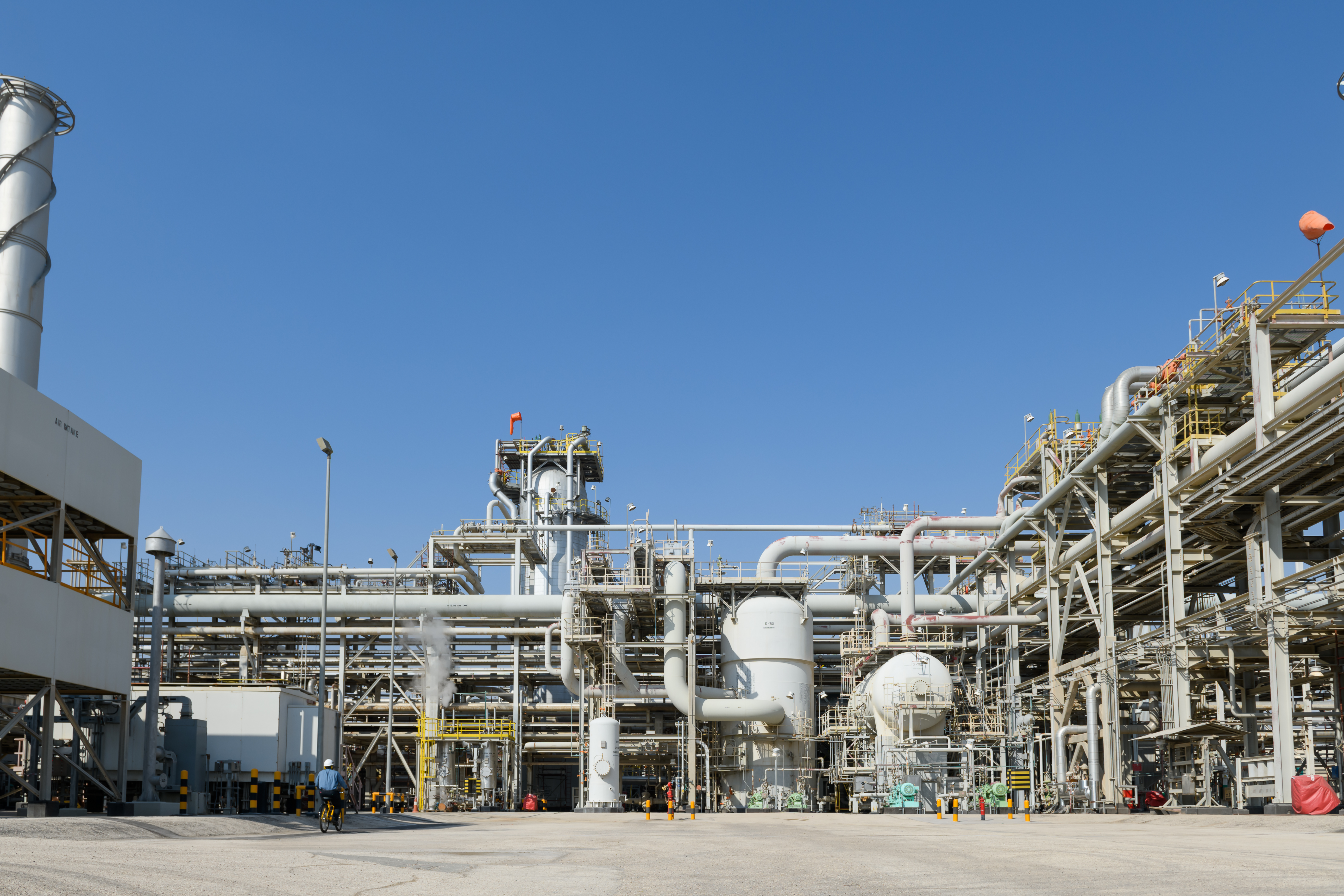
Saudi Aramco, Sinopec, and Fujian Petrochemical have officially begun the construction of a significant new refining and petrochemical complex in Fujian province, China. This collaboration marks a major step forward in enhancing energy infrastructure, with an investment that highlights the deepening trade and energy ties between the Middle East and China.

The project, located in the coastal city of Quanzhou, is poised to become a vital hub for refining and petrochemical production, aimed at bolstering the energy needs of the rapidly growing Chinese market. The new facility will process millions of tons of crude oil annually and produce a wide range of petrochemical products, further strengthening the value chain in both the refining and chemicals sectors. As one of the largest investments of its kind in the region, the project underscores the strategic importance of Sino-Saudi relations and Aramco’s broader vision for international expansion.

At the core of this venture, Saudi Aramco is contributing a substantial stake, with the company’s role as a key supplier of crude oil expected to provide crucial support to the complex’s operations. Aramco has been a key player in the Chinese market for years, consistently expanding its footprint and solidifying its presence in one of the world’s largest and most dynamic energy markets. Through this venture, Aramco continues to build on its long-standing relationship with Sinopec, one of China’s state-owned oil giants, to help meet the country’s increasing demand for refined fuels and chemicals.

Sinopec, one of China’s leading oil and gas corporations, is providing significant technical expertise and resources for the development of the new refinery. With a vast network of refineries and petrochemical facilities across China, Sinopec’s involvement is expected to enhance operational efficiencies and facilitate greater integration between refining and petrochemical processes. The partnership brings together both advanced technological capabilities and the ability to navigate the Chinese regulatory and commercial landscape, which remains critical to success in this market.

Fujian Petrochemical, a key player in China’s petrochemical industry, is a joint venture partner in the project. The company is renowned for its strategic location along China’s eastern coast and its established role in petrochemical manufacturing. By leveraging its access to the South China Sea shipping routes, Fujian Petrochemical will play a vital role in ensuring smooth logistics for the import of crude oil and the export of refined and petrochemical products.

This new project is expected to generate significant economic benefits for the region. It will provide a boost to local employment, create opportunities for small and medium-sized enterprises, and enhance the skillsets of the workforce in Quanzhou. The complex will also be a significant contributor to the local economy through taxes and royalties, aligning with the Chinese government’s ongoing efforts to modernize its energy infrastructure and industrial capabilities.

The environmental impact of this venture has also been carefully considered. While the complex will undoubtedly play an important role in meeting the energy demands of China’s rapidly developing economy, all three partners have committed to ensuring that the project adheres to the highest standards of environmental sustainability. This includes employing advanced technologies to minimize emissions, improve energy efficiency, and reduce the ecological footprint of the refinery’s operations.

The decision to locate the complex in Fujian province is strategic, as the area has long been a hub for the petrochemical industry in China. Fujian’s proximity to major shipping lanes and its well-established infrastructure make it an ideal location for such a high-capacity facility. The provincial government has expressed strong support for the project, citing its potential to contribute to regional economic growth and enhance China’s energy security.

The broader geopolitical context of this project also plays a significant role in its development. With China’s growing focus on self-sufficiency in energy production and its ambition to strengthen domestic refining and chemical manufacturing capabilities, this initiative is timely. It reflects the ongoing trend of closer cooperation between China and energy-rich nations in the Middle East, particularly in the oil and gas sector.

For Saudi Aramco, the Fujian venture represents a further expansion of its global refining and petrochemical portfolio, reinforcing its position as a dominant player in the global energy market. The company has been diversifying its operations beyond crude oil production, investing heavily in refining and petrochemicals as part of its long-term strategy to adapt to evolving energy trends and the global push toward cleaner energy solutions.

As the global energy landscape continues to evolve, with increasing emphasis on sustainability and energy transition, the timing of this major refining and petrochemical project highlights the delicate balance between meeting current energy demands and investing in future-proof technologies. For China, which remains one of the world’s largest consumers of petrochemical products, this new facility is an important step in securing reliable, high-quality energy sources that align with its ambitious economic development plans.

This collaboration also stands as a testament to the growing importance of international partnerships in the energy sector. While the primary focus remains on meeting the energy needs of China’s economy, the involvement of key players such as Aramco, Sinopec, and Fujian Petrochemical signals the increasing interdependence of the global energy market. The success of the Fujian project will likely pave the way for further cooperation between the Middle East and China in areas such as renewable energy, advanced technologies, and global infrastructure development.

ADVERTISEMENT

A growing number of Saudi companies are now contemplating initial public offerings (IPOs) on the Hong Kong Stock Exchange (HKEX), as part of a broader strategy to diversify their global market presence. This move comes as Saudi Arabia intensifies its push to increase investments and international trade under the Vision 2030 initiative. Companies, particularly those in tech, finance, and energy sectors, are attracted by Hong Kong’s established role as a bridge between the East and the West.

Saudi officials have been increasingly open to collaborating with Hong Kong, with significant efforts to foster bilateral economic ties. Last year, the Saudi Capital Market Authority and Hong Kong’s financial regulators signed an agreement to explore investment opportunities, signaling a concerted effort to deepen economic cooperation. The deal aims to streamline listing processes for Saudi firms on HKEX, offering them access to a broader range of investors and enhancing liquidity options.

HKEX, known for its favorable regulatory environment and its role as Asia’s top IPO venue, has positioned itself as an attractive listing destination for Saudi companies. The exchange’s listing reforms, which simplify the process for foreign firms, have been tailored to attract businesses seeking to expand their market footprint. Furthermore, its proximity to mainland China—home to a burgeoning investment pool—makes it particularly appealing for Saudi companies eyeing the Asian markets.

Several factors are driving Saudi companies to seek listings outside their home market. First, Hong Kong’s international investor base offers access to global capital markets. As the Saudi stock market matures, expanding into Hong Kong provides companies with greater exposure and a diversified shareholder structure. This aligns with the Kingdom’s desire to diversify its economy away from oil dependence, tapping into other industries that are pivotal to its long-term strategy.

Among the key players in this shift is Saudi Aramco, the state-owned oil giant, which has long been a strong contender in international markets. Although Aramco itself is already listed on the Riyadh exchange, its example serves as a precedent for other large state-owned enterprises (SOEs) in Saudi Arabia. There is an expectation that sectors like technology, healthcare, and green energy will be the primary industries to benefit from this push.

Hong Kong has been an appealing destination for IPOs due to its established infrastructure for foreign listings. The exchange provides a well-regulated environment, offers both local and international investors access, and has a relatively stable market compared to other global financial hubs. Moreover, Hong Kong’s legal system, which is based on English common law, offers transparency and protection for foreign investors, further enhancing its attractiveness.

While Saudi Arabia has made considerable strides in building its own financial markets, the global nature of Hong Kong’s market presents distinct advantages. Its exposure to the Asian markets, particularly China, allows Saudi firms to tap into a rapidly growing economic zone. This is seen as a strategic move in response to the shifting dynamics of global investment, with China playing an increasingly dominant role in global finance.

Saudi Vision 2030 has also made foreign investments a priority, and this shift to international IPOs aligns with the Kingdom’s goals to integrate more deeply into the global economy. By encouraging high-profile listings abroad, Saudi Arabia hopes to enhance its credibility on the world stage, attract more foreign direct investments, and boost its non-oil economy.

Arabian Post Staff -Dubai Dubai is positioning itself as a pivotal player in the global gold market, leveraging its unique geographic location, robust infrastructure, and forward-thinking policies. The city has seen a surge in gold trade activity, propelled by geopolitical shifts, increased bullion acquisitions by central banks, and a strategic focus on refining and trading gold to meet evolving market demands.Central banks have significantly boosted their gold […]

Dubai’s Roads and Transport Authority (RTA) has unveiled ambitious plans to enhance traffic flow and reduce congestion across four key neighbourhoods: Nadd Hessa, Al Awir 1, Al Barsha South, and Wadi Al Safa 3. These upgrades, part of the city’s broader infrastructure expansion, are projected to cut traffic in these areas by up to 80%.

The initiative will increase road capacity significantly, improving connectivity and travel times for residents and commuters. The RTA has focused on constructing new exits, optimizing signal systems, and introducing expanded road networks in these areas, reflecting Dubai’s commitment to seamless urban mobility.

Advertisements
ADVERTISEMENT

A groundbreaking partnership between DP World and Schneider Electric aims to elevate the skillsets of Emirati youth, with a focus on sustainability and advanced technical expertise. The collaboration aligns with the UAE’s strategic objectives to develop a knowledge-based economy and empower its young professionals to thrive in globally competitive industries.

DP World, a key player in logistics and trade facilitation, signed a Memorandum of Understanding with Schneider Electric, a global leader in energy management and automation. This agreement is set to integrate cutting-edge training programs within DP World’s existing initiatives to promote technical proficiency and environmental stewardship among Emirati graduates.

The partnership’s cornerstone is the integration of Schneider Electric’s advanced training methodologies with DP World’s “Tumoohi” initiative. The Tumoohi program provides practical exposure to young Emirati professionals, offering placements in dynamic sectors such as energy, automation, and digital transformation. Participants will work directly with industry veterans, gaining experience in critical domains like energy efficiency and sustainable practices.

This alliance also includes workshops, mentorships, and on-the-job training, with a particular emphasis on developing skills in emerging fields such as AI-driven energy solutions and renewable energy management. By embedding sustainability within the technical training modules, the program seeks to prepare participants for roles that address the global demand for sustainable solutions while contributing to the UAE’s ambitious green goals.

DP World’s leadership highlighted this collaboration as a significant step toward cultivating a skilled and forward-thinking workforce. The company’s representatives underscored the importance of empowering young Emiratis with tools to lead innovative projects that shape the UAE’s economic future.

Air travel demand is steadily recovering, as evidenced by the latest traffic reports from the International Air Transport Association (IATA). Despite global economic uncertainties, IATA’s January 2024 statistics indicate that passenger demand continued to grow, signaling robust recovery in the aviation sector.

Global passenger traffic surged by 40% year-on-year in January 2024, compared to the same month in 2023. This was primarily driven by increased international travel, especially in the Asia-Pacific region, where long-haul flights experienced a significant uptick. The strong rebound is also attributed to consumers’ willingness to travel, driven by pent-up demand following the pandemic.

As nations lifted COVID-related restrictions over the past year, airlines began ramping up their services to meet the growing demand. A report from IATA shows that international traffic has exceeded pre-pandemic levels, a milestone that was expected but achieved sooner than anticipated. The domestic travel sector also saw impressive results, with traffic in major markets such as the U.S., China, and India continuing to grow steadily.

IATA’s Director General, Willie Walsh, highlighted that this growth trend is consistent with the association’s forecast, which predicted a return to near-full recovery in 2024. Walsh pointed out that while inflation and high fuel prices are still challenges for the industry, the demand for travel is resilient enough to offset these pressures, marking a strong recovery trajectory.

One of the key drivers of this rebound is the resurgence in business travel, which had initially lagged in the wake of the pandemic. With many companies now adopting hybrid work models, corporate travel has rebounded sharply, especially to destinations in Europe and North America. Walsh indicated that while some business travel remains subdued, demand for international meetings, conventions, and events continues to rise, further stimulating air travel.

China, in particular, has been a standout performer, with the lifting of strict travel restrictions boosting both international and domestic flights. According to IATA, China’s air traffic levels have surpassed 2019 figures, supported by increased demand from tourists and business travelers alike. As China regains its position as a dominant player in global aviation, the country’s airlines have seen their flight frequencies and routes expand significantly.

In Europe, the trend has also been positive, with the European Union and the U.K. reporting a consistent recovery in flight bookings. Particularly notable is the increase in travel from European countries to Asia-Pacific, with long-haul flights seeing particularly strong performance. Both business and leisure travelers are driving demand, underscoring how global tourism is once again a major contributor to economic recovery.

Another important factor contributing to the ongoing recovery is the ability of airlines to adapt to new market conditions. Airlines have modernized their fleets and implemented new service offerings, such as flexible booking options, which have enhanced customer confidence. These changes have been pivotal in retaining and attracting travelers who may have been hesitant to fly just a few years ago.

However, IATA’s reports also note that the aviation industry faces several challenges moving forward. While air travel demand is recovering, issues such as rising fuel costs, inflationary pressures, and labor shortages remain. In addition, environmental sustainability concerns continue to be at the forefront of the industry, with many airlines setting ambitious carbon neutrality targets for the coming decades.

Despite these obstacles, Walsh remains optimistic. He emphasized the importance of policy support and investment in infrastructure to ensure that the industry continues to grow at a sustainable pace. Governments have been encouraged to continue their support for the aviation sector, recognizing it as a critical part of the global economy. Walsh also underlined the necessity for a coordinated approach to address sustainability goals, which will require the cooperation of airlines, manufacturers, and governments.

In terms of passenger sentiment, there is clear evidence that travelers are returning to the skies in full force. According to surveys conducted by IATA, over 70% of passengers reported feeling confident about flying, citing the enhanced safety and hygiene measures implemented by airlines in response to the pandemic. Moreover, travelers are increasingly prioritizing travel experiences, such as unique leisure and business trips, further driving the demand for air services.

The global economic outlook for emerging markets (EMs) faces mounting pressure, with US trade policies under former President Donald Trump continuing to disrupt trade and growth patterns. Citigroup analysts predict that these shifts, primarily driven by tariffs and protectionist measures, will exacerbate the challenges that EMs already grapple with, such as inflation, currency instability, and volatile capital flows. However, one country in the Middle East stands resilient: Saudi Arabia. The kingdom’s economic diversification efforts and strategic positioning in global markets have placed it in a favorable position despite ongoing global economic turbulence.

Trump’s trade war, initiated during his presidency, was centered on tariffs and trade barriers, primarily targeting China, but with ripple effects felt across various sectors and regions. As the Biden administration seeks to reverse some of these policies, analysts remain concerned about the long-term effects of trade disruptions that began during the previous administration. Trade relationships between the US and major economies have been restructured, pushing supply chains into new configurations and altering global market dynamics.

Citigroup’s latest forecast outlines how these global shifts impact emerging markets in particular, given their high exposure to US tariffs and trade restrictions. Countries in Asia, Latin America, and Africa are expected to see a slow recovery, as protectionist policies strain international trade and hinder foreign direct investment (FDI) inflows. For these nations, the US-China trade tensions have underscored their vulnerability to global supply chain disruptions. Export-dependent countries, particularly in the manufacturing and agriculture sectors, may face reduced market access to some of their largest trading partners, further hindering growth prospects.

Yet, some countries are managing to navigate these headwinds with relative ease. Saudi Arabia, buoyed by its ongoing economic reforms under the Vision 2030 initiative, appears to be one of the more resilient players in the face of these global shifts. The kingdom has significantly reduced its reliance on oil exports by developing non-oil sectors such as tourism, entertainment, and technology. Moreover, its vast sovereign wealth fund, the Public Investment Fund (PIF), has strategically invested in sectors poised for growth, such as green energy, healthcare, and artificial intelligence.

Saudi Arabia’s successful diversification strategies have positioned it to weather the storm of changing global trade conditions. Citigroup’s analysis highlights that while the US’s trade policies could dampen global economic growth, Saudi Arabia’s economic stability remains largely intact. The kingdom’s ability to maintain steady oil revenues, coupled with its ambitious reform agenda, has placed it at the forefront of efforts to build a more diversified, future-proof economy. Additionally, Saudi Arabia’s participation in major international investment initiatives, such as the Belt and Road Initiative and the G20 summit, further solidifies its standing as a key global economic player.

While many emerging markets struggle with inflationary pressures and a rising cost of living, Saudi Arabia has implemented strategic fiscal policies that keep inflation levels manageable. The country’s introduction of VAT and other tax reforms have helped bolster its financial resilience. Furthermore, the government’s commitment to large-scale infrastructure projects, such as NEOM, a futuristic city being built with cutting-edge technology, signals a strong push toward positioning the kingdom as a global hub for innovation.

However, despite these favorable conditions in Saudi Arabia, Citigroup warns that other emerging markets are not as fortunate. Nations heavily dependent on exports to the US and China, such as Mexico, Brazil, and South Africa, face significant challenges as they cope with reduced demand and trade restrictions. For these countries, the combination of trade disputes, inflationary pressures, and weaker currency values is likely to hamper economic growth in the short to medium term. Analysts also point out that the global interest rate hikes prompted by the Federal Reserve’s tightening policy may further strain emerging market economies, particularly those with substantial debt burdens.

For some countries, the trade environment under Trump’s policies has created structural weaknesses that continue to hinder growth. The slowdown in global demand for goods and services, coupled with rising costs for raw materials and energy, has impacted countries dependent on commodity exports. As a result, the broader emerging markets community is facing an uncertain recovery trajectory, with little optimism for a swift rebound.

Saudi Arabia’s resilience, however, is noteworthy in this context. The kingdom’s emphasis on economic diversification has shielded it from some of the more detrimental effects of global trade disruptions. This shift towards a more diversified economy has not only safeguarded the country’s economic standing but has also attracted international investors, further securing its position as a pivotal player in the global marketplace.

ADVERTISEMENT

The Al Ain Book Festival 2024 launched this week, bringing together literary enthusiasts, authors, publishers, and cultural figures from around the world. Held at the Al Ain Convention Centre, the event promises a series of engaging discussions, workshops, and book exhibitions aimed at promoting reading and encouraging creative exchanges in the literary world.

The festival, now in its 12th edition, is a cornerstone of the UAE’s rich cultural landscape, reflecting its commitment to supporting the arts and literature. It draws attention to a growing national interest in fostering a literary environment that aligns with the country’s Vision 2030 initiatives. The UAE has long championed the promotion of knowledge and culture, making the Al Ain Book Festival a significant event for intellectuals and cultural figures across the Middle East and beyond.

A variety of activities is set to unfold throughout the festival, including book signings, panel discussions, and performances by local and international authors. Organizers have emphasized the importance of creating an inclusive space for both seasoned authors and newcomers to share their perspectives on current global trends in literature and storytelling. Among the festival’s primary objectives is to foster a deeper connection between local audiences and global literary movements.

As a growing international platform, the Al Ain Book Festival also showcases the UAE’s role as a bridge between Eastern and Western literary traditions. The festival’s theme this year centers on “Innovating Tradition,” reflecting the evolving nature of literature in a rapidly changing world. This theme resonates with the ongoing cultural shift seen in various media and publishing channels, including the rise of digital publishing, podcasts, and multimedia storytelling.

The opening day highlighted some of the festival’s major attractions, including the participation of prominent authors such as novelist and essayist Dr. Maha Al-Fahim, whose works explore the intersection of personal identity and societal change. Her recent work on cultural transitions in the Arab world has been a focal point of many academic discussions. Also, the event sees participation from acclaimed international authors, with discussions on themes ranging from contemporary fiction to non-fiction, and an exploration of how traditional forms of storytelling are being reshaped by technology.

Emerging trends in global literature are central to this year’s programming, with a focus on works that challenge conventional narratives, particularly regarding gender, race, and global migration. At the heart of these discussions is the rise of diverse voices within the literary world, marking a shift from historical literary canons toward a more inclusive and multifaceted approach to writing and storytelling. The festival’s organizers are keen to promote dialogue about the global influences on literature, and many panels are centered around how regional narratives blend with global themes.

Another notable development this year is the festival’s expanded outreach through digital platforms, allowing virtual participation for international attendees. With digital media becoming an integral part of the literary world, the festival embraces hybrid events, making it accessible to a wider audience globally. This approach has received positive feedback from both exhibitors and attendees, who recognize the importance of adapting to new methods of engagement in a post-pandemic world.

The event also emphasizes the role of publishing in shaping cultural conversations. UAE-based publishers are showcasing their latest works, while international publishers are promoting books that address a range of social issues. This presents an opportunity for publishers and authors to connect, share experiences, and discuss future trends in the global book market. Industry experts are discussing the challenges and opportunities within the publishing sector, including the impact of digital transformation and the growing demand for content across various media.

The festival has become a key event for nurturing local talent. Emirati authors, whose works have garnered attention for their unique perspectives on history, society, and culture, continue to have an increasingly significant presence at the festival. They use the platform to reach a broader audience, seeking to preserve and promote their cultural narratives while engaging with the global literary community.

An important aspect of the Al Ain Book Festival is its educational outreach. Schools and universities across the region are encouraged to bring students to the event, fostering early engagement with literature and learning. Educational workshops designed for young people are held throughout the festival, encouraging them to express their creativity and explore their literary interests. This initiative reflects the festival’s ongoing commitment to cultivating a new generation of readers and writers.

Keynote speeches and discussions also delve into the challenges faced by the modern publishing industry. Themes of copyright protection, digital piracy, and the economic viability of print publishing in an increasingly digital world have been discussed in-depth by panelists. These discussions emphasize the need for adapting traditional business models to stay relevant in a fast-changing global market.

The festival is not just an academic event but also a celebration of the arts. Cultural performances, including poetry readings, music inspired by literary themes, and live art installations, add to the dynamic nature of the festival. This integration of different forms of artistic expression reflects the growing convergence between literature, music, and visual arts in today’s cultural scene.

Ras Al Khaimah has launched a new industrial initiative with the establishment of Ras Al Khaimah Minerals, marking a significant step in the emirate’s ambition to become a regional industrial hub. This new venture will focus on advancing the minerals and metals sector, an area that is poised for growth in the region. The announcement underlines Ras Al Khaimah’s strategic vision to diversify its economy and attract investments that will stimulate its industrial development.

The establishment of Ras Al Khaimah Minerals is expected to draw attention from investors both locally and internationally, particularly as the emirate seeks to leverage its natural resources and strengthen its position in the global minerals market. This move aligns with broader efforts by the UAE to diversify its economy beyond oil and gas, focusing on sustainable growth and innovation in key industries.

Ras Al Khaimah has long been recognized for its strategic geographic position, which offers access to both regional and international markets. The new company aims to capitalize on this advantage by providing a platform for investment in industrial minerals and metals, with an emphasis on sustainable practices and advanced technologies. By focusing on these sectors, Ras Al Khaimah aims to not only drive economic growth but also contribute to the broader goals of the UAE’s economic diversification plans.

The decision to create Ras Al Khaimah Minerals comes at a time when the global demand for industrial minerals and metals is growing, driven by the rise of technology, infrastructure development, and clean energy initiatives. Ras Al Khaimah is positioning itself to take advantage of these trends by fostering an environment conducive to innovation and growth within the mining and manufacturing sectors.

Industry experts have highlighted the importance of this new initiative for Ras Al Khaimah’s economy, noting that the emirate’s natural reserves of minerals and metals, including limestone, gypsum, and other raw materials, offer a strong foundation for the development of the sector. Ras Al Khaimah Minerals will play a central role in ensuring that these resources are harnessed efficiently and responsibly, creating value for both the local economy and global markets.

The formation of the new company is also expected to create new job opportunities and boost the emirate’s industrial capabilities. As the UAE continues to push forward with its Vision 2030 agenda, Ras Al Khaimah’s commitment to industrial development will play a key role in achieving national objectives, particularly in the areas of sustainability, innovation, and economic diversification.

As the emirate expands its industrial footprint, it also aims to attract investment from multinational corporations, particularly in sectors such as construction, manufacturing, and renewable energy. The launch of Ras Al Khaimah Minerals will be pivotal in driving this forward, with the company’s strategic focus on enhancing the emirate’s competitive edge in the minerals market.

With the formation of Ras Al Khaimah Minerals, the emirate is poised to become a key player in the regional industrial landscape. The new company will help expand Ras Al Khaimah’s industrial base, creating synergies with other sectors such as construction and infrastructure, which are expected to benefit from the increased availability of high-quality raw materials.

Ras Al Khaimah Minerals will also serve as a catalyst for the development of new technologies and innovations in the mining and manufacturing sectors. The company will prioritize research and development to enhance the efficiency and sustainability of operations, ensuring that the emirate remains at the forefront of industry advancements. This approach will be crucial in attracting investment, as the global mining sector increasingly favors companies that adopt environmentally responsible practices and embrace technological innovation.

The UAE’s broader economic strategy, which emphasizes diversification and sustainability, is set to benefit from the growth of Ras Al Khaimah’s industrial minerals and metals sector. As the country seeks to reduce its reliance on oil revenues, projects like Ras Al Khaimah Minerals play a crucial role in building a resilient, future-proof economy. By strengthening its industrial base, Ras Al Khaimah is not only supporting the UAE’s diversification goals but also enhancing its competitive position in the global marketplace.

Pure Harvest Smart Farms, a controlled environment agriculture (CEA) pioneer based in the UAE, is setting the stage for rapid expansion beyond the Middle East. The company, which specializes in growing crops in climates that are inhospitable to traditional agriculture, is attracting significant investment to fuel its growth. With a focus on expanding into new markets, Pure Harvest aims to take advantage of the increasing global demand for sustainable food production solutions.

In a recent round of funding, Pure Harvest secured $180.5 million from international investors, including a mix of private equity firms and corporate partners. These funds are intended to help the company scale its operations, introduce new technologies, and explore product extensions. The investors are betting on Pure Harvest’s ability to expand into new geographic areas, particularly in Asia, where controlled-environment agriculture is seen as a solution to food security challenges caused by climate change. With the support of these investors, the company is poised to grow significantly over the next few yearsarvest’s investment in technology and innovation is at the heart of its strategy. The company’s cutting-edge CEA systems allow it to grow produce with less water and land compared to traditional farming methods. This technology has proven especially important in regions with extreme weather conditions, like the UAE, where water scarcity and high temperatures make farming a challenge. By using hydroponics, aeroponics, and other advanced techniques, Pure Harvest can produce crops year-round, making it a reliable food source even in harsh climates .

The ceadership has been crucial to its growth. Pure Harvest’s co-founders, who include former executives with backgrounds in agriculture, technology, and sustainability, have worked to create a business model that is both scalable and environmentally responsible. Their vision for a sustainable future has resonated with investors, as evidenced by the backing from firms like IMM Investment Corp and the Olayan Financing Company. The conancial backers believe that Pure Harvest is well-positioned to thrive in a market that is becoming increasingly concerned with food security and sustainability.

Beyond expanding its technology and operations, Pure Harvest is also exploring new product lines. The company is investigating ways to use its expertise in water-efficient systems to produce fodder, a key ingredient for animal feed, in areas where water is scarce. This initiative could not only provide a new revenue stream but also contribute to global efforts to improve food security.

Seef Properties, a leading developer of retail and entertainment hubs in Bahrain, has entered into a strategic collaboration with Majd Investment Company, a prominent Saudi-based investment firm. The partnership aims to bring a major mixed-use project to Dammam, a rapidly growing city on the eastern coast of Saudi Arabia. The venture, valued at approximately $132 million (BD 50 million), is set to become Seef’s first undertaking in Saudi Arabia, marking a significant milestone for the Bahraini developer as it expands its footprint into the Saudi market.

The new development, which will combine residential, retail, and entertainment spaces, is part of Seef Properties’ broader strategy to diversify its portfolio and tap into the expanding opportunities within the Gulf region. The project is expected to cater to the increasing demand for modern living spaces and high-quality commercial venues in Dammam, which is witnessing significant urban growth due to its strategic location and ongoing economic development.

Seef Properties’ entry into Saudi Arabia aligns with the Kingdom’s Vision 2030, which aims to diversify the economy, reduce dependence on oil revenues, and foster the growth of various sectors including retail, tourism, and real estate. The partnership with Majd Investment Company, which has a strong presence in the Saudi market, is expected to streamline the execution of the project, leveraging local expertise and resources to ensure its success.

The Dammam development is set to feature a variety of amenities including retail outlets, dining options, entertainment centers, and modern residential units. It is designed to serve as a comprehensive lifestyle destination that integrates shopping, leisure, and living spaces in a dynamic urban environment. The project will not only enhance the local real estate market but also attract regional and international investors looking to capitalize on the expanding consumer base in the region.

Majd Investment Company, known for its diverse portfolio of investments across real estate and various other sectors, will play a key role in the development, providing strategic input, financial backing, and guidance throughout the project lifecycle. The collaboration with Seef Properties brings together two major players in the regional real estate and investment sectors, combining Seef’s extensive experience in developing large-scale retail and entertainment projects with Majd Investment’s in-depth understanding of the Saudi market.

The announcement of the partnership comes at a time when the Saudi real estate sector is experiencing a surge in demand driven by various factors, including population growth, urbanization, and government initiatives to enhance infrastructure. Dammam, as one of the major urban centers in the Eastern Province, is well-positioned to benefit from these trends. The city’s proximity to key industrial hubs, its growing commercial landscape, and the ongoing expansion of its transportation networks make it an attractive location for large-scale developments.

Seef Properties’ entry into the Saudi market represents a strategic move to capitalize on the evolving real estate landscape in the region. By partnering with Majd Investment Company, Seef gains access to critical local market knowledge, which will help mitigate potential risks and ensure the project aligns with the demands of Saudi consumers. The partnership is also expected to enhance Seef’s competitive edge in the region, offering a unique value proposition to investors, retailers, and consumers alike.

This collaboration highlights the increasing trend of cross-border partnerships within the Gulf Cooperation Council (GCC) region as companies seek to leverage each other’s strengths to tap into new markets. The real estate sector, in particular, has seen a surge in joint ventures and strategic alliances as developers look to diversify their portfolios and expand into neighboring countries with high-growth potential.

The Dammam project is expected to create numerous job opportunities and contribute to the local economy, further cementing its importance as a key part of Saudi Arabia’s Vision 2030 plan to create a vibrant, sustainable economy. The project will also contribute to the development of the region’s retail and entertainment sectors, which have been identified as key drivers of economic growth.

ADVERTISEMENT

The U.S. Department of Government Efficiency is actively exploring the integration of blockchain technology into the federal election process, with the aim of introducing a blockchain-based “eVote” system for voting and identity verification. This initiative could reshape the integrity and accessibility of U.S. elections by harnessing the security and transparency benefits of blockchain.

Sources indicate that this initiative is under early-stage discussions, with the possibility of collaborations involving major blockchain platforms such as Cardano, Hyperledger, Hedera, and X. These partnerships could provide the technical expertise required to build a decentralized and secure system capable of ensuring the integrity of voter data and votes cast during elections.

The potential of blockchain in this context lies in its ability to create immutable records, which would make the voting process more transparent and less vulnerable to manipulation or fraud. This digital voting infrastructure could streamline the electoral process, providing a seamless and secure way for eligible voters to cast ballots remotely, particularly for those unable to attend polling stations due to geographic or physical constraints.

The system being explored would also introduce a blockchain-based identity verification process, designed to prevent voter impersonation and ensure that each eligible voter has a secure method to authenticate their identity. The integration of blockchain could address longstanding concerns over election security and access to voting, making it a key area of focus for federal authorities.

In addition to enhancing election security, proponents argue that such a system could lower operational costs by reducing reliance on traditional physical infrastructure. The deployment of digital voting could enable faster results, as votes would be counted automatically and immediately upon submission.

Mergers and acquisitions (M&A) activity in the Middle East and North Africa (MENA) region has been notably strong in 2024, with the UAE and Saudi Arabia emerging as the dominant players, driving a significant share of the regional deal flow. A combination of strategic investment initiatives, favorable business regulations, and robust economic frameworks has positioned these two countries as key contributors to the growing M&A landscape.

The first half of 2024 saw the total M&A activity in the MENA region reach $49.2 billion, with a 12% increase in deal value compared to the previous year. Both the UAE and Saudi Arabia accounted for a substantial portion of this growth, with the UAE in particular benefiting from its business-friendly environment. The UAE’s reputation as a hub for cross-border investments, particularly in sectors such as real estate, energy, and technology, has been key to its position as a leader in regional M&A activity. The country’s strong legislative framework, along with the ease of doing business, has attracted both regional and international investors.

In Saudi Arabia, M&A deals have largely been driven by the government’s Vision 2030 reform plan, which focuses on diversifying the economy and reducing dependency on oil. This vision has led to a surge in infrastructure and energy-related deals, as well as investments in sectors like tourism, healthcare, and entertainment. Major sovereign wealth funds like Saudi Arabia’s Public Investment Fund (PIF) have been instrumental in facilitating these high-value transactions.

An interesting trend in the region has been the growing dominance of sovereign wealth funds in driving M&A. These funds, which include the Abu Dhabi Investment Authority (ADIA), Mubadala, and PIF, have been actively acquiring stakes in both domestic and international markets. They are increasingly playing a pivotal role in shaping the region’s investment climate, particularly in high-growth sectors such as insurance, real estate, and energy.

Noteworthy transactions include the acquisition of a 60% stake in Zhuhai Wanda Commercial Management Group by a consortium including Mubadala and ADIA, valued at $8.3 billion. Another significant deal saw Abu Dhabi Future Energy Company (Masdar) acquire a 67% stake in Greek company Terna Energy for $2.9 billion. These transactions are part of a broader strategy of cross-border investments aimed at expanding the MENA region’s global influence.

Despite fluctuations in global oil prices, the MENA region’s M&A market has demonstrated resilience, supported by stable oil revenue streams and continued government infrastructure spending. Industry experts attribute the growth to the diversification efforts by governments and a strategic push to invest in sectors beyond oil and gas.

Insurance and real estate are among the sectors that have seen the most M&A activity, driven by factors such as the growth in tourism, major infrastructure projects, and the rising middle class. These sectors, which traditionally account for a significant portion of M&A transactions, have attracted investments that reflect both short-term returns and long-term strategic goals.

The shift towards cross-border M&A activity has also been a defining characteristic of the market in 2024. Cross-border deals accounted for 52% of the total deal volume, with outbound investments, particularly from the UAE and Saudi Arabia, directed largely towards the United States, which remains a preferred target market. The growing influence of MENA-based investors in international markets reflects a broader trend of increased economic diversification.

This surge in M&A activity aligns with broader economic trends within the MENA region, where countries like the UAE and Saudi Arabia continue to build economic power through diversification and international partnerships. Local economic policies are tailored to foster an attractive investment climate, which has been crucial in maintaining the momentum of M&A deals.

Understood. I’ll provide a 900-word news report on the cancellation of Ubisoft’s *Splinter Cell* movie adaptation. Let me gather up-to-date and credible information to craft the report. Please hold on.

Plans for a film adaptation of Ubisoft’s acclaimed *Splinter Cell* series have officially been abandoned. The project, initially announced over a decade ago, faced challenges in script development and budgeting, ultimately leading to its cancellation. Producer Basil Iwanyk confirmed the decision, expressing disappointment over not being able to finalize the vision despite numerous attempts.

The adaptation was originally set to feature Tom Hardy in the lead role as Sam Fisher, the iconic protagonist of the stealth-action franchise. Hardy, known for his versatile performances in films such as *Venom* and *Mad Max: Fury Road*, was first attached to the project in 2012. At the time, Ubisoft Motion Pictures, which spearheaded the initiative, described Hardy’s casting as a significant coup, praising his ability to portray complex characters.

Despite its strong potential, the film encountered recurring setbacks. Iwanyk stated that multiple versions of the script were developed but failed to meet creative expectations. “We just couldn’t get it right, script-wise or budget-wise,” he remarked, adding that the cancellation marked a regretful end to what could have been a groundbreaking project for fans of both the game and action cinema.

The cancellation underscores broader challenges in adapting video games for the big screen. While some franchises, such as *The Last of Us* and *Sonic the Hedgehog*, have seen recent successes in their cinematic or television interpretations, others like *Splinter Cell* highlight the difficulties of balancing creative authenticity with commercial feasibility. Ubisoft itself has struggled to bring several of its properties to theaters, with the only major adaptation being the lukewarmly received *Assassin’s Creed* film in 2016.

ADVERTISEMENT

Understood. I’ll get started.

Nokia, in partnership with Islalink, has set a new benchmark in optical technology by achieving an 800Gbps data transmission rate on the IONIAN subsea cable system. Spanning 330 kilometers and connecting Crotone, Italy, to Preveza, Greece, the trial underscores the transformative capabilities of Nokia’s sixth-generation Photonic Service Engines (PSE-6s). This success marks a critical advancement in high-speed data transfer for Europe’s burgeoning digital economy.

The IONIAN cable system, developed to enhance connectivity between Western Europe and the Balkans, leverages the latest submarine optical fiber technology. The trial employed dual C-band and L-band wavelength systems, demonstrating the ability to maintain ultra-high-speed transmissions while significantly reducing power consumption per bit by 60%, a major leap toward sustainable digital infrastructure.

Beyond the subsea link, the trial also included terrestrial segments in Greece, with the PSE-6s delivering up to 1Tbps over the 452-kilometer route from Preveza to Athens and the extended 975-kilometer northern route to Thessaloniki. These achievements reflect the system’s adaptability to diverse network environments, ensuring robust performance across both submarine and terrestrial routes.

Islalink emphasized the importance of this milestone for regional connectivity, noting that the IONIAN system is now poised to support next-generation digital services in Italy, Greece, and beyond. This accomplishment also positions the IONIAN network as a critical player in meeting the growing demand for secure and high-speed data transmission by major tech firms and cloud providers.

Nokia’s PSE-6s technology has drawn industry attention for its ability to drive high-capacity networks while cutting operational costs and environmental impact. This innovation aligns with broader efforts to enhance data center interconnectivity and improve network efficiency for global service providers. By integrating advanced signal processing and spectral shaping techniques, the technology ensures that network operators can push the boundaries of existing infrastructure without compromising reliability or sustainability.

The successful deployment of 800Gbps channels on the IONIAN subsea cable demonstrates the readiness of European digital infrastructure to cater to future demands. As industries increasingly adopt cloud-based operations and data-heavy applications, the need for such high-capacity systems is more critical than ever. The collaboration between Nokia and Islalink highlights the role of private-public partnerships in driving technological advancements and building resilient connectivity ecosystems.

The Abu Dhabi Securities Exchange (ADX) has reached a historic milestone, nearing a valuation of $1 trillion, driven by strategic investments from key players like Sheikh Tahnoon bin Zayed Al Nahyan. As one of Abu Dhabi’s deputy rulers and the UAE’s national security adviser, Sheikh Tahnoon has been pivotal in shaping the economic trajectory of the region, leveraging assets across diverse industries to fuel growth.

Entities under Sheikh Tahnoon’s control, including the International Holding Company (IHC), contribute significantly to the benchmark FTSE ADX General Index. As of the first quarter of 2024, these firms accounted for approximately 65% of the index’s weight. IHC, a conglomerate with investments spanning global ventures like Elon Musk’s SpaceX and local enterprises, has seen an exponential rise in valuation—up over 400-fold since 2019. Currently, the company is worth around $240 billion, underscoring the magnitude of Abu Dhabi’s economic diversification efforts.

ADX has climbed the ranks among global stock exchanges, now positioned as the 17th largest, surpassing markets like Spain and Brazil. Its trajectory highlights the success of the UAE’s broader strategy to reduce reliance on oil revenue, emphasizing international investments and bolstering domestic financial infrastructure. Sheikh Tahnoon’s leadership and the robust performance of his firms have positioned Abu Dhabi as a critical financial hub, attracting global investors.

Hundreds of hotel workers at a casino near the Las Vegas Strip initiated a strike early Friday morning, marking a significant escalation in their ongoing battle for better working conditions and a new contract. The labor dispute, which has gained widespread attention in recent weeks, underscores a larger trend in the hospitality industry, as workers demand fair wages, improved benefits, and job security amid rising living costs.

The workers, including housekeepers, bellhops, and other hotel staff, voted overwhelmingly to strike after lengthy negotiations failed to produce an agreement with their employer. The casino, located just off the iconic Strip, is one of many in the area where unions have mobilized in recent months to address what they describe as an imbalance between the enormous profits of hotel operators and the conditions faced by their employees.

Negotiations had intensified over the last few months, with workers demanding increased wages to keep pace with the rising cost of living in the region. According to union representatives, many of the employees have not seen significant pay raises in years, despite the booming tourism industry and record profits for casinos. With inflation affecting prices across the board, particularly for housing and groceries, employees argue that their compensation no longer aligns with their work’s value.

The union representing the workers, the Culinary Workers Union Local 226, has been vocal about the need for a contract that reflects the economic realities faced by workers. The union’s president, Geoconda Argüello-Kline, emphasized that hotel and casino employees are critical to the industry’s success, yet they are often underpaid and overworked. She pointed to the financial disparities between the workers’ paychecks and the multi-billion-dollar profits generated by these establishments, noting that the workers’ wages have not kept up with the inflationary pressures affecting Las Vegas.

The strike is particularly significant as it takes place in one of the most profitable entertainment hubs in the world. Casinos and hotels along the Strip are a major draw for visitors, with the hospitality sector contributing billions to Nevada’s economy. Yet, workers argue that the benefits of this boom have not trickled down to those on the frontlines.

While the casino’s management has not yet made a public statement regarding the strike, sources close to the company say they were hopeful for a resolution before it reached this point. The strike, however, appears to be the result of growing frustration among workers who feel that their concerns have been ignored by management.

The labor movement in Las Vegas has long been a powerful force, with unions advocating for workers’ rights and striving to secure better wages and working conditions. Over the years, the city’s hospitality workers have won significant improvements, including better healthcare benefits, pension plans, and protections against workplace abuses. However, with many hotel workers still earning hourly wages that barely cover the cost of living, union leaders argue that more needs to be done.

This strike follows a broader wave of labor activism across the United States, where workers in several industries, from education to healthcare, have pushed for fairer compensation and improved working conditions. The Las Vegas hospitality sector, with its reliance on low-wage labor, is particularly vulnerable to such labor unrest, as workers in this sector continue to voice dissatisfaction with wages that fail to keep pace with rising costs.

The strike is also a reflection of larger societal trends, where economic inequality has become a central issue for many Americans. With the gap between the wealthy and the working class growing ever wider, calls for more equitable pay and conditions have become louder. The Las Vegas hospitality workers’ actions are part of this broader movement, aiming to address the disparities that many workers face in industries that thrive on consumer spending but offer few rewards to the people providing the services.

For many workers, the strike represents a crucial turning point. It is not just about wages, but about dignity and respect for their labor. Many hotel employees in Las Vegas feel that their work, which often involves long hours and physical labor, is undervalued, even as the industry continues to profit immensely from the tourism that their efforts help to drive.

The outcome of the strike will likely have broader implications for labor movements across the country. If the workers succeed in securing better terms, it could inspire similar actions in other cities where workers in hospitality and service industries face similar challenges. Conversely, if the strike fails to yield the desired results, it could dampen morale in labor movements and set back efforts to secure better conditions for workers.

Etihad Airways, the national carrier of the UAE, achieved a substantial post-tax profit of $368 million (approximately AED 1.35 billion) for the first nine months of 2024, marking a 66% increase compared to the same period last year. This achievement underscores the success of its comprehensive restructuring strategy initiated in 2017, coupled with robust passenger and cargo performance.

The airline reported a 24% surge in total revenue, amounting to AED 11.7 billion for the first half of 2024, fueled by a significant rise in passenger traffic and an expanded network. Passenger revenue alone increased by 24% year-on-year, attributed to higher demand and frequency of flights across key routes. A total of 8.7 million passengers were transported in the first half, reflecting a 38% growth compared to the previous year. These figures highlight the airline’s ability to outperform regional competitors, with its growth rate surpassing the 13% industry average for Middle Eastern carriers during the same period.

Cargo operations also contributed significantly, recording a 10% revenue increase in the first half of the year. This growth was driven by heightened demand and increased fleet capacity dedicated to freight operations. The strong performance in cargo reflects Etihad’s ability to capitalize on global trade recovery and logistics demands.

Etihad’s operational efficiency has been pivotal in achieving these results. By maintaining a passenger load factor of 85% in the first half of 2024, the airline demonstrated its effective utilization of resources. This measure of profitability and seat occupancy aligns with its broader strategic goals, ensuring a balance between growth and financial sustainability.

The company’s achievements are a testament to its restructuring efforts over the past seven years. The initiative aimed at streamlining operations, optimizing routes, and enhancing fleet efficiency has led to a leaner, more focused business model. The restructuring has enabled the airline to transition from years of financial challenges to consistent profitability, positioning it as a formidable player in the aviation sector.

Looking ahead, Etihad Airways continues to focus on sustainability and innovation. The airline is actively investing in fuel-efficient technologies and exploring partnerships to minimize environmental impact. It recently expanded its use of sustainable aviation fuel (SAF) and adopted advanced technologies to enhance operational efficiency and customer experience.

Apple is confronting a £3.8 billion legal claim in the United Kingdom over allegations that its iCloud services engaged in anti-competitive practices. The lawsuit, filed by the UK consumer group Which?, asserts that Apple effectively forced iPhone and iPad users into relying on iCloud for data storage due to the lack of practical alternatives within the iOS ecosystem. This claim suggests that Apple’s ecosystem design intentionally limits competition, disadvantaging consumers.

The case focuses on Apple’s dominance in the digital storage market, alleging that its proprietary iCloud service is not merely one of many options but an indispensable part of the Apple device experience. Critics argue that Apple’s policies steer users away from third-party solutions, locking them into a subscription model with iCloud for functions like photo backups and data synchronization.

Which? claims that Apple’s ecosystem restricts user choice and that the company exploits this dominance to generate revenue through subscription fees. The group has pointed out that customers often lack transparency about their options and are subject to high prices when subscribing to iCloud plans, despite the increasing availability of competitive services.

Apple’s response to these allegations has focused on defending its approach to ecosystem integration. The company insists that its ecosystem design prioritizes user security, seamless functionality, and data privacy, arguing that the iCloud service is an essential part of providing a secure and high-quality user experience. Apple has emphasized that iCloud aligns with industry standards and offers users options, including the ability to manage data storage independently.

Legal experts are watching this case closely, as it is not the first time Apple has faced scrutiny over its ecosystem practices. Similar antitrust accusations have been raised globally, with regulators in Europe and the United States examining Apple’s policies regarding its App Store and other proprietary services. These investigations often focus on whether Apple’s ecosystem operates in ways that unfairly limit competition or impose additional costs on consumers.

The claim comes amid an industry-wide debate on how large technology firms manage their ecosystems. Apple’s case is emblematic of a larger issue: the fine line between innovation in creating seamless, secure environments and the potential for anti-competitive practices that limit consumer choice. As technology companies continue to push for integrated ecosystems, regulators worldwide are grappling with how to balance innovation with market fairness.

An increasing number of British residents, particularly high-net-worth individuals (HNWIs), are seeking a move to the UAE, drawn by the nation’s tax-friendly environment and strategic economic opportunities. This trend is amplified by the UK’s proposed reforms targeting non-domiciled residents and heightened post-Brexit challenges.

The UK government is set to introduce significant changes to its tax structure for non-domiciled individuals starting April 2025. This will extend taxation to global income after a four-year grace period, a measure projected to generate £2.7 billion annually by 2028. Coupled with stricter immigration rules and economic uncertainty, these changes are driving more residents to explore overseas options.

The UAE, particularly Dubai, has emerged as a top destination for British expatriates. Offering zero income tax, world-class infrastructure, and diverse investment opportunities, the UAE provides a stark contrast to the rising tax burdens in the UK. According to reports, the UAE is poised to attract 6,700 millionaires in 2024 alone, solidifying its status as a global hub for affluent expatriates.

Dubai’s real estate market exemplifies the appeal for British investors. Property transactions involving UK nationals surged by 43% in the first quarter of 2024 compared to the same period last year. The city’s attractive rental yields, high-quality developments, and residency incentives such as the Golden Visa make it a compelling choice for long-term investment and relocation. British buyers now feature prominently in popular neighborhoods like Palm Jumeirah and Dubai Marina, underscoring the UAE’s pull amid shifting global economic landscapes.

The migration trend also reflects broader changes in the UK’s workforce dynamics. Brexit-related policies have curtailed the mobility of skilled professionals and tightened visa regulations, affecting sectors like healthcare and technology. Simultaneously, Dubai’s robust economy, driven by tourism, tech, and real estate, offers a stable environment for career growth and entrepreneurship.

Researchers at MIT’s Computer Science and Artificial Intelligence Laboratory (CSAIL) have unveiled a novel wearable robotic technology leveraging soft actuators with integrated sensing capabilities. These devices, designed for potential applications in rehabilitation and assistive technologies, feature a unique aesthetic and functional resemblance to banana-shaped appendages.

The development, achieved through an innovative system termed “PneuAct,” combines machine knitting techniques with pneumatic actuation. This process enables rapid, scalable production of soft robotic components, integrating conductive yarn for tactile feedback. These actuators, capable of perceiving pressure and touch, aim to enhance the responsiveness and versatility of wearable devices. The design method requires minimal manual intervention, as patterns and movements are pre-programmed and fabricated autonomously using a specialized knitting machine.

With their inherent flexibility and compliance, the actuators have been integrated into gloves and other wearable systems. These could significantly improve mobility for individuals with disabilities or aid in physical therapy. The yellow fabric used in the prototypes adds a whimsical yet functional touch, contributing to their banana-like appearance while maintaining high mechanical performance.

VISHNU RAJA
RYO YAMADA
HITORI GOTOH
IKUYO KITA
Social Media Auto Publish Powered By : XYZScripts.com