Articles written by
arabian post staff

The United States is deliberating a significant agreement that would permit the United Arab Emirates to acquire over one million advanced Nvidia AI chips, a move that could reshape the technological landscape in the Gulf region. The proposed arrangement, still under negotiation, would allow the UAE to import 500,000 of Nvidia’s most sophisticated chips annually through 2027. Approximately 20% of these chips are earmarked for G42, an Abu Dhabi-based artificial intelligence firm, while the remainder would support U.S. companies establishing data centers within the UAE.

This potential deal marks a notable shift from the stringent export controls implemented during the Biden administration, which aimed to limit the proliferation of advanced AI technologies to certain regions. The Trump administration’s consideration of this agreement aligns with its broader strategy to bolster alliances and counterbalance China’s growing technological influence.

G42 has been at the forefront of the UAE’s AI ambitions, developing a bilingual Arabic-English large language model named Jais and collaborating with global tech giants to enhance its capabilities. The firm’s efforts to sever ties with Chinese entities and comply with U.S. regulations have been pivotal in facilitating this prospective deal.

The U.S. Department of Commerce’s introduction of the Validated End User program has further streamlined the export process for advanced technologies to trusted partners. Under this program, foreign data centers that meet rigorous security and compliance standards can receive AI chips without the need for individual export licenses. This initiative aims to safeguard national security while promoting international technological collaboration.

Nvidia’s advanced chips, particularly the H100 and the newer GB300 Blackwell models, are integral to the development of cutting-edge AI applications. The company’s collaboration with Saudi Arabia’s AI startup, Humain, to deliver 18,000 AI chips underscores the region’s commitment to becoming a global AI hub. These chips are set to power a 500-megawatt data center in Saudi Arabia, reflecting the Gulf’s substantial investments in AI infrastructure.

The UAE’s strategic partnerships extend beyond Nvidia. A notable collaboration between Microsoft and G42 has received U.S. approval, allowing the export of advanced AI chips to a Microsoft-operated facility in the UAE. This partnership is part of a broader U.S. effort to counter China’s Digital Silk Road initiative by strengthening technological ties with Gulf nations.

Despite these advancements, concerns persist regarding the potential for U.S. technologies to be accessed by adversarial nations. The U.S. government has imposed strict conditions on these deals, including prohibitions on the use of exported chips for model training by individuals from countries under U.S. arms embargoes, such as China. Regular audits and compliance checks are mandated to ensure adherence to these restrictions.

The UAE’s pursuit of AI sovereignty is evident in its initiatives to develop indigenous AI capabilities and infrastructure. Core42, a subsidiary of G42, has established a “regulated technology environment” to deploy Nvidia’s H100 Tensor chips securely within the country. This setup ensures that sensitive technologies are handled under strict guidelines, aligning with the UAE’s objectives to safeguard data and maintain control over its AI systems.

Supermarket operator Spinneys reported a 14% year-on-year increase in net profit for the first quarter of 2025, reaching AED 85 million , buoyed by new store openings and a significant uptick in online sales. Revenue for the quarter climbed over 11% to AED 906 million, reflecting the company’s strategic expansion and digital initiatives.

The Dubai-based retailer, which went public on the Dubai Financial Market in 2024, attributed its robust performance to the launch of three new stores and a continued focus on enhancing its e-commerce platform. The company has been actively expanding its footprint, with plans to open 10 to 12 new stores across the UAE and Saudi Arabia by the end of the year.

Spinneys’ entry into the Saudi market marks a significant milestone in its regional growth strategy. The company inaugurated its first store in Riyadh’s La Strada Yard, receiving an exceptional response from customers. CEO Sunil Kumar highlighted the strong demand in the Kingdom, stating that the early performance reinforces a positive outlook for Spinneys in Saudi Arabia. The retailer plans to open additional stores in Riyadh’s King Abdulaziz Financial District and other locations before the end of 2025.

The company’s e-commerce segment has also shown impressive growth. Online sales increased by 21.7% year-on-year, surpassing AED 217 million in the first half of 2024. E-commerce now accounts for 14% of Spinneys’ total revenue, driven by the launch of the Spinneys Swift app, which offers hyperlocal delivery services. The app’s 60-minute delivery service has been piloted in key locations, with plans for a broader rollout across the UAE.

Spinneys’ strategic focus on premium grocery segments has positioned it well in the GCC’s evolving retail landscape. The company’s target market, comprising affluent households, is growing faster than the broader grocery sector. In the UAE, this segment is projected to expand at a compound annual growth rate of 4.4% from 2022 to 2028, while in Riyadh and Jeddah, the growth rate is expected to be 6.7%.

The retailer’s commitment to quality and innovation is evident in its product offerings and store concepts. Spinneys has introduced ‘The Kitchen, by Spinneys,’ a food hall concept in Dubai Mall, offering fresh meal solutions with margins exceeding traditional grocery retail. The company plans to open more locations of this concept in the UAE, catering to the growing demand for convenient and high-quality dining options.

Financially, Spinneys maintains a strong position. The company reported a 9.9% increase in revenue to AED 1.6 billion in the first half of 2024, with a net profit of AED 146 million, up 15.2% year-on-year. Despite the introduction of a 9% corporate tax in the UAE, Spinneys has continued to deliver solid financial results, supported by efficient sourcing, supply chain management, and a successful private label strategy.

Abu Dhabi’s Yas Island is set to welcome its first Waldorf Astoria Residences, marking a significant collaboration between Aldar Properties and Hilton. This development introduces the luxury brand’s residential concept to the capital, aligning with Aldar’s broader strategy to enhance its hospitality portfolio.

The Waldorf Astoria Residences will be situated along the Yas Links Golf Course, offering residents panoramic views of the fairways and the Arabian Gulf. The project encompasses a selection of premium furnished apartments and penthouses, complemented by top-tier amenities and services synonymous with the Waldorf Astoria brand. This initiative is part of Aldar’s AED 1.5 billion investment aimed at transforming its hospitality assets to cater to the growing demand for luxury accommodations in Abu Dhabi.

Jonathan Emery, Chief Executive Officer at Aldar Development, and Daniel Wakeling, Vice President Development Luxury & Residences, EMEA, at Hilton, formalised the partnership in the presence of Talal Al Dhiyebi, Aldar’s Group Chief Executive Officer. The collaboration underscores Aldar’s commitment to introducing iconic global hospitality brands to the region, enhancing Abu Dhabi’s appeal as a premier tourism and leisure destination.

The Waldorf Astoria Residences on Yas Island are part of a larger transformation plan that includes rebranding the Eastern Mangroves hotel into a Waldorf Astoria luxury resort. This resort will feature 167 guest rooms and suites, many with views of the adjacent Mangrove National Park, and will offer amenities such as a brasserie, rooftop specialty restaurant, and the brand’s signature Peacock Alley lounge. Guests will also benefit from a Personal Concierge service, ensuring a tailored and seamless experience.

In addition to the developments on Yas Island, Aldar is undertaking significant upgrades across its hospitality portfolio. The Yas Plaza Hotels complex will be reimagined under the IHG brand, transforming the six-hotel complex into the largest Vignette Collection resort globally. This rebranding includes the addition of beachfront suites and access to a private beach, enhancing the resort’s appeal to both international and local guests.

Further afield, Aldar is repositioning its desert resort in the Al Dhafra region, formerly known as Tilal Liwa, into a luxury desert escape under the Vignette Collection brand. Enhancements will include new luxury suites, curated desert experiences, and upgraded facilities such as a kids club and spa. Nurai Island is also undergoing a major refurbishment and expansion to elevate its status as Abu Dhabi’s ultra-luxury island destination.

These strategic developments align with Abu Dhabi’s broader vision to boost tourism, with the Department of Culture and Tourism aiming to attract 39.3 million visitors by 2030. The emirate has already seen a 27% increase in hotel guests in 2023 compared to the previous year, with international guest arrivals rising by 54%. The opening of the new terminal at Zayed International Airport, capable of accommodating 45 million passengers annually, further supports this growth trajectory.

Carlos Khneisser, Vice President of Development, Middle East & Africa at Hilton, expressed enthusiasm about the partnership, stating, “We are delighted to have signed Abu Dhabi’s first Waldorf Astoria, which will enjoy an unrivalled location overlooking the Mangrove National Park. With its anticipatory service and timeless elegance, it is set to be a destination of choice for those seeking modern luxury in the capital.”

Arabian Post Staff -Dubai President Donald Trump’s ambitious pursuit of $1 trillion in investment pledges from Saudi Arabia is encountering a formidable challenge: the kingdom’s own sweeping economic transformation plans, which are projected to cost nearly twice that amount. As Trump embarks on his first Middle East tour of his second term, his administration is focusing on securing substantial trade and investment agreements with Gulf allies, including […]

ADVERTISEMENT

Aldar Properties has announced a partnership with Hilton to develop Abu Dhabi’s first Waldorf Astoria Residences, marking the debut of branded residences on Yas Island. The project, situated along the Yas Links Golf Course, will offer premium furnished apartments and penthouses with views of the fairways and the Yas Marina Circuit.

The partnership was formalised by Jonathan Emery, CEO of Aldar Development, and Daniel Wakeling, Vice President Development Luxury & Residences, EMEA, at Hilton, in the presence of Aldar’s Group CEO, Talal Al Dhiyebi. Al Dhiyebi stated that the collaboration would bring the Waldorf Astoria brand to Abu Dhabi for the first time, enhancing the emirate’s position as a global destination for investment and long-term residency.

Daniel Wakeling highlighted the region’s growing demand for luxury branded residences and expressed Hilton’s commitment to delivering exceptional properties that offer a luxury living experience with world-class amenities and service excellence. The Waldorf Astoria Residences Yas Island will be launched for sale in the coming weeks.

Residents will have access to nearby attractions including Ferrari World, Warner Bros. World Abu Dhabi, SeaWorld Abu Dhabi, and Etihad Arena, as well as the Gardenia Bay waterfront promenade and the mangroves of West Yas. The development is part of Aldar’s strategy to deliver unique lifestyle destinations in the UAE and reflects the increasing demand for luxury branded residences in the region.

Dubai has introduced a significant policy shift by extending the UAE’s Golden Visa to nurses who have dedicated over 15 years of service within the country. This initiative underscores the emirate’s commitment to acknowledging the vital contributions of long-serving healthcare professionals and aims to bolster workforce stability in essential sectors.

The Golden Visa, a long-term residency permit, allows foreign nationals to live, work, and study in the UAE without the need for a national sponsor. By including veteran nurses in this programme, Dubai not only recognises their unwavering commitment but also seeks to enhance the retention of experienced medical personnel amid global healthcare challenges.

Healthcare professionals, particularly nurses, have been at the forefront of the UAE’s response to various health crises over the years. Their roles have been pivotal in maintaining the nation’s health infrastructure and ensuring the well-being of its diverse population. The decision to grant them long-term residency is seen as both a reward for their past contributions and an incentive for continued service.

The UAE’s Golden Visa programme was initially launched to attract and retain top talent across various fields, including science, engineering, and entrepreneurship. Over time, its scope has expanded to encompass a broader range of professionals who contribute significantly to the nation’s development. The inclusion of long-serving nurses marks a notable expansion of the programme’s reach, reflecting the evolving priorities of the UAE’s leadership.

Eligibility criteria for the Golden Visa have been tailored to accommodate the unique circumstances of healthcare workers. Applicants must provide verifiable proof of their tenure and contributions within the UAE’s healthcare sector. The application process has been streamlined to facilitate ease of access for eligible candidates, ensuring that deserving professionals can benefit from this opportunity without undue administrative burdens.

The move has been met with widespread approval from both the medical community and the general public. Healthcare institutions have lauded the decision, noting that it not only honours individual contributions but also enhances the overall appeal of the UAE as a destination for medical professionals. By offering long-term stability and recognition, the Golden Visa serves as a powerful tool for attracting and retaining top-tier talent in the healthcare sector.

This policy shift aligns with the UAE’s broader strategic objectives of fostering a knowledge-based economy and ensuring the sustainability of its essential services. By investing in human capital and recognising the value of long-term contributors, the nation reinforces its commitment to building a resilient and forward-looking society.

In practical terms, the Golden Visa provides recipients with a range of benefits, including the ability to sponsor family members, access to enhanced healthcare services, and greater flexibility in employment opportunities. These advantages not only improve the quality of life for the visa holders but also contribute to the stability and cohesion of the broader community.

The decision to extend the Golden Visa to veteran nurses also reflects a growing global trend of recognising and rewarding healthcare workers for their indispensable roles. As nations grapple with the challenges of healthcare delivery and workforce shortages, policies that value and retain experienced professionals become increasingly critical. Dubai’s initiative sets a precedent that may inspire similar measures in other jurisdictions.

While the policy has been widely praised, some experts suggest that its long-term success will depend on effective implementation and ongoing support for healthcare workers. Ensuring that the benefits of the Golden Visa translate into tangible improvements in the professional and personal lives of recipients will be key to maintaining the programme’s credibility and impact.

UAE-based airlines have resumed flights to Pakistan following the reopening of the country’s airspace, which had been closed due to military tensions along the border with India. The resumption of services marks a significant step in improving regional connectivity, with both Emirates and Etihad Airways promptly reinstating their routes to key Pakistani cities such as Islamabad, Karachi, and Lahore.

The closure of Pakistan’s airspace, which began earlier this year, had caused substantial disruption to air travel, especially for international carriers operating flights between the UAE and Pakistan. The airspace restrictions had forced airlines to reroute their flights, resulting in longer travel times, higher operational costs, and a reduction in passenger services. The renewed access is expected to enhance the efficiency of flight operations and restore passenger convenience between the two countries.

The airspace closure came as a consequence of escalating tensions between Pakistan and India, triggered by the ongoing disputes over the Kashmir region. These tensions led to a series of military confrontations, prompting both countries to take precautionary measures, including limiting access to their respective airspaces. The situation remained tense for several months, with the international community expressing concern over the stability of the region.

Diplomatic efforts led by the United States and other global powers played a crucial role in the eventual resolution of the situation. After several rounds of negotiation and pressure from major stakeholders, including the United Nations, Pakistan and India reached a ceasefire agreement, paving the way for the reopening of the airspace. While the terms of the agreement have not been publicly disclosed in full, both sides have reportedly committed to reducing military activity along the disputed borders, with the aim of stabilising the region.

The reopening of airspace holds significant economic implications, particularly for the UAE, which has a considerable number of expats from Pakistan. The demand for air travel between the two nations is substantial, and the resumption of direct flights will provide greater convenience for passengers. Additionally, it will enable airlines to operate more cost-effectively, as they will no longer need to take longer routes to avoid restricted airspace. The UAE’s flag carriers, Emirates and Etihad, are both highly reliant on international travel, and the restoration of these routes is expected to boost their bottom line, offering more frequent and efficient connections.

The reopening of the airspace comes at a critical time, as global air travel continues to recover from the impact of the COVID-19 pandemic. The pandemic led to a massive decline in air traffic worldwide, and the recovery of international routes is seen as a vital part of the aviation industry’s return to pre-pandemic levels of operations. For Pakistan, the resumption of flights is seen as a positive step in regaining access to the global aviation network and supporting its economic recovery.

Despite the positive developments, analysts warn that the situation remains fragile. The underlying political tensions between Pakistan and India have not been fully resolved, and the potential for flare-ups in the future remains a concern. While the ceasefire agreement has been welcomed, it is clear that long-term peace will require continued diplomatic engagement and confidence-building measures between the two nuclear-armed neighbours.

The UAE’s strategic interests in the region further underscore the importance of restoring stable air travel. As one of the Middle East’s key aviation hubs, Dubai, in particular, benefits from its role as a transit point for passengers travelling between Asia, Europe, and North America. The connectivity between Pakistan and the UAE is a significant component of this hub-and-spoke model, and the restoration of these routes will reinforce Dubai’s position as a global aviation leader.

The aviation sectors in both countries are now preparing to increase flight frequencies, with airlines already announcing plans to expand services in the coming months. Emirates, for instance, has indicated that it will gradually return to pre-crisis levels of capacity, while Etihad has committed to restoring full operations between Abu Dhabi and Lahore. These developments highlight the recovery of not just the airlines but also the broader travel and tourism sectors, which rely on air connectivity for economic growth.

The reopening of airspace signals a potential shift in how air travel can be affected by geopolitical tensions. While airlines and passengers generally hope for stability, there is an increasing awareness that political events and military tensions can have a significant impact on flight operations. In this context, air carriers are likely to continue exploring contingency plans and alternative routes to safeguard operations in the event of future escalations.

Advertisements
ADVERTISEMENT

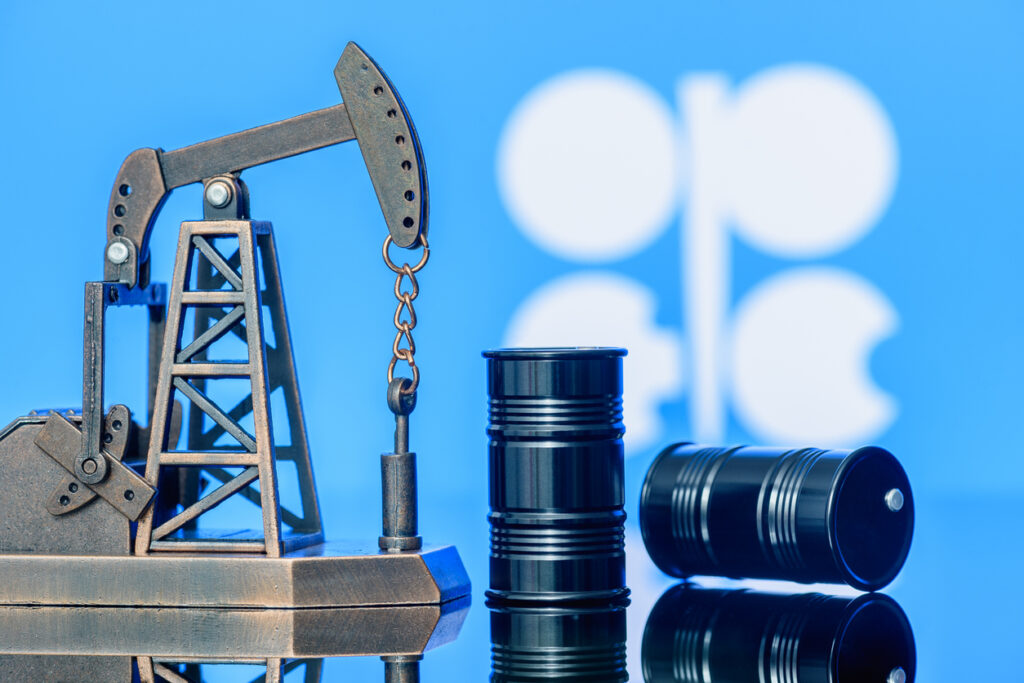
Saudi Arabia’s Crown Prince Mohammed bin Salman continues to assert his influence in the global energy markets, a strategy that has far-reaching implications not only for the kingdom’s domestic policies but also for its relationship with the United States. Recent moves to reduce oil production as a means of boosting global oil prices have drawn international attention, as MBS looks to solidify his standing with key economic players, including former U.S. President Donald Trump. However, the evolving relationship between the two figures is far from straightforward, as both appear to have their own agendas in mind.

The Saudi decision to slash oil output in recent months comes on the back of increasing pressure to stabilise global oil prices, which had been fluctuating due to global economic instability and shifting energy demands. By reducing production, Saudi Arabia has not only asserted its dominance within OPEC but also sent a clear signal to the global market that it has the leverage to influence pricing dynamics.

This move directly impacts oil markets in the U.S., a key trading partner for Saudi Arabia. As a major importer of oil, the United States is highly sensitive to fluctuations in oil prices. For Trump, whose policies focused on energy independence and bolstering U.S. oil production, the actions of MBS represent a clear challenge to his broader economic goals. The former U.S. president’s embrace of the kingdom, characterised by lucrative arms deals and a focus on maintaining strong bilateral ties, suggests that any tension between the two figures could have significant geopolitical consequences.

For MBS, maintaining close relations with the U.S. remains a critical aspect of his strategy. He has worked tirelessly to secure arms deals and other investments from the U.S., ensuring that the kingdom remains a key player in global economic and political circles. However, the Crown Prince has also sought to diversify Saudi Arabia’s global alliances, looking toward China and Russia for alternatives in the wake of fluctuating U.S. domestic politics.

While Saudi Arabia’s actions in the oil market may be seen as a tactical move to assert its power within OPEC, there is also an undercurrent of economic diversification within the kingdom. MBS has long been an advocate for economic reform, including his ambitious Vision 2030 plan, which aims to reduce the country’s dependence on oil and foster other sectors like technology, entertainment, and tourism. These long-term goals often put him at odds with traditional partners like the U.S., who benefit from the current structure of the global oil market.

MBS’s strategy of reducing oil production comes at a time when the U.S. is attempting to navigate its own challenges within global energy markets. Biden’s administration has faced criticism for its handling of oil prices and its response to OPEC’s decision to cut production. There have been mounting calls for the U.S. to reassert its influence over global energy policy, especially as rising fuel prices continue to affect domestic inflation. Trump, during his tenure, positioned himself as a champion of American energy interests, and his critique of OPEC’s actions highlights the ongoing tension between the U.S. and Saudi Arabia over energy policy.

The dynamics of this relationship are further complicated by political realities within the U.S. The upcoming presidential election, with Trump seeking to regain power, could see a shift in how the U.S. engages with Saudi Arabia. Trump’s previous tenure saw him pursuing an “America First” policy that frequently placed him at odds with traditional allies, including Saudi Arabia. His emphasis on energy independence and a focus on domestic oil production often ran counter to Saudi interests, particularly as MBS sought to maintain control over global oil pricing.

Despite these tensions, there remains a mutual interest in maintaining a working relationship. Saudi Arabia’s desire to secure arms deals and investments from the U.S. continues to be a driving factor in their engagement with Trump and other American leaders. Meanwhile, Trump’s political aspirations likely hinge on securing economic benefits from Saudi Arabia, whether through increased oil production or strategic investments in U.S. infrastructure. These mutual interests, though at times misaligned, provide the foundation for ongoing negotiations between the two figures.

Sharjah’s real estate sector has demonstrated impressive growth, registering 7,206 transactions in April 2025, totalling AED 4 billion in trading value. The total area of sales transactions amounted to 10.3 million square feet, indicating a sustained upward trajectory in the emirate’s real estate market.

This marked performance underscores the sector’s resilience and continued momentum, which has been a result of a combination of strategic government policies, urban expansion, and an influx of both local and international investors. Experts note that Sharjah’s real estate market is witnessing a fundamental transformation, spurred by a series of developments aimed at enhancing the emirate’s appeal as a prime investment destination.

The significant boost in Sharjah’s real estate market can be attributed to several key factors that have contributed to its rapid growth. The emirate’s government has implemented flexible policies and supportive legislative measures, providing a stable and investor-friendly environment. These regulations not only ensure security for investors but also create the conditions for long-term capital inflows, making Sharjah an increasingly attractive proposition for both domestic and international players.

Notable among these are the continued urban developments that have reshaped the city’s landscape. Sharjah has focused on large-scale infrastructure projects, aimed at expanding residential, commercial, and industrial areas. These initiatives have enhanced the emirate’s appeal as a dynamic hub for business and investment, attracting a growing number of investors seeking to capitalise on its expanding property market.

Sharjah’s strategic location, proximity to major business centres, and a robust transport network have also been crucial in driving demand. The emirate’s accessibility to both the UAE’s northern and southern markets makes it an ideal location for business expansion, which in turn fuels the demand for real estate across various sectors.

Alongside these developments, government policies targeting ease of doing business have provided a strong foundation for growth. The introduction of regulations designed to encourage foreign investment, including the ability to purchase freehold properties in certain areas, has attracted a wider range of investors. The emirate’s efforts to streamline property registration processes and offer competitive investment incentives have contributed to a growing sense of confidence in the market, positioning Sharjah as a favourable alternative to other regional markets.

The residential sector, in particular, has seen a significant surge in demand, fuelled by a combination of population growth and increasing economic activity. A growing middle-class population, coupled with rising disposable incomes, has driven the demand for both affordable and luxury properties. The government’s push to create new communities, supported by amenities such as schools, hospitals, and recreational areas, has further reinforced the attractiveness of Sharjah as a place to live and invest.

Commercial real estate has also experienced substantial growth. With increasing demand for office spaces, retail outlets, and industrial facilities, developers have responded with new projects tailored to meet the needs of an evolving business landscape. The expansion of Sharjah’s commercial infrastructure is expected to continue, supported by initiatives such as the Sharjah Free Zones, which have long been a key draw for investors looking to establish a presence in the emirate.

Foreign investment in the sector has been another major driver behind the growth of Sharjah’s real estate market. With a burgeoning interest from overseas investors, particularly from neighbouring GCC countries, the region’s property market has benefitted from the influx of foreign capital. Investors from countries such as Saudi Arabia, Qatar, and Kuwait have been particularly active in Sharjah, attracted by the relatively affordable property prices and the emirate’s strategic location within the UAE.

Despite the growing demand and development, Sharjah’s real estate market is not without its challenges. While the sector continues to experience strong growth, experts warn that maintaining this upward trend will require continued attention to infrastructure development and the sustainability of urban expansion projects. As the emirate becomes more developed, ensuring that urbanisation remains in line with environmental sustainability will be key to preserving Sharjah’s attractiveness as a destination for investors.

Salik, Dubai’s exclusive toll gate operator, has entered into a strategic partnership with ENOC Group to enable seamless, contactless payments at fuel stations across the emirate. The agreement, formalised through a memorandum of understanding signed at ENOC’s headquarters, will allow motorists to pay for fuel and services using Salik’s e-wallet, with charges automatically deducted via automatic number plate recognition technology.

The collaboration marks a significant step in both companies’ digital transformation strategies. Salik’s CEO, Ibrahim Sultan Al Haddad, emphasised that the initiative reinforces the company’s commitment to delivering advanced technologies that simplify transactions and improve operational efficiency. ENOC’s Group CEO, Saif Humaid Al Falasi, highlighted that the partnership enhances the customer journey and opens new avenues to add value and strengthen ENOC’s market position.

The MoU outlines joint technical integration efforts, a phased introduction of the new payment system across ENOC outlets, and upcoming co-branded marketing campaigns to increase public awareness. The two entities are also considering a broader strategic alliance.

This development follows Salik’s implementation of a variable toll pricing system across all Salik gates, effective from January 31, 2025. The new system offers different rates for peak and off-peak hours, aiming to ease congestion and improve traffic flow during peak times.

The integration of Salik’s e-wallet with ENOC’s fuel stations is part of a broader push towards customer-focused mobility solutions. By offering simple and secure ways to pay, the partnership aims to make everyday life in Dubai more convenient.

The new payment system will utilise ANPR technology, already deployed by Salik at over 25 parking locations and soon expanding to 127 locations, to offer contactless payments at ENOC’s retail and service network. This technology allows for automatic deduction of transaction values through vehicle number plate recognition, eliminating the need for cash or card payments.

Both companies are exploring further collaboration to extend these services across ENOC’s full network, reinforcing Dubai’s broader vision of a connected, smart economy. The partnership is expected to support Salik’s goal to grow ancillary revenue streams and expand its role in Dubai’s smart mobility infrastructure.

The agreement also includes joint marketing efforts, plans for phased technical integration, and potential for a deeper strategic partnership. ENOC, meanwhile, said the collaboration reflects its commitment to enhancing customer experience and exploring new digital revenue channels.

The partnership leverages automatic number plate recognition technology, already deployed by Salik at over 25 parking locations and soon expanding to 127 locations, to offer contactless payments at ENOC’s retail and service network. It marks a significant step in both companies’ digital transformation strategies.

Salik said the agreement supports its goal to grow ancillary revenue streams and expand its role in Dubai’s smart mobility infrastructure. ENOC, meanwhile, said the collaboration reflects its commitment to enhancing customer experience and exploring new digital revenue channels.

The new system will allow customers to pay for fuel and services without physical interaction, with charges automatically deducted from their Salik accounts based on vehicle number plates. This move is part of a larger plan by both companies to go digital and make things easier for customers. It will help save time, reduce the need for cash or card payments, and improve the overall experience for drivers.

The agreement was formalised at ENOC’s headquarters in Dubai, with Salik CEO Ibrahim Sultan Al Haddad and ENOC Retail Managing Director Zaid Alqufaidi signing on behalf of their respective organisations. The partnership is expected to support Salik’s goal to grow ancillary revenue streams and expand its role in Dubai’s smart mobility infrastructure.

ENOC, meanwhile, said the collaboration reflects its commitment to enhancing customer experience and exploring new digital revenue channels. The agreement also includes joint marketing efforts, plans for phased technical integration, and potential for a deeper strategic partnership.

Both companies are exploring further collaboration to extend these services across ENOC’s full network, reinforcing Dubai’s broader vision of a connected, smart economy. The partnership is expected to support Salik’s goal to grow ancillary revenue streams and expand its role in Dubai’s smart mobility infrastructure.

ADVERTISEMENT

Abu Dhabi’s Mubadala Investment Company reported a 33.7% surge in capital deployment in 2024, reaching AED 119 billion , positioning it as the most active sovereign wealth fund globally, according to data from Global SWF. This uptick coincided with a 9% year-on-year increase in assets under management , now totaling AED 1.2 trillion , and a five-year annualised return of 10.1%.

The fund’s intensified investment activity was largely driven by strategic allocations in artificial intelligence , semiconductors, and private equity sectors. Notably, Mubadala’s investments in North America nearly doubled, underscoring its confidence in the U.S. market despite prevailing economic uncertainties. In a significant move, Mubadala acquired a 50% stake in MGX, an AI-focused entity that collaborated with BlackRock and Microsoft in a $30 billion AI infrastructure fund.

Mubadala’s portfolio composition remained relatively stable, with 40% allocated to private equity, 23% to public markets, and 17% to infrastructure and real estate. This allocation reflects a strategic emphasis on sectors poised for long-term growth. The fund also expanded its private credit holdings to $20 billion, aligning with its broader investment strategy.

In the healthcare sector, Mubadala finalized the acquisition of an 80% stake in Global Medical Supply Chain and Al Ittihad Drug Store, enhancing its presence in healthcare logistics and pharmaceutical distribution. Additionally, the fund invested in Zelis, a U.S.-based healthcare technology firm, alongside Norwest and HarbourVest.

Mubadala’s commitment to clean energy was evident through Masdar’s acquisition of a 50% stake in the Big Beau combined solar and battery storage project in California. Furthermore, Mubadala Capital announced a $13.5 billion investment in a biofuels project in Brazil, marking a significant step in sustainable energy initiatives.

The fund’s strategic partnerships extended to the financial sector, with the acquisition of Fortress Investment Group from SoftBank, following regulatory approval from the Committee on Foreign Investment in the United States . This acquisition bolsters Mubadala’s position in global credit markets.

Mubadala’s CEO, Khaldoon Al Mubarak, emphasized the fund’s focus on future-oriented sectors, stating that the portfolio is constructed to navigate market cycles and scale sectors such as AI, clean energy, life sciences, semiconductors, and advanced manufacturing, aligning with national priorities.

The fund’s strategic initiatives also include the establishment of Space42, a space and satellite technology entity formed through the merger of Yahsat and Bayanat, and M42, a tech-enabled healthcare company, both in collaboration with Abu Dhabi’s tech group G42.

Mubadala’s approach to sustainable finance was highlighted by the issuance of its inaugural green bond, aligning with the UAE’s commitment to Net Zero by 2050. The fund maintains a conservative gearing ratio of 10.3% and a strong liquidity position, ensuring resilience amid global economic fluctuations.

In the realm of private equity, Mubadala Capital raised $3.1 billion for its latest fund, surpassing the initial target of $2 billion. The fund aims to invest between $150 million and $500 million per deal, focusing on acquiring large holdings in private equity markets.

Abu Dhabi’s International Holding Company has joined forces with US-based investment giant BlackRock to establish a $1 billion reinsurance platform headquartered in the Abu Dhabi Global Market . The initiative, which also includes Lunate, an Abu Dhabi-based alternative investment manager, aims to underwrite liabilities exceeding $10 billion and is poised to reshape the global reinsurance landscape.

The yet-to-be-named platform will adopt a buy-and-build strategy, focusing on acquiring and developing reinsurance capabilities. BlackRock will contribute its insurance asset management expertise, advisory services, and Aladdin technology platform to the venture. Additionally, BlackRock is expected to make a minority investment commitment upon the finalization of the deal.

Lunate’s participation marks its entry into the reinsurance sector, expanding its investment portfolio beyond its existing $105 billion in assets under management. The firm has been actively investing across various sectors, including energy infrastructure and climate finance, as evidenced by its acquisition of a 40% stake in ADNOC Oil Pipelines and the establishment of the $30 billion ALTÉRRA climate investment vehicle.

The collaboration between IHC, BlackRock, and Lunate underscores Abu Dhabi’s strategic push to position itself as a global hub for financial services and reinsurance. The ADGM’s progressive regulatory framework and its appeal to international financial institutions have made it an attractive destination for such ventures.

This partnership is expected to leverage the strengths of each entity: IHC’s expansive investment portfolio and regional influence, BlackRock’s global asset management capabilities, and Lunate’s innovative investment strategies. Together, they aim to address the growing demand for reinsurance solutions and contribute to the diversification of Abu Dhabi’s financial sector.

The Indian Rupee has plummeted to its lowest value against the UAE Dirham in over a month, marking a significant drop to 23.36 per dirham. This decline, the steepest since mid-April, follows escalating border tensions between India and Pakistan, which have triggered volatile market reactions. Traders are closely monitoring the situation, with fears of further instability driving the currency’s slide.

As the conflict intensifies, the Rupee’s depreciation is attributed to growing uncertainties surrounding the geopolitical standoff. India and Pakistan, both nuclear-armed neighbours, have long been at odds over the Kashmir region. The latest developments have exacerbated market fears of prolonged instability, pushing investors to seek safer assets, which has further weighed on the Rupee.

Currency markets, traditionally sensitive to geopolitical risks, have seen a surge in demand for the US Dollar, which remains a global safe-haven. Analysts point to the Dollar’s strengthening as a direct response to mounting tensions in South Asia, compounded by global inflationary pressures. With foreign investors retreating from riskier assets, the Rupee has been further pressured, intensifying the currency’s downtrend.

The Indian government’s response to the situation, alongside Pakistan’s military actions, has added to investor uncertainty. The military exchanges along the Line of Control between the two countries have led to heightened concerns not only about regional security but also about the broader economic repercussions of prolonged instability. Economists suggest that the markets will continue to reflect these risks until diplomatic measures are taken to de-escalate tensions.

The ongoing conflict is expected to affect trade relations, particularly in sectors reliant on cross-border commerce. Import and export activities between India and Pakistan, already hindered by past disputes, are likely to experience further disruptions. This could lead to an uptick in inflation, especially in critical sectors like oil, where price fluctuations are particularly sensitive to regional tensions.

Central banks in both nations, as well as the International Monetary Fund , have called for restraint, urging both sides to avoid further military escalation and seek peaceful resolutions. However, the risk of military confrontations spilling over into broader regional instability remains a concern that is factoring heavily into currency movements.

The financial impact on India is also underscored by the continued inflationary pressures faced by the country. While India has a relatively strong domestic economy, analysts warn that the ongoing uncertainty over the border conflict could undermine investor confidence, further destabilising the currency. This would place more pressure on the Reserve Bank of India , which may be forced to intervene in the markets to prevent excessive depreciation.

For businesses and consumers, the weakening Rupee has meant higher costs for imported goods, particularly fuel and electronic products, which are crucial to India’s economy. The cost of living for many Indian citizens is expected to rise, further intensifying socio-economic concerns. The rise in fuel prices has already led to protests in certain parts of India, with many calling on the government to address the economic fallout from the ongoing tensions.

The Indian government, however, remains optimistic about the long-term outlook for the Rupee. According to finance ministry officials, the country’s economic fundamentals remain robust despite the external geopolitical risks. They argue that the current currency depreciation is part of a broader, global trend, and that India is well-positioned to weather the storm with its growing foreign reserves and strong trade relationships beyond the subcontinent.

Despite these assurances, many analysts argue that India’s growing fiscal deficits and inflationary pressures could further complicate the Rupee’s recovery. A sharp depreciation could potentially lead to an erosion of investor confidence, compounding the country’s financial challenges.

Bjarke Ingels Group , the renowned architectural firm, has unveiled a groundbreaking plan to redevelop the Jebel Ali Racecourse into a vibrant, sustainable urban district. The ambitious project, in collaboration with ARM Holding, a prominent Dubai-based development company, aims to revitalise a sprawling 5-square-kilometre area, turning the historical site into a hub for both residential and commercial spaces.

The proposal includes creating an environmentally friendly, mixed-use community that integrates cutting-edge design with green technologies. This redevelopment is expected to redefine urban living in Dubai, focusing on sustainability, innovation, and improved connectivity within the city.

BIG’s design concept emphasises green spaces, pedestrian-friendly walkways, and eco-conscious architecture, making it a model for future urban developments. The plan includes residential units, office spaces, recreational areas, and cultural hubs, all within a green environment designed to reduce the carbon footprint. The development aims to cater to the growing demand for urban spaces that not only meet residential needs but also foster community engagement and sustainability.

The project is being seen as a significant step in Dubai’s broader urban planning strategy, which aligns with the city’s Vision 2040. This vision focuses on creating a sustainable and diversified economy, with an emphasis on innovative, eco-friendly developments. By transforming the Jebel Ali Racecourse, the project supports the city’s ongoing efforts to establish a greener, more resilient urban landscape.

The existing racecourse, a significant landmark for horse racing enthusiasts in Dubai, will be integrated into the new district, preserving its cultural and historical value. The developers plan to retain the iconic racetrack as a key feature, while surrounding it with modern amenities and green infrastructure.

One of the key aspects of the plan is the extensive use of renewable energy sources and energy-efficient designs. Solar panels, energy-efficient buildings, and water conservation systems will be incorporated throughout the district. This will not only minimise the environmental impact of the development but also contribute to Dubai’s goals of reducing carbon emissions and enhancing the sustainability of its infrastructure.

The residential aspect of the development will offer a range of living options, including apartments, townhouses, and villas, catering to a diverse demographic. A variety of amenities, such as schools, healthcare facilities, and retail outlets, will be integrated into the design to ensure that the community is self-sufficient and well-connected.

The district will feature a state-of-the-art transportation network, including electric vehicle charging stations, bike paths, and enhanced public transport links. This will ensure that the development is easily accessible and fully integrated into the wider urban fabric of Dubai. The emphasis on sustainability extends to mobility solutions, with plans for a smart transport system aimed at reducing congestion and promoting greener travel alternatives.

The partnership between BIG and ARM Holding is a significant development for the city’s real estate market, with both parties bringing their expertise to the project. BIG, known for its innovative and sustainable designs, will be responsible for the architectural vision, while ARM Holding will manage the development and construction phases. Their collaboration is expected to set new benchmarks for urban development in the region.

As part of Dubai’s push to become a global leader in sustainable urban planning, the Jebel Ali Racecourse redevelopment is expected to attract considerable interest from international investors. The project aligns with Dubai’s efforts to position itself as a hub for innovation and sustainability in the Middle East.

The transformation of the Jebel Ali Racecourse site is part of a larger trend of reimagining historical spaces in Dubai to meet the demands of a growing population and economy. Similar projects are already underway in other parts of the city, focusing on transforming underutilised or outdated areas into modern, sustainable communities that offer high quality of life for residents.

The economic impact of this project is expected to be substantial, with job creation during the construction phase and long-term benefits from increased tourism, commerce, and real estate investments. The development will also contribute to the diversification of Dubai’s economy, with a focus on attracting high-tech industries and green businesses.

While the project is still in the early stages, it has already generated significant excitement in the city’s real estate and architectural sectors. Dubai’s reputation for ambitious and futuristic developments has been bolstered by similar large-scale projects, such as the Dubai Creek Tower and the Museum of the Future. The Jebel Ali Racecourse redevelopment is expected to continue this trend, setting a new standard for sustainable urban design in the region.

ADVERTISEMENT

Dubai is set to host a $1.2 billion megaproject, ‘The Island’, featuring three iconic Las Vegas hotel brands: MGM Grand, Bellagio, and Aria. Located off the coast of Umm Suqeim near the Burj Al Arab, the development is being spearheaded by Wasl Asset Management Group, with construction contracted to China State Construction Engineering Corporation. The project is scheduled for completion by 2028.

Spanning 3.5 million square metres, The Island will offer 1,400 hotel rooms and apartments, along with 10 villas. Amenities include a 110-metre-tall entertainment tower, an 800-seat theatre, multiple swimming pools, a beach club, and a 1.2-kilometre corniche lined with cafes, restaurants, and retail outlets. The development aims to attract ultra-high-net-worth individuals and tourists, enhancing Dubai’s position as a global luxury destination.

While MGM Resorts International operates casinos in other jurisdictions, no gaming facilities are currently planned for The Island. MGM President and CEO William Hornbuckle has expressed interest in incorporating gaming if regulations permit, noting that the UAE’s recent establishment of the General Commercial Gaming Regulatory Authority could pave the way for future developments in this area.

Dubai’s real estate market is experiencing a significant upswing, marked by soaring property prices and heightened investor interest. However, industry experts are expressing caution, suggesting that the market may be approaching a saturation point.

Residential sales reached AED 120 billion in the third quarter of 2024, with luxury property transactions increasing by 62%. High-net-worth individuals are driving demand in prime locations such as Palm Jumeirah and Downtown Dubai. Despite this growth, analysts from ValuStrat predict that prices for high-end villas may stabilize in the latter half of 2025, indicating a potential cooling of the market.

The supply of new housing is not keeping pace with demand. Only 19,700 new villas are expected to be completed by the end of 2025, far below the growing demand for larger, family-friendly homes. This shortage has led to a 26% increase in villa prices in 2024, with further increases anticipated. Delays in construction projects, averaging 30%, suggest that actual completions may fall short of targets, exacerbating the housing shortfall.

Government initiatives, such as the Golden Visa program and the Dubai 2040 Urban Master Plan, have attracted over 100,000 individuals since its launch, boosting investor confidence. However, the rapid speed of new development, particularly around off-plan projects, raises concerns about the risk of oversupply in certain segments of the market. If demand does not keep pace, particularly for mid- to upper-tier residential units, a price correction could occur in specific micromarkets.

Jeremy, a seasoned real estate investor, advises caution. He suggests that prospective buyers wait until the summer for better opportunities, as market corrections may present more favorable conditions. Jeremy emphasizes the importance of seeking impartial advice, contrasting it with the commission-driven motivations of most brokers. His real estate company prioritizes client interests through unbiased analysis, leading to exceptional returns for clients.

The Dubai real estate market offers high rental yields, ranging from 5% to 8% annually in key areas like Dubai Marina and Downtown Dubai. However, rising living costs and inflation are impacting property affordability, particularly for middle-income buyers. Developers may need to explore more inclusive housing models to address this issue.

Sustainability is becoming a key focus in Dubai’s real estate sector. Developers are integrating eco-friendly features such as solar panels and energy-efficient systems into residential projects, aligning with Dubai’s commitment to achieving net-zero emissions by 2050. By 2025, 35% of new office spaces in Dubai are expected to be LEED-certified, up from 25% in 2023.

Dubai’s real estate market is poised for substantial expansion, with projections indicating a potential doubling of property values over the next five years, according to Abdullah Alajaji, CEO of Driven Properties. This optimistic outlook is underpinned by a combination of robust demand, strategic urban planning, and investor-friendly policies.

Average property prices in Dubai have surged by approximately 75% since early 2021, nearing the pre-2008 peak of AED 1,750 per square foot. This growth is attributed to a 50-month rally driven by economic resilience, liberalized visa regulations, and a significant influx of expatriates. The city’s population is projected to exceed 4 million by 2026, fueling sustained demand for residential properties, particularly in emerging areas such as Dubai South, Jumeirah Village Circle, and Dubai Hills Estate.

The luxury segment has witnessed remarkable activity, with sales of properties valued at AED 15 million and above reaching 948 transactions in 2024. Developments like Palm Jumeirah and Dubai Hills Estate have been at the forefront, attracting high-net-worth individuals seeking premium residences. The introduction of branded residences and ultra-luxury waterfront properties continues to appeal to affluent buyers.

Dubai’s government has implemented several initiatives to enhance the real estate sector’s appeal. Notably, policies allowing 100% foreign ownership of commercial companies outside free zones have been introduced, boosting investment in office and retail spaces. The expansion of the golden visa scheme has further attracted international investors, contributing to increased demand for high-end properties.

Sustainability and smart technology are increasingly influencing buyer preferences. By 2025, it is anticipated that 35% of new office spaces in Dubai will be LEED-certified, reflecting a shift towards eco-friendly developments. Smart homes equipped with IoT-enabled features, AI-powered security, and blockchain-based transaction systems are becoming more prevalent, aligning with the city’s commitment to innovation and sustainability.

The off-plan market remains a significant driver of growth, with 7,381 transactions recorded in January 2025 alone, totaling AED 15.1 billion. Flexible payment plans and attractive pricing continue to draw both foreign investors and end-users. Additionally, the redevelopment of areas like Sheikh Zayed Road and Al Jaddaf into freehold zones is expected to attract new investors and spur property value increases of 30-50% in these locations.

Despite the impressive growth, the market faces potential risks, including global economic fluctuations and oil price volatility. However, Dubai’s efforts to diversify its economy and attract foreign investment provide a solid foundation for long-term resilience. The city’s proactive approach to urban planning, coupled with its focus on sustainability and innovation, positions it favorably for continued growth in the real estate sector.

ADVERTISEMENT

Strong northwesterly winds reaching up to 50 km/h have swept across the United Arab Emirates, triggering widespread dust storms and a noticeable drop in temperatures. The National Center of Meteorology has issued alerts for reduced visibility and hazardous sea conditions, advising residents to exercise caution.

The NCM reported that horizontal visibility has fallen below 3,000 metres in several coastal and inland areas due to suspended dust and sand. The Arabian Gulf is experiencing rough to very rough seas, with wave heights reaching up to seven feet, while the Sea of Oman remains rough. These conditions are expected to persist through Wednesday, with the weather remaining dusty to partly cloudy.

Temperature fluctuations have been recorded across the country. In Abu Dhabi, temperatures range between 27°C and 36°C; Dubai sees a similar pattern with lows of 28°C and highs of 35°C. Fujairah stands out with a maximum temperature of 42°C and a minimum of 34°C, while Ras Al Khaimah and Al Ain report highs of 38°C.

The NCM attributes the current weather pattern to an extension of surface low pressure from the east and high pressure from the west, coupled with an upper-air high-pressure system. This combination has intensified northwesterly winds, leading to the current dusty conditions and temperature drops.

Looking ahead, the NCM forecasts that Thursday will continue to be dusty to partly cloudy, with light to moderate northwesterly to southwesterly winds turning active during the day. Wind speeds are expected to range between 10 to 25 km/h, reaching up to 40 km/h. The Arabian Gulf will remain rough to very rough, and the Sea of Oman is expected to be rough.

By Friday, the weather is anticipated to be clear to partly cloudy and humid at night and on Saturday morning, with a possibility of fog or light fog formation in some coastal and internal areas. Winds will be light to moderate southwesterly to northwesterly, becoming active and dust-stirring during the day, with speeds ranging between 10 to 25 km/h, reaching up to 40 km/h. The Arabian Gulf will be moderate to regular, and the Sea of Oman will be regular.

The United Arab Emirates has called upon India and Pakistan to exercise restraint and prioritise diplomatic engagement following a surge in cross-border hostilities that has heightened fears of a broader conflict in South Asia.

Sheikh Abdullah bin Zayed Al Nahyan, the UAE’s Deputy Prime Minister and Minister of Foreign Affairs, issued a statement on Wednesday urging both nations to avoid further escalation that could jeopardise regional and international peace. He emphasised that diplomacy and dialogue remain the most effective means of resolving crises peacefully and achieving shared aspirations for stability and prosperity.

The appeal comes in the wake of India’s missile strikes targeting nine sites in Pakistan and Pakistan-administered Kashmir, reportedly aimed at militant infrastructure linked to the April 22 attack in Indian-administered Kashmir that killed 26 tourists. India’s Defence Ministry stated that the strikes were focused, measured, and non-escalatory, asserting that no Pakistani military facilities were targeted. However, Pakistan reported that the attacks resulted in at least 19 casualties, including women and children, and damaged several mosques and a medical clinic.

In retaliation, Pakistan claimed to have shot down five Indian fighter jets and launched strikes into Indian-administered Kashmir, reportedly killing three people. The heightened conflict has led to school closures, disrupted international flights, and drawn global concern, with calls for restraint from China, the United Nations, and U.S. leaders.

Sheikh Abdullah’s statement underscores the UAE’s commitment to supporting initiatives aimed at peaceful conflict resolution and mitigating humanitarian consequences. He stressed the importance of heeding voices calling for dialogue and mutual understanding to prevent military escalation and strengthen stability in South Asia.

The UAE has a history of mediating in regional conflicts and has previously facilitated exchanges between conflicting parties. Its call for restraint reflects a broader international consensus urging India and Pakistan to de-escalate tensions and engage in constructive dialogue to resolve their longstanding disputes.

At 1:44 a.m. on 6 May 2025, Indian armed forces carried out precision strikes on nine locations in Pakistan and Pakistan-administered Kashmir. The operation, codenamed ‘Operation Sindoor,’ was launched in response to the 22 April massacre in Pahalgam, where 26 civilians, predominantly Hindu tourists, were killed. The Indian government stated that the targets were terrorist infrastructure linked to the attack.

The Indian Ministry of Defence described the strikes as “focused, measured, and non-escalatory,” emphasizing that no Pakistani military facilities were targeted. The operation involved coordinated efforts from the Army, Navy, and Air Force, with Prime Minister Narendra Modi reportedly monitoring the mission closely.

Pakistan condemned the strikes, labeling them an “act of war” and reported civilian casualties, including the death of a child. Islamabad claimed to have shot down two Indian jets and vowed a robust response. A state of emergency was declared in Punjab province, and airspace was closed to commercial flights.

The Pahalgam attack, carried out by militants in army fatigues, targeted tourists in the Baisaran meadow. Eyewitnesses reported that the assailants singled out non-Muslims before opening fire. The Resistance Front, an offshoot of Lashkar-e-Taiba, initially claimed responsibility but later retracted. Indian authorities linked the attack to Pakistan-based operatives, citing digital traces leading to safe houses in Muzaffarabad and Karachi.

In the aftermath, India suspended the Indus Waters Treaty, expelled Pakistani diplomats, and closed borders. Pakistan responded by suspending the Simla Agreement, restricting trade, and closing airspace. Both nations have engaged in cross-border exchanges of fire, raising concerns of a broader conflict.

Panasonic Marketing Middle East and Africa has entered into a strategic partnership with Saudi Company for Hardware , a leading retailer in Saudi Arabia, to revolutionise the retail experience for customers in the Kingdom. This move marks a significant shift in the retail and electronics sectors, directly aligning one of Japan’s biggest manufacturers with a key local distributor, reshaping supply chains and enhancing customer engagement.

The collaboration between Panasonic and SACO will introduce a direct supply model, which aims to streamline product availability and improve service efficiency. By working closely together, the two companies will ensure a smoother, faster product distribution system, ultimately benefiting consumers with quicker access to Panasonic’s wide range of electronics and home appliances. SACO’s established retail network and expertise in the local market provide Panasonic with the necessary infrastructure to reach a broader audience while maintaining the highest service standards.

As part of the partnership, SACO will become Panasonic’s exclusive retail distributor for several product categories, including air conditioners, home appliances, and consumer electronics. The deal is expected to strengthen Panasonic’s presence in Saudi Arabia, which is one of the Middle East’s largest and most lucrative consumer markets. Both companies are focusing on providing customers with an enhanced shopping experience by offering a range of cutting-edge technologies and products, with a focus on energy-efficient and environmentally friendly solutions.

The collaboration is also set to create a seamless integration of Panasonic’s products into SACO’s expansive network of stores across the Kingdom. With a deep understanding of the Saudi consumer landscape, SACO is well-positioned to promote Panasonic’s products effectively while ensuring that they meet the local market’s unique needs and preferences. SACO’s strategic locations across major cities in Saudi Arabia will provide Panasonic with an enhanced retail footprint, allowing it to tap into new demographics and increase brand recognition.

The partnership comes at a time when Saudi Arabia’s retail and electronics sectors are experiencing substantial growth, driven by a youthful population, rising disposable incomes, and increased consumer demand for high-quality home electronics. This trend is further supported by the Saudi Vision 2030 initiative, which aims to diversify the economy and reduce its reliance on oil exports. As part of this vision, the Kingdom is increasingly focusing on expanding its non-oil sectors, with retail and consumer electronics being key growth areas.

Panasonic’s commitment to sustainability aligns with the growing demand for energy-efficient products in the Kingdom. In response to this demand, the company plans to introduce a range of environmentally conscious solutions, such as energy-saving home appliances and air conditioning systems, designed to meet Saudi Arabia’s strict energy regulations. These products are expected to resonate well with consumers who are becoming more environmentally aware and seek to reduce their carbon footprints while maintaining high standards of comfort and quality.

Through this collaboration, Panasonic also aims to strengthen its after-sales service network in Saudi Arabia. The partnership will facilitate the creation of dedicated service centres, staffed by highly trained technicians who can provide maintenance and repair services for Panasonic products. This move is designed to enhance customer satisfaction, ensuring that consumers receive comprehensive support throughout the life cycle of their purchased products. Panasonic’s reputation for high-quality manufacturing and reliability will be further bolstered by SACO’s robust service infrastructure.

The partnership is expected to play a pivotal role in transforming the electronics retail sector in Saudi Arabia. By leveraging SACO’s local expertise and Panasonic’s global brand strength, the companies aim to offer a unique value proposition to consumers. Shoppers will benefit from a more integrated shopping experience, including access to the latest Panasonic products, expert advice, and convenient after-sales support. Furthermore, the collaboration is likely to spark more innovation in the retail sector, as other manufacturers may look to follow suit and form similar partnerships with local distributors to enhance their market presence.

As the Kingdom continues to prioritise economic diversification and digital transformation under Saudi Vision 2030, the collaboration between Panasonic and SACO represents a significant step in aligning global brands with local expertise. By directly addressing consumer needs and preferences, the partnership is well-positioned to drive further growth in the Kingdom’s electronics and retail sectors, supporting the wider goal of modernising the economy and improving the quality of life for Saudi citizens.

Dubai Holding, a leading global investment conglomerate, has announced the listing of its Dubai Residential Real Estate Investment Trust on the Dubai Financial Market . This marks the first initial public offering in Dubai for the year, reflecting the continuing strength of the emirate’s thriving property sector.

The Dubai Residential Reit, a sharia-compliant fund that generates income through investments in residential real estate, is set to offer 1.625 billion units, representing 12.5 per cent of the total stake in the trust. Dham Investments, a fully owned subsidiary of Dubai Holding, is behind the move, aiming to diversify the company’s portfolio and expand its reach in the regional real estate market.

The subscription period for the offering will run from May 13 to May 20, 2025. After this, the final offer price will be disclosed on May 21, with the trading of the Reit’s units expected to commence on the Dubai Financial Market on May 28, 2025. The offer is poised to attract a wide range of investors, from institutional to retail, as the Dubai property market continues to attract significant interest from global investors.

The Dubai property market has shown remarkable resilience in the face of global economic challenges, with both residential and commercial segments witnessing robust growth. With high demand for luxury homes, rental properties, and mixed-use developments, the Reit presents a strategic opportunity for investors to gain exposure to the lucrative Dubai real estate market.

This IPO comes amid a boom in the emirate’s property market, fuelled by strong investor confidence, favourable government policies, and an influx of expatriates looking to secure a foothold in one of the world’s most dynamic cities. Dubai’s real estate market has been one of the most resilient globally, thanks to a range of measures introduced by the government to attract foreign investment, including long-term residency options for investors and property owners.

The listing is also significant for Dubai Holding, which has consistently sought to diversify its investment portfolio across various sectors, including real estate, hospitality, and technology. As one of the largest investment companies in the UAE, Dubai Holding’s strategic shift into the publicly traded real estate space could potentially open doors for further capital raising and market expansion in the region.

The offering is expected to draw attention not only from regional investors but also from international funds, as Dubai continues to be a top destination for global real estate investments. With property prices expected to maintain upward momentum in the coming months, the timing of the IPO could prove advantageous, particularly as Dubai continues to grow as an international business hub.

The Dubai Residential Reit has a strong portfolio of residential assets, strategically located in prime areas across the emirate. These properties are anticipated to generate consistent rental income, making the Reit an attractive investment for those seeking exposure to Dubai’s booming property market without the complexity of direct property ownership. Investors will also benefit from the fund’s income-distributing structure, with regular dividend payouts projected over time.

The IPO follows Dubai Holding’s broader strategy of strengthening its presence in key sectors and diversifying its investment base. With the growing demand for real estate in the region, Dubai Holding’s decision to list the Reit is seen as a move to unlock value from its high-quality assets while expanding its footprint in the public capital markets.

As with all public offerings, the success of this IPO will depend on the investor appetite, market conditions, and the overall economic landscape. Despite this, Dubai’s real estate sector remains resilient, buoyed by strong fundamentals and continuous infrastructure development that supports both residential and commercial property demand.

The Dubai Financial Market has positioned itself as a key player in the region’s capital markets, and the listing of Dubai Residential Reit is expected to contribute to further growth in market activity. It marks a significant milestone for the DFM, which has seen a series of successful listings in recent years, strengthening its position as a leading financial hub in the Middle East.

Emirates Integrated Telecommunications Company has reported a strong financial performance for the first quarter of 2025, reflecting substantial growth in both net profit and revenues. The company’s net profit surged by 19.8%, reaching AED 722 million , while revenues increased by 7.4% year-on-year to AED 3.8 billion. The results highlight du’s resilience and strategic initiatives in a highly competitive telecom market.

The strong growth in net earnings is primarily attributed to du’s effective management of its revenue mix and operational costs. The company’s EBITDA also saw a notable increase of 15%, amounting to AED 1.8 billion. This growth in earnings before interest, tax, depreciation, and amortisation was aided by the improved cost management strategies and a more balanced revenue distribution, which contributed to an EBITDA margin of 47.4%. This marked a 3.1 percentage-point improvement from the same period last year.

du’s performance in Q1 2025 underscores the success of its ongoing transformation efforts aimed at strengthening its market position. The company has made significant strides in diversifying its product and service offerings, tapping into new revenue streams, and expanding its digital services portfolio. These measures have not only helped improve its financial outcomes but also bolstered its competitiveness in an evolving telecommunications landscape.

The telecom industry in the UAE, which continues to be driven by technological advancements and digital transformation, has seen both du and its competitors adapt to changing consumer demands. With an increasing reliance on mobile data, fibre optics, and digital platforms, du has managed to capitalise on this shift by enhancing its service delivery and improving customer experience. The company’s digitalisation strategy has been integral to this growth, positioning it as a strong player in both consumer and business sectors.

In terms of operational performance, du has placed a significant emphasis on network optimisation and infrastructure upgrades. This includes expanding its 5G capabilities, which have become a crucial part of the telecom landscape in the UAE. As 5G networks continue to roll out across the country, du’s investments in next-generation technologies are likely to provide a competitive edge, enabling it to meet the growing demand for faster and more reliable mobile connectivity.

The company has also focused on improving its cost management strategies, which have been a key factor in its improved profitability. By streamlining operations, reducing unnecessary expenditures, and optimising its resource allocation, du has been able to maintain a healthy margin despite the competitive pressures in the telecom sector.

Another factor contributing to du’s success has been its continued focus on expanding its customer base. The company has increased its customer acquisition efforts, both in the consumer and enterprise markets, offering tailored solutions to meet the needs of various segments. With a robust digital strategy, du has been able to deliver value-added services, such as cloud solutions, IoT, and advanced cybersecurity offerings, which are highly sought after by businesses and government entities.

Looking ahead, du’s financial outlook remains positive, with analysts forecasting continued growth in the upcoming quarters. The company’s strong market position, enhanced service offerings, and commitment to technological innovation are expected to support its long-term growth trajectory. Furthermore, the UAE’s ongoing infrastructure development and plans for economic diversification are likely to present further opportunities for du to expand its footprint.

Despite the challenging nature of the telecom industry, characterised by high competition and regulatory pressures, du’s performance demonstrates its ability to adapt and thrive. The company’s proactive approach to cost control, investment in technology, and customer-centric focus have proven to be effective strategies in maintaining profitability and growth.

Dubai’s equity market emerged as the top performer among Gulf Cooperation Council bourses in April 2025, registering a 4.1% gain driven by robust activity in the real estate and banking sectors. This contrasts with the broader S&P GCC Composite Index, which declined by 1% during the same period, reflecting mixed performances across the region amid fluctuating oil prices and global trade uncertainties.

The banking sector played a pivotal role in Dubai’s market ascent. Dubai Islamic Bank , the largest Sharia-compliant lender in the UAE, reported an 8% year-on-year increase in net profit for the first quarter of 2025. This growth was underpinned by a 7% rise in net financing and sukuk investments, reaching AED 212 billion. DIB’s asset quality improved significantly, with impairment charges dropping by 71% to AED 407 million and the non-performing financing ratio decreasing to 4%. The bank’s shares responded positively, posting a 5.4% gain in April.

In the real estate sector, Emaar Properties experienced a 1.5% decline in its stock price, contributing to a 0.4% dip in Dubai’s main index on April 30. Despite this, the overall monthly performance remained strong, bolstered by gains in other financial institutions. Emirates NBD, for instance, saw its shares rise by 1.2%, reflecting investor confidence in the banking sector’s resilience.

Abu Dhabi’s stock market also recorded positive movement, with its index climbing 1.8% in April. First Abu Dhabi Bank , the UAE’s largest lender by assets, exceeded first-quarter profit expectations, reporting a 23% year-on-year increase in net profit to AED 5.13 billion. This performance was driven by a substantial rise in non-interest income, which grew by 22% to AED 3.8 billion. FAB’s strategic restructuring, including the appointment of Linos Lekkas as head of investment banking and a reorganisation into four operational divisions, has been positively received by investors, with the bank’s shares gaining 8.7% over the month.

Qatar’s equity markets posted a 2.2% growth in April, supported by a 1.4% increase in Qatar Islamic Bank shares. However, the broader market sentiment was tempered by declines in other sectors, such as a drop in Qatar Gas Transport’s stock ahead of its earnings report.

In contrast, Saudi Arabia’s main index experienced a slight decline of 0.1% on April 30, influenced by falling oil prices and weaker corporate earnings. Saudi Aramco’s shares fell by 0.6%, while Americana Restaurants International saw a 2.2% decrease following a drop in quarterly profits. Alinma Bank’s stock also declined by 1.2% due to a sequential drop in quarterly profits.

VISHNU RAJA
RYO YAMADA
HITORI GOTOH
IKUYO KITA
Social Media Auto Publish Powered By : XYZScripts.com