Articles written by
arabian post staff

With alcohol sales in both the U.S. and China experiencing a decline, global spirits giants Diageo and Pernod Ricard are shifting their focus to the South Asian market, specifically targeting a new generation of drinkers. Both companies, recognized for their premium brands such as Johnnie Walker, Guinness, and Chivas Regal, have identified India and neighboring countries as pivotal in their plans for growth. This region, with its expanding middle class and evolving consumer behavior, presents an untapped opportunity to offset the challenges they face in more established markets.

In the U.S., consumption of alcohol has been on a downward trajectory for years, as changing social attitudes and concerns about health have altered traditional drinking habits. A similar trend is observed in China, where alcohol consumption has slowed amid an economic downturn and increasing government pressure against excessive drinking. The shift in consumer preferences in these regions has led Diageo and Pernod Ricard to recalibrate their strategies and focus more heavily on markets with burgeoning potential.

India, in particular, stands out as a key market for these companies, with its large, young population and rising disposable income. A growing number of millennials and Generation Z consumers are becoming more interested in Western-style alcoholic beverages, which has spurred the development of tailored marketing campaigns. Diageo and Pernod Ricard are not only aiming to introduce their premium brands but also creating a cultural shift toward drinking in social settings and a higher acceptance of international alcoholic beverages.

While the alcohol market in India is still highly regulated, with state-level restrictions and varying taxes across regions, the demand for spirits, especially whisky, is substantial. Whisky remains the preferred alcoholic drink in the country, and international brands have found a niche within this preference. Both Diageo and Pernod Ricard have been ramping up their investments in the subcontinent, focusing on establishing a foothold in India’s rapidly growing urban centers.

Pernod Ricard, for example, has introduced a wide range of products tailored to local tastes while maintaining the global appeal of its brands. The company’s strategy has been to offer products at different price points, allowing them to target both the premium and mass markets. Similarly, Diageo’s Johnnie Walker has launched region-specific campaigns that cater to India’s burgeoning demand for luxury spirits while also targeting younger drinkers through social media platforms.

One of the biggest advantages for both companies is the growing number of young consumers who are eager to experiment with new tastes and experiences. This demographic is highly active on digital platforms, where global trends in fashion, food, and drink have a quicker impact. Social media marketing has proven effective in India, with influencers and brand ambassadors reaching millions of consumers daily. Diageo and Pernod Ricard have capitalized on this trend, using digital media to promote their products and tap into the aspirational mindset of Indian youth.

In addition to traditional retail outlets, the rise of e-commerce in India has provided another channel for alcohol sales. Platforms such as Amazon and local players like BigBasket now offer alcohol delivery in select regions, expanding the accessibility of international spirits. The availability of premium alcohol through these channels aligns with a shift in consumption patterns, where convenience is as important as quality. With more consumers preferring to shop online, Diageo and Pernod Ricard are ensuring their products are visible and accessible in the digital marketplace.

While the potential in India is significant, it comes with its challenges. Cultural norms around drinking vary widely across the country, and alcohol consumption is still taboo in some communities. Moreover, navigating the labyrinth of state-imposed regulations presents an ongoing hurdle for both Diageo and Pernod Ricard. The two companies have had to collaborate with local distributors and build relationships with regional governments to ensure that their products meet regulatory standards and can be sold across the diverse Indian market.

Beyond India, the broader South Asian market, which includes countries like Pakistan, Bangladesh, and Sri Lanka, also holds promise for growth. However, these nations present their own unique set of challenges. In Pakistan, for instance, where alcohol is heavily restricted, the market for foreign spirits is limited to the non-Muslim population and expatriates. Nevertheless, these markets are still considered important in the long-term strategy of Diageo and Pernod Ricard as they seek to diversify their consumer base.

To further boost their presence, both companies are also exploring opportunities in the craft beverage sector. Craft spirits have been gaining traction in urban areas in India and other parts of South Asia, where consumers are looking for unique and locally inspired flavors. Diageo’s push into craft gin and local distillery partnerships is part of a broader strategy to cater to the growing interest in premium and artisanal drinks. Pernod Ricard has followed suit by promoting craft options and expanding its portfolio to include Indian-made liquors, creating products that blend traditional flavors with modern drinking preferences.

Abu Dhabi’s Emirates Nuclear Energy Corporation (ENEC) is strategically expanding its footprint in the global nuclear power industry, aiming to become a significant player in energy markets beyond the UAE. The initiative comes at a time when the world is focusing on achieving carbon-neutral goals and ensuring sustainable energy solutions. ENEC’s pursuit of global growth underscores the UAE’s ambition to diversify its energy sources and establish itself as a leader in clean energy technologies.

ENEC, founded in 2009, has made considerable strides in the UAE’s nuclear power sector, with the Barakah Nuclear Energy Plant being the centerpiece of its operations. The plant, located in the Al Dhafra region, is the first nuclear power plant in the Arab world, with four reactors now operational. The successful implementation of Barakah has positioned ENEC as a model for nuclear energy projects in the Middle East and has given it the confidence to pursue expansion into international markets.

One of the key drivers behind ENEC’s global ambitions is its desire to capitalize on growing global demand for low-carbon energy solutions. As countries strive to meet their climate goals, there is an increasing emphasis on nuclear energy as a reliable and scalable option for reducing greenhouse gas emissions. The International Atomic Energy Agency (IAEA) has reported a steady rise in interest in nuclear power projects worldwide, especially in Asia and Europe, where governments are pushing for clean energy investments.

The UAE’s commitment to carbon neutrality by 2050 has propelled ENEC’s expansion plans. Nuclear energy, which is free from carbon emissions during its generation phase, aligns with the country’s goal of reducing reliance on fossil fuels. By expanding its nuclear operations globally, ENEC is not only seeking to help other nations achieve their climate objectives but also to strengthen the UAE’s geopolitical standing as a leader in energy innovation.

ENEC’s global ambitions are supported by the robust technological expertise it has developed over the years. The company has already partnered with international firms and organizations to develop state-of-the-art nuclear power technologies. One of the most notable partnerships is with Korea Electric Power Corporation (KEPCO), which has provided engineering and design expertise for the Barakah plant. This collaboration has enhanced ENEC’s capacity to build and operate nuclear power plants efficiently, making the company well-positioned to expand its presence abroad.

ENEC’s strategy to pursue international nuclear energy ventures is multifaceted. The company is looking at countries with high energy demands and those committed to reducing their carbon footprints. In particular, ENEC is eyeing markets in Asia, Europe, and parts of Africa, where energy infrastructure is rapidly developing, and nuclear power is seen as a critical part of the energy mix.

In Asia, where the demand for electricity continues to grow, nuclear power is gaining traction as a solution to meet the surging energy needs while curbing emissions. Countries like India, China, and South Korea are already investing heavily in nuclear energy projects, and ENEC’s experience and expertise make it an attractive partner for these nations. Additionally, ENEC has expressed interest in the potential of expanding its influence in Eastern Europe, where countries such as Ukraine and Poland are looking to diversify their energy sources in the face of rising energy security concerns.

ENEC’s drive for global expansion is not limited to providing nuclear plants; the company is also looking to position itself as a comprehensive energy services provider. This includes offering nuclear safety consultancy, training services for operating nuclear plants, and contributing to the development of nuclear infrastructure in emerging economies. ENEC’s efforts to enhance its global standing go hand in hand with its long-term commitment to developing nuclear energy that adheres to the highest international safety standards.

While ENEC’s expansion plans are ambitious, they come with challenges. Nuclear energy, while growing in demand, still faces significant scrutiny due to concerns about safety, waste management, and the long-term environmental impact. Despite the rigorous safety standards that ENEC follows, including compliance with the highest regulatory protocols from the UAE’s nuclear authorities, the company will need to work proactively to address public concerns about nuclear energy’s potential risks. Furthermore, the costs associated with nuclear power plants, including construction, decommissioning, and waste disposal, remain high, which could be a deterrent for some countries exploring nuclear options.

Nevertheless, ENEC’s management believes that the long-term benefits of nuclear power far outweigh these concerns. By promoting nuclear energy as a key component of a diversified energy strategy, ENEC hopes to help countries reduce their reliance on fossil fuels, stabilize energy prices, and enhance energy security. Nuclear power, with its capacity for reliable, large-scale energy generation, can complement renewable sources like wind and solar, ensuring a balanced energy grid that is capable of meeting the needs of an evolving global market.

Global sukuk issuance is forecasted to approach $190 billion to $200 billion in 2025, driven by monetary easing and substantial financing needs in core Islamic finance countries, according to S&P Global Ratings.

In 2024, the total issuance stabilized at $193.4 billion, slightly down from $197.8 billion in 2023. This performance was underpinned by a significant increase in foreign currency-denominated issuance and a drop in local-currency issuance. The stabilization was further aided by strong financing needs in core Islamic finance countries, the need to attract foreign capital, and improving global liquidity conditions, with major central banks starting to ease their monetary policy.

Local currency-denominated sukuk issuance fell by 14.6% year on year, primarily due to lower issuance in Malaysia, Pakistan, Turkiye, and Indonesia. The largest drop was in Malaysia, where government issuance decreased because of a smaller fiscal deficit due to the reduction of subsidies. Similarly, Malaysia’s central bank’s issuance fell as a result of tighter liquidity conditions for the Islamic banks as their financing growth continued to outpace deposit growth. Pakistan also saw lower local-currency issuance, as the government’s fiscal position remains under pressure and monetary conditions remain tight, as did Turkiye, where tight monetary conditions resulted in lower local currency-denominated issuance. However, local-currency issuance in Saudi Arabia resumed its growing trend as the government tapped the market with jumbo issuance and started issuing retail sukuk.

Conversely, foreign currency-denominated sukuk issuance increased significantly, rising to $72.7 billion in 2024 from $56.5 billion in 2023. This surge was mainly attributable to the Gulf Cooperation Council (GCC) countries, Malaysia, and Indonesia. Among GCC countries, Saudi Arabia and Kuwait led the way, with banks, corporations, and the government of Saudi Arabia stepping up their foreign-currency issuance, while banks and corporations in Qatar and Oman were also more active in this area. The United Arab Emirates ended the year with marginally lower foreign-currency sukuk issuance than last year. In Malaysia, performance was mainly underpinned by increased issuance by the International Islamic Liquidity Management Corporation and a couple of issuances by the central bank and the sovereign wealth fund. Indonesia’s higher sukuk volumes were due to the country’s increased sovereign issuance.

Fitch Ratings reported that global outstanding sukuk grew 8.5% year-on-year to $900 billion by the end of the third quarter of 2024. Sukuk held a large 30% share of the global debt capital market outstanding in core markets. In the GCC, the debt capital market is about $1 trillion outstanding, with sukuk holding a 37% share.

The U.S. Federal Reserve’s 50-basis-point rate cut in September improved financing conditions, leading to a rise in global sukuk issuances. Fitch expects rates to reach 4.5% at the end of 2024 and 3.5% at the end of 2025, boosting issuance activity in the fourth quarter of 2024 and into 2025. A further decline in interest rates is anticipated to support refinancing upcoming maturities and funding diversification goals.

Despite the positive outlook, risks to the sukuk pipeline remain. Sharia-related complexities, rising geopolitical risks, and oil price volatilities could affect market growth. Bashar Al Natoor, global head of Islamic finance at Fitch Ratings, noted that while there is a build-up of the sukuk pipeline partially supported by the recent Fed cut, these downside risks could impact the market.

In the first half of 2024, global sukuk issuance reached $91.9 billion, a slight increase from $91.3 billion during the same period in 2023. This growth was significantly influenced by a 23.8% rise in foreign currency issuances, which hit $32.7 billion by June 30, 2024, up from $26.4 billion the previous year. Saudi Arabia, the United Arab Emirates, Oman, Malaysia, and Kuwait were the main contributors to this increase.

However, the market might face disruptions starting next year with the adoption of the Accounting and Auditing Organization for Islamic Financial Institutions’ (AAOIFI) Standard 62 guidelines. These guidelines, which transition the industry toward asset-backed sukuk by requiring the real transfer of underlying assets to investors, could impact the market depending on investor and issuer response. Despite potential challenges, existing sukuk are unlikely to be disrupted as any changes in contractual obligations would require investor consent.

Damac Properties, a major real estate development company based in the UAE, has announced a remarkable $20 billion investment deal that marks a significant milestone in the continued strengthening of ties between the Gulf region and former President Donald Trump. The deal comes on the heels of growing business activities between the Trump Organization and companies within the UAE, signaling a deepening relationship that blends politics and commerce.

The landmark investment will largely focus on large-scale development projects in the Middle East, particularly in the UAE and surrounding regions, areas that have seen a significant increase in foreign investment in recent years. This particular venture, supported by Damac, which is one of the region’s most influential real estate developers, not only marks a huge financial commitment but also highlights Trump’s ongoing influence in the Middle East, a region where he has cultivated robust business partnerships.

Damac’s decision to align with the Trump Organization further consolidates the firm’s position within the luxury real estate sector, particularly as demand for high-end properties in the Gulf grows. The projects set to be developed under this partnership will span various sectors, from residential to commercial spaces, further enhancing the region’s appeal as a hub for international business.

This growing collaboration between Trump and Gulf-based entities like Damac points to a shift in the way Gulf states are engaging with American businessmen. The partnership reflects a broader trend where the region’s wealthy investors see value in deepening their relationships with powerful political figures, especially those with a global influence, such as Trump.

While Trump’s presidency left a complicated legacy regarding his ties to foreign governments, the current investment underscores the longevity of his business connections, particularly in the UAE, which remains one of the most lucrative and influential partners for Trump outside the United States. Under the terms of the deal, Trump will lend his brand to high-profile projects, which will undoubtedly raise the profile of these developments globally.

The expansion of Trump’s real estate ventures in the region speaks volumes about his sustained business interests in the Middle East. Trump’s brand, which has long been associated with luxury and wealth, aligns seamlessly with the aspirations of Gulf investors looking to increase their visibility on the global stage. The collaboration has also highlighted the shifting dynamics in real estate development, where political figures increasingly play a key role in shaping the future of business deals across borders.

What is especially notable is the involvement of the UAE in these initiatives. As one of the most economically diversified countries in the Middle East, the UAE is positioning itself as a leader in not only finance and tourism but also in the luxury real estate market. The Trump Organization’s presence in the region further underscores the country’s influence and its ability to attract major international investors. Despite concerns over the potential conflicts of interest due to Trump’s dual role as a businessman and political figure, the Gulf region has continued to welcome his projects, leading some analysts to question the broader implications of such investments.

The agreement also raises questions about the future of Trump’s business operations, especially in the context of his ongoing political career. With his political influence diminishing following his presidency, the $20 billion investment deal could be seen as an attempt to stabilize his financial portfolio by aligning with powerful Middle Eastern entities. The Trump Organization’s expansion into luxury real estate markets in the UAE also fits into a broader pattern of American businesses exploring new opportunities in foreign markets that are seen as stable and profitable.

Gulf investors, including those behind Damac, have increasingly demonstrated their willingness to engage with the Trump Organization despite the political controversy that surrounds his name. For many investors in the region, the financial upside of such partnerships outweighs the potential diplomatic fallout, a sign of the region’s prioritization of economic interests over political considerations.

The deal has sparked a mixed reaction. On one hand, it is seen as a symbol of the enduring power of Trump’s brand and his ability to foster profitable business ventures, even after leaving the White House. On the other hand, critics point to the risks of such ties, with concerns over the potential influence that foreign investors could exert over American politics through business arrangements.

ADVERTISEMENT

The Mohammed Bin Rashid Space Centre (MBRSC) has announced that final preparations are underway for the launch of MBZ-SAT, the UAE’s most advanced Earth observation satellite. The satellite is scheduled for launch in January 2025, marking a significant milestone in the nation’s space exploration efforts.

Developed entirely by Emirati engineers at MBRSC, MBZ-SAT is poised to become the region’s most advanced high-accuracy, high-resolution imaging satellite. Designed to operate in low Earth orbit at an altitude of approximately 613 kilometers, the satellite will provide detailed imagery with a resolution of less than one square meter. This capability is expected to support a wide range of applications, including urban planning, environmental monitoring, water quality assessment, and agricultural development.

The satellite’s development involved comprehensive environmental testing at the Korea Aerospace Research Institute (KARI) in South Korea. These rigorous tests, including thermal vacuum, vibration, acoustic, and mass properties testing, ensured the satellite’s resilience under the extreme conditions of space. Following successful testing, MBZ-SAT was transported to Vandenberg Space Force Base in California for final launch preparations.

MBZ-SAT is equipped with an advanced imaging system capable of capturing high-resolution data with unprecedented accuracy and speed. The satellite’s automated scheduling and processing systems will enable it to generate ten times more imagery than previous models, with data processed and delivered in under two hours. This rapid turnaround is expected to enhance applications such as environmental monitoring, disaster relief, and infrastructure management.

The satellite’s development also marks significant progress for the UAE’s aerospace sector, fostering local economic growth through strategic partnerships. Nearly 90% of the satellite’s mechanical structures and a significant portion of its electronic modules were produced in collaboration with UAE-based companies, including Strata, EPI, Rockford Xellerix, Halcon, Falcon, and EGA. This collaboration not only strengthens the UAE’s space capabilities but also facilitates the transfer of knowledge to local talent.

Once operational in low Earth orbit, MBZ-SAT will be monitored from MBRSC’s Mission Control Centre, where teams will analyze the data transmitted back to Earth. The launch of MBZ-SAT is expected to solidify the UAE’s reputation as a global leader in space technology and sustainable innovation.

The launch of MBZ-SAT is scheduled for January 2025, with the exact date to be confirmed. The satellite will be launched aboard a Falcon 9 rocket, with the launch site to be announced.

Dubai’s real estate market, renowned for its rapid expansion and high returns, is encountering signs of strain as it grapples with unprecedented growth and emerging challenges. The city has experienced a significant surge in property prices, with forecasts indicating an 8% increase in 2025, driven by a shortage of housing supply.

In the third quarter of 2024, Dubai recorded 47,269 property transactions, the highest quarterly figure on record, marking a 41.8% increase compared to the same period in 2023. This surge has led to a 19.9% rise in property prices year-over-year.

Despite the robust demand, the market is facing a significant supply shortage. Knight Frank estimates that approximately 300,000 homes are expected to be built in Dubai between now and the end of 2029, with apartments accounting for 80.1% of the supply and villas making up 17.4%. However, only 8,900 new villas are anticipated by the end of 2024, and an additional 19,700 by the end of 2025, indicating a persistent villa shortage.

This supply-demand imbalance is contributing to rising property prices. Faisal Durrani, Partner and Head of Research for MENA at Knight Frank, noted that house prices in Dubai continue to be fueled by relentless demand, with prices in the mainstream market climbing by 4.3% in the third quarter, taking city-wide prices up by 19.9% compared to the same time last year.

The luxury segment is also experiencing significant growth. Properties valued over $1 million now account for 18.1% of all sales, up from 6.3% in 2020. This trend underscores Dubai’s appeal to high-net-worth individuals seeking premium real estate options.

Looking ahead, industry experts anticipate a moderation in price increases. Farooq Syed, CEO of Springfield Properties, forecasts residential prices to rise between 5% and 10% in 2025, driven by robust demand for off-plan properties. He emphasized that Dubai’s ability to balance rapid expansion with policies prioritizing market stability and long-term value creation will continue to position it as a leader in global real estate.

However, the market’s rapid growth has also led to concerns about affordability and sustainability. The limited availability of sites across key locations is contributing to rising prices for off-plan homes, while stock in the secondary market is experiencing significant price growth, especially where older homes have been refurbished.

The influx of international buyers is influencing the market dynamics. The opening of international schools in Dubai has accompanied significant house-price inflation, as developers create housing projects aimed at affluent families seeking quality education for their children. This trend has notably increased property prices in areas with international schools, as seen in regions such as Brittany, Marbella, Portugal, the south of France, and Switzerland.

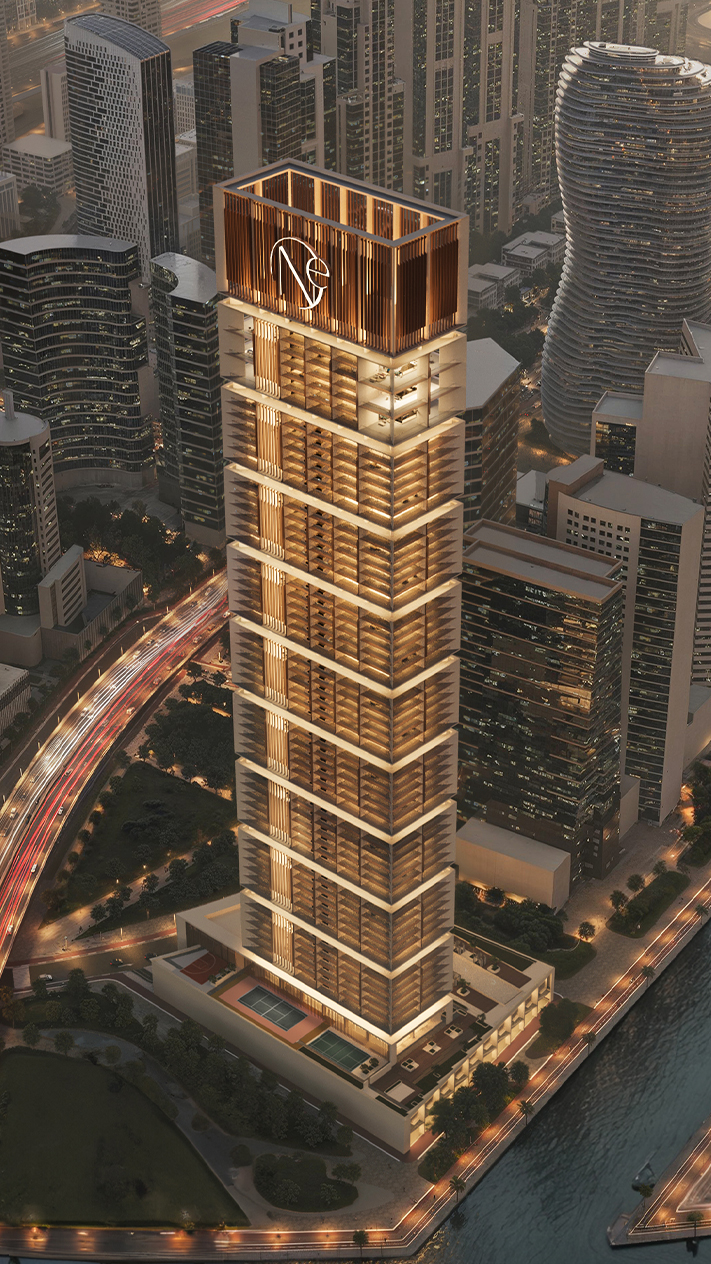
In response to the growing demand for luxury properties, developers are undertaking significant projects. For instance, the Trump Organization, in partnership with Saudi real estate company Dar Global, is set to develop Trump-branded properties in Dubai. These ventures include a $4 billion project in Oman and a Trump Tower in Dubai, featuring a hotel and residential units, set to launch next year.

The luxury market is also attracting high-profile individuals. Soccer star Neymar recently purchased a $54.45 million penthouse in Dubai’s Bugatti Residences, underscoring the city’s appeal to affluent buyers.

Despite the challenges, Dubai’s real estate market remains resilient, supported by strategic government reforms, robust foreign investment, and a diversified economic landscape extending beyond oil. The city’s strong infrastructure and investor-friendly policies continue to attract both residents and high-net-worth individuals, positioning Dubai as a preferred destination for long-term investment.

However, the market’s rapid growth has also led to concerns about affordability and sustainability. The limited availability of sites across key locations is contributing to rising prices for off-plan homes, while stock in the secondary market is experiencing significant price growth, especially where older homes have been refurbished.

The influx of international buyers is influencing the market dynamics. The opening of international schools in Dubai has accompanied significant house-price inflation, as developers create housing projects aimed at affluent families seeking quality education for their children. This trend has notably increased property prices in areas with international schools, as seen in regions such as Brittany, Marbella, Portugal, the south of France, and Switzerland.

In response to the growing demand for luxury properties, developers are undertaking significant projects. For instance, the Trump Organization, in partnership with Saudi real estate company Dar Global, is set to develop Trump-branded properties in Dubai. These ventures include a $4 billion project in Oman and a Trump Tower in Dubai, featuring a hotel and residential units, set to launch next year.

Abu Dhabi’s state-owned holding company, ADQ, has acquired a 22% stake in Aramex, a leading global logistics and transportation solutions provider. This strategic investment aims to bolster the United Arab Emirates’ position in the international logistics and transportation sector.

The acquisition was executed through a series of on-market transactions and an off-market special deal. Murtaza Hussain, ADQ’s acting chief investment officer for M&A and alternative investments, stated that Aramex’s global leadership in logistics complements ADQ’s existing investments, including Abu Dhabi Ports, Abu Dhabi Airport, and Etihad Rail, as the company works to expand the UAE’s logistics ecosystem.

Established in 1982, Aramex has grown into a global provider of logistics and transportation solutions, with over 600 offices in more than 65 countries. The company offers a wide range of services, including domestic and international express delivery, e-commerce shipping and fulfillment solutions, road, air, and sea freight, supply chain management, and more.

In September 2020, ADQ initially acquired the 22% stake in Aramex through its subsidiary, Alpha Oryx Limited. This move was part of ADQ’s broader strategy to invest in key sectors that support the UAE’s economic diversification and growth.

Subsequently, in January 2022, Alpha Oryx transferred its 22.32% stake in Aramex to Abu Dhabi Ports Group, another ADQ subsidiary. This transfer aimed to create synergies between Aramex’s global logistics operations and Abu Dhabi Ports’ regional infrastructure, enhancing the UAE’s logistics capabilities.

Aramex has been actively restructuring its operations to adapt to the evolving logistics landscape. In September 2021, the company split its core businesses into Aramex Express, focusing on business-to-consumer deliveries, and Aramex Logistics, handling business-to-business operations. This strategic realignment was designed to capture growth opportunities in the post-COVID-19 transportation and logistics industry.

The UAE’s logistics sector has been experiencing significant growth, driven by increasing e-commerce demand and strategic investments in infrastructure. ADQ’s acquisition of a substantial stake in Aramex aligns with the nation’s vision to become a global logistics hub, leveraging its strategic location and advanced infrastructure.

ADQ, established in 2018, is one of the region’s largest holding companies, with a broad portfolio spanning key sectors, including utilities, tourism and hospitality, aviation, transportation, logistics, industrial, real estate, media, healthcare, food and agriculture, and financial services. The company’s investment in Aramex reflects its commitment to enhancing the UAE’s economic competitiveness and diversification.

Advertisements
ADVERTISEMENT

Bank Alfalah has secured a strategic investment in Jingle Pay, a prominent UAE-based fintech company, marking a significant step in its pursuit of growth in the digital financial sector. The acquisition comes amid an ongoing trend of traditional financial institutions increasingly eyeing fintech ventures as a means of broadening their service offerings in the region.

Jingle Pay, which has gained considerable traction with its innovative solutions in digital payments, is expected to benefit from the partnership by leveraging Bank Alfalah’s extensive network and resources. The deal signifies a pivotal moment for both entities, with Bank Alfalah positioning itself as a key player in the UAE’s fast-evolving digital payments landscape.

The strategic move is part of a broader strategy by Bank Alfalah to capitalize on the rapid growth of fintech in the Gulf Cooperation Council (GCC) countries, driven by rising demand for mobile banking services, peer-to-peer transactions, and other digital finance solutions. The deal will not only strengthen Bank Alfalah’s footprint in the UAE market but also enable Jingle Pay to scale its offerings to a larger customer base across the region.

Industry analysts see this as a critical partnership that underscores the increasing convergence between traditional banks and fintech startups. The global rise of digital payments, coupled with a shift in consumer preferences toward cashless transactions, has created fertile ground for such collaborations. As consumers embrace digital wallets and online payment systems, financial institutions are moving quickly to incorporate such technologies into their service offerings.

The UAE’s fintech ecosystem has become a focal point for global investors, spurred on by a favorable regulatory environment, including initiatives like the Dubai International Financial Centre’s (DIFC) fintech hub. The country’s commitment to fostering innovation and digital transformation in financial services is reflected in its rapid adoption of technologies such as blockchain, artificial intelligence, and machine learning, which are revolutionizing financial services.

Bank Alfalah, one of Pakistan’s largest private banks, has been diversifying its portfolio with a focus on tech-driven financial products. Its move into fintech partnerships aligns with its goal of offering enhanced financial solutions to both individual consumers and businesses in the GCC region. The strategic acquisition of a stake in Jingle Pay enhances its ability to deliver next-generation payment systems, addressing the growing demand for seamless and secure payment methods.

Jingle Pay, which offers both individual and corporate clients a wide array of financial services including mobile wallet solutions and bill payment facilities, is well-positioned to benefit from this infusion of capital and expertise. With the backing of Bank Alfalah, the company plans to accelerate its expansion and continue innovating in the fast-paced fintech space. Jingle Pay’s growth trajectory will also be boosted by its ability to tap into Bank Alfalah’s robust infrastructure, which includes a vast network of ATMs, branches, and financial products, giving the fintech company access to a broader spectrum of potential clients.

This partnership could also set a precedent for further consolidation in the fintech sector as larger financial institutions continue to seek out emerging players in the digital payments space. As more banks embrace digital transformation, the line between traditional banking services and fintech solutions continues to blur, creating new opportunities for both established financial players and disruptive startups. For consumers, this is likely to mean more options for managing their finances digitally, from making payments to accessing loans and other financial products, all from their smartphones.

For the UAE market, this deal between Bank Alfalah and Jingle Pay is expected to contribute to the growth of the fintech sector, offering greater competition and innovation in the financial technology space. The integration of traditional banking resources with fintech innovation has the potential to reshape how consumers and businesses interact with financial institutions, making digital finance more accessible and efficient.

Kuwait’s Warba Bank has entered into a significant agreement to acquire a nearly 33% stake in Gulf Bank, marking a major development in the country’s banking sector. The move is seen as part of Warba’s strategy to enhance its market position and diversify its portfolio in an increasingly competitive financial environment.

Under the terms of the deal, Warba Bank will purchase a substantial portion of Gulf Bank’s shares, subject to regulatory approval. The acquisition is expected to provide Warba with increased influence over Gulf Bank’s operations, while also bolstering its financial strength and expanding its customer base.

The decision to acquire a stake in Gulf Bank is part of a broader trend in the Gulf Cooperation Council (GCC) region, where financial institutions are increasingly consolidating and forming strategic alliances to strengthen their market presence. Kuwait’s banking sector, in particular, has witnessed a series of mergers and acquisitions in recent years as institutions seek to increase efficiency and adaptability amidst changing economic conditions.

Gulf Bank, established in 1960, has long been one of the prominent players in Kuwait’s banking landscape. It has earned a reputation for its diverse range of services, which include retail banking, corporate banking, and investment solutions. The bank’s solid financial standing and track record of growth make it an attractive partner for Warba, which has been aggressively pursuing expansion opportunities since its establishment in 2010.

For Warba Bank, the acquisition represents a significant step toward achieving its long-term growth objectives. The bank has positioned itself as a major player in Kuwait’s financial sector, with a focus on innovation and digital banking solutions. Warba’s leadership sees the Gulf Bank acquisition as a key opportunity to expand its footprint and increase its market share, particularly in the retail and corporate banking segments.

Experts in the financial sector have pointed out that this acquisition will likely create a more formidable competitor within Kuwait’s banking market. Warba Bank, which has steadily gained market recognition for its commitment to technology and customer service, stands to benefit from Gulf Bank’s established brand and network. Additionally, Gulf Bank’s extensive branch network will provide Warba with access to new customer segments, particularly in the corporate banking sector, where Gulf Bank has a strong presence.

The merger is also seen as a response to the evolving economic climate in the Gulf region. As the region continues to recover from the effects of the global pandemic and fluctuating oil prices, financial institutions are seeking to solidify their positions by strengthening their balance sheets and diversifying their service offerings. This strategic acquisition allows Warba to better position itself to weather future economic uncertainties while capitalizing on new growth opportunities.

While the acquisition is expected to be beneficial for both banks, it does not come without challenges. One of the primary hurdles will be aligning the corporate cultures and operational frameworks of Warba and Gulf Bank, both of which have distinct organizational structures. Integrating the two institutions will require careful management, particularly in terms of consolidating resources, aligning business strategies, and retaining key talent from both sides.

Regulatory approval will also play a crucial role in determining the success of the acquisition. The Kuwait Central Bank (CBK) will need to assess the potential impact of the merger on competition in the local market, as well as ensure that both banks comply with the relevant financial regulations. Given the size and significance of the deal, industry observers expect a thorough review process before the deal can proceed.

The acquisition is expected to be a positive move for Kuwait’s banking sector overall, signaling confidence in the country’s financial stability and the resilience of its banking institutions. Analysts believe that this deal could pave the way for further consolidation within the sector, as other banks look for opportunities to enhance their competitive edge in the face of an evolving market landscape.

Warba Bank’s decision to acquire a stake in Gulf Bank also highlights the growing importance of strategic partnerships in the GCC’s banking industry. In a region where banks are increasingly focusing on digital transformation and the expansion of financial services, partnerships and acquisitions allow institutions to rapidly scale and access new technologies and markets.

The broader implications of the deal could extend beyond Kuwait, with the possibility of similar acquisitions and partnerships taking place across the GCC region. As Gulf economies continue to diversify away from oil dependency, financial institutions are expected to play a key role in supporting the development of new industries and sectors. For Warba Bank, the acquisition of Gulf Bank provides an opportunity to be at the forefront of this shift, positioning itself as a leading financial institution in a rapidly changing economic environment.

The Dubai Civil Aviation Authority (DCAA) has formalized a partnership with Keeta Drones, a Chinese drone technology firm, to enhance the safety and regulation of drone delivery operations across Dubai. This collaboration underscores Dubai’s commitment to positioning itself as a global leader in civil aviation and smart transportation solutions.

The Memorandum of Understanding (MoU) was signed by H.E. Mohammed Abdullah Lengawi, Director General of DCAA, and Dr. Yinian Mao, Chairman of Keeta Drones. The agreement focuses on several key areas: assessing infrastructure requirements for designated drone zones, reviewing airspace needs, and evaluating safety and security measures essential for effective drone delivery operations within the emirate.

H.E. Mohammed Abdullah Lengawi emphasized the significance of this partnership, stating, “This collaboration highlights the DCAA’s dedication to implementing Dubai’s leadership vision by enabling drone-based delivery and offering innovative infrastructure that allows companies to test their solutions within a safe and model environment.” He further noted the authority’s commitment to creating an attractive environment for emerging aviation technologies while ensuring regulatory frameworks that enhance safety and security.

Dr. Yinian Mao expressed optimism about the collaboration, remarking, “With DCAA’s support, Keeta Drones will be able to expedite the expansion of its operations by establishing routes across Dubai, offering more services, and exploring diverse new initiatives.” He assured that Keeta Drones would adhere to the required safety standards and work jointly with the DCAA to transform Dubai into one of the most advanced cities for smart transportation.

The DCAA will provide necessary support to Keeta Drones, including facilitating communication with relevant government entities to expedite the establishment of new drone flight paths and promote the growth of the low-altitude aviation economy in Dubai. This initiative is part of broader efforts to regulate drone operations and associated activities, aiming to develop innovative and secure transport solutions that benefit various societal sectors while supporting the emirate’s sustainable and ambitious development goals.

The collaboration between DCAA and Keeta Drones is expected to play a pivotal role in shaping the future of drone-based delivery services in Dubai. By focusing on safety, security, and regulatory compliance, the partnership aims to set a benchmark for drone operations, potentially influencing global standards in the rapidly evolving drone industry.

As drone technology continues to advance, the integration of such systems into urban environments presents both opportunities and challenges. Dubai’s proactive approach in partnering with industry leaders like Keeta Drones reflects its commitment to embracing innovation while maintaining stringent safety and security protocols.

ADVERTISEMENT

Dubai Aerospace Enterprise (DAE) has announced a definitive agreement to acquire 100% of Nordic Aviation Capital (NAC), a leading aircraft leasing company established over three decades ago. The terms of the transaction have not been disclosed.

As of September 2024, NAC’s fleet consisted of 252 owned and committed assets, leased to approximately 60 airline customers across 40 countries. Following the acquisition, DAE’s fleet will expand to about 750 owned, managed, and committed aircraft, valued at approximately $22 billion, serving around 170 airline customers in 70 countries.

Firoz Tarapore, CEO of DAE, expressed enthusiasm about the acquisition, stating, “We are delighted at this opportunity to add NAC’s capabilities, complementary market presence, and people to our platform. This transaction will allow us to provide more cost-effective solutions to a larger group of customers.”

The acquisition will be financed through internal resources and committed debt financing, ensuring that DAE’s leverage and funding metrics remain consistent with its credit ratings. The transaction is subject to regulatory approvals and the approval of NAC Holdings Limited’s shareholders, with completion anticipated in the first half of 2025.

Emirati billionaire Hussain Sajwani has pledged to invest $20 billion in the U.S. data center industry, a move announced alongside President-elect Donald Trump at his Mar-a-Lago residence in Palm Beach, Florida.

Sajwani, chairman of Dubai-based DAMAC Properties, expressed his intention to potentially exceed the $20 billion investment, contingent upon favorable market conditions. This substantial commitment underscores the growing demand for data infrastructure to support advancements in artificial intelligence and cloud services.

DAMAC Properties, under Sajwani’s leadership, has a history of collaboration with the Trump Organization, notably developing the Trump International Golf Club in Dubai, which opened in 2017. Sajwani’s relationship with Trump has been well-documented, with the two families sharing both business and personal ties.

The announcement comes amid a surge in investments in AI technology and the necessary infrastructure to support it. Since the introduction of OpenAI’s ChatGPT in late 2022, there has been a significant increase in funding directed toward generative AI technology and the infrastructure required to support it. For instance, Microsoft announced plans to invest approximately $80 billion this fiscal year to expand its AI capacity.

President-elect Trump has emphasized his commitment to bolstering domestic industries and attracting foreign investment. During his campaign, he proposed higher tariffs on Chinese goods to limit China’s access to advanced data center technology. The announcement of Sajwani’s investment aligns with Trump’s economic agenda, aiming to stimulate job creation and technological advancement within the United States.

However, it’s worth noting that not all previously announced investments have come to fruition. Early in his first term, Trump announced a $10 billion investment by Foxconn in a Wisconsin factory, which promised thousands of jobs but was largely abandoned. Despite such precedents, the current investment climate, particularly in AI and data infrastructure, appears more robust, with multiple tech giants committing substantial funds to expand their capabilities.

Sajwani’s investment is expected to focus on the construction of data centers across various U.S. states, including Texas, Arizona, Oklahoma, Ohio, Illinois, Louisiana, Michigan, and Indiana. These facilities will play a crucial role in supporting the growing demands of AI applications and cloud computing services.

The U.S. data center industry has been experiencing significant growth, with estimates suggesting that the country could attract up to $1 trillion in data center investments over the next five years. Sajwani’s commitment represents a notable contribution to this expanding sector, highlighting the increasing importance of data infrastructure in the digital economy.

In addition to his ventures in real estate and data centers, Sajwani has diversified his business interests through his private investment firm, which acquired Italian fashion group Roberto Cavalli in 2019. He has also invested in luxury developments in London, including the Versace-branded DAMAC Tower in Nine Elms.

The collaboration between Sajwani and Trump has not been without scrutiny. Their business dealings have raised questions about potential conflicts of interest, given Trump’s political position and the international scope of their ventures. Nonetheless, both parties have maintained that their relationship is strictly professional, centered around mutually beneficial business opportunities.

As the U.S. continues to tighten restrictions on the export of AI chips to China, investments like Sajwani’s are seen as strategic moves to bolster domestic technological infrastructure. The Biden administration had previously implemented measures to limit China’s access to advanced AI technology, a stance that President-elect Trump appears poised to continue with key appointments in his administration.

Sajwani’s commitment to investing in U.S. data centers reflects a broader trend of international investors recognizing the potential of the American technology sector. With the increasing integration of AI and cloud services into various industries, the demand for robust data infrastructure is set to rise, making such investments both timely and strategically significant.

The announcement has been met with optimism from industry analysts, who view it as a positive indicator of continued growth and innovation in the U.S. technology sector. As these data centers become operational, they are expected to create numerous job opportunities and contribute to the advancement of AI and cloud computing technologies.

While the full impact of Sajwani’s investment will unfold over the coming years, its alignment with current technological trends and economic policies suggests a significant boost to the U.S. data center industry. As the digital economy expands, the importance of such infrastructure investments cannot be overstated, positioning the United States as a continued leader in technological innovation.

PureHealth’s subsidiary, Ardent Health, has executed a strategic move to bolster its presence in the United States healthcare market. The UAE-based health provider announced the acquisition of a significant U.S. healthcare player, marking a pivotal moment in its global expansion strategy. This development positions Ardent Health as a more formidable force within the competitive American healthcare landscape, aligning with PureHealth’s long-term goals to diversify and expand its operations internationally.

The deal, valued at billions of dollars, grants Ardent Health an influential role within the U.S. healthcare sector, which has seen increasing demand for services, particularly in the aftermath of the COVID-19 pandemic. Ardent Health, which already operates a network of hospitals, outpatient centers, and healthcare services across the U.S., will leverage this acquisition to further expand its geographical footprint and service offerings. Experts believe this acquisition reflects a calculated strategy to access new patient populations, advance healthcare innovation, and enhance service delivery across different states.

The acquisition involves several hospitals and healthcare facilities, adding more than 2,000 beds to Ardent Health’s network, enhancing its capacity to meet growing demand for healthcare services, particularly in underserved regions. This move further aligns with the increasing trend of healthcare consolidation in the U.S., as healthcare providers look to increase their operational efficiencies and compete with larger hospital networks.

The acquisition also opens up new opportunities for Ardent Health to integrate its healthcare models with the acquired facilities. With a focus on innovative care delivery systems, Ardent aims to introduce cutting-edge technologies such as telemedicine, digital health solutions, and artificial intelligence-driven diagnostics to improve patient outcomes. This integration could provide Ardent with a competitive advantage, positioning it as a leader in offering cost-effective, patient-centric care.

For PureHealth, this acquisition aligns with its broader strategy to diversify its portfolio and deepen its international presence. The company’s growth trajectory has been marked by aggressive expansion into various international markets, with a particular emphasis on the U.S., a market that has shown resilience and growth even amidst economic challenges. PureHealth’s CEO, who has been instrumental in orchestrating the acquisition, commented that the move is crucial for achieving the company’s goal of becoming a leading global player in healthcare by 2025.

Healthcare analysts have noted that this acquisition also represents a shift towards a more integrated and patient-focused healthcare model. By expanding its reach in the U.S., Ardent Health is poised to compete with well-established U.S.-based healthcare systems. This growth will likely allow Ardent Health to capitalize on the growing trend toward value-based care, which incentivizes healthcare providers to improve patient outcomes while reducing costs.

The deal underscores the growing importance of international investment in the U.S. healthcare sector, as foreign entities increasingly recognize the opportunities in one of the world’s largest and most lucrative healthcare markets. This acquisition also highlights the ongoing trend of Middle Eastern healthcare giants making strategic inroads into Western markets, a move that reflects the global nature of the healthcare industry and the increasing demand for quality care worldwide.

Ardent Health, under the leadership of PureHealth, is expected to continue its trajectory of growth, driven by this acquisition and other strategic initiatives. The acquisition process, which is still subject to regulatory approvals, will likely face scrutiny from U.S. antitrust regulators. However, experts anticipate that the deal will clear these hurdles, as it is expected to strengthen competition and improve healthcare service delivery in the affected regions.

The expansion of Ardent Health’s footprint is seen as a response to the broader challenges facing U.S. healthcare, such as rising costs, an aging population, and disparities in access to quality care. By acquiring facilities in underserved markets, Ardent Health aims to bridge some of these gaps while enhancing its overall service offerings. Furthermore, the acquisition aligns with PureHealth’s emphasis on improving healthcare infrastructure in emerging markets, where there is a pressing need for advanced healthcare systems.

As the healthcare sector evolves globally, players like PureHealth’s Ardent Health are capitalizing on mergers and acquisitions to achieve economies of scale, increase their market share, and enhance patient care. The success of this acquisition will likely have a ripple effect across the industry, prompting further consolidation and strategic partnerships within the healthcare sector.

Aldar Properties, a prominent real estate developer based in the UAE, is set to enter the international bond market with its debut offering of hybrid notes, aiming to raise significant capital through a benchmark USD-denominated issuance. This marks a strategic move as the company seeks to diversify its financing options, reflecting growing confidence in the Middle Eastern property sector despite global economic fluctuations.

The move is seen as a key step in Aldar’s long-term financing strategy, which includes bolstering its liquidity and securing funds to support its extensive pipeline of real estate developments across the UAE. The planned issuance of hybrid bonds will likely appeal to institutional investors seeking higher returns, as these notes are designed to offer a more attractive yield compared to traditional debt instruments.

According to industry experts, hybrid notes offer the flexibility of both equity and debt instruments. These securities typically carry characteristics of bonds but can be converted into equity at the issuer’s discretion. In Aldar’s case, the hybrid notes will be structured to provide flexibility while enhancing the company’s capital base. This initiative is aligned with Aldar’s goal of optimizing its balance sheet while maintaining a competitive edge in the rapidly evolving real estate market.

The hybrid bonds will be issued under Aldar’s recently updated USD 2 billion Global Medium-Term Note (GMTN) program, which was approved earlier this year. The company intends to use the funds raised through this issuance to support its growth initiatives, which include several high-profile residential and commercial projects within Abu Dhabi and across the UAE. These developments are expected to contribute to the company’s steady revenue stream and help it capture a larger share of the region’s expanding real estate market.

Aldar’s decision to tap into the hybrid bond market comes at a time when investors have shown increased interest in hybrid instruments due to their unique risk-return profile. With these notes, Aldar is looking to capitalize on favorable market conditions while maintaining its financial flexibility, as hybrid securities are less sensitive to interest rate fluctuations compared to traditional debt.

The UAE’s thriving real estate sector has demonstrated resilience, despite global challenges such as inflationary pressures and geopolitical tensions. Aldar’s strong performance in recent years, along with its reputation for high-quality developments, positions the company well to attract investor interest in its hybrid bond offering. Analysts predict that the offering could provide Aldar with a competitive advantage, allowing the company to continue its expansion plans while managing financial risk more effectively.

Aldar’s hybrid notes will appeal to both global and regional investors, with its strategic location and robust development pipeline making it an attractive investment opportunity. The company’s portfolio includes high-profile projects like the Yas Bay waterfront development, which features residential, commercial, and entertainment spaces. These iconic projects are poised to enhance the company’s brand recognition and drive future demand for its properties, ultimately increasing the potential for returns on hybrid bond investments.

Investor interest in the UAE’s real estate market remains strong, particularly in Abu Dhabi, where Aldar holds a dominant position. The UAE’s government initiatives, including plans to diversify the economy and improve infrastructure, have further contributed to the positive outlook for the sector. These factors, combined with Aldar’s track record of successful developments, are expected to bolster investor confidence in the company’s bond issuance.

The company’s strategy of diversifying its capital structure by incorporating hybrid securities is not only about raising funds but also about ensuring sustainable growth in a competitive market. By issuing hybrid bonds, Aldar is able to strengthen its capital position without overly diluting equity or taking on excessive debt. This approach ensures the company can maintain a healthy balance sheet while executing its ambitious growth plans.

Aldar’s hybrid notes offering is part of a larger trend within the Middle Eastern real estate market, where companies are increasingly turning to innovative financing structures to meet their funding needs. As other regional developers explore similar hybrid instruments, Aldar’s move could set a precedent for future debt issuances in the sector. It also reflects the growing maturity of the Middle East’s bond market, which is attracting increasing attention from international investors.

Market experts believe the debut hybrid notes from Aldar will be a bellwether for other companies in the region. Should the offering meet with strong demand, it could encourage further issuances from both established developers and newer market entrants. This would signal an increasing acceptance of hybrid securities as a viable alternative to traditional financing methods, which may have been less attractive due to rising interest rates and market volatility.

ADVERTISEMENT

Saudi Arabia has successfully raised $12 billion via a three-part bond issuance, marking its largest debt sale since 2017. The offering attracted substantial investor interest, with the order book reaching nearly $37 billion, indicating an oversubscription of approximately three times.

The bond issuance comprises three tranches: $5 billion with a three-year maturity, $3 billion maturing in six years, and $4 billion set for a ten-year term. This strategic move aligns with the kingdom’s 2025 borrowing plan, which estimates funding needs of 139 billion Saudi riyals ($37.02 billion) to address a projected budget deficit of 101 billion riyals for the year. Additionally, approximately 38 billion riyals are allocated for debt repayment.

Concurrently, the Public Investment Fund (PIF), Saudi Arabia’s sovereign wealth fund, has secured a $7 billion murabaha credit facility. This Islamic financing arrangement, supported by a syndicate of 20 international and regional financial institutions, is intended to fuel the fund’s future investments.

These financial maneuvers are integral to Saudi Arabia’s Vision 2030 initiative, which seeks to diversify the economy beyond oil dependence. Finance Minister Mohammed Al Jadaan has emphasized the government’s commitment to expanding strategic spending through 2025, focusing on development and giga-projects that align with Vision 2030 objectives.

Sheikh Mohammed bin Rashid Al Maktoum, Vice President and Prime Minister of the UAE, has approved a transformative housing package worth Dhs5.4 billion aimed at enhancing the living conditions of Dubai’s citizens. This strategic move forms part of the government’s broader commitment to improving the quality of life for Emiratis and meeting the growing demand for affordable housing in the city. The initiative is set to provide significant support to citizens looking to own homes in the rapidly developing metropolis.

The housing package, which focuses on providing financial support for homeownership, aligns with Dubai’s long-term vision of fostering sustainable urban growth while maintaining social stability. It is expected to address the demand for residential properties, particularly in light of the increasing population and urban expansion in the emirate. Experts suggest that this initiative will be pivotal in ensuring that citizens are not left behind as the city continues its ambitious development agenda.

The allocation of Dhs5.4 billion will facilitate the construction of new homes and offer assistance to Emirati families looking to purchase property. This comprehensive program is tailored to ensure that financial barriers are reduced for citizens, making homeownership more accessible to a larger segment of the population. The initiative underscores the UAE leadership’s dedication to providing a high standard of living to its people, especially in the face of the challenges posed by rising property prices in Dubai.

In addition to new housing developments, the package includes provisions for subsidized loans, which will ease the financial burden on families seeking to build or buy homes. The move also includes enhancements to the existing infrastructure, ensuring that residential areas are equipped with essential amenities, including schools, healthcare facilities, and recreational spaces. These upgrades are in line with Dubai’s commitment to creating integrated communities that foster both economic growth and quality of life.

This initiative comes at a time when the UAE’s real estate sector is experiencing significant growth, particularly in the luxury segment. While Dubai’s high-end market continues to attract international investors, the demand for affordable housing for its citizens has become increasingly pressing. Experts have pointed out that initiatives like Sheikh Mohammed’s housing package play a crucial role in ensuring the equitable distribution of the benefits of the city’s success, preventing the widening of social divides.

The housing package is also expected to stimulate economic activity within the local construction and real estate sectors. With the funds earmarked for both residential development and infrastructure enhancements, a wide range of industries, from construction to finance, will benefit from the government’s investment. Furthermore, the provision of affordable housing is likely to contribute to a more stable labor market, ensuring that Dubai remains an attractive destination for both local and foreign talent.

Dubai has made considerable strides in addressing the housing needs of its citizens over the past decade. However, the city’s rapid expansion and growing population have placed increasing pressure on the availability of affordable housing. Experts have noted that the affordability gap has widened, particularly for middle-class families. The latest initiative from Sheikh Mohammed is seen as a timely intervention to rectify this imbalance, offering a lifeline to citizens struggling to enter the property market.

This initiative aligns with other significant housing policies implemented by the UAE government over the years, such as the provision of land grants to Emiratis for residential purposes and other subsidy schemes that have bolstered homeownership. The focus, however, has now shifted to ensuring that these efforts are both sustainable and scalable in the face of an evolving urban landscape.

The allocation of funds for such an extensive housing project reflects the broader goals of the UAE’s leadership to create a more inclusive society where every citizen has the opportunity to thrive. By ensuring that Emiratis have access to affordable homes, the government is not only improving individual livelihoods but also fostering long-term economic stability. The initiative is expected to have ripple effects throughout the economy, particularly in the real estate and construction sectors, where demand for new projects is expected to grow.

Dubai has firmly established itself as one of the world’s most influential urban centers, securing a spot among the top 10 cities globally in the 2024 Global Power City Index (GPCI). The index, which evaluates cities based on various economic, cultural, political, and environmental factors, underscores Dubai’s growing status as a critical global hub for finance, innovation, and infrastructure.

The GPCI is a highly regarded tool that ranks major cities worldwide according to their strength in multiple categories, including business environment, human capital, cultural interaction, and quality of life. Dubai’s ascent in the rankings is attributed to its robust economic performance, advanced technological infrastructure, and the expansion of its global reach through strategic international partnerships.

One of the primary factors behind Dubai’s rise is its dominance in the business and financial sectors. The city has become an increasingly important player in global markets, offering a favorable environment for both startups and multinational corporations. It is home to a dynamic economy, buoyed by its position as a key financial hub in the Middle East, drawing significant foreign investment and becoming the headquarters for numerous international firms.

Dubai’s business-friendly regulatory environment has contributed significantly to this growth. Policies that promote ease of doing business, combined with tax incentives and world-class infrastructure, have made it a magnet for companies and entrepreneurs seeking to establish a presence in the region. The city’s ambitious plans to further develop its financial sector and embrace emerging technologies such as blockchain and fintech have also cemented its place as a future-facing global economic powerhouse.

The city’s commitment to technological innovation has also played a crucial role in its rising global standing. Dubai has been at the forefront of the tech revolution in the Middle East, with a heavy focus on smart city initiatives and advancements in artificial intelligence, digital payments, and autonomous transport systems. The government’s initiatives, such as the Dubai Smart City project, have positioned it as a model for cities worldwide seeking to integrate technology into urban development.

Dubai has been increasingly recognized for its role in international trade. The city’s ports and logistics infrastructure, including the world-renowned Jebel Ali Port, have made it a central node in global shipping and freight networks. The expansion of Dubai’s air transport sector, led by Emirates Airlines, has further strengthened its position as a vital air transit hub, connecting it to key global markets and boosting its tourism industry.

Dubai’s influence extends well beyond the financial and technological sectors. The city is also gaining recognition for its leadership in cultural and lifestyle offerings. The growth of its art, entertainment, and sports industries has enhanced its soft power, attracting international events such as the Dubai International Film Festival and Formula 1 Grand Prix. The city’s unique blend of modernity and tradition appeals to a diverse range of visitors and residents, making it an increasingly sought-after destination for global talent.

On the social front, Dubai’s focus on enhancing the quality of life for its residents has helped it climb in the GPCI rankings. The city’s government has invested heavily in developing green spaces, improving public transportation, and providing high-quality healthcare and educational facilities. These efforts contribute to Dubai’s reputation as a livable city with a high standard of living, further attracting expatriates from around the world.

Dubai’s dynamic real estate market also plays a pivotal role in its positioning on the global stage. The city’s skyline, dominated by landmarks such as the Burj Khalifa and other ultra-modern developments, has become synonymous with cutting-edge architectural design and luxury living. With ongoing projects in sustainable urban development and the continued growth of residential, commercial, and tourism sectors, Dubai’s real estate market remains a key driver of its economic growth and global visibility.

The city’s tourism industry continues to thrive, drawing millions of visitors annually for business, leisure, and cultural experiences. Dubai’s attractions, including iconic landmarks, shopping festivals, and luxury resorts, attract travelers from around the world, bolstering its image as a global tourism destination. The government’s strategic focus on expanding the city’s tourism infrastructure and diversifying its offerings, such as through cultural initiatives and major international exhibitions, has contributed to its international appeal.

Dubai’s rise in the GPCI rankings is a testament to the city’s forward-thinking approach and its ability to adapt to changing global dynamics. Its growth trajectory aligns with its broader vision of becoming a global leader in innovation, sustainability, and economic development. As Dubai continues to attract global talent, investment, and attention, it is poised to solidify its position as a central player in the global urban landscape.

This transformation is also reflected in the city’s ambitious plans for the future. Dubai aims to continue enhancing its competitiveness by investing in next-generation infrastructure, sustainable urban planning, and new industries such as space exploration. Its growing stature in the GPCI highlights its resilience and capacity to navigate challenges, from geopolitical uncertainties to global economic shifts, while maintaining its upward trajectory.

ADVERTISEMENT

Dubai’s property market has experienced a remarkable surge in demand, with the fourth quarter of 2024 marking the highest-ever quarterly sales, signaling a bullish outlook for 2025. The city’s real estate sector continues to attract investors and homebuyers, bolstered by favorable economic conditions and government initiatives aimed at supporting growth. The trend suggests that Dubai’s property market will likely maintain its momentum, making it one of the most attractive destinations for real estate investment globally.

The Dubai Land Department (DLD) reported that in Q4 2024, the total value of real estate transactions soared to new heights, breaking previous records. In addition to an increase in the volume of sales, the average property prices have seen upward movements, driven by high demand in both residential and commercial segments. This strong performance is attributed to a combination of factors, including the city’s resilient economic recovery, strong investor confidence, and a growing population that is increasingly seeking quality housing and investment opportunities.

Leading this growth is the luxury real estate segment, which has experienced a particularly sharp uptick. High-net-worth individuals and international investors have shown a preference for prime residential properties, with villas, penthouses, and beachfront developments seeing the most significant price increases. As international travel restrictions ease and global investors return to the market, Dubai’s luxury offerings continue to be seen as attractive, safe havens for capital preservation.

In addition to the luxury sector, there is increasing interest in mid-market housing. The city’s developers have been responding to this demand by focusing on affordable housing projects, catering to the growing middle class. Several large-scale developments, particularly in emerging areas such as Dubai South, Dubai Creek Harbour, and Mohammed bin Rashid City, are underway to address this need.

The government’s proactive role in shaping the property landscape cannot be overstated. Initiatives such as long-term visas, tax breaks, and investor-friendly policies continue to provide a favorable business environment for property owners. Furthermore, the Expo 2020 Dubai, despite its delayed launch, has had a lasting impact on the city’s infrastructure, attracting additional global attention and investment. The city’s diverse and dynamic economy, with sectors like tourism, technology, and finance growing at a rapid pace, further strengthens the property market’s growth potential.

Dubai’s location as a global financial hub and a gateway between East and West remains a crucial factor for foreign buyers. The city’s diversification efforts, which focus on sectors such as fintech, renewable energy, and logistics, make it an attractive option for investors seeking growth and stability. As a result, Dubai’s real estate market remains a strong performer compared to other global cities.

The UAE’s ambitious Vision 2025 plans, which include expanding tourism, enhancing urban infrastructure, and fostering a knowledge-based economy, will likely boost demand for both residential and commercial properties in the long term. These national efforts support the city’s appeal as a thriving center for business and leisure, encouraging both local and foreign investments.

As Dubai’s economy continues to diversify and evolve, real estate will remain a key pillar. Developments in the infrastructure sector, such as the expansion of the Dubai Metro and road networks, are expected to play a significant role in sustaining the growth of property markets in both established and developing areas. Additionally, a growing focus on sustainability and green developments has led to an increase in eco-friendly properties, which appeal to environmentally conscious buyers and investors.

The residential market, while currently the star of the show, is not the only segment benefitting from this upswing. Dubai’s commercial real estate market has also seen robust demand, particularly in office spaces and retail developments. As more businesses, particularly tech and financial firms, establish a foothold in the city, the demand for high-quality office spaces in prime locations has risen. Moreover, the hospitality industry has also enjoyed a boost, with new luxury hotels and resorts attracting both international and regional visitors, supporting the broader tourism sector.

Looking ahead to 2025, experts predict that Dubai’s property market will continue to attract investment, particularly from buyers and developers seeking stability amid global economic uncertainties. Analysts are particularly optimistic about the long-term prospects of the market, with the growing demand for both luxury and affordable housing creating a balanced real estate ecosystem. The projected growth of the city’s economy, combined with its increasing role as a global business hub, positions Dubai to maintain its upward trajectory.

Despite the optimistic outlook, challenges remain, particularly in terms of rising construction costs and the potential for market saturation in some areas. However, developers are adapting to these challenges by focusing on innovative design and sustainable construction practices. The launch of new projects is expected to continue at a strong pace, with an emphasis on meeting the needs of an increasingly diverse population. Whether through green building initiatives, mixed-use developments, or community-focused design, Dubai’s real estate sector is evolving to meet the demands of modern buyers and investors.

Saudi Arabia has secured a significant financial agreement, arranging a $666 million Shariah-compliant revolving credit facility. This deal represents the country’s continuing efforts to bolster its economy while maintaining adherence to Islamic financial principles. The facility was structured in alignment with Shariah law, which prohibits earning or paying interest, marking an important step for the nation’s economic and fiscal policies.

The loan is set to bolster Saudi Arabia’s financial resources, enabling it to support its economic diversification programs under Vision 2030. This initiative, launched by Crown Prince Mohammed bin Salman, aims to reduce the kingdom’s reliance on oil revenues by expanding investments in sectors like technology, tourism, and entertainment. As part of this strategy, Saudi Arabia has been working to establish itself as a leading hub for global finance, with a strong focus on Islamic finance.

Key international and local banks participated in the deal, underscoring the growing confidence in Saudi Arabia’s financial and economic reforms. The country’s ability to attract investment in this manner signals a positive outlook for its economic future, as it navigates the transition towards a more diverse and sustainable economic model.

The revolving credit facility is structured to provide flexibility in financing, offering Saudi Arabia the ability to draw and repay funds as needed. This arrangement reflects a growing trend among global sovereigns seeking to tap into Shariah-compliant financial instruments. The use of such instruments is becoming increasingly popular, especially in the Middle East, where Islamic finance is a long-standing practice.

Saudi Arabia’s commitment to maintaining a robust and diversified economy is evident in its proactive approach to financing. The revolving credit facility aligns with the broader objectives of Vision 2030, aiming not only to reduce the kingdom’s dependence on oil exports but also to position it as a key player in the global financial landscape.

The financial facility is also a testament to the continued strength of the Saudi banking sector. Despite challenges posed by global economic fluctuations, Saudi banks have demonstrated resilience, supported by sound regulatory frameworks and a relatively stable domestic economy. This deal further underscores the country’s ability to secure favorable financing terms in the global market.

For global investors, this deal represents a favorable opportunity, as Saudi Arabia’s creditworthiness remains strong, bolstered by its strategic economic initiatives. With international markets increasingly receptive to Shariah-compliant investments, Saudi Arabia is well-positioned to capitalize on these trends, fostering further growth and stability.

The arrangement also reflects the broader international appetite for Islamic finance products. Global financial institutions are increasingly keen on structuring deals in compliance with Islamic finance principles, attracted by the stability and ethical foundations of these financial models. This aligns with global financial trends that emphasize sustainability, ethical investing, and financial inclusion.

Saudi Arabia’s ability to attract such significant financing indicates a growing trust in the kingdom’s economic reforms. With continued investments in infrastructure and development projects, the deal contributes to the country’s long-term economic objectives. This marks another milestone in the ongoing evolution of Saudi Arabia’s financial landscape, which aims to integrate more Islamic finance mechanisms and create a sustainable, diversified economy.

The success of the deal highlights the growing sophistication of the Saudi financial market. As more international institutions embrace Shariah-compliant products, the kingdom is establishing itself as a financial powerhouse in the region. This further positions Saudi Arabia as a leader in Islamic finance, not only attracting regional but also global investors seeking ethically aligned opportunities.

The $666 million deal is part of a broader set of financial moves that align with the kingdom’s Vision 2030 goals. With a clear focus on reducing its dependency on oil and diversifying into other sectors, Saudi Arabia is positioning itself as a destination for international investment. This revolving credit facility represents a key component of these efforts, reinforcing Saudi Arabia’s fiscal stability and commitment to a robust, sustainable future.

Dubai Police have successfully apprehended Ridouan Taghi, a notorious international fugitive and the leader of the criminal organization ‘Angels of Death,’ marking a significant achievement in global law enforcement efforts. Taghi, who is 41 years old, had been listed on INTERPOL’s most-wanted list for years, known for his involvement in a string of violent crimes across multiple countries, particularly the Netherlands.

Taghi, a Moroccan-Dutch national, was considered one of the most dangerous individuals on the international criminal radar. His organization, the ‘Angels of Death,’ is infamous for its role in numerous murders, drug trafficking, and organized crime syndicates. Dutch authorities had been hunting him for his alleged involvement in orchestrating a series of high-profile killings, many of which were tied to the growing conflict between rival crime families in Europe. His arrest is being hailed as a major breakthrough in efforts to dismantle the vast criminal networks operating in Europe and beyond.

The fugitive was arrested in Dubai after a carefully coordinated operation involving multiple international law enforcement agencies, including the Dutch National Police and INTERPOL. The capture of Taghi is seen as a key success for international cooperation in the fight against organized crime. Dubai’s strategic position as a global hub for business and travel has made it a focal point for law enforcement operations targeting high-profile criminals seeking to evade capture.

Authorities revealed that Taghi had been living under a false identity, using sophisticated methods to conceal his whereabouts. His arrest was the result of months of surveillance and intelligence-sharing between international agencies, which eventually led investigators to Dubai. His criminal empire, which spanned several continents, involved activities such as arms trafficking, money laundering, and the coordination of several brutal assassinations. Taghi was a prime figure in a criminal syndicate that operated with brutal precision, spreading fear and violence in both his home country and across Europe.

Dutch law enforcement officials expressed relief and satisfaction at the news of Taghi’s arrest. The head of the Dutch National Police emphasized that this operation is a monumental step forward in their efforts to dismantle organized crime. “Ridouan Taghi has been at the center of one of the most violent and dangerous criminal organizations in Europe,” said the official. “His arrest is not only a victory for Dutch police but also for the international community.”

Taghi’s criminal network had long been a thorn in the side of European authorities. His involvement in high-profile killings, such as the murder of investigative journalist Peter R. de Vries, who had been reporting on the criminal activities surrounding Taghi, brought his activities into the global spotlight. The murder of de Vries shocked the Netherlands and raised concerns about the growing influence of organized crime in the country.

In addition to orchestrating murders, Taghi is also believed to have been deeply involved in the narcotics trade, particularly in the trafficking of cocaine. His ability to navigate international borders and evade capture for so long had earned him a reputation as a master of evasion. His criminal activities spanned countries, including the Netherlands, Belgium, Spain, and Morocco, and he is said to have enjoyed the protection of powerful criminal factions that further complicated efforts to bring him to justice.

The investigation into Taghi’s activities also brought attention to the role of international cooperation in combating organized crime. The success of his capture highlights the increasing importance of information-sharing and coordination among law enforcement agencies. INTERPOL, which played a key role in the operation, noted that the arrest sends a strong message to other criminals who believe they can hide from the law.

Following his arrest, Taghi was immediately placed in custody and is expected to be extradited to the Netherlands to stand trial. Dutch authorities have charged him with numerous offenses, including murder, attempted murder, and involvement in a criminal organization. His trial will be closely monitored, as it is expected to shed light on the inner workings of his criminal network and the extent of its operations.

Taghi’s arrest is likely to have significant implications for organized crime across Europe. It is expected to destabilize the power structure of the criminal organizations that have long relied on his leadership and influence. Moreover, it serves as a warning to other high-profile fugitives that international law enforcement agencies are more determined than ever to pursue them across borders.

Experts in international law enforcement have pointed out that Taghi’s capture is a rare example of the global reach of criminal organizations being successfully confronted through collaborative policing. It highlights how organized crime, which once seemed untouchable due to the complex networks that shielded its leaders, is becoming increasingly vulnerable to coordinated efforts.

Abu Dhabi’s sovereign wealth fund Mubadala has taken the lead in global investment deals, outshining Saudi Arabia’s Public Investment Fund (PIF) with a remarkable $29 billion in recent transactions. The massive deals, which span various sectors from energy to technology, signal Mubadala’s growing influence in international markets and its strategic approach to diversifying assets. This shift also highlights the evolving power dynamics between the Gulf’s financial titans, with each country intensifying efforts to bolster its economic position amid fluctuating oil prices and geopolitical shifts.

Mubadala’s landmark investments come at a time when Saudi Arabia has aggressively expanded the reach of its PIF, particularly through high-profile acquisitions and a focus on sectors such as entertainment, tourism, and green energy. However, Mubadala’s swift maneuvers in the market have positioned it to not only compete with the PIF but potentially reshape the future of the investment landscape in the Middle East. The fund’s most notable deals include a series of investments in technology companies, as well as strategic moves in the renewable energy sector, aimed at securing long-term returns in an increasingly volatile global economy.

Experts suggest that Mubadala’s success is tied to its methodical approach to diversification. Unlike the PIF, which has been bold in pursuing large-scale, high-risk investments, Mubadala has focused on stabilizing its portfolio with balanced investments across a wide range of industries. This includes a heightened focus on cutting-edge industries such as artificial intelligence, clean energy, and biotechnology. As a result, Mubadala has emerged as a significant player in these high-growth areas, while also maintaining a strong foothold in more traditional sectors like real estate and infrastructure.

The timing of Mubadala’s recent success also speaks volumes about its ability to adapt to changing market conditions. Amid rising inflation and shifting investor sentiments, the fund has strategically pivoted towards companies with promising growth prospects, even as market conditions become more unpredictable. The diversification strategy has not only paid off but has also placed Mubadala in a position to capitalize on opportunities in the rapidly changing global economy.

Saudi Arabia, meanwhile, is determined to maintain the prominence of the PIF as the engine driving the kingdom’s economic transformation under its Vision 2030 plan. The PIF has ramped up its investments in global companies, most notably in the entertainment and sports sectors, including stakes in firms like Lucid Motors and endeavors such as the development of the $500 billion smart city, Neom. But despite the PIF’s ambitious projects and high-profile investments, critics argue that its heavy reliance on the oil sector makes it vulnerable to market fluctuations, a concern that Mubadala’s diversified approach may be better positioned to mitigate.

Saudi officials have defended the PIF’s strategy, stating that it plays a critical role in advancing the country’s non-oil economy. The PIF’s investments, particularly in the entertainment and sports sectors, are expected to bring long-term returns and aid in the creation of new jobs, especially for Saudi youth. Yet, this aggressive pursuit of diversification has raised questions about the risk of spreading its resources too thin. Mubadala, on the other hand, has positioned itself to weather global downturns by maintaining a more balanced portfolio, one that includes significant investments in both emerging technologies and established industries.

Dubai Duty Free (DDF) has reported a record annual turnover of AED7.901 billion (US$2.16 billion) for 2024, marking a significant achievement in the retail sector.

December 2024 was particularly noteworthy, with sales reaching AED821.94 million (US$225.19 million), a 2% increase over December 2023, setting a new monthly record for the retailer.

A key contributor to this December surge was DDF’s 41st anniversary celebration on December 20, which featured a 25% discount on a wide range of products. This promotion generated AED59.99 million (US$16.44 million) in sales within a 24-hour period.

Throughout 2024, DDF processed over 20.733 million sales transactions, averaging 56,649 per day, and sold 55.137 million units of merchandise. An estimated 13.7 million customers shopped at its arrivals and departures stores during the year.

Online sales contributed AED197 million (US$54 million), representing 2.5% of the total annual turnover. Sales in departures accounted for 90% of overall sales, with AED7.121 billion (US$1.951 billion), reflecting a modest 0.84% year-on-year growth. In contrast, arrivals sales fell by 12.21% to AED537 million (US$147 million).

The top five categories for the year were perfumes, followed by liquor, cigarettes and other tobacco products, gold, and electronics. Perfumes retained their position as the top-selling category, with sales of AED1.50 billion (US$411 million), contributing 19% of total sales and showing a growth of 9.79% year-on-year.

Liquor reached AED1.056 billion (US$289 million), accounting for 13% of annual sales but declined by 6.6% over the previous year. Sales of cigarettes and other tobacco products rose by 8.27% to AED807 million (US$221 million), making up 10.2% of total sales. Gold sales were AED779 million (US$213 million), just ahead of the category’s 2023 performance, accounting for 9.86% of total revenue. Electronics completed the top five with sales of AED546 million (US$149 million), down 13% on 2023, representing 7% of turnover.

In line with the growth of the operation, staff recruitment continued in 2024, with total staff numbers now at 6,030, comprising 54 different nationalities. Notably, the senior management team was strengthened with the recruitment of eight senior managers in key roles, including seven UAE Nationals.

Arabian Post Staff -Dubai The United Arab Emirates, once a federation of small desert states, has become a beacon of rapid development and transformation over the past five decades. Under the visionary leadership of the late Sheikh Zayed bin Sultan Al Nahyan, the UAE has emerged as a global economic hub, with its journey serving as an inspiration to countries around the world. From humble beginnings in […]

Dubai is set to unveil an innovative rental index that will track real-time transaction data, providing a more accurate picture of the city’s evolving rental market. This move aims to address growing concerns over fluctuating rents and offer greater transparency to both tenants and landlords. The index will rely on actual rental contracts, rather than estimates or surveys, to better reflect the dynamics of the market.

The introduction of this new system is expected to have a significant impact on the real estate sector, which has seen sharp price increases over the past few years. With its dynamic nature, the rental index will allow for more responsive adjustments, providing both market participants and policymakers with up-to-date insights. Industry professionals are hopeful that it will encourage fairer rental practices and more informed decision-making.

Real-time data will be collected from a variety of sources, including government agencies, property developers, and real estate companies, ensuring a comprehensive overview of the market. By incorporating transactional data, the rental index aims to offer an unparalleled level of precision compared to traditional methods of tracking rent prices.

The move comes as Dubai’s rental market continues to face pressure, with demand outstripping supply in several key areas. Properties in central locations, such as Downtown Dubai and Dubai Marina, have seen some of the steepest increases in rent, driven by a combination of population growth, returning expats, and a thriving tourism sector. At the same time, other areas of the city, such as Dubai Silicon Oasis and International City, have witnessed more modest increases, reflecting broader trends in the real estate market.

This initiative is also part of Dubai’s broader efforts to modernize its infrastructure and become more data-driven in its approach to urban planning. The rental index will complement existing digital initiatives, such as the Dubai Land Department’s e-services platform, which allows residents and property owners to complete transactions and obtain relevant permits online. By harnessing the power of big data, the government aims to improve urban management and streamline processes, enhancing both the quality of life for residents and the efficiency of business operations.

Experts argue that the real-time rental index could play a key role in mitigating rent volatility, particularly in times of economic uncertainty. With inflationary pressures affecting global markets and economic conditions fluctuating, many Dubai residents have been grappling with rising living costs, especially in the rental sector. The rental index will provide more consistent benchmarks for pricing, allowing tenants to better plan their finances and giving landlords a clearer understanding of the competitive landscape.

The data-driven approach to tracking rents also has the potential to reduce speculation in the market. Real-time transactional data will help establish more accurate baseline rents and avoid inflated pricing based on outliers or overly optimistic projections. For tenants, this means less uncertainty in terms of potential price hikes and a clearer path to securing affordable housing options. For landlords, it provides a tool to gauge the market and adjust rental prices in line with demand, ensuring competitiveness without overpricing.

The rental index is not expected to be a one-size-fits-all solution but rather a resource for stakeholders to use in conjunction with other market data. The government’s focus on transparency will be key, as it will encourage both landlords and tenants to align their expectations with more factual, data-driven insights. The index will also be instrumental in creating a fairer environment for the growing number of new residents who have recently moved to Dubai.

With more transparency in rental data, potential investors from abroad may be more inclined to enter the Dubai real estate market. Clearer information on rental trends, backed by verified data, will offer them the confidence they need to make informed investment decisions. The introduction of such an index highlights Dubai’s ongoing commitment to evolving as a global hub for business and innovation.

As Dubai’s rental market continues to evolve, the success of the new index will depend on the accuracy and comprehensiveness of the data it tracks. Real-time data will need to be consistently updated to ensure that the index reflects the latest trends and developments. Furthermore, its effectiveness will also depend on how well it is integrated into broader real estate and urban planning strategies, including new housing policies and initiatives aimed at boosting supply in high-demand areas.

The rental index is expected to have wider implications for how housing is regulated and managed in Dubai. By prioritizing data over assumptions, the city is taking a bold step toward more equitable and efficient real estate practices. The index will provide both tenants and landlords with a reliable framework for navigating the rental market, creating a more balanced environment for all involved.

VISHNU RAJA
RYO YAMADA
HITORI GOTOH
IKUYO KITA
Social Media Auto Publish Powered By : XYZScripts.com