Articles written by
arabian post staff

Jebel Ali Free Zone has entered into a partnership with Indian multinational food brand Haldiram’s to establish one of the largest saffron processing facilities in the Gulf Cooperation Council region. The agreement was formalised during the Gulfood event in Dubai.

Scheduled to commence operations in March 2025, the facility will be managed by Kesar Expert & Packers, a company with 22 years of experience in high-quality saffron processing in India. The plant aims to obtain the globally recognised European BRCGS certification, ensuring the quality and purity of its saffron products.

Initially, the hub will process 30 metric tonnes of saffron annually, with plans to expand capacity to 100 metric tonnes over the next five years. This growth strategy will leverage the Comprehensive Economic Partnership Agreement between the UAE and India, as well as the advanced connectivity and infrastructure provided by Jebel Ali Port and Jafza.

The collaboration also explores further avenues, including expanding Haldiram’s presence in Dubai and investing in additional food processing and distribution facilities. This initiative underscores Dubai’s position as a global trade hub, bolstered by Jafza’s thriving food and beverage sector, which currently hosts over 770 companies.

This development aligns with a series of significant engagements by Indian food and beverage companies at Gulfood. Reliance Consumer Products Limited introduced its renowned brand Campa to the UAE market, marking its inaugural entry, facilitated by Abu Dhabi’s Agthia Group. Additionally, Lulu Retail has signed nine strategic memorandums of understanding with global manufacturers to enhance product offerings across the GCC and beyond. Among these agreements is the introduction of Milaf Cola, a carbonated date beverage from Saudi Arabia, to LuLu stores throughout the GCC, with future plans to enter the Indian market.

Arabian Post Staff -Dubai The United Arab Emirates has rapidly transformed into a pivotal hub for international cricket, hosting major tournaments and nurturing a competitive national team. This evolution from informal matches to a central role in the cricketing world underscores the nation’s commitment to the sport. Cricket’s roots in the UAE trace back to 1892 when British military personnel introduced the game to the Trucial States. […]

Emirates SkyCargo has been awarded the ‘International Airline of the Year’ title at the STAT Times International Awards for Excellence in Air Cargo for the second consecutive year. This accolade, determined by votes from STAT Times’ global readership, underscores the airline’s significant influence in global logistics.

The award ceremony took place in Nairobi during the Air Cargo Africa 2025 event. Badr Abbas, Divisional Senior Vice President of Emirates SkyCargo, accepted the award on behalf of the company. In his remarks, Abbas highlighted the airline’s dedication to innovation and customer service, stating, “Emirates SkyCargo is the benchmark for excellence in the global logistics industry, serving as a trusted partner that seamlessly connects the world.”

Emirates SkyCargo, the freight division of Emirates, has been instrumental in connecting businesses across over 145 destinations on six continents for nearly four decades. Utilizing a combination of passenger aircraft and dedicated freighters, the airline offers a diverse range of specialized products supported by advanced infrastructure, ensuring efficient and reliable cargo movement.

Gulf Cooperation Council equity markets are projected to yield returns between 12% and 13% in 2025, according to First Abu Dhabi Bank’s latest Global Investment Outlook report. This optimistic forecast is underpinned by robust economic growth, strategic diversification efforts, and a stable geopolitical climate within the region.

The report highlights that the United Arab Emirates is expected to see its Gross Domestic Product growth accelerate from 4.5% to 5.6% in 2025, surpassing the International Monetary Fund’s global growth projection of 3.2%. This surge is attributed to significant investments in non-oil sectors, including technology, tourism, and renewable energy, as part of the nation’s broader economic diversification strategy.

Similarly, the broader GCC region is anticipated to double its growth rate from 2.1% to 4.2% in 2025. This expansion is driven by strategic initiatives aimed at reducing dependence on oil revenues and fostering sustainable economic development. The FAB report emphasizes that these efforts are positioning the GCC economies to outpace global growth in the coming year.

In the equity markets, an expected earnings growth of 11.1% and a price-to-earnings ratio of approximately 15.18x are projected to support the anticipated double-digit returns, inclusive of dividends. The petrochemical sector, in particular, is poised for a strong recovery, bolstered by increased global demand and favorable pricing dynamics. Additionally, the financial sector is set to benefit from rising interest rates and enhanced profitability metrics.

Fitch Ratings’ recent analysis aligns with this positive outlook, indicating a stable forecast for GCC corporates in 2025, underpinned by resilient fundamentals. The real estate sector is also expected to experience continued growth, with gross leverage projected to improve to an average of 2x in 2025, down from 2.5x in 2024.

The FAB report further underscores the role of artificial intelligence and technological innovation as pivotal drivers of economic transformation in the GCC. Governments across the region are investing heavily in AI and digital infrastructure, aiming to enhance productivity and create new avenues for economic growth. These technological advancements are expected to contribute significantly to the region’s GDP and attract foreign direct investment.

ADVERTISEMENT

Abu Dhabi National Oil Company has successfully completed a $2.84 billion share offering in its subsidiary, ADNOC Gas. The sale involved approximately 3.1 billion shares, priced at 3.40 dirhams each, representing 4% of ADNOC Gas’s total share capital. This transaction stands as the largest share sale in the Middle East and North Africa region since Saudi Aramco’s $12.3 billion offering in June.

The offering witnessed exceptional demand from institutional investors across the Gulf Cooperation Council and international markets, with total oversubscription reaching 4.4 times. The pricing of 3.40 dirhams per share reflects a 43% premium over ADNOC Gas’s initial public offering price of 2.37 dirhams per share and a 5% discount to the company’s closing share price of 3.58 dirhams on February 20, 2025, the last trading day before the offering.

Settlement of the offering is expected to occur on or around February 26, 2025. Post-transaction, ADNOC will retain an 86% majority stake in ADNOC Gas, while the company’s free float will increase by 80%, bringing it to a headline figure of 9%. This enhanced liquidity is anticipated to pave the way for ADNOC Gas’s inclusion in major indices such as the Morgan Stanley Capital International Emerging Market Index and the Financial Times Stock Exchange Emerging Market Index, potentially during the next quarterly review, subject to meeting all relevant inclusion criteria.

Khaled Al Zaabi, Group Chief Financial Officer at ADNOC, expressed pride in completing the UAE’s first-ever marketed offering and the largest placement on the Abu Dhabi Securities Exchange to date. He highlighted that the exceptional demand and competitive pricing underscore strong investor confidence in ADNOC Gas’s performance and growth prospects. Al Zaabi reaffirmed ADNOC’s commitment as a long-term majority shareholder, emphasizing the subsidiary’s integral role in Abu Dhabi’s decarbonization and growth ambitions.

ADNOC Gas has demonstrated consistent growth and profitability. In its full-year 2024 financial results, the company reported an adjusted net income of $5 billion, the highest since its IPO, with $1.38 billion earned in the fourth quarter alone. These figures significantly surpass Bloomberg consensus estimates. The company’s robust performance aligns with its strategic update announced in November 2024, which outlined a refreshed growth pipeline. This includes the planned acquisition of Ruwais LNG and a target of over 40% adjusted EBITDA growth by 2029.

The successful offering is expected to diversify ADNOC Gas’s shareholder base and enhance liquidity. A higher free float is also projected to facilitate the company’s inclusion in prominent emerging market indices, broadening its investor base and increasing awareness of its value proposition.

BofA Securities, Citi, EFG-Hermes, First Abu Dhabi Bank, HSBC, and International Securities acted as joint global coordinators and bookrunners for the offering. ADNOC has agreed to a restriction on selling additional shares for a period of six months from the closing of the offering, subject to certain exceptions and unless waived by the joint global coordinators.

ADNOC Gas, operational since early 2023, was formed by consolidating ADNOC’s gas processing, liquefied natural gas , and industrial gas operations into a single entity. The company went public on the ADX, raising approximately $2.5 billion in one of the region’s largest IPOs in recent years. This latest share sale further underscores ADNOC’s strategy to unlock value from its assets and attract a diversified investor base.

Rabdan Academy, a prominent institution specializing in safety, security, defence, emergency preparedness, and crisis management, has formalized a training agreement with INTERPOL. This collaboration aims to bolster cooperation in research, training, and the exchange of expertise between the two entities.

With the signing of this agreement, Rabdan Academy officially joins the INTERPOL Global Academy Network, a consortium dedicated to elevating training standards for law enforcement agencies worldwide through collaborative efforts and knowledge sharing among leading institutions.

The partnership outlines a framework for both organizations to identify and develop joint training activities and projects. These initiatives will encompass courses, seminars, conferences, curricula development, study tours, and train-the-trainer programs, all designed to enhance the capabilities of law enforcement personnel globally.

His Excellency James Anthony Morse, President of Rabdan Academy, emphasized the strategic importance of this alliance, stating that it aligns with the Academy’s mission to develop specialized skills and capabilities in relevant fields. He highlighted that collaboration with key international and local partners is essential for achieving this goal.

INTERPOL’s Secretary General, His Excellency Valdecy Urquiza, underscored the value of partnering with esteemed academic institutions like Rabdan Academy. He noted that such collaborations are vital for developing comprehensive global training methodologies and standards for law enforcement, benefiting INTERPOL’s member countries and enhancing the effectiveness of the Global Academy Network.

The agreement includes commitments to jointly develop training materials and curricula, exchange academic and training resources, and share expertise and faculty members. This cooperative approach aims to create robust training opportunities and foster applied research on topics pertinent to law enforcement.

Students at Rabdan Academy will gain access to courses and training tools from the INTERPOL Virtual Academy, enriching their proficiency in international policing. Additionally, Rabdan Academy’s training programs will receive accreditation from INTERPOL, ensuring they meet global standards of excellence.

This partnership was formalized during the International Defence Exhibition 2025, where Rabdan Academy is actively participating as an exhibitor. IDEX 2025 serves as a platform for showcasing the latest advancements in defence technology and fostering collaborations among global security stakeholders.

Rabdan Academy’s involvement in IDEX 2025 underscores its commitment to shaping the future of defence and security. The Academy is showcasing its specialized programs in safety, security, and crisis management, highlighting its role as a hub of expertise that brings together policymakers, defence leaders, and global experts to address evolving security challenges.

In addition to its partnership with INTERPOL, Rabdan Academy is set to announce new global collaborations aimed at strengthening its leadership in security and defence education. These initiatives reflect the Academy’s dedication to fostering expertise and cooperation to enhance global security efforts.

The INTERPOL Global Academy Network, established in 2019, is a collective of trusted law enforcement education institutions committed to providing a unified approach to law enforcement training. Rabdan Academy’s inclusion in this network signifies a significant step toward enhancing the quality and reach of specialized training programs for law enforcement professionals worldwide.

Through this partnership, both Rabdan Academy and INTERPOL aim to address contemporary challenges in law enforcement by leveraging their combined expertise and resources. The collaborative efforts are expected to result in the development of innovative training solutions that are responsive to the dynamic nature of global security threats.

As part of the agreement, there will be a concerted focus on applied research, enabling both institutions to contribute to the body of knowledge in law enforcement practices. This research component is poised to inform policy decisions and operational strategies, thereby enhancing the effectiveness of law enforcement agencies across different jurisdictions.

President Donald Trump is actively promoting U.S. liquefied natural gas exports to Asian nations, aiming to strengthen economic ties and reduce their dependence on Middle Eastern and Russian energy sources. In a strategic move, Trump and Japanese Prime Minister Shigeru Ishiba have discussed Japan’s potential involvement in an Alaskan LNG project, highlighting the benefits of a direct energy route that bypasses traditional, and often volatile, sea lanes.

The administration’s focus is not solely on Japan. Other Asian countries, including South Korea and Taiwan, are also considering increased imports of U.S. LNG. This initiative is designed to enhance energy security across the region and diminish the influence of China and Russia. Trump’s energy advisor, Doug Burgum, emphasized the strategic advantages of these partnerships, noting that they offer a more stable and secure energy supply chain for U.S. allies in Asia.

In line with this strategy, Sentinel Midstream is advancing its deepwater oil export project, Texas GulfLink. Located approximately 30.5 miles off the coast of Freeport, Texas, the facility aims to fully load supertankers with up to 2 million barrels of oil per day. This capability is currently unique to the Louisiana Offshore Oil Port. Sentinel’s CEO, Jeff Ballard, expressed optimism about the project’s progress, citing the administration’s expedited approval processes as a significant factor in moving forward.

Despite initial market fluctuations following discussions between Trump and Russian President Vladimir Putin regarding the Ukraine conflict, energy markets remain cautious. The anticipated peace has not materialized, and experts suggest that if a resolution were imminent, a more substantial decline in oil and gas prices would be evident. This uncertainty underscores the importance of diversifying energy sources and reducing reliance on regions prone to geopolitical tensions.

Taiwan’s National Security Council head, Joseph Wu, highlighted the robust support from the U.S., noting that Taiwan is exploring increased purchases of American LNG. This move aims to balance trade and address criticisms from Trump regarding trade imbalances and the semiconductor industry’s dynamics. Wu emphasized Taiwan’s transparency in international business and expressed interest in future Alaskan LNG productions due to their quality and logistical advantages.

Denmark’s Prime Minister, Mette Frederiksen, shared insights into a recent intense conversation with President Trump concerning his renewed interest in acquiring Greenland. This discussion has added complexity to U.S.-Denmark relations, especially in the context of global security challenges posed by nations like Russia, Iran, and North Korea. Frederiksen underscored the necessity for Europe to bolster its defense investments and the importance of U.S.-Europe cooperation in addressing these global threats.

Cheniere Energy, a leading U.S. LNG exporter, plans to expand its capacity under the current administration. CEO Jack Fusco announced intentions to pursue new regulatory permits, aligning with Trump’s agenda to boost the U.S. energy sector. This expansion is poised to meet the growing demand from Asian markets seeking reliable and diversified energy sources.

The administration has also established a council dedicated to achieving “energy dominance,” focusing on increasing natural gas exports and offshore drilling. This initiative aims to capitalize on the U.S.’s abundant energy resources, providing allies with alternative energy options and reducing global dependence on adversarial nations.

The significance of U.S. LNG in global energy dynamics is multifaceted. It not only offers economic benefits but also plays a crucial role in the global energy transition. By providing a stable and cleaner energy source, U.S. LNG supports efforts to reduce carbon emissions and offers countries an opportunity to diversify their energy portfolios.

Advertisements
ADVERTISEMENT

Standard Chartered has announced a $1.5 billion share buyback and raised its earnings target following an 18% increase in annual profit for 2024. The London-based bank reported a pre-tax profit of $6 billion, up from $5.1 billion the previous year, slightly below analysts’ forecasts of $6.2 billion. The bank also declared a final interim dividend of 28 cents per share and upgraded its 2026 return on tangible equity target to “approaching 13%” from the previously estimated 12%.

The significant profit growth was largely driven by record performance in Standard Chartered’s wealth management division and robust market activities. The wealth business experienced unprecedented growth, contributing substantially to the bank’s overall income. This surge reflects the bank’s strategic focus on affluent clients and larger international corporations, moving away from smaller domestic businesses and regular retail clients.

Despite the strong annual performance, the bank faced challenges in the fourth quarter. Pre-tax profits for this period fell by 30%, dropping to $800 million from $1.1 billion a year earlier, missing analysts’ expectations of $983 million. Earnings per share for the quarter also decreased by 41% to 20.2 cents from 34.0 cents in the previous year. This decline was attributed to specific credit impairments and a cautious approach to risk management in volatile markets.

In response to the evolving market landscape, Standard Chartered plans to double its investment in wealth management over the next five years. The bank aims to allocate approximately $1.5 billion to enhance its wealth business, focusing on hiring additional relationship managers and advisers, particularly in key financial hubs such as Hong Kong, Singapore, and Dubai. This strategic investment is intended to capitalize on the growing demand for diversified financial products among affluent clients in these regions.

The announcement of the $1.5 billion share buyback is set to commence imminently, with an expected reduction in the Common Equity Tier 1 ratio by approximately 61 basis points. This move underscores the bank’s commitment to returning value to shareholders while maintaining a strong capital position. The decision aligns with the bank’s broader strategy to optimize its capital structure and enhance shareholder returns.

Chief Executive Bill Winters expressed confidence in the bank’s overall strategy, emphasizing the importance of focusing on high-growth markets and client segments. He highlighted the bank’s efforts to streamline operations and reduce costs through the “Fit for Growth” plan, which aims to achieve significant cost savings and operational efficiencies. This initiative is part of the bank’s ongoing efforts to adapt to the dynamic financial environment and position itself for sustainable growth.

Standard Chartered’s strategic shift includes reducing exposure to China’s troubled real estate market, with a 46% decrease since late 2021. This move reflects the bank’s cautious stance amid concerns over the sector’s stability and potential impact on the broader economy. By reallocating resources to more stable and profitable areas, the bank aims to mitigate risks associated with market volatility and geopolitical tensions.

The bank’s shares have risen significantly since Winters’ appointment, reflecting investor confidence in the strategic direction and financial health of the institution. However, the shares still trade below the book value of the bank’s assets, indicating potential room for further appreciation as the bank continues to execute its growth strategy and enhance profitability.

While the annual results demonstrate resilience and strategic foresight, the decline in fourth-quarter profits highlights the challenges posed by the current economic climate. The bank remains vigilant in managing risks associated with the shifting global political landscape, potential misuse of artificial intelligence, the possibility of a new U.S.-China trade war, and political instability in regions like the Democratic Republic of Congo. These factors necessitate a balanced approach to growth and risk management to ensure long-term sustainability.

The EDGE Group’s Learning & Innovation Factory and the Ministry of Industry and Advanced Technology have formalised a partnership to accelerate the UAE’s industrial evolution. This collaboration, sealed during the International Defence Exhibition and Conference 2025 at the Abu Dhabi National Exhibition Centre, aims to advance the nation’s Industry 4.0 agenda under the Operation 300bn strategy.

The Memorandum of Understanding was signed by Fatma Essa Al Mheiri, Acting Director of the Technology Adoption and Development Department at MoIAT, and Ahmed Al Khoori, EDGE’s Senior Vice President of Strategy & Excellence. The ceremony was attended by Salama Alawadhi, Assistant Under-Secretary for the Industrial Development Sector at MoIAT, and Hamad Al Marar, EDGE’s Managing Director and Chief Executive Officer.

Under this agreement, LIF will serve as the strategic partner and executor of MoIAT’s Transform 4.0 programme. This initiative is designed to promote the adoption of advanced technologies and establish cutting-edge smart manufacturing facilities across the UAE. The programme’s objective is to support 100 high-potential manufacturers in their digitalisation efforts, fostering a network of Industry 4.0 lighthouses that exemplify excellence in smart manufacturing.

This partnership aligns with the UAE’s broader vision to enhance industrial competitiveness through technological innovation. Launched in 2021, Operation 300bn is a comprehensive 10-year strategy aiming to increase the industrial sector’s contribution to the nation’s GDP from AED 133 billion to AED 300 billion by 2031. The strategy focuses on creating an attractive business environment for investors, supporting the growth of national industries, and stimulating innovation through the adoption of advanced technologies.

The collaboration between EDGE and MoIAT is not their first joint endeavour. In August 2022, both entities signed an MoU to establish the UAE’s first Industry 4.0 Enablement Centre. This centre focuses on raising awareness about Industry 4.0 technologies, upskilling manufacturers through specialised training, and providing a testbed for piloting innovative solutions. The centre’s initiatives aim to enhance factory processes and operations, empowering industry leaders to leverage Fourth Industrial Revolution technologies for improved efficiency and competitiveness.

The UAE’s commitment to industrial advancement is further demonstrated by the Emirates Development Bank’s role in Operation 300bn. EDB has allocated AED 30 billion to support priority industrial sectors over five years, aiming to finance 13,500 small and medium-sized enterprises and create thousands of job opportunities. This financial support underscores the nation’s dedication to fostering a robust and sustainable industrial ecosystem.

The EDGE Group, a prominent technology conglomerate, continues to play a pivotal role in the UAE’s industrial transformation. By collaborating with MoIAT, EDGE leverages its expertise in advanced technology and innovation to drive the nation’s Industry 4.0 agenda forward. The Learning & Innovation Factory serves as a hub for advanced upskilling and technology-driven solutions, enhancing manufacturing excellence and fostering a culture of continuous improvement.

The International Defence Exhibition and Conference 2025 provided an ideal platform for this significant partnership. As one of the largest defence exhibitions globally, IDEX showcases the latest innovations and technologies, facilitating collaborations that drive industrial and technological advancements. The signing of the MoU at this event highlights the strategic importance of the defence sector in the UAE’s broader industrial strategy.

The UAE’s industrial strategy, Operation 300bn, is built upon six primary objectives: creating an attractive business environment for investors, supporting the growth of national industries, stimulating innovation through advanced technology adoption, enhancing the competitiveness of UAE products, ensuring sustainable economic growth, and promoting responsible consumption and production. The partnership between EDGE and MoIAT directly contributes to these objectives by facilitating the digital transformation of the manufacturing sector and promoting the adoption of Industry 4.0 technologies.

The Saudi Red Sea Authority has formalised a partnership with the Ministry of Municipalities and Housing through a memorandum of understanding aimed at advancing the development and management of marinas along the Red Sea coastline. This strategic alliance encompasses the creation of marine vessel maintenance centres, enhancement of beach facilities, and the promotion of coastal tourism destinations, all in alignment with the objectives of Saudi Vision 2030.

The MoU was signed by SRSA’s Chief Executive Officer, Mohammed Al-Nasser, and the Deputy Minister for Licensing and Project Coordination, Mohammed Al-Mulhim. This collaboration underscores SRSA’s commitment to establishing comprehensive regulations and operational standards for marinas, overseeing their development, and ensuring environmental safeguards in marine tourism zones. A key focus is to attract a diverse range of visitors and expand the coastal tourism sector.

Central to the agreement is the utilisation of the Balady platform for processing applications related to the establishment, development, and operation of both onshore and offshore marinas within the designated areas. These facilities will be constructed in accordance with the Saudi Building Code and the approved Marina Planning and Design Code. The partnership also addresses the licensing procedures for commercial operations and the specific requirements for constructing marine fuel stations.

Beyond marina development, the MoU outlines plans for the creation and licensing of marine vessel repair and maintenance centres, providing a regulatory framework for their operations. Additionally, there is a concerted effort to develop and manage beach areas within the specified regions, which includes issuing necessary construction and commercial permits.

The collaboration extends into technological integration, with both entities aiming to enhance coastal monitoring systems and promote coastal tourism destinations. This involves identifying investment opportunities and mapping both tangible and intangible assets along the Red Sea shoreline. A significant aspect of the partnership is the development of policies and initiatives designed to bolster the local workforce in the municipal, housing, and coastal tourism sectors. The agreement also emphasises the advancement of smart marina initiatives, contributing to the development of sustainable coastal cities and improving the overall quality of life.

This MoU is a testament to SRSA’s ongoing efforts to expand strategic partnerships, share expertise, and adopt best practices to fulfil its mission of enhancing coastal tourism. These initiatives are in direct support of the broader goals outlined in Saudi Vision 2030, aiming to create a dynamic and sustainable tourism industry.

Established in November 2021, the Saudi Red Sea Authority serves as the regulatory body for marine and navigational tourism activities within Saudi Arabia’s Red Sea domain. Its responsibilities include issuing necessary licences and permits, formulating policies, and identifying areas suitable for marine tourism, all while ensuring the protection of the marine environment. The authority plays a pivotal role in promoting investment opportunities and enhancing human capital through targeted training programmes.

ADVERTISEMENT

Zain KSA and Dell Technologies have entered into a strategic partnership aimed at revolutionising Saudi Arabia’s cloud ecosystem. The collaboration seeks to position Zain KSA as the premier provider of seamless cloud solutions for businesses across the Kingdom.

The Memorandum of Understanding was formalised during the LEAP 2025 technology conference in Riyadh. The agreement was signed by Mohamed Talaat, Vice President for Saudi Arabia and Egypt at Dell Technologies, and Fahad Alsahmah, Chief Business Officer at Zain KSA. This partnership is set to leverage Dell’s extensive expertise in Infrastructure-as-a-Service , Software-as-a-Service , and Anything-as-a-Service models to enhance Zain KSA’s cloud offerings.

Under the terms of the MoU, Zain KSA will utilise Dell’s advanced cloud solutions to develop an open cloud architecture. This architecture is designed to provide businesses with unparalleled flexibility and choice in managing their cloud requirements. The automated platform will enable customers to seamlessly onboard, access services, and manage invoicing through a user-friendly interface. This initiative aims to simplify cloud adoption for enterprises of all sizes, thereby accelerating digital transformation efforts within the region.

Fahad Alsahmah expressed enthusiasm about the collaboration, stating, “By leveraging Dell’s technical expertise, we are poised to create a transformative platform that streamlines cloud adoption for businesses. This unified marketplace will grant access to premier cloud solutions from leading providers, empowering enterprises to manage their cloud services with ease and advance their digital transformation journeys.”

Mohamed Talaat highlighted Dell’s commitment to supporting innovation and digitalisation in Saudi Arabia. He remarked, “Our profound understanding of cloud technologies, coupled with our consultancy prowess, positions us to furnish Zain KSA with a cutting-edge cloud platform. We are eager to collaborate closely with Zain KSA to define and establish a comprehensive framework for these transformative technological solutions.”

This partnership aligns with Saudi Arabia’s Vision 2030 objectives, which emphasise the importance of digital transformation and technological innovation. By enhancing the cloud infrastructure, Zain KSA and Dell Technologies aim to provide businesses with the tools necessary to navigate multi-cloud environments effectively. This will enable organisations to bolster their digital strategies, optimise operational efficiency, and reduce costs through a flexible, pay-as-you-go model.

The introduction of Zain Multi Cloud, as part of this collaboration, signifies a significant advancement in Saudi Arabia’s cloud services landscape. This unified platform integrates public, private, and hybrid cloud environments, offering businesses a centralised system to manage their diverse cloud needs. Compatibility with leading cloud providers—including Alibaba Cloud, Google Cloud, Microsoft Azure, AWS, Oracle Cloud, Huawei Cloud, and Zain Cloud—ensures that enterprises can select services that best align with their specific requirements.

The user-centric design of the platform features an intuitive control panel, simplifying the management process and strengthening governance over cloud infrastructures. This approach not only enhances the user experience but also reinforces security and compliance measures, which are critical in today’s rapidly evolving digital landscape.

As cloud computing becomes increasingly integral to the strategic operations of both public and private sectors, this partnership is poised to play a pivotal role in driving the Kingdom’s digital economy forward. By providing robust, scalable, and efficient cloud solutions, Zain KSA and Dell Technologies are set to empower businesses to innovate and thrive in an increasingly competitive market.

Berjaya Food Bhd, the operator of Starbucks outlets in Malaysia, has reported a net loss of RM35.33 million for the second quarter ending December 31, 2024. This marks the company’s fifth consecutive quarter in the red, with revenue declining by one-third to RM123.1 million compared to RM182.55 million in the same period last year. The ongoing boycotts of U.S. fast-food brands, sparked by geopolitical tensions in the Middle East, have significantly impacted consumer sentiment and sales.

The boycotts, initiated in response to the conflict in Gaza, have targeted several American franchises, including Starbucks, McDonald’s, and KFC. In Malaysia, these campaigns have led to temporary closures of numerous outlets. KFC Malaysia, for instance, has shuttered over 100 restaurants, particularly in Muslim-majority regions such as Kelantan, Kedah, and Terengganu. Similarly, McDonald’s and Pizza Hut have experienced closures and a notable decline in patronage.

Berjaya Food’s financial struggles are further underscored by a 46.4% drop in revenue for the first half of FY2025, amounting to RM247.3 million, down from RM461.09 million in the previous year. The company attributes these losses primarily to the “current sentiment in relation to the conflict in the Middle East,” which has adversely affected consumer behavior and sales.

In an effort to mitigate the financial downturn, Berjaya Food has temporarily closed 50 Starbucks outlets during the three months ending September 30, 2024, representing 12% of its total network. Despite these measures, the company remains “cautiously optimistic” about a gradual improvement in financial performance in 2025, acknowledging the challenging macroeconomic environment.

The impact of the boycotts extends beyond Berjaya Food. Americana Restaurants, which operates KFC and Pizza Hut in the Middle East, reported a 40% drop in profits, despite expanding its number of outlets. This trend highlights the broader financial repercussions for Western brands operating in regions where consumer boycotts have gained momentum.

The boycotts have been largely driven by social media campaigns and movements such as the Boycott, Divestment, and Sanctions initiative, which seeks to apply economic pressure in response to geopolitical conflicts. These campaigns have rapidly mobilized consumers, leading to significant financial losses for multinational corporations perceived to be linked to contentious geopolitical actions.

In response to the sustained boycotts, Berjaya Food is exploring diversification strategies to reduce its reliance on the domestic market. In August 2024, the company secured franchising rights to operate the Starbucks brand in Nordic countries, aiming to offset losses incurred in Malaysia. Additionally, Berjaya Food has entered into agreements to expand its licensed Paris Baguette outlets in Southeast Asia, seeking to tap into new markets and revenue streams.

British asset management firm Abrdn is in advanced discussions with CITIC Bank to establish a joint venture in China, aiming to strengthen its presence in the world’s second-largest economy. This strategic move comes as relations between the United Kingdom and China show signs of improvement, contrasting with the trend of Western financial institutions scaling back operations in the region due to economic and geopolitical concerns.

According to individuals familiar with the matter, Abrdn intends to hold a majority stake in the proposed venture, with the remaining shares owned by CITIC Bank’s subsidiary, CITIC Wealth. CITIC Wealth, as of the end of last year, manages assets totaling 2 trillion yuan , positioning it as China’s third-largest bank-owned wealth management entity.

The collaboration between Abrdn and CITIC Bank has been under discussion for the past couple of years, focusing on either establishing a new venture within mainland China or Abrdn acquiring a stake in CITIC Wealth. These negotiations gained momentum following the recent resumption of high-level economic and financial dialogues between China and the UK, which had been on hold for nearly six years.

This development is particularly noteworthy given the backdrop of several Western financial institutions reevaluating their strategies in China. Concerns over the health of the Chinese economy and escalating tensions between Beijing and Washington have led some firms to reduce their workforce or halt expansion plans in the region. In contrast, Abrdn’s initiative reflects a strategic decision to deepen its engagement with the Chinese market, leveraging the extensive client base and local expertise of CITIC Wealth.

The timing of this potential partnership aligns with broader efforts to enhance financial cooperation between the UK and China. Both governments have recently committed to exploring the feasibility of establishing exchange-traded fund and wealth management connect schemes, aiming to link their capital markets more closely. These initiatives are part of a concerted effort to strengthen financial services relations and improve economic ties between the two nations.

While official comments from Abrdn and CITIC Bank are yet to be made, the proposed joint venture signifies a strategic alignment that could offer mutual benefits. For Abrdn, gaining a majority stake in a Chinese asset management entity provides a platform to tap into the growing wealth management market in China. For CITIC Bank, partnering with an established international asset manager like Abrdn could enhance its product offerings and global reach.

Abu Dhabi National Oil Company has announced plans to sell approximately 3.1 billion shares, equating to a 4% stake, in its subsidiary ADNOC Gas. This strategic move is projected to raise up to $3 billion, marking one of the most significant share sales in the Middle East and North Africa region since Saudi Aramco’s $12.3 billion offering in June of the previous year.

The offering is set to commence immediately and is expected to conclude on Friday, February 21, 2025. It will be open to qualified institutional and other investors across various countries, including the United Arab Emirates. The final number of shares to be placed and the offering price will be determined at the close of the book-building process, in accordance with the Block Trade Rules of the Abu Dhabi Securities Exchange .

ADNOC currently holds a 90% majority stake in ADNOC Gas. At the last closing price of AED 3.58 per share, the offering is valued at approximately AED 11.1 billion . This initiative aligns with ADNOC’s strategic objectives to enhance the liquidity and free float of ADNOC Gas, while providing a pathway to a more diversified shareholder base and potential inclusion in major indices.

Khaled Al Zaabi, Group Chief Financial Officer at ADNOC, stated, “Since its IPO in March 2023, ADNOC Gas has consistently delivered strong growth, robust financial performance, and superior shareholder returns. As a world-class integrated gas processing company, ADNOC Gas is ideally positioned for further expansion.”

The offering will be subject to a customary 180-day lock-up period for both ADNOC and ADNOC Gas, subject to certain exceptions and unless waived by the joint global coordinators. Major financial institutions, including BofA Securities, Citi, EFG-Hermes, First Abu Dhabi Bank, HSBC, and International Securities, are acting as joint global coordinators and joint bookrunners for this offering.

This move follows ADNOC Gas’s initial public offering in March 2023, which raised approximately $2.5 billion, marking one of the region’s largest IPOs at that time. The company was formed earlier that year by consolidating various gas processing operations into a single entity, aiming to streamline operations and enhance efficiency.

In May of the previous year, ADNOC also raised $935 million by selling a 5.5% stake in its drilling unit to institutional investors, reflecting the company’s ongoing strategy to monetize assets and attract foreign investment.

ADNOC Gas operates an extensive network, managing over 3,000 kilometers of pipeline infrastructure and 26 processing trains. The company plays a crucial role in processing and distributing natural gas within the UAE and to international markets. The funds raised from this stake sale are expected to support ADNOC Gas’s ambitious growth plans, including expanding its processing capacities and exploring new markets.

The energy sector in the UAE has seen significant foreign direct investment in recent years. In 2019, ADNOC attracted major investments from U.S. asset managers BlackRock and KKR, as well as Italian firm Eni, collectively bringing in billions of dollars. These investments have been pivotal in expanding ADNOC’s infrastructure and operational capabilities.

The decision to divest a portion of ADNOC Gas aligns with the company’s broader strategy to optimize its portfolio, enhance capital efficiency, and provide attractive opportunities for global investors. As the global energy landscape continues to evolve, ADNOC remains committed to adapting its business model to meet emerging challenges and capitalize on new opportunities.

ADVERTISEMENT

The Abu Dhabi Investment Office has entered into a strategic partnership with China’s leading financial information services provider, Wind Information, to enhance investment intelligence and deepen economic relations between Abu Dhabi and China. This collaboration was formalized during the Abu Dhabi Investment Forum held in Shanghai, underscoring Abu Dhabi’s commitment to strengthening its economic connections with China’s financial sector.

As part of the agreement, Wind Information will serve as ADIO’s preferred knowledge partner in China, offering investors improved access to the dynamic investment landscapes of both regions. The partnership aims to facilitate the exchange of financial market intelligence and investment insights, providing Chinese investors and family offices with comprehensive research and analysis on key market opportunities. Wind Information will actively link ADIO with prominent investors and financial institutions in China, while ADIO will assist Abu Dhabi-based investors in exploring prospects within the Chinese market. Additionally, both organizations plan to co-host investment forums in the UAE and China to promote opportunities and strengthen bilateral ties.

His Excellency Badr Al Olama, Director-General of ADIO, emphasized the significance of this partnership, stating that it reinforces Abu Dhabi’s dedication to enhancing economic ties with China and creating a seamless investment ecosystem. He highlighted that by providing access to market data and financial insights, Abu Dhabi ensures an environment where investors can thrive, make informed decisions, and contribute to the sustainable growth of both economies.

Li Zhou, Co-Founder of Wind Information, expressed commitment to connecting capital markets and investment opportunities between China and the world. He noted that the collaboration with ADIO would empower investors with data-driven insights, enhancing the investment corridor between China and the UAE.

In a related development, ADIO has also signed a strategic partnership with Fosun International Limited, a global innovation-driven consumer group, to expedite the expansion of Fosun’s subsidiaries into Abu Dhabi and the broader Middle East. This agreement, announced at the same forum in Shanghai, aims to strengthen economic ties and reinforce Abu Dhabi’s position as a global investment hub.

Under this partnership, ADIO will offer tailored investor support, streamlined market access, and strategic guidance to accelerate Fosun’s presence in key growth sectors within Abu Dhabi, including wealth management, fintech, premium residential real estate, and healthcare innovation. Fosun International, with a revenue of approximately $13.4 billion in the first half of 2024 and a global workforce exceeding 110,000 employees, operates across various industries such as pharmaceuticals, healthcare, tourism, insurance, financial services, and intelligent manufacturing. By establishing Abu Dhabi as a regional gateway to the Middle East, Africa, and Southeast Asia, Fosun aims to leverage the emirate’s dynamic business ecosystem and substantial investor base.

ADIO has entered into a strategic partnership with Hejun Group, one of China’s leading consulting firms, to accelerate Chinese investment in Abu Dhabi. This agreement, also announced at the Abu Dhabi Investment Forum in Shanghai, paves the way for high-growth enterprises to expand into Abu Dhabi’s thriving business environment.

Hejun Group, operating both consulting and capital activities under Hejun Capital, manages more than $2 billion in cumulative assets. The firm will introduce Abu Dhabi’s investment opportunities to its network of over 2,000 publicly listed companies and leading private enterprises in China. ADIO will provide dedicated support to these Chinese companies, facilitating their business setup and long-term growth in Abu Dhabi.

The Abu Dhabi Investment Forum in Shanghai, organized by ADIO in partnership with Abu Dhabi Global Market , served as a platform for in-depth discussions on investment opportunities in Abu Dhabi. The forum, themed “Invest with Abu Dhabi,” brought together business leaders and investors to explore the emirate’s growth potential. As one of the fastest-growing economies in the Middle East and North Africa, Abu Dhabi has increasingly become a key destination for international investments.

During the forum, participants engaged in discussions on Abu Dhabi’s role as a global financial, trade, and technology hub. Experts analyzed the emirate’s economic competitiveness and highlighted its strategic position in global capital flows, emphasizing its stable economic environment, flexible regulatory framework, and well-developed financial infrastructure, which make it an attractive destination for investors worldwide.

The discussions also addressed Abu Dhabi’s expanding role in facilitating international trade and strengthening global supply chains. Participants explored the emirate’s rapid advancements in technological innovation, particularly in financial technology, artificial intelligence, blockchain, and digital transformation.

The International Defence Exhibition 2025, held at the Abu Dhabi National Exhibition Centre from 17 to 21 February, has become a focal point for unveiling advanced artificial intelligence technologies poised to redefine modern warfare. Leading defense firms from around the globe have introduced cutting-edge AI-powered systems, emphasizing the transformative impact of AI on defense strategies and capabilities.

One of the prominent exhibitors, TAG Dynamics, a UAE-based defense manufacturer, presented a suite of advanced armored vehicles and defense solutions. Their lineup includes the Terrier X, ARX NS-II, SAIF ST-III, ROBUR LT-300, and BATT UMG ST-II, each designed to enhance battlefield effectiveness through AI integration. Notably, TAG Dynamics unveiled the AI-Enabled Agentic Guard Tower, an armored surveillance platform equipped with sophisticated threat detection systems, 360-degree cameras, and a remote weapon station, offering comprehensive situational awareness and autonomous response capabilities.

In a significant development, EDGE, an advanced technology group based in the UAE, launched a next-generation AI-powered geospatial intelligence platform at IDEX 2025. This platform is engineered to provide real-time analytics and situational awareness, enabling military forces to make informed decisions rapidly. By harnessing AI, the system can process vast amounts of geospatial data, delivering precise target tracking and enhanced operational planning.

The exhibition also highlighted the growing trend of AI integration in unmanned systems. Companies showcased autonomous drones and ground robots capable of executing complex missions without human intervention. These systems are designed to operate in high-risk environments, reducing the need for personnel deployment in hazardous zones. The AI-driven capabilities of these unmanned systems include obstacle navigation, target recognition, and adaptive mission planning, marking a significant leap in autonomous military operations.

Industry experts at IDEX 2025 emphasized the strategic importance of AI in modern defense. The integration of AI into defense systems is not merely a technological advancement but a strategic imperative, enhancing operational efficiency and decision-making speed. As AI continues to evolve, its applications in defense are expected to expand, encompassing areas such as cybersecurity, logistics, and intelligence analysis.

Azizi Developments has officially commenced sales for Burj Azizi, poised to become the world’s second-tallest tower at 725 meters. The grand launch event took place at Dubai’s Coca-Cola Arena on February 18, 2025, attracting over 15,000 attendees, including government officials, investors, and media representatives. The evening featured a performance by American singer Jennifer Lopez.

Global sales events are scheduled for February 19, 2025, at prestigious venues worldwide, including the Conrad Hotel in Dubai, The Peninsula in Hong Kong, The Dorchester in London, JW Marriott Juhu in Mumbai, Marina Bay Sands in Singapore, Four Seasons Hotel in Sydney, and the Palace Hotel in Tokyo.

Burj Azizi, set for completion by 2028, will feature over 131 stories comprising residential, hotel, retail, and entertainment spaces. The residential section offers luxurious one-, two-, and three-bedroom apartments, with prices starting at AED 10,000 per square foot. Notably, it will be the only freehold property on Dubai’s Sheikh Zayed Road.

Amenities include wellness centers, swimming pools, saunas, cinemas, gyms, mini markets, resident lounges, and a children’s play area. The tower will also house a seven-floor vertical retail center, a luxury ballroom, a beach club, an observation deck, an adrenaline zone, and various high-end dining options.

Mr. Farhad Azizi, Group CEO of Azizi Developments, expressed pride in the project, stating, “Burj Azizi is not just a structure; it is a tribute to the emirate’s ever-growing prominence on the global stage.”

The tower is designed to set multiple records, including the highest hotel lobby on the 111th floor, the highest nightclub on the 126th floor, and the highest restaurant on the 122nd floor. A museum at the pinnacle will showcase the building’s development through multimedia exhibits.

Every 20 floors will feature dedicated amenity spaces, including swimming pools, saunas, steam rooms, fully equipped gyms, yoga centers, spas, game rooms, business centers, children’s play areas, cinemas, restaurants, coffee shops, and supermarkets.

Azizi Developments, with a portfolio of over 30,000 delivered homes, aims to redefine luxury living and architectural innovation with Burj Azizi, further enhancing Dubai’s iconic skyline.

The project represents a significant investment, with sales now open to buyers worldwide. Interested parties can attend the global sales events or visit the official website for more information.

Burj Azizi is poised to become a landmark destination, offering unparalleled luxury and contributing to Dubai’s status as a global metropolis.

The development underscores Dubai’s commitment to pushing architectural boundaries and setting new standards in luxury real estate.

As construction progresses, Burj Azizi is expected to attract significant interest from investors and residents seeking a prestigious address in one of the world’s most dynamic cities.

The tower’s strategic location on Sheikh Zayed Road offers residents and visitors easy access to Dubai’s key attractions and business districts.

With its blend of luxury, innovation, and prime location, Burj Azizi is set to become a symbol of Dubai’s ambitious vision and growth.

ADVERTISEMENT

DP World’s Jebel Ali Port has achieved its highest cargo volumes since 2015, handling 15.5 million twenty-foot equivalent units in 2024, an increase of 1 million TEUs from the previous year. This surge represents nearly 18% of DP World’s total global container throughput of 88.3 million TEUs for the year.

The growth in container throughput was driven by strong local and regional demand, particularly from Asia and the Indian Subcontinent. New shipping services enhanced global connectivity, and efficient operations ensured smooth cargo flow despite challenges such as the Red Sea crisis.

Breakbulk cargo also experienced significant growth, surging by 23% year-on-year to reach 5.4 million metric tonnes , marking the second-highest performance in nearly a decade. This increase was fueled by the region’s investments in infrastructure, renewable energy, and industrial development. Jebel Ali handled large shipments of wind turbines, solar panels, heavy machinery, and construction materials, with imports constituting 80% of total shipments. Outbound shipments were led by sugar, iron, and steel.

Abdulla Bin Damithan, CEO and Managing Director of DP World GCC, stated, “This performance reflects the strength of our world-class ports and logistics infrastructure. The 15.5 million TEUs handled at Jebel Ali in 2024, along with the strong growth in breakbulk cargo, show our capacity to meet increasing demand in both sectors.”

DP World’s global operations have also seen remarkable growth. The Posorja terminal in Ecuador reported an 87% increase in volume, handling nearly 1 million TEUs. Other terminals, including San Antonio in Chile, Yarimca in Türkiye, Chennai in India, Callao in Peru, Antwerp in Belgium, and London Gateway in the UK, experienced double-digit growth. The company’s global container terminal capacity has now surpassed 100 million TEUs annually.

Sultan Ahmed bin Sulayem, Group Chairman and CEO of DP World, commented, “During the last 10 years, we have invested more than $11 billion in world-class ports and logistics infrastructure to make trade flow. This record performance is further evidence that our long-term investment is providing the right services for our customers in the right places.”

Saudi Arabia’s state-owned oil giant, Aramco, has signed definitive agreements to acquire a 25% equity stake in Unioil Petroleum Philippines, a prominent player in the Philippine petroleum sector. This strategic move aims to capitalize on the anticipated growth of the high-value fuels market in the Philippines and represents a significant step in Aramco’s global downstream expansion.

Established in 1966, Unioil operates a robust network of 165 retail stations and four storage terminals across the Philippines. The company’s diversified operations have positioned it as one of the fastest-growing entities in the country’s fuel industry. By acquiring a substantial stake in Unioil, Aramco plans to extend its brand presence and introduce its range of products, including Valvoline-branded lubricants, to selected retail stations within the archipelago.

Yasser Mufti, Aramco’s Executive Vice President of Products and Customers, expressed enthusiasm about the partnership, stating, “This investment represents another step forward in our global strategy to expand Aramco’s retail network, and we look forward to introducing Aramco’s high-quality products and services to customers in the Philippines.” This sentiment underscores Aramco’s commitment to enhancing its participation in vibrant economies through collaboration with established local partners.

The financial specifics of the transaction have not been publicly disclosed. However, the acquisition aligns with Aramco’s broader strategy to secure additional outlets for its refined products and strengthen its global retail footprint. This move follows Aramco’s previous retail acquisitions in Chile and Pakistan, highlighting a consistent pattern of strategic investments aimed at diversifying its market presence and tapping into emerging economies with growing energy demands.

The Philippines, with its expanding economy and increasing energy consumption, presents a lucrative opportunity for Aramco. The country’s demand for high-value fuels is projected to rise, driven by rapid urbanization, industrial growth, and a burgeoning middle class. By integrating into the Philippine market, Aramco positions itself to meet this rising demand while fostering economic growth within the region.

Unioil’s Chief Executive Officer, Janice Co Roxas-Chua, welcomed the partnership, noting that the collaboration with Aramco is poised to enhance Unioil’s service offerings and operational capabilities. “Partnering with a global leader like Aramco allows us to bring world-class products and services to our customers, further elevating the standards of the Philippine fuel industry,” she remarked.

This acquisition is subject to customary closing conditions, including regulatory approvals. Both companies are expected to work closely with Philippine authorities to ensure compliance and facilitate a smooth transition. Upon completion, consumers in the Philippines can anticipate access to a broader range of high-quality fuel products and services, reflecting the combined expertise and resources of Aramco and Unioil.

BENEFIT, Bahrain’s leading fintech and electronic financial transactions service provider, has formalised a partnership with haifin, an e& enterprise company from the UAE, aiming to revolutionise Bahrain’s banking sector. This collaboration is poised to enhance financial resilience and foster innovation across the industry.

Established in the UAE in 2021, haifin has a proven track record in de-risking trade finance lending. The platform employs advanced technologies, including blockchain and artificial intelligence, to detect and prevent fraud in real-time. To date, haifin has safeguarded over $150 million for its consortium members by identifying and mitigating fraudulent activities.

The strategic alliance between BENEFIT and haifin is set to bolster Bahrain’s banking industry’s ability to manage risks and combat fraud, particularly within trade finance. By integrating haifin’s cutting-edge solutions, Bahraini banks are expected to experience increased lending confidence, leading to higher revenues and improved access to liquidity for small and medium-sized enterprises and corporate borrowers.

The official signing ceremony took place at BENEFIT’s headquarters in Bahrain. Abdulwahed AlJanahi, Chief Executive of BENEFIT, emphasised the significance of this partnership, stating that it represents a pivotal step in strengthening Bahrain’s financial ecosystem through advanced technology. He noted that by providing banks with state-of-the-art tools to proactively combat fraud and streamline trade finance, the sector is empowered to operate with unparalleled efficiency and confidence. This collaboration aims to reinforce trust, security, and innovation at the core of the industry’s future, setting the stage for a more resilient and digitally advanced banking landscape in Bahrain.

Zul Javaid, Chief Executive of haifin, highlighted the importance of this partnership, noting that after their success in the UAE and ambition to address similar challenges across the Middle East and Africa region, this collaboration with BENEFIT marks a major milestone. Together, they aim to deliver advanced technology solutions that enhance risk management, ultimately driving growth for banks.

Since its inception, haifin has expanded its network from seven banks in 2021 to 15 lending institutions, including 13 major UAE banks and two fintech companies. The platform has processed transactions exceeding AED 200 billion and has identified potential frauds amounting to several million dirhams. Handling over 4 million data points monthly, haifin’s machine learning capabilities continue to evolve, offering robust solutions to its members.

This partnership aligns with Bahrain’s broader efforts to enhance its financial infrastructure. Earlier this month, the Ministry of Industry and Commerce signed a Memorandum of Understanding with BENEFIT to develop a corporate credit rating system. This initiative aims to provide accurate and transparent credit ratings, facilitating SMEs’ access to necessary financing and promoting investment across the country.

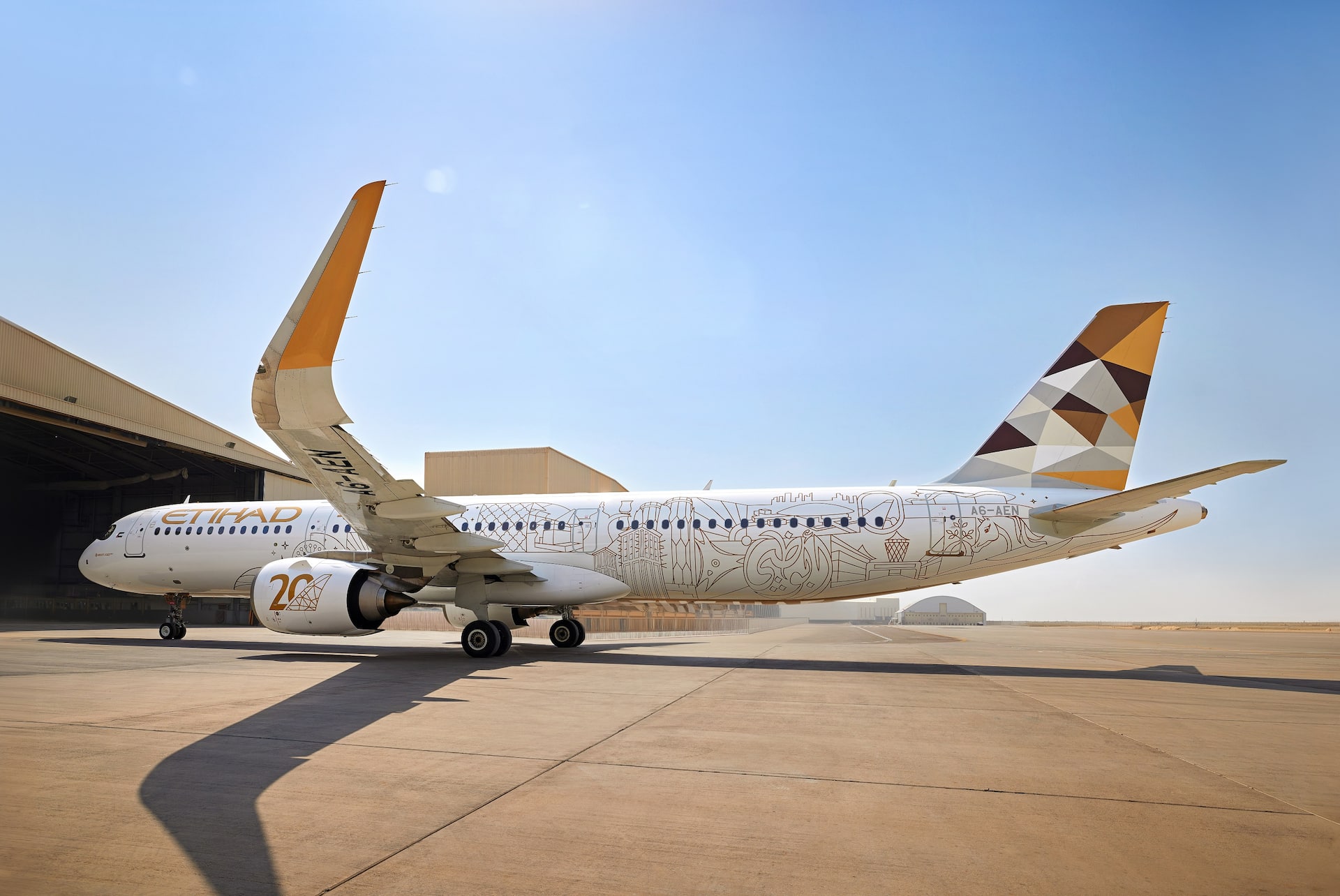
Etihad Airways has reported a record after-tax profit of $476 million for 2024, more than tripling its 2023 profit of $143 million. This significant financial upturn is attributed to a surge in passenger numbers, a robust recovery in cargo operations, and enhanced operational efficiencies.

The Abu Dhabi-based carrier’s total revenue reached nearly $6.9 billion in 2024, up from $5.5 billion the previous year. Passenger revenue alone accounted for $5.7 billion, reflecting a 25% increase. The airline transported 18.5 million passengers, a 32% rise from 14 million in 2023, with a passenger load factor of 87%. This growth was supported by a 28% increase in Available Seat Kilometres .

Cargo operations also experienced a notable boost, with revenues climbing 24% to $1.1 billion. The volume of cargo transported increased to 646,000 tonnes from 579,000 tonnes in 2023, driven by expanded capacity and improved yields in the latter half of the year.

Etihad’s Chief Executive Officer, Antonoaldo Neves, credited the airline’s workforce for the remarkable performance, stating, “Our team’s dedication has been instrumental in achieving these record results. We are committed to maintaining our financial strength and delivering exceptional customer experiences.”

The airline’s operational efficiency improved, with a 4% year-on-year reduction in Cost per Available Seat Kilometre excluding fuel. This was achieved through strategic network expansion, including the addition of over 20 new destinations such as Boston, Jaipur, Bali, and Nairobi, and increased frequencies on 25 existing routes. Etihad’s fleet grew by 12 aircraft, incorporating six new A320 NEOs and the reintroduction of its fifth A380.

In line with the United Arab Emirates’ strategy to diversify its economy through tourism, Etihad’s growth aligns with national objectives. The airline plans to expand its network to over 125 airports by 2030, further enhancing its global connectivity.

Industry analysts note that while Etihad’s profit remains modest compared to Emirates’ $4.7 billion profit in 2023, the airline’s turnaround signifies a positive trajectory. Etihad’s focus on operational efficiency, strategic expansion, and customer satisfaction positions it well for sustained growth in the competitive aviation sector.

Arabian Post Staff With the GCGRA continuing to license gaming vendors, the UAE is expected to introduce new gaming products, including lotteries, prize draws, and integrated gaming systems for both online and land-based casinos. Although Internet and Sports Wagering licenses have yet to be approved, industry experts predict that 2025 could bring regulatory changes, with potential breaking news on online gaming licenses. Meanwhile, the focus remains on physical casinos and lottery expansions, shaping the UAE’s […]

Saudi Arabia’s ACWA Power has entered into a definitive agreement to acquire significant stakes in power generation and water desalination assets from French utility developer ENGIE. The transaction, valued at $693 million, marks ACWA Power’s strategic expansion into Kuwait and a bolstered presence in Bahrain.

The acquisition encompasses a combined capacity of 4.61 gigawatts in gas-fired power generation and 1.11 million cubic meters per day of water desalination. Additionally, the deal includes the associated operations and maintenance companies in both countries.

In Kuwait, ACWA Power will acquire an 18% stake in the Az Zour North Independent Water and Power Project . This facility, operational since 2016, boasts a 1,500 MW gas-fired combined cycle power plant and a desalination plant capable of producing 107 million imperial gallons of water daily. The plant operates under a 40-year Energy Conversion and Water Purchase Agreement with Kuwait’s Ministry of Electricity and Water.

In Bahrain, the acquisition involves several key assets:

– Al Ezzel Independent Power Plant : ACWA Power will obtain a 45% stake in this 940 MW facility, which has been a cornerstone of Bahrain’s power infrastructure.

– Al Dur IWPP: A 45% stake in this project will be transferred to ACWA Power. The facility has a power generation capacity of 1,234 MW and a desalination capacity of 218,000 cubic meters per day.

– Al Hidd IWPP: ACWA Power will acquire a 30% stake in this plant, which provides 1,000 MW of power and produces 410,000 cubic meters of desalinated water daily.

Marco Arcelli, CEO of ACWA Power, stated, “We consolidate our presence in Bahrain, where we are already a reliable supplier of power and water, and we enter Kuwait, where we recently submitted a bid for a large power and desalination plant.”

The transaction is subject to customary regulatory and stakeholder approvals. Upon completion, ACWA Power will assume responsibility for the operations and maintenance of the acquired assets, further solidifying its position as a leading provider of power and water solutions in the Middle East.

This strategic move aligns with ACWA Power’s broader objectives to expand its footprint in the Gulf region and enhance its portfolio of energy and water projects. By integrating these assets, the company aims to leverage operational synergies and contribute to the sustainable development of the region’s infrastructure.

ENGIE’s decision to divest its stakes in these assets is part of its strategic realignment to focus on achieving net-zero carbon emissions by 2045. The proceeds from the sale are expected to be reinvested into renewable energy projects and other sustainable initiatives.

The Az Zour North plant in Kuwait represents a significant milestone as the country’s first IWPP, developed under a public-private partnership framework. Its successful operation has paved the way for increased private sector participation in Kuwait’s utility sector.

HSBC has announced the sale of its retail banking operations in Bahrain to the Bank of Bahrain and Kuwait , transferring approximately 76,000 customer accounts. This move aligns with HSBC’s ongoing global restructuring strategy, focusing on streamlining operations and enhancing profitability.

The transaction encompasses the transfer of retail loans, deposits, and customer accounts to BBK, a financial institution predominantly owned by the governments of Bahrain and Kuwait. Notably, HSBC’s corporate and private banking services in Bahrain are excluded from this deal. While the financial specifics remain undisclosed, the completion of the transaction is anticipated in the fourth quarter of 2025.

This divestment is a component of HSBC’s broader initiative to reduce its global footprint in less profitable markets. Under the leadership of CEO Georges Elhedery, who assumed his role in October 2024, the bank has been actively reassessing its international operations. Elhedery’s restructuring plan aims to achieve $1.5 billion in annual cost savings by the end of 2026, reallocating resources from non-strategic areas to more competitive sectors. This strategy has already led to significant changes, including the consolidation of commercial and investment banking divisions and a revamp of the leadership structure.

In line with these efforts, HSBC has been withdrawing from various retail banking markets worldwide. The bank has exited retail operations in countries such as Thailand, Japan, South Korea, Brazil, and New Zealand over the past decade. More recently, HSBC has been evaluating its retail banking presence outside the UK and Hong Kong, considering scaling back in markets like Mexico, Malaysia, and Indonesia to concentrate on wealthier “premier” clients and wealth management services.

The decision to sell the Bahrain retail unit reflects HSBC’s commitment to optimizing its global operations and focusing on core markets where it holds a competitive advantage. By divesting from less profitable regions, the bank aims to enhance efficiency and profitability, ensuring resources are allocated to areas with the highest growth potential.

BBK, established in 1971, stands as one of Bahrain’s leading commercial banks. The acquisition of HSBC’s retail operations is poised to bolster BBK’s market position, expanding its customer base and retail banking assets. This strategic move aligns with BBK’s growth objectives, enabling the bank to offer an expanded range of services to its clients.

The global banking landscape has been undergoing significant transformations, with major institutions like HSBC reevaluating their strategies to adapt to evolving market conditions. Factors such as technological advancements, changing customer preferences, and economic shifts have prompted banks to streamline operations and focus on core competencies. HSBC’s restructuring efforts are indicative of a broader trend among global banks aiming to enhance agility and competitiveness in a rapidly changing environment.

In addition to divesting from certain markets, HSBC has been implementing cost-cutting measures across its operations. The bank reported a 3% reduction in headcount, bringing the total number of employees to approximately 220,928. This reduction is part of a concerted effort to manage expenses and improve operational efficiency. Despite these cuts, HSBC’s bonus pool remained relatively stable at $3.80 billion, reflecting the bank’s commitment to rewarding performance while maintaining fiscal prudence.

The restructuring has also led to strategic shifts in HSBC’s investment banking sector. The bank has laid off around 40 investment bankers in Hong Kong and announced plans to wind down its mergers and acquisitions and certain equities businesses in Europe and the Americas. These changes underscore HSBC’s strategic pivot towards focusing more on the Asian market, where it anticipates higher growth opportunities.

Financially, HSBC has demonstrated resilience amid these transitions. The bank’s annual pre-tax profit rose by 6.6% to $32.3 billion, surpassing market expectations. This growth was driven by increased revenue in wealth and markets businesses, highlighting the effectiveness of HSBC’s strategic focus on these areas. Additionally, the bank has announced a dividend of 87 cents per share and a $2 billion share buyback, signaling confidence in its financial position and future prospects.

The sale of the Bahrain retail banking operations is subject to regulatory approvals and customary closing conditions. Both HSBC and BBK are collaborating closely to ensure a seamless transition for customers and employees affected by the transaction. The banks have committed to maintaining transparent communication throughout the process to minimize disruptions and uphold service quality.

VISHNU RAJA
RYO YAMADA
HITORI GOTOH
IKUYO KITA
Social Media Auto Publish Powered By : XYZScripts.com