News related to
blockchain

Bitcoin’s price experienced a sharp dip over the weekend, falling from $98,500 to $95,500 by Sunday, leading to significant volatility across the cryptocurrency market. This decline triggered a wave of liquidations, totaling over $500 million, as futures positions, particularly those linked to smaller altcoins and midcap cryptocurrencies, were abruptly closed out.

The pullback, although noticeable, did not shake long-term investor sentiment, as many market analysts continue to hold a positive outlook for Bitcoin’s future price trajectory. Despite the drop, experts maintain their expectation that Bitcoin could reach $100,000 in the near future, supported by ongoing institutional interest, potential regulatory clarity, and upcoming developments within the blockchain ecosystem.

XRP and Dogecoin were among the hardest hit during the weekend’s turbulence. XRP, facing legal challenges in the U.S., saw a significant decrease in value, which compounded with broader market losses. Dogecoin, popular for its meme-driven momentum, also took a substantial hit, as speculative trading took a backseat to more fundamental concerns over the broader crypto market outlook.

The spike in liquidations was primarily driven by leveraged positions within futures markets. Traders who had bet on price increases found themselves caught in a cascade of automatic sell-offs as Bitcoin’s decline spooked the market. Smaller altcoins, which often experience more volatile price movements than Bitcoin, were particularly susceptible to this market-wide pullback, leading to larger-than-usual liquidation events.

Bitcoin’s price, despite the weekend’s decline, is still far from the sharp corrections seen in past market cycles. The overall market sentiment remains cautiously optimistic, with many investors looking toward the potential for future catalysts to propel Bitcoin higher. Key factors driving this optimism include expectations of increased institutional adoption, blockchain infrastructure upgrades, and regulatory clarity in major markets.

The general consensus within the industry is that Bitcoin’s price movements, while volatile, do not indicate a fundamental shift in investor confidence. Many analysts argue that the pullback could actually provide an opportunity for new investors to enter the market at lower levels, positioning themselves for a potential rally once the market stabilizes. The price drop is viewed by some as a healthy correction after months of strong upward momentum, allowing the market to recalibrate before any further upward movement.

For smaller altcoins, however, the weekend liquidation event served as a stark reminder of the risks associated with highly leveraged positions in more speculative assets. As Bitcoin’s price corrected, altcoins like Solana, Cardano, and Polkadot also experienced sharp losses, though none to the extent of the leading cryptocurrencies. The widespread impact on midcap altcoins further highlights the fragility of these markets, particularly when liquidity dries up and risk aversion sets in.

Despite the market-wide pullback, Bitcoin’s fundamentals remain strong, with the cryptocurrency continuing to be viewed as a hedge against inflation and a potential store of value in the long term. Institutional interest has steadily increased, with major financial players like BlackRock and Fidelity continuing to push for Bitcoin ETFs and other financial products linked to the digital asset. This institutional push has not only brought new capital into the market but also legitimized Bitcoin in the eyes of traditional investors.

In addition to institutional adoption, the continued growth of decentralized finance (DeFi) platforms and blockchain technology is expected to further bolster Bitcoin’s value proposition. With more businesses adopting blockchain for a range of applications, including supply chain management, healthcare, and financial services, Bitcoin is increasingly being seen as an essential part of the broader blockchain ecosystem.

Though market corrections are inevitable in any asset class, Bitcoin’s established position as the leader in the cryptocurrency space ensures that its price movements remain closely watched by both retail and institutional investors alike. While volatility remains a characteristic of the crypto market, the long-term outlook for Bitcoin and major altcoins is driven by fundamental trends that support sustained growth over time.

The ongoing battle for market dominance between Bitcoin and Ethereum, along with the rise of other blockchain protocols, also plays a crucial role in shaping the broader crypto landscape. Analysts argue that while Bitcoin remains the undisputed leader in terms of market capitalization, Ethereum’s advancements in smart contract capabilities and its transition to Ethereum 2.0 have sparked renewed interest in altcoins. Ethereum’s ability to facilitate decentralized applications (dApps) and execute smart contracts gives it a technological edge over Bitcoin in some areas, although Bitcoin’s brand recognition and security features are expected to keep it ahead in terms of value.

The cryptocurrency market has witnessed a remarkable shift as altcoins gain significant bullish momentum, pushing Bitcoin to the sidelines while driving substantial market activity. The latest data reveals that liquidations across the crypto market have surpassed $494 million, primarily fueled by a surge in altcoins such as Stellar Lumens (XLM), Decentraland (MANA), and The Sandbox (SAND).

Bitcoin’s recent performance has been characterized by a steady consolidation phase, with the leading cryptocurrency closing out its third consecutive week within the price discovery phase. However, this period of indecision in Bitcoin’s market action has paved the way for a growing rally among altcoins, suggesting that investors may be shifting their focus to smaller tokens as they look for promising returns. Analysts point to the altcoin market’s strong performance as a sign of growing investor confidence outside of Bitcoin, possibly indicating the start of a broader shift in market trends.

Stellar Lumens, for example, has seen its value surge by over 30% in the past week alone, driven by renewed interest in its cross-border payment solutions. Similarly, Decentraland, the virtual reality platform, and The Sandbox, which provides a decentralized gaming experience, have also posted impressive gains. These altcoins, benefiting from positive market sentiment and strong project fundamentals, have been attracting both retail and institutional investors. Experts suggest that the increased focus on the decentralized finance (DeFi) sector and non-fungible tokens (NFTs) could be contributing factors to the bullish trends seen in these specific assets.

As Bitcoin’s price remained relatively stable, hovering around the $35,000 mark for the past several weeks, the broader cryptocurrency market saw increased volatility, particularly with altcoins. Liquidations—when leveraged positions are forcibly closed out due to price movements—have been a significant aspect of the market activity. The total liquidation figure for this week alone has exceeded $494 million, with the majority stemming from short and long positions in altcoins. This high liquidation value reflects the volatility that altcoins are experiencing, driven by sudden price shifts and investor actions within these smaller tokens.

The liquidations have sparked mixed reactions among market participants. On one hand, some see these liquidations as a sign of caution, where traders who bet on price declines in altcoins have been forced to cover their positions after the sudden upward momentum in these tokens. On the other hand, others view the liquidations as a natural part of the market cycle, often marking the end of a bearish phase and signaling the potential for further gains in altcoins.

In addition to individual altcoins like XLM, MANA, and SAND, the broader DeFi ecosystem has been undergoing rapid development. The sector, which aims to replicate traditional financial services like lending, borrowing, and trading on the blockchain, has been a key driver of altcoin value growth. DeFi protocols have seen a sharp increase in user engagement, which, in turn, has led to the appreciation of tokens associated with these platforms. As institutional investors begin to show more interest in the DeFi space, many believe this sector will continue to outperform Bitcoin in the short term.

While Bitcoin continues to hold its position as the dominant cryptocurrency by market capitalization, the altcoin sector is showing signs of growth that cannot be ignored. Many analysts have pointed out that the market’s focus on altcoins could be indicative of a growing shift in investor strategy. With Bitcoin’s price action stagnating, some traders are diversifying their portfolios by increasing their holdings in smaller, high-potential coins. This shift toward altcoins is particularly noticeable in the wake of Bitcoin’s dominance in the market, with Bitcoin’s market share dipping below 50% in recent weeks as altcoins rise in prominence.

This altcoin rally, however, comes with its own set of risks. The volatility seen in the altcoin market can lead to drastic price swings, as evidenced by the liquidations in the past week. The rise of altcoins also coincides with heightened regulatory scrutiny in various jurisdictions, which could bring about new challenges for these assets. Many in the market are closely watching the regulatory landscape, especially as governments and financial authorities begin to focus more on the potential risks associated with decentralized finance and crypto assets in general.

At the same time, altcoins such as Stellar Lumens and Decentraland have benefitted from major partnerships and network upgrades. These developments, along with increasing user adoption, have played a crucial role in the altcoin market’s ongoing rise. Stellar, for example, has been making strides in the cross-border payments industry, which has been increasingly appealing to investors looking for practical use cases for their digital assets. Decentraland’s integration of virtual real estate within its metaverse platform has also attracted significant attention, with institutional players and major brands seeking to capitalize on the growing trend of digital spaces.

PayPal users across the globe were met with frustration as the platform faced a significant outage, causing disruptions to transactions and access to accounts. Reports indicate that users encountered issues logging into their accounts and completing payments, with many voicing their concerns on social media platforms about the impact on both personal and business transactions. The outage, which reportedly affected multiple PayPal services, left users unable to […]

Donald Trump’s Media and Technology Group (TMTG), parent company of Truth Social, has taken a significant step into the cryptocurrency sector. Reports suggest the company has filed a trademark application for “TruthFi,” signaling plans to develop a platform for cryptocurrency payments, digital asset custody, and trading. This move aligns with its reported discussions to acquire shares in Bakkt, a prominent cryptocurrency exchange platform backed by Intercontinental Exchange.

TMTG’s ambitions in the crypto domain appear to capitalize on the growing influence of digital assets. By potentially acquiring Bakkt, the company seeks to enhance its foothold in the emerging market of decentralized finance and digital payments. Bakkt’s infrastructure, which includes a consumer app for managing cryptocurrencies and other digital assets, could serve as a robust foundation for TMTG’s new venture. Market analysts speculate that this acquisition could bridge Truth Social’s ecosystem with blockchain technology, fostering a streamlined integration of social media and financial technology.

The decision comes during a bullish phase for cryptocurrencies. Bitcoin recently surpassed $93,000, buoyed by optimism surrounding President-elect Donald Trump’s policies, which are expected to favor a lighter regulatory approach to digital assets. This spike has further stimulated activity in the cryptocurrency market, with Ethereum and decentralized finance tokens also experiencing substantial gains.

Bakkt, which went public via a SPAC merger in 2021, has positioned itself as a significant player in the crypto market, offering a regulated platform for trading and managing digital assets. Its potential integration with TMTG could unlock opportunities for users seeking seamless transactions within a politically conservative ecosystem. Trump’s team has declined to comment on the acquisition, though Bakkt acknowledged the market speculation but refrained from issuing a confirmation.

The broader implications of this development extend beyond TMTG’s immediate interests. Analysts believe that a successful foray into cryptocurrency by Trump’s media group could reshape the financial technology landscape, especially by linking ideological media with decentralized finance. This could cater to a niche market of users aligned with Trump’s policies while leveraging the soaring popularity of cryptocurrencies.

Shares of Bakkt surged over 160% following reports of the potential deal, reflecting market optimism. Similarly, TMTG shares experienced fluctuations as speculation about the acquisition grew. Industry observers anticipate further volatility as negotiations progress, with a formal announcement expected to clarify the strategic objectives of the partnership.

As TMTG continues to diversify its portfolio, the integration of cryptocurrency services marks a transformative step in the evolution of its digital ventures. While the success of this endeavor hinges on regulatory approvals and market reception, the potential synergy between Truth Social’s platform and Bakkt’s crypto expertise underscores the growing intersection of media, politics, and finance in the digital age.

This strategic pivot also aligns with Trump’s broader vision to establish a technology-driven economy with minimal government intervention, appealing to proponents of blockchain innovation. As cryptocurrency adoption accelerates globally, TMTG’s initiatives could set a precedent for other media companies exploring similar integrations.

Solana (SOL) has reached a landmark valuation, achieving a new all-time high of $262, solidifying its position among the most prominent blockchain networks. This price surge underscores Solana’s growing influence, making it the 149th largest asset by market value globally. The achievement reflects heightened interest in altcoins, signaling a possible shift in the cryptocurrency market dynamics.

This rise is attributed to Solana’s scalability and low transaction fees, which have made it a favored platform for developers and investors alike. Over the past months, the blockchain’s capacity to process thousands of transactions per second has positioned it as a key player in decentralized finance (DeFi) and non-fungible token (NFT) sectors. Decentralized applications (DApps) built on Solana, such as Raydium and Jito, have reported substantial increases in activity and revenue, further reinforcing its dominance.

The surge coincides with an uptick in the broader altcoin market, historically characterized by alternative cryptocurrencies outperforming Bitcoin during specific cycles. Analysts suggest that Solana’s robust infrastructure and community engagement through innovative features, such as meme coins, have catalyzed its growth. Tokens like BONK and PNUT, developed within Solana’s ecosystem, have gained popularity for their ease of creation and low-cost transactions, introducing a unique facet to its blockchain economy.

Institutional interest has also played a pivotal role in driving Solana’s momentum. As the blockchain garners recognition for its long-term potential, investment firms and crypto-focused funds are increasingly including SOL in their portfolios. Meanwhile, retail participation remains strong, with users engaging in staking and other blockchain activities facilitated by Solana’s seamless user interface and accessibility.

Bithumb, South Korea’s second-largest cryptocurrency exchange, is set to launch trading for TONCOIN (TON) and METIS (METIS) in Korean won (KRW) on November 21 at 8 p.m. KST. This move is anticipated to attract increased interest from both local and international investors, further positioning the platform as a key player in the region’s digital asset market.

The decision to list these two cryptocurrencies comes at a time of growing adoption and interest in the global crypto space. TONCOIN, a blockchain originally developed by the Telegram team, has gained considerable traction since its inception, while METIS, known for its Ethereum Layer 2 scaling solution, has also secured a loyal following for its efficiency and reduced transaction fees. By adding these coins to its roster, Bithumb hopes to cater to the increasing demand for both established and emerging crypto assets.

TONCOIN’s potential is rooted in its association with Telegram, one of the most popular messaging apps worldwide. The coin has carved out a niche by leveraging Telegram’s massive user base, with users able to use TONCOIN for a variety of decentralized applications (dApps) and services. As Telegram has faced regulatory hurdles in various markets, the coin has emerged as a decentralized alternative, gaining adoption both in the consumer space and by developers building on its blockchain.

On the other hand, METIS has been gaining attention due to its focus on improving the scalability and cost-efficiency of the Ethereum network. As the Ethereum blockchain faces growing network congestion and high gas fees, METIS offers an alternative by enabling faster, cheaper transactions without sacrificing the security that Ethereum provides. This scaling solution has attracted several projects, making METIS a strong contender in the Layer 2 space.

Bithumb’s decision to list both coins follows the growing trend of exchanges expanding their offerings to cater to investor demands for more diverse assets. The exchange, which handles a significant portion of South Korea’s cryptocurrency trading volume, has previously listed various popular coins, including Bitcoin, Ethereum, and Ripple, but the addition of TONCOIN and METIS signals its strategy to embrace more specialized cryptocurrencies that have garnered international interest.

The announcement was met with positive feedback from both the investor community and developers in the crypto space. TONCOIN’s supporters believe that the coin’s listing on Bithumb will help further its acceptance and adoption, particularly in South Korea, a country known for its tech-savvy population and strong interest in digital assets. Meanwhile, METIS proponents see the listing as a validation of their efforts to improve Ethereum’s scalability, a key issue for the network as it continues to expand.

The timing of the listing could also be significant given the evolving regulatory environment surrounding cryptocurrencies. South Korea has historically taken a cautious approach to crypto regulation, balancing innovation with consumer protection. The government has taken steps in recent years to tighten its grip on the sector, but has also indicated its willingness to support blockchain and cryptocurrency development. The introduction of TONCOIN and METIS trading on a major exchange like Bithumb comes at a time when South Korea is looking to position itself as a regional leader in the crypto and blockchain industries.

This development also underscores the ongoing importance of Korean won (KRW) trading pairs in the broader cryptocurrency market. As one of the leading fiat currencies in the crypto world, the South Korean won is often used as a reference point for cryptocurrency pricing in the Asian market. The availability of TONCOIN and METIS for KRW trading provides local investors with an accessible way to participate in the growing blockchain ecosystem, especially for those who may not have exposure to international exchanges or prefer to trade in their local currency.

Despite the positive outlook, some analysts caution that the ongoing volatility of the cryptocurrency market means that the success of these listings will depend heavily on market conditions. The global crypto market has experienced significant fluctuations in recent months, with both Bitcoin and Ethereum facing substantial price corrections. Therefore, while the listing of TONCOIN and METIS could attract short-term interest, the long-term viability of these coins will largely depend on broader market trends and the ongoing development of their respective blockchain ecosystems.

Nevertheless, Bithumb’s strategic move aligns with the growing demand for diverse cryptocurrency options and the need for exchanges to stay ahead of emerging trends in the industry. With more investors seeking alternative assets outside of traditional financial markets, the exchange’s decision to list TONCOIN and METIS could enhance its competitive edge in the dynamic and rapidly evolving crypto market.

The U.S. Securities and Exchange Commission (SEC) has announced the distribution of $4.6 million to investors affected by the defunct cryptocurrency startup BitClave. This move follows a long-running investigation into the company, which had been accused of conducting an unregistered securities offering. BitClave’s initial coin offering (ICO), launched in 2017, promised investors a platform for decentralized search and advertising but was marred by allegations of fraud and mismanagement.

BitClave’s ICO raised approximately $25 million by selling its tokens, but the company later faced mounting legal issues and regulatory scrutiny. The SEC’s intervention has been pivotal in bringing some relief to investors, many of whom had seen their investments evaporate as the project faltered and ultimately shut down. The decision to return funds comes after a protracted legal process, which concluded that BitClave’s token sale violated federal securities laws.

As part of the SEC’s ongoing efforts to regulate the rapidly expanding cryptocurrency industry, the agency emphasized the importance of protecting retail investors from deceptive and illegal practices. The recovery of funds for BitClave investors is a rare but significant instance of the SEC securing financial restitution for affected parties in the realm of digital assets.

The funds, along with interest, will be distributed to those who invested in BitClave’s ICO. Investors are expected to receive compensation as part of a settlement that has been finalized by the SEC, marking an important step in holding cryptocurrency companies accountable for their actions. This distribution is seen as a win for investors who were left holding assets that became worthless following BitClave’s collapse.

The SEC’s action against BitClave reflects broader efforts to tighten oversight in the cryptocurrency sector. As digital currencies and blockchain-based startups proliferate, regulators have been grappling with how to classify and monitor ICOs, tokens, and the broader ecosystem to ensure compliance with securities laws. The BitClave case serves as a reminder of the risks involved in cryptocurrency investments, particularly in projects lacking regulatory oversight.

Advertisements

The rise of stablecoin adoption in Africa has sparked a surge of digital economic activity, with US-based crypto startups leading the charge. This financial shift is largely driven by increasing demand for stable, blockchain-backed currencies that offer a hedge against inflation and volatility, a feature that aligns with the continent’s unique economic challenges. Stablecoins have become a critical tool in enhancing financial inclusion, particularly for underserved populations and markets traditionally excluded from the global financial system.

Several US companies are at the forefront of this movement, offering accessible platforms that enable seamless cryptocurrency transactions across the continent. For example, companies like Yellow Card and other crypto exchange platforms have seen exponential growth in the region, facilitating cross-border payments and enabling users to store wealth in a more stable digital format compared to local currencies that are susceptible to inflation.

Between 2021 and 2022, Africa witnessed a staggering 1200% surge in cryptocurrency adoption, with stablecoins playing a pivotal role in this transformation. As the most widely used digital assets in many African nations, stablecoins provide a vital service by offering an alternative to traditional financial systems that many Africans find inaccessible. These cryptocurrencies are typically pegged to stable assets, like the US dollar, which helps shield users from currency devaluation. They have proven particularly useful for businesses and individuals looking to avoid the risks associated with rapidly fluctuating fiat currencies.

One of the key drivers behind the adoption of stablecoins in Africa is their use in remittances. With millions of Africans living abroad, remittances from the diaspora constitute a significant portion of the continent’s GDP. Traditional money transfer services often charge high fees and can be slow. However, stablecoins allow for nearly instant transfers with minimal fees, making them an appealing alternative for both senders and recipients.

The push for adoption is also supported by local cryptocurrency exchanges, like Yellow Card, which provide users with easy access to stablecoins. According to industry leaders, platforms that embrace stablecoins are able to tap into the growing demand for faster, cheaper, and more reliable digital payments. Furthermore, the integration of blockchain networks like Solana has also helped in reducing transaction fees and increasing the speed of transfers, making stablecoins even more accessible.

Despite the optimism, challenges remain, particularly regarding regulatory frameworks. While some African governments have embraced digital currencies and cryptocurrencies, others have imposed restrictions, complicating the regulatory environment. This has led to a fragmented landscape where the adoption of stablecoins varies significantly across countries. Some countries, such as Nigeria and South Africa, have shown proactive engagement, creating pilot projects and regulations that balance innovation with consumer protection. However, the lack of standardized regulations across the continent continues to pose a challenge.

Education also plays a crucial role in ensuring the success of stablecoin adoption. Many African users are still unfamiliar with how cryptocurrencies work, and a lack of awareness can be a barrier to widespread adoption. To address this, companies like Yellow Card have launched educational initiatives, such as the Yellow Card Academy, which provides free resources to help users understand digital currencies and blockchain technology. These programs aim to foster greater trust in stablecoins and expand the knowledge base, empowering individuals to make informed decisions about their finances.

Solana’s blockchain ecosystem has experienced a significant surge in activity, driven by heightened interest in decentralized applications (dApps) and an unexpected revival of memecoins. This activity has led to record-breaking transaction fees and revenues, alongside remarkable institutional investments bolstering the network’s growth.

The price of Solana’s native cryptocurrency (SOL) approached a historic high, trading at $242, with the blockchain’s market capitalization growing to $112 billion. Transaction fees climbed to $11.84 million, reflecting the platform’s expanded use cases and increasing demand for its services. Solana’s largest decentralized exchange (DEX), Raydium, accounted for nearly $15 million in daily fees, supported by contributions from Jito ($15.5 million) and Photon ($3.07 million). These milestones underscore Solana’s strengthening position as a major player in the cryptocurrency market.

Memecoins have been a significant factor in this surge, with tokens like Peanut (PNUT) and Dogwifhat (WIF) gaining traction. PNUT saw a staggering 2,700% increase in value, while WIF climbed to $4.19 following its listing on Coinbase. This revival has reignited user engagement and further solidified Solana’s reputation for scalability and speed, key attributes that appeal to both individual users and institutional players.

Institutional confidence in Solana is evident in its ecosystem’s funding figures. In the third quarter of 2024, dApps operating on Solana received $173 million in investments, marking a 54% increase compared to the previous quarter. This level of funding, the highest since mid-2022, highlights the ecosystem’s maturity and attractiveness for large-scale investors. While the number of funding rounds dropped, the average value per investment rose, reflecting growing trust in the network’s long-term potential.

Solana has also made significant strides in the DeFi sector. Its total value locked (TVL) grew by 26% in Q3 to $5.7 billion, placing it among the top three DeFi ecosystems globally, behind Ethereum and Tron. The platform has also become a favored choice for tokenized treasuries, managing assets valued at $123 million. Leading financial institutions, such as Franklin Templeton and Société Générale, have integrated Solana for their on-chain operations, further validating its utility in the financial sector.

The blockchain’s technical advantages, particularly its low transaction costs and high scalability, have been instrumental in attracting diverse stakeholders. Despite a 6% rise in transaction fees due to increased network activity, Solana remains more cost-effective than many competing blockchains. This affordability, coupled with its ability to handle high throughput, positions Solana as a preferred choice for developers and investors alike.

However, challenges remain. Critics point to concerns over validator centralization, with over a third of Solana’s validators located in the United States and the United Kingdom. Additionally, the network has faced technical outages in the past, raising questions about its reliability. These issues underscore the importance of ongoing development to ensure the platform’s resilience and decentralization.

Phantom, the Solana-based cryptocurrency wallet, has surged to become the second-highest-ranked app in the U.S. Apple App Store’s Utilities category, surpassing several competitors and leaving only Google’s suite of apps ahead. This significant rise marks a pivotal moment for Phantom, which has garnered attention as the go-to wallet for Solana and other decentralized finance (DeFi) enthusiasts. The app’s climb reflects broader trends in crypto adoption and the growing reliance on crypto-based financial tools.

Phantom’s progress has been driven by several factors, notably the increasing appeal of Solana, a blockchain praised for its speed and cost-effectiveness compared to Ethereum. As Solana’s ecosystem grows, more users are flocking to Phantom for its user-friendly interface and robust functionality. The wallet not only supports Solana-based tokens and NFTs but also allows for seamless interaction with decentralized applications (dApps). This versatility has proven critical as users seek more integrated, secure, and accessible ways to engage with the expanding crypto space.

In a market often dominated by established players, Phantom’s rise stands out. For months, the wallet has consistently ranked high within its category, a reflection of its growing influence among crypto users. However, the latest achievement places it just behind Google in the U.S. Apple App Store, indicating not only consumer interest but also the app’s increasing dominance in the mobile crypto wallet sector.

The ranking is also a testament to the larger trend of mainstream adoption of decentralized finance tools. As traditional financial services continue to evolve, more users are looking to decentralized solutions for managing their investments. In particular, Phantom’s ability to bridge Solana’s blockchain with everyday users through a mobile platform has allowed it to capture the attention of a wider audience.

However, the success of Phantom is not merely a result of its technical features but also its strategic partnerships and community-driven growth. The wallet has benefited from collaborations within the Solana ecosystem, which has cultivated a thriving user base. These partnerships have allowed Phantom to integrate seamlessly with an array of dApps and decentralized exchanges (DEXs), making it a critical tool for users looking to interact with Solana’s broader blockchain landscape.

This rise in popularity comes at a time when the crypto industry is facing increasing scrutiny and regulatory challenges, particularly in the U.S. Although crypto adoption continues to grow, concerns over security, regulation, and volatility persist. Despite these challenges, Phantom has managed to maintain its position by prioritizing security and enhancing user experience. The app features features like biometric authentication and encrypted key storage, ensuring that users’ digital assets are protected.

Phantom’s success also highlights the broader evolution of the decentralized finance landscape. With millions of users, Solana has become one of the leading smart contract platforms, offering developers a blockchain that prioritizes speed and cost-effectiveness. This has made Solana an attractive option for both decentralized applications and users looking for alternatives to Ethereum, which has often struggled with high fees and slower transaction times.

While Solana has been a major factor in Phantom’s success, the wallet’s adoption has also been spurred by its intuitive design and accessibility. In the often-complex world of cryptocurrency wallets, Phantom stands out with its sleek user interface, making it easier for new and experienced users alike to manage their assets. The wallet’s integration with popular hardware wallets like Ledger and Trezor further enhances its appeal, offering users more flexibility in managing their crypto holdings.

The surge in Phantom’s popularity also reflects the growing integration of blockchain technology into the mainstream tech ecosystem. As mobile users increasingly turn to apps that offer blockchain and cryptocurrency services, wallets like Phantom are positioned to play a crucial role in facilitating this shift. In a world where digital assets are becoming more prominent, apps that offer seamless and secure management of these assets are more important than ever.

The trajectory of Phantom, however, is not without competition. Despite being in second place in the Utilities category, Phantom faces stiff competition from other crypto wallets and DeFi platforms, many of which are vying for dominance in the expanding market. MetaMask, one of the most widely used crypto wallets, remains a formidable player, particularly within the Ethereum ecosystem. However, Phantom’s early focus on Solana has allowed it to carve out a unique space in the market.

Teresa Goody Guillén, a veteran legal expert with a background at the U.S. Securities and Exchange Commission (SEC), is reportedly one of the top candidates under consideration by former President Donald Trump for a potential leadership role at the agency. Known for her extensive experience in regulatory matters, Goody Guillén’s candidacy is being discussed amidst the need for leadership in the SEC, which plays a critical role […]

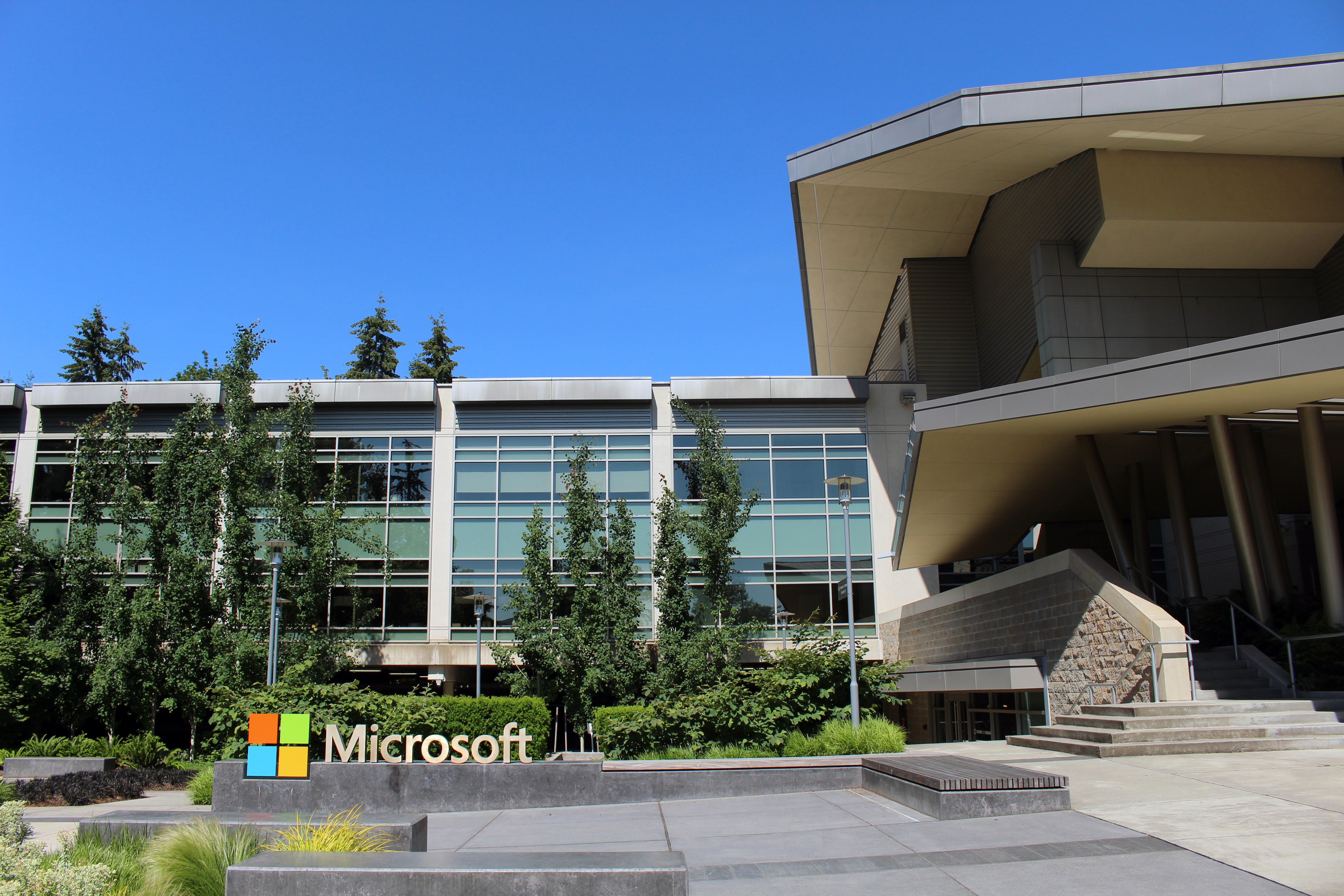
MicroStrategy’s founder, Michael Saylor, will address Microsoft’s board next month regarding the potential incorporation of Bitcoin into the tech giant’s corporate strategy. As the world’s largest software company continues to seek ways to leverage its $78 billion cash reserve, Bitcoin could become a cornerstone in their plans. However, reports indicate the board has already expressed skepticism, with several members raising concerns about the risks and volatility associated with digital assets.

Saylor, a vocal Bitcoin advocate, is expected to present a proposal that could see Microsoft join the growing number of corporate entities embracing cryptocurrency as part of their balance sheets. This follows a broader trend among tech companies, including Tesla and Square, that have invested in Bitcoin as both a hedge against inflation and as a means of aligning with the growing prominence of decentralized digital currencies.

The move by Microsoft, though not final, marks a significant moment in the ongoing evolution of corporate finance. While the company is sitting on a hefty cash reserve, which could potentially absorb the fluctuations of Bitcoin’s market, internal dissent underscores the divide between traditional financial strategies and the allure of digital currency. Microsoft’s board has been reluctant to adopt cryptocurrency, citing potential regulatory hurdles and concerns about the environmental impact of Bitcoin mining.

Despite the opposition, Saylor’s advocacy for Bitcoin remains unwavering. Since 2020, MicroStrategy has acquired over 150,000 BTC, making it one of the largest corporate holders of Bitcoin. The company has also committed to expanding its digital asset strategy, seeing Bitcoin not only as a store of value but also as a long-term investment that can yield substantial returns.

For Microsoft, the decision to integrate Bitcoin as part of its corporate strategy could be pivotal, especially as the company navigates the challenges of an evolving global economy. The ongoing discussions, set to culminate in the upcoming board meeting, come at a time when the financial world is increasingly debating the merits of digital currencies as an asset class. If the proposal is approved, Microsoft would join a small but growing group of traditional corporations making Bitcoin a central part of their financial structure.

In contrast, critics of cryptocurrency within the board have voiced concerns over Bitcoin’s volatility, which could undermine the stability of Microsoft’s cash reserves. These critics argue that the risks associated with such an investment could harm the company’s reputation as a reliable tech giant and create uncertainty for investors who have long viewed Microsoft as a safe haven in the stock market.

There are broader concerns about the regulatory environment surrounding cryptocurrencies. As governments worldwide grapple with the challenges of regulating digital currencies, the legal and financial uncertainties may deter some corporate leaders from taking such bold steps. Microsoft’s leadership, while innovative, has been historically cautious about ventures that could potentially invite scrutiny from regulators or affect the company’s relationships with stakeholders.

On the other hand, proponents of Bitcoin integration argue that Microsoft, with its vast financial resources, is well-positioned to weather the market’s fluctuations. Bitcoin’s rise in value over the past few years has proven that, despite its volatility, the digital currency holds significant long-term potential. With large tech companies and institutional investors like BlackRock increasingly backing Bitcoin, proponents believe that Microsoft’s endorsement could lend further legitimacy to the cryptocurrency market.

If Microsoft were to proceed with a Bitcoin investment strategy, the tech industry could see further moves from other major corporations exploring digital assets as a new avenue for growth. The decision would also reflect the changing mindset of corporate America, which is gradually warming to the idea of blockchain and cryptocurrencies as vital components of future business strategies.

Saylor, whose vision for Bitcoin as a central asset in corporate portfolios has often made headlines, will likely present a case focused not just on the potential upside of investing in Bitcoin, but also on its function as a store of value in an era of economic uncertainty. He argues that Bitcoin offers a unique value proposition compared to traditional assets like stocks or bonds, given its decentralized nature and the finite supply that protects against inflationary pressures.

The internal debate at Microsoft is just one example of how large corporations are grappling with the idea of digital currency integration. While some companies embrace Bitcoin as a forward-thinking investment, others remain wary, opting for more conventional approaches to managing their cash reserves.

As the tech world continues to wrestle with the implications of cryptocurrency, the decision Microsoft faces will serve as a barometer for the broader corporate landscape. Should the tech giant take the leap, it would signal a major shift in how corporations view digital currencies and their role in the future of business finance.

Artificial intelligence (AI) is advancing rapidly, and its potential integration into cryptocurrencies is growing. According to Jesus Rodriguez, the CEO of IntoTheBlock, AI agents could revolutionize how digital currencies are used in the AI ecosystem. However, challenges remain that could delay the full realization of this vision.

Rodriguez highlighted the possibility of a future where AI agents and cryptocurrencies converge to reshape financial systems. He noted that cryptocurrencies could play a crucial role as the financial backbone of AI networks, enabling seamless, efficient transactions for AI-powered applications. Yet, he stressed that this transformation requires overcoming significant hurdles, such as scalability, regulatory clarity, and interoperability between various blockchain systems.

As AI continues to disrupt multiple industries, from healthcare to finance, its integration with blockchain and cryptocurrencies seems like a logical step. AI agents, capable of autonomously conducting transactions and executing decisions, could enhance the functionality of digital currencies by enabling AI to manage crypto portfolios, optimize investments, and facilitate payments in decentralized ecosystems. The rapid rise of decentralized finance (DeFi) platforms already illustrates the growing role of blockchain in the digital economy, but AI’s potential to manage and interact with these platforms in real-time is what could drive the next phase of crypto’s growth.

However, while the promise is clear, the reality is complex. One of the major challenges lies in improving the scalability of blockchain networks. Rodriguez explained that current blockchain technologies are struggling to handle the massive transaction volumes required by AI-driven applications, which often involve complex computations and large datasets. Blockchain platforms, including Ethereum and Bitcoin, face limitations in transaction speed and costs, making them impractical for real-time AI-driven applications that demand high throughput and low latency.

Regulatory issues continue to pose a significant barrier to the widespread adoption of AI and cryptocurrencies. Governments around the world are grappling with how to regulate digital currencies and ensure their security and stability. The regulatory landscape for crypto is still fragmented, with some regions adopting stringent laws while others are taking a more relaxed approach. For AI-driven cryptocurrencies to become mainstream, there needs to be a cohesive, global regulatory framework that provides both innovation and investor protection.

Rodriguez also pointed to interoperability as another crucial factor in realizing the potential of AI and crypto. Different blockchains operate with varying consensus mechanisms, protocols, and features, which makes it difficult for them to interact seamlessly. To enable AI to work efficiently across blockchain networks, developers need to create solutions that allow different blockchain platforms to communicate and work together without friction. This is especially important for AI agents that may need to access and operate across multiple decentralized platforms in order to execute transactions or access data.

Despite these challenges, there are promising developments on the horizon. Blockchain projects that aim to solve scalability issues, such as Ethereum’s transition to Ethereum 2.0 and the rise of Layer 2 solutions like Polygon, are providing a glimpse into the future of faster, more efficient blockchain networks. Additionally, advancements in AI technology are opening up new possibilities for how AI could operate on decentralized platforms. For example, AI models could be trained on blockchain-based datasets and then used to optimize blockchain transactions or identify patterns in the cryptocurrency market that human traders might miss.

One of the most exciting prospects is the possibility of creating AI agents that can autonomously participate in the crypto market. These AI agents would not only manage investments but could also interact with decentralized applications (dApps), participate in governance decisions, and execute smart contracts without human intervention. As AI systems continue to become more sophisticated, the idea of autonomous crypto agents could significantly reduce the friction and inefficiency in the current market, offering benefits such as improved liquidity, faster transaction times, and more accurate price predictions.

However, Rodriguez cautioned that the integration of AI into the crypto ecosystem requires more than just technical advancements. “The underlying infrastructure needs to be robust enough to handle the new demands of AI and crypto integration. It’s not just about faster blockchains; it’s about creating a whole new ecosystem that can support both AI and crypto at scale,” he said. This includes creating user-friendly tools for developers, as well as ensuring that AI-powered systems are transparent and accountable, which will be crucial for building trust among users and investors.

Looking forward, the role of AI in cryptocurrency could become even more prominent as both technologies evolve. AI’s ability to process vast amounts of data and make autonomous decisions is ideally suited for the highly dynamic and data-driven world of cryptocurrency. Whether it’s helping users optimize their portfolios or powering decentralized finance applications, AI could help crypto achieve greater utility in everyday transactions and financial services.

Ethena, a synthetic dollar protocol on the Ethereum blockchain, has witnessed a remarkable resurgence, drawing $1 billion in inflows. This growth aligns with a broader rally in cryptocurrency markets, driven by elevated perpetual funding rates and heightened investor enthusiasm for alternative financial systems.

The protocol, which offers a decentralized alternative to traditional banking, capitalized on increased market activity to enhance its value proposition. Ethena’s native token, ENA, surged by over 15% in value as speculation and institutional interest fueled its upward trajectory. Major investors acquired approximately 5.4 million ENA tokens, signaling confidence in the project’s long-term potential. These transactions pushed Ethena’s market capitalization back above the $1 billion mark, further solidifying its position among the top-performing assets.

Rumble Inc., a video-sharing platform often identified with its appeal to politically conservative audiences, saw its shares surge by 9% in after-hours trading, reaching $6.20. This sharp movement followed the company’s exploration of adopting Bitcoin as a reserve asset. A tweet from Rumble’s CEO, hinting at the potential inclusion of Bitcoin on the company’s balance sheet, catalyzed robust support from the cryptocurrency community, significantly boosting investor confidence.

Before the announcement, Rumble’s stock faced downward pressure, closing earlier at $5.61. The new sentiment reversed the trajectory, further indicating strong market alignment with cryptocurrency integration strategies. Notably, the platform is positioning itself as a financial innovator, leveraging blockchain’s appeal to bolster its market presence.

Rumble’s market capitalization now stands at approximately $2.3 billion, with analysts revising projections for the stock. This development comes amid broader trends of tech companies diversifying reserves into digital assets, with Bitcoin emerging as a preferred choice. Industry insiders speculate that the move could signal Rumble’s intent to align with tech-forward financial ecosystems, increasing its appeal to digital-native demographics.

Bitfinex Securities has introduced a groundbreaking financial product in El Salvador, leveraging the nation’s progressive legal framework for digital assets. The new offering includes tokenized U.S. Treasury Bills, providing investors with an innovative way to access short-term, dollar-denominated securities. This marks a significant milestone for Bitfinex Securities, which operates under El Salvador’s recently implemented Digital Assets Securities Law.

The digital token, named USTBL, is issued by NexBridge Digital Financial Solutions, an El Salvador-based financial service provider. This product is designed to appeal to global investors by offering fractional ownership and seamless transactions through blockchain technology. This initiative underscores El Salvador’s ambition to position itself as a hub for financial innovation, following its historic decision to adopt Bitcoin as legal tender.

Paolo Ardoino, Chief Technology Officer of Bitfinex, highlighted that the introduction of USTBL aligns with the company’s commitment to expanding access to regulated digital asset markets. This launch follows El Salvador’s establishment of a dedicated regulatory body, the National Commission of Digital Assets, which oversees compliance and investor protections within the digital securities space.

This offering is expected to attract institutional and retail investors alike, given the growing interest in blockchain-based financial products. Analysts believe this development will not only bolster El Salvador’s economy but also set a precedent for other nations considering similar regulatory frameworks.

The Internet of Things (IoT) is rapidly transforming industries by connecting billions of devices that communicate and share data. However, the increasing complexity of cross-domain data sharing between these devices has raised serious concerns over security and efficiency, particularly for resource-constrained devices. A team of researchers has developed a new blockchain-based solution that addresses these issues, offering an efficient, secure method for data sharing among IoT devices […]

Blockchain networks continue to evolve at a rapid pace, with a select group of platforms dominating global traffic. The latest data reveals Solana leading the charge with a significant share, followed by Base and Ethereum in a competitive race for blockchain adoption. These platforms, along with others like TON and Sui, are becoming central to the growing decentralized economy, each catering to different user needs and technological strengths.

Solana, known for its speed and scalability, has secured the top position with 38.79% of global blockchain traffic. This marks a notable achievement for the network, which has faced both technological hurdles and competition from other chains. Its ability to process thousands of transactions per second with low fees has made it a preferred choice for developers and users looking for efficient blockchain solutions. The network’s rise to dominance highlights its growing adoption, particularly in decentralized finance (DeFi) and non-fungible token (NFT) markets.

Base, developed by Coinbase, has emerged as a strong contender in the blockchain space, capturing 16.81% of global traffic. With its integration into Coinbase’s ecosystem, Base has been able to attract a large number of users, making it an appealing option for those already engaged with the exchange. The platform’s focus on scalability and developer-friendly tools has made it a popular choice among those building decentralized applications (dApps). It’s also seen as a bridge for users to connect with Ethereum-based assets while benefiting from the enhanced performance Base offers.

Ethereum, long considered the leading blockchain for smart contracts and decentralized applications, holds 10.76% of the traffic share. While it has been a dominant force in blockchain development, Ethereum faces challenges in maintaining its lead due to scalability issues and high transaction fees. However, Ethereum’s ongoing upgrades, including the transition to a proof-of-stake consensus mechanism with Ethereum 2.0, are designed to address these concerns. Despite its challenges, Ethereum remains a cornerstone for blockchain developers, particularly those in the DeFi and NFT sectors.

TON, or The Open Network, has gained traction, especially after its revival under the guidance of the Telegram team. With 6.20% of the global traffic share, TON is carving out a niche for itself, primarily in messaging apps and other decentralized use cases. Its integration with Telegram has helped it build a solid user base, though it still has a long way to go to rival the bigger players in the space. The focus on speed and user experience makes it a formidable challenger to more established networks.

Sui, a newer player in the blockchain world, accounts for 4.83% of the global traffic. Built to handle high throughput and low latency, Sui aims to address the scalability issues faced by older blockchains like Ethereum. Its novel consensus mechanism, which combines proof-of-stake and proof-of-history, positions Sui as an intriguing choice for developers looking for performance without sacrificing decentralization. As the network continues to grow, its traffic share is expected to increase as more applications are built on its platform.

The rise of these blockchains points to an ongoing shift in the blockchain ecosystem, where scalability, speed, and cost efficiency are becoming key factors in driving adoption. Solana’s dominance, in particular, is a sign that users and developers are gravitating toward platforms that can provide real-world solutions to the limitations faced by older chains like Ethereum. With each blockchain having its unique strengths and weaknesses, the future of blockchain networks will likely be defined by how these platforms evolve to meet the demands of an expanding user base.

The competition among these platforms is not only about attracting traffic but also about building sustainable ecosystems that foster long-term growth. The ability to scale without compromising decentralization remains one of the key challenges facing all blockchain projects. While Ethereum’s upgrade to proof-of-stake is expected to reduce its energy consumption and improve scalability, networks like Solana and Base, with their focus on performance, have already captured significant portions of the market.

Play Ventures has successfully closed its third gaming-focused fund, raising $140 million to bolster investments in early-stage gaming startups. The new fund signals a strategic push to identify and nurture innovative game developers and gaming technology firms worldwide. Known for its strong emphasis on emerging trends, including blockchain gaming and Web3, Play Ventures continues to consolidate its position as a leading venture capital player in the gaming […]

Binance, one of the largest cryptocurrency exchanges globally, has clarified that its BFUSD token, which promises an annual yield of 19.55%, is not a stablecoin. The clarification comes amid growing confusion in the market, as some users and analysts initially viewed the token as a stablecoin-like product due to its name and yield structure. The exchange emphasized that BFUSD, while offering rewards similar to stablecoins, does not adhere to the same mechanisms that define stablecoins, such as being pegged to a fiat currency like the US dollar.

The announcement follows a wave of interest in the cryptocurrency sector for yield-bearing assets, particularly those offering high returns. Stablecoins have long been popular due to their stability, but products like BFUSD, which offer significant yield rewards, blur the lines between traditional stablecoins and newer crypto-based financial instruments. Binance’s clarification aims to set the record straight, distinguishing BFUSD as a token that is tied to a different set of protocols and risks than those typically associated with stablecoins.

Binance described BFUSD as a reward-bearing token linked to specific yield-bearing programs rather than a stable asset designed to maintain a fixed value. This key distinction has been crucial for the platform, which operates in a heavily regulated environment where clarity around financial products is critical. Stablecoins are often seen as tools for hedging against volatility in the cryptocurrency market, but BFUSD’s appeal lies in its potential for returns rather than its stability.

The clarification from Binance also reflects the broader trend of exchanges and crypto platforms developing novel financial products to cater to the growing demand for decentralized finance (DeFi) solutions. As traditional financial instruments like savings accounts and bonds offer diminishing returns, cryptocurrency yield products, which often exceed traditional rates, are becoming increasingly attractive to investors. However, these products are not without risk. The lack of a clear regulatory framework for yield-bearing tokens like BFUSD makes it essential for users to understand the nature of these assets.

Binance has assured users that BFUSD is based on blockchain technology and a set of decentralized finance protocols that facilitate the generation of yield. The exchange outlined that these protocols rely on complex mechanisms within the crypto ecosystem, which do not guarantee the same level of stability that is associated with traditional stablecoins. This includes exposure to the volatility of the crypto market, as well as the underlying protocols used to generate the returns promised to investors.

Despite its high yield offering, BFUSD does not carry the same regulatory oversight that governs traditional stablecoins such as Tether (USDT) or USD Coin (USDC), which are pegged 1:1 to the US dollar. These stablecoins are regulated in various jurisdictions and are subject to strict auditing and reserve requirements. BFUSD, on the other hand, does not adhere to these mechanisms and instead operates within the parameters of the decentralized finance space, where yield-bearing tokens are more speculative and subject to market forces.

In the wake of Binance’s clarification, some users have expressed concern over the risks associated with BFUSD. While the 19.55% annual yield is significantly higher than the returns offered by traditional financial products, the volatility of cryptocurrency markets means that investors could face potential losses if the market takes a downturn. For Binance, the challenge will be in educating its users about the risks and rewards of investing in a token like BFUSD, which offers high returns but is not backed by the same guarantees as a stablecoin.

The clarification also comes as Binance faces increasing scrutiny from regulators around the world. As governments and financial authorities look to tighten regulations on cryptocurrency exchanges and products, companies like Binance are under pressure to provide clear, transparent information to users. Misunderstandings around products like BFUSD could lead to regulatory issues or customer dissatisfaction, prompting the exchange to take proactive steps to avoid confusion and maintain compliance with existing rules.

Binance has continued to expand its offerings in the yield-bearing space, with BFUSD being one of several products aimed at providing higher returns to crypto investors. The company has also been involved in developing new liquidity solutions and supporting decentralized applications (dApps) that provide alternative financial services outside the traditional banking system. These efforts align with the broader trend of DeFi platforms disrupting traditional finance by offering new ways to earn income and engage with digital assets.

Donald Trump is set to hold a private meeting with Coinbase CEO Brian Armstrong to discuss key personnel appointments related to his vision for the cryptocurrency sector. The meeting, which marks a significant step in Trump’s growing interest in digital currencies, will also address plans for a potential presidential advisory commission focused on Bitcoin and other cryptocurrencies. This commission, if Trump secures a second term in office, could have a profound impact on U.S. crypto policy, aiming to provide clearer regulatory guidelines and bolster the integration of digital assets into the economy.

Trump’s vocal support for Bitcoin and its role in the future of finance has been consistent, with his proposals reflecting a desire to integrate digital currency into mainstream financial structures. The advisory commission, should it be formed, would likely influence major regulatory decisions, potentially reshaping how government agencies view cryptocurrencies and their role in global markets. Given Armstrong’s influence in the crypto world, his involvement signals a pivotal moment for both the industry and Trump’s campaign, aligning political support with the priorities of one of the world’s largest cryptocurrency exchanges.

The planned collaboration comes as Coinbase, under Armstrong’s leadership, has continued to push for greater regulatory clarity in the United States. The company has been at the forefront of the battle for clear and consistent crypto regulations, often vocal about the need for lawmakers to establish more defined rules that can foster innovation while safeguarding investors. Coinbase’s legal team has been embroiled in a high-profile lawsuit against the U.S. Securities and Exchange Commission (SEC), accusing the regulator of stifling the development of the cryptocurrency market with unclear and inconsistent guidelines.

The SEC’s position on cryptocurrencies, particularly its classification of certain digital assets as securities, has long been a point of contention within the industry. Coinbase’s legal challenge is one of several efforts to create a more predictable regulatory environment. Armstrong and other industry leaders argue that clearer regulations would help drive innovation in the sector, attract new investors, and support the wider adoption of blockchain technologies.

In addition to its legal battles, Coinbase has made strategic moves to influence policy decisions in the crypto space. The company launched Stand With Crypto, a nonprofit organization dedicated to advocating for pro-crypto policies and legislation. Stand With Crypto focuses on educating lawmakers, regulators, and the public about the potential benefits of cryptocurrencies and the need for a regulatory framework that supports growth while protecting consumers. The organization’s efforts have brought Coinbase into the heart of the debate on crypto regulation, aligning the company with others in the industry seeking to make their voices heard in Washington, D.C.

Armstrong’s private discussions with Trump may be part of a broader strategy to position the cryptocurrency sector more favorably within the next administration. If Trump moves forward with his plans for a Bitcoin and crypto-focused advisory commission, it could help reduce the uncertainty that has plagued the sector. This move would also underscore Trump’s interest in securing the support of tech and finance sectors, particularly as he seeks to widen his base of support among younger voters who are more likely to invest in or embrace digital currencies.

The meeting between Trump and Armstrong is also noteworthy in the context of the political climate surrounding cryptocurrencies. While some politicians view Bitcoin and other cryptocurrencies with skepticism, fearing that they could be used for illicit activities or undermine traditional financial systems, others see them as essential to the future of finance. Trump’s involvement could shift the narrative, casting digital currencies as an innovative force in the economy that deserves the same level of attention as traditional financial institutions.

However, the political and regulatory landscape remains complicated. The U.S. has struggled to balance the need for innovation with the potential risks associated with cryptocurrencies. Proponents argue that cryptocurrencies have the potential to enhance financial inclusion, reduce transaction costs, and offer new opportunities for economic growth. Critics, on the other hand, raise concerns about the volatility of digital assets, the environmental impact of Bitcoin mining, and the potential for fraud and market manipulation.

The cryptocurrency sector’s push for regulatory clarity is not confined to the United States. Globally, countries are taking varied approaches to managing the growth of digital currencies. Some nations, like El Salvador, have embraced Bitcoin as legal tender, while others have cracked down on its use. The lack of a unified global approach to crypto regulation has created challenges for companies like Coinbase, which operate across multiple jurisdictions and must navigate different legal requirements.

Trump’s proposed advisory commission could also help bring the U.S. in line with global trends, positioning the country as a leader in the cryptocurrency space rather than a passive observer. The commission could provide a forum for industry leaders, regulators, and lawmakers to work together on creating a regulatory framework that promotes innovation while addressing concerns about security, consumer protection, and market stability.

Bitcoin’s mining difficulty, a crucial metric in the cryptocurrency ecosystem, has reached an all-time high of 102.29 trillion, underscoring the increasing computational power required to validate transactions and secure the blockchain network. This development highlights the sustained interest and participation of miners, reflecting the robustness and security of Bitcoin’s decentralized architecture.

The mining difficulty, which adjusts approximately every two weeks, is a measure of the effort required to mine a new block. This mechanism ensures the consistent production of Bitcoin blocks despite fluctuations in the number of miners or their collective computational power. The latest adjustment represents a significant milestone, outpacing the previous record and marking a nearly 20% rise since mid-2024.

This surge aligns with a broader increase in Bitcoin’s hash rate, the computational power dedicated to mining activities. The hash rate also touched an all-time high of over 900 exahashes per second (EH/s) before stabilizing at around 730 EH/s. These metrics underscore the network’s resilience and scalability, even as it attracts new participants globally. The rise in difficulty and hash rate indicates the expanding network size and miner competition, which collectively enhance Bitcoin’s security.

Market analysts attribute this growth to advancements in mining hardware and the increasing accessibility of energy-efficient mining solutions. Several companies have launched next-generation mining equipment that optimizes energy consumption, making mining operations more feasible even in regions with higher electricity costs. Furthermore, large-scale operations in countries with renewable energy sources have played a pivotal role in driving these metrics upward.

Despite the technical advancements, Bitcoin’s price has seen fluctuations, peaking at $69,500 earlier this week before stabilizing around $66,500. This volatility, while common in the cryptocurrency market, does not seem to have deterred mining activities or network engagement. Instead, it reflects broader market trends and macroeconomic influences, including regulatory developments and shifts in institutional adoption.

Analysts suggest that the climbing difficulty and hash rate signal confidence in Bitcoin’s long-term viability. As the mining landscape evolves, these metrics also emphasize the growing decentralization and security of the blockchain. With more miners entering the ecosystem, the network becomes more robust against potential threats, reinforcing its position as a leader in the cryptocurrency sector.

Morpheus, a decentralized artificial intelligence platform, has officially gone live on the Arbitrum mainnet. This project aims to redefine the intersection of AI and blockchain technology by addressing challenges such as centralization, censorship, and data monopolization in the AI sector.

The initiative operates without a central authority, emphasizing community-driven development. Its foundation paper, released under the pseudonyms Morpheus, Trinity, and Neo, highlighted its commitment to a decentralized approach. The platform enables peer-to-peer interactions among “Smart Agents,” AI-driven entities designed to execute smart contracts autonomously. These agents function within an ecosystem supported by the MOR token, which facilitates transactions, staking, and resource access across the network.

Morpheus distinguishes itself by incorporating advanced cryptographic techniques like Fully Homomorphic Encryption to secure user data during computations, ensuring privacy. The MOR token, launched earlier this year, serves as the backbone of the platform. With a capped supply of 42 million tokens, it incentivizes community participation and funds AI projects within the ecosystem.

BlackRock, the world’s largest asset manager, has secured a commercial license to operate in Abu Dhabi, signaling its increased focus on the Middle Eastern market. The move positions BlackRock to further engage with the region’s wealth management firms, sovereign wealth funds, and investment vehicles, as the global financial giant seeks to deepen its footprint in a rapidly evolving financial hub. This expansion aligns with Abu Dhabi’s growing […]

VISHNU RAJA
RYO YAMADA
HITORI GOTOH
IKUYO KITA