News related to
blockchain

Donald Trump’s administration is making significant strides towards shaping the future of cryptocurrency regulation in the United States, with new initiatives aimed at establishing the country as a leader in the global digital asset market. At the heart of this push is the creation of a National Bitcoin Reserve, a plan intended to secure Bitcoin’s position as a foundational pillar of the U.S. financial system. Alongside this, a comprehensive set of pro-crypto regulations is being crafted, promising to reshape how digital assets are treated under American law.

Trump’s crypto czar, David Sacks, has been vocal in driving this initiative, positioning the U.S. to be at the forefront of the digital revolution. Speaking to a gathering of industry leaders, Sacks emphasised the importance of a robust regulatory framework that would not only protect investors but also provide a clear roadmap for businesses and startups in the crypto space. His statements have echoed the administration’s intent to balance innovation with security, fostering a thriving digital economy.

The National Bitcoin Reserve, a key component of this strategy, aims to establish a large-scale reserve of Bitcoin, ensuring that the U.S. government holds a significant stake in the leading cryptocurrency. Proponents argue that this move would reinforce the dollar’s dominance in the global financial market, positioning Bitcoin as a safe and stabilising asset. The plan has already garnered attention from financial experts, some of whom see it as a potential game-changer, strengthening the U.S. dollar while also promoting the mainstream adoption of cryptocurrency.

Alongside this reserve, the Trump administration is working on a comprehensive package of regulations that would provide clarity and stability to the rapidly evolving crypto landscape. These regulations are set to address a range of concerns, from tax treatment to anti-money laundering measures, ensuring that cryptocurrency transactions are conducted in a secure and transparent manner. Sacks has stressed the need for a regulatory environment that encourages innovation while preventing misuse, striking a delicate balance between growth and security.

This shift in policy comes at a time when the global cryptocurrency market is experiencing rapid growth, with governments around the world racing to establish their regulatory frameworks. In Europe, regulators are moving towards stricter rules aimed at controlling the industry, while countries like China have adopted an outright ban on crypto mining and trading. Against this backdrop, Trump’s administration is aiming to position the U.S. as a haven for crypto businesses, creating an environment where innovation is encouraged, and regulatory certainty is assured.

The role of the U.S. government in this new crypto ecosystem has been a subject of much debate. Critics of the plan argue that such a large government stake in Bitcoin could lead to potential conflicts of interest, with the government holding too much influence over the digital asset market. Others have expressed concerns about the lack of international coordination on crypto regulations, fearing that differing approaches could create barriers to global crypto trade. However, Sacks remains confident that the National Bitcoin Reserve will not only benefit the U.S. economy but will also set a positive precedent for other nations looking to integrate digital currencies into their financial systems.

Key to this vision is the backing of the U.S. Senate and House, where bipartisan support for crypto regulation has been steadily growing. Lawmakers have recognised the economic potential of digital assets and the need to create a framework that fosters innovation while ensuring investor protection. This shift in legislative attitude has led to the formation of a joint committee, aimed at crafting a set of laws that will provide clarity and direction for the future of cryptocurrency in the U.S. The committee is expected to work closely with the Department of Treasury and other federal agencies, ensuring that all aspects of the crypto market are addressed in the new regulatory framework.

While the proposed regulations are still in the early stages, they are set to cover a wide range of issues. The focus will be on ensuring that cryptocurrency transactions are transparent, that businesses comply with tax requirements, and that anti-money laundering protocols are in place. Additionally, the regulations will seek to address the volatility of digital assets, with some proposing the creation of stablecoins as a more secure alternative for everyday transactions. Stablecoins, which are pegged to the value of traditional currencies like the U.S. dollar, have been gaining traction in the crypto space as a way to reduce volatility and encourage mainstream adoption.

Another key element of the plan is the proposed tax incentives for crypto businesses. The Trump administration is looking to create a favourable tax environment for companies in the digital asset space, including tax breaks for startups and incentives for blockchain-based innovations. This approach is designed to attract the best and brightest minds in the crypto world to the U.S., boosting the country’s competitiveness in the sector. With many countries struggling to balance regulatory control with business incentives, the U.S. is positioning itself as a global leader in crypto innovation.

As part of the broader strategy, Trump’s team has also been working to enhance collaboration with the private sector, bringing together industry leaders, financial institutions, and technology experts to create a cohesive and forward-thinking crypto ecosystem. Sacks has highlighted the importance of public-private partnerships in ensuring that the regulatory framework is both effective and practical, reflecting the needs of the rapidly changing digital asset landscape.

Bitcoin traders are bracing for a possible downturn as market sentiment shifts. The flagship cryptocurrency has been under pressure for weeks, with experts warning that a significant price drop could be on the horizon. According to on-chain metrics, factors such as increased selling activity and a slowing bullish momentum are contributing to the growing concern.

Bitcoin, which has long been a cornerstone of the cryptocurrency market, has experienced remarkable volatility in recent months. After reaching new highs, the cryptocurrency has struggled to maintain its upward momentum, with many analysts suggesting that the market is entering a phase of heightened risk. A key factor in this shift is the increasing sell-off activity by long-term holders and institutional investors, who have been cashing in on their positions after a period of sustained growth.

As Bitcoin faces heightened selling pressure, experts point to several signs indicating a potential price correction. On-chain metrics, which track activity on the blockchain, show that many investors are currently in a profit-taking mode. This has created a significant imbalance between buying and selling, with more sellers than buyers in the market. Historically, this has been a precursor to price declines as selling pressure increases, and Bitcoin’s price fluctuates as a result.

Several prominent analysts have expressed concern about Bitcoin’s price trajectory, with some predicting that the cryptocurrency could plummet to as low as $74,000 if the current trend continues. This figure is significantly lower than Bitcoin’s recent highs, marking a potential decline that could shake investor confidence. For many in the crypto community, this warning serves as a reminder of the market’s inherent volatility, where massive swings in value are not unusual.

Despite these concerns, there are still optimists within the market who believe Bitcoin’s current price levels are merely part of a natural correction. Many investors argue that the cryptocurrency market is in the midst of a healthy consolidation phase, which often precedes further upward movement. They point to Bitcoin’s resilience over the years and the increasing adoption of digital assets by traditional financial institutions as reasons to remain bullish in the long term. However, even among these optimists, the prevailing sentiment is that market conditions are growing more uncertain.

At the heart of the current debate is the role of institutional investors. Bitcoin has increasingly attracted attention from large-scale investors, many of whom have been instrumental in driving its previous price surges. However, their involvement has also introduced a new level of complexity to the market. Institutional investors tend to take a more measured approach, often selling off their holdings when they perceive a downturn, which can amplify downward pressure on the price.

The technical indicators also suggest that Bitcoin is facing a critical juncture. On-chain analysis reveals that key support levels are being tested, and a break below these levels could trigger a cascade of selling. If the price drops below $74,000, many analysts expect further liquidation from investors, which could accelerate the decline. This potential scenario has left some traders on edge, as they weigh their options amid the uncertainty.

Adding to the unease is the broader economic environment. The cryptocurrency market, like many others, is not immune to the effects of global economic shifts. In recent months, regulatory scrutiny around cryptocurrencies has increased, particularly in major markets such as the United States and the European Union. The prospect of stricter regulations or increased taxes on crypto transactions has the potential to further weigh on Bitcoin’s price, as it could reduce market liquidity and discourage new investment.

Despite these pressures, there are also several factors working in Bitcoin’s favour. The increasing institutional adoption of digital currencies continues to grow, with companies like Tesla and Square adding Bitcoin to their balance sheets. This trend is expected to continue, as more traditional companies see Bitcoin as a hedge against inflation and a store of value. Moreover, Bitcoin’s use as a digital asset for cross-border payments and remittances continues to expand, particularly in regions where inflation and currency instability are concerns.

Kazakhstan’s President, Kassym-Jomart Tokayev, has called for the swift expansion of the nation’s cryptocurrency infrastructure, acknowledging its crucial role in shaping the future of the financial sector. Tokayev’s remarks, made during a government meeting on 28 January 2025, highlight the growing importance of digital currencies and assets, particularly in the face of advancements in artificial intelligence.

Addressing government officials, Tokayev pointed out that the global financial landscape is undergoing a significant transformation, with cryptocurrencies becoming a key part of economic systems worldwide. He emphasised that Kazakhstan must capitalise on these developments to stay competitive in an increasingly digital economy. The President outlined the necessity of building a robust and secure digital infrastructure that can support the growing demand for cryptocurrency transactions and services.

Kazakhstan has emerged as a critical player in the global cryptocurrency market in recent years. With a favourable regulatory environment and a relatively low cost of electricity, the country has become a hotspot for cryptocurrency mining. In fact, Kazakhstan currently ranks among the top ten countries globally in terms of Bitcoin mining hash rate, despite facing challenges such as rising energy consumption and concerns over the environmental impact of mining operations.

Tokayev’s call to action for the expansion of crypto infrastructure aligns with broader efforts to position Kazakhstan as a leader in digital finance. The government has already taken steps to strengthen the country’s position in the crypto space, including establishing regulations aimed at attracting foreign investment and enhancing market transparency. However, Tokayev stressed that the pace of development must accelerate to keep up with global trends and technological advancements.

Artificial intelligence , which Tokayev identified as a fundamental factor in the evolving financial landscape, is also seen as a major driver for the adoption of digital assets. The President pointed to the intersection of AI and blockchain technology as a pivotal area for innovation. AI’s ability to optimise blockchain processes, increase security, and enable the creation of decentralised applications is expected to drive further growth in the sector.

Kazakhstan’s proactive stance on crypto infrastructure is particularly important as the country navigates the challenges posed by global economic uncertainty and the increasing prevalence of digital assets. While digital currencies have faced volatility and regulatory hurdles in some parts of the world, Kazakhstan’s government remains committed to fostering an environment conducive to their development. Tokayev’s vision includes creating a comprehensive ecosystem that incorporates not only cryptocurrency mining and trading, but also other digital financial services such as digital banking, insurance, and payment systems.

The potential for Kazakhstan to become a regional hub for digital finance is underscored by its strategic location at the crossroads of Europe and Asia. As more businesses and individuals seek access to alternative financial systems, Kazakhstan’s crypto-friendly policies could position the country as a key player in the global digital economy.

Despite the optimistic outlook, challenges remain. One of the key concerns is ensuring the security of digital assets and protecting consumers from the risks associated with crypto investments. Tokayev acknowledged that while cryptocurrencies offer numerous opportunities, they also present risks, particularly in terms of cyber threats and fraud. As such, the President called for the development of a robust regulatory framework to safeguard the interests of investors and ensure that the benefits of digital assets are fully realised.

The government’s approach to crypto infrastructure is also focused on improving public awareness and fostering educational initiatives. As cryptocurrency adoption continues to grow, it is essential for both the public and private sectors to work together to enhance understanding and encourage responsible usage. Tokayev highlighted the need for collaboration with international experts and stakeholders to create best practices for the crypto industry and establish Kazakhstan as a trusted destination for digital asset innovation.

The push for enhanced crypto infrastructure comes at a time when global financial markets are increasingly focused on the intersection of technology and finance. Countries around the world are competing to establish themselves as leaders in the digital asset space, and Kazakhstan is determined to stake its claim. Tokayev’s remarks reflect a sense of urgency in ensuring that Kazakhstan does not fall behind in the race to capitalise on the potential of cryptocurrencies and blockchain technology.

El Salvador has made another significant acquisition of Bitcoin, despite the ongoing market volatility. The country’s Bitcoin holdings have now reached 6,068 BTC after a recent purchase of 12 BTC. This decision aligns with the nation’s unwavering commitment to embracing digital currencies, even as Bitcoin prices hover below the $100,000 mark.

This latest move is part of El Salvador’s broader strategy to integrate Bitcoin into its financial system. Despite facing ongoing pressure from international financial institutions, including the International Monetary Fund , the Central American country remains resolute in its belief in the potential of Bitcoin to transform its economy. El Salvador’s Bitcoin Office confirmed the purchase, citing favourable market conditions as the reason behind the acquisition.

The government of El Salvador, led by President Nayib Bukele, first made headlines in 2021 when it became the first country in the world to adopt Bitcoin as legal tender. At the time, the move was seen as a bold experiment, with critics questioning the wisdom of using a volatile digital asset in place of traditional currency. However, the government has continued to push forward with its plan to boost financial inclusion, foster innovation, and attract international investment through its Bitcoin-centric policies.

El Salvador’s Bitcoin purchases have often been timed when prices dip, allowing the government to accumulate more BTC at lower rates. The purchase of 12 additional Bitcoin came when the cryptocurrency’s value fell below $100,000 per coin, enabling the country to capitalise on a potential bargain. This strategic approach has raised both eyebrows and praise. Supporters argue that El Salvador is positioning itself to reap long-term benefits from Bitcoin’s volatility, while critics remain skeptical of the country’s reliance on an asset known for its price fluctuations.

The IMF has expressed concerns about the risks associated with El Salvador’s Bitcoin strategy. As part of its agreement for a $1.4 billion loan to El Salvador, the IMF requested adjustments to the country’s Bitcoin laws. While the government has complied with some of the IMF’s requirements, including regulatory changes, it has made it clear that it will not backtrack on its Bitcoin plans. The government views the digital asset as a tool for economic empowerment and financial independence, especially for the unbanked population, which constitutes a large portion of El Salvador’s citizens.

The IMF’s concerns are not without merit. Bitcoin’s extreme price volatility poses a significant risk to countries like El Salvador, whose economic stability is already precarious. Critics argue that Bitcoin’s erratic swings could undermine the country’s efforts to maintain fiscal discipline and attract foreign investment. Moreover, the Bitcoin market is still in its infancy, with questions about its scalability and long-term sustainability looming over the industry.

Despite these concerns, El Salvador has taken proactive steps to mitigate the risks associated with Bitcoin. The government has established a “Bitcoin Trust,” designed to safeguard the country’s Bitcoin holdings and prevent potential market crashes from impacting the nation’s finances. This trust acts as a financial buffer, enabling the government to liquidate some of its Bitcoin holdings if necessary, without triggering market panic. Additionally, El Salvador has launched Bitcoin-backed bonds, which aim to raise funds for infrastructure development and pay off existing debt. This innovative financial tool is expected to generate significant capital for the government, further solidifying its commitment to Bitcoin as a core component of its economic strategy.

While Bitcoin continues to be a cornerstone of El Salvador’s economic vision, the country has also sought to diversify its digital currency initiatives. In 2022, the government introduced a “Bitcoin City,” a special economic zone designed to attract global investors and foster blockchain innovation. The city will be powered by geothermal energy from nearby volcanoes, a feature that sets it apart from other cryptocurrency hubs worldwide. El Salvador’s efforts to promote Bitcoin as a central piece of its economic development have attracted attention from cryptocurrency enthusiasts and blockchain technology companies looking to establish a presence in the region.

The nation’s Bitcoin experiment has already had a significant impact on its financial system. According to the government, Bitcoin has provided millions of citizens with access to financial services for the first time. With a large percentage of the population lacking access to traditional banking services, Bitcoin’s digital nature offers an alternative to the conventional banking system. By using a mobile app, citizens can send and receive Bitcoin, facilitating faster and cheaper cross-border payments, and providing a sense of financial independence. This has proven to be especially important in a country where remittances from abroad account for a large portion of GDP.

However, despite the positive outcomes, the implementation of Bitcoin in everyday life has not been without its challenges. Volatility remains a significant obstacle, with many Salvadorans still wary of the risks associated with using Bitcoin for day-to-day transactions. The government has attempted to address these concerns by integrating Bitcoin with the country’s existing payment system, making it easier for businesses to accept the digital currency. The government also launched a Bitcoin wallet called “Chivo,” which allows citizens to convert Bitcoin into US dollars instantly, providing a safety net against price fluctuations.

RiseUp has partnered with Misr Italia Properties to host the inaugural “RiseUp AI Summit” in Cairo, marking a significant milestone for artificial intelligence in Egypt and the broader MENA region. The summit, taking place on February 4, 2025, will bring together key industry leaders, tech innovators, and entrepreneurs to explore AI’s potential and its future impact across various sectors. The summit is expected to provide a dynamic […]

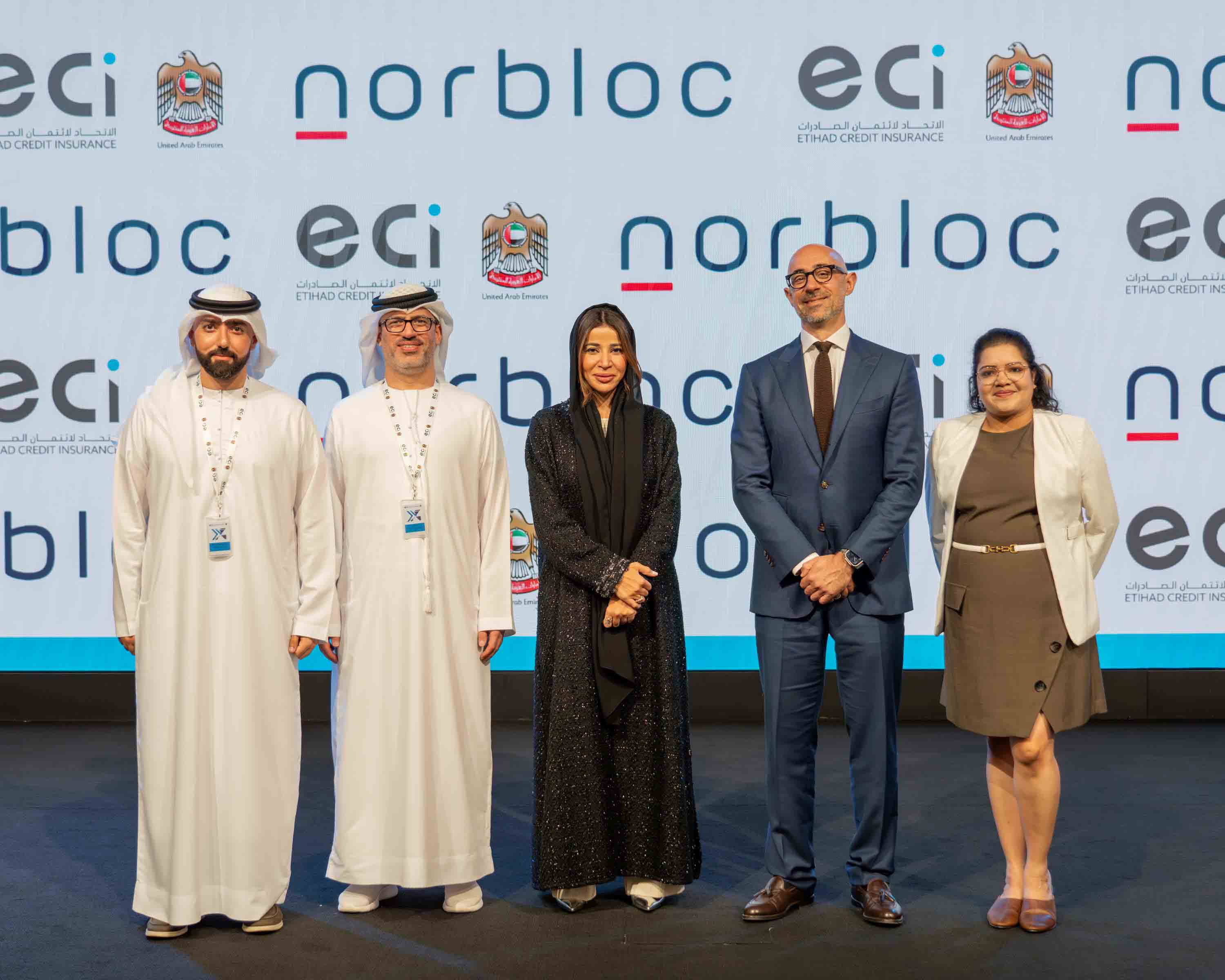
Etihad Credit Insurance , a prominent UAE Federal export credit company, has joined the Know Your Customer Blockchain Platform, marking a milestone for the country’s insurance sector. The partnership, aimed at enhancing the efficiency of customer identity verification, places ECI at the forefront of adopting blockchain technology within the financial industry.

This move reflects a broader trend in the UAE’s ongoing efforts to modernize its financial and insurance sectors. By integrating blockchain-based solutions, ECI joins several other entities striving to increase transparency, reduce fraud, and improve operational efficiency. The KYC Blockchain Platform itself, led by the Dubai Department of Economy and Tourism , represents a key innovation within the region’s fintech ecosystem.

Blockchain’s decentralized nature offers significant advantages for KYC processes. Traditionally, verifying customer identities involves complex, time-consuming procedures that are susceptible to human error and fraud. The adoption of blockchain ensures secure, immutable records, allowing for smoother and faster transactions. By participating in this platform, ECI aims to streamline its own compliance procedures, reducing the need for manual checks and minimizing risks associated with identity theft.

The KYC Blockchain Platform has already gained traction with a growing number of financial institutions and government entities looking to optimize their services. For ECI, the decision to integrate blockchain into its operations comes at a time when trust in digital solutions is paramount. In particular, the move is expected to strengthen the company’s ability to offer enhanced trade credit services, which are crucial for UAE-based businesses involved in international trade.

ECI’s commitment to embracing blockchain technology aligns with the UAE government’s broader push to position the nation as a leader in digital innovation. The country’s strategic focus on blockchain as a key enabler of economic growth is evident in its continued investment in the technology. By incorporating blockchain solutions into its operations, ECI not only aims to simplify its compliance processes but also to contribute to the larger goal of building a more secure and transparent digital economy in the UAE.

Blockchain’s integration into the KYC platform also paves the way for greater collaboration between public and private sectors. Government institutions have been proactive in creating the necessary infrastructure to support blockchain adoption. The Dubai Department of Economy and Tourism’s leadership in this initiative highlights the UAE’s determination to become a global blockchain hub, with numerous projects already underway to explore its applications in diverse sectors such as finance, healthcare, and logistics.

As the UAE continues to embrace new technologies, the success of the KYC Blockchain Platform could serve as a model for other nations aiming to digitize their financial and regulatory systems. The platform’s design, which facilitates secure and real-time sharing of customer information between institutions, addresses one of the most pressing challenges in the global financial sector: the need for robust and efficient identity verification.

The integration of blockchain into KYC processes also aligns with the UAE’s commitment to compliance with global anti-money laundering standards. As the international financial landscape becomes more interconnected, regulatory bodies around the world are increasingly requiring organizations to meet stringent customer verification and monitoring obligations. Blockchain technology’s ability to ensure data accuracy, security, and accessibility provides institutions with the tools they need to comply with these regulations more effectively.

For ECI, this integration represents more than just a technological upgrade. It is part of a larger strategy to remain competitive in an evolving financial environment. The company’s ability to leverage blockchain for more efficient KYC processes enhances its appeal to both local and international businesses. As the UAE’s trade and export sectors grow, having a streamlined and secure system for verifying customers’ identities will be a critical differentiator for businesses operating within the region.

The ECI’s blockchain initiative also promises to have broader implications for the insurance industry in the UAE and beyond. Insurance companies have long faced challenges related to fraud and regulatory compliance. With blockchain’s potential to offer transparent and tamper-proof records, the platform could drive significant changes in how insurers conduct their operations. Moreover, it could encourage more insurers to explore blockchain solutions, further accelerating the sector’s digital transformation.

This development positions ECI as a trailblazer within the UAE’s rapidly expanding blockchain ecosystem. As more companies begin to realize the benefits of blockchain for KYC and other operations, the region could see even greater adoption of this technology. By taking this bold step, ECI not only enhances its own operational capabilities but also contributes to shaping the future of blockchain in the global financial services landscape.

In January 2025, the cryptocurrency market witnessed a significant shift as investors moved away from meme-based tokens like Pepe, Dogwifhat, Pengu, and Floki Inu, which experienced declines exceeding 35%, towards decentralized finance tokens such as Remittix. This transition underscores a growing preference for assets with practical applications over speculative investments.

Pepe saw its price drop to $1.034e-09 USD, marking a 0.16% decrease from the previous close, with an intraday high of $1.229e-09 USD and a low of $9.6939e-10 USD. Similarly, Pudgy Penguins declined by 0.15%, closing at $0.01193705 USD, fluctuating between an intraday high of $0.01408057 USD and a low of $0.01010095 USD. Floki Inu also faced a downturn, with its price decreasing by 0.24% to $0.00009045 USD, reaching an intraday high of $0.00011882 USD and a low of $0.00007839 USD.

In contrast, Remittix , a DeFi token, has garnered significant attention for its innovative PayFi solution, which integrates blockchain technology with local banking networks to enhance cross-border payments. The platform supports over 50 cryptocurrency pairs and allows conversion into more than 30 fiat currencies, offering same-day processing without hidden fees. This practical application has attracted investors seeking assets with tangible utility.

Advertisements

Utah is on the verge of becoming the first state in the United States to officially establish a Bitcoin Reserve, marking a significant shift in the role digital currencies could play in state-backed financial strategies. The state’s legislative body has introduced a bill that would enable the state government to purchase and hold Bitcoin as part of its official reserve assets. If approved, this move could influence other states and global financial systems, potentially setting a precedent for the future of cryptocurrency integration in government reserves.

The proposed legislation reflects Utah’s growing interest in embracing cryptocurrencies as a legitimate asset class. Over the past few years, the state has fostered an environment conducive to blockchain innovation and digital currency adoption. With Utah’s reputation for being business-friendly and its tech-savvy population, this initiative has been met with considerable attention from both cryptocurrency enthusiasts and financial regulators.

The bill’s proponents argue that Bitcoin, with its decentralized nature and limited supply, could provide a hedge against inflation and currency devaluation. As the US dollar’s value fluctuates in response to domestic and global economic pressures, Bitcoin’s deflationary mechanics make it an attractive store of value. Supporters of the Bitcoin Reserve initiative believe that holding a portion of state reserves in Bitcoin could diversify Utah’s financial portfolio, safeguarding it against potential economic downturns.

Utah’s proposed Bitcoin Reserve is not a standalone development. Several other US states, including Wyoming and Texas, have also introduced bills in recent months that explore the integration of Bitcoin into state financial management. While these bills vary in scope, they share a common thread: the desire to position Bitcoin as an accepted, even integral, part of state-backed financial systems.

The move is also viewed as a response to the growing global interest in cryptocurrency as an asset class. Central banks around the world have begun exploring digital currencies, and private institutions have increasingly added Bitcoin to their balance sheets. Bitcoin’s price volatility has presented challenges, but its overall market capitalization has continued to rise, leading some analysts to predict that digital currencies could eventually play a major role in global financial systems.

For Utah, the decision to pursue a Bitcoin Reserve could also have political and economic implications. While the bill has strong support from libertarian-leaning lawmakers and blockchain advocates, it faces opposition from those who are cautious about the risks associated with Bitcoin’s volatility. Critics warn that integrating Bitcoin into the state’s reserve system could expose taxpayers to unnecessary financial risk, especially given the unpredictable nature of cryptocurrency markets.

Despite these concerns, Utah’s government is moving forward with the proposal, citing the potential benefits of Bitcoin as a long-term financial strategy. Utah’s Governor, Spencer Cox, has expressed his belief in the importance of innovation and staying ahead of technological trends, noting that the state should be open to exploring new financial systems that could provide stability and growth in an increasingly digital world.

Another important factor driving Utah’s push for a Bitcoin Reserve is its desire to remain competitive in the tech industry. Utah is home to a thriving technology sector, often referred to as the “Silicon Slopes” due to its proximity to Silicon Valley and its robust network of tech startups. By embracing cryptocurrency and blockchain technology, Utah aims to attract businesses and talent from the burgeoning digital currency industry, which could further strengthen its economy.

The Utah proposal also builds upon the state’s track record of blockchain adoption. In 2019, Utah became one of the first states to recognize blockchain-based signatures as legally valid, and it has since introduced measures to streamline the use of blockchain in state operations. This forward-thinking approach has positioned Utah as a leader in the cryptocurrency space, with the Bitcoin Reserve bill being seen as the natural next step in its ongoing efforts to innovate and modernize its financial system.

The bill’s passage would also be a milestone in the broader national debate over the regulation and integration of cryptocurrencies in government finance. While several states have taken steps toward cryptocurrency regulation, Utah’s Bitcoin Reserve initiative could set the stage for other states to follow suit. Lawmakers across the nation are closely watching the outcome of Utah’s proposal, as it could provide a blueprint for future state-level cryptocurrency legislation.

Opponents of the Bitcoin Reserve initiative argue that Bitcoin’s volatility presents a significant risk to state finances. While Bitcoin’s long-term growth prospects have been lauded by some, its short-term price fluctuations make it a risky asset for any state to hold in its reserves. Critics also point to the environmental concerns surrounding Bitcoin mining, which requires significant energy consumption and has been the subject of ongoing debate within the broader cryptocurrency community.

In response to these concerns, the Utah government has emphasized that the Bitcoin Reserve would represent only a small portion of the state’s overall financial assets. According to proponents, Bitcoin would be used primarily as a hedge against inflation, with traditional assets like gold and bonds continuing to comprise the majority of the state’s reserve holdings. This would allow Utah to take advantage of Bitcoin’s potential upside while mitigating the risks associated with its volatility.

Utah’s Bitcoin Reserve bill includes provisions for regular oversight and risk management protocols, ensuring that the state’s financial security would not be jeopardized by any potential market downturns. The bill also outlines a framework for purchasing and storing Bitcoin, with the state’s treasurer tasked with managing the asset. This added layer of oversight is designed to reassure critics and ensure that Utah’s involvement in cryptocurrency remains in line with traditional financial best practices.

Grayscale, a major player in the cryptocurrency investment space, has debuted its Bitcoin Miners ETF on the New York Stock Exchange Arca on January 30, 2025. The fund targets a niche segment of the market by offering investors a focused approach to Bitcoin mining companies, allowing them to gain exposure to the rapidly growing sector.

The new exchange-traded fund is designed to track the performance of a basket of global Bitcoin miners, including prominent players such as Marathon Holdings, Riot Platforms, and Core Scientific. These companies are central to the Bitcoin mining ecosystem, responsible for securing and validating transactions on the blockchain. By offering a financial product that represents these mining firms, Grayscale aims to provide investors with an alternative way to participate in the cryptocurrency industry without the complexities of directly purchasing and holding Bitcoin itself.

The Grayscale Bitcoin Miners ETF is passively managed, meaning it will replicate the performance of an underlying index, rather than being actively overseen by portfolio managers. This approach allows the fund to provide a straightforward, low-cost means for investors to gain exposure to the performance of mining firms tied to Bitcoin’s value, rather than the cryptocurrency directly. The ETF’s strategy is to offer “targeted, pure-play exposure” to Bitcoin mining operations, making it an attractive investment for those looking to capitalize on the booming demand for Bitcoin while avoiding the volatility associated with directly investing in the digital asset.

Bitcoin mining has become a highly lucrative industry in the past decade, with the increasing demand for the cryptocurrency driving the need for more mining infrastructure. Companies involved in Bitcoin mining operate large-scale data centers, using specialized hardware to perform the computational tasks necessary to add new blocks to the Bitcoin blockchain. As the network becomes more complex and competitive, these firms are under constant pressure to improve efficiency and reduce costs, making them subject to the fluctuations in Bitcoin’s price.

The launch of the Grayscale Bitcoin Miners ETF comes amid a wave of interest in Bitcoin and cryptocurrency-related financial products. Institutional investors have been increasingly looking for ways to gain exposure to the cryptocurrency market, and exchange-traded funds are one of the most popular tools. ETFs offer liquidity, transparency, and ease of trading, making them an appealing choice for those interested in cryptocurrencies but wary of the risks associated with directly holding digital assets.

One of the major benefits of investing in a Bitcoin miners-focused ETF is that it provides diversification. Rather than betting on the volatile price of Bitcoin itself, investors can gain exposure to the performance of the mining companies, which are influenced by a range of factors beyond just Bitcoin’s price. These include operational efficiency, energy costs, and regulatory considerations, which can create opportunities for investors looking to reduce risk while still gaining exposure to the broader cryptocurrency market.

The launch of this ETF also marks a significant milestone for Grayscale, a company known for its prominent digital asset investment products, including the Grayscale Bitcoin Trust . Grayscale has long been a leader in the cryptocurrency investment space, and this latest product further solidifies its position in the growing market for crypto-related financial products.

The introduction of the Bitcoin Miners ETF could also have broader implications for the cryptocurrency market. It may serve as an indicator of increased institutional confidence in the Bitcoin mining sector, which has often been criticized for its environmental impact due to the high energy consumption of mining operations. With the ETF offering a more traditional financial structure, it could help bring Bitcoin mining into the mainstream and open the door for further innovation and investment in this space.

Despite the potential for growth, the Bitcoin mining industry is not without its challenges. The sector faces regulatory scrutiny in several countries, and many governments are considering imposing taxes or other restrictions on mining operations due to concerns over their environmental footprint. Additionally, the price of Bitcoin remains highly volatile, which can have a direct impact on the profitability of mining operations. As a result, the Grayscale Bitcoin Miners ETF will likely see fluctuations in performance as these external factors come into play.

The success of the ETF will largely depend on how well Bitcoin’s price performs over the long term, as mining companies tend to thrive when Bitcoin prices rise. However, even in times of market downturns, these companies can sometimes continue to operate profitably by optimizing their operations and lowering costs.

Bitcoin and Ethereum exchange-traded funds have drawn significant investment inflows, despite a sharp decline in cryptocurrency prices. A notable $318.56 million was poured into Bitcoin ETFs, while Ethereum ETFs saw a more modest but still considerable $27.78 million, signaling investor confidence in these digital assets even amid market uncertainty.

The surge in Bitcoin ETF investments comes at a time when the cryptocurrency has seen substantial volatility. Bitcoin’s value has fluctuated dramatically, yet it remains a central figure in the broader digital asset landscape. Despite this instability, investors have expressed their continued belief in the long-term potential of Bitcoin, driven by increasing institutional interest and Bitcoin’s role as a store of value.

Ethereum, although less volatile than Bitcoin, has also experienced challenges in recent months, but its relatively stable performance in comparison to other altcoins has contributed to its steady inflow of investment into ETFs. Ethereum’s role as the underlying network for decentralized finance applications, alongside its recent network upgrades, has maintained its appeal.

The rise of Bitcoin and Ethereum ETFs is a reflection of a broader trend where institutional investors are beginning to explore digital assets through traditional financial vehicles, providing a sense of legitimacy and accessibility to cryptocurrency markets. These ETFs allow investors to gain exposure to cryptocurrencies without directly holding the underlying assets, providing a safer option for those wary of the risks of self-custody and the volatility in crypto markets.

The appeal of Bitcoin ETFs has been particularly strong in the United States, where regulatory developments have slowly begun to shape the future of cryptocurrency trading. The U.S. Securities and Exchange Commission has been cautious about approving crypto ETFs but has recently signaled increasing openness to their potential. This regulatory stance, while stringent, has created a foundation for the growing number of Bitcoin ETFs, making the asset more accessible to a wider audience. A Bitcoin ETF effectively offers exposure to the digital asset with the benefits of liquidity, security, and the oversight of regulated financial markets.

Ethereum ETFs, though not as numerous, have gained traction as investors look to capitalize on the expanding Ethereum ecosystem. Ethereum’s move to proof-of-stake with the Ethereum 2.0 upgrade has made the network more energy-efficient and scalable, which in turn bolstered its investment prospects. The Ethereum network’s prominence in smart contracts and DeFi projects positions it well for future growth, maintaining investor enthusiasm even when broader market conditions are challenging.

Despite the downturn in the broader crypto market, where other digital currencies have suffered heavy losses, Bitcoin and Ethereum continue to be seen as strong pillars in the space. According to recent reports, Bitcoin’s dominance in the market remains high, and Ethereum’s blockchain continues to be the backbone of many decentralized applications , providing further justification for the influx into their respective ETFs.

The cryptocurrency market’s decline, however, has not been without its consequences. The broader market correction has led to a drop in valuations across the board, impacting altcoins and other tokens. Despite this, Bitcoin and Ethereum remain relatively insulated due to their established networks and larger market caps. As a result, institutional investors are likely to continue favoring these two cryptocurrencies, not only because of their relative stability but also because of the increasing institutional infrastructure that supports their adoption.

Crypto ETFs have also grown in popularity outside the U.S., with Canadian and European markets seeing an influx of Bitcoin and Ethereum-focused ETFs. These markets have been more progressive in embracing crypto-based ETFs, which have now become a significant part of the investment landscape. Europe, in particular, has seen rapid adoption of cryptocurrency ETFs as investors look for more regulated exposure to digital assets.

The correlation between traditional financial markets and cryptocurrency prices has been a focal point for analysts. Many believe that the increase in ETF inflows into Bitcoin and Ethereum may be a sign of institutional investors diversifying their portfolios to hedge against inflation and economic uncertainty. The expansion of ETFs into the crypto space reflects broader trends in the financial markets, where there is growing interest in incorporating alternative assets into investment portfolios.

KUALA LUMPUR, MALAYSIA – Media OutReach Newswire – 31 January 2025 – Memecoins were on the rise in 2024. Their overall market capitalisation increased from $20 billion last January up to $120 billion in December 2024. Such coins as DOGE, PEPE, or SHIB have thrived, primarily driven by community support and innovative strategies. Some experts have even acknowledged meme coins as a viable crypto trend. TRUMP, a […]

Blockchain technology is increasingly intersecting with renewable energy initiatives, offering transformative solutions that enhance transparency, efficiency, and accessibility in the energy market. This convergence is fostering a new era of decentralized energy systems, where consumers and producers engage in more direct and efficient transactions. UrbanChain, established in 2017 and based in Manchester Science Park, has developed a green energy marketplace that utilizes artificial intelligence and distributed ledger […]

As the cryptocurrency landscape evolves, investors are closely monitoring projects with the potential to outperform established coins in the first quarter of 2025. Among these, Lightchain AI has garnered significant attention for its innovative approach to integrating artificial intelligence with blockchain technology.

Lightchain AI distinguishes itself through its Proof of Intelligence consensus mechanism and the Artificial Intelligence Virtual Machine . The PoI system rewards nodes for executing AI-specific tasks, such as model training and inference, thereby enhancing both network security and advancing AI capabilities. The AIVM provides a dedicated environment for running AI workloads, positioning Lightchain AI as a versatile platform for industries including healthcare, finance, and supply chain management. During its presale phase, Lightchain AI raised over $8 million, with tokens priced at $0.004875 each. Analysts predict that by the end of Q1 2025, the token could reach values between $0.15 and $0.20, contingent on adoption rates and ecosystem development.

In addition to Lightchain AI, other cryptocurrencies are anticipated to perform well in early 2025. Ethereum , the leading platform for decentralized applications and decentralized finance , is expected to benefit from the increasing adoption of Layer 2 scaling solutions like Arbitrum and Optimism. These solutions aim to enhance transaction throughput and reduce fees, thereby improving user experience. Price forecasts for Ethereum suggest it could reach between $5,000 and $6,000 in the first quarter, driven by the growing popularity of DeFi platforms and non-fungible tokens .

Cardano , recognized for its research-driven approach and commitment to scalability, is also on investors’ radars. The platform’s focus on sustainability and decentralized governance has attracted a dedicated community. With the anticipated launch of enhanced DeFi capabilities in early 2025, Cardano’s utility is expected to increase. Analysts project that ADA could trade between $1.50 and $2.50 during this period, with potential for higher gains if its ecosystem achieves significant adoption.

The broader cryptocurrency market is experiencing a surge in interest, partly due to favorable regulatory developments. The current U.S. administration has signaled a more crypto-friendly stance, with proposals to appoint pro-crypto figures to key regulatory positions. This shift is expected to provide greater clarity and support for the industry, potentially leading to increased institutional investment and mainstream adoption.

Remittix, a new altcoin making waves in the cryptocurrency world, has captured the attention of investors worldwide. The token has emerged as a strong contender in the cross-border payments market, drawing significant interest with its capped supply of 1.5 billion tokens and projections of impressive returns in the coming years. Early investors are positioning themselves for what many believe will be a major shift in global financial transactions.

Cryptocurrency has always been synonymous with volatility, but Remittix’s rise is being closely watched for its potential to disrupt the international money transfer industry. The altcoin is designed to make cross-border transactions faster, cheaper, and more secure, leveraging blockchain technology to bypass traditional banking systems. Its appeal lies not just in its technical capabilities but in the promises of substantial financial rewards. Analysts forecast returns of up to 100x by 2025, which has led thousands of investors to rush into the early stages of the token’s launch.

With a limited total supply of tokens, Remittix offers scarcity, one of the driving forces behind its growing popularity. Supply cap is often seen as a positive factor for investors looking for potential long-term value. The token has already shown significant growth in its early trading stages, with its value increasing substantially within a short time frame. While the cryptocurrency market remains speculative, Remittix is seen as an altcoin with strong growth prospects, especially given the ongoing trends in digital finance.

The altcoin’s potential to transform the cross-border payments sector cannot be overstated. Remittix is designed to offer faster settlement times and lower transaction costs compared to traditional banking systems, which often charge hefty fees for international money transfers. Blockchain technology, which powers Remittix, is seen as a way to streamline this process, allowing for near-instantaneous transfers at a fraction of the cost of traditional methods. For individuals and businesses sending money across borders, this is a game-changer, especially in regions where access to affordable banking services is limited.

Global remittances, a critical source of income for many households in developing economies, can be subject to exorbitant fees. Traditional financial institutions have long dominated this space, but blockchain-based solutions like Remittix are offering an alternative. The potential to democratize cross-border payments and provide a more equitable solution for those without access to traditional banking services has made Remittix a particularly attractive proposition for investors looking to make a difference in the world of finance.

The rise of Remittix also coincides with a broader trend toward decentralization in the cryptocurrency space. Investors are increasingly seeking alternatives to centralized financial systems, driven by concerns over privacy, control, and access. With its decentralized nature, Remittix promises to give users more control over their financial transactions, eliminating the need for third-party intermediaries such as banks. This aligns with the growing demand for peer-to-peer financial solutions that prioritize user autonomy and transparency.

Although the altcoin’s success has garnered attention, some experts warn that the cryptocurrency market remains highly speculative. The rapid growth of tokens like Remittix is often met with caution, as fluctuations in value and regulatory challenges remain a significant concern. Despite these risks, the growing demand for alternative financial systems has kept the momentum behind Remittix strong. For those willing to take on the inherent risks of the market, the rewards could be substantial.

As the cryptocurrency market continues to evolve, Remittix’s future remains uncertain but promising. With its ambitious goals, experienced development team, and increasing investor interest, the token is poised to become a significant player in the evolving landscape of cross-border payments. As we move toward 2025, the projections for Remittix’s growth and its potential to transform the way money moves across borders will be closely watched by both investors and industry experts alike.

The global remittance market is worth billions of dollars annually, and any advancements that lower costs or increase efficiency have the potential to make a lasting impact. For those looking to capitalize on the cryptocurrency boom, Remittix represents a unique opportunity to enter a market that is still in its infancy but shows incredible promise. However, as with all investments, especially in the volatile world of cryptocurrency, it is crucial for investors to conduct thorough research and understand the risks involved.

xJar Protocol has launched a decentralized finance platform on the BNB Chain, offering users a guaranteed 1% daily return on their BNB investments. This initiative aims to provide a sustainable and transparent investment opportunity within the DeFi ecosystem.

The platform operates through a fully automated system, utilizing smart contracts to ensure daily returns without the need for manual intervention. This approach eliminates traditional intermediaries, allowing for direct and efficient transactions. The smart contracts are designed to be transparent and trustless, providing users with real-time transaction tracking and verification.

Key features of the xJar Protocol include a multi-level referral system to encourage community growth, fully audited smart contracts to ensure security, and a minimal entry barrier with competitive gas fees. The protocol’s design focuses on sustainability, with a mathematically balanced reward structure to maintain consistent returns.

The platform’s security measures are robust, incorporating multiple independent security audits, real-time transaction monitoring, and automated threat detection. These measures are intended to protect user funds and maintain the integrity of the system.

XRP’s price surge in 2025 has brought attention to the asset’s growing dominance on centralized exchange platforms, with more than 23% of the total circulating supply concentrated in the hands of just 11 exchanges. This significant shift raises concerns about liquidity and market control, particularly as XRP edges closer to its historic highs. As the cryptocurrency continues to see rising demand, a closer look at its distribution and trading volumes reveals the intricate relationship between exchange platforms and the price movement of the digital asset.

Data from prominent blockchain analysis firms show that XRP, with over 57 billion tokens in circulation, has seen a substantial amount of its supply centralized in the portfolios of top exchanges. The concentration of this cryptocurrency in a few hands is a critical factor in understanding its volatile price fluctuations. As the supply becomes more concentrated, it gives these platforms an increased influence over the market, potentially leading to artificial price movements or market manipulation concerns. This shift highlights the growing power of centralized entities within the largely decentralized cryptocurrency landscape.

The leading exchanges holding the bulk of XRP tokens include major players such as Binance, Coinbase, and Kraken, all of which are involved in substantial XRP trading volumes. With these platforms holding large percentages of the total supply, their actions—whether it be large-scale buying or selling—have the ability to drastically impact XRP’s price. The trend reflects a broader shift in cryptocurrency trading, where institutional involvement and the growing consolidation of supply on fewer exchanges are altering the dynamics of market liquidity and price stability.

The significant concentration of XRP on centralized exchanges has sparked debates about the risks and benefits of such an arrangement. Proponents argue that centralized exchanges provide the necessary infrastructure for retail investors to access and trade XRP, facilitating broader adoption. They also highlight that these platforms typically offer more robust security features, which may attract a broader base of traders seeking stability in the sometimes volatile world of cryptocurrencies. Furthermore, centralized exchanges can often offer quicker trade execution, which is vital for users seeking to capitalize on XRP’s price movements.

However, critics of the centralization trend express concerns about the potential for market manipulation. When large portions of a cryptocurrency’s supply are held on a limited number of exchanges, it increases the risk of coordinated actions that can influence the price, creating an uneven playing field for smaller investors. These exchanges, by virtue of their size and control over supply, have the ability to move the market by either buying or selling large quantities of tokens, which could lead to artificial inflation or deflation of XRP’s price.

The reliance on centralized exchanges raises questions about decentralization, a core value within the cryptocurrency community. While XRP itself is often viewed as a decentralized asset, its increasing concentration in the hands of centralized players seems at odds with the ethos that many in the cryptocurrency world champion. The trend challenges the notion that digital currencies should be accessible and controlled by individuals rather than large institutional players.

The increase in centralized exchange holdings of XRP coincides with a broader trend in the cryptocurrency market, where the role of institutional investors and exchanges has become more pronounced. In particular, the rise of institutional investment products like ETFs and futures contracts has contributed to the growing presence of centralized entities in the digital asset space. These developments suggest that the market may be moving toward greater institutional control, further distancing itself from the decentralized vision that once defined cryptocurrencies.

As XRP continues to attract attention from institutional investors, its price has experienced significant fluctuations. The cryptocurrency market, known for its volatility, is deeply influenced by factors such as regulatory developments, technological advancements, and large transactions by institutional traders. XRP’s price surge in 2025 can be attributed to multiple factors, including increased interest from retail investors, positive regulatory developments, and a more favorable market environment for cryptocurrencies as a whole. However, the dominance of centralized exchanges raises questions about the long-term sustainability of these price gains.

While XRP’s price may be reaching new heights, analysts are also focused on the underlying risks associated with the growing concentration of the asset in centralized platforms. As exchanges continue to hold more of the circulating supply, the potential for large price swings increases, particularly if these platforms decide to shift large amounts of XRP or if regulatory actions cause market disruptions. The market remains highly sensitive to external factors, with price movements often reflecting shifts in investor sentiment, technological advancements, and regulatory changes.

Transak, a Web3 payment infrastructure provider, has partnered with Uranium.io, a blockchain-based uranium trading marketplace, to allow retail investors to purchase tokenized uranium using cryptocurrency. This innovative move significantly lowers the barriers to entry for uranium investments, allowing crypto users to access the market for as little as $10, a stark contrast to the previous minimum investment of $4.2 million required for over-the-counter uranium trades.

The partnership is poised to transform the way investors approach the commodity sector, specifically the uranium market, by leveraging blockchain technology. Tokenization, a process that converts physical assets into digital tokens, has been gaining traction across various industries, including real estate, fine art, and now, commodities like uranium. This collaboration between Transak and Uranium.io provides a simplified and accessible way for retail investors to buy tokenized uranium and trade it on a decentralized marketplace.

The decision to lower the minimum investment requirement is a strategic move aimed at democratizing access to a market that was once largely restricted to institutional investors and high-net-worth individuals. The ability to invest in uranium using cryptocurrencies like Bitcoin or Ethereum opens up a new avenue for crypto enthusiasts to diversify their portfolios. Uranium.io’s blockchain-based platform facilitates this process, offering a secure and transparent trading environment for both new and experienced investors.

Uranium.io, the world’s first blockchain-based uranium trading marketplace, has been at the forefront of bringing traditional commodities onto the blockchain. By tokenizing uranium, the platform aims to increase liquidity and accessibility within an otherwise opaque and illiquid market. Historically, uranium trading has been dominated by large-scale transactions, with over-the-counter trades involving millions of dollars in capital. The lack of transparency and the high financial threshold meant that retail investors were largely excluded from the market. However, tokenization allows for fractional ownership of uranium, enabling smaller-scale investments.

Through the integration with Transak, a company known for simplifying cryptocurrency payments, users can now purchase tokenized uranium in smaller amounts, enabling more people to participate. Transak’s seamless integration with various cryptocurrencies, coupled with the ability to purchase tokenized uranium, simplifies the process for users who are already familiar with crypto-based transactions. The platform supports a variety of cryptocurrencies, making it easy for users to buy tokenized uranium using their preferred digital assets.

The move towards tokenized uranium comes at a time when the commodity has gained attention due to its critical role in the global energy transition. Uranium is a key component in nuclear energy production, which has seen a resurgence as nations seek to reduce their carbon footprints and meet energy demands. As the world turns towards cleaner energy solutions, uranium’s role in powering nuclear reactors becomes increasingly important. By enabling wider access to uranium trading, the Transak-Uranium.io partnership could help facilitate investments in the sector at a time of growing demand.

The flexibility and accessibility of blockchain technology have made tokenization a powerful tool for unlocking value in traditionally illiquid markets. With the tokenization of uranium, the asset can be traded more efficiently, enabling investors to take advantage of price fluctuations and market trends in real-time. This also brings increased transparency to the uranium market, as blockchain provides an immutable ledger of transactions that can be publicly verified.

This partnership could also pave the way for other commodity markets to explore tokenization as a method of broadening access to retail investors. As the crypto ecosystem continues to expand, industries like energy, mining, and agriculture may follow suit by adopting blockchain technology to enable fractional ownership and trading of physical assets. For now, the tokenized uranium market offers a promising glimpse into the future of commodity trading.

For many investors, the tokenization of uranium is an opportunity to capitalize on the commodity’s potential growth. With the energy crisis and the global push for sustainability, uranium’s value is likely to increase as more countries invest in nuclear power. Tokenized uranium offers investors a way to gain exposure to the uranium market without having to deal with the complexities of traditional trading methods, such as securing physical uranium or navigating over-the-counter markets.

The growth of decentralized finance and the rise of blockchain-based platforms for commodity trading are part of a larger trend in which the traditional financial system is being redefined. Investors are increasingly looking for alternative investment opportunities that offer greater flexibility, transparency, and lower entry barriers. The Transak-Uranium.io partnership aligns with this trend, offering a new way to access an asset class that was previously difficult to reach.

Despite the advantages that tokenized uranium offers, there are still challenges to overcome. The regulatory landscape for tokenized commodities is evolving, and there is a need for greater clarity on how tokenized assets are classified and taxed. Additionally, the volatility of cryptocurrency markets presents risks for investors who may not be accustomed to the price swings of digital assets. However, for those willing to embrace these risks, the potential rewards could be substantial.

Dubai’s skyline is on the cusp of welcoming a groundbreaking addition that could signal a new era in urban development. On January 15, 2025, the Dubai Multi Commodities Centre and Reit Development unveiled plans for a 17-story building designed to showcase the practical applications of blockchain technology. Dubbed the “Crypto Tower,” this high-rise aims to be a centerpiece for the burgeoning decentralized finance and Web3 sectors within […]

A new digital token, WallitIQ , has captured the attention of analysts and investors, with predictions suggesting it could achieve a massive 50,000% rally by mid-2025, eclipsing the popular cryptocurrency Dogecoin . The bold projections, which draw parallels between WLTQ and the early success of Dogecoin, have set the stage for what could become one of the most significant DeFi market shifts in the coming years.

WallitIQ, currently priced at approximately $0.0420 per token, has generated a considerable amount of buzz in cryptocurrency communities. Analysts are noting the token’s potential for rapid growth, especially in light of the ongoing boom in decentralized finance projects. Unlike Dogecoin, which initially gained popularity as a meme coin, WallitIQ is positioning itself as a functional asset within the expanding DeFi ecosystem, offering utilities that could drive its value through real-world adoption.

What differentiates WallitIQ from Dogecoin, and why are experts so optimistic? The DeFi sector, which WallitIQ is part of, has been on an upward trajectory, fueled by decentralized exchanges , yield farming, and liquidity pools. DeFi has redefined how digital assets are utilized, allowing for more utility and, by extension, more growth potential for tokens like WallitIQ. In contrast, Dogecoin, though immensely popular, remains limited in terms of real-world use cases outside of speculative trading and social media-driven movements.

The high expectations surrounding WallitIQ stem from its innovative features and its backing by a team of blockchain experts who have managed to secure strong partnerships within the DeFi space. This network of relationships could contribute significantly to the token’s adoption, boosting its value through greater use within decentralized applications and services. These developments are crucial, as cryptocurrencies with tangible applications tend to experience more sustained growth than those reliant solely on speculative interest.

The rise of WallitIQ has coincided with a growing interest in alternative cryptocurrencies to traditional tokens like Bitcoin and Ethereum. As investors look for new opportunities in the ever-evolving crypto space, many are turning their focus to promising altcoins, with WallitIQ being a prominent contender. The token’s relatively low price point also makes it an attractive option for those looking to capitalize on a potential long-term gain, especially given the expected surge in value predicted by leading market analysts.

Industry experts point to several factors that may contribute to WallitIQ’s rapid ascension. One of the most critical factors is the growing focus on token utility and the integration of real-world applications. WallitIQ’s team has reportedly been in talks with various companies across different sectors to integrate their token into products and services, potentially increasing its demand. This type of strategic partnership has been key to the success of other DeFi tokens, setting a strong precedent for WallitIQ’s potential growth.

The broader trend of increasing institutional interest in DeFi projects cannot be ignored. With major financial institutions and venture capital firms showing greater willingness to invest in decentralized finance, the influx of capital into promising projects like WallitIQ could drive its value to new heights. Unlike Dogecoin, which largely relies on community sentiment and social media trends, WallitIQ’s strong backing and institutional interest set it apart in a rapidly maturing market.

Despite the optimism surrounding WallitIQ, experts acknowledge that the cryptocurrency market remains volatile, and predictions of 50,000% returns should be viewed with caution. Historical trends show that while some tokens have achieved significant growth, the crypto market is still highly speculative and unpredictable. Investors are advised to consider the risks involved before diving into projects that promise astronomical returns.

However, the overarching trend of DeFi and the increasing acceptance of blockchain-based financial systems suggest that WallitIQ is well-positioned to capture a larger share of the market. As more individuals and institutions turn to decentralized platforms for their financial needs, WallitIQ’s utility could play a significant role in driving its value beyond even the most optimistic projections.

At the heart of WallitIQ’s anticipated growth is its potential to carve out a niche within the DeFi space that not only challenges Dogecoin’s dominance but offers a more robust, practical alternative for investors seeking tokens with long-term viability. If the predictions hold true, WallitIQ could soon become one of the most talked-about tokens in the cryptocurrency world, outpacing even the established giants of the market.

MANTRA, a blockchain platform for tokenizing real-world assets , has finalized a significant $1 billion agreement with DAMAC Group, a leading investment conglomerate in the UAE. This strategic partnership, announced on January 9, focuses on the tokenization of various assets within the Middle East region, bringing blockchain innovation into a thriving market.

The agreement underscores MANTRA’s commitment to expanding the use of decentralized finance solutions for asset management, leveraging blockchain’s potential to revolutionize traditional industries. DAMAC, known for its prominent presence in the real estate sector, will collaborate with MANTRA to tokenize a range of physical and financial assets, making them accessible through the blockchain.

DAMAC Group, founded by billionaire Hussain Sajwani in the early 2000s, has diversified its investments into several sectors, including real estate, hospitality, and entertainment. The company’s high-profile developments include luxury residential towers and resorts, which have shaped Dubai’s skyline. With a reputation for delivering upscale properties, DAMAC has long been recognized as one of the most influential developers in the region. By embracing blockchain technology, the firm seeks to modernize asset management and broaden the scope of its investment strategies.

MANTRA, on the other hand, has been gaining traction in the blockchain space for its unique approach to tokenizing real-world assets, including properties, commodities, and financial instruments. The platform’s capabilities allow users to invest in traditional assets using blockchain technology, enhancing liquidity and enabling fractional ownership. This process democratizes access to high-value assets, which was previously out of reach for smaller investors.

The partnership’s centerpiece is the tokenization of real estate assets, one of the most significant areas of focus. By converting physical properties into digital tokens, MANTRA and DAMAC aim to make real estate investment more inclusive and accessible. Investors can now trade or hold fractional ownership of properties without the traditional barriers of entry, such as the need for large capital investments or navigating complex ownership structures.

For DAMAC Group, this partnership represents an opportunity to broaden its investor base, reaching not only institutional investors but also individuals seeking exposure to high-end real estate. The ability to tokenize properties provides greater flexibility in managing assets and allows for more efficient transactions, as blockchain technology ensures transparency and reduces the need for intermediaries.

On a broader scale, the partnership aligns with global trends in digital finance, where the tokenization of real-world assets is seen as the next frontier for blockchain technology. While still a relatively new concept, the market for tokenized assets is rapidly growing, driven by increasing demand for alternative investment opportunities and the potential for blockchain to streamline asset trading.

The collaboration is also expected to have a broader economic impact in the UAE. The country has positioned itself as a global hub for technology and innovation, with several initiatives promoting the adoption of blockchain and other emerging technologies. This agreement between MANTRA and DAMAC highlights the UAE’s continued efforts to integrate cutting-edge technologies into traditional industries such as real estate.

Tokenization has the potential to address several challenges in the real estate sector, including illiquidity, high transaction costs, and the complexity of cross-border investments. Blockchain’s decentralized nature provides enhanced security and reduces the risks typically associated with traditional financial systems. Through tokenization, investors can gain access to a much broader array of real estate opportunities, including properties that were once considered inaccessible due to geographic or financial constraints.

The agreement between MANTRA and DAMAC could pave the way for future collaborations with other players in the real estate and investment sectors, both in the UAE and beyond. With the rise of digital assets, there is an increasing need for traditional businesses to adapt to the changing landscape of finance. Blockchain and tokenization offer a solution that meets this need, providing greater transparency, security, and efficiency in asset transactions.

The tokenization of RWAs is not just limited to real estate. Other sectors, including commodities, art, and even intellectual property, are beginning to explore how blockchain can enhance their operations. This trend is expected to accelerate in the coming years, as more businesses realize the potential benefits of tokenizing their assets. In this context, the MANTRA-DAMAC partnership could serve as a model for other companies looking to tap into the growing market for blockchain-based asset management.

As the global economy continues to evolve, so too does the role of blockchain in reshaping traditional industries. The MANTRA-DAMAC collaboration is a clear example of how blockchain technology can be leveraged to unlock new opportunities, reduce friction in asset transactions, and foster a more inclusive financial ecosystem. The success of this partnership will likely have far-reaching implications for the future of asset tokenization, setting the stage for further innovation in the years ahead.

Circle has launched Paymaster, a new on-chain utility designed to simplify the payment of gas fees on Arbitrum and Base networks using USDC. The tool, which allows developers to integrate this service into their applications, aims to streamline the transaction process and reduce friction for users interacting with decentralized applications .

Paymaster offers a significant advantage for developers by allowing them to cover gas fees for their users, making transactions smoother and more cost-effective. This feature removes the typical barrier of needing Ether for transaction fees on Ethereum Layer 2 solutions, opening the door for a wider range of users who may not hold ETH but possess USDC. For users of Arbitrum and Base, this means they can conduct transactions without worrying about Ethereum gas fees.

Although Paymaster charges a 10% fee on each gas transaction, it offers a promotional period where the service is free until June 30, 2025. This strategic move is aimed at encouraging widespread adoption of the tool and attracting developers to integrate it into their applications during the promotional window. By removing the upfront costs associated with using the service, Circle hopes to increase the number of dApps leveraging Paymaster for smoother user experiences and broader accessibility.

The introduction of Paymaster comes as part of a broader trend of developing more user-friendly, accessible tools for the growing decentralized finance ecosystem. One of the ongoing challenges for the DeFi sector has been the complexity and cost associated with transaction fees, particularly on Ethereum-based networks. By introducing Paymaster, Circle is aiming to reduce some of these barriers, helping to bring the benefits of blockchain technology to a larger, more diverse group of users.

This launch also highlights Circle’s continued efforts to play a leading role in the broader blockchain ecosystem, particularly in the realm of stablecoins. USDC, Circle’s stablecoin, is already widely used across multiple networks, and the ability to use it for gas payments on Layer 2 solutions like Arbitrum and Base could increase its utility and solidify its position as a preferred digital dollar for decentralized applications.

By enabling gas fee payments in USDC, Circle is helping to reduce the friction that users and developers face when interacting with blockchain applications. It addresses the need for a more accessible way for users to participate in the growing ecosystem without needing to convert assets into ETH, simplifying the user experience and promoting the broader adoption of blockchain technology.

Developers stand to benefit from Paymaster as well, as it provides a way to ensure users can interact with their applications without worrying about transaction costs. This could make it easier for new users to enter the space, as the upfront costs for interacting with decentralized applications are often seen as a significant barrier to entry.

The promotional period of Paymaster being free until mid-2025 also serves as a clear invitation for developers to experiment with the tool and incorporate it into their applications without the concern of initial fees. By offering this incentive, Circle hopes to build a solid foundation of users and developers before the 10% fee becomes effective, which could lead to more long-term integration of Paymaster into various blockchain ecosystems.

As blockchain and crypto technology continue to evolve, the launch of services like Paymaster reflects the ongoing trend of trying to make the space more user-friendly and less daunting for new participants. With the promise of smoother transaction experiences and reduced costs, this service is expected to have a significant impact on the future development of decentralized applications and blockchain use cases.

Brad Garlinghouse, the CEO of Ripple, has expressed strong support for a diversified U.S. digital asset reserve, which would include a broad range of cryptocurrencies rather than focusing solely on Bitcoin or Ripple’s XRP. His remarks come amid growing discussions about the future of digital currencies and their role in the global financial system. In an interview, Garlinghouse underscored the importance of building a multi-asset reserve, arguing […]

Tyler Winklevoss, co-founder and CEO of cryptocurrency exchange Gemini, announced on January 30, 2025, that the company will not hire graduates or interns from the Massachusetts Institute of Technology as long as former U.S. Securities and Exchange Commission Chair Gary Gensler maintains any affiliation with the institution. This decision follows MIT’s recent reappointment of Gensler as a professor, a move that has sparked controversy within the cryptocurrency community.

Winklevoss expressed his stance on social media, stating, “As long as @MIT has any association with Gary Gensler, @Gemini will not hire any graduates from this school. Not even interns for our summer program.” This statement underscores the tension between Gemini and MIT, highlighting the significant impact of Gensler’s return on the hiring policies of leading cryptocurrency firms.

The reappointment of Gensler, who served as SEC Chair from 2021 to 2023, has been met with mixed reactions. Supporters view his return as a positive development for MIT, bringing a wealth of experience in financial regulation and policy. However, critics, including Winklevoss, argue that Gensler’s tenure at the SEC was marked by stringent regulations that they believe stifled innovation in the cryptocurrency sector. They contend that his policies were overly restrictive and detrimental to the growth of digital assets.

Gemini’s decision to halt hiring from MIT reflects broader concerns within the cryptocurrency industry regarding regulatory approaches to digital assets. The industry has long advocated for clearer and more favorable regulations to foster innovation and growth. The reappointment of Gensler, perceived by some as a proponent of stringent regulations, has intensified these concerns.

The move by Winklevoss has sparked discussions about the relationship between academia and the cryptocurrency industry. Universities like MIT have been at the forefront of blockchain and cryptocurrency research, often collaborating with industry leaders. However, the differing perspectives on regulation and innovation have led to tensions, as evidenced by Gemini’s stance.

Industry analysts are closely monitoring the situation, noting that such actions could influence future collaborations between academic institutions and cryptocurrency firms. The decision by Gemini may prompt other companies to reassess their engagement with MIT and similar institutions, potentially leading to a reevaluation of partnerships and hiring practices within the industry.

Propichain has seen a surge in interest, drawing attention from traders looking for high-return opportunities as Cardano’s price stagnates. Analysts, who remain optimistic about Cardano’s long-term prospects, are closely watching the rise of Propichain, a new player in the blockchain ecosystem with a focus on real estate applications. Despite Cardano’s past success, the recent downturn has led investors to explore alternatives, with Propichain emerging as a promising contender for those seeking greater gains.

Cardano, once a leader in the blockchain space, has seen its momentum slow down significantly. Price analysts and traders are increasingly concerned about its short-term performance, with some questioning whether the blockchain can deliver on its early promise in the face of emerging competition. Propichain, however, has gained traction quickly by offering a unique value proposition in the form of a real estate-focused ecosystem. This new approach is garnering attention for its potential to capitalize on the growing demand for blockchain technology in the real estate sector.

Propichain’s strategy revolves around integrating blockchain solutions with real estate transactions, offering transparency, efficiency, and security. Its platform is designed to simplify the process of buying, selling, and renting properties through smart contracts and decentralized finance mechanisms. This offers a more direct way to facilitate transactions while reducing the need for intermediaries, a key pain point in traditional real estate markets.

What sets Propichain apart from other blockchain projects is its commitment to solving real-world problems in an industry that has been slow to adopt blockchain technology. Real estate is a sector that has been plagued by inefficiencies, such as lengthy processes, high transaction costs, and issues with trust between parties. Propichain aims to address these challenges, providing a solution that could revolutionize the way properties are traded globally.

Propichain’s real estate tokenomics also offer a strong incentive for investors. The blockchain’s native token is used to facilitate transactions and incentivize participants within the ecosystem, including buyers, sellers, developers, and other stakeholders. Analysts have noted that the potential for massive returns in this sector is a key factor driving interest in Propichain, especially given its innovative approach to tackling the inefficiencies that have long hindered real estate transactions.

For Cardano enthusiasts, the slowdown in its price performance has led many to look for viable alternatives with more immediate growth potential. While Cardano continues to be viewed positively by many long-term investors, Propichain’s rise is providing an opportunity for traders seeking quicker returns. Cardano’s slower growth in the market, despite the continued development of its ecosystem, has left some investors feeling cautious. In contrast, Propichain’s rapid development and novel approach to real estate make it an appealing choice for those eager to capitalize on a potentially explosive market.

The growing interest in Propichain is further fueled by the increasing demand for blockchain solutions in sectors beyond cryptocurrency. Real estate, with its global appeal and the constant need for innovation, offers an ideal environment for blockchain to thrive. As more developers and real estate professionals explore the benefits of decentralized platforms, Propichain is positioning itself to become a key player in this emerging market.

Traders have taken notice of Propichain’s potential to deliver high returns in a relatively short period. With its strategic focus on real estate and a unique tokenomics structure, Propichain offers a compelling investment opportunity for those looking to diversify their portfolios and gain exposure to a rapidly growing industry. As blockchain adoption continues to expand across various sectors, Propichain’s real estate ecosystem could be well-positioned for a parabolic rally in the coming months.

Despite the excitement surrounding Propichain, analysts have cautioned that the volatility of the cryptocurrency market remains a factor to consider. As with all emerging technologies, there are inherent risks involved. However, the growing demand for innovative solutions in real estate, combined with Propichain’s early success, positions the platform as a potentially significant player in the blockchain space.

While Cardano’s price performance has left many investors feeling uncertain, the development of Propichain has provided an intriguing alternative. As blockchain technology continues to evolve, the real estate sector stands to benefit significantly from the adoption of decentralized solutions. Propichain’s ability to tap into this market, while offering a more efficient and secure way to conduct transactions, has led many to believe that it may soon become a key player in the cryptocurrency and real estate industries.

VISHNU RAJA
RYO YAMADA
HITORI GOTOH
IKUYO KITA