News related to
blockchain

AixuSpeed has recorded over US $500,000 in token purchase commitments within the opening 72 hours of its pre‑sale, signalling strong early interest in this meme‑inspired digital asset. The pre‑sale commenced on 6 June 2025 and rapidly surpassed half a million dollars in pledges by 9 June 2025. The project’s emphasis on rapid transaction settlement—claimed to settle in under a second—appears to resonate with buyers seeking frictionless crypto payments.

AixuSpeed positions itself as more than a playful token, blending meme‑driven community appeal with a payment infrastructure optimised for speed and lean fees. The founders highlight a use case aimed at enabling micropayments—such as tipping for digital content or purchasing small goods—without the usual cryptocurrency delays. Co‑founder Sara “AiXuSpeed_” Akram encapsulated the mission: “People love the fun of memes but hate waiting ten minutes for a coffee on‑chain… your transaction travels faster than the joke itself.”

The start‑up combines talk of sub‑second settlements with a tokenomics model designed to incentivise both usage and community growth. The pre‑sale is capped at one billion tokens, with audited liquidity locks in place to guard against early pump‑and‑dump scenarios. These steps seek to reassure early backers of the project’s commitment to stability.

Promised transaction features include extremely low fees, gas efficiency tailored for nano‑transactions, and security via audited smart contracts. Weekly meme‑contests, NFT airdrops, and viral‑marketing strategies complement the technical value proposition, appealing to users who engage with crypto on social and entertainment platforms.

Ahead of a planned decentralised exchange listing in the third quarter of 2025, AixuSpeed expects a tighter circulating supply and intends to initiate a Speed Grants programme to support third‑party developers building integrations for games, social apps, and e‑commerce systems. A cross‑chain bridge, targeting Ethereum Layer 2 and Solana, is scheduled for deployment in the fourth quarter.

Crypto analysts confirm that the meme coin market has matured, increasingly blending narrative‑driven hype with functional attributes. The success of tokens such as Dogecoin, Shiba Inu and others has encouraged new entrants to emphasise utility—particularly in payment infrastructure, speedy confirmations, and affordable micro‑payment services.

Industry observers see AixuSpeed’s approach as reflective of broader shifts. With global crypto usage increasingly focused on everyday digital interactions—streamer tipping, pay‑per‑article access, mobile vending—tokens that can process ultra‑fast and micro‑scaled transactions may satisfy a gap left by traditional payment rails. The project’s emphasis on near‑zero fees could prove significant; historically, micropayment models struggle with high gas costs on Ethereum and similar networks.

However, the crypto sector is littered with pre‑sale projects failing to follow through. While current commitments underscore interest, delivery of speed claims will depend on robust network architecture. Audit documentation confirms that smart contracts have been reviewed, but comprehensive analysis of throughput performance remains pending independent review.

More cautious voices in the blockchain community point out that meme branding can obscure technical fragilities. A prioritisation of viral campaigns and community incentives must still be grounded in reliable infrastructure to avoid user attrition or reputational damage. Achieving sub‑second confirmation requires strong network validators and resilient consensus protocols to maintain finality and resist double‑spend attacks.

Comparisons have been drawn with Kaanch Network, a Dubai‑headquartered Layer 1 blockchain facilitating institutional tokenisation and real‑world asset frameworks. That project raised over $1.12 million in presale and emphasised sub‑second finality and high scalability. While Kaanch targets a higher‑end institutional use case with compliance and regulatory layers, AixuSpeed appears to focus on mass consumer use and community engagement. The contrast underscores diverging paths in the next wave of token presales: utility for business versus utility for consumers.

The $500,000 threshold reached by AixuSpeed is modest in absolute terms compared to multi‑million dollar raises in top‑tier projects. Nonetheless, meeting that target so quickly suggests resonance with investors seeking culturally rich tokens paired with distinct usage claims. Execution over the next six months will determine whether that initial interest solidifies into long‑term value.

Live community sentiment across crypto forums underscores excitement tempered by vigilance. One commentator in a blockchain discussion said: “They’re promising fast transactions and low fees—if they deliver it could be a breakout. But I want to see stress tests.” Such voices reflect the rational‑optimistic posture of well‑informed retail and minor institutional investors.

Analysts stress that vesting schedules, liquidity availability, and team retention will also influence long‑term health. The audit of liquidity locks must be transparent and rigorously maintained to build investor trust. Additionally, the intended Speed Grants programme must be backed by fresh capital and developer interest to generate ecosystem vibrancy, rather than serving as symbolic goodwill.

Roadmap clarity will be tested as the token approaches listing phases later in the year. Delays in bridge deployment or grant distributions could dampen sentiment. Conversely, strong integration wins—such as inclusion in a popular e‑commerce plugin or a gaming micro‑transaction pilot—could validate project potential.

Crypto‑finance observers recommend scrutiny of on‑chain metrics once the DEX listing occurs. Circulating supply figures, early holder distributions, and active wallet counts will be essential early indicators. Long term success will depend on sustained usage beyond speculative trading: on‑chain activity tied to real value exchange would elevate AixuSpeed above meme token competitors.
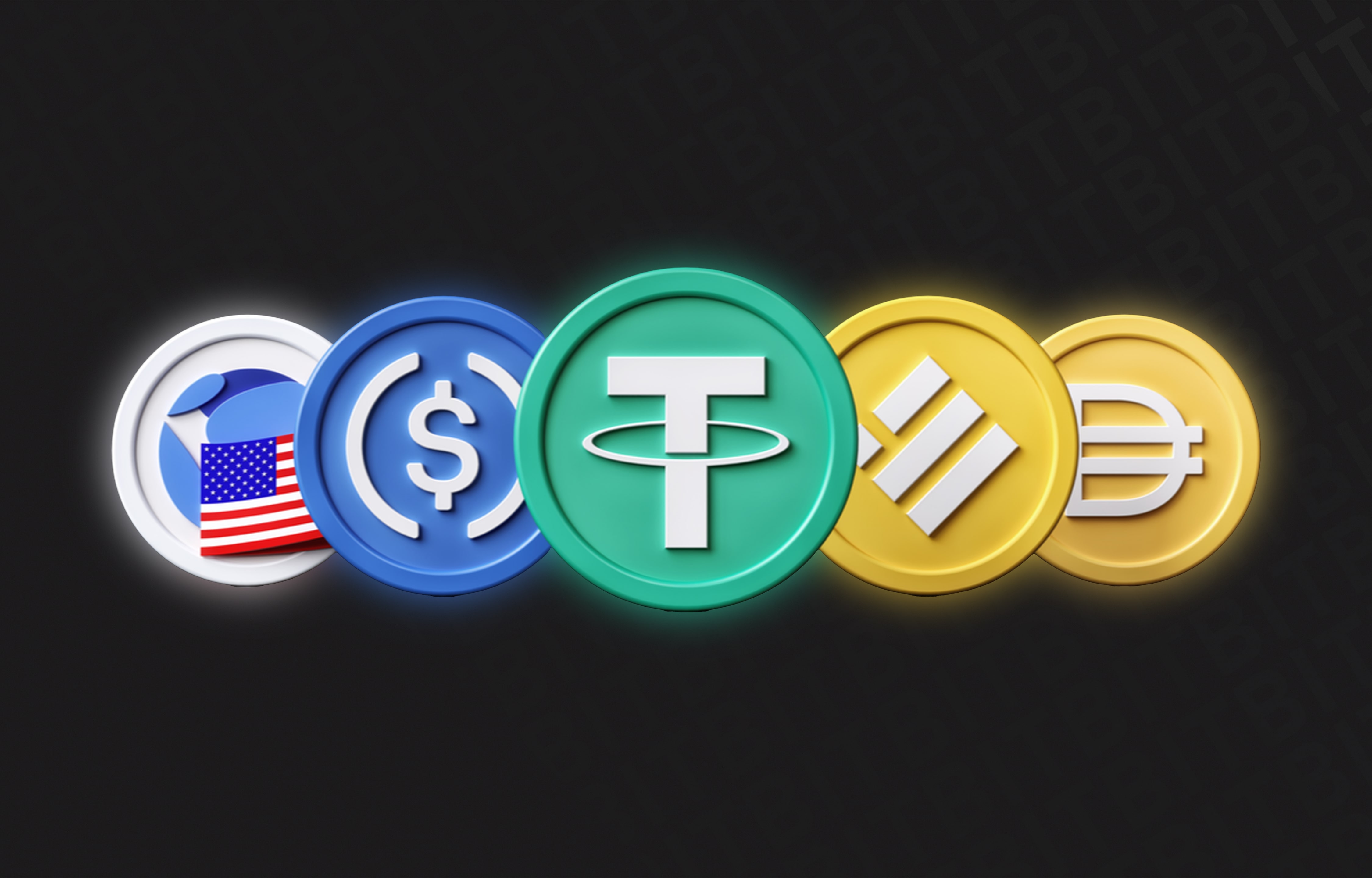
Stablecoins are processing roughly $33 trillion in yearly volume—around 20 times that of PayPal and three times Visa—while amassing $128 billion in U.S. Treasuries, placing these issuers among the top 20 holders of American debt and ahead of major nations such as Germany and Saudi Arabia.

Data from Andreessen Horowitz’s crypto arm shows that over 1 percent of the total U.S. dollar supply is now tokenised on blockchains. Major institutions, including Citi, project that by 2030 stablecoins could accumulate up to $3.7 trillion in Treasury holdings. While Ethereum and Tron currently underpin most of this infrastructure, emerging platforms such as Solana, Arbitrum and Base are gaining traction. Notably, on-chain data reveals that transactional activity in stablecoins appears largely decoupled from broader cryptocurrency trading volumes, indicative of growing real-world adoption. Today, these assets enable sub-second, sub-cent payments—positioning them as serious contenders to onboard the next billion users into the crypto economy.

Market analysts warn that growing stablecoin-backed Treasury holdings may shift demand dynamics for U.S. government debt. One study from academia found that by the end of the first quarter of 2025, Tether held roughly $98.5 billion in Treasury bills—equating to 1.6 percent of total outstanding bills. The research estimates that this level of demand has directly driven down one-month Treasury yields by approximately 24 basis points, indicating that stablecoin issuance is already influencing funding costs and potentially easing liquidity pressures.

Coinciding with this shift is a legislative push in Washington. A bill nearing Congressional approval would require issuers to fully back stablecoins with liquid assets, such as U.S. dollars and short-term Treasuries, and mandate monthly disclosures. Proponents suggest such regulation would reinforce investor trust, legitimize the sector and bolster U.S. debt demand. According to Reuters, Tether and Circle already hold a combined $166 billion in Treasuries—amounts that may increase further under binding legal frameworks.

Financial authorities have offered mixed views. Moody’s warns that large-scale liquidation driven by plunging confidence in stablecoin issuers could destabilise Treasury prices and spill over into broader fixed-income markets. Conversely, policymakers hope that expanded stablecoin activity could facilitate smoother funding for the Treasury, especially if issuers pivot toward demand for short-term debt like bills.

Macro strategies are duly noted. Vanguard’s rates chief suggests that sustained demand from digital currency custodians might spur the Treasury to favour issuing bills over long-term bonds, which could rebalance maturity profiles. Meanwhile, Bitwise’s investment head argues that this growing digital demand could reinforce the dollar’s position as the global reserve currency.

Infrastructure diversification within stablecoins is evolving. Ethereum and Tron continue to dominate, but high-throughput chains like Solana, Arbitrum and Google-backed Base are attracting developers and users aiming to benefit from faster, cheaper payments. The presence of real-world transactions—such as merchant and remittance use cases—underscores that stablecoins are transcending crypto-speculative flows, with sub-cent fees and near-instant settlement now commonplace features.

Emerging risks centre on financial-system vulnerability. The Treasury Borrowing Advisory Committee cautioned that a significant diversion of deposits into stablecoins could dampen demand for Treasuries and potentially curb lending by commercial banks. Money-market managers remain vigilant, with some estimating that stablecoins must scale further before triggering systemic instability.

Proponents counter that regulated stablecoins may alleviate pressures in the Treasury issuance process, with digital platforms absorbing demand in lieu of traditional buyers. Early legislative frameworks could incentivise these issuers to prefer bills over longer-duration instruments, helping to smooth fiscal financing.

Stablecoins are redefining the interface between digital currency networks and the time‑tested Treasury market, leaving policymakers to navigate a complex balance between innovation, stability and monetary control.

World Liberty Financial , a cryptocurrency initiative associated with U.S. President Donald Trump, has executed an airdrop, distributing 47 units of its USD1 stablecoin to each holder of its WLFI token. The distribution, conducted on the Ethereum blockchain, was automatic and required no action from recipients. The figure of 47 USD1 tokens per wallet is widely interpreted as a symbolic reference to Trump’s position as the 47th […]

MEXC, a prominent digital asset exchange, has accelerated its stablecoin expansion strategy after acquiring $20 million worth of USDe tokens, marking a notable milestone as its stablecoin ecosystem surpasses a $100 million total value locked . This move signals a determined push by MEXC to strengthen its position in the increasingly competitive stablecoin market and further diversify its crypto offerings.

The $20 million USDe acquisition represents a calculated effort to bolster liquidity and adoption of stablecoins pegged to the US dollar, which have become vital in reducing volatility within the cryptocurrency sector. Stablecoins like USDe offer users a more reliable medium of exchange and store of value compared to traditional cryptocurrencies, which can experience dramatic price swings. MEXC’s increasing focus on stablecoins aligns with global trends where institutional and retail investors seek safer avenues for digital asset investment amid regulatory uncertainties and market fluctuations.

Beyond the recent purchase of USDe, MEXC’s stablecoin portfolio has seen sustained growth, pushing the platform’s total stablecoin value locked to exceed $100 million. This figure reflects the combined assets users have committed within MEXC’s stablecoin ecosystem, encompassing liquidity pools, staking, and yield farming products. The growing TVL not only underscores user confidence but also enhances the exchange’s capacity to support high-volume trading and DeFi activities anchored by stablecoins.

MEXC’s engagement in the stablecoin space builds upon its earlier strategic $16 million investment in Ethena, a notable innovator specialising in stablecoin technology and ecosystem development. Ethena’s platform focuses on creating programmable, algorithmic stablecoins that aim to maintain price stability through decentralised governance and dynamic supply adjustments. By backing Ethena, MEXC has positioned itself at the forefront of stablecoin innovation, tapping into emerging technologies that could redefine how digital currencies achieve and sustain their peg.

The decision to invest heavily in USDe and Ethena also comes amid rising competition among exchanges and financial platforms seeking to capture market share in stablecoin issuance and trading. Major players like Tether , USD Coin , and Binance USD dominate market capitalization, but newer tokens like USDe have gained traction through enhanced transparency, regulatory compliance, and blockchain interoperability. MEXC’s adoption of USDe highlights its intent to diversify beyond the dominant incumbents, offering users alternatives that may align better with evolving regulatory frameworks.

Industry experts note that the integration of stablecoins into broader financial systems remains a critical driver for crypto adoption. Stablecoins facilitate cross-border payments, remittances, and decentralised finance applications with reduced friction and costs compared to fiat-based mechanisms. MEXC’s strategy of expanding its stablecoin offerings enhances its utility as a hub for such financial activities, making it attractive to a wider range of traders and developers.

Regulatory clarity surrounding stablecoins has varied globally, with some jurisdictions imposing stringent requirements while others promote innovation-friendly policies. MEXC, headquartered in Seychelles with a growing international presence, has adapted to this shifting landscape by aligning its stablecoin partnerships with platforms like Ethena that emphasise compliance and governance transparency. This approach aims to pre-empt potential regulatory hurdles and establish MEXC as a responsible player in the digital currency ecosystem.

The growth in MEXC’s TVL also corresponds with increased user engagement in decentralised finance products facilitated by stablecoins. Yield farming and staking opportunities offered on the platform encourage users to lock their assets in exchange for rewards, helping to boost liquidity and network activity. These products often depend on stablecoins to mitigate risk, offering participants a balance between yield generation and capital preservation.

Market analysts observe that the stablecoin sector is poised for further expansion as demand for digital dollar substitutes rises. Factors such as increasing institutional interest, the rise of central bank digital currencies , and the ongoing integration of blockchain technology into mainstream finance all contribute to stablecoins becoming indispensable in the crypto landscape. MEXC’s proactive steps to expand its stablecoin infrastructure may provide a competitive advantage as these trends accelerate.

The $100 million TVL milestone not only demonstrates MEXC’s capability to attract substantial user funds but also reflects confidence in the exchange’s technical infrastructure and security protocols. Ensuring safe custody and seamless transactions is crucial for stablecoin platforms, given the heightened regulatory scrutiny and user concerns over fraud and hacking incidents in the sector.

MEXC’s roadmap indicates continued efforts to broaden its stablecoin offerings, with potential plans to incorporate additional tokens and enhance cross-chain compatibility. This would enable users to transact stablecoins across multiple blockchain networks, facilitating greater interoperability and expanding MEXC’s reach within the decentralised finance space.

The exchange also plans to deepen its collaboration with DeFi projects and developers, positioning stablecoins as a foundational component for innovative financial products. This aligns with broader industry movements where stablecoins serve as the backbone for lending protocols, decentralised exchanges, and payment solutions.

Elon Musk’s social media platform X has entered into a partnership with Polymarket, a cryptocurrency-based prediction market, enabling users to place bets on future events directly through the platform. This collaboration aims to integrate Polymarket’s forecasting capabilities with X’s user interface, allowing for real-time betting on topics ranging from political elections to economic indicators.

Polymarket, established in 2020, operates as a decentralized platform where users can wager on the outcomes of various events using cryptocurrency. The platform utilizes blockchain technology to ensure transparency and security in transactions. By partnering with X, Polymarket seeks to broaden its user base and bring prediction markets into mainstream social media usage.

Shayne Coplan, CEO of Polymarket, emphasized the significance of this partnership, stating that it represents a convergence of two platforms committed to truth-seeking and transparency. He highlighted that the integration would provide users with a more interactive and informed experience when engaging with current events on X.

The collaboration is set to introduce features that allow users to participate in prediction markets seamlessly within the X platform. This includes the ability to place bets on live events, access real-time data, and receive AI-generated insights to inform their decisions. The integration is designed to enhance user engagement by combining social media interaction with financial incentives tied to real-world outcomes.

Elon Musk has previously expressed interest in the predictive power of markets like Polymarket, suggesting that they can offer more accurate insights than traditional polling methods. By incorporating such a platform into X, Musk aims to provide users with tools that reflect collective intelligence and market-based forecasting.

The partnership also aligns with Musk’s broader vision of transforming X into a multifaceted platform that extends beyond traditional social media functionalities. By integrating financial services, content creation tools, and now prediction markets, X is positioning itself as a comprehensive digital ecosystem.

While the integration promises to offer users new ways to engage with content and events, it also raises questions about regulatory compliance and the potential for market manipulation. Polymarket has faced scrutiny in the past, including a $1.4 million fine from the Commodity Futures Trading Commission in 2022 for operating an unregistered derivatives trading platform. The company has since taken steps to restrict access for U.S. users and ensure compliance with relevant regulations.

As the partnership unfolds, both X and Polymarket will need to navigate the complex landscape of financial regulations, user privacy concerns, and the ethical implications of integrating betting mechanisms into social media. The success of this collaboration will depend on their ability to balance innovation with responsibility, ensuring that users can engage with prediction markets in a secure and informed manner.

The integration is expected to roll out in phases, with initial features becoming available to select users before a broader launch. Both companies have indicated that they will provide updates on the progress of the integration and any new features that become available.

Deutsche Bank is actively assessing the viability of stablecoins and tokenized deposits, signalling a strategic shift towards digital finance. Sabih Behzad, the bank’s Head of Digital Assets and Currencies Transformation, confirmed that the institution is considering issuing its own stablecoin or participating in a broader industry initiative.

This exploration aligns with the bank’s broader efforts to modernize its payment systems and embrace blockchain technology. Behzad noted the increasing momentum of stablecoins, particularly within regulatory environments that are becoming more supportive, especially in the United States. He outlined that banks have various options in engaging with the stablecoin industry, ranging from acting as reserve managers to issuing their own stablecoins, either independently or as part of a consortium.

In addition to stablecoins, Deutsche Bank is delving into tokenized deposit solutions aimed at enhancing payment use cases. These solutions involve digitizing traditional bank deposits using blockchain technology, potentially streamlining transactions and reducing costs. The bank has already conducted experiments in this domain, collaborating with UBS to simulate tokenized deposit payments. These trials utilized the Bundesbank’s Trigger Solution, enabling blockchain-based systems to link to the central bank’s payment infrastructure, facilitating seamless interbank settlements.

Deutsche Bank’s initiatives are part of a broader industry trend toward embracing digital assets and blockchain technology. The bank is participating in various projects, including Project Agorá, which aims to improve cross-border payments using tokenized assets. These efforts reflect a growing recognition among financial institutions of the potential benefits of digital currencies and tokenization in enhancing efficiency and creating new business models.

The bank’s exploration of stablecoins and tokenized deposits also coincides with evolving regulatory landscapes. In the European Union, the Markets in Crypto-Assets regulation is shaping the framework for digital assets, while in the United States, proposed legislation like the STABLE Act and the GENIUS Act are focusing on transparency, fully backed reserves, and anti-money laundering compliance. These regulatory developments are influencing how banks approach digital currencies and related technologies.

Behzad emphasized the importance of a comprehensive approach to digital asset integration, highlighting the need for robust infrastructure encompassing issuance, trading, settlement, and custody. He pointed out that while tokenization offers significant opportunities, successful adoption requires 24/7 operations and advanced risk management, leveraging programmability and composability for maximum potential.

Ripple’s US dollar-pegged stablecoin, RLUSD, has secured regulatory approval from the Dubai Financial Services Authority , authorising its use within the Dubai International Financial Centre . This development enables RLUSD to be integrated into Ripple’s DFSA-licensed payments platform and utilised by other DFSA-registered entities operating in the DIFC.

The approval positions RLUSD among a select group of stablecoins recognised under the DFSA’s crypto token regime, which includes Circle’s USDC and EURC. RLUSD is designed for enterprise use, offering features such as 1:1 USD backing with high-quality liquid assets, segregated reserves, third-party audits, and clear redemption rights. It is issued under a New York Department of Financial Services Trust Company Charter, subjecting it to stringent regulatory standards.

Reece Merrick, Ripple’s Managing Director for the Middle East and Africa, noted the growing interest from businesses in the UAE for cross-border payments and digital asset custody solutions. He emphasised the dynamic nature of the UAE’s digital economy and expressed optimism about RLUSD’s role in facilitating real-time, cost-effective international transactions.

Ripple is collaborating with local partners, including digital bank Zand and fintech platform Mamo, who are expected to be early adopters of RLUSD. Additionally, RLUSD will support the Dubai Land Department’s initiative to tokenize real estate title deeds on the XRP Ledger, aiming to digitize and record property ownership using blockchain technology.

The DFSA’s recognition of RLUSD follows Ripple’s earlier approval to offer blockchain-powered payment solutions within the DIFC, obtained in March. This dual approval allows Ripple to integrate RLUSD into its global payment services in Dubai and the UAE, while also enabling other DFSA-licensed firms in the region to incorporate the stablecoin into their offerings.

Jack McDonald, Ripple’s Senior Vice President of Stablecoins, stated that the DFSA’s approval validates RLUSD as a trusted and compliant stablecoin built for global business. He highlighted the stablecoin’s potential to bring value across payments, decentralised finance , and real-world asset tokenization.

Advertisements

Dubai’s Virtual Assets Regulatory Authority has entered into a strategic partnership with SuiHub MENA, the regional arm of the Sui blockchain ecosystem, to bolster the emirate’s position as a global hub for virtual assets. The collaboration aims to support emerging startups, nurture local talent, and provide regulatory guidance within the blockchain sector.

The agreement, formalised earlier this week, outlines a multifaceted approach to ecosystem development. Key initiatives include jointly hosted workshops to assist startups in navigating Dubai’s licensing regime, educational programs to cultivate local expertise in blockchain technology, and the establishment of advisory sessions to offer compliance support. These efforts are designed to streamline the path to market for new ventures and enhance the overall maturity of the virtual asset landscape in the region.

SuiHub MENA’s innovation centre in Dubai will serve as the focal point for these activities, with VARA providing strategic support through roundtables and engagements with government stakeholders. The partnership also encompasses collaborative research opportunities aimed at informing future virtual asset policies and contributing to the sustainable growth of the sector.

This alliance follows a similar memorandum of understanding signed between VARA and the Solana Foundation, reflecting Dubai’s commitment to fostering a conducive environment for blockchain innovation. By aligning regulatory clarity with technological advancement, these partnerships underscore the emirate’s proactive stance in embracing the potential of virtual assets while ensuring robust governance frameworks are in place.

K Wave Media Ltd., a Nasdaq-listed Korean entertainment conglomerate, has secured a $500 million equity financing agreement with Bitcoin Strategic Reserve KWM LLC. The capital infusion is earmarked for operating Bitcoin Lightning Network nodes and investing in Bitcoin infrastructure, signalling a significant strategic shift towards digital assets.

The Lightning Network, a second-layer solution built atop the Bitcoin blockchain, facilitates faster and more cost-effective transactions by enabling off-chain settlements through payment channels. This technology addresses Bitcoin’s scalability issues, allowing for a higher volume of transactions with reduced fees.

K Wave Media’s move aligns with a broader trend of corporations integrating Bitcoin into their financial strategies. Companies like LQWD Technologies have also been expanding their Bitcoin holdings and Lightning Network operations, aiming to generate yield through transaction fees and enhance payment efficiencies.

The $500 million financing will enable K Wave Media to establish and operate Lightning Network nodes, contributing to the network’s robustness and decentralization. Additionally, the investment will support the development of Bitcoin infrastructure, potentially fostering innovation in digital payment solutions and financial services.

This strategic pivot reflects K Wave Media’s commitment to embracing emerging technologies and adapting to the evolving financial landscape. By investing in Bitcoin infrastructure, the company positions itself at the forefront of digital asset integration within the entertainment industry.

The partnership with Bitcoin Strategic Reserve KWM LLC underscores the growing institutional interest in Bitcoin and its associated technologies. As more companies explore the potential of digital assets, investments in infrastructure like the Lightning Network are becoming increasingly prevalent.

K Wave Media’s initiative may also influence other entertainment and media companies to consider similar ventures into the digital asset space. The integration of Bitcoin infrastructure could lead to new business models, revenue streams, and enhanced engagement with tech-savvy audiences.

By Saifur Rahman Nisus Finance Investment Consultancy FZCO (NiFCO Dubai), a subsidiary of India’s Nisus Finance Services Company Limited (NIFCO), said it will place funds and assets worth up to US$500 million (Dh1.83 billion) for tokenisation in the UAE. NiFCO Dubai said, it has signed a Memorandum of Understanding (MoU) with Xchain Technologies FZCO (Toyow), a leading blockchain-based forensic and advisory firm, for the tokenisation of funds […]

Bitcoin’s network hashrate has reached a new peak, hitting a seven-day average of 942.6 exahashes per second , even as the cryptocurrency’s price dipped below $106,000. This milestone underscores the growing computational power dedicated to securing the Bitcoin blockchain, reflecting increased participation and investment in mining activities.

The network’s mining difficulty—a measure of how hard it is to find a new block—has also climbed to an all-time high of 126.98 trillion. This 4.38% increase indicates that miners are facing more competition, as more computing resources are being deployed across the globe. The adjustment in difficulty is a built-in mechanism to ensure that blocks are added to the blockchain at a consistent rate, approximately every ten minutes.

Despite the intensified mining landscape, the profitability for miners has seen fluctuations. The hashprice, which represents the revenue miners earn per unit of hashrate, fell to $52 per petahash per second following the difficulty adjustment. This decline erases much of the gains observed since early May, when the hashprice briefly spiked to $58 per PH/s amid Bitcoin’s price surge to $112,000.

The current market conditions present a complex scenario for miners. While the increased hashrate and difficulty suggest a robust and secure network, they also imply higher operational costs and thinner margins for mining enterprises. These dynamics may prompt smaller or less efficient miners to reassess their strategies or exit the market, potentially leading to further consolidation in the mining industry.

Bitcoin’s price volatility adds another layer of complexity. After reaching record highs, the cryptocurrency’s value has declined, trading around $105,000. Analysts attribute this downturn to a combination of factors, including global economic uncertainties and shifting investor sentiment. Some projections suggest that Bitcoin’s price could dip further, with potential support levels around $97,000.

Despite these challenges, the long-term outlook for Bitcoin mining remains cautiously optimistic. Advancements in mining technology, coupled with strategic investments and potential regulatory clarity, could enhance efficiency and profitability. Moreover, the sustained interest in cryptocurrencies and blockchain technology continues to drive innovation and adoption across various sectors.

Solana Foundation has formalised a partnership with Dubai’s Virtual Assets Regulatory Authority , marking a significant step in integrating blockchain innovation within the emirate’s regulatory framework. The Memorandum of Understanding , signed on 3 June 2025, outlines collaborative initiatives aimed at fostering a robust crypto ecosystem in Dubai.

Central to this alliance is the establishment of the Solana Economic Zone in Dubai, envisioned as a hub for developers, entrepreneurs, and startups operating on the Solana blockchain. This zone is designed to provide access to Dubai’s progressive regulatory environment, including sandboxes and talent networks, positioning the city as an attractive destination for international Web3 projects.

The partnership encompasses talent development programs, regulatory workshops, ecosystem research, and market insight sharing. Solana Foundation and VARA plan to co-host events, offer policy guidance, and support Solana-based startups in or relocating to Dubai. An integral component of the agreement is the sharing of anonymised data to evaluate the impact of digital assets on employment and economic growth within the UAE.

Lily Liu, President of Solana Foundation, emphasised the strategic importance of this collaboration, stating that it represents a new chapter for Solana in the MENA region. She highlighted Dubai’s leadership in regulating and fostering digital assets, noting that the partnership bridges builders and regulators in one of the fastest-growing crypto hubs globally.

Henson Orser, CEO of VARA, welcomed the collaboration, reinforcing the authority’s commitment to building a future-forward economy powered by innovation, trust, and inclusion. He acknowledged the potential of the Solana Economic Zone to attract international projects seeking to scale operations under a progressive regulatory framework.

The announcement has had a positive impact on Solana’s market performance. Following the news, the SOL token experienced a modest increase, trading around $160, with a 4% rise observed on the day of the announcement. Market analysts interpret this as a bullish signal for Solana’s long-term outlook, reflecting growing confidence in the ecosystem and broader adoption.

South Korea has witnessed the first notable instance of an institutional investor divesting cryptocurrency assets following the government’s decision to lift its long-standing ban on crypto trading by financial institutions. This marks a significant moment in the country’s evolving digital asset landscape, as regulatory shifts continue to reshape market dynamics and investor behaviour.

The institution in question, a major South Korean asset management firm, has reportedly sold off a substantial portion of its cryptocurrency portfolio. This move comes amid growing caution within the sector, despite regulatory relaxation intended to encourage wider institutional participation. Analysts suggest that the sale signals a pragmatic reassessment by financial entities, weighing regulatory clarity against market volatility and emerging geopolitical risks.

South Korea’s approach to cryptocurrency regulation has long been characterised by stringent restrictions designed to curb speculation and protect investors. The ban on crypto holdings by institutional investors, introduced several years ago, effectively excluded major banks, pension funds, and asset managers from direct crypto market involvement. This policy, aimed at stabilising the financial system, has limited the scale and scope of institutional crypto activity compared to other leading markets.

However, government authorities have recently signalled a more open stance, allowing institutions to hold and trade digital assets under stricter compliance and transparency frameworks. The removal of the ban reflects a broader effort to position South Korea as a competitive hub for blockchain technology and crypto innovation while addressing investor protection concerns. Regulatory bodies have emphasised enhanced due diligence, anti-money laundering measures, and consumer safeguards as prerequisites for institutional engagement.

Despite the regulatory easing, the initial institutional response appears cautious. The divestment by the asset management firm highlights lingering uncertainties, including the lack of comprehensive global regulatory harmonisation and fluctuating crypto valuations. Financial executives involved in the transaction point to increased scrutiny from compliance teams and internal risk committees, which have recommended a more conservative stance amid the unpredictability of crypto markets.

Market observers note that institutional investors have been closely monitoring international regulatory developments, including regulatory crackdowns in major economies such as the United States and the European Union. These external pressures, combined with domestic regulatory adaptations, create a complex environment where institutional players must balance opportunity with risk management.

South Korea’s crypto market itself continues to show robust retail participation, with local exchanges reporting increased trading volumes and new account openings. However, institutional activity remains limited, constrained by cautious regulatory interpretations and the need for clearer operational guidelines. Industry insiders indicate that infrastructure development, such as secure custody solutions and regulatory-approved trading platforms, will be critical to attracting sustained institutional capital.

The government’s gradual liberalisation has also been accompanied by initiatives to bolster blockchain technology development and related financial products. South Korean regulators are promoting pilot projects and innovation hubs, fostering partnerships between traditional finance firms and crypto startups. These efforts aim to build an ecosystem that supports not only trading but also tokenisation, decentralized finance applications, and digital asset custody.

Analysts highlight the importance of regulatory certainty for institutional confidence. The absence of clear rules has historically driven many South Korean financial institutions to adopt a wait-and-see approach, fearing potential legal repercussions and reputational damage. The recent institutional exit underscores the delicate balance regulators must maintain between fostering innovation and imposing adequate safeguards.

Investor sentiment is further influenced by macroeconomic factors, including global interest rate trends, currency fluctuations, and geopolitical tensions impacting asset flows. Cryptocurrency’s volatility relative to traditional assets remains a key consideration for institutional portfolio managers. Many firms are adopting phased approaches, initiating pilot crypto investments or forming dedicated teams to evaluate blockchain’s long-term potential before committing substantial capital.

The South Korean government’s broader digital finance strategy integrates cryptocurrency within its fintech agenda, aiming to create a sustainable and regulated market environment. However, achieving widespread institutional adoption will require ongoing dialogue with industry stakeholders, continuous regulatory refinement, and enhanced transparency mechanisms.

The current institutional crypto divestment could serve as a valuable indicator for regulators and market participants alike, revealing the challenges and reservations that remain despite policy shifts. Financial institutions appear to be navigating a transitional period, balancing innovation enthusiasm with prudent risk controls.

South Korea’s cryptocurrency industry appears poised for continued expansion despite uncertainties surrounding the upcoming presidential election. Analysts and market insiders suggest that while the election outcome may influence regulatory approaches, the overall trajectory for crypto adoption and innovation in the country remains largely positive. The nation, known for its advanced digital infrastructure and high rate of technology adoption, continues to be a key global hub for cryptocurrency trading and blockchain development.

Voters are set to choose their next president amid growing public interest in digital assets, a sector that has become deeply embedded in South Korea’s financial landscape. The outgoing administration has maintained a cautious but constructive stance on crypto, emphasising investor protection and regulation to curb speculative risks. However, there is widespread anticipation that the new leadership, regardless of political affiliation, will aim to strike a balance between fostering innovation and ensuring financial stability.

The South Korean crypto market ranks among the world’s largest, with retail investors accounting for a significant share of trading volumes. According to market data, the country’s exchanges handle billions of dollars in daily transactions, reflecting robust participation despite bouts of global market volatility. Industry experts highlight that the presence of a tech-savvy population and extensive mobile connectivity continues to drive demand for cryptocurrencies and related services such as decentralized finance and non-fungible tokens .

Recent policy discussions have centred on enhancing regulatory clarity without stifling growth. Authorities have been moving toward implementing stricter anti-money laundering measures and introducing licensing regimes for crypto exchanges. These steps are designed to increase transparency and build trust among investors, especially after high-profile hacks and fraud cases shook confidence in past years. Nonetheless, crypto entrepreneurs argue that overly rigid rules could hinder South Korea’s competitive edge in the fast-evolving digital economy.

The election campaign itself has seen varying perspectives on how best to approach the burgeoning crypto sector. Some candidates advocate for a more innovation-friendly environment, proposing incentives for blockchain startups and easing certain regulatory burdens. Others emphasise the need for rigorous oversight, citing concerns about market manipulation and consumer protection. This diversity of viewpoints underscores the complexity of integrating crypto assets into mainstream financial systems while safeguarding public interests.

South Korea’s financial regulators are also coordinating with international bodies to align standards and promote cross-border cooperation. This global approach aims to mitigate risks associated with illicit finance and to support legitimate crypto ventures. Moreover, collaboration with major markets like the United States and European Union seeks to harmonise regulatory frameworks, which could facilitate smoother operations for South Korean crypto firms on the world stage.

Despite occasional regulatory headwinds, venture capital funding in South Korea’s blockchain and crypto technology startups has surged. Investments are being channelled into innovative projects that range from smart contract platforms to digital identity solutions and tokenisation of real-world assets. This capital influx is driving research and development, helping local firms compete with international giants in areas such as security, scalability, and user experience.

Market participants also point to South Korea’s well-established IT infrastructure and educational emphasis on STEM disciplines as critical factors supporting the crypto ecosystem’s growth. The country’s universities and research institutions are actively engaging in blockchain research, producing talent that feeds into both the private sector and regulatory agencies. This synergy between academia, government, and industry forms a backbone for sustainable technological advancement.

Consumer attitudes toward cryptocurrencies have evolved significantly, with increasing acceptance among younger demographics. Surveys indicate that digital assets are now viewed not only as speculative tools but also as legitimate instruments for payments, savings, and investment diversification. This cultural shift has encouraged mainstream financial institutions to explore crypto-related products, including custody services, exchange-traded funds , and blockchain-based payment networks.

However, risks remain inherent in the sector, with price volatility, regulatory uncertainty, and cybersecurity threats continuing to challenge market stability. Industry leaders have called for ongoing dialogue with policymakers to ensure that emerging regulations are well-informed and adaptable. Transparency and investor education are emphasised as vital to fostering a resilient market capable of weathering shocks and sustaining public confidence.

The intersection of cryptocurrency and South Korea’s broader economic policy objectives is also under scrutiny. The government aims to position the country as a global innovation hub, leveraging digital technologies to boost productivity and competitiveness. Cryptocurrency and blockchain are seen as integral components of this strategy, with potential to revolutionise areas such as supply chain management, finance, healthcare, and public administration.

Global geopolitical tensions and financial market fluctuations have added layers of complexity to South Korea’s crypto landscape. Supply chain disruptions and inflation concerns worldwide have driven some investors toward digital assets as alternative stores of value. Yet, the international nature of cryptocurrencies requires regulatory frameworks that can keep pace with rapid technological changes and evolving market dynamics.

The U.S. Securities and Exchange Commission has clarified that certain staking activities on proof-of-stake blockchains do not constitute securities transactions under federal law. This development marks a significant shift in the regulatory landscape for the cryptocurrency industry.

The SEC’s Division of Corporation Finance issued a statement indicating that self-staking, self-custodial staking with third parties, and custodial staking services are not subject to securities regulations, provided that the staking activities are conducted in accordance with the underlying blockchain protocols. The guidance emphasizes that staking rewards are considered compensation for services rendered in maintaining the network, rather than profits derived from the efforts of others.

This clarification comes after the SEC’s previous enforcement actions against staking-as-a-service providers, which had created uncertainty within the industry. The new guidance provides a clearer framework for participants engaging in staking activities, potentially encouraging broader adoption and innovation in the sector.

However, the SEC’s statement does not extend to all forms of staking. Activities such as liquid staking and restaking, where providers have control over staking decisions, may still fall under securities laws. The Commission advises that each staking program should be evaluated on a case-by-case basis to determine its regulatory status.

The SEC’s updated position has been met with mixed reactions. While many in the crypto industry view it as a positive step towards regulatory clarity, some SEC commissioners have expressed concerns. Commissioner Caroline Crenshaw criticized the guidance, arguing that it conflicts with existing legal precedents and may undermine investor protections.

The clarification also has implications for the development of cryptocurrency exchange-traded funds . Asset managers seeking to include staking rewards in Ethereum-based ETFs may find the path forward less obstructed, potentially leading to new investment products that offer staking benefits to investors.

Despite the regulatory clarity, market reactions have been subdued. Ethereum’s price experienced a slight decline, reflecting cautious investor sentiment. Nonetheless, the SEC’s stance is expected to have long-term positive effects on the growth and maturation of the cryptocurrency industry.

Stock market information for Ethereum

* Ethereum is a crypto in the CRYPTO market.
* The price is 2611.78 USD currently with a change of -118.73 USD from the previous close.
* The intraday high is 2730.79 USD and the intraday low is 2591.12 USD.

A major security breach has compromised the Cetus Protocol, a decentralised exchange operating on the Sui blockchain, resulting in the loss of approximately $260 million in digital assets. The exploit has raised serious concerns about the security of decentralised finance platforms and the robustness of blockchain-based trading systems. The breach was identified when users reported irregularities in transaction processing and unexpected asset movements within the Cetus ecosystem. […]

Solana’s cryptocurrency token has experienced a notable price surge, driven primarily by an inflow exceeding $1.1 billion to exchanges during May. This substantial movement of funds has attracted significant attention within the digital asset community, highlighting the growing interest in Solana amid an increasingly volatile market environment. The influx of tokens onto exchanges typically signals heightened trading activity, often preceding sharp price movements, and in Solana’s case, it appears to have been a catalyst for recent upward momentum.

The past weeks have seen a consolidation phase for Solana’s price, characterised by fluctuating trading volumes and cautious investor sentiment. However, May’s exchange inflow data reveals a sharp contrast, indicating a renewed wave of buying and selling pressure. This influx surpasses figures recorded in previous months, reflecting intensified activity from institutional players and retail investors alike. Analysts point out that such large-scale transfers to exchanges often suggest an intent to capitalise on price volatility, either through profit-taking or strategic accumulation.

Solana’s blockchain platform, known for its high throughput and fast transaction speeds, has gained traction beyond its original niche, appealing to a broader base of developers and users. Its ecosystem supports a wide range of decentralised applications, including DeFi protocols and NFTs, which have collectively contributed to increasing token demand. Industry experts attribute Solana’s recent price gains not only to market speculation but also to fundamental growth in network usage and ecosystem expansion.

Market participants closely monitor the inflow and outflow trends of tokens on exchanges as indicators of potential price directions. The reported $1.1 billion inflow represents tokens transferred from wallets to trading platforms, signalling that holders are preparing to trade. This can be interpreted in various ways: it may represent holders positioning themselves to sell and realise profits, or conversely, traders gearing up to buy or hedge positions amid market uncertainty.

Broader market conditions have influenced Solana’s trajectory as well. The cryptocurrency sector has witnessed uneven performance across different assets, with some coins consolidating while others rally sharply. Bitcoin’s fluctuating dominance and regulatory developments have introduced layers of complexity into trading decisions. Against this backdrop, Solana’s price action stands out due to the volume and scale of exchange inflows, setting it apart from many peers.

Further analysis of blockchain data confirms that the inflows were concentrated over several large transactions, often linked to known institutional wallets and prominent traders. This pattern contrasts with typical retail trading behaviour, which tends to be characterised by numerous smaller transfers. The presence of institutional activity points to growing confidence in Solana’s potential for medium-term gains, despite lingering concerns over market volatility and regulatory scrutiny.

Solana’s technological edge is often cited as a key factor supporting its valuation. The platform utilises a novel proof-of-history mechanism combined with proof-of-stake consensus, enabling it to process thousands of transactions per second with low fees. This scalability advantage is critical in sustaining the network’s appeal amid growing congestion issues faced by some competing blockchains. The surge in exchange inflows may partly reflect investor anticipation of further adoption driven by these technical strengths.

However, the rapid influx of tokens to exchanges also raises questions about market stability. Large sell-offs following such inflows could lead to increased price swings, challenging traders and investors to navigate the volatility carefully. Some market analysts warn that while the current price rise appears robust, it may be vulnerable to corrections if selling pressure intensifies or if broader market sentiment deteriorates.

Solana’s recent developments extend beyond price movements and token flows. The network has announced partnerships and upgrades aimed at enhancing security and interoperability, which could underpin longer-term growth. These initiatives include collaborations with major fintech firms and integration with cross-chain protocols, designed to broaden Solana’s accessibility and utility. Such advancements bolster the narrative that the project is moving beyond speculative trading into a more mature phase of ecosystem development.

The token’s growing use in decentralised finance applications adds an additional layer of interest for investors. DeFi platforms on Solana have attracted liquidity providers through competitive yields and efficient transaction processing, making them popular alternatives to Ethereum-based solutions burdened by higher fees. This trend has helped sustain demand for SOL tokens, supporting price levels despite wider market fluctuations.

Regulatory scrutiny remains an ongoing challenge for the cryptocurrency industry, including Solana. Various jurisdictions continue to debate rules concerning token classifications, trading practices, and investor protections. How regulators approach emerging blockchain technologies could significantly affect Solana’s market dynamics. Investors are closely watching for clarity that could either open new opportunities or impose restrictions affecting token liquidity and valuation.

Investor sentiment towards Solana reflects a balance of optimism and caution. While the large-scale exchange inflows and fundamental network growth signal promising prospects, market participants acknowledge the inherent risks posed by external economic factors, potential regulatory changes, and technological competition. The interplay of these forces will likely shape Solana’s price trajectory in the weeks ahead.

The TON Foundation has appointed Nikola Plecas, a former Visa executive with deep expertise in blockchain-based payments, as its Vice President of Payments. This strategic hire signals the Foundation’s ambition to accelerate the adoption of crypto-native financial services within Telegram’s vast ecosystem.

Plecas, who previously led Visa’s crypto commercialization efforts across Europe, brings a wealth of experience in bridging traditional finance with blockchain innovation. At Visa, he was instrumental in developing stablecoin-based settlement solutions and expanding crypto-linked payment products to over 60 platforms globally. His work focused on enabling seamless fiat-to-crypto conversions, facilitating instant cross-border payments, and enhancing financial inclusion through blockchain infrastructure.

At the TON Foundation, Plecas is expected to lead initiatives aimed at improving fiat-crypto interoperability, forging strategic partnerships, and scaling TON’s payment infrastructure across Telegram’s user base, which exceeds one billion monthly active users. His appointment aligns with TON’s broader vision of integrating decentralized finance solutions and real-world payment applications into everyday digital interactions.

The Foundation has outlined a multi-pronged strategy to onboard 30% of Telegram’s active users to the TON blockchain by 2028. This includes leveraging Telegram’s native features like stickers and collectibles, introducing engaging mini-games, offering user-friendly DeFi savings options, and developing practical payment applications that provide tangible utility for crypto holdings.

TON’s recent $400 million funding round, backed by prominent venture capital firms such as Sequoia Capital, Ribbit Capital, and Benchmark, underscores the growing confidence in its ecosystem. The capital infusion is earmarked for user acquisition, developer incentives, and product development, further bolstering TON’s capacity to deliver scalable and efficient financial tools within Telegram’s platform.

Plecas’s expertise in navigating regulatory landscapes and fostering institutional partnerships is anticipated to play a crucial role in TON’s expansion. His track record at Visa, where he emphasized the importance of regulatory frameworks for stablecoin adoption and the integration of blockchain solutions into existing financial systems, positions him well to guide TON through the complexities of global financial regulations.

The altcoin market is under intense scrutiny as a leading blockchain analyst warns of a potential collapse nearing 99% by 2026. This stark projection has intensified debate among investors and industry observers about the sustainability and risks within the broader cryptocurrency ecosystem beyond Bitcoin and Ethereum.

A seasoned on-chain analyst, known for precise timing and market predictions, has publicly announced plans to exit all altcoin holdings by August 2025. The analyst’s outlook is grounded in an examination of historical price trends, network activity, and macroeconomic factors affecting digital assets. Despite periodic rallies often dubbed “altcoin seasons,” the warning signals suggest that many alternative tokens could face dramatic value erosion over the coming years.

Altcoins, which include thousands of cryptocurrencies other than Bitcoin, have historically exhibited higher volatility and speculative characteristics. Periods of rapid price appreciation have often been followed by steep declines. The analyst’s research highlights patterns from past cycles indicating that altcoin prices tend to surge in mid-year months before collapsing sharply over subsequent periods. While these cyclical phenomena have produced short-term gains for some investors, the risk of a severe market downturn remains elevated.

Underlying this bearish view is a cluster of challenges. Regulatory uncertainty looms large across major jurisdictions, with authorities in the United States, Europe, and Asia intensifying scrutiny of cryptocurrency projects. Increased enforcement actions against fraudulent or non-compliant tokens have undermined investor confidence. Furthermore, rising interest rates globally have driven capital away from high-risk assets such as altcoins toward safer instruments, shrinking liquidity in the crypto markets.

Technological factors also contribute to the forecast. Many altcoins suffer from lack of developer engagement, insufficient user adoption, and unclear utility beyond speculative trading. Network activity data reveals a trend of declining transaction volumes and wallet addresses interacting with a majority of smaller projects. This erosion in on-chain activity signals fading real-world relevance, which historically correlates with falling valuations.

Institutional interest has increasingly concentrated on established digital assets with clearer use cases, such as Bitcoin and Ethereum, leaving lesser-known altcoins vulnerable. Large investment funds and hedge managers are selectively reallocating portfolios, favouring assets perceived as more resilient amid tightening monetary conditions. This shift contributes to widening disparities in market capitalisation within the cryptocurrency sector.

The analyst’s planned exit timing in August 2025 aligns with predictive models that identify peak speculative behaviour preceding significant corrections. By exiting well ahead of anticipated declines, the strategy aims to mitigate losses linked to the expected altcoin slump. This contrarian stance challenges narratives promoting imminent altcoin booms and “100x” token gains, cautioning investors against excessive optimism.

Market sentiment remains divided. Proponents of altcoins argue that innovation in decentralized finance , non-fungible tokens , and layer-two scaling solutions could catalyse renewed interest and price recovery. Projects with strong developer communities and proven protocols may weather the storm better than most. However, even promising initiatives must navigate tightening regulations, evolving market dynamics, and competition from traditional financial platforms integrating blockchain technology.

The macroeconomic environment adds complexity. Inflation pressures and geopolitical uncertainties are influencing global investment flows. Crypto markets have shown sensitivity to monetary policy shifts, and tighter credit conditions may limit speculative capital entering altcoins. This contrasts with prior years when expansive liquidity fueled exuberant asset price increases, including in crypto.

Investor behaviour during prior altcoin cycles provides instructive context. The pattern of exuberance followed by capitulation remains a recurring theme. For example, the 2017 bull run ended with widespread losses during the 2018 crash, while subsequent cycles showed similar boom-and-bust dynamics. The warning of a 99% decline aligns with extreme downside scenarios that, while dramatic, are not unprecedented in highly speculative markets.

Surveillance of on-chain metrics and market data continues to be crucial for participants. Indicators such as active addresses, transaction counts, token issuance rates, and exchange flows offer insights into momentum and sustainability. The analytical focus is increasingly on distinguishing quality projects from those vulnerable to failure or manipulation.

This forecast challenges investors and stakeholders to reconsider risk exposure and due diligence processes. Portfolio diversification, rigorous project evaluation, and cautious entry timing emerge as essential strategies. The prospect of a severe altcoin downturn underscores the need for heightened awareness of structural vulnerabilities in the crypto market landscape.

HONG KONG SAR – Media OutReach Newswire – 27 May 2025 – Diginex Limited (“Diginex” or the “Company”)(Nasdaq: DGNX), a leading provider of Sustainability RegTech solutions, today announced the signing of a Memorandum of Understanding (MOU) dated 23 May 2025 for an all-share acquisition of Matter DK ApS (“Matter”), an innovative ESG data company focused on delivering sustainability data and analytics solutions to the investment industry and […]

Florida has introduced a legislative proposal to eliminate state-level capital gains tax on Bitcoin, XRP, and stocks, positioning itself as a trailblazer in cryptocurrency-friendly policy within the United States. If enacted, this measure would make Florida the first state to offer such tax exemptions, potentially attracting investors and businesses seeking a more favourable tax environment.

The bill, backed by Republican leadership under Governor Ron DeSantis, aims to exempt profits from the sale of digital assets and traditional equities from state taxation. Proponents argue that this move could bolster Florida’s appeal as a hub for financial innovation and investment. However, it’s important to note that federal capital gains taxes would still apply, as changes at the federal level require congressional action.

Market reactions to the proposal have been notable. Bitcoin experienced a 2.4% increase, trading around $109,835, while XRP saw a 2.2% rise to approximately $2.34. Analysts suggest that such policy shifts could contribute to Bitcoin reaching $135,000 in the coming months, reflecting growing investor confidence in the cryptocurrency market.

This initiative aligns with a broader national trend towards embracing digital assets. President Donald Trump’s administration has signalled support for cryptocurrency and blockchain technologies, with several Republican-led states considering similar tax reforms. Florida’s proposal could serve as a catalyst for other states to reevaluate their tax policies concerning digital assets.

Critics, however, caution that the elimination of state capital gains tax may lead to disparities with federal regulations and complicate tax compliance for investors. They also raise concerns about the potential impact on state revenue and the need for careful consideration of the long-term economic implications.

Air Arabia, the largest low-cost carrier in the Middle East and North Africa region, has entered a strategic partnership with Al Maryah Community Bank , the UAE’s pioneering fully integrated digital bank, to transform payment solutions for air travel bookings. The collaboration aims to streamline and enhance customer experience by integrating a dedicated payment platform using AE Coin, a digital currency developed within the UAE’s evolving fintech ecosystem.

The agreement represents a notable development in the aviation and financial technology sectors, aligning with broader efforts across the Gulf to digitize and modernize consumer transactions. Air Arabia’s expansive footprint across over 170 destinations and its growing digital adoption underscore the potential scale and impact of this partnership, while Mbank’s innovative banking infrastructure provides the technological backbone necessary for secure and efficient digital payments.

AE Coin, a digital asset issued under regulatory frameworks established by the UAE Central Bank, is designed to support seamless transactions, offering users a faster, more secure alternative to conventional payment methods. By incorporating AE Coin into the travel booking process, Air Arabia customers can now enjoy reduced transaction costs and enhanced payment speed, particularly beneficial for frequent flyers and cross-border travellers navigating currency exchange complexities.

This joint initiative aligns with the UAE’s vision of becoming a global hub for digital innovation, especially in fintech and blockchain technology applications. Authorities have actively promoted digital currencies as a means to foster economic diversification and financial inclusion, setting regulatory standards to encourage institutional adoption without compromising security or compliance. Air Arabia and Mbank’s collaboration is a direct manifestation of this vision, potentially setting a precedent for other airlines and banks in the region.

Beyond operational efficiency, the deal aims to provide a competitive edge to Air Arabia in the increasingly crowded low-cost airline market. The digital payment facility is expected to attract a broader demographic, including tech-savvy millennials and Gen Z customers who favour quick and convenient digital financial services. Mbank’s platform offers an intuitive user interface backed by advanced cybersecurity measures, ensuring transaction integrity and user privacy—a crucial factor in digital payment adoption.

Industry experts observe that this partnership could stimulate further innovation in travel-related financial products, such as loyalty programmes integrated with blockchain technology or smart contracts automating travel insurance claims and refunds. Given Air Arabia’s status as a trailblazer in the LCC market within the region, the integration of digital currency payments may drive more airlines to explore similar fintech collaborations to boost customer engagement and operational resilience.

The UAE’s fintech landscape has been expanding rapidly, supported by government initiatives like the Dubai Blockchain Strategy and Abu Dhabi’s financial free zones encouraging fintech startups and established institutions to experiment with digital currencies and payment systems. Al Maryah Community Bank has been at the forefront of this evolution, leveraging its digital-first banking model to offer innovative solutions that address gaps in traditional banking services, especially for younger, digitally native consumers.

The banking sector’s shift toward digital currencies is also influenced by the growing emphasis on cross-border remittances and e-commerce in the Gulf Cooperation Council economies. With millions of expatriates living and working in the UAE, seamless and cost-effective international payments are essential. AE Coin’s integration into travel payments potentially simplifies the complex landscape of foreign exchange and international fees, offering transparent, instant settlement.

Air Arabia’s move complements broader aviation industry trends where airlines increasingly seek to diversify revenue streams through ancillary services, including payment facilitation. Providing customers with alternative payment methods can enhance booking flexibility and reduce abandoned transactions, particularly in regions where credit card penetration remains variable.

Mbank’s leadership has highlighted the collaboration as a step toward building a future-ready banking environment that embraces emerging technologies and anticipates customer needs. Their approach includes ongoing investments in blockchain research and partnerships aimed at expanding the utility of digital currencies beyond conventional use cases.

Sceptics caution, however, that widespread adoption of digital currencies in mainstream commercial sectors faces hurdles such as regulatory uncertainty in some jurisdictions, fluctuating asset valuations, and the need for consumer education. Nevertheless, the tightly regulated environment of the UAE and its proactive approach to digital asset regulation mitigate some of these concerns, positioning this partnership as a test case for successful integration.

Air Arabia’s CEO emphasised that the move reflects a commitment to innovation and customer-centricity, stating that digital payment solutions are integral to the airline’s future growth strategy. The ability to offer fast, secure, and cost-effective payment options will enhance the overall travel experience and contribute to operational efficiencies.

Analysts note that this partnership signals a broader shift in the travel and banking sectors towards embracing digital ecosystems that reduce friction and enhance service delivery. The potential for scaling such solutions beyond air travel, into areas such as hotel bookings, car rentals, and travel insurance, could redefine consumer expectations in the region’s travel market.

USDT activity on the Tron blockchain has reached unprecedented levels, with the circulating supply now at $77.7 billion, monthly transaction volumes exceeding $611 billion, and over 65.6 million transfers recorded. This surge underscores Tron’s emergence as a dominant force in the stablecoin ecosystem, surpassing traditional financial networks in transaction throughput.

Tron’s ascent in the stablecoin market is attributed to its high-speed, low-cost infrastructure, which has attracted a vast user base. The network boasts over 300 million accounts, processing more than 14 million USDT transactions weekly, accounting for approximately 69% of global USDT activity. This dominance is further highlighted by Tron’s surpassing of Visa’s daily average transaction volume, with USDT on Tron reaching $53 billion in a single day compared to Visa’s $42 billion.

The network’s efficiency has made it a preferred choice for users in regions with limited access to traditional banking services. In Africa, for instance, 85% of users rated the Tron network five stars, citing its stable and low-cost payment experience. Similarly, in Argentina, a partnership with local e-commerce platform Kripton has enabled over 2,000 merchants to accept USDT payments, facilitating more than 100,000 transactions and $2 million in volume within 18 months.

Tron’s technological advancements, including the launch of the “Gas Free” USDT transfer feature, have further reduced transaction costs, solidifying its position in the payment sector. The network’s ability to process thousands of transactions per second with minimal fees has been instrumental in its widespread adoption.

Despite its rapid growth, Tron’s association with founder Justin Sun has attracted scrutiny. Sun, who has faced investigations by U.S. authorities for alleged market manipulation and facilitating illicit financial activities, recently returned to the U.S. to attend a dinner with former President Trump. His involvement in Trump’s crypto ventures, including a $75 million investment in World Liberty Financial and a significant stake in the $TRUMP memecoin, has raised concerns about potential conflicts of interest.

Dubai has initiated a pilot programme to tokenise property ownership, marking a significant advancement in its property sector. The Dubai Land Department , in collaboration with Prypco, has launched the ‘Prypco Mint’ platform, enabling fractional property investments through blockchain technology. This initiative positions Dubai as the first city in the Middle East and North Africa region to implement a licensed platform for real estate tokenisation. The project […]

VISHNU RAJA
RYO YAMADA
HITORI GOTOH
IKUYO KITA