News related to
blockchain

In a staggering blow to the cryptocurrency industry, Dubai-based exchange Bybit has fallen victim to a cyberattack resulting in the theft of approximately $1.5 billion in Ethereum tokens. This incident, occurring during a routine transfer between digital wallets, is now considered the largest digital heist in history.

The breach transpired as Bybit conducted a standard operation, moving assets from a cold wallet—offline storage designed to safeguard funds—to a warm wallet used for daily transactions. During this process, malicious actors manipulated the transfer, seizing control of the cold wallet and diverting 401,000 Ethereum tokens to an unidentified address. Blockchain analytics firms, including Arkham Intelligence, have traced the stolen funds, revealing that $1.36 billion in Ethereum was swiftly liquidated from associated accounts.

Bybit’s CEO, Ben Zhou, addressed the crisis, assuring clients that the exchange remains solvent and that all customer assets are backed on a one-to-one basis. He emphasized that unaffected wallets and withdrawal processes continue to operate normally. To mitigate the impact on users, Bybit has implemented bridge loans to cover any unrecovered funds and has launched a recovery bounty program, offering up to 10% of the reclaimed amount to ethical hackers assisting in the retrieval efforts.

The magnitude of this theft has prompted a surge in withdrawal requests, with over 350,000 submissions flooding the platform. While this influx has the potential to cause processing delays, Zhou noted that the rate of withdrawals has begun to decelerate. In response to the breach, Bybit is collaborating with law enforcement agencies and cybersecurity experts to trace the perpetrators and enhance its security infrastructure to prevent future incidents.

Speculation regarding the identity of the attackers has intensified, with some experts pointing towards North Korea’s notorious Lazarus Group. This collective has been implicated in previous high-profile cryptocurrency thefts, including the pilfering of $1.7 billion in 2022 and $800 million in 2024. While these allegations remain unconfirmed, the pattern of large-scale crypto heists attributed to state-sponsored actors raises significant concerns about the security of digital assets on global trading platforms.

In a related development, cybersecurity firm CertiK has identified another suspicious transfer involving approximately $49.5 million from an unverified Ethereum contract. The recipient address has been observed converting these funds into the stablecoin DAI. The community speculates that this incident may be connected to the Infini platform, a stablecoin digital bank, though official confirmation is pending.

These consecutive breaches underscore the vulnerabilities inherent in the rapidly evolving cryptocurrency landscape. As digital assets become increasingly mainstream, the imperative for robust security measures and regulatory oversight grows more pressing. The Bybit hack serves as a stark reminder of the potential risks investors face and the necessity for exchanges to implement stringent protective protocols to safeguard user funds.

In the wake of these events, the cryptocurrency market has experienced notable fluctuations. Ethereum’s value witnessed a temporary decline of approximately 4%, reflecting investor apprehension following the breach. Market analysts advise stakeholders to exercise caution and remain informed about security practices employed by exchanges to mitigate exposure to such risks.

Bybit’s commitment to reimbursing affected users and bolstering its security framework aims to restore confidence among its clientele. However, the broader implications of this unprecedented theft continue to reverberate throughout the digital currency ecosystem, prompting a reevaluation of security standards and the adoption of more resilient measures to combat the escalating threat of cyberattacks targeting cryptocurrency platforms.

As investigations proceed, the collaboration between cryptocurrency exchanges, cybersecurity firms, and regulatory bodies will be crucial in addressing the challenges posed by increasingly sophisticated cyber threats. The lessons gleaned from the Bybit incident are poised to inform future strategies aimed at fortifying the security of digital assets and ensuring the integrity of the burgeoning cryptocurrency market.
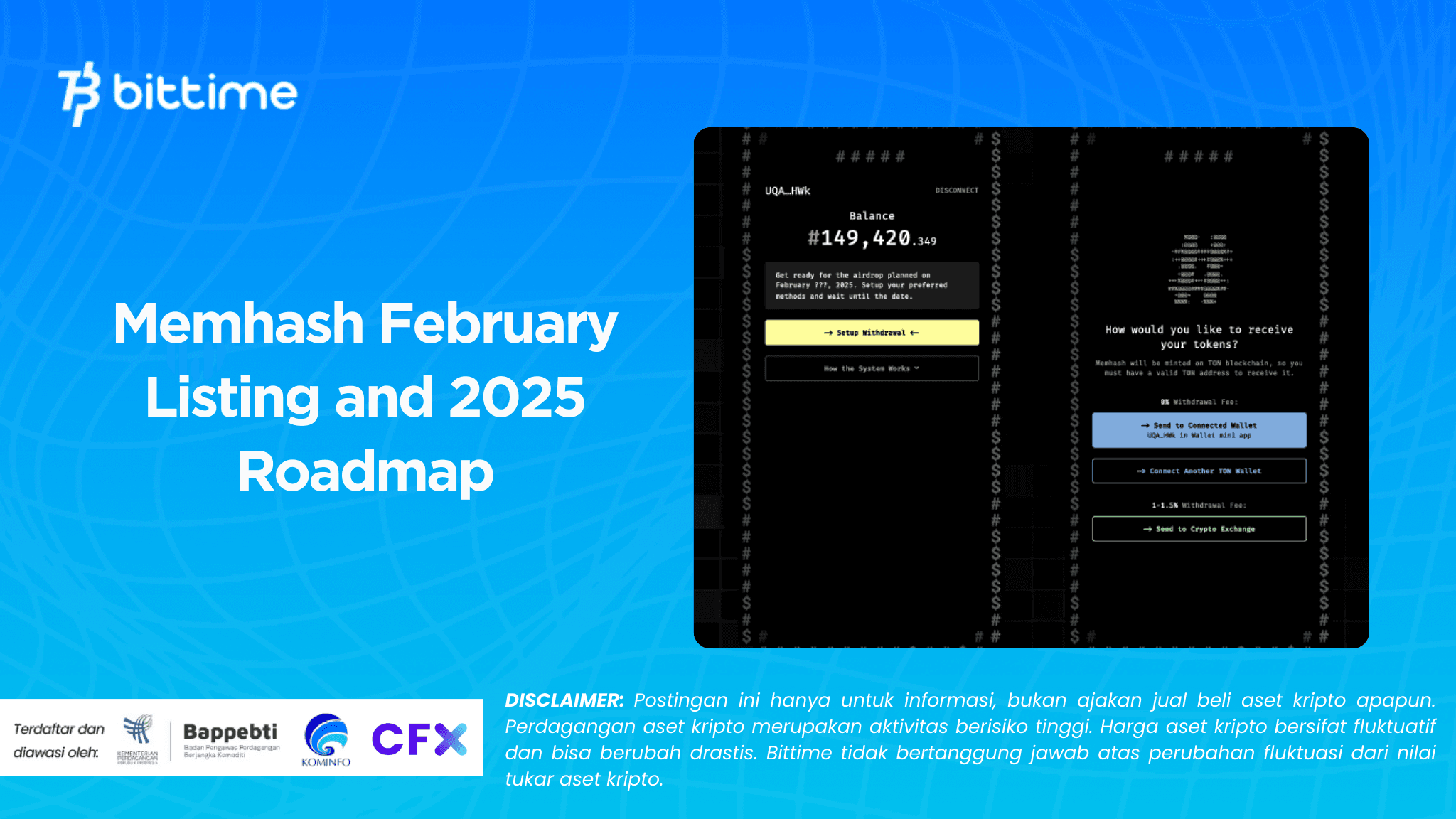
Memhash , a novel cryptocurrency that merges gaming simplicity with blockchain technology, is poised for its official debut on several prominent exchanges. Trading is scheduled to commence at 09:00 UTC on 28 February 2025, offering enthusiasts and investors an opportunity to engage with this innovative digital asset.

KuCoin, a leading cryptocurrency exchange, has confirmed the listing of MEMHASH on its platform. Deposits are currently open via the TON-Jetton network, allowing users to prepare ahead of the trading launch. The MEMHASH/USDT trading pair will be available, with withdrawals becoming accessible from 10:00 UTC on 1 March 2025. To enhance user experience, KuCoin will support various trading bots, including Spot Grid and AI Spot Trend, facilitating automated trading strategies.

In addition to KuCoin, MEXC Global has announced the inclusion of MEMHASH in its Innovation Zone. This segment is dedicated to high-potential assets, providing traders with early access to emerging cryptocurrencies. Deposits on MEXC are already open, with trading set to begin simultaneously at 09:00 UTC on 28 February 2025. Withdrawals will be enabled from 09:00 UTC on 1 March 2025, ensuring seamless transactions for users.

Bitget, another major exchange, is also preparing to list MEMHASH. While specific details regarding trading pairs and exact timings are yet to be disclosed, the exchange has indicated that the listing will occur concurrently with other platforms on 28 February 2025. This simultaneous launch across multiple exchanges is expected to provide substantial liquidity and trading opportunities for MEMHASH participants.

The journey of Memhash began with an airdrop event that ran from 29 October 2024 to 1 January 2025. During this period, participants engaged in a simulated mining process via Telegram, earning MEMHASH tokens. Approximately 43% of the total token supply was mined during the airdrop, with the remaining 57% allocated for future mining activities and community incentives.

Dubai-based cryptocurrency exchange Bybit has successfully replenished its Ethereum reserves following a massive security breach that resulted in the theft of approximately $1.5 billion worth of Ether . CEO Ben Zhou announced that the exchange has “fully closed the ETH gap,” ensuring all client assets are backed 1:1.

The unprecedented hack occurred during a routine transfer from Bybit’s cold wallet to a warm wallet. Hackers exploited vulnerabilities in the process, gaining control of the cold wallet and siphoning 401,000 ETH to an unknown address. This incident is considered the largest cryptocurrency theft to date, surpassing previous records.

In response to the breach, Bybit took immediate action to secure its platform and reassure its users. The company collaborated with blockchain forensic experts to trace the stolen funds and launched a recovery bounty program, offering up to 10% of the recovered amount to ethical hackers assisting in the retrieval efforts. Despite the scale of the theft, Zhou emphasized that Bybit remains solvent, with unaffected wallets and withdrawals operating normally.

To address the shortfall caused by the hack, Bybit obtained approximately 446,870 ETH through a combination of loans, large investor deposits, and direct purchases. Notably, the exchange acquired 157,660 ETH from crypto investment firms Galaxy Digital, FalconX, and Wintermute via over-the-counter transactions. An additional $304 million in ETH was purchased through centralized and decentralized exchanges.

Bybit plans to publish a new audited proof-of-reserves report to verify that client assets are fully backed on a 1:1 basis. This move aims to restore user confidence and demonstrate the exchange’s commitment to transparency and security.

The hack has raised concerns within the cryptocurrency community, particularly regarding the potential involvement of North Korea’s Lazarus Group, a state-backed hacking organization known for previous cyberattacks on financial institutions. While blockchain analytics firms Arkham Intelligence and Elliptic have traced the hack to the Lazarus Group, official confirmation is still pending.

Following the incident, Bybit experienced a surge in withdrawal requests, processing over 350,000 transactions as users reacted to the news. The exchange assured customers that all assets are safe and that it has the necessary reserves to cover the losses.

This event highlights the ongoing security challenges faced by cryptocurrency exchanges. In 2024 alone, over $2.2 billion was stolen from crypto platforms, underscoring the need for robust security measures and industry-wide cooperation to combat cyber threats.

Bybit’s swift response and proactive measures to address the breach demonstrate its resilience and commitment to user security. As the exchange continues to enhance its security infrastructure, it remains focused on maintaining trust within the cryptocurrency community.

The broader market impact of the hack has been relatively contained. Ethereum’s price experienced a temporary decline of approximately 4% following the news but has since shown signs of recovery. Analysts attribute this resilience to the prompt actions taken by Bybit and the overall maturity of the cryptocurrency market.

As investigations continue, the incident serves as a stark reminder of the importance of security in the rapidly evolving digital asset landscape. Exchanges and users alike are urged to remain vigilant and adopt best practices to safeguard against potential threats.

Bybit’s efforts to restore its reserves and enhance security protocols are steps toward reinforcing trust and stability in the cryptocurrency ecosystem. The exchange’s commitment to transparency and user protection will be closely monitored by industry stakeholders in the coming months.

In the aftermath of the hack, Bybit has also engaged with international law enforcement agencies to aid in the investigation and potential recovery of the stolen funds. The collaboration aims to bring the perpetrators to justice and deter future attacks on cryptocurrency platforms.

While the incident has undoubtedly posed significant challenges, Bybit’s decisive actions reflect a broader industry trend toward strengthening security measures and fostering a culture of accountability. As the cryptocurrency sector continues to grow, such incidents underscore the critical need for continuous improvement in safeguarding digital assets.

Bybit’s experience serves as a case study for other exchanges, highlighting both the vulnerabilities inherent in digital asset management and the effective strategies that can be employed to mitigate risks and protect user interests.

Pump.fun, a rapidly growing platform for launching and trading meme tokens, is developing its own automated market maker . This strategic move aims to shift liquidity from Raydium’s pools to Pump.fun’s proprietary system, potentially increasing revenue and offering enhanced rewards to token holders.

Since its inception in January 2024, Pump.fun has enabled users to create and trade meme tokens on the Solana blockchain with minimal initial liquidity. The platform’s user-friendly interface and low entry barriers have attracted a substantial user base, leading to significant daily trading volumes. Currently, external market transactions on Pump.fun rely on Raydium’s liquidity pools, incurring a 0.25% transaction fee per trade. Of this fee, 0.22% is allocated to Raydium’s liquidity providers, and 0.03% supports $RAY token buybacks and ecosystem development. For instance, with a daily trading volume of $100 million, approximately $5 million is routed through Raydium, resulting in daily fees of $12,500 paid by Pump.fun to Raydium, amounting to about $4.56 million annually.

By establishing its own AMM, Pump.fun seeks to internalize these fees, thereby enhancing its revenue stream. Assuming the same trading volume and fee structure, the platform could retain the entire $12,500 daily, or $4.56 million annually, without distributing a portion to external liquidity providers. This development not only promises financial benefits but also grants Pump.fun greater control over its ecosystem, enabling the introduction of additional decentralized finance products such as perpetual contracts and lending protocols. This strategic shift aims to create a self-sustaining on-chain meme DeFi ecosystem, reducing dependence on external platforms.

The announcement of Pump.fun’s AMM initiative has already impacted the market. Raydium’s native token, $RAY, experienced a sharp decline, with a daily drop of 20%, reflecting investor concerns over potential liquidity migration and reduced fee income for Raydium. Conversely, Crack, a meme token used to test Pump.fun’s new liquidity pool, saw its market capitalization surge to $4 million, indicating positive reception from the community.

However, this transition presents challenges. Migrating liquidity from Raydium to Pump.fun’s AMM requires careful coordination to ensure stability and user trust. Additionally, operating an independent AMM necessitates robust infrastructure and security measures to prevent vulnerabilities and maintain seamless trading experiences.

A massive security breach at cryptocurrency exchange Bybit has resulted in the theft of approximately $1.4 billion in Ethereum , marking one of the largest heists in the digital currency sector to date. The incident has ignited a contentious debate within the Ethereum community regarding the feasibility and ethics of implementing a blockchain rollback to recover the stolen assets.

Bybit disclosed that during a routine transfer between digital wallets, an attacker managed to exploit the process, diverting the substantial sum to an unidentified address. Despite the significant loss, CEO Ben Zhou assured users that the platform remains solvent and that customer funds are secure. However, he cautioned that withdrawal requests might experience delays as the company addresses the breach.

In response to the theft, prominent figures in the cryptocurrency space have proposed drastic measures. Arthur Hayes, co-founder of BitMEX, suggested rolling back the Ethereum blockchain to invalidate the illicit transaction. He referenced the 2016 DAO hack, where a similar rollback was executed, stating, “ETH stopped being a form of money in 2016 after the DAO hack hard fork. If the community is willing to do it again, I would support it.”

Samson Mow, CEO of JAN3, echoed this sentiment, advocating for the creation of a new Ethereum token, “ETHNK,” to prevent the stolen funds from benefiting North Korea, the suspected perpetrator behind the hack. Mow emphasized the potential geopolitical ramifications, suggesting that allowing the hackers to retain the funds could lead to regulatory scrutiny and sanctions against Ethereum.

Despite these calls for intervention, Ethereum’s core developers have dismissed the idea of a rollback. Tim Beiko, a prominent Ethereum developer, described the proposal as “technically intractable,” highlighting the complexities and potential unintended consequences of such an action. He explained that the interconnected nature of Ethereum’s blockchain, coupled with the myriad on-chain and off-chain transactions, makes reversing the chain a formidable challenge.

The broader Ethereum community has also expressed resistance to the rollback idea. Many argue that altering the blockchain undermines the principles of immutability and decentralization that are foundational to Ethereum and other cryptocurrencies. Critics contend that setting a precedent for reversing transactions could erode trust in the network and open the door to future manipulations.

In the aftermath of the hack, Bybit has initiated several measures to address the situation. The exchange is collaborating with law enforcement agencies and blockchain analytics firms to trace the stolen funds. Additionally, Bybit has announced a bounty program, offering rewards to individuals who provide information leading to the recovery of the assets.

The incident has also had immediate repercussions on the cryptocurrency market. Ethereum’s price experienced a decline of approximately 7% following the news of the hack, reflecting investor concerns over security vulnerabilities within the ecosystem. Market analysts suggest that such events could prompt tighter regulatory scrutiny and potentially influence future policy decisions regarding digital assets.

This event serves as a stark reminder of the persistent security challenges facing the cryptocurrency industry. As exchanges and platforms continue to evolve, the balance between maintaining decentralization and implementing protective measures remains a critical and ongoing debate.

Cryptocurrency exchange Bybit has suffered a significant security breach, resulting in the theft of approximately $1.5 billion in digital assets. The incident has prompted a substantial number of users to withdraw their funds, testing the platform’s liquidity and operational resilience.

The breach involved the unauthorized transfer of over 400,000 Ether from one of Bybit’s cold wallets, which are typically offline and considered more secure than hot wallets. The stolen funds were moved to multiple unidentified addresses, complicating immediate recovery efforts. Bybit’s co-founder and CEO, Ben Zhou, addressed the situation, assuring customers that the exchange remains solvent and that all user assets are safe and backed on a one-to-one basis. He emphasized that the company is taking all necessary measures to investigate the breach and enhance security protocols to prevent future incidents.

In the hours following the hack, Bybit experienced a surge in withdrawal requests, processing more than 350,000 within a ten-hour window. Despite the high volume, Zhou reported that 99.9% of these requests were completed promptly, with only larger transactions undergoing additional security verifications. To address the immediate shortfall caused by the theft, Bybit secured a bridge loan from undisclosed partners, covering approximately 80% of the lost Ether. Zhou noted that purchasing such a large amount of Ether on the open market was not feasible due to liquidity constraints and potential market impact.

The hack has raised concerns within the cryptocurrency community, highlighting ongoing security challenges in the industry. Analysts have pointed out that while cold wallets are generally more secure, they are not immune to sophisticated attacks. The incident has prompted discussions about the need for enhanced security measures and regulatory oversight to protect investors and maintain trust in digital asset platforms.

In response to the breach, Bybit has initiated a comprehensive security review, collaborating with blockchain experts to trace the stolen funds and identify the perpetrators. The exchange has also committed to updating its security infrastructure, including implementing multi-signature protocols and enhancing user authentication processes. Zhou expressed confidence in the platform’s ability to recover from the incident, stating that user funds remain fully backed and that operations will continue without interruption.

The broader cryptocurrency market has shown resilience in the face of the hack, with major assets like Bitcoin and Ether experiencing only slight declines in value. Industry observers suggest that while such incidents can shake investor confidence, the market’s overall stability indicates a maturation of the digital asset ecosystem. However, the event serves as a stark reminder of the vulnerabilities that persist in the space and the continuous need for robust security practices.

The U.S. Securities and Exchange Commission has agreed to dismiss its lawsuit against cryptocurrency exchange Coinbase, signaling a significant policy shift under President Donald Trump’s administration. This decision concludes a legal battle initiated in 2023, where the SEC accused Coinbase of operating as an unregistered securities exchange, broker, and clearing agency.

Coinbase’s Chief Legal Officer, Paul Grewal, announced the development, describing it as a “complete win” for the company. The SEC’s move to drop the case is pending approval from its three commissioners. This action reflects a broader change in the regulatory landscape for cryptocurrencies in the United States, as the current administration aims to foster a more crypto-friendly environment.

President Trump’s administration has swiftly overhauled the SEC’s approach to cryptocurrency regulation. Acting SEC Chair Mark Uyeda has established a task force dedicated to creating a new regulatory framework for digital assets. This initiative seeks to provide clear guidelines and reduce regulatory uncertainty for industry participants.

The lawsuit against Coinbase was originally filed under the leadership of former SEC Chair Gary Gensler during President Joe Biden’s tenure. The SEC alleged that Coinbase had been operating illegally by facilitating the trading of unregistered securities. Coinbase consistently denied these allegations, arguing that its operations complied with existing laws and that the SEC’s regulatory framework was ill-suited for digital assets.

The dismissal of the lawsuit is seen as a victory not only for Coinbase but also for the broader cryptocurrency industry, which has faced increased regulatory scrutiny in recent years. Industry stakeholders have argued that stringent regulations stifle innovation and limit the potential benefits of blockchain technology.

The Trump administration’s approach marks a departure from the previous administration’s policies, which were characterized by rigorous enforcement actions against crypto companies. In addition to dropping the lawsuit against Coinbase, the SEC is reportedly reviewing other pending cases against cryptocurrency firms, including those against Binance and Kraken. These actions suggest a broader trend toward deregulation and a more permissive environment for digital asset enterprises.

The decision to dismiss the lawsuit has been met with mixed reactions. Proponents of cryptocurrency view it as a positive step that will encourage innovation and solidify the United States’ position as a leader in the digital asset space. Critics, however, express concern that reduced regulatory oversight could lead to increased fraud and market manipulation, potentially harming investors.

The SEC’s internal dynamics have also shifted with the change in administration. Commissioners Mark Uyeda and Hester Peirce, known for their pro-crypto stances, are leading efforts to redefine the regulatory approach toward digital assets. Their leadership is expected to influence the development of policies that balance investor protection with the promotion of technological innovation.

Coinbase’s CEO, Brian Armstrong, has been an outspoken advocate for clearer cryptocurrency regulations. Following the announcement of the lawsuit’s dismissal, Armstrong expressed gratitude toward the administration, stating that the decision “righted a major wrong” and would have positive implications for the industry. He emphasized the need for a regulatory framework that provides clarity and supports the growth of the crypto economy.

The SEC’s decision comes at a time when the cryptocurrency market is experiencing significant growth. Bitcoin, the leading digital currency, has reached record highs, and institutional interest in crypto assets is increasing. The administration’s favorable stance toward cryptocurrencies is expected to further boost market confidence and attract more participants to the space.

However, the rapid policy shift has also raised questions about the influence of political contributions on regulatory decisions. Reports indicate that several tech industry leaders, including figures from the cryptocurrency sector, made substantial donations to President Trump’s campaign. While some view these contributions as a means to support favorable policies, others argue that they may undermine the integrity of regulatory processes.

As the SEC moves forward with its new task force, the focus will be on developing comprehensive guidelines that address the unique characteristics of digital assets. This includes determining how existing securities laws apply to cryptocurrencies and what new regulations may be necessary to protect investors while fostering innovation.

Advertisements

In a significant security breach, Dubai-based cryptocurrency exchange Bybit has reported the theft of approximately $1.5 billion worth of Ethereum. The incident, which stands as one of the largest in the history of digital currencies, has raised serious concerns about the security protocols of cryptocurrency platforms.

Bybit’s CEO, Ben Zhou, disclosed that during a routine transfer from the exchange’s cold wallet to a warm wallet, an attacker managed to manipulate the transaction interface. This manipulation granted the hacker control over the cold wallet, enabling the unauthorized transfer of around 401,000 Ethereum tokens to an unidentified address. Despite the magnitude of the theft, Zhou assured clients that all their assets remain fully backed and unaffected, emphasizing that the exchange’s operations continue without disruption.

The breach has prompted Bybit to collaborate with blockchain forensic experts to trace and recover the stolen funds. Initial investigations suggest that the pilfered assets are being moved across various new addresses, complicating the recovery efforts. Notably, TRM Labs, a blockchain intelligence firm, has linked the attack to North Korean hackers, citing substantial overlaps between the addresses used in this breach and those associated with previous North Korean cyber thefts. This connection underscores the escalating involvement of state-sponsored actors in large-scale cryptocurrency crimes.

In response to the incident, Bybit has processed over 350,000 withdrawal requests, aiming to maintain client trust and ensure liquidity. The exchange has also implemented bridge loans to compensate users for any unrecovered funds, highlighting its commitment to safeguarding customer interests. However, the hack has led to a noticeable decline in the value of Bybit’s native token, which experienced a drop of up to 6% following the news.

This event adds to a series of high-profile security breaches within the cryptocurrency sector. In 2024 alone, cybercriminals absconded with approximately $2.2 billion from various crypto platforms, reflecting the persistent vulnerabilities in the industry’s security infrastructure. The Bybit hack, surpassing previous incidents in scale, serves as a stark reminder of the challenges that digital asset exchanges face in protecting against increasingly sophisticated cyber threats.

The broader cryptocurrency market has also felt the impact of the Bybit breach. Both Bitcoin and Ethereum experienced slight declines in value as traders reacted to the unfolding situation. Analysts suggest that such incidents could hinder the path to mainstream adoption of cryptocurrencies, as security concerns remain a significant barrier for potential investors.

Ethereum co-founder Vitalik Buterin has voiced strong objections to the integration of gambling applications, often termed “casinos,” within the blockchain ecosystem. In a recent Ask Me Anything session on the Tako platform, Buterin addressed criticisms suggesting that Ethereum’s reluctance to embrace such applications renders it “bad and intolerant.” He emphasized that this perspective signifies a troubling “moral reversal” within the crypto community.

Buterin’s remarks come amid ongoing debates about the role of gambling-related decentralized applications in the blockchain space. While some blockchain platforms have welcomed these applications, viewing them as avenues for increased user engagement and revenue, Buterin maintains that Ethereum should adhere to a higher ethical standard. He expressed disappointment with community members who advocate for the inclusion of gambling platforms, stating that such a shift would compromise the foundational values upon which Ethereum was built.

The co-founder further highlighted the contrasting approaches of different blockchain networks. He noted that while some platforms are open to any application, including gambling, Ethereum’s commitment to ethical considerations sets it apart. This distinction has led to criticisms from certain sectors, accusing Ethereum of being overly restrictive. However, Buterin argues that maintaining ethical integrity is paramount, even if it means resisting trends that prioritize profit over principle.

This stance has sparked discussions within the crypto community about the balance between innovation and ethics. Supporters of Buterin’s viewpoint argue that the long-term success and legitimacy of blockchain technology depend on its alignment with moral and ethical standards. Detractors, however, believe that limiting certain applications could stifle innovation and limit the potential uses of blockchain technology.

GWSLTD has introduced an AI-based cryptocurrency quantitative investment strategy, projecting daily returns of 5% and an annualized return of 986.23%. This initiative is designed to outperform traditional cloud mining platforms. The strategy employs machine learning and big data analytics to navigate the volatile digital currency market, focusing on assets like Bitcoin , Ethereum , Dogecoin , and Tether . By leveraging AI, GWSLTD aims to enhance investment […]

The cryptocurrency landscape is witnessing a notable shift as FloppyPepe , a small-cap AI-integrated meme coin, gains traction among investors traditionally aligned with established tokens like Cardano . This trend highlights the dynamic nature of the crypto market, where emerging technologies and innovative projects can rapidly alter investor preferences.

FloppyPepe has distinguished itself by merging meme culture with artificial intelligence, creating a unique niche in the crypto ecosystem. The token’s recent SolidProof certification has bolstered investor confidence by ensuring the security and reliability of its smart contracts. This certification, achieved during its ongoing presale phase, underscores the project’s commitment to transparency and technological robustness.

The presale of FPPE has demonstrated remarkable momentum, reportedly raising nearly $1 million within 24 hours. This rapid capital influx is indicative of strong market interest and suggests a growing belief in FPPE’s potential. Contributing to this enthusiasm is the announcement of an upcoming text-to-image AI agent on Telegram, slated for release in two weeks, which aims to enhance user engagement and broaden the token’s utility.

In contrast, Cardano , a well-established blockchain platform known for its proof-of-stake consensus mechanism and focus on sustainability, has experienced a modest decline in its token value. Currently trading at approximately $0.769463, ADA has seen a 4.07% decrease over the past 24 hours. Despite its strong market position and a market capitalization exceeding $27 billion, ADA’s recent performance reflects the volatile nature of the cryptocurrency market and the challenges faced by established tokens amidst emerging competitors.

The rise of FPPE is part of a broader trend where investors are exploring alternative assets with high growth potential. Reports indicate that holders of Cardano and Dogecoin are reallocating funds towards emerging tokens like FPPE, driven by the prospect of substantial returns. Analysts have identified FPPE as a formidable contender in the AI crypto sector, with projections suggesting significant growth potential.

FPPE’s innovative approach includes deflationary tokenomics, where 1% of every transaction is burned, reducing the total supply over time and potentially increasing the token’s value. Additionally, 3% of each transaction is redistributed to long-term holders, incentivizing sustained investment and fostering a loyal community. These mechanisms are designed to create scarcity and reward commitment, distinguishing FPPE from other meme coins.

The convergence of meme culture and AI technology in FPPE represents a novel fusion that appeals to a diverse investor base. This blend not only capitalizes on the viral nature of meme coins but also integrates practical AI applications, offering users tangible utility beyond speculative trading. The forthcoming AI-driven features are anticipated to enhance user interaction and provide unique functionalities within the crypto space.

While FPPE’s ascent is noteworthy, it operates within a highly competitive and unpredictable market. Established entities like Cardano possess extensive ecosystems and substantial developer communities, providing them with resilience and the capacity for innovation. Cardano’s ongoing developments and strategic initiatives continue to position it as a significant player in the blockchain arena.

Pi Network’s native cryptocurrency, Pi Coin, has experienced a dramatic decline of more than 60% in its market value following the project’s highly anticipated mainnet launch. The token’s price tumbled from an initial high of $1.97 to approximately $0.64 within a day, raising concerns among investors and the broader cryptocurrency community.

The mainnet launch, which occurred on February 20, 2025, was expected to bolster Pi Coin’s market presence. Several centralized exchanges, including OKX, Bitget, and MEXC, promptly listed the token, allowing users to trade Pi Coin on their platforms. Despite these listings, the token’s value swiftly depreciated, leading to significant market volatility.

In contrast, some major exchanges have refrained from listing Pi Coin. Bybit’s CEO, Ben Zhou, publicly criticized the project, citing concerns over its legitimacy. Zhou referenced a 2023 warning from Chinese authorities that labeled Pi Network as a scam targeting vulnerable populations, particularly the elderly. He emphasized that Bybit had no intentions of listing Pi Coin and challenged the Pi Network team to address these allegations.

The precipitous drop in Pi Coin’s value has been attributed to several factors. Analysts suggest that early miners may have capitalized on the mainnet launch to liquidate their holdings, exerting downward pressure on the price. Additionally, the absence of listings on prominent exchanges like Binance has limited the token’s accessibility and liquidity. Market participants have also expressed concerns regarding the token’s real-world utility and the project’s overall transparency.

Despite the current challenges, Pi Network boasts a substantial user base, with over 60 million registered users globally. The project’s unique mobile-based mining approach has garnered significant attention, allowing users to mine cryptocurrency directly from their smartphones without the need for energy-intensive hardware. However, discrepancies in reported user numbers have emerged, with blockchain explorers indicating approximately 9.1 million active users, leading to questions about the platform’s actual adoption rate.

The Abu Dhabi Investment Office has solidified its commitment to fostering economic collaboration with China by entering into strategic agreements with prominent Chinese entities. These partnerships, announced during the Abu Dhabi Investment Forum in Shanghai, aim to enhance investment intelligence and facilitate the expansion of Chinese enterprises into Abu Dhabi’s burgeoning market.

In a notable development, ADIO has partnered with Wind Information, China’s leading financial information services provider. This collaboration designates Wind Information as ADIO’s preferred knowledge partner in China, granting investors enhanced access to Abu Dhabi’s dynamic investment landscape. The alliance is poised to bridge information gaps, enabling Chinese investors to make informed decisions about opportunities within the emirate.

Simultaneously, ADIO has forged a strategic partnership with Hejun Group, a prominent Chinese consulting firm. This agreement is designed to accelerate Chinese investment in Abu Dhabi by leveraging Hejun Group’s extensive network of over 2,000 publicly listed companies. The collaboration aims to introduce these enterprises to Abu Dhabi’s investment prospects, thereby fostering economic growth and diversification within the region.

Further strengthening bilateral ties, ADIO has entered into an agreement with Fosun International Limited, a global innovation-driven consumer group. This partnership seeks to expedite the expansion of Fosun’s subsidiaries into Abu Dhabi and the broader Middle East. ADIO will provide tailored investor support, streamlined market access, and strategic guidance to facilitate Fosun’s ventures in key sectors such as wealth management, fintech, premium residential real estate, and healthcare innovation.

These strategic alliances underscore Abu Dhabi’s proactive approach to attracting foreign investment and enhancing its position as a global financial hub. By collaborating with leading Chinese firms, the emirate aims to diversify its economy and foster innovation across various industries.

The Abu Dhabi Investment Forum in Shanghai served as a pivotal platform for these announcements, highlighting the emirate’s commitment to strengthening economic ties with China. The forum facilitated discussions on Abu Dhabi’s role as a global financial, trade, and technology hub, with a focus on technological innovation in areas such as financial technology, artificial intelligence, blockchain, and digital transformation.

These developments are set against the backdrop of burgeoning trade relations between the United Arab Emirates and China. Bilateral trade between the two nations is projected to reach $200 billion by 2030, positioning Abu Dhabi as a critical gateway for Chinese investment in the Middle East and beyond. The emirate already hosts a significant number of the 6,000 Chinese companies operating in the UAE, spanning key sectors including technology, financial services, and energy.

In addition to these partnerships, Abu Dhabi has been actively engaging in strategic investments to bolster its economic landscape. For instance, Masdar, Abu Dhabi’s renewable energy company, has been expanding its footprint in the European energy sector. Masdar is currently negotiating with banks to structure the acquisition of a new portfolio of renewable energy assets from Endesa, a Spanish utility company. This move aligns with Abu Dhabi’s broader strategy to invest in sustainable energy solutions and diversify its investment portfolio.

The financial sectors of the UAE and China have been exploring collaborative opportunities to enhance cross-border investments. The Shenzhen Stock Exchange and Dubai Financial Market have signed a memorandum of understanding to bolster cross-border investing, particularly in exchange-traded funds . This agreement includes dual listings, shared indices, and fixed-income offerings, aiming to facilitate secondary market investments and strengthen financial ties between the two nations.

These initiatives reflect a broader trend of deepening economic cooperation between Abu Dhabi and China, with both parties seeking to capitalize on mutual investment opportunities and drive sustainable economic growth. The strategic partnerships established by ADIO are poised to play a pivotal role in this collaborative effort, fostering a conducive environment for innovation, investment, and economic diversification.

Zearn.fun has introduced a groundbreaking platform, positioning itself as the world’s first universal AI agent launchpad. This innovative framework, built upon ZetaChain’s cross-chain capabilities, enables users to create, deploy, and scale autonomous AI agents, thereby redefining the landscape of decentralized finance and meme culture. The platform’s architecture comprises three core components: an AI agent engine, sentient AI agents, and a universal cross-chain yield singularity. The AI agent […]

Cryptocurrency exchange Bybit is currently grappling with an outflow exceeding $1.46 billion in mETH and stETH tokens, with a portion being converted to ETH on decentralized exchanges. Blockchain analyst ZachXBT identified these suspicious transactions, suggesting a potential security breach, though official confirmation from Bybit remains pending.

The outflow involves substantial transfers of mETH and stETH tokens from Bybit’s wallets to external addresses. Notably, approximately $200 million worth of stETH has already been liquidated. The destination addresses for these funds have been flagged, and exchanges are advised to monitor and potentially blacklist them to prevent further unauthorized activities.

Bybit has previously encountered security challenges. In the first half of 2024, the exchange reported detecting nearly $1 billion in abnormal withdrawal requests, successfully preventing over $79 million in fraudulent activities through enhanced AI-driven security measures. These incidents underscore the persistent threats faced by cryptocurrency platforms and the necessity for robust security protocols.

The current situation has raised concerns within the crypto community, emphasizing the importance of vigilance and proactive measures to safeguard digital assets. Users are advised to monitor their accounts closely and consider transferring funds to secure wallets until more information is available.

Societe Generale-FORGE , a subsidiary of the French banking group Societe Generale, has launched its Euro-backed stablecoin, EUR CoinVertible , on the Stellar blockchain network. This development positions EURCV as one of the first Euro-denominated stablecoins fully compliant with the European Union’s Markets in Crypto-Assets regulations.

The integration of EURCV into the Stellar network aims to enhance the efficiency of cross-border transactions and financial applications. Stellar’s blockchain infrastructure is recognized for its scalability, speed, and cost-effectiveness, making it a strategic choice for SG-FORGE’s digital asset expansion. This move is part of SG-FORGE’s broader multichain strategy, which includes plans to deploy EURCV on other blockchain platforms such as Solana and the XRP Ledger.

Denelle Dixon, CEO of the Stellar Development Foundation, highlighted the significance of this collaboration, stating that the launch of EURCV on Stellar represents a substantial advancement in digital payments. By combining Stellar’s robust blockchain technology with a trusted MiCA-compliant stablecoin, users are provided with a more efficient means to store and transfer value across borders, facilitating the adoption of this new form of money by individuals and businesses.

SG-FORGE’s commitment to regulatory compliance is evident in its adherence to the MiCA framework, which is designed to provide a clear and harmonized regulatory environment for crypto-assets within the European Union. By ensuring that EURCV meets these stringent regulatory standards, SG-FORGE offers users enhanced security and transparency in their digital transactions.

The decision to utilize the Stellar network was influenced by several technical advantages. Stellar’s architecture supports thousands of operations per second, ensuring that EURCV can handle high transaction volumes efficiently. Transactions on Stellar are typically completed within seconds, a critical feature for real-time financial applications. Additionally, the low transaction costs on the Stellar network make it ideal for micropayments and cross-border transfers, further enhancing the utility of EURCV in various financial contexts.

Guillaume Chatain, Chief Revenue Officer at SG-FORGE, emphasized the alignment between Stellar’s approach and SG-FORGE’s mission to promote broader adoption of stablecoins within the financial system. The collaboration with Stellar is expected to facilitate seamless integration of EURCV into a diverse network of financial institutions, asset managers, and traditional finance entities already connected to the Stellar ecosystem.

This expansion of EURCV onto the Stellar network is anticipated to open new avenues for users and businesses to access a secure, transparent, and scalable digital Euro stablecoin. The combination of MiCA regulatory assurance with Stellar’s robust blockchain infrastructure marks a significant milestone in the evolution of digital assets in Europe.

SG-FORGE’s strategic move comes at a time when the European Union is intensifying its regulatory oversight of crypto-assets. The MiCA regulations, which came into effect in January 2025, require stablecoin issuers to comply with specific standards to operate within the EU. This regulatory environment aims to protect investors and ensure the stability of the financial system, prompting issuers like SG-FORGE to align their offerings with these new requirements.

The launch of EURCV on Stellar is expected to have a positive impact on the adoption of digital assets among institutional investors. By providing a MiCA-compliant stablecoin, SG-FORGE addresses the growing demand for regulated digital assets that can be seamlessly integrated into traditional financial systems. This development is poised to enhance the credibility and acceptance of digital currencies in mainstream financial markets.

In addition to its regulatory compliance and technical advantages, EURCV’s deployment on Stellar is set to benefit from the network’s existing features, including its built-in decentralized exchange. This functionality allows for decentralized transactions between end-users on various cryptocurrencies, facilitating the integration of EURCV into a wide range of financial applications and services.

As SG-FORGE continues to advance its multichain strategy, the successful integration of EURCV on the Stellar network serves as a model for future deployments. The company’s proactive approach to regulatory compliance and technological innovation underscores its commitment to providing secure and efficient digital asset solutions in the evolving financial landscape.

The collaboration between SG-FORGE and Stellar exemplifies the potential of combining traditional financial expertise with cutting-edge blockchain technology. As digital assets become increasingly integral to the global financial system, initiatives like the EURCV stablecoin on Stellar are paving the way for more inclusive and efficient financial services.

Kanye West, the renowned rapper and entrepreneur, has announced the launch of a new cryptocurrency, $YZY, set to become the official currency for his Yeezy brand. The initiative aims to integrate digital currency into the brand’s ecosystem, allowing customers to use $YZY for transactions on the Yeezy website.

Hussein Lalani, Yeezy’s Chief Financial Officer, disclosed that the token distribution for $YZY is structured as follows: 70% allocated to Kanye West, 10% designated for liquidity, and the remaining 20% reserved for investors. This allocation strategy underscores West’s significant stake in the project, while also ensuring liquidity and investor participation.

The launch of $YZY was initially slated for Thursday but has been postponed to Friday. This delay is intended to ensure a seamless rollout and address any potential technical issues prior to the official release.

The introduction of $YZY reflects a growing trend among artists and brands leveraging blockchain technology to create proprietary digital currencies. By adopting $YZY as the official currency for Yeezy, West aims to offer a unique payment method for customers, potentially enhancing user engagement and fostering a sense of community among supporters.

The cryptocurrency landscape is experiencing notable fluctuations as political developments and new digital assets influence investor sentiment. Solana , a prominent blockchain platform, has seen its token price oscillate amid these dynamics. As of February 21, 2025, SOL is trading at $179.81, reflecting a 3.79% increase from the previous close. This movement comes in the wake of recent political events and the introduction of new meme coins like Panshibi , which are capturing market attention.

The re-election of President Donald Trump has introduced a wave of optimism among cryptocurrency enthusiasts, particularly due to his administration’s perceived crypto-friendly stance. This sentiment has been bolstered by the resignation of former SEC Chair Gary Gensler and the appointment of Paul Atkins, known for his favorable views on digital assets. These changes have led to a surge in applications for cryptocurrency exchange-traded funds , with asset managers seeking approval for funds focusing on altcoins such as Solana, XRP, and Dogecoin. Market analysts suggest that the approval of these ETFs could significantly impact the valuation and adoption of the associated cryptocurrencies.

However, the market’s response has been mixed. While the anticipation of regulatory support has driven some positive momentum, concerns over market volatility persist. Analysts have issued cautionary notes regarding Solana’s price trajectory. Some forecasts indicate the potential for a substantial correction, with prices possibly declining by up to 50% during the summer months of 2025, potentially reaching the $44 range. Factors contributing to this outlook include speculative trading and the proliferation of meme coins on the Solana network, which may undermine investor confidence.

The emergence of Panshibi exemplifies the growing interest in meme-based cryptocurrencies. Launched with a presale price of $0.004, Panshibi has rapidly garnered attention, raising over $700,000 in its initial phase. The project has undergone a security audit and implemented long-term liquidity locking, measures aimed at enhancing investor trust. Analysts have drawn parallels between Panshibi and earlier meme coins, noting the potential for significant returns. Projections suggest that Panshibi could experience a presale price increase of 1,200%, with post-launch surges reaching up to 145,000%. These figures, while speculative, highlight the high-risk, high-reward nature of meme coin investments.

The highly anticipated launch of Pi Network’s open mainnet on 20 February 2025 led to a dramatic 65% decline in the value of its native cryptocurrency, Pi Coin , within 24 hours. Initially trading at $1.97 upon its debut, Pi Coin’s price plummeted to $0.64 by the following day, raising concerns among investors and market analysts.

Pi Network, a blockchain project that enables users to mine Pi Coins via mobile devices, transitioned from its enclosed mainnet phase—active since December 2021—to an open mainnet on 20 February. This shift allowed users to transfer and trade their Pi Coins on various cryptocurrency exchanges. Major platforms such as OKX, Bitget, and MEXC promptly listed the token, facilitating its entry into the broader crypto market.

Despite the initial enthusiasm, the market response was swift and severe. The coin’s value experienced a sharp decline, dropping from a peak of $1.97 to $0.64 within a day. Analysts attribute this rapid depreciation to several factors, including mass sell-offs by early adopters, limited initial liquidity, and broader market uncertainties.

Mass sell-offs by early adopters significantly contributed to the downward pressure on Pi Coin’s price. Many users, having accumulated Pi during the network’s development phase, opted to liquidate their holdings upon gaining the ability to trade, leading to an oversupply in the market. This influx of sell orders overwhelmed the available buy orders, exacerbating the price decline.

The limited initial liquidity on exchanges further intensified the situation. As Pi Coin became tradable, the market struggled to absorb the high volume of sell orders due to insufficient liquidity. This imbalance between supply and demand accelerated the price drop, as buyers were unable to match the selling pressure.

Broader market uncertainties also played a role in the coin’s performance. The cryptocurrency market is known for its volatility, and new entrants often face skepticism from investors. Concerns regarding the project’s legitimacy emerged, particularly after Bybit CEO Ben Zhou publicly questioned Pi Network’s credibility. Citing a 2023 warning from Chinese authorities that labeled the project a “scam” targeting the elderly, Zhou challenged the Pi Network team to address these allegations. He stated that Bybit had no plans to list Pi Coin, further influencing market sentiment.

The Pi Network community expressed mixed reactions to the coin’s market debut. While some members remained optimistic about the project’s long-term potential, others voiced concerns over the immediate price volatility and the project’s overall transparency. The sudden price drop prompted discussions about the need for clear communication from the Pi Network team regarding their roadmap and measures to ensure investor confidence.

Kava, a prominent player in decentralized finance , has unveiled the world’s largest decentralized artificial intelligence model, powered by DeepSeek R1. This significant development was announced at Consensus Hong Kong on February 20, 2025, marking a pivotal moment in the convergence of AI and blockchain technologies. The integration of DeepSeek R1 into Kava’s platform aims to democratize access to advanced AI capabilities within the Web3 ecosystem. By […]

Over 350 side events transformed mega digital assets event to mega festivities HONG KONG SAR – Media OutReach Newswire – 21 February 2025 – Regarded as the “Super Bowl of Blockchain” and “the World Cup of Web3”, Consensus, the most influential and longest-running event of the crypto world, picked Hong Kong as a destination to expand beyond North America, with a record-setting debut of nearly 10,000 from […]

The global stablecoin market has reached a record valuation of over $215 billion, reflecting a significant surge in demand for these digital assets. This growth is largely driven by the increasing adoption of stablecoins such as Tether and USD Coin , which collectively dominate the market.

Data from Alphractal indicates that the stablecoin market capitalization has risen by 73%, escalating from $121.18 billion in August 2023 to $211 billion as of January 31, 2025. This upward trajectory underscores the pivotal role stablecoins play in providing liquidity and stability within the cryptocurrency ecosystem.

USDT maintains its position as the largest stablecoin by market capitalization, recording an all-time high of $140 billion in December 2023. As of January 31, 2025, its market cap stands at $139.4 billion, accounting for approximately 63.84% of the total stablecoin market. Despite this dominance, USDT’s market share has experienced a slight decline, decreasing from 67.5% to 64.9% over the past month.

Conversely, USDC has exhibited substantial growth, with its market capitalization increasing by over 120% from a low of $24.1 billion on November 14, 2023, to $53.4 billion by January 31, 2025. This surge has elevated USDC’s market share to 24.6%, positioning it as a formidable competitor in the stablecoin sector. The heightened demand for USDC is evidenced by its trading pairs reaching an all-time high daily volume of $20 billion on January 18, 2025.

The Solana blockchain has also experienced a remarkable increase in stablecoin supply, largely attributed to the launch of the TRUMP memecoin on January 18, 2025. This event spurred a 73.6% surge in Solana’s stablecoin supply, culminating in an all-time high of $11.1 billion by the end of January. The influx of capital and record-breaking decentralized exchange trading activity on Solana have been significant contributors to this growth.

In a strategic move, Tether, the issuer of USDT, has announced plans to relocate its headquarters to El Salvador. This decision aligns with El Salvador’s initiative to establish itself as a hub for digital currency trading. Tether’s CEO, Paolo Ardoino, along with other co-founders, are set to move to the country following the acquisition of a digital asset service provider license. This relocation marks the first time Tether will establish a physical headquarters, transitioning from its previous incorporation in the British Virgin Islands.

The burgeoning stablecoin market has not gone unnoticed by regulators, who express concerns about the potential risks these digital assets may pose to the broader financial system. The rapid expansion of stablecoins, which serve as a bridge between the crypto universe and traditional financial markets, necessitates increased scrutiny to ensure financial stability and consumer protection.

Solana , once a darling of the cryptocurrency world, is currently navigating a series of challenges that have significantly impacted its market performance. Over the past month, SOL’s value has plummeted by more than 40%, a decline attributed to a confluence of factors including meme coin scams, impending token unlocks, and a general downturn in trading volumes.

A notable incident exacerbating Solana’s woes involves the LIBRA token, which garnered attention after promotion by Argentine President Javier Milei. Following his endorsement, the token’s value surged, only to collapse shortly thereafter. Blockchain analysis firms Chainalysis and Nansen reported that approximately $99 million worth of cryptocurrency was withdrawn by wallets linked to LIBRA’s creator, leading to significant investor losses and a federal investigation into Milei’s involvement. This scandal not only undermined confidence in the LIBRA token but also cast a shadow over the Solana network, which hosted the token.

The proliferation of meme coins on the Solana blockchain has further strained its reputation. Platforms like Pump.fun have facilitated the creation of numerous meme coins, leading to network saturation and an influx of speculative assets. This environment has been fertile ground for scams, with the LIBRA incident serving as a prime example. The rapid rise and fall of such tokens have left many investors wary, contributing to a decline in trust and participation within the Solana ecosystem.

Adding to the downward pressure on SOL’s price is the scheduled release of over 15 million SOL tokens, valued at more than $2.5 billion, set for March 1. This significant token unlock has raised concerns about potential sell-offs, as investors anticipate increased supply in the market. The combination of these factors has led to a 19% decrease in Solana’s decentralized finance total value locked and a notable contraction in decentralized exchange trading volumes, indicating waning network engagement.

In stark contrast, Rollblock is experiencing a surge in user adoption and market interest. Rollblock, operating within the GambleFi sector, has introduced a deflationary revenue-sharing model that has captivated investors. The platform allocates up to 30% of its profits to buy back RBLK tokens from the open market. Of these repurchased tokens, 60% are permanently burned, reducing the overall supply and creating scarcity, while the remaining 40% are distributed as staking rewards, offering up to 30% annual percentage yield to long-term holders. This mechanism not only incentivizes holding but also fosters a sustainable increase in token value.

Rollblock’s ecosystem is further bolstered by its efficient transaction processes, allowing instant deposits and withdrawals in major cryptocurrencies such as Bitcoin, Ethereum, and Solana. This user-friendly approach has attracted a diverse investor base, including significant interest from holders of other cryptocurrencies like Polkadot. During its presale phase, RBLK’s price experienced a remarkable 420% increase, with the project raising over $10 million and attracting more than 45,000 investors.

The contrasting trajectories of Solana and Rollblock underscore the dynamic and rapidly evolving nature of the cryptocurrency landscape. While Solana grapples with challenges stemming from meme coin scams and market saturation, Rollblock’s innovative approach and robust ecosystem have positioned it as a promising contender in the crypto space.

The cryptocurrency market of 2025 is witnessing a surge in presale activities, with two projects, PEPETO and Solaxy, capturing significant attention. PEPETO, an Ethereum-based memecoin, has achieved a remarkable milestone by surpassing $5 million in its presale phase, indicating robust investor interest. In contrast, Solaxy, a Layer 2 blockchain solution enhancing Solana and Ethereum compatibility, is nearing the completion of its presale, aiming to address scalability issues within these networks.

PEPETO’s success can be attributed to its unique features that resonate with the crypto community. The project offers a zero-fee trading platform, a cross-chain bridge facilitating seamless transactions across multiple blockchains, and a staking mechanism with an annual percentage yield of 348%. These incentives have led to over 24 trillion tokens being staked, representing approximately 5% of the total supply. The project’s emphasis on usability and accessibility has fostered a strong grassroots following, distinguishing it from other memecoins that rely heavily on influencer-driven hype.

Solaxy, on the other hand, focuses on enhancing blockchain efficiency by providing a scalable Layer 2 solution compatible with both Solana and Ethereum networks. The project has allocated 30% of its total SOLX supply for ongoing development and 10% for liquidity upon listing on decentralized and centralized exchanges. Additionally, Solaxy offers a staking yield of up to 214%, appealing to investors seeking passive income opportunities. The project’s recent audit by Coinsult has reinforced trust in its smart contract infrastructure, positioning it as a promising player in the Layer 2 blockchain sector.

VISHNU RAJA
RYO YAMADA
HITORI GOTOH
IKUYO KITA