Just in:
Xi Jinping Preparing For A Trilateral Summit With Trump And Putin At APEC Summit On Nov 18-19 // Ta’ziz finalises $1.39bn funding for Ruwais industrial facilities // Middle East governments assess Iran war after US vote // CR Longdation Aethereal Cybersecurity × Global Cybersecurity Alliance (GCSA) Join Hands to Establish the “AI and Cybersecurity Research Centre” // Kochi police detain two actors over bid to honey trap doctor // Millions Of Indians May Soon Be Deprived Of Government Assistance // The “1st Greater Bay Area Health and Longevity Summit & Awards Ceremony” concludes successfully in Macao // Meraas showcases five residential zones at Dubai Design Week // Emirates Group records AED 4.1 billion half-year profit // TVM –Mangaluru Vande Bharat claims top spot // UK air traffic outage inflicted £33m financial losses // SC to examine students’ exam plea today // Miss Universe Hong Kong Jen Zhou Departs for Puerto Rico to Compete in the 75th Miss Universe World Final // Oil and chip shares retreat after Democratic victories // Dubai boat show confirms international shipyard line-up for November // Asia Left Behind: Ten international companies have yet to report delivering on their cage-free egg pledges across the region // OpenAI identifies 948 Linux privilege escalation flaws using AI // Fast Just Got Fastest: STING Energy Boost™ Celebrates Kimi Antonelli’s Formula 1® World Championship and the Fan Energy Behind It // APT29-linked campaign exploits outdated Apple and Android software // Geely’s i-HEV Intelligent Hybrid Technology Offers a New Direction for Gasoline-Powered Vehicles //

News related to
blockchain

Local governments across China have turned to private companies to offload seized cryptocurrency assets in offshore markets, a move that has sparked concern amid the nation’s ongoing ban on crypto trading. These actions come as part of an effort to generate revenue during an economic slowdown, with figures showing the sale of approximately 15,000 BTC . Reports suggest that around 194,000 BTC are still held within the […]

Tether, the issuer of the world’s most widely circulated stablecoin, has acquired a strategic stake in Fizen Limited, a fintech firm specialising in multi-chain stablecoin payments and merchant solutions. The investment aims to accelerate global adoption of stablecoins and expand access to decentralised financial tools, particularly in underserved markets.

Fizen offers a suite of crypto payment services designed to bridge the gap between digital assets and real-world commerce. Its platform enables merchants to accept stablecoins with instant fiat settlement, while consumers can use cryptocurrencies to pay for everyday expenses such as utility bills, mobile top-ups, and travel bookings. The company’s infrastructure supports multiple blockchains and integrates with a wide range of tokens, facilitating seamless transactions across 178 countries.

This partnership builds on previous collaborations between Tether and Fizen, including the ‘Tour de USDt’ initiative in Southeast Asia, which showcased the potential of stablecoins in cross-border payments and financial inclusion. The new investment is expected to deepen this relationship, enabling Tether to leverage Fizen’s technology to promote the use of USDt in everyday transactions.

Tether’s move comes amid a broader push to enhance the utility of stablecoins beyond trading and speculation. By investing in platforms like Fizen, Tether aims to embed stablecoins into the fabric of daily commerce, offering a stable and efficient alternative to traditional payment systems. This strategy aligns with the growing demand for financial services that are accessible, low-cost, and independent of conventional banking infrastructure.

Fizen’s technology is particularly relevant in regions where access to banking services is limited. By facilitating crypto payments for essential services and goods, Fizen empowers users to participate in the digital economy without relying on traditional financial institutions. This approach not only broadens the reach of stablecoins like USDt but also supports economic empowerment in communities that have historically been excluded from mainstream financial systems.

HONG KONG SAR – Media OutReach Newswire – 15 April 2025 – The Hong Kong Institute of Chartered Digital Asset Analysts (HKCDAA) held its grand inauguration ceremony at the China Everbright Centre in Wan Chai, marking the official opening of its headquarters. The event was led by Dr. Anthony Neoh, Honorary Chairman of HKCDAA, former Chairman of Hong Kong’s Securities and Futures Commission (SFC), and former Chief […]

Google will implement a new advertising policy across the European Union from April 23, mandating that all cryptocurrency-related advertisers be authorised under the Markets in Crypto-Assets regulation and certified by Google. This move aligns the tech giant’s advertising standards with the EU’s comprehensive crypto regulatory framework, aiming to enhance consumer protection and market integrity.

Under the updated policy, advertisers promoting crypto exchanges, wallets, or related services must obtain Google certification, which requires proof of authorisation as Crypto Asset Service Providers under MiCA. Non-compliance will trigger a minimum seven-day warning period before potential account suspension.

MiCA, fully applicable since December 2024, establishes a unified regulatory framework for crypto assets across the EU. It aims to streamline the adoption of blockchain and distributed ledger technology while safeguarding users and investors. The regulation mandates that CASPs adhere to stringent requirements, including capital reserves, governance standards, and consumer protection measures.

Google’s policy update reflects a broader industry trend towards stricter oversight of crypto advertising. The company had previously revised its policies in January 2025 for the UK market, requiring advertisers to be registered with the Financial Conduct Authority and certified by Google. Similar measures are now being extended to the EU, with specific transition periods for certain member states: Finland until June 30, 2025; France until June 30, 2026; and Germany until December 30, 2025.

The enforcement of these policies is expected to impact a wide range of crypto businesses operating within the EU. Advertisers must ensure compliance with both Google’s certification process and MiCA’s regulatory requirements to continue promoting their services on the platform. This dual-layered approach aims to mitigate risks associated with unregulated crypto promotions and enhance the overall trustworthiness of crypto-related advertisements.

Banking powerhouse Standard Chartered, in collaboration with global cryptocurrency exchange OKX, has launched an innovative pilot programme in Dubai aimed at reshaping the landscape for institutional investors trading in digital assets. This new initiative, known as the collateral mirroring programme, promises to transform how cryptocurrencies and tokenised money market funds are used as collateral, potentially setting a new standard in the industry.

The programme enables institutions to use their digital assets as collateral for trading purposes without needing to transfer these assets onto an exchange. This method significantly reduces counterparty risk, one of the primary concerns in the crypto world, particularly for large investors. The model allows firms to maintain control over their assets while still participating in the market, addressing long-standing issues surrounding asset security and liquidity.

This venture marks the first time that a major global bank, a regulated crypto platform, and a traditional asset manager have come together to support secure crypto trading for institutional investors. By collaborating, the entities are not only offering a new approach to collateral management but also strengthening the framework for institutional participation in the crypto space.

Dubai, a hub for both traditional and digital finance, serves as the ideal location for this pilot programme. The city has long been at the forefront of adopting innovative financial technologies, positioning itself as a global leader in digital asset regulation. The Dubai Financial Services Authority has consistently supported initiatives that balance innovation with regulatory oversight, providing a clear framework for the crypto industry to grow within secure boundaries.

Institutional investors have traditionally been hesitant to fully engage in cryptocurrency markets due to concerns about volatility, security, and regulatory ambiguity. The new programme addresses these concerns by ensuring that assets are not exposed to the vulnerabilities of traditional exchanges. Instead of transferring assets directly onto an exchange, they remain in the custody of the institutional investors, with their value mirrored for trading purposes. This provides a layer of protection, reducing the risks associated with custodial services and enhancing capital efficiency.

Capital efficiency is another critical factor for institutional investors, who often deal with large volumes of assets. By using cryptocurrencies and tokenised funds as collateral without the need to move them onto exchanges, investors can free up their capital for additional trading opportunities. This is a significant improvement over the current model, where assets typically need to be held in exchange accounts or liquidated to meet collateral requirements.

The programme comes at a time when institutional interest in cryptocurrencies is growing. The global market for digital assets continues to expand, with more traditional financial institutions looking to integrate crypto services into their portfolios. According to industry experts, such initiatives are a necessary step to bridge the gap between the traditional financial system and the emerging world of digital currencies. The collaboration between Standard Chartered and OKX highlights how traditional financial institutions can innovate while still adhering to regulatory standards.

The partnership is also a response to the increasing demand for tokenisation in financial markets. Tokenisation, the process of converting real-world assets into digital tokens, has gained significant traction in recent years. With tokenised assets, transactions become faster, cheaper, and more transparent, making them attractive to institutional investors. This new initiative builds on the growing trend of tokenisation, offering a secure and regulated way for investors to participate in the digital asset market.

OKX, known for its compliance with global regulations, is well-positioned to offer the technological infrastructure needed for such a programme. As one of the largest cryptocurrency exchanges in the world, it provides a secure platform for trading and asset management, making it an ideal partner for institutional investors who demand reliability and transparency.

Standard Chartered’s involvement brings an additional layer of credibility to the initiative. As one of the world’s leading banking institutions, its participation signals a growing acceptance of cryptocurrencies within the mainstream financial system. By partnering with OKX, Standard Chartered is signalling its commitment to staying ahead of the curve in the rapidly evolving world of digital assets.

The collaboration also reflects a broader trend within the financial industry towards digitalisation. More and more, traditional financial institutions are recognising the potential of blockchain and cryptocurrency technologies to enhance financial services. As digital currencies continue to gain acceptance, the lines between traditional and digital finance are becoming increasingly blurred. This programme is a tangible example of how these two worlds can work together to create a more secure, efficient, and transparent financial system.

While this pilot programme represents a major step forward, the broader implications for the global financial system remain to be seen. The success of the programme will likely influence how other financial institutions and regulators approach the integration of digital assets into their operations. Should it prove successful, it could lead to similar initiatives being launched in other financial hubs around the world.

However, challenges remain. The regulatory landscape for digital assets is still evolving, with countries and jurisdictions adopting varying stances on how cryptocurrencies should be treated. This uncertainty could pose challenges for institutions looking to engage in digital asset trading. Nevertheless, Dubai’s proactive regulatory environment provides a model that other financial centres may look to replicate as they develop their own frameworks for crypto regulation.


Pi Coin has gained significant momentum, increasing by over 25% in a single day, with its price surpassing $0.75. This surge places Pi Coin among the leading altcoins for the day, reflecting growing optimism in the cryptocurrency community. Over the last 24 hours, Pi Coin has recorded a remarkable 30% rise, with its value climbing approximately 52% over the past week. The recent jump in Pi Coin’s […]

The cryptocurrency market is undergoing notable shifts as key players continue to evolve and capture the attention of investors. BlockDAG, a blockchain alternative, has secured a substantial $213 million, marking a significant milestone in its rise as an emerging contender in the blockchain space. Meanwhile, Ethereum is pushing forward with upgrades aimed at improving scalability and reducing transaction costs, while Shiba Inu is testing key price levels, potentially positioning itself for a strong rally.

BlockDAG, a Distributed Acyclic Graph technology, has been garnering significant interest due to its ability to overcome some of the limitations of traditional blockchain systems. Unlike conventional blockchains, where transactions are linked sequentially, BlockDAG allows for multiple branches to be added in parallel, offering greater scalability and speed. This new approach is seen as a potential game-changer for industries requiring high throughput and low latency.

The recent funding round, which saw BlockDAG secure $213 million without the involvement of traditional venture capital firms, underscores the growing confidence in the technology’s potential. Investors have expressed interest in the efficiency of BlockDAG’s architecture, which promises to provide faster and cheaper transactions than established blockchains. The funding will be pivotal for BlockDAG to accelerate its development and expand its reach.

BlockDAG’s appeal is evident in its potential to scale more efficiently than other blockchain systems. Ethereum, for instance, continues to face scalability challenges despite its status as one of the most widely used blockchain networks. Ethereum has been pushing forward with key upgrades such as Pectra, which aims to significantly enhance the network’s scalability and reduce gas fees. These upgrades are intended to address ongoing concerns regarding transaction speed and high costs, which have often been cited as barriers to broader adoption.

The upgrade is part of Ethereum’s ongoing efforts to make the platform more efficient as it seeks to maintain its dominance in the decentralised finance space. As Ethereum progresses with its upgrades, it remains to be seen whether it will successfully fend off emerging competitors like BlockDAG, which offer distinct technological advantages.

In parallel, Shiba Inu , often referred to as a meme coin, is witnessing heightened interest as it tests a critical resistance level at $0.0000134. A breakthrough above this resistance could pave the way for a potential 20% rally, enticing speculative investors who have supported SHIB’s meteoric rise. SHIB’s rise from a meme coin to a more serious contender in the crypto space highlights the power of community-driven assets, with its strong social media presence and dedicated following.

SHIB’s price movements have attracted attention from analysts who are closely watching the cryptocurrency for signs of sustained growth. The current resistance level is seen as a crucial point for determining whether SHIB can maintain its momentum or face a downturn. If SHIB manages to break through the $0.0000134 level, it would likely attract further investment, particularly from retail traders seeking high-risk, high-reward opportunities.

Ethereum’s position as the second-largest cryptocurrency by market capitalisation also plays a significant role in the broader market’s direction. The advancements Ethereum continues to make with its ongoing upgrades could have a ripple effect across the broader cryptocurrency market. Other blockchain projects and tokens that rely on Ethereum’s network, such as decentralized applications , will likely benefit from improvements in scalability and transaction efficiency.

The continued growth of DeFi, along with the rise of alternative Layer-1 blockchains such as Solana, Avalanche, and now BlockDAG, signals an increasingly competitive landscape for Ethereum. As these platforms push the envelope on speed, cost-effectiveness, and scalability, Ethereum’s position as the go-to blockchain for smart contracts and decentralised applications will be tested in the years ahead.

Developments in the Ethereum network, especially with projects like Pectra, highlight the ongoing arms race among blockchain platforms to deliver superior performance for various use cases. Ethereum’s transition to Ethereum 2.0 is designed to address long-standing issues such as network congestion, with the proof-of-stake consensus mechanism playing a crucial role in making the network more energy-efficient.

Despite the growth of Ethereum and other competitors, the market remains highly volatile, with projects like BlockDAG, which promises high throughput and low transaction fees, providing a compelling alternative to the limitations of traditional blockchain systems. With institutional and retail investor interest intensifying, the race to capture market share in the rapidly growing blockchain space is becoming more competitive than ever.

Advertisements

New York State Assembly Member Clyde Vanel has introduced a bill that would permit state agencies to accept cryptocurrencies, including Bitcoin, Ethereum, Litecoin, and Bitcoin Cash, as payment for fines, taxes, and other financial obligations. The proposed legislation, Assembly Bill A2532, aims to modernize the state’s payment systems by integrating digital currencies.

The bill outlines that state agencies could enter into agreements with individuals to accept cryptocurrency payments for various charges, such as fines, civil penalties, rent, rates, taxes, fees, and other financial obligations owed to the state. While it does not mandate agencies to accept digital currencies, it clarifies that they have the legal authority to do so if they choose. Additionally, the legislation allows state agencies to charge a service fee to cover any costs associated with processing cryptocurrency transactions.

Assembly Member Vanel, representing the 33rd District in Queens, has been an advocate for cryptocurrency and blockchain technology. In 2019, he was instrumental in creating a cryptocurrency and blockchain task force to study the potential effects of these technologies on New York’s economy.

The introduction of this bill comes amid a complex regulatory environment for cryptocurrencies in New York. The state has been known for its stringent regulations, notably the BitLicense framework, which imposes strict disclosure and consumer protection requirements on businesses offering cryptocurrency-related services to New York residents. In November 2022, the state enacted a law temporarily halting the renewal of air permits to companies performing cryptocurrency mining operations out of former fossil fuel plants, citing environmental concerns.

HONG KONG SAR – Media OutReach Newswire – 11 April 2025 – Today, IX Asia Indexes announced the 2025 1st quarter review of ixCrypto Index Series. The constituent changes will be effective on 18th April 2025 (Friday) (“the effective date”). The results of the constituent review and exchange review are as follows: 1. Constituent Review – ixCrypto Index Series 1.1 ixCrypto Index (“IXCI”) The number of constituents […]

The much-anticipated auction of ‘REAL’, a memecoin associated with mixed martial arts champion Conor McGregor, concluded without meeting its $1 million minimum bid. Organized by Real World Gaming , the auction aimed to capitalize on McGregor’s global appeal to fund innovative gaming projects. Despite expectations, the initiative did not attract the necessary financial backing.

Real World Gaming, formerly known as Balthazar DAO, rebranded in June 2022 to better align with its mission of integrating blockchain technology into the gaming industry. The organization focuses on developing next-generation wagering games and has been actively involved in the Web3 gaming space. The ‘REAL’ token was envisioned as a bridge between the gaming community and cryptocurrency enthusiasts, offering unique experiences and governance rights within the RWG ecosystem.

The auction’s failure to secure the minimum bid reflects the volatile nature of the cryptocurrency market, particularly concerning celebrity-endorsed tokens. While some memecoins have experienced significant surges, others have struggled to gain traction. The ‘REAL’ token’s underperformance may be attributed to several factors, including market saturation with similar offerings and growing investor skepticism toward celebrity-backed cryptocurrencies.

In contrast, other sectors within the cryptocurrency market have shown remarkable growth. Meme coins and real-world assets have led market gains in 2024. Leading meme coins such as Dogecoin , Shiba Inu , dogwifhat , Pepe , Bonk , and Floki Inu have seen their prices surge by an average of 338% year-to-date. Notably, dogwifhat’s value increased from less than $0.02 at the beginning of 2024 to around $1.80, reaching an all-time high of $4.58 in April. Similarly, real-world assets like Mantra and Ondo have experienced substantial gains, with increases of 1,570% and 380%, respectively.

The Open Network Foundation has announced plans to make its self-custodial TON Wallet available to users in the United States during the second quarter of 2025. This development follows a series of strategic initiatives aimed at expanding the global reach of the TON ecosystem, particularly through its integration with the Telegram messaging platform.

The TON Wallet, a self-custodial digital asset management tool, enables users to store, send, and receive Toncoin and other digital assets directly within Telegram. This integration seeks to simplify cryptocurrency transactions for Telegram’s extensive user base, which exceeds 950 million monthly active users. The wallet’s design emphasizes user control, allowing individuals to manage their private keys and assets without reliance on third-party custodians.

The journey toward this U.S. launch has been marked by significant milestones. In November 2023, the TON Foundation initiated the global rollout of the wallet, starting with select countries in Africa. This phased approach aimed to address regional regulatory considerations and ensure a smooth user experience across different markets. Subsequent expansions targeted the Middle East, Europe, and the Asia-Pacific region, with the goal of achieving worldwide availability by the second quarter of 2024.

However, the U.S. market presented unique challenges. Regulatory complexities necessitated a more cautious approach, leading to a delayed introduction of the TON Wallet in the United States. The TON Foundation has been actively engaging with U.S. regulators to ensure compliance with local laws and to facilitate a secure and legally sound launch.

This expansion aligns with a deepening partnership between the TON Foundation and Telegram. In January 2025, the two entities announced an exclusivity agreement, designating TON as the sole blockchain infrastructure for Telegram’s Mini App ecosystem. Central to this collaboration is the adoption of TON Connect, a protocol that links Telegram Mini Apps to blockchain wallets, streamlining user interactions with decentralized applications within the messaging platform.

Telegram has committed to accepting Toncoin as the exclusive cryptocurrency for non-fiat payments on its platform. This includes services such as Telegram Stars, Telegram Premium, Telegram Ads, and Telegram Gateway. Developers and channel owners are set to receive payments and advertisement revenues exclusively in Toncoin, reinforcing the token’s utility within the Telegram ecosystem.

The introduction of the TON Wallet to U.S. users is anticipated to significantly enhance the adoption of Toncoin and related services. By integrating cryptocurrency management directly into Telegram, the TON Foundation aims to lower the barriers to entry for users new to digital assets, offering a familiar and user-friendly interface.

Industry observers note that this move could have broader implications for the cryptocurrency landscape in the United States. The seamless integration of a self-custodial wallet into a widely used messaging app may serve as a model for other platforms seeking to incorporate digital asset functionalities. Moreover, it underscores the growing convergence between social media platforms and blockchain technologies, a trend that is likely to shape the future of digital interactions.

As the second quarter of 2025 approaches, U.S. users can anticipate access to the TON Wallet within their Telegram app settings. The TON Foundation has expressed confidence that this launch will not only expand the user base of Toncoin but also foster greater engagement with decentralized applications and services built on the TON blockchain.

Telegram users can now convert digital gifts, including stickers, into non-fungible tokens on The Open Network blockchain. This feature allows users to upgrade over 20 existing gifts, such as Jelly Bunny and Santa Hat, into unique collectibles for a nominal fee in Telegram Stars, the platform’s in-app currency linked to Toncoin . Once upgraded, these items acquire distinctive appearances and can be transferred or auctioned on secondary TON marketplaces like Getgems.

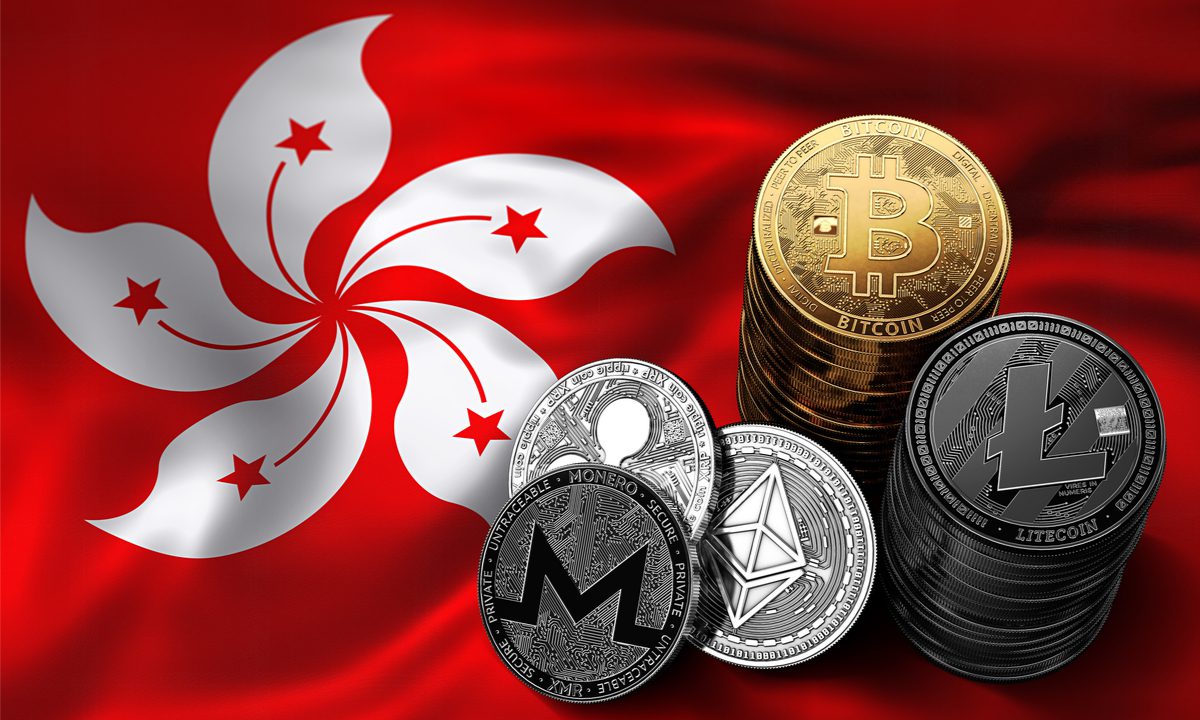
Hong Kong’s Securities and Futures Commission has intensified its scrutiny of virtual asset platforms offering staking services, emphasizing the associated risks and potential legal ramifications. The regulatory body has observed a surge in platforms promoting high-yield returns through staking, prompting a public advisory on the matter.

Staking, a process where cryptocurrency holders delegate their assets to support blockchain network operations, has gained popularity as a means to earn passive income. However, the SFC warns that many of these staking arrangements are not regulated, leaving investors vulnerable to significant risks, including the total loss of their investments. The commission highlighted that some platforms offer returns by on-lending deposited virtual assets or engaging in other investment activities without adequate transparency.

In a statement, the SFC underscored that certain staking programs might constitute unauthorized collective investment schemes . Under Hong Kong law, promoting or operating such schemes without proper authorization is a criminal offense, potentially leading to substantial fines and imprisonment.

The regulatory focus on staking services aligns with Hong Kong’s broader efforts to establish a comprehensive framework for virtual assets. The SFC has been actively exploring the introduction of new token listings, derivatives, and margin trading to enhance the city’s position as a digital asset hub. Julia Leung, the SFC’s Chief Executive, announced plans to potentially expand the regulatory framework to facilitate the listing of new tokens exclusively for professional investors and to review existing safeguards for retail offerings.

The SFC is considering the regulation of crypto derivative trading for professional investors, aiming to facilitate efficient risk transfer within the market. Staking is another area under review, with the commission planning to establish requirements governing the custody of client assets and mitigating risks associated with staking activities.

In addition to these initiatives, the SFC has been in discussions with crypto exchange-traded fund issuers about the possibility of including Ether staking options. This move could allow ETF issuers to stake ETH and generate passive income, providing investors with additional avenues for returns. However, these discussions are ongoing, and no definitive timeline has been established for implementation.

Ondo Finance’s native cryptocurrency, ONDO, is currently trading at $0.8041, reflecting a slight decline of 0.0131% from the previous close. The token’s intraday performance has seen a high of $0.8216 and a low of $0.7952.

The recent downturn in ONDO’s value aligns with escalating global trade tensions, which have introduced volatility across financial markets, including the cryptocurrency sector. Analysts are closely monitoring the $0.786 support level, considering it a critical threshold for ONDO’s short-term price stability. A breach below this point could signal further declines, while maintaining above it may indicate potential for recovery.

Technical indicators present a mixed outlook. The Relative Strength Index for ONDO stands at 41.91, suggesting that the token is neither in overbought nor oversold territory. Additionally, an uptick in trading volume during price dips points to increased selling pressure. Conversely, the proximity to the $0.786 support level offers a possibility for a rebound if buyers re-enter the market.

Ondo Finance has been proactive in bridging traditional finance with decentralized finance . The platform focuses on tokenizing real-world assets, aiming to provide institutional-grade liquidity solutions. Collaborations with prominent financial entities such as BlackRock, Franklin Templeton, and PayPal underscore its commitment to integrating conventional financial instruments with blockchain technology.

Shibarium, the Layer-2 blockchain designed to enhance the Shiba Inu ecosystem, has achieved a significant milestone by processing over 1 billion transactions since its launch in August 2023. This accomplishment underscores the network’s rapid adoption and robust performance within the cryptocurrency landscape.

Despite this technical achievement, the price of Shiba Inu’s native token, SHIB, has experienced a downturn. Over the past 24 hours, SHIB’s value declined by approximately 4.8%, trading at around $0.0000122. This decline extends to a 13% decrease over the past month, reflecting broader market trends.

The surge in Shibarium’s transaction volume is notable, especially when compared to established blockchains. For instance, Bitcoin required 15 years to reach a similar transaction count, highlighting Shibarium’s accelerated growth trajectory. The network’s ability to handle high transaction volumes without significant outages demonstrates its technical resilience and the active participation of the Shiba Inu community.

In addition to transaction volume, Shibarium has seen an increase in user engagement. The network boasts over 193 million unique addresses interacting with the platform, further indicating its expanding user base. The average block time remains at a swift 5 seconds, facilitating efficient transaction processing.

CoinList, a prominent cryptocurrency token launch platform, has resumed token sales for accredited investors in the United States after a five-year hiatus. This move follows a period during which U.S. participants were largely excluded from early-stage investments in notable projects such as Solana and Near.

The decision to re-enter the U.S. market aligns with a series of regulatory shifts under the current administration. The Securities and Exchange Commission has recently dismissed several high-profile cases against cryptocurrency firms, including Coinbase and Kraken. citeturn0search12turn0search4 These dismissals signal a more accommodating stance toward the crypto industry, fostering an environment conducive to innovation and investment.

CoinList’s last U.S. token sale occurred in 2019, a time when increased regulatory scrutiny led many projects to exclude American investors. The platform’s return is marked by the upcoming token sale for the DoubleZero Foundation, a project aiming to optimize the internet for distributed systems like blockchain. This sale represents CoinList’s first offering to U.S. accredited investors since its departure from the market.

The broader cryptocurrency market has experienced significant growth since 2019. Excluding Bitcoin, the market capitalization has expanded from $60 billion to $1.15 trillion. This surge underscores the increasing importance of providing U.S. investors with access to emerging digital assets.

The SEC’s recent actions reflect a strategic shift toward establishing a clear regulatory framework for cryptocurrencies. By dropping cases against major exchanges and platforms, the Commission appears to be prioritizing collaboration with the industry over litigation.

Industry observers note that this regulatory pivot could lead to increased participation from U.S. investors in early-stage crypto projects. The inclusion of American investors is seen as vital for the growth and global competitiveness of the U.S. crypto market.

While the easing of regulatory pressures presents new opportunities, it also raises concerns about the potential for reduced oversight. Some critics argue that a more lenient regulatory environment could increase the risk of fraudulent activities within the crypto space.

BlackRock’s USD Institutional Digital Liquidity Fund , a tokenized money market fund operating on the Ethereum blockchain, has witnessed a significant surge in total value locked , escalating from $615 million to $1.87 billion over a span of three weeks. This substantial growth underscores the increasing institutional interest in blockchain-based financial products.

The BUIDL fund invests in low-risk assets, including U.S. Treasury bills, cash, and repurchase agreements, offering investors a stable yield. The fund’s rapid expansion reflects a broader trend in the tokenization of real-world assets , a market that has recently surpassed $10 billion in TVL. Industry observers attribute this growth to a combination of factors, including enhanced regulatory clarity and the search for secure digital asset investments amid fluctuating cryptocurrency markets.

In addition to its presence on Ethereum, BlackRock has expanded BUIDL’s reach to multiple blockchains, including Avalanche, Aptos, Polygon, Optimism, and Arbitrum. This multi-chain strategy aims to leverage the unique advantages of each platform, such as reduced transaction fees and increased scalability. For instance, the management fee for BUIDL is set at 50 basis points on Ethereum, Arbitrum, and Optimism, while it is lower—only 20 basis points—on Aptos, Avalanche, and Polygon. This fee structure is supported by ecosystem development organizations that have agreed to subsidize the costs to incentivize usage on these platforms.

The tokenization of assets like those in the BUIDL fund offers several benefits, including fractional ownership, increased liquidity, and reduced transaction costs. By converting traditional financial products into digital tokens on a blockchain, investors can access and trade these assets more efficiently. This process also enables instantaneous and transparent settlement, enhancing the overall efficiency of financial markets.

Emails falsely claiming to be from the cryptocurrency exchange Gemini are circulating, sparking concerns of a growing scam targeting its users. The fraudulent messages allege that the company has filed for bankruptcy and urge recipients to click on a link to confirm account details or withdraw their funds before an impending shutdown. Experts warn that this is part of an ongoing wave of phishing schemes aimed at […]

JOHANNESBURG, SOUTH AFRICA – Media OutReach Newswire – 1 April 2025 – The BFSI Security Summit 2025 is set to take place on May 7, 2025, at the Radisson Blu Gautrain, Sandton, Johannesburg, bringing together leading cybersecurity experts, IT decision-makers, and industry pioneers to tackle the growing cyber risks facing Africa’s banking, financial services, and insurance (BFSI) sector. Cybersecurity remains a top concern for financial institutions in […]

A significant move has been made by a prominent Japanese hotel company, as it secured a 15.5% weighting in a crypto-focused exchange-traded fund . This marks an unexpected yet strategic shift towards the digital currency market by a company traditionally rooted in the hospitality sector. The hotel firm’s investment decision signals a broader trend of diversification and innovation within established industries, as more companies explore the potential of cryptocurrencies and blockchain technology.

The ETF, which predominantly focuses on digital assets, has attracted attention due to its potential to bridge the gap between traditional industries and the rapidly expanding cryptocurrency market. The hotel firm’s acquisition is particularly notable given the ongoing volatility in the cryptocurrency space, which often deters conservative investors. However, its decision reflects a calculated risk in pursuit of higher returns and the possibility of capturing the growing interest in decentralized finance systems.

Experts suggest that the firm’s move could serve as a signal to other companies in Japan and beyond, encouraging them to consider digital assets as part of their portfolios. Japan has historically been one of the more crypto-friendly nations, with a progressive regulatory approach that has supported the growth of the digital currency market. The country’s financial authorities have acknowledged the benefits of blockchain technology and the role it could play in shaping the future of global finance.

The hospitality sector, much like many others, has felt the pressure to adapt in the face of technological advancements. The COVID-19 pandemic has forced businesses to reimagine their operations and explore innovative avenues for growth. For the hotel company, investing in a crypto-focused ETF represents a forward-thinking approach to ensuring long-term sustainability in an increasingly digital world.

The decision comes as institutional interest in cryptocurrencies continues to rise, with major financial players such as investment firms and pension funds gradually incorporating digital currencies into their strategies. However, many experts caution that while the allure of crypto assets is undeniable, they remain a high-risk investment due to their volatility and regulatory uncertainty.

Despite these challenges, the hotel firm’s stake in the crypto ETF is seen as part of a broader trend of traditional companies seeking to capitalise on digital currencies. This move is not isolated; several other firms have either publicly stated their intention to invest in blockchain-based projects or have already made similar investments. The diversification of investment portfolios is a strategy being adopted by businesses looking to stay ahead in a fast-evolving financial landscape.

One of the driving factors behind this shift is the growing acceptance of cryptocurrency as a legitimate asset class. Bitcoin and Ethereum, two of the most well-known cryptocurrencies, have gained significant traction among both retail and institutional investors. Their increasing mainstream acceptance is pushing companies to reconsider their positions on digital currencies.

The hotel company’s move also comes at a time when the global financial markets are experiencing increased interest in crypto-related products. ETFs, which allow investors to gain exposure to various assets without directly purchasing them, have become one of the most popular investment vehicles for retail and institutional investors alike. The crypto ETF, in particular, has garnered significant attention for offering a more regulated and transparent way to invest in digital assets compared to direct investment in cryptocurrencies.

While the potential for growth within the crypto market is substantial, analysts continue to advise caution. The fluctuating nature of digital currencies, along with the regulatory uncertainties surrounding them, makes it a challenging environment for both investors and companies alike. Still, for businesses like the hotel firm, the potential rewards may outweigh the risks, especially as blockchain technology continues to demonstrate its utility beyond just financial transactions.

The investment also highlights the evolving role of hospitality companies in the broader tech landscape. As more businesses in traditional industries engage with the digital economy, the line between sectors becomes increasingly blurred. The integration of cryptocurrencies into established business models could pave the way for future innovations that bring added value to customers and stakeholders alike.

The hotel company’s shift into crypto represents a bold step in its ongoing transformation. Although the move might seem unorthodox, it is aligned with a growing trend of corporate diversification. The company’s leadership has expressed confidence in its ability to manage the risks associated with the crypto market, focusing on long-term growth prospects and positioning the company at the forefront of digital innovation.

LONDON, UK – Media OutReach Newswire – 31 March 2025 – Diginex Limited (“Diginex” or the “Company”)(Nasdaq: DGNX), a leading impact technology company focused on solving pressing environmental, social, and governance (ESG) challenges, today announced a strategic alliance with Forvis Mazars Global (“Forvis Mazars”), a leading global professional services firm, to bring its innovative supply chain due diligence platform, diginexLUMEN, to Forvis Mazars’ extensive client base. This […]

The United Arab Emirates has ascended to the forefront of global cryptocurrency adoption, marked by a 41% year-on-year increase in crypto app downloads, totaling 15 million in 2024. In January 2025 alone, the nation recorded 3.55 million installations of crypto applications, underscoring a robust and growing interest in digital assets. Projections indicate that user penetration will reach 39.1% by the end of 2025, signifying the transition of cryptocurrency from a niche interest to a mainstream financial instrument within the country.

This surge is underpinned by a proactive regulatory environment. The Dubai Financial Services Authority has expanded its list of recognized crypto tokens, while the Abu Dhabi Global Market introduced the world’s first Distributed Ledger Technology Foundations Framework, providing legal structures for blockchain-based organizations. Furthermore, the Central Bank of the UAE approved AE Coin, the nation’s inaugural dirham-pegged stablecoin, facilitating faster and more cost-effective digital transactions.

A study by Atmos, a proprietary trading platform by Taurex, highlights the UAE’s leadership in the crypto space. The research indicates a cryptocurrency ownership rate of 25.3% among the UAE population, coupled with an adoption growth rate of 210%. Despite the presence of only one Bitcoin ATM, the UAE secured the top position in the study’s rankings, reflecting the country’s deep integration of digital assets into its financial ecosystem.

The UAE’s commitment to fostering a crypto-friendly environment is further evidenced by substantial institutional investments. Abu Dhabi’s MGX, a $330 billion investment vehicle backed by Mubadala, recently acquired a $2 billion minority stake in Binance, one of the world’s leading cryptocurrency exchanges. This move aligns with the UAE’s ambition to become a global crypto hub and demonstrates confidence in the transformative potential of blockchain technology.

On a regional scale, the Middle East and North Africa have experienced significant growth in the crypto sector. Between July 2023 and June 2024, the UAE received over $30 billion in cryptocurrency, ranking among the top 40 globally and establishing itself as MENA’s third-largest crypto economy. This influx underscores the UAE’s pivotal role in the regional digital asset landscape.

A surge in Studio Ghibli-style AI-generated images has ignited a significant uptick in the creation and valuation of related meme coins within the cryptocurrency market. This trend follows the introduction of OpenAI’s ChatGPT-4o model, which enables users to produce images emulating the distinctive aesthetic of the renowned Japanese animation studio.

On March 25, OpenAI unveiled the ChatGPT-4o model’s image generation feature, allowing users to craft visuals reminiscent of Studio Ghibli’s celebrated films such as “Spirited Away” and “My Neighbor Totoro.” This capability quickly gained traction on social media platforms, with individuals sharing their AI-generated Ghibli-style portraits. Notably, OpenAI CEO Sam Altman participated by posting an image of himself rendered in this style, describing the release as “a new high-water mark” for creative freedom.

The trend garnered further momentum as prominent figures in the tech industry joined in. Entrepreneur Elon Musk shared his own Ghibli-inspired portrait, while Ripple executives Brad Garlinghouse and David Schwartz also posted similar images. Their involvement amplified the visibility of the Ghibli-style AI imagery movement across various online communities.

This widespread fascination with Ghibli-style AI art has translated into the cryptocurrency sphere, leading to the emergence of several Ghibli-themed meme coins. Tokens such as “Ghiblification” and “GhibliCZ” have experienced remarkable surges in market capitalization. Ghiblification, for instance, reportedly achieved a market cap of $20.8 million within 19 hours of its launch, marking a 39,010% increase in value.

The Solana blockchain has become a notable platform for these tokens, with several Ghibli-inspired meme coins experiencing rapid gains. The integration of AI-generated art trends with cryptocurrency ventures has attracted both investors and enthusiasts, leading to heightened trading activity and speculative interest.

However, the rapid proliferation of these tokens has raised concerns regarding their legitimacy and the potential for market manipulation. The cryptocurrency market is known for its volatility, and the sudden popularity of themed meme coins can lead to speculative bubbles. Investors are advised to exercise caution and conduct thorough research before engaging with such assets.

Shiba Inu , the cryptocurrency that emerged as a meme coin, has demonstrated a remarkable trend in investor behavior, with a significant majority of its holders displaying long-term commitment. Data from IntoTheBlock reveals that 76% of SHIB holders have maintained their positions for over a year, surpassing the long-term holder percentages of both Bitcoin and Ethereum , which stand at 74% and 73% respectively.

This development is particularly noteworthy given Shiba Inu’s relatively recent entry into the cryptocurrency market compared to its more established counterparts. The data suggests a growing confidence among investors in SHIB’s potential, despite its origins as a meme-based digital asset.

Further analysis indicates that 22% of SHIB holders have retained their tokens for a period ranging from one to twelve months, while a mere 2% have held their assets for less than a month. This distribution underscores a trend toward long-term investment strategies within the SHIB community.

The average holding period for SHIB is reported at 2.6 years, which is notable when compared to Ethereum’s 2.4 years and Bitcoin’s 4.4 years. This metric reflects the duration investors are willing to hold onto their assets, indicating a level of patience and belief in the token’s future appreciation.

Despite this positive indicator of investor confidence, Shiba Inu’s price has experienced fluctuations. At the time of reporting, SHIB was trading at $0.00001616, marking a 3% decline over the past 24 hours. Such volatility is not uncommon in the cryptocurrency market, especially among tokens that originated from internet culture and memes.

The concentration of SHIB holdings among a few large investors, often referred to as “whales,” remains a point of discussion within the community. While high whale concentration can lead to concerns about market manipulation and liquidity, the increasing number of long-term holders may contribute to a more stable market environment for SHIB.

The Shiba Inu ecosystem has been expanding, with developments such as Shibarium, a Layer-2 blockchain solution, and ShibaSwap, a decentralized exchange. These initiatives aim to enhance the utility and adoption of SHIB, potentially influencing investor sentiment and contributing to the observed holding patterns.

In the broader context, the cryptocurrency market has seen a decline in the value of meme coins, with the market capitalization dropping from a peak of $137 billion in December to $56.2 billion by late February 2025. Despite this trend, SHIB’s strong long-term holder ratio suggests a resilient investor base that remains optimistic about the token’s prospects.

The increasing holding times among SHIB investors may also reflect a strategic response to market conditions, with holders opting to retain their assets in anticipation of future value appreciation. This behavior aligns with a broader trend in the cryptocurrency market, where investors are becoming more discerning and adopting long-term perspectives.

VISHNU RAJA
RYO YAMADA
HITORI GOTOH
IKUYO KITA
Just in:
Oil and chip shares retreat after Democratic victories // APT29-linked campaign exploits outdated Apple and Android software // Cloudflare unveils Zero Wire vulnerability intelligence service // Millions Of Indians May Soon Be Deprived Of Government Assistance // Private varsities bill all set to face the axe // The “1st Greater Bay Area Health and Longevity Summit & Awards Ceremony” concludes successfully in Macao // Dubai boat show confirms international shipyard line-up for November // Kochi police detain two actors over bid to honey trap doctor // Xi Jinping Preparing For A Trilateral Summit With Trump And Putin At APEC Summit On Nov 18-19 // e-Crime Bureau Signs Cybersecurity Partnership With Smart Africa, Reinforcing Its Global Expansion // Ta’ziz finalises $1.39bn funding for Ruwais industrial facilities // ADIA and partners establish $1.4 billion aviation venture // Cyberport Venture & Capital Forum 2026 Grand Opening // Vance attributes Republican midterm defeats to Iran conflict // CR Longdation Aethereal Cybersecurity × Global Cybersecurity Alliance (GCSA) Join Hands to Establish the “AI and Cybersecurity Research Centre” // Asia Left Behind: Ten international companies have yet to report delivering on their cage-free egg pledges across the region // OpenAI identifies 948 Linux privilege escalation flaws using AI // Middle East governments assess Iran war after US vote // Fast Just Got Fastest: STING Energy Boost™ Celebrates Kimi Antonelli’s Formula 1® World Championship and the Fan Energy Behind It // Ousted top Kochi cop gets IG post //