News related to
blockchain

Meta Earth, a modular blockchain platform, is set to officially launch ME Network v2.0 during Token2049 Dubai, scheduled for April 30 to May 1, 2025. The event will take place at Madinat Jumeirah, Al Sufouh 1, Dubai.

As the sole modular blockchain among the title and platinum sponsors, Meta Earth has experienced significant growth, with over one million users participating in public testing and nearly 600,000 completing KYC verification within its inaugural year.

The launch event will feature discussions on core innovations in ME Network v2.0, global strategic plans, and future ecosystem developments. Attendees will have the opportunity to engage with more than 300 key opinion leaders and representatives from top-tier media outlets, focusing on blockchain adoption, decentralized ecosystems, and the future of Web3.

To incentivize participation, Meta Earth is introducing an airdrop campaign, offering on-site giveaways that include 1,000 mystery prizes valued at over $1,000 each, contributing to a total prize pool exceeding $1 million.

Following the main event, Meta Earth will host an official launch gathering on May 1, 2025, from 16:30 to 19:30 at the Ballroom, Address Sky View, Downtown Dubai. This session aims to provide deeper insights into the project’s vision, journey, and strategic initiatives, featuring direct engagement with Meta Earth’s founding team.

Meta Earth is dedicated to reshaping Web3 through its decentralized identity system and Unconditional Basic Income vision. The upgrade to ME Network v2.0 introduces a modular architecture designed to enhance scalability, reduce transaction costs, and provide a compliance-ready infrastructure.

The platform’s approach addresses longstanding challenges in traditional blockchain systems, such as interoperability and transaction speed, positioning Meta Earth as a significant player in the evolving blockchain landscape.

Token2049 Dubai is anticipated to be the world’s largest crypto event, providing a platform for industry leaders, investors, and technology enthusiasts to explore the latest trends and innovations in the blockchain space. Meta Earth’s participation underscores its commitment to advancing blockchain technology and fostering a more robust and versatile ecosystem.

The event is expected to generate considerable interest within the blockchain community, highlighting Meta Earth’s dedication to innovation, sustainability, and community engagement. By addressing critical issues such as interoperability and scalability, Meta Earth aims to contribute to the broader adoption and evolution of blockchain technology.

Attendees can anticipate a comprehensive presentation covering the technical framework and innovation roadmap of ME Network v2.0, as well as discussions on community growth and future initiatives. The event will also feature a live music and dance performance, offering a blend of informative sessions and networking opportunities.

Galaxy Digital, a prominent cryptocurrency investment firm led by Michael Novogratz, has agreed to a $200 million settlement with the New York Attorney General’s office. The settlement addresses allegations that the firm promoted the cryptocurrency LUNA without adequately disclosing its financial interests, while simultaneously selling substantial holdings of the token at a profit prior to its collapse.

The Terra ecosystem, which included the algorithmic stablecoin TerraUSD and its sister token LUNA, experienced a catastrophic collapse in May 2022. At its peak, LUNA boasted a market capitalization of approximately $40 billion, ranking among the top cryptocurrencies globally. The collapse of UST and LUNA resulted in significant financial losses for investors and raised concerns about the stability of algorithmic stablecoins.

According to the settlement details, Galaxy Digital actively promoted LUNA to investors while concurrently liquidating its own holdings without proper disclosure of these transactions. This dual action allegedly misled investors regarding the firm’s financial interests and the stability of the Terra ecosystem. The New York Attorney General’s office emphasized that such practices undermine market integrity and investor trust.

The $200 million settlement is structured to be paid over a three-year period. Notably, while Galaxy Digital has agreed to the financial terms, the firm has neither admitted nor denied the allegations put forth by the Attorney General’s office.

The collapse of Terra’s tokens had far-reaching implications beyond individual investor losses. The event triggered a broader market downturn, leading to increased scrutiny of the cryptocurrency industry by regulators worldwide. In the aftermath, several firms associated with Terra faced legal actions and financial penalties. For instance, Jump Trading Group agreed to a $123 million settlement with the U.S. Securities and Exchange Commission over allegations related to misleading investors about the stability of TerraUSD.

Terraform Labs, the company behind the Terra blockchain, filed for bankruptcy in January 2024. Subsequently, the firm reached a $4.47 billion settlement with the SEC to address allegations of fraud related to the collapse of TerraUSD and LUNA. The bankruptcy proceedings are ongoing, with efforts focused on winding down operations and compensating affected stakeholders.

Do Kwon, co-founder of Terraform Labs, has also faced legal challenges. After being detained in Montenegro in March 2023, Kwon was extradited to the United States to face federal fraud charges related to the collapse of TerraUSD and LUNA. The charges include wire fraud, commodities fraud, securities fraud, and conspiracy.

The Terra incident has prompted regulators to intensify their oversight of the cryptocurrency industry, particularly concerning the promotion and stability of digital assets. The SEC and other regulatory bodies have been actively investigating and, in some cases, penalizing firms that fail to provide transparent disclosures to investors or engage in misleading promotional activities.

Galaxy Digital’s settlement underscores the importance of transparency and ethical practices within the cryptocurrency sector. As digital assets continue to gain mainstream adoption, regulatory authorities are likely to maintain rigorous enforcement to protect investors and ensure market integrity. Firms operating in this space are increasingly expected to adhere to stringent disclosure requirements and ethical standards to foster trust and stability in the evolving financial landscape.

The repercussions of the Terra collapse serve as a cautionary tale for both investors and firms within the cryptocurrency industry. Investors are urged to conduct thorough due diligence and remain cautious of high-yield investment opportunities that lack transparency. Simultaneously, firms are reminded of the critical need to maintain ethical standards and comply with regulatory requirements to sustain the industry’s credibility and foster long-term growth.

As the cryptocurrency market continues to evolve, the balance between innovation and regulation remains a focal point. The outcomes of legal actions, such as the settlement involving Galaxy Digital, highlight the ongoing efforts by authorities to establish a regulatory framework that protects investors while accommodating the dynamic nature of digital assets.

Napster, the pioneering music-sharing platform from the late 1990s, has been acquired by Infinite Reality for $207 million. Infinite Reality, a company specializing in immersive digital media and e-commerce, plans to transform Napster into a social music platform that emphasizes interactive fan engagement. The revamped service aims to offer virtual concerts, social listening parties, and opportunities for artists to sell merchandise within a 3D virtual environment. John […]

Ethereum is currently trading at approximately $2,001.24, reflecting a decrease of $34.67 from the previous close. The day’s trading saw a high of $2,038.00 and a low of $1,985.14.

In contrast to Ethereum’s market challenges, Coldware is actively expanding its blockchain ecosystem. A notable addition is the introduction of Freeze.Mint, a Layer-2 service that enables users to create and launch their own tokens on the Coldware blockchain. This tool is designed to simplify token creation, offering a cost-effective solution for businesses and developers aiming to engage with customers, manage loyalty programs, raise funds, and foster community growth. By facilitating the minting of custom tokens, Coldware positions itself as a versatile platform for diverse blockchain applications.

Ethereum’s recent price decline has been attributed to several factors, including increased competition from alternative blockchains like Solana and Cardano, which offer faster and more cost-effective transactions. Additionally, the rise of memecoins has diverted investor attention, and internal challenges within Ethereum’s development community have contributed to market uncertainty. These dynamics have led to a 40% drop in Ether’s value over the past three months, with the cryptocurrency underperforming compared to major tokens such as Bitcoin.

The U.S. Securities and Exchange Commission has officially concluded its investigation into Immutable, a prominent player in the Web3 gaming sector, without finding any wrongdoing or pursuing enforcement actions. This development follows the Wells notice issued to Immutable in November 2024, which had signaled potential enforcement proceedings.

Robbie Ferguson, co-founder and president of Immutable, expressed satisfaction with the SEC’s decision, stating, “We are pleased the SEC has concluded its inquiry. This marks a significant milestone for the crypto industry and gaming as we advance towards a future with regulatory clarity.”

The SEC’s investigation was primarily focused on the 2021 “listing and private sales” of Immutable’s native token, IMX. The issuance of the Wells notice had raised concerns within the company and the broader cryptocurrency community about potential regulatory repercussions.

The closure of this investigation is seen as part of a broader shift in the SEC’s approach to cryptocurrency regulation under Acting Chair Mark Uyeda. The commission has recently ended probes into several crypto entities, including Gemini, Robinhood, OpenSea, Yuga Labs, and Ripple. This shift includes the establishment of a Crypto Task Force led by Commissioner Hester Peirce, aiming to develop comprehensive regulatory frameworks for digital assets.

Industry observers view the SEC’s decision as a positive signal for the Web3 gaming sector. Regulatory clarity is anticipated to encourage further innovation and investment in blockchain-based gaming platforms. Immutable has been at the forefront of integrating blockchain technology into gaming, offering solutions that enable true digital ownership for players.

In the wake of the SEC’s announcement, the IMX token experienced a notable surge in value. Market data indicates that IMX’s price increased by approximately 15%, reflecting investor optimism and confidence in Immutable’s future prospects.

While the SEC has closed its investigation into Immutable, other crypto firms continue to navigate regulatory challenges. Companies such as Unicoin and Crypto.com are still under scrutiny, highlighting the evolving and complex landscape of cryptocurrency regulation.

The sculptures are now available for public viewing at various locations across K11 MUSEA and add a bold, interactive dimension to Hong Kong’s city-wide celebration of the arts From 26 March to 13 May 2025 at GF, Promenade, K11 MUSEA HONG KONG SAR – Media OutReach Newswire – 26 March 2025 – British artist Philip Colbert‘s newest work, THE LOBSTER PAINTER, and five signature lobster sculptures transform […]

President Donald J. Trump has initiated a significant overhaul of the United States Agency for International Development , rebranding it as the U.S. International Humanitarian Assistance and integrating blockchain technology into its operations. This restructuring places the agency under the direct authority of Secretary of State Marco Rubio, aiming to enhance transparency and efficiency in foreign aid distribution.

An internal memo circulating within the State Department outlines the administration’s plan to utilize blockchain technology to secure and trace aid disbursements. The objective is to improve the transparency, security, and efficiency of aid distribution by leveraging blockchain’s immutable ledger capabilities. However, the specifics of this integration—whether it involves the use of cryptocurrencies or solely blockchain ledgers—remain unclear. The administration emphasizes a shift towards outcomes-based funding, intending to ensure that aid programs deliver measurable results.

Despite these intentions, the proposed reorganization has encountered legal challenges. A federal judge recently ruled that the dismantling of USAID by the Department of Government Efficiency , led by Elon Musk, likely violates the Constitution. The court issued an indefinite injunction blocking further actions against USAID and mandated the reinstatement of email and computer access to affected employees. This ruling does not reverse all personnel changes or fully restore the agency but highlights concerns over the administration’s approach to restructuring.

Critics argue that while blockchain technology offers potential benefits, its application in humanitarian contexts may not be necessary or cost-effective. Some experts caution that such technological solutions could impose additional burdens on smaller non-governmental organizations and may not provide substantial advantages over existing systems. They suggest that the focus should remain on addressing the immediate needs of aid recipients rather than implementing complex technological frameworks.

The administration’s broader strategy includes reducing the size of the federal government and reallocating resources to align more closely with American geopolitical interests. This involves concentrating on areas such as global health, food security, and disaster response, while politically oriented programs may be redirected to other sections within the State Department. The restructuring plan also proposes the elimination of multiple regional bureaus, aiming to streamline operations and enhance efficiency.

Secretary of State Marco Rubio has indicated that the reorganization will proceed with input from Congress, underscoring the administration’s commitment to aligning foreign aid programs with the interests of U.S. taxpayers and strategic objectives. However, the legal setbacks and critiques from various stakeholders suggest that the path forward may be complex and contentious.

Advertisements

The U.S. Department of the Treasury has lifted sanctions against Tornado Cash, a cryptocurrency mixer previously accused of facilitating extensive money laundering activities, including transactions linked to North Korean cybercriminals. This decision follows a series of legal challenges questioning the Treasury’s authority to impose such sanctions on decentralized software protocols.

In August 2022, the Treasury’s Office of Foreign Assets Control sanctioned Tornado Cash, alleging its involvement in laundering over $7 billion since its inception in 2019. Notably, OFAC claimed that the North Korean hacking group Lazarus utilized the platform to launder more than $455 million. The sanctions marked a significant move by the U.S. government to regulate the use of cryptocurrency mixers, which are designed to obfuscate transaction trails on blockchain networks.

The sanctions faced immediate opposition from various quarters of the cryptocurrency community. Six users of Tornado Cash, with financial backing from the cryptocurrency exchange Coinbase, filed a lawsuit challenging OFAC’s action. They argued that sanctioning open-source, self-executing software exceeded the agency’s statutory authority under the International Emergency Economic Powers Act . The plaintiffs contended that the immutable smart contracts constituting Tornado Cash could not be considered property subject to sanctions.

In November 2024, the U.S. Court of Appeals for the Fifth Circuit ruled in favor of the plaintiffs, stating that OFAC had overstepped its authority. The court held that the smart contracts underlying Tornado Cash were not property and, therefore, not subject to sanctions under IEEPA. This ruling underscored the challenges regulators face when applying traditional legal frameworks to decentralized technologies.

Following the court’s decision, the Treasury conducted a review of the legal and policy issues surrounding the use of sanctions in the context of evolving technologies. On March 21, 2025, the Treasury announced the removal of Tornado Cash and associated Ethereum wallet addresses from the Specially Designated Nationals list. In a statement, Treasury Secretary Scott Bessent emphasized the department’s commitment to combating illicit activities in the digital asset space while acknowledging the need to adapt regulatory approaches to technological advancements.

Despite the delisting, the Treasury reiterated its concerns about North Korea’s state-sponsored hacking and money laundering campaigns. The department stressed the importance of securing the digital asset industry from abuse by illicit actors to maintain U.S. leadership in financial innovation and inclusion. The Treasury also indicated that it would continue to monitor transactions that could benefit malicious cyber actors or the North Korean regime.

The legal proceedings against individuals associated with Tornado Cash have also been noteworthy. In 2023, two co-founders of Tornado Cash were charged with facilitating over $1 billion in money laundering, including transactions linked to the Lazarus Group. One of the co-founders, Roman Storm, is awaiting trial and has denied any criminal activity. Additionally, in May 2024, developer Alexey Pertsev was sentenced to five years and four months in prison in the Netherlands for money laundering related to his involvement with Tornado Cash.

The removal of sanctions against Tornado Cash has elicited varied reactions from the cryptocurrency community and regulatory observers. Proponents of decentralized technologies view the court’s decision and subsequent delisting as a victory for open-source software development and financial privacy. They argue that sanctioning code rather than individuals or entities sets a concerning precedent for technological innovation.

Conversely, critics express apprehension that the delisting could embolden malicious actors to exploit similar platforms for illicit purposes. They emphasize the necessity for regulatory frameworks that effectively address the misuse of privacy-enhancing technologies without stifling innovation. The case of Tornado Cash highlights the complexities regulators face in balancing the promotion of technological advancement with the imperative to prevent criminal exploitation of emerging technologies.

The Treasury’s decision to lift sanctions against Tornado Cash underscores the dynamic nature of regulatory approaches to decentralized technologies. As the digital asset landscape continues to evolve, regulatory bodies worldwide are grappling with the challenge of applying existing legal frameworks to novel technological constructs. The outcome of the Tornado Cash case may serve as a reference point for future policy discussions on regulating decentralized platforms and the broader implications for financial privacy and security.

In the wake of the delisting, stakeholders in the cryptocurrency industry are closely monitoring potential regulatory responses and the development of new guidelines tailored to address the unique attributes of decentralized technologies. The balance between fostering innovation and ensuring robust safeguards against illicit activities remains a central theme in the ongoing discourse on cryptocurrency regulation.

Ripple Labs has secured a significant legal victory as the U.S. Securities and Exchange Commission officially dropped its lawsuit against the company, concluding a four-year legal battle that has had profound implications for the cryptocurrency industry. Ripple’s CEO, Brad Garlinghouse, announced the development, marking a pivotal moment for both the company and the broader digital asset market.

The SEC initiated legal proceedings against Ripple in December 2020, alleging that the company’s sale of its native cryptocurrency, XRP, constituted an unregistered securities offering. This action cast a shadow over XRP and raised concerns about the regulatory status of similar digital assets. However, the SEC’s decision to dismiss the case signifies a notable shift in the regulatory landscape, potentially setting a precedent for how cryptocurrencies are classified and regulated in the United States.

In response to the news, XRP experienced a notable price surge. The cryptocurrency’s value increased by approximately 8%, reaching $2.56, as investors reacted positively to the resolution of the legal uncertainty that had long surrounded Ripple and its digital token. This price movement reflects renewed investor confidence and suggests a more favorable outlook for XRP’s future.

The conclusion of the lawsuit comes amid broader regulatory developments under President Donald Trump’s administration, which has adopted a more accommodating stance toward the cryptocurrency industry. The administration’s efforts to ease regulatory pressures have included the dismissal of multiple lawsuits against crypto companies and the establishment of a task force aimed at fostering innovation within the digital asset space. These measures underscore a strategic shift toward embracing the potential of cryptocurrencies and blockchain technology within the U.S. financial system.

President Trump’s engagement with the cryptocurrency sector was further highlighted by his recent address at the Digital Asset Summit 2025, where he acknowledged the growing importance of digital assets in the global economy. This marked the first time a sitting U.S. president has spoken at a cryptocurrency conference, signaling a significant endorsement of the industry’s legitimacy and potential. During his speech, President Trump emphasized his administration’s commitment to positioning the United States as a leader in the crypto space, advocating for legislative reforms to support the growth of crypto institutions and the broader adoption of digital assets.

The resolution of the Ripple lawsuit is expected to have far-reaching implications for the cryptocurrency market. By clarifying the regulatory status of XRP, the decision may influence how other digital assets are perceived and regulated, potentially paving the way for increased institutional investment and mainstream adoption. Market analysts suggest that this outcome could serve as a catalyst for further innovation and growth within the crypto industry, as regulatory clarity is often cited as a critical factor for broader acceptance and integration of digital assets into traditional financial systems.

Despite the positive developments, some analysts caution that the cryptocurrency market remains inherently volatile. While the dismissal of the SEC’s case against Ripple removes a significant overhang, investors are advised to remain vigilant and consider the inherent risks associated with digital asset investments. Market dynamics can be influenced by various factors, including regulatory changes, technological advancements, and macroeconomic trends, all of which can contribute to price fluctuations and investment risks.

Ripple’s legal victory also has implications for other cryptocurrency platforms and tokens facing regulatory scrutiny. The outcome of this case may serve as a reference point for future legal interpretations and enforcement actions by regulatory bodies, potentially influencing the development of more comprehensive and clear regulatory frameworks for the cryptocurrency industry. This could lead to a more predictable and stable environment for both crypto companies and investors, fostering greater confidence and participation in the digital asset market.

The United Arab Emirates property market is witnessing a notable influx of foreign institutional investors, marking a significant shift from its earlier reputation as a speculative arena dominated by individual buyers. This transformation is attributed to a combination of regulatory reforms, economic diversification, and the nation’s robust infrastructure, collectively enhancing the market’s appeal to large-scale investors. Historically, the UAE’s real estate sector was perceived as volatile, with […]

The Open Network Foundation has addressed circulating reports suggesting it raised $400 million in a funding round. Contrary to these claims, the Foundation clarified that prominent venture capital firms have collectively acquired over $400 million worth of Toncoin, the native cryptocurrency of the TON blockchain, through purchases from early investors.

Among the investors are notable firms such as Sequoia Capital, Ribbit, Benchmark, and Kingsway. Additional participants include Vy Capital, Draper Associates, Libertus Capital, CoinFund, Hypersphere, SkyBridge, and Karatage. These investments were made directly in Toncoin, rather than through traditional equity or cash transactions. A spokesperson for the TON Foundation emphasized that this is not a fundraising round but rather a strategic move by these venture capitalists, reflecting their confidence in the future success and utility of the TON blockchain and its expanding ecosystem.

The TON blockchain, originally developed by the founders of the messaging app Telegram, operates as a decentralized network supporting the development of Mini Apps within the Telegram ecosystem. In January, the Foundation strengthened its partnership with Telegram, designating TON as the exclusive blockchain for Telegram’s Mini Apps Ecosystem. This collaboration aims to provide Telegram’s extensive user base, which significantly exceeds 1 billion monthly active users, with seamless access to financial applications, including efficient payment solutions for goods and services.

Over the past year, the TON blockchain has experienced substantial growth. The number of active accounts surged from 4 million to 41 million, and Toncoin holders surpassed 121 million, exceeding the number of wallets holding Bitcoin. This remarkable expansion has attracted institutional investors globally, underscoring the network’s robust capabilities and potential.

Looking ahead, the TON Foundation aims to onboard 30% of active Telegram users to the TON blockchain by 2028. This ambitious goal will be driven by four key verticals:

1. Attracting users through Telegram’s native intellectual property, such as stickers, gifts, and on-chain collectibles.

2. Introducing engaging and rewarding multiplayer mini-games.

3. Providing decentralized finance solutions that offer user-friendly savings options with sustainable returns.

4. Creating practical payment applications that deliver real-world utility for crypto holdings.

Shaun Maguire, Partner at Sequoia Capital, expressed enthusiasm about the collaboration, stating, “The TON team is the best in the world at the intersection of consumer product thinking and crypto infrastructure. When you combine this with the global distribution of Telegram, we’re very excited to see where they go.”

Tron , the blockchain platform known for its high throughput and scalability, has expanded its ecosystem by integrating with the Solana blockchain. This strategic move aims to enhance cross-chain interoperability, offering users and developers increased flexibility within the decentralized finance landscape.

Justin Sun, founder of Tron, announced the integration, stating that TRX is now operational on the Solana blockchain, with full liquidity available. He provided the contract address for the Solana-based TRX coin, emphasizing the readiness of the liquidity pools.

The integration of TRX onto the Solana blockchain represents a significant strategic move for Tron. This cross-chain expansion offers several potential benefits: enhanced liquidity, improved interoperability, and wider adoption. The integration enables TRX to be traded on Solana-native decentralized exchanges like Pump.fun, potentially increasing overall trading volume and market accessibility. As a wrapped token on Solana, TRX can now participate in Solana’s DeFi ecosystem, which is known for its high throughput and low transaction costs. The move exposes TRX to Solana’s growing user base, potentially attracting new investors and users to the Tron ecosystem.

Beyond the Solana integration, Tron has revealed a partnership with Pump.fun to run the launch of PumpSwap, a new native decentralized exchange meant to reinvent liquidity access and cross-chain interoperability.

The integration of TRX into Solana is part of a broader trend towards increased interoperability and collaboration within the blockchain industry. As more projects seek to work together to overcome technical challenges and expand their user bases, this trend is driven by the recognition that no single blockchain can solve all the problems facing the industry, and that collaboration is key to unlocking the full potential of blockchain technology.

This move is expected to enhance the capabilities of smart contracts, NFTs, and DeFi applications within the Tron ecosystem. The collaboration could allow TRX holders to benefit from faster transactions, access cross-chain liquidity, and enjoy lower transaction costs for DeFi operations. Justin Sun’s vision for zero-fee stablecoin transactions on Tron could also gain momentum with this integration, making it more feasible and efficient.

The potential implications of this integration are vast. Direct TRX-SOL exchanges made possible by the integration could reduce dependency on external bridges, minimizing intermediary risks. Tron’s DeFi protocols, such as JustLend and SunSwap, could leverage Solana’s liquidity and ecosystem, expanding their use cases.

The integration of TRX onto the Solana blockchain represents a significant strategic move for Tron. This cross-chain expansion offers several potential benefits: enhanced liquidity, improved interoperability, and wider adoption. The integration enables TRX to be traded on Solana-native decentralized exchanges like Pump.fun, potentially increasing overall trading volume and market accessibility. As a wrapped token on Solana, TRX can now participate in Solana’s DeFi ecosystem, which is known for its high throughput and low transaction costs. The move exposes TRX to Solana’s growing user base, potentially attracting new investors and users to the Tron ecosystem.

Beyond the Solana integration, Tron has revealed a partnership with Pump.fun to run the launch of PumpSwap, a new native decentralized exchange meant to reinvent liquidity access and cross-chain interoperability.

The integration of TRX into Solana is part of a broader trend towards increased interoperability and collaboration within the blockchain industry. As more projects seek to work together to overcome technical challenges and expand their user bases, this trend is driven by the recognition that no single blockchain can solve all the problems facing the industry, and that collaboration is key to unlocking the full potential of blockchain technology.

The TON Foundation, the entity overseeing the development of The Open Network blockchain, has successfully raised over $400 million through the sale of its native cryptocurrency, Toncoin. This substantial investment underscores the growing confidence in blockchain technologies and their potential applications.

Prominent venture capital firms participated in this funding round, including Sequoia Capital, Ribbit, Benchmark, and Kingsway. Additional investors such as Vy Capital, Draper Associates, Libertus Capital, CoinFund, Hypersphere, SkyBridge, and Karatage also contributed, reflecting a broad spectrum of interest from established financial entities.

A spokesperson for the TON Foundation clarified that these investments were made directly in Toncoin, rather than through traditional equity or cash transactions. This approach aligns with the foundation’s commitment to integrating investors into the TON ecosystem, promoting active participation and alignment with the network’s growth objectives.

The TON blockchain, initially conceptualized by Telegram, has experienced significant development and adoption. Over the past year, it has attracted more than 40 million active users, with the number of independent Toncoin holders reaching approximately 121 million. This rapid expansion highlights the platform’s scalability and its appeal to a diverse user base.

Toncoin serves multiple functions within the TON ecosystem, including transaction fees, staking, and governance. Validators and stakers receive Toncoin rewards for securing the network, and holders can participate in on-chain governance by submitting and voting on improvement proposals. This multifaceted utility enhances the token’s value proposition and encourages community engagement.

The involvement of high-profile investors such as Sequoia Capital and Benchmark not only provides substantial financial backing but also brings strategic expertise to the TON Foundation. These firms have a history of supporting innovative technology ventures, and their participation is expected to accelerate TON’s development and market penetration.

The decision to raise funds through a token sale rather than traditional equity financing reflects a broader trend in the blockchain industry. This method allows for immediate liquidity and aligns investor incentives with the network’s performance, fostering a more integrated and symbiotic relationship between the foundation and its backers.

The successful capital raise positions the TON Foundation to further enhance its infrastructure, expand its user base, and explore new applications for its blockchain technology. As the blockchain landscape continues to evolve, TON’s ability to attract significant investment underscores its potential to become a major player in the decentralized technology space.

This development also reflects a growing institutional interest in cryptocurrencies and blockchain projects. The participation of established venture capital firms signifies a maturation of the industry, with traditional investors recognizing the long-term potential of decentralized networks and digital assets.

The TON Foundation’s strategic approach to fundraising and its commitment to integrating investors into its ecosystem may serve as a model for other blockchain projects seeking sustainable growth and community engagement. By aligning the interests of investors, developers, and users, TON aims to foster a vibrant and resilient network capable of adapting to the rapidly changing technological landscape.

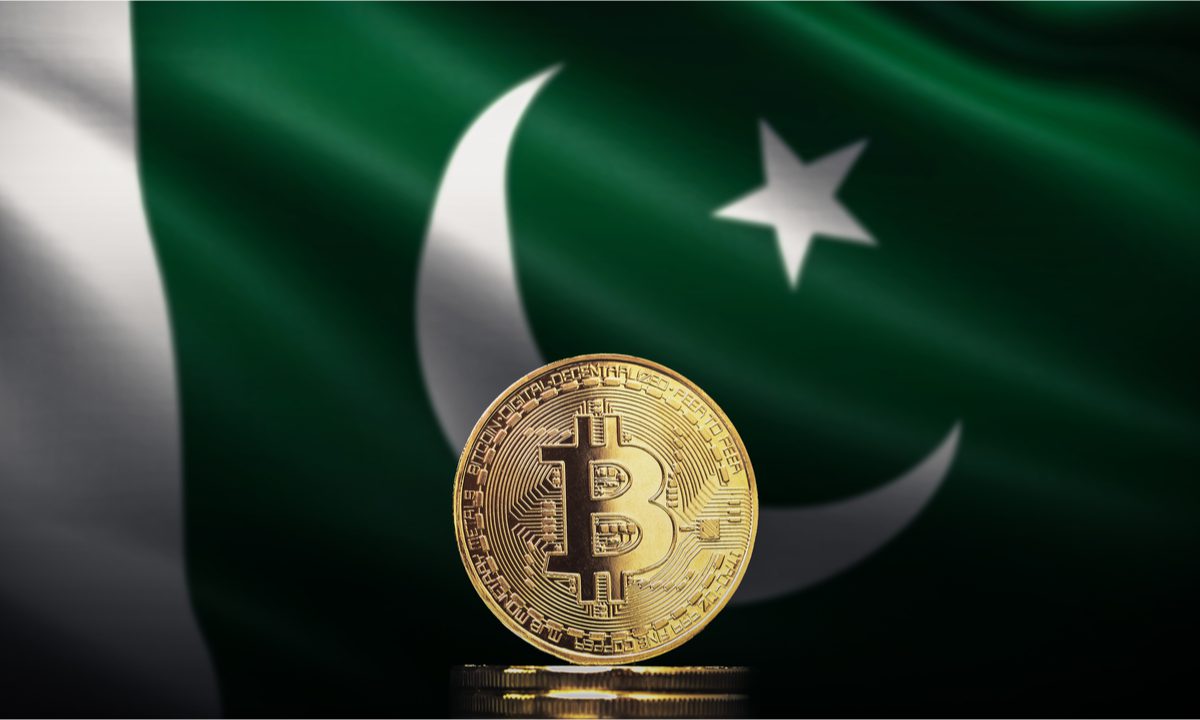
Pakistan is moving decisively towards establishing a legal framework for cryptocurrency trading, aiming to position itself as a hub for blockchain-powered finance and attract international investment.

Bilal Bin Saqib, the newly appointed Chief Executive Officer of the Pakistan Crypto Council, emphasized the country’s readiness to embrace digital assets. “Pakistan is done sitting on the sidelines; we want regulatory clarity and a legal framework that is pro-business,” Saqib stated. He highlighted Pakistan’s potential as a leader in blockchain finance, noting that “60% of the population is under 30; we have a Web3-native workforce ready to build.”

The Pakistan Crypto Council, established under the Ministry of Finance, is tasked with developing regulations and promoting blockchain technology and digital assets within the country. This initiative marks a significant shift from the central bank’s previous warnings against cryptocurrency use, citing concerns over fraud and financial instability.

Despite past apprehensions, Pakistan ranks ninth globally in crypto adoption, with an estimated 15 to 20 million Pakistanis engaging in cryptocurrency trading. This substantial user base underscores the pressing need for a clear regulatory environment to safeguard investors and stimulate economic growth.

Saqib, recognized by Forbes as a Web3 investor and blockchain strategist, highlighted Pakistan’s competitive advantage in the crypto space. He pointed out that the country offers one of the lowest operating costs for crypto businesses, making it a more cost-effective alternative to hubs like Dubai and Singapore.

The government’s proactive stance includes plans to engage with countries like the United Arab Emirates, Nigeria, and Turkey to learn from their regulatory experiences. This collaborative approach aims to ensure that Pakistan’s digital asset ecosystem evolves securely, compliantly, and sustainably.

On the taxation front, the government intends to adopt a “balanced pro-growth tax structure” designed to attract foreign investment while fostering domestic innovation. This strategy reflects a commitment to creating a business-friendly environment that encourages the integration of blockchain technology into various sectors of the economy.

The establishment of the Pakistan Crypto Council underscores the government’s commitment to integrating blockchain technology with the financial landscape. The council’s role includes overseeing policy development, addressing regulatory challenges, and collaborating with international bodies to develop standardized frameworks for digital economic engagement.

This move aligns with global trends, as countries worldwide are increasingly recognizing the potential of cryptocurrencies and blockchain technology. By creating a clear regulatory framework, Pakistan aims not only to attract international investors but also to position itself as a leader in the rapidly evolving digital economy.

Dubai has embarked on a groundbreaking initiative to revolutionise its real estate sector by launching a pilot project for property tokenization. Spearheaded by the Dubai Land Department , this endeavour positions Dubai as the first property registration authority in the Middle East to integrate blockchain technology into property title deeds, marking a significant milestone in the region’s technological advancement. The core objective of this project is to […]

Ethereum’s decentralized finance ecosystem has experienced a substantial contraction, with total value locked plummeting by $29 billion over the past 30 days. This decline has raised concerns about Ethereum’s dominance in the DeFi landscape, especially as rival blockchains gain traction.

As of March 19, Ethereum’s TVL stands at $89 billion, down from $118 billion recorded on February 19, marking a 25% reduction in total deposits within its DeFi platforms. This downturn coincides with a surge in the Bitcoin to Ethereum ratio, which has reached an all-time high. Currently, with Bitcoin trading at $83,000 and Ethereum at $1,900, one BTC can now purchase over 44 ETH, reflecting a 30% increase from the 1:33 ratio observed on February 25.

Several factors have contributed to this sharp devaluation. The introduction of new trade tariff policies has unsettled global markets, prompting crypto investors to seek safety in Bitcoin over Ethereum. Additionally, Ethereum’s ongoing network scalability issues and unsuccessful updates have dampened investor confidence. Historical data indicates that Ethereum’s devaluation has accelerated post-Merge, with multiple failed network upgrades pushing ETH supply above pre-Merge levels.

The Ethereum Foundation attempted to regain control by reshuffling leadership in February, but investor sentiment remains bleak following the disappointing Pectra and Hoodi updates. This has led to a massive capital outflow from Ethereum’s DeFi ecosystem, with TVL dropping from $118 billion on February 19 to $89 billion on March 19, marking a $29 billion capital loss within a month—a 25% decline in total deposits across Ethereum DeFi.

The declining on-chain statistics align with lower demand for leveraged longs in ETH futures. The premium of these futures over spot markets has dropped below the 5% neutral level to only 3%—the lowest in over a year—indicating diminished trading confidence.

Ethereum’s decentralized exchange volumes have seen a significant decline, with volumes decreasing approximately 30% over the last week. Specific protocols within the Ethereum network have exhibited notable drops in activity, with the Maverick Protocol experiencing an 85% reduction and Dodo’s volume decreasing by 45%.

Despite these challenges, Ethereum maintains its leadership in total value locked, currently at $47.2 billion. However, a 9% weekly drop has significantly narrowed the gap with competitors. In contrast, BNB Chain’s deposits increased by 6% in the past week, while Ethereum’s key DeFi projects saw major losses, including an 11% drop in Stargate Finance’s TVL, a 9% decline in Maker’s deposits, and a 6% reduction in Spark Finance.

The $29 billion drop in Ethereum’s DeFi TVL, coupled with continued scalability struggles and external economic pressures, heightens bearish risks. As liquidity diminishes in the DeFi ecosystem, ETH coins previously locked in smart contracts are entering the short-term market supply. If capital outflows persist, ETH could face further downward pressure, potentially retesting the $1,500 support zone. Additionally, with Bitcoin’s dominance widening, ETH risks losing more market share in the near term, especially if upcoming economic policies do not meet market expectations.

The declining interest in Ethereum-based exchange-traded funds further exacerbates the situation. Over the past seven days, these digital assets have suffered cumulative outflows of $265.4 million, reflecting diminished institutional interest.

In response to these challenges, Ethereum’s developers are under increasing pressure to address scalability issues and restore investor confidence. The upcoming Hoodi update is anticipated to tackle some of these concerns, but its success remains uncertain. Meanwhile, competitors like Solana and BNB Chain are capitalizing on Ethereum’s setbacks, attracting users and liquidity with their own DeFi offerings.

Stablecoins have solidified their position in the cryptocurrency market, sustaining an impressive on-chain transaction volume of approximately $800 billion per month over the past four months. This consistent activity underscores the pivotal role stablecoins play in digital finance, offering stability amidst the volatility often associated with cryptocurrencies.

Ethereum, the leading blockchain platform for decentralized applications, continues to dominate as the primary network for stablecoin transactions. Notably, it hosts substantial amounts of the two major stablecoins: USD Coin and Tether . As of the latest data, Ethereum’s network holds around $35 billion in USDC and $67 billion in USDT, reflecting its central role in the stablecoin ecosystem.

The sustained high transaction volumes of stablecoins can be attributed to their widespread adoption for various financial activities, including trading, remittances, and decentralized finance applications. Their ability to maintain a stable value, typically pegged to fiat currencies like the US dollar, makes them an attractive medium for transferring value without the price fluctuations characteristic of other cryptocurrencies.

In 2023, stablecoins facilitated transactions totaling $10.8 trillion, with $2.3 trillion attributed to organic activities such as payments and cross-border remittances. This substantial usage highlights the growing trust and reliance on stablecoins within the global financial system.

Siemens, Europe’s largest industrial technology company, has partnered with Minima, a pioneer in decentralized blockchain technology, to integrate blockchain capabilities into its devices across the automotive, robotics, energy, and healthcare sectors. This collaboration aims to bolster data integrity and security in the rapidly evolving landscape of connected industrial systems. The partnership is facilitated through Siemens Cre8Ventures, an initiative dedicated to accelerating industrial transformation by collaborating with startups […]

Raydium, a leading decentralized exchange and automated market maker on the Solana blockchain, has announced the launch of LaunchLab, a new token launchpad platform. This development positions Raydium in direct competition with Pump.fun, a prominent memecoin launchpad that has significantly influenced Raydium’s revenue streams.

LaunchLab is designed to emulate and enhance the functionalities of Pump.fun, offering token creators a platform to introduce new tokens with various bonding curves—linear, exponential, and logarithmic—that align token prices with market demand. Additionally, LaunchLab allows third-party user interfaces to set their own fees, providing greater flexibility for developers and users alike.

The introduction of LaunchLab comes on the heels of reports that Pump.fun is developing its own AMM, signaling a shift away from its reliance on Raydium’s infrastructure. This move by Pump.fun could potentially divert liquidity and trading volume from Raydium, prompting the DEX to innovate and retain its market position.

Pump.fun has been a significant contributor to Raydium’s revenue, with memecoins launched on Pump.fun accounting for approximately 41% of Raydium’s swap fee revenue over the past 30 days. The platform’s model involves depositing liquidity into Raydium’s trading pools once a token reaches a market capitalization of $69,000, thereby integrating with Raydium’s AMM.

The potential migration of tokens from Pump.fun to its own AMM has raised concerns about a possible decline in Raydium’s revenue. In February, Raydium’s native token, RAY, experienced a 25% decline, reflecting investor apprehension about future revenue streams. Despite this downturn, Raydium maintains a robust financial position, with approximately $168 million on its balance sheet, enabling it to invest in new initiatives like LaunchLab.

Raydium’s core contributor, known pseudonymously as Infra, stated that the development of LaunchLab began several months ago but was initially shelved to avoid direct competition with other platforms. However, the evolving landscape, particularly Pump.fun’s move towards establishing its own AMM, necessitated Raydium’s proactive response. Infra emphasized that LaunchLab is not intended to replace Pump.fun but to serve as an alternative for teams seeking to leverage Raydium’s AMM v4 for pool migrations.

The memecoin market has experienced fluctuations, with a notable decline in investor interest. Pump.fun’s graduation rate—the percentage of tokens successfully transitioning from incubation to full tradability on a Solana DEX—has fallen below 1% since mid-February. This decline reflects growing caution among investors regarding high-risk memecoin investments.

Despite these challenges, Raydium’s RAY token has shown resilience. Following the announcement of LaunchLab, RAY surged approximately 28%, rising from $1.60 to $2.00. This uptick indicates renewed investor confidence in Raydium’s strategic direction and its ability to adapt to market dynamics.

The launch of LaunchLab signifies a pivotal moment in the Solana ecosystem, potentially intensifying competition among token launchpads. As both Raydium and Pump.fun vie for prominence, the Solana community may witness accelerated innovation, offering users diverse options for token creation and trading. This competitive landscape could lead to more robust and user-centric platforms, benefiting the broader cryptocurrency market.

However, challenges persist. The declining interest in memecoins poses a risk to platforms heavily reliant on such tokens for revenue. Raydium’s strategic move to launch LaunchLab may mitigate potential revenue losses from Pump.fun’s shift towards its own AMM, but the platform must continue to innovate and adapt to maintain its market share.

Arabian Post Staff -Dubai President Donald Trump hosted Sheikh Tahnoon bin Zayed Al Nahyan, the United Arab Emirates’ National Security Adviser and Deputy Ruler of Abu Dhabi, at the White House on Tuesday evening. The meeting underscored the enduring ties between the two nations and focused on enhancing cooperation in technology and investment sectors. In a statement following the dinner, President Trump highlighted the significance of the […]

Abu Dhabi-based investment firm MGX has made a landmark $2 billion investment in Binance, the world’s largest cryptocurrency exchange. This move marks MGX’s inaugural foray into the cryptocurrency and blockchain sectors, securing a minority stake in Binance. The transaction was conducted entirely in stablecoins, underscoring the growing institutional acceptance of digital assets.

MGX, chaired by Sheikh Tahnoon bin Zayed al-Nahyan, has historically focused on artificial intelligence and advanced technologies. Its previous investments include partnerships with BlackRock and Microsoft for a $30 billion AI fund. By investing in Binance, MGX aims to integrate AI, blockchain technology, and finance, reflecting a broader strategy to support the transformative impact of blockchain on society.

Binance, founded in 2017 by Changpeng Zhao, has rapidly ascended to become a dominant player in the cryptocurrency market. However, its journey has been fraught with regulatory challenges. In 2023, the exchange faced a $4.3 billion fine for failing to prevent money laundering, prompting efforts to rebuild its reputation and strengthen compliance measures.

The UAE’s ambition to position itself as a global hub for digital assets is evident. The country has introduced the AE Coin, a stablecoin backed by the UAE dirham, and has been proactive in establishing favorable regulations to attract international crypto companies. Binance’s substantial presence in the UAE, with approximately 1,000 employees, aligns with this national vision.

Industry experts believe that MGX’s investment could serve as a catalyst for clearer regulatory frameworks in the cryptocurrency space. A significant investment from a government-backed entity like MGX adds a layer of legitimacy to the cryptocurrency industry. It signals growing institutional acceptance and can attract more traditional investors.

LONDON, UNITED KINGDOM – Media OutReach Newswire – 17 March 2025 – Diginex Limited (“Diginex” or the “Company”)(Nasdaq: DGNX), an impact technology company specializing in environmental, social, and governance (“ESG”) issues, today announced the signing of two memorandum of understandings (“MOUs”) to pursue a broad strategic partnership to facilitate Diginex with its planned expansion in the United Arab Emirates (“UAE”) and the broader Gulf Cooperation Council region […]

CME Group, the world’s largest futures exchange, has introduced Solana futures contracts, providing institutional investors with an additional tool for trading the popular cryptocurrency. This move marks a significant step in the expansion of derivatives markets, particularly as digital assets like SOL continue to rise in prominence within the blockchain ecosystem.

The introduction of Solana futures comes at a time when demand for cryptocurrency-related products among institutional players is growing. By expanding beyond traditional spot trading and options, CME Group is responding to a clear market trend: the increasing appetite for advanced financial instruments in the digital asset space. With the launch of these futures contracts, CME Group further solidifies its position as a leader in cryptocurrency derivatives trading, following its successful rollouts of Bitcoin and Ethereum futures.

For institutional investors, Solana futures provide a method of hedging risk and gaining exposure to the cryptocurrency market without having to directly own or manage the underlying asset. Futures contracts are particularly useful for large-scale traders, offering opportunities to speculate on price movements and manage the volatility associated with crypto assets. The addition of SOL futures further diversifies the range of cryptocurrency products available on the CME Group’s platform, complementing its existing offerings.

SOL, the native cryptocurrency of the Solana blockchain, has seen impressive growth in recent months. It continues to strengthen its position as a leading layer 1 network, noted for its fast transaction speeds and low costs, which have made it a popular choice for developers. As the blockchain ecosystem continues to evolve, Solana’s robust performance in areas like decentralized finance , NFTs, and gaming has contributed to a growing number of use cases, driving interest among both retail and institutional investors.

The rise of Solana can be traced to its unique combination of scalability and decentralization, offering an alternative to slower and more expensive platforms like Ethereum. In particular, Solana’s ability to process thousands of transactions per second at a fraction of the cost of its competitors has made it an attractive option for developers seeking high-performance blockchain solutions. This technical advantage is reflected in the increasing adoption of the Solana network, further contributing to its growing market capitalization and network activity.

As the launch of Solana futures unfolds, the attention is on how the product will be received by institutional traders, many of whom have previously shown a preference for more established cryptocurrencies like Bitcoin and Ethereum. However, the entry of new institutional investors into the Solana market could be a game-changer. The volatility that characterises Solana’s price movements may appeal to institutional traders looking for more active trading opportunities and higher-risk, higher-reward positions. Moreover, the futures contracts offer a way to gain exposure to Solana’s price without being directly affected by the underlying volatility in the same way as spot holders.

In addition to its core functionality as a trading tool, the launch of Solana futures is also indicative of broader trends within the cryptocurrency market. The growing institutional interest in digital assets has led to a surge in derivative products, enabling sophisticated trading strategies that were once unavailable in the traditional financial markets. The success of Bitcoin and Ethereum futures, which have attracted billions in liquidity, serves as a precedent for the growing acceptance of cryptocurrencies in institutional investment portfolios.

The move to introduce Solana futures aligns with CME Group’s broader strategy of offering diverse cryptocurrency-related products to meet the needs of institutional investors. By expanding its product offering to include Solana, CME Group not only attracts more traders to its platform but also increases the legitimacy of the cryptocurrency market within traditional financial systems. This development is likely to encourage further innovation and investment in the sector.

Beyond Solana’s technical advantages, the timing of its futures contract launch also positions CME Group strategically within the broader cryptocurrency landscape. As the digital asset market continues to mature, institutional adoption is poised to grow, with more regulatory clarity and financial infrastructure emerging. As one of the first exchanges to offer a futures contract for Solana, CME Group places itself at the forefront of this market evolution.

Despite Solana’s recent successes, challenges remain for the network. The blockchain’s rapid growth has been accompanied by concerns over network stability, with occasional outages raising questions about the scalability and reliability of its technology. While these issues have not significantly hindered Solana’s progress to date, any technical difficulties could potentially affect investor confidence in the network. However, as Solana continues to innovate and improve its infrastructure, its position in the crypto space looks increasingly secure.

The introduction of Solana futures is expected to bring increased liquidity to the market, further boosting its visibility and legitimacy in the eyes of institutional investors. For CME Group, the move represents a strategic push to offer products that cater to the growing demand for cryptocurrency-based trading instruments, and it reflects the evolving nature of digital asset markets.

OKX, a prominent cryptocurrency exchange, has temporarily suspended its decentralized exchange aggregator service following the detection of a coordinated attempt by the North Korean hacking collective, Lazarus Group, to exploit its decentralized finance offerings. This proactive measure aims to bolster security and prevent further misuse of the platform.

The exchange announced that, after consulting with regulators, it decided to pause its DEX aggregator services to implement additional security upgrades. This suspension allows OKX to address incomplete tagging on blockchain explorers and enhance its systems to prevent malicious activities. The company emphasized its commitment to transparency and is collaborating with blockchain explorers to ensure accurate labeling of transactions, thereby preventing the misidentification of its aggregator as the point of trade.

In response to the detected threats, OKX has already rolled out several security enhancements. These include a hacker address detection system for its Web3 DEX aggregator and a real-time tracking mechanism to monitor and block malicious addresses within its centralized exchange. These measures are part of OKX’s ongoing efforts to stay ahead of cyber threats and protect its users.

Despite the suspension of the DEX aggregator, OKX’s wallet services remain operational. However, the creation of new wallets has been temporarily paused in select markets during this period of heightened security measures. The exchange has not provided a specific timeline for the resumption of its DEX aggregator services, indicating that the suspension will remain in effect until the necessary security upgrades are fully implemented.

The decision to suspend the DEX aggregator comes amid reports of European Union financial watchdogs investigating OKX’s Web3 services and wallet offerings for their alleged role in laundering funds from a significant hack targeting another cryptocurrency exchange, Bybit. According to Bybit CEO Ben Zhou, approximately $100 million from the $1.5 billion hack had been laundered through OKX’s Web3 platform, with a portion of the funds now untraceable.

OKX has refuted these allegations, stating that such reports are misleading. The exchange asserts that upon learning of the Bybit hack, it took immediate action by freezing associated funds from moving into its centralized exchange and developing new hack detection features. OKX maintains that its Web3 DEX aggregator is not a custodian of customer assets but rather serves to provide access to liquidity across multiple protocols, offering users an efficient peer-to-peer trading experience.

The Lazarus Group, believed to be linked to the North Korean government, has been implicated in several high-profile cyberattacks targeting financial institutions and cryptocurrency platforms. Their involvement in the attempted exploitation of OKX’s DeFi services underscores the persistent threats facing the cryptocurrency industry.

In light of these events, OKX has reiterated its commitment to combating financial crime and enhancing the security of its platforms. The exchange has implemented measures such as prohibited markets’ IP blocking and a real-time black address detection and blocking system. OKX CEO Star Xu emphasized the company’s dedication to building industry control standards in collaboration with global partners to ensure a secure and transparent trading environment.

VISHNU RAJA
RYO YAMADA
HITORI GOTOH
IKUYO KITA