News related to
blockchain

TapSwap, the emerging player in the GameFi sector, is set to make a significant mark in the cryptocurrency and gaming worlds through its skill-based gaming platform that combines cryptocurrency with engaging gameplay. Building on the appeal of play-to-earn (P2E) models, TapSwap aims to surpass conventional gaming by incentivizing players to earn tokens based on their skill and activity rather than sheer time spent in-game. This approach has […]

The UAE has unveiled its long-term National Investment Strategy 2031, aiming to attract and retain investments that will fortify the country’s economic diversification and accelerate its status as a global hub for business. The strategy is poised to reshape the investment landscape, focusing on key sectors including advanced technology, renewable energy, healthcare, and financial services.

The UAE’s leadership emphasized that the strategy is a pivotal element of the country’s broader economic transformation plan, building on its recent successes in establishing itself as a leading center for trade, technology, and innovation. As part of the strategy’s goals, the country is looking to increase the volume of foreign direct investment (FDI), enhance local businesses, and promote the integration of sustainable economic practices across industries.

Underpinning this ambitious strategy is the objective to improve the UAE’s competitive position in the global market by tapping into sectors of emerging global importance. This approach is intended not only to attract new investments but also to foster innovation that will drive growth across both traditional and non-traditional sectors. By 2031, the UAE aims to position itself as a key player in the global knowledge economy, with sustainable and cutting-edge technologies leading the charge.

One of the most critical components of the strategy is a comprehensive focus on advanced industries, particularly those that integrate artificial intelligence (AI), data science, and renewable energy technologies. In line with global trends, the UAE is seeking to capitalize on the opportunities brought about by climate change adaptation and green technologies. By investing in renewable energy projects, including solar and nuclear power, the nation is positioning itself to become a leader in sustainable energy solutions while contributing to global climate goals.

Another key feature of the strategy is its emphasis on strengthening the healthcare sector. As the world faces growing challenges related to aging populations and pandemics, the UAE is investing in health technologies that promise to not only improve the quality of healthcare services but also reduce costs and enhance healthcare delivery. This includes advancements in medical research, biotechnology, and digital health technologies, all aimed at improving efficiency and accessibility in the health sector.

A focal point of the UAE’s National Investment Strategy is also its effort to encourage the expansion of the financial services industry, particularly focusing on fintech innovations. By tapping into emerging trends such as blockchain, digital currencies, and decentralized finance, the UAE seeks to redefine its financial ecosystem, making it more agile and globally competitive. This is part of a broader initiative to attract a new generation of entrepreneurs and investors, particularly those in the tech and financial sectors.

The strategy also acknowledges the importance of a flexible and attractive regulatory framework for investors. The UAE plans to introduce measures that further ease the process of setting up businesses, reducing bureaucratic hurdles, and promoting an environment conducive to innovation. These steps include improvements in intellectual property laws, enhancing access to venture capital, and increasing transparency within the market. In this context, the UAE’s government is also aiming to make significant strides in digitizing the business registration process and enhancing the speed and efficiency with which new enterprises can operate.

The announcement of the National Investment Strategy 2031 comes at a time when the UAE is already seeing notable investments flowing into its economy. The UAE government has actively pursued bilateral investment agreements with countries across the globe, resulting in increased foreign capital inflows. The goal is to build on this momentum and ensure that the country remains an attractive proposition for investors and entrepreneurs seeking a stable and profitable business environment.

The strategy also aligns with the UAE’s Vision 2030, which places heavy emphasis on sustainability and economic diversification. It seeks to reduce the country’s reliance on oil exports and move towards a more knowledge-based economy. This vision aims to diversify revenue streams while fostering innovation and ensuring a more resilient economy in the face of global economic fluctuations. To support this transition, the UAE has been progressively creating a conducive ecosystem for high-tech industries, incorporating digital and green solutions into its infrastructure projects, and providing substantial incentives for businesses engaged in sustainability.

At the heart of the National Investment Strategy is the creation of new partnerships with global technology companies, investors, and academic institutions. These collaborations are expected to drive research and development activities, particularly in sectors that focus on sustainability, health, and innovation. Such partnerships are intended to propel the country’s efforts in creating a vibrant innovation ecosystem, fostering an environment where groundbreaking ideas can thrive and scale up quickly.

The strategy’s success will be closely tied to its ability to leverage the UAE’s geopolitical position as a bridge between East and West. Positioned at the crossroads of Europe, Asia, and Africa, the UAE has long served as a gateway for international trade, investment, and commerce. This strategic location, combined with its advanced infrastructure and growing talent pool, will help the UAE remain a prominent player on the global investment map.

Bitcoin has surged to an all-time high as traders factor in the possibility of a Donald Trump victory in the upcoming U.S. presidential election. The cryptocurrency reached new heights, surpassing the $40,000 mark for the first time, driven by a combination of factors, including growing political uncertainty, the appeal of Trump’s economic policies, and an increasing demand for decentralized assets as hedges against inflation.

As the election race intensifies, market analysts are closely monitoring how Trump’s political resurgence could impact traditional markets and the broader economy. Traders seem to be betting that a second Trump presidency would lead to favorable conditions for Bitcoin, particularly given his past rhetoric on the benefits of digital currencies and his critical stance toward centralized financial systems.

Bitcoin’s rapid rise comes at a time when the broader global economy is grappling with uncertainty. The U.S. economy, though resilient in many ways, faces challenges such as inflation, supply chain disruptions, and a fluctuating stock market. With the Federal Reserve’s interest rate hikes and the push for tightening monetary policy, many investors are looking for assets that provide an alternative to traditional banking systems. Bitcoin, often viewed as a store of value similar to gold, fits the bill.

Trump’s influence on Bitcoin’s price movement is not entirely new. In 2017, during his first presidential campaign, Bitcoin saw significant price appreciation, as his anti-establishment rhetoric resonated with many investors seeking refuge from a perceived unstable traditional financial system. His leadership style, coupled with calls to deregulate the financial sector, has always aligned with the ideals of the crypto community, which champions decentralization and reduced government oversight.

The current market sentiment surrounding Bitcoin reflects growing confidence in the cryptocurrency’s long-term potential, especially among traders who perceive Trump’s economic policies as supportive of asset appreciation. Trump’s stance on cryptocurrencies has evolved over time. Initially dismissive, his recent statements have indicated a more favorable approach, particularly with the rise of Bitcoin’s mainstream appeal.

While Bitcoin’s value continues to climb, it has also drawn attention from traditional financial institutions, who are taking a closer look at the asset class. Major financial firms are increasingly open to the idea of incorporating Bitcoin into their portfolios, with some even offering products that allow clients to invest directly in the cryptocurrency. This shift represents a growing mainstream acceptance of Bitcoin, which was once viewed as a speculative and volatile asset.

The surge in Bitcoin’s price is not solely attributable to political factors. The rise of institutional investment, the increasing adoption of blockchain technology, and regulatory clarity are all contributing to the cryptocurrency’s appeal. In countries like El Salvador, where Bitcoin has been adopted as legal tender, the digital currency’s role as a financial tool has become more apparent. The growing use of blockchain technology in industries ranging from supply chain management to healthcare also bodes well for Bitcoin’s future, as it becomes increasingly intertwined with global economic systems.

In the U.S., Bitcoin’s role in the political sphere is also gaining attention. Some political figures, particularly those aligned with the Republican Party, have expressed support for digital currencies, viewing them as a way to counterbalance the influence of the Federal Reserve and the U.S. dollar. Trump, despite his criticisms of the current administration, has been vocal in supporting policies that could benefit the cryptocurrency market. His stance on cryptocurrency has been a mixture of endorsement and skepticism, but his broader economic agenda, which favors lower taxes, deregulation, and less government intervention, aligns with the pro-crypto sentiment prevalent in the market.

Despite Bitcoin’s bullish momentum, there are concerns about the potential risks associated with such rapid price increases. Critics warn that Bitcoin’s volatility could result in a market correction, particularly if traders begin to overextend their positions. Additionally, global regulatory pressures could affect the asset’s price trajectory. Some governments, including China and the European Union, have signaled that they may take a more stringent approach to cryptocurrency regulation, which could influence market sentiment and investor behavior.

Bitcoin’s market capitalization surged, positioning it as the 10th most valuable asset globally, overtaking Meta’s market cap in a significant milestone for digital currency. Valued at $1.469 trillion, Bitcoin now stands among a roster of prominent corporations and precious metals, reflecting a growing mainstream acceptance of cryptocurrency as a valuable financial asset. As it edges past Meta’s $1.415 trillion, this advancement underscores Bitcoin’s emerging stability and appeal, bridging the gap between traditional finance and digital assets.

The rise in Bitcoin’s market value comes amidst a period of renewed interest in cryptocurrency assets as broader economic concerns drive investors toward alternative assets. Bitcoin, often viewed as “digital gold,” has sustained a strong appeal among investors seeking a hedge against inflation and financial uncertainty. This achievement follows years of volatility within the cryptocurrency market, highlighting Bitcoin’s shift from a niche digital asset to one recognized within established financial circles as a potentially viable store of value.

Bitcoin’s rise to this financial echelon highlights its unique qualities, particularly as a decentralized asset unaffected by conventional monetary policies. With a limited supply capped at 21 million coins, Bitcoin’s scarcity plays a crucial role in its valuation, differentiating it from traditional currencies that can be influenced by central banks. Analysts point to Bitcoin’s fixed supply as one reason for its attractiveness in times of inflation, with many investors considering it a secure store of value akin to gold. Unlike fiat currencies, Bitcoin operates on a decentralized network, offering users autonomy and a form of financial independence that centralized assets cannot match.

Some financial experts interpret Bitcoin’s advancement in market valuation as indicative of a shifting perception among institutional investors, who increasingly view digital assets as part of a balanced investment portfolio. High-profile financial firms, including Fidelity, BlackRock, and others, have shown interest in cryptocurrency by developing infrastructure for institutional clients, fueling the belief that Bitcoin and similar assets are becoming indispensable in modern financial strategy. Bitcoin’s integration into mainstream finance continues, with exchange-traded funds (ETFs) and other investment products creating access points for investors previously hesitant to engage in digital currency markets directly.

Notwithstanding this impressive ascent, Bitcoin’s market performance has been marked by fluctuations. In 2021, Bitcoin’s value experienced a meteoric rise, crossing the $60,000 threshold before undergoing a sharp decline during 2022’s “crypto winter,” which saw significant losses in the broader digital asset space. This volatility has led to caution among traditional investors, yet the asset’s resilience in rebounding from lows strengthens the case for Bitcoin’s potential long-term viability. While its trajectory has not been linear, Bitcoin’s consistent recovery and growth reflect a degree of maturity in the market, contrasting with its early years characterized by extreme swings.

Bitcoin’s surpassing of Meta by market capitalization also draws attention to the contrasting models and trajectories of the two assets. While Meta represents a centralized technology behemoth navigating privacy concerns and regulatory scrutiny, Bitcoin offers a decentralized, transparent financial option free from central governance. Bitcoin’s public blockchain allows participants to verify transactions without a central authority, ensuring transparency and security. As technology giants like Meta face ongoing scrutiny over data privacy, Bitcoin’s appeal as an open and censorship-resistant currency is amplified, making it particularly attractive to a generation attuned to digital privacy issues.

Despite Bitcoin’s growth, regulatory challenges remain. The cryptocurrency sector faces varied regulatory approaches worldwide, with some countries such as the United States and China imposing restrictions or outright bans, while others, including El Salvador and Switzerland, embrace digital currencies through legislative frameworks. Regulatory ambiguity has prompted industry stakeholders to advocate for clearer policies that protect consumers while fostering innovation. Regulatory stability, proponents argue, is essential to ensure long-term confidence in digital assets among institutional and retail investors alike.

Bitcoin’s evolving role also underscores potential shifts in the global financial ecosystem, with digital assets increasingly positioned as integral to the future of finance. Central banks globally have observed Bitcoin’s growth with a mixture of apprehension and intrigue, with many exploring the idea of central bank digital currencies (CBDCs) to create government-backed digital equivalents. These digital currencies could enhance payment efficiencies and reduce transaction costs, although they differ fundamentally from decentralized cryptocurrencies like Bitcoin. In exploring CBDCs, governments aim to modernize financial infrastructure, yet many remain cautious of the unregulated nature of Bitcoin, which operates beyond central control and oversight.

The UAE has unveiled a bold new plan aimed at significantly increasing foreign direct investment (FDI) inflows to the country. By 2031, the government aims to attract Dh1.3 trillion in FDI, marking a major leap in the nation’s economic diversification efforts. This new strategy is part of a broader push to solidify the UAE’s position as a global business hub, leveraging its strategic location, business-friendly policies, and […]

The adoption of Central Bank Digital Currencies (CBDCs) in the UAE is fostering closer collaboration between financial institutions and FinTech companies, marking a transformative shift in the country’s financial landscape. In response to the rapid advancement of digital currencies, the UAE government and its financial regulators have emphasized the importance of integrating CBDCs into the nation’s economy. This development is shaping the future of financial transactions and reshaping the relationship between traditional banks and emerging FinTech players.

The UAE’s Central Bank has been at the forefront of digital currency discussions, focusing on exploring a digital dirham, which could enhance the country’s financial infrastructure. The initiative, as part of a broader effort to modernize the financial system, is seen as a strategic move to diversify the nation’s economy, reduce its reliance on oil, and boost its global competitiveness. Banks are now working closely with FinTech firms to understand and integrate CBDCs, aligning with the government’s vision of becoming a hub for digital finance innovation.

One of the driving forces behind this collaboration is the need to create a more efficient and secure payment system. CBDCs, unlike cryptocurrencies, are state-backed and carry the guarantee of the central bank. This makes them an attractive proposition for banks, which are seeking to improve their payment systems while staying ahead of the competition in a rapidly digitizing market. For FinTech companies, the introduction of CBDCs offers a unique opportunity to expand their services, leveraging blockchain technology and other digital tools to enhance financial inclusion and streamline transactions.

Among the key players in this space are traditional banks such as Emirates NBD, First Abu Dhabi Bank (FAB), and Mashreq Bank, which are increasingly working with technology providers and startups to develop CBDC solutions. These banks are testing various use cases for digital currencies, including faster cross-border payments, improved customer experiences, and more secure digital wallets. By collaborating with FinTech firms, these banks aim to bridge the gap between traditional banking services and the fast-evolving digital economy.

FinTech companies, on the other hand, are seizing this moment to expand their footprint in the UAE’s financial sector. Many have already established partnerships with banks to develop CBDC platforms that are more agile and adaptable to user needs. These firms are leveraging their expertise in areas like digital payments, cybersecurity, and blockchain to build innovative solutions that can seamlessly integrate with the UAE’s financial ecosystem. As digital currencies become more mainstream, these partnerships between banks and FinTech firms are expected to accelerate, leading to the rapid development of CBDC infrastructures.

One notable collaboration between traditional banks and FinTech firms is the establishment of new payment systems, which will enable faster, more secure transactions. For instance, several financial institutions are exploring the use of blockchain technology to create a more efficient digital payment infrastructure. Blockchain’s decentralized nature offers enhanced security, transparency, and reduced transaction fees—features that are appealing to both banks and consumers.

The UAE’s regulatory environment plays a crucial role in facilitating these partnerships. The Central Bank has been proactive in introducing regulations that support the development of digital currencies while ensuring financial stability. In 2024, the Central Bank announced that it would begin testing a digital dirham, focusing on its integration with existing financial systems. The success of these trials could lead to the widespread adoption of CBDCs, which could further enhance the UAE’s position as a regional leader in digital finance.

The UAE’s ongoing push towards financial innovation is supported by the Dubai International Financial Centre (DIFC), which serves as a hub for global FinTech companies. The DIFC has established itself as a key player in attracting investment in digital finance and supporting the development of blockchain-based solutions. The centre’s efforts are complemented by the UAE’s broader ambition to integrate artificial intelligence (AI) and blockchain into financial services, further driving the collaboration between banks and FinTech firms.

Despite the promise that CBDCs hold, there are still challenges to overcome. Security concerns, the risk of cyber-attacks, and regulatory uncertainties remain top of mind for both banks and FinTech companies. To address these issues, collaboration between financial institutions, technology providers, and regulators will be critical. As these stakeholders continue to work together, they will need to develop robust cybersecurity frameworks and ensure that the legal and regulatory frameworks are agile enough to accommodate the rapid pace of digital innovation.

Another challenge is the need for public awareness and education. While the benefits of CBDCs are widely recognized within the financial industry, consumer adoption remains a key hurdle. Banks and FinTech companies are tasked with educating their customers about the advantages of digital currencies, including faster transaction times, lower fees, and greater financial inclusion. The success of CBDC integration depends not only on the technological and regulatory landscape but also on how well these digital currencies are received by the public.

Stablecoin usage in the UAE has surged by 55% over the past year, signaling a growing acceptance of digital currencies within the country’s economic and regulatory landscape. As the UAE implements clearer crypto regulations and prepares for innovative developments, such as the issuance of the dirham-pegged stablecoin (DGX), the government aims to balance innovation with compliance. This approach reflects a growing global trend where regulatory frameworks adapt to crypto assets, fostering an environment in which stablecoins play an increasingly prominent role in daily transactions and investment.

The UAE has quickly emerged as one of the more progressive nations in the Middle East concerning digital finance. In 2022, the country introduced the Virtual Asset Regulatory Authority (VARA) in Dubai to govern digital assets, making it the first of its kind in the region. This entity provides a structured pathway for crypto firms and fintech innovators to operate legally within the UAE. VARA’s jurisdiction includes significant rules on anti-money laundering (AML) and counter-terrorism financing (CTF), aligning with the UAE’s commitment to international financial standards and attracting global players in the digital asset sector. According to Tether, a leader in stablecoins, the growing regulatory certainty has helped increase UAE adoption rates as businesses and consumers find stablecoins reliable for transactions, bridging fiat and crypto worlds.

Stablecoins, generally pegged to traditional currencies, offer a less volatile means for entering the crypto ecosystem, thus appealing to companies looking for smoother payment channels. The DGX, for example, is expected to draw particular interest, potentially streamlining cross-border trade and e-commerce due to its reduced volatility in comparison to cryptocurrencies like Bitcoin or Ethereum. Additionally, reports indicate a stronger focus on blockchain innovations across sectors in the UAE, aiming for increased efficiency and reduced transaction costs, factors that have further encouraged the adoption of stablecoins.

The rapid adoption of stablecoins in the UAE coincides with the government’s broader goals outlined in its UAE Digital Economy Strategy, launched last year to establish the nation as a global tech hub by 2031. This vision aligns with other regulatory strides seen in Abu Dhabi’s Global Market (ADGM), which has created its own set of comprehensive guidelines for digital assets, further legitimizing the sector. While VARA and ADGM govern different jurisdictions, their regulations collectively contribute to a stable environment that inspires confidence among users and investors.

Amid the rise of stablecoin usage, industry experts caution that regulations must strike a balance between fostering innovation and protecting consumers. The UAE Central Bank has emphasized that it will monitor stablecoin developments closely, aiming to safeguard users without stifling growth in the sector. Industry players like Binance, which has expressed interest in expanding operations in the UAE, view these regulatory frameworks as supportive. They suggest that the UAE’s approach can serve as a blueprint for other nations looking to adopt crypto regulations without undermining user protections.

Advertisements

Blockchain and cryptocurrency platform Bitget has introduced a new initiative aimed at empowering female entrepreneurs in the Web3 industry. As part of a larger effort to tackle gender disparity in tech, the company announced a $100,000 fund, revealed at DevCon 24, a major developer conference. This fund is part of Bitget’s broader commitment to fostering diversity and inclusiveness in the blockchain space, traditionally a male-dominated sector.

With this funding, Bitget intends to identify and support women-led startups focusing on blockchain and Web3 technologies. The initiative, according to Bitget’s executive team, will help close gender gaps by providing essential capital, mentorship, and a platform for women in blockchain. They aim to encourage more women to become founders in an industry where female representation has lagged despite rapid overall growth.

Beyond just financial support, Bitget’s program will include a mentorship framework, bringing in established professionals to guide female entrepreneurs through the complex startup landscape. Industry veterans are expected to participate as program mentors, helping emerging founders navigate challenges and make strategic decisions that could drive their success in this highly competitive field.

Bitget’s latest initiative follows its previous commitment of $10 million to educational and mentorship projects across the Web3 ecosystem, which also included efforts targeting underrepresented groups. The recent announcement aligns with the company’s wider strategy to promote diversity and equal opportunities in technology sectors, focusing on emerging fields like Web3 and decentralized finance (DeFi).

Concerns over potential conflicts of interest have prompted Ethereum researchers Justin Drake and Drankrad Feist to resign from their roles at EigenLayer, a decentralized protocol that facilitates the building of new applications on the Ethereum blockchain. This decision comes in the wake of their disclosure regarding substantial token payouts they received from EigenLayer, raising eyebrows within the cryptocurrency community and igniting debates over transparency and governance in […]

The Monetary Authority of Singapore (MAS) is set to launch a new wholesale Central Bank Digital Currency (CBDC) testnet, named the SGD Testnet, which aims to facilitate the commercialization of tokenization in the financial sector. This initiative is designed to enhance digital financial transactions, allowing various financial institutions to explore innovative applications of digital currencies in their operations. Notable participants include major banks such as Standard Chartered, DBS, Citi, and HSBC, indicating strong industry interest and potential collaboration.

Tokenization has garnered significant attention in Singapore’s financial landscape, particularly within the fixed income, foreign exchange (FX), and asset management sectors. MAS has actively promoted this technology as a means to improve efficiency and security in financial transactions, aiming to leverage blockchain technology for better transparency and trust. The regulator envisions that the SGD Testnet will enable financial institutions to experiment with digital assets and tokenized forms of traditional securities, thereby reducing settlement times and enhancing overall liquidity in the market.

The push for tokenization aligns with global trends as financial institutions and regulators explore ways to modernize the financial system. Tokenized assets, which represent ownership of real-world assets on the blockchain, can provide enhanced accessibility and liquidity, transforming how investors engage with financial products. By establishing the SGD Testnet, MAS seeks to position Singapore as a leader in the tokenization movement and attract more participants to its burgeoning fintech ecosystem.

Initial trials on the SGD Testnet will focus on specific use cases, including tokenizing fixed-income securities and facilitating cross-border transactions. This will provide participating banks with the opportunity to assess the operational capabilities of a wholesale CBDC and how it can integrate with existing systems. The testnet will also serve as a sandbox for innovation, allowing institutions to experiment with new business models and services that could emerge from widespread tokenization.

MAS has already indicated strong interest from various financial sectors, particularly in how tokenization can streamline processes. The regulator aims to gather feedback and insights from participating institutions during the testing phase to refine the framework and regulations surrounding CBDCs and tokenized assets. This iterative approach not only enhances the regulatory environment but also fosters collaboration among banks, technology providers, and other stakeholders in the financial ecosystem.

As the demand for tokenization grows, global financial markets are increasingly recognizing its potential benefits. The integration of tokenized assets into traditional financial systems could enable greater access for retail investors, democratizing investment opportunities and improving market efficiency. Moreover, tokenization can enhance the transparency of transactions, allowing for real-time tracking and reporting, which could be particularly beneficial for compliance and regulatory oversight.

In addition to improving transaction speed and reducing costs, the development of a wholesale CBDC could also enhance the resilience of Singapore’s financial system. By providing a secure and stable digital currency alternative, MAS aims to mitigate risks associated with traditional banking systems and increase the overall robustness of the financial infrastructure. The SGD Testnet represents a crucial step toward achieving these objectives and ensuring that Singapore remains at the forefront of global financial innovation.

As part of the initiative, MAS has highlighted the importance of collaboration with the private sector to ensure the successful deployment of the testnet. By engaging with major banks and fintech firms, MAS hopes to harness a diverse range of expertise and insights that will contribute to the ongoing development of tokenization technologies. This collaborative approach is expected to accelerate the adoption of digital currencies and tokenized assets, allowing Singapore to capitalize on emerging trends in the global financial landscape.

Price fluctuations for Bitcoin have surged, reaching levels not seen in three months as the U.S. presidential election approaches. This spike in volatility reflects the heightened uncertainty and speculation among investors in both cryptocurrency and traditional financial markets. As the electoral landscape becomes more complex, analysts suggest that market participants are increasingly turning their attention to the potential impacts of the upcoming election on economic policies and financial regulations.

Bitcoin’s price, a benchmark for the broader cryptocurrency market, recently showed significant swings, underscoring the tendency of digital assets to react strongly to political developments. Analysts note that this uptick in volatility is closely linked to investor sentiment regarding regulatory frameworks that could emerge post-election. With candidates from both major political parties holding contrasting views on cryptocurrency regulation, the stakes for Bitcoin and other digital currencies have escalated.

Investors are particularly attentive to signals from leading candidates, such as the incumbent President and potential challengers. Their positions on digital currency policies and broader economic strategies are being closely monitored, as they could influence the legislative environment surrounding cryptocurrencies. The outcome of the election could determine the trajectory of regulatory measures impacting the sector, which many see as critical for the long-term viability of digital assets.

Market observers emphasize that the correlation between political events and Bitcoin price movements is becoming increasingly pronounced. The volatility jump is viewed as a precursor to more significant price adjustments that could follow the election. Historically, political events have played a crucial role in shaping investor behavior in financial markets, and cryptocurrencies are no exception.

In addition to regulatory concerns, macroeconomic factors such as inflation rates and monetary policy are also contributing to Bitcoin’s volatility. The Federal Reserve’s stance on interest rates and inflationary pressures are vital considerations for investors. A potential change in the administration could result in shifts in fiscal policy that directly affect financial markets, leading to speculative trading behavior.

With analysts predicting increased trading volumes in the lead-up to the election, the interplay between market sentiment and political developments is likely to intensify. Investors in Bitcoin are now more focused on potential outcomes and their implications for the digital currency space, which could lead to rapid price changes. The market’s response to the election will also be influenced by key economic indicators released in the weeks leading up to voting day, such as job reports and inflation data.

The heightened volatility comes amid a broader trend of increasing institutional interest in Bitcoin. Major financial institutions are beginning to incorporate cryptocurrencies into their portfolios, signaling a shift in acceptance and potential mainstream integration of digital assets. This institutional involvement adds another layer of complexity to market dynamics, as larger players with substantial capital can amplify price movements in response to political news.

As traders navigate these turbulent waters, the focus remains on strategies to mitigate risks associated with price swings. Many are employing advanced trading techniques, including options and futures contracts, to hedge against potential losses. This trend reflects a growing sophistication in the cryptocurrency market, as participants become more adept at managing volatility.

The decentralized nature of Bitcoin and its underlying technology, blockchain, continues to attract attention as a revolutionary force in finance. As debates around digital currency regulations unfold, advocates for cryptocurrency assert that the technology can provide financial inclusion and transparency, regardless of the election outcome. However, concerns regarding security, fraud, and consumer protection remain central to discussions on regulation.

In the context of international markets, Bitcoin’s performance is also being viewed against the backdrop of global economic conditions. Investors are keenly aware of how changes in U.S. policy could ripple through global markets, influencing everything from trade relationships to investment flows. The interconnectedness of financial systems means that developments in the U.S. can have significant implications for the broader cryptocurrency ecosystem.

As election day approaches, investors and analysts alike are keeping a close eye on sentiment shifts and potential surprises in the political landscape. The ability of Bitcoin to weather these fluctuations will likely depend on the clarity and stability of regulatory frameworks established post-election. Market participants are poised for action, recognizing that the outcomes of political contests often reverberate far beyond the ballot box, impacting investment strategies and market valuations.

Blockchain infrastructure provider Ankr has announced a significant new integration with The Open Network (TON) blockchain, enabling developers to build decentralized applications (DApps) directly for Telegram, one of the world’s largest messaging platforms. With this integration, Ankr is expected to facilitate the development process, allowing programmers to streamline the creation of apps and mini-games, further expanding the use of decentralized technology on a platform boasting nearly 950 million users.

The integration, unveiled by Ankr on October 24, introduces a robust Remote Procedure Call (RPC) gateway that connects developers to the TON network. This gateway enables them to interact with the blockchain’s ecosystem without the technical hurdles of setting up nodes. Through this, developers can execute transactions, check wallet balances, and retrieve ownership information, optimizing their workflow and eliminating the need for extensive blockchain-specific setup. This new feature is part of Ankr’s Web3 API suite, making it more accessible for developers to integrate TON’s blockchain technology directly into their applications.

Telegram’s use of the TON blockchain, originally developed to support a cryptocurrency ecosystem within its platform, has evolved since Telegram’s founders, Pavel and Nikolai Durov, introduced it in 2018. Although the initial launch faced regulatory challenges in the United States, resulting in Telegram stepping back from the project, the technology continued under the governance of the TON Foundation, which has maintained its focus on decentralized application development. The ecosystem, now seeing renewed momentum, is positioned as a decentralized Web3 solution closely aligned with Telegram’s commitment to privacy and user control over data.

Ankr’s integration with TON arrives amid a broader surge of interest in decentralized applications and blockchain-based services across social platforms. In September, TON received a $30 million investment from crypto firms Bitget and Foresight Ventures, an injection aimed at accelerating TON’s infrastructure and developer engagement. This financial boost underscores the increasing viability and competitive positioning of TON as a blockchain choice within Web3 development.

Incorporating Ankr’s RPC service for TON enhances accessibility for developers seeking to tap into Telegram’s extensive user base. This service, now integrated with Ankr’s Web3 API, simplifies decentralized application workflows, allowing for seamless deployment of applications, wallet management, and transaction processing. As developers build tools on TON, they can leverage these capabilities to integrate applications, mini-games, and utility tools, enhancing user engagement within Telegram and expanding the use of digital assets through TON’s ecosystem.

An Abu Dhabi financial venture has rolled out an innovative blockchain-based fund, designed to offer global investors a streamlined entry into U.S. Treasury markets through tokenization. Libeara, a blockchain infrastructure company, has partnered with FundBridge Capital to launch this new on-chain treasury fund, formally titled the Delta Wellington Ultra Short Treasury On-Chain Fund. Targeted primarily at institutional investors, the fund is structured to integrate the stable returns of short-term U.S. Treasury securities with the advantages of blockchain technology, allowing investors to subscribe, transfer, and redeem digital units of the fund.

This fund, launched initially on the Ethereum blockchain, represents a significant move towards integrating traditional assets with digital platforms, simplifying global access to U.S. Treasuries. By establishing a direct connection to stable U.S.-denominated investments, the Ultra Fund offers a unique digital alternative to conventional treasury investments, catering especially to investors from the Web3 and crypto-focused segments. Following its Ethereum debut, expansion plans aim to integrate other blockchains such as Arbitrum, Avalanche, and Solana to broaden access for digital investors.

Blockchain-enabled tokenization has been gathering pace as a mechanism to improve transparency, reduce operational expenses, and increase accessibility in the financial sector. This venture by Libeara and FundBridge aligns with the UAE’s progressive vision toward blockchain adoption and asset digitization. Wellington Management, a renowned asset management firm, serves as the sub-manager of the fund and supports its bridge to traditional finance (TradFi). This collaboration further connects the fund with Wellington’s established infrastructure and risk management protocols, which are pivotal in attracting institutional investors to digital assets.

Custodial oversight for this fund is provided by Standard Chartered, a global banking institution headquartered in London, known for its digital assets and blockchain-friendly initiatives. Standard Chartered’s involvement not only enhances the fund’s credibility but also bolsters investor confidence by providing secure, regulated custody of the underlying assets. This aligns with the bank’s broader commitment to offering digital asset exposure to its clients while navigating the evolving regulatory landscape.

Libeara’s CEO Aaron Gwak emphasizes that this fund’s design is a “significant step forward” in granting institutional credibility to blockchain assets, describing it as a progression from Libeara’s previous tokenized Singapore dollar-denominated fund. This initiative is expected to attract a new demographic of investors who have been cautious about integrating digital assets with traditional finance, marking another phase in the global shift toward blockchain adoption within mainstream financial systems.

Swiss banking giant UBS has introduced a pioneering money market fund backed by Ethereum technology, marking a significant move in the tokenized asset space. This initiative allows UBS to combine blockchain capabilities with traditional asset management through a pilot fund structured as a Variable Capital Company (VCC) in Singapore. With this fund, UBS targets enhanced accessibility and efficiency, leveraging blockchain’s capabilities to fractionalize assets and streamline operational costs, making them more accessible to a broader range of investors.

The pilot, managed under Singapore’s Project Guardian regulatory framework, enables UBS to test and fine-tune tokenized fund transactions, such as subscription and redemption processes. These are executed on the Ethereum blockchain as smart contracts, a setup designed to improve transparency and traceability. UBS’s own blockchain infrastructure, UBS Tokenize, facilitates these transactions, reinforcing its commitment to integrating digital assets into its core operations. Project Guardian, spearheaded by the Monetary Authority of Singapore, supports these regulatory-compliant trials and emphasizes the potential for tokenized assets within controlled frameworks.

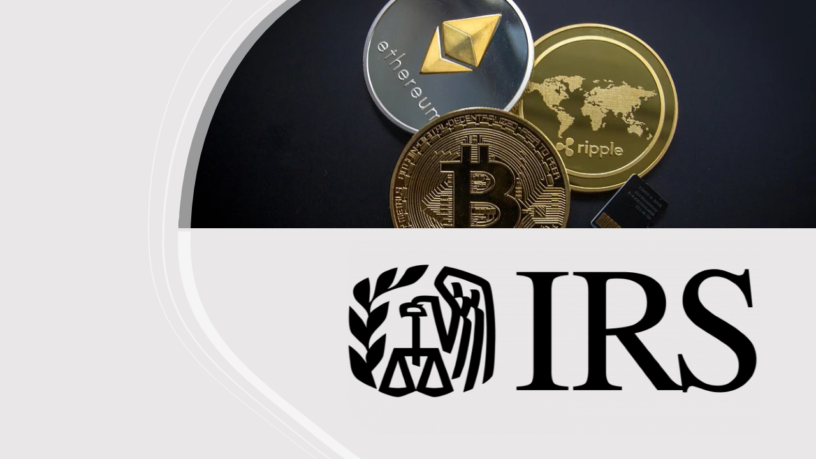
The U.S. Internal Revenue Service (IRS) has clarified that cryptocurrency rewards credited to taxpayers’ accounts are taxable in the year they are received, regardless of subsequent access restrictions due to platform freezes or account restrictions. This new guidance, issued to clarify reporting requirements, confirms that staking and similar rewards in digital assets are subject to immediate taxation upon credit, not contingent upon actual accessibility.

Cryptocurrency staking, which has surged in popularity, involves participants locking up their digital assets to help validate blockchain transactions. In return, users receive rewards, often credited directly to their accounts. However, in scenarios where these assets are later frozen—whether due to platform insolvency, regulatory issues, or account suspensions—the IRS asserts that the taxable event occurred upon the crediting of rewards, making any freeze irrelevant to the taxation timeline. By contrast, rewards not yet credited at the time of a freeze do not incur immediate tax liability until they become accessible, providing some respite for affected users.

This guidance comes amid an uptick in high-profile digital asset platform freezes, such as those involving the collapses of Celsius Network and FTX. Both companies encountered severe liquidity crises, leading to account freezes and, in some cases, bankruptcy proceedings. This left many customers with inaccessible assets, sparking concerns about the implications for tax obligations. The IRS’s updated stance directly addresses these scenarios, underscoring that taxpayers must report income based on receipt rather than accessibility, a principle likely to affect tax planning strategies for cryptocurrency holders.

Cryptocurrency tax obligations have been increasingly emphasized by the IRS as it expands oversight on digital assets, which are treated as property for U.S. tax purposes. Digital asset income, including rewards from staking and airdrops, must be reported as part of gross income, with the valuation pegged to fair market value at the time of receipt. Failure to report such income accurately can lead to penalties or interest on unpaid taxes. The IRS recently introduced a specific question on digital asset transactions for 2023 federal tax filings, indicating a heightened focus on compliance within this sector.

The IRS’s approach, which reflects the “constructive receipt” doctrine, is consistent with its treatment of other income types. This doctrine considers income as taxable when credited, regardless of when it becomes accessible, aiming to close loopholes for deferring tax obligations. However, this rule could impact many taxpayers, particularly those reliant on staking platforms or involved with platforms that limit liquidity. Industry experts have noted the need for further transparency, as taxpayers may face challenging situations when dealing with platforms in financial distress.

The TON Foundation has announced a significant leap toward decentralized governance with the launch of the Society DAO, a novel initiative aimed at enhancing community involvement and fostering competition within The Open Network (TON) ecosystem. Positioned as a critical step toward decentralization, the Society DAO seeks to empower community members by providing them with a structured, incentive-driven model to influence decisions, allocate resources, and drive development initiatives. Unlike traditional governance frameworks, Society DAO operates with a commitment to distribute authority and encourage active participation from multiple projects within the TON ecosystem.

The Society DAO functions as a resource allocation and governance body that emphasizes community-led decision-making across three primary sectors: development, community engagement, and user adoption. This decentralized governance body is tasked with setting goals, assessing funding needs, and distributing resources across multiple initiatives within each category. By supporting multiple projects within each field, the DAO aims to encourage competition and foster resilience, ensuring that no single initiative monopolizes resources or decision-making power. In this framework, TON community members hold voting rights and influence, fostering a collaborative environment that rewards participation and transparency.

The Society DAO has outlined several key operational functions designed to promote a resilient TON ecosystem. These include the power to allocate resources to promising projects, develop community-driven adoption strategies, and incentivize grassroots engagement. This approach underscores the TON Foundation’s shift toward a decentralized operational model, aiming to make decision-making within the ecosystem more reflective of the community’s evolving priorities. By allowing multiple projects within each sector to receive support, the DAO cultivates a diverse and adaptable ecosystem where projects must prove their value to the community, thus promoting long-term growth and innovation.

One distinguishing feature of the Society DAO is its reliance on a unique token-based governance structure that empowers users based on on-chain credentials and achievements. Community members who engage in various activities and events can earn rewards in the form of tokens or badges, which serve as markers of their contributions. This mechanism allows for a more reputation-based governance approach, where active and reputable community members gain greater influence over decision-making processes. This reputation system not only fosters trust within the community but also encourages consistent, meaningful participation from users.

In addition to community-driven resource allocation, the Society DAO model emphasizes transparency and accountability. Project proposals, funding requests, and milestone achievements are tracked on the blockchain, ensuring that all community members have access to accurate information about how resources are distributed and used. This transparency is intended to reduce potential conflicts of interest and build trust among participants by ensuring that decisions are made based on merit and community consensus. By documenting every decision on-chain, the Society DAO can maintain a public record of its governance actions, which users can review and evaluate.

Tether, the prominent stablecoin issuer known for USDT, is set to roll out a new digital asset pegged to the United Arab Emirates Dirham (AED) on the TON blockchain. This strategic move reflects Tether’s ambition to diversify its offerings and capitalize on the Gulf region’s growing interest in stable digital currencies, offering an alternative to dollar-dominated assets. The development highlights the UAE’s evolving regulatory environment, which is increasingly favorable for cryptocurrency adoption, positioning the Gulf state as a major digital finance hub.

The proposed Dirham-backed stablecoin seeks to address the demand for a localized digital currency in the UAE, allowing for easier access to UAE Dirham transactions for users in the region. With full backing in AED reserves held locally, Tether is aiming to reassure users about the coin’s stability and security, a critical factor given regulatory scrutiny of stablecoins globally. Phoenix Group, a UAE-based tech and investment firm, is collaborating with Tether on this project, leveraging the UAE’s technological framework to build a secure ecosystem around the new stablecoin. Tether’s CEO Paolo Ardoino emphasized that the AED-pegged coin is set to cater to users within and beyond the UAE, meeting the increasing need for Dirham-denominated transactions in both personal and business spheres.

The launch on the TON blockchain is noteworthy, as TON has gained traction as a flexible and scalable blockchain platform, offering fast, efficient transactions that are increasingly attractive to enterprises looking for seamless digital payment solutions. This marks Tether’s first stablecoin on TON, adding to its existing range across other platforms. This Dirham-pegged coin will not only diversify Tether’s blockchain presence but also underscore the TON blockchain’s growing relevance in the crypto space, as more businesses seek adaptable infrastructure for their digital financial operations.

Bitcoin’s hashrate, an indicator of the computing power dedicated to its blockchain, reached a historic peak of 769.8 exahashes per second (EH/s) this month. This record figure represents a significant rise in mining activity and network security, underscoring a broader trend toward consolidation within the cryptocurrency mining industry. Major players in the field continue to expand their operations while smaller firms face mounting challenges driven by the rising operational costs and the impending 2024 “halving” event.

Since the onset of 2023, Bitcoin’s network has seen consistent hashrate growth, an outcome attributed to two main factors: advancements in mining hardware and the continuing global expansion of large-scale mining farms. Industry leaders have steadily invested in new, high-powered ASIC mining units, specifically designed to increase mining efficiency and profitability. As the network becomes more secure, smaller miners struggle to remain competitive, with analysts suggesting that the upcoming block reward halving may expedite a wave of industry consolidation. The halving, scheduled for April 2024, will reduce miner rewards from 6.25 BTC per block to 3.125 BTC, doubling the cost of producing each Bitcoin, thus favoring large mining entities with greater resources.

With Bitcoin’s rising computational power, the network becomes increasingly resilient to external attacks and manipulations. This enhancement reinforces investor confidence, given the decentralized system’s backbone of advanced security protocols. Such improvements in network integrity are drawing more institutional investors and firms seeking reliable blockchain technology for business applications. However, this strength also has implications for energy consumption, as the cumulative power required to maintain the network continues to climb. Bitcoin’s high electricity demands remain a focal point in debates about the environmental footprint of cryptocurrency mining.

Countries with historically low energy costs, including the United States, Canada, and Kazakhstan, have become attractive locations for mining companies. In the U.S., Texas has emerged as a prominent hub, largely due to favorable energy policies and renewable energy sources. However, fluctuating energy prices and increasing scrutiny over mining’s environmental impact have prompted some regions to reconsider their stance on Bitcoin mining.

The International Air Transport Association (IATA) has announced its plans to incorporate digital currencies into its financial settlement systems, signaling a significant shift in how the aviation industry conducts transactions. This move aims to enhance operational efficiency and cater to evolving consumer preferences in a rapidly digitizing world.

With a growing interest in digital currencies, particularly cryptocurrencies and stablecoins, IATA’s initiative addresses the need for more flexible payment methods within the airline sector. The association’s director general, Willie Walsh, emphasized that adopting digital currencies could facilitate quicker settlements, reduce transaction costs, and improve overall customer experience.

As airlines seek innovative ways to optimize their operations post-pandemic, integrating digital currencies presents an opportunity to streamline payment processes. Currently, many airlines and travel-related companies are grappling with the challenges of legacy systems that often hinder speed and efficiency. Walsh stated that integrating digital currencies aligns with the industry’s push towards modernization and technological advancement.

Digital currencies have gained traction in various sectors, but the aviation industry remains cautious due to regulatory uncertainties and the volatile nature of many cryptocurrencies. However, IATA believes that working closely with regulators will ensure that the introduction of digital currencies into financial systems complies with existing laws and regulations.

Emerging trends in the financial landscape are shaping the future of payments in aviation. With a significant portion of travelers expressing interest in using cryptocurrencies, airlines must adapt to meet this demand. Research indicates that younger generations, particularly millennials and Gen Z travelers, are more inclined to use digital currencies for purchases. By embracing these payment methods, airlines can attract a tech-savvy customer base that values flexibility and innovation.

IATA’s move also reflects a broader trend across various industries exploring blockchain technology and digital assets. Companies are increasingly recognizing the potential of blockchain to enhance transparency and security in transactions. This technology allows for secure, real-time processing of payments, reducing the risks associated with fraud and chargebacks.

Several airlines have already begun to experiment with accepting cryptocurrencies. For example, major carriers like AirAsia and Lufthansa have launched initiatives allowing customers to book flights using Bitcoin and other digital currencies. These pioneering efforts indicate a growing willingness among airlines to adapt to changing market conditions and consumer preferences.

The pandemic has accelerated the digital transformation across industries, with contactless payment options becoming a necessity rather than an option. IATA’s strategy to integrate digital currencies is in line with this trend, enabling airlines to offer a seamless and secure payment experience for travelers.

While the potential benefits are significant, challenges remain. Regulatory frameworks surrounding digital currencies vary widely across countries, creating complexity for airlines operating in multiple jurisdictions. IATA is actively engaging with international regulators to address these concerns and promote a cohesive approach to digital currency adoption.

Industry experts believe that for digital currencies to gain widespread acceptance in aviation, robust standards and guidelines must be established. These standards would address issues such as security, interoperability, and compliance with anti-money laundering regulations. Collaboration among stakeholders, including airlines, payment providers, and regulatory bodies, will be crucial in developing a sustainable framework for digital currency transactions.

As the aviation industry grapples with rising operational costs and fluctuating fuel prices, digital currencies may offer a more stable alternative for financial settlements. Stablecoins, which are pegged to traditional currencies or commodities, could provide airlines with a hedge against volatility, enabling more predictable budgeting and planning.

The adoption of digital currencies is not just about payment processing; it also opens avenues for innovative loyalty programs and customer engagement strategies. Airlines could leverage blockchain technology to create more transparent and efficient loyalty schemes, allowing customers to earn and redeem rewards in digital currency.

As IATA moves forward with its plans, collaboration with technology providers and financial institutions will be essential. By partnering with fintech companies, airlines can access the necessary infrastructure and expertise to integrate digital currencies seamlessly into their existing systems.

Customer education will play a vital role in the successful implementation of digital currency payment options. Airlines will need to inform travelers about the benefits, risks, and practicalities of using digital currencies for purchases. This initiative could also foster a greater understanding of blockchain technology and its applications in aviation.


Bitcoin surged to $73,600 during U.S. trading hours, inching close to its previous record of $73,798 established on March 14. This remarkable upward movement has generated renewed optimism among traders, as Bitcoin currently holds steady around $72,200, representing a robust 3% increase in just one day. This trend aligns with a broader positive sentiment across the cryptocurrency market, which has been characterized by rising trading volumes and heightened investor interest.

Market analysts attribute this surge to a confluence of factors. Institutional interest remains a significant driver, with several large-scale investments recently reported. Notably, Fidelity Investments announced its plan to launch a Bitcoin exchange-traded fund (ETF), a move seen as a substantial endorsement of the cryptocurrency. This development has fueled speculation that other major financial institutions might follow suit, further legitimizing Bitcoin as an asset class.

Macroeconomic conditions are contributing to the bullish momentum. With inflation concerns lingering and central banks hinting at prolonged low interest rates, many investors are turning to Bitcoin as a hedge against inflation. This shift in sentiment is underscored by a marked increase in the number of wallets holding Bitcoin, which reflects growing adoption among retail and institutional investors alike.

In addition to institutional interest, the trading behavior of retail investors is also evolving. Following Bitcoin’s rise earlier this month, many retail traders have re-entered the market, leveraging platforms that facilitate easy access to cryptocurrency trading. This influx of retail participation has intensified market dynamics, creating a feedback loop that propels prices higher as more buyers enter the fray.

Emerging trends in blockchain technology further bolster the optimism surrounding Bitcoin. Innovations such as the Lightning Network, which enables faster and cheaper transactions, are enhancing the overall utility of Bitcoin. This technological advancement is likely to attract even more users to the ecosystem, potentially driving up demand and price.

Key players in the cryptocurrency space are also responding to these trends. Exchanges like Binance and Coinbase have reported significant increases in trading volumes, signaling heightened activity among investors. This increased liquidity makes it easier for larger trades to occur without causing substantial price fluctuations, further supporting the bullish case for Bitcoin.

However, challenges remain. Regulatory scrutiny is intensifying in various jurisdictions, as governments seek to establish frameworks for cryptocurrency operations. Notably, discussions around taxation and compliance are ongoing, and any unfavorable regulatory changes could dampen market enthusiasm. Investors are closely monitoring these developments, as regulations could either facilitate further growth or impose constraints on the market.

The sentiment in cryptocurrency circles is largely optimistic, with many analysts projecting that Bitcoin could surpass its all-time high in the near future. Some are targeting even higher price points, with estimates ranging between $74,000 to $80,000 as the next psychological barriers. This speculation is supported by technical analysis indicating that if Bitcoin breaches the $74,000 mark, it could trigger a wave of buying pressure as traders seek to capitalize on momentum.

Investor sentiment, driven by social media platforms and online forums, plays a crucial role in shaping market expectations. Influencers and analysts on platforms like Twitter and Reddit are actively discussing potential price trajectories, contributing to a more dynamic trading environment. This collective discourse influences not only retail investor behavior but also how institutional players position themselves in the market.

The global cryptocurrency market is witnessing a renaissance, characterized by an influx of new entrants and a growing acceptance of digital assets as legitimate investment vehicles. Major financial institutions, hedge funds, and even traditional asset managers are reevaluating their portfolios to include cryptocurrencies. This broadening acceptance of Bitcoin and other cryptocurrencies is gradually reshaping the landscape of global finance.

As Bitcoin navigates this transformative phase, the importance of market education cannot be overstated. Initiatives aimed at educating potential investors about the fundamentals of blockchain technology and the intricacies of trading can significantly enhance participation in the market. A more informed investor base is likely to make more prudent decisions, contributing to the overall stability and maturity of the cryptocurrency market.

The interplay between supply and demand dynamics is also pivotal. With Bitcoin’s supply capped at 21 million coins, any increase in demand has a direct impact on price. Market participants are keenly aware of the halving events that occur roughly every four years, which reduce the rate at which new Bitcoin is generated. This mechanism, along with increasing institutional participation, is expected to create a supply-demand imbalance that could drive prices higher in the long term.

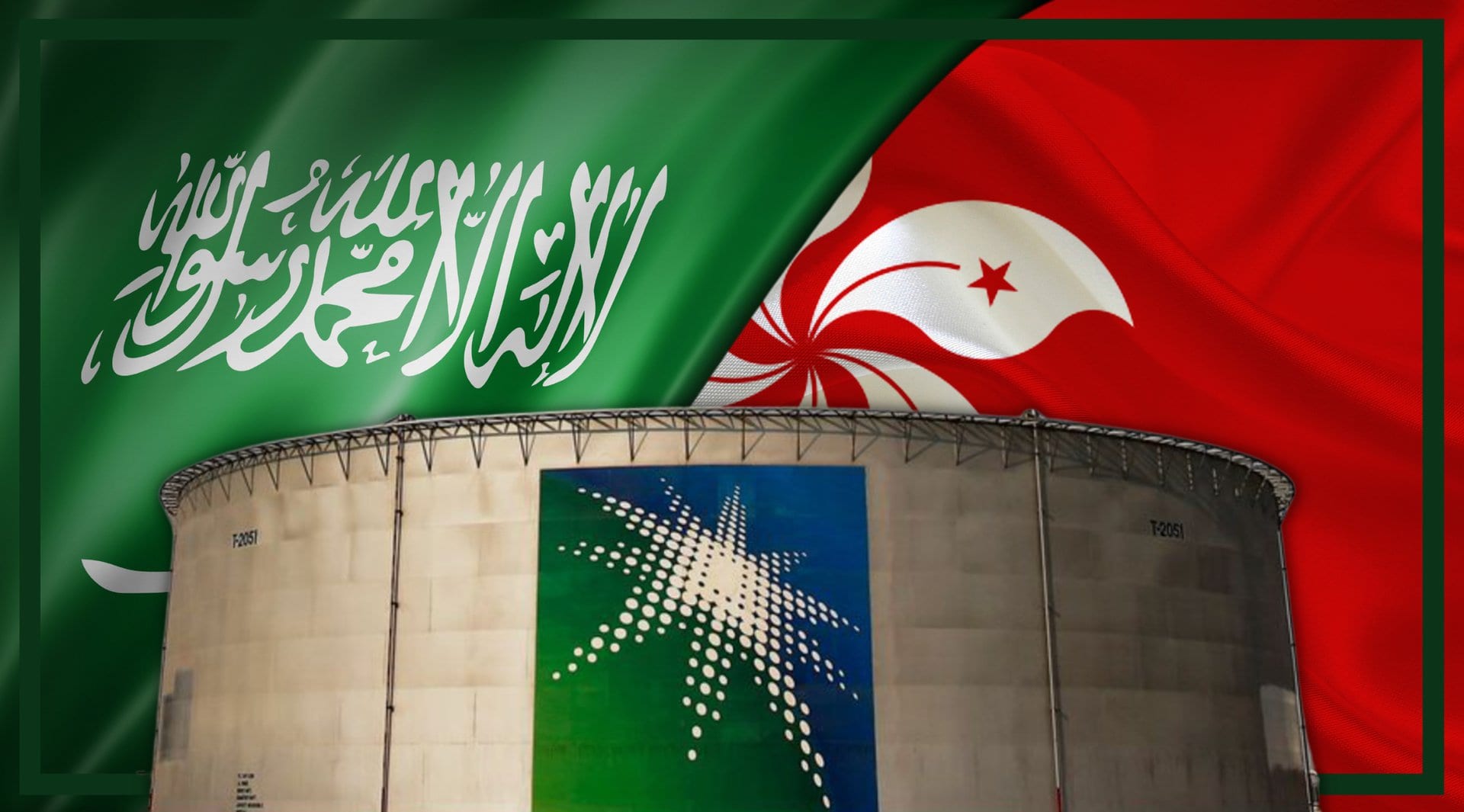
Hong Kong’s tech and innovation sector has stepped into a strategic collaboration with Saudi Arabia’s Vision 2030, underscoring the growing relationship between these two economic hubs. In a landmark move, InvestHK, Hong Kong’s leading economic development agency, recently sent its largest startup delegation to the Kingdom to explore new avenues for investment and innovation in sectors such as fintech, smart manufacturing, and biotechnology. This alignment reflects a critical juncture as Saudi Arabia continues to diversify beyond oil and adopt a knowledge-driven economy through strategic global partnerships and a pivot towards tech and sustainability.

At the Future Investment Initiative (FII) held in Riyadh, Hong Kong’s representatives, including top executives from InvestHK, engaged directly with Saudi public and private sector leaders to understand the vast opportunities emerging in the Kingdom’s evolving market. The delegation highlighted Hong Kong’s robust tech ecosystem and advanced capabilities in finance and logistics, seeking collaboration in new areas of digital transformation and green technology. These meetings aim to serve as groundwork for greater bilateral relations, aligning with Saudi Arabia’s development of NEOM, an ambitious $500 billion smart city designed to be a hub for advanced technology, renewable energy, and AI-driven innovation.

The FII summit served as a platform for Hong Kong’s startups to showcase their expertise, particularly in sectors such as fintech, e-commerce, supply chain technology, and data analytics. Saudi Arabia, with a clear agenda to attract foreign investment, has positioned itself as a fertile ground for growth, with a primary focus on technology and diversified industries. Hong Kong startups found particular resonance in Saudi initiatives around blockchain, IoT, and renewable energy technologies—areas where Hong Kong has been a leader across Asia. The nation’s supportive business environment, competitive tax framework, and international connectivity make it an attractive collaborator as Saudi Arabia envisions a post-oil economy by 2030.

Hong Kong’s appeal as a tech incubator has surged in recent years, with InvestHK reporting that its startup sector reached a new high in 2023, with 4,257 startups employing over 16,000 professionals. The ecosystem’s steady expansion is attributed to Hong Kong’s low tax rates, favorable business environment, and proximity to the Mainland China market. The city’s fintech sector is particularly vibrant, bolstered by government support and private investment, drawing attention from economies seeking to boost their own digital economies. InvestHK’s delegation in Riyadh emphasized Hong Kong’s standing as a gateway to Asia and its significance in the Greater Bay Area, which comprises key cities in Southern China and supports an increasingly interconnected economic network.

The collaboration between Hong Kong and Saudi Arabia is set to be mutually beneficial, as Saudi initiatives are increasingly inviting global tech pioneers to participate in its ambitious transformation. Saudi Vision 2030’s blueprint includes the growth of high-tech cities, the promotion of renewable energy, and the fostering of innovation-driven sectors—creating ample opportunity for foreign enterprises and startups. As such, the Hong Kong delegation’s visit was also a step towards establishing Hong Kong as a vital partner in Saudi Arabia’s pursuit of economic diversification and sustainable development, further cementing the city’s status as a key player in global tech advancement.

Despite current global economic headwinds, both Hong Kong and Saudi Arabia remain committed to advancing their tech sectors. The FII platform allowed participants from Hong Kong to discuss strategic growth areas with Saudi officials, focusing on infrastructure, venture capital, and talent development. Given the record-high startup figures in Hong Kong, the exchange of expertise and collaborative projects in fields such as AI, logistics technology, and health tech appear poised for expansion.

A remarkable milestone occurred on October 26 when Base achieved a record in stablecoin trading volume, momentarily eclipsing major blockchain platforms such as Solana, Ethereum, and Tron. The platform accounted for an impressive 30.06% of the total stablecoin volume, marking a significant shift in the landscape of digital asset trading.

Base, a layer-2 solution built on the Ethereum blockchain, has gained traction for its scalability and low transaction fees, making it an attractive option for traders and developers alike. The recent surge in stablecoin activity can be attributed to a confluence of factors, including growing interest in decentralized finance (DeFi) and the increasing acceptance of cryptocurrencies by mainstream financial institutions.

Alongside the stablecoin volume milestone, Base also set a new benchmark in daily transactions, recording 5.6 million transactions on the same day. This figure represents a notable 20% increase from the previous month, underscoring the growing engagement of users with the platform. The impressive transaction volume reflects not only heightened trading activity but also a broader trend toward the adoption of blockchain technology.

Several key players have contributed to Base’s success in the stablecoin market. The integration of various decentralized applications (dApps) on its platform has enhanced user experience and attracted a diverse range of users. Developers are increasingly building on Base due to its compatibility with Ethereum, allowing for seamless integration of existing Ethereum-based dApps while benefiting from lower gas fees and faster processing times.

The momentum gained by Base comes in the context of an evolving stablecoin landscape. Traditional stablecoins like Tether (USDT) and USD Coin (USDC) continue to dominate, yet alternative stablecoins and newer entrants are making significant inroads. This shift illustrates the dynamic nature of the cryptocurrency market and highlights Base’s ability to position itself as a formidable player amid these changes.

Partnerships with financial institutions have played a crucial role in Base’s ascent. Collaborations with firms that support crypto transactions have bolstered user confidence and expanded the platform’s reach. As institutional adoption of cryptocurrencies continues to grow, platforms like Base are well-positioned to capitalize on the increased demand for efficient, reliable trading environments.

The surge in daily transactions can also be linked to the rising popularity of yield farming and liquidity provision within the DeFi space. Users are incentivized to engage with platforms that offer competitive yields, prompting a surge in transaction volume as liquidity pools are funded and manipulated to optimize returns. This trend reflects a broader shift toward decentralized financial services, where users can take greater control of their assets without intermediaries.

Market analysts observe that Base’s focus on user experience has been instrumental in its growth. Simplifying the process of trading and providing users with intuitive interfaces has lowered barriers to entry for newcomers to the crypto space. Educational initiatives and community engagement have also played a role in fostering a sense of trust and loyalty among users, which is vital in an industry often marred by volatility and uncertainty.

The competitive landscape for stablecoins and blockchain platforms remains fierce. As Base continues to expand its user base and enhance its offerings, attention must be paid to regulatory developments that could impact the broader market. The regulatory environment for cryptocurrencies and stablecoins is evolving, with various jurisdictions exploring frameworks that could affect operations and user engagement. This regulatory scrutiny emphasizes the importance of compliance and the need for platforms like Base to adapt to changing legal landscapes.

Innovative features are also on the horizon for Base as it looks to maintain its growth trajectory. Enhancements to its infrastructure, including scalability improvements and security measures, are in development to ensure that the platform can handle increasing transaction volumes without compromising performance. Continued investment in technology will be crucial for sustaining user trust and engagement, particularly as competitors vie for market share.

Global IT spending is projected to reach an impressive $5.74 trillion by 2025, reflecting a robust growth rate of 9.3% compared to 2024. This remarkable surge is primarily fueled by escalating investments in generative artificial intelligence (GenAI) technologies and the expanding data center infrastructure required to support these advancements. According to industry analysis, the demand for GenAI applications is reshaping the IT landscape, prompting organizations across various […]

Inflows into digital assets reached $901 million this month, culminating in a remarkable $27 billion year-to-date total, signaling a substantial shift in market sentiment. The surge in inflows is largely attributed to increasing political optimism within the United States, which has invigorated investor confidence in the sector. Notably, the U.S. recorded the largest inflows, totaling $906 million, while Canada, Brazil, and Hong Kong faced slight outflows, highlighting a regional divergence in market dynamics.

Bitcoin emerged as the standout performer this month, drawing an impressive $920 million in inflows, a stark contrast to Ethereum, which witnessed $35 million in outflows. This pronounced divergence indicates a growing preference among investors for Bitcoin, reinforcing its dominance in the digital asset landscape. Solana also attracted attention, garnering $10.8 million in inflows, while blockchain equities gained $12.2 million, reflecting a broader appetite for diversified investments within the crypto ecosystem.

The influx of capital into digital assets aligns with a backdrop of significant political developments in the U.S., including legislative efforts aimed at regulating the cryptocurrency sector. Increased regulatory clarity is seen as a key factor fostering a more secure investment environment, encouraging institutional investors to re-enter the market. This positive sentiment is underscored by discussions surrounding potential regulatory frameworks that could facilitate mainstream adoption of digital currencies.

Analysts highlight the role of political stability in shaping market trends. The Biden administration’s focus on creating a more structured regulatory environment for cryptocurrencies is viewed favorably by investors, contributing to the bullish outlook for digital assets. The prospect of clearer regulations is particularly appealing to institutional investors who have previously been cautious due to the lack of defined guidelines.

As capital flows into digital assets, the implications for traditional financial markets are becoming increasingly pronounced. Financial institutions are taking note of this trend, with several firms beginning to incorporate cryptocurrencies into their portfolios. This shift could signify a broader acceptance of digital assets as a legitimate asset class, potentially reshaping investment strategies across various sectors.

In terms of market performance, Bitcoin’s continued ascent underscores its status as the flagship cryptocurrency. The asset’s ability to attract significant inflows, even amid fluctuating market conditions, reinforces its position as a safe haven for investors seeking refuge from economic uncertainty. Conversely, Ethereum’s outflows may suggest a reassessment of its value proposition, prompting investors to seek alternative avenues within the crypto space.

Emerging trends in the digital asset sector are also evident in the increasing interest in decentralized finance (DeFi) projects. These platforms, which leverage blockchain technology to provide financial services without traditional intermediaries, are gaining traction among investors seeking higher yields and innovative solutions. The continued growth of DeFi is likely to further diversify the landscape of digital assets, attracting a broader range of participants to the market.

The integration of cryptocurrencies into mainstream financial systems is progressing. Major payment processors and financial institutions are exploring ways to facilitate cryptocurrency transactions, enhancing accessibility for everyday consumers. This shift could pave the way for increased adoption, as consumers become more comfortable using digital assets for transactions.

Internationally, the divergence in inflows among different countries illustrates the varying levels of acceptance and regulatory approaches to digital assets. While the U.S. leads in inflows, the outflows in Canada, Brazil, and Hong Kong signal the need for these regions to adapt to changing market conditions. Investors in these areas may be looking for clarity on regulatory measures before committing significant capital to digital assets.

As the market evolves, key players in the digital asset space are adapting their strategies to align with changing investor sentiments. Institutional players, in particular, are refining their approaches to capitalize on the growing demand for cryptocurrencies. The ongoing competition among asset managers to offer crypto-related products reflects a broader trend toward integrating digital assets into traditional investment frameworks.

Looking ahead, the trajectory of digital asset inflows will likely be influenced by ongoing political developments and regulatory updates. As policymakers continue to grapple with the implications of cryptocurrency adoption, the market will respond to both domestic and international regulatory signals. Investors are expected to remain vigilant, monitoring these developments closely as they navigate the evolving landscape of digital assets.

VISHNU RAJA
RYO YAMADA
HITORI GOTOH
IKUYO KITA