News related to
blockchain

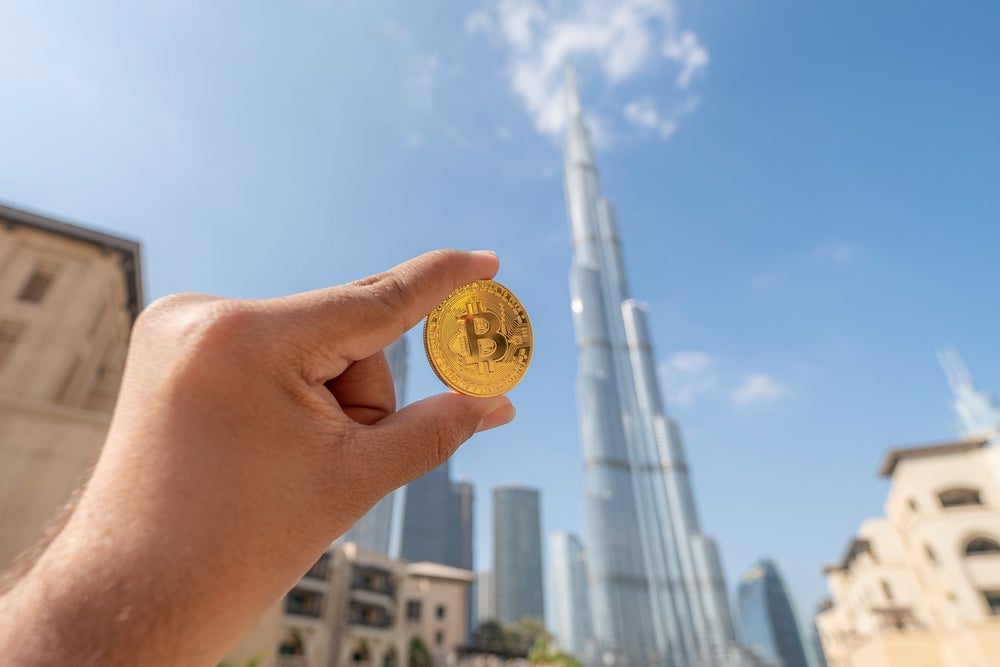
Dubai has rapidly emerged as a global hub for cryptocurrency and blockchain technology, attracting investors, entrepreneurs, and innovators worldwide. This ascent is largely attributed to the emirate’s progressive regulatory framework, which aims to foster innovation while ensuring compliance with international standards. However, this balancing act presents a complex challenge: how can Dubai promote the growth of the crypto industry while adhering to the stringent guidelines set by global watchdogs like the Financial Action Task Force ?

In recent years, Dubai has implemented a series of initiatives to position itself at the forefront of the digital asset revolution. The establishment of the Virtual Assets Regulatory Authority exemplifies this commitment. VARA is tasked with overseeing the regulation, licensing, and governance of virtual assets within the emirate, ensuring that all crypto-related activities align with both local and international laws. This proactive approach has been pivotal in attracting major players in the crypto space to set up operations in Dubai.

A significant aspect of Dubai’s strategy is its favorable tax environment. The city imposes zero percent personal income tax and capital gains tax, extending this benefit to gains from cryptocurrency activities such as disposals, staking, and mining for individuals. This tax incentive has made Dubai an appealing destination for crypto investors and businesses seeking a conducive environment for growth.

Dubai has embraced blockchain technology across various sectors. The Dubai Land Department, for instance, has integrated blockchain into its operations, enhancing transparency and efficiency in real estate transactions. Such initiatives underscore the emirate’s dedication to leveraging technology to improve public services and drive economic growth.

However, with innovation comes the responsibility of ensuring that these new technologies are not misused. The FATF, an international body that sets standards for combating money laundering and terrorist financing, has been closely monitoring developments in the virtual asset space. It has issued binding standards to prevent the misuse of virtual assets, emphasizing the need for robust regulatory frameworks.

One of the key FATF recommendations is the “Travel Rule,” which mandates that Virtual Asset Service Providers obtain and share identifying information about the originator and beneficiary of virtual asset transfers exceeding a certain threshold. This measure aims to enhance transparency and deter illicit activities within the crypto ecosystem.

Dubai, through VARA, has taken steps to align with these international standards. Effective from October 1, 2024, VARA introduced new marketing regulations for virtual assets, requiring businesses to comply with specific guidelines when promoting crypto-related activities. This move ensures that marketing practices are transparent and do not mislead consumers, thereby fostering a safer investment environment.

The UAE amended its Value Added Tax regulations in November 2024, exempting most transactions involving virtual assets from the standard 5% VAT. This exemption reflects the government’s intent to encourage the use of virtual assets in everyday transactions, integrating them more seamlessly into the economy.

Despite these advancements, challenges persist. The rapid evolution of the crypto industry often outpaces regulatory developments, necessitating continuous updates to existing laws and guidelines. Additionally, while Dubai’s regulatory environment is conducive to innovation, it must remain vigilant to prevent potential misuse of virtual assets for illicit purposes.


In the dynamic cryptocurrency landscape, investors are increasingly turning their attention to 1Fuel, a nascent altcoin currently in its presale phase, as established tokens like Arbitrum and Bittensor experience market volatility.

Arbitrum, a prominent layer-2 scaling solution for Ethereum, has seen its price decline by approximately 60% over the past three weeks. This downturn has raised concerns among investors about the platform’s technological robustness and long-term viability. Similarly, Bittensor’s TAO token has faced a 5.9% decrease in value today, attributed to potential profit-taking by early investors and broader market sentiment shifts.

In contrast, 1Fuel is capturing significant investor interest during its presale, with early stages selling out rapidly. The current Stage 4 offers tokens at an entry price of $0.018, presenting an accessible opportunity for investors. To date, the presale has amassed over $2 million, indicating strong market confidence in 1Fuel’s potential.

The enthusiasm surrounding 1Fuel can be attributed to its innovative approach within the blockchain sector. The project aims to address existing challenges in the industry by introducing novel solutions, positioning itself as a formidable competitor to established altcoins. Analysts suggest that 1Fuel’s focus on innovation-driven growth could enable investors to recoup losses incurred from other underperforming assets.

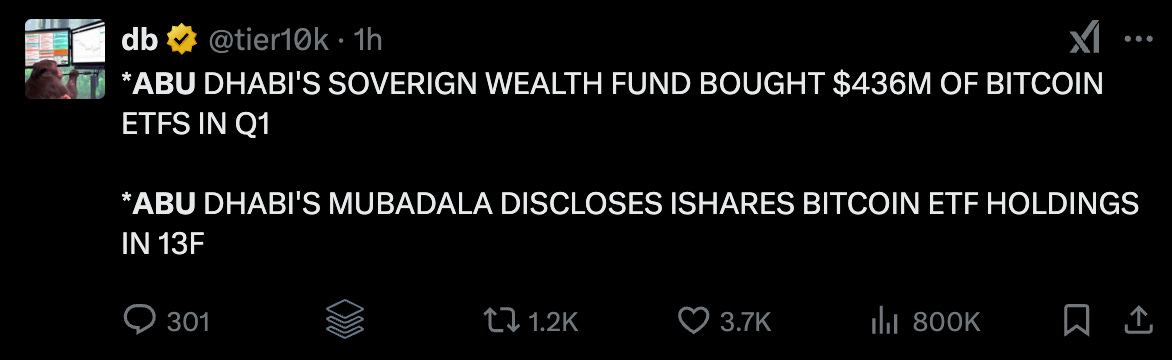
Abu Dhabi’s sovereign wealth fund, Mubadala Investment Company, has made a significant entry into the cryptocurrency market by acquiring $436.9 million worth of shares in BlackRock’s iShares Bitcoin Trust ETF during the fourth quarter of 2024. This move underscores the growing institutional interest in digital assets among sovereign wealth funds.

According to the latest 13F filings with the U.S. Securities and Exchange Commission, Mubadala purchased approximately 8.2 million shares of IBIT, marking its inaugural investment in a Bitcoin exchange-traded fund. This acquisition aligns with a broader trend of institutional investors increasing their exposure to cryptocurrency-linked financial products.

The fourth quarter of 2024 witnessed a surge in Bitcoin’s value, with the cryptocurrency appreciating by 47%. This upward trajectory has been a catalyst for various asset managers, including wealth management firms, hedge funds, and pension funds, to bolster their investments in Bitcoin ETFs. Notably, the State of Wisconsin Investment Board more than doubled its holdings in the iShares Bitcoin Trust ETF to 6 million shares by the end of December. Similarly, Tudor Investment Corp, a prominent hedge fund, increased its stake to 8 million shares, valued at $426.9 million at the close of the year.

Mubadala’s strategic investment reflects a growing confidence among sovereign wealth funds in the viability of digital assets. This move is particularly significant given the Middle East’s increasing engagement with blockchain technology and cryptocurrencies. In 2023, Abu Dhabi demonstrated its commitment to the digital asset space by investing in Bitcoin mining operations, collaborating with Marathon Digital and local firm Zero Two to develop a large-scale mining facility in the capital.

The iShares Bitcoin Trust ETF, managed by BlackRock, has emerged as a leading product in the market, amassing over $55 billion in assets under management. BlackRock’s expansion into Abu Dhabi in November 2024, securing a commercial license to operate, may have further facilitated Mubadala’s investment decision.

Industry experts view Mubadala’s substantial allocation to Bitcoin ETFs as a pivotal moment in the institutional adoption of digital assets. Anthony Pompliano, a well-known Bitcoin advocate, highlighted the strategic implications of such investments, suggesting that sovereign wealth funds’ involvement could prompt other nations to consider integrating Bitcoin into their reserves.

Financial advisory firms have also been active in this domain. Cetera Advisors and NewEdge Advisers, for instance, have increased their holdings across multiple Bitcoin ETFs, including those offered by Fidelity, ARK Investments, and Invesco. This trend indicates a rising demand from clients seeking exposure to digital assets through traditional investment vehicles.

While Mubadala’s investment marks a significant milestone, it is part of a broader pattern of institutional investors recognizing the potential of cryptocurrency assets. As digital currencies continue to gain mainstream acceptance, the involvement of sovereign wealth funds like Mubadala could signal a transformative shift in the global financial landscape.

The 13F filings provide a window into the investment strategies of large institutional players, offering insights into their positions at the end of each quarter. These disclosures, while not reflective of real-time holdings, are instrumental in understanding market dynamics and the evolving sentiment toward emerging asset classes like cryptocurrencies.

Mubadala’s foray into Bitcoin ETFs not only enhances its diversified investment portfolio but also positions Abu Dhabi as a forward-thinking participant in the rapidly evolving digital economy. As other sovereign wealth funds observe and assess the outcomes of such investments, a ripple effect leading to broader adoption of digital assets in institutional portfolios worldwide is plausible.

Figment, a leading independent staking infrastructure provider, has announced its membership in the Blockchain Association, the premier trade association for the cryptocurrency industry in the United States. This strategic move underscores Figment’s commitment to collaborating with policymakers and regulators to establish clear guidelines for the staking ecosystem, particularly as institutional interest in protocol staking continues to grow.

Kristin Smith, CEO of the Blockchain Association, welcomed the partnership, stating, “We are excited to welcome Figment as a member of the Blockchain Association. As the U.S. moves into a new era for digital assets, establishing regulatory clarity around staking will be critical. We look forward to the Figment team lending their expertise to these policy conversations in DC.”

Through this collaboration, Figment aims to focus on key educational and advocacy initiatives, including:

– Integrating protocol staking into exchange-traded products .

– Developing comprehensive regulatory frameworks for staking activities.

– Educating stakeholders on the distinctions between protocol staking and yield products.

– Aligning policies across different jurisdictions to ensure consistency.

This membership enhances Figment’s ability to serve its over 700 institutional clients, including asset managers, exchanges, wallets, foundations, custodians, and large token holders. By joining the Blockchain Association, Figment strengthens its position as a trusted voice in shaping the future of digital asset infrastructure and contributes to the development of responsible industry standards.

Jennie Levin, Chief Regulatory & Strategy Officer at Figment, emphasized the importance of this collaboration, stating, “Protocol staking is the backbone of blockchain security, ensuring network integrity and decentralization. Figment is thrilled to join the Blockchain Association, to align with industry leaders to further this message and advocate for a thriving, secure, and decentralized future.”

The fragrance market in the UAE has long been associated with luxury, exclusivity, and a deep cultural appreciation for high-quality scents. While traditional perfume boutiques remain a cornerstone of the industry, the rise of digital shopping platforms is transforming how consumers discover, select, and purchase fragrances. Retailers such as LETOILE are at the forefront of this shift, offering an expansive selection of high-end perfumes through e-commerce platforms, […]

In the dynamic world of cryptocurrencies, three digital assets—WallitIQ , Dogecoin , and Cardano —are capturing significant attention from investors and analysts alike. Each offers distinct features and growth prospects, prompting discussions about their potential trajectories in the evolving crypto landscape.

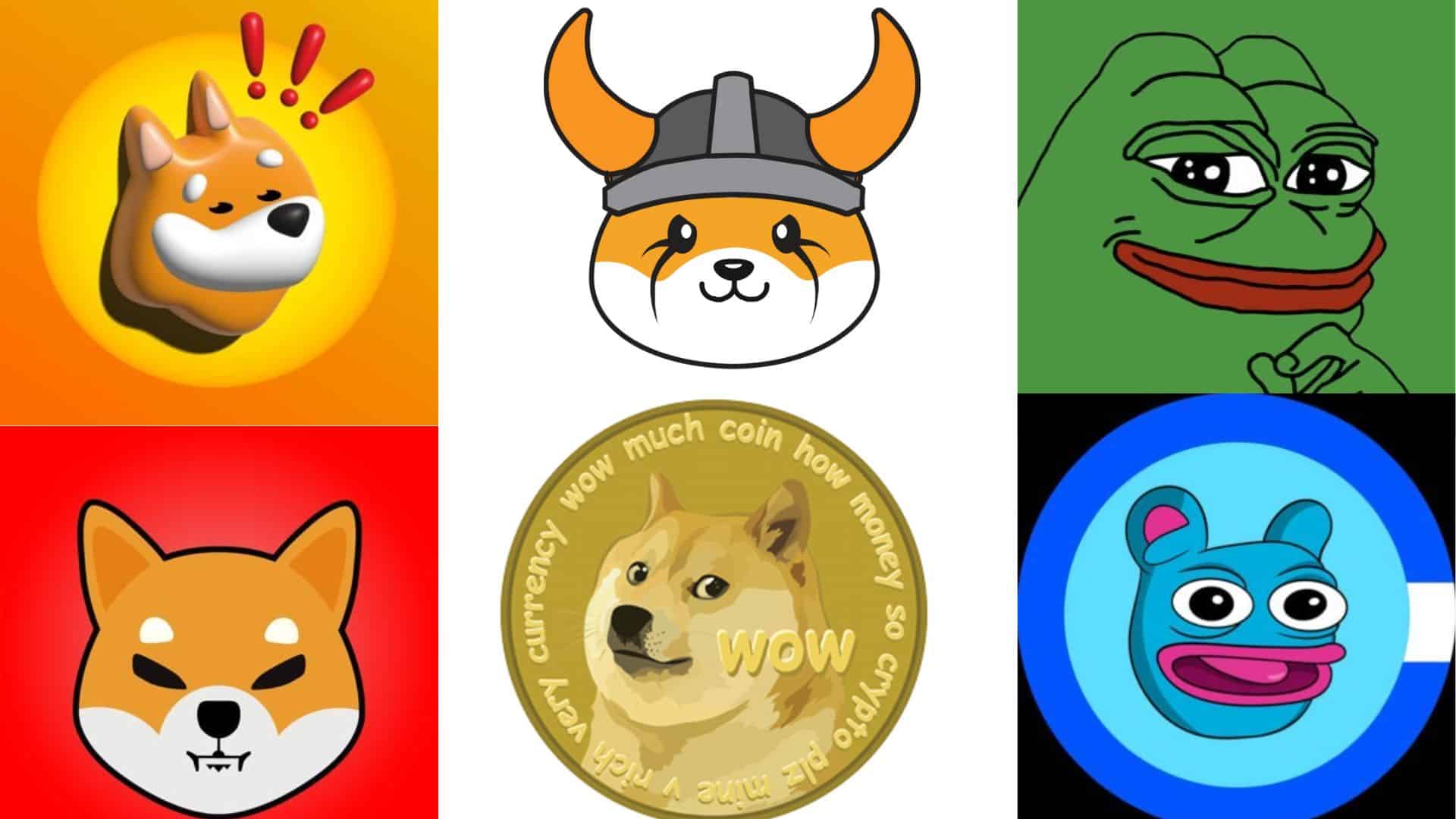
Dogecoin, originally created as a meme coin, has experienced a notable resurgence. As of February 11, 2025, DOGE’s price increased by approximately 2.7%, reaching $0.2589, with an intraday high of $0.2668. This uptick is attributed to heightened market activity and renewed interest from both retail and institutional investors. However, some analysts caution that the days of exponential gains for DOGE may be behind it, suggesting a more measured growth trajectory moving forward.

Cardano, known for its robust blockchain platform, has also demonstrated positive momentum. On the same date, ADA’s price rose by about 2%, trading at $0.7772, with an intraday high of $0.8057. The cryptocurrency’s recent performance has been bolstered by developments such as the potential approval of spot crypto ETFs, which could further enhance its market position.

In a significant legal determination, the Jiangsu Provincial High People’s Court has ruled that investments in overseas cryptocurrency projects are not safeguarded under Chinese law. This decision underscores the nation’s stringent stance on virtual currency transactions and their associated legal protections.

The case involved a “Cooperation Agreement” between individuals identified as Tian and Pan, along with a third party, to jointly operate the “MFA Blockchain Project.” Pan transferred approximately 15.74 million yuan to Tian and the third party for the acquisition of MFA virtual currency, as stipulated in their agreement. Subsequently, Tian transferred 10.6 million yuan back to Pan. However, complications arose when the Singapore-based trading platform MEXC delisted the MFA/USDT spot trading pair in September 2020, leading to the locking of the associated virtual account and a total loss of the investment. Pan sought legal recourse, demanding the return of the remaining funds and payment of interest. The Yancheng Intermediate People’s Court initially ruled that the virtual currency trading activities were invalid, resulting in the dismissal of Pan’s lawsuit. Dissatisfied, Pan appealed the decision. Upon review, the Jiangsu High Court upheld the lower court’s ruling, emphasizing that providing services to Chinese residents through overseas virtual currency exchanges constitutes illegal financial activity. Consequently, the related civil legal acts were deemed invalid, and the court concluded that any resulting losses should be borne by the individuals involved.

This ruling aligns with China’s broader regulatory framework, which has progressively tightened restrictions on cryptocurrency activities. In September 2021, Chinese authorities implemented a comprehensive ban on all cryptocurrency transactions and mining, citing concerns over financial stability and the potential for illicit activities. The People’s Bank of China declared all virtual currency-related business activities illegal, reinforcing the country’s firm opposition to cryptocurrencies.

The Jiangsu High Court’s decision is not an isolated incident. In August 2021, the Shandong Provincial High Court ruled against a plaintiff seeking to recover lost cryptocurrency investments, stating that investing or trading in cryptocurrency is not protected by law. Similarly, in October 2024, a Shanghai court recognized cryptocurrencies as legal property, allowing individuals to hold, buy, and sell digital assets like Bitcoin. However, the court maintained that crypto-related business activities, such as token issuance and trading, remain prohibited in China.

Advertisements

Lightchain AI, a nascent cryptocurrency project, is gaining significant attention with its innovative blend of blockchain technology and artificial intelligence. Currently in its presale phase, the project has already amassed over $15.5 million, indicating strong investor interest. citeturn0search1

The presale, now in its 14th stage, offers tokens at $0.006 each. Investors can participate by connecting decentralized wallets like MetaMask or Trust Wallet to the Ethereum network and purchasing tokens using Ethereum or Tether . citeturn0search3

Lightchain AI aims to revolutionize the crypto landscape by integrating artificial intelligence into its blockchain platform. This fusion is designed to enhance transaction efficiency, security, and scalability, setting it apart from existing cryptocurrencies. citeturn0search0

The project’s testnet has been launched, allowing developers and users to explore its capabilities before the mainnet release. This step is crucial for identifying potential issues and ensuring a robust platform upon full deployment. citeturn0search8

In the competitive crypto market, several projects are vying to outperform established players like Solana. Platforms such as Sui, Sei, Aptos, Monad, and Base have been identified as potential competitors, each offering unique features and innovations. citeturn0search2

Despite a general market downturn, Lightchain AI’s presale success reflects growing confidence in its approach. The integration of AI and blockchain is seen by many as a promising advancement, potentially addressing current limitations in transaction speed and security. citeturn0search4

As the presale progresses, investors are closely monitoring Lightchain AI’s developments. The project’s roadmap includes plans for further technological enhancements and strategic partnerships, aiming to solidify its position in the crypto ecosystem. citeturn0search0

Bighit Music Co. Ltd. has announced the launch of the BTS Token, a blockchain-based digital currency aimed at transforming the purchasing experience for BTS fans worldwide. This initiative seeks to streamline transactions for merchandise, event tickets, and exclusive digital content, offering a more efficient and secure payment method.

The BTS Token is designed to address common challenges faced by the global fanbase, such as high transaction fees, unpredictable exchange rates, and limited payment options in certain regions. By leveraging blockchain technology, the token ensures transparent, decentralized, and cost-effective transactions, enhancing accessibility for all fans.

Key features of the BTS Token include:

– Stable Pricing: Advanced stabilization mechanisms are in place to maintain consistent pricing for merchandise and tickets across different regions.

– Exclusive Benefits: Token holders will have access to unique perks, including discounts on official merchandise, priority access to limited-edition NFTs, and invitations to exclusive events.

– Secure Transactions: The blockchain foundation provides transparent and tamper-proof transactions, granting fans full control over their digital assets.

– Smart Contract Automation: Real-time regulation of pricing and availability through smart contracts ensures fairness and prevents third-party price inflation.

The rollout plan for the BTS Token is as follows:

– Q1 2025: Official launch of the token and its integration into fan platforms.

– Q2 2025: Partnerships with merchandise vendors and ticketing providers to facilitate token transactions.

– Q3 2025: Introduction of staking programs and community-driven rewards to incentivize active participation.

– Q4 2025: Expansion into NFT-based fan experiences and digital collectibles, offering fans new ways to engage with BTS.

This development comes after all BTS members renewed their exclusive contracts with Bighit Music in September 2023, ensuring continued collaboration with the agency. The renewed contracts are set to commence in 2025, aligning with the anticipated completion of the members’ mandatory military service.

KUALA LUMPUR, MALAYSIA – Media OutReach Newswire – 12 February 2025 – Coming into 2025, the cryptocurrency market is on the upswing. Bitcoin has reached another all-time high (ATH), surpassing $109,000 on 20 January 2025, ahead of Donald Trump’s inauguration. The overall market growth is driven by institutional investors‘ crypto adoption, a change in regulatory sentiments, and general interest in digital assets, retail investors included. Considering this, […]

The cryptocurrency market is abuzz with discussions about PropiChain , a blockchain-based platform aiming to revolutionize real estate investment. Currently trading below $1, analysts project that PCHAIN could surge to $3 by 2025, representing a staggering 30,000% increase.

PropiChain integrates blockchain technology with artificial intelligence to tokenize real estate assets, enabling fractional ownership. This approach allows investors to purchase portions of high-value properties, lowering the entry barrier traditionally associated with real estate investments. The platform’s AI tools provide predictive market analysis, assisting investors in making informed decisions.

The platform also offers virtual property tours through the metaverse, allowing potential investors to explore properties remotely. Smart contracts automate processes such as lease renewals and rental payments, enhancing efficiency and reducing reliance on intermediaries.

PropiChain’s presale has garnered significant attention, with tokens initially priced at $0.004. Analysts predict that early investors could see returns exceeding 800% even before the token lists on major exchanges. The platform’s listing on CoinMarketCap and a successful smart contract audit by BlockAudit have further bolstered investor confidence.

Grayscale Investments has filed an application with the U.S. Securities and Exchange Commission to list a Cardano exchange-traded fund on the New York Stock Exchange . This initiative marks Grayscale’s inaugural standalone ADA investment product, aiming to provide investors with regulated exposure to the Cardano blockchain’s native cryptocurrency.

The proposed ETF, designated to trade under the ticker symbol “GADA,” is structured to offer investors direct exposure to ADA without the need to hold the cryptocurrency directly. Each share of the trust would represent a proportional ownership of ADA, with pricing based on the CoinDesk Cardano Price Index . BNY Mellon Asset Servicing is slated to serve as the administrator, while Coinbase Custody Trust Company would act as the custodian for the assets.

Grayscale’s filing is part of a broader strategy to expand its cryptocurrency ETF offerings. In recent weeks, the firm has submitted applications for ETFs linked to other digital assets, including XRP, Solana , and Litecoin . These moves reflect a growing interest among asset managers to provide regulated investment vehicles that offer exposure to various cryptocurrencies.

The SEC’s stance on cryptocurrency ETFs has evolved, particularly under the current administration. The regulatory body’s recent openness to such products has encouraged firms like Grayscale to pursue ETF listings for a wider range of digital assets. However, it’s important to note that the SEC has previously classified certain cryptocurrencies, including ADA, as securities in past legal actions. This classification could present regulatory challenges for the approval of the proposed Cardano ETF.

A prominent Dogecoin investor, who previously transformed a modest investment into a substantial fortune, has now spotlighted Rexas Finance as a promising opportunity for significant returns. Rexas Finance recently concluded Stage 11 of its presale, successfully raising $41 million, reflecting strong investor confidence. The RXS token is currently priced at $0.25, a notable increase from its initial launch price of $0.03.

Rexas Finance aims to revolutionize asset ownership through the tokenization of real-world assets, enabling fractional ownership of high-value items such as real estate and commodities. This approach seeks to democratize access to investments traditionally reserved for affluent individuals and institutions. The platform offers tools like the Rexas Token Builder and QuickMint Bot, facilitating users in creating, managing, and transacting with their tokens, thereby enhancing accessibility and potentially disrupting conventional asset management practices.

Analysts have observed that RXS has garnered positive attention due to its utility and community support. Some speculate that the cryptocurrency could outperform established assets like Dogecoin, given its innovative approach and the growing interest in asset tokenization. The rigorous audit conducted by Certik further bolsters the project’s security and legitimacy, enhancing investor confidence.

The success of the RXS presale and its strategic positioning within the burgeoning real-world asset tokenization industry make it an attractive prospect for investors. As more individuals recognize the value of tangible assets on the blockchain, expressed through tokens like RXS, the faster the token is likely to be adopted and appreciate in value. With additional presale stages ahead and plans for listings on major exchanges, Rexas Finance appears poised for significant growth.

The world of cryptocurrency is witnessing a renewed surge in memecoin activity, with significant developments emerging across the United States, Africa, and Asia. This resurgence is marked by the introduction of new tokens, strategic initiatives by major blockchain platforms, and the engagement of prominent figures and organizations.

In the United States, Barstool Sports founder Dave Portnoy has ventured into the memecoin arena with the launch of the $STOOLIE coin. Described as more than just a digital currency, $STOOLIE aims to unite the Barstool community under a shared digital asset. The initiative encourages fans, known as “Stoolies,” to promote the coin, hold their investments, and expand the community, with an ambitious target of reaching a $1 billion market capitalization. This move underscores the growing trend of media personalities leveraging cryptocurrency to foster community engagement and brand loyalty.

Meanwhile, in Africa, the cryptocurrency landscape is experiencing notable activity with the emergence of memecoins that aim to resonate with cultural identities and support charitable causes. In November 2021, Wakanda Inu was launched as a charity-oriented meme token, representing a community-driven project that aspires to unify individuals under a shared digital asset. The token’s creators describe it as embodying the spirit of community and aim to leverage its success for social good across the globe. Additionally, Uganda’s Mitroplus Labs has introduced “Afro,” a Pan-African meme token designed to foster unity and economic empowerment across the continent. These developments highlight a growing interest in leveraging cryptocurrency to promote cultural identity and support philanthropic initiatives in Africa.

BANGKOK, THAILAND – Media OutReach Newswire – 6 February 2025 – The Ministry of Higher Education, Science, Research, and Innovation (MHESI), through the National Innovation Agency (Public Organisation) or NIA, has revealed an overview of Thailand’s startup growth for 2024. The data shows a consistent upward trajectory, with a cumulative growth rate of 3.3% since 2021, reinforcing Thailand’s position as one of the world’s most startup-friendly hubs. […]

SHENZHEN, CHINA – Media OutReach Newswire – 6 February 2025 – Linklogis, a leading provider of technology-driven supply chain finance solutions, is pleased to announce the appointment of Matt St. Louis as Vice President of Sales & Operations for the US and UK and Milan Petrovic as Director of Sales UK. In addition to these key hires, Linklogis International, the international arm of Linklogis, has made significant […]

The UAE has set a remarkable record, achieving a significant milestone in foreign trade with a total of Dhs3 trillion in 2024. This accomplishment comes as the UAE’s foreign trade expanded by an impressive 14.6 per cent, far outstripping the global trade growth, which only saw a modest 2 per cent increase. This surge in foreign trade marks a continuing trend for the UAE, solidifying its position […]

The surge in gold prices has sparked a corresponding rise in gold-backed cryptocurrencies, which have gained significant traction in the wake of global economic uncertainties and a prolonged trade war. The value of gold has climbed nearly 10% this year, reaching new heights as investors look for stable assets amidst volatile market conditions, while most major cryptocurrencies have struggled to maintain positive momentum.

Gold-backed digital currencies, which are pegged to the price of gold, have become increasingly popular as both a hedge against inflation and a secure store of value. These cryptocurrencies provide investors with the benefits of blockchain technology, offering fast, secure transactions and lower fees, while still being tied to the tangible value of gold. As the price of gold breaks records, these digital assets have seen a sharp rise in value, attracting attention from institutional investors who are traditionally more risk-averse and have historically favoured physical gold for their portfolios.

The economic backdrop fueling this surge is primarily the ongoing trade tensions between major global economies. With trade disputes, particularly between the United States and China, showing no signs of abating, the global economy faces mounting pressure. These trade conflicts have led to fears of inflation and slower growth, pushing investors to seek refuge in traditional safe-haven assets like gold. As a result, the demand for gold-backed cryptocurrencies has risen, with investors increasingly willing to embrace digital assets that offer stability amid uncertain times.

Gold-backed cryptocurrencies differ from typical cryptocurrencies such as Bitcoin and Ethereum, which are not directly tied to any physical asset. Instead, the value of gold-backed tokens is directly correlated to the price of gold, which has proven to be a reliable store of value for centuries. This connection appeals to investors who seek the benefits of cryptocurrency without the volatility associated with unbacked tokens.

Several platforms have emerged in recent years offering gold-backed digital currencies, and their growth is being driven by the increasing adoption of blockchain technology across multiple sectors. These platforms typically work by holding physical gold reserves in vaults and issuing tokens that represent ownership of a specific amount of gold. Investors can trade these tokens on various exchanges, and they can also redeem them for physical gold if desired. This hybrid approach offers a unique combination of traditional financial instruments and the advantages of digital currencies.

Notably, the surge in gold prices has been driven by several factors, including concerns over inflation, geopolitical tensions, and the economic fallout from the ongoing trade war. As central banks continue to print money to stimulate economies, the fear of inflation has grown, leading to greater demand for gold as a hedge. In times of economic instability, gold has historically served as a safe-haven asset, with its value often rising when other markets falter. With the US dollar weakening and bond yields remaining low, gold’s appeal as an investment has only increased.

Meanwhile, the trade war, which has disrupted global supply chains and created uncertainty in the markets, has further compounded these concerns. Both the US and China have imposed tariffs on each other’s goods, resulting in higher prices for consumers and reduced global trade. This ongoing uncertainty has prompted many investors to turn to assets like gold-backed cryptocurrencies, which offer the potential for stability in an unpredictable economic environment.

One of the key advantages of gold-backed cryptocurrencies is their ability to provide exposure to the price of gold without the need for physical ownership or storage. Traditional gold investors often face challenges related to the high costs of securing and storing physical gold. By contrast, digital currencies offer a more accessible and efficient way to invest in gold. As more investors seek to diversify their portfolios, gold-backed tokens provide an attractive option for those looking to capitalise on the price of gold while avoiding some of the logistical issues associated with owning physical gold.

Despite the growth of gold-backed cryptocurrencies, challenges remain. The volatility of the broader cryptocurrency market can still affect the price of gold-backed tokens, and there are concerns around regulation and the potential for government crackdowns on digital currencies. While some countries have embraced blockchain technology and cryptocurrency as part of their financial systems, others remain cautious or outright hostile to the sector. This regulatory uncertainty could pose a risk to the long-term growth of gold-backed cryptocurrencies, as potential investors weigh the risks of government intervention and the stability of the market.

The Czech National Bank has agreed to assess the possibility of including Bitcoin in its foreign reserve strategy. This decision follows a recent meeting of the Bank Board, which reviewed a report outlining the bank’s plans for international reserve management in 2024. The move marks a significant step towards considering digital currencies, such as Bitcoin, as a potential asset in the country’s financial strategy.

As part of its ongoing efforts to modernise reserve management, the CNB has acknowledged the growing importance of cryptocurrencies in global financial markets. The move is aimed at diversifying the country’s reserves, which have traditionally been composed of more conventional assets like gold, foreign currencies, and government bonds. The bank’s evaluation will focus on the feasibility of incorporating Bitcoin, given its rising prominence in both investment and economic contexts.

The decision to review Bitcoin as an investment option reflects broader global trends. Central banks and financial institutions worldwide are increasingly exploring the role of digital currencies in their portfolios, with some even establishing direct ties to blockchain technology. The CNB’s assessment, however, is in its early stages and will require careful consideration of Bitcoin’s volatility, regulatory implications, and long-term stability.

For the Czech Republic, the potential inclusion of Bitcoin could enhance its international reserve strategy by introducing a new layer of diversification. This step could also signal the CNB’s proactive stance in adapting to the evolving landscape of global finance.

While the CNB’s proposal is yet to be formalised, the board’s willingness to examine Bitcoin is indicative of the growing recognition of cryptocurrencies as legitimate financial assets. A full review is expected to take place in the coming months, with experts predicting that the CNB could use this period to explore Bitcoin’s role within the broader context of digital finance.

Global interest in cryptocurrencies has surged over the past few years, with Bitcoin being the most prominent of the digital assets. As Bitcoin’s market capitalisation continues to grow, its appeal as a store of value has caught the attention of investors, central banks, and regulators alike. However, its inherent volatility remains a concern for many institutions considering its potential as part of official reserve holdings.

For the Czech National Bank, this proposal comes amid broader discussions on how central banks should respond to the rise of cryptocurrencies and the increasing use of blockchain technologies. Other central banks, including the European Central Bank , have expressed interest in researching the potential benefits and risks of incorporating digital currencies into their portfolios.

One of the main challenges for the CNB will be understanding how Bitcoin’s unpredictable price movements could impact its reserve strategy. Bitcoin’s value has experienced dramatic fluctuations, making it difficult for central banks to predict the asset’s future performance with any degree of certainty. Despite this, there is a growing belief that Bitcoin and other cryptocurrencies may become more stable over time, particularly as the market matures and becomes more integrated into the global financial system.

The CNB’s move also aligns with the broader shift towards digitalisation in the financial sector. The adoption of blockchain and digital currencies is reshaping traditional financial markets, with many institutions seeking to capitalise on the emerging technologies. Bitcoin’s decentralised nature and its ability to function outside of traditional banking systems are among the factors contributing to its growing popularity as an asset class.

Despite the potential benefits, several questions remain unanswered regarding the role of Bitcoin in reserve management. A key concern for the CNB will be the regulatory landscape surrounding digital currencies. As global regulators seek to establish frameworks for cryptocurrency markets, the CNB will need to carefully assess the legal and regulatory implications of holding Bitcoin as part of its official reserves.

In addition to regulatory concerns, the CNB will need to consider the impact of Bitcoin on the country’s broader monetary policy. Bitcoin’s decentralised nature means that it is not subject to the same policies as traditional currencies, which could complicate the CNB’s ability to manage the national economy in times of crisis or economic instability.

The proposal has sparked a broader debate among financial experts about the future role of cryptocurrencies in national reserve systems. While some experts view Bitcoin as a hedge against inflation and a potential safe haven asset, others caution that its volatility and lack of regulation could make it a risky addition to central bank reserves.

As the CNB moves forward with its evaluation, the decision will likely have wider implications for central banks across the globe. If successful, the Czech National Bank’s exploration of Bitcoin could serve as a model for other institutions considering the integration of digital assets into their financial strategies. It could also pave the way for greater acceptance of cryptocurrencies as a mainstream investment option, particularly in the context of government-backed reserves.

Ethereum is on the cusp of a significant upward movement, with market analysts predicting a surge towards $4,000. This optimistic outlook comes as the cryptocurrency sector experiences a wave of renewed interest, despite Bitcoin’s relatively stagnant performance around the $97,000 mark. Ethereum’s unique positioning within the broader crypto ecosystem, alongside developments in blockchain technology and growing institutional interest, has been key in driving its bullish momentum.

Ethereum’s price has seen a consistent increase over the past few months, breaking key resistance levels and showing resilience in the face of broader market fluctuations. While Bitcoin has maintained a more stable trajectory, Ethereum’s performance has been notably more volatile, attracting both retail and institutional investors. Ethereum’s recent gains are attributed to a combination of factors, including significant advancements in Ethereum 2.0, which promises to enhance the network’s scalability, security, and energy efficiency.

The transition from Ethereum’s proof-of-work to a proof-of-stake consensus mechanism, completed in 2022, has already demonstrated its potential to address long-standing issues such as high transaction fees and slow processing times. As the network continues to evolve, there is increasing confidence that Ethereum could maintain its position as a dominant player in the blockchain space. Experts believe that the enhanced infrastructure will make Ethereum more attractive to developers, encouraging the creation of decentralised applications and DeFi platforms.

A critical development driving Ethereum’s rise is the expanding interest from institutional investors. While Bitcoin has long been the preferred choice for large-scale investment, Ethereum’s appeal is growing due to its diverse use cases beyond simple transactions. The Ethereum network supports a wide range of applications, from smart contracts to NFTs , giving it a level of versatility that Bitcoin lacks. This has led to increased recognition of Ethereum’s potential as a long-term investment.

One of the most significant drivers of Ethereum’s growth is the continued expansion of the DeFi ecosystem. DeFi protocols, which allow for peer-to-peer lending, borrowing, and trading without intermediaries, have been gaining traction, with Ethereum at the centre of this movement. Ethereum-based projects such as Uniswap, Aave, and MakerDAO have attracted billions of dollars in total value locked , reflecting the growing trust in the platform’s ability to support decentralised financial services. As more individuals and institutions embrace the benefits of decentralisation, Ethereum’s role in the sector is expected to grow, further driving demand for the cryptocurrency.

The increasing mainstream adoption of blockchain technology is also playing a pivotal role in Ethereum’s rise. Ethereum’s smart contract functionality is being used by a wide variety of industries, from supply chain management to healthcare, creating new use cases that extend far beyond the traditional financial sector. As more businesses realise the potential of blockchain to streamline operations and reduce costs, demand for Ethereum’s underlying technology is likely to grow. This growing recognition of Ethereum’s capabilities has strengthened investor confidence, fuelling its price increase.

Ethereum’s transition to PoS has resulted in reduced energy consumption, positioning the network as a more sustainable alternative to Bitcoin. Environmental concerns have been a major point of contention for cryptocurrencies that rely on PoW, such as Bitcoin. As the world becomes more conscious of climate change, Ethereum’s PoS system provides a compelling case for those who are hesitant to invest in energy-intensive assets. Ethereum’s commitment to sustainability has made it an appealing option for environmentally conscious investors looking to capitalise on the growth of the crypto sector without contributing to its environmental impact.

Ethereum’s growing ecosystem of Layer-2 solutions, such as Optimism and Arbitrum, has further bolstered its scalability and transaction efficiency. These Layer-2 solutions are designed to reduce congestion on the Ethereum mainnet, enabling faster and cheaper transactions. As these solutions gain traction, they are expected to attract more users to the Ethereum network, which could lead to increased demand for ETH, the native token of the Ethereum network. With the scaling issues that once hindered Ethereum’s growth being addressed, it is expected that the network will be able to support even more users and applications in the coming months.

Another factor contributing to Ethereum’s potential rally is the broader positive sentiment within the crypto market. While Bitcoin has struggled to break through significant resistance levels, Ethereum has benefited from a more optimistic outlook among retail and institutional investors. The growing acceptance of cryptocurrencies as an asset class, combined with increased regulatory clarity in key markets, has provided a more stable environment for Ethereum to thrive. As market participants regain confidence in the sector, Ethereum is poised to capitalise on this positive sentiment, potentially reaching new all-time highs.

Despite the bullish outlook for Ethereum, challenges remain. Volatility in the broader cryptocurrency market, regulatory uncertainty, and competition from other blockchain platforms are all factors that could impact Ethereum’s price trajectory. However, as Ethereum continues to evolve and address its scalability and energy efficiency issues, its long-term growth prospects remain strong.

Tether, the prominent stablecoin issuer behind USDT, has announced the launch of a new artificial intelligence software development kit platform designed to drive the convergence of AI and cryptocurrency. The move positions Tether as a key player in blending these two transformative technologies, aiming to reshape the cryptocurrency landscape with AI-powered solutions. The new platform is expected to facilitate the development of AI-driven applications and services that […]

Canadian technology firm Nebula Block has entered into a strategic partnership with AI-focused blockchain platform Swan Chain, focusing on the acquisition and deployment of GPU resources. The deal is designed to address the growing demand for high-performance computing power, which is critical for the evolving landscape of AI and blockchain applications. Nebula Block, a prominent player in the cloud computing and hardware supply sector, has long been […]

Ethereum has witnessed significant volatility, dropping by over 20% in a 24-hour period before making a swift recovery. Despite the ongoing fluctuations in the broader cryptocurrency market, a new entrant is making waves with the announcement of an innovative platform that promises to reshape the future of decentralised finance . Skyren DAO, a decentralised autonomous organisation , is preparing to launch its groundbreaking airdrop platform aimed at both rewarding early adopters and expanding its user base within the DeFi ecosystem.

The recent movement in Ethereum’s price has captured the attention of traders, investors, and analysts alike. The cryptocurrency saw a sharp drop, prompting concerns about its stability. Ethereum’s price plummeted by 20%, sending shockwaves through the market. However, within hours, ETH began its recovery, regaining some of the lost value. This sharp fluctuation highlights the volatility inherent in the cryptocurrency market, with digital assets often facing rapid changes in value.

While Ethereum’s volatility remains a key point of focus for investors, the announcement by Skyren DAO introduces a new dimension to the crypto landscape. Skyren DAO’s airdrop platform is being touted as a game-changer, aiming to incentivise the growth of decentralised finance projects by rewarding users for their participation. The DAO is positioning itself as a key player in the airdrop space, with its platform designed to allow users to claim tokens from DeFi projects by simply engaging with the platform and completing tasks.

Skyren DAO’s airdrop platform seeks to address the growing demand for DeFi services, providing users with an opportunity to engage directly with innovative projects. The platform will offer token distributions that can be claimed by users who complete specific actions, such as holding certain tokens, participating in governance decisions, or interacting with the Skyren ecosystem. This initiative is aimed at increasing participation and encouraging a broader audience to join the DeFi revolution.

The platform is expected to foster a sense of community by offering rewards in the form of tokens from up-and-coming DeFi projects. By doing so, Skyren DAO hopes to facilitate the growth of its ecosystem while simultaneously giving back to its users. Airdrops have become a popular marketing strategy for DeFi projects, but Skyren DAO’s approach goes beyond simple token distribution. The platform will also integrate educational resources, allowing users to learn more about DeFi, blockchain technology, and the projects they are supporting.

The DAO’s new airdrop platform is part of a broader trend within the crypto industry, where decentralised organisations and projects are looking for ways to engage more users and promote participation. Airdrops have become a standard tool for spreading awareness about new projects and incentivising users. However, Skyren DAO’s approach distinguishes itself by combining rewards with educational opportunities, creating a more inclusive and interactive experience for users.

Skyren DAO’s move comes at a time when the DeFi sector is gaining momentum, with increasing interest in decentralised applications , liquidity pools, and yield farming. The sector has seen a surge in both the number of projects and the amount of capital flowing into the space. Skyren DAO’s airdrop platform aims to capitalise on this momentum by providing users with a simple entry point into the world of DeFi, incentivising them to become more involved in the ecosystem.

The launch of the platform is particularly timely, as the broader cryptocurrency market is in a state of flux. Investors are seeking opportunities that offer more stability amid the volatility, and DeFi platforms are increasingly seen as a viable option. Skyren DAO’s innovative airdrop platform is expected to play a key role in attracting users who may be new to the space, as well as those looking to diversify their portfolios and engage with emerging DeFi projects.

While Ethereum’s volatility continues to stir uncertainty, Skyren DAO is moving forward with its plans to expand the DeFi ecosystem. The DAO’s airdrop platform, by encouraging user participation, is expected to bolster the growth of the Skyren ecosystem and provide a much-needed boost to the broader DeFi market.

As Ethereum’s market price continues to fluctuate, it remains to be seen how this will impact the DeFi sector and the success of new initiatives such as Skyren DAO’s airdrop platform. With Skyren DAO positioning itself at the forefront of this wave of decentralisation, the platform could play a pivotal role in shaping the future of DeFi and bringing more users into the fold.

Cryptocurrency markets began the day with a notable lack of movement, as trading volumes dropped by nearly 30%, marking a period of consolidation. Amid this trend, both bullish and bearish forces have remained active, but the lack of significant price fluctuations points to a potential for range-bound consolidation in the coming period. As major assets like Bitcoin, Ethereum, and XRP continue to experience subdued movement, two particular blockchain projects—Solana and SUI—stand out as they face pivotal moments in their market trajectories.

Solana, once considered one of the leading contenders in the blockchain space, is encountering a crucial juncture. The network, which rose to prominence with its promise of fast transaction speeds and low fees, has seen its price experience a steady decline. As the broader market grapples with low liquidity, Solana’s ability to maintain relevance is being tested. Despite an initial surge fueled by optimism regarding its scalability and unique consensus mechanism, Solana now faces concerns over network outages and heightened competition from other smart contract platforms, including Ethereum and newer contenders such as Avalanche and SUI.

Recent updates from Solana Labs highlight ongoing improvements to the network, including enhancements to decentralisation and transaction throughput. However, these developments have not been enough to stem the downward price pressure that has plagued SOL for months. The volatility seen in its earlier days is now replaced by uncertainty. While Solana remains a top-tier blockchain in terms of market capitalization, many analysts are watching closely to determine whether the project can sustain its position or if it risks falling into the shadows of more dominant platforms.

At the same time, the SUI network—launched with the backing of former Meta engineers—has been positioning itself as a potential long-term winner in the smart contract ecosystem. While it is still in its infancy compared to more established blockchains, SUI has garnered attention for its innovative approach to scalability. Its unique Move programming language, designed to offer flexibility and efficiency in asset management, could differentiate it from competitors.

However, SUI is still in a critical phase where the market must confirm whether it can deliver on its promise. Despite some initial interest, the lack of a clear price surge has left many investors on edge, waiting for concrete signs of bullish momentum. The current market conditions, combined with the cautious stance of many institutional investors, have led to a stagnation in SUI’s growth. Many analysts are closely observing SUI’s ability to break through its resistance levels, which could indicate the start of a more pronounced rally.

As Solana faces its critical point, SUI’s development remains a topic of growing importance in the crypto space. The two projects, while vastly different in terms of their technology and goals, both embody the shifting dynamics of blockchain development. Solana’s struggle to regain its former strength is tempered by the rising expectations around SUI, which is yet to prove itself on a large scale.

The outlook for Solana hinges significantly on its ability to address its scalability issues while maintaining a stable, decentralized network. With its price below key support levels, market watchers have been closely monitoring for any signs of recovery. Some experts argue that Solana might need to focus on strengthening its developer ecosystem, as many of the more successful blockchain platforms owe their success to vibrant communities and continuous innovation.

On the other hand, SUI’s success is largely dependent on its ability to convince both developers and users of its scalability and security advantages. Although SUI’s underlying technology is promising, many in the industry remain sceptical about whether it can achieve significant adoption and whether its distinct approach to data handling will stand the test of time.

The broader market environment plays a crucial role in shaping the trajectories of both networks. If the overall crypto market begins to recover, both Solana and SUI could stand to benefit. However, the current market sentiment remains cautious, as traders wait for more definitive signals. The drop in trading volume indicates that many are waiting for a trigger that might set off the next phase of market activity, whether it’s a bullish breakout or another downtrend.

As it stands, the near-term outlook for Solana is one of continued consolidation, with a focus on whether its core development team can introduce updates capable of restoring confidence in the network. For SUI, the situation is somewhat different; it still has to prove itself in terms of user adoption and building out its ecosystem. While the blockchain space is rife with competition, SUI’s innovative features may yet allow it to carve out a significant position if the market sees an influx of interest in its offerings.

VISHNU RAJA
RYO YAMADA
HITORI GOTOH
IKUYO KITA