News related to
blockchain

A potential shift in the real estate landscape is underway as Dubai-based developer BinGhatti explores the tokenization of its property assets. This move aligns with the growing trend of leveraging blockchain technology to enhance liquidity and accessibility in the real estate sector. Tokenization involves converting real estate assets into digital tokens, enabling fractional ownership and simplifying transactions. The initiative reflects broader changes in how real estate investments […]

Donald Trump’s World Liberty Financial has entered the crypto arena with aspirations to redefine investment paradigms, led by his sons, Donald Jr. and Eric Trump. The launch event at Mar-a-Lago, broadcast via X Spaces and in collaboration with Rug Radio, set the stage for this ambitious project aimed at positioning the U.S. as a frontrunner in the cryptocurrency space. At the heart of World Liberty Financial is […]

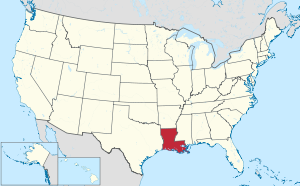
Louisiana has taken a significant step in embracing cryptocurrency by allowing residents to use Bitcoin, Bitcoin Lightning, and USD Coin to pay for state services. This development marks Louisiana as the first U.S. state to officially accept cryptocurrency payments for public services, a move that has both local and national implications.

The state has partnered with Bead Pay, a payment processing platform, to facilitate these transactions. The system automatically converts cryptocurrency payments into U.S. dollars, ensuring that the state does not hold or manage volatile digital assets directly. This approach helps mitigate risks while still offering a progressive payment option to residents. The introduction of cryptocurrency payments is expected to provide more flexibility for taxpayers and businesses in Louisiana, especially given the growing popularity of digital currencies across various sectors.

Louisiana’s decision to move forward with cryptocurrency adoption aligns with global trends where more governments and businesses are recognizing the potential of blockchain technology. Many see this as a pivotal moment in expanding the role of decentralized finance, particularly in public sector services.

For citizens using these digital currencies, payments can be made from private wallets in a secure, decentralized manner. The blockchain-based transactions ensure transparency and traceability, which proponents of cryptocurrency argue are critical advantages over traditional payment methods. Critics, however, point to concerns regarding regulation, price volatility, and the broader implications for monetary policy.

By accepting Bitcoin, Bitcoin Lightning, and USD Coin, Louisiana is tapping into some of the most widely used and stable cryptocurrencies on the market. Bitcoin remains the largest and most well-known, while Bitcoin Lightning offers faster and cheaper transactions. USD Coin, a stablecoin pegged to the value of the U.S. dollar, is often favored by users seeking minimal fluctuations in value.

The partnership with Bead Pay provides the infrastructure needed for the state to convert these payments to fiat currency, ensuring the government receives a predictable revenue stream. This development is part of a broader trend where more states and municipalities are exploring ways to integrate blockchain technology into their operations, but Louisiana has gone further by fully implementing it for state services.

While this initiative is still in its early stages, the successful rollout could encourage other U.S. states to adopt similar measures. Louisiana’s decision comes at a time when the use of cryptocurrencies is steadily rising in popularity among both investors and everyday consumers. Bitcoin and other digital assets have been gaining wider acceptance in industries ranging from finance to retail, and now, with Louisiana’s move, the public sector is beginning to explore its benefits.

This groundbreaking policy shift could have far-reaching effects on the future of payments and finance, not just within Louisiana but across the country. It signifies a growing openness to digital assets in mainstream financial systems, a trend that is likely to expand as more states and businesses see the advantages of offering crypto-based payment options.

Ethena Labs, the issuer of the USDe stablecoin, has confirmed a security breach involving its website domain. Although the underlying USDe protocol remains intact, the company has issued a warning advising users to avoid interacting with its front-end interface until further notice. The attack on Ethena Labs’ website came to light after users reported unusual activity. According to the company’s statement, the breach affected only the website’s […]

Bybit, the world’s second-largest cryptocurrency exchange by trading volume, has announced its sponsorship of Ethereum’s first-ever protocol-wide “Attackathon.” This collaboration marks a significant step in Bybit’s expanding influence in the blockchain security domain, as it aligns with Ethereum to fortify the network’s security. Bybit’s move to sponsor the event comes as part of its broader strategy to foster innovation and collaboration within the crypto ecosystem, while also […]

Ethereum developers are on the brink of a pivotal decision regarding the blockchain’s upcoming upgrade, known as ‘Pectra.’ This decision, slated for Thursday, will determine whether Pectra will be split into two separate forks, potentially setting the stage for significant changes within the Ethereum network. The proposed split into two forks is a strategic move designed to address ongoing scalability issues and enhance the blockchain’s performance. The […]

Bitget and Foresight Ventures have executed a significant transaction involving $30 million worth of TON tokens, sourced directly from major holders in the crypto sphere. This move marks a pivotal moment for both organizations as they enhance their positions within the cryptocurrency market. Bitget, a leading cryptocurrency exchange, and Foresight Ventures, a prominent venture capital firm, have jointly acquired the substantial amount of TON tokens. This acquisition […]

Advertisements

The partnership will kick off with the soft launch of the dtcpay Visa Infinite Card for ultra high net worth individuals SINGAPORE – Media OutReach Newswire – 18 September 2024 – dtcpay, a digital payments solutions provider, and Visa (NYSE: V), a world leader in digital payments have announced a partnership agreement to drive digital payments transformation in Singapore. This partnership aims to integrate dtcpay’s digital payments […]

Donald Trump has taken a surprising turn by fully embracing cryptocurrency, unveiling a digital platform called World Liberty Financial. Once a vocal critic of Bitcoin, labeling it a “scam,” Trump’s shift comes as part of a larger political strategy, aligning with his 2024 presidential campaign. The former U.S. president announced his new project, aimed at the decentralized finance (DeFi) space, during a livestream on X Spaces, where […]

DeFi Technologies, a Canadian firm specializing in cryptocurrency, is setting its sights on a Nasdaq listing following its recent filing of a Form 40-F with the Securities and Exchange Commission (SEC). This strategic move marks a significant milestone for the company, which has been at the forefront of digital asset management and blockchain technology.

Founded in 2019, DeFi Technologies has rapidly established itself in the cryptocurrency space by offering a range of financial products and services centered around decentralized finance (DeFi). The company’s portfolio includes substantial holdings in Bitcoin, Solana, and CORE, with a notable profit of $105 million for the year 2024. This financial performance underscores the company’s strong position within the industry and its potential to attract further investment through its Nasdaq uplisting.

The decision to pursue a Nasdaq listing is a pivotal step for DeFi Technologies, aligning with a broader trend of cryptocurrency firms seeking to gain credibility and access to capital markets through public offerings. By listing on Nasdaq, DeFi Technologies aims to leverage the exchange’s global reach and reputation to enhance its visibility among institutional and retail investors. The move is expected to bolster the company’s growth prospects and expand its influence within the digital asset sector.

DeFi Technologies’ holdings reflect its strategic focus on leading blockchain technologies. Bitcoin, the most widely recognized cryptocurrency, continues to serve as a core asset in the company’s portfolio, providing a foundation of stability and value. Solana, known for its high-performance blockchain and scalable infrastructure, represents DeFi Technologies’ commitment to investing in innovative and efficient blockchain solutions. Additionally, CORE, which focuses on decentralized applications and smart contracts, aligns with the company’s mission to support the development and adoption of decentralized technologies.

The company’s robust profit figure of $105 million for 2024 highlights its successful operations and market positioning. This profitability is attributed to DeFi Technologies’ strategic investments and its ability to navigate the volatile cryptocurrency market effectively. The firm’s financial health is expected to play a crucial role in attracting new investors, as it demonstrates the company’s capability to generate substantial returns.

DeFi Technologies’ decision to file a Form 40-F with the SEC is a significant regulatory step that signifies the company’s commitment to transparency and compliance with U.S. securities laws. The Form 40-F, which is required for foreign companies seeking to list on U.S. exchanges, provides detailed information about the company’s financial performance, governance, and business operations. This filing is a key element in the company’s effort to meet Nasdaq’s listing requirements and establish credibility with potential investors.

As DeFi Technologies prepares for its potential Nasdaq listing, it joins a growing number of cryptocurrency and blockchain firms that are pursuing public offerings to gain greater access to capital and market recognition. The trend reflects the increasing acceptance of digital assets and blockchain technology within the mainstream financial sector. By listing on Nasdaq, DeFi Technologies positions itself at the forefront of this evolving landscape, aiming to capitalize on the growing interest in digital finance and blockchain innovation.

Druk Holdings & Investments, Bhutan’s state-owned investment arm, is now recognized as one of the largest government entities holding Bitcoin, with a staggering 13,000 BTC valued over $750 million. This substantial portfolio places Bhutan fourth globally among governments with significant Bitcoin reserves. Unlike most countries that acquire cryptocurrency through seizures or purchases, Bhutan’s Bitcoin holdings have been amassed through its own mining operations. Bhutan’s journey into cryptocurrency […]

The International Monetary Fund (IMF) has released its comprehensive research assessing the cyber resilience of the ecosystem supporting central bank digital currencies (CBDCs). The study, published at the end of August, addresses the growing need for updated payment systems and highlights both the opportunities and challenges presented by CBDCs. As central banks worldwide explore digital currencies, the IMF’s report stresses the critical importance of cybersecurity. According to […]

Dubai has quickly become a hub for cryptocurrency and blockchain companies, fostering innovation and attracting major players in the digital assets space. Despite regulatory challenges and market volatility, several crypto firms have managed to establish a strong presence, contributing to the emirate’s growing influence in the digital economy. Among the most notable companies are Core Devs, BitOasis, Colexion, ArabianChain, BiTex, EmiSwap, Block Gemini, and OneGram, each playing […]

Finstreet, the digital asset arm of Rorix Holdings, has introduced a regulated digital trading platform at the Abu Dhabi Global Market (ADGM). This move signifies a notable advancement in the Middle East’s financial technology sector, providing a platform that integrates compliance with innovative trading solutions. The new platform aims to address the growing demand for secure and regulated trading environments in the digital asset space. By leveraging […]

PayPal and Venmo are set to incorporate Ethereum Name Service (ENS) blockchain names into their platforms, a move announced by ENS Labs on Tuesday. This integration will initially roll out to users in the United States and is expected to enhance the ease of cryptocurrency transactions by allowing users to utilize human-readable names rather than lengthy alphanumeric addresses.

ENS Labs, the company behind the Ethereum Name Service, has pioneered a method for converting complex blockchain addresses into more user-friendly names. This development aims to reduce the likelihood of errors when transferring cryptocurrencies. Previously, users had to deal with long and complex blockchain addresses, which can be prone to mistakes. By using ENS names, such as “xyz.eth,” users can ensure greater accuracy in their transactions.

The adoption of ENS names by major payment platforms like PayPal and Venmo highlights a growing interest among traditional financial services in cryptocurrency and blockchain technology. This shift could mark a significant turning point in the acceptance and mainstreaming of digital assets, bridging the gap between traditional finance and the evolving crypto space.

ENS is designed to simplify the process of sending and receiving digital currencies by providing a more intuitive naming system. Instead of copying and pasting long strings of characters, users can now use easily memorable names. This change is expected to streamline transactions and reduce errors, which is particularly beneficial for users who are new to the cryptocurrency space.

The decision by PayPal and Venmo to integrate ENS names into their systems could also indicate a broader trend of financial institutions exploring blockchain technology. As these platforms continue to evolve, the integration of digital asset management features becomes increasingly relevant. The move may encourage other financial entities to adopt similar technologies, fostering greater innovation within the financial sector.

The integration process will initially be available to users in the United States. This phased rollout allows for the testing and adjustment of the system to ensure a smooth transition. Users will be able to link their ENS names with their PayPal and Venmo accounts, making transactions more straightforward and reducing the potential for costly mistakes.

The move to incorporate ENS names is part of a broader trend of financial institutions and tech companies experimenting with blockchain technology. As the technology matures, it is expected that more companies will look to integrate blockchain solutions into their offerings. This growing interest could lead to wider adoption of cryptocurrencies and digital assets across various industries.

ENS Labs has been at the forefront of developing technologies that bridge the gap between traditional systems and blockchain networks. By making blockchain addresses more user-friendly, ENS aims to enhance the overall experience for cryptocurrency users and promote broader acceptance of digital currencies.

The gaming industry is undergoing a seismic shift as Web3 technology propels a new era of decentralized gaming. In a bold move that promises to redefine the future of the gaming world, two of the largest tech giants, traditionally fierce competitors, have now entered the Web3 gaming ecosystem, signaling a convergence of blockchain, cryptos, and gaming. This collaboration, which would have been unthinkable a few years ago, highlights the growing influence of Web3 in mainstream gaming.

Web3 gaming has captured the attention of major players across the tech and gaming industries. Leading the charge are three significant companies—two well-known gaming behemoths and a surprise third contender that has taken the gaming and tech community by surprise. While the first two companies have long been associated with the gaming industry, the third entity is a global tech powerhouse, known for selling hundreds of millions of gaming devices and software, but until now, had not made its stance on Web3 clear.

This transformation comes at a time when companies from various sectors are exploring partnerships with blockchain platforms and Web3 startups. The momentum toward decentralization and the integration of blockchain into everyday applications is reshaping business strategies, especially in industries like gaming where decentralized ownership, play-to-earn models, and enhanced user control are gaining traction.

The partnership between these two tech giants, with a combined annual revenue exceeding $400 billion, marks a historic moment in the gaming industry. This alliance was made possible through blockchain technology, which provides a neutral and decentralized platform for collaboration. The decision to integrate Web3 gaming solutions into their business models has opened new avenues for revenue generation, as well as new experiences for users, creating a dynamic ecosystem where players can own, trade, and monetize in-game assets in unprecedented ways.

Web3’s foundational principles of decentralization, transparency, and ownership align with the demands of today’s gaming community, where players are increasingly seeking greater control over their digital assets and in-game economies. As traditional gaming platforms faced challenges with centralized systems and rigid control over content, Web3 offers a flexible, user-driven alternative that empowers gamers and developers alike.

The gaming industry is no stranger to disruption. From the rise of mobile gaming to the explosion of cloud gaming, each innovation has brought with it new opportunities and challenges. But Web3 gaming represents something far more transformative. By leveraging blockchain technology, developers can create games with integrated token economies, allowing players to earn, trade, and sell digital assets in ways that were previously impossible. This has given rise to the “play-to-earn” model, where players are not just participants in the game but also stakeholders in its economy.

The two tech giants making headlines with their foray into Web3 gaming have long been at the forefront of technological innovation. One is renowned for its gaming consoles, which have sold hundreds of millions of units worldwide, while the other has established itself as a leader in cloud computing, software, and entertainment. Both companies have recognized the potential of Web3 gaming, not just as a technological novelty but as a fundamental shift in how games are developed, distributed, and played.

This partnership also underscores the growing significance of blockchain-based platforms in the gaming industry. As more traditional companies explore the possibilities of Web3, they are increasingly turning to blockchain protocols to facilitate secure, decentralized transactions and to ensure transparency in gaming ecosystems. By embracing blockchain, these companies can provide their users with a level of ownership and control that is unparalleled in traditional gaming environments.

The third player in this Web3 revolution is a tech company that has been quietly but steadily increasing its presence in the gaming sector. Known primarily for its dominance in the tech industry, this company’s decision to dive into Web3 gaming has been a surprise to many, given its previous reluctance to publicly endorse blockchain technology. However, its vast resources and extensive user base make it a formidable force in the space, and its entry into the Web3 gaming market has the potential to accelerate the adoption of blockchain-powered gaming on a global scale.

Web3 gaming is rapidly gaining popularity due to its emphasis on decentralization and player empowerment. Traditional gaming platforms, which often limit players’ ability to control and monetize their in-game assets, are being challenged by Web3 games that enable users to own, trade, and sell their digital items. This paradigm shift is leading to a new wave of innovation in game design and development, as developers create games that offer players a direct stake in the virtual worlds they inhabit.

As Web3 gaming continues to evolve, more and more traditional companies are seeking partnerships with blockchain-based platforms and Web3 startups. These partnerships are critical to the growth of the ecosystem, as they provide the necessary infrastructure and expertise to support large-scale gaming operations on the blockchain. Moreover, they help bridge the gap between traditional gaming companies and the Web3 community, fostering collaboration and innovation across both sectors.

The implications of Web3 gaming extend beyond the gaming industry. As blockchain technology becomes more integrated into gaming platforms, it has the potential to influence other industries as well. For example, the tokenization of digital assets, which is a core feature of Web3 games, could revolutionize industries such as finance, real estate, and entertainment by enabling the secure and transparent transfer of ownership.


Standard Chartered has announced the introduction of digital asset custody services in the United Arab Emirates, marking a significant expansion in its financial offerings. This new service is set to cater to institutional clients and high-net-worth individuals looking to safeguard their digital assets in a region known for its growing interest in cryptocurrency and blockchain technology. The launch comes at a time when the UAE is emerging […]

A rare Bitcoin mining event has recently made headlines as a solo miner successfully processed a block, earning approximately $180,000. The achievement, marked by Block 860749 on September 10, underscores the intense competition and difficulty involved in Bitcoin mining. Block 860749, which was verified and added to the Bitcoin blockchain on the specified date, included 5,935 transactions. The reward for this block amounted to 3.169 Bitcoin, translating […]

Activity on the Cardano and Quant networks has significantly increased despite ongoing price declines for these cryptocurrencies. This uptick in network activity, coupled with a broader altcoin market at low levels, points to a potentially favorable shift in the crypto landscape.

Cardano (ADA) and Quant (QNT) have seen heightened network activity, suggesting robust engagement and development within their ecosystems. Cardano, known for its focus on scalability and sustainability, has been ramping up its smart contract functionalities and decentralized applications. Recent data reveals a surge in transaction volumes and an increase in smart contract interactions. This uptick in activity often correlates with future price adjustments, as heightened use can lead to increased value perception.

Quant, a blockchain interoperability platform, is also witnessing a rise in network engagement. The Quant network’s focus on bridging various blockchain systems is attracting significant attention, with a notable increase in transactions and interactions within its ecosystem. This growth in activity underscores the platform’s expanding role in facilitating cross-chain compatibility, which is becoming increasingly crucial in the decentralized finance (DeFi) space.

Amid this landscape, Cardano and Quant are navigating through a period of price reduction. ADA and QNT have both experienced declines in market value over recent months. However, the growing network activity might signal an underlying potential for future price recovery. Historically, periods of increased network engagement have often preceded upward price movements as projects transition from development phases to broader adoption.

The broader cryptocurrency market remains in a state of low volatility, with many altcoins trading at reduced levels. This calm period, characterized by subdued price action, is often a precursor to significant market shifts. Traders and investors are closely watching for signs of an impending altcoin season, which could be triggered by any sudden or substantial market movements.

Cardano’s recent developments are particularly noteworthy. The network has been focusing on enhancing its smart contract capabilities and expanding its DeFi ecosystem. These advancements are likely contributing to the increased network activity, as developers and users alike engage with the platform’s evolving features. The introduction of new functionalities and partnerships could further drive engagement and potentially impact ADA’s market performance in the long term.

Quant’s growing network activity aligns with its mission to address blockchain interoperability challenges. The platform’s ability to connect disparate blockchain systems positions it as a critical player in the evolving DeFi sector. As more projects and enterprises seek to leverage cross-chain solutions, Quant’s role is expected to become increasingly pivotal, driving further network interaction and engagement.

Snapshot X, the innovative governance platform, has transitioned to an on-chain model atop Starknet, leveraging advanced cryptographic techniques to redefine decentralized decision-making. This strategic move signifies a major evolution for Snapshot, known for its off-chain governance solutions, which now integrates seamlessly with Starknet’s layer-2 scaling solution.

Starknet, developed by StarkWare, provides a powerful environment for scalable and secure transactions. The integration of Snapshot X with Starknet marks a significant milestone for the platform, enhancing its capability to handle complex governance functions while maintaining efficiency and security.

Snapshot X’s new on-chain architecture utilizes storage proofs, a breakthrough cryptographic feature that ensures the integrity and security of data stored on the blockchain. This advancement enables Snapshot X to offer a more robust governance solution by securing votes and proposals against tampering or manipulation, addressing previous limitations inherent in off-chain systems.

The move to an on-chain system is expected to improve transparency and reliability in governance processes. On-chain governance protocols inherently offer more traceable and immutable records of votes and decisions compared to their off-chain counterparts. By adopting Starknet’s technology, Snapshot X can harness the benefits of layer-2 scaling, which promises lower transaction fees and faster processing times without sacrificing security.

The integration is poised to impact various decentralized autonomous organizations (DAOs) that rely on Snapshot for governance. These DAOs are likely to experience enhanced operational efficiency and increased confidence in the integrity of their governance processes. As Snapshot X becomes fully operational on Starknet, it will serve as a case study for the potential of combining off-chain and on-chain governance models.

This development aligns with the broader trend in the blockchain space where projects are increasingly seeking hybrid solutions to balance the advantages of off-chain and on-chain systems. Starknet’s role in this transition highlights its growing influence as a leading solution for scalability and efficiency in blockchain technology.

Snapshot X’s adoption of on-chain governance through Starknet underscores a pivotal shift in how decentralized platforms manage their voting and proposal systems. By implementing storage proofs, the platform not only enhances its security framework but also sets a new standard for governance protocols in the blockchain ecosystem.

Intel Markets (INTL), a burgeoning ERC-20 cryptocurrency, is on track to potentially outshine leading cryptocurrencies such as Binance Coin (BNB) and Solana (SOL), according to a prominent figure in the crypto sector. This forecast has fueled growing interest in INTL, highlighting its emerging potential amid the shifting dynamics of the digital currency market. INTL’s recent performance has caught the eye of investors and analysts alike, given its […]

SocialFi platforms like Farcaster, Lens, and Friend.Tech, which once promised to revolutionize social interactions through decentralization, have experienced a significant decline in user engagement in the latter half of 2024. The platforms, heralded as the next frontier in digital communication, now face a stark reality as their user bases shrink and activity dwindles.

Farcaster, launched with high hopes for a decentralized social experience, aimed to offer a more user-controlled environment compared to traditional social media giants. However, recent metrics reveal a steep drop in active users and engagement. According to internal data and blockchain analytics, Farcaster’s daily active users have plummeted by over 60% since mid-2024. Despite efforts to re-engage users through updates and feature enhancements, the platform’s growth trajectory has reversed sharply.

Lens, another major player in the SocialFi space, envisioned itself as a decentralized alternative to mainstream social networks, with an emphasis on content ownership and monetization. The platform initially attracted attention for its innovative approach to user data and content control. Nevertheless, Lens has struggled with declining user interaction, attributed to a combination of technical issues, limited mainstream appeal, and competition from more established social platforms. Analytics suggest that Lens’s user engagement has decreased by approximately 50% over the past few months.

Friend.Tech, which aimed to integrate social interactions with cryptocurrency incentives, has also witnessed a significant downturn. The platform’s unique selling proposition was to blend social networking with financial benefits through its native token. Despite early enthusiasm and initial investment, Friend.Tech’s user activity has suffered due to a combination of fluctuating token values, regulatory uncertainty, and a lack of sustained interest from the broader community. Current data shows that the platform’s active user base has contracted by nearly 70% since the peak of its popularity.

The decline of these SocialFi platforms can be attributed to several factors. Initially, the promise of decentralization and control over personal data attracted a substantial user base. However, as the novelty wore off, many users returned to established social media networks that offer greater functionality, familiarity, and convenience. The challenges inherent in building a robust decentralized social network, including user experience issues, scalability, and regulatory hurdles, have further contributed to the platforms’ struggles.

Moreover, the broader market sentiment towards decentralized technologies has shifted. The rapid evolution of blockchain and cryptocurrency technologies has led to a saturation of projects and platforms, making it difficult for any single initiative to stand out. The SocialFi sector, in particular, has faced scrutiny over the sustainability of its business models and the long-term viability of its decentralized approach.

The global blockchain security market is poised for rapid expansion, projected to grow from $3 billion in 2024 to $37.4 billion by 2029, reflecting a compound annual growth rate (CAGR) of 65.5%. This surge is driven by increasing demand for secure digital solutions amid rising cyber threats. Blockchain’s decentralized nature is proving valuable across industries like finance, healthcare, and government, offering enhanced protection for sensitive data and digital identities. Companies such as IBM and Microsoft are investing heavily in blockchain innovations, aiming to cater to evolving market needs.

With sectors like financial services and healthcare adopting blockchain to address data protection challenges, the technology is expected to play a critical role in safeguarding identity verification, financial transactions, and more. Financial services, in particular, are leading in blockchain integration, leveraging the technology for secure transactions and efficient fund management. The digital identity segment is also anticipated to experience remarkable growth, fueled by blockchain’s ability to create tamper-proof identity systems.

North America continues to dominate the blockchain market due to a robust ecosystem of startups and established tech giants. The region’s early adoption of blockchain solutions in diverse sectors has contributed to its leading position. However, Asia-Pacific is expected to register the highest growth over the next five years, as governments in countries like China, Japan, and India invest heavily in blockchain initiatives aimed at boosting transparency and operational efficiency.

Cryptocurrency firms have dramatically escalated their lobbying efforts, pouring millions of dollars into influencing lawmakers and regulators. Companies like Coinbase, Binance.us, and Ripple have taken the lead in boosting their expenditures, signaling their desire to shape policies favorable to the industry amid increasing regulatory scrutiny. The shift comes as governments worldwide consider tightening oversight on the cryptocurrency sector, sparking a significant uptick in corporate interest in political […]

VISHNU RAJA
RYO YAMADA
HITORI GOTOH
IKUYO KITA