News related to
blockchain

Worldcoin’s native token, WLD, experienced a significant surge in value, climbing over 10% following a substantial $135 million fundraising round led by prominent venture capital firms Andreessen Horowitz and Bain Capital Crypto. This influx of capital underscores growing investor confidence in the project’s vision of establishing a global, decentralised identity verification system.

The fundraising success coincides with Worldcoin’s strategic expansion into new markets. Notably, the introduction of its World ID verification system in Poland has garnered attention. Residents in Warsaw can now utilise the project’s ‘Orb’ biometric device to verify their identities, a move aimed at enhancing digital interactions and privacy. This development aligns with Worldcoin’s broader mission to differentiate humans from AI bots in the digital realm.

Market analysts attribute the token’s price surge to a combination of factors, including the successful fundraising, the expansion into Poland, and the broader adoption of Worldcoin’s technologies. The token’s trading volume also saw a notable increase, reflecting heightened investor interest.

However, the project’s rapid growth has not been without scrutiny. Regulatory bodies in various countries have raised concerns about privacy and data protection, leading to investigations and, in some cases, suspension of operations. Despite these challenges, Worldcoin continues to pursue its goal of creating a universal digital identity system, leveraging biometric technology and blockchain infrastructure.

KUALA LUMPUR, MALAYSIA – Media OutReach Newswire – 26 May 2025 – As global crypto markets show increased volatility, traders rethink their risk exposure. One vivid option is contracts for difference (CFDs). Kar Yong Ang, a financial market analyst at Octa broker, shares three reasons crypto traders should adopt CFDs and migrate from traditional exchanges. This year began with a harsh reminder that even the biggest crypto […]

The allure of meme coins like Shiba Inu and Dogecoin has cooled, prompting investors and crypto enthusiasts to seek fresh opportunities beyond the fleeting hype. As these once high-flying tokens show patterns of price consolidation and reduced volatility, attention is increasingly shifting towards emerging decentralised finance projects, notably the Mantix decentralized exchange currently in its presale phase.

Mantix represents a new wave of crypto innovation aiming to capitalise on the growing demand for decentralised trading platforms with enhanced utility and community governance. Unlike meme coins, which primarily rely on social media buzz and speculative trading, Mantix offers a structured ecosystem designed to attract long-term participants. The project’s native token, $MTX, has garnered significant interest in crypto circles for its potential to integrate scalable blockchain solutions with user-driven decentralisation.

Market data indicates that meme coins, while maintaining a loyal base, have witnessed substantial corrections from their peak valuations over the past year. Shiba Inu, which surged into mainstream attention through aggressive marketing and celebrity endorsements, now faces resistance levels that limit further upward momentum. Dogecoin, originally launched as a parody cryptocurrency, similarly exhibits less price movement and trading volume than during its initial frenzy. This maturation phase has naturally led traders to explore De-Fi projects that promise utility beyond mere token speculation.

Mantix’s presale has emerged as one of the more watched events in the De-Fi space due to its approach of combining tokenomics with a robust decentralized exchange infrastructure. The platform is being built on a Layer 2 blockchain solution aimed at reducing transaction costs and enhancing speed, a crucial improvement over congested Layer 1 blockchains like Ethereum. By addressing scalability, Mantix hopes to attract users frustrated with high fees and slow confirmations, common complaints in existing DEX platforms.

Further intrigue surrounds Mantix’s governance model, which incorporates a decentralised autonomous organisation structure. Token holders of $MTX will have voting rights on key platform decisions, ranging from protocol upgrades to fee distribution. This democratic approach to platform management has resonated with investors seeking a voice in project development rather than passive holding.

Industry experts highlight that the shift from meme coins to utility-driven De-Fi projects reflects the broader evolution of the cryptocurrency market. Initial phases of crypto adoption were fuelled by hype and speculative mania, but the sector is now progressing toward maturity, where sustainable growth depends on practical applications and network effects. Mantix’s emphasis on building a scalable DEX aligns with this trajectory, placing it among a competitive set of projects trying to capture the next generation of crypto users.

Despite the buzz, experts caution that presale participation entails risks, including regulatory uncertainty and project execution challenges. De-Fi platforms often face complex security audits and require rigorous testing before launching fully. However, the team behind Mantix claims to have secured partnerships with established blockchain developers and auditors to mitigate vulnerabilities, although independent verification remains pending.

Investor enthusiasm around $MTX is also driven by the projected token supply model, which aims to incentivise early participants while avoiding excessive inflation. Unlike meme coins, where large token supplies have often led to price manipulation concerns, Mantix’s controlled issuance framework is designed to foster stability and gradual appreciation. Early investors see this as a key differentiator, especially as the crypto market enters a phase prioritising long-term viability over rapid gains.

Global crypto exchanges and wallets have reportedly begun integrating $MTX to facilitate seamless token distribution once Mantix transitions from presale to public trading. This integration plan underscores the project’s ambition to establish liquidity and market presence quickly. The initial roadmap also outlines plans for additional De-Fi features such as yield farming, staking, and cross-chain interoperability, which could position Mantix as a comprehensive platform for decentralized finance activities.

The shift in investor sentiment away from meme coins coincides with broader regulatory scrutiny across major markets, where authorities are increasing oversight of speculative tokens and trading platforms. This environment favors projects like Mantix that demonstrate transparent governance and clear utility. Regulatory compliance will likely remain a pivotal factor shaping the competitive landscape among De-Fi exchanges, with platforms adopting robust protocols gaining trust from institutional and retail investors alike.

Market analysts note that while Shiba Inu and Dogecoin have established themselves as cultural icons within the crypto space, their futures hinge largely on community support rather than fundamental technological advances. Conversely, De-Fi platforms like Mantix seek to blend technology innovation with community governance to drive adoption. This fundamental difference may influence which assets retain relevance as the market consolidates and matures.

Technical analysis of SHIB and DOGE price trends points to a phase of reduced volatility, marked by trading within defined ranges after sharp declines from all-time highs. Such patterns typically suggest accumulation phases or potential repositioning by holders. Meanwhile, Mantix’s presale momentum suggests a growing appetite for new projects with practical use cases, especially those tackling scalability and user empowerment issues prevalent in the crypto ecosystem.

The crypto market’s cyclical nature often sees hype-driven assets give way to infrastructure-focused projects. Mantix’s presale success could signal the start of such a rotation, as traders move capital into platforms offering tangible functionality. Nevertheless, the highly speculative environment demands due diligence, and investors are advised to assess project whitepapers, development progress, and team credentials before committing funds.


Switzerland has authorised the deployment of GNU Taler, a privacy-focused digital payment system, marking a significant development in the nation’s transition towards a cashless economy. Taler Operations AG, the entity responsible for operating the system in Switzerland, will collaborate with Maerki Baumann Bank to facilitate transactions in Swiss francs . GNU Taler, an acronym for “Taxable Anonymous Libre Electronic Resources,” is designed to offer privacy for payers […]

KOLO, a prominent player in the web3 ecosystem, has introduced a next-generation digital wallet paired with a worldwide debit card designed to seamlessly bridge the gap between digital assets and everyday transactions. This development marks a significant step in expanding the usability of cryptocurrencies and blockchain-based assets in mainstream financial activities, targeting both seasoned crypto users and newcomers seeking practical applications of digital currencies.

The KOLO digital wallet enables users to store, manage, and transact with a broad range of digital assets, including popular cryptocurrencies and non-fungible tokens . Its accompanying debit card, which operates on a global scale, allows holders to convert their crypto holdings into fiat currency instantly, facilitating purchases and cash withdrawals wherever traditional debit cards are accepted. This dual functionality aims to enhance the liquidity and real-world accessibility of digital assets, which have often been limited by infrastructure and regulatory challenges.

KOLO’s platform capitalises on cutting-edge security protocols, including multi-factor authentication and hardware wallet integration, to protect user funds from common threats such as hacking and fraud. The wallet supports interoperability across multiple blockchain networks, including Ethereum, Binance Smart Chain, and Polygon, ensuring wide compatibility with a diverse array of tokens. Additionally, KOLO offers a user-friendly interface designed to simplify complex processes like token swaps, staking, and NFT management, appealing to users across different levels of technical expertise.

This launch comes amid growing global interest in cryptocurrencies as tools for everyday financial activities, beyond their traditional roles as speculative assets or investment vehicles. Industry analysts observe that bridging digital assets with conventional financial systems remains a critical hurdle for broader adoption. KOLO’s integration of a physical debit card backed by digital wallet balances presents a pragmatic solution to this challenge by enabling seamless real-time spending without the need for manual conversions or third-party intermediaries.

The global rollout of KOLO’s debit card features partnerships with major payment networks to ensure widespread acceptance. Cardholders can transact in multiple currencies, benefiting from automatic conversion rates managed by KOLO’s proprietary system. This eliminates the complexity and delays that typically accompany crypto-to-fiat exchanges, allowing for smoother consumer experiences in retail, online shopping, and ATM withdrawals worldwide.

Market experts highlight the significance of this move as competition intensifies among blockchain projects aiming to embed crypto payments in daily commerce. Other companies have launched crypto debit cards before, but KOLO’s approach focuses on enhanced security, broad token support, and user-centric design. It also addresses regulatory compliance across jurisdictions by implementing know-your-customer and anti-money laundering measures, ensuring adherence to financial regulations while maintaining user privacy.

KOLO’s leadership emphasises the product’s role in accelerating the transition toward a more inclusive financial system, where digital assets play a pivotal role in economic participation. The company has also announced plans to integrate decentralized finance features directly into the wallet, enabling users to access lending, borrowing, and yield farming services without leaving the platform. This integrated approach could reduce friction points that currently discourage mainstream users from engaging deeply with DeFi ecosystems.

In terms of adoption, KOLO targets a wide demographic including crypto enthusiasts, digital nomads, and merchants looking to accept digital currencies without complex setups. The debit card is available to users in key markets across North America, Europe, and Asia, with expansion plans for emerging economies where digital finance penetration is growing rapidly. Early user feedback praises the card’s convenience and the wallet’s intuitive design, with particular appreciation for transparent fees and fast transaction processing times.

Financial regulators remain cautious but generally open to innovation that adheres to legal frameworks and prioritises consumer protection. KOLO’s compliance strategy includes collaboration with regulatory bodies to ensure transparency and mitigate risks associated with digital asset transactions. This proactive approach aims to position KOLO as a trustworthy intermediary capable of navigating evolving regulatory landscapes without compromising on the decentralised ethos of web3 technology.

The broader digital asset industry is witnessing heightened demand for solutions that integrate blockchain technology with everyday financial use cases. KOLO’s entry into the market reflects an ongoing shift from niche crypto experimentation toward practical, user-friendly applications that can coexist alongside traditional banking infrastructure. This hybrid model could pave the way for new financial paradigms where digital wallets and physical payment instruments work in concert to offer greater flexibility and control to users.

Cryptocurrency exchange Kraken has announced the launch of tokenized versions of over 50 U.S.-listed stocks and exchange-traded funds , including Apple, Tesla, and Nvidia, for non-U.S. customers. These digital assets, branded as “xStocks,” will be available for trading around the clock via the Solana blockchain, enabling investors in Europe, Latin America, Africa, and Asia to access U.S. equities beyond traditional market hours.

Each xStock token is backed by actual shares held by Kraken’s partner, Backed Finance, ensuring that the tokens’ values closely mirror their underlying securities. The tokens are redeemable for the cash equivalent of the corresponding stock or ETF, providing a seamless bridge between digital and traditional financial markets.

Kraken’s co-CEO, Arjun Sethi, emphasized the platform’s commitment to reducing barriers for international investors. “Overseas investors can currently buy U.S. stocks through local brokerages, but it typically involves very high fees and slow settlement times,” Sethi noted. “There’s a lot of friction.” By leveraging blockchain technology, Kraken aims to offer a more efficient and cost-effective alternative.

The introduction of xStocks also allows for greater flexibility in asset management. Investors can store these tokenized equities in digital wallets, trade them across various crypto platforms, and even use them as collateral for crypto trading strategies. This integration of traditional assets into the crypto ecosystem reflects a growing trend toward the tokenization of financial instruments.

Kraken’s move follows earlier attempts by other exchanges to offer tokenized stocks. In 2021, Binance introduced similar products but discontinued them after regulatory challenges. Learning from such precedents, Kraken is actively collaborating with regulators to ensure compliance across different jurisdictions. A company spokeswoman stated that Kraken is “actively working with various regulators” to navigate the complex international regulatory landscape.

The broader financial industry has shown increasing interest in the potential of tokenization. The U.S. Securities and Exchange Commission hosted a roundtable discussion on the subject earlier this month, and major firms like BlackRock and Robinhood have expressed support for the tokenization of securities. Sethi predicts that tokenized equities could surpass stablecoins in market size, highlighting their transparency, speed, and global accessibility.

Kraken’s expansion into tokenized equities is part of a larger strategy to bridge traditional finance and the crypto world. The company has also launched commission-free trading for over 11,000 U.S.-listed stocks and ETFs through its Kraken Securities platform, initially available in select U.S. states with plans for broader rollout. This integrated approach allows users to manage cryptocurrencies, equities, ETFs, stablecoins, and fiat currencies within a single platform.

A growing chorus of lawmakers, legal experts, and digital rights advocates is calling for a comprehensive overhaul of the Bank Secrecy Act , contending that its extensive financial surveillance provisions infringe upon constitutional rights and hinder the advancement of cryptocurrency technologies.

Enacted in 1970, the BSA mandates that financial institutions report specific transactions to the federal government, aiming to combat money laundering and other illicit activities. However, critics argue that the law’s expansive reach has led to mass surveillance practices that conflict with the Fourth Amendment’s protections against unreasonable searches and seizures.

In 2023, approximately 300,000 financial institutions filed nearly 30 million BSA reports, yet only about 1,575 cases were referred for prosecution based on these filings. This disparity has raised concerns about the efficacy and proportionality of the BSA’s reporting requirements.

The rise of cryptocurrencies has intensified these debates. Digital assets, by their nature, offer users a degree of privacy and autonomy in financial transactions. However, the BSA’s current framework does not adequately address the nuances of blockchain technology, leading to calls for reforms that balance regulatory oversight with individual privacy rights.

President Donald Trump’s administration has signaled a shift in approach. In January 2025, an executive order titled “Strengthening American Leadership in Digital Financial Technology” was issued, emphasizing the promotion of digital assets and blockchain technologies. The order established the Presidential Working Group on Digital Asset Markets, tasked with developing a federal regulatory framework for digital assets and evaluating the creation of a national digital asset stockpile. Notably, the order also prohibited the establishment of central bank digital currencies , citing concerns over financial stability and individual privacy.

Despite these initiatives, critics argue that without substantive reforms to the BSA, the executive order’s goals may be undermined. They contend that the BSA’s current provisions allow for warrantless access to individuals’ financial records, a practice they believe is incompatible with constitutional protections.

Legal precedents have further complicated the landscape. In the 1976 case United States v. Miller, the Supreme Court held that individuals do not have a reasonable expectation of privacy in financial records held by third parties. This “third-party doctrine” has been a cornerstone in upholding the BSA’s provisions. However, more recent decisions, such as Carpenter v. United States in 2018, have begun to challenge the breadth of this doctrine, particularly in the context of digital data.

Advocates for reform suggest that Congress could amend the BSA to maintain its record-keeping requirements while eliminating or modifying its reporting mandates. Such changes would ensure that law enforcement agencies obtain warrants based on probable cause before accessing individuals’ financial information, thereby aligning the law with Fourth Amendment protections.

Some legislative efforts have been initiated. In the 118th Congress, Representative John Rose introduced the Bank Privacy Reform Act, aiming to reaffirm Americans’ Fourth Amendment rights in the context of financial transactions. Similarly, Senator Mike Lee proposed the Saving Privacy Act, which seeks to address concerns over mass financial surveillance. However, these bills have yet to gain significant traction.

Advertisements

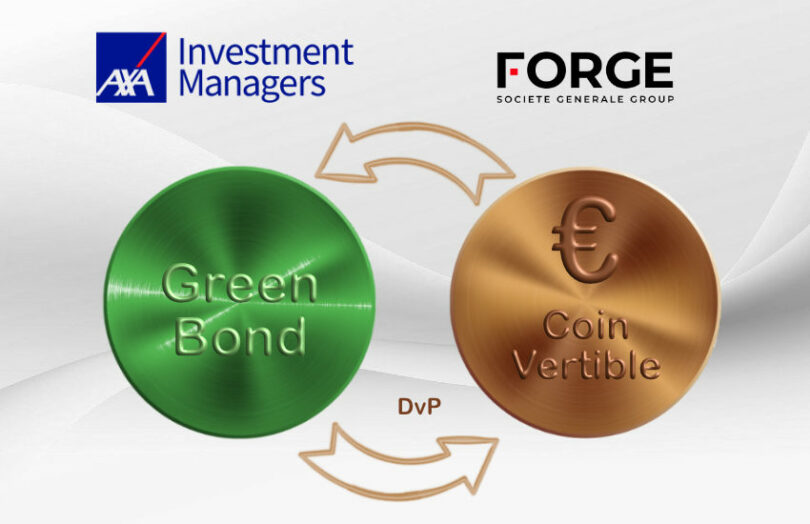
Societe Generale, one of Europe’s leading financial institutions, has launched a new stablecoin pegged to the US dollar on the Ethereum blockchain, marking a significant milestone as the first dollar-backed stablecoin issued by a traditional bank. The initiative, spearheaded by the bank’s digital asset subsidiary SG-Forge, aims to bridge the gap between conventional finance and the rapidly evolving world of decentralised finance .

The stablecoin, named USD CoinVertible , is designed to offer institutional clients a secure and regulated digital asset for on-chain transactions. SG-Forge has emphasised that USDCV will adhere to strict compliance standards, including Know Your Customer and Anti-Money Laundering protocols, ensuring its suitability for professional investors seeking exposure to digital assets within a regulated framework.

Jean-Marc Stenger, CEO of SG-Forge, stated that the launch of USDCV represents a pivotal step in the bank’s digital asset strategy. He highlighted the growing demand among institutional clients for stable and compliant digital assets that can facilitate efficient settlement and liquidity management on blockchain platforms.

The introduction of USDCV follows SG-Forge’s earlier venture into stablecoins with the euro-pegged EUR CoinVertible , which was initially deployed on the Ethereum blockchain. Despite its innovative approach, EURCV experienced limited adoption, prompting SG-Forge to expand its presence to other blockchain networks. In September 2024, the firm announced plans to deploy EURCV on the Solana network, citing the blockchain’s high throughput and low transaction costs as key factors for enhancing user experience and adoption.

Solana’s capabilities have attracted attention from various financial institutions seeking to leverage blockchain technology for digital asset issuance and management. SG-Forge’s decision to extend EURCV to Solana aligns with a broader industry trend of exploring scalable and cost-effective blockchain solutions to meet the demands of both retail and institutional users.

In addition to Solana, SG-Forge has expressed intentions to further expand its stablecoin offerings to other blockchain networks, including the XRP Ledger. This multi-chain strategy reflects the firm’s commitment to providing versatile and accessible digital asset solutions across diverse blockchain ecosystems.

The launch of USDCV positions Societe Generale as a pioneer among traditional banks venturing into the stablecoin market. While other financial institutions have explored digital asset initiatives, Societe Generale’s direct issuance of a dollar-pegged stablecoin on a public blockchain underscores its proactive approach to embracing digital innovation within a regulated framework.

As the stablecoin market continues to evolve, the entry of established financial entities like Societe Generale introduces a new dimension to the landscape. The bank’s emphasis on regulatory compliance and institutional-grade solutions may set a precedent for other traditional financial institutions considering similar ventures into the digital asset space.

The success of USDCV will likely depend on its adoption by institutional clients and its integration into existing financial infrastructures. SG-Forge’s ongoing efforts to enhance the utility and accessibility of its stablecoin offerings, including partnerships with market makers and listings on digital asset exchanges, will be critical in driving adoption and establishing a foothold in the competitive stablecoin market.

Ethereum’s price steadied near $2,400 after a notable pullback, positioning itself for a potential upward move toward the $4,000 mark. The digital asset’s resilience at this support level has drawn increased attention from traders and analysts who are monitoring the market for signs of renewed momentum.

Following a period of heightened volatility, Ethereum has maintained a base close to $2,400, a level viewed by many as a critical buying zone. This price point has historically provided stability amid fluctuating market sentiment, suggesting that investors see value at this threshold. Trading volumes have also seen a surge, indicating a resurgence of interest as participants weigh the likelihood of a recovery rally.

Analysts note that the current consolidation phase may serve as a launchpad for a rebound that could push Ethereum toward its previous highs around $4,000. The cryptocurrency has faced downward pressure stemming from broader macroeconomic factors such as tightening monetary policies, global inflation concerns, and regulatory uncertainties. Despite these headwinds, Ethereum’s underlying technological developments and ecosystem growth continue to bolster confidence among market watchers.

Recent upgrades to the Ethereum network, particularly those enhancing scalability and reducing transaction fees, have strengthened the asset’s appeal. The transition to a proof-of-stake consensus mechanism, completed with the Merge, has also significantly reduced Ethereum’s energy consumption, aligning it with global sustainability goals. These technological milestones are seen as critical factors supporting long-term value, especially as decentralised finance platforms and non-fungible tokens continue to rely heavily on Ethereum’s infrastructure.

Market sentiment is further influenced by institutional adoption and increasing integration of Ethereum-based applications across various sectors. Financial firms and multinational corporations are exploring blockchain solutions that utilise Ethereum’s smart contract capabilities, highlighting the token’s growing utility beyond speculative trading. This expanding use case has created a more diversified demand base that could underpin price stability.

On the technical front, Ethereum’s price charts show a clear pattern of support forming around the $2,400 mark, which has acted as a floor against deeper declines. Momentum indicators such as the Relative Strength Index have hovered near neutral levels, indicating neither overbought nor oversold conditions. This suggests room for upward movement if buying pressure intensifies.

Traders are also closely watching the broader crypto market, where Bitcoin’s performance often sets the tone. Bitcoin’s stabilisation above key support levels has contributed to a more optimistic environment for altcoins like Ethereum. Correlations between Bitcoin and Ethereum prices remain significant, meaning that a bullish trend in Bitcoin could catalyse Ethereum’s push toward $4,000.

Regulatory developments continue to shape investor behaviour. Authorities in major economies are increasingly engaging with digital asset regulation, aiming to establish frameworks that encourage innovation while protecting investors. The clarity brought by such regulations, though sometimes viewed as restrictive, can reduce uncertainty and foster institutional investment.

Ethereum’s developer community remains active, with ongoing initiatives focused on network improvements and new protocol enhancements. These efforts aim to address scalability challenges and reduce costs further, which are essential for supporting growing user adoption. The vitality of this ecosystem contributes to Ethereum’s positioning as the leading platform for decentralised applications.

Investor interest is also driven by the emergence of layer-two solutions, which operate atop the Ethereum blockchain to increase transaction throughput and lower fees. These technologies are critical for managing network congestion and enhancing user experience, making Ethereum more competitive with alternative blockchains.

Dubai has solidified its position as a leading global diamond trading hub, with over 1.06 billion carats of rough and polished diamonds transacted through the city over the past five years. In 2024 alone, nearly 179 million carats were traded, underscoring the United Arab Emirates’ pivotal role in the international diamond market.

These figures were disclosed by Ahmed Bin Sulayem, Chair of the Kimberley Process and Executive Chairman of the Dubai Multi Commodities Centre , during the UN-mandated KP Intersessional Meeting held at Uptown Tower in Dubai. The event convened hundreds of representatives from governments, industry, and civil society, marking a significant milestone in the UAE’s third tenure as KP Chair.

Under the theme “Year of Delivery,” the UAE’s 2024 chairmanship focused on implementing substantial reforms within the KP framework. A notable achievement was the introduction of a blockchain-based digital certification system, transitioning from traditional paper certificates. This innovation aims to enhance the traceability and security of diamond transactions, ensuring greater transparency in the supply chain.

Another significant development was the readmission of the Central African Republic into the KP. After a decade-long embargo due to internal conflicts, CAR’s reinstatement followed a comprehensive review and improved security conditions. Ahmed Bin Sulayem’s direct engagement with CAR authorities facilitated this process, reflecting the UAE’s commitment to integrating diamond-producing nations into the global market responsibly.

The KP also welcomed Uzbekistan as its 60th member, expanding the coalition’s reach and reinforcing its mission to prevent conflict diamonds from entering the mainstream market. This inclusion signifies the KP’s growing influence and the increasing global consensus on ethical diamond trading practices.

In a move to institutionalize the KP’s operations, a permanent secretariat was established in Gaborone, Botswana. This development aims to provide continuity and enhance the administrative efficiency of the KP, ensuring sustained efforts toward conflict-free diamond trade.

The UAE’s leadership also garnered international recognition through a resolution adopted by the United Nations General Assembly. Titled “The Role of Diamonds in Fueling Conflict,” the resolution, co-sponsored by 37 countries, acknowledged the UAE’s initiatives in promoting ethical practices within the diamond industry.

Industry leaders and civil society representatives lauded the UAE’s efforts. Feriel Zerouki, President of the World Diamond Council, emphasized the importance of innovation and transparency in maintaining the integrity of the diamond trade. Jaff Bamenjo, representing the Civil Society Coalition, highlighted the significance of engaging with diamond-affected communities to ensure equitable benefits from the industry.

Cryptocurrency mining companies have registered a notable surge following the announcement of a strategic partnership between OpenAI and CoreWeave, a leading cloud computing provider. This alliance signals a growing intersection between artificial intelligence infrastructure and blockchain technology, propelling mining stocks higher and generating renewed investor interest in the sector.

CoreWeave, known for its specialised GPU-powered cloud services tailored to AI workloads, has struck a deal to supply critical computational capacity for OpenAI’s expanding suite of applications. This development positions CoreWeave as a vital player in supporting the back-end infrastructure of AI innovation. The company’s move has rippled through the crypto mining ecosystem, where hardware capable of efficiently processing complex algorithms is central to mining operations.

Investors responded positively to CoreWeave’s enhanced profile, with shares of prominent crypto mining firms climbing on various exchanges. The broader cryptocurrency market, however, displayed a more cautious stance, maintaining a consolidation phase despite escalating inflation expectations that often trigger volatility. This divergence highlights the nuanced market dynamics where infrastructure providers linked to AI growth are gaining momentum independent of general crypto price trends.

The launch of Galaxy Digital on the Nasdaq exchange further accentuated market activity around crypto-related firms. Galaxy Digital, a diversified financial services and investment management firm focusing on digital assets and blockchain technology, made a striking debut with its share price surging significantly on the first day of trading. The successful Nasdaq listing underscores growing institutional interest in the crypto and blockchain sectors, affirming confidence in their long-term viability despite fluctuating asset prices.

Market analysts note that the OpenAI-CoreWeave partnership exemplifies the convergence of artificial intelligence and blockchain technology, two sectors undergoing rapid expansion. This synergy offers mining companies an avenue to diversify and stabilise revenues by capitalising on increased demand for computational power beyond traditional cryptocurrency mining. As AI applications become more sophisticated and resource-intensive, providers like CoreWeave stand to benefit from expanded contracts and elevated valuations.

The partnership also sheds light on evolving mining operations, which now encompass hybrid models combining cryptocurrency validation with AI data processing tasks. This integration potentially improves profitability and operational resilience amid regulatory uncertainties and market fluctuations in the crypto domain. Mining firms that embrace such technological advancements may position themselves ahead of competitors relying solely on conventional blockchain mining.

Despite these promising developments, the crypto market continues to face challenges from macroeconomic factors, notably inflation expectations that often influence investor behaviour. Although asset prices across major markets, including cryptocurrencies, largely shrugged off these concerns, some volatility is expected as central banks adjust monetary policies. Cryptocurrency’s inherent volatility remains a consideration for both retail and institutional investors, who must weigh technological advancements against broader economic risks.

CoreWeave’s strategic positioning within this ecosystem is particularly significant given the rising demand for GPU-intensive workloads. The company’s infrastructure supports not only OpenAI’s needs but also a wide array of AI-driven enterprises, creating a robust client base and diversified revenue streams. This diversification contrasts with many mining firms whose fortunes are tightly correlated to cryptocurrency price cycles, adding an element of stability that appeals to investors.

Galaxy Digital’s Nasdaq listing is emblematic of the maturing crypto investment landscape. Founded by industry veteran Michael Novogratz, the firm has established itself as a critical bridge between traditional financial markets and the digital asset space. Its successful public offering reflects growing acceptance and integration of digital assets within mainstream finance, an important milestone for the sector.

Market watchers observe that while the immediate reaction favours companies linked to AI and cloud computing, the broader cryptocurrency market is navigating a complex environment marked by geopolitical tensions, regulatory scrutiny, and shifting monetary policies. These factors contribute to a cautious sentiment among traders, with prices consolidating rather than surging dramatically.

Nonetheless, the interplay between AI infrastructure providers and crypto mining firms represents a promising frontier. This convergence may drive innovation in both fields, fostering new business models and operational efficiencies. Companies that adapt to this trend could harness the dual momentum of AI growth and blockchain technology to sustain competitive advantages.

Open source software has received a significant injection of support from leading companies such as Canonical, Zerodha, and other major industry players, marking a pivotal moment for the global development community. This wave of generous contributions comes as open source projects continue to underpin vast segments of the digital infrastructure powering everything from cloud computing to fintech applications. Canonical, known globally as the company behind the Ubuntu […]

Wintermute, a prominent algorithmic trading firm in the digital asset sector, has inaugurated its U.S. headquarters in New York City, marking a significant step in its global expansion strategy. This move positions the firm closer to American financial markets and regulatory bodies, enhancing its engagement with U.S.-based partners.

The establishment of the New York office aligns with Wintermute’s objective to solidify its presence in the world’s largest financial market. CEO Evgeny Gaevoy emphasized the strategic importance of this development, stating that the U.S. policy landscape has become more conducive to digital asset innovation. He noted that having a physical presence in New York enables the firm to engage more directly with institutional counterparties and respond swiftly to collaborative opportunities.

As part of its U.S. expansion, Wintermute has appointed Ron Hammond as Head of Policy and Advocacy. Hammond brings nearly a decade of experience in cryptocurrency legislation, having previously served as the Senior Director of Government Relations at the Blockchain Association. His tenure on Capitol Hill included drafting the Token Taxonomy Act, a bipartisan bill aimed at providing regulatory clarity for digital assets.

Hammond’s role at Wintermute involves leading policy engagement efforts across federal and state levels. He will provide technical input on legislation, contribute policy ideas, and coordinate responses to emerging proposals. Hammond expressed enthusiasm about joining Wintermute, highlighting the firm’s potential to contribute meaningfully to the development of the U.S. digital asset regulatory framework.

Wintermute’s decision to establish a U.S. headquarters comes amid a broader trend of crypto firms expanding into the American market, driven by evolving regulatory clarity and institutional adoption. The firm reports an average daily trading volume exceeding $15 billion and operates across more than 60 centralized and decentralized exchanges. Its services include over-the-counter trading and liquidity provision, catering to a global clientele.

Franklin Templeton has secured regulatory approval from the Monetary Authority of Singapore to launch the Franklin OnChain U.S. Dollar Short-Term Money Market Fund, marking the first tokenised fund accessible to retail investors in Singapore. The fund requires a minimum investment of US$20, aiming to democratise access to money market instruments through blockchain technology.

The fund is structured under the Franklin Templeton Investments Variable Capital Company and will be managed by Templeton Asset Management Ltd, with Franklin Advisers Inc serving as the sub-manager. It seeks to provide investors with exposure to a portfolio of high-quality, short-term securities, including transferable securities and money market instruments of governments, as well as eligible securities of companies worldwide, primarily denominated in or hedged to the U.S. dollar.

Shares of the fund will be issued and managed through Franklin Templeton’s proprietary blockchain-integrated transfer agency platform. This approach is designed to enhance transparency, security, and efficiency in asset management by leveraging blockchain technology to record transactions and share ownership.

The launch of this tokenised fund aligns with Singapore’s broader efforts to position itself as a hub for digital asset innovation. Franklin Templeton’s participation in Project Guardian, an initiative by MAS to explore the potential of decentralised finance and asset tokenisation, underscores its commitment to advancing financial technology in the region.

The fund mirrors the investment strategy of Franklin Templeton’s existing U.S. Dollar Short-Term Money Market Fund, which manages approximately US$1.7 billion in assets. By offering a tokenised version of this fund, Franklin Templeton aims to provide retail investors in Singapore with a familiar investment product enhanced by the benefits of blockchain technology.

BC.GAME, a prominent global Web3 iGaming platform, has unveiled a redesigned logo and a bold new slogan, “Stay Untamed,” signalling a strategic shift to deepen its presence in the cryptocurrency gaming space. This rebranding effort aligns with the platform’s ambition to enhance user experience and solidify its position at the forefront of the blockchain-powered gambling industry.

The refreshed logo presents a sleek and modern aesthetic that encapsulates the brand’s ethos of freedom and innovation within the digital gaming realm. The slogan embodies BC.GAME’s commitment to providing players with unrestricted, decentralised entertainment options, emphasising autonomy and a break from traditional gambling constraints. These changes come amid the platform’s accelerated integration of various cryptocurrencies and Web3 technologies, which have been reshaping the iGaming landscape.

Founded in 2017, BC.GAME has steadily grown into a global player in the crypto gambling market, offering a wide array of games including slots, dice, and live casino options that operate on blockchain technology. The platform supports numerous cryptocurrencies such as Bitcoin, Ethereum, and a native BC token, which is designed to incentivise loyalty and enhance transactional efficiency. Its use of blockchain ensures transparency, provable fairness, and instant payouts, addressing common concerns in online gambling.

BC.GAME’s latest developments highlight the industry’s broader trend towards the fusion of gaming and decentralised finance . By integrating non-fungible tokens , smart contracts, and decentralized autonomous organisation governance models, BC.GAME aims to offer players more control and novel ways to engage with the ecosystem. These features are increasingly demanded by users seeking more than just conventional betting experiences.

The iGaming sector has witnessed a marked increase in blockchain adoption as players gravitate towards platforms that offer enhanced privacy, security, and verifiability of game outcomes. BC.GAME’s refreshed identity underscores its intention to tap into this growing market while addressing regulatory and operational challenges through technology. With the gaming industry under increasing scrutiny worldwide, platforms utilising blockchain offer an appealing alternative by enhancing transparency and reducing fraud risk.

Analysts note that BC.GAME’s strategic emphasis on Web3 adoption could redefine competitive dynamics within iGaming. The platform’s approach integrates decentralisation principles with user-centric design, potentially attracting a new demographic of tech-savvy players who prioritise autonomy and digital asset ownership. This movement reflects a shift from traditional operators towards ecosystems where players have a tangible stake and governance input.

The platform’s token economy is a cornerstone of this transformation. BC.GAME’s native BC token functions as both a utility and governance token, allowing holders to participate in decision-making and gain rewards through staking mechanisms. This token-driven engagement creates a community-focused environment, fostering loyalty and sustained participation. Such models are increasingly prevalent across Web3 projects aiming to decentralise control and enhance user value.

BC.GAME has also partnered with various blockchain protocols and payment gateways to widen access and improve the usability of cryptocurrencies on its platform. These collaborations facilitate smoother deposits and withdrawals, supporting a seamless experience across devices and geographies. Additionally, the platform emphasises responsible gaming measures integrated with blockchain transparency, seeking to balance innovation with player protection.

Industry observers highlight BC.GAME’s focus on live dealer games powered by blockchain as a significant innovation. These games combine real-time interaction with provably fair outcomes verified on the blockchain, offering a hybrid model that addresses the trust deficit often associated with live online casinos. This hybrid approach enhances authenticity and could set new standards for live iGaming offerings.

While BC.GAME’s growth and technological advancements reflect promising trends, the platform faces challenges inherent to the cryptocurrency gambling niche. Regulatory uncertainties remain a critical factor, as governments worldwide grapple with how to oversee blockchain-based betting. Compliance with anti-money laundering and know-your-customer protocols is essential, and BC.GAME’s ability to navigate these regulations will influence its global expansion.

The platform also competes in a crowded market where innovation cycles are rapid, and user expectations evolve swiftly. Maintaining security against cyber threats and ensuring scalability of blockchain infrastructure are ongoing priorities. BC.GAME’s recent rebranding and tech integrations indicate proactive efforts to stay ahead, yet the volatile nature of crypto markets presents inherent risks to revenue stability.

Thailand’s Ministry of Finance has announced plans to issue 5 billion baht in digital investment tokens, dubbed “G-Tokens,” aiming to broaden public participation in government bond investments. This initiative marks a significant step in integrating digital assets into the country’s financial strategy.

Finance Minister Pichai Chunhavajira stated that the G-Tokens will be available for purchase within the next two months, following cabinet approval. The tokens are designed to offer higher returns than traditional bank deposits, making them an attractive option for retail investors. “Investors can invest with a small amount of cash for the new tokens,” Chunhavajira noted, highlighting the accessibility of the investment.

The G-Tokens will be issued under the existing Public Debt Management Act of 2005 and regulated by the Digital Asset Business Decree of 2018. The tokens are not classified as traditional debt instruments but are part of the government’s budget borrowing plan. Patchara Anuntasilpa, director-general of the Public Debt Management Office, emphasized that the tokens are an innovation in the country’s financial landscape, allowing more retail investors to become part of the digital economy.

Investors can purchase G-Tokens through licensed digital asset exchanges, brokers, and other authorized entities. The minimum investment is set at 100 baht , significantly lowering the threshold for participation in government bond investments. This move is expected to attract a broader base of investors, including those who have traditionally been excluded from such opportunities.

The digital nature of G-Tokens offers several advantages over conventional government bonds. They can be traded on specialized digital platforms, providing greater flexibility and accessibility for investors. Ownership is verified using digital systems, and the tokens can be transferred through designated digital asset platforms. Interest payments and principal redemption will be made electronically to holders via their registered accounts, following the schedule outlined in the prospectus.

The initiative aligns with Thailand’s broader efforts to modernize its financial infrastructure and promote financial inclusion. By leveraging blockchain technology, the government aims to streamline the bond issuance process, reduce costs, and enhance transparency. The G-Token issuance also serves as a pilot to test the market’s response to digital financial instruments, with the potential for future expansions based on demand.

Exploring the Risks and Opportunities of AI Applications in Cybersecurity HONG KONG SAR – Media OutReach Newswire – 14 May 2025 – Co-organised by Cyberport and the Hong Kong Cybersecurity Professionals Association, the “AI x Cybersecurity Forum” took place today at Cyberport. Under the theme “Navigate the Future of AI-Powered Cybersecurity,” the forum brought together over 400 government representatives, cybersecurity experts, leaders from academia and the technology […]

Coinbase Canada has made a strategic investment in Stablecorp, the Toronto-based fintech firm behind QCAD, a Canadian dollar-backed stablecoin. While the investment amount remains undisclosed, the move underscores Coinbase’s commitment to expanding its footprint in the Canadian digital asset market and bolstering the adoption of QCAD as a reliable, fiat-pegged digital currency.

QCAD is designed to maintain a 1:1 peg with the Canadian dollar, backed by reserves held in cash and cash equivalents. These reserves are managed by Stablecorp Digital Currencies Inc. , a wholly owned subsidiary of Stablecorp. To ensure transparency and trust, the reserves are custodied by Tetra Trust Company, Canada’s only qualified custodian for digital assets. Monthly attestation reports, conducted by Canadian Chartered Professional Accounting firm Grewal Guyatt LLP, are publicly posted to validate the reserve volumes against the total circulation of QCAD.

Initially launched on the Ethereum blockchain, QCAD has since expanded its availability to Stellar, Algorand, and Solana blockchains. This multi-chain approach enhances accessibility and utility, allowing users to leverage QCAD across various decentralized platforms. On Solana, for instance, users can engage in foreign exchange transactions between QCAD and USDC at significantly reduced costs compared to traditional FX venues, with instant settlement capabilities.

Stablecorp distributes QCAD through an Authorized Dealer model, wherein wholesale institutional entities can purchase and sell QCAD at a fixed price of one Canadian dollar. While these Authorized Dealers have direct claims on the underlying reserves, retail holders of QCAD do not possess such claims. To mitigate currency risk, all proceeds from QCAD sales are converted into Canadian dollars before being moved into reserves.

The strategic investment by Coinbase Canada aligns with its broader efforts to enhance its offerings in the Canadian market. By supporting QCAD, Coinbase aims to provide Canadian users with a stable and transparent digital currency option that facilitates efficient cross-border transactions and on-chain foreign exchange operations.

Thailand’s Finance Ministry is set to introduce a digital investment token, dubbed the G-Token, aiming to raise approximately $150 million within the next two months. This initiative is part of the government’s budget borrowing plan and seeks to provide higher returns than traditional bank deposits.

Finance Minister Pichai Chunhavajira announced that the G-Token is designed to offer retail investors an accessible entry point into government-backed financial instruments. Unlike conventional bonds, the G-Token is not classified as a debt instrument but serves as a tool to mobilise public funds through blockchain technology.

The tokens will be available for purchase with a minimum investment of around $3, making them accessible to a broad segment of the population. This move is intended to democratise investment opportunities, traditionally dominated by institutional and high-net-worth investors.

Investors are expected to receive returns surpassing the current 12-month fixed deposit rates offered by Thai banks, which range between 1.25% and 1.5%. However, specific yield figures have not been disclosed.

The G-Token initiative aligns with Thailand’s broader strategy to integrate digital assets into its financial ecosystem. By leveraging blockchain technology, the government aims to enhance transparency, reduce costs, and increase efficiency in public fundraising efforts.

The tokens will be tradable on licensed digital asset exchanges within Thailand, although access will be restricted to Thai nationals. This measure ensures compliance with domestic financial regulations and safeguards against potential risks associated with foreign investment in government-backed digital assets.

The launch of the G-Token follows recommendations from influential political figures, including Thaksin Shinawatra, who advocated for the issuance of stablecoins backed by government bonds to broaden investment access.

Nexchain, a United Kingdom-based blockchain startup, has raised $1.5 million in its ongoing presale, marking a significant milestone as it enters Stage 10 with its native token, $NEX, priced at $0.038. The project, which aims to integrate artificial intelligence into blockchain infrastructure, is attracting attention from investors seeking innovative opportunities in the cryptocurrency space.

Nexchain positions itself as the world’s first Layer-1 AI-powered blockchain, designed to enhance transaction speed, security, and scalability. The platform employs a hybrid consensus mechanism combining Proof-of-Stake with AI-driven algorithms, allowing for adaptive transaction validation and network management. This approach aims to process up to 400,000 transactions per second, significantly surpassing the capabilities of many existing blockchain networks.

The $NEX token serves multiple functions within the Nexchain ecosystem, including payment for transaction fees, staking rewards, and participation in governance decisions. Token holders are entitled to a share of the network’s revenue, with 10% distributed among those who stake their tokens in decentralized finance wallets. This model is designed to incentivize long-term holding and active participation in the platform’s development.

Nexchain’s roadmap outlines a series of developments aimed at enhancing the platform’s capabilities. The testnet launch is scheduled for the second quarter of 2025, featuring public testing of smart contracts and AI modules. The mainnet release is planned for the fourth quarter, introducing full AI blockchain implementation and support for decentralized AI applications across various industries, including finance, healthcare, and supply chain management.

The presale, which began on March 18, 2025, is set to continue until December 30, 2025, with a soft cap of $20 million and a hard cap of $50 million. The total token supply is capped at 2.15 billion $NEX, with allocations designated for marketing, rewards, treasury, ecosystem development, and team incentives.

Investor interest in Nexchain is bolstered by its plans for listings on major cryptocurrency exchanges, including Coinbase, Bybit, OKX, MEXC, Bitget, Gate, and KuCoin. The project accepts a diverse range of cryptocurrencies for contributions, such as BTC, ETH, BNB, TRC, TON, SOL, BASE, USDT, USDC, TRUMP, and DOGE, with a minimum investment threshold of $10.

Nexchain’s integration of AI into blockchain technology aims to address longstanding challenges in the industry, such as scalability and security. By leveraging AI for real-time data analysis and decision-making, the platform seeks to optimize operations and enhance user experience. Its AI-driven smart contracts are designed to self-optimize and respond intelligently to changing conditions, offering a dynamic approach to contract execution.

The platform’s emphasis on interoperability allows for seamless communication between different blockchain networks, facilitating the development of applications that can operate across multiple platforms. This feature is particularly relevant as the blockchain industry continues to evolve towards greater integration and collaboration among diverse ecosystems.

Security remains a focal point for Nexchain, which employs post-quantum cryptography and AI-driven security measures to safeguard the network against emerging threats. These protocols are designed to detect and respond to anomalies in real-time, enhancing the platform’s resilience and reliability.

BYDFi has launched MoonX, an on-chain trading engine designed to bridge the gap between centralised and decentralised exchanges. The platform aims to provide a secure and efficient trading environment, particularly for the volatile Meme Coin market.

MoonX integrates Safeheron’s security technologies, including Multi-Party Computation and Trusted Execution Environment , to enhance asset protection and transaction integrity. These measures address the vulnerabilities highlighted by the $20 million hack of the DEXX exchange in November 2024, which exposed weaknesses in private key security.

The platform supports over 500,000 token pairs across blockchains such as Solana, Ethereum, Base, and BNB Chain. Features like take-profit and stop-loss orders, smart money tracking, and one-click trading are tailored to the needs of high-risk traders seeking rapid market movements.

Tim Draper, a billionaire venture capitalist and early supporter of Bitcoin, has made a bold prediction that the world’s leading cryptocurrency will eclipse the US dollar within the next decade. Draper, renowned for his investments in companies like Skype and Tesla, has long been a vocal proponent of Bitcoin and blockchain technology. His latest remarks, shared in an interview with CoinDesk, suggest a dramatic shift in the global financial landscape, one that could fundamentally change the way economies operate.

Draper’s prediction stems from his belief in Bitcoin’s ability to outpace traditional fiat currencies, including the US dollar. He envisions a future where Bitcoin not only becomes the dominant currency but also where the US dollar, as it exists today, is no longer in circulation. According to Draper, Bitcoin will continue to climb “to infinity” against the dollar, reflecting his confidence in the cryptocurrency’s long-term potential.

The venture capitalist’s faith in Bitcoin is rooted in the unique advantages he believes it holds over traditional money. Draper argues that Bitcoin, unlike the dollar, is not subject to inflationary pressures or government intervention. With a fixed supply of 21 million coins, Bitcoin is designed to be deflationary, which he sees as an essential feature for ensuring the stability of its value over time. This attribute, Draper suggests, makes Bitcoin a far more secure store of value than the dollar, which is increasingly vulnerable to the impacts of monetary policy and national debt.

Bitcoin’s volatility has been one of the major concerns for those sceptical about its potential to replace traditional currencies. However, Draper remains undeterred by such criticisms. He notes that while Bitcoin has experienced significant fluctuations in price since its inception, these swings are a natural part of its maturation process. As more institutional investors and retail traders adopt Bitcoin, Draper expects its volatility to decrease, paving the way for it to become a mainstream currency.

Draper’s confidence in Bitcoin’s future is not just about its potential as a store of value but also about its capacity to facilitate global transactions. With growing concerns over the cost and inefficiency of traditional banking systems, Bitcoin offers a fast, low-cost alternative for transferring money across borders. The cryptocurrency operates on a decentralised network, allowing individuals to bypass centralised banks and governments. Draper believes that as the world becomes more interconnected, Bitcoin’s advantages will become increasingly apparent, particularly in regions where access to traditional banking services is limited.

In his conversation with CoinDesk, Draper also touched upon other technological developments that he believes will shape the future of human communication. Among these, he highlighted advancements in artificial intelligence and genetics, which he predicts will revolutionise the way humans interact with animals. Draper imagines a world where AI enables people to communicate with animals in a way that was once thought impossible. Such advancements, while still in the realm of science fiction for now, reflect Draper’s broader vision of a future where technology breaks down barriers between humans, animals, and even machines.

While Draper’s vision of a Bitcoin-dominated financial system may seem far-fetched to some, it aligns with a growing trend in the cryptocurrency world. The increasing institutional interest in Bitcoin, with large corporations and financial firms adding the cryptocurrency to their portfolios, is seen as a key indicator of its growing legitimacy. Additionally, the global shift towards digital currencies, spurred by the rise of central bank digital currencies , suggests that traditional financial systems may be on the brink of significant transformation.

Countries like El Salvador have already made Bitcoin a legal tender, and other nations are considering similar moves. Meanwhile, in the US, there is ongoing debate over the regulation of cryptocurrencies, with lawmakers grappling with how to create a legal framework that supports innovation while protecting investors. Draper’s prediction, however, suggests that Bitcoin will eventually render such debates moot, as it becomes the global standard for digital transactions.

Despite the optimism surrounding Bitcoin’s potential, there are still significant hurdles that must be overcome before Draper’s vision can be realised. Regulatory uncertainty remains a major obstacle, with governments around the world seeking to impose stricter controls on cryptocurrencies to combat illegal activities like money laundering and tax evasion. Furthermore, the environmental impact of Bitcoin mining has raised concerns among environmentalists, who argue that the energy consumption of Bitcoin’s proof-of-work consensus mechanism is unsustainable.

VeChain CEO Sunny Lu has outlined an ambitious vision to tokenise sustainable human behaviours—such as driving electric vehicles—by integrating blockchain, artificial intelligence , and real-world asset tokenisation into a unified infrastructure. This initiative was presented during the Consensus Toronto conference, where VeChain introduced its latest suite of tools aimed at making blockchain applications more accessible and impactful for mainstream users.

At the heart of this strategy is VeChain’s Marketplace-as-a-Service platform, launched in March 2024. MaaS enables users to create and brand their own customised NFT marketplaces without the need for extensive coding skills. The platform supports the integration of physical products with digital twins—referred to as “phygitals”—through NFT and chip technology. This approach simplifies participation in the NFT space and supports the global tokenisation movement by bridging the gap between physical and digital assets.

VeChain’s MaaS platform also incorporates fee-delegation technologies, allowing builders to cover transaction costs on behalf of users, thereby removing the barrier of transaction fees. Additionally, the platform has integrated an NFT checkout provider and is in discussions with a global payment service provider to enable direct fiat on/off ramps. These features aim to make the user experience similar to traditional Web2 interfaces, enhancing the platform’s usability.

Complementing MaaS is VeChain’s VeBetterDAO ecosystem, which promotes sustainability and community engagement by rewarding contributions towards environmental projects. The ecosystem reflects VeChain’s commitment to sustainability and community participation, incentivising individuals for their contributions to sustainability projects.

VeChain has also formed collaborations with AI-focused organisations such as SingularityNET, FetchAI, and Ocean Protocol to drive innovations in AI through blockchain technology. These partnerships aim to develop AI agents capable of autonomously executing blockchain-related tasks like governance voting and asset management. Such AI agents are sophisticated programs that can analyse information, learn from experience, and autonomously execute tasks on behalf of users, thereby enhancing the efficiency and effectiveness of blockchain applications.

The integration of AI agents into VeChain’s infrastructure is expected to facilitate the automation of tasks and adapt to changing environments, shaping investment decisions and operational efficiencies in the coming years. This move positions VeChain at the forefront of combining AI with blockchain technology to create more intelligent and responsive systems.

VeChain’s efforts are underpinned by its VeChainThor public blockchain, which utilises a Proof of Authority consensus mechanism. This mechanism ensures high throughput and security, making it suitable for enterprise-grade applications. The VeChainThor blockchain supports fee delegation, allowing transactions to be paid by a third-party account, thereby improving the usability of decentralised applications.

The company’s dual-token economic model, comprising VET and VTHO tokens, safeguards the long-term sustainability of the VeChainThor ecosystem. This model separates the medium of value from the cost of using the blockchain , ensuring stability and predictability in transaction costs.

VeChain’s initiatives have garnered attention from various sectors, including collaborations with organisations like WoV Labs to enhance digital ownership for readers of SNOB Non Per Tutti magazine. This collaboration utilises VeChain’s advanced tools to create a unique engagement model, allowing readers to access exclusive benefits through WoV Labs’ digital passport without needing blockchain or Web3 knowledge. Such partnerships highlight the integration of blockchain technology into traditional media and create new opportunities for user interaction and content delivery.

The company’s financial health is reflected in its reported $440 million in assets by the end of 2023, indicating its financial stability and attracting a wide user base. The growth in unique wallet addresses, now exceeding 3 million, further demonstrates VeChain’s expanding influence within the cryptocurrency community.

Hong Kong-based blockchain firm Animoca Brands is preparing for a public listing on a U.S. stock exchange, capitalising on what its leadership describes as a “unique moment” created by President Donald Trump’s more accommodating stance toward digital assets. The company, known for its investments in Web3 gaming and decentralised finance, is exploring various shareholding structures and aims to finalise its plans in the near future.

Executive Chairman Yat Siu indicated that the decision to pursue a U.S. listing marks a significant shift from the company’s previous position. Under the Biden administration, stricter regulatory measures had deterred Animoca from entering the American market. However, the current administration’s efforts to position the U.S. as a global hub for digital assets have altered the landscape. “It’s a unique moment in time,” Siu remarked, emphasising the strategic importance of accessing the world’s largest capital market.

Animoca Brands, which was valued at nearly $6 billion in 2022, reported unaudited revenues of $314 million for the year ending December 31, 2024. The company’s earnings before interest, taxes, depreciation, and amortisation stood at $97 million. Its financial reserves include approximately $293 million in cash and stablecoins, alongside $538 million in digital assets. These figures reflect a robust financial position as the company considers re-entering public markets after its delisting from the Australian Securities Exchange in 2020.

The potential listing aligns with a broader trend of crypto-focused companies seeking to establish a presence in the U.S. market. Notably, American Bitcoin, a cryptocurrency mining firm backed by Eric and Donald Trump Jr., announced plans to go public through a merger with Gryphon Digital Mining. This move underscores the growing influence of pro-crypto sentiments within the current administration and the opportunities they present for blockchain enterprises.

Animoca’s portfolio includes investments in over 540 companies, with stakes in prominent entities such as OpenSea, Kraken, and Consensys. The firm’s diverse holdings span various sectors within the digital asset ecosystem, reinforcing its position as a significant player in the industry. Siu highlighted the company’s unique approach, stating, “We think we’re the biggest non-financial services crypto firm,” and emphasised the importance of showcasing innovation beyond traditional financial services through a public listing.

The company’s Digital Asset Advisory business experienced substantial growth, generating $165 million in bookings for 2024, a 116% increase year-over-year. This segment provides services such as token advisory, marketing, and trading support, contributing significantly to Animoca’s revenue streams. Additionally, the firm reported $110 million in bookings from its Web3 operating businesses and $39 million from investment activities.

VISHNU RAJA
RYO YAMADA
HITORI GOTOH
IKUYO KITA