Just in:
Asia Left Behind: Ten international companies have yet to report delivering on their cage-free egg pledges across the region // Geely’s i-HEV Intelligent Hybrid Technology Offers a New Direction for Gasoline-Powered Vehicles // Miss Universe Hong Kong Jen Zhou Departs for Puerto Rico to Compete in the 75th Miss Universe World Final // OpenAI identifies 948 Linux privilege escalation flaws using AI // e-Crime Bureau Signs Cybersecurity Partnership With Smart Africa, Reinforcing Its Global Expansion // Private varsities bill all set to face the axe // Oil and chip shares retreat after Democratic victories // Ta’ziz finalises $1.39bn funding for Ruwais industrial facilities // SC to examine students’ exam plea today // Vance attributes Republican midterm defeats to Iran conflict // Millions Of Indians May Soon Be Deprived Of Government Assistance // Meraas showcases five residential zones at Dubai Design Week // TVM –Mangaluru Vande Bharat claims top spot // Cloudflare unveils Zero Wire vulnerability intelligence service // After Reaching 7 Million Users in the Philippines, Skyro Launches Transparent Cash Loans in Malaysia // APT29-linked campaign exploits outdated Apple and Android software // CR Longdation Aethereal Cybersecurity × Global Cybersecurity Alliance (GCSA) Join Hands to Establish the “AI and Cybersecurity Research Centre” // Trump’s Iran War Has A Share Of Contribution To His Midterm Debacle // Middle East governments assess Iran war after US vote // Dubai boat show confirms international shipyard line-up for November //

News related to
business

Abu Dhabi sovereign wealth fund ADQ has successfully raised $2.5 billion through a dual-tranche bond offering, marking a significant move to support its investment ambitions. The issuance included two portions: a $1.25 billion five-year bond and another $1.25 billion ten-year bond. Both were priced above U.S. Treasuries, reflecting strong market demand.

ADQ’s bond sale attracted heavy investor interest, oversubscribing by 4.4 times. The high level of demand underscores confidence in Abu Dhabi’s stable economy and the creditworthiness of ADQ. The proceeds from this bond offering are expected to bolster ADQ’s ongoing investments across sectors such as energy, aviation, and healthcare.

ADQ’s portfolio includes key assets in non-oil sectors, such as Emirates Water and Electricity, Abu Dhabi Airports, and several listed companies like TAQA and AD Ports Group. The fund plays a critical role in driving the diversification of Abu Dhabi’s economy, contributing to nearly a quarter of the emirate’s non-oil GDP in 2023.

Practices in Sustainable Development Highlighted and Pioneers Commended HONG KONG SAR – Media OutReach Newswire – 25 September 2024 – Founded by the Institute of ESG & Benchmark (IESGB) and co-organised by the Institute of Financial Technologists of Asia (IFTA), the ESG Achievement Awards 2023/2024 (Awards) held its Presentation Ceremony cum Luncheon at the JW Marriott Hotel Hong Kong today. Continuously supported by the ESG Data Partner […]

Devastating floods in Kenya and Tanzania have left a trail of destruction, causing widespread loss of life and displacing tens of thousands of people. At least 32 people have been confirmed dead in Kenya, while neighboring Tanzania has reported at least 58 fatalities. Thousands more remain unaccounted for as emergency services struggle to cope with the rising waters and treacherous conditions. The flooding has been described as some of the worst in recent memory, severely impacting infrastructure, agriculture, and livelihoods across both nations.

Heavy rains have lashed East Africa over the past few weeks, overwhelming rivers and dams, and triggering landslides in many parts of the region. Rivers have burst their banks, and communities located along watercourses have been submerged. In Kenya, the hardest-hit regions include the coastal counties of Kilifi, Tana River, and Lamu, where entire villages have been wiped out. Residents have been forced to evacuate their homes, often leaving behind their belongings, livestock, and crops. The situation has been exacerbated by poor drainage systems, particularly in urban areas, making it harder for floodwaters to recede.

Tanzania has seen similar destruction. The Kilimanjaro and Morogoro regions have been the most severely affected, with roads and bridges washed away, hampering rescue efforts. In some areas, emergency workers have had to rely on helicopters and boats to reach stranded communities. Local officials have expressed concerns that the death toll could rise as more remote areas are reached and the full scale of the disaster becomes clearer.

Kenya’s Meteorological Department warned of continued heavy rainfall, predicting further flooding in parts of the country. Authorities have urged residents in flood-prone areas to move to higher ground and heed evacuation orders. Many, however, remain reluctant to leave their homes, citing fears of looting and the loss of their livestock, which is a vital source of livelihood. In some cases, entire families have chosen to stay behind, leaving only the elderly and children to seek refuge in makeshift camps set up by the government.

In Tanzania, where agricultural land has been submerged and thousands of livestock lost, authorities have declared a national emergency. The country’s Prime Minister visited some of the worst-affected areas, offering condolences to families who lost loved ones and pledging government support for rebuilding efforts. Emergency services, however, are already stretched thin, with many responders pointing to a lack of equipment and resources to deal with a disaster of this magnitude.

The floods have disrupted daily life, with schools, hospitals, and businesses shuttered in many areas. Road networks have been severely damaged, making it difficult to transport food, medicine, and other supplies to those in need. In Kenya, the military has been deployed to assist with evacuation and relief operations, particularly in the northern parts of the country, where access is limited due to poor infrastructure. The government has also appealed for international assistance, with humanitarian organizations already mobilizing to provide food, water, and shelter to the displaced.

Agriculture, a key economic driver in both Kenya and Tanzania, has been hit hard by the floods. Farmlands that provide food for millions have been inundated, destroying crops that were nearing harvest. This is expected to lead to significant food shortages in the coming months, compounding an already dire situation as both countries were grappling with drought conditions earlier in the year. Farmers, particularly those in low-lying areas, face the difficult task of starting over, with little to no savings or insurance to cover the losses. The agricultural damage is likely to impact food prices, driving inflation and putting pressure on households already struggling with the rising cost of living.

Health concerns are also mounting, as the stagnant water left behind by the floods is creating a breeding ground for diseases such as cholera and malaria. Health authorities in both Kenya and Tanzania are on high alert, setting up temporary clinics in affected areas and distributing clean water and sanitation supplies to prevent outbreaks. In many regions, however, access to healthcare is limited, raising fears that the death toll could rise as waterborne diseases take hold in the aftermath of the disaster.

Efforts to provide relief to the affected populations have been hindered by logistical challenges and a lack of adequate infrastructure. In some areas, aid workers have had to use boats to reach remote communities cut off by the floods. The international community, including agencies like the Red Cross and the United Nations, is stepping in to provide emergency assistance, but officials warn that the situation is dire, and more support is needed. Appeals for funding have been launched to help cover the costs of relief operations, but as of now, it is unclear how long the recovery process will take.


BrowserStack has launched its latest feature, App Accessibility Testing, to address the growing need for inclusive and accessible mobile applications. As global regulations like the Americans with Disabilities Act (ADA) and European Accessibility Act (EAA) push for greater accessibility standards, this tool offers a comprehensive solution for developers and quality assurance teams to create applications that cater to all users, including those with disabilities. This development signals […]

Ajeej Capital, in collaboration with Nuwa Capital, has announced the launch of a $100 million private debt fund aimed at providing financing to companies in the Middle East and North Africa (MENA) region. This initiative reflects the growing demand for alternative funding sources amid a shifting economic landscape influenced by rising interest rates and tightening financial conditions globally.

The newly formed fund, named the “Ajeej-Nuwa Private Debt Fund,” will primarily focus on lending to small and medium-sized enterprises (SMEs) that are often underserved by traditional financial institutions. According to industry experts, SMEs play a crucial role in the economic fabric of the region, accounting for a significant portion of employment and GDP. By facilitating access to capital, this fund aims to spur growth in a sector that is pivotal for job creation and economic diversification.

Both Ajeej Capital and Nuwa Capital are seasoned players in the private equity and venture capital markets. Ajeej Capital, known for its strategic investments across various sectors, has established itself as a key player in the MENA investment landscape. Meanwhile, Nuwa Capital, with its expertise in supporting startups and high-growth companies, brings a complementary skill set to the partnership.

The fund’s investment strategy will involve a blend of secured and unsecured debt, tailored to meet the unique needs of each portfolio company. This approach enables the fund to balance risk while providing flexible financing solutions. Moreover, the partnership has signaled its commitment to fostering sustainable and socially responsible business practices, aligning with broader trends in impact investing.

Market analysts emphasize that the launch of this private debt fund is timely, given the challenges facing businesses in the region. Economic pressures, including inflation and supply chain disruptions, have made traditional financing avenues more challenging for SMEs. With banks increasingly cautious in their lending practices, alternative financing options like private debt funds are becoming more attractive to companies seeking capital to sustain operations and fuel growth.

Ajeej and Nuwa’s initiative also coincides with a larger trend in the investment landscape, where institutional investors are increasingly allocating funds to private debt as a means of achieving higher yields in a low-interest-rate environment. According to industry reports, private debt fundraising reached record levels in 2023, highlighting the asset class’s growing appeal among investors seeking diversification.

The fund aims to deploy its capital over the next few years, focusing on sectors such as technology, healthcare, and consumer goods. These industries have shown resilience and potential for growth, making them attractive targets for investment. As part of its strategy, the Ajeej-Nuwa fund will also consider companies that are at various stages of development, from established firms looking to expand to startups seeking initial growth capital.

Both firms have expressed their commitment to not only generating financial returns but also creating positive social impact through their investments. This aligns with a growing emphasis among investors for socially responsible and sustainable investing practices. Ajeej Capital and Nuwa Capital have underscored their goal of supporting businesses that prioritize environmental, social, and governance (ESG) considerations.

Investor interest in private debt continues to surge as traditional asset classes face volatility. The appetite for alternative investments has been driven by a combination of factors, including rising inflation, increased market uncertainty, and the quest for yield in a low-rate environment. Private debt funds provide a unique opportunity to capitalize on these trends by offering more predictable returns compared to public equity markets.

The announcement of the Ajeej-Nuwa fund is indicative of a broader shift in the region’s investment landscape, where innovative financing solutions are becoming essential for economic growth. The collaborative efforts of Ajeej Capital and Nuwa Capital represent a forward-thinking approach to addressing the capital needs of SMEs, which are vital for the sustainable development of the MENA economy.

As the fund gears up for its first investments, it aims to establish a track record of success that can attract additional capital in the future. Both firms are keen to leverage their networks and expertise to identify high-potential companies that align with their investment criteria. By focusing on underrepresented segments of the market, they hope to play a significant role in fostering entrepreneurship and innovation across the region.

The Ajeej-Nuwa Private Debt Fund’s emphasis on flexibility in structuring deals and understanding the unique challenges faced by businesses will be a key differentiator. This approach not only enhances the fund’s competitiveness but also reinforces its commitment to supporting the growth ambitions of its portfolio companies.

A surge in institutional interest is significantly advancing cryptocurrency adoption in the United Arab Emirates, positioning the region as a pivotal player in the global digital assets market. Major financial institutions, including banks and investment firms, are increasingly embracing blockchain technology and digital currencies, which is reshaping the traditional financial landscape. The UAE government has long fostered a progressive regulatory framework aimed at enhancing financial innovation, making […]

Ajeej Capital and Nuwa Capital have announced the launch of a $100 million fund aimed at accelerating the growth of technology companies in the Middle East. This initiative comes amid a rapidly evolving regional tech landscape characterized by innovation and increased investment activity. The fund is designed to provide vital financial support to startups, enabling them to scale their operations and enhance their competitive edge in the global market.

The joint venture between Ajeej Capital, a private equity firm known for its focus on technology and sustainable investments, and Nuwa Capital, a venture capital firm with a robust portfolio in the MENA region, reflects a growing commitment to nurturing the technology ecosystem in the area. The fund will primarily target early-stage and growth-stage tech companies, providing them with the necessary capital, mentorship, and strategic guidance to foster innovation and drive economic development.

Several factors contribute to the burgeoning technology sector in the Middle East. Governments in the region have implemented initiatives aimed at diversifying their economies beyond oil dependency, encouraging entrepreneurship and digital transformation. The United Arab Emirates and Saudi Arabia, in particular, have introduced several policies that create a conducive environment for tech startups, including tax incentives, regulatory support, and infrastructure development. As a result, the region is witnessing a surge in venture capital investments, with more players entering the market and recognizing the potential for growth in technology.

Ajeej Capital and Nuwa Capital’s $100 million fund will not only support individual companies but also strengthen the overall technology ecosystem. The firms aim to leverage their extensive networks and industry expertise to foster collaboration among startups, established businesses, and investors. By creating a synergistic environment, they hope to facilitate knowledge sharing and accelerate innovation across various tech sectors, including fintech, health tech, and artificial intelligence.

Experts believe that this initiative is timely, as the demand for digital solutions continues to grow across the region. The COVID-19 pandemic has further highlighted the importance of technology in various sectors, prompting businesses to adopt digital strategies to remain competitive. As a result, there is an increasing appetite for investment in tech companies that can provide innovative solutions to meet these evolving demands.

The fund is expected to play a pivotal role in identifying promising startups and providing them with the resources they need to thrive. With a focus on sectors that align with the region’s economic priorities, Ajeej Capital and Nuwa Capital are poised to drive significant advancements in technology. Their commitment to supporting businesses that promote sustainability and social impact will also resonate with the values of many investors who are increasingly looking to align their investments with their ethical beliefs.

Ajeej Capital and Nuwa Capital have outlined their investment strategy as one that emphasizes not only financial returns but also the long-term sustainability of the companies they support. They plan to implement a rigorous selection process to identify startups with strong growth potential and innovative business models. Additionally, the fund will provide strategic guidance to help these companies navigate challenges and capitalize on emerging opportunities in the market.

As part of their broader mission, Ajeej Capital and Nuwa Capital are also keen on fostering a culture of innovation within the region. By providing mentorship and support to entrepreneurs, they aim to empower the next generation of leaders in the tech industry. This focus on human capital development is essential for building a robust ecosystem that can sustain growth and drive future advancements.

Investors are closely monitoring this initiative, as the successful deployment of the fund could signal a shift in the investment landscape of the Middle East. With a growing number of venture capital firms and private equity players entering the market, competition for high-potential startups is intensifying. The ability of Ajeej Capital and Nuwa Capital to identify and nurture promising ventures will be crucial in positioning them as key players in the tech investment arena.

The collaboration between Ajeej Capital and Nuwa Capital underscores a trend of partnerships among investment firms, which are increasingly recognizing the value of combining resources and expertise to maximize impact. This cooperative approach is likely to lead to more innovative funding models and investment strategies, benefiting the entire tech ecosystem in the region.

As the Middle East continues to evolve into a technology hub, the launch of this $100 million fund represents a significant step forward in supporting the growth of innovative companies. By addressing the funding gap and providing comprehensive support to startups, Ajeej Capital and Nuwa Capital are contributing to a vibrant tech landscape that has the potential to drive economic diversification and growth.

Advertisements

Investment flows from the Middle East into China have surged to unprecedented levels, reflecting an evolving economic partnership driven by substantial cash reserves and a shared interest in diversification and innovation. As the global economy continues to grapple with geopolitical tensions and supply chain disruptions, companies from the Gulf region are increasingly looking to capitalize on China’s robust market potential.

Several factors have contributed to this notable increase in investment. The post-pandemic recovery in China, coupled with the Belt and Road Initiative, has created fertile ground for collaboration. This initiative aims to enhance global trade routes, and Middle Eastern firms see significant opportunities in infrastructure, technology, and renewable energy sectors. Recent data indicates that investments from Gulf Cooperation Council (GCC) countries reached a record high, with a noticeable increase in transactions related to technology and logistics.

A pivotal player in this investment wave is Saudi Arabia, which has been actively seeking to diversify its economy under the Vision 2030 plan. The Kingdom’s Public Investment Fund (PIF) is increasingly channeling resources into Chinese technology firms, particularly in artificial intelligence and e-commerce. This aligns with the Saudi strategy to leverage advancements in technology to bolster local industries and foster economic growth. The PIF has made substantial investments in Alibaba and other tech giants, marking a significant shift in its investment portfolio.

UAE firms are also playing a critical role in this trend. Abu Dhabi’s Mubadala Investment Company has expanded its footprint in China, investing heavily in sectors such as healthcare, renewable energy, and telecommunications. The strategic focus on technology and innovation mirrors the UAE’s own economic diversification goals, emphasizing a move away from oil dependency. Additionally, Dubai’s position as a global trading hub enables UAE companies to act as a conduit for investments flowing into China, facilitating partnerships and joint ventures.

Emerging sectors are at the forefront of this investment boom, particularly in technology and renewable energy. Middle Eastern firms are increasingly recognizing the importance of digital transformation, leading to significant investments in Chinese tech startups. The push for innovation aligns with global trends in artificial intelligence, fintech, and e-commerce. Companies from the Middle East are particularly interested in leveraging China’s advanced technological infrastructure to enhance their own capabilities.

The renewable energy sector is another focal point for investment. As part of their commitment to sustainability, many GCC countries are investing in clean energy projects. China’s leadership in solar and wind technology presents attractive opportunities for collaboration. Recent joint ventures between Chinese and Middle Eastern firms in solar energy projects highlight a growing trend towards sustainability in their investment strategies. This synergy not only addresses the energy needs of the region but also contributes to global efforts in combating climate change.

China’s growing consumer market also attracts substantial interest from Middle Eastern companies. With a burgeoning middle class, demand for high-quality products and services is on the rise. Companies from sectors such as food and beverage, luxury goods, and health products are looking to tap into this lucrative market. The expanding trade relationship is expected to yield significant benefits for both parties, as Middle Eastern firms introduce their products and services to Chinese consumers.

The geopolitical landscape plays a crucial role in shaping these investment dynamics. As tensions between the U.S. and China escalate, Middle Eastern nations are finding themselves in a unique position to act as intermediaries. The desire for strategic partnerships allows Gulf countries to leverage their relationships with both Western and Eastern powers. This balancing act is critical for maintaining economic stability and fostering trade relationships that benefit all parties involved.

Despite the promising outlook, challenges remain. Regulatory barriers and varying business practices can complicate cross-border investments. However, many companies are finding ways to navigate these obstacles through strategic alliances and local partnerships. Building relationships with Chinese firms is essential for understanding market dynamics and ensuring successful investment outcomes.

As Middle Eastern firms continue to increase their presence in China, the implications for global trade are profound. The growing interdependence between these regions highlights a shift in the traditional investment landscape. Analysts predict that this trend will not only bolster economic ties but also create new avenues for collaboration across various sectors.

HONG KONG SAR – Media OutReach Newswire – 25 September 2024 – In the first half of 2024, Luxshare Precision, a key global technology manufacturer, has earned the trust of its international clients, some of which are the world’s most prominent technology giants, like Apple, Amazon, Dell, and Lenovo. During the past half year, Luxshare Precision has achieved remarkable recognition by various authorities, reflecting its commitment to […]

Data reveals 11% revenue increase in Cloud-Native Application Protection Platform market HONG KONG SAR – Media OutReach Newswire – 24 September 2024 – Trend Micro Incorporated (TYO: 4704; TSE: 4704) a global cybersecurity leader, today celebrated that it has retained its #1 ranking for worldwide cloud-native application protection platform market share in the IDC, Worldwide Cloud-Native Application Protection Platform Market Shares, 2023: A Bull Market (doc # […]

The Ras Al Khaimah Economic Zone (RAKEZ) is among the top free zones within the United Arab Emirates territory. It is a business haven that pulls customers from all countries. RAKEZ provides several types of business Licenses, business premises, and other productive services. These features make it appealing to both new and existing firms. The RAKEZ is also appealing because of its location via the international market. […]

By Dr. Gyan Pathak Creating a bad neighbourhood is unwise, especially through totally avoidable unrestrained speeches. However, the leaders from the ruling establishment in India have been in the habit of making unrestrained speeches aimed at winning domestic elections that hurt our neighbouring countries unnecessarily worsening already strained relationships at a time when India is […]

Kraken, one of the largest cryptocurrency exchanges in the world, has completed the acquisition of Coin Meester B.V. (BCM), marking a significant expansion into the Dutch market. This move is set to strengthen Kraken’s presence in Europe, as the company looks to consolidate its position in the competitive and rapidly evolving cryptocurrency landscape. The acquisition allows Kraken to tap into the Dutch customer base of BCM, further broadening its reach across the European Union.

With this acquisition, BCM’s clients will soon have access to over 200 digital assets, along with Kraken’s comprehensive product suite, which includes staking services, futures trading, and various other offerings that are part of its advanced platform. The integration is expected to take place over the coming months, during which time BCM users will transition to Kraken’s system, ensuring a smoother, more robust trading experience with broader asset availability.

Kraken’s move into the Netherlands comes at a time of increasing regulatory scrutiny and competition in the European cryptocurrency markets. The exchange has been actively positioning itself as a reliable platform in regions where regulations are tightening, aiming to provide users with a compliant, transparent, and secure service. Kraken’s European expansion strategy has gained momentum over the past few years, with this acquisition serving as a key milestone.

Coin Meester, also known as BCM, has established itself as one of the leading digital asset platforms in the Netherlands. Founded in 2017, BCM primarily catered to Dutch users, offering access to a variety of cryptocurrencies and a user-friendly platform for buying and selling digital assets. It quickly gained popularity among crypto enthusiasts in the Netherlands due to its ease of use and localized customer support. By joining forces with Kraken, BCM aims to enhance its offering and better serve its growing customer base with a wider range of products and services.

The acquisition is part of Kraken’s broader strategy to expand its presence in Europe, a region that has become increasingly important for cryptocurrency companies due to its regulatory framework and growing user base. Kraken’s CEO, David Ripley, emphasized the importance of the acquisition, stating that the deal aligns with Kraken’s mission to provide the most secure and comprehensive platform for users globally. He noted that the acquisition of BCM represents a significant step in expanding Kraken’s European footprint, enabling the company to serve a wider range of customers across the continent.

For BCM customers, the transition to Kraken will bring several benefits. Kraken’s platform offers a more diverse selection of digital assets, sophisticated trading tools, and enhanced security features. Kraken is also known for its strong compliance with regulatory requirements, which is increasingly important in Europe as authorities introduce stricter rules for cryptocurrency exchanges. The acquisition is expected to provide BCM users with a more secure trading environment, along with the opportunity to participate in Kraken’s staking and futures trading options, among other offerings.

Kraken has long been recognized as one of the most trusted cryptocurrency exchanges in the world, with a reputation for its strong security practices and commitment to regulatory compliance. The company operates in multiple jurisdictions globally, including the United States, Europe, and Asia, and has built a substantial user base due to its reliability, transparency, and extensive range of services. With this acquisition, Kraken will now be able to extend these same benefits to BCM’s users in the Netherlands, positioning itself as a dominant player in the Dutch market.

This acquisition also highlights the growing trend of consolidation in the cryptocurrency industry. As the market matures and regulatory pressures increase, many smaller exchanges are finding it more challenging to navigate the complex legal landscape. Larger players like Kraken are seizing opportunities to acquire local platforms, allowing them to quickly scale their operations while adhering to local regulations. The BCM acquisition is seen as a move that will not only increase Kraken’s market share in Europe but also help streamline its compliance with the European Union’s regulatory framework for cryptocurrencies.

Kraken’s decision to acquire BCM can also be viewed in the context of the rapidly evolving European regulatory environment. The European Union has introduced several regulations aimed at ensuring the safety and transparency of digital asset transactions, including the Markets in Crypto-Assets (MiCA) regulation. By acquiring BCM, Kraken ensures that it is better positioned to comply with these regulations while offering its full suite of services to a European audience. Kraken’s proactive approach to regulatory compliance has been a hallmark of its business strategy, setting it apart from competitors that have struggled with legal challenges in different jurisdictions.

For Kraken, the Netherlands represents a key market with significant growth potential. Dutch consumers have shown a keen interest in cryptocurrencies over the years, with increasing participation in trading and investment activities. By offering access to a broader range of digital assets and advanced trading options, Kraken hopes to capitalize on this interest and provide Dutch users with a world-class trading experience.

BCM’s existing customers are expected to benefit greatly from the acquisition, as they will gain access to Kraken’s advanced features and global liquidity. Kraken’s well-established infrastructure will allow Dutch users to trade with greater efficiency and security, benefiting from the platform’s robust trading engine and state-of-the-art security measures. Additionally, Kraken’s global presence will enable Dutch users to tap into a larger pool of liquidity, enhancing their trading opportunities.

Hong Kong is advancing its digital currency initiative, with the Hong Kong Monetary Authority (HKMA) announcing the launch of phase two in the e-HKD pilot program. This central bank digital currency (CBDC) initiative is designed to explore the future of financial transactions through tokenization, programmability, and offline payments. Following the completion of the first phase, which focused on evaluating foundational aspects of digital currencies, the second phase […]

Embracing a Healthy Lifestyle Together HONG KONG SAR – Media OutReach Newswire – 24 September 2024 -The Beijing Tong Ren Tang Traditional Chinese Medicine Culture Carnival will be held on September 21-22, 2024, Saturday and Sunday, at the Tsim Sha Tsui Cultural Centre Piazza. Through a series of exciting activities, citizens will learn more about Traditional Chinese Medicine and its National List of Intangible Cultural Heritage while […]

Work on the $2.72 billion Dubai Expo City expansion is expected to begin soon, according to officials familiar with the city’s masterplan. The project, which forms part of a broader initiative to transform the Expo 2020 site into a long-term economic and cultural hub, has drawn attention due to its scale and ambition. Key infrastructure, urban development, and residential components are part of the masterplan, aiming to […]

A pivotal legal battle is unfolding as Visa Inc. finds itself at the center of an antitrust case initiated by the U.S. Department of Justice (DOJ). This case focuses on allegations that the company has maintained monopolistic practices in the debit card market, potentially stifling competition and harming both consumers and businesses. As a result, the outcome of this case could significantly impact how debit card transactions […]

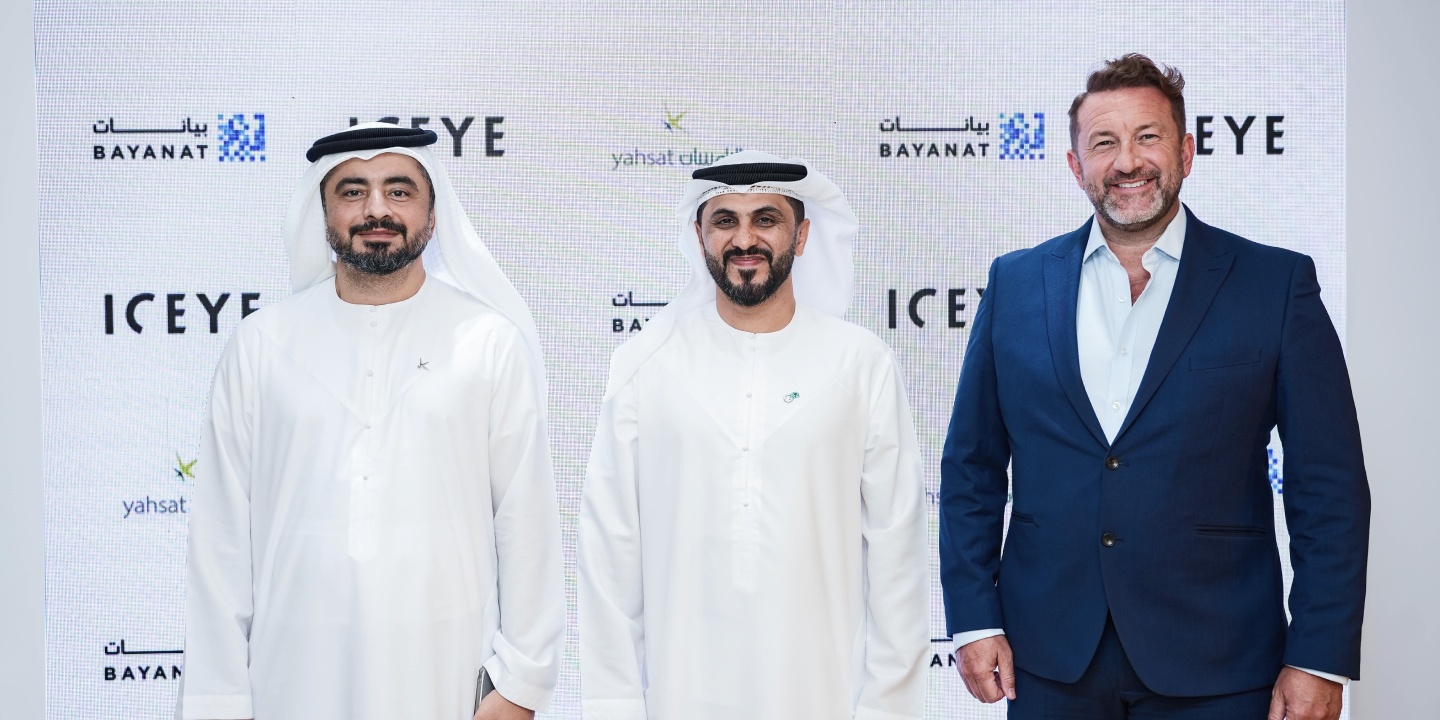
Bayanat, a prominent geospatial data analytics firm, and Yahsat, a leading satellite communications provider, are poised to finalize their merger by next month. This strategic union aims to enhance service delivery across the Middle East and North Africa (MENA) region, leveraging each company’s strengths in data analytics and satellite technology.

The merger represents a significant consolidation in the geospatial and satellite sectors, allowing the combined entity to offer a more robust suite of services. By integrating Bayanat’s advanced analytics capabilities with Yahsat’s satellite infrastructure, the companies plan to provide innovative solutions tailored to a variety of sectors, including government, defense, telecommunications, and natural resources.

As part of the merger, the leadership teams of both companies have emphasized a shared vision of fostering technological advancements and promoting digital transformation. Bayanat’s expertise in big data analytics is expected to complement Yahsat’s satellite communication services, allowing for real-time data processing and improved decision-making for clients. The collaboration is expected to facilitate enhanced services such as remote sensing, location-based services, and real-time monitoring for clients across various industries.

The merger is also positioned as a response to the increasing demand for high-quality geospatial data and reliable communication solutions in the region. As businesses and governments seek to optimize operations and improve efficiency, the ability to access and analyze geospatial information has become more crucial. Yahsat’s satellite technology will enable the delivery of data in remote areas, ensuring that organizations can benefit from Bayanat’s analytical insights regardless of their geographic location.

With this merger, the companies aim to position themselves as market leaders in the geospatial intelligence and satellite communications space. Industry analysts anticipate that the combined entity will have a significant competitive edge over its rivals due to the synergies generated from their respective technologies and expertise.

The merger has been welcomed by various stakeholders, including government entities that recognize the potential benefits of improved data services and satellite connectivity. This union aligns with broader governmental strategies focused on enhancing technological capabilities within the region. By improving access to data-driven insights, the merger is expected to support national initiatives in various sectors, from urban planning to disaster management.

Yahsat, which has been expanding its operations since its inception in 2007, has established itself as a leader in satellite communication, offering services that span the globe. The company operates multiple satellites and has formed strategic partnerships to enhance its service offerings. Bayanat, a subsidiary of the Abu Dhabi-based Group 42, specializes in AI-driven analytics, offering advanced solutions that harness big data for actionable insights. This merger marks a new chapter in both companies’ histories, combining their respective strengths to create a formidable entity in the tech landscape.

The merger has also sparked discussions regarding the future of the satellite and geospatial sectors within the MENA region. Experts highlight the importance of such consolidations in driving innovation and enhancing service delivery. As the demand for data services continues to grow, companies that can effectively integrate technology and analytics will be better positioned to meet market needs.

Looking ahead, the combined resources of Bayanat and Yahsat are expected to accelerate research and development initiatives. Both companies have indicated plans to invest in new technologies that enhance their service capabilities, focusing on next-generation satellite technologies and advanced analytical tools. This emphasis on innovation is crucial in a rapidly evolving market where clients increasingly expect sophisticated solutions.

In addition to enhancing their technological capabilities, the merger is anticipated to have significant implications for the regional job market. As the combined entity grows, it is expected to create new employment opportunities in tech development, project management, and customer support. This aligns with broader economic goals within the UAE to foster job creation in high-tech industries.

The merger has also raised questions about regulatory considerations, as the consolidation of two major players in the geospatial and satellite sectors may draw scrutiny from regulatory bodies. Ensuring compliance with local and international regulations will be essential for the newly formed entity as it seeks to navigate the complexities of the market.

A wave of dissatisfaction is sweeping through Bengaluru as customers of Colive, a startup specializing in tech-enabled shared living spaces, voice grievances regarding unreturned deposit amounts. Numerous complaints have surfaced on social media platforms, with users expressing frustration over what they describe as deceptive practices by the company. The fallout includes allegations of issuing post-dated cheques that bounce due to insufficient funds, leaving many feeling cheated and unheard.

Colive, which operates an app facilitating rentals and paying guest accommodations, has come under scrutiny for its refund policies. Users have reported that when they attempt to reclaim their deposits, the company presents them with post-dated cheques instead of immediate refunds. Many customers, including working professionals like Sanket Salot, have shared their experiences, highlighting the challenges they faced while trying to retrieve their funds. Salot, who resided in the Colive Signature Tower from October 2023 to March 2024, recounted a frustrating ordeal that many have echoed.

“The firm is effectively forcing customers to accept deposits only in the form of post-dated cheques,” Salot stated, underscoring the plight of those who have tried to navigate the refund process. He described a situation where, after repeated attempts to follow up, he received a cheque that ultimately bounced, leaving him at a loss. This sentiment is prevalent among several other users, who have taken to social media platform X (formerly Twitter) to share their stories.

Users on X have characterized Colive’s approach to refunds as a systematic issue. Complaints vary from unresponsive customer service to outright claims of funds being withheld. Many have stated that their support tickets raised with the company have been closed without resolution, further aggravating the situation. This lack of communication has compounded frustrations, leading to a broader narrative of distrust surrounding Colive’s business practices.

In addition to individual experiences, some customers have pointed to a pattern of behavior that suggests a larger systemic issue within the company. Reports indicate that the firm’s inability to return deposits in a timely manner is not isolated. A number of customers have expressed concerns over the company’s financial practices, suggesting that its operational viability is in question. This has raised alarms about the sustainability of the model that relies heavily on customer deposits.

Despite attempts by aggrieved customers to seek clarity and resolution, Colive has not provided a formal response to these allegations. Media inquiries have gone unanswered, leading to speculation about the company’s willingness to address these issues. Industry experts have weighed in, emphasizing the importance of transparency and accountability for companies operating in the shared living sector. They note that maintaining trust with consumers is crucial, especially in a competitive market where customer loyalty can significantly influence success.

This situation has attracted attention beyond the immediate circle of affected users. Social media reactions have spurred discussions about regulatory oversight and the need for consumer protection measures in the rental market. Some commentators argue that startups like Colive must adhere to stricter guidelines to prevent exploitation of consumers, particularly when dealing with significant financial transactions like security deposits.

As the dialogue around Colive’s practices continues to unfold, the broader implications for the shared living space industry are becoming evident. The reliance on digital platforms for rentals has made consumer feedback more visible than ever, forcing companies to adapt or risk losing their customer base. In an era where online reputation can make or break a business, the necessity for ethical practices and responsiveness to consumer concerns cannot be overstated.

Amid these developments, potential renters are advised to exercise caution and conduct thorough research before engaging with companies like Colive. While the concept of tech-enabled shared living offers many benefits, the current complaints highlight the pitfalls that can arise without proper oversight and customer service.

(via inputs from FPJ)

Brookfield Asset Management has successfully raised $2.4 billion for its inaugural climate-focused fund, with backing from Abu Dhabi’s Mubadala Investment Company. This marks a pivotal step in Brookfield’s efforts to support global decarbonization projects. The first phase of fundraising, which is part of a larger initiative to reach a $15 billion goal, underscores the growing international commitment to addressing climate change through substantial private investment. Brookfield’s new […]

General Atlantic, a leading global growth equity firm, is planning to establish an office in Abu Dhabi by the end of this year as part of its expanding focus on the Middle East. The move highlights the firm’s strategy to deepen its engagement with regional markets, leveraging Abu Dhabi’s status as a growing financial hub. This decision reflects the firm’s increasing interest in capturing investment opportunities within the Middle East and North Africa (MENA) region, which has seen a surge in economic activity across various sectors, including technology, fintech, and healthcare.

Abu Dhabi’s emergence as a key financial center has attracted several global firms, and General Atlantic is the latest to set its sights on the city. This expansion is aligned with the firm’s broader plans to scale its investments in high-growth markets across the globe. Over the years, the Middle East has grown in prominence for international investors, and General Atlantic has been a notable player, investing approximately $400 million in the region since 2015, with prominent investments including Property Finder and Network International.

Samir Assaf, Chairman of MENA at General Atlantic, is spearheading this initiative. His leadership is expected to strengthen the firm’s regional network and assist in identifying further investment opportunities. Assaf, who joined General Atlantic as a Senior Advisor in 2021 and later took on this expanded role, brings decades of experience in the financial sector, including senior roles at HSBC. He is tasked with building relationships with key stakeholders and supporting the firm’s portfolio companies as they grow in the MENA region. His extensive experience in the region is a critical asset to General Atlantic’s ambition to support entrepreneurial ventures and drive growth across the Middle East.

The firm’s decision to establish an office in Abu Dhabi comes at a time when regional governments are prioritizing the diversification of their economies. This diversification, particularly in the UAE, is marked by increased investment in non-oil sectors, which aligns with General Atlantic’s focus on technology-driven businesses and its broader growth equity strategy. The firm has been actively scouting for opportunities in industries that are critical to the region’s economic transformation, including e-commerce, digital infrastructure, and financial services.

The UAE’s regulatory environment and strategic location have positioned it as a favorable base for international firms looking to expand in the Middle East. General Atlantic’s plans for Abu Dhabi are expected to provide the firm with closer access to regional markets, especially as Gulf nations push forward with ambitious economic reforms. The city is also home to sovereign wealth funds such as Mubadala, which are increasingly involved in global investments, and General Atlantic’s presence could lead to closer collaborations with such entities.

While General Atlantic’s interest in the Middle East is not new, its decision to open an office in Abu Dhabi signals a more concerted effort to establish a permanent presence and tap into the region’s growing economic potential. This follows the firm’s long-term investment approach, which focuses on partnering with entrepreneurs and companies in emerging markets. By the end of the year, the firm is expected to make a formal announcement regarding the opening of the office, which will be staffed by regional experts and senior executives from its global offices.

This strategic shift is part of a larger trend of global investment firms establishing a presence in the UAE and wider Gulf region. In the past few years, other equity firms and financial institutions have similarly expanded their operations, drawn by the region’s rapid economic growth and investment potential. For General Atlantic, which manages over $70 billion in assets globally, the move signals its continued confidence in the Middle East as a key area of growth, particularly as the firm looks to invest in innovation-driven sectors.

As the firm increases its footprint in the region, its leadership has expressed optimism about the region’s future, noting the vibrant entrepreneurial ecosystem and supportive regulatory frameworks. General Atlantic’s global expertise and strategic capital deployment model position it well to help regional companies scale and succeed in an increasingly competitive global market.

Arabian Post Staff Auréa Group, led by Mike Jatania, has officially completed the acquisition of The Body Shop, marking a crucial turning point for the beleaguered British cosmetics retailer. Once a pioneer in ethical beauty, The Body Shop has faced significant financial challenges in recent years, leading to its administration earlier in 2024. Auréa’s acquisition follows the chain’s struggles under its former owner, Natura & Co, which […]

Sheikh Mohammed bin Rashid Al Maktoum, Ruler of Dubai and Vice-President of the UAE, has given the go-ahead for a $2.7 billion expansion plan at the Dubai Exhibition Centre, located in Expo City. The project is set to significantly boost Dubai’s capacity for international exhibitions, conferences, and events, reaffirming its position as a global business hub. The move follows Expo 2020’s success and highlights the emirate’s continued investment in key infrastructure sectors.

The newly approved master plan outlines a massive increase in space, with the Dubai Exhibition Centre’s facilities set to expand by more than 40%, bringing the total exhibition area to 820,000 square meters. This will include multiple new halls, conference venues, and integrated business facilities designed to accommodate larger events and cater to a growing demand from international and regional exhibitors. By making the venue more versatile, Dubai aims to attract a broader spectrum of industries and events, from global trade fairs to cutting-edge tech expos.

Along with added capacity, the expansion includes enhancements to digital infrastructure to support hybrid and fully virtual events, aligning with current trends in global conferencing. By incorporating smart technologies and high-speed digital connectivity, Expo City aims to appeal to businesses looking for seamless integration between physical and virtual event formats.

Vercel, a prominent player in the web development ecosystem, positions itself as a pivotal solution for developers seeking speed and efficiency. Known for its Frontend as a Service (FaaS) model, Vercel enables developers to build, deploy, and optimize applications seamlessly, catering to the growing demands of modern web users. The platform has gained traction for its ability to deliver high-performance websites with minimal latency, a critical factor […]

VISHNU RAJA
RYO YAMADA
HITORI GOTOH
IKUYO KITA
Just in:
Emirates Group records AED 4.1 billion half-year profit // e-Crime Bureau Signs Cybersecurity Partnership With Smart Africa, Reinforcing Its Global Expansion // Ousted top Kochi cop gets IG post // Meraas showcases five residential zones at Dubai Design Week // Private varsities bill all set to face the axe // Fast Just Got Fastest: STING Energy Boost™ Celebrates Kimi Antonelli’s Formula 1® World Championship and the Fan Energy Behind It // OpenAI identifies 948 Linux privilege escalation flaws using AI // Cloudflare unveils Zero Wire vulnerability intelligence service // Hong Kong mandates crypto transaction disclosures to tax authorities // ADIA and partners establish $1.4 billion aviation venture // UK air traffic outage inflicted £33m financial losses // Dubai boat show confirms international shipyard line-up for November // APT29-linked campaign exploits outdated Apple and Android software // Trump’s Iran War Has A Share Of Contribution To His Midterm Debacle // CR Longdation Aethereal Cybersecurity × Global Cybersecurity Alliance (GCSA) Join Hands to Establish the “AI and Cybersecurity Research Centre” // After Reaching 7 Million Users in the Philippines, Skyro Launches Transparent Cash Loans in Malaysia // Miss Universe Hong Kong Jen Zhou Departs for Puerto Rico to Compete in the 75th Miss Universe World Final // Oil and chip shares retreat after Democratic victories // Asia Left Behind: Ten international companies have yet to report delivering on their cage-free egg pledges across the region // Geely’s i-HEV Intelligent Hybrid Technology Offers a New Direction for Gasoline-Powered Vehicles //