Just in:
Ousted top Kochi cop gets IG post // Miss Universe Hong Kong Jen Zhou Departs for Puerto Rico to Compete in the 75th Miss Universe World Final // Trump’s Iran War Has A Share Of Contribution To His Midterm Debacle // After Reaching 7 Million Users in the Philippines, Skyro Launches Transparent Cash Loans in Malaysia // Xi Jinping Preparing For A Trilateral Summit With Trump And Putin At APEC Summit On Nov 18-19 // Asia Left Behind: Ten international companies have yet to report delivering on their cage-free egg pledges across the region // CR Longdation Aethereal Cybersecurity × Global Cybersecurity Alliance (GCSA) Join Hands to Establish the “AI and Cybersecurity Research Centre” // The “1st Greater Bay Area Health and Longevity Summit & Awards Ceremony” concludes successfully in Macao // Oil and chip shares retreat after Democratic victories // APT29-linked campaign exploits outdated Apple and Android software // OpenAI identifies 948 Linux privilege escalation flaws using AI // Middle East governments assess Iran war after US vote // UK air traffic outage inflicted £33m financial losses // Dubai boat show confirms international shipyard line-up for November // Millions Of Indians May Soon Be Deprived Of Government Assistance // Emaar approves Development buyout ahead of planned delisting // Vance attributes Republican midterm defeats to Iran conflict // TVM –Mangaluru Vande Bharat claims top spot // Private varsities bill all set to face the axe // Hong Kong mandates crypto transaction disclosures to tax authorities //

News related to
business

The South Korean won has plunged to its lowest value against the U.S. dollar in 2025, reflecting growing concerns about global economic challenges and domestic market dynamics. As of Monday morning, the won was trading at 1,471.35 per dollar, a drop of 13.3 won from the previous session. This marks the weakest performance for the currency this year, signaling a potential shift in the financial landscape of the region.

Several factors are contributing to the depreciation of the Korean won, primarily the U.S. Federal Reserve’s tightening of monetary policy. With interest rates in the United States remaining high, capital flows are increasingly favoring the dollar, leaving emerging market currencies like the won under pressure. As the U.S. economy maintains its growth trajectory, the dollar’s strength has increased, putting further downward pressure on the won. Analysts predict this trend could continue if the Fed’s policies remain unchanged in the near term.

The fluctuation of the won is closely tied to South Korea’s economic performance, particularly its trade balance. Exports, a critical component of South Korea’s economy, have been struggling due to reduced global demand, particularly from China, one of the country’s largest trading partners. South Korea’s semiconductor exports, once a pillar of its economy, have experienced a significant slowdown, a trend exacerbated by a global semiconductor oversupply and tightening chip export controls from neighboring countries.

While South Korea’s central bank, the Bank of Korea , has attempted to stabilize the won through currency interventions, these efforts have not been enough to reverse the trend. The BOK’s decision to keep interest rates steady for most of last year, alongside its cautious approach to monetary easing, has raised concerns about its ability to support the won in the face of external pressures. This has led to increased speculation about future rate cuts, which could further weaken the won.

Domestic economic concerns also contribute to the currency’s poor performance. Consumer confidence has taken a hit amid rising living costs and a struggling job market. Youth unemployment, in particular, remains a challenge, and inflation, though moderate, has been persistent. These factors have kept domestic demand subdued, affecting the broader economic outlook and fueling fears of stagnation.

The won’s dip also reflects wider regional trends. Many other Asian currencies, including the Japanese yen and the Chinese yuan, have also faced downward pressure as the global economic environment remains volatile. However, the won’s sharp decline is drawing more attention, particularly given the importance of South Korea’s exports to the global technology supply chain. As a major exporter of semiconductors, displays, and other electronic components, the health of the South Korean economy is critical to the global tech sector.

The Korean government is under increasing pressure to address the weakening won. President Yoon Suk-yeol’s administration has faced criticism for not taking decisive action to support the currency. Financial experts have called for more robust measures, including potential interventions in the currency market or revising fiscal policies to stimulate economic growth. However, any intervention risks further destabilizing the economy, particularly in the face of persistent global inflation and supply chain disruptions.

For investors and businesses in South Korea, the weakening of the won presents both risks and opportunities. Importers, particularly those reliant on raw materials priced in U.S. dollars, are likely to see increased costs, further squeezing their margins. On the other hand, exporters may benefit from the weaker won as their products become more competitive in global markets. However, this potential upside for exporters is tempered by the ongoing global economic slowdown and the uncertainty surrounding future demand for South Korean goods.

The decline in the won also raises questions about South Korea’s broader economic strategy. Some experts argue that the government needs to adopt a more flexible monetary policy, potentially focusing on greater fiscal stimulus to support domestic demand and alleviate the burden on businesses. The government could also look at diversifying its trade partners and finding new markets for its exports, particularly in regions less affected by global economic fluctuations.

On the international stage, the won’s depreciation could complicate South Korea’s relationships with key partners, particularly the U.S. and China. A weak currency can make trade more challenging, potentially raising the cost of South Korean exports and creating diplomatic tensions. South Korea’s geopolitical position, as a key player in both the U.S.-led security alliance and its economic relationship with China, makes currency fluctuations a sensitive issue in global diplomacy.


Dubai’s residential real estate market is experiencing significant growth, driven by a substantial influx of new residents. In the first half of 2024, over 220,000 individuals relocated to the city, reinforcing the escalating demand for housing. This trend has been further emphasized by Amira Sajwani, Managing Director of DAMAC Properties, who noted the ongoing increase in the need for residential units.

The surge in population is attributed to Dubai’s status as a global business hub, offering numerous employment opportunities and a high standard of living. The city’s strategic location, favorable tax policies, and dynamic economic environment continue to attract expatriates and investors worldwide. As a result, the real estate sector is experiencing heightened activity, with both sales and rental markets witnessing upward trends.

In response to the growing demand, developers are accelerating the construction of residential projects. DAMAC Properties, under the leadership of Amira Sajwani, is actively expanding its portfolio to cater to the diverse needs of the new residents. The company’s commitment to delivering quality housing solutions aligns with Dubai’s vision of becoming a leading global city.

Dubai is continuing to strengthen its position as a global luxury real estate hub with the introduction of new $100 million mansions aimed at attracting the world’s ultra-wealthy buyers. These high-end properties, designed with a blend of opulence and cutting-edge technology, offer unparalleled luxury and exclusivity, reinforcing the city’s appeal among high-net-worth individuals seeking a lavish lifestyle in one of the most cosmopolitan cities in the world.

The move comes amid Dubai’s ongoing efforts to diversify its economy and reduce dependence on oil. By creating an environment conducive to wealth generation, the city aims to secure its place as a key player in the global luxury real estate market, appealing to billionaires and other affluent individuals from various industries such as finance, technology, and entertainment. The launch of these multimillion-dollar homes aligns with Dubai’s broader strategy to foster growth in its property sector while attracting international investors.

The new mansions are situated in some of the city’s most prestigious neighborhoods, including Palm Jumeirah and Emirates Hills, both of which are synonymous with opulence and sophistication. These locations are well-established as the prime residential areas for Dubai’s elite, boasting spectacular views, private beach access, and proximity to world-class facilities such as five-star hotels, shopping malls, and golf courses. The homes, which range in size from 20,000 to 30,000 square feet, offer unmatched privacy and security, with residents benefiting from state-of-the-art surveillance systems and 24-hour concierge services.

Architecturally, the mansions represent a fusion of traditional Arabian design with modern, minimalist aesthetics. The developers have incorporated advanced technologies such as home automation systems, environmental sustainability features, and even artificial intelligence-driven energy efficiency, ensuring that the properties meet the highest standards of luxury and functionality. Many of these homes also come with private pools, spas, cinemas, and expansive outdoor spaces designed for both relaxation and entertainment.

Another attractive feature is the availability of bespoke services tailored to the needs of each buyer. Personalized interior design, exclusive art collections, and even custom-built furniture are part of the package, allowing wealthy residents to create a space that reflects their individual tastes and lifestyles. The presence of renowned luxury brands like Rolls-Royce and Lamborghini further enhances the appeal, with private showrooms and exclusive car services available to residents.

Dubai’s real estate market has been resilient even in the face of global economic challenges. The city’s stable political environment, tax-free policies, and world-class infrastructure make it an attractive destination for the ultra-wealthy, particularly in light of geopolitical uncertainties elsewhere. The luxury sector has seen steady growth, fueled by a consistent influx of foreign investors seeking safe havens for their wealth. The introduction of these new mansions is expected to build on that momentum, catering to the growing demand for extraordinary homes that offer both lavish living and a secure, high-profile address.

While the $100 million price tag may seem astronomical to many, the value proposition is clear for those looking to buy into Dubai’s elite real estate market. The growing trend of “safe haven” investments, where the ultra-wealthy look to protect their assets in politically stable environments, makes Dubai’s prime properties even more appealing. As the city continues to position itself as a beacon for global wealth, the demand for luxury residences remains high, with Dubai consistently ranking among the world’s most sought-after destinations for property investment.

In addition to the allure of luxury living, these new mansions offer buyers a unique opportunity to be part of Dubai’s thriving cultural and social scene. The city’s reputation as a global business hub, its numerous luxury shopping destinations, and its burgeoning arts and entertainment industries provide an attractive backdrop for those seeking not just a home, but an elevated lifestyle.

Despite the substantial cost, the market for Dubai’s high-end properties is seeing increasing interest from international buyers, especially from regions such as Europe, Russia, and China. These global buyers are attracted not only by the mansions themselves but by the broader appeal of Dubai as a tax-free haven, providing access to a safe, stable environment for both living and investing. The city’s legal framework, which is favorable to foreign investors, also ensures that the luxury real estate market remains competitive and attractive.

Dubai’s government has been proactive in making it easier for foreign buyers to invest in property. Recent reforms, such as offering long-term residency visas to investors and property owners, have further contributed to the growth of the luxury real estate market. The ease of doing business in the city, combined with its strategic location at the crossroads of Europe, Asia, and Africa, ensures that Dubai remains an ideal base for wealthy individuals looking to expand their global portfolios.

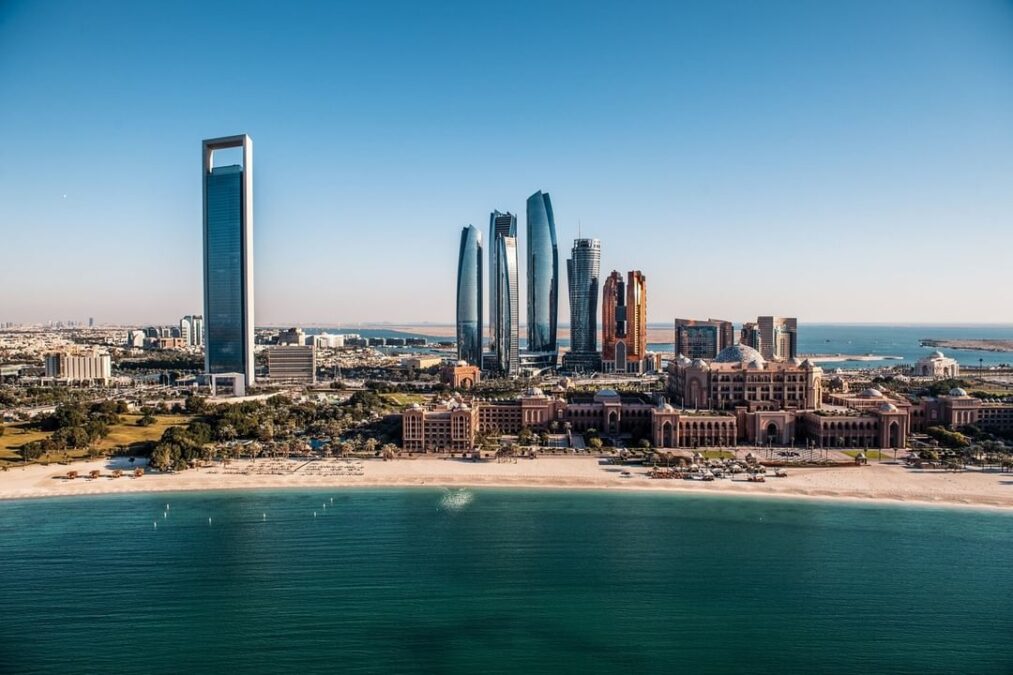
Abu Dhabi’s real estate market experienced a significant surge in activity during January, reaching a total value of $2.88 billion in transactions. This marks a considerable increase in both sales and investments, reflecting growing investor confidence in the emirate’s property sector.

The uptick in transactions follows a series of market dynamics that have been shaping the real estate landscape in the UAE capital. According to the latest figures from the Abu Dhabi Department of Municipalities and Transport , the volume of deals spans various segments, including residential, commercial, and industrial properties. Notably, the residential sector continues to dominate, with a large portion of transactions involving high-value villas and apartments in sought-after areas.

The government’s commitment to fostering economic growth, especially through initiatives targeting real estate, has played a key role in stimulating demand. These policies have aimed at attracting foreign investments, bolstering infrastructure, and improving overall market conditions. New regulatory measures, such as those aimed at simplifying property ownership laws for non-residents and expanding property options, have also helped to enhance market stability.

Throughout January, luxury real estate in prime locations, particularly on Yas Island and Saadiyat Island, saw a noticeable uptick in demand. These areas, known for their high-end residential developments and world-class amenities, have become magnets for international buyers. Properties in these locations have attracted investors looking for both secure capital growth and high rental returns.

The office space market has also shown resilience, as businesses continue to expand operations in Abu Dhabi, despite global challenges. Leasing activity for commercial properties remains strong, especially for Grade-A office spaces, as companies seek modern and flexible work environments. The UAE capital’s status as a regional business hub has contributed to this demand, alongside its increasing appeal as a destination for multinational corporations.

The data further highlights the rise of off-plan sales, with developers offering new projects across multiple residential communities. These off-plan sales, which accounted for a significant portion of the month’s total value, demonstrate the ongoing confidence in Abu Dhabi’s long-term real estate prospects. The availability of flexible financing options and competitive prices in comparison to global property markets have positioned Abu Dhabi as a desirable market for investors seeking stable returns.

The UAE’s Vision 2021 agenda, which aims to diversify the economy and reduce reliance on oil, has undoubtedly influenced the real estate sector’s strong performance. A considerable focus has been placed on infrastructure development and sustainability, including green building initiatives and smart city projects, which align with global trends. These initiatives are expected to sustain the growth of Abu Dhabi’s property market in the long term, as both local and international investors turn their attention to properties with sustainable features and advanced technologies.

The value of transactions in the commercial sector, including retail and hospitality properties, has shown positive movement. As the UAE recovers from the global disruptions caused by the COVID-19 pandemic, tourism and hospitality sectors are also seeing a boost, with a surge in demand for short-term rental spaces. Investors are capitalizing on this, focusing on both residential and commercial assets that cater to the increasing influx of tourists and business travelers.

Analysts suggest that the robust performance of the real estate market is also tied to global economic conditions. As many countries continue to grapple with inflationary pressures and market volatility, Abu Dhabi’s relatively stable economic environment is increasingly seen as a safe haven for investors. This trend is expected to continue, with forecasts pointing to sustained growth in the property market throughout 2025.

As Abu Dhabi continues to make strides toward becoming a global financial and cultural hub, its real estate market is likely to remain a key contributor to the emirate’s economic growth. The government’s focus on developing a diverse and attractive real estate sector, along with ongoing investments in infrastructure, is expected to support the market’s expansion.

Abu Dhabi National Oil Company and Austria’s OMV have confirmed ongoing negotiations to establish a new global leader in the polyolefins sector. The merger, which would combine ADNOC’s Borouge, OMV’s Borealis, and Canada’s Nova Chemicals, is poised to create one of the world’s largest polyolefin groups. The two companies described the discussions as progressing in a “constructive and positive manner.”

Both ADNOC and OMV have been increasing their focus on expanding their footprint in the chemicals and petrochemicals sectors, particularly in polyolefins, which are critical for manufacturing a wide range of products, from packaging materials to automotive components. The merger would not only boost the companies’ market positions but also position the new entity as a major player in the global chemicals market.

The polyolefins industry has seen steady growth in recent years, driven by demand for packaging, consumer goods, and industrial applications. The merger, if completed, would give the combined entity a significant advantage in this competitive market, leveraging the resources and technological expertise of each participant. Experts suggest that the combined scale and enhanced capabilities could make the group a leader in producing polyethylene and polypropylene, two of the most widely used plastics globally.

ADNOC’s Borouge, based in the UAE, has been a key player in the polyolefins market for years, with a focus on high-quality, innovative products. Meanwhile, Borealis, controlled by OMV, is a leading European chemicals company with an established presence in polyolefins and advanced chemicals. Nova Chemicals, a wholly owned subsidiary of Canada’s Mubadala Investment Company, brings further expertise and production capacity to the table.

The merger would allow the three companies to capitalize on each other’s strengths. Borouge, for instance, has extensive experience in the Middle East and Asia, while Borealis has a strong European and North American footprint. Nova Chemicals’ established position in North America would be complemented by the global reach of the other two. Together, the companies would form a formidable force in both developed and emerging markets, ensuring a diversified supply chain and the ability to serve a broader range of industries.

This deal comes at a time when the polyolefins market is facing new challenges and opportunities. As the global demand for sustainable materials rises, the new entity may also benefit from growing interest in recyclable and eco-friendly plastic alternatives. Industry analysts speculate that the merger could help the group meet these demands by accelerating research into more sustainable production methods and product offerings.

The proposed combination would also be a notable shift in ADNOC’s strategy. Historically, the company has been heavily involved in the exploration and production of oil and gas. However, the increasing focus on petrochemical expansion aligns with broader regional goals to diversify the economy and reduce dependence on crude oil exports. By increasing its stake in high-value industries like polyolefins, ADNOC could secure more stable revenue streams in the coming years, particularly as global demand for petrochemicals continues to rise.

For OMV, the deal represents a significant opportunity to consolidate its position in the chemicals sector, aligning with its long-term strategy of enhancing its refining and petrochemical operations. The company has been expanding its portfolio in this space and aims to increase the contribution of chemicals to its overall business, helping to buffer against the volatility of oil and gas prices.

The announcement of the merger talks has raised questions about the potential regulatory hurdles the companies may face, particularly in Europe, where anti-trust laws are stringent. The deal would need to be assessed by competition regulators to ensure that the merger does not significantly reduce competition in the polyolefins market. Both ADNOC and OMV have stated that they are committed to ensuring compliance with all regulatory requirements.

Despite these challenges, analysts remain optimistic about the potential benefits of the deal. A merger of this scale would enable the combined company to drive innovation, improve efficiency, and leverage economies of scale. The global polyolefins market, valued at tens of billions of dollars, could see a new dominant player emerge, with the capacity to set trends and dictate pricing across key regions.

In addition to the market implications, the merger could reshape the supply chain dynamics for polyolefins. By merging production capacities and expanding global reach, the new group would be better positioned to serve large multinational customers who rely on polyolefins for various applications. This could include sectors like automotive, packaging, and construction, all of which are seeing shifts toward higher performance and more sustainable materials.

HONG KONG SAR – Media OutReach Newswire – 3 February 2025 – VEGA, a global leader in AV/IT solutions, announces two major milestones: the relocation of its global headquarters to Champion Tower at 3 Garden Road, Hong Kong, and the appointment of Max Davies, formerly a senior leader at Crestron, as Country Manager for VEGA Australia. These developments underline VEGA’s commitment to innovation, leadership, and delivering exceptional […]

DP World, a prominent global leader in end-to-end supply chain solutions, has made history with the launch of the Middle East and North Africa’s first-ever corporate Blue Bond listing on Nasdaq Dubai. The $100 million bond, which is part of the company’s $10 billion Global Medium-Term Note Programme, signals a significant milestone in the region’s growing commitment to sustainable finance. The issuance, with a coupon rate of […]

Advertisements

Mashreq Bank announced a significant financial performance in 2024, with its net profit reaching AED 9 billion, reflecting a 4 percent increase compared to the previous year. The bank’s net profit before tax stood at AED 9.9 billion, marking a 12 percent rise. This robust growth highlights Mashreq’s continued strength in the face of global financial challenges, including interest rate cuts. The bank reported an impressive AED […]

Arabian Post Staff -Dubai Dubai International Airport achieved a remarkable milestone in 2024, handling 92.3 million passengers, marking a nearly 6 percent annual increase. This achievement further cements Dubai’s status as one of the world’s leading global tourist hubs and the busiest airport by international traffic. The figure surpasses the airport’s November forecast of 91.9 million passengers, underscoring the sustained growth of Dubai’s aviation sector. This year’s […]

KUALA LUMPUR, MALAYSIA – Media OutReach Newswire – 31 January 2025 – Memecoins were on the rise in 2024. Their overall market capitalisation increased from $20 billion last January up to $120 billion in December 2024. Such coins as DOGE, PEPE, or SHIB have thrived, primarily driven by community support and innovative strategies. Some experts have even acknowledged meme coins as a viable crypto trend. TRUMP, a […]

Matein Khalid In a week where Nasdaq’s fabled AI trade was slammed by the emergence of Chinese startup DeepSeek and the vision of a much lower cost efficient and less intensive energy usage performance models, it is ironic that Microsoft (MSFT) shares have traded down to 413 on its Azure stumble even though the world’s preeminent software franchise will be the prime winner from lower cost AI […]

By Dr. Nilanjan Banik The Budget deals with allocating money towards areas where the government thinks it is essential to spend, and finding out ways such as taxes, to finance it. The government primarily requires money to spend on social infrastructure (such as schools, hospitals, water, sanitation, etc.), physical infrastructure (such as railways, roads, airports, […]

With the theme “Resource Wealth. Energy Access. Investment Opportunities” the two-day summit will explore what this means for private sector opportunities in depth ARUSHA, Tanzania – EQS Newswire – 30 January 2025 – The expansion of the East African regional energy sector is happening right now and is set for future growth. This was the clear message from the East Africa Energy Cooperation Summit (EA-ECS) as the […]

Oligo Security, a prominent provider of Application Detection and Response solutions, has successfully raised $50 million in a Series B funding round led by Greenfield Partners. The round also saw participation from Red Dot Capital Partners, Strait Capital, and existing investors Ballistic Ventures. This substantial investment underscores the growing emphasis on advanced cybersecurity measures in today’s digital landscape. Founded by CEO Nadav Czerninski, CTO Gal Elbaz, and […]

As generative artificial intelligence becomes an increasingly integral part of corporate strategies, a growing number of IT leaders are expressing concerns about its potential cybersecurity vulnerabilities. According to a new survey, while 65% of IT leaders have adopted GenAI technologies in their organizations, a significant 89% remain worried that these technologies could expose their companies to serious cyber risks. Generative AI, a subset of AI designed to […]

Remittix, a new altcoin making waves in the cryptocurrency world, has captured the attention of investors worldwide. The token has emerged as a strong contender in the cross-border payments market, drawing significant interest with its capped supply of 1.5 billion tokens and projections of impressive returns in the coming years. Early investors are positioning themselves for what many believe will be a major shift in global financial transactions.

Cryptocurrency has always been synonymous with volatility, but Remittix’s rise is being closely watched for its potential to disrupt the international money transfer industry. The altcoin is designed to make cross-border transactions faster, cheaper, and more secure, leveraging blockchain technology to bypass traditional banking systems. Its appeal lies not just in its technical capabilities but in the promises of substantial financial rewards. Analysts forecast returns of up to 100x by 2025, which has led thousands of investors to rush into the early stages of the token’s launch.

With a limited total supply of tokens, Remittix offers scarcity, one of the driving forces behind its growing popularity. Supply cap is often seen as a positive factor for investors looking for potential long-term value. The token has already shown significant growth in its early trading stages, with its value increasing substantially within a short time frame. While the cryptocurrency market remains speculative, Remittix is seen as an altcoin with strong growth prospects, especially given the ongoing trends in digital finance.

The altcoin’s potential to transform the cross-border payments sector cannot be overstated. Remittix is designed to offer faster settlement times and lower transaction costs compared to traditional banking systems, which often charge hefty fees for international money transfers. Blockchain technology, which powers Remittix, is seen as a way to streamline this process, allowing for near-instantaneous transfers at a fraction of the cost of traditional methods. For individuals and businesses sending money across borders, this is a game-changer, especially in regions where access to affordable banking services is limited.

Global remittances, a critical source of income for many households in developing economies, can be subject to exorbitant fees. Traditional financial institutions have long dominated this space, but blockchain-based solutions like Remittix are offering an alternative. The potential to democratize cross-border payments and provide a more equitable solution for those without access to traditional banking services has made Remittix a particularly attractive proposition for investors looking to make a difference in the world of finance.

The rise of Remittix also coincides with a broader trend toward decentralization in the cryptocurrency space. Investors are increasingly seeking alternatives to centralized financial systems, driven by concerns over privacy, control, and access. With its decentralized nature, Remittix promises to give users more control over their financial transactions, eliminating the need for third-party intermediaries such as banks. This aligns with the growing demand for peer-to-peer financial solutions that prioritize user autonomy and transparency.

Although the altcoin’s success has garnered attention, some experts warn that the cryptocurrency market remains highly speculative. The rapid growth of tokens like Remittix is often met with caution, as fluctuations in value and regulatory challenges remain a significant concern. Despite these risks, the growing demand for alternative financial systems has kept the momentum behind Remittix strong. For those willing to take on the inherent risks of the market, the rewards could be substantial.

As the cryptocurrency market continues to evolve, Remittix’s future remains uncertain but promising. With its ambitious goals, experienced development team, and increasing investor interest, the token is poised to become a significant player in the evolving landscape of cross-border payments. As we move toward 2025, the projections for Remittix’s growth and its potential to transform the way money moves across borders will be closely watched by both investors and industry experts alike.

The global remittance market is worth billions of dollars annually, and any advancements that lower costs or increase efficiency have the potential to make a lasting impact. For those looking to capitalize on the cryptocurrency boom, Remittix represents a unique opportunity to enter a market that is still in its infancy but shows incredible promise. However, as with all investments, especially in the volatile world of cryptocurrency, it is crucial for investors to conduct thorough research and understand the risks involved.

Dubai’s skyline is on the cusp of welcoming a groundbreaking addition that could signal a new era in urban development. On January 15, 2025, the Dubai Multi Commodities Centre and Reit Development unveiled plans for a 17-story building designed to showcase the practical applications of blockchain technology. Dubbed the “Crypto Tower,” this high-rise aims to be a centerpiece for the burgeoning decentralized finance and Web3 sectors within […]

MANTRA, a blockchain platform for tokenizing real-world assets , has finalized a significant $1 billion agreement with DAMAC Group, a leading investment conglomerate in the UAE. This strategic partnership, announced on January 9, focuses on the tokenization of various assets within the Middle East region, bringing blockchain innovation into a thriving market.

The agreement underscores MANTRA’s commitment to expanding the use of decentralized finance solutions for asset management, leveraging blockchain’s potential to revolutionize traditional industries. DAMAC, known for its prominent presence in the real estate sector, will collaborate with MANTRA to tokenize a range of physical and financial assets, making them accessible through the blockchain.

DAMAC Group, founded by billionaire Hussain Sajwani in the early 2000s, has diversified its investments into several sectors, including real estate, hospitality, and entertainment. The company’s high-profile developments include luxury residential towers and resorts, which have shaped Dubai’s skyline. With a reputation for delivering upscale properties, DAMAC has long been recognized as one of the most influential developers in the region. By embracing blockchain technology, the firm seeks to modernize asset management and broaden the scope of its investment strategies.

MANTRA, on the other hand, has been gaining traction in the blockchain space for its unique approach to tokenizing real-world assets, including properties, commodities, and financial instruments. The platform’s capabilities allow users to invest in traditional assets using blockchain technology, enhancing liquidity and enabling fractional ownership. This process democratizes access to high-value assets, which was previously out of reach for smaller investors.

The partnership’s centerpiece is the tokenization of real estate assets, one of the most significant areas of focus. By converting physical properties into digital tokens, MANTRA and DAMAC aim to make real estate investment more inclusive and accessible. Investors can now trade or hold fractional ownership of properties without the traditional barriers of entry, such as the need for large capital investments or navigating complex ownership structures.

For DAMAC Group, this partnership represents an opportunity to broaden its investor base, reaching not only institutional investors but also individuals seeking exposure to high-end real estate. The ability to tokenize properties provides greater flexibility in managing assets and allows for more efficient transactions, as blockchain technology ensures transparency and reduces the need for intermediaries.

On a broader scale, the partnership aligns with global trends in digital finance, where the tokenization of real-world assets is seen as the next frontier for blockchain technology. While still a relatively new concept, the market for tokenized assets is rapidly growing, driven by increasing demand for alternative investment opportunities and the potential for blockchain to streamline asset trading.

The collaboration is also expected to have a broader economic impact in the UAE. The country has positioned itself as a global hub for technology and innovation, with several initiatives promoting the adoption of blockchain and other emerging technologies. This agreement between MANTRA and DAMAC highlights the UAE’s continued efforts to integrate cutting-edge technologies into traditional industries such as real estate.

Tokenization has the potential to address several challenges in the real estate sector, including illiquidity, high transaction costs, and the complexity of cross-border investments. Blockchain’s decentralized nature provides enhanced security and reduces the risks typically associated with traditional financial systems. Through tokenization, investors can gain access to a much broader array of real estate opportunities, including properties that were once considered inaccessible due to geographic or financial constraints.

The agreement between MANTRA and DAMAC could pave the way for future collaborations with other players in the real estate and investment sectors, both in the UAE and beyond. With the rise of digital assets, there is an increasing need for traditional businesses to adapt to the changing landscape of finance. Blockchain and tokenization offer a solution that meets this need, providing greater transparency, security, and efficiency in asset transactions.

The tokenization of RWAs is not just limited to real estate. Other sectors, including commodities, art, and even intellectual property, are beginning to explore how blockchain can enhance their operations. This trend is expected to accelerate in the coming years, as more businesses realize the potential benefits of tokenizing their assets. In this context, the MANTRA-DAMAC partnership could serve as a model for other companies looking to tap into the growing market for blockchain-based asset management.

As the global economy continues to evolve, so too does the role of blockchain in reshaping traditional industries. The MANTRA-DAMAC collaboration is a clear example of how blockchain technology can be leveraged to unlock new opportunities, reduce friction in asset transactions, and foster a more inclusive financial ecosystem. The success of this partnership will likely have far-reaching implications for the future of asset tokenization, setting the stage for further innovation in the years ahead.

The American Lung Association has called on New Jersey lawmakers to enact a comprehensive ban on smoking in the state’s casinos. This appeal comes as health advocates and public health organizations continue to push for stronger regulations to protect workers and patrons from the harmful effects of secondhand smoke in gaming environments. The association’s report, which examines the current state of smoking policies in New Jersey’s casinos, […]

HSBC is focusing on enhancing its presence in Asia, leveraging strong growth from its Middle East and North Africa investment banking operations. By capitalizing on the economic momentum in the MENA region, the banking giant seeks to extend its influence in Asia, where it has a long-established footprint. The move is seen as a strategic effort to position HSBC as a leading financial institution in both regions, […]

Nice One, a rising star in Saudi Arabia’s beauty and e-commerce sectors, made a remarkable debut on the Riyadh stock exchange this January, reflecting the ongoing boom in IPO activity across multiple industries in the Kingdom. The IPO raised an impressive $320 million, a significant milestone for the company, which saw its stock price soar by 30% on its first trading day—the maximum allowed by the exchange.

Shares of Nice One were initially priced at 35 riyals per unit, marking a strong start for the company. As the market opened, the price quickly rose to a high of SAR 64.50, before stabilizing at SAR 55.70 by the close of Wednesday’s trading session. This surge not only underscored investor confidence in the company but also highlighted the growing demand for opportunities in the region’s burgeoning beauty and e-commerce markets.

For the broader Saudi economy, Nice One’s IPO serves as a testament to the Kingdom’s strategic push to diversify its economy away from oil dependency and build up other sectors such as technology, retail, and digital services. This wave of IPOs, particularly in non-energy sectors, aligns with Saudi Vision 2030, an ambitious plan to reshape the country’s economic landscape and foster growth in new industries.

Nice One’s debut has caught the attention of investors and analysts alike, with many viewing it as a potential model for other startups within the beauty and e-commerce space. The company’s rapid rise, spurred by the increasing popularity of online retail in the Kingdom, highlights the shifting consumer behavior in Saudi Arabia, particularly among younger generations who are eager to embrace digital and mobile-first shopping experiences.

The beauty and e-commerce sectors have experienced significant growth in recent years, particularly as digital transformation has accelerated across the region. Online shopping platforms, like Nice One, have become increasingly popular as consumers seek convenience, variety, and competitive pricing. This shift in buying habits has been particularly pronounced during the COVID-19 pandemic, which further propelled the growth of e-commerce, with many consumers opting for home delivery and digital shopping solutions.

Nice One’s success also reflects the growing appeal of online beauty products in the Saudi market. The beauty industry in the region has become a major player in the global market, driven by an increasingly affluent and brand-conscious population. Saudi Arabia is home to a young, tech-savvy demographic, with high disposable incomes and a keen interest in beauty and wellness products. This has created an attractive market for local and international brands looking to expand their presence in the Middle East.

The company’s strong performance is expected to encourage other players in the e-commerce and beauty sectors to follow suit. Analysts predict that as Saudi Arabia’s stock market continues to liberalize and attract international investment, more companies within high-growth industries will consider IPOs as a means to raise capital and gain exposure on a regional or global scale.

It’s worth noting that the success of Nice One’s IPO is also closely tied to Saudi Arabia’s wider push to strengthen its capital markets. The Tadawul exchange, the largest in the Arab world, has become a focal point for IPO activity. As part of its ongoing reforms, the government has introduced initiatives designed to make the stock market more attractive to both local and international investors, including new regulations and incentives for IPO listings.

Beyond the financial impact, Nice One’s IPO also holds significance for the future of the Saudi retail and digital landscape. The company’s strong debut is a clear indicator that there is substantial growth potential in Saudi Arabia’s beauty and e-commerce markets, which have gained increasing traction both within the Kingdom and across the wider Middle East region. This sets the stage for further investment and innovation, as more companies within these sectors look to scale and capture a larger share of the market.

With a price jump of 30% on its debut, Nice One’s IPO is being seen as a benchmark for other companies that are eyeing expansion in the highly competitive beauty and e-commerce space. It serves as a signal to the market that there is a strong appetite for well-positioned companies in high-growth industries. The success of Nice One could pave the way for more consumer-focused businesses to consider listing on Tadawul, further diversifying the Kingdom’s economy.

Looking forward, the focus will be on how Nice One navigates its post-IPO growth phase. While the early performance of its stock has been promising, the company will need to demonstrate its ability to scale and maintain investor confidence. This will require continued innovation, strategic expansion, and effective management of the rapidly evolving beauty and e-commerce landscape.

Brad Garlinghouse, the CEO of Ripple, has expressed strong support for a diversified U.S. digital asset reserve, which would include a broad range of cryptocurrencies rather than focusing solely on Bitcoin or Ripple’s XRP. His remarks come amid growing discussions about the future of digital currencies and their role in the global financial system. In an interview, Garlinghouse underscored the importance of building a multi-asset reserve, arguing […]

El Salvador’s legislative assembly has passed a major reform to its Bitcoin law, a move aimed at aligning the country’s cryptocurrency framework with broader financial goals, particularly following an agreement with the International Monetary Fund . The reform has been met with mixed reactions both within the country and internationally, raising questions about its impact on the nation’s economic strategy.

The proposed amendments focus on ensuring that Bitcoin operates as a legal currency in the country but with significant modifications to the conditions under which it can be used. Key adjustments include enhancing regulatory oversight and establishing clearer parameters for businesses involved in cryptocurrency transactions. The reform aims to address concerns raised by both domestic and international financial institutions regarding the volatility and risks associated with Bitcoin, which was adopted as legal tender in the country back in 2021.

This shift comes in the wake of a formal agreement between the Salvadoran government and the IMF, which had previously expressed concerns over the country’s reliance on Bitcoin as a central part of its economic strategy. The IMF had cautioned against the risks of using a highly volatile asset as an official currency, urging El Salvador to exercise caution. The reformation of the Bitcoin law is seen as a response to these international pressures, signaling a more cautious approach to the integration of cryptocurrency into the country’s financial system.

President Nayib Bukele, a strong advocate for Bitcoin adoption, has repeatedly touted the cryptocurrency as a vehicle for financial inclusion and a potential catalyst for economic growth. Despite skepticism from various sectors, Bukele maintained that Bitcoin would bring long-term benefits by providing access to financial services for the unbanked population and attracting foreign investment. However, critics have pointed to the lack of widespread adoption, citing a significant portion of the population still hesitant or unfamiliar with the digital currency.

The IMF’s role in pushing for the law reform underscores the complexities of El Salvador’s economic situation, especially as the country grapples with its growing debt levels and reliance on foreign aid. The approval of the Bitcoin law reforms is a step toward meeting conditions set by international lenders, who have been cautious about the potential destabilizing effects of cryptocurrency on traditional financial systems. For El Salvador, it marks a delicate balancing act between maintaining Bukele’s vision of innovation and securing crucial international financial support.

Supporters of the reform argue that the changes will provide greater clarity for businesses and consumers alike, reducing the legal and economic uncertainty surrounding Bitcoin transactions. By introducing new regulations, such as anti-money laundering provisions, the government aims to ensure that Bitcoin is not used for illicit purposes, while maintaining the broader goal of financial modernization.

On the other hand, critics of the reform are concerned that the amendments do not go far enough in addressing the fundamental issues with Bitcoin’s integration into the national economy. For instance, while the new rules may curb some of the more problematic aspects of cryptocurrency adoption, they may not alleviate the inherent risks tied to Bitcoin’s market fluctuations. The cryptocurrency has demonstrated significant price volatility, which has led to financial instability in countries that have taken similar paths to adopting Bitcoin.

The reform also comes at a time when the global cryptocurrency landscape is facing increasing scrutiny. In the U.S., regulatory bodies are tightening their stance on digital currencies, raising concerns over security, transparency, and the potential for fraud. Similarly, countries such as China and India have taken a more restrictive approach to cryptocurrency, while others like El Salvador and Paraguay have embraced it with varying degrees of enthusiasm and regulation.

This complex global backdrop means that El Salvador’s decision to overhaul its Bitcoin law is not just a domestic issue but part of a broader dialogue on the future of cryptocurrencies in national economies. Some observers argue that the reform may be part of a broader trend where countries reconsider their initial forays into cryptocurrency adoption, especially as economic realities evolve and financial pressures mount.

The Salvadoran government’s decision to overhaul the Bitcoin law also has implications for its wider economic policies. It highlights the ongoing tensions between innovation and regulation, as well as the balancing act that small economies must perform when navigating the global financial system. As the country continues to depend on foreign aid and investment, including funds from the IMF, the path forward for Bitcoin in El Salvador remains uncertain.

El Salvador’s experience with Bitcoin has served as a case study for other countries contemplating similar moves. The nation’s attempt to embrace the digital currency as a national legal tender has been watched closely by governments and financial institutions around the world. With the reform, El Salvador seems to be taking a more cautious approach to cryptocurrency, which may signal a shift away from its previously bold stance on Bitcoin.

Tesla continues to hold a substantial amount of Bitcoin, reaffirming its position as one of the largest corporate holders of the cryptocurrency. In its latest shareholder update for the fourth quarter of 2024, the company revealed that it did not sell any of its Bitcoin during the period. This follows a trend from previous quarters where the electric vehicle giant chose to maintain its cryptocurrency assets instead of liquidating them for cash.

As of the end of Q4 2024, Tesla holds 9,720 Bitcoins, a figure that has remained consistent since its last quarterly report. The company’s Bitcoin holdings are valued at approximately $250 million based on current market prices, a significant sum given the volatility of the cryptocurrency market. Despite fluctuations in the value of Bitcoin, Tesla has opted to retain its investment in the digital asset, signaling its long-term outlook on the future of cryptocurrency.

Tesla first announced its Bitcoin purchase in early 2021, acquiring $1.5 billion worth of Bitcoin. The announcement caused a surge in the price of the cryptocurrency and drew considerable attention to Tesla’s unconventional move in adopting digital currency. The company’s CEO, Elon Musk, has been a vocal proponent of Bitcoin, and Tesla’s move was seen as a significant endorsement of the cryptocurrency by a major publicly traded company.

However, Tesla’s Bitcoin strategy has not been without its challenges. In 2021, the company temporarily halted Bitcoin payments for its electric vehicles, citing concerns over the environmental impact of Bitcoin mining. This decision led to a dip in Tesla’s stock price and raised questions about the company’s stance on Bitcoin. Despite this, Tesla continued to hold its Bitcoin reserves, and its Q4 2024 update confirms that no changes were made to its position.

The company’s stance on cryptocurrency remains a topic of interest, particularly as other major corporations and institutional investors are also increasing their exposure to Bitcoin. Investment firms and asset managers are increasingly exploring ways to integrate digital currencies into their portfolios, and some have followed Tesla’s example in purchasing Bitcoin as part of their investment strategies. Tesla’s decision to hold Bitcoin through volatile market periods has drawn attention from investors who are keen to understand how the company balances its crypto holdings with its core automotive and energy businesses.

While Tesla has made no significant changes to its Bitcoin strategy, the company’s continued commitment to cryptocurrency reflects broader trends in the financial and technology sectors. Bitcoin has become an increasingly important asset in global markets, and its role as a store of value and potential hedge against inflation is being widely discussed. Despite some regulatory challenges and environmental concerns, Bitcoin remains a key focus for many investors and companies.

Tesla’s involvement in cryptocurrency is also linked to its broader vision of advancing renewable energy and adopting innovative technologies. Elon Musk has frequently expressed interest in integrating clean energy solutions with emerging technologies, including digital currencies. Tesla’s commitment to Bitcoin could be seen as part of its larger strategy to position itself at the intersection of technology, finance, and sustainability.

The broader landscape of corporate Bitcoin adoption is evolving, with many companies taking a cautious approach in managing their digital assets. While Tesla continues to hold its Bitcoin reserves, it has refrained from making further purchases or sales, leaving some to speculate about its long-term strategy. It remains to be seen whether Tesla will increase its holdings or make adjustments based on market conditions or regulatory developments.

Tesla’s decision to hold onto its Bitcoin could also be influenced by regulatory uncertainty surrounding cryptocurrency. Governments and financial regulators worldwide are closely scrutinizing digital assets, with varying degrees of regulation being implemented in different regions. Some countries have moved towards stricter regulations, while others have embraced cryptocurrencies as part of their financial systems. Tesla, like many other companies, is likely monitoring these developments as it assesses its cryptocurrency strategy.

As of now, Tesla’s Bitcoin holdings are a relatively small portion of its overall market capitalization, which is primarily driven by its electric vehicle sales and clean energy products. Nevertheless, the company’s ongoing engagement with Bitcoin highlights the growing intersection of technology and finance and signals its willingness to take calculated risks in exploring new markets.

VISHNU RAJA
RYO YAMADA
HITORI GOTOH
IKUYO KITA