Just in:

News related to
business

A significant shake-up is underway in the Saudi retail sector as Investcorp, a prominent global investment firm, is poised to sell its stake in BinDawood Holding, a major player in the kingdom’s retail market. The decision to divest comes as the company aims to streamline its investment portfolio and focus on other strategic areas. This move has sparked considerable interest and speculation regarding the future trajectory of […]

NMDC Energy, a leading entity in the UAE’s energy sector, is scheduled to begin trading on the Abu Dhabi Securities Exchange (ADX) starting next week. The company’s shares will be available on the First Market segment of the exchange, marking a significant development in the UAE’s capital markets. This listing represents a major milestone for NMDC Energy, which has established itself as a key player in the […]

The United Arab Emirates is poised to witness an unprecedented surge in international visitor spending, with expenditures expected to exceed $52 billion by the end of this year. This remarkable growth underscores the UAE’s expanding role as a global tourism hub, fueled by ongoing investments in infrastructure and strategic marketing efforts.

The World Travel & Tourism Council (WTTC) has reported that the UAE’s tourism sector is on track to break previous records, driven by a combination of increased international travel and robust economic conditions. The forecasted spending figure represents a substantial increase from previous years, highlighting the UAE’s resilience and attractiveness in the global tourism market.

Several factors contribute to this surge in visitor spending. The UAE has successfully positioned itself as a premier destination for luxury travel, attracting high-net-worth individuals with its opulent hotels, world-class dining experiences, and exclusive events. The country’s strategic initiatives, such as hosting major international events and enhancing its hospitality sector, have played a significant role in drawing affluent tourists.

Recent developments in tourism infrastructure have also bolstered the UAE’s appeal. The expansion of airports, the introduction of new flight routes, and the enhancement of travel experiences have made the UAE more accessible to international visitors. These advancements are complemented by the UAE’s continuous efforts to innovate and diversify its tourism offerings, ranging from cultural festivals to adventure tourism.

The UAE’s commitment to maintaining high safety and cleanliness standards, particularly in the wake of the COVID-19 pandemic, has further solidified its reputation as a safe and attractive destination. This focus on health and safety has reassured travelers, contributing to the surge in tourism-related expenditures.

Moreover, the UAE’s strategic use of digital marketing and social media has amplified its visibility on the global stage. Campaigns highlighting the UAE’s unique attractions, such as the Burj Khalifa, the Palm Jumeirah, and cultural landmarks like the Louvre Abu Dhabi, have resonated with a broad audience, driving interest and visits.

The influence of high-profile events, such as the Expo 2020 Dubai, has had a lasting impact on the UAE’s tourism sector. Although the Expo concluded, its legacy continues to attract tourists and stimulate economic activity. The influx of international visitors during the event showcased the UAE’s capacity to host large-scale global gatherings, further cementing its status as a leading destination.

The rise in international visitor spending is also reflective of broader global tourism trends. As countries recover from the pandemic, there is a noticeable rebound in travel, with tourists eager to explore new destinations and experience diverse cultures. The UAE has capitalized on this trend by offering a mix of luxury, adventure, and cultural experiences that cater to various preferences.

Key players in the UAE’s tourism industry, including major hotel chains, travel agencies, and entertainment providers, are witnessing significant growth in revenue. These businesses are investing in enhancements to attract and retain international visitors, ensuring that the UAE remains competitive in the global tourism market.

Economic analysts highlight that the tourism sector’s growth has positive implications for the UAE’s overall economy. Increased visitor spending contributes to job creation, supports local businesses, and generates substantial revenue for the government. The tourism industry’s expansion aligns with the UAE’s broader economic diversification goals, reducing reliance on oil revenues and fostering sustainable development.

Vietnam’s economic landscape is undergoing a remarkable transformation, led by ambitious Vietnamese brands ready to take on the world. Vingroup, a trailblazing conglomerate, exemplifies this trend, inspiring a new generation of entrepreneurs to “think big.” HANOI, VIETNAM – Media OutReach Newswire – 6 September 2024 – Visitors to Vietnam in recent decades will likely notice the ubiquity of Vingroup’s “Vin” brands. From real estate (Vinhome) to hospitality […]

Banking regulators in the United States, including the Federal Reserve, Federal Deposit Insurance Corporation (FDIC), and Office of the Comptroller of the Currency (OCC), are expected to release significant revisions to bank capital requirements this month. These changes, which aim to strengthen the resilience of the financial system, are part of the larger “Basel III endgame” framework. The upcoming rules are targeted at banks with over $100 billion in assets, with the intention of bolstering their ability to withstand future financial crises.

The planned regulations will eliminate the use of banks’ internal risk models in favor of standardized models, addressing longstanding concerns about inconsistencies in how banks evaluate their risk exposure. If implemented, the new capital requirements will be phased in over three years, beginning in July 2025. However, the proposal has met with significant resistance from the banking industry, which argues that the regulations could lead to reduced lending capacity, stifling economic growth and affecting consumer credit availability.

The proposed revisions represent a culmination of years of efforts by regulators to tighten capital standards in the aftermath of the 2008 financial crisis. Banks have faced increasing scrutiny from both regulators and lawmakers over the adequacy of their capital buffers. Stress tests conducted by U.S. authorities have consistently shown that the nation’s banking system remains well-capitalized, but concerns linger about whether current rules are sufficient to safeguard against future economic shocks.

Among the major changes expected is the implementation of higher capital buffers for banks, particularly those with significant trading operations. This would affect major Wall Street firms, including JPMorgan Chase, Goldman Sachs, and Citigroup. These institutions could be required to hold substantially more capital against their trading assets, which has drawn criticism from the financial sector. The American Bankers Association (ABA) and other industry groups have argued that excessive capital requirements could reduce profitability and hamper their ability to finance economic activity.

Despite these objections, proponents of the new rules, including key regulatory figures, have emphasized the importance of ensuring that banks are prepared for a range of potential crises. Federal Reserve officials have expressed confidence in the banking system’s current stability but have stressed that more stringent capital requirements would reduce the likelihood of taxpayer-funded bailouts in the future. They have also pointed to the Basel III guidelines as an international standard, which the U.S. must comply with to maintain financial stability on a global scale.

Opponents within the banking sector are mounting an aggressive lobbying campaign to delay or modify the rulemaking. They argue that the proposed rules do not take into account the economic impact of stricter capital standards, especially at a time when inflation and interest rate hikes are already placing significant pressure on the industry. Large banks, which are likely to be most affected by the new regulations, have voiced concerns that they will be forced to cut back on lending activities to meet the higher capital requirements.

The pushback has been particularly vocal from some of the biggest players in the financial industry, who warn that the new capital rules could lead to reduced lending to businesses and consumers. The ABA, in a statement, expressed support for strong capital requirements but urged regulators to strike a balance that does not stifle economic growth. They argue that while the banking sector remains resilient, overly stringent capital rules could inadvertently weaken it by making credit more expensive and difficult to obtain.

At the heart of the debate is the balance between financial stability and economic growth. Regulators believe that higher capital buffers will protect the economy from future crises, ensuring that banks can absorb losses without threatening the broader financial system. On the other hand, industry critics argue that the proposed rules may do more harm than good, reducing banks’ ability to lend at a critical time for the economy.

SINGAPORE – Media OutReach Newswire – 6 September 2024 – ST Telemedia Global Data Centres (STT GDC), one of the world’s fastest-growing data centre colocation services provider headquartered in Singapore, today announced a significant investment of US$3.2 billion (INR 26,000 crores) to expand its data centre capacity in India by a substantial 550MW, nearly tripling the company’s IT load capacity to meet the demands of India’s thriving […]

Tuopai and Shede’s Triumphant Debut in Malaysia: Shede Spirits – Sharing Chinese Wisdom with the World KUALA LUMPUR, MALAYSIA – Media OutReach Newswire – 6 September 2024 – On September 3, “Sharing Chinese Wisdom with the World – Tuopai and Shede’s Malaysia Launch Event” was held in Kuala Lumpur triumphantly, marking the official landing of the dual-brand Tuopai and Shede in Malaysia, the core market of internationalization […]

Advertisements

Alibaba.com, a leading global business-to-business (B2B) e-commerce platform, has partnered with Mastercard to unveil a co-branded credit card aimed at small businesses in the United States. The Alibaba.com Business Edge Credit Card, set to launch later this year, promises to enhance the purchasing power of small enterprises by offering cashback rewards and favorable financing terms on both domestic and international sourcing transactions made through Alibaba’s marketplace.

Designed with small business owners in mind, the credit card aims to address common financial challenges faced by companies engaged in global trade, particularly those involved in cross-border e-commerce. The Alibaba.com Business Edge Credit Card will provide 3% cashback on eligible purchases, along with a 90-day order protection feature. This protection is geared towards businesses seeking to minimize risks when purchasing from international suppliers, a critical factor for companies that depend on reliable sourcing and supplier trust in the global market.

Alibaba’s strategic collaboration with Mastercard highlights the growing significance of financial tools tailored to support small and medium-sized enterprises (SMEs) engaged in international trade. For many businesses, navigating the complexities of global supply chains and managing foreign exchange transactions pose considerable challenges. By introducing this co-branded credit card, Alibaba and Mastercard aim to simplify these processes and empower businesses with greater financial flexibility.

John Caplan, President of North America and Europe for Alibaba.com, emphasized the need for more accessible financial solutions for small businesses engaged in global sourcing. “We understand the difficulties that small business owners face when purchasing from suppliers worldwide. This card was created to make the process easier, more secure, and rewarding,” Caplan remarked. His comments reflect Alibaba’s commitment to expanding its presence in the U.S. market by offering more value to small enterprises through tailored financial solutions.

Mastercard, a global payments leader, brings its expertise to the partnership by ensuring that the Alibaba.com Business Edge Credit Card is equipped with industry-leading security features and seamless transaction capabilities. The card will benefit from Mastercard’s robust global payment network, providing users with easy access to Alibaba’s vast supplier base without the usual concerns surrounding cross-border payments. Small businesses, particularly those relying on Alibaba.com for sourcing products, stand to benefit from reduced transaction fees and enhanced cashback opportunities.

Additionally, Cardless, a U.S.-based fintech firm, is involved in the partnership to offer digital-first capabilities for the card. Cardless is known for its user-friendly app that simplifies the application and card management process, allowing cardholders to access features such as tracking purchases, paying bills, and redeeming rewards—all from a mobile device. The involvement of Cardless adds an extra layer of convenience to the Alibaba.com Business Edge Credit Card, as it provides businesses with a modern, digital solution for managing their spending.

The Alibaba.com Business Edge Credit Card marks Alibaba’s first foray into co-branded credit cards in the United States, demonstrating the company’s intent to strengthen its foothold in the U.S. market. Although Alibaba.com has long been a prominent platform for sourcing goods from international suppliers, the introduction of a co-branded credit card tailored specifically for U.S. businesses signals a shift in the company’s strategy to become more integrated into the financial infrastructure of the country.

By tapping into the vast U.S. small business sector, Alibaba and Mastercard are positioning themselves at the intersection of e-commerce and finance, two industries that continue to experience rapid growth. According to estimates, the U.S. market for small business credit cards is worth billions of dollars, with an increasing number of enterprises relying on credit cards to finance their operations. The introduction of the Alibaba.com Business Edge Credit Card provides an opportunity for Alibaba to offer more than just a marketplace—it positions the platform as a financial partner to its users, offering tools that directly enhance their purchasing and operational capabilities.

Moreover, the launch of the Alibaba.com Business Edge Credit Card comes at a time when global supply chains are under heightened scrutiny. Many small businesses are struggling to navigate the impacts of fluctuating costs, tariffs, and logistics challenges. For businesses using Alibaba.com to source goods, the cashback rewards and extended payment terms offered by the card may help alleviate some of these pressures. By providing users with financial benefits tailored to their purchasing habits, the card is expected to foster long-term loyalty among Alibaba’s U.S. customer base.

The announcement of the card’s waitlist, which went live on September 5, has already generated significant interest from U.S. small business owners. Once available later this year, the Alibaba.com Business Edge Credit Card will allow users to apply through a streamlined digital process facilitated by Cardless. Applicants will be able to complete the process quickly and manage their cards directly from the Cardless mobile app, enhancing accessibility for small business owners who value simplicity and convenience.


CHENGDE, CHINA – Media OutReach Newswire – 6 September 2024 – With the summer holiday season concluded, “Emperor Kangxi’s Grand Ceremony” has delivered an impeccable report card. This large-scale live show, which utilizes the starry sky as its backdrop and the landscape as its stage, seamlessly integrates royal culture. Since the opening of its 13th season, the show has consistently garnered favor from visitors across China. Every […]

Cryptocurrency firms have dramatically escalated their lobbying efforts, pouring millions of dollars into influencing lawmakers and regulators. Companies like Coinbase, Binance.us, and Ripple have taken the lead in boosting their expenditures, signaling their desire to shape policies favorable to the industry amid increasing regulatory scrutiny. The shift comes as governments worldwide consider tightening oversight on the cryptocurrency sector, sparking a significant uptick in corporate interest in political […]

Leon Black, co-founder of Apollo Global Management, is establishing a new branch of their family office in Abu Dhabi. This significant move marks a pivotal expansion in the region, reflecting a broader trend of high-profile financial figures investing in the UAE’s growing financial hub. The new branch aims to leverage Abu Dhabi’s robust economic environment and favorable business conditions. Black’s entry into the Abu Dhabi market follows […]

Saudi Arabia is urged by the International Monetary Fund (IMF) to persist with its economic reforms despite fluctuations in global oil prices. The IMF’s recent analysis underscores the importance of maintaining structural changes to ensure long-term economic stability and diversification.

The IMF’s call comes at a pivotal moment for Saudi Arabia, which is navigating a volatile oil market while striving to reduce its economic dependence on petroleum revenues. As oil prices exhibit considerable volatility due to global economic uncertainties and shifting energy policies, the IMF emphasizes that the Kingdom’s reform efforts are crucial for sustained economic growth and resilience.

In its latest report, the IMF highlights that Saudi Arabia’s Vision 2030 program, which seeks to diversify the economy away from oil, remains a critical strategy. This ambitious reform agenda includes investments in non-oil sectors, enhancement of the business environment, and initiatives to boost private sector participation. Despite the current challenges posed by fluctuating oil prices, the IMF argues that these reforms should continue unabated to foster a more robust and adaptable economy.

The IMF’s recommendation is grounded in the belief that economic diversification is essential for mitigating the risks associated with oil price volatility. Historically, Saudi Arabia’s economy has been highly susceptible to the ups and downs of global oil markets, which has often led to significant economic fluctuations. By advancing reforms and investing in sectors beyond oil, Saudi Arabia aims to build a more stable and resilient economic foundation.

Key components of the Vision 2030 reform agenda include the development of the tourism sector, expansion of the digital economy, and enhancement of the Kingdom’s investment environment. The Saudi government has been actively pursuing these goals, with notable progress in areas such as infrastructure development and regulatory improvements. For instance, the establishment of the Saudi Public Investment Fund (PIF) has been a cornerstone of the Kingdom’s strategy to drive investments in diverse sectors, ranging from technology to entertainment.

The IMF’s recommendation also reflects a broader trend among international financial institutions that advocate for structural reforms in oil-dependent economies. Such reforms are seen as essential for ensuring sustainable economic growth and reducing vulnerability to external shocks. The IMF’s stance aligns with previous assessments that underscore the need for comprehensive economic strategies to manage the transition from a resource-dependent economy to a more diversified and knowledge-based economy.

Saudi Arabia’s commitment to reform has been demonstrated through various high-profile initiatives, including the privatization of state-owned enterprises and the introduction of new business regulations aimed at fostering entrepreneurship. Additionally, the Kingdom has made strides in enhancing its social and economic infrastructure, with initiatives such as the Saudi National Industrial Development and Logistics Program (NIDLP) aimed at strengthening industrial capabilities and logistics networks.

Despite these efforts, the challenges posed by fluctuating oil prices continue to impact the Saudi economy. Recent data indicates that the Kingdom has experienced fluctuations in its fiscal balance and external trade due to variations in oil revenue. These fluctuations underscore the importance of the IMF’s recommendation to sustain reform efforts as a means of stabilizing the economy and ensuring long-term prosperity.

As Saudi Arabia navigates these challenges, the IMF’s guidance provides a strategic framework for policymakers to follow. The emphasis on maintaining reform momentum is intended to help the Kingdom achieve its economic goals and enhance its position in the global economy. By addressing structural vulnerabilities and advancing diversification, Saudi Arabia aims to create a more resilient and dynamic economic landscape.

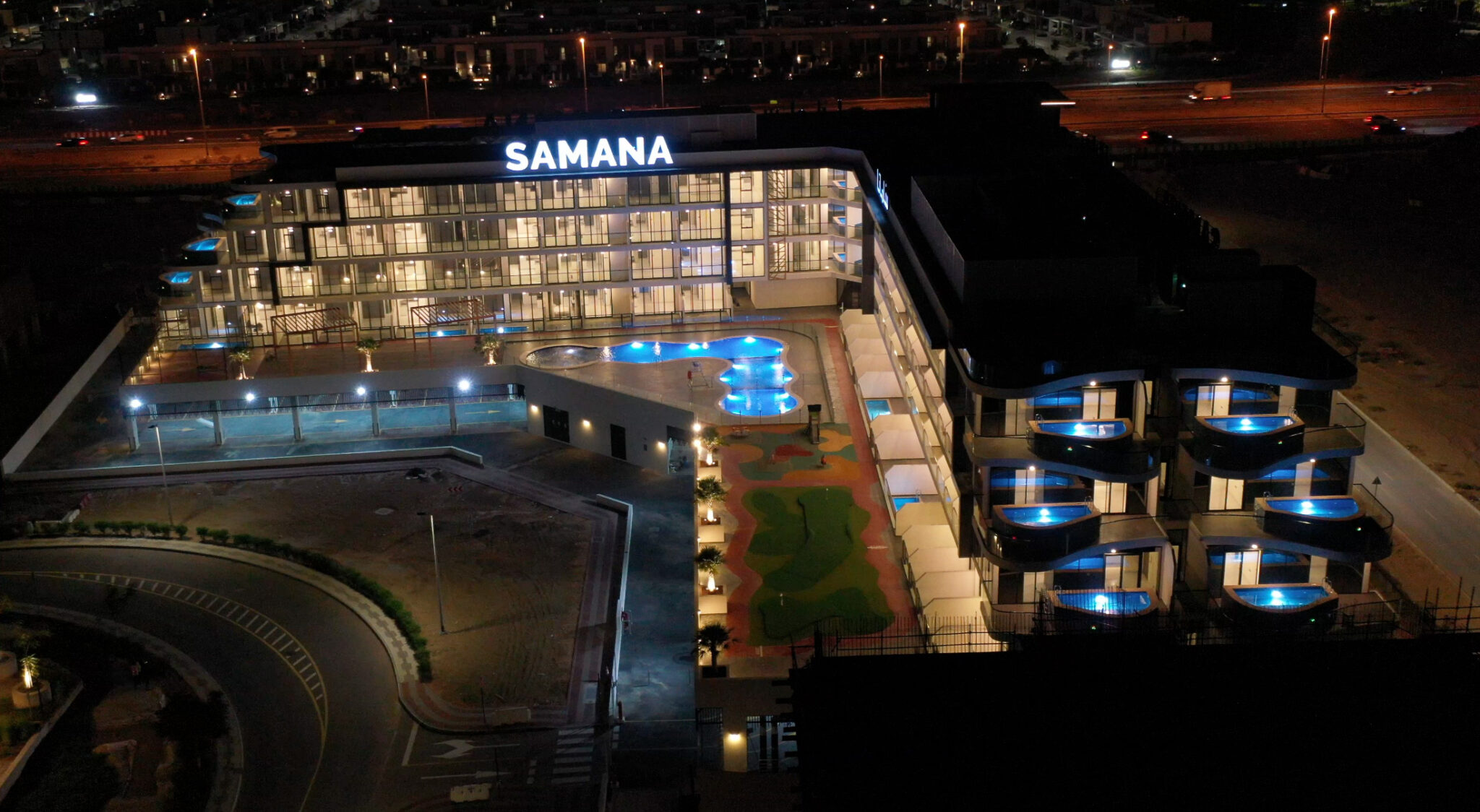
Samana Properties has achieved a significant milestone with its latest waterfront project in Dubai, which sold out within two hours of its launch. The project, named Samana Hills, has attracted substantial interest from both local and international investors, reflecting a strong appetite for premium real estate in Dubai’s competitive market.

Located in the heart of Dubai, Samana Hills promises an upscale living experience with modern amenities and stunning waterfront views. The development comprises luxury apartments designed to cater to high-net-worth individuals seeking exclusive properties in one of the world’s most sought-after real estate markets. The rapid sales pace highlights a trend of increasing demand for high-end residential properties in Dubai, driven by the city’s status as a global business hub and tourism hotspot.

The success of Samana Hills comes amidst a broader trend in Dubai’s real estate market, where luxury and waterfront properties have seen a surge in popularity. Analysts attribute this rise to Dubai’s robust economic recovery and the ongoing influx of expatriates and international investors. The city’s strategic location, coupled with its tax-free status and favorable business environment, continues to make it an attractive destination for property buyers.

Samana Properties, a notable player in the Dubai real estate sector, has capitalized on these trends by offering a project that aligns with current market demands. Their ability to sell out a development so quickly underscores the strong demand for well-located, high-quality properties. This also suggests a growing confidence among investors in the stability and profitability of Dubai’s real estate market.

The launch of Samana Hills is part of a broader strategy by Samana Properties to expand its portfolio in the luxury segment. The company’s focus on waterfront properties taps into a niche market where exclusivity and high value are key selling points. By offering a limited number of units with premium features, Samana Properties has successfully created a sense of urgency and exclusivity that resonates with high-end buyers.

Dubai’s real estate market has seen various phases of boom and adjustment over the past decades. However, the current phase appears to be characterized by sustained growth, particularly in the luxury segment. The demand for waterfront and high-end properties is driven by factors such as Dubai’s appealing lifestyle, the high standard of living, and the city’s continuing role as a global financial and tourism center.

The rapid sell-out of Samana Hills is also indicative of a broader trend where developers are increasingly targeting affluent buyers with exclusive offers. This approach not only meets the demand for luxury living but also positions developers to capitalize on the premium pricing of such properties. The high-speed sales performance is likely to encourage other developers to adopt similar strategies to tap into the lucrative luxury real estate market.

The accolade is for the sixth year running with 24 countries and territories certified a Great Place to Work® this year This is also the eighth time DHL Express has achieved this honor SINGAPORE – Media OutReach Newswire – 6 September 2024 – DHL Express is proud to be once again named the number 1 Great Place to Work® in the Asia Pacific region for 2024. It […]

HONG KONG SAR – Media OutReach Newswire – 6 September 2024 – The Chinese University of Hong Kong (CUHK) continues to cement its position as a world-leading institution for postgraduate education, offering unparalleled support and opportunities for aspiring researchers and global talent. Ranked 36th globally in the QS World University Rankings 2025, 10th in Asia by Times Higher Education, and 1st in Hong Kong by U.S. News […]

By P. Sudhir The situation in Assam has steadily deteriorated due to growing tensions between communities and certain incidents being used to divide people on communal and chauvinistic lines. The chief minister, Himanta Biswa Sarma, and the BJP-led government are solely responsible for the current state of affairs. Himanta Biswa Sarma has crossed all limits […]

TOKYO, JAPAN – Media OutReach Newswire – 5 September 2024 – Azbil Corporation (Tokyo Stock Exchange code: 6845) announced that it has been honored as the Award Winner in the Innovation and Design category at the Singapore Environmental Achievement Awards (SEAA) 2024 organized by the Singapore Environmental Council (SEC)*. Azbil won this award for enhancing its sustainability performance through creativity, life cycle thinking, and technological advancements. Azbil’s […]

Agility Global, a leading logistics and supply chain company listed on the Abu Dhabi Securities Exchange, is contemplating a strategic divestment of its stake in Tristar Group, a prominent fuel logistics firm. The potential sale highlights a significant shift in Agility’s focus as it seeks to optimize its portfolio and enhance its strategic positioning in the market. Agility Global’s decision to explore the sale of its shares […]

Wizz Air has announced the launch of its inaugural long-haul flight from Abu Dhabi to Milan, marking a significant expansion of its route network. This new service reflects the airline’s strategic push into longer-haul markets and aims to strengthen its presence in the European and Middle Eastern travel corridors.

Starting from next month, the Abu Dhabi-Milan route will offer passengers a direct link between the UAE capital and Italy’s fashion and finance hub. This development underscores Wizz Air’s commitment to enhancing connectivity between key global cities. The service is expected to cater to both leisure and business travelers, offering a new, affordable option for flying between the two cities.

The addition of this route is part of Wizz Air’s broader strategy to increase its footprint in long-haul operations. The airline has been expanding its network extensively over the past year, adding several new destinations and enhancing its connectivity. The Abu Dhabi-Milan route will operate multiple times a week, providing passengers with greater flexibility and convenience.

Wizz Air’s move into long-haul flights aligns with a growing trend among budget carriers to explore longer routes, traditionally dominated by full-service airlines. By entering this market, Wizz Air aims to capture a share of the increasing demand for affordable long-haul travel options.

Milan, known for its fashion industry, rich cultural heritage, and vibrant business environment, is expected to attract a significant number of travelers from the UAE and beyond. The city serves as a major hub for commerce and tourism, making it an attractive destination for both business and leisure trips.

The airline’s new route is anticipated to bolster tourism and business ties between the UAE and Italy. It reflects a broader trend of increasing bilateral connections between the Middle East and Europe. As global travel recovers and evolves, airlines are continually adapting their strategies to meet shifting demands and market opportunities.

Wizz Air’s expansion into long-haul services also highlights the competitive nature of the budget airline sector. As airlines strive to differentiate themselves, adding long-haul routes provides an opportunity to offer more comprehensive travel options and appeal to a broader audience.

In addition to expanding its route network, Wizz Air is focusing on improving its operational efficiency and passenger experience. The airline has been investing in new aircraft and technology to enhance its service offerings and streamline its operations.

This new route is expected to be well-received by travelers seeking affordable and direct flights between Abu Dhabi and Milan. With competitive pricing and a focus on customer satisfaction, Wizz Air aims to establish a strong foothold in the long-haul market.

Emirates Steel Arkan has unveiled its new identity as EMSTEEL, signaling a strategic shift towards international markets. This rebranding aligns with the company’s broader ambition to cement its presence on the global stage and enhance its competitive edge in the steel industry.

Founded in 1998 and headquartered in Abu Dhabi, Emirates Steel Arkan has long been a dominant force in the Middle Eastern steel sector. The rebranding to EMSTEEL marks a pivotal moment for the company as it seeks to leverage its established reputation to tap into new markets worldwide.

The company’s decision to rebrand comes at a time when the steel industry is undergoing significant transformation. With increasing demand for infrastructure development and industrialization across various regions, EMSTEEL aims to position itself as a leading global player. This move is also in response to a rapidly evolving global steel market characterized by shifts in trade policies, technological advancements, and environmental regulations.

The rebranding effort is not merely a change in name but a reflection of a comprehensive strategic overhaul. EMSTEEL plans to expand its product portfolio, incorporating advanced steel solutions to meet diverse market needs. The company will focus on enhancing its manufacturing capabilities and exploring opportunities in emerging markets, particularly in Asia and Africa, where infrastructural development is burgeoning.

The steel industry has witnessed a surge in mergers and acquisitions, with companies consolidating to enhance their market positions. EMSTEEL’s rebranding aligns with this trend, as it seeks to strengthen its global footprint and compete effectively against other major players in the industry. By adopting a new brand identity, EMSTEEL aims to signal its readiness to embrace global challenges and opportunities, ensuring sustained growth and innovation.

Market analysts view this rebranding as a strategic move to address the increasing competition in the global steel sector. As countries worldwide invest in infrastructure and urban development, there is a growing demand for high-quality steel products. EMSTEEL’s enhanced focus on research and development is expected to drive innovation in product offerings, setting new standards in the industry.

The company’s shift towards a global market presence is also indicative of broader economic trends. Global steel consumption has been fluctuating due to various factors, including trade tensions and shifts in production capacities. EMSTEEL’s strategic repositioning aims to mitigate these challenges by diversifying its market reach and aligning its operations with global industry standards.

EMSTEEL’s rebranding is accompanied by an emphasis on sustainability and environmental stewardship. The company plans to integrate sustainable practices into its production processes, aiming to reduce its carbon footprint and adhere to international environmental regulations. This commitment to sustainability reflects a growing industry trend towards more eco-friendly operations, responding to increasing consumer and regulatory demands for environmental responsibility.

Industry experts anticipate that EMSTEEL’s rebranding will facilitate its entry into new markets and enhance its competitiveness. The company’s focus on technological advancement and product innovation is expected to attract new clients and partnerships, further solidifying its position in the global steel market.

Rebound, an innovative UAE-based company, has unveiled a pioneering global subscription-based recycling platform aimed at addressing the escalating waste management crisis. This platform, which promises to revolutionize recycling practices, offers users a streamlined and efficient way to manage and reduce waste across various regions. The platform’s core functionality revolves around providing users with a comprehensive recycling service that spans multiple countries. Subscribers will receive detailed instructions and […]

An investment fund backed by the Abu Dhabi Investment Authority (ADIA) is seeking to raise $4 billion to expand its infrastructure portfolio in India. This move underscores the growing appeal of Indian infrastructure as a strategic investment opportunity amid an evolving economic landscape.

The fund, operating under the name of its supporting entity, ADIA, aims to tap into India’s burgeoning infrastructure sector, which has seen increased interest from global investors. The initiative reflects ADIA’s strategy to capitalize on high-growth opportunities in emerging markets, leveraging its significant financial resources to drive infrastructure development in India.

India’s infrastructure sector has become a focal point for foreign investments due to the country’s ambitious growth targets and substantial need for infrastructure development. The Indian government has rolled out several initiatives to bolster infrastructure, including road construction, urban development, and renewable energy projects. These initiatives are intended to support the nation’s rapid urbanization and economic growth, presenting a lucrative opportunity for investors.

ADIA’s decision to invest further in Indian infrastructure aligns with broader trends in global investment strategies, where there is a noticeable shift towards infrastructure assets in high-growth regions. The focus on India is particularly significant due to the country’s ongoing economic reforms and its strategic importance in the global economy.

The fund’s investment strategy involves identifying and financing key infrastructure projects that can provide long-term value and stability. This includes investments in sectors such as transportation, energy, and urban development. By targeting these areas, the fund aims to contribute to India’s economic growth while securing attractive returns for its investors.

India’s infrastructure needs are vast and varied, with the government estimating a requirement of several trillion dollars over the next decade to support its development goals. The country’s infrastructure deficit has been a critical barrier to sustained economic growth, and substantial investments are required to address this gap. The influx of capital from ADIA’s backed fund is expected to play a significant role in meeting these needs.

The Indian government has been proactive in creating an investor-friendly environment to attract foreign capital. This includes policy reforms aimed at improving the ease of doing business, enhancing regulatory frameworks, and offering incentives for infrastructure investments. These measures have contributed to increased confidence among global investors and have been instrumental in driving foreign direct investment (FDI) into the infrastructure sector.

As the fund gears up for its fundraising campaign, it is also expected to face competition from other global investors looking to tap into India’s infrastructure market. Several international players have shown keen interest in Indian infrastructure projects, driven by the country’s robust economic growth prospects and its large-scale infrastructure requirements.

The impact of this fund’s investment will likely be far-reaching, contributing to the development of critical infrastructure projects that are essential for India’s continued economic advancement. It will also highlight the attractiveness of Indian infrastructure assets to other global investors, potentially leading to additional capital inflows into the sector.

The ADIA-backed fund’s effort is part of a broader trend where sovereign wealth funds and large institutional investors are increasingly looking towards emerging markets for growth opportunities. With India being one of the fastest-growing major economies, it stands out as a key destination for such investments.

The Internet of Things (IoT) market is set to experience exponential growth over the next decade, with projections estimating its value will soar to $5.33 trillion by 2032, according to industry forecasts. This surge is driven by technological advancements, increasing cloud adoption, and a steady rise in wireless networking capabilities, making IoT an integral part of modern industries and day-to-day life. Research highlights a compound annual growth […]

dnata, one of the world’s leading air services providers, has taken a significant step toward environmental sustainability by transitioning its entire fleet of ground handling equipment to biodiesel in the UAE. This move is part of the company’s larger strategy to reduce its carbon footprint and contribute to global efforts to mitigate climate change. The fleet-wide switch to biodiesel marks dnata’s commitment to achieving long-term sustainability goals, […]

VISHNU RAJA
RYO YAMADA
HITORI GOTOH
IKUYO KITA
Just in:
CR Longdation Aethereal Cybersecurity × Global Cybersecurity Alliance (GCSA) Join Hands to Establish the “AI and Cybersecurity Research Centre” // Meraas showcases five residential zones at Dubai Design Week // Technology shares plunge as Nasdaq enters correction // Millions Of Indians May Soon Be Deprived Of Government Assistance // TVM –Mangaluru Vande Bharat claims top spot // Emirates Group records AED 4.1 billion half-year profit // Oil advances towards $100 as tanker attacks persist // Cloudflare unveils Zero Wire vulnerability intelligence service // Xi Jinping Preparing For A Trilateral Summit With Trump And Putin At APEC Summit On Nov 18-19 // Asia Left Behind: Ten international companies have yet to report delivering on their cage-free egg pledges across the region // The “1st Greater Bay Area Health and Longevity Summit & Awards Ceremony” concludes successfully in Macao // Oil and chip shares retreat after Democratic victories // Dubai boat show confirms international shipyard line-up for November // Trump’s Iran War Has A Share Of Contribution To His Midterm Debacle // Kochi police detain two actors over bid to honey trap doctor // Private varsities bill all set to face the axe // Emaar approves Development buyout ahead of planned delisting // OpenAI identifies 948 Linux privilege escalation flaws using AI // Ta’ziz finalises $1.39bn funding for Ruwais industrial facilities // After Reaching 7 Million Users in the Philippines, Skyro Launches Transparent Cash Loans in Malaysia //