News related to
currency

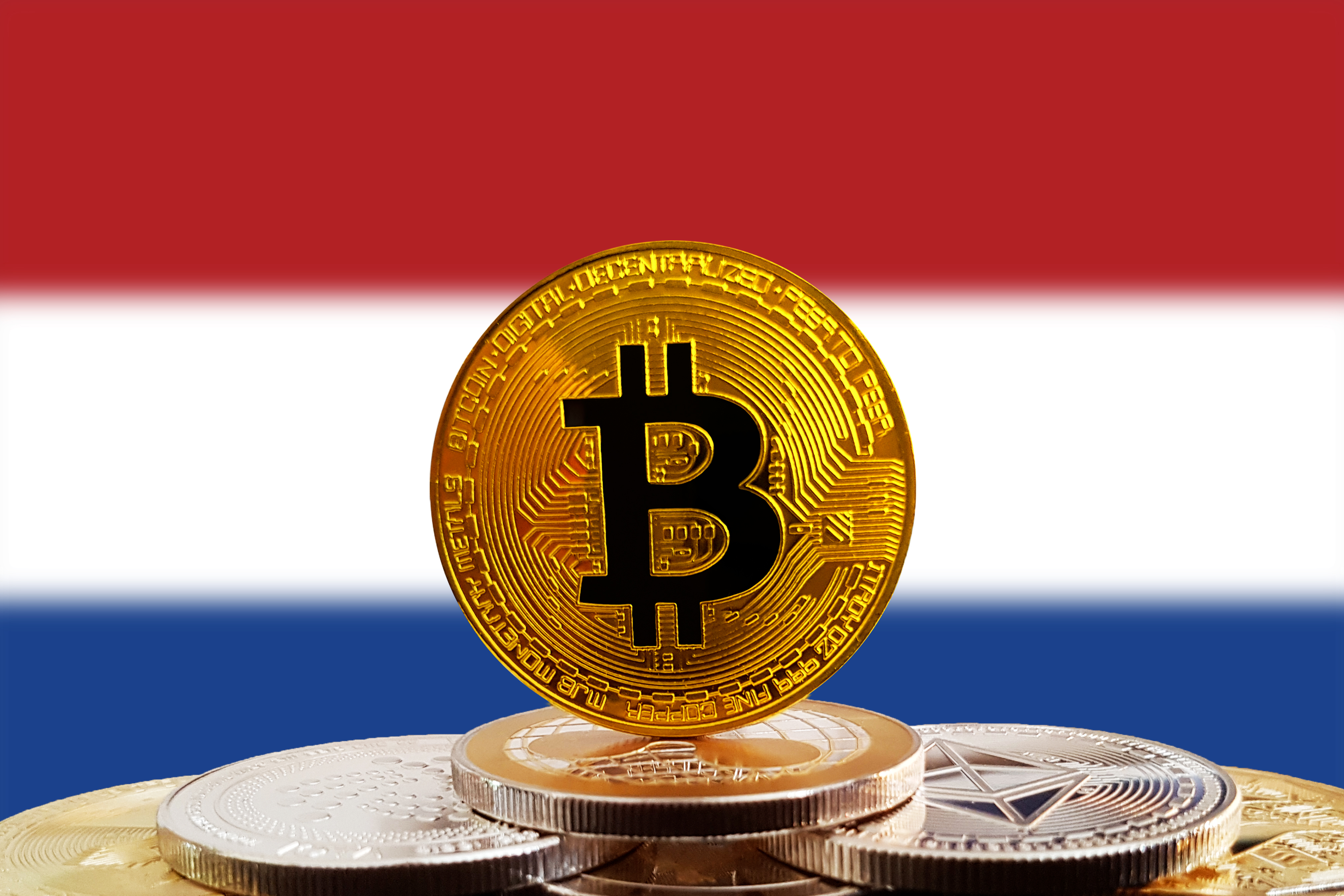
The Netherlands has introduced a draft bill requiring cryptocurrency service providers to report detailed client information to tax authorities, marking a significant alignment with the EU’s tax and transparency goals for digital assets. The proposal aims to close existing tax loopholes in cryptocurrency transactions, ensuring that individuals and companies report taxable income generated through digital assets, with authorities seeking to curb tax evasion effectively across Europe.

Central to this legislation is the adherence to DAC8, the EU’s eighth Directive on Administrative Cooperation, which mandates crypto-asset providers to share user transaction data with local tax bodies. DAC8, recently ratified by the European Council, is set to be implemented across the European Union by January 2026. The new rules are part of the EU’s extensive drive to regulate the crypto space, with a focus on enhancing tax compliance and preventing digital assets from serving as havens for illicit transactions.

In alignment with the DAC8 standards, the Dutch bill specifies that service providers, including exchanges, brokers, and wallet providers, must report all transactions involving Dutch residents to national tax agencies. This includes recording details of transaction amounts, dates, market values, and fees, ensuring that the Dutch authorities have a comprehensive view of all crypto-related activities. Additionally, the Netherlands intends to comply with the Organisation for Economic Co-operation and Development’s (OECD) Crypto-Asset Reporting Framework (CARF), which expands the scope of data sharing to include non-EU jurisdictions, such as the United States and the United Kingdom. CARF seeks to standardize crypto-asset reporting, aiming to make it more challenging for users to transfer assets across borders to evade tax responsibilities.

The Dutch Ministry of Finance anticipates that these measures will substantially increase transparency within the crypto sector, which has previously posed challenges for tax authorities due to the ease of transferring assets across platforms and borders. The Ministry asserts that these steps are essential to creating a fair tax landscape, ensuring that all income, including that derived from cryptocurrencies, is accurately declared and taxed. Proponents of the bill also believe it will aid in reducing financial crimes linked to crypto, aligning with similar EU initiatives like the Markets in Crypto-Assets Regulation (MiCA), which further addresses regulatory oversight in the sector.

As the Netherlands opens this proposal to public feedback, debate around user privacy concerns and the potential regulatory burden on crypto providers is already emerging. Critics argue that requiring such comprehensive data collection risks overreach and could dissuade crypto firms from operating in the Netherlands or the EU altogether. Concerns also extend to data protection issues, as the expansive data-sharing requirements could expose users to breaches and misuse if adequate safeguards are not put in place. Additionally, some crypto advocates argue that stricter regulations may push users towards decentralized platforms that operate outside the purview of centralized tax authorities, which could undermine the very goal of transparency.

Despite these reservations, the Netherlands and other EU states are prioritizing tax compliance to counter potential losses in tax revenue associated with the expanding crypto market. Studies by EU agencies suggest that by reducing tax evasion in crypto transactions, member states could collectively enhance tax revenues by over €1 billion annually. For countries with rapidly growing crypto sectors, this potential revenue increase is particularly enticing as they contend with budgetary pressures and demands for greater public services.

German luxury carmaker Mercedes-Benz announced a staggering decline of more than 50 percent in its third-quarter profits, attributing this downturn primarily to a significant slowdown in the Chinese market, a vital region for luxury vehicle sales. The company reported a net profit of €1.72 billion for the quarter, down from €3.64 billion in the same period last year, reflecting the challenges posed by weakening demand and broader economic uncertainties.

The company highlighted that while it experienced strong sales growth in the first half of the year, the third quarter revealed a stark contrast. The demand for luxury vehicles in China, which constitutes a substantial share of Mercedes-Benz’s sales, has faced pressures from economic headwinds, including stricter COVID-19 restrictions and a subsequent sluggish recovery. These factors have led to a notable reduction in consumer spending, particularly on high-end goods.

Mercedes-Benz also noted an increase in production costs, further exacerbating profit pressures. The ongoing global supply chain issues have contributed to elevated costs for raw materials and logistics, impacting overall profitability. The company emphasized the challenges of maintaining its profit margins amid these rising expenses and shifting consumer preferences.

In response to the declining profits, Mercedes-Benz outlined its strategic focus on adapting to changing market dynamics. The firm has committed to increasing its electric vehicle (EV) offerings as part of its long-term strategy to capture a larger share of the growing EV market. The company has set ambitious goals to deliver more than 20 new electric models by 2026, aiming to transition its fleet to a more sustainable lineup.

In light of the reduced profits, Mercedes-Benz CEO Ola Källenius expressed optimism about the company’s future trajectory. He highlighted that despite current challenges, the company remains committed to innovation and sustainability, key pillars of its business strategy. Källenius stated that the transition to electric mobility presents significant opportunities for growth, and Mercedes-Benz is strategically positioning itself to meet these challenges head-on.

The luxury automobile market is undergoing a significant transformation as consumer preferences shift towards sustainability and advanced technology. Mercedes-Benz’s investment in electric vehicles is a direct response to this trend, as it aims to enhance its competitiveness in an increasingly crowded market dominated by emerging EV manufacturers.

Analysts have pointed out that the luxury car segment is at a crossroads, influenced by changing consumer behavior and economic factors. The growth of the electric vehicle market, driven by increasing environmental awareness and government incentives, poses both challenges and opportunities for traditional luxury carmakers. Competitors are also ramping up their EV offerings, making it imperative for established brands like Mercedes-Benz to stay ahead in innovation and technology.

Mercedes-Benz’s performance in the Asia-Pacific region has also raised concerns, as the company reported lower sales figures in various markets beyond China. Factors such as geopolitical tensions, inflationary pressures, and fluctuating currency values have influenced consumer confidence and purchasing power, impacting sales across the region.

The luxury car market’s dynamics are also shifting, with younger consumers increasingly prioritizing sustainability over brand loyalty. This generational shift has prompted luxury car manufacturers to rethink their marketing strategies and product offerings to align with the values and preferences of a new wave of buyers.

In the face of these challenges, Mercedes-Benz’s leadership has stressed the importance of agility and adaptability in navigating the evolving landscape. The company’s focus on research and development has been intensified, with significant investments earmarked for advancing autonomous driving technologies and enhancing connectivity features in their vehicles. These innovations aim to appeal to tech-savvy consumers who are seeking modern solutions in their mobility experiences.

The company’s latest financial results have also drawn attention to the importance of maintaining a robust supply chain. Mercedes-Benz has been actively working to mitigate risks associated with supply chain disruptions by diversifying its supplier base and investing in local manufacturing capabilities. This strategy is designed to enhance operational resilience and ensure the timely delivery of vehicles to meet customer demand.

Market experts suggest that while the current quarter’s profit decline is concerning, it may serve as a catalyst for Mercedes-Benz to refine its business strategies and focus on long-term growth initiatives. The ongoing shift towards electric mobility and sustainable practices represents a crucial opportunity for the brand to solidify its position as a leader in the luxury automotive sector.

The decentralized social network Bluesky has successfully closed a $15 million Series A funding round, emphasizing its commitment to a crypto-free platform despite the surge of interest in blockchain technologies. Led by Blockchain Capital, this investment marks a significant milestone for Bluesky, which was initially founded by Jack Dorsey, the co-founder of Twitter. The funding aims to bolster Bluesky’s development as it prepares to introduce new features, including micropayments for content creators, a move seen as essential in the evolving landscape of social media monetization.

Bluesky has positioned itself uniquely in the crowded social media marketplace, promising to uphold user data privacy and to foster a platform free from the pitfalls associated with crypto integrations. By steering clear of cryptocurrencies and blockchain technologies, the platform seeks to attract a user base wary of the volatility and speculation often linked to these digital assets. Dorsey, who has long advocated for a more decentralized internet, appears to be following through on his vision, prioritizing user experience and security over potential profit from crypto integrations.

The decision to avoid integrating cryptocurrencies is particularly noteworthy given the broader trend of platforms adopting blockchain and crypto solutions to engage users and enhance monetization strategies. Bluesky’s strategy is seen as a counterpoint to many of its competitors, which have begun exploring various forms of digital currency, NFTs, and blockchain-based functionalities. As platforms like Twitter, Facebook, and others delve into the complexities of crypto, Bluesky’s approach reflects a deliberate choice to differentiate itself in a fast-evolving digital landscape.

Investors have shown strong confidence in Bluesky’s vision, viewing its commitment to a clear business model without the complications associated with crypto as a positive signal. Blockchain Capital’s leadership in the funding round underscores the interest in projects that emphasize foundational internet principles, such as decentralization and user empowerment, while deliberately avoiding the hype surrounding cryptocurrencies.

Bluesky’s plans to implement micropayments for creators signal a focus on rewarding content producers directly, which aligns with emerging trends in social media platforms seeking to foster more meaningful engagement. This feature will allow users to support creators financially without the complex integrations often associated with crypto. Instead of tokenization, the platform aims to streamline the payment process, facilitating direct financial transactions that prioritize creator autonomy and sustainability.

As the platform continues to develop, it remains attentive to user feedback and the shifting dynamics within the social media landscape. The commitment to avoid integrating NFTs and crypto tokens allows Bluesky to maintain a straightforward user experience that prioritizes engagement over speculation. This approach not only appeals to a diverse user base but also opens the door for partnerships and collaborations with brands and content creators interested in a transparent monetization model.

The growth of decentralized platforms like Bluesky signals a shift in how social media is perceived and utilized. The emphasis on user control over data and content aligns with a broader trend toward decentralization, which advocates for greater transparency and user empowerment. Bluesky’s funding success indicates that investors are eager to support ventures that prioritize these values in an age where traditional social media platforms face increasing scrutiny regarding data privacy, content moderation, and user trust.

As the platform progresses toward its rollout of micropayments and other user-focused features, the tech industry will closely watch Bluesky’s developments. The absence of crypto integration positions the platform as a potentially safer and more user-friendly alternative in a crowded market.

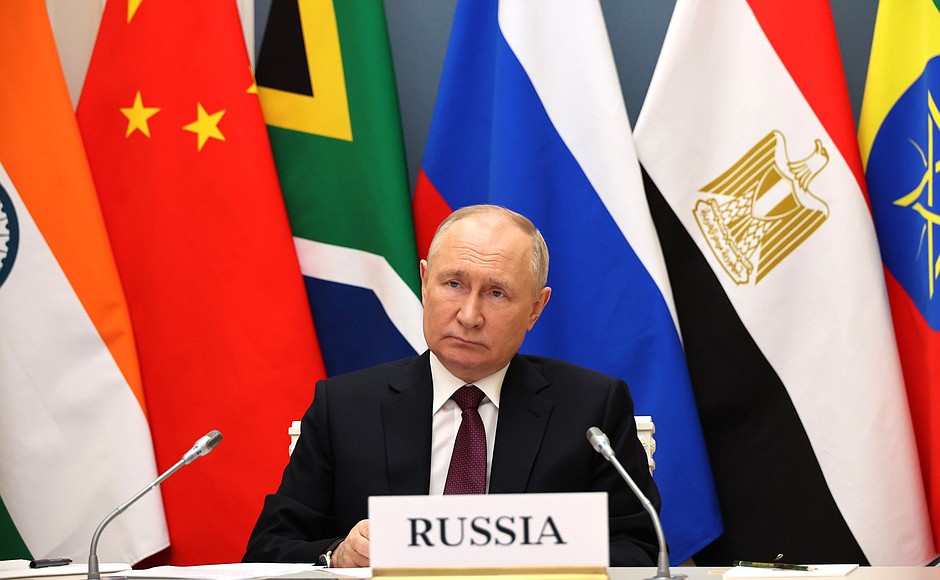
Amid rising geopolitical tensions and ongoing economic sanctions from Western nations, Russia has intensified its push for a clearing and depository system among BRICS nations—an alliance comprising Brazil, Russia, India, China, and South Africa. This initiative aims to facilitate intra-BRICS trade and investment by creating alternative mechanisms that would reduce reliance on Western financial systems, particularly the U.S. dollar.

The call for such a system has gained momentum during discussions at the BRICS summit held in Johannesburg earlier this year, where leaders explored strategies to enhance economic collaboration and safeguard member countries from external economic pressures. Russian President Vladimir Putin, emphasizing the need for financial sovereignty, outlined how a dedicated clearing system would not only streamline trade among BRICS nations but also insulate them from unpredictable sanctions imposed by Western governments.

The financial architecture proposed includes a shared clearing platform that would allow member states to transact in their local currencies. This system is expected to alleviate the costs associated with currency conversion and reduce exposure to fluctuations in the dollar’s value. The depository system would enable BRICS countries to hold reserves and facilitate investments without the involvement of Western banking systems, which often serve as gatekeepers for international trade and finance.

As part of this initiative, the Russian government has engaged with various BRICS member states to discuss technical and regulatory frameworks necessary for establishing this new financial infrastructure. Recent engagements include high-level talks with Chinese and Indian officials, where they explored the operational aspects of the proposed clearinghouse. Both countries have expressed interest, seeing the potential benefits of minimizing their dollar dependency amid geopolitical tensions with the West.

Analysts note that this initiative comes at a time when BRICS countries are seeking to redefine their positions in global trade and finance. The bloc has increasingly advocated for a multipolar world order, aiming to challenge the dominance of the United States and its allies in international financial institutions. The proposed clearing and depository system aligns with these aspirations, reflecting a broader trend of economic diversification and regional integration among non-Western nations.

While the technical implementation of this system remains in preliminary discussions, there are significant challenges to overcome. These include the establishment of common regulatory standards, addressing concerns about currency stability among member states, and ensuring the system’s resilience against external shocks. Moreover, skepticism persists regarding the political will of member nations to fully commit to this initiative, particularly given the varying degrees of economic interdependence and political alignment among them.

Experts predict that the success of the BRICS clearing and depository system will hinge on several factors, including the resolution of these technical challenges and the ongoing commitment of member states to foster economic collaboration. The establishment of a robust framework that can operate independently of Western financial institutions will require significant investments in infrastructure and regulatory harmonization.

In parallel to these discussions, Brazil and China have initiated bilateral agreements to promote trade in their local currencies, signaling a growing trend among BRICS nations to seek alternatives to the dollar. This move underscores the urgency felt by member states to enhance their economic resilience and foster greater autonomy in global markets.

The backdrop of escalating tensions between Russia and Western nations adds a layer of urgency to these discussions. Sanctions targeting Russia have intensified following its military actions in Ukraine, prompting a reevaluation of its economic relationships globally. Russia’s outreach to BRICS allies is not merely strategic; it is also a pragmatic response to the constraints imposed by Western financial measures.

While the BRICS clearing system remains in its conceptual phase, the desire among member nations for a more independent financial architecture reflects a significant shift in global economic dynamics. As emerging economies seek to forge stronger ties and reduce their vulnerabilities, the success of this initiative could have profound implications for the future of international trade and finance.

Several countries, including South Africa and India, have indicated their support for exploring mechanisms to facilitate trade in local currencies. Such support could provide the momentum needed to advance the technical discussions into actionable plans. If successful, this could mark a pivotal moment for BRICS as it seeks to position itself as a counterbalance to Western hegemony in global economic governance.

Tether, the prominent stablecoin issuer, has presented a groundbreaking proposal to the Turkish government, aiming to tokenize the country’s vast boron reserves. Turkey controls over 70% of the world’s boron, a key mineral used in industries such as glass, ceramics, and detergents, making the potential of tokenization a significant step toward enhancing global trade and accessibility.

The initiative reflects growing interest in tokenizing real-world assets (RWA) across various sectors, including commodities. By converting boron into digital tokens, Tether envisions creating a more liquid and accessible market for this valuable resource, attracting international investment and streamlining the supply chain. This proposal aligns with Turkey’s increasing focus on blockchain technology and digital assets, as seen in its evolving regulatory framework for cryptocurrencies and blockchain applications.

Boron has long been a strategic resource for Turkey, given its extensive industrial applications, ranging from fertilizers to high-tech industries like aerospace. The ability to tokenize boron could potentially make it easier for international businesses to invest in and trade the commodity, reducing barriers associated with traditional supply chains.

This initiative follows Tether’s broader efforts to expand its influence in Turkey. The company has been deepening its presence in the country through partnerships and collaborations, particularly with BTguru, a Turkish think tank, to explore various real-world asset tokenization cases. By leveraging Turkey’s regulatory advancements, Tether hopes to create a sustainable model for tokenizing commodities like boron, further integrating blockchain technology into the country’s financial and industrial ecosystems.

Tokenization of boron also introduces the possibility of fractional ownership, where smaller investors could participate in the boron market, which has historically been reserved for large corporations and governments. Through blockchain technology, these tokens would be securely traded on digital platforms, offering transparency and efficiency that traditional commodity markets lack. The potential benefits for Turkey could be substantial, as it could position the nation as a leader in both the boron market and blockchain innovation.

Tether’s exploration of tokenized commodities aligns with a broader trend in the cryptocurrency sector, where companies are increasingly looking at RWAs as a major growth avenue. Industry analysts suggest that real-world asset tokenization could unlock trillions of dollars in value globally by making traditionally illiquid assets more accessible. Turkey’s boron, due to its critical industrial applications and strategic importance, represents an ideal candidate for tokenization.

The proposal comes at a time when Turkey is actively reforming its regulatory environment for digital assets. The country’s parliament recently passed a crypto bill that aims to regulate the use of digital assets, requiring exchanges to obtain licenses from the Capital Markets Board, Turkey’s financial regulator. This move indicates Turkey’s growing commitment to fostering a secure and transparent digital economy, laying the groundwork for future initiatives like the tokenization of boron.

Tokenization could also offer Turkey new revenue streams. By opening the boron market to a wider array of international investors and reducing trading barriers, the government could generate additional capital, which could be used to support infrastructure and development projects. However, the success of such an initiative would depend on regulatory clarity and the establishment of secure digital marketplaces that protect investor interests.

Though Tether has not provided a specific timeline for the implementation of this project, the company has expressed optimism about the potential for its success. By collaborating with Turkish entities and aligning with the government’s regulatory framework, Tether hopes to create a seamless transition from traditional boron markets to a tokenized future.

HONG KONG SAR – Media OutReach Newswire – 24 October 2024 – Paul Chan, Financial Secretary of the Hong Kong Special Administrative Region, is visiting the United States (October 22-24), where he delivered keynote speeches at the Bloomberg Global Regulatory Forum on the topic of financial sustainability (October 22) and at a business luncheon (October 23) in New York. At the Bloomberg Global Regulatory Forum, Mr Chan […]

Vitalik Buterin has laid out ambitious plans for the future of Ethereum, focusing on a pivotal development known as The Verge phase. This latest initiative seeks to enhance the blockchain’s accessibility by enabling full verification on various devices, including mobile wallets and smartwatches. The integration of advanced technologies such as Verkle trees and Succinct Non-interactive Argument of Knowledge (SNARKs) is central to this transformation.

Buterin emphasized the importance of reducing the barriers to entry for Ethereum users. Currently, the process of verifying transactions on the Ethereum network can be resource-intensive and requires significant computational power, which limits the use of mobile and lightweight devices. By implementing Verkle trees, the aim is to optimize how data is stored and accessed on the blockchain. Verkle trees combine the efficiency of Merkle Patricia trees with the benefits of vector commitment, providing a way to reduce the amount of data required for verification.

This shift is designed to make blockchain technology more user-friendly, particularly for individuals who rely on mobile devices. The ability to conduct full verification from a smartphone or smartwatch would democratize access to Ethereum, making it easier for users to engage with decentralized applications (dApps) without needing specialized hardware. The implications for mobile security and user experience could be substantial, as users would no longer need to rely on third-party services to validate their transactions.

SNARKs, another key component of Buterin’s vision, will enhance privacy and efficiency within the network. This cryptographic tool allows for the validation of transactions without revealing the underlying data, addressing privacy concerns that have emerged as Ethereum has grown in popularity. By incorporating SNARKs, Ethereum aims to provide a layer of confidentiality that is appealing to both users and developers.

This focus on improving transaction verification methods aligns with a broader trend in the cryptocurrency space towards scalability and user empowerment. As Ethereum continues to compete with other blockchain platforms, such as Solana and Cardano, these enhancements could play a crucial role in maintaining its position as a leading smart contract platform. The Verge phase represents a critical step in Ethereum’s roadmap, which has been strategically outlined to adapt to the evolving needs of its user base.

The need for more efficient blockchain verification methods has been underscored by the growing demand for decentralized finance (DeFi) applications. With more users entering the space, ensuring that these applications remain accessible and user-friendly is vital. By leveraging the advancements in Verkle trees and SNARKs, Ethereum is positioning itself to handle the increased demand while maintaining its foundational principles of decentralization and security.

Developers have been encouraged by Buterin’s post, as it lays the groundwork for innovations that could lead to new use cases for Ethereum. The adoption of mobile wallets has surged, and the integration of robust verification methods could unlock further opportunities for developers to create applications that are not only functional but also secure and efficient. This forward-thinking approach could foster an ecosystem where more users can actively participate in Ethereum’s offerings.

The Verge phase is part of a larger series of upgrades collectively known as Ethereum 2.0, which aims to enhance the network’s scalability, security, and sustainability. The transition from a proof-of-work to a proof-of-stake consensus mechanism is already underway, with the goal of reducing energy consumption and increasing transaction throughput. The integration of The Verge phase signifies an important milestone in this ongoing transformation.

As Ethereum navigates its path forward, the emphasis on improving verification processes speaks volumes about its commitment to user experience and technological innovation. The potential for full blockchain verification on everyday devices could not only attract a new demographic of users but also solidify Ethereum’s reputation as a leading blockchain platform that prioritizes accessibility and efficiency.

Industry experts are optimistic about the developments that The Verge phase will bring, particularly regarding its impact on the broader cryptocurrency landscape. The ability to conduct secure transactions from mobile devices could set a new standard for blockchain technology, prompting other platforms to consider similar enhancements. As Buterin and the Ethereum development community continue to refine their vision, the implications for the future of decentralized technologies are profound.

Advertisements

Diplomatic negotiations have led to the Nigerian government officially dropping charges against Tigran Gambaryan, a senior executive at Binance Holdings, who was facing legal action over allegations of money laundering. His release is seen as a crucial step in resolving the broader tensions between Nigerian authorities and the cryptocurrency industry, which has been under intense scrutiny due to concerns over foreign exchange manipulation and money laundering.

Gambaryan, a U.S. citizen, had been detained in Nigeria since February 2024 following his visit for discussions aimed at addressing Nigeria’s regulatory concerns over cryptocurrency trading. His arrest and subsequent trial became a flashpoint in Nigeria’s ongoing efforts to regulate the digital currency market, which has been accused of contributing to currency volatility and evasion of foreign exchange rules. The detention also attracted significant attention from U.S. officials, with some members of Congress calling for stronger intervention to secure his release.

After months of legal wrangling and growing diplomatic pressure, Nigeria’s Federal Inland Revenue Service (FIRS) decided to drop tax-related charges against Gambaryan. In an official statement, Binance expressed relief, stating that Gambaryan was not involved in decision-making at the company, and his detention was unnecessary for resolving the broader dispute between the Nigerian government and Binance. The FIRS’s decision has been hailed as a significant breakthrough in what had become a protracted standoff.

Binance has reiterated its commitment to cooperating with Nigerian authorities to address regulatory concerns. The exchange remains at the center of Nigeria’s wider crackdown on cryptocurrency activities, with Nigerian regulators expressing unease about the role of digital currencies in capital flight and foreign exchange violations. Binance’s legal troubles in the country are not entirely over, as it still faces other charges, primarily linked to alleged money laundering.

The executive’s detention was fraught with challenges, including deteriorating health conditions. According to Binance, Gambaryan, who had spent 110 days in custody, had contracted both malaria and pneumonia while being held in Kuje prison. Despite court orders for his medical treatment, delays in his care raised concerns about the conditions of his detention, further complicating diplomatic efforts to secure his release.

Binance’s legal representatives expressed hope that the Economic and Financial Crimes Commission (EFCC) would soon follow the FIRS’s example by dropping its case against Gambaryan, thereby allowing him to return to his family in the United States. Gambaryan’s arrest also drew wider international attention, with several U.S. lawmakers addressing the issue. This diplomatic angle added another layer of complexity to an already high-profile case that has implications for international business relations and cryptocurrency regulation.

Nigeria’s decision to drop the charges is seen as a potential turning point in the strained relationship between Binance and African regulators. Binance’s dominance in the global cryptocurrency market has made it a target of regulatory actions across several jurisdictions. As cryptocurrency adoption grows in regions like Africa, governments are grappling with how to regulate digital assets while protecting their economies from the risks associated with unregulated financial flows.

The Nigerian government’s initial crackdown on Binance and other cryptocurrency exchanges was part of a broader move to clamp down on speculative trading activities that were blamed for exacerbating the country’s foreign exchange crisis. The Central Bank of Nigeria (CBN) had earlier banned cryptocurrency transactions in 2021, but enforcement challenges and continued use of digital currencies led to ongoing tensions between the authorities and crypto platforms.

As part of the government’s efforts to rein in the sector, Nigerian authorities detained two senior Binance executives in early 2024 following allegations of foreign exchange manipulation. The authorities argued that speculative trading of cryptocurrencies had contributed to the depreciation of the naira. These actions were taken within the broader context of Nigeria’s struggle to stabilize its currency amidst economic pressures and rising inflation.

Although the charges against Gambaryan have been dropped, the broader regulatory environment for cryptocurrencies in Nigeria remains uncertain. Many see this case as indicative of the Nigerian government’s stance on cryptocurrency regulation. The government has been attempting to balance the need for financial innovation with the risks that come from unregulated digital markets. While the decision to release Gambaryan is being welcomed by the crypto community, it remains to be seen how future cases involving cryptocurrency firms will be handled by Nigerian regulators.

The world’s largest Bitcoin conference has made its debut in Abu Dhabi, attracting thousands of attendees, including influential figures from the cryptocurrency industry, investors, and blockchain enthusiasts. This event marks a significant milestone for the Middle East, emphasizing the region’s growing importance in the global cryptocurrency landscape. The conference is poised to showcase cutting-edge technologies, regulatory frameworks, and investment opportunities, while highlighting the UAE’s ambition to position itself as a key player in the digital economy.

Held at the Abu Dhabi National Exhibition Centre, the conference has brought together more than 10,000 participants from across the globe. Notable speakers included prominent figures such as Anthony Pompliano, a well-known Bitcoin advocate and investor, and Elizabeth Stark, co-founder of Lightning Labs, who addressed the potential of Bitcoin to reshape financial systems. The agenda features discussions on various topics, including Bitcoin adoption, regulatory challenges, and the future of decentralized finance (DeFi).

Abu Dhabi’s embrace of this event reflects a broader trend within the UAE to foster a conducive environment for blockchain technology and cryptocurrencies. The UAE government has actively pursued initiatives to integrate blockchain solutions across various sectors, including finance, healthcare, and logistics. This commitment is evidenced by the establishment of regulatory bodies such as the Abu Dhabi Global Market (ADGM) and the Dubai Financial Services Authority (DFSA), which have implemented frameworks to regulate cryptocurrency exchanges and Initial Coin Offerings (ICOs).

The conference is seen as a strategic opportunity for the UAE to attract international investment in the cryptocurrency sector, which has grown exponentially in recent years. With the global cryptocurrency market capitalizing at over $1 trillion, the UAE aims to position itself as a regional hub for digital assets, competing with established markets like Singapore and Hong Kong. Industry experts argue that the UAE’s favorable regulatory environment and strategic geographical location make it an ideal destination for cryptocurrency businesses seeking to expand their operations.

Amid the growing interest in cryptocurrencies, discussions surrounding regulatory frameworks have been a focal point of the conference. Panel discussions have addressed the need for a balanced approach that encourages innovation while ensuring investor protection. The UAE’s proactive stance on regulation has garnered praise from industry leaders, who emphasize the importance of clear guidelines to foster trust in the cryptocurrency ecosystem.

Emerging trends within the cryptocurrency space have also been highlighted at the conference, including the rise of non-fungible tokens (NFTs) and decentralized finance. NFT marketplaces have gained significant traction, with many artists, musicians, and creators exploring these digital assets to monetize their work. The integration of NFTs into mainstream culture has prompted discussions about the future of digital ownership and intellectual property rights.

The concept of decentralized finance, which aims to replicate traditional financial services using blockchain technology, has gained momentum. DeFi platforms offer services such as lending, borrowing, and trading without the need for intermediaries, presenting a disruptive force in the financial industry. The conference has provided a platform for DeFi project leaders to share insights on the challenges and opportunities within this rapidly evolving space.

As the conference unfolds, attendees are optimistic about the future of cryptocurrencies in the Middle East. The engagement of local businesses, government officials, and global experts underscores the UAE’s commitment to fostering innovation in the financial sector. Networking opportunities abound, with many participants expressing excitement over potential collaborations and partnerships that could emerge from this gathering.

The successful hosting of this major Bitcoin conference is expected to catalyze further interest and investment in the UAE’s cryptocurrency market. As governments worldwide grapple with the implications of digital currencies, the UAE’s proactive approach positions it as a forward-thinking leader in the sector. The conference’s impact extends beyond mere discussions, as it showcases the region’s capabilities to host significant global events, potentially attracting future conferences focused on blockchain and financial technologies.

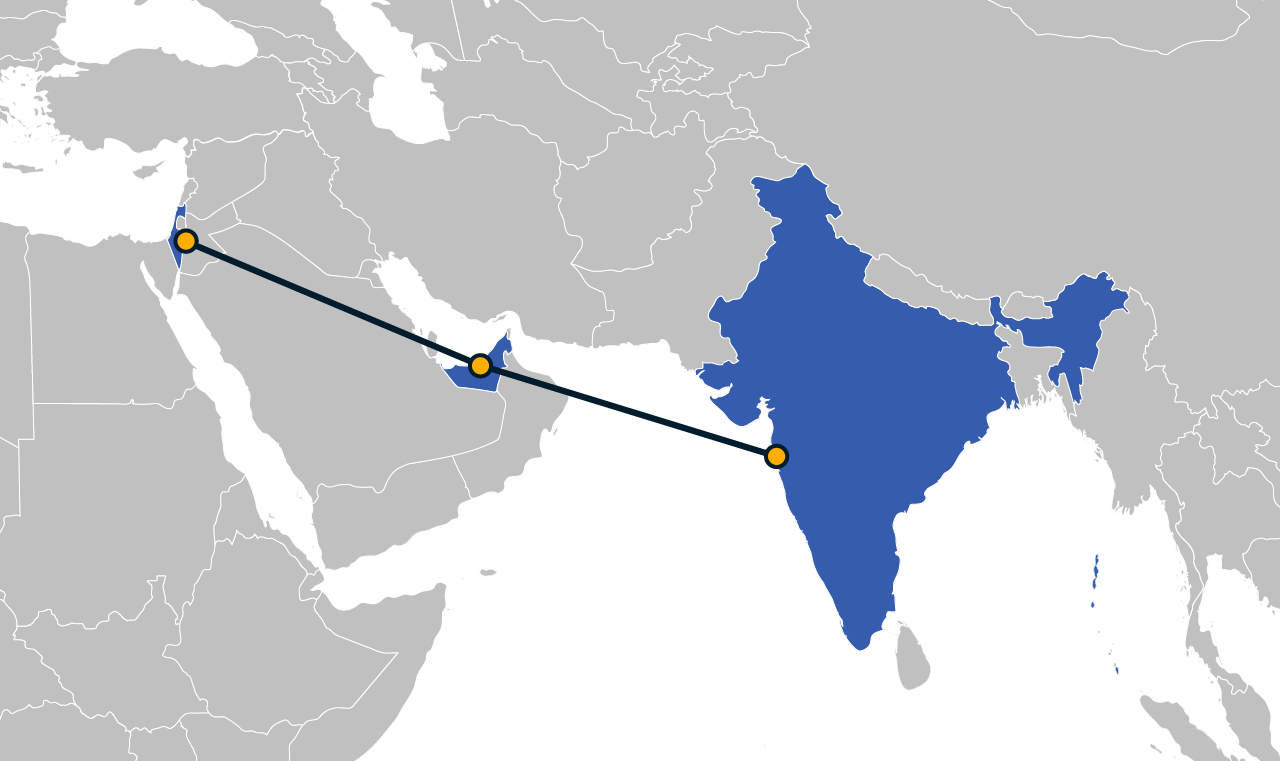
By Nantoo Banerjee It is good to note that the proposed India-UAE food corridor has already roped in a third partner, Israel. The project is expected to eventually involve the United States as well. The US was a key initiator of the historic four-nation I2U2 virtual summit in July 2022 bringing together leaders of India, […]

European Central Bank (ECB) economists have voiced their concerns regarding Bitcoin’s growing role in financial markets. They warn that the cryptocurrency’s rising value could potentially exacerbate wealth inequality, especially by benefiting early adopters and investors, thus concentrating wealth in fewer hands. Originally envisioned as a decentralized, global payment system, Bitcoin’s limited use in everyday transactions has raised questions about its broader societal impact, particularly as its speculative appeal overtakes its utility.

Bitcoin’s trajectory, especially in the post-pandemic economic landscape, has been closely monitored by institutions like the ECB. Analysts argue that its rapid appreciation has led to a divergence from its intended function, with its primary use now largely centered around investment rather than payments. This shift has had profound implications for wealth distribution. A significant portion of Bitcoin’s wealth is concentrated among a small group of holders, typically those who invested early, while new investors often enter the market at inflated prices, exposing themselves to financial risks without proportionate rewards.

The cryptocurrency’s volatile nature further complicates its role in financial ecosystems. While some advocate Bitcoin as a hedge against inflation, critics, including those at the ECB, believe its unpredictability makes it more of a speculative asset than a reliable store of value. This speculation-driven environment attracts a particular segment of the population, typically wealthier, tech-savvy investors, while leaving lower-income groups on the sidelines, thus reinforcing economic divides.

The energy-intensive process of Bitcoin mining has drawn criticism for its environmental impact, with ECB experts highlighting the environmental cost as another factor contributing to its unsustainability as a mainstream currency. These issues have caused European regulators to explore measures that could curb Bitcoin’s influence, particularly as central banks globally weigh the potential for digital currencies issued and controlled by state authorities. A shift towards Central Bank Digital Currencies (CBDCs), which are being developed in several countries, could serve as an alternative to cryptocurrencies like Bitcoin, offering the benefits of digital payments without the associated risks of speculative bubbles and wealth inequality.

The GCC is witnessing a pivotal moment in its financial landscape with the launch of the region’s first structured investment linked to Bitcoin. This innovative financial product is designed to offer investors exposure to the world’s leading cryptocurrency while also providing a level of capital protection. Financial experts view this development as a significant step toward integrating digital assets into traditional investment portfolios.

The structured investment product, introduced by a leading financial institution in the region, combines the potential high returns of Bitcoin with a structured payout mechanism. This approach aims to cater to the growing interest in cryptocurrencies among investors who seek both security and yield. By linking the investment to Bitcoin’s performance, the product allows participants to benefit from potential price appreciation while safeguarding their initial capital.

The launch comes amid a broader trend in the GCC, where various governments and financial regulators are increasingly recognizing the importance of digital currencies. Several states within the region are exploring frameworks for regulating cryptocurrencies, which could enhance investor confidence and stimulate market growth. The structured investment’s introduction is a reflection of this evolving landscape, indicating a growing acceptance of cryptocurrencies as viable financial instruments.

Market analysts suggest that the structured investment is likely to attract a diverse group of investors, including high-net-worth individuals and institutional players. The appeal lies in its ability to offer a balance between risk and reward, a characteristic that is becoming increasingly important in today’s volatile financial markets. As traditional investment avenues face challenges, products linked to digital assets provide an alternative for those looking to diversify their portfolios.

The recent surge in Bitcoin’s price has generated significant interest from both retail and institutional investors. Many view Bitcoin as a hedge against inflation and a potential store of value. This shift in perception has been instrumental in driving demand for Bitcoin-related products, including structured investments. Investors are increasingly looking to capitalize on the cryptocurrency’s price movements without fully committing to direct purchases of the asset.

While the product promises exciting opportunities, experts caution potential investors to consider the inherent risks associated with cryptocurrencies. The volatility of Bitcoin is well-documented, with significant price fluctuations occurring over short periods. Consequently, investors must assess their risk tolerance and investment objectives before participating in structured investment products linked to Bitcoin.

In conjunction with this launch, several regional financial institutions are ramping up their efforts to provide educational resources on cryptocurrencies and blockchain technology. Workshops, webinars, and informational sessions are being organized to equip investors with the knowledge necessary to navigate this emerging asset class. These initiatives aim to demystify cryptocurrencies and foster a more informed investor base, ultimately supporting the responsible growth of the market.

Regulatory bodies across the GCC are also taking steps to enhance their understanding of cryptocurrencies and their implications for financial markets. Collaborative efforts are underway to develop comprehensive regulatory frameworks that address the unique challenges posed by digital assets. Such measures are expected to create a safer environment for investors and promote sustainable growth in the sector.

The introduction of Bitcoin-linked structured investments is not limited to one specific country within the GCC. Various financial hubs in the region are embracing innovation and competing to become leaders in the cryptocurrency space. This competitive landscape is expected to drive further advancements and attract investment from both local and international players.

In response to the growing demand for cryptocurrency-related products, asset management firms are exploring innovative ways to integrate digital assets into their offerings. This trend reflects a broader shift in the investment landscape, where traditional financial institutions are increasingly accommodating digital currencies to meet the evolving preferences of their clients.

Despite the optimism surrounding Bitcoin-linked structured investments, potential investors should remain vigilant. The cryptocurrency market is characterized by rapid changes and unpredictable trends. Continuous monitoring of market dynamics and price movements is crucial for anyone looking to participate in these investment opportunities.

As the financial sector adapts to technological advancements, the introduction of structured investments linked to Bitcoin signals a broader acceptance of digital assets in the GCC. This development could pave the way for more sophisticated investment products in the future, further bridging the gap between traditional finance and the digital currency world.

Many industry experts see crypto as having the potential to shape the future of finance, and this year, Bitcoin’s all-time high reflected this sentiment. For traders looking to explore crypto markets, Octa, a globally recognised financial broker, offers valuable tips and insights to help beginners approach trading digital assets effectively. KUALA LUMPUR, MALAYSIA – Media OutReach Newswire – 18 October 2024 – These days, many traders in […]

The upcoming BRICS summit in Kazan, Russia, is closely monitored for potential developments in economic cooperation and currency strategies. With the introduction of new members and the ongoing development of a BRICS currency, this gathering could mark a significant turning point in international finance. Will the summit unveil a new era of economic cooperation and bring about a new currency? Global broker Octa provides the analytics. The […]

Injective Protocol’s native token, INJ, has seen an impressive price surge of 18% as anticipation builds for its upcoming listing on the Bitfinex exchange. This increase highlights the growing interest and momentum surrounding the Injective project, which has garnered significant attention within the cryptocurrency community. Market analysts are closely monitoring this development, especially as INJ approaches the critical psychological level of $35.

The excitement surrounding the listing on Bitfinex, a leading cryptocurrency exchange known for its advanced trading features, has drawn considerable investor interest. The official announcement regarding the listing sparked a flurry of trading activity, contributing to the significant uptick in INJ’s price. As the exchange gears up for the token’s introduction, traders are eagerly speculating on the potential for further gains.

Injective Protocol is a decentralized exchange (DEX) that aims to enhance trading experiences by offering a unique layer-2 solution on the Cosmos blockchain. Its innovative technology facilitates faster transaction speeds and lower fees, making it an attractive option for traders seeking efficient decentralized trading solutions. The recent developments highlight Injective’s strategic positioning within the growing DeFi landscape.

Market analysts suggest that the price surge of INJ reflects broader trends within the cryptocurrency market, particularly the increasing adoption of DeFi protocols. The demand for decentralized trading solutions has surged as traders seek alternatives to traditional exchanges amid rising regulatory scrutiny. This trend positions Injective Protocol as a key player in the evolving crypto ecosystem.

The Cosmos Network, which serves as the foundation for Injective Protocol, has been instrumental in the project’s success. With its interchain communication capabilities, Cosmos enables seamless interaction between different blockchains, enhancing the overall user experience. This interoperability has attracted numerous projects and investors to the Cosmos ecosystem, further bolstering Injective’s growth prospects.

The INJ token’s recent price movement has prompted speculation about its potential trajectory in the near term. Many traders are eyeing the $35 mark as a crucial target, with some analysts predicting that sustained interest could propel the token even higher. However, market volatility remains a concern, and traders are advised to exercise caution amid fluctuating conditions.

In addition to the excitement surrounding its listing, Injective Protocol has been actively expanding its ecosystem through partnerships and collaborations. The project has forged strategic alliances with various blockchain projects and DeFi platforms, enhancing its visibility and reach. This expansion is expected to play a crucial role in driving user adoption and increasing liquidity within the Injective ecosystem.

The project has been focusing on enhancing its platform’s features to attract a broader user base. Recent upgrades have introduced new functionalities, including advanced trading options and improved user interfaces. These enhancements are designed to cater to the needs of both retail and institutional traders, positioning Injective as a versatile trading platform.

Community engagement also plays a significant role in the project’s growth. Injective Protocol has fostered a strong community of supporters who actively participate in discussions and contribute to the project’s development. This community-driven approach has created a sense of ownership among users, further fueling interest in the INJ token.

As the cryptocurrency market continues to evolve, the significance of governance and decentralization has gained prominence. Injective Protocol allows INJ token holders to participate in governance decisions, giving them a voice in the future direction of the platform. This emphasis on decentralization aligns with the core principles of the cryptocurrency movement and enhances user confidence in the project.

The current market conditions present both opportunities and challenges for cryptocurrency projects, including Injective Protocol. While the surge in INJ’s price reflects positive sentiment, it is essential for traders and investors to remain vigilant. The dynamic nature of the crypto market means that price fluctuations can occur rapidly, necessitating informed decision-making.

In the context of broader market trends, the performance of major cryptocurrencies such as Bitcoin and Ethereum can significantly influence altcoin prices, including INJ. The interconnectedness of the cryptocurrency market means that shifts in sentiment toward larger assets can have cascading effects on smaller tokens. As such, market participants are advised to monitor developments closely.

FTT, the native token of the defunct FTX exchange, has witnessed a significant overnight price surge, raising eyebrows and suspicions within the cryptocurrency community. Currently trading close to the $3 mark, the token has experienced an impressive rally of approximately 16%. This sudden surge comes in the context of a broader recovery in the cryptocurrency market, which has seen various altcoins gaining momentum. However, many analysts are cautioning that this rise may not be a straightforward bullish signal, but rather a potential setup for market manipulation orchestrated by larger investors, commonly referred to as “whales.”

The surge in FTT’s price has been attributed to several factors, including increased trading volumes and speculative interest from investors hoping to capitalize on the anticipated recovery of cryptocurrencies following a turbulent period. Market dynamics have seen FTT becoming a focal point for traders, particularly as interest in altcoins resurges. However, the sudden nature of the price movement has led some analysts to speculate about the underlying motives driving this activity. The price rally appears disconnected from any fundamental developments associated with FTX, especially given the ongoing legal proceedings and regulatory scrutiny surrounding the exchange’s collapse.

Whale activity in the cryptocurrency market is well-documented and often leads to drastic price fluctuations. These larger holders can significantly influence market prices through large buy or sell orders, leading to manipulation concerns among smaller investors. Experts suggest that the current spike in FTT’s price may be an orchestrated move to entice retail investors to enter the market, potentially leaving them vulnerable to losses once larger investors decide to offload their holdings at a profit. This tactic is not new; similar patterns have been observed in the past, where sudden price surges preceded sharp declines, raising alarms about the integrity of market movements.

Market analysts are also examining the overall trading patterns of FTT. The trading volume has seen a marked increase, suggesting heightened interest. Data indicates that this surge could be a strategic play by whales looking to manipulate sentiment around FTT. Analysts advise caution, highlighting the historical context of FTT’s price fluctuations, which have been marked by volatility since the collapse of FTX. The token was once a key player in the crypto landscape but has struggled to regain its footing in the wake of significant regulatory challenges and public scrutiny.

As FTT nears the critical $3 threshold, the cryptocurrency market is rife with speculation. Many traders are monitoring the situation closely, attempting to discern whether this price increase represents a genuine recovery or a setup for a potential downturn. This pivotal moment may act as a litmus test for investor sentiment and the broader market’s reaction to price manipulations. The fear of being caught in a “whale trap” is palpable, especially for new entrants in the market who may lack the experience to navigate these complex dynamics.

Investors are urged to remain vigilant and to conduct thorough research before making decisions related to FTT or any other tokens exhibiting similar price patterns. The implications of whale manipulation can be severe, leading to significant financial losses for unsuspecting investors. Many market participants are advocating for increased transparency and regulatory oversight in the cryptocurrency space to protect investors from these potentially harmful practices.

Despite the challenges, there remains a strong community of supporters rallying around FTT and its potential for a comeback. Some proponents argue that the current rally is indicative of a broader trend within the cryptocurrency sector, where tokens can rebound despite adverse conditions. This perspective emphasizes the possibility of recovery and growth, contingent on improved market conditions and regulatory clarity.

The development of decentralized finance (DeFi) protocols and growing adoption of cryptocurrencies by mainstream financial institutions may provide a foundation for a more stable future for tokens like FTT. As the crypto market evolves, the ability to mitigate manipulation risks through technological advancements and regulatory frameworks will be critical in shaping investor confidence.

With the upcoming U.S. elections, the cryptocurrency market is seeing increased attention from investors seeking to diversify portfolios, particularly with altcoins. These smaller, often overlooked tokens are drawing considerable interest due to their unique positioning and technological advancements, promising significant gains during this volatile period. Several altcoins stand out as particularly promising bets in this election season, driven by evolving regulatory environments and investor interest.

As cryptocurrencies increasingly capture mainstream attention, some altcoins, especially those that solve real-world problems or tap into popular sectors like AI and decentralized finance (DeFi), are performing well. Altcoins are becoming crucial alternatives for those wanting to hedge bets outside major cryptocurrencies like Bitcoin and Ethereum.

Bittensor’s AI Integration Makes It a Key Player

Bittensor (TAO) is one of the more intriguing altcoins in the spotlight. Its integration of artificial intelligence and decentralized machine learning through the Yuma Consensus mechanism is attracting tech-driven investors. Unlike many cryptos focusing solely on blockchain for financial transactions, Bittensor’s network allows machine learning services to be paid for using its TAO tokens, democratizing access to these services. TAO has witnessed strong growth this year, aided by its listing on Binance, pushing it into the ranks of top AI-centric tokens. This intersection between AI and crypto is a significant trend that could help Bittensor continue its upward trajectory.

Optimism’s Layer-2 Solution Unlocks Ethereum’s Potential

Optimism (OP), a Layer-2 solution on Ethereum, continues to impress investors by addressing Ethereum’s scalability issues. Its adoption of Optimistic Rollups allows faster and cheaper transactions, making decentralized finance (DeFi), NFTs, and gaming more accessible. With Ethereum’s scalability upgrades still in progress, Optimism fills the gap, attracting users looking to avoid high transaction fees and slow confirmation times on Ethereum’s mainnet. Optimism’s Bedrock upgrade, launched in 2023, further lowered fees and increased processing speed, reinforcing its status as a top candidate for investment during this election cycle.

BNB’s Resilience Amid Challenges

A significant legal battle looms as Chainalysis prepares for court regarding a $650 million defamation lawsuit initiated by the creators of YieldNodes. This case, which emerged from allegations that Chainalysis branded YieldNodes as an “investment scam,” has captured attention in the cryptocurrency and financial sectors. The lawsuit, filed in January, asserts that Chainalysis’s statements severely damaged the reputation and operations of YieldNodes.

YieldNodes, a platform that allows users to generate passive income through cryptocurrency investments, claims that Chainalysis’s assertions have negatively impacted their business model and investor confidence. The plaintiffs contend that the accusations have led to substantial financial losses and undermined their efforts to establish YieldNodes as a legitimate enterprise within the cryptocurrency ecosystem. The creators of YieldNodes argue that Chainalysis’s labeling of their operations as fraudulent constitutes defamation, and they seek reparations for the damages incurred.

Chainalysis has responded robustly to these allegations, denying any wrongdoing and asserting that their analyses are based on evidence gathered during their investigations into cryptocurrency operations. The analytics firm, known for its role in tracking blockchain transactions and providing insights into potential illicit activities, contends that its statements were grounded in factual observations related to suspicious activities tied to YieldNodes. Chainalysis has also filed motions to dismiss the lawsuit, arguing that the plaintiffs have failed to substantiate their claims with concrete evidence.

The lawsuit raises critical questions about the boundaries of free speech and responsible reporting in the rapidly evolving world of cryptocurrency. Chainalysis, as a prominent player in the blockchain analytics space, has a vested interest in maintaining its reputation as a credible source of information for regulators, law enforcement agencies, and the cryptocurrency community. As such, the firm defends its analysis as essential to combating fraud and ensuring the integrity of the market.

Legal experts suggest that the outcome of this case could set important precedents regarding defamation claims in the cryptocurrency sector. As the industry continues to mature, the lines between legitimate investment opportunities and fraudulent schemes are becoming increasingly blurred. This case could influence how companies navigate their public relations and disclosure strategies in an environment fraught with regulatory uncertainty and reputational risk.

The court proceedings will involve examining the standards for defamation, including whether Chainalysis acted with actual malice or if the statements were made in good faith based on the information available at the time. The distinction between subjective opinion and actionable statements of fact will also be pivotal in determining the case’s outcome. As both parties prepare for the courtroom, the stakes are high for both YieldNodes and Chainalysis, as the decision will likely impact the future of defamation law within the cryptocurrency context.

The case highlights the increasing tensions between companies operating in the cryptocurrency space and those tasked with monitoring and regulating it. YieldNodes represents a growing trend of companies attempting to legitimize their offerings amid rampant speculation and potential fraud in the market. At the same time, firms like Chainalysis emphasize their role as watchdogs, attempting to safeguard investors by providing transparency and analysis.

As the cryptocurrency market continues to evolve, this legal battle underscores the ongoing challenges companies face in balancing innovation with the scrutiny of regulatory authorities and public perception. The outcome of the lawsuit may influence how firms communicate about potential risks and allegations in the future, potentially leading to more stringent standards for public disclosures.

The court date is anticipated to be closely watched by industry stakeholders and legal analysts alike, as it may illuminate the complex interplay between defamation claims, freedom of speech, and the cryptocurrency landscape. This case serves as a reminder of the legal implications that arise as the cryptocurrency market becomes more mainstream and subject to scrutiny.

YieldNodes and Chainalysis’s confrontation illustrates the broader challenges faced by the cryptocurrency industry. As companies strive to build credibility and trust among investors, they must also navigate a minefield of potential allegations and reputational risks. The unfolding legal drama may also encourage companies to adopt clearer communication strategies and engage with legal counsel to mitigate risks associated with public statements.

The market capitalization of PayPal’s PYUSD stablecoin has dropped significantly, falling by 40% from over $1 billion in August to approximately $618 million in a span of just 90 days. This substantial decline appears to be largely attributed to a reduction in the circulating supply of PYUSD on the Solana blockchain, which has been a critical platform for its trading and usage.

PYUSD, introduced by PayPal in August 2023, was designed to provide users with a reliable digital currency that could facilitate transactions and offer a means of value storage within the PayPal ecosystem. Despite its initial success, this latest decline raises concerns regarding the stablecoin’s stability and acceptance in a competitive market, particularly as other cryptocurrencies and stablecoins vie for market share.

One of the main factors behind the market cap decline is the reduced circulating supply on Solana. As a blockchain that supports rapid transactions and lower fees, Solana has been integral to PYUSD’s utility. However, the supply reduction indicates a shrinking user base or decreased demand for the stablecoin within this ecosystem. Market analysts suggest that a diminished supply can lead to reduced confidence in a stablecoin’s ability to maintain its value, potentially triggering a sell-off by investors.

The broader cryptocurrency market has experienced volatility, influencing investor sentiment and trading behavior. PYUSD’s market cap reduction is reflective of the challenges faced by many digital currencies in maintaining stable values amid fluctuating demand. Competing stablecoins, particularly Tether (USDT) and USD Coin (USDC), continue to dominate the market with larger market capitalizations and established user bases. These competitors have managed to sustain trust among investors, unlike PYUSD, which is now seen as struggling to find its footing in the rapidly evolving cryptocurrency landscape.

Despite these challenges, PayPal remains committed to its digital currency initiatives. The company has reiterated its vision of integrating cryptocurrencies into its services and enhancing user experiences with digital payments. Experts believe that PayPal’s established reputation and extensive user base provide a unique advantage, which could be leveraged to revitalize the PYUSD stablecoin.

The declining market cap has led to increased scrutiny from regulatory bodies as well. Governments and financial institutions worldwide are keenly observing how companies like PayPal navigate the complex regulatory landscape surrounding digital currencies. The fallout from PYUSD’s market cap reduction may prompt additional regulatory oversight, emphasizing the importance of transparency and stability in the cryptocurrency sector.

Analysts are closely monitoring user engagement with PYUSD. As digital payments continue to evolve, the preference for cryptocurrencies as a transactional tool could reshape how users interact with stablecoins like PYUSD. PayPal’s integration of PYUSD within its platform could be pivotal in reigniting interest and expanding its user base. The company’s ability to innovate and adapt to market changes will be crucial in determining the future of its stablecoin offerings.

The decline in PYUSD’s market cap also underscores broader trends within the cryptocurrency market. The stablecoin sector has faced increased competition, with various projects emerging to meet diverse consumer needs. User preferences are shifting towards stablecoins that not only provide price stability but also facilitate seamless integration within broader financial ecosystems. This trend poses a challenge for established players like PayPal, which must continuously innovate to retain relevance in the market.

The dynamics of the cryptocurrency landscape are changing rapidly, with traditional financial institutions entering the space and offering their own digital currencies. These developments are creating a more competitive environment, which may further impact the performance of PYUSD and other stablecoins.

Alex Svanevik, CEO of Nansen, a leading multi-chain analytics platform, has revealed that his application for permanent residency in Singapore has been denied, despite his significant contributions to the local economy, which include raising over $88 million in capital and creating more than 25 jobs. This decision underscores the challenges faced by entrepreneurs in navigating Singapore’s increasingly stringent immigration policies, a situation that is causing frustration among many in the startup community.

Singapore has long been regarded as a prime destination for tech entrepreneurs and startups, particularly in the cryptocurrency sector. The city-state’s favorable regulatory environment and robust financial ecosystem have attracted numerous international companies. However, Svanevik’s experience signals a growing unease about the government’s immigration stance, especially as it pertains to the tech industry. His wife’s successful permanent residency application adds to the complexity of their situation, as it raises questions about the criteria being applied to applicants in similar circumstances.

Svanevik’s application rejection has not only raised eyebrows but also reignited debates regarding Singapore’s immigration policies, particularly for tech startups. The government has made various efforts to cultivate a conducive environment for businesses, including the introduction of the Tech.Pass program, which targets experienced tech entrepreneurs. Yet, as Svanevik’s case illustrates, many in the sector still find themselves grappling with restrictive residency criteria.

The competition for talent among global cities remains fierce, with many tech entrepreneurs looking beyond Singapore for alternatives. Dubai, Hong Kong, and Japan have emerged as viable options for those seeking residency in countries with favorable business climates. In Dubai, entrepreneurs are required to establish a project with a valuation of at least $135,000 to qualify for residency. Hong Kong offers a pathway for those who can demonstrate that their business contributes to the local economy or if they can invest a minimum of $3.8 million. Japan mandates that applicants earn an annual income of at least $134,000 to obtain residency.

This growing trend of looking elsewhere is evident among other startups and entrepreneurs in Singapore, who are also expressing concerns about the limitations of the current immigration framework. As the global economy continues to evolve, these entrepreneurs are assessing their options, weighing the benefits of relocating against the stability and resources available in Singapore.

The situation has drawn attention not only from the local tech community but also from policymakers and immigration experts. They emphasize the importance of revisiting and potentially reforming immigration policies to better align with the needs of the startup ecosystem. As the demand for skilled workers in the tech sector intensifies, a more flexible immigration framework may be necessary to maintain Singapore’s status as a hub for innovation.

The ripple effects of this scrutiny on immigration policies extend beyond individual cases like Svanevik’s. The discourse around Singapore’s immigration policies has implications for its overall competitiveness in the global market. If prospective entrepreneurs perceive the residency process as overly cumbersome or inconsistent, they may choose to invest their resources and talents in alternative markets that offer more welcoming immigration policies.

As Singapore grapples with balancing economic growth and immigration, the government is tasked with addressing the concerns of its business community. Ensuring that immigration processes are transparent, equitable, and conducive to entrepreneurship will be vital in retaining and attracting top talent. The need for an adaptable immigration framework is becoming increasingly urgent, especially as competition intensifies among global cities vying for the best and brightest.

In light of these challenges, entrepreneurs like Svanevik continue to advocate for change. Their experiences serve as case studies for a broader dialogue about how immigration policies can evolve to meet the demands of a dynamic tech landscape. The focus on improving residency processes for startups could ultimately position Singapore as a more favorable destination for global talent, helping to sustain its growth and innovation trajectory.

The push for reform also resonates with the experiences of other expatriates and startups operating in Singapore. Many have encountered hurdles when attempting to secure residency, despite their contributions to the economy. These experiences often lead to frustration and uncertainty, making it imperative for the government to revisit its approach to immigration.

A resurgence of optimism in the crypto market is gaining momentum, as JPMorgan analysts predict significant growth for Bitcoin and other cryptocurrencies, driven by a range of geopolitical and financial factors. The prospect of Donald Trump’s return to the U.S. presidency in 2025 has emerged as a key element in the bank’s optimistic outlook. Trump’s potential win is seen as a possible catalyst for regulatory shifts that could provide greater clarity and support for digital assets, with Bitcoin expected to be one of the primary beneficiaries.

While political developments are central to JPMorgan’s forecast, other significant factors are also influencing its stance. The winding down of the Mt. Gox and Genesis liquidation processes could lead to reinvestment in the market. Moreover, the potential resolution of the FTX bankruptcy case is another critical factor, as recovered assets from the exchange may be reinvested, bringing additional liquidity and stability to the crypto ecosystem.

The bank’s analysts have pointed to the rising market capitalization of stablecoins as a further indication of growing institutional confidence in the sector. Stablecoins, which provide a bridge between the fiat and crypto worlds, are increasingly being viewed as essential components of the global financial system. Their expanding role may support broader market stability, enhancing the appeal of cryptocurrencies as viable assets in traditional finance.

JPMorgan’s analysis also aligns with broader market sentiments, where Trump’s increasing odds in the upcoming 2024 presidential election have sparked renewed enthusiasm within the crypto space. His policies, particularly his prior statements on deregulation and economic growth, are viewed as favorable to a pro-crypto agenda. This has driven a rally in crypto stocks, including key players like Marathon Digital and Coinbase, with many seeing Trump’s potential presidency as a boost to the digital currency industry.

World Liberty Financial has launched its WLFI token sale to the public, attracting significant attention from investors. Approximately 655 million tokens were sold at a price of $0.015 each, generating around $9.825 million in sales. Despite over 100,000 individuals signing up for the whitelist, the company has encountered hurdles, with a staggering 19.345 billion tokens still remaining available for purchase.

The WLFI token sale is part of World Liberty Financial’s strategy to raise $300 million by offering 20% of its total token supply, which is valued at $1.5 billion. However, the initial response to the token sale has highlighted challenges in reaching its ambitious financial goals. The sale’s low performance relative to its target has raised questions about investor confidence and market demand for the WLFI tokens.

Technical difficulties have also plagued the token sale. Many potential investors reported intermittent downtimes on the official sale website, which hindered access during critical moments of the launch. This limited availability could have impacted the ability of interested buyers to participate in the sale, potentially affecting the total amount raised.

World Liberty Financial, linked to former President Donald Trump, aims to position itself in the burgeoning cryptocurrency market, which has been experiencing both volatility and growth. The launch of the WLFI token is seen as a pivotal moment for the company as it attempts to carve out a space in an increasingly competitive landscape.

The WLFI token is designed to facilitate various transactions within the World Liberty Financial ecosystem, which aims to provide innovative financial solutions. The token’s intended utility includes enabling faster and cheaper transactions while offering a platform for various financial services. However, the initial market reception and the remaining token supply may pose significant challenges in achieving these objectives.

Market analysts are closely monitoring the developments surrounding the WLFI token sale, noting that the cryptocurrency market is experiencing a period of adjustment. The fluctuating prices of cryptocurrencies and the ongoing regulatory scrutiny in various jurisdictions have created an environment of uncertainty for investors. Consequently, the initial uptake of the WLFI token may reflect broader market sentiments regarding new cryptocurrency offerings.

Investor sentiment is also influenced by the broader implications of former President Trump’s involvement in the cryptocurrency space. While some investors may view this connection as a potential advantage, others may harbor skepticism based on past controversies associated with Trump’s business ventures. This complex dynamic could play a significant role in shaping the token’s perceived value and overall market performance.

The launch of the WLFI token sale comes at a time when the cryptocurrency market is witnessing a surge in initial coin offerings (ICOs) and token sales. Many projects are vying for investor attention, making it essential for new entrants like World Liberty Financial to differentiate themselves effectively. The current landscape requires not only innovative technology and robust business models but also transparent communication and trust-building with potential investors.

As the WLFI token sale progresses, the company’s ability to adapt to market challenges will be critical. Addressing technical issues, improving accessibility for investors, and fostering confidence in the WLFI token’s value will be paramount. Analysts suggest that a proactive approach in engaging with the investor community and enhancing the overall user experience on the sale platform could mitigate some of the initial setbacks.

The performance of the WLFI token in the coming weeks will likely provide crucial insights into its long-term viability and the company’s potential to achieve its financial goals. Market watchers will be keen to see whether World Liberty Financial can capitalize on the initial interest in its token and translate it into sustained investor support.

Tesla has shifted its substantial Bitcoin holdings, totaling 11,500 BTC, valued at roughly $760 million, to new, unmarked digital addresses. This significant movement has sparked speculation regarding the company’s intentions concerning its cryptocurrency assets. As the electric vehicle manufacturer is known for its dynamic approach to digital currencies, the implications of this transfer could have noteworthy impacts on market trends and investor sentiment.

The transfer was made public through blockchain analytics platforms, which indicated that the entire Bitcoin stash was moved on October 15. The sudden shift to new addresses raises questions about Tesla’s strategy regarding Bitcoin, especially after CEO Elon Musk’s past enthusiasm for cryptocurrencies. This action comes amid a backdrop of fluctuating Bitcoin prices and a market that has shown volatility due to regulatory scrutiny and macroeconomic conditions.

Musk’s relationship with Bitcoin has been well-documented, with Tesla initially investing heavily in the cryptocurrency last year. In February 2021, Tesla disclosed that it had purchased $1.5 billion worth of Bitcoin, which contributed to a surge in its value. However, following concerns about Bitcoin’s environmental impact, Musk announced in May 2021 that Tesla would stop accepting Bitcoin as payment, a decision that sent shockwaves through the cryptocurrency market.

The latest transfer has led to widespread speculation among analysts and investors. Some believe that Tesla might be repositioning itself within the cryptocurrency market, potentially indicating a future strategy that could involve selling or reinvesting its Bitcoin holdings. The company’s previous actions, including liquidating a portion of its Bitcoin assets in 2022, have created a precedent for such speculation.

Blockchain experts have highlighted the importance of understanding the new addresses to which the Bitcoin has been transferred. Without clear indications of ownership, it remains uncertain whether these addresses are still associated with Tesla or if they represent a shift in ownership. The lack of transparency surrounding these transfers is common in the cryptocurrency space, where pseudonymity is a fundamental feature. However, this characteristic can lead to uncertainty and speculation regarding the motivations behind such significant movements.

Market analysts have observed that Tesla’s transfer of Bitcoin could also be a tactical move to shield its assets from market volatility. By moving Bitcoin to new addresses, the company might be aiming to mitigate risk and enhance security. Such actions are not uncommon among large holders of cryptocurrency, especially during periods of heightened regulatory scrutiny or market fluctuations.

The timing of the transfer coincides with a broader trend of institutional interest in Bitcoin and other cryptocurrencies. Many companies are reassessing their positions in digital assets, and Tesla’s move could be indicative of a larger shift within corporate strategies concerning cryptocurrencies. The ongoing dialogue surrounding cryptocurrency regulation, especially in the United States and Europe, continues to influence corporate decisions.

Elon Musk’s comments on Twitter have historically impacted Bitcoin prices. His influence in the cryptocurrency realm is both significant and contentious. Therefore, any indications of Tesla’s plans for its Bitcoin holdings could sway market perceptions and trading patterns. Industry observers will be closely monitoring Tesla’s next steps and any public statements from Musk regarding the company’s cryptocurrency strategy.

As the cryptocurrency landscape evolves, the actions of high-profile companies like Tesla are crucial in shaping investor sentiment and market dynamics. The movement of such a large Bitcoin holding adds an additional layer of complexity to an already intricate market. Investors are left to ponder whether this transfer is a prelude to selling, a strategy to fortify assets against volatility, or a reallocation of holdings in light of regulatory developments.

The cryptocurrency market has seen an uptick in both institutional and retail investor activity as Bitcoin and other digital assets continue to garner mainstream attention. Amid this growing interest, companies are reevaluating their positions in cryptocurrencies, and Tesla’s actions will likely serve as a case study in corporate cryptocurrency strategy. The decisions made by Tesla regarding its Bitcoin holdings could influence other corporations in the sector, shaping their future engagements with digital currencies.

KUALA LUMPUR, MALAYSIA – Media OutReach Newswire – 16 October 2024 – The U.S. dollar holds significant sway over global markets, particularly for traders in India and Southeast Asia. This release highlights the critical importance of monitoring the dollar’s value and explores how its fluctuations affect currency pairs, commodity prices, and market strategies in the region. The U.S. dollar’s dominance in global trade and finance is unparalleled. […]

VISHNU RAJA
RYO YAMADA
HITORI GOTOH
IKUYO KITA