Just in:
TVM –Mangaluru Vande Bharat claims top spot // Motorola introduces Signature 27 flagship priced at $1,599 // Dubai details five-year visa benefits for returning visitors // Dubai boat show confirms international shipyard line-up for November // Emaar approves Development buyout ahead of planned delisting // Trump’s Iran War Has A Share Of Contribution To His Midterm Debacle // Ousted top Kochi cop gets IG post // e-Crime Bureau Signs Cybersecurity Partnership With Smart Africa, Reinforcing Its Global Expansion // Technology shares plunge as Nasdaq enters correction // CR Longdation Aethereal Cybersecurity × Global Cybersecurity Alliance (GCSA) Join Hands to Establish the “AI and Cybersecurity Research Centre” // Meraas showcases five residential zones at Dubai Design Week // Hong Kong mandates crypto transaction disclosures to tax authorities // Miss Universe Hong Kong Jen Zhou Departs for Puerto Rico to Compete in the 75th Miss Universe World Final // Beyond the exhibition floor: How robots, AI and networks are moving into the real world // Kochi police detain two actors over bid to honey trap doctor // UK air traffic outage inflicted £33m financial losses // Asia Left Behind: Ten international companies have yet to report delivering on their cage-free egg pledges across the region // Oil and chip shares retreat after Democratic victories // Emirates Group records AED 4.1 billion half-year profit // The “1st Greater Bay Area Health and Longevity Summit & Awards Ceremony” concludes successfully in Macao //

News related to
currency

Dubai’s booming real estate sector continues to attract global investors with promises of tax-free gains, high rental yields, and luxury living. However, behind the glossy brochures and aggressive marketing campaigns lie significant risks that could catch unprepared buyers off guard—particularly those unfamiliar with the city’s legal, financial, and regulatory landscape.

Property prices in Dubai have surged by 75% since early 2021, nearing levels last seen before the 2008 crash. This growth is fuelled by foreign capital, liberalised visa policies, and a construction spree that includes nearly 76,000 new units slated for completion in 2025. Yet, this rapid expansion raises concerns about potential oversupply, especially in mid-range and off-plan segments, which could suppress future returns.

Off-plan properties, often sold with enticing payment plans requiring just 10–20% upfront, dominate the market. These schemes, while attractive, carry risks such as construction delays, quality issues, and even project cancellations. Despite regulatory measures like escrow accounts, buyers may still face financial losses if developers fail to deliver as promised.

The legal framework in Dubai presents challenges for foreign investors. While freehold zones permit full ownership, navigating the complexities of property inheritance, dispute resolution, and contract enforcement can be daunting. The legal system, influenced by Sharia law, may not align with the expectations of buyers from other jurisdictions, making professional legal advice essential.

Financially, the costs associated with purchasing property extend beyond the advertised price. Buyers must account for a 4% Dubai Land Department transfer fee, a 2% agent commission, and additional expenses such as title deed issuance, mortgage registration, and maintenance fees. Notably, banks no longer finance these ancillary costs, requiring buyers to have substantial liquidity upfront.

Currency exchange fluctuations pose another risk for international investors. Since the UAE dirham is pegged to the US dollar, buyers dealing in other currencies may find their investments affected by exchange rate movements, potentially eroding returns when converting profits back to their home currency.

Regulatory changes can also impact the real estate landscape. Adjustments to visa policies, property ownership laws, or mortgage regulations could alter the investment climate. For instance, while long-term residency visas have bolstered investor confidence, any future policy shifts could affect property values and rental demand.

The influx of wealthy individuals into Dubai has driven up property prices, particularly in luxury segments. However, this trend has also led to increased living costs, making affordability a growing concern for middle-income residents. Rising service charges and maintenance fees in upscale communities can further strain budgets, affecting the overall return on investment.

Cryptocurrency mining companies have registered a notable surge following the announcement of a strategic partnership between OpenAI and CoreWeave, a leading cloud computing provider. This alliance signals a growing intersection between artificial intelligence infrastructure and blockchain technology, propelling mining stocks higher and generating renewed investor interest in the sector.

CoreWeave, known for its specialised GPU-powered cloud services tailored to AI workloads, has struck a deal to supply critical computational capacity for OpenAI’s expanding suite of applications. This development positions CoreWeave as a vital player in supporting the back-end infrastructure of AI innovation. The company’s move has rippled through the crypto mining ecosystem, where hardware capable of efficiently processing complex algorithms is central to mining operations.

Investors responded positively to CoreWeave’s enhanced profile, with shares of prominent crypto mining firms climbing on various exchanges. The broader cryptocurrency market, however, displayed a more cautious stance, maintaining a consolidation phase despite escalating inflation expectations that often trigger volatility. This divergence highlights the nuanced market dynamics where infrastructure providers linked to AI growth are gaining momentum independent of general crypto price trends.

The launch of Galaxy Digital on the Nasdaq exchange further accentuated market activity around crypto-related firms. Galaxy Digital, a diversified financial services and investment management firm focusing on digital assets and blockchain technology, made a striking debut with its share price surging significantly on the first day of trading. The successful Nasdaq listing underscores growing institutional interest in the crypto and blockchain sectors, affirming confidence in their long-term viability despite fluctuating asset prices.

Market analysts note that the OpenAI-CoreWeave partnership exemplifies the convergence of artificial intelligence and blockchain technology, two sectors undergoing rapid expansion. This synergy offers mining companies an avenue to diversify and stabilise revenues by capitalising on increased demand for computational power beyond traditional cryptocurrency mining. As AI applications become more sophisticated and resource-intensive, providers like CoreWeave stand to benefit from expanded contracts and elevated valuations.

The partnership also sheds light on evolving mining operations, which now encompass hybrid models combining cryptocurrency validation with AI data processing tasks. This integration potentially improves profitability and operational resilience amid regulatory uncertainties and market fluctuations in the crypto domain. Mining firms that embrace such technological advancements may position themselves ahead of competitors relying solely on conventional blockchain mining.

Despite these promising developments, the crypto market continues to face challenges from macroeconomic factors, notably inflation expectations that often influence investor behaviour. Although asset prices across major markets, including cryptocurrencies, largely shrugged off these concerns, some volatility is expected as central banks adjust monetary policies. Cryptocurrency’s inherent volatility remains a consideration for both retail and institutional investors, who must weigh technological advancements against broader economic risks.

CoreWeave’s strategic positioning within this ecosystem is particularly significant given the rising demand for GPU-intensive workloads. The company’s infrastructure supports not only OpenAI’s needs but also a wide array of AI-driven enterprises, creating a robust client base and diversified revenue streams. This diversification contrasts with many mining firms whose fortunes are tightly correlated to cryptocurrency price cycles, adding an element of stability that appeals to investors.

Galaxy Digital’s Nasdaq listing is emblematic of the maturing crypto investment landscape. Founded by industry veteran Michael Novogratz, the firm has established itself as a critical bridge between traditional financial markets and the digital asset space. Its successful public offering reflects growing acceptance and integration of digital assets within mainstream finance, an important milestone for the sector.

Market watchers observe that while the immediate reaction favours companies linked to AI and cloud computing, the broader cryptocurrency market is navigating a complex environment marked by geopolitical tensions, regulatory scrutiny, and shifting monetary policies. These factors contribute to a cautious sentiment among traders, with prices consolidating rather than surging dramatically.

Nonetheless, the interplay between AI infrastructure providers and crypto mining firms represents a promising frontier. This convergence may drive innovation in both fields, fostering new business models and operational efficiencies. Companies that adapt to this trend could harness the dual momentum of AI growth and blockchain technology to sustain competitive advantages.

Dogecoin has witnessed significant accumulation by large holders, with so-called whales amassing more than one billion DOGE tokens amid key technical support forming near the $0.21 price level. This activity underscores a notable resilience in the meme-inspired cryptocurrency despite volatile price swings exceeding 4%, signaling potential upward momentum within the market.

Market data reveals that addresses holding between 100,000 and 10 million DOGE have collectively increased their holdings in recent weeks. This behaviour contrasts with retail investors who have shown more erratic trading patterns, pointing to growing confidence among institutional or high-net-worth participants. These larger players typically exert considerable influence on price dynamics, and their accumulation suggests an expectation of future gains.

Dogecoin’s price has stabilised around the $0.212 mark, a level identified by technical analysts as a critical support zone. This threshold has historically acted as a buffer preventing further declines during downward market pressures. Despite the broader cryptocurrency market experiencing turbulence, DOGE’s ability to hold this support hints at underlying strength in demand and investor interest.

Volatility remains a defining feature of Dogecoin’s market movements. Price fluctuations of over 4% within short timeframes have created a challenging environment for traders but have not deterred whale investors. Their continued accumulation during such swings points to a strategic long-term outlook rather than short-term speculative trading.

Experts highlight that the unique cultural and community-driven aspects of Dogecoin contribute to its enduring popularity. Unlike many cryptocurrencies built solely for utility or investment, DOGE benefits from a robust online community and high-profile endorsements, which can act as catalysts during market dips. This social factor often translates into tangible market activity, especially among larger holders who gauge community sentiment as part of their investment calculus.

The increasing concentration of DOGE among whale addresses also raises questions about liquidity and potential price manipulation risks. When a small number of holders control a significant portion of a token’s supply, market swings can be amplified. However, analysts note that the current accumulation patterns appear more aligned with organic positioning rather than coordinated efforts to influence prices artificially.

Further, Dogecoin’s integration in various payment systems and its acceptance among select merchants contribute to its utility value. This adoption enhances the token’s attractiveness beyond speculative appeal, supporting demand from users who transact regularly with DOGE. The presence of large holders accumulating during periods of price weakness could indicate confidence in the token’s sustained relevance in payments and microtransactions.

Technological developments within the Dogecoin ecosystem remain modest compared to other projects but continue to evolve. Ongoing discussions around potential protocol upgrades and partnerships seek to enhance scalability and transaction efficiency. While these improvements are incremental, they add to the positive sentiment surrounding DOGE’s future prospects.

Market watchers are also closely monitoring the broader macroeconomic environment influencing cryptocurrencies. Factors such as regulatory scrutiny, interest rate policies, and global economic trends have a direct impact on investor behaviour across digital assets. Dogecoin’s ability to maintain a firm support level amid these conditions suggests it may be carving out a distinct niche in an increasingly crowded market.

Despite the meme coin’s history of sharp rallies and corrections, the current whale-driven accumulation phase points to a shift toward more sustained price stability. This could create a foundation for renewed upward trends if buying pressure continues to outweigh selling activity.

Matein Khalid The US Treasury bond market is unnerved by Powell’s reluctance to cut rates at the May FOMC and increasing short bets on long duration Uncle Sam IOUs by the world’s biggest hedge funds. This is the reason the 2-year Treasury note yield, the single security most sensitive to changes in expectation of US central bank monetary policy, has risen 15 basis points this week to […]

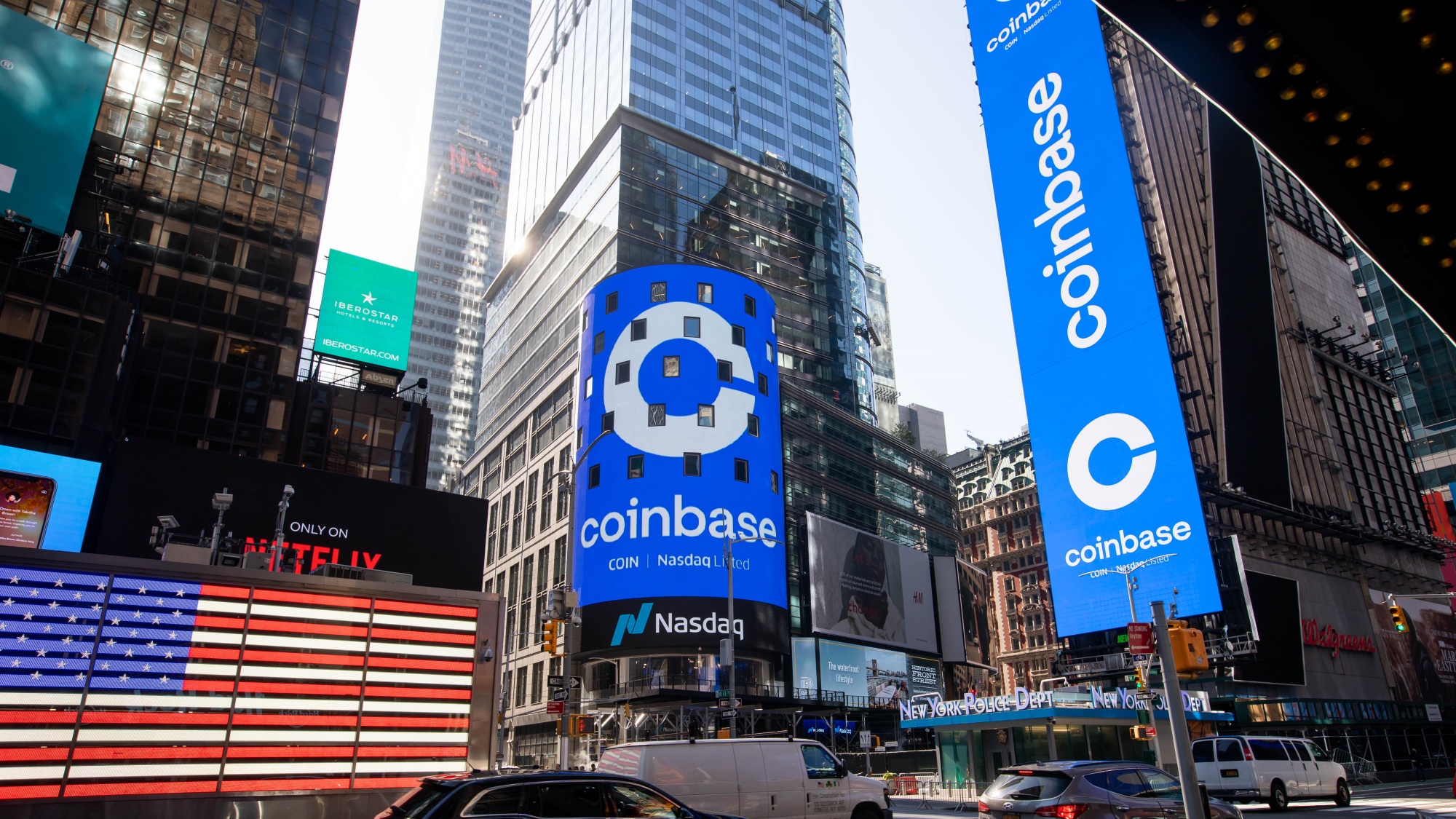
Sequoia Capital’s managing partner, Roelof Botha, has been identified among the victims of a significant data breach at Coinbase Global Inc., the largest cryptocurrency exchange in the United States. The breach, which affected approximately 97,000 users, involved the theft of personal information, including names, contact details, government-issued identification images, and account histories. Coinbase disclosed that cybercriminals bribed overseas customer support agents to gain unauthorized access to sensitive […]

Dunamu, the parent company of South Korea’s largest cryptocurrency exchange Upbit, concluded 2024 with a substantial Bitcoin reserve of 16,839 BTC, valued at approximately $1.1 billion based on year-end prices. This accumulation primarily stems from trading and withdrawal fees collected over the years, reflecting the firm’s dominant position in the domestic digital asset market.

The disclosure of these holdings coincides with Dunamu’s announcement of an 85.1% year-over-year increase in operating profit, reaching 1.18 trillion Korean won , and a 22.2% rise in net profit to 983.8 billion won for 2024. The company attributes this financial upswing to heightened trading activity following Bitcoin’s halving event in April, which reduced mining rewards and historically leads to increased market volatility and investor interest.

Contributing to the favorable market conditions were global macroeconomic factors, including expectations of U.S. interest rate cuts and a pro-cryptocurrency stance from the administration of President Donald Trump. These elements fostered increased liquidity and investor confidence, benefiting platforms like Upbit.

In response to its robust financial performance, Dunamu announced a tripling of shareholder dividends, distributing 8,777 Korean won per common share, up from 2,937 won the previous year. The total dividend payout amounts to nearly 300 billion won , signaling the company’s confidence in its sustained growth trajectory.

Despite these achievements, Dunamu faces significant regulatory challenges. South Korea’s Financial Intelligence Unit imposed a three-month suspension on Upbit, citing violations related to transactions with unregistered virtual asset operators and deficiencies in Know Your Customer protocols. The suspension specifically targeted new customer registrations and their ability to transfer virtual assets.

Dunamu contested the FIU’s decision, arguing that the sanctions were disproportionate and did not consider the company’s compliance efforts. A Seoul court temporarily lifted the suspension, granting Dunamu a 30-day injunction to challenge the regulatory action. This legal reprieve allows Upbit to continue operations while the dispute is adjudicated.

The regulatory scrutiny has had a tangible impact on Dunamu’s market valuation. Reports indicate that the company’s unlisted stock price declined by nearly 30% amid the ongoing investigations and enforcement actions. Analysts suggest that the outcome of the legal proceedings and Dunamu’s ability to address compliance concerns will be critical in restoring investor confidence.

Upbit maintains a commanding presence in South Korea’s cryptocurrency market, accounting for over 70% of domestic trading volume. In February 2024, the exchange reported a monthly trading volume of $101 billion, underscoring its significance in the country’s digital asset ecosystem.

FTX, the defunct cryptocurrency exchange that filed for bankruptcy in November 2022, is poised to commence payouts exceeding $5 billion to its creditors starting May 30, 2025. This marks a significant milestone in one of the most complex bankruptcy proceedings in the crypto industry.

Under the court-approved reorganization plan, approximately 98% of FTX’s creditors are expected to recover 119% of their allowed claims, which includes the principal amount plus accrued interest. This repayment strategy is based on the valuation of crypto assets as of the bankruptcy filing date in November 2022, a point of contention given the substantial appreciation of cryptocurrencies since then.

The initial phase of repayments will prioritize creditors with claims of $50,000 or less, often referred to as the “convenience class.” This group is slated to receive their full repayments within 60 days of the plan’s effective date, amounting to approximately $1.2 billion in total. To facilitate these distributions, FTX has partnered with cryptocurrency platforms Kraken and BitGo, requiring creditors to complete Know Your Customer verifications and submit necessary tax documentation through the FTX Debtors’ Customer Portal.

The substantial funds available for distribution, estimated between $14.7 billion and $16.5 billion, have been amassed through the liquidation of FTX’s investments and the appreciation of certain assets. Notably, the estate’s stake in the AI startup Anthropic contributed significantly to the recovery pool. Despite these efforts, equity holders and investors in FTX’s proprietary token are not expected to receive any compensation.

While the repayment plan has been lauded for its unprecedented recovery rate in bankruptcy proceedings, it has also faced criticism. Some creditors argue that calculating repayments based on the 2022 valuations fails to account for the dramatic rise in cryptocurrency prices, particularly Bitcoin, which has surged from around $16,000 at the time of FTX’s collapse to over $105,000. This discrepancy has led to legal challenges and dissatisfaction among certain creditor groups.

FTX’s current CEO, John J. Ray III, who took over following the company’s collapse, has emphasized the importance of adhering to legal standards in the distribution process. He has also highlighted the challenges in balancing the interests of various stakeholders while navigating the complexities of the bankruptcy estate.

Advertisements

FTX is set to initiate its second round of creditor distributions on 30 May 2025, aiming to disburse more than $5 billion to eligible claimants. This follows the initial payouts that commenced in February, targeting creditors with claims under $50,000. The forthcoming distribution will focus on creditors with larger claims, marking a significant step in the exchange’s bankruptcy resolution process.

The distribution process will be facilitated through BitGo and Kraken, the designated Distribution Service Providers . Claimants can expect to receive their funds within one to three business days post-distribution. To qualify, creditors must have completed Know Your Customer verification, submitted necessary tax forms, and onboarded with one of the DSPs by the record date of 11 April 2025. Failure to meet these requirements may result in forfeiture of the distribution.

Under the Chapter 11 Plan, the recovery rates vary across different claim categories. Dotcom Customer Entitlement Claims are set to receive 72% of their claim value, US Customer Entitlement Claims 54%, General Unsecured Claims and Digital Asset Loan Claims 61% each, and Convenience Claims 120%. These percentages are based on the USD value of assets at the time of FTX’s bankruptcy filing in November 2022, not accounting for subsequent market fluctuations.

FTX’s estate, under the leadership of CEO John J. Ray III, has approximately $11.4 billion earmarked for creditor repayments. The second distribution phase is a continuation of the estate’s efforts to resolve the claims of a diverse creditor base, including customers, vendors, and trading partners. The process underscores the complexities involved in unwinding the operations of the collapsed cryptocurrency exchange.

The selection of BitGo and Kraken as DSPs is strategic, considering their capabilities in handling large-scale digital asset transactions. Both platforms offer options for claimants to convert their distributions into digital assets or withdraw funds in fiat currency, subject to applicable fees and regulations. However, once a claimant selects a DSP, the choice is irrevocable, and distributions will be routed exclusively through the chosen provider.

The upcoming distribution is part of FTX’s broader strategy to address the claims of its creditors systematically. The estate has emphasized the importance of compliance with the outlined procedures to ensure a smooth distribution process. Claimants are advised to adhere strictly to the guidelines provided in the FTX Customer Portal to facilitate timely receipt of their funds.

FTX’s collapse in 2022 sent shockwaves through the cryptocurrency industry, leading to increased scrutiny and calls for more robust regulatory frameworks. The ongoing distribution efforts represent a critical phase in the exchange’s bankruptcy proceedings, offering some restitution to affected parties. While the repayments are based on historical asset values, they provide a measure of closure for many creditors who have awaited resolution for over two years.

The U.S. Securities and Exchange Commission is intensifying its investigation into Coinbase Global Inc., focusing on whether the cryptocurrency exchange misrepresented user metrics in its disclosures surrounding its 2021 initial public offering . Central to the inquiry is the “verified users” metric, a figure that has drawn scrutiny for potentially overstating the platform’s active user base.

The SEC’s probe, initiated during the Biden administration and continuing under the current leadership, seeks to determine if Coinbase’s reported user numbers provided a misleading picture to investors. The agency is examining the methodology behind the “verified users” count and its correlation to actual platform engagement and revenue generation.

Coinbase defines “verified users” as individuals or entities that have registered on the platform and confirmed their email address or phone number. However, this metric does not necessarily indicate active trading or revenue-contributing activity. In a 2022 filing, Coinbase acknowledged that the “verified users” figure might overstate the number of unique customers, as individuals could register multiple accounts using different credentials.

Further complicating matters, Coinbase announced in early 2023 that it would cease reporting the “verified users” metric, citing its limited relevance to business performance. The company stated that the metric did not effectively track user activities leading to revenue generation and, therefore, was not indicative of overall performance.

The SEC’s investigation also encompasses a broader examination of Coinbase’s compliance with securities laws. In June 2023, the agency filed a lawsuit alleging that Coinbase operated as an unregistered broker, exchange, and clearing agency. The lawsuit contends that Coinbase facilitated trading of at least 13 crypto assets deemed securities, which should have been registered with the SEC prior to their issuance.

Coinbase has consistently denied these allegations, asserting that it does not list securities and that its operations are compliant with existing regulations. The company has also accused the SEC of failing to provide clear regulatory guidance for the cryptocurrency industry, leading to a lack of clarity and inconsistent enforcement actions.

Wintermute, a prominent algorithmic trading firm in the digital asset sector, has inaugurated its U.S. headquarters in New York City, marking a significant step in its global expansion strategy. This move positions the firm closer to American financial markets and regulatory bodies, enhancing its engagement with U.S.-based partners.

The establishment of the New York office aligns with Wintermute’s objective to solidify its presence in the world’s largest financial market. CEO Evgeny Gaevoy emphasized the strategic importance of this development, stating that the U.S. policy landscape has become more conducive to digital asset innovation. He noted that having a physical presence in New York enables the firm to engage more directly with institutional counterparties and respond swiftly to collaborative opportunities.

As part of its U.S. expansion, Wintermute has appointed Ron Hammond as Head of Policy and Advocacy. Hammond brings nearly a decade of experience in cryptocurrency legislation, having previously served as the Senior Director of Government Relations at the Blockchain Association. His tenure on Capitol Hill included drafting the Token Taxonomy Act, a bipartisan bill aimed at providing regulatory clarity for digital assets.

Hammond’s role at Wintermute involves leading policy engagement efforts across federal and state levels. He will provide technical input on legislation, contribute policy ideas, and coordinate responses to emerging proposals. Hammond expressed enthusiasm about joining Wintermute, highlighting the firm’s potential to contribute meaningfully to the development of the U.S. digital asset regulatory framework.

Wintermute’s decision to establish a U.S. headquarters comes amid a broader trend of crypto firms expanding into the American market, driven by evolving regulatory clarity and institutional adoption. The firm reports an average daily trading volume exceeding $15 billion and operates across more than 60 centralized and decentralized exchanges. Its services include over-the-counter trading and liquidity provision, catering to a global clientele.

The Philippine peso has continued its downward trajectory against the US dollar, closing at 58.655 per dollar last week. This marks its lowest level in over a year, providing a financial boon to overseas Filipino workers who remit earnings back home. The depreciation enhances the value of remittances when converted to pesos, offering increased purchasing power for recipients.

Analysts attribute the peso’s decline to a combination of domestic and international factors. Domestically, the Bangko Sentral ng Pilipinas implemented a series of interest rate cuts in 2024, totaling 75 basis points, bringing the policy rate to 5.75%. These cuts aimed to stimulate economic growth but also widened the interest rate differential with the US, exerting downward pressure on the peso. BSP Governor Eli Remolona Jr. indicated that the central bank has been more active in the foreign exchange market, intervening modestly to manage volatility.

Internationally, the US dollar has exhibited strength due to cautious monetary policy by the Federal Reserve. While the Fed is expected to commence rate cuts by mid-2025, the timing and magnitude remain uncertain. This uncertainty contributes to the peso’s volatility. Jonathan Ravelas, a senior adviser at Reyes Tacandong & Co., noted that the peso’s weakness could persist amid global economic uncertainties and domestic policy challenges.

The Philippine government’s economic outlook reflects these challenges. The growth target for 2024 has been adjusted to a range of 6.0% to 6.5%, down from a previous upper limit of 7%. For 2025-2028, the growth target has been revised to 6.0% to 8.0%. The peso is expected to average between 57 to 57.50 per dollar in 2024, with projections of 56 to 58 per dollar for 2025. Inflation assumptions have also been adjusted, with a range of 3.1% to 3.3% for 2024 and 2.0% to 4.0% for … -202 … .

Despite the peso’s depreciation, investor sentiment towards the currency has shown signs of improvement. A Reuters poll indicates that long positions on the Philippine peso have reached their highest levels since mid-September. Analysts suggest that the peso is relatively insulated from global tariff threats compared to other Southeast Asian currencies. However, the currency’s performance remains sensitive to global risk sentiment and trade policy developments.

For OFWs, the weaker peso translates to increased value for remittances. This development is particularly beneficial for families in the Philippines who rely on these funds for daily expenses, education, and healthcare. The enhanced purchasing power can alleviate financial pressures amid rising costs of living.

BC.GAME, a prominent global Web3 iGaming platform, has unveiled a redesigned logo and a bold new slogan, “Stay Untamed,” signalling a strategic shift to deepen its presence in the cryptocurrency gaming space. This rebranding effort aligns with the platform’s ambition to enhance user experience and solidify its position at the forefront of the blockchain-powered gambling industry.

The refreshed logo presents a sleek and modern aesthetic that encapsulates the brand’s ethos of freedom and innovation within the digital gaming realm. The slogan embodies BC.GAME’s commitment to providing players with unrestricted, decentralised entertainment options, emphasising autonomy and a break from traditional gambling constraints. These changes come amid the platform’s accelerated integration of various cryptocurrencies and Web3 technologies, which have been reshaping the iGaming landscape.

Founded in 2017, BC.GAME has steadily grown into a global player in the crypto gambling market, offering a wide array of games including slots, dice, and live casino options that operate on blockchain technology. The platform supports numerous cryptocurrencies such as Bitcoin, Ethereum, and a native BC token, which is designed to incentivise loyalty and enhance transactional efficiency. Its use of blockchain ensures transparency, provable fairness, and instant payouts, addressing common concerns in online gambling.

BC.GAME’s latest developments highlight the industry’s broader trend towards the fusion of gaming and decentralised finance . By integrating non-fungible tokens , smart contracts, and decentralized autonomous organisation governance models, BC.GAME aims to offer players more control and novel ways to engage with the ecosystem. These features are increasingly demanded by users seeking more than just conventional betting experiences.

The iGaming sector has witnessed a marked increase in blockchain adoption as players gravitate towards platforms that offer enhanced privacy, security, and verifiability of game outcomes. BC.GAME’s refreshed identity underscores its intention to tap into this growing market while addressing regulatory and operational challenges through technology. With the gaming industry under increasing scrutiny worldwide, platforms utilising blockchain offer an appealing alternative by enhancing transparency and reducing fraud risk.

Analysts note that BC.GAME’s strategic emphasis on Web3 adoption could redefine competitive dynamics within iGaming. The platform’s approach integrates decentralisation principles with user-centric design, potentially attracting a new demographic of tech-savvy players who prioritise autonomy and digital asset ownership. This movement reflects a shift from traditional operators towards ecosystems where players have a tangible stake and governance input.

The platform’s token economy is a cornerstone of this transformation. BC.GAME’s native BC token functions as both a utility and governance token, allowing holders to participate in decision-making and gain rewards through staking mechanisms. This token-driven engagement creates a community-focused environment, fostering loyalty and sustained participation. Such models are increasingly prevalent across Web3 projects aiming to decentralise control and enhance user value.

BC.GAME has also partnered with various blockchain protocols and payment gateways to widen access and improve the usability of cryptocurrencies on its platform. These collaborations facilitate smoother deposits and withdrawals, supporting a seamless experience across devices and geographies. Additionally, the platform emphasises responsible gaming measures integrated with blockchain transparency, seeking to balance innovation with player protection.

Industry observers highlight BC.GAME’s focus on live dealer games powered by blockchain as a significant innovation. These games combine real-time interaction with provably fair outcomes verified on the blockchain, offering a hybrid model that addresses the trust deficit often associated with live online casinos. This hybrid approach enhances authenticity and could set new standards for live iGaming offerings.

While BC.GAME’s growth and technological advancements reflect promising trends, the platform faces challenges inherent to the cryptocurrency gambling niche. Regulatory uncertainties remain a critical factor, as governments worldwide grapple with how to oversee blockchain-based betting. Compliance with anti-money laundering and know-your-customer protocols is essential, and BC.GAME’s ability to navigate these regulations will influence its global expansion.

The platform also competes in a crowded market where innovation cycles are rapid, and user expectations evolve swiftly. Maintaining security against cyber threats and ensuring scalability of blockchain infrastructure are ongoing priorities. BC.GAME’s recent rebranding and tech integrations indicate proactive efforts to stay ahead, yet the volatile nature of crypto markets presents inherent risks to revenue stability.

Coinbase Canada has made a strategic investment in Stablecorp, the Toronto-based fintech firm behind QCAD, a Canadian dollar-backed stablecoin. While the investment amount remains undisclosed, the move underscores Coinbase’s commitment to expanding its footprint in the Canadian digital asset market and bolstering the adoption of QCAD as a reliable, fiat-pegged digital currency.

QCAD is designed to maintain a 1:1 peg with the Canadian dollar, backed by reserves held in cash and cash equivalents. These reserves are managed by Stablecorp Digital Currencies Inc. , a wholly owned subsidiary of Stablecorp. To ensure transparency and trust, the reserves are custodied by Tetra Trust Company, Canada’s only qualified custodian for digital assets. Monthly attestation reports, conducted by Canadian Chartered Professional Accounting firm Grewal Guyatt LLP, are publicly posted to validate the reserve volumes against the total circulation of QCAD.

Initially launched on the Ethereum blockchain, QCAD has since expanded its availability to Stellar, Algorand, and Solana blockchains. This multi-chain approach enhances accessibility and utility, allowing users to leverage QCAD across various decentralized platforms. On Solana, for instance, users can engage in foreign exchange transactions between QCAD and USDC at significantly reduced costs compared to traditional FX venues, with instant settlement capabilities.

Stablecorp distributes QCAD through an Authorized Dealer model, wherein wholesale institutional entities can purchase and sell QCAD at a fixed price of one Canadian dollar. While these Authorized Dealers have direct claims on the underlying reserves, retail holders of QCAD do not possess such claims. To mitigate currency risk, all proceeds from QCAD sales are converted into Canadian dollars before being moved into reserves.

The strategic investment by Coinbase Canada aligns with its broader efforts to enhance its offerings in the Canadian market. By supporting QCAD, Coinbase aims to provide Canadian users with a stable and transparent digital currency option that facilitates efficient cross-border transactions and on-chain foreign exchange operations.

Nexchain, a United Kingdom-based blockchain startup, has raised $1.5 million in its ongoing presale, marking a significant milestone as it enters Stage 10 with its native token, $NEX, priced at $0.038. The project, which aims to integrate artificial intelligence into blockchain infrastructure, is attracting attention from investors seeking innovative opportunities in the cryptocurrency space.

Nexchain positions itself as the world’s first Layer-1 AI-powered blockchain, designed to enhance transaction speed, security, and scalability. The platform employs a hybrid consensus mechanism combining Proof-of-Stake with AI-driven algorithms, allowing for adaptive transaction validation and network management. This approach aims to process up to 400,000 transactions per second, significantly surpassing the capabilities of many existing blockchain networks.

The $NEX token serves multiple functions within the Nexchain ecosystem, including payment for transaction fees, staking rewards, and participation in governance decisions. Token holders are entitled to a share of the network’s revenue, with 10% distributed among those who stake their tokens in decentralized finance wallets. This model is designed to incentivize long-term holding and active participation in the platform’s development.

Nexchain’s roadmap outlines a series of developments aimed at enhancing the platform’s capabilities. The testnet launch is scheduled for the second quarter of 2025, featuring public testing of smart contracts and AI modules. The mainnet release is planned for the fourth quarter, introducing full AI blockchain implementation and support for decentralized AI applications across various industries, including finance, healthcare, and supply chain management.

The presale, which began on March 18, 2025, is set to continue until December 30, 2025, with a soft cap of $20 million and a hard cap of $50 million. The total token supply is capped at 2.15 billion $NEX, with allocations designated for marketing, rewards, treasury, ecosystem development, and team incentives.

Investor interest in Nexchain is bolstered by its plans for listings on major cryptocurrency exchanges, including Coinbase, Bybit, OKX, MEXC, Bitget, Gate, and KuCoin. The project accepts a diverse range of cryptocurrencies for contributions, such as BTC, ETH, BNB, TRC, TON, SOL, BASE, USDT, USDC, TRUMP, and DOGE, with a minimum investment threshold of $10.

Nexchain’s integration of AI into blockchain technology aims to address longstanding challenges in the industry, such as scalability and security. By leveraging AI for real-time data analysis and decision-making, the platform seeks to optimize operations and enhance user experience. Its AI-driven smart contracts are designed to self-optimize and respond intelligently to changing conditions, offering a dynamic approach to contract execution.

The platform’s emphasis on interoperability allows for seamless communication between different blockchain networks, facilitating the development of applications that can operate across multiple platforms. This feature is particularly relevant as the blockchain industry continues to evolve towards greater integration and collaboration among diverse ecosystems.

Security remains a focal point for Nexchain, which employs post-quantum cryptography and AI-driven security measures to safeguard the network against emerging threats. These protocols are designed to detect and respond to anomalies in real-time, enhancing the platform’s resilience and reliability.

Tim Draper, a billionaire venture capitalist and early supporter of Bitcoin, has made a bold prediction that the world’s leading cryptocurrency will eclipse the US dollar within the next decade. Draper, renowned for his investments in companies like Skype and Tesla, has long been a vocal proponent of Bitcoin and blockchain technology. His latest remarks, shared in an interview with CoinDesk, suggest a dramatic shift in the global financial landscape, one that could fundamentally change the way economies operate.

Draper’s prediction stems from his belief in Bitcoin’s ability to outpace traditional fiat currencies, including the US dollar. He envisions a future where Bitcoin not only becomes the dominant currency but also where the US dollar, as it exists today, is no longer in circulation. According to Draper, Bitcoin will continue to climb “to infinity” against the dollar, reflecting his confidence in the cryptocurrency’s long-term potential.

The venture capitalist’s faith in Bitcoin is rooted in the unique advantages he believes it holds over traditional money. Draper argues that Bitcoin, unlike the dollar, is not subject to inflationary pressures or government intervention. With a fixed supply of 21 million coins, Bitcoin is designed to be deflationary, which he sees as an essential feature for ensuring the stability of its value over time. This attribute, Draper suggests, makes Bitcoin a far more secure store of value than the dollar, which is increasingly vulnerable to the impacts of monetary policy and national debt.

Bitcoin’s volatility has been one of the major concerns for those sceptical about its potential to replace traditional currencies. However, Draper remains undeterred by such criticisms. He notes that while Bitcoin has experienced significant fluctuations in price since its inception, these swings are a natural part of its maturation process. As more institutional investors and retail traders adopt Bitcoin, Draper expects its volatility to decrease, paving the way for it to become a mainstream currency.

Draper’s confidence in Bitcoin’s future is not just about its potential as a store of value but also about its capacity to facilitate global transactions. With growing concerns over the cost and inefficiency of traditional banking systems, Bitcoin offers a fast, low-cost alternative for transferring money across borders. The cryptocurrency operates on a decentralised network, allowing individuals to bypass centralised banks and governments. Draper believes that as the world becomes more interconnected, Bitcoin’s advantages will become increasingly apparent, particularly in regions where access to traditional banking services is limited.

In his conversation with CoinDesk, Draper also touched upon other technological developments that he believes will shape the future of human communication. Among these, he highlighted advancements in artificial intelligence and genetics, which he predicts will revolutionise the way humans interact with animals. Draper imagines a world where AI enables people to communicate with animals in a way that was once thought impossible. Such advancements, while still in the realm of science fiction for now, reflect Draper’s broader vision of a future where technology breaks down barriers between humans, animals, and even machines.

While Draper’s vision of a Bitcoin-dominated financial system may seem far-fetched to some, it aligns with a growing trend in the cryptocurrency world. The increasing institutional interest in Bitcoin, with large corporations and financial firms adding the cryptocurrency to their portfolios, is seen as a key indicator of its growing legitimacy. Additionally, the global shift towards digital currencies, spurred by the rise of central bank digital currencies , suggests that traditional financial systems may be on the brink of significant transformation.

Countries like El Salvador have already made Bitcoin a legal tender, and other nations are considering similar moves. Meanwhile, in the US, there is ongoing debate over the regulation of cryptocurrencies, with lawmakers grappling with how to create a legal framework that supports innovation while protecting investors. Draper’s prediction, however, suggests that Bitcoin will eventually render such debates moot, as it becomes the global standard for digital transactions.

Despite the optimism surrounding Bitcoin’s potential, there are still significant hurdles that must be overcome before Draper’s vision can be realised. Regulatory uncertainty remains a major obstacle, with governments around the world seeking to impose stricter controls on cryptocurrencies to combat illegal activities like money laundering and tax evasion. Furthermore, the environmental impact of Bitcoin mining has raised concerns among environmentalists, who argue that the energy consumption of Bitcoin’s proof-of-work consensus mechanism is unsustainable.

VeChain CEO Sunny Lu has outlined an ambitious vision to tokenise sustainable human behaviours—such as driving electric vehicles—by integrating blockchain, artificial intelligence , and real-world asset tokenisation into a unified infrastructure. This initiative was presented during the Consensus Toronto conference, where VeChain introduced its latest suite of tools aimed at making blockchain applications more accessible and impactful for mainstream users.

At the heart of this strategy is VeChain’s Marketplace-as-a-Service platform, launched in March 2024. MaaS enables users to create and brand their own customised NFT marketplaces without the need for extensive coding skills. The platform supports the integration of physical products with digital twins—referred to as “phygitals”—through NFT and chip technology. This approach simplifies participation in the NFT space and supports the global tokenisation movement by bridging the gap between physical and digital assets.

VeChain’s MaaS platform also incorporates fee-delegation technologies, allowing builders to cover transaction costs on behalf of users, thereby removing the barrier of transaction fees. Additionally, the platform has integrated an NFT checkout provider and is in discussions with a global payment service provider to enable direct fiat on/off ramps. These features aim to make the user experience similar to traditional Web2 interfaces, enhancing the platform’s usability.

Complementing MaaS is VeChain’s VeBetterDAO ecosystem, which promotes sustainability and community engagement by rewarding contributions towards environmental projects. The ecosystem reflects VeChain’s commitment to sustainability and community participation, incentivising individuals for their contributions to sustainability projects.

VeChain has also formed collaborations with AI-focused organisations such as SingularityNET, FetchAI, and Ocean Protocol to drive innovations in AI through blockchain technology. These partnerships aim to develop AI agents capable of autonomously executing blockchain-related tasks like governance voting and asset management. Such AI agents are sophisticated programs that can analyse information, learn from experience, and autonomously execute tasks on behalf of users, thereby enhancing the efficiency and effectiveness of blockchain applications.

The integration of AI agents into VeChain’s infrastructure is expected to facilitate the automation of tasks and adapt to changing environments, shaping investment decisions and operational efficiencies in the coming years. This move positions VeChain at the forefront of combining AI with blockchain technology to create more intelligent and responsive systems.

VeChain’s efforts are underpinned by its VeChainThor public blockchain, which utilises a Proof of Authority consensus mechanism. This mechanism ensures high throughput and security, making it suitable for enterprise-grade applications. The VeChainThor blockchain supports fee delegation, allowing transactions to be paid by a third-party account, thereby improving the usability of decentralised applications.

The company’s dual-token economic model, comprising VET and VTHO tokens, safeguards the long-term sustainability of the VeChainThor ecosystem. This model separates the medium of value from the cost of using the blockchain , ensuring stability and predictability in transaction costs.

VeChain’s initiatives have garnered attention from various sectors, including collaborations with organisations like WoV Labs to enhance digital ownership for readers of SNOB Non Per Tutti magazine. This collaboration utilises VeChain’s advanced tools to create a unique engagement model, allowing readers to access exclusive benefits through WoV Labs’ digital passport without needing blockchain or Web3 knowledge. Such partnerships highlight the integration of blockchain technology into traditional media and create new opportunities for user interaction and content delivery.

The company’s financial health is reflected in its reported $440 million in assets by the end of 2023, indicating its financial stability and attracting a wide user base. The growth in unique wallet addresses, now exceeding 3 million, further demonstrates VeChain’s expanding influence within the cryptocurrency community.

The US Federal Reserve has stopped sugar-coating it: stagflation is no longer a fringe fear. It’s a looming threat. Last week’s sharp warning from Chair Jerome Powell confirmed what many of us in the global financial community have anticipated for months. Slower growth, persistent inflation, and rising unemployment are converging in a way that should set off alarm bells for investors worldwide. Make no mistake—this isn’t an […]

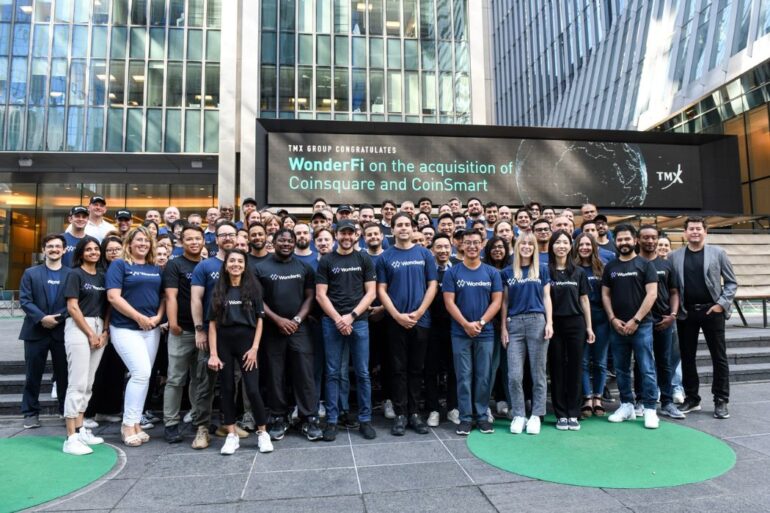
Robinhood has announced a definitive agreement to acquire WonderFi Technologies Inc. for C$250 million in cash, marking a significant expansion into Canada’s regulated cryptocurrency sector. The deal, anticipated to close in the second half of 2025, offers a 41% premium to WonderFi’s shareholders and will integrate WonderFi’s entire team into Robinhood Crypto’s Canadian operations.

This acquisition grants Robinhood access to WonderFi’s regulated crypto trading platforms, Bitbuy and Coinsquare, which collectively manage over C$2.1 billion in client assets. These platforms have experienced substantial growth, with a 110% increase in assets under custody since the end of 2023.

WonderFi’s consolidation of Bitbuy and Coinsquare under a single regulated investment dealer has positioned it as a dominant player in Canada’s crypto market. The company now serves over 1.7 million registered users, offering services that include crypto trading, staking, and payment processing through its SmartPay platform.

The acquisition aligns with Robinhood’s strategy to diversify its offerings beyond traditional stock trading. By integrating WonderFi’s platforms, Robinhood aims to provide Canadian users with a comprehensive suite of financial services, including crypto trading, staking, and payments. This move also reflects a broader trend of consolidation in the crypto industry, as companies seek to expand their global footprint and comply with evolving regulatory standards.

The Canadian crypto market has become increasingly attractive to international firms, partly due to its stringent regulatory environment. WonderFi’s adherence to Canadian regulations and its status as a fully regulated investment dealer make it a valuable asset for Robinhood’s international expansion. The acquisition is expected to enhance Robinhood’s competitiveness in the global crypto market, providing a robust platform for growth in Canada and potentially beyond.

This transaction is part of a series of strategic moves by Robinhood to deepen its involvement in the cryptocurrency space. The company previously acquired crypto exchange Bitstamp for $200 million, signaling its commitment to expanding its crypto offerings.

Tokyo-based Metaplanet Inc. has overtaken El Salvador in Bitcoin reserves, now holding 6,796 BTC compared to the Central American nation’s 6,170 BTC. This milestone positions Metaplanet as Asia’s leading corporate Bitcoin holder and the first publicly listed Japanese firm to adopt Bitcoin as its primary treasury asset.

The company’s aggressive accumulation strategy, initiated in April 2024, has led to a staggering 5,250% surge in its stock price over the past year. This growth trajectory has been further bolstered by its inclusion in the MSCI Japan Index, effective February 28, 2025, enhancing its visibility among institutional investors.

Central to Metaplanet’s strategy is its ambitious “21 Million Plan,” aiming to acquire 10,000 BTC by the end of 2025 and 21,000 BTC by 2026. To finance this, the company has raised approximately ¥116 billion through the issuance of 21 million shares via moving strike warrants, marking the largest Bitcoin-focused capital raise in Asian equity market history.

CEO Simon Gerovich has emphasized Bitcoin’s role as a hedge against Japan’s economic challenges, including high debt levels and currency depreciation. He stated that the company’s pivot to a Bitcoin-centric strategy has transformed it from a “zombie” company into a market leader.

Metaplanet’s financial performance reflects this transformation, with a reported 309.82% Bitcoin yield in Q4 2024 and a market capitalization increase of 11,800% over the past year. The company’s shareholder base has expanded significantly, now exceeding 50,000 investors.

In addition to its financial endeavors, Metaplanet is promoting Bitcoin adoption through initiatives like the upcoming launch of “The Bitcoin Hotel” in Tokyo, set to open in Q3 2025. This establishment aims to serve as a hub for Bitcoin education and community engagement.

Metaplanet’s approach mirrors that of U.S.-based Strategy, formerly known as MicroStrategy, which holds over 553,000 BTC. Both companies exemplify a growing trend of corporations integrating Bitcoin into their treasury strategies as a means of preserving value and driving growth.

Nigeria’s economy expanded by 4.6% year-on-year in the fourth quarter of 2024, marking its fastest growth in a decade, according to the World Bank. This surge was propelled by fiscal reforms and a rebound in the oil and services sectors. However, the growth coincided with a sharp rise in inflation and a significant increase in poverty levels, underscoring the complex challenges facing Africa’s largest economy. The World […]

Hong Kong-based blockchain firm Animoca Brands is preparing for a public listing on a U.S. stock exchange, capitalising on what its leadership describes as a “unique moment” created by President Donald Trump’s more accommodating stance toward digital assets. The company, known for its investments in Web3 gaming and decentralised finance, is exploring various shareholding structures and aims to finalise its plans in the near future.

Executive Chairman Yat Siu indicated that the decision to pursue a U.S. listing marks a significant shift from the company’s previous position. Under the Biden administration, stricter regulatory measures had deterred Animoca from entering the American market. However, the current administration’s efforts to position the U.S. as a global hub for digital assets have altered the landscape. “It’s a unique moment in time,” Siu remarked, emphasising the strategic importance of accessing the world’s largest capital market.

Animoca Brands, which was valued at nearly $6 billion in 2022, reported unaudited revenues of $314 million for the year ending December 31, 2024. The company’s earnings before interest, taxes, depreciation, and amortisation stood at $97 million. Its financial reserves include approximately $293 million in cash and stablecoins, alongside $538 million in digital assets. These figures reflect a robust financial position as the company considers re-entering public markets after its delisting from the Australian Securities Exchange in 2020.

The potential listing aligns with a broader trend of crypto-focused companies seeking to establish a presence in the U.S. market. Notably, American Bitcoin, a cryptocurrency mining firm backed by Eric and Donald Trump Jr., announced plans to go public through a merger with Gryphon Digital Mining. This move underscores the growing influence of pro-crypto sentiments within the current administration and the opportunities they present for blockchain enterprises.

Animoca’s portfolio includes investments in over 540 companies, with stakes in prominent entities such as OpenSea, Kraken, and Consensys. The firm’s diverse holdings span various sectors within the digital asset ecosystem, reinforcing its position as a significant player in the industry. Siu highlighted the company’s unique approach, stating, “We think we’re the biggest non-financial services crypto firm,” and emphasised the importance of showcasing innovation beyond traditional financial services through a public listing.

The company’s Digital Asset Advisory business experienced substantial growth, generating $165 million in bookings for 2024, a 116% increase year-over-year. This segment provides services such as token advisory, marketing, and trading support, contributing significantly to Animoca’s revenue streams. Additionally, the firm reported $110 million in bookings from its Web3 operating businesses and $39 million from investment activities.

Ripple Labs has reached a landmark settlement with the U.S. Securities and Exchange Commission , concluding a protracted legal battle that has significantly influenced the cryptocurrency sector. The agreement entails Ripple paying a reduced fine of $50 million, down from the initially imposed $125 million, without admitting any wrongdoing. This settlement, pending approval from the SEC and the presiding judge, marks a pivotal moment in the ongoing discourse surrounding digital asset regulation.

The SEC’s lawsuit, initiated in December 2020, accused Ripple of raising over $1.3 billion through unregistered securities offerings by selling its XRP token. A critical development occurred in July 2023 when U.S. District Judge Analisa Torres ruled that while XRP sales to institutional investors violated securities laws, XRP sales on public exchanges did not constitute securities transactions. This nuanced decision provided a partial victory for Ripple and set a precedent for how digital assets might be classified in the future.

The resolution of this case has had immediate market implications. XRP’s price surged by approximately 14%, reaching highs of $2.59, reflecting renewed investor confidence. The token’s market capitalization also saw a significant increase, positioning XRP as the third-largest cryptocurrency by market value. This market response underscores the broader industry’s anticipation for regulatory clarity and the potential for increased institutional adoption.

The settlement aligns with a broader shift in the SEC’s approach to cryptocurrency regulation under the current administration. The agency has recently dropped several high-profile cases against major crypto exchanges, signaling a move towards a more collaborative regulatory framework. President Donald Trump’s administration has expressed support for the crypto industry, with initiatives such as the establishment of a government crypto reserve that includes XRP and the nomination of Paul Atkins, known for his pro-crypto stance, to chair the SEC.

Ripple’s legal victory also opens the door for potential advancements in the cryptocurrency market infrastructure. Analysts suggest that the favorable outcome could pave the way for the approval of an XRP-based exchange-traded fund , further legitimizing the asset class and providing investors with more accessible investment vehicles. Additionally, the classification of XRP as a commodity rather than a security could lead to less stringent oversight and encourage broader adoption.

Bitcoin’s trajectory has garnered heightened attention as prominent figures in the cryptocurrency realm project significant growth, underpinned by strategic initiatives and institutional endorsements.

Changpeng Zhao, known as CZ and the founder of Binance, has articulated a bullish stance, suggesting that Bitcoin’s value could escalate to between $500,000 and $1,000,000 within the current market cycle. He attributes this potential surge to increasing institutional adoption and the maturation of the crypto market, envisioning the total cryptocurrency market capitalization reaching $5 trillion by year’s end.

Investor Tim Draper has expressed an even more optimistic view, positing that Bitcoin could attain an “infinite” value in U.S. dollar terms. He characterizes Bitcoin as a new store of value, emphasizing its decentralized nature and finite supply, which he believes positions it as a superior alternative to traditional fiat currencies.

Eric Trump has also entered the discourse, forecasting exponential growth for Bitcoin. He has disclosed that the Trump family holds a substantial position in Bitcoin, reflecting their confidence in its long-term value. Eric Trump has further stated that his father, President Donald Trump, will vigorously support the cryptocurrency sector, aiming to establish the United States as a global leader in digital assets.

Geoffrey Kendrick of Standard Chartered has projected a significant appreciation for Binance Coin , anticipating a 360% increase to $2,775 by 2028. He cites the coin’s utility and scarcity as primary drivers of its expected growth.

Analyst Michaël van de Poppe has accurately predicted Ethereum’s breakout to $2,100, attributing the movement to favorable market conditions and increased investor interest. Similarly, Lark Davis has identified a bullish pattern in Solana’s price action, targeting a rise to $170 once it surpasses the $150–$160 range.

These forecasts coincide with strategic developments in the cryptocurrency space. President Trump’s administration has initiated the establishment of a Strategic Bitcoin Reserve, repurposing over $17 billion in forfeited bitcoins from legal cases to create a federal digital asset reserve. This move aims to position the U.S. as a leader in digital asset holdings, with the Treasury managing the reserve through strategies like dollar-cost averaging and prohibiting the sale of the assets to maintain long-term value.

The Trump family’s involvement in the cryptocurrency sector extends beyond holdings. Eric Trump and Donald Trump Jr. have invested in a bitcoin-mining venture named American Bitcoin, in partnership with Hut 8, a major crypto infrastructure company. This initiative seeks to make American Bitcoin the world’s largest and most efficient bitcoin miner, with plans to accumulate a substantial strategic bitcoin reserve.

Bitcoin has surged beyond the $103,000 mark, buoyed by a confluence of macroeconomic developments and heightened institutional engagement. The cryptocurrency’s ascent to $103,963 underscores a significant rebound from its April low of approximately $76,000, reflecting a resurgence in investor confidence.

A pivotal factor in this rally is the recent trade agreement between the United States and the United Kingdom, which has alleviated some global economic uncertainties. The deal, emphasizing increased export access, particularly for U.S. agricultural products, has been perceived as a positive signal for markets, contributing to the uptick in Bitcoin’s value.

Institutional investment has played a crucial role in Bitcoin’s momentum. Notably, spot Bitcoin exchange-traded funds in the U.S. have experienced substantial inflows, with BlackRock’s iShares Bitcoin Trust surpassing $50 billion in net assets. This influx of capital from institutional investors has been instrumental in driving the cryptocurrency’s price upward.

The appointment of a crypto-friendly head to the U.S. Securities and Exchange Commission has further bolstered market sentiment. This move is anticipated to lead to a more accommodating regulatory environment for digital assets, encouraging greater participation from both institutional and retail investors.

Technical analysts are closely monitoring Bitcoin’s performance, noting that if it maintains support above the $100,000 threshold, it could test previous highs. However, they caution that a drop below key support levels could prompt a reassessment of the market’s trajectory.

The broader cryptocurrency market has mirrored Bitcoin’s gains, with other digital assets such as Ether, XRP, and Solana registering notable increases. This collective uptrend suggests a renewed appetite for risk among investors, extending beyond Bitcoin to encompass a wider array of cryptocurrencies.

VISHNU RAJA
RYO YAMADA
HITORI GOTOH
IKUYO KITA
Just in:
Emirates Group records AED 4.1 billion half-year profit // Oil and chip shares retreat after Democratic victories // Geely’s i-HEV Intelligent Hybrid Technology Offers a New Direction Vision for Gasoline-Powered Vehicles // TVM –Mangaluru Vande Bharat claims top spot // Oil advances towards $100 as tanker attacks persist // APT29-linked campaign exploits outdated Apple and Android software // OpenAI introduces GPT-6 Cyber with restricted security access // Hong Kong mandates crypto transaction disclosures to tax authorities // Ningbo Consensus on Collaborative Development released at 2026 Global Mayors Dialogue · Ningbo // OpenAI abandons secrecy agreements for future data centres // Technology shares plunge as Nasdaq enters correction // Geely’s i-HEV Intelligent Hybrid Technology Offers a New Direction for Gasoline-Powered Vehicles // Emaar approves Development buyout ahead of planned delisting // Meraas showcases five residential zones at Dubai Design Week // Dubai boat show confirms international shipyard line-up for November // Asia Left Behind: Ten international companies have yet to report delivering on their cage-free egg pledges across the region // Motorola introduces Signature 27 flagship priced at $1,599 // Xi Jinping Preparing For A Trilateral Summit With Trump And Putin At APEC Summit On Nov 18-19 // Trump’s Iran War Has A Share Of Contribution To His Midterm Debacle // The “1st Greater Bay Area Health and Longevity Summit & Awards Ceremony” concludes successfully in Macao //