Just in:
Beyond the exhibition floor: How robots, AI and networks are moving into the real world // Democrats Gearing Up For 2028 Presidential Elections To Gain Full Power // OpenAI abandons secrecy agreements for future data centres // Excise chief shunted out in bar licence dispute // UK air traffic outage inflicted £33m financial losses // Private varsities bill all set to face the axe // India Under Pressure To Join RCEP On The Eve Of ASEAN Summit In Manila On Nov 15-17 // Geely’s i-HEV Intelligent Hybrid Technology Offers a New Direction Vision for Gasoline-Powered Vehicles // HKUST President Prof. Nancy IP Receives UNESCO–Equatorial Guinea International Prize for Research in Life Sciences // Motorola introduces Signature 27 flagship priced at $1,599 // Battle Uttar Pradesh Will Be Tougher For Yogi Than Expected // ADNOC secures decade-long LNG supply pact with Gujarat Energy // e-Crime Bureau Signs Cybersecurity Partnership With Smart Africa, Reinforcing Its Global Expansion // Miss Universe Hong Kong Jen Zhou Departs for Puerto Rico to Compete in the 75th Miss Universe World Final // Technology shares plunge as Nasdaq enters correction // Geely’s i-HEV Intelligent Hybrid Technology Offers a New Direction for Gasoline-Powered Vehicles // The “1st Greater Bay Area Health and Longevity Summit & Awards Ceremony” concludes successfully in Macao // Microfinance case trouble for Vellappally // Oil advances towards $100 as tanker attacks persist // Dubai details five-year visa benefits for returning visitors //

News related to
currency

Global financial markets are experiencing significant volatility as the United States and China escalate their trade dispute, prompting investors to seek refuge in traditional safe-haven currencies. The Japanese yen and Swiss franc have notably strengthened, while risk-sensitive currencies such as the Australian dollar and Chinese yuan have faced substantial pressure.

The turmoil intensified following President Donald Trump’s decision to impose a 125% tariff on Chinese imports, a move that has overshadowed a 90-day suspension of tariffs for other nations. This action led to a swift response from China, which announced an 84% tariff on U.S. imports and lodged a new complaint with the World Trade Organization. These developments have heightened investor anxiety, leading to a pronounced shift towards assets perceived as safer.

In currency markets, the Japanese yen appreciated to 147.68 per dollar, nearing a five-month high, while the Swiss franc reached 0.87665 per dollar, marking a three-month peak. Conversely, the Australian dollar declined sharply, approaching levels not seen since the early stages of the COVID-19 pandemic. The Chinese yuan also experienced volatility, with the offshore rate nearing record lows at 7.3536 yuan per dollar.

Equity markets have mirrored these currency movements, with significant declines observed across major indices. The S&P 500 experienced a 0.90% drop, reaching one-month lows, while European stocks, represented by the Stoxx 600, fell approximately 4%. Asian markets were not spared, as Japan’s Nikkei tumbled as much as 2.3% in early trading. The heightened trade tensions have sparked fears of a global economic slowdown, prompting investors to reevaluate their risk exposure.

U.S. Treasury yields have also been affected, with the 10-year yield rising sharply. This increase is partly attributed to a lackluster three-year Treasury auction and concerns over the diminishing appeal of U.S. assets as safe havens. The dollar index, which measures the greenback against a basket of currencies, has declined, reflecting broader apprehensions about the U.S. economic outlook amid escalating trade disputes.

The corporate sector is feeling the impact of these developments. Companies such as Stellantis and Cleveland-Cliffs have announced job cuts in response to the uncertain trade environment. Many firms are delaying hiring and investment decisions, citing a lack of clear guidance from policymakers. Business leaders have expressed deep concern over the instability and unpredictability of current trade policies, emphasizing the need for a more consistent and transparent approach.

In the commodities market, gold prices have risen as investors seek safe-haven assets amid the market turmoil. Conversely, oil prices have remained relatively stable, despite the broader market volatility. Analysts attribute this stability to factors such as supply constraints and geopolitical considerations that are currently supporting oil prices.

Market analysts warn that the escalating trade confrontation between the U.S. and China could lead to further depreciation of the yuan and increased market instability. The potential for a full-scale trade war raises concerns about long-term global economic growth and investor confidence. The World Trade Organization has cautioned that prolonged trade disputes could result in significant declines in global GDP, underscoring the need for diplomatic efforts to resolve the tensions.

The much-anticipated auction of ‘REAL’, a memecoin associated with mixed martial arts champion Conor McGregor, concluded without meeting its $1 million minimum bid. Organized by Real World Gaming , the auction aimed to capitalize on McGregor’s global appeal to fund innovative gaming projects. Despite expectations, the initiative did not attract the necessary financial backing.

Real World Gaming, formerly known as Balthazar DAO, rebranded in June 2022 to better align with its mission of integrating blockchain technology into the gaming industry. The organization focuses on developing next-generation wagering games and has been actively involved in the Web3 gaming space. The ‘REAL’ token was envisioned as a bridge between the gaming community and cryptocurrency enthusiasts, offering unique experiences and governance rights within the RWG ecosystem.

The auction’s failure to secure the minimum bid reflects the volatile nature of the cryptocurrency market, particularly concerning celebrity-endorsed tokens. While some memecoins have experienced significant surges, others have struggled to gain traction. The ‘REAL’ token’s underperformance may be attributed to several factors, including market saturation with similar offerings and growing investor skepticism toward celebrity-backed cryptocurrencies.

In contrast, other sectors within the cryptocurrency market have shown remarkable growth. Meme coins and real-world assets have led market gains in 2024. Leading meme coins such as Dogecoin , Shiba Inu , dogwifhat , Pepe , Bonk , and Floki Inu have seen their prices surge by an average of 338% year-to-date. Notably, dogwifhat’s value increased from less than $0.02 at the beginning of 2024 to around $1.80, reaching an all-time high of $4.58 in April. Similarly, real-world assets like Mantra and Ondo have experienced substantial gains, with increases of 1,570% and 380%, respectively.

The Open Network Foundation has announced plans to make its self-custodial TON Wallet available to users in the United States during the second quarter of 2025. This development follows a series of strategic initiatives aimed at expanding the global reach of the TON ecosystem, particularly through its integration with the Telegram messaging platform.

The TON Wallet, a self-custodial digital asset management tool, enables users to store, send, and receive Toncoin and other digital assets directly within Telegram. This integration seeks to simplify cryptocurrency transactions for Telegram’s extensive user base, which exceeds 950 million monthly active users. The wallet’s design emphasizes user control, allowing individuals to manage their private keys and assets without reliance on third-party custodians.

The journey toward this U.S. launch has been marked by significant milestones. In November 2023, the TON Foundation initiated the global rollout of the wallet, starting with select countries in Africa. This phased approach aimed to address regional regulatory considerations and ensure a smooth user experience across different markets. Subsequent expansions targeted the Middle East, Europe, and the Asia-Pacific region, with the goal of achieving worldwide availability by the second quarter of 2024.

However, the U.S. market presented unique challenges. Regulatory complexities necessitated a more cautious approach, leading to a delayed introduction of the TON Wallet in the United States. The TON Foundation has been actively engaging with U.S. regulators to ensure compliance with local laws and to facilitate a secure and legally sound launch.

This expansion aligns with a deepening partnership between the TON Foundation and Telegram. In January 2025, the two entities announced an exclusivity agreement, designating TON as the sole blockchain infrastructure for Telegram’s Mini App ecosystem. Central to this collaboration is the adoption of TON Connect, a protocol that links Telegram Mini Apps to blockchain wallets, streamlining user interactions with decentralized applications within the messaging platform.

Telegram has committed to accepting Toncoin as the exclusive cryptocurrency for non-fiat payments on its platform. This includes services such as Telegram Stars, Telegram Premium, Telegram Ads, and Telegram Gateway. Developers and channel owners are set to receive payments and advertisement revenues exclusively in Toncoin, reinforcing the token’s utility within the Telegram ecosystem.

The introduction of the TON Wallet to U.S. users is anticipated to significantly enhance the adoption of Toncoin and related services. By integrating cryptocurrency management directly into Telegram, the TON Foundation aims to lower the barriers to entry for users new to digital assets, offering a familiar and user-friendly interface.

Industry observers note that this move could have broader implications for the cryptocurrency landscape in the United States. The seamless integration of a self-custodial wallet into a widely used messaging app may serve as a model for other platforms seeking to incorporate digital asset functionalities. Moreover, it underscores the growing convergence between social media platforms and blockchain technologies, a trend that is likely to shape the future of digital interactions.

As the second quarter of 2025 approaches, U.S. users can anticipate access to the TON Wallet within their Telegram app settings. The TON Foundation has expressed confidence that this launch will not only expand the user base of Toncoin but also foster greater engagement with decentralized applications and services built on the TON blockchain.

Ripple has announced plans to acquire multi-asset prime brokerage firm Hidden Road for $1.25 billion, marking one of the largest acquisitions in the cryptocurrency sector this year. The deal, involving a combination of cash, XRP tokens, and stock, is expected to close in the coming months.

Brad Garlinghouse, Ripple’s Chief Executive Officer, emphasized that the acquisition aligns with the company’s strategy to expand its presence in the United States, particularly as the regulatory environment becomes more accommodating under the current administration. “The U.S. market is effectively open for the first time due to the regulatory overhang of the former SEC coming to an end, and the market is maturing to address the needs of traditional finance,” Garlinghouse stated.

Hidden Road, founded by Marc Asch in 2018, has established itself as a significant player in the financial markets, processing approximately $3 trillion annually and serving over 300 institutional clients. The firm offers a range of services, including clearing, securities lending, and leveraged trade execution. Asch will continue to lead the prime brokerage division post-acquisition, ensuring continuity in leadership and operations.

The integration of Hidden Road into Ripple’s ecosystem is poised to enhance the utility of Ripple’s U.S. dollar-pegged stablecoin, RLUSD. Hidden Road utilizes RLUSD as collateral across its prime brokerage products, a move that could position Ripple more competitively against established stablecoin providers like Tether and USD Coin.

This acquisition is part of Ripple’s broader strategy to leverage its substantial cash reserves for expansion. The company has been actively seeking opportunities to diversify its offerings and solidify its global presence. Garlinghouse has previously highlighted plans to invest in markets with favorable regulatory frameworks, such as the United Arab Emirates and Switzerland.

The United States Department of Justice is undergoing a significant transformation in its approach to cryptocurrency-related crimes. The National Cryptocurrency Enforcement Team , established in 2022 to tackle the illicit use of digital assets, is being integrated into the Computer Crime and Intellectual Property Section of the DOJ’s Criminal Division. This strategic move aims to consolidate expertise and resources, enhancing the department’s capability to address the complex intersection of cybercrime and cryptocurrency offenses.

Nicole Argentieri, Principal Deputy Assistant Attorney General, emphasized that this merger would double the number of attorneys available for cryptocurrency matters, reflecting the growing importance of digital assets in the realm of cybercrime. “It’s become obvious to everyone in the cybercrime field that cryptocurrency work and cyber prosecutions are intertwined, and will become even more so in the future,” Argentieri stated.

The NCET has been instrumental in several high-profile cases, including actions against cryptocurrency exchange Bitzlato and the arrest of Avraham Eisenberg for his exploit of decentralized exchange Mango Markets. The integration into CCIPS is expected to provide the NCET with enhanced resources and a broader platform to pursue complex investigations involving digital currencies.

This organizational shift comes at a time when the DOJ’s approach to cryptocurrency mixers has faced scrutiny. In May 2024, Senators Ron Wyden and Cynthia Lummis expressed concerns over the department’s interpretation of money transmission laws in cases against crypto mixing services like Samourai Wallet and Tornado Cash. They argued that the DOJ’s stance deviated from the Treasury Department’s Financial Crimes Enforcement Network’s previous position, which did not classify non-custodial crypto services as money transmitters.

The legal landscape for cryptocurrency mixers has been further complicated by recent court rulings. In November 2024, the U.S. Court of Appeals for the Fifth Circuit overturned sanctions imposed by the Treasury’s Office of Foreign Assets Control on Tornado Cash. The court determined that the smart contracts associated with Tornado Cash did not constitute “property” under the International Emergency Economic Powers Act , thereby exceeding OFAC’s authority.

Telegram users can now convert digital gifts, including stickers, into non-fungible tokens on The Open Network blockchain. This feature allows users to upgrade over 20 existing gifts, such as Jelly Bunny and Santa Hat, into unique collectibles for a nominal fee in Telegram Stars, the platform’s in-app currency linked to Toncoin . Once upgraded, these items acquire distinctive appearances and can be transferred or auctioned on secondary TON marketplaces like Getgems.

Bitcoin has experienced a notable decline, falling below the $75,000 mark, a level not seen in five months. Ethereum has also faced a substantial drop, trading below $1,500, reaching its lowest point since March 2023.

As of April 7, 2025, Bitcoin’s price stands at approximately $74,500, marking a decrease of over 10% within the past 24 hours. This decline reflects investor anxiety over escalating trade tensions between the United States and China. China’s recent imposition of retaliatory tariffs in response to U.S. measures has intensified fears of a prolonged trade conflict, potentially leading to a global economic downturn.

Ethereum has mirrored this downward trend, with its price dropping below $1,500. This represents a significant decrease from its position earlier in the year and underscores the broader market’s volatility. The decline in Ethereum’s value is partly attributed to a surge in liquidations, with approximately $890 million in crypto positions liquidated over a 24-hour period. Of these, $758 million were long positions, indicating that many traders were forced to exit their bullish bets at a loss.

The broader cryptocurrency market has not been immune to these fluctuations. Major altcoins have also seen double-digit percentage declines, emphasizing the current instability within the digital asset space. This market turbulence is occurring alongside significant downturns in traditional financial markets, particularly in Asia and Europe. For instance, Japan’s Nikkei 225 index closed 7.8% lower, while China’s Shanghai Composite Index fell by over 7.3%. These substantial drops have triggered circuit breaker events, temporarily halting trading to prevent further losses.

Technical analysis of Bitcoin’s price movement reveals the formation of a “death cross,” a bearish indicator that occurs when the 50-day moving average crosses below the 200-day moving average. This pattern suggests the potential for further declines in Bitcoin’s value. Key support levels to monitor include $74,000, $65,000, and $57,000, each corresponding to previous performance benchmarks and trendlines. Conversely, resistance is anticipated around the $87,000 mark, where significant moving averages converge.

Advertisements

Goldman Sachs has increased the probability of a United States recession in the next 12 months to 45%, aligning with a wave of revised risk assessments by major investment banks as escalating trade tensions and tighter financial conditions unsettle global markets. The adjustment from Goldman’s previous estimate of 35% reflects the firm’s assessment that a sharp tightening in financial conditions and heightened policy uncertainty will significantly hinder […]

Hong Kong’s Securities and Futures Commission has intensified its scrutiny of virtual asset platforms offering staking services, emphasizing the associated risks and potential legal ramifications. The regulatory body has observed a surge in platforms promoting high-yield returns through staking, prompting a public advisory on the matter.

Staking, a process where cryptocurrency holders delegate their assets to support blockchain network operations, has gained popularity as a means to earn passive income. However, the SFC warns that many of these staking arrangements are not regulated, leaving investors vulnerable to significant risks, including the total loss of their investments. The commission highlighted that some platforms offer returns by on-lending deposited virtual assets or engaging in other investment activities without adequate transparency.

In a statement, the SFC underscored that certain staking programs might constitute unauthorized collective investment schemes . Under Hong Kong law, promoting or operating such schemes without proper authorization is a criminal offense, potentially leading to substantial fines and imprisonment.

The regulatory focus on staking services aligns with Hong Kong’s broader efforts to establish a comprehensive framework for virtual assets. The SFC has been actively exploring the introduction of new token listings, derivatives, and margin trading to enhance the city’s position as a digital asset hub. Julia Leung, the SFC’s Chief Executive, announced plans to potentially expand the regulatory framework to facilitate the listing of new tokens exclusively for professional investors and to review existing safeguards for retail offerings.

The SFC is considering the regulation of crypto derivative trading for professional investors, aiming to facilitate efficient risk transfer within the market. Staking is another area under review, with the commission planning to establish requirements governing the custody of client assets and mitigating risks associated with staking activities.

In addition to these initiatives, the SFC has been in discussions with crypto exchange-traded fund issuers about the possibility of including Ether staking options. This move could allow ETF issuers to stake ETH and generate passive income, providing investors with additional avenues for returns. However, these discussions are ongoing, and no definitive timeline has been established for implementation.

Bitcoin’s price experienced a significant drop, falling from over $83,000 to below $77,000 within a 24-hour period. This abrupt decline led to the liquidation of more than $1 billion in leveraged positions, with long positions accounting for approximately $865 million of the total. The sudden downturn caught many traders off guard, resulting in substantial financial losses across the cryptocurrency market.

Data from Coinglass indicates that a total of 305,170 traders were liquidated during this period, reflecting the widespread impact of Bitcoin’s price movement on investor positions. The majority of these liquidations stemmed from long positions, where traders had anticipated a price increase. As the market moved against them, forced sell-offs occurred, further accelerating the downward momentum.

Among the affected cryptocurrency exchanges, Bybit and Binance recorded the highest liquidation volumes, with $411.54 million and $242.25 million, respectively. Bitcoin itself accounted for the largest share of the total liquidations, contributing $371.66 million. Ethereum was the second most impacted cryptocurrency, with $200.94 million in liquidations, while other crypto assets collectively accounted for over $100 million. The single largest liquidation order took place on Bitfinex, involving a $13.40 million BTC position being forcefully closed.

The high liquidation volume suggests that many traders were caught off guard by Bitcoin’s price drop. With long positions dominating the liquidations, it indicates that market sentiment was largely bullish before the downturn. This scenario underscores the inherent volatility of the cryptocurrency market and the risks associated with leveraged trading.

Despite the sharp downturn, some analysts remain optimistic about Bitcoin’s long-term trajectory. Crypto analyst Javon Marks noted that indicators still suggest Bitcoin could be gearing up for a larger bullish rally. Meanwhile, RektCapital pointed out that Bitcoin’s decline has resulted in a fully filled CME gap between $84,650 and $93,300, which could potentially lead to a price reversal in the near term.

The recent price movement also aligns with patterns observed in previous market cycles. Historically, Bitcoin has experienced significant price corrections following substantial rallies. These corrections often lead to a shakeout of leveraged positions, contributing to market volatility. However, such corrections have also been followed by periods of consolidation and subsequent recoveries.

Market analysts suggest that the current price drop may be attributed to a combination of factors, including profit-taking by long-term holders and macroeconomic uncertainties. The broader financial markets have been experiencing volatility, with investors reacting to various economic indicators and geopolitical developments. These external factors can influence investor sentiment and contribute to price movements in the cryptocurrency market.

The recent liquidation event serves as a reminder of the risks associated with leveraged trading in the cryptocurrency market. Traders employing leverage amplify their potential gains but also their potential losses. In volatile markets, sudden price movements can trigger margin calls and forced liquidations, leading to significant financial losses.

Artificial intelligence technologies, notably OpenAI’s ChatGPT, are increasingly being exploited to create convincing fake identification documents, posing significant challenges for security and identity verification systems worldwide. The emergence of platforms like ‘OnlyFake’ exemplifies this trend, offering AI-generated fake IDs, including passports and driving licenses, for as little as $15. Investigations have demonstrated that these counterfeit documents can bypass verification processes on major platforms, such as cryptocurrency exchanges, […]

Ondo Finance’s native cryptocurrency, ONDO, is currently trading at $0.8041, reflecting a slight decline of 0.0131% from the previous close. The token’s intraday performance has seen a high of $0.8216 and a low of $0.7952.

The recent downturn in ONDO’s value aligns with escalating global trade tensions, which have introduced volatility across financial markets, including the cryptocurrency sector. Analysts are closely monitoring the $0.786 support level, considering it a critical threshold for ONDO’s short-term price stability. A breach below this point could signal further declines, while maintaining above it may indicate potential for recovery.

Technical indicators present a mixed outlook. The Relative Strength Index for ONDO stands at 41.91, suggesting that the token is neither in overbought nor oversold territory. Additionally, an uptick in trading volume during price dips points to increased selling pressure. Conversely, the proximity to the $0.786 support level offers a possibility for a rebound if buyers re-enter the market.

Ondo Finance has been proactive in bridging traditional finance with decentralized finance . The platform focuses on tokenizing real-world assets, aiming to provide institutional-grade liquidity solutions. Collaborations with prominent financial entities such as BlackRock, Franklin Templeton, and PayPal underscore its commitment to integrating conventional financial instruments with blockchain technology.

Cryptocurrency exchange FTX has disqualified approximately 392,000 customer claims after users failed to verify their identities by the March 3 deadline, potentially nullifying claims exceeding $2.5 billion. This action affects a substantial portion of creditors seeking restitution following FTX’s collapse in November 2022.

FTX creditor advocate Sunil Kavuri estimates that claims under $50,000, totaling around $655 million, and larger claims amounting to approximately $1.9 billion are subject to disqualification due to Know Your Customer violations. The KYC process, a standard compliance measure in the financial industry, requires users to provide personal identification information to prevent fraud and money laundering.

FTX’s bankruptcy proceedings have been complex and protracted. In October 2024, U.S. Bankruptcy Judge John Dorsey approved the company’s wind-down plan, allowing FTX to utilize up to $16.5 billion in recovered assets to fully repay customers. The plan prioritized customers with claims of $50,000 or less, aiming to reimburse 98% of such claimants within 60 days of the plan’s effective date.

The repayment process commenced on February 18, 2025, targeting the “convenience class” of creditors with claims under $50,000. Distributions were facilitated through cryptocurrency firms Kraken and BitGo, with customers expected to receive funds within one to three business days. FTX Recovery Trust Plan Administrator John J. Ray III acknowledged the significance of this milestone but emphasized the ongoing nature of recovery efforts.

The next phase of repayments is scheduled to begin on May 30, 2025, addressing larger claims exceeding $50,000. FTX has amassed an $11.4 billion cash reserve to fund these payments. Bankruptcy attorney Andrew Dietderich informed the court that while minor creditors have started receiving payments, the first distribution to major debt holders is set for late May.

Despite these efforts, some creditors have expressed dissatisfaction with the repayment terms. Concerns have been raised about reimbursements being based on cryptocurrency valuations from November 2022, when prices were significantly lower. For instance, Bitcoin was trading at approximately $16,000 during that period, compared to its current value exceeding $100,000. This discrepancy means that creditors might receive only 10–25% of their crypto’s current value.

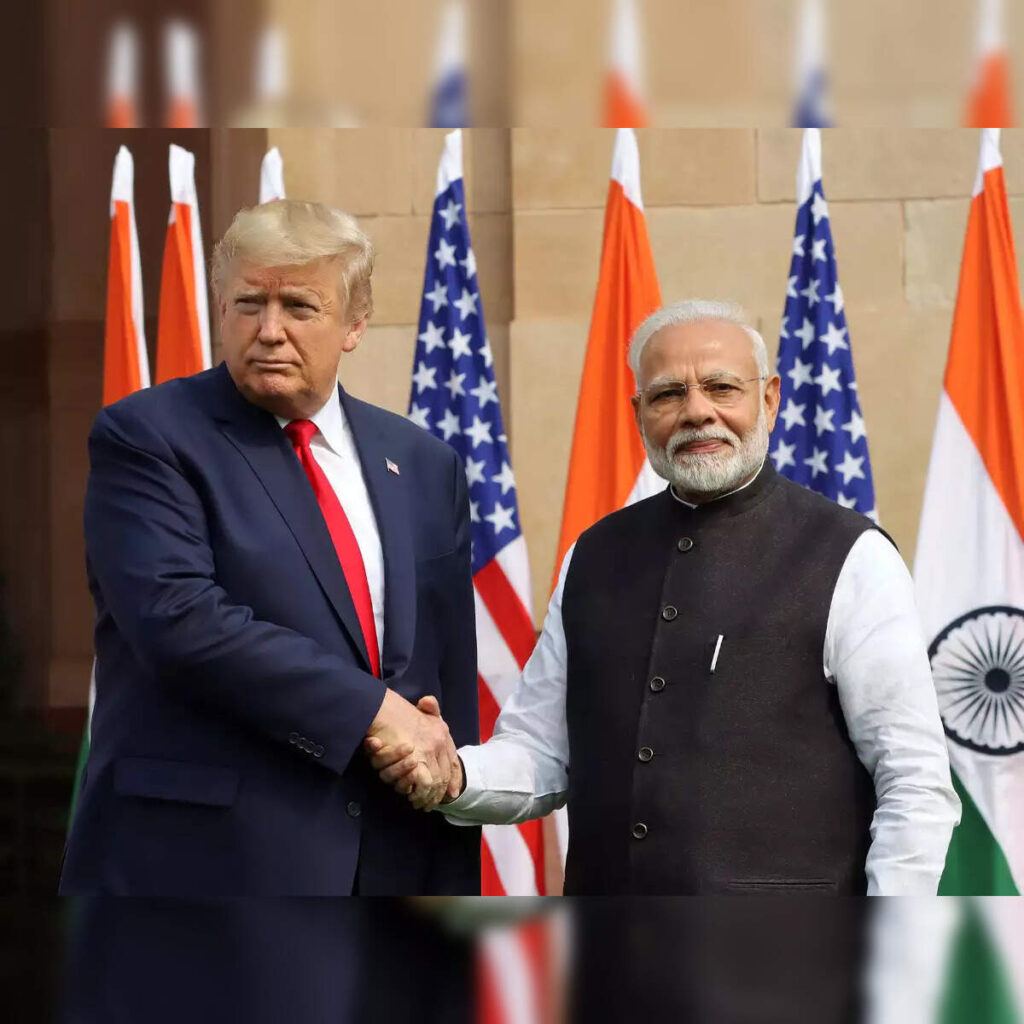
By K Raveendran Donald Trump and Narendra Modi never seem to tire of expressing admiration for each other, their mutual regard forming an odd but undeniable transnational political camaraderie. What binds them is not simply shared ideology but a similar worldview shaped by populism, nativism, and a flair for dramatic, often reckless, decision-making. Modi’s ‘Atmanirbhar […]
Tether, the issuer of the world’s largest stablecoin, is evaluating the creation of a new digital currency designed to comply with forthcoming U.S. regulations. CEO Paolo Ardoino indicated that while USDT will maintain its focus on emerging markets, the proposed stablecoin would cater specifically to the U.S. market.

Ardoino emphasized Tether’s commitment to regulatory compliance, stating that the company is actively engaging with U.S. lawmakers to help shape stablecoin legislation. He noted Tether’s willingness to adapt its operations to align with legal frameworks, ensuring the company’s continued operation within the law.

The U.S. Congress is currently deliberating several bills aimed at regulating stablecoins. Notably, the STABLE Act, co-introduced by Representative Bryan Steil, proposes that stablecoin issuers maintain reserves consisting solely of high-quality liquid assets, such as U.S. Treasury bills and insured deposits. Ardoino confirmed Tether’s involvement in discussions regarding this legislation, highlighting the company’s proactive approach to compliance.

In addition to legislative engagement, Tether is expanding its global footprint. The company is finalizing the relocation of its headquarters to El Salvador after obtaining a digital asset service provider license there. This move aligns with El Salvador’s ambitions to become a digital currency trading hub, following its establishment of Bitcoin as legal tender.

Tether is also exploring opportunities beyond its traditional offerings. The company recently announced a partnership with Phoenix Group PLC to launch a Dirham -pegged stablecoin in the United Arab Emirates. This initiative aims to provide financial stability to individuals in high-inflation countries and enhance remittance services.

Tether is considering deeper involvement in the sports industry. The company holds a 5% stake in Italian Serie A soccer club Juventus and is open to increasing its investment if the current owners decide to sell more shares. This potential investment reflects Tether’s strategy to leverage its platform and user base to support global brands, particularly in emerging markets.

Gold-backed cryptocurrencies have experienced significant declines following the announcement of sweeping tariffs by President Donald Trump. These digital assets, which are pegged to the value of physical gold, initially surged to record highs as investors sought safe havens. However, they have since retreated, mirroring the broader market sell-off.

On April 3, 2025, President Trump unveiled a series of reciprocal tariffs, imposing a minimum of 10% on global imports and up to 49% on certain countries, including Vietnam. This move prompted immediate reactions across financial markets, with the Dow Jones Industrial Average plunging over 1,000 points, the Nasdaq dropping 3%, and the S&P 500 slumping 2.7%. The technology sector was notably affected, with major companies like Apple, Amazon, and Meta experiencing substantial losses. citeturn0news27turn0news29

In the commodities market, gold initially rallied, reaching an all-time high of $3,167.84 per ounce. This surge was driven by investors seeking refuge amid escalating trade tensions. However, the precious metal’s value soon declined, with spot gold prices falling 1.4% to $3,090.00. This reversal was attributed to investors liquidating positions to cover losses in other asset classes. citeturn0search2turn0search4

Gold-backed cryptocurrencies, which are digital tokens pegged to the price of gold, mirrored this trajectory. PAX Gold and Tether Gold both saw declines, with PAXG trading at $3,047.64, down 2.44%, and XAUT at $3,047.16, down 2.51%. These movements reflect the broader market’s volatility and investors’ shifting sentiments.

The cryptocurrency market as a whole was not immune to the turmoil. Bitcoin, the largest cryptocurrency by market capitalization, fell to the $82,000 level, marking a significant drop from its previous position near $88,000 prior to the tariff announcements. Altcoins such as Ethereum and Solana also experienced declines, with Ethereum dropping over 6% to fall back under $1,800. citeturn0search17turn0search20

Analysts suggest that the aggressive nature of the tariffs has heightened fears of a global trade war, leading to increased market volatility. The tariffs’ impact extended beyond equities and cryptocurrencies, affecting commodities like crude oil, which saw a 6.4% decline. Bond yields also dropped as investors moved towards safer assets.

Central banks’ recent activities have also played a role in the gold market’s dynamics. In February, institutions such as Poland and China increased their gold reserves, contributing to the metal’s price movements. However, the current market conditions have overshadowed these factors, with immediate reactions to trade policies taking precedence.

Malta’s Financial Intelligence Analysis Unit has levied a €1.1 million fine against cryptocurrency exchange OKX’s local subsidiary for significant breaches of anti-money laundering regulations. The penalty follows an onsite compliance examination conducted in April 2023, which uncovered several failures deemed “serious and systematic” by the FIAU.

The FIAU’s investigation revealed that OKX’s business risk assessment failed to adequately evaluate potential money laundering risks associated with the products it offered. This deficiency impaired the company’s ability to implement effective measures to mitigate such risks.

In response to the FIAU’s findings, OKX has reportedly taken steps to address the identified shortcomings. The company has implemented remedial measures to enhance its AML compliance framework, aiming to prevent future violations.

Market maker Wintermute has come under scrutiny following significant price fluctuations in several altcoins, notably ACT, which experienced a sharp decline of approximately 53% on April 1, 2025. This downturn has raised questions about Wintermute’s trading strategies and their impact on the cryptocurrency market.

On April 1, ACT’s value plummeted by nearly 53%, triggering discussions about potential market manipulation. Observers noted that Wintermute executed substantial sell-offs of ACT and other meme coins, leading to rapid price declines. In response, Wintermute’s CEO, Evgeny Gaevoy, denied intentional market manipulation, stating that their actions were reactive and aimed at arbitraging Automated Market Maker pools.

Further analysis revealed that out of 27 tokens launched on Binance in 2025, only three were profitable, with an average loss of 44% across the board. This trend has intensified scrutiny of the exchange’s listing practices and the role of market makers like Wintermute in influencing token performance.

In another development, the stablecoin FDUSD briefly depegged to $0.8726 following unfounded bankruptcy rumors. Capitalizing on this, Wintermute reportedly acquired 31 million FDUSD at the reduced price and later redeemed them at par value, resulting in an estimated profit exceeding $3 million.

Bitcoin’s network hashrate has achieved a new all-time high, reflecting a surge in mining activity and bolstered network security. As of March 24, 2025, the hashrate peaked at 1,088.76 exahashes per second , surpassing previous records and indicating significant growth in computational power dedicated to the network.

This milestone coincides with Bitcoin’s price surpassing the $100,000 threshold, reaching a peak of $103,259 before stabilizing around $102,648. The price surge has been partly attributed to political developments, including President-elect Donald Trump’s appointment of Paul Atkins, a pro-crypto figure, to lead the Securities and Exchange Commission .

The correlation between Bitcoin’s hashrate and its market price has been a topic of analysis among industry experts. Historically, an increase in hashrate has often preceded price appreciation, as miners’ confidence in the network’s profitability grows. Conversely, a rising price can incentivize more miners to join the network, further increasing the hashrate. This interplay suggests a symbiotic relationship where each factor can drive the other.

The recent surge in hashrate indicates a substantial increase in mining activity. This growth enhances the network’s security by making it more resilient to potential attacks. However, it also intensifies competition among miners, leading to higher operational costs and potential profit margin compression.

In response to these dynamics, some mining companies have adopted strategies to mitigate financial pressures. For instance, major U.S. miners have been stockpiling Bitcoin to navigate thinning profit margins amid escalating competition and operational costs. Companies like Mara Holdings, Riot Platforms, and CleanSpark have collectively raised over $3.7 billion since November 2024, leveraging the cryptocurrency’s price surge to bolster their reserves.

The total market capitalization of stablecoins has reached an unprecedented $235.3 billion, marking a significant increase of over $30 billion since the beginning of 2025. This surge underscores the growing prominence of these digital assets within the global financial landscape.

Stablecoins, cryptocurrencies pegged to stable assets like the U.S. dollar, have experienced remarkable growth. Tether leads the sector with a market cap exceeding $144 billion, maintaining its position as the dominant stablecoin. USD Coin follows, recently surpassing a $60 billion market cap, reflecting a 100% year-over-year increase from $30 billion in March 2024.

The ascent of stablecoins is attributed to their perceived stability and utility in digital transactions. Unlike volatile cryptocurrencies such as Bitcoin and Ethereum, stablecoins offer a consistent value, making them attractive for payments, remittances, and as a hedge against market fluctuations. This stability has led to increased adoption among both institutional and retail investors.

The broader cryptocurrency market has also seen a rise in tokenized assets. Gold-backed tokens, for instance, reached a record market capitalization of $1.4 billion in March, with Tether’s XAUT and Paxos’ PAXG leading this niche. This trend indicates a diversification in the types of assets being tokenized and integrated into the digital economy.

Regulatory developments are also influencing the stablecoin landscape. The European Union’s Markets in Crypto-Assets framework has prompted exchanges to adjust their offerings to comply with new standards. Notably, Circle’s EURC stablecoin grew nearly 30% to a $157 million market cap, capturing a 45% market share among euro-denominated stablecoins.

Despite their growth, stablecoins face scrutiny regarding their reserve compositions and regulatory oversight. Tether, for example, has encountered concerns over the transparency and adequacy of its reserves. Such issues highlight the need for clear regulatory frameworks to ensure the stability and reliability of these digital assets.

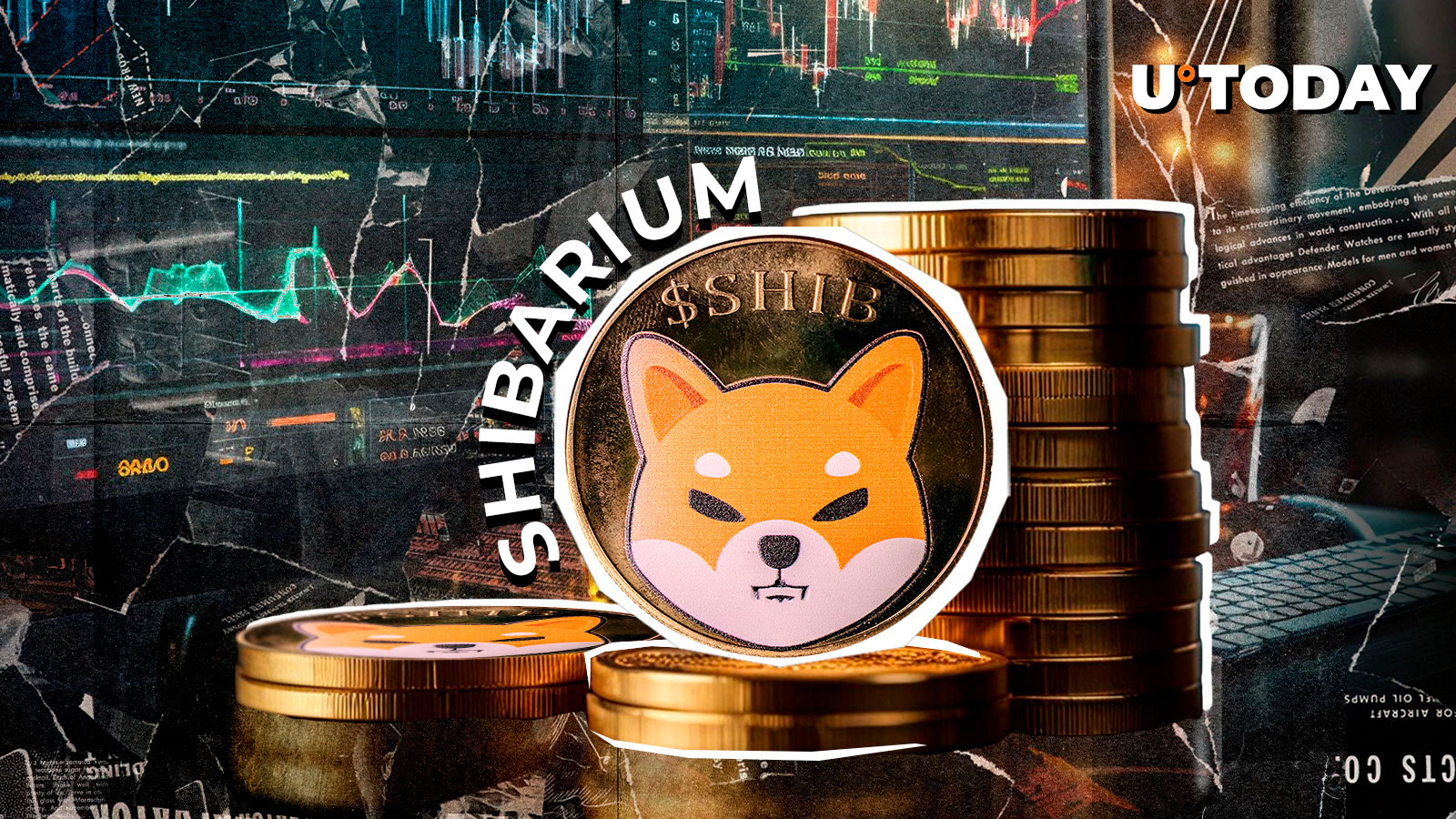
Shibarium, the Layer-2 blockchain designed to enhance the Shiba Inu ecosystem, has achieved a significant milestone by processing over 1 billion transactions since its launch in August 2023. This accomplishment underscores the network’s rapid adoption and robust performance within the cryptocurrency landscape.

Despite this technical achievement, the price of Shiba Inu’s native token, SHIB, has experienced a downturn. Over the past 24 hours, SHIB’s value declined by approximately 4.8%, trading at around $0.0000122. This decline extends to a 13% decrease over the past month, reflecting broader market trends.

The surge in Shibarium’s transaction volume is notable, especially when compared to established blockchains. For instance, Bitcoin required 15 years to reach a similar transaction count, highlighting Shibarium’s accelerated growth trajectory. The network’s ability to handle high transaction volumes without significant outages demonstrates its technical resilience and the active participation of the Shiba Inu community.

In addition to transaction volume, Shibarium has seen an increase in user engagement. The network boasts over 193 million unique addresses interacting with the platform, further indicating its expanding user base. The average block time remains at a swift 5 seconds, facilitating efficient transaction processing.

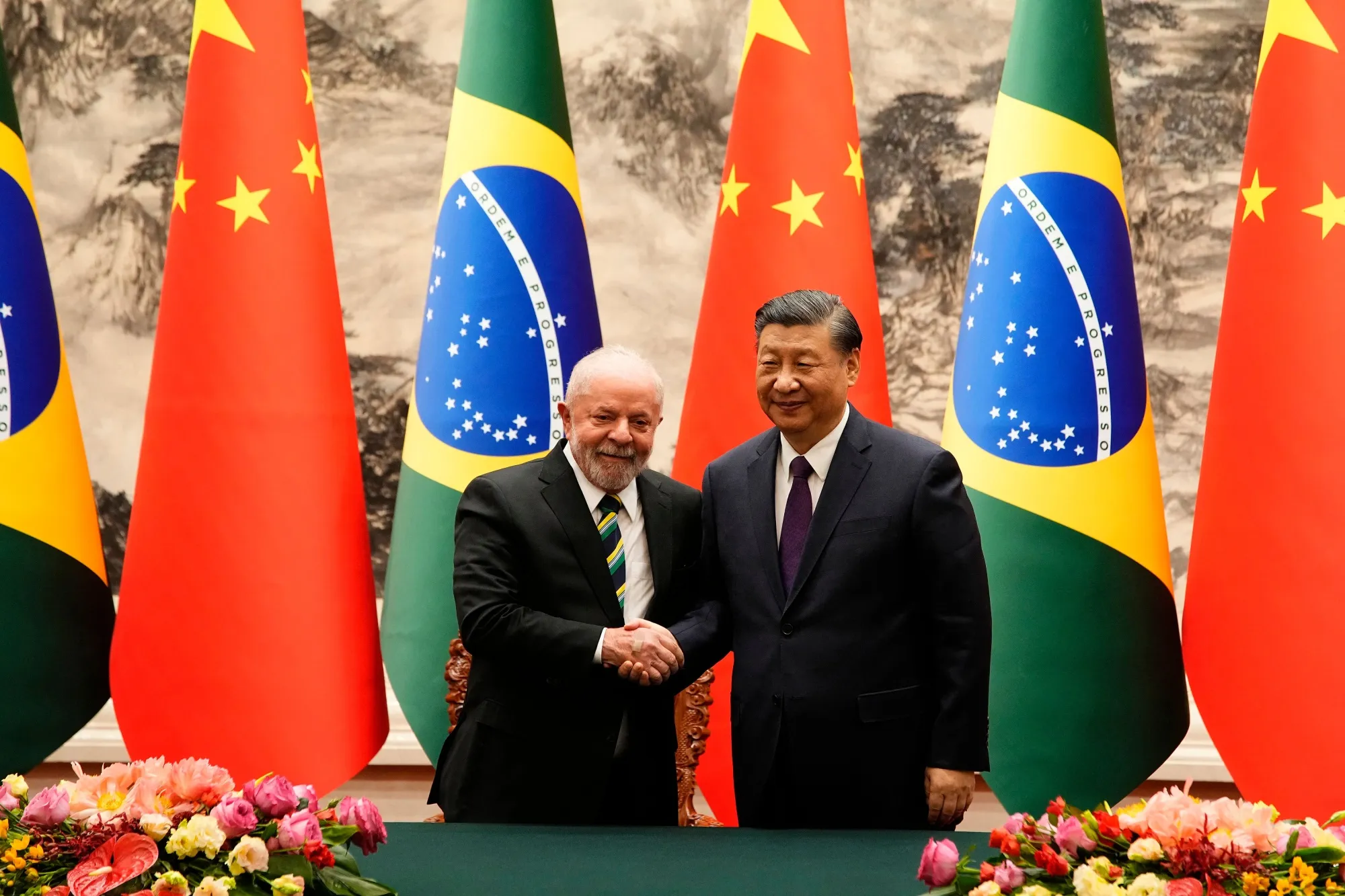
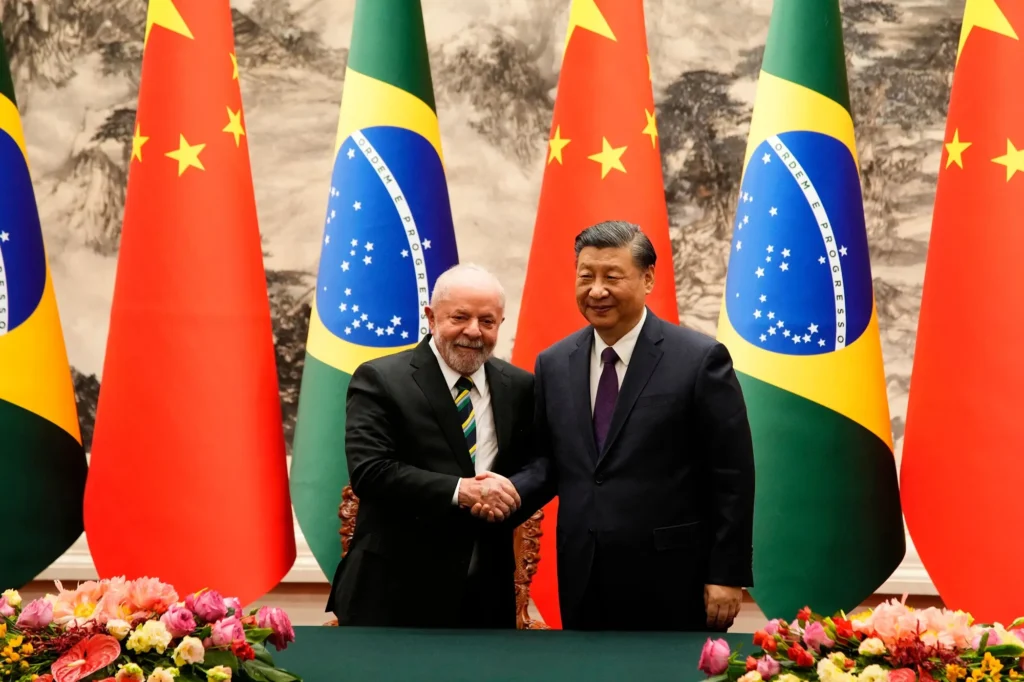
By Nitya Chakraborty Brazil’s President Luiz Inacio Lula da Silva, better known globally as Lula has launched a major initiative to meet the U.S. President Donald Trump’s unilateral tariff offensive by joining hands with Chinese President Xi Jinping and the Russian President Vladimir Putin, apart from taking assistance from South Africa and a few other […]

Cryptocurrency exchange Kraken has obtained a Restricted Dealer registration from the Ontario Securities Commission , enabling it to continue offering crypto trading services in Canada under the nation’s evolving regulatory framework. This development underscores Kraken’s commitment to adhering to Canada’s investor protection guidelines and solidifying its position in the Canadian market.

In conjunction with this regulatory milestone, Kraken has appointed Cynthia Del Pozo as the new General Manager for North America. Del Pozo is tasked with leading the company’s growth initiatives across Canada, focusing on strengthening regulatory, political, and commercial relationships to further embed Kraken within the North American crypto landscape.

To enhance accessibility for Canadian clients, Kraken is now offering free Interac e-Transfer deposits. This initiative aims to simplify the process of funding accounts, thereby lowering barriers for newcomers to the platform and making cryptocurrency investing more accessible and affordable.

Kraken’s registration as a Restricted Dealer places it under the supervision of the OSC, ensuring that clients have access to crypto products within a regulated environment. This status is one of eight firm registration types in Canada, each with specific requirements and conditions set by securities regulators.

CoinList, a prominent cryptocurrency token launch platform, has resumed token sales for accredited investors in the United States after a five-year hiatus. This move follows a period during which U.S. participants were largely excluded from early-stage investments in notable projects such as Solana and Near.

The decision to re-enter the U.S. market aligns with a series of regulatory shifts under the current administration. The Securities and Exchange Commission has recently dismissed several high-profile cases against cryptocurrency firms, including Coinbase and Kraken. citeturn0search12turn0search4 These dismissals signal a more accommodating stance toward the crypto industry, fostering an environment conducive to innovation and investment.

CoinList’s last U.S. token sale occurred in 2019, a time when increased regulatory scrutiny led many projects to exclude American investors. The platform’s return is marked by the upcoming token sale for the DoubleZero Foundation, a project aiming to optimize the internet for distributed systems like blockchain. This sale represents CoinList’s first offering to U.S. accredited investors since its departure from the market.

The broader cryptocurrency market has experienced significant growth since 2019. Excluding Bitcoin, the market capitalization has expanded from $60 billion to $1.15 trillion. This surge underscores the increasing importance of providing U.S. investors with access to emerging digital assets.

The SEC’s recent actions reflect a strategic shift toward establishing a clear regulatory framework for cryptocurrencies. By dropping cases against major exchanges and platforms, the Commission appears to be prioritizing collaboration with the industry over litigation.

Industry observers note that this regulatory pivot could lead to increased participation from U.S. investors in early-stage crypto projects. The inclusion of American investors is seen as vital for the growth and global competitiveness of the U.S. crypto market.

While the easing of regulatory pressures presents new opportunities, it also raises concerns about the potential for reduced oversight. Some critics argue that a more lenient regulatory environment could increase the risk of fraudulent activities within the crypto space.

VISHNU RAJA
RYO YAMADA
HITORI GOTOH
IKUYO KITA