News related to
currency

BitMine Immersion Technologies now controls nearly 1.87 million ETH, equivalent to about 1.55 per cent of total Ether supply, along with substantial cryptocurrency and cash reserves. The Las Vegas‑based miner‑turned‑treasury manager has emerged as the largest corporate holder of Ether globally, with holdings valued at close to $9 billion. The firm’s robust position underscores its aggressive strategy in digital‑asset accumulation amid growing institutional interest in Ethereum.

The surge in holdings is underpinned by a flurry of recent purchases, including an addition of approximately 153,000 ETH—a $656 million acquisition—bringing the total to about 1.867 million ETH, valued above $8 billion at current market rates. Such moves position BitMine well on its strategic pathway toward aiming for 5 per cent of total Ether supply. The Ethereum holdings are complemented by 192 Bitcoin and roughly $635 million in unencumbered cash, contributing to a combined crypto plus cash asset base nearing $9 billion. BitMine now stands as the foremost Ethereum treasury company, and ranks second among global crypto treasuries—behind Strategy Inc., which holds significantly larger Bitcoin reserves.

BitMine’s assertive accumulation follows its ETH treasury launch in late June and has accelerated through August and early September. Institutional confidence appears to have grown in step, evidenced by continued investment from ARK Invest, whose latest injection exceeded $15 million, raising total backing above $300 million.

Chairman Tom Lee casts the company’s strategy in historical perspective, likening Ethereum’s ascendant role to financial innovation following the United States’ departure from the gold standard in 1971. He described Ether’s trajectory as a “supercycle”, with emerging regulatory frameworks such as SEC Project Crypto and the GENIUS Act unlocking transformative potential for blockchain finance.

The market response has mirrored BitMine’s bullish posture. Its stock price has jumped nearly 41 per cent over the last month, trading in the mid‑$40 range at the time of the announcement, and showing intraday gains of over 1 per cent.

BitMine’s ascent is emblematic of a broader shift among corporates toward Ethereum as a treasury asset. Firms like SharpLink Gaming, Bit Digital, GameSquare, and The Ether Machine are following suit, each holding significant ETH reserves—some exceeding $100 million. Collectively, institutional ETH treasuries now represent an ecosystem worth billions, with BitMine firmly at the forefront.

That growing interest is tied to Ethereum’s technical strength: its native support for staking, smart contracts, stablecoins, and NFTs. These features enable yield generation and diversified application, attracting corporate treasurers seeking productive digital assets. As the co‑founder of Figment observed, staking is emerging as “the centre of global banking for digital assets,” while ETH’s productive capacity makes it a strategic asset rather than speculative holding.

Still, the aggressive accumulation navigates potential risks. Scale offers liquidity and negotiating leverage, but also exposure to market volatility and custodial challenges in event of operational failures. Security lapses or market shocks could carry amplified consequences given the size of holdings.

Turkey’s sovereign wealth fund is pressing ahead with a planned sale of dollar‑denominated bonds on Wednesday after weighing a delay during a sharp stock‑market sell‑off triggered by a court decision affecting the main opposition party’s leadership. The Turkiye Wealth Fund is poised to issue both five‑year and ten‑year notes, guided initially at yields of approximately 7.625 per cent and 8.375 per cent, respectively. The decision to proceed […]

By Nitya Chakraborty After successfully passing the test of strategic autonomy for India at the just concluded summit of the Shanghai Cooperation Organisation (SCO) at Tianjin in China on August 31 and September 1, Prime Minister Narendra Modi faces another test on Monday September 8 at the virtual meeting of the BRICS nations convened by […]

A sharp rebound in the Taiwan dollar has intensified financial pressure on exporters, undermining earnings and dampening competitiveness in overseas markets. The appreciation, driven by a blend of strong trade inflows, hedging activities, and speculative pressures, has prompted swift policy attention and heightened concern among industry observers.

Taiwan’s currency surged to its highest level since early 2022—landing near NT$29 per U. S. dollar—amid a weakening U. S. dollar and heightened equity inflows. The rally, measuring around 12 per cent so far this year, has inflicted renewed strain on leading exporters, including Taiwan Semiconductor Manufacturing Company and Foxconn, which report substantial margin erosion when the Taiwan dollar strengthens.

Exporters are finding that every one‑unit appreciation of the currency can slash revenue by roughly 3 per cent and chip away at gross margins—Foxconn estimates its margins dip by 0.1 percentage point per NT$1 gain. Smaller, traditional manufacturers—especially machinery producers—are even more exposed, with limited hedging capacity and tighter operating margins.

Life insurers are not spared. Many hold a sizable portion of assets in U. S. dollars—Fubon Financial, for example, has about 70 per cent of its portfolio in foreign holdings—and face amplified foreign‑exchange losses as the local currency climbs.

Regulators are treading a delicate line. Taiwan’s central bank has urged restraint, discouraging speculative trades through vehicles such as ETFs, and cautioning against exaggerated market commentary. It has also issued warnings to foreign investors who may be circumventing capital controls by not deploying inflows into domestic securities—a move intended to curb volatility without triggering accusations of currency manipulation from Washington.

Policy shifts and trade developments elsewhere may be compounding the pressures. Analysts observe that rapid appreciation could weaken Taiwan’s offerings amid looming U. S. tariffs and a lack of definitive agreements with Washington. Others point to structural shifts: Asian economies, Taiwan included, are unwinding dollar‑heavy positions amid growing concern over U. S. policy and economic fragility. One commentator dubbed this a “reverse Asian crisis,” pointing to a regional transfer of purchasing power back to local currencies.

Reactions continue to unfold across sectors. The logistics industry, for instance, is grappling with imbalances in shipping flows and heightened forex risk; yet it also sees potential growth through import logistics and value‑added FX‑savvy services for clients.

Altogether, Taiwan confronts a complex convergence of forces: strong export volumes feeding currency strength, speculators and hedgers accelerating the appreciation, and policy efforts seeking to stabilise markets without undermining global credibility. With export earnings vulnerable, insurers weighed down by FX losses, and the broader economy exposed to tariff dynamics, the coming months could heighten the stakes if the exchange rate remains elevated, especially in the absence of agreements that mitigate trade frictions.

Journalistic due diligence underscores that the data and figures—such as the currency’s 12 per cent gain, margin impacts for Foxconn and others, and the insurers’ USD-exposure ratios—have been corroborated across reputable sources. Reporting maintains a balanced perspective, acknowledging both the financial risks and policy responses shaping Taiwan’s export-heavy economy.

WorldShards has revealed that its Token Generation Event will take place on 5 September 2025, aligned with its debut listing on Bybit’s Spot market. The collaboration has been formalised through a partnership with Bybit, the world’s second‑largest cryptocurrency exchange by trading volume, setting the stage for the $SHARDS token to embrace broader market accessibility.

The partnership entails a Bybit Megadrop promotion, offering participants opportunities to stake USDT or MNT and earn from a 60 million SHARDS prize pool. This initiative runs from 5 to 9 September and is intended to support early liquidity and user engagement.

WorldShards is a downloadable Web3 MMORPG developed by Lowkick Studio, rooted in a fantasy sandbox universe filled with crafting, exploration, and dynamic role‑playing. It blends blockchain elements such as NFT‑authenticated content into its interactive gameplay. The $SHARDS token adheres to a “fair launch” model, with no allocations reserved for the development team or early investors—enhancing perceived transparency and community ownership.

Ahead of its TGE, WorldShards will offer a 30‑day free access period to new players. Those who remain active for at least 25 days within that window will unlock full and permanent access to the game at no additional cost. This incentive is limited to new accounts and is designed to accelerate early engagement.

WorldShards operates on a fixed total supply model, capped at 5 billion tokens. Tokenomics are structured to distribute 60 percent for player rewards and 25 percent for ecosystem liquidity, with the remainder supporting broader community initiatives; remaining tokens are vested over six years to safeguard economic equilibrium.

Industry observers note that Bybit’s participation brings critical market exposure, offering access to its global user base—which exceeds 70 million accounts—and enhancing $SHARDS’ market liquidity and visibility. This positions $SHARDS amid the growing momentum of GameFi, where blockchain technology merges with immersive gaming economies.

While specific user metrics for WorldShards remain undisclosed, broader gaming industry data suggests a robust opportunity: in 2025, there are an estimated 3.43 billion active online gamers, with mobile gaming accounting for more than half of platform usage. Regions such as the Middle East, North Africa and Turkey have displayed notable growth in mobile gaming revenue, signalling favourable markets for adoption.

Lowkick Studio, the developer based in Abu Dhabi and founded in 2022, comprises industry veterans formerly involved in games such as World of Tanks and Allods Online. The studio’s trajectory includes partnerships with Abu Dhabi Gaming and OpenLoot, rapid community expansion exceeding half a million members, $8.6 million in NFT sales during 2024, and over 600,000 unique active wallets prior to TGE.

Within the WorldShards ecosystem, $SHARDS serves multiple functions—including item upgrades, rarity enhancements, rift processing, stat re‑rolling, and external trade—solidifying ties between in‑game progression and broader market dynamics.

In Dubai, nobody’s impressed by a pair of trainers or a designer watch alone – here, your car does the talking. From Sheikh Zayed Road to Jumeirah Beach, the vehicle you roll in is your calling card, your vibe, your crown. And the beauty? You don’t need to break the bank to sit on the throne. With cheap 7 seater car rental Dubai, you can cruise the city […]

Mastercard and Circle have deepened their collaboration to enable settlement of transactions in USDC and EURC stablecoins for acquirers and merchants across Eastern Europe, the Middle East and Africa. Arab Financial Services and Eazy Financial Services are among the first institutions to access this capability, which integrates stablecoin payments into Mastercard’s established global network.

The initiative marks a clear shift towards tokenised money. Mastercard’s President for EEMEA, Dimitrios Dosis, emphasised the ambition to bring stablecoins into mainstream finance by investing in infrastructure, governance and partnerships, while leveraging the company’s longstanding expertise in security and compliance. Kash Razzaghi, Chief Business Officer at Circle, framed the move as a step towards “borderless, real‑time commerce,” seeking to make USDC as ubiquitous as traditional payments.

Arab Financial Services highlighted the tangible value of the new model: improved liquidity, operational efficiencies and dramatically reduced friction in high‑volume reconciliations. Eazy Financial Services underscored how the expanded settlement option aligns with its mission to offer faster, more secure, and efficient payment solutions, setting a fresh standard for digital settlements in EEMEA.

This development builds on existing collaborations such as crypto payment card solutions with the likes of Bybit and S1LKPAY, which already use USDC for settlement in the region. Mastercard further extends its stablecoin portfolio beyond USDC and EURC, already supporting USDG, FIUSD and PYUSD across various use‑cases spanning remittances, B2B, and payouts via platforms like Mastercard Move and the Multi‑Token Network, underpinned by its Crypto Credential and Crypto Secure frameworks.

Financial infrastructure experts view the rollout as particularly meaningful for emerging markets. World Bank data indicates cross‑border transfer costs remain high—around 8% on average—far exceeding the UN’s Sustainable Development Goal threshold of 3%. Introducing stablecoin settlement is expected to trim costs, accelerate transfers, and bolster working capital and currency resilience for small and medium businesses.

Analyses point to early adopters witnessing significant gains: settlement speeds up by 30%, and liquidity costs drop around 20%, according to some reports. Mastercard’s compliance infrastructure, combined with evolving regulatory frameworks like the European MiCA and US GENIUS Act, fosters institutional trust in this digital settlement evolution.

Circle is working to fortify USDC’s global footprint beyond this initiative. Its broader strategy includes partnerships with Finastra to plug USDC into traditional payment hubs, OKX for zero‑fee USDC conversions, and ventures with SBI Group and Ripple in Asia—all aimed at building liquidity, interoperability and widespread adoption.

Advertisements

Sotheby’s will stage its first auction series in Abu Dhabi this December as part of a broader push by the emirate to emerge as an international hub for art and luxury. The event, named Abu Dhabi Collectors’ Week, is set to run from 2 to 5 December and promises to captivate collectors with offerings spanning fine jewellery, rare watches, collector cars and premium real estate. The drive behind […]

A surge of enthusiasm from the United Arab Emirates’ retail investors is bolstering domestic stock markets, signalling growing public confidence in the country’s economic trajectory. Data from the latest edition of the UAE Retail Investor Beat, conducted between 10 and 21 July 2025, shows that 85 per cent of people taking investment decisions are now allocated to UAE-listed equities, with 39 per cent invested in Abu Dhabi shares, 28 per cent in Dubai, and 18 per cent holding positions in both platforms.

Investor confidence appears grounded. Currently, 63 per cent report being “very confident” in the UAE’s economic performance, while a further 29 per cent describe themselves as “somewhat confident.” When looking ahead, 59 per cent express strong confidence in the long-term performance of locally listed stocks, with an additional 32 per cent somewhat confident. Investors remain optimistic about the near future: 48 per cent anticipate substantial gains over the next 12 months, while 34 per cent expect steady growth. On a regional scale, 58 per cent believe the Middle East will generate the highest returns over the next five years, ahead of the United States at 50 per cent.

Sectoral preferences reveal clear priorities. Real estate leads with 55 per cent of investors expressing confidence, followed by technology at 48 per cent, and both financial services and energy at 37 per cent each.

George Naddaf, managing director of eToro MENA, framed these findings in the context of market performance: the Dubai Financial Market and Abu Dhabi Securities Exchange are among the top-performing exchanges globally, outperforming the S&P 500 by a wide margin. He credits sustained earnings, robust macroeconomic conditions, and supportive government measures for underpinning investor sentiment and reinforcing preference for local opportunities.

Despite this supportive sentiment, geopolitical risks remain front of mind. Nine‑tenths of respondents expect tariffs and trade disputes to exert meaningful pressure on their portfolios over the next six months, and 89 per cent have either adjusted or intend to adjust investment strategies in response. More than half—53 per cent—are tilting further towards UAE equities, while 51 per cent are increasing exposure to commodities. Gold and precious metals are viewed as the most resilient asset class by 49 per cent of investors; cryptocurrency ranks second at 45 per cent and is already the most held class, with 54 per cent ownership.

Naddaf described this as a “disciplined, dual-track approach,” combining reinforcement in domestic equities with defensive hedges in commodities.

Capital commitment remains strong. Sixty‑five per cent of UAE retail investors have already stepped up contributions in past months, while 76 per cent anticipate further increases in the coming three months.

In the rapidly evolving world of finance, it is essential to have a partner you can trust by your side. Nexium Markets is not just a broker — it is a team of professionals who support clients at every stage of their investment journey. We work to provide traders with access to global markets while empowering them with knowledge, technology, and a reliable infrastructure. Nexium Markets is […]

A surge in U. S. import duties has swiftly altered the economic landscape, with substantive implications for oil markets, trade dynamics and strategic alliances. U. S. President Donald Trump has enacted additional tariffs of up to 50 percent on imports from India in response to New Delhi’s continued purchases of discounted Russian crude. The escalation, applied in two stages and bringing tariffs from 25 percent to 50 percent, took effect on Wednesday, disrupting both markets and diplomatic ties.

Oil prices slipped as traders absorbed the news, with crude extending its decline as markets weighed the ripple effects of the heightened tariffs. The move is expected to erode India’s export earnings while simultaneously undermining the financial benefit of cheaper Russian oil.

Analysts calculate that India has saved around $17 billion by ramping up imports of Russian crude since early 2022. Now, with the tariffs in place, export revenues could shrink by more than $37 billion this fiscal year—nearly halving the gains previously made in energy procurement. The most vulnerable sectors include labour-intensive industries such as textiles, gems, jewellery, seafood and organic chemicals, where job losses may be significant.

New Delhi has resisted external pressure to cease its oil trade with Russia, citing national interest and energy security. Refiners and government officials have indicated that the message from the centre is clear: strategic autonomy takes precedence over commercial coercion. At the same time, discussions are in progress through virtual channels, encompassing trade, energy and critical mineral collaboration.

The tariffs are not only triggering economic recalibration but also intensify diplomatic friction. Experts warn this could become the most serious crisis in U. S.–India relations in decades. The uneven application—targeting India while China remains largely exempt—has heightened perceptions of hypocrisy and could push India closer to alternative partners such as Russia or China.

Domestic responses are underway. Authorities are exploring measures to cushion the blow, such as reducing tax burdens, providing credit support to exporters, and diversifying trade destinations towards Latin America, Africa, Southeast Asia and the EU. On the U. S. side, certain sectors—including pharmaceuticals and electronics—remain exempt from the higher tariffs, partly shielding U. S. companies such as Apple which have investments in Indian manufacturing.

Currency markets and investor sentiment reacted sharply, with Indian stock indices tumbling as concerns mounted over export disruption and broader economic repercussions.

By Nitya Chakraborty Prime Minister Narendra Modi will be facing his major test in diplomacy at the coming summit of the Shanghai Cooperation Organisation (SCO) to be held in Tianjin in China on August 31 and September 1 this year. The SCO meet will be hosted by Chinese President Xi Jinping and will be attended […]

Metaplanet, a rising star in the global financial landscape, has secured a spot on the FTSE Japan Index as part of the index provider’s upcoming September 2025 Semi-Annual review. This milestone marks a significant achievement for the company, reflecting its growing influence and the wider surge of interest in Bitcoin, of which Metaplanet is a notable accumulator.

The inclusion in the FTSE Japan Index is a noteworthy development for Metaplanet, a firm that has increasingly drawn attention for its strategic investments, particularly in cryptocurrency. By being added to such a prestigious index, the company solidifies its position as a key player in both the financial and digital asset sectors. This move aligns with the broader trend where digital currencies, including Bitcoin, are gradually being embraced by traditional financial markets, despite the volatility and regulatory challenges they often face.

This development also highlights the importance of cryptocurrency in the modern investment ecosystem. Bitcoin, the largest and most well-known cryptocurrency, has continued to capture the imagination of investors globally, with its price trajectory remaining a focal point of market analysts and institutional investors alike. Metaplanet, which has been accumulating Bitcoin in substantial amounts, stands to benefit significantly from this alignment with the FTSE Japan Index, as it opens up new avenues for investment and institutional partnerships.

For Metaplanet, this index inclusion is more than just a symbol of growth—it signals the company’s readiness to compete at a higher level in the global financial arena. The FTSE Japan Index is a barometer of leading Japanese stocks, and Metaplanet’s acceptance onto this index brings it into the fold of internationally recognized entities. This could potentially lead to more widespread institutional adoption of its business model, which is centred on the integration of cryptocurrency into mainstream investment strategies.

Experts suggest that this inclusion is likely to accelerate Metaplanet’s efforts to gain greater market exposure, especially within the highly competitive cryptocurrency sector. With major institutional investors showing increasing interest in Bitcoin as a store of value and a hedge against inflation, Metaplanet’s move to the FTSE Japan Index could drive its market valuation further, benefiting from an influx of both retail and institutional investors who view its role in the crypto market as promising.

While Bitcoin’s price has faced fluctuations, its long-term trajectory continues to be shaped by institutional interest. The broader cryptocurrency market, once considered a speculative investment class, is gaining momentum as a key asset class, with more traditional financial institutions moving towards crypto assets. For Metaplanet, this move is a calculated step in line with these market trends, positioning itself as a leader in the digital asset investment space.

The decision by FTSE to include Metaplanet in its Japan Index signals a shift in the broader financial market’s view of cryptocurrencies. As more companies within the cryptocurrency space are achieving mainstream recognition, it is becoming increasingly clear that digital currencies are not only a passing trend but a growing component of the future financial landscape.

While Metaplanet’s entry into the FTSE Japan Index is a significant milestone, the company’s focus remains squarely on its long-term investment strategy. With a growing portfolio of Bitcoin assets, the company is poised to leverage its inclusion in one of the world’s most prestigious indices to further its ambitions in both traditional financial markets and the digital currency world.

The inclusion could pave the way for Metaplanet to attract further attention from international investors seeking exposure to Bitcoin’s potential growth. As regulatory frameworks for cryptocurrencies continue to evolve, companies like Metaplanet are positioning themselves to navigate these challenges and capitalise on the growing integration of digital currencies into the global financial system.

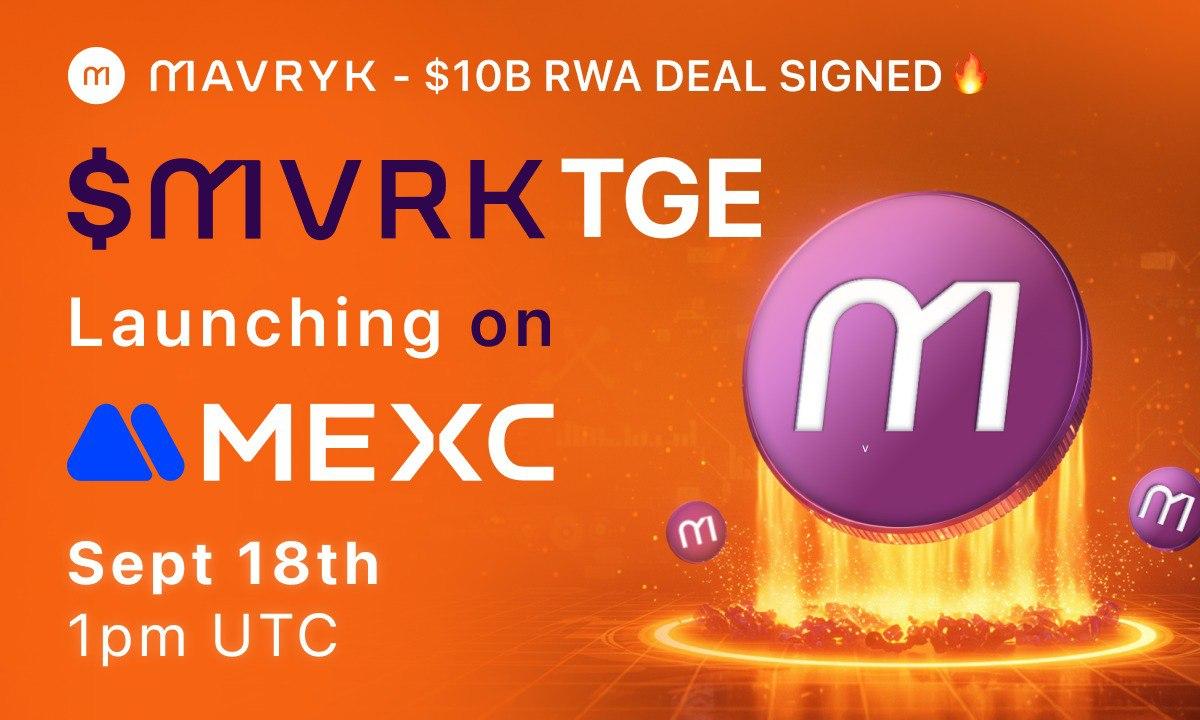
Mavryk Network, a layer-1 blockchain platform that has been pivotal in the tokenization of over $10 billion in real-world assets, is gearing up for the official launch of its mainnet token. The project’s native token, $MVRK, will soon be available for trading on MEXC, a leading global cryptocurrency exchange. This launch marks a significant milestone for the network, which aims to revolutionise the way assets are digitised and managed in the decentralized finance space.

The $MVRK token is integral to the Mavryk ecosystem, designed to support various on-chain operations, including transactions, staking, and governance. This launch will provide liquidity to the token, offering users an opportunity to engage with the network’s growing ecosystem, which has steadily gained traction in the blockchain space. By listing on MEXC, Mavryk will expand its reach, tapping into a wider pool of potential investors and developers.

The Mavryk Network focuses on creating a robust framework for tokenizing RWAs, enabling the seamless integration of assets such as real estate, commodities, and other traditional financial instruments into the blockchain. This approach aims to provide users with the ability to access a broader array of investments, offering a new avenue for both institutional and retail participants.

A key feature of Mavryk’s blockchain is its scalability and efficiency. With the ability to process high transaction volumes at a low cost, the platform addresses a significant pain point in the blockchain industry – transaction speed and cost-efficiency. The network’s architecture is designed to facilitate the fast and secure transfer of assets, making it an appealing option for businesses and individuals seeking to leverage blockchain technology for asset management.

Industry experts have expressed optimism about the potential of Mavryk, particularly in light of the increasing interest in RWAs. Tokenizing these assets could unlock liquidity in traditionally illiquid markets, such as real estate and commodities, providing more flexibility for investors. The growing trend of tokenisation is seen as a critical development in the broader blockchain space, with numerous projects exploring the possibilities of converting physical assets into digital tokens.

Mavryk’s focus on RWAs is not the only aspect drawing attention. The platform has also made significant strides in establishing partnerships and collaborations across different sectors. By building strategic alliances with major financial institutions, developers, and technology providers, Mavryk is positioning itself to become a key player in the rapidly evolving blockchain ecosystem. These partnerships are expected to enhance the adoption of the platform, further solidifying its standing in the DeFi space.

The upcoming launch on MEXC will be closely watched by investors and blockchain enthusiasts alike. MEXC’s reputation as a trusted exchange, combined with its extensive user base, could drive considerable interest in the $MVRK token. As one of the top exchanges by trading volume, MEXC provides a platform with significant exposure, which could lead to an influx of liquidity for Mavryk’s ecosystem.

Looking ahead, Mavryk is also exploring the integration of more advanced features to enhance user experience and platform functionality. Among the features in development are enhanced staking mechanisms, cross-chain interoperability, and increased decentralization. These features are expected to complement the core mission of enabling seamless, efficient, and secure blockchain-based asset management.

Pepeto has crossed the $6 million milestone in presale funding, nearing the completion of stage 10 of its ongoing token sale. The project has raised significant attention in the cryptocurrency space due to its innovative features and growing investor confidence, having sold millions of its tokens thus far. With this latest achievement, the project continues to demonstrate its appeal to investors and enthusiasts in the blockchain and decentralized finance ecosystem.

The presale has proven to be a critical element in Pepeto’s funding strategy, propelling the project forward as it works towards achieving its long-term goals. Stage 10’s closure marks a pivotal point, as the team behind Pepeto prepares for the next phase. This substantial funding amount reflects not only the interest in Pepeto’s token but also the increasing importance of such projects within the broader cryptocurrency market.

Pepeto’s rise can be attributed to its unique positioning in the blockchain space, offering a platform that integrates various DeFi solutions and catering to both retail and institutional investors. As more tokens are sold during each stage, the market is beginning to recognise the value in Pepeto’s approach to decentralisation and smart contract utilisation. The project’s transparent presale structure has encouraged early participation, with tokens being sold in increments that give investors the opportunity to buy in at various price points.

The strategy has sparked considerable interest among investors, including those seeking to capitalise on the growing adoption of blockchain-based technologies. As of the close of stage 9, the project had already surpassed $5 million in funds, with a marked increase in engagement and buzz surrounding its future potential. With stage 10 expected to conclude shortly, the focus now shifts to how Pepeto will navigate the next stages of its development, including its full-scale launch and the introduction of its core platform features.

One of the key factors contributing to Pepeto’s momentum is its roadmap, which outlines a clear vision for the project’s growth. Investors have expressed confidence in the project’s ability to deliver on its promises, largely due to the team’s track record in the cryptocurrency space. The development of Pepeto has been closely watched, with industry experts highlighting its potential to drive further innovation within the DeFi sector.

Pepeto’s presale funding figures not only underscore the enthusiasm surrounding the project but also signal a shift in the market’s focus towards platforms offering a wide array of financial services. As decentralised finance continues to disrupt traditional banking and financial institutions, Pepeto’s platform aims to bridge the gap by providing users with accessible, transparent, and secure financial tools.

For the project’s backers, the successful fundraising through presale stages provides early access to what many believe could be a highly lucrative investment opportunity. By securing substantial funds before its full-scale launch, Pepeto aims to build a robust platform that can withstand the volatility of the cryptocurrency market and offer long-term value to its users.

Despite the success of its presale, Pepeto remains focused on developing its core infrastructure. This includes ensuring that the platform is scalable, secure, and capable of supporting a wide variety of financial transactions. With cryptocurrency adoption growing at a rapid pace, platforms like Pepeto are positioning themselves as leaders in the DeFi space, seeking to offer solutions that meet the needs of an increasingly sophisticated investor base.

The project has also been building strategic partnerships to enhance its ecosystem, further increasing its potential for success. With blockchain technology and cryptocurrencies becoming more mainstream, Pepeto’s team is working on ensuring the platform’s relevance across multiple sectors. These partnerships will play a crucial role in driving the adoption of Pepeto’s token and expanding its user base.

OKB, the native token of the OKX exchange, has surpassed the $200 mark, generating significant attention in the cryptocurrency market. This surge in price comes after the platform announced the burning of 65 million OKB tokens, a move that has impacted the token’s supply and price trajectory.

The token burn, part of a broader strategy by OKX to reduce the circulating supply, was confirmed by the exchange in its latest quarterly report. The reduction in the available supply has had an immediate effect on the price of OKB, driving it higher as investors react to the scarcity of the token. The burn, valued at over $1.3 billion at current prices, has sent a signal to the market that the platform is committed to managing the long-term sustainability and value of OKB.

In addition to the burning event, several factors are influencing OKB’s upward movement. The growing adoption of the OKX platform, as well as the increasing institutional interest in the wider cryptocurrency market, is contributing to a favourable market sentiment. OKX has also gained recognition for its transparent approach to tokenomics, including regular updates on its burn schedule and token supply adjustments.

The broader context of rising interest in decentralized finance and the increasing use of exchange-native tokens is also playing a role. Many traders and investors are turning to OKB not just as a utility token for the exchange but as an asset that holds value in its own right. The token’s recent price movement has been accompanied by increased trading volumes, further driving up the price.

Experts suggest that the token burn may have created a short-term supply shock, but it is the long-term market fundamentals that will determine OKB’s price stability. While the reduction in token supply tends to lead to a price increase, the overall health of the cryptocurrency market, the strength of OKX’s platform, and the evolving regulatory environment remain key factors in sustaining the current momentum.

The OKB burn is part of OKX’s ongoing efforts to create a deflationary model for the token, which has included previous burns as well as strategic buybacks. These measures are designed to reward holders by increasing the value of the token over time. However, critics argue that while token burns can create upward price pressure in the short term, they do not guarantee long-term price appreciation if demand for the token does not remain strong.

As OKB continues to perform well, some analysts are raising questions about the sustainability of the current rally. They point to potential challenges in the global crypto market, particularly with the tightening of regulations across major jurisdictions. Despite this, OKB has shown resilience, with its strong growth being bolstered by a series of partnerships and its increasing use in DeFi protocols.

OKX has not only focused on tokenomics but also on expanding its range of products and services. The exchange has been integrating its platform with various blockchain ecosystems and is promoting its suite of DeFi tools, which has helped boost OKB’s utility beyond just trading. The introduction of new features such as staking and yield farming for OKB holders is also enhancing its appeal to long-term investors.

Looking ahead, the next steps for OKX could include additional token burns, further integrations with DeFi, and possibly the release of new products aimed at attracting more users to the platform. Investors will be keen to see whether the momentum can be sustained or whether market conditions will pose challenges to OKB’s continued growth.

A landmark onchain gaming tournament has been launched by the Moonbeam Foundation and N3MUS, with Sao Mai Games also joining the initiative. The competition, named GLMillionaiRe, is set to capture the attention of competitive gamers and blockchain enthusiasts alike. Offering a significant 1,000,000 GLMR prize pool, the event aims to promote not just high-level gaming but also to attract new users to the Moonbeam ecosystem. The entry fee for participants is set at just 10 GLMR, ensuring accessibility for a wide array of players.

Moonbeam’s innovative approach to integrating blockchain into gaming is expected to be a major driver for the platform’s expansion. As a decentralised smart contract platform, Moonbeam allows developers to easily build and scale blockchain-based applications. With this tournament, Moonbeam is not only offering financial rewards but is also positioning itself as a hub for the next wave of blockchain gaming, an increasingly popular sector within the cryptocurrency and gaming industries.

N3MUS, known for its strategic partnerships in the blockchain and gaming space, has also played a key role in the development of this tournament. The company’s involvement in GLMillionaiRe reflects its ongoing commitment to bringing innovative projects to life. Their partnership with Moonbeam aims to offer players a seamless, high-performance gaming experience underpinned by blockchain technology, offering transparency, security, and decentralisation.

The 1,000,000 GLMR prize pool, which stands as one of the largest in onchain gaming tournaments, is expected to draw participants from across the globe. This event is particularly notable due to its emphasis on accessible entry, allowing both seasoned gamers and newcomers to compete on a level playing field. The inclusion of a relatively low entry fee serves as an invitation for new users to engage with the growing Moonbeam ecosystem while also presenting them with the potential for significant rewards.

The tournament will feature multiple rounds, each designed to test the skills, strategy, and adaptability of participants. Players will face off in various gaming challenges, each incorporating elements of blockchain technology such as smart contracts and decentralized applications. By incorporating onchain features, the tournament ensures that every aspect of gameplay, from registration to rewards distribution, operates transparently and securely, an increasingly important consideration for modern gamers.

Moonbeam’s ecosystem continues to expand rapidly as more developers and projects look to harness the capabilities of its interoperable blockchain. The foundation has been making strides in attracting major players in the blockchain and gaming sectors, with GLMillionaiRe serving as a prime example of its growth. By bridging the gap between gaming and decentralised finance, Moonbeam offers an ecosystem where players, developers, and investors can all engage meaningfully.

For N3MUS, this partnership marks another significant milestone in its mission to push the boundaries of what is possible within the blockchain and gaming realms. The company’s reputation for delivering cutting-edge gaming experiences ensures that GLMillionaiRe will be closely watched by both the gaming community and blockchain investors. As the tournament progresses, it is expected that the level of competition and interest will only increase, further solidifying the event’s status as one of the most ambitious in the space.

Sao Mai Games, a key player in the gaming development space, is providing the technical expertise and gaming content that will power the tournament. The involvement of Sao Mai Games ensures that the gaming experience for participants is smooth, immersive, and enjoyable, making the competition not only lucrative but also fun for all involved. As the tournament evolves, the partnership with Sao Mai Games will likely continue to shape the future of onchain gaming events.

The cryptocurrency market is witnessing a surge of activity, as Bitcoin Swift makes its way into Stage 6 of its development cycle, and Ethereum continues to hold steady above $3,100. Meanwhile, Bitcoin Hyper, a new player in the presale market, is igniting interest with its presale price hovering just above one cent. This confluence of developments signals a dynamic phase for blockchain technology and its associated assets.

Ethereum, the second-largest blockchain by market capitalisation, has remained resilient in a volatile market. With a focus on upcoming upgrades, such as Ethereum 2.0 and its scalability initiatives, Ethereum continues to attract investors seeking a robust and versatile platform for decentralised applications. Analysts note that Ethereum’s ability to maintain a strong position despite competition from emerging networks speaks volumes about its foundational role in the broader crypto ecosystem. The anticipation surrounding its future upgrades further fuels confidence in its long-term potential.

Bitcoin Swift, which recently entered Stage 6 of its development, is generating significant attention. The coin’s rapid ascent through its various stages has been marked by rising investor confidence, and as it advances to Stage 6, more attention is now being paid to its potential. Backed by a highly ambitious roadmap, BTC3 aims to position itself as a major player in the cryptocurrency space by offering a range of technological advancements, including faster transaction times and a more scalable consensus mechanism. BTC3’s move into Stage 6 marks a crucial point in its development, drawing in investors who see it as a promising competitor in the market.

Bitcoin Hyper, a new entrant in the crypto presale market, has also made waves due to its highly affordable presale price, which currently sits just above one cent. This has led to a significant uptick in investor interest, particularly among those looking for early-stage opportunities in a rapidly expanding market. Despite being in the early stages, Bitcoin Hyper’s project has attracted attention for its innovative features, including a focus on security and privacy for its users. Its low presale price and promising roadmap have set the stage for potential rapid growth.

The rapid growth of Bitcoin Swift and Ethereum has sparked discussions about the evolving competitive landscape within the blockchain sector. Many investors and developers are keen to see how these two will perform as blockchain technology matures. Ethereum’s scalability upgrades are expected to play a pivotal role in its ability to retain its market position and further challenge other blockchain platforms.

At the same time, Bitcoin Swift is looking to carve out its niche by providing solutions that are expected to address some of the scalability issues that have long plagued the cryptocurrency market. The growing demand for faster, more secure transactions is driving interest in Bitcoin Swift, with its features expected to position it as a key player in the crypto space.

Bitcoin Hyper, despite its early presale price, has set ambitious goals to stand out in a crowded marketplace. It is targeting markets where privacy and security are critical, making it an attractive proposition for those seeking a more secure and anonymous way to conduct transactions. Its early success in the presale market demonstrates investor confidence in the potential of the platform, even as it works through its development phases.

Ethereum’s continued dominance in the space is further solidified by its diverse range of use cases, from decentralised finance to non-fungible tokens. As Ethereum prepares to unveil key updates to its network, the platform is expected to enhance its ability to handle a growing number of transactions while reducing gas fees. These upgrades, particularly the Ethereum 2.0 transition, are expected to provide the blockchain with a much-needed scalability boost, keeping it competitive with newer entrants.

Despite the competition, Ethereum’s strong brand and extensive developer community offer it a distinct advantage over some of its rivals. Many blockchain developers are continuing to build on Ethereum due to its robust infrastructure, which supports decentralised applications, smart contracts, and DeFi protocols. As the network transitions to Ethereum 2.0, the platform is poised to capture a larger share of the blockchain market.

While Ethereum looks to expand its capabilities, Bitcoin Swift and Bitcoin Hyper are positioning themselves as innovative disruptors with distinct value propositions. Bitcoin Swift’s focus on transaction speed and scalability, coupled with Bitcoin Hyper’s privacy-first approach, offers compelling alternatives to Ethereum’s more open ecosystem.

Leading players in the cryptocurrency industry, including Coinbase, Binance, Kraken, Robinhood, PayPal, Ripple, and others, have launched the Beacon Network, a collaborative effort to tackle the growing issue of stolen cryptocurrency. By working alongside law enforcement and researchers such as ZachXBT, the network aims to offer a real-time solution to prevent the illicit transfer and withdrawal of stolen crypto assets.

The Beacon Network functions by blacklisting suspicious crypto addresses and immediately freezing any funds that are attempted to be withdrawn to an exchange. This swift action is designed to prevent stolen funds from being converted into liquid assets or used for further illegal activities. It is part of a broader effort to safeguard the integrity of the crypto ecosystem and help victims recover assets that have been taken through hacks, scams, and other forms of cybercrime.

The network’s development is timely, as the scale of cryptocurrency thefts continues to escalate. Since 2023, an estimated $47 billion has been funneled into fraudulent wallets, often linked to a range of malicious activities, including hacks, scams, and illicit funding of groups such as North Korean cybercriminals. These trends have prompted both public and private sector entities to take stronger measures to address the vulnerabilities in the crypto world.

One of the key objectives of the Beacon Network is to fight against the growing threat posed by cybercriminals who exploit the anonymity of cryptocurrencies. By leveraging the collective resources of major crypto exchanges and financial platforms, the network seeks to build a collaborative system that can trace stolen assets in real-time. This is expected to disrupt the operations of hackers who often rely on the difficulty of tracking digital currency transactions to launder their ill-gotten gains.

In addition to dealing with cybercriminals, the Beacon Network is also focused on combating other high-profile security threats, such as the use of stolen funds to finance terrorism or support state-sponsored hacking activities. The collaboration between the crypto industry and law enforcement aims to create a more resilient framework for addressing these issues, preventing funds from reaching dangerous or malicious actors.

This initiative marks a significant shift in how cryptocurrency exchanges, financial institutions, and even government bodies approach the problem of stolen crypto. For years, the industry has struggled with the negative perception of cryptocurrencies being used for illicit activities. However, the Beacon Network serves as an example of how crypto giants can take a proactive role in addressing security concerns while maintaining the privacy and decentralised nature of their operations.

The development of the Beacon Network is also an indication of how the cryptocurrency sector is maturing. What was once an unregulated space largely dominated by individual actors and exchanges is now seeing a concerted effort to adopt more formalised and secure practices. The collaboration among these prominent crypto platforms is expected to encourage others in the industry to follow suit, creating a more secure environment for users and reducing the risks associated with digital currency theft.

For the victims of crypto theft, the Beacon Network offers hope for recovering stolen assets. With its automated tracking and freezing capabilities, users will be able to report and prevent further damage to their stolen funds before they can be laundered or moved across borders. While the process is still in its early stages, the network’s potential to return stolen assets to their rightful owners represents a significant step forward in the fight against crypto-related crime.

Binance has partnered with TRM Labs to unveil a groundbreaking initiative aimed at tackling cryptocurrency-related crime. The newly launched Beacon Network is designed to enhance the security and integrity of the digital assets market. This collaboration marks a significant step in addressing the increasing concerns surrounding illicit activities in the crypto space.

Beacon, powered by TRM Labs, will provide a comprehensive suite of tools to track and identify suspicious activities across the blockchain. The network’s capabilities extend beyond the identification of suspicious transactions; it will also monitor exchanges and wallet providers for potential risks associated with money laundering, fraud, and terrorist financing.

This partnership is timely, as the cryptocurrency sector continues to expand and evolve, with regulators and lawmakers increasingly focusing on how to prevent its use for illegal activities. Binance, a global leader in digital asset exchanges, has long faced scrutiny over its role in the market and its ability to ensure compliance with anti-money laundering and know-your-customer standards. By working with TRM Labs, the company seeks to bolster its efforts in this area and demonstrate its commitment to ensuring the safety and legitimacy of the platform.

TRM Labs, a firm specializing in blockchain forensics and compliance tools, brings a wealth of experience to the table. The company’s technology is already used by financial institutions, law enforcement agencies, and regulators worldwide to detect and investigate financial crimes in the cryptocurrency ecosystem. Its role in the Beacon Network will help provide real-time analysis and actionable insights that can prevent fraudulent activities before they escalate.

A key feature of the Beacon Network is its use of advanced artificial intelligence and machine learning algorithms to detect emerging patterns in financial transactions. This technology will continuously monitor the blockchain, adapting to new methods of crime as they emerge. The platform will also integrate data from numerous public and private blockchains, creating a unified view of the crypto landscape that will be accessible to stakeholders across the industry.

While the initial focus of the Beacon Network will be on detecting fraud and money laundering, the partnership with Binance also signals a broader ambition to enhance overall regulatory compliance within the crypto space. Binance’s decision to invest in this technology is part of its wider effort to improve transparency and strengthen its reputation among regulators, especially in markets like the United States and Europe, where scrutiny has been particularly intense.

The collaboration also highlights the growing recognition that the cryptocurrency industry must take a more proactive stance in preventing crime and enhancing security. As the industry continues to grow, so too does the scale and sophistication of the threats it faces. The launch of the Beacon Network is therefore seen as an important step in building trust with both regulators and users, addressing concerns over the potential for digital assets to be used for illicit purposes.

Despite these efforts, challenges remain. The decentralized and pseudonymous nature of cryptocurrencies makes it inherently difficult to track illicit transactions. However, by combining Binance’s vast resources with TRM Labs’ expertise in blockchain analytics, the Beacon Network aims to create a powerful tool that will help combat the dark side of the crypto revolution. This collaboration is expected to set a new standard for industry best practices and contribute to the broader goal of mainstream adoption of digital currencies.

A popular virtual private network application, advertised as a secure and private way to browse the internet, has been caught secretly monitoring its users’ online activities. The app, which boasts Google verification, claims to protect user data by masking their IP addresses and encrypting internet traffic. However, investigations have uncovered that it has been collecting extensive personal information without user consent. The VPN, downloaded by millions globally, […]

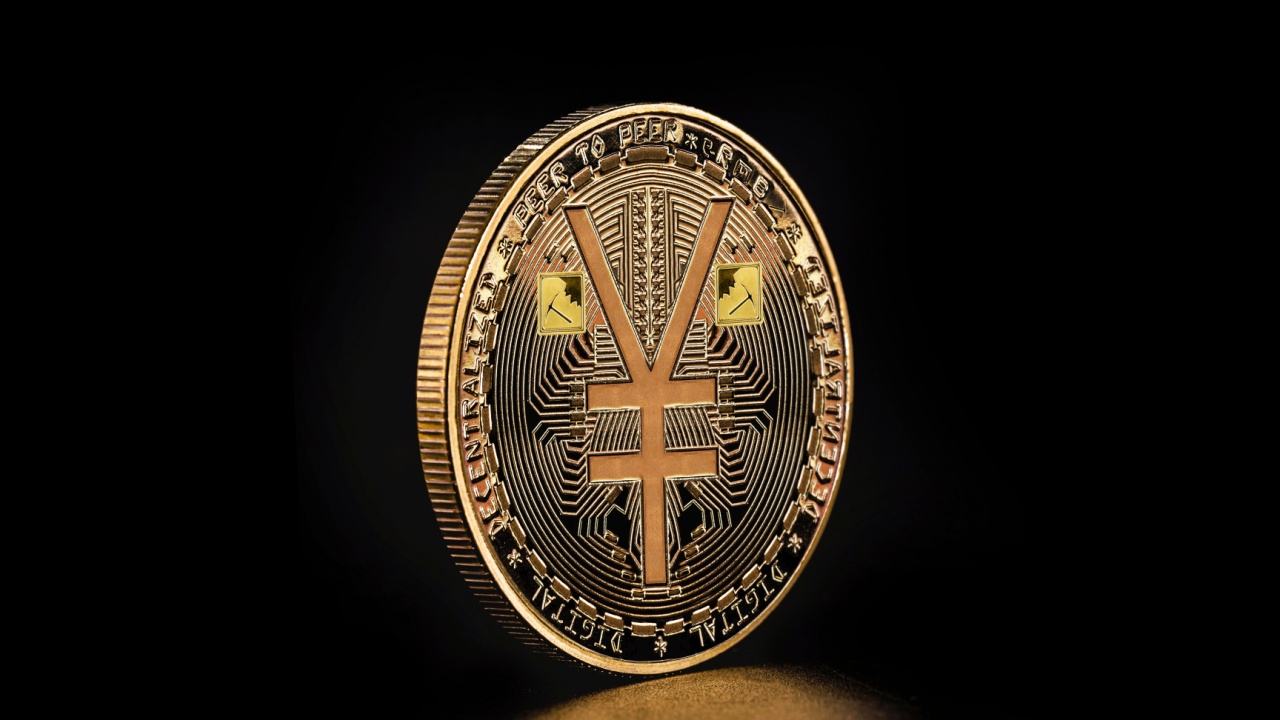
China is reportedly on the brink of a significant policy shift that may see the introduction of yuan-backed stablecoins, a move designed to bolster the international standing of its currency. With global financial markets increasingly leaning towards digital currencies, Beijing’s latest plan could mark a pivotal moment in the international adoption of the yuan.

The Chinese government is set to consider a proposal to allow the issuance of stablecoins pegged to the yuan, which would aim to challenge the dominance of the US dollar and its associated stablecoins in global markets. The proposal, expected to be reviewed by the State Council, reflects Beijing’s ongoing strategy to expand the yuan’s reach beyond its traditional borders, positioning it as a competitor to the greenback.

As part of its broader push for digital currency integration, China could allow key financial hubs such as Hong Kong and Shanghai to be the first to implement the new stablecoin systems. These cities are already at the forefront of China’s broader efforts to foster the growth of digital currencies, and the stablecoin initiative could further solidify their roles as global financial centres.

Discussions surrounding the adoption of yuan-backed stablecoins are expected to feature prominently during high-level meetings, including the upcoming Shanghai Cooperation Organisation Summit. This gathering will provide an important platform for Chinese leaders to outline their vision for the future of digital currencies, while signalling their intent to shape international policy on the use of stablecoins.

The planned move is in direct contrast to China’s earlier stance on cryptocurrency regulation. In recent years, the country has imposed strict measures on the use of private cryptocurrencies, citing concerns about financial stability and capital outflows. The proposed policy reversal regarding stablecoins marks a dramatic shift in strategy, moving from a position of stringent control to one of potential global leadership in digital currency innovation.

Stablecoins, which are digital currencies pegged to stable assets like fiat currencies or commodities, have become increasingly popular among investors seeking to minimise volatility. In particular, US dollar-backed stablecoins have grown exponentially, with major players like Tether and USD Coin dominating the market. The success of these assets has prompted China to explore ways in which the yuan can gain a similar foothold in the emerging digital economy.

By introducing a yuan-backed stablecoin, China would not only be promoting its digital currency but also attempting to influence how digital currencies are adopted globally. The move could significantly shift the dynamics of international trade and finance, particularly in Asia. As countries continue to look for alternatives to US dollar-dominated systems, China’s push for a digital yuan is increasingly seen as a strategic move to improve its influence over global financial markets.

Key stakeholders in the financial sector have already begun to take notice of China’s evolving stance on digital currencies. Financial institutions operating in Hong Kong and Shanghai are expected to play an integral role in the rollout of yuan-backed stablecoins, with implications for both domestic and cross-border transactions. Additionally, blockchain technology providers are closely monitoring developments in this space, anticipating a surge in demand for stablecoin-related infrastructure as China accelerates its digital currency ambitions.

The anticipated approval of yuan-backed stablecoins would also contribute to the development of China’s central bank digital currency, the digital yuan. While the digital yuan has already been tested in select regions, the integration of stablecoins would expand the use of digital yuan products, making it more accessible to international markets. This could significantly enhance the usability of China’s digital assets, providing a stable, digital alternative to traditional fiat currencies for global trade and investment.

At the same time, China’s global competitors, particularly the United States and the European Union, are likely to view this move with caution. While the yuan-backed stablecoin could disrupt traditional financial systems, it could also prompt a race to establish new regulatory frameworks and digital currencies to safeguard the dominance of the US dollar and the euro in global markets.

Two Prime, a prominent investment firm managing $1.75 billion in assets, has partnered with Figment, the leading independent staking infrastructure provider with over $15 billion staked across 1,000 clients. The collaboration brings forth an innovative offering, enabling institutional investors to access staking across more than 40 protocols, including advanced BTC yield strategies. The agreement marks a significant milestone in the evolution of blockchain-based investments, catering to the growing demand for diversified digital asset yield solutions.

The partnership between Two Prime and Figment blends institutional expertise with cutting-edge blockchain infrastructure. Investors will now be able to simultaneously participate in Proof-of-Work and Proof-of-Stake mechanisms, two foundational components of the cryptocurrency ecosystem. This dual approach allows institutions to enhance their portfolio’s earnings by leveraging the best of both worlds — the robust security of Proof-of-Work systems like Bitcoin and the scalability and yield potential of Proof-of-Stake networks.

Proof-of-Stake, a consensus mechanism used in various blockchain networks, rewards participants who lock their assets in the network, enabling them to validate transactions and secure the blockchain. It is often seen as a more energy-efficient alternative to Proof-of-Work, which relies on miners to solve complex mathematical problems. By combining these two distinct methods, the partnership offers a unique opportunity for institutional investors to diversify their strategies and maximise their returns in an increasingly volatile market.

Two Prime’s strategy is rooted in its deep understanding of institutional investment dynamics, with a focus on building yield strategies tailored for high-net-worth individuals and large-scale investors. The firm has long been a trailblazer in the institutional BTC space, offering clients a comprehensive suite of digital asset products that include structured solutions and yield-bearing strategies. The collaboration with Figment represents a step forward in Two Prime’s mission to create more opportunities for institutional clients to benefit from the growing world of digital assets.

Figment, on the other hand, has built a strong reputation as the largest independent provider of staking services. The company’s impressive track record includes $15 billion staked across multiple blockchain networks, making it a trusted player in the field. Its infrastructure supports a wide variety of clients, from individual stakers to large-scale institutions, offering tools and services that simplify the process of staking digital assets. With the new partnership, Figment expands its reach even further, providing clients with an extensive range of staking options across more than 40 different protocols.

Both firms are capitalising on the increasing institutional interest in digital assets, particularly those that offer steady returns. As traditional financial institutions and wealth managers look to diversify their portfolios, cryptocurrencies have become an attractive option, thanks to their potential for high yields. The ability to generate income through staking adds an additional layer of appeal, allowing institutions to tap into passive income streams while supporting blockchain networks.

The strategic partnership between Two Prime and Figment is poised to redefine how institutions approach digital asset investments. By offering an extensive array of yield strategies that cover both Proof-of-Work and Proof-of-Stake networks, the firms are not only creating new opportunities but are also helping to drive the adoption of blockchain technology in institutional investment circles.

This collaboration comes at a time when the broader cryptocurrency market is showing signs of maturity. With the growing institutionalisation of digital assets, platforms and services that bridge the gap between traditional finance and the world of blockchain are becoming increasingly valuable. Two Prime and Figment’s joint offering positions both firms as key players in this evolving landscape, providing investors with the tools to stay ahead of the curve.

Norway’s Sovereign Wealth Fund, managed by Norges Bank Investment Management, has achieved a new milestone in its investment portfolio with an increased exposure to Bitcoin. This exposure, reaching a record high, is now valued at the equivalent of 7,161 Bitcoin, achieved through investments in companies that hold Bitcoin on their balance sheets. This move signifies a notable shift in the fund’s diversification strategy, as it moves further into the digital asset space.

The fund’s strategy typically involves investing in a broad spectrum of assets, including global equities, bonds, and real estate. However, the rising value of cryptocurrencies and their growing acceptance in mainstream financial markets have prompted the fund to increase its indirect exposure to Bitcoin. NBIM’s current indirect holdings represent a stake in Bitcoin through companies that have embraced cryptocurrency, such as MicroStrategy and Tesla, which have allocated significant portions of their balance sheets to the digital currency.

With Bitcoin’s price having seen significant volatility over the years, the fund’s exposure to the digital asset has raised questions about the risks and benefits of investing in such a volatile commodity. As of the latest figures, the total value of these Bitcoin-linked investments stands at approximately 1,387 Norwegian kroner per Norwegian citizen, based on the current exchange rates and Bitcoin’s market price.

This development underscores the growing integration of digital currencies into traditional investment portfolios. The Norwegian Sovereign Wealth Fund, traditionally focused on more conventional assets, has now ventured into a more speculative investment arena. While the fund’s management has assured that this exposure remains minimal compared to its total assets, the move reflects broader trends within institutional investment.

NBIM’s strategy aligns with increasing interest among large-scale investors in diversifying into Bitcoin and other cryptocurrencies. Over the past few years, several prominent investment funds and financial institutions have adjusted their portfolios to include Bitcoin as a hedge against inflation or as a long-term store of value. These entities view Bitcoin’s finite supply and its potential as an alternative investment vehicle in a world of low-interest rates and global economic uncertainties as key drivers behind their investment decisions.

However, the fund’s Bitcoin exposure remains highly indirect. Instead of holding Bitcoin directly, NBIM’s stake comes from investments in companies like MicroStrategy, whose CEO, Michael Saylor, is a known advocate for Bitcoin. Tesla, another key player in the space, made headlines in 2021 when it disclosed its investment in Bitcoin, which led to an immediate surge in the digital currency’s value.

The Norwegian government, which oversees the fund’s operations, has expressed cautious optimism about its cryptocurrency exposure. While the fund is generally conservative in its investment approach, there is recognition that digital assets could play a role in long-term portfolio diversification. The Fund has made it clear that its current exposure is small and that the risk of loss is something it continues to monitor.

While Bitcoin has proven to be an incredibly volatile asset, some argue that its performance over time, including periods of significant appreciation, has made it an attractive speculative asset. Proponents believe that as Bitcoin becomes more integrated into the financial system and more institutional investors enter the market, its volatility will decrease, and its value will continue to appreciate in the long term. Conversely, critics caution that Bitcoin’s lack of intrinsic value and its exposure to regulatory scrutiny could render it a risky bet for long-term investors.

The Norwegian Sovereign Wealth Fund’s growing interest in Bitcoin is part of a wider trend that is seeing institutional investors increasingly embrace digital currencies. In addition to companies like MicroStrategy and Tesla, several other financial entities have made substantial investments in Bitcoin, such as Grayscale Investments and the publicly traded Bitcoin ETF, which tracks the price of Bitcoin directly.

As this trend continues, it raises broader questions about the role of cryptocurrencies in the global financial system. While Bitcoin and other digital assets were once viewed primarily as speculative investments or a form of digital gold, they are now starting to be considered by more traditional investors as part of a diversified investment strategy. The Norwegian Sovereign Wealth Fund’s increasing exposure to Bitcoin may serve as a bellwether for other institutional investors contemplating similar moves.

VISHNU RAJA
RYO YAMADA
HITORI GOTOH
IKUYO KITA