News related to
currency

Security analysts have uncovered a large-scale phishing operation utilising 175 npm packages as infrastructure to redirect victims to credential-harvesting sites. The packages, collectively downloaded over 26,000 times, do not themselves execute malware; rather, they act as hosting points for malicious scripts delivered through npm’s public registry and the unpkg CDN. The campaign, dubbed Beamglea, is believed to have targeted more than 135 companies across industrial, technology and […]

A newly observed wave of attacks is using the cutting-edge Single Executable Application capability in Node. js to deliver the Stealit malware to Windows systems, marking a strategic shift by threat actors to evade detection. Security analysts say the move underscores how attackers are co-opting development frameworks to bypass conventional defences. FortiGuard Labs security researchers discovered that this campaign packages malicious payloads using Node. js SEA, an […]

Cryptocurrency markets endured a historic collapse as leveraged positions were liquidated en masse – over 1.6 million traders wiped out $19.13 billion in bets within 24 hours, data from Coinglass shows.

The crash accelerated sharply after U. S. President Donald Trump announced an additional 100 per cent tariff on Chinese imports and threatened export controls on critical software, heightening fears of a full-blown trade war. Bitcoin plunged more than 12 per cent from its recent highs, briefly sliding below $102,000 before rebounding above $113,000.

Before the sell-off, Bitcoin had breached a new all-time peak above $125,000, buoyed by institutional inflows into crypto exchange-traded funds. Governments and institutional investors had viewed digital assets as a hedge amid macroeconomic uncertainty.

Today’s market rout, however, exposed the fragility of overleveraged positions in a thinly capitalised market. In a single hour on Friday, more than $7 billion of liquidations occurred. The top losses were seen among long positions, particularly in Bitcoin and Ethereum derivatives, which accounted for a substantial share of the forced unwinds.

Institutional players and high-net-worth traders were swept up in the cascade. Market watchers noted that order books lacked the depth to absorb such a severe shock, triggering knock-on effects through futures and perpetual swap markets.

Beyond crypto, equity indices faltered under the weight of renewed global risk aversion. The S&P 500 dropped 2.7 percent, while tech stocks, sensitive to trade tensions, bore steep losses.

Some analysts likened the event to a “black swan” moment for crypto markets — a sudden shock revealing systemic vulnerabilities in a still nascent asset class. Traders operating with high leverage, little hedging, and aggressive margin policies found themselves particularly exposed.

Efforts to assess contagion effects to traditional finance are underway. Banks offering crypto derivatives and prime brokers are now scrutinising counterparty risks. Regulators in several jurisdictions may use today’s crash to justify stricter margin and leverage rules for crypto trading.

Reviewing policy implications, the tariff escalation marks a sharp pivot in U. S.–China trade strategy. Trump framed the measures as retaliation for China’s export curbs on rare earth metals, which are critical for tech manufacturing. The move signals willingness to escalate economic confrontation, with markets already pricing in broader disruption to global supply chains.

Despite the volatility, some investors are still betting on long-term resilience of digital assets. The week before the crash saw a record $5.95 billion flow into global crypto ETFs, led by U. S. allocations, suggesting that capital rotation into crypto remains strong over medium timeframes.

Liquidity providers and market makers face fresh trials. Some have temporarily withdrawn from funding markets or widened spreads to mitigate risk exposure. In highly volatile hours, arbitrage desks and algorithmic liquidity engines contributed to exaggerated price swings.

Wider sentiment has turned cautious: on-chain analytics show a rise in stablecoin inflows to exchanges, possibly reflecting flight from risk. Options markets registered growing demand for deep out-of-the-money puts, as traders brace for further downside.

Ethereum’s value slipped beneath the psychologically and technically significant $4,000 mark today, intensifying fears that the second-largest cryptocurrency may be entering a deeper correction. On Binance, ETH dipped to $3,988.89, down almost 8 per cent in 24 hours.

The abrupt drop triggered widespread liquidations, especially among leveraged positions. On-chain liquidation trackers show nearly $188 million in crypto was liquidated in just one hour during the sharp move.

Persistent macroeconomic headwinds, alongside renewed U. S.–China trade tensions, appear to have compounded selling pressure. The Nasdaq and other equity benchmarks also suffered, amplifying risk aversion among crypto investors.

Technical analysts now view the breakdown below $4,000 as a turning point. From a charting perspective, the fall invalidated previously bullish setups such as bull flags, leaving Ethereum exposed to further downside. One analyst cautioned that extended weakness could push ETH toward the $3,750 to $3,500 zone if pivotal support fails.

Support between $4,200 and $4,300 had held in recent sessions, but now that zone is under siege. Should it collapse, the stage may be set for a retest of $3,900 or lower. Traders are watching whether buyers will defend this corridor or capitulate.

Despite today’s plunge, some investors see accumulation underway. Ethereum’s total on-exchange supply has declined to a nine-year low, with large holders withdrawing ETH from exchanges—an indicator that long-term confidence may still remain intact.

Longer term, expectations remain cautiously optimistic. Standard Chartered recently raised its year-end target for ETH to $7,500, citing heightened institutional adoption and increasing use of the Ethereum network in stablecoin and DeFi infrastructures. Meanwhile, Citigroup offers a more conservative forecast of $4,300 by end-2025, warning that current prices may be more sentiment-driven than fundamentals-rooted.

Major upgrades on Ethereum’s roadmap could yet shift sentiment. Among them: the Glamsterdam upgrade, which integrates enhanced proposer-builder separation. However, a fresh academic study warns of a “free option” risk under high volatility, whereby builders may cancel committed payloads without penalty—posing challenges to network liveness during stress.

In the short term, analysts are split. Some argue that the slide is a healthy reset before ETH resumes an uptrend, provided support zones hold. Others say the breach of $4,000 suggests a loss of momentum strong enough to spark a deeper correction.

Crypto markets are already exhibiting signs of strain beyond Ethereum. Bitcoin is under pressure as well, and risk assets broadly are being squeezed by mixed macro data and higher real-interest rates. Some strategists say the crypto pullback could morph into a broader derisking wave unless fresh catalysts emerge.

Looking ahead, observers point to a few key variables: whether ETH can reclaim and sustain above $4,500; whether buyers will step in at $4,200–$4,300; and whether the network upgrades can deliver tangible improvements to gas, scalability, and decentralisation.

India is dispatching over 450 technology firms and startups to GITEX Global 2025 in Dubai, anchoring the India Pavilion under the aegis of ESC. The pavilion will span multiple halls and spotlight more than 100 Indian enterprises across sectors such as AI, cybersecurity, cloud computing, IoT, smart mobility, fintech and digital infrastructure. Organisations will also engage in high-stakes networking, investor roundtables and B2B matchmaking.

GITEX Global 2025, running from 13 to 17 October at the Dubai World Trade Centre, draws more than 6,800 tech companies and some 2,000 startups from about 180 countries. It is expected to be the largest edition to date, integrating themes such as physical AI, quantum computing, biomedicine and semiconductor innovation. Across the co-located Expand North Star event, over 1,200 investors managing assets exceeding US$1.1 trillion will scout opportunities among scale-ups and unicorns.

The India Pavilion marks a concerted push to convert India–UAE strategic frameworks into tangible tech commerce. With the India–UAE Comprehensive Economic Partnership Agreement and the Local Currency Settlement System operational, cross-border ICT trade has surged. Bilateral trade crossed US$100 billion during fiscal year 2024–25, and electronics exports alone reached US$3.7 billion, positioning the UAE as a key destination for Indian hardware shipments.

At a preparatory briefing, Kamal Vachani, ESC’s regional director for Dubai, described the pavilion as more than a display — “a living showcase of India’s tech prowess and growing synergy with the UAE.” ESC’s CEO, Gurmeet Singh, noted that many participating companies are MSMEs or first-time exporters, and that the pavilion aligns with India’s ambition to emerge as a global electronics hub.

India’s strategy at GITEX goes beyond sheer numbers. Firms are bringing solutions purpose-built for global markets — from smart city platforms to blockchain-enabled supply chains. The pavilion will host curated sessions on cross-border compliance, regulatory alignment, and scalable deployment across Middle Eastern and African markets.

For the UAE, the event reinforces its vision of acting as a global nexus for innovation and capital. Major corporate names such as G42, e&, IBM, AMD, Huawei, Microsoft, Oracle and Amazon Web Services will anchor the exhibitions. New entrants including Cerebras, Tata Electronics, Qualcomm and Tenstorrent will attempt to break in. The show also emphasises future-critical infrastructure: hyperscale data centres, quantum systems, and semiconductor roadmaps are front and centre.

Globally, one of the event’s linchpin themes is the maturation of AI into domain-specific systems. The AI Semicon track will address sovereign technology imperatives in chip design, while the Quantum Expo will present fault-tolerant architectures. At the intersection of AI and healthcare, companies like Mammoth Biosciences and Paradromics will illustrate how gene-editing and neurotech are being reimagined. Robotics firms will showcase humanoid prototypes and autonomous “robocars,” underscoring the pivot to “physical AI.”

Strategic partnerships form a parallel narrative. India and the UAE are finalising memorandum exchanges via the UAE-India Business Council to deepen collaboration across fintech, logistics, digital infrastructure and state-level investment. The CEPA Start-up Series launched earlier this year in New Delhi underscores a joint intent to foster innovation-led cross-border growth.

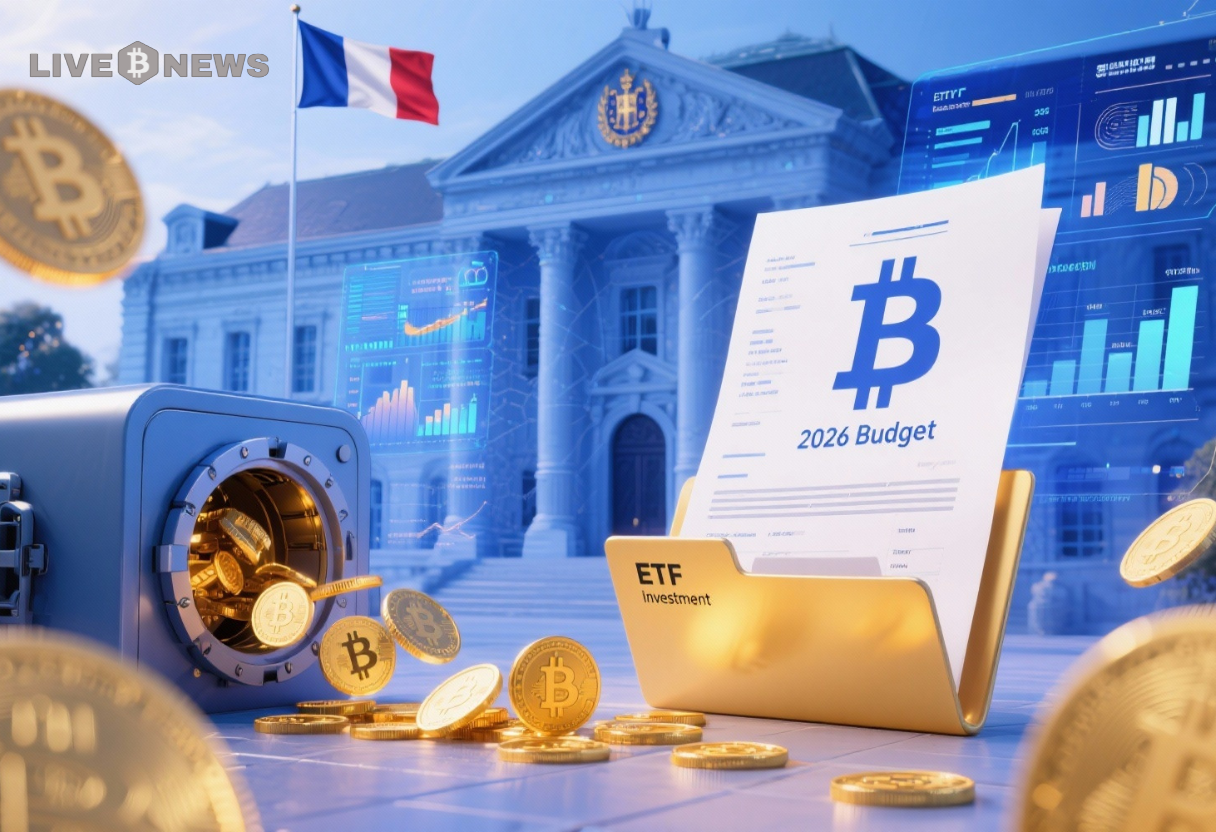
Luxembourg’s Intergenerational Sovereign Wealth Fund has placed 1 per cent of its assets into Bitcoin exchange-traded funds, making it the first sovereign fund in the Eurozone to adopt such exposure. The move was unveiled during the presentation of the 2026 national budget by Finance Minister Gilles Roth.

Under a new investment mandate approved in July 2025, the FSIL is authorised to allocate up to 15 per cent of its portfolio into alternative investments, including private equity, real estate, and digital assets. The 1 per cent allocation to Bitcoin ETFs reflects a cautious approach: the fund avoids direct crypto holdings to limit custody and operational risk.

At present, the fund’s total assets are estimated between €700–900 million, with the Bitcoin allocation amounting to about €7–9 million. Bob Kieffer, Director of the Treasury, described the sum as a symbolic yet measured step. He noted that given FSIL’s mission and structure, the 1 per cent level “strikes the right balance while sending a clear message about Bitcoin’s long-term potential.”

Advocates argue the allocation signals growing institutional acceptance of digital assets within sovereign portfolios. Critics caution that Bitcoin’s volatility may be ill-suited for public-sector funds. Some observers contend that 1 per cent is negligible in impact yet potent in signalling. The fund’s leadership anticipates that monitoring performance will shape future adjustments within the 15 per cent limit.

Luxembourg’s decision departs from the pattern of European states owning Bitcoin only through seizure or law-enforcement action; here, the allocation is proactive and policy-based. Analysts place the development in the context of Luxembourg’s ambition to serve as a crypto and fintech hub under the European Union’s Markets in Crypto-Assets regime. Already hosting numerous crypto firms, Luxembourg aims to reinforce credibility by integrating digital assets into sovereign investment strategy.

Other European institutions have taken indirect exposure paths. Norway’s sovereign fund has gained crypto-linked exposure through equities, while some central banks in Finland and the Czech Republic have expressed interest in digital assets. The Luxembourg move may prompt broader rethinking of asset allocation norms among state funds.

FSIL’s strategy places the Bitcoin position in ETFs rather than direct holdings, a choice intended to manage custody risk and improve regulatory oversight. The law permitting cryptocurrency exposure came amid internal policy debates, with critics warning of reputational and financial risk in volatile markets. Kieffer acknowledged that “some may argue that we’re committing too little too late; others will point to the volatility and speculative nature of the investment.”

Luxembourg’s financial regulator, the Commission de Surveillance du Secteur Financier, has adapted rules governing virtual assets and alternative funds, creating a regulatory backdrop conducive to this experiment. The fund will continue to invest primarily in bonds and equities, with the digital assets portion complementing a diversified portfolio.

Ethiopia’s central bank has held its benchmark rate at 15 per cent while expanding the cap on credit growth to 24 per cent for the 2025/26 fiscal year, balancing a cautious monetary stance with support for economic expansion. The move coincided with the country’s inaugural export shipments under the African Continental Free Trade Area, marking a defining moment in Ethiopia’s trade and financial policy strategy. The National […]

Advertisements

Matein Khalid Gold is in its most spectacular bull run since 1976-1980, when prices rocketed from $91 to over $800 an ounce. The current cycle found its floor near $1,800 in late 2022, as the Powell Fed’s rate-hike campaign peaked and Washington froze $300 billion in Russian reserves in response to the invasion of Ukraine. “Dr Auric” now trades at just over $4,000 an ounce – a perfect vindication of […]

The cryptocurrency market has experienced a sharp downturn, with over $100 million worth of positions liquidated in the past 60 minutes. This sudden plunge has sent shockwaves through the sector, with both retail and institutional investors facing severe losses. The volatility underscores the unpredictable nature of the crypto landscape, where prices can fluctuate wildly, often within short time frames.

At the heart of the market’s rapid decline is a combination of factors that have rattled traders. A significant sell-off in major cryptocurrencies, including Bitcoin and Ethereum, has triggered a cascade of liquidations. This activity typically occurs when leveraged traders are forced to sell off their positions to meet margin calls, further driving down prices. The market has seen a surge in such sell-offs following a series of adverse market signals, including regulatory concerns, broader economic factors, and macroeconomic events affecting global financial markets.

The recent downturn comes at a time when cryptocurrency markets have already been under pressure from tightening financial conditions across the globe. Inflation concerns and rising interest rates have led to reduced liquidity in many sectors, including digital assets. Cryptocurrency, which is often seen as a high-risk investment, has been particularly vulnerable to these shifts. With investors pulling back and re-evaluating their portfolios, volatility has surged, and cryptocurrencies have taken a substantial hit.

Market analysts have pointed to several factors contributing to the liquidity crisis. Firstly, the ongoing regulatory scrutiny in key jurisdictions has heightened concerns over the long-term viability of certain digital assets. In the United States, lawmakers have continued to debate how to regulate cryptocurrencies, with some seeking stricter oversight, which could have a dampening effect on investment. Meanwhile, in Europe, the regulatory landscape has been evolving, with the European Union moving forward with legislation designed to increase transparency in the crypto sector. These developments have raised uncertainty about the future of cryptocurrencies as a legitimate financial asset.

Bitcoin, the largest cryptocurrency by market capitalisation, has been trading below key support levels, which has triggered massive sell-offs. Technical analysis indicates that the price has dipped significantly, prompting traders to take precautionary measures and close their leveraged positions to avoid further losses. Ethereum, the second-largest cryptocurrency, has followed suit, showing similar signs of weakness. The price action of both major coins has been exacerbated by the liquidations themselves, creating a feedback loop that deepens the market’s downward spiral.

Traders in the cryptocurrency space are no strangers to high volatility, but such rapid and significant liquidations highlight the risks of excessive leverage. Leverage, which allows traders to borrow funds to increase their exposure to a particular asset, can amplify both gains and losses. While it has the potential to increase returns during a rally, it can be equally damaging in a downturn, leading to forced liquidations when assets fall below a certain threshold.

The crisis in the cryptocurrency market also serves as a reminder of the growing role of institutional investors, who are increasingly active in the space. While their presence has brought more legitimacy to the market, it has also introduced new dynamics. Many institutional investors now utilise leverage and sophisticated trading strategies, contributing to the market’s overall volatility. The presence of institutional money means that market movements can be magnified, especially when large positions are liquidated in a short time frame.

Bybit, a leading cryptocurrency exchange, has achieved a significant milestone by becoming the first fully licensed crypto exchange to operate in the UAE. This breakthrough comes amid the UAE’s ongoing efforts to establish itself as a global hub for digital assets and blockchain technology.

The UAE has long been a proponent of embracing emerging technologies, particularly in the fintech and blockchain sectors. The government’s progressive stance has attracted numerous cryptocurrency firms looking to establish a foothold in the region. Bybit’s licensing by the UAE’s Financial Services Regulatory Authority solidifies its position within this growing market.

The FSRA’s approval marks a crucial development, as it provides Bybit with a clear regulatory framework to offer crypto trading services to customers in the UAE. The exchange, which has previously operated under regulatory frameworks in other jurisdictions, will now operate in full compliance with local laws. This licensing allows Bybit to offer a wide range of digital asset services, including spot and derivatives trading, to both institutional and retail investors.

The approval is a testament to the UAE’s regulatory efforts to integrate the cryptocurrency sector into its broader financial ecosystem. The country has been proactive in ensuring that regulations keep pace with the rapid evolution of digital assets, making it an attractive destination for crypto companies seeking a compliant and stable environment.

Bybit’s decision to seek a licence in the UAE comes at a time when the global crypto market faces heightened scrutiny and regulatory challenges. In a climate where several countries have been introducing stringent regulatory measures, the UAE’s more flexible approach to crypto regulation has set it apart. This has resulted in an influx of international crypto firms looking to operate in the region, as they see the UAE as a secure base from which to expand their services.

The approval process for Bybit was rigorous and comprehensive, ensuring that the exchange adhered to strict security measures, anti-money laundering protocols, and customer protection standards. The FSRA has been meticulous in its review, demonstrating its commitment to fostering a secure and transparent environment for digital asset trading.

UAE officials have long spoken about their vision to turn the country into a leader in the global digital economy, with blockchain and cryptocurrency playing key roles in that vision. The emirate of Dubai, in particular, has been a front-runner in attracting cryptocurrency firms, with its Dubai International Financial Centre and the Dubai Financial Services Authority offering frameworks tailored to the needs of digital asset businesses.

The Bybit licensing follows a series of initiatives launched by the UAE government, including the establishment of the Dubai Virtual Asset Regulatory Authority. VARA’s creation was designed to regulate virtual assets, ensuring that companies operating within the region meet stringent compliance standards. This regulatory framework has been instrumental in bringing crypto companies into the fold, offering a more secure trading environment for users and businesses alike.

Bybit’s entry into the UAE market has also brought attention to the broader trends shaping the cryptocurrency industry in the Middle East. The UAE has become one of the leading markets for blockchain innovation, with numerous projects underway to integrate blockchain technology into sectors such as real estate, logistics, and finance. As the region’s appetite for digital innovation grows, companies like Bybit are poised to capitalise on this evolving landscape.

The licensing of Bybit is also expected to have a ripple effect on the wider cryptocurrency ecosystem. With the exchange now authorised to operate legally in the UAE, it may pave the way for other platforms to follow suit, thereby increasing the variety of options available to investors. This will likely enhance the overall appeal of the UAE as a destination for cryptocurrency trading and investment.

Despite the current global volatility in the crypto market, Bybit’s expansion into the UAE market reflects its long-term confidence in the future of digital assets. As the company continues to expand its services worldwide, the UAE’s stable regulatory environment offers a solid foundation for its growth in the Middle East.

LearningCrypto has emerged as a leading force in the intersection of cryptocurrency and artificial intelligence, capitalising on the growing interest in crypto education. As more individuals seek to understand the complexities of digital currencies, platforms like LearningCrypto are responding to an urgent demand for in-depth knowledge in the ever-evolving crypto space.

The expansion of AI-driven educational tools has significantly reshaped how cryptocurrency is taught. LearningCrypto, which has grown rapidly over the past year, leverages AI to personalise the learning experience for its users. The platform uses AI algorithms to track a learner’s progress, adapt content, and recommend courses based on individual learning preferences and gaps in knowledge. By tapping into AI, the platform aims to bridge the knowledge gap, enabling people of all levels—from beginners to seasoned investors—to enhance their understanding of crypto assets.

Market trends show an overwhelming shift toward digital learning, especially in niche fields like cryptocurrency. As blockchain technology continues to disrupt traditional industries, there is a growing need for professional development courses tailored to the crypto world. This demand is being fuelled by a surge in cryptocurrency adoption and institutional interest, coupled with an increase in regulatory scrutiny. Individuals and businesses alike are eager to stay ahead of the curve, making crypto education a crucial priority.

LearningCrypto’s rise highlights a broader trend in the education sector, where AI is being harnessed not only for customised learning experiences but also for its potential to simulate real-world trading scenarios. This feature appeals to both new investors looking to explore the market and seasoned professionals wanting to test their strategies without the risk of losing capital. The ability to create simulated trading environments has proven to be a game-changer, giving users a safe space to learn and practice their skills.

Several factors contribute to the rapid adoption of crypto education platforms, with accessibility being at the forefront. These platforms offer an array of resources, from video tutorials and webinars to live sessions with industry experts. The inclusion of AI-driven assistance allows users to receive real-time feedback, enhancing their ability to grasp intricate concepts at their own pace. With many courses offered online, learners have the flexibility to study on their terms, making education more accessible than ever before.

The integration of AI also addresses one of the key challenges in cryptocurrency education—keeping up with the pace of change in the crypto market. AI tools can quickly adapt content to reflect the latest developments, market trends, and regulatory updates. This ability to provide up-to-date information ensures that learners are not left behind as the landscape shifts. For example, new developments such as the rise of central bank digital currencies and the ongoing discussions around the regulation of stablecoins are integrated into course materials in real-time.

The success of LearningCrypto is also a testament to the broader trend of the digital transformation of education. As traditional educational models struggle to keep up with technological advancements, online learning platforms powered by AI are becoming the go-to option for learners. Cryptocurrency, once viewed as a niche market, has gone mainstream, and its educational demand reflects this shift. By leveraging AI, platforms like LearningCrypto are positioning themselves at the forefront of this digital revolution in finance education.

Key players in the crypto education space have also taken note of this trend, with many developing their own AI-powered features to enhance the learning experience. Some platforms offer AI chatbots that provide instant answers to users’ queries, while others employ predictive analytics to help learners anticipate and prepare for market trends. This evolving landscape has raised the bar for crypto education, pushing platforms to integrate cutting-edge technology to remain competitive.

Gemini has secured registration with AUSTRAC and formally established its Australian arm, positioning itself as a regulated digital currency provider in the country. With the move, Australians can now trade with Australian dollars through local payment rails and the firm has named a dedicated country head to lead its strategy.

The new entity, Gemini Intergalactic Australia Pty Ltd, is now recognised by AUSTRAC as a digital currency provider, enabling full operations in compliance with Australia’s anti-money laundering and counter-terror financing laws. Local deposit and withdrawal options via PayID and Australia’s New Payments Platform will be enabled, reducing reliance on cross-border transfers.

Saad Ahmed, Gemini’s head of APAC, said the expansion aligns with robust demand in Australia’s crypto market, which the company estimates at roughly 22–25 per cent adoption. He emphasised that the decision to push into Australia preceded the government’s latest regulatory proposals. The firm plans to apply for an Australian Financial Services License to roll out advanced services such as staking and lending, but these will not be available at launch.

To lead its local presence, Gemini has appointed James Logan as Head of Australia. Logan was formerly in leadership roles at Luno and Bitget in Australia, thus bringing regional experience in crypto operations and regulatory compliance. His responsibilities include building partnerships, scaling operations, and navigating evolving policy frameworks.

Gemini’s entry comes amid intensifying regulatory focus in Australia. The government recently released draft legislation that would require crypto exchanges to hold an AFSL under the Corporations Act, thus applying the same regulatory rigour to digital assets as to traditional finance firms. Some industry observers view the move as a consolidation trigger—smaller platforms may struggle to absorb compliance costs.

Beyond regulation, banking integration remains a competitive differentiator. Australian customers have long faced friction when depositing and withdrawing via crypto platforms due to banks restricting or flagging such transactions. Gemini’s local setup aims to mitigate such barriers by partnering with Australian payment systems and financial institutions.

In the competitive landscape, Gemini will go head to head with established players such as Independent Reserve, CoinSpot, Binance Australia and OKX. While some already operate under established local compliance frameworks, Gemini emphasises institutional-grade infrastructure, regulatory integrity and global liquidity as its advantages.

Analysts view the timing of Gemini’s move as strategic. The firm’s recent listing on Nasdaq, in which it raised USD 425 million, has strengthened its capital base and credibility. Establishing operations in Australia now allows it to lock in market share under current rules, ahead of any stricter licensing regime.

Australia’s crypto adoption has surged in recent years. Surveys and industry reports suggest that by 2025 nearly one in four Australians hold digital assets—a rate comparable to the U. S. This growth, along with rising institutional interest, makes the market an increasingly attractive target for global exchanges.

Gemini has had a presence in Australia since 2019, serving local users via its global platform but with limited features and higher costs. Under the new structure, native AUD deposits, enhanced trading pairs, and faster settlement are expected to improve user experience and price competitiveness.

While Gemini’s initial rollout will omit certain features like crypto-backed credit or staking, the company says it is pacing its product expansion in tandem with regulatory clarity. It is adopting a “wait-and-watch” posture with respect to the government’s consultation process, but remains confident that its operations will comply.

The Australian push is one element in Gemini’s broader global strategy. It has also moved ahead in Europe under MiCA and is exploring tokenised stock trading in key markets. The firm now claims to serve customers in over 60 jurisdictions and has processed hundreds of billions of dollars in cumulative trading volume.


Arabian Post Staff -Dubai The Central Bank of the United Arab Emirates has boosted its gold reserves by about 32 percent in the first eight months of 2025, pushing the total value to AED 30.329 billion by end-August — a figure not seen before. The bank’s gold holdings stood at AED 22.981 billion at the close of December 2024. Between July and August alone, the value increased […]

Binance founder Changpeng “CZ” Zhao has publicly rejected Forbes’ assertion that his net worth is $87.3 billion, calling the figure “baseless and wildly overstated.” The dispute highlights ongoing tensions over the valuation of wealth tied to cryptocurrency assets, where transparency and methodology remain contested. Forbes placed Zhao near the top of its billionaire rankings, asserting that his holdings in Binance and related digital assets justify the $87.3 […]

Portuguese quantum computing firm Quantica Tech has revealed a new digital currency, Quantic Bitcoin, engineered to resist attacks from future quantum computers. The project rests on a proprietary “Quantum Interoperability” protocol designed to allow conventional blockchains and quantum‐era architectures to communicate and co-operate.

BTCQ is intended to preserve Bitcoin’s proof-of-work consensus but replace vulnerable cryptographic signatures with algorithms that conform to NIST-approved post-quantum standards. In transitional phases, the system runs quantum algorithm emulation on classical hardware—enabling development without immediate dependence on quantum hardware. Quantica has also introduced tiered fractional units, named Photons, Quarks and Bosons, to mirror Bitcoin’s Satoshi model at microtransaction scale.

The announcement reflects intensifying concern within cryptographic and blockchain communities about quantum threats to existing systems. Shor’s algorithm, for instance, is capable of undermining widely used public-key schemes, such as ECDSA, that secure most cryptocurrencies today. A literature review of quantum impacts on blockchain estimates that, although scalable quantum machines remain a work in progress, the threat horizon is accelerating, pushing many in the industry to preemptively explore quantum-safe alternatives.

Quantica says its interoperability protocol enables smart contracts in languages such as Solidity, Rust, Plutus and Vyper to invoke quantum layer functions through external script calls. The firm claims it has already shared the initial design of that protocol with the scientific community, though specific cryptographic details remain withheld. Plans are in place to issue Simple Agreements for Future Tokens in late 2025 and conduct a pre-sale of the token units ahead of public launch. The company is also working in parallel on related projects—Quanticacoin, USDT-Q and Q-Solana—to extend its quantum-capable ecosystem.

BTCQ joins a growing number of blockchain initiatives adopting quantum-resistant techniques. The Quantum Resistant Ledger, for example, has long leveraged XMSS to offer protection against quantum attacks, and many networks have begun integrating lattice-based or hash-based post-quantum cryptography.

Still, implementation and security challenges loom. Recent academic analysis warns that purely algorithmic guarantees do not suffice; side-channel attacks and hardware vulnerabilities may undermine post-quantum schemes if not carefully addressed. Analysts caution that the “harvest now, decrypt later” risk remains active: encrypted data captured today may be decrypted when quantum capabilities mature.

Market reception has been cautious. Many observers view Quantica’s claims as ambitious, given the dearth of open cryptographic proofs or independent audits so far. Some see the project as an early bet on quantum transition rather than an immediate substitute for existing value chains. Others argue the broader utility of quantum-resistant assets will depend heavily on regulatory frameworks, interoperability standards, and community adoption.

Quantica’s announcement arrives against the backdrop of intensifying activity in quantum and cryptographic infrastructure. Hardware vendors and research institutions are racing to scale error correction, qubit coherence and interconnects. Meanwhile, financial and security firms are preparing migration strategies for sensitive systems. Among commercial players, SEALSQ has unveiled hybrid cryptographic hardware intended to safeguard blockchain systems and IoT devices against quantum attacks.

Quantica has positioned BTCQ’s development as a shift from theoretical readiness to pragmatic construction. The firm contends it can build bridges between classical chains and quantum systems without heavy disruption to existing protocols. Early access via SAFTs and token presales aim to bootstrap an ecosystem of developers and enthusiasts.

Fight Fight Fight LLC, the company behind the TRUMP memecoin, has launched a capital-raising campaign of at least $200 million with ambitions that could scale up to $1 billion to establish a dedicated digital asset treasury that would accumulate holdings of the token, according to people with knowledge of the matter.

The undertaking is led by Bill Zanker, a long-time promoter and Trump ally, and signifies one of the most aggressive attempts yet to stabilise a creator-driven token through internal backing. The funds would be deployed primarily to purchase TRUMP tokens from the open market, an effort to shore up price and signal confidence in what has become a volatile asset.

TRUMP, launched just before Donald Trump’s second inauguration, operates on the Solana blockchain under two joint issuers—Fight Fight Fight LLC and CIC Digital—together controlling 80 percent of its total supply. The public tranche was released in January 2025, and the token rapidly gained speculative traction before encountering steep declines.

Insiders caution that the fundraising process is ongoing and not guaranteed to succeed in full. They also note that structuring such a treasury around a politically branded memecoin carries substantial market, regulatory and reputational risks.

Cryptocurrency analysts observe that the move is consistent with broader trends in 2025: increasingly, token issuers are creating “treasury models” to backstop flagging price action. Yet few of those are tethered so explicitly to a political figure or narrative, making the TRUMP case unique.

The token’s price trajectory has been volatile. After peaking earlier in the year, it has fallen sharply—losing more than 80 percent of its value from highs—attracting scrutiny about its speculative nature and sustainability. Meanwhile, TRUMP maintains strong social media backing and occasional high-visibility events, such as a dinner hosted by Trump in May for top token holders, which had triggered a notable price bump.

In June, plans were floated by the issuer to launch an “Official Trump Wallet” to facilitate trading and custody, but disputes emerged with World Liberty Financial. Those tensions underscored internal complexity and fragmented control within the broader Trump crypto ecosystem.

Analysts underline that for the treasury plan to have long-term impact, it must go beyond buybacks. Critics argue that stockpiling tokens may serve only short-term price support, lacking sustainable utility or integration into broader infrastructure. There is a risk that concentrated control over token issuance and vesting schedules could invite regulatory scrutiny or undermine confidence among external investors.

Institutional curiosity is emerging: Canary Capital Group has reportedly filed paperwork with U. S. regulators to launch a spot ETF tied to TRUMP. Yet the Securities and Exchange Commission’s cautious posture toward meme coins, and obstacles in listing a futures-based derivative market, could impede progress.

The broader Trump-adjacent crypto strategy has already stretched into multiple verticals. Trump Media & Technology Group announced a $2.5 billion initiative to build a bitcoin treasury, and World Liberty Financial has launched a $1.5 billion self-buy programme in its own token, WLFI. In that case, about half the funding is to be in WLFI itself, with the rest directed to debt settlement and resale.

Governments and utility providers are exploring a blockchain-based incentive scheme dubbed “IncentiveChain” aimed at moderating agricultural electricity and water consumption by rewarding farmers with cryptocurrency. The system allocates crypto-ether from utility company accounts directly to farmers via smart contracts, thereby eliminating intermediaries, bolstering data integrity and reducing centralised risks. At its core, IncentiveChain combines distributed storage, edge computing nodes, and integrations with regional agricultural agencies and utility […]

Greenlogue/AP Saudi Arabia’s Public Investment Fund has mandated Crédit Agricole CIB, JPMorgan and Société Générale to arrange a dual-tranche, euro-denominated green bond issue in three- and seven-year maturities, sources close to the matter said. This marks the fund’s inaugural euro green bond issuance and appears set to be its only green debt deal of the year. By pursuing this move, the sovereign wealth fund signals a further […]

Port Louis: MCB Capital Markets has advised CIEL Limited in issuing a MUR 1.45 billion sustainability-linked bond, marking a milestone in African sustainable finance as the first time a diversified investment holding company has tapped this structure on the continent. The issuance was oversubscribed by 1.5 times and is credited with bringing foreign investors into the Mauritian local currency debt market for the first time through the […]

Primark will launch three flagship stores in Dubai in early 2026, marking its first retail foray in the UAE under a franchise partnership with Alshaya Group. The outlets are slated for Dubai Mall, Mall of the Emirates and City Centre Mirdif. Under the alliance, the company is also targeting the GCC market more broadly, beginning with a store in Kuwait later this year at The Avenues. The […]

Organisers have confirmed that Future Blockchain Summit x Fintech Surge will take place at Dubai Harbour from 12 to 15 October 2025, positioning the event as a central nexus for blockchain, digital assets, and fintech innovation across the MENA region. The four-day gathering, held alongside Expand North Star and powered by GITEX GLOBAL, aims to attract regulators, investors, entrepreneurs and technologists to shape emerging frameworks for finance.

Attendance is expected to exceed 70,000, with over 1,200 investors and more than 225 speakers scheduled to participate, alongside 150 exhibitors showcasing new products and solutions. A feature highlight is the Digital Assets Forum, which brings regulators, banks, and innovators together for intensive discussions on topics such as CBDCs, stablecoins, tokenised capital markets, cross-border regulation and the role of AI in compliance.

Speakers confirmed include Jimmy Su, Lily Liu, Eric Piscini, Oliver Stauber, Helen Liu and Kevin Lee. The event also features the Supernova Challenge, a startup pitch competition offering equity-free prizes totalling US$214,000 to finalists presenting to global judges and investors. Corporations such as Ruya, OKX and DKK Partners anchor the sponsorship tiers, while YPAY backs the Digital Assets Forum.

Dubai has been steadily reinforcing its position in the digital asset ecosystem. Earlier this year, the DAMAC Group signed a $1 billion contract with blockchain platform MANTRA to tokenise its real-world assets, a move aligned with the UAE’s aspirations to become a global digital assets hub. The country has been actively implementing regulatory frameworks, particularly in free zones like ADGM and DMCC, to attract blockchain firms and promote tokenisation of assets.

Investment momentum in the broader crypto and fintech sphere in the UAE has been robust. In the first quarter of 2025, global venture capital funding into cryptotech startups reached $5.4 billion, its highest quarterly total since 2022. Dubai has hosted major conferences such as TOKEN2049, drawing tens of thousands of participants and signalling regional leadership, though industry sentiment currently balances optimism with caution amid regulatory uncertainty and macro-economic pressures.

Technology trends driving this year’s agenda include the convergence of AI and blockchain, regulatory clarity for digital assets, tokenised infrastructure, and embedded finance. A newly published academic framework proposes integrating blockchain with Zero Trust security models to improve protection against insider threats in fintech ecosystems — a demonstration of how research is intersecting with commercial deployment.

Organisers emphasise that the event’s format is more than a conference: it is designed to enable deal-making, pilot launches and real partnerships. One-to-one investor matchmaking, live product demonstrations, and structured labs are scheduled to convert ideas into actionable projects. Startups exhibiting at Expand North Star receive automatic inclusion in the Supernova Challenge, deepening integration between the startup and blockchain-fintech community.

Regulators from the MENA region and beyond are expected to engage at the forum. Discussions will centre on harmonising cross-border rules, interoperability of digital asset legislation, and pathways for institutional adoption of tokenised assets. Several central banks may share updates on central bank digital currency explorations.

Unlocking Africa’s Growing Payment Corridors for UAE Enterprises UAE now has a payment partner that unlocks Africa’s growing economic opportunity Verto today announced its official launch in the UAE. With over $25 billion processed annually for clients such as Unilever, and Maersk, the company’s platform is designed to address the unique challenges of cross-border payments between UAE and emerging market currency corridors (particularly in Africa), offering businesses […]

Rania Gule Over the past few months, silver prices have witnessed a strong rally — not only as a safe-haven asset alongside gold, but also due to fundamental factors rooted in industrial supply and demand dynamics. As of early October 2025, silver is trading around $48.65 per ounce in spot market data, while ETFs such as iShares SLV show a slightly lower net asset value (NAV), reflecting […]

DP World has signed a memorandum of understanding with PayPal to roll out a digital payments solution meant to accelerate cross-border trade, bringing settlement times down from days to minutes. The agreement is part of DP World’s broader Digital Payments programme, targeting merchants, shippers, exporters, importers and marketplaces with a more transparent, lower-cost infrastructure. Under the deal, DP World will not itself act as a regulated payments […]

VISHNU RAJA
RYO YAMADA
HITORI GOTOH
IKUYO KITA