News related to
deeper

Dubai-based Emirates Central Cooling Systems Corporation (Empower), a key player in the district cooling industry, is preparing to pass a board resolution that would allow the refinancing of a significant $749 million loan. The move reflects the company’s continued efforts to bolster its financial position, improve liquidity, and maintain a competitive edge in the region’s rapidly expanding energy sector. This step comes amid growing demand for sustainable energy solutions in the UAE and wider Middle East region.

Empower, known for being one of the largest district cooling providers globally, is strategically focused on enhancing its operational capacity. The proposed refinancing plan aligns with Empower’s broader objectives of reducing costs and restructuring debt to optimize its financial structure. The corporation’s board is expected to convene soon to formalize this critical financial decision. Empower’s decision follows years of steady growth, driven by increasing urbanization, coupled with the region’s heightened focus on energy efficiency and environmental sustainability.

The UAE’s district cooling sector has been growing in prominence, thanks to its energy-saving benefits and environmental sustainability. Empower, being a leading name in this industry, has been instrumental in providing large-scale cooling solutions, particularly to Dubai’s residential and commercial sectors. The upcoming refinancing is expected to streamline Empower’s financial obligations, paving the way for further expansion and operational efficiency.

District cooling systems have gained traction as an effective solution to manage the rising cooling demands in hot climates, especially in large urban centers like Dubai. Empower operates over 1.4 million Refrigeration Tons (RT) of cooling capacity, serving a diverse portfolio of clients, including commercial buildings, hotels, hospitals, and residential towers. The company’s ability to offer cooling solutions while minimizing environmental impact has made it a preferred partner for several mega-development projects in Dubai.

Empower has continuously worked towards improving its financial health, evident in its strong financial performance in recent years. The proposed refinancing of the $749 million loan is part of a broader strategy to take advantage of favorable market conditions, ensuring lower interest rates, extended repayment terms, and better liquidity management. This move is seen as an opportunity for Empower to capitalize on its existing market position while exploring potential opportunities for growth within the region.

Market experts view this refinancing deal as a testament to Empower’s sound financial strategy. By lowering its borrowing costs, the company can channel more resources toward infrastructure investments, technology upgrades, and expanding its market reach. The board resolution is expected to mark a key milestone for the company’s next phase of growth, which may include deeper involvement in public-private partnerships, regional expansion, and further investments in sustainable energy solutions.

As urbanization and infrastructure development continue to rise in the UAE, the demand for district cooling services has surged, placing companies like Empower in a prime position to expand their influence. The company’s cooling systems provide significant energy savings compared to traditional air conditioning systems, offering more efficient and sustainable solutions to cooling large urban areas. This aligns closely with the UAE’s long-term goals to achieve sustainability and reduce carbon emissions, as outlined in its national energy strategies.

Dubai’s government has been an active proponent of district cooling systems, recognizing the long-term benefits of energy efficiency and reduced electricity consumption. Empower, as a result, has secured contracts with several of the city’s most prestigious developments, including Dubai Healthcare City, Jumeirah Beach Residences, Business Bay, and the Dubai International Financial Centre. Its reputation for reliability and efficiency has earned it contracts for cooling systems in various large-scale real estate developments across Dubai.

As part of its refinancing initiative, Empower aims to secure more favorable financing terms from lenders, leveraging its strong credit rating and financial history. The deal is anticipated to extend the maturity of the existing loan and reduce its interest rate burden, allowing the company to optimize its capital allocation strategy and increase profitability. The company is also likely to use the refinanced amount to reinvest in its growing operations, including expanding its cooling infrastructure and investing in new technologies that enhance energy efficiency.

The district cooling market in the Gulf region has been expanding steadily, thanks to rising energy consumption driven by urbanization and high temperatures. Empower’s ability to meet the region’s cooling demands while maintaining operational efficiency has set it apart from competitors. As the market leader, Empower’s influence on shaping the district cooling sector in the UAE is expected to continue growing, and the refinancing deal will likely help position the company for continued success in the future.

Beyond financial restructuring, Empower has also made significant strides in promoting environmentally sustainable practices. The company has introduced several initiatives aimed at reducing its carbon footprint, optimizing water usage, and ensuring that its cooling solutions align with the UAE’s vision for a green economy. The integration of renewable energy sources into its cooling processes is among the company’s next objectives, aligning closely with Dubai’s ambitious goals under its Clean Energy Strategy 2050.

Meta has announced the launch of Llama 3.2, its groundbreaking multimodal artificial intelligence model, during the recent Meta Connect event. This advancement represents a notable leap in the capabilities of large language models, integrating both text and image processing to enhance user experiences across a diverse range of applications. During the event, CEO Mark Zuckerberg highlighted Llama 3.2 as the company’s first open-source multimodal model, emphasizing its […]

Volet.com, a leading crypto-enabled e-wallet platform, has broadened its offerings by incorporating support for Dash, alongside established cryptocurrencies such as Solana, Polygon, and Avalanche. This strategic enhancement aims to provide users with greater flexibility and competitive pricing for cryptocurrency transactions. The introduction of Dash comes with the platform hosting an Ask Me Anything (AMA) session featuring the Dash development team, allowing users to engage directly with the […]

OBERKOCHEN, GERMANY – Media OutReach Newswire – 25 September 2024 – The global smartphone market is in a constant state of transformation, driven by rapid advances in technology and evolving consumer preferences. But no matter how much the technology changes, the smartphone’s most important function remains unchanged – it fulfils our human need to connect and communicate. vivo has always aimed to build a bridge between humans […]

Partnership with Youth Corps Singapore expands service-learning expeditions to more underserved communities in Asia, creating a new wave of youth leaders and deepening social impact. SINGAPORE – Media OutReach Newswire – 25 September 2024 – Emaan Catalyst Community Ltd (ECC), a Singapore-based foundation, is making a transformative impact by expanding its overseas service-learning (SL) program, aimed at empowering Singaporean youth and supporting underserved communities. This expansion is […]

Hong Kong is advancing its digital currency initiative, with the Hong Kong Monetary Authority (HKMA) announcing the launch of phase two in the e-HKD pilot program. This central bank digital currency (CBDC) initiative is designed to explore the future of financial transactions through tokenization, programmability, and offline payments. Following the completion of the first phase, which focused on evaluating foundational aspects of digital currencies, the second phase […]

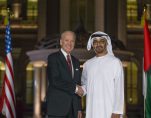
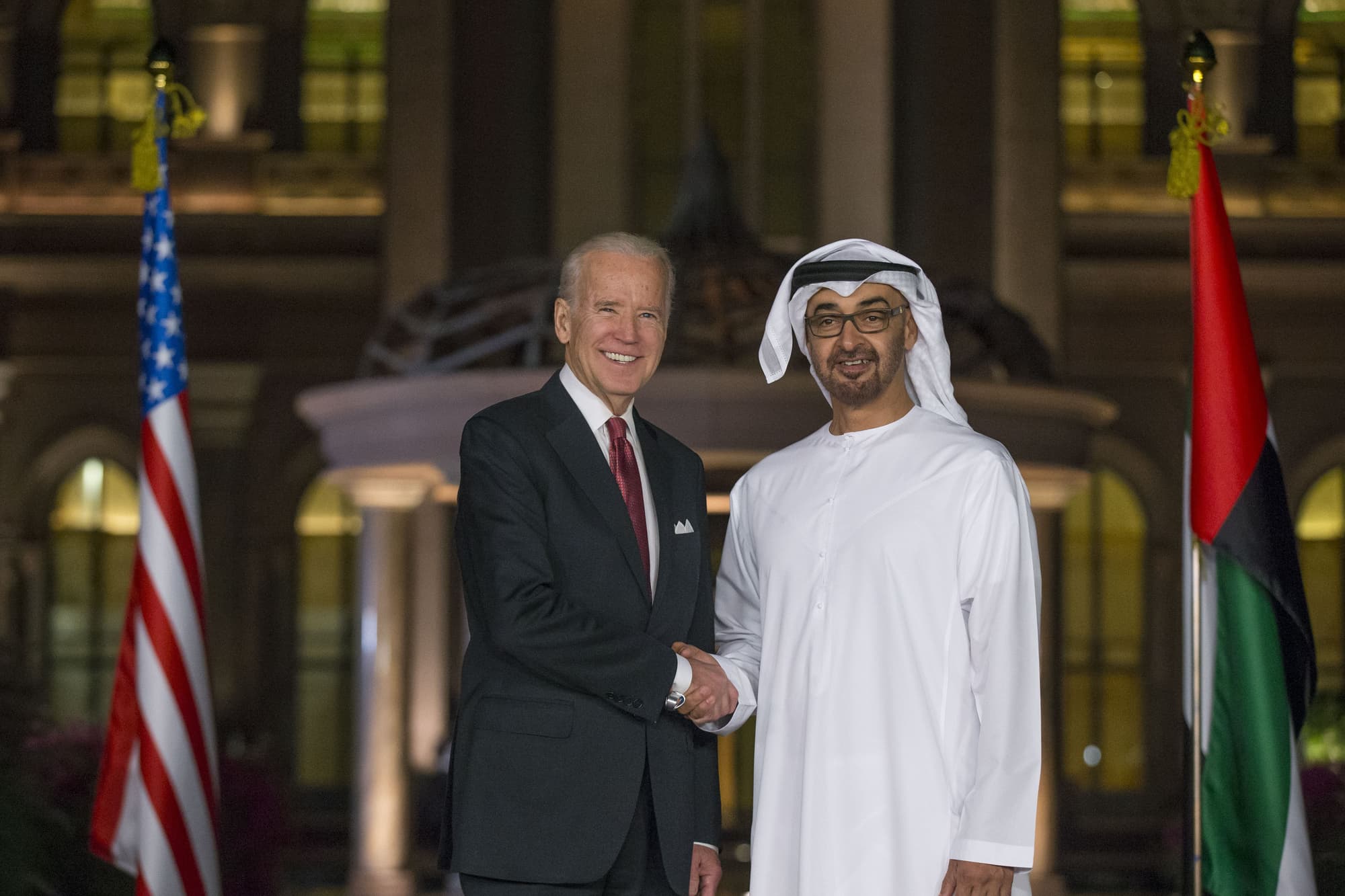
President Joe Biden has officially designated the United Arab Emirates as a major defense partner of the United States, solidifying the nation’s strategic role in the region. This move comes shortly after a similar designation was awarded to India, underscoring Washington’s efforts to build stronger alliances with Gulf and South Asian powers in the face of shifting global security dynamics. The announcement marks a significant step in US-UAE relations, enhancing defense cooperation and reaffirming the UAE’s importance in American military strategy.

The decision highlights the UAE’s evolving role as a critical player in regional security. With this designation, the UAE joins a select group of countries that enjoy preferential treatment when it comes to military cooperation with the United States. The relationship allows for greater access to advanced defense technology, streamlined military sales processes, and deeper intelligence collaboration. These developments come amid ongoing efforts by the US to recalibrate its security commitments in the Middle East, pivoting towards nations capable of contributing more significantly to their own defense.

Biden’s formal recognition of the UAE as a defense partner builds on decades of close military ties between the two nations. The UAE has long been a hub for US military operations in the region, hosting troops and serving as a staging ground for operations in neighboring conflict zones. The move is also seen as part of Washington’s broader strategy to reinforce its influence in the Gulf, where rising geopolitical tensions and the involvement of foreign powers like Russia and China continue to shape the security landscape.

For the UAE, this designation is not merely symbolic. It solidifies the nation’s status as a regional security leader and elevates its position on the global stage. It also provides the UAE with more direct access to sophisticated US defense systems, which will be critical in enhancing its defense capabilities amidst growing concerns over missile threats and other regional challenges. The UAE has long sought to upgrade its military arsenal, focusing on cutting-edge technology such as advanced fighter jets and missile defense systems. This new designation could accelerate these procurements, allowing for a faster, more seamless process.

The US government has been increasingly focused on forging deeper security ties with countries it sees as vital to countering both state and non-state actors. The UAE has been a crucial partner in US-led efforts to combat terrorism and ensure maritime security in the Gulf, particularly through its involvement in anti-piracy and anti-smuggling operations. The nation’s strategic location and military infrastructure have made it an indispensable ally in addressing threats posed by extremist groups and hostile states in the region.

Meanwhile, this development coincides with broader geopolitical shifts, as the US grapples with its role in a multipolar world. The Biden administration’s defense policy has focused on reducing its military footprint in some traditional hotspots while doubling down on partnerships that bolster regional security autonomously. The designation of both the UAE and India as major defense partners reflects a recalibrated approach to ensuring stability through cooperation, rather than direct military involvement.

The strategic importance of the UAE extends beyond the Middle East. Its influence in Africa, Central Asia, and the Indian Ocean region makes it a key player in a wider arc of geopolitical interests. With major global powers vying for influence in the Middle East, Washington’s decision to deepen its defense ties with Abu Dhabi also signals its intention to counter growing Russian and Chinese influence. China’s Belt and Road Initiative and increasing arms sales to Gulf countries, including the UAE, are clear indicators that the region is a key battleground for global influence.

The UAE’s defense relationship with the United States has grown in complexity in recent years. The two nations have regularly conducted joint military exercises, and the UAE has made substantial purchases of US-made defense equipment, including F-16 fighter jets, missile defense systems, and advanced drones. More recently, the UAE has expressed interest in acquiring next-generation US fighter jets, including the F-35, as part of its efforts to enhance its military edge. The partnership also extends to counterterrorism operations, where the two nations collaborate closely in intelligence sharing and tactical support to neutralize extremist threats.

The decision to elevate the UAE’s status comes against the backdrop of broader regional realignments. The Abraham Accords, which normalized diplomatic relations between the UAE and Israel, have reshaped the strategic landscape of the Middle East, offering new opportunities for cooperation between key US allies. This trilateral relationship between the US, UAE, and Israel is likely to deepen in the defense sphere, with potential collaborations in areas like missile defense and cybersecurity.

At the same time, the UAE faces growing security concerns closer to home. The conflict in Yemen, where the UAE has been heavily involved, continues to pose risks to regional stability. Iranian-backed Houthi rebels have launched missile and drone attacks against UAE infrastructure, raising the stakes for Abu Dhabi’s defense posture. The new designation from Washington could pave the way for more robust US support in addressing such threats, with the potential for more advanced defense systems aimed at countering missile and drone attacks.

US defense experts have praised the move, calling it a logical step in strengthening bilateral ties with a trusted partner in the Gulf. They argue that bolstering the UAE’s defense capabilities is not only in the interest of regional stability but also aligns with the US strategy of building self-reliant regional security partners. The UAE’s growing military spending and its focus on modernizing its armed forces further bolster the case for Washington’s decision.

Advertisements

OpenAI’s recent redesign of its logo has ignited significant criticism and concern among employees. The changes, unveiled during a company-wide meeting, aimed to modernize the branding and reflect the organization’s growth trajectory. However, feedback from staff has largely been negative, expressing dissatisfaction with the new aesthetic and its implications for the company’s identity. The updated logo, featuring a more minimalist design and altered color scheme, was intended […]

Secures 28 new signings year-to-date in Southeast Asia, with plans to open 28 properties across the region this year SINGAPORE – Media OutReach Newswire – 23 September 2024 – The Ascott Limited (Ascott), the lodging business unit wholly owned by CapitaLand Investment (CLI), today announced 28 new signings year-to-date in Southeast Asia, adding over 3,400 units across its various brands in key destinations. Accounting for more than […]

The Quad alliance, consisting of the United States, Japan, Australia, and India, solidified its growing significance as Prime Minister Narendra Modi emphasized India’s commitment to hosting the 2025 Quad Summit. Speaking at the Wilmington Summit, Modi underlined the alliance’s role in promoting stability and security in the Indo-Pacific region, while reaffirming that the grouping is not directed against any specific nation. This strategic partnership, formed in response to shared democratic values, continues to gain momentum amid evolving geopolitical tensions.

The Wilmington meeting marked a critical moment in the Quad’s development, furthering dialogue and cooperation between the four member states. Since its revival in 2021, the Quad has played a prominent role in fostering regional security, focusing on areas such as technological collaboration, climate action, and defense cooperation. Modi’s remarks highlighted India’s readiness to lead the next phase of the alliance, with preparations underway to host the 2025 summit.

As global challenges intensify, the Quad has emerged as a cornerstone of multilateral diplomacy in the Indo-Pacific. Modi pointed out the shared commitment to ensuring a free, open, and inclusive Indo-Pacific, with democratic principles at the core of the alliance. “The Quad is here to stay,” Modi stated, emphasizing that the grouping stands as a platform for collaborative solutions rather than a response to any particular nation or bloc. The assertion reflects the Quad’s non-confrontational approach, focusing instead on promoting collective security and economic prosperity across the region.

The Quad’s evolution since 2021 has been rapid, with member nations consistently expanding their areas of cooperation. Strategic experts have noted the alliance’s success in areas such as maritime security, with Quad navies conducting joint exercises aimed at improving interoperability. These exercises have not only bolstered defense capabilities but also demonstrated the alliance’s resolve to protect vital maritime routes, which are critical to global trade. With India poised to take on the next summit, expectations are high that the country will continue to push forward initiatives that reinforce regional security and economic growth.

The Wilmington Summit also underscored the importance of technology sharing and innovation. One of the key areas discussed was the development of resilient supply chains, particularly in the semiconductor industry, which has been under strain due to global shortages. The Quad countries are looking to collaborate on reducing dependency on specific nations for key technological inputs, enhancing supply chain diversification. Modi emphasized that the Indo-Pacific region, as a hub for technological development, could play a pivotal role in global supply chain stabilization. This effort reflects the Quad’s broader strategic aim of reducing vulnerabilities in critical industries while ensuring the equitable growth of emerging technologies.

The Quad’s expanding agenda now includes addressing climate change, a subject of critical importance for the Indo-Pacific, which is home to several vulnerable island nations. The Wilmington Summit reiterated the Quad’s commitment to reducing carbon emissions and promoting clean energy. Modi reinforced India’s role as a key player in the global climate conversation, showcasing the country’s strides in renewable energy development and its leadership in the International Solar Alliance. He noted that climate resilience would remain a core focus at the 2025 summit, as the Quad aims to balance economic growth with sustainable environmental practices.

While defense and economic issues dominated the Quad agenda, the alliance’s role in fostering people-to-people ties has not been overlooked. The Wilmington Summit highlighted educational exchanges and cultural collaborations between member states, reflecting the Quad’s broader ambition to strengthen ties beyond security and economics. By fostering a deeper understanding between citizens, the alliance seeks to build long-term partnerships that transcend geopolitical concerns. Modi’s vision for the 2025 summit includes a renewed focus on such exchanges, positioning India as a cultural and diplomatic bridge between the East and West.

Despite its progress, the Quad continues to face scrutiny, particularly from nations like China, which view the alliance as an attempt to contain their influence in the Indo-Pacific. However, Modi was quick to dispel this notion, stating that the Quad’s goals remain inclusive and transparent. The Quad’s diplomatic language has consistently emphasized collaboration over confrontation, seeking to engage with all nations willing to work toward a stable and prosperous region.

India’s growing role within the Quad has been noted by analysts, particularly in light of the country’s increasing influence in global economic and security forums. As the host of the 2025 summit, India is expected to leverage its diplomatic capabilities to further solidify the Quad’s position as a key player in the Indo-Pacific. Modi’s strategic vision includes strengthening defense ties with Quad members, while also expanding economic cooperation to address shared challenges such as trade imbalances and supply chain vulnerabilities.

The timing of India’s hosting of the 2025 Quad Summit is significant, as the Indo-Pacific continues to be a focal point for international diplomacy. Analysts have pointed out that India’s ability to navigate complex geopolitical dynamics will be crucial in ensuring the Quad’s continued success. With global powers vying for influence in the region, the Quad’s balanced and inclusive approach has positioned it as a diplomatic force for stability.

The Wilmington Summit also saw discussions on strengthening health security, with a focus on pandemic preparedness. The Quad’s efforts in distributing vaccines to Indo-Pacific nations have been well-received, showcasing the alliance’s capability to provide humanitarian assistance in times of crisis. Modi acknowledged the importance of continuing this collaboration, noting that health security would remain a priority in future Quad discussions. The pandemic’s impact on global health infrastructure has reinforced the need for multilateral approaches to address both current and future challenges, and the Quad is expected to play a vital role in these efforts moving forward.

PlayStation enthusiasts are gearing up for the highly anticipated release of “God of War Ragnarok,” set to launch globally on November 9, 2024. This sequel to the critically acclaimed “God of War” (2018) continues the journey of Kratos and his son Atreus as they navigate the treacherous landscapes of Norse mythology. Developed by Santa Monica Studio, “God of War Ragnarok” promises to deliver an expansive and immersive […]

Arrowhead Game Studios’ creative director has voiced support for a more challenging difficulty mode in *Helldivers 2*, following player feedback and reactions to the latest game update. The recent patch, dubbed the “buff everything” update, has led to widespread player discussions about the need for enhanced difficulty settings to address gameplay balance and engagement issues. The “buff everything” update was intended to address various balance issues and […]

Razorpay has introduced DataSync, a cutting-edge tool designed to streamline the integration of payment, transaction, and settlement data for businesses. This new offering aims to enhance real-time data management and reporting capabilities, thereby simplifying financial operations and providing deeper insights into transaction flows. DataSync addresses a crucial need for businesses seeking to consolidate and analyze data from various payment channels. Traditionally, managing disparate data sources has posed […]

The United Arab Emirates (UAE) and Japan are set to begin formal discussions aimed at establishing a comprehensive trade agreement. This move reflects a strategic push by both nations to bolster their economic relationship and enhance bilateral trade flows.

The announcement of these forthcoming negotiations comes amidst a broader global trend where countries are seeking to solidify economic alliances and diversify their trade partnerships. For the UAE, a key player in the Middle Eastern economy, this deal is expected to open new avenues for trade and investment, particularly in sectors such as technology, energy, and infrastructure. Japan, renowned for its advanced technology and industrial capabilities, views this agreement as a strategic opportunity to strengthen its economic presence in the Gulf region.

Current trade between the UAE and Japan is robust, yet both countries believe that there is significant untapped potential. According to the latest figures, Japan is one of the UAE’s leading trading partners in Asia, with a notable presence in areas like automotive and electronics. However, both nations see the potential to expand their economic ties beyond these sectors, focusing on high-tech industries and sustainable development projects.

The trade discussions are expected to address a range of issues, including tariff reductions, market access, and investment protections. The goal is to create a mutually beneficial framework that not only enhances economic cooperation but also facilitates smoother business operations for companies in both countries.

Economic experts suggest that the deal could significantly impact the trade dynamics of the region. By integrating Japan’s technological advancements with the UAE’s strategic location and energy resources, the agreement may lead to innovative collaborations and investments. This aligns with the UAE’s Vision 2030, which aims to diversify its economy away from oil dependence and foster innovation and sustainability.

In recent developments, both governments have been actively preparing for these negotiations by conducting preparatory meetings and consultations with key industry stakeholders. The UAE’s Ministry of Economy and Japan’s Ministry of Foreign Affairs have been working closely to outline the negotiation framework and key areas of focus.

The potential trade agreement could also pave the way for deeper economic integration between the two nations. For Japan, which has been seeking to expand its economic footprint in the Middle East, this deal represents a significant step towards achieving greater market penetration. The UAE, on the other hand, is looking to leverage this partnership to enhance its role as a global business hub.

Additionally, the agreement is likely to cover aspects such as intellectual property rights, regulatory cooperation, and environmental standards, reflecting a modern approach to international trade agreements that goes beyond traditional tariff issues. This comprehensive approach aligns with global trade practices aimed at fostering sustainable and equitable economic growth.

Both nations are also expected to explore collaborative opportunities in emerging sectors such as renewable energy, digital technology, and advanced manufacturing. The UAE has been making substantial investments in renewable energy and technological innovation, while Japan is a global leader in high-tech industries. This alignment could lead to joint ventures and projects that benefit both economies.

As the UAE and Japan embark on these trade discussions, there is considerable optimism about the potential outcomes. The agreement is anticipated to strengthen economic ties, promote mutual investment, and contribute to regional stability. For businesses in both countries, this deal could open new markets and opportunities, further enhancing the economic relationship between these two important partners.

In today’s fast-paced world, the desire to reconnect with nature is stronger than ever. Vinpearl, Vietnam’s premier hospitality brand, recognizes this need and has curated a collection of luxurious resorts that seamlessly blend biophilic design with world-class amenities. HANOI, VIETNAM – Media OutReach Newswire – 18 September 2024 – In an increasingly developed world, where experiences are often neatly packaged for convenience, it can feel like a […]

Artificial Intelligence (AI) is rapidly transforming industries, and the mining and metals sector is no exception. With global demand for critical minerals surging as the world transitions toward clean energy, companies are under pressure to accelerate exploration and production. To meet this challenge, they are turning to AI for its ability to revolutionize how resources are discovered. However, for AI to function effectively in this context, it requires large amounts of quality data. As a result, data itself has emerged as a highly valuable asset in the sector, positioning it as the hottest non-commodity for miners and explorers alike.

Just as children learn by looking at images and being told the names of animals, AI systems require examples to identify geological anomalies. This analogy illustrates the importance of high-quality, extensive data for AI to operate effectively in mineral exploration. AI algorithms need to be trained with significant data sets so they can recognize patterns in geological structures, thereby enabling more accurate predictions and insights. For instance, detecting the presence of valuable minerals requires AI to sift through vast amounts of geophysical data. The better and more comprehensive this data is, the more efficiently AI can flag anomalies that warrant deeper investigation.

It becomes evident that data is key as technology startups and traditional mining giants alike recognize its growing importance. KoBold Metals, for example, has pioneered the use of AI to accelerate the search for battery metals crucial to the energy transition. The company utilizes a proprietary data set to guide its exploration activities, drastically reducing the time and financial cost typically associated with identifying new mineral deposits. AI-driven models at KoBold comb through existing geological data from various sources to pinpoint the most promising areas for further exploration. Such innovations underscore that data is the lifeblood of AI, and without it, these advanced technologies would be far less effective.

Established companies in the mining and metals industry are also reaping the benefits of AI-powered data analytics. Rio Tinto, one of the world’s leading mining corporations, has implemented AI to automate the logging of core samples, a critical step in understanding ore bodies. By feeding historical data into machine learning models, the company can assess mineral resources more accurately and at a faster pace. Similarly, BHP uses AI to integrate core sample data with geological information, enhancing its ability to optimize mining operations. These examples show that major industry players, sitting on decades of core samples and exploration data, have recognized the vast potential AI can unlock when paired with the right datasets.

As companies increasingly turn to AI, the value of geological data continues to rise. Data: The hottest non-commodity in the mining & metals sector? is demonstrated by transactions such as KoBold Metals’ acquisition of exploration data from Alaska Energy Metals Corporation. This deal, involving data near KoBold’s Skolai Project, highlights the premium placed on data as a critical asset in the sector. By acquiring access to rich geological datasets, KoBold can further enhance its AI-driven exploration processes, giving it a competitive edge in the hunt for minerals essential to electric vehicles and renewable energy storage.

Moreover, the growing recognition of data’s value has fostered new kinds of strategic partnerships. Traditional mining companies, with their wealth of historical data, are increasingly collaborating with technology-driven startups that bring expertise in data analysis and AI. These partnerships blend the strengths of both worlds—traditional expertise and cutting-edge technology. For instance, Ivanhoe Mines, through its subsidiary Computational Geosciences Inc., has used AI to process data collected by its proprietary Typhoon™ technology, generating 3D geological models that pinpoint drilling targets. By sharing data and leveraging advanced analytics, companies are unlocking untapped potential within their existing resources.

Yet, this transactional activity surrounding data is raising important questions within the industry. How exactly is the value of geological data determined? Often, the answer depends on the specific context of the transaction, with data being evaluated based on its uniqueness and relevance to the buyer’s objectives. Ownership of data is another complex issue. In cases of acquisition, does the seller retain any rights to use that data in the future? When it comes to partnerships, who owns the data that results from joint exploration efforts? These questions are becoming increasingly central to negotiations in the mining and metals sector, particularly as the role of data grows.

Governments are also starting to recognize the significance of data in the mining and metals industry. In many countries, natural resources are seen as national wealth, and the data generated from exploration activities is viewed in a similar light. This has led to regulations requiring companies to report their exploration data to government agencies. For example, Australia and Canada, two of the largest mining jurisdictions, mandate that companies share their data, which is then made publicly available after a set period. These policies raise the stakes for mining companies, as government control over data could impact how companies strategize their exploration efforts.

In some cases, governments are even becoming direct participants in data collection and sharing. A notable example is Zambia, where the government has launched a country-wide airborne geophysical survey to assess its mineral potential. Ivanhoe Mines has partnered with the Zambian government to share geological data, with the aim of co-developing mining projects. Such collaborations underscore the role of governments as key enablers in this new frontier of AI-driven exploration. By working closely with governments, companies can access broader datasets and benefit from public-private partnerships that enhance exploration capabilities.

Vast repositories of geological data, core samples, and exploration results are now seen as treasure troves waiting to be unlocked. Oil and gas companies, with their extensive reserves of data, could also play a significant role in the energy transition. Their historical data, originally collected for fossil fuel exploration, can be repurposed to identify critical minerals needed for renewable energy technologies. This cross-sectoral application of AI to old datasets represents a potential game-changer for both industries.

Artificial Intelligence (AI) is rapidly transforming industries, and the mining and metals sector is no exception. With global demand for critical minerals surging as the world transitions toward clean energy, companies are under pressure to accelerate exploration and production. To meet this challenge, they are turning to AI for its ability to revolutionize how resources are discovered. However, for AI to function effectively in this context, it requires large amounts of quality data. As a result, data itself has emerged as a highly valuable asset in the sector, positioning it as the hottest non-commodity for miners and explorers alike.

HONG KONG SAR – Media OutReach Newswire – 17 September 2024 – In celebration of the 25th anniversary of SaloneSatellite, Salone del Mobile.Milano has partnered with IDFFHK (International Design Furniture Fair Hong Kong) in bringing the exquisite ‘SaloneSatellite Permanent Collection 1998-2024′ exhibition overseas for the first time. This remarkable exhibition, curated and designed by Salone del Mobile.Milano, will be showcased in Hong Kong this November at the […]

The global sukuk market is seeing unprecedented developments as Sharia-compliant financial structures adapt to new regulations and growing investor interest. Proposals for Sharia reforms could lead to a major shift in the sukuk landscape, potentially driving innovation and expanding the market further into long-term investments. Issuers are increasingly adopting longer tenors in sukuk, reflecting growing confidence among regional investors. Notably, both Aldar Investment Properties, a key real […]

Google Gemini AI, Google’s generative artificial intelligence tool, offers a range of features designed to streamline work processes. As businesses increasingly incorporate AI into daily operations, Gemini stands out with its ability to assist in various tasks, from automating workflows to enhancing creativity. One of Gemini’s standout features is its ability to brainstorm ideas for projects. Whether users are working on marketing strategies or logistical plans, they […]

Hong Kong is seeking to deepen its financial and trade ties with the Gulf, focusing on attracting investment from sovereign wealth funds in Saudi Arabia and the UAE. This push comes as Hong Kong strengthens its role as a financial bridge between China and the Middle East, particularly through initiatives like the Belt and Road Initiative, which has seen significant interest from Gulf nations.

Officials in Hong Kong, including the city’s chief executive John Lee, have been actively courting Gulf investment. His visit to the UAE and Saudi Arabia earlier this year marked a significant step towards securing deeper partnerships. During his meetings, Lee emphasized Hong Kong’s potential as a gateway for Gulf capital into broader Asian markets, particularly in sectors such as technology, infrastructure, and finance.

Hong Kong’s outreach to Gulf sovereign wealth funds coincides with broader shifts in global economic alignments. As ties between China and Western economies face challenges, Hong Kong’s strategy appears focused on positioning itself as a “super-connector” linking the growing economic powerhouses of the Gulf with China’s vast market. This connection is further bolstered by the existing Belt and Road partnerships, which have laid the groundwork for increased collaboration between China and the GCC.

Both the UAE and Saudi Arabia have demonstrated keen interest in leveraging Hong Kong’s financial infrastructure to diversify their investment portfolios, particularly as part of their long-term economic visions. The Saudi Vision 2030 and the UAE’s economic diversification plans align well with Hong Kong’s offerings in sectors like fintech, biotechnology, and artificial intelligence. Sovereign wealth funds from the region, including Saudi Arabia’s Public Investment Fund and Abu Dhabi’s Mubadala Investment Company, are seen as key players in this expanded relationship.

Trade between the UAE and Hong Kong has been growing steadily, with non-oil trade reaching $11.7 billion in 2022, a 40 percent increase over the past five years. This surge in trade is part of a larger trend that sees Hong Kong acting as a vital conduit for Gulf goods flowing into China. UAE exports to Hong Kong, for instance, now exceed those to mainland China, highlighting the city’s re-export role.

The strategic importance of these partnerships is further evidenced by ongoing discussions around free trade agreements. Both Hong Kong and the UAE have expressed interest in formalizing their economic ties through a bilateral free trade agreement, which analysts believe could serve as a model for similar agreements between Hong Kong and other Gulf states. Such a deal would facilitate smoother trade and investment flows, especially in sectors like technology and infrastructure, where Gulf nations are looking to invest heavily.

As part of its efforts to strengthen ties with the Gulf, Hong Kong is also offering incentives to Gulf companies. This includes government-backed investment funds and policies aimed at making Hong Kong a more attractive destination for Gulf capital. The city’s $4 billion technology fund is a particular draw, with officials hoping to attract innovation and technological collaboration from the Middle East.

Hong Kong’s outreach to the Gulf is part of a broader effort to realign its global economic strategy. With tensions rising between China and its traditional trade partners, particularly the U.S. and Japan, Hong Kong has increasingly looked to the Middle East for new opportunities. The growth in trade and investment between China and the Gulf provides a promising alternative, and Hong Kong’s unique position as an intermediary is seen as a crucial asset.

Analysts are optimistic about the future of Hong Kong-Gulf relations, noting that the city’s role as a global financial hub aligns well with the ambitions of Gulf sovereign wealth funds. The Belt and Road Initiative, in particular, has been a key factor in strengthening these ties, offering Gulf nations a way to tap into China’s expansive infrastructure and development projects.

The President of the United Arab Emirates, Sheikh Mohamed bin Zayed Al Nahyan, and Premier Li Qiang of China have engaged in high-level discussions aimed at reinforcing their countries’ Comprehensive Strategic Partnership. This dialogue marks a significant step in deepening the bilateral ties between the two nations, reflecting their mutual interests in expanding cooperation across various sectors. During their meeting, Sheikh Mohamed and Premier Li underscored the […]

A fascinating experiment conducted at the Massachusetts Institute of Technology (MIT) has sparked an important discussion in educational and technical circles about the role of artificial intelligence (AI) in coding. In this study, three student teams were tasked with writing software code in Fortran, a language none of them had any prior experience with. The experiment, set up to examine how different tools impact learning and problem-solving, […]

BEIJING, CHINA – Media OutReach Newswire – 10 September 2024 – The curtains have risen once more on the China-Africa Cooperation Forum Summit, held in Beijing from the 4th to the 6th of September, 2024, is a catalyst for Africa’s economic transformation. With “Deepening Cooperation, Building the Future Together” as its theme, the summit aims to enhance exchanges and cooperation between China and Africa in various domains. […]

VISHNU RAJA
RYO YAMADA
HITORI GOTOH
IKUYO KITA
Just in:
CM disputes Vijayan’s claims // OpenAI introduces GPT-6 Cyber with restricted security access // Geely’s i-HEV Intelligent Hybrid Technology Offers a New Direction for Gasoline-Powered Vehicles // Trump’s Iran War Has A Share Of Contribution To His Midterm Debacle // Ningbo Consensus on Collaborative Development released at 2026 Global Mayors Dialogue · Ningbo // Elephant calf on death line airlifted for treatment in Gujarat // TVM –Mangaluru Vande Bharat claims top spot // ADIA subsidiary seeks $7.5 billion private investment financing // Dubai details five-year visa benefits for returning visitors // Democrats Gearing Up For 2028 Presidential Elections To Gain Full Power // The “1st Greater Bay Area Health and Longevity Summit & Awards Ceremony” concludes successfully in Macao // Dubai Future District Fund and Buimerc formalise cooperation // Battle Uttar Pradesh Will Be Tougher For Yogi Than Expected // OpenAI abandons secrecy agreements for future data centres // Geely’s i-HEV Intelligent Hybrid Technology Offers a New Direction Vision for Gasoline-Powered Vehicles // Kochi police detain two actors over bid to honey trap doctor // Oil advances towards $100 as tanker attacks persist // HKUST President and Chinese Academy of Sciences Academician Prof. Nancy Ip Receives UNESCO Honor for a Second Time // Miss Universe Hong Kong Jen Zhou Departs for Puerto Rico to Compete in the 75th Miss Universe World Final // Technology shares plunge as Nasdaq enters correction //