News related to
deeper

German filmmaker Roland Emmerich, known for his blockbuster hits like Independence Day and The Day After Tomorrow, is embarking on a new project titled Exodus, set against the complex and often overlooked backdrop of Sudan. This marks a notable pivot for Emmerich, whose previous works have largely centred on large-scale disaster and sci-fi spectacles, now shifting towards a narrative deeply embedded in the socio-political and cultural fabric […]

KUALA LUMPUR, MALAYSIA – Media OutReach Newswire – 3 January 2025 – The Malaysia Global Business Forum (MGBF) has opened individual membership in time for Malaysia’s ASEAN Chairmanship, with the objective of bringing a suite of strategic solutions to a broader membership base. This was only previously available to the corporate sponsors and supporters of the high-profile advocacy platform. In this exciting move, timed to be part […]

BANGKOK, THAILAND – Media OutReach Newswire – 27 December 2024 – The Ministry of Higher Education, Science, Research, and Innovation (MHESI), through the National Innovation Agency (Public Organization) or NIA, is forging ahead to support high-potential Thai startups and SMEs in the medical and health innovation sectors, granting them access to Germany, one of Europe’s largest and most significant MedTech markets. As part of the ‘Digital Innovation […]

Formulated with 90% naturally-derived ingredients and Dermal Precision Technology to maximise absorption and minimise irritation SINGAPORE – Media OutReach Newswire – 27 December 2024 – Pigeon, the go-to brand for mother-and-baby essentials, expands its support for mothers with the new Natural Botanical Maternity skincare range, designed to provide mothers with safe, effective, and eco-conscious, self-care solutions during pregnancy and postpartum. This unique range combines 90% naturally derived […]

The much-anticipated release of Netflix’s “Squid Game” Season 2 on December 26, 2024, has coincided with a notable decline in the stock prices of several South Korean companies linked to the series. Investors had high expectations for the new season, hoping it would replicate the unprecedented success of its predecessor. However, early reviews suggest that while the season offers compelling thrills, it may not fully meet the lofty anticipations set by the original.

On December 27, the Korea Composite Stock Price Index (KOSPI) experienced a downturn, with entertainment and media companies bearing the brunt. Notably, shares of Studio Dragon, a prominent South Korean production company, fell by 3.5%, closing at 82,000 KRW. Similarly, CJ ENM, a major entertainment conglomerate, saw its stock decline by 2.8% to 115,000 KRW. These movements reflect investor sentiment influenced by the mixed critical reception of “Squid Game” Season 2.

The new season continues the narrative of protagonist Seong Gi-hun, portrayed by Lee Jung-jae, as he re-enters the deadly competition with the aim of dismantling it from within. Critics have noted that while the season introduces intense new challenges and delves deeper into character backgrounds, it serves more as a bridge to the anticipated third season rather than delivering a standalone arc. This perception may have tempered investor enthusiasm, impacting related stock performances.

Despite the stock market reaction, “Squid Game” remains a significant cultural phenomenon, with the new season attracting substantial global viewership. Netflix’s stock (NFLX) showed resilience, with only a marginal decline of 0.85%, closing at $924.14 on December 26. This suggests that while regional partners may experience volatility, the streaming giant continues to maintain investor confidence.

Industry analysts advise monitoring the performance of South Korean entertainment stocks in the coming weeks, as audience reception and viewership metrics for “Squid Game” Season 2 become more apparent. The series’ impact on the global entertainment landscape underscores the interconnectedness of media productions and financial markets, highlighting the importance of critical reception in influencing investor behavior.

As the season unfolds, its reception will likely play a pivotal role in shaping the financial trajectories of associated companies. Investors and stakeholders should remain attentive to audience feedback and critical analyses to gauge the long-term implications of the series’ performance on the South Korean entertainment industry.

MOSCOW, RUSSIA – Media OutReach Newswire – 26 December 2024 –The rating agency China Chengxin Green Finance Technology (Beijing) Ltd. (CCXGF) has assigned SIBUR an ESG rating of A-, making SIBUR the only Russian company to receive a rating in CCXGF’s highest category. SIBUR also ranks among the top 10 in CCXGF’s ESG rating of global chemical companies. Regarding the criteria assessed by the rating, SIBUR’s performance […]

Video-sharing platform Rumble has announced a $775 million strategic investment from cryptocurrency firm Tether, marking a significant collaboration between the digital content and crypto sectors.

Tether has agreed to purchase approximately 103.3 million shares of Rumble at $7.50 per share, totaling $775 million. Rumble plans to allocate $250 million of this investment to support growth initiatives, with the remaining funds designated for a self-tender offer to repurchase up to 70 million shares of its Class A common stock at the same price.

Following the transaction, CEO Chris Pavlovski will retain his controlling stake in Rumble. Pavlovski has committed to tendering shares but does not intend to sell more than 10 million. The investment and tender offer are expected to close in the first quarter of 2025.

Rumble’s shares responded positively to the announcement, rising 41% to $10.17 in after-hours trading.

Tether, known for issuing the world’s largest stablecoin by market capitalization, has faced regulatory scrutiny in the past. Despite this, the company continues to expand its influence in the digital finance sector.

Rumble, positioning itself as a free-speech alternative to platforms like YouTube, has experienced growth in user engagement and revenue. In the third quarter, the company reported a 39% year-over-year increase in revenue, reaching $25.1 million, alongside a rise in monthly active users and narrowed losses.

This investment aligns with Rumble’s recent strategic decisions, including plans to add Bitcoin to its balance sheet, reflecting a deeper integration with the cryptocurrency ecosystem.

Advertisements

Ohio Congressman Derek Merrin has introduced the Ohio Bitcoin Reserve Act, a proposal aimed at establishing a state treasury-held Bitcoin fund. The bill seeks to grant the Ohio state treasury the flexibility to invest in Bitcoin, positioning the state as a potential leader in cryptocurrency adoption among U.S. states. This initiative allows the treasury to manage Bitcoin holdings without mandating participation from state funds or requiring active involvement from residents.

The bill, which comes at a time when the cryptocurrency market has gained increased attention, offers Ohio a strategic path forward in embracing digital assets. The proposed fund would be managed by the state treasury, with the discretion to allocate resources into Bitcoin as part of its broader investment strategy. Unlike other state-level cryptocurrency initiatives, the bill does not impose any compulsory investment requirement, allowing Ohio’s officials the autonomy to determine how and when Bitcoin would be integrated into state finances.

Supporters of the bill argue that it provides an opportunity for Ohio to position itself as a leader in the expanding cryptocurrency market. By creating a legal framework for Bitcoin investment, the state could attract cryptocurrency businesses and innovation. Bitcoin’s increasing acceptance as a digital asset could offer Ohio a chance to diversify its state assets and leverage the growing popularity of decentralized finance.

Ohio has been no stranger to cryptocurrency initiatives. In 2018, the state became one of the first to allow businesses to pay taxes using Bitcoin, a move that was hailed as a groundbreaking step in bridging the gap between traditional finance and cryptocurrency. The Ohio Bitcoin Reserve Act builds on this history by exploring deeper integration of digital currencies into state financial management.

The Bitcoin market has demonstrated significant growth in recent years, making it an attractive asset for various institutional investors, including pension funds and sovereign wealth funds. The volatility of Bitcoin, however, raises questions about its suitability for long-term investment strategies, particularly for state treasuries tasked with maintaining fiscal stability. Critics of the proposal argue that the state should exercise caution before delving into an asset class known for its price fluctuations.

Despite these concerns, proponents of the bill argue that Ohio’s entry into the Bitcoin market could enhance the state’s investment portfolio and promote further innovation. They suggest that by allocating a portion of state funds into Bitcoin, Ohio could gain exposure to a rapidly evolving asset class, which could potentially yield significant returns over time.

The proposed legislation highlights a broader trend of states exploring the integration of cryptocurrencies into public finance. Some states have implemented blockchain-related laws to foster a regulatory framework conducive to cryptocurrency and digital asset businesses. Others are exploring whether Bitcoin and other cryptocurrencies can be used to offset debts or fund state projects. This reflects a growing trend of states seeking to diversify their investment strategies beyond traditional markets, particularly as the volatility of traditional assets and inflationary pressures continue to challenge state budgets.

However, the idea of holding Bitcoin in state treasuries raises several questions regarding regulation and governance. Bitcoin’s decentralized nature, coupled with its price volatility, presents challenges for public sector officials who must consider long-term fiscal sustainability. To address these concerns, advocates of the Ohio Bitcoin Reserve Act argue for a careful and measured approach, with clear guidelines on the allocation of funds and risk management strategies.

The bill also reflects broader national and global trends in the evolving cryptocurrency landscape. As digital currencies gain more mainstream attention, questions of regulation, taxation, and legal frameworks become increasingly pressing for governments around the world. The United States, in particular, has witnessed a range of approaches to cryptocurrency regulation, from stricter oversight to more open-minded exploration of how these digital assets can integrate into financial systems.

Ohio’s move is not entirely without precedent. Other states, such as Wyoming and Texas, have made significant strides in creating favorable environments for cryptocurrency innovation. Wyoming, for instance, has passed several blockchain-friendly laws aimed at attracting crypto companies, while Texas has positioned itself as a hub for Bitcoin mining. Ohio’s proposal takes a more hands-on approach by seeking to directly invest state funds into Bitcoin, which sets it apart from these other states that focus on regulatory support rather than direct financial involvement.

While Ohio’s proposal is still in its early stages, it has garnered considerable attention from both supporters and detractors. For its proponents, the potential benefits are clear: exposure to an emerging asset class, a chance to diversify the state’s investment portfolio, and an opportunity to attract cryptocurrency-driven businesses. Critics, however, question whether the state treasury should be exposed to the risks inherent in Bitcoin’s price fluctuations and whether this move could distract from other, more pressing fiscal priorities.

Faber-Castell champions creativity and sustainability among young Malaysians, empowering environmental awareness and advocacy through art. The Young Artist Award workshops saw a record-breaking four-year high in participation, reaching 77,000 students and 3,456 teachers across Malaysia. PETALING JAYA, MALAYSIA – Media OutReach Newswire – 12 December 2024 – Faber-Castell Malaysia, a renowned advocate for learning and creativity, has successfully concluded the fourth year of its Young Artist Award […]

ADNH Catering, a prominent UAE-based catering services provider, has announced plans to raise its ownership stake in its Saudi joint venture, Compass Arabia, to 50%. This move is expected to strengthen ADNH’s foothold in the Middle East, particularly in the growing food services sector of Saudi Arabia. By doubling its share in the venture, ADNH is positioning itself to capitalize on the Kingdom’s expanding hospitality and catering […]

Forecast Projected Growth of Chinese Luxury Market in 2025: A Shift Towards Experience, Innovation, Chinese Brands and Sustainability HONG KONG SAR – Media OutReach Newswire – 13 December 2024 – MDRi, a leading provider of business insights, today released its China Luxury Consumer Forecast 2025, presenting an in-depth analysis of luxury consumption trends in Mainland China and Hong Kong. The report highlights a market in transition, where […]

Understood, I’ll craft the report now. Nintendo, expanding its influence within the gaming industry, has finalized the acquisition of the remaining shares of Monolith Soft, the acclaimed developers behind the *Xenoblade Chronicles* series. The completion of this acquisition grants Nintendo full ownership of Monolith Soft, solidifying its position as a key player in the gaming landscape. Monolith Soft, known for its innovative storytelling and open-world design, has […]

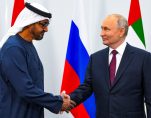
The United Arab Emirates has concluded a major series of trade agreements with Russia, enhancing economic ties and positioning itself as a key player in the evolving global market. These developments come after high-level meetings at the Innoprom industrial exhibition in Yekaterinburg, where an Emirati delegation led by Dr. Sultan Al Jaber, Minister of Industry and Advanced Technology, negotiated deals on a range of strategic sectors. These agreements are expected to facilitate the establishment of a free-trade zone between the two nations and improve agricultural technology supply chains, among other initiatives.

A focal point of the discussions was the removal of trade barriers to accelerate bilateral commerce. Russian Industry and Trade Minister Anton Alikhanov expressed optimism about the future of these trade relations, highlighting the potential for significant growth once these barriers are overcome. In a statement, Alikhanov said that removing these obstacles would be key to maximizing the economic benefits of this partnership.

The UAE, which has emerged as one of Russia’s most important economic partners in the Middle East, continues to strengthen its position as a leading global trade hub. President Vladimir Putin, during his visit to Abu Dhabi in December 2023, underscored the UAE’s role as Russia’s top investor in the region. This growing economic relationship is not just limited to Russia; the UAE is also seeking to diversify its trading partnerships globally, with Russia playing a significant part in that strategy.

These deals further reflect the UAE’s broader approach to international trade, which involves forging deeper ties with nations like Russia while diversifying its economic portfolio. The Emirati leadership is keen to leverage its technological advancements and infrastructure, particularly in energy and agriculture, to build a more robust trading network with both traditional and emerging markets.

Lambda, a leader in GPU-accelerated AI computing, has announced an ambitious expansion of its AI research program alongside the introduction of a new grant initiative for academic institutions. The company aims to double the size of its research team and provide crucial funding to support GPU-intensive academic projects, setting the stage for new breakthroughs in artificial intelligence. This expansion comes as Lambda positions itself as a pivotal […]

The cryptocurrency market is experiencing a downturn, but Turbo has defied the trend with a remarkable 50% price surge this week. The rapid uptick in its value has caught the attention of traders and investors alike, prompting a discussion about whether this is the ideal moment to buy or if a deeper dip could offer a more favorable entry point.

Turbo’s surge is mainly attributed to its recent listing on Coinbase, a move that has significantly increased its exposure to a wider pool of investors. Coinbase is known for providing access to major institutional players and a broad user base, which has led to a surge in trading volume and price action for the token. The timing of this listing aligns with growing interest in the AI sector, which has given a further boost to Turbo’s value. AI-driven innovations have sparked increased interest in digital currencies linked to technological advancements, making Turbo particularly appealing to investors looking for speculative growth.

However, market volatility remains a key concern for many investors. The overall crypto market is still facing pressure, and while Turbo’s price is up significantly this week, the future remains uncertain. Experts have noted that short-term fluctuations in the cryptocurrency space are common, and despite Turbo’s promising performance, the broader market conditions could lead to corrections or consolidation in the coming days or weeks.

In terms of price predictions, some forecasts suggest Turbo could continue its upward trajectory. For example, Turbo’s price is projected to reach $0.027 by 2025, with a maximum potential of $0.055 by 2029. These predictions are based on a combination of Turbo’s growth, its market positioning, and the broader adoption of blockchain and AI technologiesose considering entering the market now, the key question is whether the current price reflects a sustainable trend or is simply a result of hype. Market sentiment is often a strong driver of crypto prices, and with heightened speculation around AI and the token’s new Coinbase listing, there is potential for further gains. However, it’s also possible that a correction will occur as the initial excitement wanes, leading to lower entry points for future buyers.

Several key figures from the Trump family and its network gathered at a high-profile cryptocurrency event in the Gulf region, where the convergence of digital currencies and the ever-growing market for crypto investments was on full display. The event, widely attended by industry leaders, investors, and political figures, provided a platform to discuss the emerging landscape of cryptocurrency, with a particular focus on Bitcoin, blockchain technology, and their future within global markets.

As the world navigates the evolving world of cryptocurrencies, the Gulf has become a hotspot for discussions around Bitcoin’s potential and the rising interest among both investors and political figures in the region. The event served as a reflection of broader global trends, where prominent political and business figures are increasingly aligning themselves with the digital currency space. For the Trump family and its allies, this marks an intensified involvement in the ever-growing crypto economy, a sector that has captured the attention of major global investors.

Donald Trump’s family members and political allies, including former White House officials and business partners, were seen attending various sessions during the gathering. These figures have been closely linked with the cryptocurrency movement for years, and their participation at the Gulf event highlights the increasing intersection between the digital currency world and high-profile political figures. Their presence not only signals a growing interest in the sector but also indicates how crypto has evolved from a niche technology to a mainstream financial asset.

The Trump family’s involvement in crypto aligns with broader Republican Party figures, some of whom have advocated for fewer regulations and a more lenient approach to crypto markets. Trump himself, while not overtly endorsing cryptocurrency in public statements, has repeatedly shown an interest in economic policies that benefit digital assets, often commenting on the need for more favorable conditions for businesses in the U.S. crypto space.

This growing alignment between the Trump family and cryptocurrency advocates has led to discussions regarding how the family’s network could further influence digital asset regulations. It is an environment that is ripe for policy lobbying and potential investment opportunities, making it a key area of focus for those gathered at the Gulf conference.

The Gulf region, particularly countries like the UAE and Saudi Arabia, has increasingly emerged as a global center for cryptocurrency innovation and regulation. These nations have been proactive in cultivating a crypto-friendly environment, with numerous free zones and financial hubs aimed at attracting digital asset companies and investors. Their push to position themselves as leaders in the digital finance sector is evident through initiatives aimed at creating regulatory frameworks that are conducive to cryptocurrency ventures.

For the Trump family and its allies, the event in the Gulf represents not just an opportunity to network, but also a deeper engagement with the region’s cryptocurrency potential. A number of Gulf-based investors have been vocal about their interest in Bitcoin, often citing its promise as a store of value amidst global economic instability. This is a view that aligns closely with statements made by key Trump allies, who see Bitcoin as a hedge against inflation and a safeguard for the future of financial systems.

While the Trump family’s direct involvement in crypto investments remains largely speculative, many members of their political network are increasingly vocal in advocating for the integration of cryptocurrency into mainstream financial markets. At the Gulf gathering, several key figures in the Trump camp discussed the potential for digital currencies to be integrated into broader financial systems, from asset management to cross-border payments, and even within the governance structures of central banks.

The event also highlighted the expanding role of cryptocurrency in global political and economic spheres. From the Trump family’s interactions with regional investors to the broader geopolitical implications of a burgeoning crypto economy, it is clear that the Gulf is positioning itself as a critical player in the digital finance space. For countries seeking to diversify their economies and establish dominance in future technologies, cryptocurrencies present an undeniable opportunity.

This expansion of crypto’s influence has not gone unnoticed among policy-makers. With growing calls for clearer regulations to protect both investors and the integrity of the financial system, the Gulf event also shed light on the regulatory challenges that come with rapid crypto adoption. Many industry leaders, alongside political figures, are discussing the importance of establishing global standards that could guide the industry in its growth while ensuring that digital currencies do not pose systemic risks to the financial ecosystem.

The Gulf event also served as a backdrop to discussions about the broader economic implications of cryptocurrencies, especially Bitcoin. As more global corporations and governments consider how to integrate digital assets into their financial systems, the Trump family’s growing involvement signals a broader shift in how political figures engage with the crypto industry. This is not just about investment but also about shaping the future of digital finance through favorable policies and regulatory measures.

As the cryptocurrency market continues to mature, it is clear that the involvement of key political figures, such as those from the Trump family, will play a crucial role in influencing both the regulatory landscape and the direction of investment in digital assets. The event in the Gulf was a clear demonstration of the growing interconnections between political figures, investors, and the rapidly evolving world of cryptocurrencies.


Exploring Asia’s Future Focusing on Technology, Business Growth and Strategic Partnerships for Japanese Companies in Southeast Asia TOKYO, JAPAN – Media OutReach Newswire – 5 December 2024 – Iskandar Investment Berhad (IIB), Nikkei Inc. and Nikkei Business Publication (Nikkei BP) have signed a Memorandum of Understanding (MOU) to jointly host the Nikkei Forum 2025 in Medini, Johor, Malaysia, in June 2025. This landmark event will bring together […]

Fortnite is expanding its gameplay offering with a new 5v5 mode that closely resembles the mechanics of classic first-person shooters (FPS) like Counter-Strike. This mode, set to be launched within days, marks a significant evolution for Epic Games’ battle royale title, blending the fast-paced action of Fortnite with a tactical, team-based shooter format. The addition of the 5v5 mode is expected to appeal to both competitive and […]

A new weapon in *Call of Duty: Black Ops 6* has ignited controversy among players, with many voicing concerns over its design and the game’s portrayal of drug-related content. The weapon, dubbed the “bong gun,” is a functional in-game object that, when used, resembles a smoking device. While the weapon itself is not directly associated with promoting illegal drug use, its presence in the popular first-person shooter […]

COLOMBO, SRI LANKA – Media OutReach Newswire – 6 December 2024 – ONYX Hospitality Group, a leading force in Southeast Asia’s hospitality industry, is proud to announce the grand opening of Amari Colombo in Sri Lanka, set to welcome its first guests on 1st December 2024. This much-anticipated launch marks the beginning of a new chapter for Sri Lanka’s hospitality sector, coinciding with the season’s start and […]

KUALA LUMPUR, MALAYSIA – Media OutReach Newswire – 7 December 2024 – Artificial intelligence is transforming trading, delivering unprecedented power in data analysis, pattern recognition, and decision-making. However, around 40% of traders hesitate to fully trust AI-driven decisions as they fear losing control over critical trading outcomes. Kar Yong Ang, financial markets analyst at Octa Broker, explores how traders can harness the power of AI while maintaining […]

The Permanent Account Number (PAN), long a cornerstone of India’s financial ecosystem, is undergoing a significant transformation with the launch of PAN 2.0, aimed at modernizing and streamlining taxpayer services. The revamped system is set to revolutionize how citizens and businesses interact with the country’s tax framework, enhancing transparency, accountability, and overall efficiency.

Traditionally, the PAN has served as a critical identifier for taxpayers, widely used for income tax purposes, financial transactions, and identity verification. It has been a pivotal tool in ensuring compliance and curbing tax evasion. However, as the nation continues to digitize its services and move toward a more paperless economy, the existing PAN system faced limitations. The introduction of PAN 2.0 addresses these challenges by integrating cutting-edge technology, aimed at simplifying the process for taxpayers while improving the accuracy of the system.

One of the key upgrades in PAN 2.0 is its deeper integration with digital platforms. The system now allows for easier access to tax records and services, making it possible for individuals and businesses to manage their financial obligations online more seamlessly. This digitalization has become particularly important as the Indian government continues to push for a cashless economy, promoting digital payments and reducing the reliance on traditional, in-person transactions.

Another significant improvement is the enhancement of PAN security features. With cyber threats becoming more sophisticated, the government has strengthened the encryption mechanisms surrounding PAN data, ensuring that individuals’ financial identities are protected against fraud and unauthorized access. The new PAN system uses advanced biometric data and digital signatures, allowing for better authentication processes. These security measures are expected to minimize cases of identity theft and fraudulent activities that have plagued the old system.

PAN 2.0 introduces a faster, more efficient system for taxpayers to apply for a PAN or update their details. The process, once bogged down by paperwork and delays, is now automated and simplified, reducing the time it takes to receive a PAN card. The online application process is intuitive, ensuring that even those with minimal digital literacy can easily access the services. These enhancements are designed to not only reduce administrative burdens but also ensure that people can quickly and easily resolve any issues with their accounts.

The revamped system is also tailored to assist non-resident Indians (NRIs) and foreign investors. By allowing them to track their tax obligations and make necessary amendments to their PAN details with ease, the new system fosters a more inclusive approach, particularly in attracting foreign investments. This change is expected to bolster the Indian government’s efforts to position India as a global financial hub. International businesses seeking to navigate India’s vast market will find the system more user-friendly and responsive, enhancing their overall experience with the country’s tax system.

As part of the ongoing modernization, PAN 2.0 also comes equipped with real-time data analysis and reporting tools for tax authorities. These tools allow for a more accurate and immediate assessment of taxpayers’ compliance with the country’s tax laws. The integration of artificial intelligence and machine learning into the system means that potential tax fraud and discrepancies can be identified more efficiently. The new system also incorporates features that automate tax filings and ensure that taxpayers remain up-to-date on their obligations without manual intervention.

The rollout of PAN 2.0 is part of India’s broader efforts to strengthen its tax administration and combat tax evasion. Over the years, the government has been working on initiatives like the Goods and Services Tax (GST) and the Digital India campaign, both of which aim to bring more of the economy under formal tax channels. The PAN system’s modernization serves as a key pillar in these reforms, helping to build trust in the tax system while improving tax compliance.

Despite these advancements, experts caution that the success of PAN 2.0 will depend on its adoption by the public and the business community. While the government has invested heavily in digital infrastructure and public awareness campaigns, there are still challenges related to internet access and digital literacy in some regions of the country. To address this, local support centers and helplines have been established to assist individuals who may face difficulties navigating the new system.

By Satyaki Chakraborty France landed on Wednesday night once again into a deeper political crisis after a no-confidence vote brought down the government, ending the beleaguered minority coalition of the conservative Prime Minister Michel Barnier propped up by the far right National Rally (RN) after only three months. The no-confidence motion brought by an alliance […]


Saudi Arabia’s presidency of COP16 has spotlighted the pressing need for enhanced funding for land restoration, urging the private sector to take a leading role in addressing the critical financial shortfall. As the world confronts escalating environmental challenges, the call aims to overcome what experts have described as a “blackhole” of financial resources necessary to restore degraded lands globally. The issue of land restoration has gained momentum […]

VISHNU RAJA
RYO YAMADA
HITORI GOTOH
IKUYO KITA