News related to
global

Saudi Arabia’s Capital Market Authority has greenlit three initial public offerings on the Tadawul Parallel Market, signalling sustained investor interest and broadening of the kingdom’s capital markets. The regulator authorised offerings for Zahr Al Khuzama Aluminium Company, Quality Education Company and Sahat Almajd Company Trading on 18 June 2025. The combined volume of shares to be sold stands at approximately 6.175 million, constituting stakes ranging from 11 […]

The United Arab Emirates is on track to maintain an annual growth rate of approximately 4 % from 2025 through 2028, underpinned by robust expansion in non-oil sectors and rising oil output, according to S&P Global Ratings.

S&P’s Zahabia S Gupta, Director of the Sovereign team, emphasised that even with softened oil prices and global growth headwinds, the federation and individual emirates are projected to record consecutive fiscal surpluses. Boosted liquidity and investment returns are expected to raise the UAE’s net asset position to around 177 % of GDP by 2028.

Oil production quotas agreed by OPEC+ are forecast to remain elevated, enhancing the UAE’s hydrocarbon revenues, though the non-oil sectors—such as finance, real estate, tourism, and services—are seen as the main drivers. The Central Bank raised its 2024 GDP projection to 4 % and forecasts growth of 6 % for 2025. Sectoral diversification, including continued investment in infrastructure, logistics, and digital technologies, will support sustained activity levels across the seven emirates.

Emirates’ fiscal health, backed by solid sovereign reserves and rising yields on sovereign-backed assets, positions the government to generate surpluses even amid modest global economic slowdown. Gupta points out that income from liquid investments will be critical in reinforcing net asset accumulation. This resilient fiscal trajectory contrasts favourably with regional peers.

Sharjah, however, presents a more cautious outlook. S&P recently revised its forecast for the emirate’s economic performance, predicting roughly 3 % annual growth through 2028 alongside a widening deficit that is expected to reach 6.7 % of GDP in 2024. The difference underlines the UAE’s internal variance in expansion and structural robustness.

The UAE’s medium-term macroeconomic forecast aligns with IMF projections indicating real GDP growth of about 4.2 % in 2025 and a gradual uptick to 4.5 % by 2028. Non‑oil GDP growth is expected to consistently outpace the oil sector, significantly contributing to overall diversification efforts. Financing this will involve domestic debt issuance, estimated at around US $19 billion in 2024, nearly 55 % of which will be allocated to development projects.

Market observers note that the central bank’s policy rate adjustments, tied to the US Federal Reserve, may influence domestic lending conditions, but the policy outlook remains cautious given the dirham’s peg to the dollar. Financial sector resilience—evidenced by healthy bank liquidity and expanding lending—will support private sector credit growth.

The UAE’s strategic economic pivot includes deeper integration into global supply chains, expansion of tourism and hospitality capacity, and advanced digital infrastructure rollout. High-profile projects such as the Wynn Al Marjan Island integrated resort, which is set to open in Ras Al Khaimah in 2027, reflect the commitment to economic diversification.

Investors and analysts recognise that sustaining 4 % growth will require balancing oil revenue reliance with resilient non-hydrocarbon sectors. Fiscal discipline and effective public investment will remain crucial, particularly amid geopolitical tensions and potential global demand fluctuations. S&P’s projections anticipate that the UAE will continue recording fiscal surpluses, unlike other economies which may face tightening pressures.

The UAE’s economic trajectory contrasts sharply with that of Saudi Arabia, where growth is expected to accelerate to about 4 % over the same period—yet heavily influenced by oil production—underscoring the UAE’s relative strength in non‑oil diversification. The country’s strategic position as a regional financial and logistics hub reinforces its prospects against external shocks.

Challenges persist, including global inflationary pressures, energy price volatility, and regional geopolitical uncertainty. The government’s capacity to manage these risks, while preserving capital buffers and sustaining reform momentum, will be critical to achieve projected outcomes.

Senior officials in Washington have quietly activated contingency plans for military strikes against Iranian nuclear facilities, marking a dramatic shift in US posture amid escalating Israeli–Iranian hostilities. According to multiple reports, including Bloomberg and Reuters, the White House and Defence Department are preparing the operational infrastructure needed to engage Tehran directly.

President Donald Trump, speaking on 18 June outside the White House, offered only ambiguity: “I may do it. I may not do it… nobody knows what I’m going to do.” Meanwhile, senior US generals, defence secretaries and intelligence chiefs are said to be readying federal agencies for a possible weekend strike. Forces in the Middle East have been repositioned; aircraft and ships have been moved from bases such as Al‑Udeid in Qatar and Bahrain’s Fifth Fleet port to reduce vulnerabilities.

Sources indicate that the primary target could be Iran’s underground Fordow uranium enrichment plant — a hardened bunker facility situated within a mountain and long deemed beyond Israel’s military reach without US bunker‑busting capacity. With Israel continuing airstrikes on Iran as part of ‘Operation Rising Lion’, analysts assess that a US strike would dramatically escalate the conflict.

Within the White House, debate is intensifying. The New York Times and Washington Post report that Trump, influenced by hawkish advisors such as Senator Lindsey Graham and defence chiefs, has signed off on strike plans but is awaiting final approval. His delay aims to allow Iran a final diplomatic window — offering a chance to curb uranium enrichment before force is used.

Opposition persists even within Trump’s own camp. A divide between hawks, advocating for decisive action, and MAGA-aligned isolationists, including Vice President Vance and media figure Tucker Carlson, highlights the internal tug-of-war shaping presidential decision‑making. Trump has underscored this dynamic: advisors like Gen. Dan Caine and CIA Director John Ratcliffe have pressed for a more aggressive stance, while isolationists urge restraint.

Politically, the administration faces calls for a formal congressional mandate. Critics argue the Constitution requires authorisation for military action beyond self‑defence; proponents counter the urgency of neutralising Iran’s perceived nuclear threat demands swift action.

Diplomacy continues in parallel. The UK, France and Germany are convening in Geneva to press Iran on de-escalation — a track the US has distanced itself from. Tehran has responded with warnings to Washington, promising strong retaliation if US forces become involved.

Markets have reacted with caution. Observers note fears of a broader Middle East conflict, amplified oil price volatility, and rising inflationary risks tied to increased military spending. Central banks, notably the Federal Reserve and Bank of England, must weigh geopolitical shocks alongside inflation outlooks.

On the ground, Israeli airstrikes have continued across Iran, targeting nuclear infrastructure including Arak and Natanz, with over 1,100 sites reportedly struck since mid‑June. Iran has launched multiple missile barrages at Israeli territory; civilian casualties are said to be in the hundreds on both sides.

The timing of any US strike remains uncertain. Sources cite a possible weekend window, with final orders likely to be issued at the last moment. Pentagon leadership, including SecDef Hegseth and Gen. Caine, are expected to have operational control, while the president retains final authority.

As conflicting pressures swirl — military readiness, strategic diplomacy, domestic political debates — all eyes are on whether President Trump will strike at Iran’s underground sites or continue hedging amid rising global risk.

FalconX, a leading cryptocurrency prime brokerage, has initiated informal talks with bankers and advisers to explore an initial public offering in 2025, signalling a significant move to satisfy burgeoning institutional demand for digital assets. The firm, which last raised $150 million in 2022 at an $8 billion valuation, is not yet retaining an underwriter—an early but strategic step toward going public.

Founded in 2018, FalconX began as a crypto-focused prime broker, enabling clients to trade directly on exchanges. Today it spans three verticals—markets, custody and staking, and direct market access prime brokerage—positioning itself as a full-spectrum financial services provider for institutional clients. This evolution reflects growing investor interest in digital assets and the firm’s expansion through deals and strategic integration.

In early 2025, FalconX acquired Arbelos Markets, marking its entry into the derivatives segment, a lucrative but highly competitive space. It also forges partnerships with established players such as Standard Chartered, integrating global banking and foreign-exchange capabilities, and with Cantor Fitzgerald, accessing a credit facility collateralised by Bitcoin—its “first step in a broader credit framework” to bolster institutional offerings.

The broader crypto sector is experiencing an IPO wave. Several digital-asset platforms, including Fold, Exodus and eToro, have listed in 2025. Notably, stablecoin issuer Circle achieved a landmark $1.1 billion IPO on 5 June, marking the largest crypto-market debut in history and fuelling expectations of further listings. Following Circle’s success, firms such as Bullish and Gemini filed for public listings, with Kraken and Justin Sun’s Tron Group also preparing filings.

Amid this sector-wide momentum, FalconX is working to enhance its public profile, seeking to craft a compelling narrative ahead of a potential IPO. The firm’s strategy, according to one insider, emphasises readiness to appeal to public-market investors, including both strategic partnerships and public relations positioning.

The firm’s track record underpins its IPO ambition. In June 2022, it secured a $150 million Series D led by Singapore’s GIC and B Capital at an $8 billion valuation. That round also involved Thoma Bravo, Wellington Management, Adams Street Partners and Tiger Global Management. CEO Raghu Yarlagadda emphasised FalconX’s market‑neutral model, rigorous risk‑management and profitability amid volatility—a rarity in the crypto space.

With over $430 million in capital raised to date, FalconX has demonstrated resilience, continuing to hire and expand services even as competitors retrench. GIC’s commitment and the firm’s strategic posture reflect stable investor confidence.

Institutional demand for crypto is rapidly growing, and FalconX’s moves align with this shift. The acquisition of Arbelos, banking collaboration and credit facility signal a broader ambition to integrate traditional and digital finance infrastructures, broaden offerings and close service gaps. As co-head of markets Joshua Lim observed, strategic partnerships and acquisitions enable FalconX to fill missing links that would otherwise force customers to assemble services piecemeal.

Within this context, launching an IPO emerges as both a capital‑raising tool and a visibility lever. As one adviser noted, “When you launch an IPO, you need to have a story…. You’re selling yourself to the investing public”. FalconX’s groundwork suggests readiness to craft that narrative, aligning with its strong financial position and strategic trajectory.

KUALA LUMPUR, MALAYSIA – Media OutReach Newswire – 16 June 2025 – This week is set to be a pivotal one for financial markets in general and Forex market in particular as four major central banks—the Bank of Japan (BoJ), the U.S. Federal Reserve (Fed), the Swiss National Bank (SNB), and the Bank of England (BoE)—are scheduled to announce their latest decisions on interest rates. Their policy […]

Approval has arrived for the unified tourist permit spanning Qatar, Saudi Arabia, Oman, Kuwait, the UAE and Bahrain, clearing the path for cross‑border travel under a single application, akin to Europe’s Schengen system. UAE Minister of Economy Abdulla bin Touq Al Marri confirmed that the visa has moved to implementation stage, now resting with GCC interior ministries and security agencies for final coordination.

Governments in all six member states have endorsed the scheme unanimously, reflecting a strategic priority to deepen tourism cooperation through the GCC 2030 strategy. Oman’s Minister of Heritage and Tourism, Salem bin Mohammed Al Mahrouqi, disclosed that preliminary blueprinting and feedback were concluded by end‑2023, and final approval occurred at the Muscat ministerial meeting this month. The GCC Secretary‑General, Jassim Al‑Budaiwi, expressed optimism about deployment by end‑2025, with technical alignment underway.

Experts anticipate the visa will be valid for at least 30 days, potentially extendable to 90, facilitating flexible travel across the region. Applications are expected to be submitted online, with a choice between single‑state access or multi‑country entry, and accompanied by standard requirements—passport, photo, accommodation proof, insurance, and return travel documentation.

Industry stakeholders predict this measure will significantly boost “bleisure” tourism by intertwining business and leisure travel, expanding multi‑destination offerings and joint marketing opportunities. Dubai alone logged 7.15 million international visitors from January to April 2025, a 7 per cent increase year‑on‑year, with regional tourism already generating $110.4 billion in 2023 from 68.1 million arrivals.

Polls by Oxford Economics estimate the visa could draw up to 22 million extra visitors and inject an additional $26 billion of tourist spending by 2030. Roland Berger further outlines that inter‑GCC travel has significant room for growth, supported by strong transport infrastructure, cultural assets and mega‑event calendars.

National tourism strategies across the Gulf have outlined commitments to invest in hotels, cultural destinations, transport connectivity and digital innovation. Economy‑diversifying goals align with visa harmonisation, which is viewed as a lever to translate policy into visitor flows.

Key questions remain around pricing and fee structure. While details have yet to emerge, observers expect integrated visa costs to be lower than applying separately to each state, with validity spanning up to three months.

The visa is also anticipated to support lesser‑visited Gulf destinations. Oman, Bahrain and Kuwait could benefit from spill‑over tourism that pilots through Dubai before exploring quieter cultural or natural sites.

Coordination challenges remain for interior ministries around border systems and security protocols. These are now being finalised ahead of implementation, with the official rollout expected later in 2025.

As the Gulf coalition moves from theory to mechanics, attention turns to how the visa will revolutionise travel dynamics. With a single application, global tourists will be empowered to hop between hyper‑modern cityscapes, desert oases and heritage enclaves—now under one permit.

Matein Khalid The deployment of 30 US air-fueling tankers to the Middle East strongly suggests that Trump has decided to escalate the war with Iran with an American led strike on the underground nuclear site at Fordo. Since the B-2 Spirit super bombers would need tankers to refuel their fighter escort. Ali Khamenei’s tweet threatening America was precisely the wrong message to send to Trump at a […]

Advertisements

Damac Chelsea Residences is more than just a real estate project — it’s a long-term investment in lifestyle, brand equity, and high-growth potential. Situated in the prime seafront district of Dubai Maritime City, this development by DAMAC Properties brings the prestige of Chelsea Football Club to Dubai’s property scene. As branded residences become one of the most in-demand asset classes worldwide, investors are turning their eyes toward Chelsea Residences by […]

Cost estimates suggest manufacturing and assembling an iPhone entirely in the United States would push retail prices well beyond current norms, potentially reaching up to USD 3,500. Analysts point to steep labour costs, the absence of a mature electronics supply chain, and existing tariffs as primary drivers behind the inflation. Bill of materials for an iPhone 16 Pro is around USD 550, with assembly and testing adding approximately USD 30 when […]

A coalition of South Korea’s top 100 firms generated an economic contribution of 1,615.2 trillion won in 2024, marking a 3.9 percent rise from the previous year, according to CEO Score data released on 18 June. Samsung Electronics led the charge with a 7 percent increase to 157.5 trillion won, accounting for 9.8 percent of the total haul.

This growth reflects an integrated model of wealth distribution across stakeholders—suppliers, workers, government, shareholders and communities. Total sales of these firms reached 2,122.4 trillion won, growing 6.6 percent year-on-year, underlining the deep economic interlinkages driving expansion.

Hyundai Motor secured the second position with a contribution of 115.2 trillion won, followed by Kia at 86.6 trillion won, which spectacularly posted the steepest increase thanks to surging supplier payments. Among the top ten contributors were LG Electronics, Hyundai Mobis, GS Caltex, SK Energy, Posco, Samsung C&T and LG Chem. In contrast, LG Energy Solution saw a pronounced drop of 28.3 percent to 19.2 trillion won, weighed down by lower stakeholder payouts.

Industry breakdown highlights that electronics and IT firms contributed about 370 trillion won, followed by petrochemicals at 312 trillion won and the auto sector at 303.5 trillion won. Construction, shipbuilding, steel and distribution made further sizeable additions, reflecting a diverse industrial base.

The dominance of chaebol giants—especially Samsung—continues unabated. Samsung and its affiliates, constituting nearly a quarter of national GDP, help drive national innovation and exports. Beyond scale, these conglomerates are embracing strategic shifts. Government figures show a record R&D investment of 83.6 trillion won by South Korean firms, with Samsung alone ploughing 30.2 trillion won into innovation, followed by SK hynix at 4.5 trillion won, Hyundai at 4.3 trillion won, and LG Electronics at 3.4 trillion won.

Despite stepping up R&D budgets by 15.3 percent, only 40 domestic firms made the global top 2,000 by R&D outlays, compared to 681 in the US and 524 in China—underscoring scope for further thrust in innovation. Within semiconductors, South Korea continues to hold a dominant global footprint, commanding approximately 60 percent of the DRAM market and 52.6 percent of NAND, led by Samsung and SK hynix. Notably, SK hynix claimed 36 percent of DRAM market share in Q1 2025, overtaking Samsung’s 34 percent.

This data reveals a dual narrative: chaebol behemoths remain the backbone of the economy, but a growing reliance on innovation and global competitiveness is reshaping the corporate landscape. Hyundai’s pivot to electric vehicles, Kia’s ramped-up supplier integration and LG’s diversification into chemicals and energy solutions are emblematic of this shift.

However, concentration risk persists. Samsung and its affiliates form a significant share of GDP and exports, but reliance on a limited set of heavyweights may expose the economy to global headwinds. The comparative lag in R&D-intensive mid-sized firms risks stifling long-term resilience.

Nevertheless, public policy is responding. Regulatory tweaks aimed at supporting corporate research and streamlining licensing protocols, alongside financial incentives and infrastructure development, suggest a proactive stance to broaden innovation beyond the chaebol core.

As South Korea navigates economic turbulence—from fluctuating global demand to supply chain uncertainties and U.S.–China tech tensions—the measured expansion of stakeholder-driven value and intensification of R&D efforts signal a strategic repositioning.

ISTANBUL, TURKEY – Media OutReach Newswire – 18 June 2025 – The report “Evolving Legacy: Decoding the Scientific Trajectory of Chinese Medicine” released today by Hong Kong Baptist University (HKBU) and Elsevier, reveals the growing impact of Chinese Medicine research on global healthcare and modern health challenges. In this context, “Chinese Medicine research” encompasses not only clinical practice, but also basic and translational science, AI-driven systems medicine, […]

Nivex, formerly known as Nx.one, has re-emerged in 2025 with a strategic repositioning as a cutting‑edge AI‑powered trading platform, signalling a major transformation from its Web3 origins into a global crypto‑finance innovator. Leveraging generative algorithms as the operational core, Nivex aims to elevate trading from human‑driven execution to autonomous, intelligent systems.

Powered by over 45 AI‑based strategies spanning arbitrage, trend‑following and swing trading, the platform reports impressive performance metrics. Annualised returns range from 60 % to 3 500 %, win rates hover between 85 % and 95 %, maximum drawdowns are tightly controlled at 15–70 %, and Sharpe ratios exceed 2.6 — all underpinning over USD 1 billion in assets under strategy management as of Q2 2025. One standout offering, “BTC Grid Arbitrage + AI Risk Control”, executed 540 trades in 2024 with a 92 % success rate and yielded a total return of 272 %.

At its heart, Nivex purports AI is not simply a feature, but the platform’s operating system. Users define goals and the AI assumes responsibility for detecting trends, assembling strategies, allocating capital, managing risk and executing trades at millisecond speeds. Combined with a suite of tools including spot and futures trading, dollar‑cost averaging and grid trading, the platform positions itself not as an exchange, but an intelligent asset engine.

A central component of Nivex’s offering is its AI Strategy Engine, which supports customizable parameters—such as leverage, stop‑loss, DCA and drawdown limits—and integrates institutional-grade strategies. Complemented by Smart Yield and AI Lending systems, users can earn APYs of up to 60 % on fixed terms, while automated lending tools continually optimise on‑chain opportunities.

Critical to its ambitions is delivery of institutional‑grade signal copying. By aggregating signals from global quant funds, Nivex enables retail users to subscribe and replicate live trades via automated execution, stop‑loss and performance tracking—without any coding. The company asserts this approach raises win rates by 30 % and improves execution speed by 80 % compared with manual trading.

Nivex is also developing an “Institutional Buying Heat Index” based on fusion of ETF flows, on‑chain transfers, CEX‑DEX liquidity movements and sentiment signals. This engine converts macro and micro market trends into actionable portfolios for both retail users and institutional clients via APIs and data subscriptions.

Compliance and geographic expansion underpin Nivex’s credibility. The platform operates service centres in North America, Dubai, Hong Kong, Singapore and Southeast Asia, holding licences with FinCEN and MSB, and pursuing approvals from MAS, VARA and AUSTRAC. It also hosted AI‑driven closed‑door summits at Token2049 Singapore, attracting industry leaders such as Justin Sun of TRON.

Industry analysts highlight a growing shift in trading infrastructure—from simple order‑matching to data‑driven, strategy‑oriented platforms. Nivex exemplifies this trend, providing automated AI‑based strategy execution at a time when global investment in AI surpassed USD 350 billion in 2024.

The AI trading platform market is projected to grow from USD 11.5 billion in 2024 to USD 75.5 billion by 2034, at a CAGR of 20.7 %, driven by high demand for automation, faster decision‑making and cost reduction. Within this context, major players include Kavout, Numerai and Algotraders — yet Nivex’s rapid integration of AI, compliance and global deployment positions it as a formidable contender.

Yet adoption of AI in trading brings challenges. Regulatory regimes struggle to keep pace, raising concerns about algorithmic opacity, data integrity and algorithmic bias. Nivex appears conscious of such risks, emphasising transparency, backtesting via a Strategy Lab, risk‑control features and strict KYC/AML protocols.

From a user experience angle, Nx.one’s prior focus on intuitive interface design, multi‑language support, real‑time analytics and security layer architecture—including multi‑signature wallets, cold storage, encryption, firewall defences and audit transparency—appears retained under Nivex.

CEO Simon highlighted Nivex’s core vision: “We’re not building a cheaper exchange—we’re building a smarter platform. Let the system trade for you. Let AI manage risk. Let data create wealth,” adding, “In the next five years, the most valuable asset won’t be trading skills. It’ll be your connection to a system that improves itself”.


JD.com is preparing to deploy a regulated stablecoin through its Hong Kong arm as part of a significant expansion into digital payments. Its subsidiary, Jingdong Coinlink Technology Hong Kong, entered the Hong Kong Monetary Authority’s stablecoin sandbox in July 2024. The project is testing tokens pegged to the Hong Kong dollar and other major currencies, aiming for a wider rollout in the fourth quarter of 2025.

Tests performed by JD Coinlink have covered cross-border payment mechanisms, retail use cases—initially in JD Global’s Hong Kong and Macau markets—and investment applications on a public blockchain, ensuring transparency and regulatory compliance. JD is targeting integration across its extensive e-commerce ecosystem, including fast‑settling transactions for global trade, M&A deals, B2B settlements and consumer checkouts.

Richard Liu, JD’s founder and chairman, highlighted the company’s aim to secure stablecoin licences across major currency jurisdictions, citing the potential to cut cross‑border payment costs by up to 90 per cent and reduce settlement times to approximately 10 seconds. Liu underlined that once B2B applications prove viable, JD intends to broaden the stablecoin’s use to everyday consumer purchases within its platform.

The HKMA granted licences only to firms demonstrating robust risk controls and consumer protections. Under the Stablecoins Ordinance, which passed on 21 May 2025, issuers using or referencing the Hong Kong dollar must obtain formal approval and meet stringent obligations including reserve backing, redemption rights, transparent governance and segregation of client assets.

Jingdong Coinlink is complemented by parallel efforts to issue an offshore yuan stablecoin, though its launch hinges on regulatory authorisation from mainland authorities. This aligns with wider interest in the stablecoin market: Ant Group is also pursuing Hong Kong licences, and Western giants including JPMorgan, PayPal and Standard Chartered are racing to launch stablecoins.

Hong Kong’s regulatory clarity gives JD.com and its peers a regional advantage. The sandbox initiative, begun in March 2024, enabled live testing under HKMA supervision prior to licence application. With the Ordinance’s full force due on 1 August 2025, JD appears well aligned to capitalise on a rapidly evolving framework.

JD’s stablecoin will be issued on a public blockchain, enabling open verification of issuance volume and reserve data. CEO Liu Peng confirmed that the second phase of testing concluded in May, focusing on cross-border, retail and investment use cases. Assuming regulatory approval, licensing and integration plans are on track for Q4 2025.

These efforts form part of JD’s broader strategy to become a fintech powerhouse. The company recently expanded in food delivery and consumer finance, acknowledging a “lost” five‑year stretch of innovation. Its current push builds on JD’s in‑house blockchain infrastructure—Zhizhen Chain—which already facilitates roughly US $7 billion annually in supply‑chain finance.

Industry analysts observe that JD’s combination of logistics, e‑commerce reach and blockchain technology positions it uniquely among digital‑asset issuers. With nearly 600 million active users and operations spanning over 20 countries, the company could accelerate stablecoin adoption by integrating token payments into its merchant network.

As global stablecoin activity accelerates—fuelled by regulatory developments like the U.S. GENIUS Act and Hong Kong’s licensing framework—JD.com may emerge as one of Asia’s first large-scale retail-facing stablecoin providers.

Depending on its licensing trajectory, JD plans to list its stablecoin on regulated exchanges and deploy it on a public blockchain in Q4 2025. Beyond the HKD coin, the company is developing offshore yuan functionality, pending mainland approval.

By K Raveendran With the likelihood of a diplomatic solution appearing increasingly distant, West Asia is now clearly veering toward a longer and more intense confrontation, one that may significantly reshape economic, geopolitical, and energy dynamics not only in the Middle East but globally. What was initially perceived as a retaliatory exchange following months of […]

BANGKOK, THAILAND – Media OutReach Newswire – 10 June 2025 – Get ready to turn your Bangkok getaway into a rewarding adventure—in every sense of the word! The ONESIAM Global Grand Giveaway, Siam Piwat’s flagship tourism campaign, is making a grand comeback for its second year from June 20 to September 30, 2025, and is set to bring even more exclusive rewards, elevated experiences, and jaw-dropping prizes […]

Bitcoin has surged to command approximately 64 per cent of the global cryptocurrency market, a dominance level unseen since January 2021 and propelled by heavy institutional inflows following the U.S. Securities and Exchange Commission’s approval of Bitcoin ETFs in January 2024. This increased dominance has coincided with a resurgence in confidence for Ethereum, which has seen its share climb from around 7.1 per cent in April to approximately 9.3 per cent today.

This shift marks a turning point in crypto capital flows. For many investors, Bitcoin remains the safe harbour amid global market volatility and rising macroeconomic uncertainty. According to the Financial Times, heightened Bitcoin dominance is underpinned by “heightened institutional investment,” with major hedge funds such as Millennium Management and Brevan Howard among top ETF holders. Smaller tokens have lost ground as smart money funnels into the more established and liquid assets.

Ethereum’s revival reflects this evolving dynamic. Once languishing with just over 7 per cent market share in April, it has rebounded to 9.3 per cent. Analysts attribute the rise to improving investor sentiment and increasing adoption of Ethereum-based applications. Technical indicators also support a bullish outlook: Ethereum’s market value has risen nearly 48 per cent over the past three months, compared to Bitcoin’s 31 per cent.

Chart patterns signal a potential inflection. Bitcoin dominance has encountered resistance at around 64–65 per cent, hinting at a possible reversal. Analysts such as “Astronomer” on social platforms point out that Bitcoin’s market share is approaching a critical ceiling and may soon recede—a shift that historically precedes renewed altcoin activity.

Investor behaviour appears to reflect this emerging balance. Spot Ethereum ETFs have attracted sustained inflows, with over US$1.3 billion entering ETH products across 19 consecutive days. Additionally, ‘smart money’ whale activity in ETH protocols indicates a strategic accumulation, even as retail traders step back. These large-scale holders are said to control nearly 27 per cent of the total ETH supply—an indication of growing institutional confidence.

Market analysts underscore that Bitcoin dominance near 64 per cent still keeps altcoins marginalised. Daan Crypto warns that unless Bitcoin dominance dips below this level, funds will remain weighted toward Bitcoin. The Altcoin Season Index—a metric tracking the performance of top altcoins relative to Bitcoin—currently sits in the 30s, suggesting a fading but not yet full-blown move into altcoins. Historically, a shift above 75 triggers more substantive altcoin rallies.

Nevertheless, proponents argue that liquidity rotation is underway. Ethereum’s rise is seen as the vanguard, often signalling broader market rotation into high-cap alternatives. As Maxwell Mutuma noted, “Altcoins have spent a good part of 2025 playing catch‑up…with Bitcoin’s dominance at 64 per cent, it’s certainly raised some concerns,” even as “Ethereum’s recent surge hints at a broader altcoin rotation”.

Despite current trends, caution remains. Analyst Severino has advised that although technical indicators support a pullback in Bitcoin’s dominance, any full-scale altcoin rally is not yet assured. He emphasises that meaningful declines below 62 per cent in Bitcoin dominance would be needed to confirm a structural shift in asset allocation.

Ethereum stands at the centre of this crossroads. With its market share approaching 9.3 per cent, ongoing technological updates such as the upcoming Pectra upgrade may reinforce investor confidence and drive further capital inflows.

The current scene paints a narrative of cautious optimism. Bitcoin remains firmly dominant, buoyed by institutional demand, but Ethereum’s resurgence signals that capital is beginning to trickle back into the altcoin space. Whether this marks the vanguard of a broader altcoin resurgence or simply a temporary reprieve will depend on whether Bitcoin dominance retreats from its 64 per cent plateau.

UAE authorities have deployed emergency measures across major airports to manage widespread disruptions after several Middle Eastern nations, including Iran, Iraq, Jordan, Syria and Israel, shut their airspace due to escalating geopolitical tensions. The Federal Authority for Identity, Citizenship, Customs and Ports Security activated its emergency business‑continuity protocol to maintain essential operations with minimal interruption.

Field teams operating round‑the‑clock at Dubai International, Dubai World Central, Abu Dhabi’s Zayed International and Sharjah International airports have been reinforcing frontline support, immigration coordination and airline rescheduling. Real‑time information desks, logistical assistance and temporary accommodation arrangements have been offered to travellers affected by cancellations or delayed connections.

ICP emphasises its swift response was made necessary by the abrupt airspace closures prompted by the intensifying Iran–Israel conflict. Comprehensive coordination among operational stakeholders and deployment of advanced technologies aim to secure passenger safety, uphold service quality and maintain passenger flow amidst turbulent circumstances.

International carriers—including Emirates, Etihad, Qatar Airways, British Airways, Lufthansa and Air India—have been rerouting flights via Central Asia and the Mediterranean to avoid restricted zones. Estimated additional travel durations and increased fuel requirements are among the logistical adjustments implemented by airlines. Eurocontrol reports that roughly 1,400 daily flights across Europe–Asia–Gulf corridors were affected, spotlighting the magnitude of the disruption.

UAE’s aviation stakeholders have issued traveller advisories urging early check‑in, constant monitoring of flight status updates and openness to alternate routing. Visa‑holding visitors are also being advised to renew stay permits promptly to avoid fines due to unexpected delays in departure schedules.

Analysts warn that ongoing geopolitical volatility may prolong airspace closures, potentially escalating operational costs for airlines and straining global travel chains. The UAE’s crisis‑management protocol is being watched closely by global aviation regulators as a case study in maintaining continuity under pressure.

Passengers at UAE airports have, according to the ICP, cooperated with staff amidst what they describe as “exceptional regional circumstances.” This collaboration has been cited as instrumental in allowing swift rescheduling and maintaining operational flow. ICP reiterates its commitment to ensuring passenger security without compromising service standards.

Fitch Ratings upgraded Ghana’s long‑term foreign currency sovereign rating from “restricted default” to “B‑” on 16 June, accompanied by a stable outlook. The move reflects substantial progress in debt restructuring after the West African nation normalised relations with a large majority of its external commercial creditors. Ghana’s economy endured its most severe crisis in decades, driven by collapses in its cocoa and gold sectors. The government’s proactive restructuring […]

Conscious Aerospace, KLM Royal Dutch Airlines and Transavia have entered a strategic Memorandum of Understanding at the Paris Air Show to co-develop a liquid‑hydrogen fuel‑cell retrofit for the De Havilland Canada Dash 8‑300 regional turboprop. The agreement, inked in front of Dutch aviation authorities, aims to outfit the aircraft with hydrogen‑electric propulsion, optimise cabin and cargo configurations, assess route viability, and model operational costs ahead of demonstration flights […]

China’s central bank governor, Pan Gongsheng, announced at the Lujiazui Forum on 18 June that a dedicated international operations centre for the e‑CNY will be established in Shanghai. The move signals Beijing’s renewed push to extend the digital yuan’s reach in global transactions and shift the balance of currency power. Pan described stablecoins and central bank digital currencies as “reshaping cross‑border payments”, emphasising that global financial infrastructure needs […]

The United Arab Emirates has cautioned against a dangerous spiral between Israel and Iran, as its foreign minister strongly warned that “uncalculated and reckless steps” might spread beyond the conflict zones. Sheikh Abdullah bin Zayed Al Nahyan expressed deep concern over escalating military actions that risk drawing in neighbouring states and aggravating regional instability, the UAE Foreign Ministry said on Tuesday. Abu Dhabi’s heightened alarm follows a sharp intensification of hostilities. […]

Oil surged on Wednesday amid escalating friction between Iran and Israel, with Brent crude topping $76.60 and West Texas Intermediate reaching roughly $75.10 a barrel. Market momentum was powered by rising fears over supply chain vulnerabilities in the Middle East, even though core oil infrastructure remains largely intact and operational. The escalation entered its sixth day as both nations exchanged strikes. President Trump has intensified U.S. military […]

The U.S. Senate has enacted the GENIUS Act, the first-ever federal framework for regulating dollar‑pegged stablecoins, with a decisive 68–30 bipartisan vote on 17 June 2025. Eighteen Democrats joined Republicans in supporting the legislation, which now advances to the House and is expected to reshape Washington’s digital asset rules.

The bill mandates that stablecoin issuers back tokens with liquid assets such as U.S. Treasuries, require regular financial disclosures and adhere to anti‑money‑laundering measures. It grants banks the authority to issue stablecoins, while explicitly restricting executive branch officials and legislators from sharing in their profits—a direct response to concerns over conflicts of interest.

A surge in crypto-sector investment in political campaigns appears to have shifted momentum. Industry spending topped $119 million in support of pro‑crypto congressional candidates during the 2024 cycle. Lobbyists then intensified efforts to engage Democratic lawmakers, viewed as essential for reaching the 60-vote threshold in the evenly divided Senate.

Internal communications among Democratic operatives reveal strategic alignment with crypto backers. In a private group chat described in reporting by the Lever, coalition members acknowledged that, despite ethical concerns, opposing the industry would be “political suicide.” One member reportedly observed that any amendment targeting Trump‑family conflicts would be “DOA,” suggesting token amendments offered for optics rather than impact.

Legislators including Senator Elizabeth Warren have voiced misgivings, arguing that the bill inadequately shields consumers or addresses risks associated with big‑tech or foreign‑issued stablecoins. She contends it grants too much leeway to the likes of former President Donald Trump’s crypto ventures, such as the Trump memecoin and World Liberty Financial.

The crypto lobby’s efforts have extended beyond campaign funding to retention of influential political operatives. Coinbase, for instance, recently appointed veteran Democratic strategist David Plouffe to its advisory board, joining a roster of insiders from both parties. Observers note this reflects crypto’s emerging status as a “politically competitive” constituency.

The political dynamic has shifted decisively. As AP reports, Democrats are balancing distrust of Trump-linked crypto enterprises with newfound recognition of the sector’s electoral influence. Backing the GENIUS Act became for many a strategic necessity, notwithstanding deep ideological resistance to deregulation.

The Senate vote occurred amid broader legislative discussions. The CLARITY Act—aimed at clarifying agency jurisdiction across the SEC and CFTC—is under consideration in the House Financial Services Committee. Some lawmakers propose merging the stablecoin and authority-defining bills, though others caution it could delay the GENIUS Act’s passage.

Crypto industry leaders view the GENIUS Act as a critical precursor to more comprehensive legislation. Ledger’s Head of Global Policy, Seth Hertline, described the Senate’s action as “a political bellwether” for the sector’s broader legislative agenda.

The bill’s passage also intersects with Trump’s personal crypto interests. His family’s stablecoin projects have sparked accusations of profiteering and lobbying for relaxed oversight. Critics warn that current legislative safeguards fall short of preventing conflicts of interest.

The next phase lies in the House, where Republican leadership must reconcile the Senate’s GENIUS Act with its own STABLE Act or integrate it into broader regulatory plans. Some Republicans advocate adding provisions to limit central bank digital currency initiatives, though such measures may complicate Senate approval.

Major stablecoin issuers such as Tether and Circle —together controlling over $200 billion in supply—stand to gain regulatory clarity and legitimacy if the GENIUS Act becomes law. Recent moves by major corporates, including JPMorgan’s planned stablecoin on Coinbase’s Base chain and indications that Amazon and Walmart are exploring token issuance, signal growing private‑sector enthusiasm.

As the House deliberates, questions remain whether the Senate’s bipartisan vote marks the start of a fully fleshed-out U.S. crypto regulatory regime—or the culmination of a high-stakes battle between policy integrity and political pragmatism.

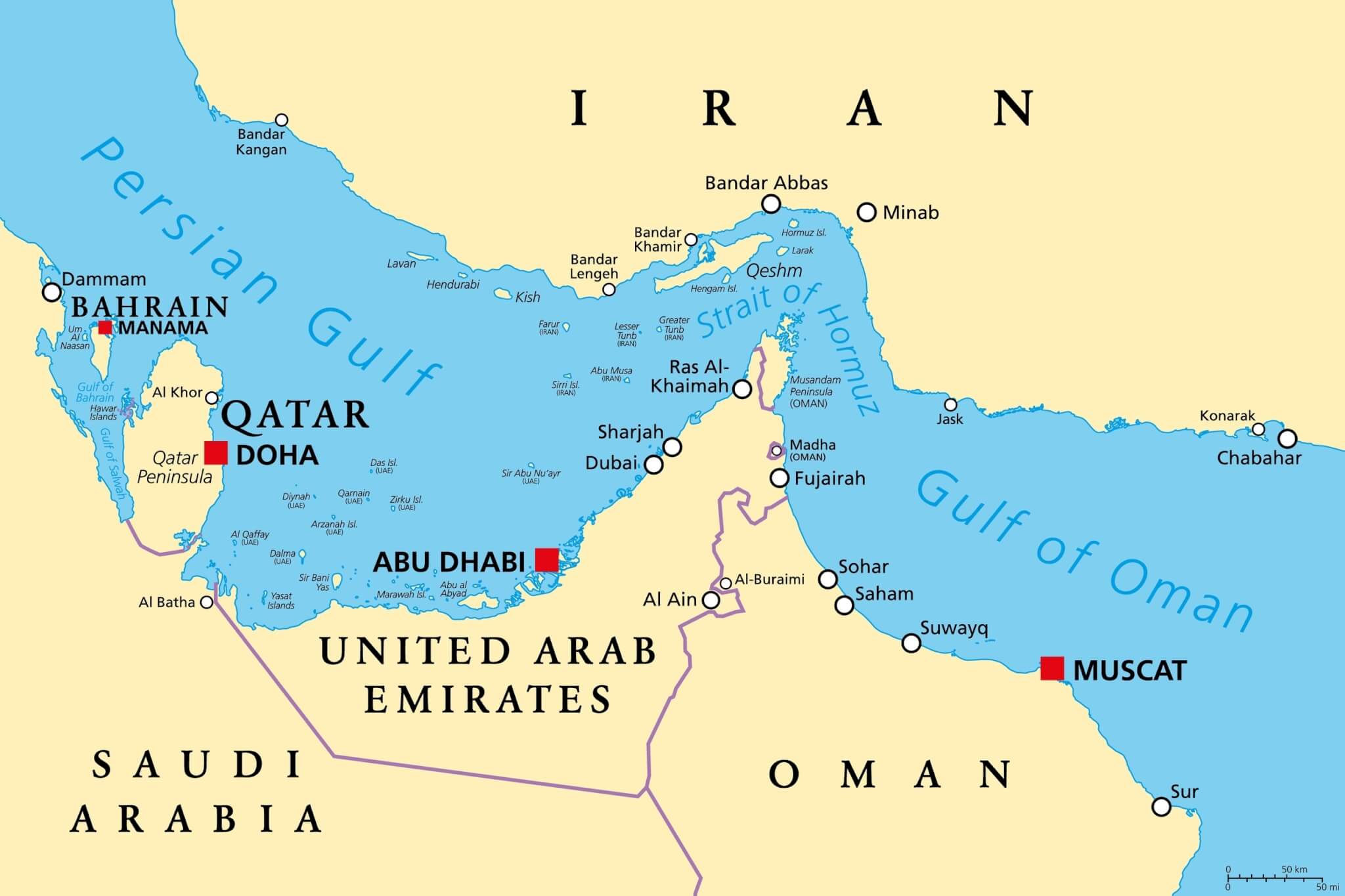
Qatar has instructed LNG carriers to remain outside the Strait of Hormuz until one day prior to loading operations as regional security risks heighten, with officials emphasising that this measure is precautionary and unlikely to disrupt overall supply volumes.

The directive from QatarEnergy affects vessels bound for the Ras Laffan terminal, one of the world’s largest liquefied natural gas export facilities. Around a dozen carriers are idling in ballast outside the terminal, awaiting final instructions before undertaking brief, tightly scheduled transits through the strait.

Market indicators reacted swiftly: European gas prices surged as much as 4.8%, while Asian benchmarks inched upward amid growing concern over potential delivery delays. Despite this, analysts and industry insiders maintain that the streamlined entry process—coupled with Qatar’s steady production—should keep cargo volumes within normal parameters.

This move aligns with contingency efforts by the world’s third-largest LNG exporter. Industry sources confirm that the carriers will execute “quick entry and speedy exits” across the Hormuz passage, necessitating precise scheduling and coordination with maritime authorities.

Analysts acknowledge that about 20–25% of global LNG traffic transits the Strait, underscoring its significance as a logistical chokepoint. Instructing vessels to loiter offshore aims to reduce their vulnerable exposure time in the strait.

Strategic analysts warn that escalating tensions—particularly after recent military exchanges involving Israel and Iran—increase risks for all Gulf shipping. Tehran has threatened to seal off the strait, which could strain Qatar’s export pipelines and ripple through global energy markets.

Despite geopolitical headwinds, Qatar’s production at the South Pars/North Field complex remains steady. The foreign ministry emphasised that LNG output and shipments continue to follow their usual course, even as the country takes enhanced security measures.

Operational insights from shipping analysts describe a familiar summer idling pattern, but note slight increases in loitering time and cautious routing. Vessels such as the tanker HLAITAN are reportedly waiting outside the strait in anticipation of load orders.

Market response has been modest. European gas hubs such as TTF recorded price rises of around 4–5%, while the Asia‑Pacific’s JKM benchmark reached nearly $14 per mmBtu, marking a $1.20 uptick since mid‑June. CNBC‑style commentary points out that the precautionary shift is “unlikely to cause major disruption,” although insurers are adjusting premiums to reflect the heightened transit risks.

For global exporters and importers, Qatar’s stance underscores a renewed emphasis on maritime risk management. Shipping firms are increasingly factoring geopolitical volatility into their routing and scheduling protocols. International insurers have begun revising coverage for LNG carriers traversing the Gulf, citing increased premiums tied to potential missile or drone threats in the region.

Qatar’s approach enables more controlled maritime planning: by delaying vessel entry until close to the loading window, the country limits their exposure to strategic bottlenecks and regional flare‑ups. This calculated move underscores Doha’s dual priorities of maintaining export reliability and protecting vital shipping assets.

VISHNU RAJA
RYO YAMADA
HITORI GOTOH
IKUYO KITA