News related to
growth

By Tajul Islam On January 20, 2025, US President Donald Trump issued an executive order suspending all USAID and State Department-funded projects, totaling $60 billion, for 90 days. This decision was framed as a reassessment of foreign aid effectiveness and its alignment with the administration’s strategic priorities. The abrupt termination of nearly 10,000 foreign aid grants and contracts has sent economic and humanitarian shockwaves through countries in […]

HANOI, VIETNAM – Media OutReach Newswire – 14 March 2025 – KVB emerged as the ultimate winner of the prestigious Most Popular Broker 2024 award presented by Followme, after breaking through fierce competition among 371 participating brokers. Following a rigorous evaluation process, the final selection was based on a comprehensive assessment of key factors, including customer base and activity levels, service quality, user reputation, and overall engagement […]

Aldar Investment Properties , a subsidiary of Aldar Properties, has successfully issued a $500 million 10-year green sukuk, significantly enhancing its financial standing. The issuance witnessed remarkable investor interest, with the order book surpassing $3.6 billion, indicating an oversubscription rate of 7.2 times. Regional investors accounted for 61% of the allocations, while international investors took up the remaining 39%. The sukuk was competitively priced at a spread […]

Dubai-based robotics manufacturer Micropolis Holding has successfully raised $15.5 million through its initial public offering on the NYSE American exchange. The company offered approximately 3.875 million ordinary shares at $4 per share, aligning with the lower end of the anticipated price range. Trading commenced on March 7, 2025, under the ticker symbol “MCRP”. Established in 2014 and headquartered in Dubai Production City, Micropolis specializes in developing autonomous […]

Shareholders of Gulf Navigation Holding PJSC have approved the company’s AED 3.2 billion acquisition of Brooge Energy Limited , a NASDAQ-listed oil refining and storage firm. This strategic move aims to bolster Gulf Navigation’s presence in the midstream oil and gas logistics sector. The approval was secured despite earlier reservations from minority shareholders regarding potential dilution of their holdings. The acquisition entails a multifaceted financial arrangement. Gulf […]

Dubai-based global ports and logistics operator DP World announced a record revenue of $20 billion for the fiscal year 2024, marking a 9.7% increase from the previous year. This surge is attributed to enhanced performance in its ports and terminals division, alongside contributions from new acquisitions and concessions. Despite the revenue growth, profit attributable to owners, after separately disclosed items, fell by 28.9% to $591 million from […]

Lila Sciences, a pioneering venture in artificial intelligence , has secured $200 million in seed funding to develop a groundbreaking scientific superintelligence platform. This platform aims to revolutionise scientific research by integrating AI with autonomous laboratories across life sciences, chemistry, and materials science. The funding round saw participation from notable investors, including Flagship Pioneering, General Catalyst, March Capital, ARK Venture Fund, Altitude Life Science Ventures, Blue Horizon Advisors, the State of Michigan Retirement System, Modi Ventures, and a wholly owned subsidiary of the Abu Dhabi Investment Authority .

Founded in 2023 within the labs of Flagship Pioneering, Lila Sciences is on a mission to achieve what it terms “scientific superintelligence.” This concept involves an advanced form of AI capable of not only processing vast amounts of data and making predictions but also assisting scientists in designing and conducting new experiments, generating hypotheses, and testing them in real-world environments. The company’s Autonomous Science platform is designed to scale and optimise experimentation in any scientific domain by combining generative AI with generalisable, scalable, and autonomous AI science units.

Chief Executive Officer Geoffrey von Maltzahn, Ph.D., co-founder of Lila Sciences and General Partner at Flagship Pioneering, emphasised the company’s ambitious vision: “Lila’s mission to responsibly achieve scientific superintelligence is born out of the belief that this is the most important opportunity of our time, and that the leader in this pursuit will be the entity that runs the scientific method at the largest scale, speed, and intelligence.” He further elaborated on the necessity of solving complex challenges to enable AI to autonomously and scalably execute each step of the scientific process, from idea generation to practical implementation using robotics and automation.

The investment by ADIA underscores the growing interest of sovereign wealth funds in cutting-edge technologies, particularly those with the potential to transform industries. While the exact financial contribution from ADIA remains undisclosed, its participation aligns with the fund’s strategy to diversify its portfolio by investing in innovative sectors poised for significant growth.

Lila Sciences’ platform has already demonstrated remarkable capabilities in multiple domains. These include developing large language models with state-of-the-art reasoning abilities on critical scientific problems, generating genetic medicine constructs that outperform commercially available therapeutics, discovering and validating hundreds of novel antibodies, peptides, and binders, and creating unique non-platinum catalysts for green hydrogen production. These achievements highlight the platform’s potential to accelerate scientific discovery and address complex challenges in human health and sustainability.

The company’s leadership team comprises distinguished figures in the scientific community. George Church, Ph.D., a renowned geneticist, serves as the Chief Scientist Officer. Andrew Beam, Ph.D., an expert in AI and machine learning, holds the position of Chief Technology Officer. Kenneth Stanley, Ph.D., known for his work in neuroevolution, is the Senior Vice President. Rafael Gómez-Bombarelli, Ph.D., an authority in materials science, serves as the Chief Science Officer of Materials. Christopher Fussell, with extensive experience in organisational leadership, is the President of Operations. This diverse team brings a wealth of knowledge and expertise to drive Lila Sciences’ ambitious agenda forward.

The platform’s design aims to be open to partners across the life and material sciences industries. By collaborating with various stakeholders, Lila Sciences intends to jointly develop solutions in human health and sustainability at an unprecedented pace and scale. This collaborative approach is expected to harness the collective expertise of industry leaders, researchers, and innovators to tackle some of the most pressing challenges facing society today.

The involvement of investors such as Flagship Pioneering, General Catalyst, March Capital, ARK Venture Fund, Altitude Life Science Ventures, Blue Horizon Advisors, the State of Michigan Retirement System, Modi Ventures, and ADIA reflects a strong confidence in Lila Sciences’ vision and potential. Flagship Pioneering, known for its role in founding Moderna, has a track record of supporting transformative biotech ventures. General Catalyst and March Capital bring significant experience in scaling technology companies, while ARK Venture Fund and Altitude Life Science Ventures are recognised for their focus on disruptive innovations in science and technology. Blue Horizon Advisors, with offices in the UAE and the UK, adds a global perspective to the investor consortium. The State of Michigan Retirement System’s participation signifies institutional interest in groundbreaking technologies, and Modi Ventures’ involvement highlights the appeal of Lila Sciences’ mission to diverse investor groups.

The substantial seed funding of $200 million is earmarked to support the further development of Lila Sciences’ AI platform, the establishment of autonomous labs, and the infrastructure necessary for rapid scaling. These resources are intended to enable the company to expand its capabilities, enhance its technological infrastructure, and accelerate the deployment of its platform across various scientific domains. The goal is to create a robust ecosystem where AI-driven experimentation can lead to faster, more efficient, and more accurate scientific discoveries.

Lila Sciences’ emergence comes at a time when the integration of AI into scientific research is gaining momentum. The company’s approach represents a significant shift towards automating the scientific method, potentially reducing the time and cost associated with traditional research and development processes. By enabling AI to autonomously generate hypotheses, design experiments, and interpret results, Lila Sciences aims to unlock new possibilities in drug discovery, materials development, and other critical areas.


Advertisements

KUALA LUMPUR, MALAYSIA – Media OutReach Newswire – 14 March 2025 – Silver is attracting investor interest, with market analysts predicting a potential leap to $40 per troy ounce in 2025. The metal is rising in global investment portfolios, providing stiff competition to gold’s long reign over commodity markets. Kar Yong Ang, a financial market analyst at Octa Broker, explains why silver has a very good opportunity […]

Members of President Donald Trump’s family have entered talks regarding a potential investment in Binance’s U.S. arm, a move that has drawn significant attention given the rising influence of cryptocurrency exchanges in global finance. The discussions revolve around securing a financial stake in Binance.US, which has been expanding its reach within the U.S. despite ongoing regulatory hurdles.

Sources indicate that the Trump family, including figures close to the former president, have shown increasing interest in the digital assets space. While specific details of the talks remain confidential, insiders suggest that the potential investment would allow the Trump family to become a major player in one of the largest cryptocurrency exchanges worldwide. This development has attracted scrutiny due to the complexities surrounding cryptocurrency regulation in the U.S. and Binance’s efforts to navigate these challenges.

Binance.US, a subsidiary of the global cryptocurrency exchange Binance, has been under intense regulatory pressure, particularly from the U.S. Securities and Exchange Commission . The regulatory body has taken aim at cryptocurrency exchanges, scrutinising their operations and pushing for tighter compliance with financial laws. Binance.US has worked to distinguish itself from its parent company, striving to comply with U.S. regulations in order to maintain access to the lucrative American market. This regulatory scrutiny has intensified as the SEC investigates various crypto-related activities, leading some exchanges to reassess their operations in the U.S.

The Trump family’s potential involvement in Binance.US comes at a time when cryptocurrency remains a divisive issue within U.S. political circles. President Trump himself has expressed scepticism about digital currencies in the past, calling Bitcoin a “scam” and reiterating his support for the U.S. dollar. However, some of his family members, including his sons, have reportedly shown greater interest in blockchain technology and the broader financial opportunities within the sector.

The growing interest in cryptocurrencies and their market potential has not gone unnoticed by established financial institutions, traditional investors, and wealthy individuals, including those with political influence. Cryptocurrency offers an alternative financial system that is decentralised, offering benefits like increased privacy and reduced reliance on traditional banking systems. At the same time, the volatility and lack of regulation continue to be a major concern for investors.

Binance, which was founded in 2017 by Changpeng Zhao, has become one of the most prominent cryptocurrency exchanges globally. The company has maintained a significant foothold in international markets but has faced regulatory challenges in several jurisdictions, including the United States, the United Kingdom, and Japan. In the U.S., the company has been forced to adapt its operations to meet local compliance requirements, which have included halting certain services and modifying trading offerings.

In addition to the regulatory concerns, Binance has faced allegations of facilitating illegal activities, including money laundering, leading to legal battles in several countries. These challenges have prompted Binance.US to distance itself from its parent company, ensuring that its operations remain fully compliant with U.S. laws. The platform has also been active in cooperating with regulators to ensure that it operates within the confines of U.S. financial regulations.

The Trump family’s interest in Binance.US signals the growing trend of prominent individuals and families seeking to establish financial positions in emerging markets, especially those that offer substantial growth opportunities like the cryptocurrency sector. While the discussions are still in the early stages, industry analysts suggest that the involvement of the Trump family could accelerate the exchange’s push to expand further within the U.S. market. With both the political clout and financial resources that the Trump family brings, their entry into the cryptocurrency space could prove to be a significant development for Binance and the broader digital assets industry.

The potential partnership also underscores the increasing mainstream acceptance of cryptocurrencies among high-profile investors and their growing role in the future of finance. As the U.S. government and regulators continue to grapple with how to regulate digital currencies, the involvement of politically connected figures in cryptocurrency investments could potentially alter the trajectory of future regulatory frameworks.

Despite the regulatory challenges, Binance.US has reported strong growth in user adoption and trading volume. As the global market for digital currencies continues to expand, platforms like Binance are positioned to benefit from increasing demand for alternative investment opportunities. Moreover, Binance.US’s strategic adjustments to comply with U.S. regulations, coupled with the potential involvement of high-profile investors like the Trump family, may further solidify its standing in the competitive crypto market.

The conversations surrounding the Trump family’s involvement in Binance come amid broader discussions in Washington about how to best regulate the cryptocurrency space. Lawmakers have expressed concerns about the risks posed by digital currencies, ranging from fraud to their use in illicit transactions. At the same time, they have recognised the growing popularity of cryptocurrencies and the need to establish clear rules that both protect consumers and foster innovation in the sector.

The Trump family’s engagement in the cryptocurrency industry also raises questions about the increasing convergence of political influence and financial markets. As more individuals and families with political ties explore opportunities in the digital asset space, the lines between politics and business may continue to blur. This development may set the stage for a new era of investments in which political figures play an increasingly central role in shaping the future of digital finance.

In a significant move to bolster global sustainability efforts, the United Arab Emirates and Denmark have formalized a partnership aimed at enhancing cooperation in sustainable agriculture and food systems. This development underscores both nations’ commitment to addressing pressing environmental challenges and ensuring food security. On 12th March 2025, His Highness Sheikh Abdullah bin Zayed Al Nahyan, UAE’s Deputy Prime Minister and Minister of Foreign Affairs, met with […]

Swiss private equity firm Partners Group has finalized an agreement to acquire Australian data center operator GreenSquare Data Centers , committing up to AU$1.2 billion to establish a next-generation data center platform across Australia. GreenSquareDC, established in October 2022, is actively developing a data center in Belmont, Perth. The four-story facility is set to offer 68,000 square meters of gross floor area on a 38,000-square-meter site, with […]

A U.S. bankruptcy court has found Byju Raveendran, founder of Indian ed-tech giant Byju’s, complicit in fraudulent financial activities, marking a significant escalation in the company’s ongoing legal and financial challenges.

The court determined that Raveendran, along with his brother Riju Ravindran and entities associated with Byju’s, orchestrated the unauthorized transfer of $533 million from Byju’s Alpha, a U.S.-based subsidiary, to Camshaft Capital Management, a hedge fund with dubious credentials. Camshaft, managed by a high school dropout lacking formal investment experience, was characterized by the court as a “sham” entity, raising serious concerns about the legitimacy of the transactions.

This ruling stems from a broader legal dispute between Byju’s and its lenders over a $1.2 billion term loan. Lenders initiated legal action following Byju’s alleged defaults on payment obligations and delays in financial disclosures. The unauthorized fund transfers were uncovered during these proceedings, leading to allegations of fraudulent conduct against the company’s leadership.

The court’s findings highlight a series of “badges of fraud,” including the concealment of funds and breach of fiduciary duties by the company’s directors. These actions have not only violated legal and ethical standards but have also severely undermined the trust of investors and stakeholders in the company’s governance.

Byju’s, once valued at $22 billion, has experienced a dramatic decline amid these controversies. The company’s aggressive expansion during the pandemic, fueled by substantial investments, has come under scrutiny as financial instability and governance issues have surfaced. The post-pandemic economic shift, characterized by rising interest rates, has further exacerbated the company’s challenges, leading to funding shortages and legal battles.

The repercussions of the court’s decision are far-reaching. Byju’s now faces intensified scrutiny from regulatory authorities, investors, and the broader public. The company’s reputation, once a beacon of India’s burgeoning ed-tech sector, has been tarnished, raising questions about its future viability and the potential impact on its extensive user base.

In response to the ruling, Byju’s leadership has maintained their stance of denying any wrongdoing. However, the court’s findings present a formidable challenge to this narrative, placing the onus on the company’s executives to address these serious allegations transparently and effectively.

The situation has also had a profound impact on Byju’s employees. Reports indicate widespread anxiety among the workforce, with many facing delayed salaries and uncertain job security. The company’s insolvency proceedings have further fueled concerns, prompting discussions about potential protests and legal actions by affected employees.

Investors, too, are reevaluating their positions. The exodus of prominent board members and auditors, coupled with the court’s recent findings, has led to a crisis of confidence. The company’s valuation has plummeted, and its ability to secure future funding is in jeopardy. This scenario underscores the critical importance of robust corporate governance and ethical financial practices in maintaining investor trust and ensuring long-term sustainability.

The court has yet to determine the specific damages to be awarded to the lenders. This pending decision adds another layer of uncertainty to Byju’s financial outlook. The company’s ability to navigate these legal and financial challenges will be crucial in determining its future trajectory and its role in the global ed-tech landscape.

This case serves as a cautionary tale for startups and investors alike. It highlights the potential pitfalls of rapid expansion without adequate oversight and the dangers of compromising ethical standards for short-term gains. As the ed-tech industry continues to evolve, the Byju’s saga underscores the necessity for transparency, accountability, and prudent financial management.

The coming months will be critical for Byju’s as it seeks to restore credibility and stabilize its operations. Stakeholders will be closely monitoring the company’s actions, looking for signs of meaningful reforms and a commitment to rectifying past missteps. The outcome of this situation will have significant implications not only for Byju’s but also for the broader perception of India’s startup ecosystem on the global stage.

In light of these developments, industry observers are advocating for stronger regulatory frameworks to prevent similar occurrences in the future. There is a growing consensus that while innovation and growth are essential, they must be balanced with responsibility and integrity to ensure sustainable success.

Janus Marine and Defense, a U.S.-based marine autonomy specialist, in collaboration with Nexus Remote Solutions, has announced plans to establish the United Arab Emirates’ inaugural center dedicated to the testing, hiring, and maintenance of unmanned vessels. The Remote Operations Center , aptly named ‘The Quarterdeck,’ is set to be located at Addax Tower on Al Reem Island in Abu Dhabi, marking a significant milestone in the region’s maritime industry.

This initiative represents a pioneering effort to provide industry and small to medium-sized enterprises with access to advanced facilities for unmanned surface vessels and unmanned underwater vessels . The Quarterdeck aims to serve both commercial offshore and defense sectors, fostering innovation and development in marine autonomy technologies.

Jack Dougherty, owner of Janus Marine and Defense and a former U.S. Navy seafarer with extensive experience in naval and commercial marine autonomy, highlighted the strategic advantages of operating in the UAE. He noted that the country’s open policy towards USV operations in its territorial waters offers favorable conditions, free from the bureaucratic hurdles and regulations encountered in other parts of the world.

The Quarterdeck is scheduled to officially open in June, positioning itself as a unique facility in the Gulf region. Currently, the UAE hosts three ROCs spanning the offshore, commercial, and defense markets; however, all three are privately owned and inaccessible to external contractors. The establishment of the Quarterdeck aims to bridge this gap by providing private companies with access to state-of-the-art technology and facilities typically reserved for private ROCs.

This development is poised to significantly enhance the capabilities of startups and scale-ups in the region, enabling them to innovate and advance USV and UUV technologies. By offering a dedicated space for testing and maintenance, the Quarterdeck is expected to accelerate the growth of the unmanned vessel industry within the UAE and beyond.

The collaboration between Janus Marine and Defense and Nexus Remote Solutions underscores a shared vision for industry standardization and practical cooperation. In May 2024, the two companies unveiled the Nexus-Janus Portal, a groundbreaking USV payload management system designed for universal compatibility. The NJ Portal aims to standardize payload integration across various vessel builders, payload providers, and autonomous control manufacturers, thereby enhancing the modularity and operational flexibility of USVs.

The NJ Portal is a scalable, versatile server solution that simplifies the integration and management of payload systems on USVs. It adapts to diverse data processing requirements and power needs, ranging from single-board computers to powerful 8U GPU servers. This ensures easy management of payload integrations and rapid deployment or modification of configurations across different vessels. Jack Dougherty, CEO of Janus Marine and Defense, emphasized the portal’s versatility, stating, “Whether it’s a tow-behind side scan sonar performing a hydro survey or a .50 caliber machine gun in a remote weapon system, the principle is the same. We take a manned or wired system and make it work on an autonomous platform where it wasn’t designed to be.”

John Woroniuk, Director of Nexus and Portal Development Engineer, highlighted the portal’s potential, noting, “With version 3 of our system, we offer nearly unlimited integration possibilities. This enhances payload efficiency and allows preprogrammed accommodation for additional payloads yet to be installed. Whether your fleet consists of 11-meter USVs equipped for varied missions, our system delivers the seamless integration needed.”

The establishment of the Quarterdeck aligns with the UAE’s broader strategic objectives to position itself as a leader in maritime innovation and technology. By providing a dedicated facility for the development and maintenance of unmanned vessels, the UAE is set to attract global attention and investment in the marine autonomy sector.

The Quarterdeck’s location at Addax Tower on Al Reem Island offers strategic advantages, providing easy access to key maritime routes and infrastructure. This prime location is expected to facilitate seamless operations and collaborations with local and international partners.

The launch of the Quarterdeck is anticipated to have a ripple effect across the maritime industry in the region. By offering accessible facilities for testing and maintaining unmanned vessels, the center is likely to encourage more companies to explore and invest in marine autonomy technologies. This could lead to increased innovation, job creation, and economic growth within the sector.

The Quarterdeck is expected to serve as a hub for knowledge exchange and collaboration. By bringing together industry experts, researchers, and companies, the center aims to foster a community dedicated to advancing unmanned vessel technologies. This collaborative environment is likely to spur new ideas, partnerships, and solutions to existing challenges in the maritime industry.

The initiative also reflects a growing global trend towards the adoption of unmanned systems in various sectors, including defense, oil and gas, and environmental monitoring. The ability to operate vessels remotely offers numerous advantages, such as increased safety, reduced operational costs, and the capability to perform tasks in hazardous environments.

As the maritime industry continues to evolve, the establishment of facilities like the Quarterdeck will play a crucial role in shaping the future of marine operations. By providing the necessary infrastructure and support, such centers enable the development and deployment of advanced technologies that can transform traditional practices.

Both parties will collaborate to drive the growth of sports and entertainment events to the city and help to foster the development of Hong Kong into a premier hub for mega live events HONG KONG SAR – Media OutReach Newswire – 13 March 2025 – DHL Express, the world’s leading international express service provider, has been appointed as the Official Partner of the newly opened Kai Tak […]

Ripple, a prominent blockchain payments provider, has secured full regulatory approval from the Dubai Financial Services Authority to offer cross-border cryptocurrency payment services within the United Arab Emirates . This landmark authorization enables Ripple to operate in the Dubai International Financial Centre , a special economic zone with its own legal and regulatory framework.

The DFSA’s approval positions Ripple as the first blockchain-enabled payments provider licensed by the authority, underscoring the company’s commitment to regulatory compliance and its strategic focus on the Middle East. Brad Garlinghouse, Ripple’s Chief Executive Officer, remarked that the global crypto industry is experiencing unprecedented growth, driven by enhanced regulatory clarity and increasing institutional adoption. He highlighted the UAE’s supportive environment for technological and crypto innovation, suggesting that the nation is exceptionally well-placed to benefit from these developments.

Ripple’s journey to this full license began on October 1, 2024, when it received in-principle approval from the DFSA. Over the subsequent months, the company worked diligently to meet all regulatory requirements, culminating in the current full authorization. This progression reflects both Ripple’s dedication to compliance and the DFSA’s rigorous standards for financial service providers operating within its jurisdiction.

With the DFSA license, Ripple is now authorized to provide its global blockchain-based payment solutions to businesses across the UAE. This development is particularly significant for financial institutions seeking to integrate digital assets into their operations, offering a regulated and secure pathway for such integration. The license also allows Ripple to cater to the growing demand for efficient cross-border payment solutions in the region, a need that has been increasingly pronounced among both traditional financial institutions and crypto-native firms.

The UAE’s strategic positioning as a global hub for international trade and finance further amplifies the importance of this approval. According to data from the World Bank, the UAE facilitates nearly $40 billion in cross-border transactions annually, underscoring the substantial market potential for Ripple’s services. By leveraging its blockchain technology, Ripple aims to address existing challenges in cross-border payments, such as high fees, prolonged settlement times, and transparency issues, thereby enhancing the overall efficiency of international transactions.

Ripple’s establishment of its regional headquarters in Dubai in 2020 marked the beginning of its deepening engagement with the Middle East. Since then, the company has actively collaborated with regional stakeholders to promote the adoption of blockchain technology. Notably, Ripple has partnered with the DIFC Innovation Hub, supporting blockchain development through initiatives like its 1 billion XRP Fund Program. These efforts align with the UAE’s broader vision to position itself as a leader in digital finance and blockchain innovation.

The DFSA’s approval of Ripple’s license is a testament to the UAE’s progressive regulatory approach toward digital assets. By fostering a supportive environment for tech and crypto innovation, the UAE has attracted numerous global fintech companies, reinforcing its status as a forward-thinking financial center. Arif Amiri, CEO of the DIFC, noted that Ripple’s licensing represents a significant milestone, as it is the first time the DFSA has granted such approval to a blockchain payments provider. This move is expected to encourage further innovation and adoption of blockchain solutions within the region.

Looking ahead, Ripple’s fully regulated status in the UAE is anticipated to enhance its ability to serve a diverse clientele, ranging from payment service providers and exchange houses to financial institutions and large corporations. Reece Merrick, Ripple’s Managing Director for the Middle East and Africa, emphasized that the company is poised to meet the increasing demand for efficient cross-border payment solutions in the region. He highlighted that Ripple’s services are designed to cater to institutional clients, reflecting the company’s focus on providing enterprise-grade solutions.

HO CHI MINH CITY, VIETNAM – Media OutReach Newswire – 13 March 2025 – Visa (NYSE: V), a global leader in digital payments, has continued its role as an Official Co-sponsor of the Inauguration Ceremony for Ho Chi Minh City Metro Line 1 (Ben Thanh – Suoi Tien). As part of this initiative, Visa has launched a “tap-to-ride” solution at ticket gates, supporting contactless payments via globally […]

Malaysia’s small businesses lead the region in innovation Younger entrepreneurs dominate small business landscape AI investment on the rise High demand for funding signals continued expansion KUALA LUMPUR, MALAYSIA – Media OutReach Newswire – 13 March 2025 – Increased technology adoption is fuelling strong expansion among Malaysia’s small businesses, with 71 per cent reporting growth in 2024 – the highest in more than a decade – according […]

Nasdaq-listed video-sharing platform Rumble has made a significant move into the cryptocurrency market by acquiring 188 Bitcoin for $17.1 million. This purchase aligns with the company’s strategic plan to diversify its treasury holdings and embrace digital assets.

The acquisition was executed at an average price of $91,000 per Bitcoin, reflecting Rumble’s commitment to integrating cryptocurrency into its financial strategy. This initiative is part of a broader plan to allocate up to $20 million of the company’s cash reserves into Bitcoin, signaling a robust endorsement of the leading cryptocurrency.

Rumble’s Chief Executive Officer, Chris Pavlovski, has been vocal about the platform’s dedication to decentralization and free expression. The investment in Bitcoin aligns with these principles, as cryptocurrencies are often associated with decentralized financial systems. Pavlovski’s vision for Rumble includes leveraging blockchain technology to enhance the platform’s infrastructure and user experience.

The company’s foray into cryptocurrency is not an isolated event. In December 2024, Rumble secured a substantial $775 million strategic investment from Tether, the prominent stablecoin issuer. Tether agreed to purchase approximately 103.3 million shares of Rumble’s Class A common stock at $7.50 per share. This investment was structured to support Rumble’s growth initiatives and included a self-tender offer for up to 70 million shares of its Class A common stock at the same per-share price. The transaction was designed to maintain Pavlovski’s controlling stake in the company, ensuring that the platform’s core values and strategic direction remain intact.

Tether’s investment in Rumble underscores a shared vision between the two companies, focusing on decentralization and the promotion of free speech. Paolo Ardoino, Tether’s Chief Technology Officer, expressed enthusiasm about the partnership, highlighting the potential for collaboration in areas such as advertising, cloud services, and crypto payment solutions. This alliance positions Rumble to compete more effectively with established video-sharing platforms by offering unique features that integrate cryptocurrency and blockchain technology.

The infusion of capital from Tether has had a positive impact on Rumble’s market performance. Following the announcement of the investment, Rumble’s shares experienced a significant surge, reflecting investor confidence in the company’s strategic direction and its potential for growth in the digital media landscape.

Rumble’s decision to allocate a portion of its treasury into Bitcoin is indicative of a growing trend among corporations to diversify their balance sheets with cryptocurrency holdings. This strategy is often employed as a hedge against inflation and currency devaluation, providing companies with an alternative store of value. By embracing Bitcoin, Rumble aligns itself with other forward-thinking companies that recognize the potential of digital assets to preserve capital and enhance financial flexibility.

The integration of Bitcoin into Rumble’s financial strategy may also lead to new opportunities for user engagement and platform development. Potential initiatives could include enabling cryptocurrency transactions for premium services, rewarding content creators with digital assets, or developing blockchain-based features that enhance transparency and security. These innovations could differentiate Rumble from competitors and attract a broader audience interested in the convergence of media and cryptocurrency.

However, Rumble’s venture into the cryptocurrency space is not without risks. The volatile nature of Bitcoin’s price could impact the company’s financial statements, introducing variability in asset valuations. Additionally, regulatory scrutiny of cryptocurrencies continues to evolve, and companies engaging in digital asset transactions must navigate a complex and shifting legal landscape. Rumble will need to implement robust risk management and compliance strategies to mitigate these challenges effectively.

The partnership with Tether also brings both opportunities and potential challenges. While Tether’s investment provides substantial capital for growth, the stablecoin issuer has faced regulatory scrutiny and questions regarding its transparency and reserve backing. Rumble must ensure that its association with Tether does not adversely affect its reputation or regulatory standing. Clear communication with stakeholders and adherence to regulatory requirements will be crucial in maintaining trust and credibility.

The European Union has announced plans to impose tariffs on $28 billion worth of U.S. goods starting April 1, 2025, in direct response to the United States’ recent implementation of a 25% tariff on steel and aluminium imports. This move marks a significant escalation in trade tensions between the two economic powerhouses.

The U.S. tariffs, championed by President Donald Trump, took effect on March 12, 2025, targeting steel and aluminium imports globally. The administration justified these measures as necessary to protect national industries and bolster domestic employment. However, the EU has criticized these actions as unjustified and harmful to international trade relations.

In retaliation, the EU’s countermeasures will affect a diverse array of American products. Notably, iconic items such as Kentucky bourbon, Harley-Davidson motorcycles, and various agricultural products are on the list. The selection of these goods appears strategic, aiming to exert political pressure on key U.S. constituencies, particularly in states that supported President Trump. For instance, bourbon production is a significant industry in Kentucky, the home state of Senate Majority Leader Mitch McConnell.

European Commission President Ursula von der Leyen emphasized that while the EU’s response is robust, it remains proportionate. She stated, “We do not seek escalation, but the U.S. tariffs leave us no choice but to defend our industries and uphold the rules of international trade.” The EU’s approach underscores its intent to protect its economic interests without further destabilizing global trade dynamics.

The targeted U.S. products span various sectors, including industrial goods, textiles, and agriculture. This broad spectrum indicates the EU’s strategy to distribute the impact across multiple industries, thereby minimizing potential adverse effects on European consumers and businesses. The list of goods subject to tariffs was compiled after thorough consultations with EU member states to ensure a balanced and effective response.

The U.S. administration has defended its tariffs as a means to revitalize domestic manufacturing and safeguard national security interests. President Trump argued that the influx of imported steel and aluminium poses a threat to these sectors, necessitating protective measures. However, critics argue that such tariffs could lead to increased production costs for American industries reliant on these raw materials, potentially resulting in higher prices for consumers and strained relationships with key trading partners.

The EU’s decision to implement counter-tariffs is rooted in World Trade Organization rules, which permit such measures when a member country’s actions are deemed unjustifiable and harmful. By adhering to these international guidelines, the EU aims to reinforce the legitimacy of its response while highlighting the perceived illegitimacy of the U.S. tariffs.

The brewing trade dispute has raised concerns among global economic analysts. There is apprehension that this tit-for-tat escalation could lead to a broader trade war, negatively impacting global economic growth and stability. Both the EU and the U.S. are integral players in the international economy, and prolonged tensions between them could have ripple effects worldwide.

Despite the firm stance, the EU has expressed a willingness to engage in dialogue to resolve the dispute. Von der Leyen remarked, “Our door remains open for discussions. It is in the interest of both sides to find a mutually agreeable solution that preserves the integrity of our economic relationship.” This openness to negotiation suggests that while the EU is prepared to defend its interests, it also recognizes the value of maintaining a cooperative transatlantic partnership.

In the United States, reactions to the escalating trade tensions have been mixed. Some industry leaders have voiced support for the administration’s protective measures, citing long-standing challenges posed by foreign competition. Conversely, others express concern over potential retaliatory actions and their impact on export-dependent industries. The agricultural sector, in particular, fears that the EU’s tariffs could significantly reduce demand for American produce in European markets.

The unfolding situation underscores the complexities inherent in global trade relations. As both sides brace for the implementation of these tariffs, the international community watches closely, hoping for a resolution that averts further economic disruption. The coming weeks may prove pivotal in determining whether the EU and the U.S. can navigate this impasse through negotiation or if the world is on the cusp of a more pronounced trade conflict.

In light of these developments, businesses on both sides of the Atlantic are advised to monitor the situation closely. Companies involved in the production, export, or import of the affected goods should prepare for potential disruptions and consider strategies to mitigate the impact of the tariffs. This may include exploring alternative markets, adjusting supply chains, or engaging in advocacy efforts to influence policy decisions.

The recent visit of Lebanese President Joseph Aoun to Saudi Arabia has offered a rare glimmer of optimism for Lebanon’s economic recovery and political stability. As the country grapples with an extended financial crisis, exacerbated by governance challenges, this visit—Aoun’s first official trip abroad since taking office in January—signals a potential turning point. Saudi Arabia remains a key regional ally, and Lebanon is in urgent need of […]

The world’s leading technology billionaires have experienced unprecedented declines in their net worths, with a collective loss of approximately $266 billion in 2025. This downturn surpasses the market capitalizations of major corporations such as Salesforce and McDonald’s. Elon Musk, the CEO of Tesla and SpaceX, has seen his wealth diminish by $102 billion in just two months, primarily due to a 35% drop in Tesla’s stock price. […]

The U.S. Securities and Exchange Commission has postponed decisions on a series of high-profile cryptocurrency exchange-traded funds , signalling an ongoing cautious approach to integrating digital assets into mainstream financial markets. Among the delayed applications are several ETFs linked to major cryptocurrencies, such as Dogecoin, XRP, Solana, and Litecoin.

The Grayscale Dogecoin ETF, along with the Grayscale XRP ETF, are part of a broader set of applications put forward by the company to broaden its crypto offerings. Other significant applications include those from VanEck, Canary, Bitwise, and Coinshares, which are seeking to launch ETFs focused on Solana and Litecoin. These delays mark a critical moment in the cryptocurrency sector, where industry observers and market participants had hoped for greater clarity and regulatory progress from the SEC.

While the SEC has cited concerns about investor protection and market manipulation risks, industry players argue that the delay underscores the agency’s struggle to adapt existing regulations to an ever-evolving digital asset landscape. Proponents of these ETFs contend that the SEC’s hesitation hampers innovation and blocks more accessible investment channels for retail investors eager to gain exposure to digital currencies.

The regulatory body has been scrutinising crypto ETFs for some time, weighing the risks associated with market volatility and liquidity issues. SEC Chair Gary Gensler has repeatedly indicated that the agency’s stance on cryptocurrency would focus on ensuring the integrity of the financial system and protecting investors from potential fraud. Yet, critics argue that these delays are hindering the growth of the digital asset sector, and market participants remain uncertain about the timeline for future approvals.

Grayscale, a prominent asset management firm known for its Bitcoin and Ethereum trust funds, has been at the forefront of advocating for Bitcoin ETFs and other crypto investment vehicles. The company has expressed disappointment over the delay but remains optimistic that the SEC will eventually approve these products, citing the increasing institutional interest in cryptocurrency markets and the growing demand for regulated investment vehicles.

The proposed Grayscale Dogecoin and XRP ETFs are especially notable due to the prominence of these assets in the digital currency ecosystem. Dogecoin, originally created as a meme, has gained significant traction over the past few years, bolstered by celebrity endorsements and a growing user base. XRP, meanwhile, continues to be embroiled in ongoing legal battles with the SEC, which has added further complexity to its potential approval for an ETF.

Similarly, the Solana and Litecoin-focused ETFs, which include offerings from Canary, Bitwise, and Grayscale, have generated significant attention. Solana, known for its high-speed transactions and lower fees, has become one of the most talked-about cryptocurrencies in recent years. However, concerns around security breaches and technical challenges have led to questions about its long-term stability and viability as a mainstream investment product. Litecoin, while considered one of the more established cryptocurrencies, has faced similar issues regarding its perceived relevance in a rapidly evolving market.

As the SEC continues to deliberate on these applications, many in the cryptocurrency industry remain hopeful that the regulator will take a more open-minded approach in the future. However, the delay of these ETFs highlights the ongoing tension between the cryptocurrency sector and regulatory bodies, as both sides navigate the complexities of balancing innovation with risk mitigation. Despite the setback, cryptocurrency advocates are expected to persist in pushing for more robust regulatory frameworks that will allow digital assets to gain legitimacy in the financial sector.

The SEC’s cautious stance is also reflective of broader concerns in the U.S. government about the potential for cryptocurrencies to be used in illicit activities. Policymakers have raised concerns about the role digital currencies may play in money laundering, terrorism financing, and other illegal transactions. These concerns have prompted calls for more stringent regulatory measures, including the implementation of clearer rules around custody, reporting, and anti-money laundering compliance.

HONG KONG SAR – Media OutReach Newswire – 12 March 2025 – The James Dyson Award, an international student design and engineering competition, opens for submissions today to its 2025 programme in 28 countries and regions. From everyday challenges to the world’s most pressing issues, the Award calls for current or recent students to submit problem-solving ideas that could make a real difference to people’s lives. Since […]

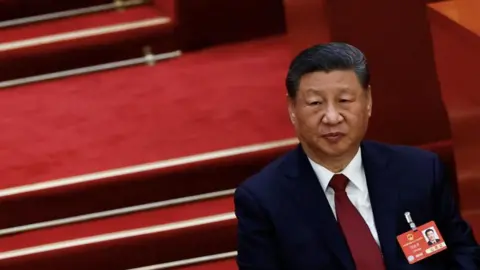
By Nitya Chakraborty The 14th National People’s Congress of China ended its one-week-long session in Beijing on Tuesday March 11 with a clear direction given by the President and the Communist Party supremo Xi Jinping that China will take on the disruptions made in the global order by the United States president Donald Trump in […]
VISHNU RAJA
RYO YAMADA
HITORI GOTOH
IKUYO KITA