News related to
growth

Arabian Post Staff -Dubai DP World Trade Finance and JPMorgan have struck an alliance designed to improve working capital availability in emerging economies, responding to an estimated global trade finance shortfall of US $2.5 trillion. The partnership combines DP World’s logistics capabilities with JPMorgan’s financial services to distribute risk on trade finance deals, ensuring underserved enterprises can access vital credit. The signature transaction under this collaboration financed a leading food company’s […]

HONG KONG SAR – Media OutReach Newswire – 9 June 2025 – Generali Hong Kong announces the launch of LionAchiever Elite (the “Plan”), a new flagship whole life savings and life insurance plan that offers customers high potential returns¹ with a short 2-year premium payment term, while also providing all-in-one legacy planning. Designed to support both wealth accumulation and legacy planning, the plan empowers customers to achieve […]

Matein Khalid I had analyzed SpaceX as a potential 10X winner in the Dubai media circa late 2020 when it traded at a mere $46 billion in the private market and even invited a number of close friends in an investor syndicate after sourcing shares from the Founders Fund in San Fran via the secondary market. Shakespear’s Henry V praised the English longbow archers who won him […]

PumpFun, a Solana-based memecoin launchpad, has announced plans to distribute protocol revenue to $PUMP token holders through a buyback mechanism. This move marks a significant shift from the typical speculative nature of memecoins, aiming to provide tangible value to its community. However, the platform’s ambitious $4 billion valuation and a targeted $1 billion raise have raised questions about the feasibility and sustainability of its revenue model.

Since its inception in January 2024, PumpFun has facilitated the creation of over 6 million memecoins, positioning itself as a central player in the Solana ecosystem’s resurgence following the FTX collapse. The platform’s user-friendly interface allows individuals to launch tokens with minimal effort, contributing to a surge in activity that saw Solana’s Total Value Locked surpass $5 billion by mid-2025.

The proposed buyback strategy involves using a portion of the platform’s revenue to repurchase $PUMP tokens from the open market, thereby reducing supply and potentially increasing token value. This approach is intended to reward long-term holders and align the interests of the community with the platform’s growth. However, the lack of clarity regarding the specific revenue streams and the proportion allocated for buybacks has led to skepticism among investors and analysts.

PumpFun’s revenue primarily stems from a 1% swap fee on all token trades and a 1.5 SOL fee when a token “graduates” by reaching a market cap of $90,000. While these mechanisms have generated substantial income—estimated at over $380 million—the sustainability of such revenue in the volatile memecoin market remains uncertain. The platform’s reliance on continuous user engagement and token creation raises concerns about the long-term viability of its financial model.

The announcement of the $1 billion raise at a $4 billion valuation has further intensified scrutiny. Critics argue that the valuation may be inflated, given the speculative nature of the memecoin market and the platform’s nascent stage. Comparisons have been drawn to other DeFi projects that have faced challenges in maintaining high valuations without robust and diversified revenue streams.

Community members have expressed mixed reactions to the buyback plan. Some view it as a positive step towards creating a more sustainable and value-driven ecosystem, while others question the timing and transparency of the initiative. The absence of detailed information about the buyback schedule, funding sources, and governance mechanisms has fueled debates about the platform’s commitment to accountability and investor protection.

PumpFun’s leadership, including founders Noah Tweedale, Alon Cohen, and Dylan Kerler, has yet to provide comprehensive details addressing these concerns. The platform’s history of rapid growth and controversial features, such as the now-suspended livestreaming service that allowed for unmoderated content, adds to the apprehension surrounding its governance and operational practices.

The broader context of the DeFi and memecoin markets also plays a role in shaping perceptions of PumpFun’s strategy. The memecoin sector has experienced explosive growth, with market capitalizations reaching unprecedented levels. However, this growth has often been accompanied by high volatility, regulatory scrutiny, and instances of market manipulation, leading to caution among institutional investors and regulators.

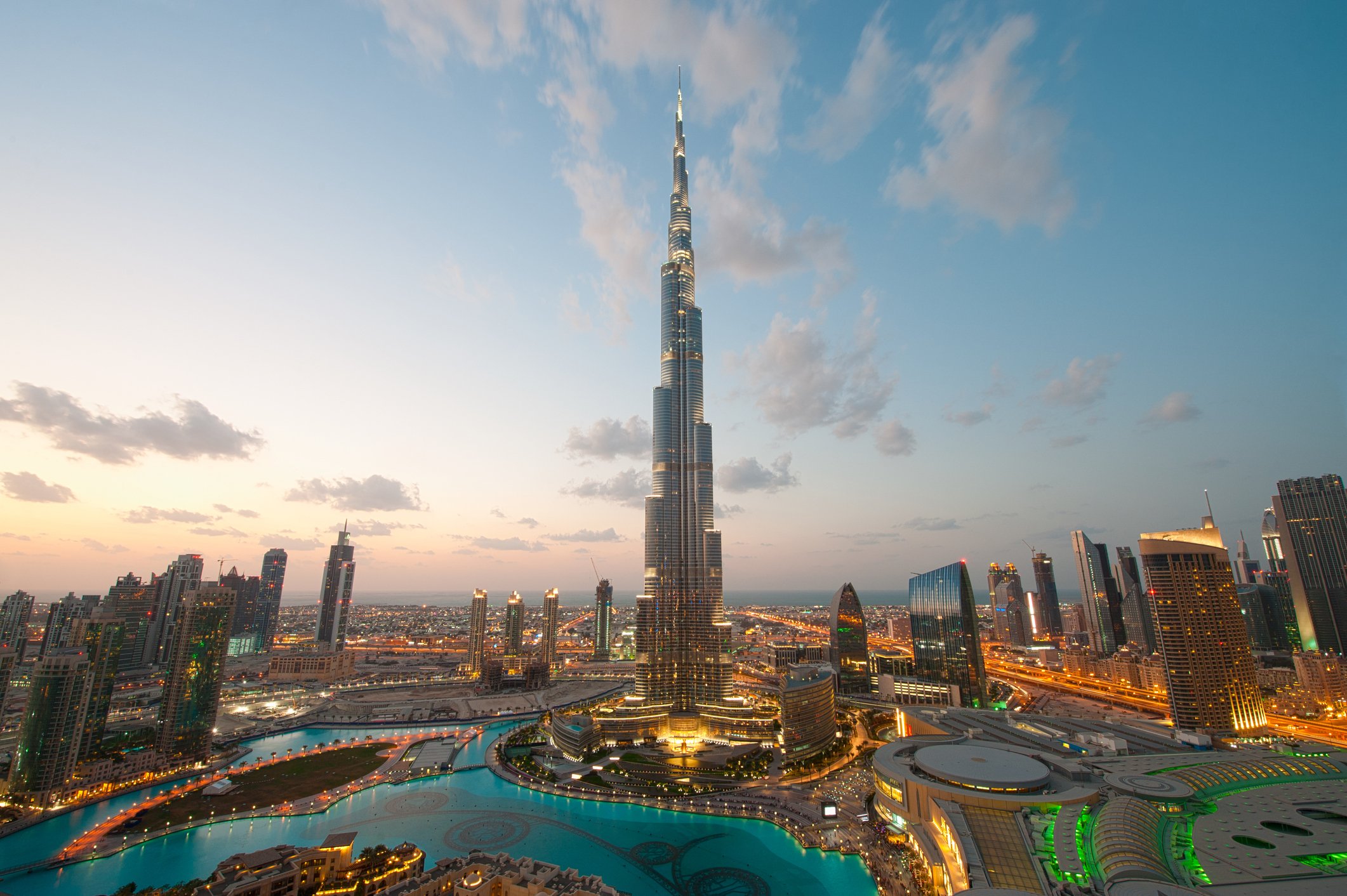
Dubai Mall is set to undergo a significant expansion, with Emaar Properties announcing a substantial investment of AED 1.5 billion to enhance the mall’s offerings. The development will introduce 240 new luxury retail stores and food and beverage outlets, further solidifying the mall’s position as a premier global shopping destination. In 2023, Dubai Mall achieved a remarkable milestone by welcoming 105 million visitors, marking a 19% increase […]

Debswana Diamond Company, Botswana’s premier diamond producer, has initiated a significant reduction in its mining operations, citing sustained global demand weakness and mounting economic pressures. The company, a 50-50 joint venture between the Botswana government and De Beers, announced a temporary halt in production at key sites, including the Jwaneng Cut-9 and Orapa mines, aligning output with the subdued market conditions. This strategic move follows a challenging […]

Maein Khalid Since the pandemic, IPO activity across GCC capital markets has surged – offering a sharp contrast to the stop-start pace on New York’s Nasdaq and the near standstill on London’s LSE. Nearly 300 IPOs have raised around $50 billion across the Gulf since 2021. Below I outline six key macro themes shaping this post-Covid IPO boom in the GCC. First, contrary to expectations, the number, […]

Advertisements

MEXC, a prominent digital asset exchange, has accelerated its stablecoin expansion strategy after acquiring $20 million worth of USDe tokens, marking a notable milestone as its stablecoin ecosystem surpasses a $100 million total value locked . This move signals a determined push by MEXC to strengthen its position in the increasingly competitive stablecoin market and further diversify its crypto offerings.

The $20 million USDe acquisition represents a calculated effort to bolster liquidity and adoption of stablecoins pegged to the US dollar, which have become vital in reducing volatility within the cryptocurrency sector. Stablecoins like USDe offer users a more reliable medium of exchange and store of value compared to traditional cryptocurrencies, which can experience dramatic price swings. MEXC’s increasing focus on stablecoins aligns with global trends where institutional and retail investors seek safer avenues for digital asset investment amid regulatory uncertainties and market fluctuations.

Beyond the recent purchase of USDe, MEXC’s stablecoin portfolio has seen sustained growth, pushing the platform’s total stablecoin value locked to exceed $100 million. This figure reflects the combined assets users have committed within MEXC’s stablecoin ecosystem, encompassing liquidity pools, staking, and yield farming products. The growing TVL not only underscores user confidence but also enhances the exchange’s capacity to support high-volume trading and DeFi activities anchored by stablecoins.

MEXC’s engagement in the stablecoin space builds upon its earlier strategic $16 million investment in Ethena, a notable innovator specialising in stablecoin technology and ecosystem development. Ethena’s platform focuses on creating programmable, algorithmic stablecoins that aim to maintain price stability through decentralised governance and dynamic supply adjustments. By backing Ethena, MEXC has positioned itself at the forefront of stablecoin innovation, tapping into emerging technologies that could redefine how digital currencies achieve and sustain their peg.

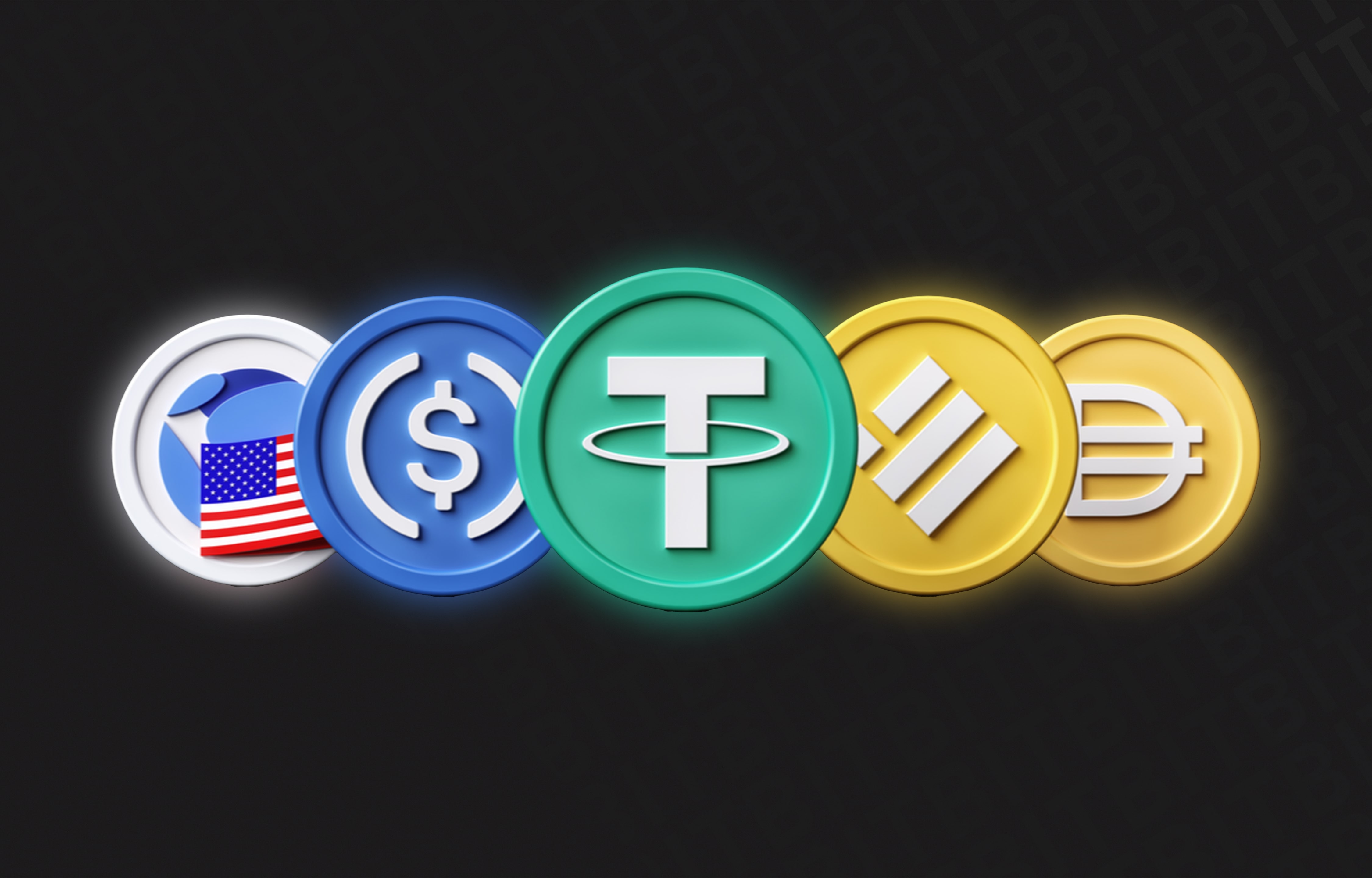
The decision to invest heavily in USDe and Ethena also comes amid rising competition among exchanges and financial platforms seeking to capture market share in stablecoin issuance and trading. Major players like Tether , USD Coin , and Binance USD dominate market capitalization, but newer tokens like USDe have gained traction through enhanced transparency, regulatory compliance, and blockchain interoperability. MEXC’s adoption of USDe highlights its intent to diversify beyond the dominant incumbents, offering users alternatives that may align better with evolving regulatory frameworks.

Industry experts note that the integration of stablecoins into broader financial systems remains a critical driver for crypto adoption. Stablecoins facilitate cross-border payments, remittances, and decentralised finance applications with reduced friction and costs compared to fiat-based mechanisms. MEXC’s strategy of expanding its stablecoin offerings enhances its utility as a hub for such financial activities, making it attractive to a wider range of traders and developers.

Regulatory clarity surrounding stablecoins has varied globally, with some jurisdictions imposing stringent requirements while others promote innovation-friendly policies. MEXC, headquartered in Seychelles with a growing international presence, has adapted to this shifting landscape by aligning its stablecoin partnerships with platforms like Ethena that emphasise compliance and governance transparency. This approach aims to pre-empt potential regulatory hurdles and establish MEXC as a responsible player in the digital currency ecosystem.

The growth in MEXC’s TVL also corresponds with increased user engagement in decentralised finance products facilitated by stablecoins. Yield farming and staking opportunities offered on the platform encourage users to lock their assets in exchange for rewards, helping to boost liquidity and network activity. These products often depend on stablecoins to mitigate risk, offering participants a balance between yield generation and capital preservation.

Market analysts observe that the stablecoin sector is poised for further expansion as demand for digital dollar substitutes rises. Factors such as increasing institutional interest, the rise of central bank digital currencies , and the ongoing integration of blockchain technology into mainstream finance all contribute to stablecoins becoming indispensable in the crypto landscape. MEXC’s proactive steps to expand its stablecoin infrastructure may provide a competitive advantage as these trends accelerate.

The $100 million TVL milestone not only demonstrates MEXC’s capability to attract substantial user funds but also reflects confidence in the exchange’s technical infrastructure and security protocols. Ensuring safe custody and seamless transactions is crucial for stablecoin platforms, given the heightened regulatory scrutiny and user concerns over fraud and hacking incidents in the sector.

MEXC’s roadmap indicates continued efforts to broaden its stablecoin offerings, with potential plans to incorporate additional tokens and enhance cross-chain compatibility. This would enable users to transact stablecoins across multiple blockchain networks, facilitating greater interoperability and expanding MEXC’s reach within the decentralised finance space.

The exchange also plans to deepen its collaboration with DeFi projects and developers, positioning stablecoins as a foundational component for innovative financial products. This aligns with broader industry movements where stablecoins serve as the backbone for lending protocols, decentralised exchanges, and payment solutions.


WASHINGTON D.C, US – Media OutReach Newswire – 7 June 2025 – Vietnam’s Minister of Agriculture and Environment Do Duc Duy led a delegation of nearly 50 agencies, agribusinesses, and associations to the United States from June 2–6, 2025, to promote trade and increase imports of agricultural and timber products. The delegation held business dialogues in Iowa, Ohio, Maryland and Washington, D.C. MoU signing to purchase US […]

The Dubai International Financial Centre has announced the launch of the Future Sustainability Forum, a global platform aimed at accelerating sustainable finance and innovation. Scheduled to take place on 4–5 December 2024 at Madinat Jumeirah, Dubai, the event seeks to foster collaboration among industry leaders, investors, policymakers, and technology innovators to address pressing environmental challenges.

Arif Amiri, CEO of DIFC Authority, emphasised the forum’s role in advancing climate action through collaborative efforts and innovative financial solutions. The initiative aligns with DIFC’s broader commitment to sustainable economic growth and its leadership in the Dubai Sustainable Finance Working Group, established in 2019.

The forum will explore eight core pillars, including sustainable banking and finance, renewable energy, sustainable infrastructure, and green technology. It aims to channel investment flows between the global north and south, supporting the UAE’s Year of Sustainability and its objectives for COP28.

Willem Blijdorp initially set his sights on a career in tourism. From 1970 to 1975, he studied at the Hotel Management School in Maastricht, the Netherlands. However, upon graduation, he chose an unexpected path. He decided to become the organizer of the now-legendary ‘Butterfahrten’. This marked the beginning of an entrepreneurial journey that continues to this day. The Butterfahrt Concept During a business trip to Germany, Blijdorp was […]

Cryptocurrency exchange Gemini, co-founded by Cameron and Tyler Winklevoss, has confidentially filed for an initial public offering in the United States, signaling a significant step toward entering public markets. The firm is collaborating with investment banks Goldman Sachs and Citigroup on the offering, according to individuals familiar with the matter. While the timeline and final decision remain pending, the confidential nature of the filing allows Gemini to prepare for a potential listing without immediate public disclosure.

This move follows the conclusion of a nearly two-year investigation by the U.S. Securities and Exchange Commission into Gemini’s operations. In February, Cameron Winklevoss announced that the SEC had closed its inquiry without recommending enforcement action, removing a significant regulatory hurdle. Additionally, Gemini settled a separate lawsuit with the Commodity Futures Trading Commission in January, agreeing to a $5 million penalty over allegations related to its 2017 bid to offer Bitcoin futures contracts.

Gemini’s decision to pursue an IPO comes amid a broader shift in the U.S. regulatory landscape under the current administration, which has adopted a more crypto-friendly stance. This environment has encouraged several digital asset firms, including Kraken and Circle, to explore public listings. Notably, the Winklevoss twins were among approximately 30 crypto executives who attended a White House summit focused on digital assets, reflecting the administration’s engagement with the industry.

Founded in 2014, Gemini has positioned itself as a regulated and secure platform for cryptocurrency trading and custody. The exchange operates in multiple global markets, including New York, Singapore, London, and Dublin. In late 2024, Gemini expanded its services to France in anticipation of new EU cryptocurrency regulations. The company has also diversified its offerings, launching products such as the Gemini Dollar stablecoin and acquiring the NFT platform Nifty Gateway in 2019.

Despite its growth, Gemini has faced challenges, particularly related to its Earn program, which allowed customers to lend crypto assets to the now-bankrupt lender Genesis. The program’s suspension in November 2022 led to approximately $940 million in customer assets being frozen. However, a rise in crypto prices has since enabled Gemini and Genesis to return over $2 billion worth of crypto to affected customers.

Vietnam’s Vingroup and Gulf states are both rewriting their growth playbooks through state-led sustainability drives, forging a parallel transformation from legacy empires into green innovation hubs. HANOI, VIETNAM – Media OutReach Newswire – 6 June 2025 – Vietnam’s Vingroup and Gulf nations share parallel journeys of strategic reinvention, as the old playbooks that delivered decades of growth are showing their limits. While Gulf countries built wealth on […]

Major technology companies are exploring stablecoin integration to reduce transaction fees and enhance global payment efficiency, signaling a potential shift in the digital payments landscape.

Apple is reportedly in discussions with Circle, the issuer of the USDC stablecoin, to explore potential integration of stablecoin payments into its ecosystem. This move could enable seamless, tap-to-pay transactions using USDC on Apple devices, leveraging the company’s recent decision to open its NFC technology to third-party developers. Such integration would allow users to conduct transactions without relying on traditional banking intermediaries, potentially reducing costs and increasing transaction speed.

Airbnb is collaborating with Worldpay to explore stablecoin payouts, aiming to mitigate the high fees associated with Visa and Mastercard transactions. By integrating stablecoin payments, Airbnb seeks to offer a more cost-effective and efficient payment solution for its global user base. Worldpay’s partnership with stablecoin infrastructure startup BVNK further supports this initiative, enabling businesses to make payouts using stablecoins without the need to handle digital assets directly.

X, formerly known as Twitter, is developing its payments platform, X Money, which is set to launch later this year. The platform will feature Visa as its first partner, enabling secure and instant funding to users’ X Wallets via Visa Direct. X Money has obtained money transmitter licenses in 41 US states and is banking with Citibank, with agreements with Stripe and Adyen. The integration of stablecoin payments into X Money could offer users a seamless and efficient payment experience, aligning with Elon Musk’s vision of transforming X into an “everything app.”

Google Cloud has already taken steps toward stablecoin integration by supporting PayPal’s PYUSD on its Web3 Faucet. This initiative allows developers to access testnet PYUSD on Ethereum and Solana, facilitating the development and testing of applications that utilize stablecoin payments. By providing these tools, Google Cloud aims to support the growth of Web3 applications and the broader adoption of stablecoins in digital commerce.

By Anjan Roy The new governor of the Reserve Bank, Sanjay Malhotra, has taken to monetary policy formulation and the world of finance like fish to water. Within a short period of his taking over, Malhotra has got into his charge with a refreshing confidence. RBI’s monetary policy, announced on Friday June 6, is surprisingly […]

Startups across India are increasingly turning to non-dilutive funding options to secure capital while retaining full ownership and control. This shift is driven by a desire to avoid the equity dilution often associated with traditional venture capital, especially amid fluctuating valuations and heightened investor scrutiny. Non-dilutive funding encompasses various financial instruments, including venture debt, revenue-based financing, and government grants. These options provide startups with the necessary capital […]

Oil prices maintained stability following a notable rise as market participants reacted to constructive signals from high-level discussions between the United States and China. Brent crude hovered near $65 a barrel, positioning itself for a weekly advance that would mark its first since mid-May. Similarly, West Texas Intermediate settled close to $63, reflecting a cautious but optimistic outlook amid evolving geopolitical dynamics. The dialogue between President Donald […]

The debt burden across the Middle East and North Africa has escalated markedly over the last decade, with many governments relying heavily on borrowing to sustain public spending amid economic challenges. This growing fiscal strain, combined with an increasing dependence on external donor funding, has amplified the influence of foreign actors on both domestic policies and regional geopolitics, raising concerns about the long-term economic sovereignty of these […]

Dubai’s real estate sector demonstrated remarkable momentum last month, with property transactions reaching a record AED 66.8 billion , reflecting a substantial 44% increase compared to the previous year. This surge highlights a growing population and robust demand across various market segments, driven by both primary and secondary sales.

The primary ready property segment emerged as a key growth area, experiencing a fourfold increase in sales value to AED 17.9 billion in May 2025. This sharp rise signals strong confidence among buyers seeking completed units, particularly in sought-after developments across Dubai’s key residential hubs. The secondary ready market also recorded significant gains, with sales amounting to AED 24 billion, up 21% year-on-year, underscoring ongoing interest in resale properties.

Combined, the value of primary ready and off-plan transactions soared by 65% to AED 37 billion, while secondary sales posted a 23% rise, reaching AED 29 billion. These figures set new benchmarks for Dubai’s real estate market, reinforcing its status as a vibrant and attractive destination for investors and end-users alike.

Market analysts point to several factors fueling this upward trajectory. Dubai’s population continues to expand rapidly, buoyed by relaxed visa policies and a growing expatriate community. This demographic shift is driving demand for residential properties across the emirate, particularly in areas offering integrated lifestyle amenities and proximity to business districts.

Infrastructure developments and government initiatives aimed at enhancing the city’s appeal remain key contributors to market confidence. Projects such as the Dubai Metro expansion, new business zones, and cultural hubs are attracting both domestic and international buyers. The real estate sector’s performance also benefits from Dubai’s position as a global trade and tourism hub, which sustains demand in the rental and resale markets.

Within the primary ready segment, the quadrupling of sales reflects a broader trend where buyers prefer completed properties over off-plan purchases, reducing exposure to construction delays and market fluctuations. This preference is particularly pronounced among end-users seeking immediate occupancy. Developers have responded by accelerating delivery schedules and introducing competitive pricing strategies to capture this demand.

Off-plan sales maintain a strong presence, contributing significantly to the overall primary market value. The willingness of buyers to commit to projects still under construction suggests continued optimism about Dubai’s long-term growth prospects. Developers are increasingly targeting affluent buyers with luxury offerings and integrated communities that blend residential, retail, and recreational spaces.

The secondary market’s 23% growth highlights the liquidity and resilience of Dubai’s property resale sector. Investors and homeowners alike are capitalising on rising property values, with many opting to upgrade or diversify their portfolios. This active resale market provides a vital avenue for market participants seeking flexible entry and exit points.

Data also reveals that demand is diversifying geographically. While prime locations such as Downtown Dubai, Dubai Marina, and Palm Jumeirah remain highly sought after, emerging areas like Dubai South and Mohammed bin Rashid City are gaining traction. These developments offer competitive pricing and extensive amenities, appealing to both investors and residents aiming for value and quality of life.

Real estate experts caution, however, that sustainability remains a crucial consideration amid rapid growth. Affordability challenges and potential oversupply in certain segments could temper future gains if not managed carefully. Nonetheless, current market dynamics suggest a healthy balance between supply and demand, supported by Dubai’s strategic economic vision.

Ghana’s gold reserves have surged to 31.37 tonnes in 2025, reaffirming its position as Africa’s leading gold producer. However, this growth is shadowed by a significant rise in artisanal and small-scale mining , which now accounts for nearly 40% of national output. The proliferation of unlicensed operations is raising alarms over environmental degradation, regulatory challenges, and the long-term sustainability of the country’s mining sector. The Ghana Chamber […]

Elon Musk has launched a scathing attack on President Donald Trump’s proposed $4 trillion tax and spending bill, branding it the “Debt Slavery Bill” and urging Americans to pressure lawmakers to reject it. The Tesla and SpaceX CEO’s criticism comes as the U.S. national debt approaches $37 trillion, with the Congressional Budget Office projecting the bill would add approximately $2.4 trillion to the deficit over the next […]

Dubai’s Virtual Assets Regulatory Authority has entered into a strategic partnership with SuiHub MENA, the regional arm of the Sui blockchain ecosystem, to bolster the emirate’s position as a global hub for virtual assets. The collaboration aims to support emerging startups, nurture local talent, and provide regulatory guidance within the blockchain sector.

The agreement, formalised earlier this week, outlines a multifaceted approach to ecosystem development. Key initiatives include jointly hosted workshops to assist startups in navigating Dubai’s licensing regime, educational programs to cultivate local expertise in blockchain technology, and the establishment of advisory sessions to offer compliance support. These efforts are designed to streamline the path to market for new ventures and enhance the overall maturity of the virtual asset landscape in the region.

SuiHub MENA’s innovation centre in Dubai will serve as the focal point for these activities, with VARA providing strategic support through roundtables and engagements with government stakeholders. The partnership also encompasses collaborative research opportunities aimed at informing future virtual asset policies and contributing to the sustainable growth of the sector.

This alliance follows a similar memorandum of understanding signed between VARA and the Solana Foundation, reflecting Dubai’s commitment to fostering a conducive environment for blockchain innovation. By aligning regulatory clarity with technological advancement, these partnerships underscore the emirate’s proactive stance in embracing the potential of virtual assets while ensuring robust governance frameworks are in place.

SHENZHEN, CHINA – Media OutReach Newswire – 5 June 2025 – Leading smart device company OPPO today announced the signing of a global patent licensing agreement with Volkswagen Aktiengesellschaft (hereafter referred to as Volkswagen) to license OPPO’s cellular standard-essential patents portfolio to the group, including 5G. Under the agreement, OPPO’s cellular standard-essential patents will be licensed to Volkswagen to enhance user experiences for its connected vehicle offerings […]

S&P Global Ratings has indicated that South Africa must accelerate economic growth and implement credible fiscal consolidation to achieve its first credit rating upgrade in two decades. Currently rated at ‘BB-‘ with a positive outlook, the country remains below investment grade. Ravi Bhatia, S&P’s lead analyst for South Africa, emphasized that sustainable growth, fiscal discipline, and avoiding further bailouts for state-owned enterprises are critical for an upgrade. […]

VISHNU RAJA
RYO YAMADA
HITORI GOTOH
IKUYO KITA