News related to
growth

BEIJING, CHINA – Media OutReach Newswire – 22 March 2025 – Geely has long invested more than ten billion yuan ($1,381 million) in the education field, and established a total of seven colleges and universities, enrolling over 90,000 students and training more than 200,000 graduates, 80 percent of whom are employed in related industries in China. “I intend to dedicate more energy to education and nurturing talent, […]

Coinbase Global Inc., the largest U.S.-based cryptocurrency exchange, is in advanced discussions to acquire Deribit, a leading platform for Bitcoin and Ether options trading. The potential acquisition has been communicated to regulators in Dubai, where Deribit holds a license.

Deribit, founded in 2016 and headquartered in the Netherlands, has established itself as a dominant force in the cryptocurrency options market, particularly for Bitcoin and Ether contracts. In 2024, the exchange’s options notional trading volume surged 99% year-over-year to $743 billion, with total trading volume nearing $1.2 trillion. This growth underscores the increasing adoption of options and futures among institutional traders seeking risk management tools and leverage in crypto markets.

The potential acquisition aligns with Coinbase’s strategic push to expand its institutional offerings and underscores the growing importance of derivatives in the digital asset space. By integrating Deribit’s robust derivatives platform, Coinbase aims to enhance its product suite for institutional clients and strengthen its position in the competitive cryptocurrency exchange landscape.

While Coinbase’s interest has progressed to advanced stages, it is noteworthy that Kraken, another major U.S. cryptocurrency exchange, has also been in talks with Deribit regarding a potential acquisition. Contrary to earlier reports suggesting that Kraken had withdrawn from negotiations, sources indicate that discussions between Kraken and Deribit are ongoing. This simultaneous interest from two prominent exchanges highlights Deribit’s significant value proposition in the crypto derivatives market.

Deribit’s valuation has been a focal point in these discussions. In January, reports estimated the company’s worth to be between $4 billion and $5 billion. However, with the recent surge in crypto market activity and the heightened interest from major exchanges, the valuation could potentially be higher. Despite the advanced nature of the talks, it remains unclear if Coinbase has reached a final agreement with Deribit, and the discussions may not necessarily result in a deal.

The potential acquisition has been communicated to regulators in Dubai, as Deribit holds a license in the city. This license would be transferred to the acquiring entity, in this case, Coinbase. This regulatory aspect adds a layer of complexity to the negotiations, as compliance with international financial regulations is paramount for both entities.

The cryptocurrency industry has witnessed a surge in mergers and acquisitions, reflecting a maturation of the market and a drive towards consolidation. Exchanges are increasingly seeking to diversify their offerings to cater to a broader clientele, particularly institutional investors who demand sophisticated trading instruments like options and futures. By potentially acquiring Deribit, Coinbase would not only expand its product offerings but also solidify its position as a comprehensive platform for various trading strategies.

For Deribit, integration with a major exchange like Coinbase could provide access to a wider user base and additional resources, potentially accelerating its growth and innovation in the derivatives market. However, such an acquisition would also entail significant integration efforts, including aligning technological infrastructures, compliance protocols, and corporate cultures.

The Open Network Foundation has addressed circulating reports suggesting it raised $400 million in a funding round. Contrary to these claims, the Foundation clarified that prominent venture capital firms have collectively acquired over $400 million worth of Toncoin, the native cryptocurrency of the TON blockchain, through purchases from early investors.

Among the investors are notable firms such as Sequoia Capital, Ribbit, Benchmark, and Kingsway. Additional participants include Vy Capital, Draper Associates, Libertus Capital, CoinFund, Hypersphere, SkyBridge, and Karatage. These investments were made directly in Toncoin, rather than through traditional equity or cash transactions. A spokesperson for the TON Foundation emphasized that this is not a fundraising round but rather a strategic move by these venture capitalists, reflecting their confidence in the future success and utility of the TON blockchain and its expanding ecosystem.

The TON blockchain, originally developed by the founders of the messaging app Telegram, operates as a decentralized network supporting the development of Mini Apps within the Telegram ecosystem. In January, the Foundation strengthened its partnership with Telegram, designating TON as the exclusive blockchain for Telegram’s Mini Apps Ecosystem. This collaboration aims to provide Telegram’s extensive user base, which significantly exceeds 1 billion monthly active users, with seamless access to financial applications, including efficient payment solutions for goods and services.

Over the past year, the TON blockchain has experienced substantial growth. The number of active accounts surged from 4 million to 41 million, and Toncoin holders surpassed 121 million, exceeding the number of wallets holding Bitcoin. This remarkable expansion has attracted institutional investors globally, underscoring the network’s robust capabilities and potential.

Looking ahead, the TON Foundation aims to onboard 30% of active Telegram users to the TON blockchain by 2028. This ambitious goal will be driven by four key verticals:

1. Attracting users through Telegram’s native intellectual property, such as stickers, gifts, and on-chain collectibles.

2. Introducing engaging and rewarding multiplayer mini-games.

3. Providing decentralized finance solutions that offer user-friendly savings options with sustainable returns.

4. Creating practical payment applications that deliver real-world utility for crypto holdings.

Shaun Maguire, Partner at Sequoia Capital, expressed enthusiasm about the collaboration, stating, “The TON team is the best in the world at the intersection of consumer product thinking and crypto infrastructure. When you combine this with the global distribution of Telegram, we’re very excited to see where they go.”

Steadfastly Implements High-Quality Development Strategies and Optimize Channel Structures with a Focus on Global Market Expansion HONG KONG SAR – Media OutReach Neswire – 21 March 2025 – ZJLD Group Inc. (“ZJLD” or the “Company”, together with the Company’s subsidiaries, collectively the “Group”) (SEHK stock code: 06979. HK), an outstanding representative in the Chinese baijiu industry and the first baijiu company listed in Hong Kong Stock Exchange, […]

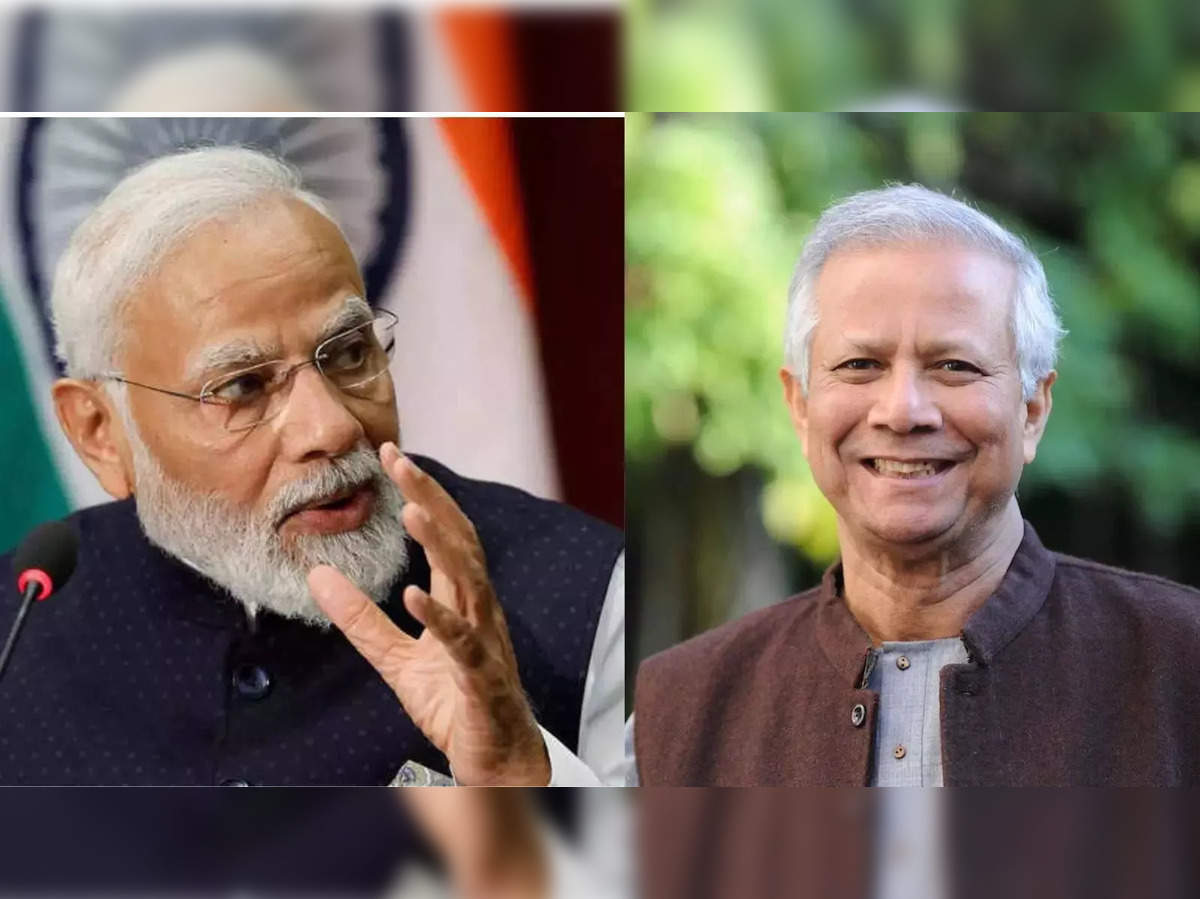
By Nitya Chakraborty Bangladesh has officially sought a meeting between their head of interim government Dr. Mohammad Yunus and the Indian Prime Minister Narendra Modi on the sidelines of the coming BIMSTEC meeting at Bangkok on April 2-4 next. Both countries are members of BIMSTEC. As per present schedule, both have confirmed their presence at […]

President Vladimir Putin has expressed openness to Western companies considering a return to the Russian market, provided they comply with Moscow’s terms. This stance comes amid ongoing geopolitical tensions and economic realignments following the Ukraine conflict.

In a recent address to the Russian Union of Industrialists and Entrepreneurs, Putin acknowledged the interest of foreign businesses in re-entering Russia but emphasized that any return would not entail preferential treatment. He stated that companies which had previously divested their Russian assets at discounted rates should not anticipate reacquiring them under similar conditions. Putin underscored the necessity of establishing a regulatory framework that preserves the competitive edge of domestic enterprises while accommodating foreign entities.

Despite these overtures, Dmitry Medvedev, Deputy Chairman of Russia’s Security Council, indicated that no formal applications from Western companies seeking to resume operations in Russia have been received. He noted that while there have been informal inquiries, official requests remain absent. Medvedev suggested that the absence of formal applications could be attributed to the complexities introduced by domestic businesses filling the void left by departing Western firms.

The exodus of Western companies from Russia, triggered by the onset of the Ukraine war and ensuing sanctions, led to significant shifts in the Russian market landscape. Major corporations such as McDonald’s and Starbucks ceased their operations, prompting local enterprises to step in and occupy the vacated spaces. This transition has fostered the growth of domestic brands, altering consumer dynamics and market shares within the country.

The prospect of Western companies returning to Russia is further complicated by the nation’s current economic conditions. Russia’s wartime economy is grappling with challenges including inflation and political instability, factors that could deter potential investors. Additionally, concerns over corporate nationalization and asset seizures have heightened apprehensions among foreign investors contemplating re-entry into the Russian market.

The broader geopolitical context also plays a pivotal role in shaping the investment climate. Recent developments, such as discussions around the potential return of blocked Russian foreign exchange reserves, have sparked debates within the European Union. Some analysts caution that releasing these reserves could inadvertently bolster Russia’s war efforts, thereby undermining Ukraine’s position and the EU’s strategic leverage. This underscores the intricate balance that policymakers must navigate in addressing the economic dimensions of the conflict.

Internal documents suggest that Russia may be strategizing to prolong the Ukraine conflict, potentially undermining peace negotiations led by international actors. A Kremlin-affiliated think tank report proposes extending the war and making demands that could derail diplomatic efforts. Such maneuvers add layers of uncertainty to the geopolitical landscape, influencing the calculus of foreign businesses considering a return to Russia.

OPEC+ has announced a revised schedule for seven member nations to implement additional oil output cuts, aiming to compensate for previous overproduction. These measures are set to overshadow the planned production increases slated for next month.

The updated plan mandates monthly reductions ranging from 189,000 to 435,000 barrels per day , with the cuts extending until June 2026. This initiative seeks to address the excess output that has occurred despite the group’s ongoing efforts to stabilize the oil market.

Since 2022, OPEC+, which includes members of the Organization of the Petroleum Exporting Countries along with Russia and other allies, has been implementing output cuts totaling 5.85 million bpd, approximately 5.7% of global supply. These cuts were introduced in phases to support market stability amid fluctuating demand and geopolitical tensions.

Despite these efforts, certain member countries have exceeded their production quotas. Kazakhstan, for instance, has seen a significant production surge due to Chevron’s expansion at the Tengiz oilfield, leading to output levels surpassing its OPEC+ quota.

To address this imbalance, the new compensatory cuts will require substantial contributions from Iraq, Kazakhstan, and Russia, with Saudi Arabia also making smaller adjustments. These measures are designed to offset the previous overproduction and align the group’s output with agreed targets.

Concurrently, OPEC+ has decided to proceed with a modest production increase of 138,000 bpd starting in April, citing healthier market conditions. This marks the beginning of a series of monthly hikes intended to gradually restore a total of 2.2 million bpd over the next 18 months, following repeated delays since 2022.

However, the introduction of compensatory cuts raises questions about the net effect on global oil supply. The scheduled reductions are expected to more than offset the planned production hikes, potentially tightening the market further. This development comes amid new U.S. sanctions targeting Chinese entities involved in supplying Iranian oil, which have contributed to a recent uptick in oil prices.

As of Friday, Brent crude futures rose 0.3% to $72.21 per barrel, and U.S. West Texas Intermediate crude futures increased 0.4% to $68.32 per barrel. Both benchmarks were set to rise about 2% for the week, marking the largest weekly gains since early 2025.

The International Energy Agency has noted that increasing global trade tensions and new U.S. tariffs are negatively impacting oil demand and economic growth, creating uncertainty. The IEA revised its oil-demand growth estimates down to 1.03 million bpd from an earlier 1.1 million bpd, while OPEC projects higher growth at 1.45 million bpd.

With OPEC+ set to raise output beyond April and increased production in regions like Kazakhstan, Iran, and Venezuela, the IEA expects global oil supply to exceed demand, foreseeing a surplus of approximately 600,000 bpd. Total supply could average 104.5 million bpd by 2025, driven by non-OPEC+ production growth.

Advertisements

JAKARTA, INDONESIA – Media OutReach Newswire – 21 March 2025 – VinFast has signed a Memorandum of Understanding (MoU) with PT Aribi Amartapura (Amarta), one of Indonesia’s leading vehicle distributors, to accelerate the expansion of its showroom network in the country. This partnership marks a significant milestone in VinFast’s global dealership strategy, enhancing brand visibility and bringing its electric vehicles closer to Indonesian customers. VinFast Asia CEO […]

Matein Khalid Starting in 2016, the US has morphed into the world’s largest LNG exporter, eclipsing Australia and Qatar. Trump is determined to achieve global energy dominance as he exploits the geopolitical leverage American LNG exports give him in his relations with Europe, Asia and the GCC. He has pledged to dramatically expand US natural gas production via his “drill baby drill” ethos, rescinded Biden’s environmental pause […]

The TON Foundation, the entity overseeing the development of The Open Network blockchain, has successfully raised over $400 million through the sale of its native cryptocurrency, Toncoin. This substantial investment underscores the growing confidence in blockchain technologies and their potential applications.

Prominent venture capital firms participated in this funding round, including Sequoia Capital, Ribbit, Benchmark, and Kingsway. Additional investors such as Vy Capital, Draper Associates, Libertus Capital, CoinFund, Hypersphere, SkyBridge, and Karatage also contributed, reflecting a broad spectrum of interest from established financial entities.

A spokesperson for the TON Foundation clarified that these investments were made directly in Toncoin, rather than through traditional equity or cash transactions. This approach aligns with the foundation’s commitment to integrating investors into the TON ecosystem, promoting active participation and alignment with the network’s growth objectives.

The TON blockchain, initially conceptualized by Telegram, has experienced significant development and adoption. Over the past year, it has attracted more than 40 million active users, with the number of independent Toncoin holders reaching approximately 121 million. This rapid expansion highlights the platform’s scalability and its appeal to a diverse user base.

Toncoin serves multiple functions within the TON ecosystem, including transaction fees, staking, and governance. Validators and stakers receive Toncoin rewards for securing the network, and holders can participate in on-chain governance by submitting and voting on improvement proposals. This multifaceted utility enhances the token’s value proposition and encourages community engagement.

The involvement of high-profile investors such as Sequoia Capital and Benchmark not only provides substantial financial backing but also brings strategic expertise to the TON Foundation. These firms have a history of supporting innovative technology ventures, and their participation is expected to accelerate TON’s development and market penetration.

The decision to raise funds through a token sale rather than traditional equity financing reflects a broader trend in the blockchain industry. This method allows for immediate liquidity and aligns investor incentives with the network’s performance, fostering a more integrated and symbiotic relationship between the foundation and its backers.

The successful capital raise positions the TON Foundation to further enhance its infrastructure, expand its user base, and explore new applications for its blockchain technology. As the blockchain landscape continues to evolve, TON’s ability to attract significant investment underscores its potential to become a major player in the decentralized technology space.

This development also reflects a growing institutional interest in cryptocurrencies and blockchain projects. The participation of established venture capital firms signifies a maturation of the industry, with traditional investors recognizing the long-term potential of decentralized networks and digital assets.

The TON Foundation’s strategic approach to fundraising and its commitment to integrating investors into its ecosystem may serve as a model for other blockchain projects seeking sustainable growth and community engagement. By aligning the interests of investors, developers, and users, TON aims to foster a vibrant and resilient network capable of adapting to the rapidly changing technological landscape.

HONG KONG SAR – Media OutReach Neswire – 20 March 2025 – Hong Kong has maintained its World No.3 ranking in the latest Global Financial Centres Index (GFCI) after New York (No.1) and London (No.2). Hong Kong’s overall rating increased by 11 points to 760, remaining top in the Asia-Pacific region. The biannual GFCI, published today (March 20) by the Z/Yen from the United Kingdom and the […]

By P. Sudhir As the year 2026 approaches, the issue of the delimitation of parliamentary and assembly constituencies is drawing public attention and controversy. This is the year when the freeze on the number of seats will end, and the next round of delimitation must be undertaken following the first census conducted after 2026. The […]

South Korean prosecutors conducted a raid on the headquarters of Bithumb, one of the country’s largest cryptocurrency exchanges, as part of an investigation into allegations of misappropriation of company funds. The probe centers on suspicions that Bithumb provided a rental deposit of 3 billion Korean won for an apartment in Seoul’s Seongdong-gu district, intended for its former representative director and current advisor, Kim Dae-sik. Authorities suspect that a portion of these funds may have been diverted for Kim’s personal apartment purchase, raising concerns about potential financial misconduct within the company.

The investigation was initiated following a referral from the Financial Supervisory Service , South Korea’s primary financial regulatory body. Prosecutors from the Seoul Southern District Prosecutors’ Office executed the search and seizure operation at Bithumb’s headquarters located in the Yaksu-dong area of Seoul. The objective was to gather evidence related to the alleged misappropriation of funds and to scrutinize the company’s financial transactions pertaining to the apartment lease agreement.

Bithumb has not yet issued an official statement regarding the raid or the allegations. The company has faced legal challenges in the past, including investigations into potential tax evasion and fraudulent activities. In previous instances, Bithumb’s executives have been implicated in legal controversies, further intensifying scrutiny of the exchange’s operations.

The current investigation adds to a series of legal challenges faced by Bithumb in recent years. In 2018, the exchange was investigated for alleged tax evasion, resulting in a substantial back-tax payment. Additionally, Bithumb has been the target of multiple hacking incidents, leading to significant financial losses. These recurring issues have raised concerns about the company’s internal controls and governance practices.

The cryptocurrency industry in South Korea operates under stringent regulatory oversight, with authorities actively monitoring exchanges to ensure compliance with financial regulations and to protect investors. The FSS has been particularly vigilant in overseeing cryptocurrency exchanges, given the rapid growth of digital asset trading in the country. This latest investigation into Bithumb underscores the regulators’ commitment to enforcing compliance and addressing potential misconduct within the industry.

The outcome of this investigation could have significant implications for Bithumb’s reputation and operations. If the allegations are substantiated, the company may face legal penalties, and its leadership could be held accountable for any financial improprieties. Moreover, such developments could impact investor confidence and influence the broader perception of the cryptocurrency market in South Korea.

As the investigation progresses, stakeholders within the cryptocurrency community and the financial industry at large will be closely monitoring the situation. The case highlights the importance of robust corporate governance and the need for transparency in financial dealings, particularly within the rapidly evolving digital asset sector.

While Bithumb has previously navigated legal and regulatory challenges, the current allegations present a critical test for the company’s leadership and operational integrity. The exchange’s response to the investigation and its cooperation with authorities will be pivotal in determining its future trajectory and standing within the industry.

In light of these developments, industry observers emphasize the necessity for cryptocurrency exchanges to implement stringent internal controls and to adhere to ethical standards to mitigate risks associated with financial misconduct. Such measures are essential to foster trust and to ensure the sustainable growth of the cryptocurrency market.

As the legal proceedings unfold, the focus will remain on Bithumb’s internal practices and the actions of its former and current executives. The findings of the investigation are anticipated to influence regulatory policies and could lead to more rigorous enforcement measures within the cryptocurrency sector in South Korea.

Cryptocurrency payments in the European Union have seen a significant uptick, with 70% directed towards retail, food, and beverage sectors, according to a report by Oobit, a cryptocurrency payments platform. The analysis, which denominated all transactions in U.S. dollars, revealed that the average payment size using the Oobit app was $8.36, while the average deposit amounted to approximately $85.

Beyond everyday consumer goods, 26% of crypto payments were allocated to tourism-related activities, encompassing lodging, travel, and aviation. Government services and digital payments constituted 1.5% of transactions, with an additional 1.5% directed towards miscellaneous purchases such as healthcare and entertainment.

The surge in cryptocurrency usage within the EU is attributed to the growing acceptance of digital assets, bolstered by governmental efforts to enact supportive legislation. Notably, a substantial 92% of these payments were conducted using the USDt stablecoin. However, this prevalence presents challenges under the Markets in Crypto-Assets regulation, which came into full effect on December 30, 2024.

Complementing Oobit’s findings, data from Chainalysis indicates a 44% year-over-year increase in cryptocurrency adoption across Central, Northern, and Western Europe. For transactions under $1 million, the stablecoin market in these regions is expanding at a rate 2.5 times faster than in North America, highlighting a robust trend towards digital currency integration in everyday financial activities.

Technological advancements have played a pivotal role in facilitating this growth. Innovations such as the Lightning Network have enabled swift micropayments in Bitcoin, while crypto debit cards offering “crypto-back” rewards have made spending digital currencies more accessible. These developments signify a shift from viewing cryptocurrencies merely as speculative assets to recognizing them as practical means of exchange.

This evolution is further evidenced by global adoption trends. In June 2024, Nubank integrated the Lightning Network, bringing cryptocurrency payment capabilities to 100 million customers in Latin America. Similarly, in June 2023, IBEX partnered with Grupo Salinas to allow millions of Mexicans to pay their internet bills using Bitcoin. More recently, in March 2025, Ripple secured a license in Dubai to offer crypto payment services in the United Arab Emirates, underscoring the worldwide momentum of digital currency adoption.

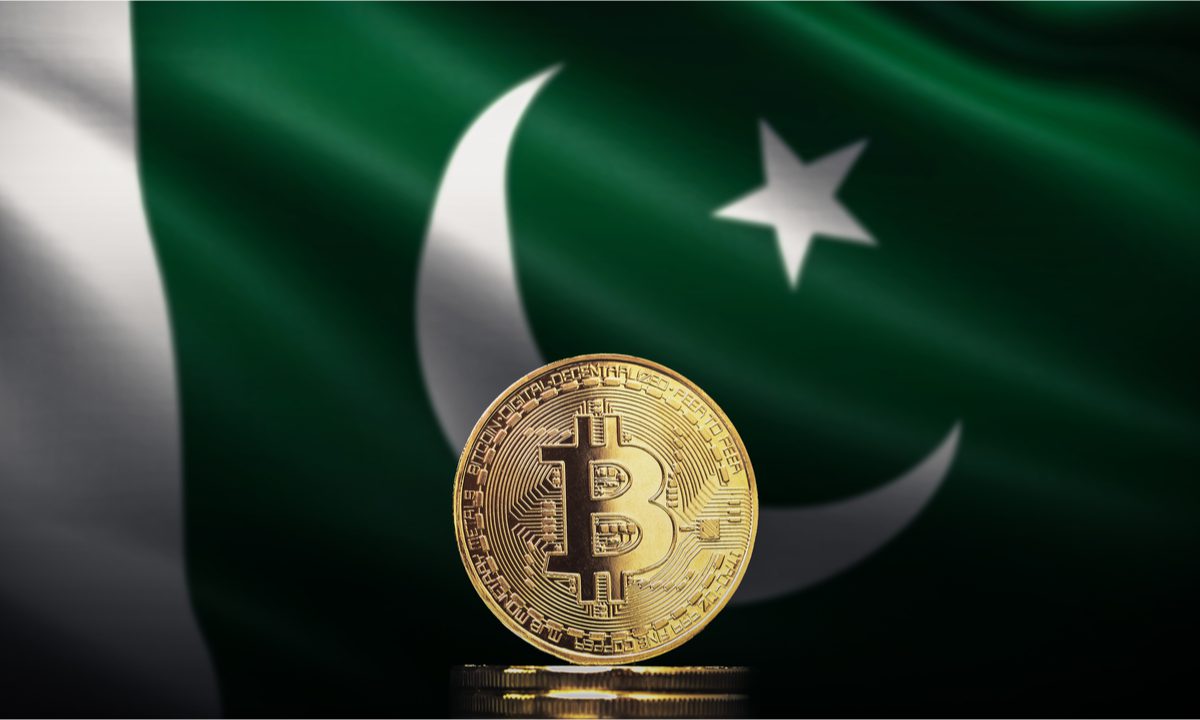
Pakistan is moving decisively towards establishing a legal framework for cryptocurrency trading, aiming to position itself as a hub for blockchain-powered finance and attract international investment.

Bilal Bin Saqib, the newly appointed Chief Executive Officer of the Pakistan Crypto Council, emphasized the country’s readiness to embrace digital assets. “Pakistan is done sitting on the sidelines; we want regulatory clarity and a legal framework that is pro-business,” Saqib stated. He highlighted Pakistan’s potential as a leader in blockchain finance, noting that “60% of the population is under 30; we have a Web3-native workforce ready to build.”

The Pakistan Crypto Council, established under the Ministry of Finance, is tasked with developing regulations and promoting blockchain technology and digital assets within the country. This initiative marks a significant shift from the central bank’s previous warnings against cryptocurrency use, citing concerns over fraud and financial instability.

Despite past apprehensions, Pakistan ranks ninth globally in crypto adoption, with an estimated 15 to 20 million Pakistanis engaging in cryptocurrency trading. This substantial user base underscores the pressing need for a clear regulatory environment to safeguard investors and stimulate economic growth.

Saqib, recognized by Forbes as a Web3 investor and blockchain strategist, highlighted Pakistan’s competitive advantage in the crypto space. He pointed out that the country offers one of the lowest operating costs for crypto businesses, making it a more cost-effective alternative to hubs like Dubai and Singapore.

The government’s proactive stance includes plans to engage with countries like the United Arab Emirates, Nigeria, and Turkey to learn from their regulatory experiences. This collaborative approach aims to ensure that Pakistan’s digital asset ecosystem evolves securely, compliantly, and sustainably.

On the taxation front, the government intends to adopt a “balanced pro-growth tax structure” designed to attract foreign investment while fostering domestic innovation. This strategy reflects a commitment to creating a business-friendly environment that encourages the integration of blockchain technology into various sectors of the economy.

The establishment of the Pakistan Crypto Council underscores the government’s commitment to integrating blockchain technology with the financial landscape. The council’s role includes overseeing policy development, addressing regulatory challenges, and collaborating with international bodies to develop standardized frameworks for digital economic engagement.

This move aligns with global trends, as countries worldwide are increasingly recognizing the potential of cryptocurrencies and blockchain technology. By creating a clear regulatory framework, Pakistan aims not only to attract international investors but also to position itself as a leader in the rapidly evolving digital economy.

Thailand’s edible insect industry has emerged as a global leader, seamlessly blending tradition with modern sustainability practices. This sector not only offers a rich source of nutrition but also presents environmentally friendly alternatives to conventional protein sources. In Thailand, consuming insects is deeply rooted in cultural traditions, especially in regions like Isan and the north. Markets frequently display an array of fried insects, including grasshoppers, crickets, silkworm […]

Dubai has embarked on a groundbreaking initiative to revolutionise its real estate sector by launching a pilot project for property tokenization. Spearheaded by the Dubai Land Department , this endeavour positions Dubai as the first property registration authority in the Middle East to integrate blockchain technology into property title deeds, marking a significant milestone in the region’s technological advancement. The core objective of this project is to […]

Cognite, an industrial software firm backed by Saudi Aramco, has inaugurated an artificial intelligence services center in Bengaluru, Karnataka. The company is actively pursuing partnerships with leading Indian conglomerates to enhance industrial operations through advanced AI solutions. The newly established center has already secured collaborations with a prominent cement manufacturer and a major automotive company, though specific details remain undisclosed. Håkon Bjerke, Cognite’s Chief Strategy Officer, emphasized […]

Billionaire Gautam Adani’s conglomerate, the Adani Group, is reportedly in advanced negotiations to acquire a majority stake in Emaar India, the Indian subsidiary of Dubai-based real estate developer Emaar Properties. The deal, valued between ₹4,000 crore and ₹5,000 crore, aims to bolster Adani’s presence in the Indian real estate sector. Discussions indicate that Adani Realty, an unlisted entity under the Adani Group, is set to acquire between […]

The United States Federal Reserve’s monetary policy decisions have a direct impact on the United Arab Emirates’ financial landscape, owing to the dirham’s peg to the U.S. dollar. Consequently, changes in the Fed’s interest rates influence borrowing costs in the UAE, affecting sectors such as real estate and personal finance. However, experts suggest that only substantial rate cuts by the Fed would lead to noticeable reductions in […]

The Uniswap community has approved two governance proposals, allocating a total of $165.5 million to bolster the development of its ecosystem. This substantial funding is directed towards advancing the recently launched Unichain Layer 2 network and Uniswap v4 protocol, as well as initiating new liquidity incentive programs.

The first proposal earmarks $95.4 million for the Uniswap Foundation’s grants budget, accompanied by an additional $25.1 million designated for operational expenses over the next two years. These funds aim to enhance capital efficiency, activate revenue streams, and attract active contributors to the platform. The second proposal allocates $45 million to support liquidity incentives, a strategic move to attract new users and sustain ecosystem growth through developer-centric activities.

Gauntlet, a Web3 risk management protocol, has been entrusted with managing these liquidity incentives. They have deployed and configured an Aera vault on the mainnet for the Uniswap Foundation, injecting over 7.5 million UNI tokens, valued at approximately $52 million at current prices. This initiative is designed to draw in new users and maintain growth across both networks.

The approval of these proposals also lays the groundwork for the long-discussed ‘fee switch’ mechanism. This feature would redirect a portion of protocol fees, currently earned by liquidity providers, towards UNI token holders. The Uniswap Foundation has indicated that it will proceed with the necessary legal steps to activate this switch, aligning the interests of governance members with the protocol’s long-term success.

The community’s decision to allocate substantial funds to ecosystem development reflects a strong commitment to increasing the network’s scalability and creating new opportunities for growth. The foundation’s long-term goal is to transition Uniswap from a decentralized exchange into a platform that can also cater to developers, bringing significant value to the Uniswap community.

Uniswap v4, launched in mid-January 2025, introduced the concept of ‘hooks’—contracts that allow developers to customize interactions within pools, swaps, and fees. The launch of Unichain, built on the Optimism tech stack, further enhances Uniswap’s scalability by providing a Layer 2 network capable of supporting more transactions at lower fees.

The activation of the fee switch represents a significant step in Uniswap’s ongoing efforts to align the interests of its governance members with the protocol’s long-term success. Over $1 billion in annualized fees have been generated by the Uniswap protocol, and this shift would allow token holders to capture a portion of that revenue.

This development has had a positive impact on the market perception of Uniswap’s native token, UNI. Following the announcement, the price of UNI experienced a notable surge, reflecting growing optimism among investors regarding the platform’s future prospects.

Arabian Post Staff -Dubai Abu Dhabi’s sovereign wealth fund, ADQ, has entered into a strategic partnership with U.S.-based private equity firm Energy Capital Partners to invest over $25 billion in energy infrastructure projects across the United States. This 50-50 collaboration aims to develop 25 gigawatts of new power generation capacity, primarily to meet the escalating electricity demands of data centers and other energy-intensive industries. The joint venture […]

Binance led global cryptocurrency exchange app downloads in February, achieving 4.83 million installs. OKX followed with 2.47 million downloads, while Bitget secured 1.57 million.

Binance’s dominance reflects its extensive user base and robust infrastructure. The platform offers a wide range of services catering to both novice and experienced traders, featuring a user-friendly interface and comprehensive security measures. This combination has contributed to its global popularity.

OKX has made significant strides, attracting a large number of traders with its advanced trading features and competitive fee structure. The platform’s commitment to providing a seamless trading experience has solidified its strong position in the industry.

Bitget has emerged as a formidable player, gaining traction due to its focus on copy trading and social trading features. These allow users to replicate the trades of successful traders, appealing to those looking to leverage the expertise of others.

The dominance of Binance, OKX, and Bitget in February’s download rankings reflects the growing demand for reliable and user-friendly cryptocurrency exchange platforms. As the cryptocurrency market continues to evolve, these platforms are well-positioned to capitalize on the increasing interest in digital assets. Their ability to adapt to market trends and provide innovative solutions will be crucial in maintaining their leadership positions.

Other notable platforms in the top ten include Coinbase with 1.38 million downloads, Bybit with 1.31 million, Crypto.com with 884,000, KuCoin with 609,000, MEXC with 543,000, Kraken with 343,000, and Gate with 320,000.

These figures highlight the competitive nature of the cryptocurrency exchange market, with platforms continually striving to enhance their offerings to attract and retain users.

In related developments, HTX reported a substantial surge in trading volume in February, accompanied by an 8.15% month-over-month rise in app logins, indicating heightened user engagement. The platform also secured a top-three position in EUR-stablecoin trading volume and was recognized by Forbes as one of the “Top 25 World’s Most Trustworthy Crypto Exchanges of 2025.”

The cryptocurrency exchange landscape is continually evolving, with platforms investing in user experience, security, and innovative features to differentiate themselves in a crowded market. As user preferences shift and new technologies emerge, exchanges that can adapt and meet the changing demands are likely to maintain or improve their standings in future download rankings.

The data underscores the importance of mobile accessibility in the cryptocurrency market, as users increasingly prefer managing their digital assets on-the-go. Exchanges that offer intuitive and secure mobile applications are better positioned to attract a broader user base.

The emphasis on features like copy trading and social trading, as seen with Bitget, indicates a trend towards community engagement and educational resources within trading platforms. These features not only empower novice traders but also foster a sense of community among users.

As regulatory landscapes shift and user expectations evolve, cryptocurrency exchanges face the ongoing challenge of balancing innovation with compliance and security. Platforms that can navigate these complexities while delivering value to their users are likely to see continued growth in both downloads and active user engagement.


MSI, a global leader in high-performance server solutions, has unveiled its latest range of server platforms at CloudFest 2025, held from March 18 to 20 at Europa-Park, Germany. The new lineup includes Open Rack v3 Servers, Data Center Modular Hardware System Servers, and NVIDIA MGX™ AI Servers, each designed to enhance scalability, efficiency, and sustainability in cloud computing environments. The ORv3 Servers focus on modularity and standardisation, […]

VISHNU RAJA
RYO YAMADA
HITORI GOTOH
IKUYO KITA