News related to
intelligence

KUALA LUMPUR, MALAYSIA – Media OutReach Newswire – 2 October 2024 – Technology has changed financial markets a lot in recent years. It makes trading easier, faster, and more efficient. In this release, Octa looks at how technology is changing trading in Malaysia, Singapore and other countries in Southeast Asia. Also, Octa gives an overview of algorithmic trading, AI, blockchain, cryptocurrencies, Fintech, mobile apps, cloud tech, and […]

Google has announced a significant investment of $1 billion (36 billion Thai baht) into Thailand, marking a strategic move to enhance the country’s digital infrastructure. The tech giant will establish a new data center and further expand its cloud capabilities in Thailand, a region recognized as a growing hub for digital transformation. This investment, disclosed on Monday, positions Thailand as a pivotal location in Google’s broader Asia-Pacific strategy to harness the potential of artificial intelligence (AI) and cloud computing.

This expansion reflects Google’s growing interest in Southeast Asia’s digital economy, which has been steadily increasing in global significance. By building a data center in Thailand, Google aims to support the country’s rapidly evolving digital landscape, while also strengthening its cloud infrastructure across the Asia-Pacific region. The move is part of Google’s broader efforts to stay competitive in the AI and cloud computing markets, where it faces fierce competition from other tech players, including Microsoft and OpenAI.

Thailand’s digital economy has gained substantial momentum in the past decade, positioning the country as a key player in Southeast Asia’s tech scene. According to a 2023 report by Google, Temasek, and Bain & Company, Thailand’s digital economy ranks as the second-largest in Southeast Asia. It is projected to reach a valuation of $50 billion by 2025, underscoring the country’s rapid digitalization and growing importance in the regional tech landscape. Google’s investment aligns with these trends, helping to accelerate digital transformation in a market poised for further growth.

Google’s decision to invest heavily in Thailand is also influenced by the country’s growing digital consumption. With increased internet penetration and rising demand for cloud-based services, the Thai market presents a substantial opportunity for tech giants to expand their services. The new data center will support the growing needs of businesses and consumers in the region, providing enhanced connectivity, improved access to cloud computing services, and greater data storage capacities. This development is expected to spur innovation, particularly in sectors such as e-commerce, financial technology (fintech), and digital content creation.

Artificial intelligence is another key area where Google seeks to make significant strides with this investment. The data center in Thailand will not only serve as a cloud infrastructure hub but will also contribute to Google’s efforts to push AI applications and services into the Thai market. As AI becomes increasingly integrated into various industries, including healthcare, education, and finance, the infrastructure provided by Google’s new data center is anticipated to support a wide array of AI-driven innovations. The expansion will also facilitate the adoption of AI technologies by local businesses, enhancing their operational efficiencies and enabling them to compete on a global scale.

Thailand’s strategic geographical location within Southeast Asia makes it an ideal choice for Google’s investment. The country serves as a gateway to several other fast-growing markets in the region, offering access to both emerging and established economies. By enhancing its infrastructure in Thailand, Google is well-positioned to tap into broader regional opportunities, particularly as Southeast Asia continues to witness a surge in digital adoption and technological advancements.

Google’s investment is also expected to have a significant economic impact on Thailand. The construction of the data center will create numerous jobs, both directly and indirectly, across various sectors, including technology, construction, and services. Moreover, the expansion of Google’s cloud services in Thailand will benefit local businesses, enabling them to leverage advanced digital tools and platforms to drive growth and innovation. As a result, Thailand is likely to experience a boost in its digital economy, contributing to the overall economic development of the country.

This announcement comes at a time when major tech companies are increasingly focusing on artificial intelligence as the next frontier of technological advancement. As companies like Microsoft and OpenAI continue to advance their AI capabilities, Google’s investment in Thailand underscores its commitment to remaining competitive in this evolving landscape. The new data center will be a critical part of Google’s strategy to enhance its AI infrastructure and deliver cutting-edge AI solutions to customers in Southeast Asia and beyond.

Google’s AI ambitions in Thailand are not just about technology development; they also encompass AI education and skills development. The company has been working with local institutions to provide training in AI and cloud computing, aiming to build a workforce capable of supporting the country’s digital future. This initiative is expected to create a pipeline of skilled workers in Thailand, further positioning the country as a regional leader in AI and digital innovation.

This $1 billion investment also highlights the increasing importance of Southeast Asia as a focus for global tech giants. As the region’s digital economy continues to expand, companies are recognizing the need to invest in local infrastructure to meet the growing demand for digital services. Google’s data center in Thailand is part of a broader trend of tech companies establishing a stronger presence in Southeast Asia, seeking to capitalize on the region’s rapid digital growth.

Dubai has taken a significant step toward solidifying its position as a global leader in innovation and intellectual property (IP) management with the launch of the Dubai Intellectual Property Hub (DIPH). Developed in collaboration between the Dubai Future Foundation (DFF) and the UAE Ministry of Economy, the DIPH aims to provide a centralized platform for managing IP and intangible assets (IA) in the region. The initiative targets a wide range of stakeholders, including innovators, artists, entrepreneurs, researchers, academics, and startups, by offering streamlined support and resources.

The DIPH was unveiled at the “IP2024: Glimpse on the Future of IP” event, which attracted high-level officials, industry experts, and leading figures from the IP sector. The introduction of this hub underscores the UAE’s ambitions to position itself as a competitive hub for global intellectual property development and protection. The platform is designed to assist those working in knowledge-based industries, which are becoming increasingly crucial in today’s digital economy.

The Dubai Intellectual Property Hub is expected to fill a longstanding gap in the region’s innovation ecosystem by offering a one-stop solution for intellectual property needs. Through DIPH, innovators will have access to various resources that streamline the IP registration and management process, reducing the complexity that often hampers the commercialization of innovative ideas. By making it easier for creators to secure their intellectual property rights, Dubai is also encouraging the creation and growth of knowledge-based industries.

The launch of the DIPH comes at a critical time when global economies are placing more emphasis on knowledge and innovation. Intangible assets, such as patents, trademarks, copyrights, and trade secrets, are increasingly valuable, and their protection is crucial to driving growth and competitiveness in global markets. This new hub aims to address that demand by providing comprehensive support for the entire IP lifecycle, from idea generation and patent registration to commercialization and enforcement.

In remarks delivered during the launch event, officials highlighted the significance of the DIPH in fostering innovation not just in the UAE but across the broader Middle East and North Africa (MENA) region. The platform aims to establish Dubai as a center for IP-related activities, attracting talent and investment from across the globe. By empowering individuals and organizations to secure their intellectual property more efficiently, the UAE aims to create an environment that nurtures creativity and entrepreneurship.

The DIPH’s comprehensive services include assistance with patent filings, IP rights consultations, educational workshops, and resources on the commercialization of intangible assets. The hub also promises to facilitate networking opportunities between innovators, investors, and legal experts, thereby fostering collaborations that could lead to the development of cutting-edge technologies and creative endeavors.

The collaboration between the Dubai Future Foundation and the Ministry of Economy also reflects the UAE’s broader strategy of diversifying its economy away from traditional sectors like oil and gas. By promoting knowledge-based industries, the UAE is positioning itself as a global leader in sectors like artificial intelligence, biotechnology, and clean energy, where intellectual property plays a critical role. Officials at the launch underscored that the Dubai Intellectual Property Hub is aligned with the UAE’s long-term vision for innovation-driven economic growth.

The DIPH aims to be more than just a registry for patents and trademarks; it aspires to be a catalyst for innovation across multiple sectors. By providing a centralized resource for IP-related activities, the hub is set to attract innovators from around the world, providing them with the tools and support they need to succeed. This effort is in line with Dubai’s larger objective to become a leader in the global knowledge economy, fostering a fertile environment where new ideas and technologies can flourish.

The launch of the Dubai Intellectual Property Hub coincides with the UAE’s commitment to aligning its innovation goals with international standards. Officials noted that DIPH would ensure that the UAE remains compliant with international intellectual property laws and agreements, facilitating smoother collaboration with global partners and investors. This alignment is particularly crucial in today’s interconnected world, where cross-border collaborations are becoming more prevalent.

The introduction of DIPH has been met with widespread optimism from industry experts, who believe that the hub will help to overcome several challenges currently faced by innovators and businesses in the region. One of the primary obstacles to IP protection in many emerging markets is the lack of streamlined processes and resources for managing intellectual property rights. By addressing these gaps, the Dubai Intellectual Property Hub is expected to provide an essential service that will benefit both local and international innovators.

The DIPH is also designed to support the growth of startups in the UAE, which are often heavily reliant on their intellectual property for competitive advantage. Startups and small businesses frequently struggle to navigate the complex world of intellectual property law, and the DIPH aims to alleviate some of these burdens by offering tailored support to emerging companies. Through educational resources, legal consultations, and partnerships with venture capital firms, the hub will assist startups in securing their innovations and bringing them to market.

BARCELONA, SPAIN – Media OutReach Newswire – 1 October 2024 – Participating in InCabin Europe 2024, VinAI will introduce DrunkSense, the world’s first system that passively detects drunk driving without a breathalyzer. This is the first time this breakthrough solution, with an accuracy rate of up to 85%, has been introduced in Europe, promising to revolutionize modern traffic safety. DrunkSense is a safety technology for next-generation smart […]

SiFive, a pioneering leader in RISC-V-based processors, has unveiled key developments that mark significant progress in the adoption of RISC-V for artificial intelligence (AI) workloads. The company’s latest offering, the SiFive Intelligence XM Series, is designed to meet the growing demand for scalable and high-performance AI solutions across various industries, including automotive, edge computing, and data centers. This release introduces a range of AI-focused capabilities, notably the […]

A new contender in the open-source AI landscape has emerged with the introduction of Molmo, a model designed to promote accessibility and transparency in artificial intelligence development. The project aims to democratize AI technologies, providing developers and researchers with tools to innovate without the constraints typically associated with proprietary systems. The growing momentum of open-source AI initiatives reflects an increasing demand for alternatives to the offerings of […]

A prominent quantum computing firm has secured a $54.5 million contract with the U.S. Air Force Research Laboratory (AFRL), marking a significant step in the evolution of defense and quantum technologies. The partnership highlights the growing interest from defense sectors in quantum computing capabilities, signaling a broader commitment to integrating cutting-edge technologies into military applications. The deal involves advanced research and development aimed at harnessing quantum computing’s […]

Advertisements

The United States government has enacted a new regulatory framework aimed at enhancing the export of artificial intelligence (AI) chips, particularly to nations in the Middle East. This development arrives amid increasing global demand for AI technologies and reflects a broader strategic intent to foster technological cooperation with regional allies. The updated policies are expected to significantly impact the semiconductor industry, as key players adapt to the […]

ColoBarn, a key player in the colocation service industry, is upgrading its data center security across several US regions by integrating Iveda’s advanced artificial intelligence (AI) solutions. This partnership marks a pivotal step in enhancing surveillance, real-time analytics, and incident detection at ColoBarn’s facilities in Arizona and Florida. Iveda, known for its AI-driven video monitoring and cloud-based security systems, brings facial recognition, anomaly detection, and rapid response […]

Israeli Defense Forces (IDF) have initiated a ground offensive into southern Lebanon, focusing on military targets associated with Hezbollah. This operation, named “Northern Arrows,” aims to dismantle the militant group’s capabilities along the border and follows two weeks of airstrikes against Hezbollah positions. The escalation is a direct response to perceived threats to Israeli civilians, particularly following a series of rocket attacks that have heightened tensions in […]

ADNOC Drilling has advanced its strategic goals in unconventional oil and gas production by forming the Turnwell joint venture in partnership with global energy firms SLB and Patterson-UTI. The JV aims to accelerate ADNOC’s 144-well program, targeting unconventional reserves across the UAE. This marks a significant step in ADNOC’s broader initiative to boost hydrocarbon output in line with its long-term energy strategy.

Under the terms of the agreement, ADNOC Drilling’s wholly-owned subsidiary, ADH RSC LTD, will maintain a majority 55% stake in Turnwell, while SLB will hold 30%, and Patterson-UTI will control the remaining 15%. The joint venture will leverage cutting-edge drilling and completion technologies, including artificial intelligence and smart engineering solutions, to enhance both efficiency and environmental performance.

A significant $13 billion investment is set to transform the UK’s tech infrastructure with Blackstone, one of the world’s largest alternative investment firms, committing to develop a state-of-the-art artificial intelligence (AI) data center in Blyth, Northumberland. The development, announced by Blackstone’s president Jon Gray, will be situated at Northumberland Energy Park Phase 3, repurposing a site that was once slated for Britishvolt’s electric vehicle battery plant. This […]

Tech-driven investment management business seen rapid growth Highlights Completed acquisition of Deep Neural Computing Company Limited (DNCC) and expanded tech-driven management business Focus on deep neural networks, artificial intelligence, distributed computing, and quantitative trading algorithms Newly acquired DNCC has contributed HK$9.22 million revenue in merely 3 months Gross profit ratio improved from 0.95% in previous year to 5.76% for the year HONG KONG SAR – Media OutReach […]

Tenth anniversary of the KPMG CEO Outlook shows that despite CEO confidence in the growth prospects of the economy declining since 2015, 72 percent of CEOs remain confident. Ninety-two percent of CEOs are looking to increase the overall headcount of their workforce – the highest since 2020. AI remains the top investment priority for most CEOs (64 percent), with a significant majority (76 percent) believing that it […]

Tech giant Apple has officially exited negotiations to invest in OpenAI’s latest funding round, which aims to raise approximately $6.5 billion and is expected to close soon. This decision stands out against the backdrop of increasing investments in artificial intelligence, particularly as OpenAI’s valuation could soar to over $100 billion following this funding round. Reports indicate that Apple’s withdrawal came during the final stages of the negotiations, […]

Premier banking forum unites 150+ banking leaders, regulators, advisory partners, and tech visionaries from across Asia. HO CHI MINH CITY, VIETNAM – Media OutReach Newswire – 26 September 2024 – Backbase, the global leader in engagement banking successfully concluded its flagship event, ENGAGE Asia 2024, in Ho Chi Minh City on September 11-12, 2024. The event, held at Le Méridien Saigon, was attended by over 150 banking […]

Supported by the Fédération de la Haute Couture et de la Mode (FHCM) again and premiering the enhanced AR try-on kiosk 2.0.1 Collaborating with cross-disciplinary tech trailblazers, Avery Dennison, Genesis-One and ZERO10, to unleash the synergy of digital fashion Featuring digital fashion creations from all together 6, Hong Kong and international designers from 25 Sep to 1 Oct HONG KONG SAR – Media OutReach Newswire – 27 […]

Foreign direct investment (FDI) into artificial intelligence is seeing significant growth, with Dubai and the broader AI sector playing pivotal roles in shaping the landscape. FDI into AI-related projects surged by 44% in 2022, a reflection of the global push towards technological advancements. Notably, Dubai has emerged as a major global destination for FDI in AI, bolstered by several high-profile investments in technology infrastructure and research and development facilities.

Dubai’s prominence as a global AI hub can be traced to its forward-thinking governance and strategic location. Over the past year, the city has attracted a wide array of AI-related projects. Among these were significant initiatives from multinational firms such as Intel and Bert Labs, which established research hubs and regional offices. The strategic positioning of Dubai, combined with its investment-friendly policies and cutting-edge infrastructure, has made it a magnet for AI innovations, surpassing many traditional FDI centers in the process. This rise has placed Dubai among the top cities leading the world in cross-sectoral AI investments.

However, Dubai is not the sole recipient of AI-related FDI. India and Singapore, for instance, are key players in the AI ecosystem, benefiting from large FDI inflows. In 2022, India led with 122 AI-related projects, supported by substantial investments from major corporations such as Microsoft and Accenture. These investments primarily focused on data centers and advanced technology centers, especially in regions like Hyderabad and Tamil Nadu. This inflow of capital into India is driven by a combination of cost advantages, talent availability, and a growing demand for advanced AI-driven solutions.

The global surge in AI-related investments is not limited to emerging markets. The United States, traditionally a leader in greenfield investments, remains a key source of cross-border FDI in AI. In 2022 alone, the U.S. backed 285 AI-related projects globally. These projects range from the construction of chip production factories in Europe to the opening of new AI offices in cities like Berlin and London. The American dominance in AI investment is buoyed by its leading tech giants and the government’s strategic push to maintain an edge in the global AI race.

The implications of these trends are profound. As AI becomes increasingly central to various industries—from healthcare and finance to automotive and telecommunications—the geographical distribution of AI-related investments will shape the future of the global economy. Countries and cities that succeed in positioning themselves as AI leaders stand to reap significant economic benefits, attracting not only capital but also the high-skill jobs associated with AI and machine learning.

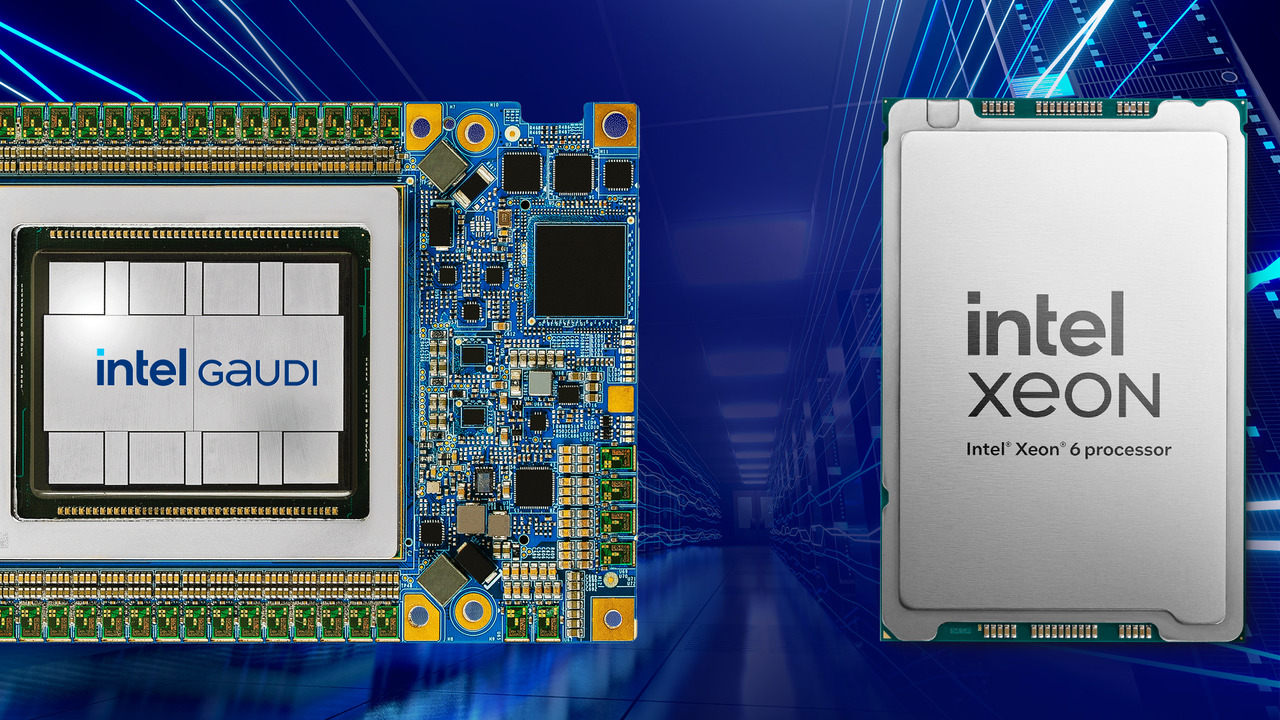
Intel has unveiled its latest offerings, the Xeon 6 processors featuring Performance-cores (P-cores) and the Gaudi 3 AI accelerators, marking a significant step forward in its pursuit of leadership in the artificial intelligence and data center sectors. The new hardware promises to deliver enhanced performance and efficiency, positioning Intel favorably in an increasingly competitive landscape dominated by Nvidia and other emerging players.

The Xeon 6 series aims to meet the escalating demand for processing power driven by AI applications. These processors utilize an architecture designed to optimize performance for various workloads, including cloud computing, edge processing, and high-performance computing (HPC). By integrating P-cores, which focus on maximizing performance for demanding tasks, Intel intends to address the needs of data centers seeking to balance workloads effectively while minimizing energy consumption.

One of the key features of the Xeon 6 processors is their support for advanced AI frameworks, enabling developers to build and deploy AI models more efficiently. Intel emphasizes that these processors are not only faster but also smarter, incorporating enhanced machine learning capabilities that streamline operations in data-intensive environments. This is particularly relevant as businesses increasingly leverage AI for analytics, automation, and improved decision-making processes.

The Gaudi 3 AI accelerators complement the Xeon 6 lineup by providing specialized processing power tailored specifically for deep learning workloads. Built on a unique architecture, Gaudi 3 accelerators promise to offer substantial improvements in both performance and scalability compared to their predecessors. Intel’s focus on AI-specific tasks reflects a broader industry trend where companies are prioritizing hardware that can efficiently handle the complexities of AI computations.

The introduction of the Gaudi 3 also highlights Intel’s commitment to enhancing the performance-per-watt ratio, a critical consideration as enterprises seek to optimize energy consumption in their data centers. By improving the energy efficiency of AI workloads, Intel aims to address one of the most pressing challenges in the industry: the rising costs and environmental impact associated with high-power computing.

In addition to the technical advancements, Intel’s launch includes new software tools and frameworks that will assist developers in maximizing the potential of the Xeon 6 and Gaudi 3 products. These tools are designed to simplify the process of integrating AI capabilities into existing infrastructures, thereby accelerating the adoption of AI technologies across various sectors.

Intel’s strategic positioning with these products also involves partnerships with leading cloud service providers and technology companies. By collaborating with entities such as Microsoft and Google, Intel seeks to ensure that its new hardware is optimized for widespread use in cloud-based AI applications. This collaboration is seen as essential in an environment where cloud adoption is accelerating, and organizations are increasingly migrating to cloud solutions for their computing needs.

The launch aligns with Intel’s broader strategy of revitalizing its product offerings in response to competitive pressures from firms like AMD and Nvidia, which have made significant inroads in the AI and data center markets. The tech giant’s commitment to innovation is underscored by its substantial investments in research and development, aimed at enhancing its competitive edge through cutting-edge technology.

As businesses worldwide embrace digital transformation, the demand for robust AI solutions continues to rise. Organizations are looking for hardware that can provide not only higher performance but also flexibility and scalability to adapt to evolving needs. Intel’s Xeon 6 and Gaudi 3 accelerators are positioned to meet these expectations, providing solutions for enterprises aiming to harness the full potential of AI.

Analysts suggest that Intel’s latest offerings could reshape the landscape of AI and data center performance. By integrating advanced processing capabilities with energy efficiency, Intel is poised to play a pivotal role in the ongoing evolution of AI technologies. The focus on enhancing the developer experience with new tools further strengthens its appeal to enterprises seeking to innovate and integrate AI into their operations.

Scala Data Centers, a leading hyperscale data center platform in Latin America, has obtained $500 million in structured financing aimed at enhancing its regional presence and meeting the surging demand for cloud services and artificial intelligence (AI). This significant capital influx is set to accelerate the company’s growth trajectory as it responds to the escalating requirements from enterprises leveraging digital technologies. The financing round comes at a […]

Global data infrastructure leader NetApp has launched its latest all-flash NetApp ASA A-Series storage systems, strategically aimed at transforming block storage solutions for enterprises. This introduction is part of the company’s initiative to enhance storage modernization, addressing the evolving needs of businesses seeking agility, efficiency, and robust performance. The ASA A-Series builds upon the legacy of the NetApp ASA product line, incorporating advancements in flash technology to […]

Brave Software has made a significant leap by integrating local artificial intelligence into its browser, a development aimed at enhancing user privacy while improving online browsing experiences. This move positions Brave at the forefront of a growing trend that prioritizes user data protection amidst escalating privacy concerns in the digital landscape. The incorporation of local AI means that users can enjoy personalized web experiences without the need […]

Navigating the complexities of artificial intelligence (AI) adoption requires a distinctive skill set, especially for those in leadership roles such as the Chief AI Officer (CAIO). As organizations increasingly recognize the transformative potential of AI, the demand for skilled professionals who can guide their integration and implementation becomes paramount. This role entails much more than overseeing technological innovations; it involves steering strategic initiatives that align with organizational goals, ensuring ethical considerations, and fostering a culture of continuous learning and adaptation. To thrive in this dynamic landscape, a CAIO must possess several essential skills.

First and foremost, a profound understanding of AI technologies is critical. This includes not only a grasp of machine learning, natural language processing, and data analytics but also an appreciation of how these technologies can be effectively deployed within various business contexts. A CAIO should not only be technically proficient but also capable of translating complex AI concepts into understandable terms for stakeholders at all levels. This skill ensures that everyone, from board members to frontline employees, can appreciate the potential and limitations of AI initiatives, fostering a shared vision for the organization’s AI strategy.

Strategic vision is another key competency for a CAIO. The ability to anticipate future trends in AI and recognize opportunities for innovation is essential for any leader in this space. This involves not only staying abreast of technological advancements but also understanding how these advancements can drive business objectives. A successful CAIO must be able to align AI initiatives with the broader strategic goals of the organization, ensuring that investments in AI deliver tangible benefits. This requires a proactive approach to identifying areas where AI can create efficiencies, enhance customer experiences, and ultimately contribute to revenue growth.

A CAIO must exhibit exceptional leadership and communication skills. Leading AI initiatives often involves cross-functional collaboration, requiring the CAIO to work closely with various departments, including IT, marketing, operations, and human resources. The ability to communicate the vision and potential impact of AI projects across diverse teams is essential for gaining buy-in and fostering a collaborative environment. A successful CAIO will also inspire and motivate teams to embrace AI technologies, cultivating a culture that encourages experimentation and learning from failure.

Ethical considerations surrounding AI adoption are increasingly important in today’s business environment. A CAIO should be well-versed in the ethical implications of AI technologies, including issues related to data privacy, algorithmic bias, and transparency. This knowledge enables the CAIO to develop policies and frameworks that prioritize ethical AI usage while ensuring compliance with relevant regulations. By fostering an ethical approach to AI, the CAIO can build trust with stakeholders, including customers and employees, which is vital for the long-term success of AI initiatives.

Adaptability is another crucial skill for a CAIO. The landscape of AI is rapidly evolving, with new technologies and methodologies emerging at a breakneck pace. To remain competitive, a CAIO must be willing to adapt strategies and approaches as needed, demonstrating flexibility in the face of change. This might involve revisiting AI roadmaps, adjusting priorities based on emerging trends, or even pivoting to new technologies that offer superior capabilities. An adaptable CAIO will not only help their organization stay ahead of the curve but also foster a culture that embraces change and innovation.

In addition to technical and strategic skills, a successful CAIO should possess a strong business acumen. Understanding the organization’s financial health, market position, and competitive landscape is essential for making informed decisions about AI investments. A CAIO with strong business acumen can effectively communicate the value proposition of AI initiatives to stakeholders, ensuring that resources are allocated effectively and that projects are prioritized based on their potential return on investment. This financial literacy is particularly important when justifying AI expenditures and demonstrating their impact on the bottom line.

Collaboration is a cornerstone of successful AI implementation. A CAIO should be adept at fostering partnerships both within and outside the organization. Internally, collaboration with data scientists, engineers, and other technical teams is essential for ensuring that AI solutions are developed and deployed effectively. Externally, a CAIO may need to engage with technology vendors, academic institutions, and industry consortia to leverage external expertise and resources. This collaborative mindset not only enhances the organization’s capabilities but also enables the CAIO to stay informed about industry best practices and emerging trends.

To navigate the complexities of AI adoption, a CAIO should also prioritize continuous learning and professional development. The AI landscape is characterized by rapid advancements, and staying informed about the latest research, technologies, and methodologies is vital for success. Engaging in ongoing education, attending industry conferences, and participating in professional networks can provide valuable insights and connections that enhance a CAIO’s effectiveness. By fostering a culture of continuous learning within the organization, a CAIO can ensure that teams are equipped with the knowledge and skills necessary to harness AI’s full potential.

Another important aspect of the CAIO role involves change management. Implementing AI technologies often necessitates significant organizational changes, including shifts in processes, workflows, and even corporate culture. A CAIO should be skilled in change management principles to guide the organization through these transitions smoothly. This includes effectively communicating the reasons for change, addressing employee concerns, and providing support throughout the implementation process. By successfully managing change, a CAIO can help mitigate resistance and ensure that AI initiatives are embraced rather than resisted.

A CAIO must be adept at risk management. AI projects inherently involve uncertainties and risks, including technical challenges, data quality issues, and potential impacts on workforce dynamics. A successful CAIO will be able to identify, assess, and mitigate these risks proactively. This includes implementing robust governance frameworks that ensure AI initiatives are monitored and evaluated effectively. By prioritizing risk management, a CAIO can build resilience within the organization and position it for long-term success in an AI-driven landscape.


The United Arab Emirates has secured its position as the top-ranking country in North Africa and Western Asia in the World Intellectual Property Organization’s (WIPO) 2024 Global Innovation Index (GII), underscoring its growing influence in innovation, technology, and intellectual property rights. The GII report highlights the UAE’s continued success in fostering an innovation-friendly ecosystem, advancing its regional leadership in a competitive global landscape. The country’s rise in […]

VISHNU RAJA
RYO YAMADA
HITORI GOTOH
IKUYO KITA