Just in:
Xi Jinping Preparing For A Trilateral Summit With Trump And Putin At APEC Summit On Nov 18-19 // The “1st Greater Bay Area Health and Longevity Summit & Awards Ceremony” concludes successfully in Macao // Trump’s Iran War Has A Share Of Contribution To His Midterm Debacle // e-Crime Bureau Signs Cybersecurity Partnership With Smart Africa, Reinforcing Its Global Expansion // Fast Just Got Fastest: STING Energy Boost™ Celebrates Kimi Antonelli’s Formula 1® World Championship and the Fan Energy Behind It // Govt opposes Arlekar’s PSC action // APT29-linked campaign exploits outdated Apple and Android software // Kochi police detain two actors over bid to honey trap doctor // Hong Kong mandates crypto transaction disclosures to tax authorities // Middle East governments assess Iran war after US vote // UK air traffic outage inflicted £33m financial losses // After Reaching 7 Million Users in the Philippines, Skyro Launches Transparent Cash Loans in Malaysia // CR Longdation Aethereal Cybersecurity × Global Cybersecurity Alliance (GCSA) Join Hands to Establish the “AI and Cybersecurity Research Centre” // SC to examine students’ exam plea today // Emirates Group records AED 4.1 billion half-year profit // Cloudflare unveils Zero Wire vulnerability intelligence service // Millions Of Indians May Soon Be Deprived Of Government Assistance // TVM –Mangaluru Vande Bharat claims top spot // Private varsities bill all set to face the axe // Cyberport Venture & Capital Forum 2026 Grand Opening //

News related to
intelligence

Tether chief executive Paolo Ardoino has pledged to catapult the company into the position of the world’s leading Bitcoin miner by the end of 2025, asserting that crypto‑mining is key to safeguarding its $10 billion‑plus Bitcoin reserves. He outlined a sweeping strategy centred on large‑scale investment in mining and energy infrastructure across Latin America.

Ardoino said Tether has already channelled upwards of $2 billion into mining and energy systems and is now accelerating deployment. While the company’s precise hash‑rate remains confidential, executives emphasise that their investment reflects both scale and strategic intent. The mining push forms part of a broader financial architecture designed to secure the firm’s Bitcoin holdings and further embed it within the Bitcoin ecosystem.

The announcement emerged at the Bitcoin Conference in Las Vegas, where Ardoino noted Tether’s robust earnings—reporting a $13 billion profit in 2024—and a sizeable portfolio of U.S. Treasuries. He revealed the firm holds more than 100,000 BTC and hinted that the mining operation will leverage renewable energy sources supporting its underlying reserves.

Tether is concurrently preparing to open‑source its Bitcoin Mining Operating System, which the company says will democratise mining by enabling participants ranging from individual Raspberry Pi setups to large‑scale farms to connect into secure point‑to‑point networks. The move is intended to broaden participation, enhance resilience of the Bitcoin network, and solidify Tether’s position as a leader in infrastructure innovation.

Energy infrastructure forms a crucial part of Tether’s strategy. Ardoino highlighted investments across Latin America in renewable energy projects, including substantial commitments in Uruguay and El Salvador, where Tether relocated its headquarters and backs geothermal initiatives through a project known as Volcano Energy. These investments reflect a dual focus: securing clean, reliable power for mining and contributing to regional energy resilience.

The strategic rationale centres on mitigating the risks of holding large Bitcoin reserves. Mining, Ardoino explained, provides not only operational control but also reinforces financial sovereignty, anchoring assets within a secured blockchain‑based ecosystem. By internalising hash‑rate and power sources, Tether aims to shield its holdings from external dependency and volatility.

Security considerations have informed the launch of MOS. As a decentralised architecture, the system allows devices to operate without reliance on central servers, reducing vulnerability to single‑point failures or third‑party disruptions. Looking ahead, Tether plans to integrate artificial‑intelligence tools into MOS to monitor performance and optimise operations in real time.

Tether’s move into open‑source mining software dovetails with its broader tech ambitions. Ardoino introduced QVAC, an AI platform that uses non‑custodial wallets, and unveiled plans for a Bitcoin‑centric wallet developed with Rumble. These projects underscore Tether’s strategy to embed Bitcoin deeper into digital finance and expand its ecosystem services.

Market observers note that Tether’s mining ambition places it in direct competition with publicly traded mining firms. Although exact hashrate figures are absent, the scale of investment and reserve holdings suggest that surpassing existing miners is credible by late 2025. Tracking progress will require scrutiny of deployment timelines and performance metrics, which Tether has declined to specify.

Financial analysts regard Tether’s diversified asset approach—spanning Bitcoin, gold and U.S. Treasuries—as a deliberate hedge strategy. The large Bitcoin reserves, reportedly worth over $10 billion, alongside substantial gold and treasury holdings, underpin a multifaceted capital structure. By converting passive holdings into active mining assets, Tether aims to generate operational yield and enhance asset security.

Critics of large‑scale corporate mining warn of environmental strains and centralisation risks. Tether’s emphasis on renewable energy uptake and decentralised software architecture reflects an attempt to mitigate these concerns. If MOS and energy projects deliver as promised, the model may provide a template for sustainable, corporate-scale participation in Bitcoin mining.

Next steps include the public release of MOS, scheduled for later in 2025, alongside scaling up of energy infrastructure across targeted Latin American sites. Close monitoring of mining output, energy efficiency, and systems performance will determine whether Tether’s pledge translates into actual dominance in global Bitcoin mining.
 Small and medium-sized companies need more than just spreadsheets and simple systems to be competitive in today’s fast-paced, digital market. They need a single platform that makes finance, operations, sales, and customer support easier. That too, while still being able to grow and provide them real-time data.    Microsoft Dynamics 365 Business Central helps small and medium-sized enterprises run their businesses more effectively. It works well with Office […]

Trellix’s Advanced Research Center has documented a red team exercise named OneClik, simulated Advanced Persistent Threat tactics against entities within the energy, oil, and gas sectors. The red team employs sophisticated phishing lures and exploit Microsoft ClickOnce, a.NET deployment tool, to execute malware under the guise of trusted applications. This campaign exhibits hallmarks consistent with Chinese-affiliated threat actors, according to the researchers. Phishing emails played a central […]

A six-month-old San Francisco‑based venture, Thinking Machines Lab, has secured a staggering $2 billion seed round, propelling its valuation to at least $10 billion. Led by Andreessen Horowitz with participation from Conviction Partners and reportedly the government of Albania, this marks one of the largest initial funding rounds in Silicon Valley history. Founded in February 2025 by former OpenAI chief technology officer Mira Murati, the company has assembled a formidable […]

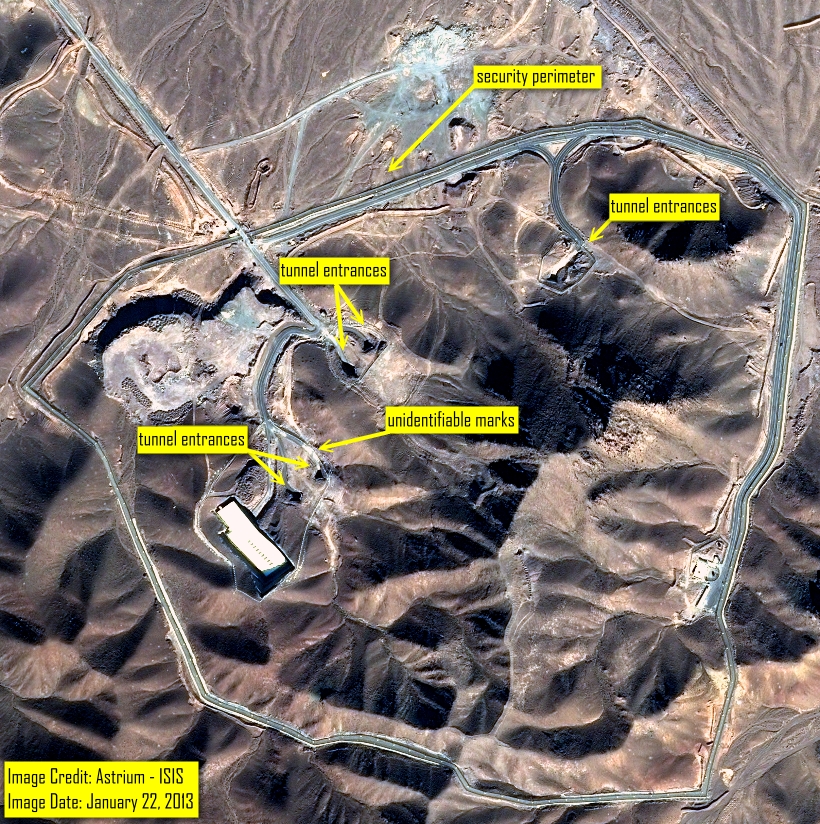
A U.S. intelligence assessment indicates that the air strikes on Iran’s nuclear facilities, including Fordow, Natanz and Isfahan, have damaged above-ground structures and access points but left underground enrichment infrastructure and uranium stockpiles largely undisturbed. The report by the Defence Intelligence Agency projects only a temporary setback—measured in months—to Iran’s nuclear programme, challenging assertions by the White House that the sites were “totally obliterated”.

Satellite imagery released after the strikes on 22 June shows craters and blocked entrances at Fordow, where bunker-busting Massive Ordnance Penetrators reportedly hit ventilation shafts, yet analysts emphasise that the subterranean halls housing centrifuges lie too deep to evaluate via overhead visuals. WMD experts note that centrifuges are “extremely vibration-sensitive”, suggesting potential internal damage, but absent on-site inspection, the extent remains uncertain.

The United Nations nuclear watchdog, the International Atomic Energy Agency, has urged renewed inspections at the sites. Director-General Rafael Grossi told an emergency Board of Governors session that significant underground damage was plausible, yet only rigorous inspections can confirm impact and assess stockpiles of enriched uranium, including the 400 kg of material enriched to 60 percent purity.

The DIA report also confirms that Iranian authorities pre-positioned crucial nuclear materials and equipment prior to the air campaign. High-resolution satellite images captured extensive vehicle activity—bulldozers, trucks and sealed tunnel exits—on 19–21 June, indicating a deliberate evacuation of enriched uranium and centrifuges. Analysts speculate this operation undercut the campaign’s intended impact, preserving Iran’s capacity to resume enrichment and reconstitution of its nuclear programme with comparative ease.

The White House disputes the DIA’s findings. Press Secretary Karoline Leavitt described the intelligence leak as “flat‑out wrong”, citing the precision of the bombing campaign and reiterating President Trump’s declaration of a “perfectly executed mission” and “total obliteration” of Iran’s nuclear infrastructure. Similarly, the Pentagon backs the President, contending that USAF and Navy strikes, featuring B‑2 stealth bombers flying 37‑hour missions deploying MOPs, decisively hit their targets.

Despite official optimism, several non-proliferation experts question whether the attacks achieved strategic success. David Albright, president of the Institute for Science and International Security, asserted that while imagery suggests severe impact at Fordow, conclusive assessment requires internal access. Jeffrey Lewis and other analysts emphasise that intact uranium stockpiles, even if held at other sites, provide Iran with a largely intact nuclear baseline.

The conflict has escalated beyond the nuclear dimension. Intermittent Iranian missile and drone fire has targeted U.S. and allied bases in the wider Middle East, prompting a U.S.-brokered ceasefire between Iran and Israel, while global oil prices fluctuated amid tensions.

IAEA technical teams have not yet been able to return to the sites. Grossi reminded parties that uninterrupted oversight is essential for both verifying the damage and ensuring no material has been diverted for weapons purposes. Iran has not formally objected to future inspections, although parliamentary figures have suggested curbs on IAEA activity if international hostility continues.

Assessment of long‑term outcomes remains contested. Pro‑strike voices argue that disrupting operations, even temporarily, imposes significant costs on Iran’s programme architecture. Critics warn that such tactics could drive Tehran’s nuclear scientific talent further underground or accelerate development of redundant facilities.

Meanwhile, intelligence officials and non‑proliferation authorities emphasise that blunts, quarterly backtracking cannot substitute for diplomacy. Restoring negotiations with Iran, potentially via intermediaries including the IAEA, remains the keystone for ensuring non‑weaponisation and preventing recurrence.

The DIA characterises damage as limited to “core components and stockpiles”—an interpretation not aligned with politically driven portrayals of mission success. As conflict fatigue weighs on global observers, the effectiveness of military action in halting nuclear proliferation faces renewed scrutiny.

LAGOS — Rack Centre’s Lagos campus has entered a strategic collocation deal with TelCables Nigeria, a subsidiary of Angola Cables, marking a significant enhancement of West Africa’s digital infrastructure. The agreement brings high-capacity network infrastructure and four major subsea cable systems—SACS, MONET, SEBRAS and EllaLink—directly into Rack Centre’s campus, securing faster, lower-latency routes to Europe, the Americas and Latin America. Fernando Fernandes, chief executive of TelCables Nigeria […]

Polymarket, the world’s largest blockchain-based prediction market platform, is on the verge of completing a funding round exceeding $200 million that would value the company at over $1 billion. The strategic investment reflects growing investor confidence in forecasting platforms as tools for real-time insights and market intelligence.

The company, founded in 2020 by Shayne Coplan and headquartered in New York, has previously secured $70 million across Series A and B rounds led by General Catalyst, Founders Fund, alongside participation from Ethereum co-founder Vitalik Buterin. That capital helped Polymarket scale its operations offshore, particularly following regulatory setbacks in the United States, where it withdrew services under pressure from the Commodity Futures Trading Commission.

Sources indicate the new investment round will build on these foundations, raising upwards of $200 million and propelling Polymarket into unicorn status with a valuation north of $1 billion. Those close to the transaction describe a diverse syndicate of venture capital firms, strategic investors and high-profile figures from the crypto and financial sectors, though official names are yet to be disclosed.

Polymarket’s appeal lies in its novel combination of decentralised finance, crowd-sourced wisdom and smart contract automation. The platform allows participants to trade on real-world events—ranging from elections and policy outcomes to entertainment and economic indicators—by buying and selling shares reflective of outcome probabilities. Transactions occur using USDC on Polygon, ensuring on-chain settlement and transparency.

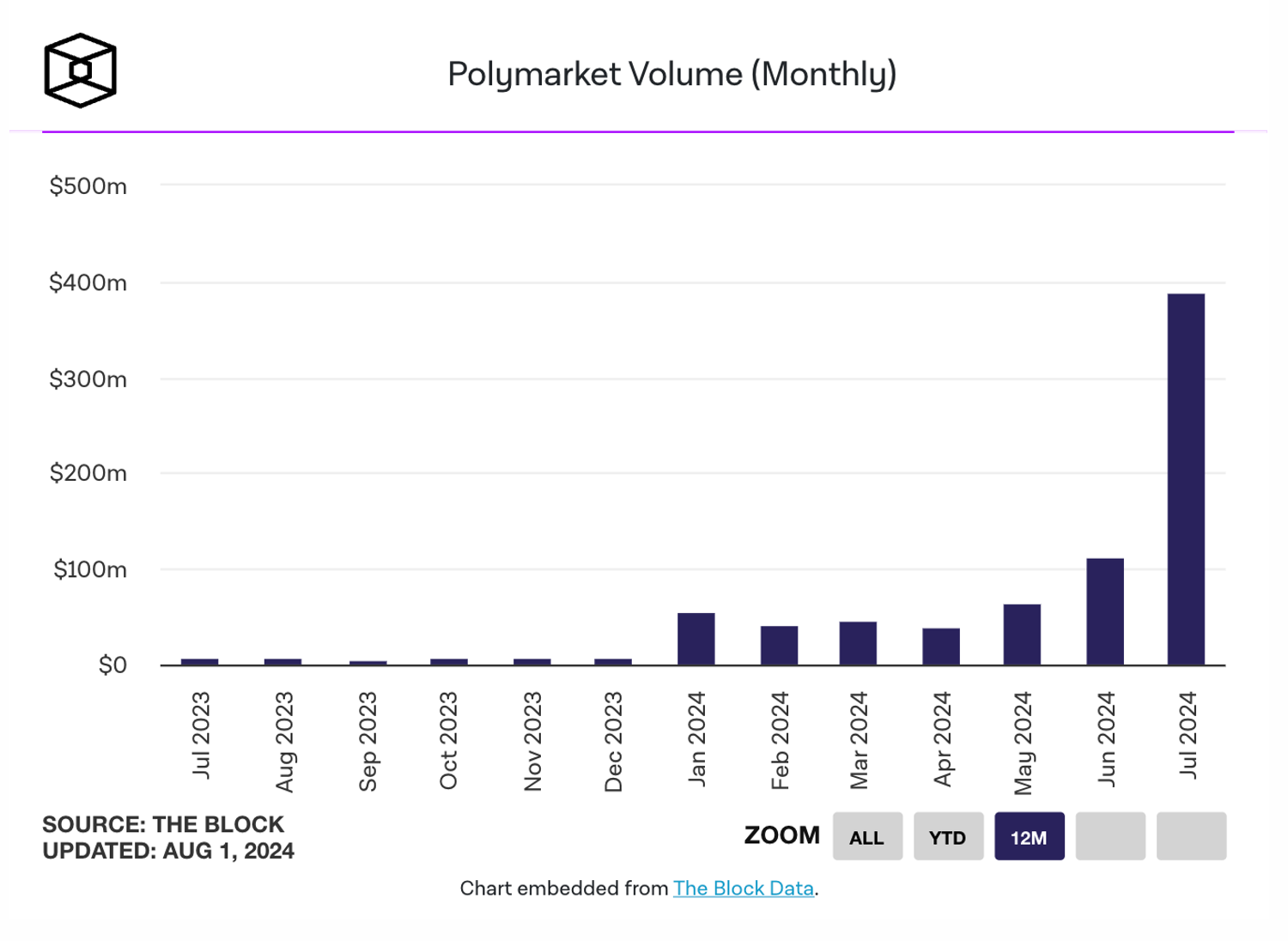
Trading volumes attest to the platform’s influence. In August 2024 alone, Polymarket processed approximately $472 million in trades, with political markets—especially those related to the US presidential election—accounting for nearly $1 billion in wagers by November 2024. Peter Thiel’s Founders Fund highlighted its trust in Polymarket’s market intelligence: “checking Polymarket when breaking news happens has become a habit”.

That compelling performance comes amid regulatory headwinds. Polymarket has barred US users since reaching a settlement with the CFTC in early 2022, which included a US$1.4 million fine and the appointment of former CFTC chairman J. Christopher Giancarlo to its advisory board. These changes aimed to address compliance concerns as the platform expanded internationally. More recently, the FBI reportedly raided Coplan’s home in autumn 2024 as part of an investigation into whether US-based activity violated these agreements.

Despite these challenges, Polymarket has continued to deepen its appeal. Ethereum co-founder Vitalik Buterin has publicly supported the broader application of prediction markets, terming them pioneers in “Info Finance,” an area he believes can enhance journalism, governance and scientific transparency. Polymarket’s data is now cited within Bloomberg’s Terminal services, offering institutional investors fresh analytical layers based on global betting dynamics.

The potential $200 million funding round is expected to include an allocation of token warrants enabling investors to participate in a future token issuance by Polymarket. Earlier reporting by CoinDesk and The Defiant in late 2024 highlighted a $50 million interim funding plan tied to a utility token offering, intended to integrate with or supplant the UMA oracle dispute-resolution system. That mechanism would allow users—or token holders—to validate market outcomes, an evolution that could expand Polymarket’s governance and on-chain autonomy.

Market observers view this token strategy as a logical advancement. Rising volumes and user engagement on election forecasts have revealed limitations in relying solely on external oracles; introducing a native token could decentralise verification and cement Polymarket’s position in the governance of its own markets.

Emerging trends suggest Polymarket is transitioning from an insurgent, crypto-native prediction exchange to a mainstream information infrastructure. Its user base now spans political analysts, financial professionals and retail traders. The recent partnership with X integrates Polymarket’s probabilistic feeds into social media dynamics, allowing users to access market sentiment in real-time alongside breaking news.

Yet questions over regulatory alignment remain. The CFTC is reportedly examining off-shore platforms that permit US bettor access, and lawmakers are considering broader prohibitions on event-based derivatives. The fallout from the 2024 FBI inquiry adds a layer of legal uncertainty, even as Polymarket navigates regulatory environments in Europe and Asia, where its platform has faced access restrictions from gambling regulators in Belgium, Poland, Singapore and France.

As Polymarket nears completion of its landmark funding round, it stands at a crossroads defined by opportunity and scrutiny. A valuation exceeding $1 billion would underscore investor conviction in its model, but unlocking the full potential of prediction markets may depend as much on regulatory clarity as on capital infusion.

Advertisements

Aflac detected a cyberattack on its U.S. network on 12 June and contained the intrusion within hours. The company has confirmed that the attack may have compromised sensitive personal data, including Social Security numbers, claims and health information belonging to customers, beneficiaries, employees and agents. Operations remain fully functional as experts investigate the full extent of the breach. The insurer’s SEC filing and subsequent statement referred to […]

Donald Trump proclaimed a full ceasefire between Israel and Iran on Monday, marking what he described as the end of a “12‑day war” that forced millions from Tehran and sparked grave fears of escalation. He posted on Truth Social that Iran would halt its operations at midnight ET, followed by Israel twelve hours later, culminating in a 24‑hour cessation of hostilities.

Trump touted the move as a diplomatic breakthrough, congratulating “both Countries, Israel and Iran, on having the Stamina, Courage, and Intelligence to end” the conflict. He asserted that the agreement was brokered in discussions with Prime Minister Netanyahu and through U.S. envoys in dialogue with Tehran, with Qatar playing a key intermediary role.

Iran’s foreign minister, Abbas Araghchi, echoed that Tehran’s forces stood down at 4 a.m. Tehran time if Israel ceased its attacks by then, though he clarified that a final decision on halting military operations was pending. Israel’s military has yet to formally acknowledge the ceasefire, and missile alerts and strikes were still reported over Tel Aviv, Beersheba and the Golan Heights in the hours following the announcement.

The conflict began on 13 June when Israel launched airstrikes on Iran’s nuclear and military infrastructure, including sites near Natanz, Isfahan and Tehran. That response, which Israeli authorities described as necessary to counter an alleged Iranian march towards nuclear weapons capability, included the destruction of centrifuge material and the deaths of senior Iranian military figures and nuclear scientists. Iran retaliated with waves of missiles and drones aimed at Israeli territory; Israel intercepted many of them, but civilian casualties were reported in Beersheba and Tel Aviv.

The conflict widened when the United States joined with bunker‑buster strikes on Iranian underground nuclear facilities over the weekend, prompting Iran to retaliate by targeting the U.S. air base at Al Udeid in Qatar. The attack caused no casualties, and Trump later thanked Iran for the “early notice,” calling it a “very weak response”.

Though Trump dismissed European diplomatic efforts as ineffective, he warned that U.S. involvement remained a distinct possibility if Iran escalated further, positioning American strikes solely against nuclear targets. Internal Israeli pressure also rose; Prime Minister Netanyahu reportedly instructed ministers to refrain from public commentary as military activity approached a pause.

Humanitarian fallout during this period has been acute. Over 650 Iranians have died, according to Iranian health data, including civilians, and over 200 Israeli military and civilian fatalities have been reported. Tehran saw large-scale evacuations as power and internet access faltered.

International bodies raised alarms over the bombardment of nuclear facilities. The International Atomic Energy Agency cautioned against striking enrichment sites due to risks of radiological contamination. Legal experts also voiced concerns that the strikes on civilian infrastructure—including hospitals and residential neighborhoods—could constitute violations under international humanitarian law.

Despite the ceasefire declaration, uncertainty remains. Iran’s foreign minister warned that if Israeli attacks persisted past 4 a.m. Tehran time, hostilities could resume. Similarly, Israeli officials reported continued launcher of missiles from Iran, demonstrating that the ceasefire may be fragile.

Regional and global reactions have been varied. Qatar’s prime minister was credited with facilitating Iran’s acceptance of the U.S.-proposed ceasefire. European negotiators, meanwhile, expressed frustration that efforts in Geneva had produced little movement before hostilities intensified. Both Russia and China urged restraint and urged full de‑escalation.

Markets responded positively to the ceasefire announcement, reflecting investor hopes for regional stability, yet the humanitarian toll and legal implications—the destruction of nuclear infrastructure, civilian casualties, and potential violations of international law—leave an ambiguous legacy for a war that surged in intensity over just under two weeks. The path ahead now hinges on whether both nations uphold the phased withdrawal and open room for diplomatic resolution amid deep mistrust.

Matein Khalid Operation Midnight Hammer was a spectacular military success though it will take 60 years more for the top secret CIA files on Trump’s rendezvous with history at Fordo to be declassified even though I hope Centcom and the Pentagon generals will release their BDA (Battle Damage Assessments) in the next two weeks to reinforce their claim that the Islamic Republic’s nuclear assets beneath the mountain […]

U.S. President Donald Trump has announced a “complete and total” ceasefire between Israel and Iran, set to begin within hours, marking what he described as the end of a 12‑day war. The plan envisages Iran initiating a 12‑hour ceasefire, followed by a reciprocal Israeli hiatus, concluding with a full cessation of hostilities.

Trump’s statement on his social media platform outlined a phased process: Iran will commence the ceasefire after winding down its final missions, followed by Israel 12 hours later, and after 24 hours the war will be declared over. He praised both nations for their “stamina, courage, and intelligence” and characterised the agreement as a significant step towards lasting peace.

The announcement follows a dramatic escalation in regional tensions. Israel launched military strikes on Iranian nuclear facilities in response to Iran’s uranium enrichment activities. Tehran retaliated by firing up to 14 missiles at the U.S.-operated Al Udeid Air Base in Qatar. While 13 were intercepted and one deviated off course, no U.S. personnel were harmed—a fact President Trump described as a “very weak response.”

Despite global concerns over escalation, including warnings from France and other Western capitals, market responses have remained muted. Oil prices dropped approximately 7% in anticipation of de‑escalation, while equity markets posted modest gains.

Though the ceasefire announcement has generated optimism, it remains unverified by Israeli or Iranian leaders. As of now, neither government has publicly confirmed their commitment to the arrangement. Al Jazeera noted the absence of official statements from both sides.

The U.S. role in brokering this agreement highlights Trump’s assertive posture. He denied prior suggestions that France’s Emmanuel Macron had brokered such a deal, countering that the ceasefire plan was “much bigger than that.” Analysts warn that trust between Israel and Iran remains fragile, requiring robust verification mechanisms and potentially third-party monitoring to sustain the fragile peace.

European diplomats, including those from France, Germany and the UK, have previously urged for de‑escalation after U.S. strikes, facilitating a clash of diplomacy and military brinkmanship. Trump has also floated the prospect of regime change in Iran under the slogan “Make Iran Great Again,” sparking concerns about the endgame and durability of U.S. involvement.

In Washington, debate has emerged regarding U.S. aims. Trump’s advisors say the administration does not seek regime change, yet the use of the slogan and his rhetoric suggests otherwise. Critics warn that pushing Iran into further isolation could spark domestic instability in Tehran.

Regions across the Gulf remained on high alert during the conflict. Airspace closures in Qatar, Bahrain, and Kuwait affected international travel. Qatar has since reopened its skies following coordination with regional authorities. Countries in the region—Saudi Arabia, the UAE, and France included—expressed deep concern and reinforced calls for dialogue and restraint.

Security analysts note that the potential for a broader conflagration, particularly in the Strait of Hormuz, persisted until the ceasefire announcement. Iran’s parliamentary body had discussed strategic deterrents, including the possibility of closing the strait, a move that could severely disrupt global oil supplies. The upcoming hours will be decisive in determining whether the ceasefire is respected or if underlying tensions reignite.

The absence of casualties on either the U.S. or Israeli side contrasts with reported losses in Iran and Israel. Israeli strikes reportedly killed several hundred Iranians, including Revolutionary Guard members, while Iran was testing its limited retaliatory capabilities.

Infrastructure damage in both nations has been notable though not crippling. On the Iranian side, Tehran’s Evin prison and Revolutionary Guard sites bore the brunt of Israeli air raids; on the Israeli side, civilian infrastructure has remained largely intact, shielded by missile defence systems such as Iron Dome.

Stock markets and global commodity prices will closely monitor the ceasefire’s implementation. Should it hold, analysts suggest stability may regain foothold and prices may further retreat. However, any violation could push markets back into turmoil.

Diplomatically, Europe appears keen to reaffirm diplomatic channels. The EU and UN are reportedly preparing statements urging verification and offering mediation. Russia and China have also urged parties to uphold the ceasefire and avoid widening the conflict.

The next 24 hours are critical. The phased ceasefire hinges on mutual restraint and credible enforcement measures. U.N. observers or allied forces may be deployed to Tehran and Tel Aviv to verify compliance. Confirmation of Iran’s opening of its airspace and Israel’s military stand‑down orders will be key signals.

Startup founders drained by endless pitch decks, venture capital ghostings, or hallucinating LLMs may still be better off than those feeling stuck in joyless desk jobs. According to a wave of AI entrepreneurs and mental health observers, the strange cocktail of risk, creativity, and irrational optimism that drives many toward launching doomed startups could actually be a viable—if unconventional—antidote to existential malaise. Rather than seeing the creation […]

Elon Musk has cast aside the existing Grok AI training corpus and directed xAI to construct an entirely new foundation—one that excludes what he calls “garbage” and “uncorrected data”—and then retrain the model from that vetted base. This overhaul is intended to power the next-generation Grok, tentatively dubbed Grok 3.5 or Grok 4, with “advanced reasoning” capabilities that Musk says will enable it to “rewrite the entire […]

HANOI, VIETNAM – Media OutReach Newswire – 23 June 2025 – With the invention of solar cells using Passivated Emitter and Rear Contact (PERC) technology, Prof. Martin Andrew Green from the University of New South Wales (Australia) and his team made a groundbreaking contribution to green energy production. Two years after receiving the 2023 VinFuture Grand Prize, he continues to push the boundaries of solar innovation, working […]

By Nantoo Banerjee It may be wrong to believe that Israel and the United States of America are the only two countries strongly against Iran’s bid to become a nuclear-armed country. The entire world is concerned about nuclear proliferation and nuclear smuggling and its falling into the wrong hands. The nature of the Iranian regime […]

Businesses across Houston are accelerating their transition to Voice over Internet Protocol blended with cloud services, aiming to streamline communication, enhance customer experience and reduce costs. Leading this shift is Phonoscope Communications, a Houston-based provider that leverages its fibre-optic metro network to integrate VoIP and cloud-based services for enterprises across eight counties. With a history dating to 1953—and pioneering two-way videotelephony in schools—Phonoscope now supplies unified voice, […]

U.S. military jets attacked three uranium-enrichment facilities in Iran—Fordow, Natanz and Isfahan—after President Trump authorised a precision bombing campaign targeting underground shafts, marking a significant escalation in efforts to curb Tehran’s atomic ambitions. Trump asserted that the installations were “totally obliterated” following deployment of B‑2 stealth bombers armed with GBU‑57 bunker‑buster munitions. Pentagon officials confirmed this was the first operational use of Massive Ordnance Penetrators.

Satellite imagery shows craters at Fordow and Natanz, alongside signs of collapsed tunnel entrances and surface damage. Yet analysts caution that subterranean caverns may remain intact. One crater at Natanz measured approximately 5.5 metres across, and a large support structure at Fordow appeared untouched. The International Atomic Energy Agency has reported no detectable increase in off‑site radiation but acknowledges an inability to evaluate underground facility damage.

Destruction of declared nuclear infrastructure may impair Iran’s enrichment capabilities temporarily, but it adds complexity to monitoring efforts. The strikes have disrupted IAEA inspectors’ routine inspections and scattered environmental samples, weakening the agency’s ability to conduct forensic analysis. Former IAEA official Robert Kelley warned that bomb‑strewn sites render isotopic sampling nearly impossible, complicating accurate uranium accounting.

On diplomatic and military fronts, the strikes have triggered serious concern. Russia’s Deputy Foreign Minister characterised global tensions as “millimetres” from the brink of nuclear confrontation. Iran’s leadership, including foreign minister Abbas Araghchi, condemned the attacks as “lawless aggression,” and pledged proportionate retaliation. Iranian state media reported missile defence operations over Tehran and Karaj, while the Islamic Revolutionary Guard Corps warned U.S. bases in the region may face “regrettable responses”.

Allies have issued mixed reactions. Australian foreign minister Penny Wong backed the action as a move to prevent weaponisation, though she also called for a halt to hostilities and a return to diplomacy. In Washington, lawmakers are divided: some Republicans applaud the airstrikes, while Democratic leaders criticise the unilateral decision absent congressional authorisation.

Despite military claims of success, experts caution that bombing cannot permanently dismantle Iran’s nuclear infrastructure. A 2025 Reuters analysis noted that even well-targeted airstrikes would likely result in only temporary delay, with underground facilities concealing critical components and technical expertise intact. The IAEA’s upcoming board meeting in Vienna is expected to address both the fissile-material disruption and the challenge of rebuilding effective verification.

Iran had responded to earlier IAEA censure by announcing a new enrichment site and upgrading centrifuges at Fordow, deepening concerns over progress toward weaponisation. By mid‑June, the agency confirmed that Iran held approximately 409 kg of 60 percent enriched uranium—enough for several warheads if further refined.

Military strategists believe that while Israel’s campaigns damaged above‑ground infrastructure, only the U.S. possessed the capability to strike buried facilities effectively. But even with advanced bunker‑busters, Fordow remains a tough target; Israel earlier claimed it could strike the site independently, though many experts doubted that it had the means to deliver sufficient penetration.

Operation “Midnight Hammer,” as it is reportedly codenamed, has bolstered military deterrence, yet it may harden Iran’s resolve. Observers warn that Tehran is likely to deepen its program underground, reduce transparency, and accelerate its nuclear pursuits outside of IAEA oversight.

Amid rising hostilities, diplomatic overtures remain faint. Iranian and U.S. envoys were scheduled to meet in Oman, while Araghchi was set to confer with Russian counterparts in Moscow. The IAEA board’s deliberations in Vienna may prove a critical venue for negotiating how to restore inspections, assess nuclear inventory, and potentially revive diplomacy.

Analysts stress that without sustained oversight, military strikes risk igniting an arms race. Uranium shields buried deeper, veiled by bomb damage, could reemerge in new sites—potentially accelerating forceful advances outside the scrutiny of Western intelligence.

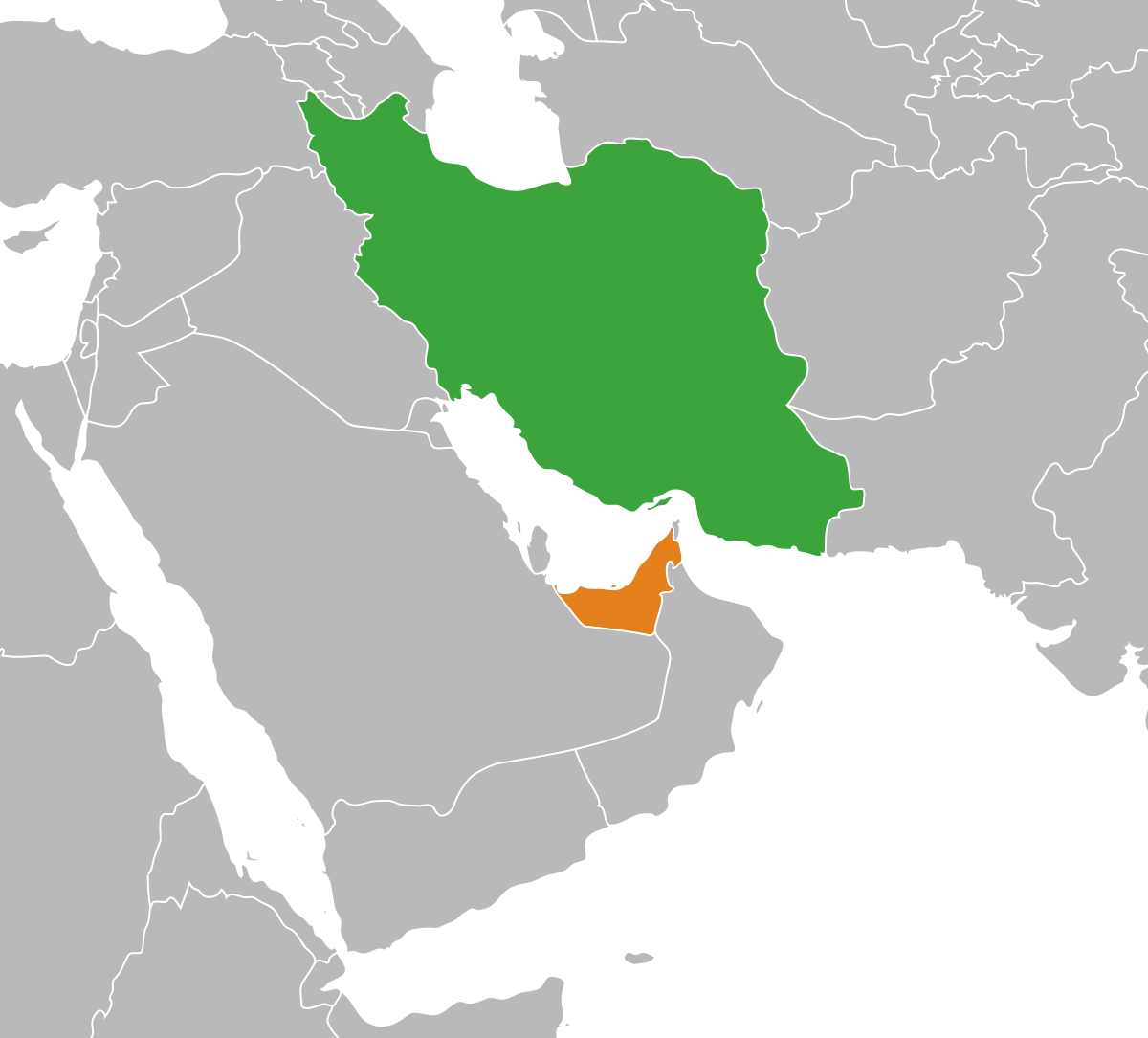
UAE authorities have successfully airlifted both citizens and expatriate residents from Iran amid mounting regional tensions stemming from the ongoing Israel–Iran conflict. These evacuation flights were carried out in full coordination with Iranian officials, who provided necessary transit clearances and logistical assistance, according to the UAE’s Ministry of Foreign Affairs and International Cooperation.

Passengers greeted on arrival in Abu Dhabi included Emirati nationals and resident visa holders. Some were visibly emotional—footage released by WAM showed arrivals embracing airport staff, while others knelt in gratitude upon disembarking. UAE officials confirmed that all evacuees underwent health screening and security checks; no medical emergencies were reported during the operation.

The decision to evacuate was prompted by intensifying hostilities between Iran and Israel, which have resulted in reciprocal missile and drone strikes targeting Iran’s nuclear and military infrastructure. Since 13 June, airspace closures across Iran and neighbouring countries have disrupted commercial flights, leaving many foreign nationals stranded.

While Tehran’s nuclear sites have been under attack, Tehran’s government issued public messages minimising panic, yet civilians promptly fled towards northern provinces, leading to fuel shortages, transport gridlocks, and relief operations along highways. Over 100,000 people are believed to have relocated internally by 15 June, while a few hundred foreign evacuees have used authorised border crossings to exit Iran.

UAE’s timely action reflects an expansion of its foreign crisis response capabilities, built through previous evacuations from conflict zones such as Ukraine, Sudan, and Afghanistan. Evacuating via a mix of chartered aircraft and government-operated flights, the UAE used carefully planned air routes to skirt high-risk regions.

Parallel efforts by Gulf neighbours highlight broader regional coordination. Bahrain, Oman and others secured safe passage for their own nationals via land and air corridors; Oman alone registered over 150 evacuees through Bandar Abbas and Iraq logistics networks. Countries including India, China, the US, Germany and Poland activated repatriation schemes—India’s “Operation Sindhu” successfully repatriated 110 nationals through Armenia by 18 June.

While evacuation pipelines opened, Dubai and Abu Dhabi remain operational, and companies across the Gulf are updating contingency plans amid concerns over possible spill‑over and disruptions to critical infrastructure. Risk advisory firms are reporting heightened demand for intelligence services, crisis preparedness, and staff security measures.

The UAE Ministry of Foreign Affairs has reiterated its call for diplomacy as the sole pathway to stability. Its continuous diplomatic outreach has involved deep engagement with international partners and a strong appeal to the UN Security Council to broker de‑escalation amid what it describes as “exceptional circumstances”.

The evacuation marks a rare cooperative moment between the UAE and Iran, whose bilateral relations have at times been strained. Yet Iranian authorities’ facilitation of access to airports and transit permissions demonstrated a mutual willingness to protect civilians from broader geopolitical fallout.

With all Gulf evacuations through this phase concluded, attention now turns to whether diplomatic avenues will succeed in preventing further civilian displacement. Businesses and governments remain on alert, reinforcing emergency protocols and intelligence monitoring systems to safeguard personnel and operations in the face of uncertainty.

Saudi Arabian Oil Company, widely known as Aramco, is dramatically expanding beyond its oil and petrochemical roots into a diversified, technology-centric energy powerhouse. Under Chief Executive Amin Nasser, the enterprise is balancing its historic role as a revenue pillar for the Kingdom with aggressive investments in artificial intelligence, renewables, blue hydrogen, carbon capture and e‑fuels. Aramco’s strategic pivot is anchored in its financial strength. The company reported […]

The United Arab Emirates will integrate its National Artificial Intelligence System into the highest levels of government from January 2026. The system will serve as an advisory member of the Council of Ministers, the Ministerial Development Council, and the boards of all federal entities and government-owned companies. Its mandate includes supporting decision-making, providing real-time analysis, offering technical advice, and enhancing policy efficiency across every sector.

Dubai’s ruler and UAE Prime Minister, Sheikh Mohammed bin Rashid Al Maktoum, made the announcement on 20 June, emphasising that the world is undergoing “comprehensive transformation—scientifically, economically and socially.” He underscored that the move is intended to prepare the country for future challenges and to “ensure continued prosperity and a dignified life for future generations”.

This development builds upon the UAE’s decade‑long focus on artificial intelligence, which began with the appointment of Omar Sultan Al Olama as the world’s first Minister of State for Artificial Intelligence in October 2017. In early 2019, the National Artificial Intelligence Strategy 2031 was launched, setting the ambition to position the UAE as a global AI leader by 2031. Subsequent milestones include the founding of the Mohamed bin Zayed University of Artificial Intelligence in 2019 and Abu Dhabi’s Digital Strategy 2025‑2027, which aims to establish a fully AI‑powered government by 2027.

Analysts suggest that embedding the AI system at ministerial and federal‑company levels could accelerate data‑driven governance, reduce bureaucratic lag, and foster greater inter‑departmental cohesion. One Gulf Business commentator noted that the AI system would “enhance the efficiency of government policies adopted… across all sectors”. However, questions remain over oversight and transparency mechanisms, especially as the system begins analysis in real time.

International observers view the UAE’s strategy as part of a wider push by governments to use AI in public administration. Examples include Japan’s smart city prototype “Woven City” and various national AI offices globally. Still, no other nation has yet placed an AI inside its cabinet with ministerial‑level access.

Experts highlight both promise and peril. Proponents argue the system’s analytical speed can help identify emerging economic, environmental, and public health challenges before they escalate. Critics, however, caution that AI must be complemented by human judgment to avoid embedding algorithmic bias or over‑reliance on model outputs. Ethical guidelines—such as transparency, accountability, and fairness—will need to be codified and enforced to mitigate these risks.

Practical implementation looms as another challenge. Seamless integration into federal bodies and government companies will require significant investment in digital infrastructure, staff training, and inter‑agency coordination. These tasks fall within the remit of the Minister of State for AI, Digital Economy and Remote Work Applications, Omar Sultan Al Olama, who has spearheaded the country’s AI strategy since 2017.

As part of a broader governance overhaul, Sheikh Mohammed also announced the launch of a dedicated Ministry of Foreign Trade, led by Thani bin Ahmed Al Zeyoudi—and the renaming of the Ministry of Economy to the Ministry of Economy and Tourism under Abdullah bin Touq Al Marri.

The government asserts that the AI system will augment human capacity without replacing it, and that final decisions on strategy and policy will remain with elected or appointed officials. Mechanisms to monitor AI‑led inputs and outcomes are expected to be announced before the system’s January 2026 launch, according to insiders.

Apple is facing a class action securities fraud lawsuit in the U.S. District Court for the Northern District of California, with shareholders led by Eric Tucker accusing the company and its top executives of misleading investors about the readiness of its Apple Intelligence platform—particularly the advanced Siri features. The suit alleges that assurances made during the June 2024 Worldwide Developers Conference implied that AI-driven upgrades would be available […]

The University of Dubai and the Artificial Intelligence Journalism for Research and Forecasting have unveiled the Arab AI Researchers initiative, marking the first pan‑Arab programme dedicated to training academics in artificial intelligence for research and teaching. The launch aligns with efforts to implement the Arab Index for Artificial Intelligence in Universities, announced in May 2024, and formalised at the 5th Artificial Intelligence Journalism World Forum in Sharjah earlier this year.

President of the University of Dubai, Dr Eesa Al Bastaki, explained that AAIR responds to a growing call for universities in Arab states to embed AI into scholarly work and curricula. He noted that the programme reflects the aim of the AIU, which benchmarks integration across six domains: curriculum design, faculty capabilities, smart laboratory infrastructure, student proficiency, research output, and global partnerships.

Dr Saeed Al Dhaheri, Director of the Centre for Futures Studies and President of the AIU, emphasised the initiative’s breadth. “AAIR offers specialised training to integrate AI across all academic tiers,” he said, underscoring the programme’s ambition to reach a wide academic audience across the Arab world. That ambition gains momentum in tandem with AIJRF’s global training portfolio of more than 120 courses and over 20 active AI initiatives, which includes the annual AIJWF and the GAIJI index.

Under the leadership of AIJRF’s CEO Dr Mohamed Abdulzaher, AAIR will offer a free, accredited training programme conducted thrice yearly. Each session will involve four days of intensive instruction—totalising 15 practical hours—for approximately 150 participants. Graduates, upon submission of a project, will receive certification jointly from AIJRF, the University of Dubai and cooperating institutions. Dr Abdulzaher emphasised the programme’s dual focus: practical AI tool use in research and instruction that covers emerging pedagogical approaches such as smart classrooms, automated assignments and AI‑generated project frameworks, underpinned by ethical guidelines.

Experts highlight the significance of AAIR against a backdrop of evolving demand for localised AI capacity in the region’s higher education sector. Gulf News records that the Arab Index for AIU initially pioneered this area by evaluating Arab universities on their strategic integration of AI into humanities and theoretical sciences, spanning institutions from Morocco to Qatar. This quantitative benchmarking now finds practical implementation through AAIR.

The initiative affords multiple strategic gains. It aims to develop an Arab‑centred community of practice in AI, offer Arabic‑language curricular resources, and foster collaborations among universities, research centres and technology providers. Policy experts suggest that by nurturing such ecosystems, the region can more accurately reflect its socio‑cultural context in AI tools and methodologies.

AAIR also responds to economic and educational drivers. UAE government-backed surveys estimate the Arab educational sector will expand rapidly alongside digital acceleration, yet critical gaps remain in Arabic‑language AI content and smart infrastructure. By empowering faculty and students alike, AAIR seeks to deepen the region’s AI talent pool and sustainability.

Formative metrics indicate uptake: AIJRF announced an AAIR target of training 500 academics during the first phase, with enrollment details shared via LinkedIn and public briefings. Dr Abdulzaher credits the partnership between University of Dubai, AIJRF, and other institutional collaborators for enabling broad access to the programme.

Still, the initiative faces challenges inherent to regional adoption. Previous AI integration efforts highlight logistical barriers—such as uneven access to AI‑equipped labs, variable levels of faculty digital literacy, and limited Arabic AI datasets. AAIR’s focus on standardisation and community‑based learning aims to alleviate such bottlenecks.

Industry observers are tracking AAIR’s impact on research and higher education closely. Stakeholders expect ripple effects, including: greater academic publication in AI‑focused journals; the emergence of Arab‑context AI pedagogies; enhanced employability of STEM graduates with real‑world AI experience; and institutional impetus to invest in smart infrastructure.

The AAIR launch also complements AIJWF’s wider initiatives, including the Human Talents vs Gen‑AI Challenge introduced at the 5th edition in April at American University of Sharjah. Collectively, these initiatives contribute to a regional strategy to navigate the Fourth and Fifth Industrial Revolutions, with emphasis on generative AI and its socio‑economic consequences.

Phagos, a Paris‑based biotech startup, is deploying an artificial‑intelligence model built on Amazon Web Services to accurately match bacteriophages with antibiotic‑resistant bacterial strains. This development marks a pivotal shift from arbitrary trial‑and‑error methods to precision medicine in combating infections that claim an estimated one million lives annually. The challenge of antibiotic resistance has spurred Phagos, co‑founded by microbiologist Adèle James and economist Alexandros Pantalis, to pursue alternative […]

Matein Khalid The India-Pakistan war in May and the Iran-Iraq war that rages as I write only reinforces my conviction that wars will be won or lost via a access to the latest missile air defense, stealth fighter jet platforms, ballistic hypersonic missile, power projection capabilities and state of the art ISR (intelligence surveillance reconnaissance) defense technologies. A nation without these capabilities is akin to a Stone […]

VISHNU RAJA
RYO YAMADA
HITORI GOTOH
IKUYO KITA