News related to
intelligence

Cisco Systems has unveiled a new line of Smart Switches designed to transform data center networking by integrating security and network services into a unified, high-performance solution. These switches incorporate programmable AMD Pensando data processing units , enabling enterprises to efficiently manage the escalating demands of artificial intelligence workloads. The newly introduced Cisco N9300 Series Smart Switches feature embedded DPUs, allowing for the offloading of complex data […]

Apple’s Vision Pro headset is set to receive a significant AI upgrade, marking a new chapter in the development of the company’s first wearable device. This update, expected to launch soon, is poised to enhance the device’s performance, introducing cutting-edge artificial intelligence features that promise to revolutionise user interaction and functionality. The Vision Pro, which was introduced as Apple’s foray into the mixed-reality space, has drawn significant […]

China has successfully completed its first intercity cargo drone flight, a groundbreaking development in the nation’s push to revolutionise its transportation infrastructure. This historic flight paves the way for a future where drones play a vital role in moving goods swiftly and efficiently across cities. The journey, which covered multiple urban centres, showcases China’s growing capabilities in the field of unmanned aerial vehicles , with potential implications […]

China’s DeepSeek AI technology has come under intense scrutiny after revelations emerged that it lacks essential protections, leaving it vulnerable to exploitation by criminals. The artificial intelligence system, developed by a team of leading tech experts in China, was initially hailed for its potential in various sectors, including data analysis, cybersecurity, and public safety. However, concerns over its security have rapidly gained traction, prompting experts to question […]

Gold-backed tokens have not lived up to expectations as the price of the precious metal sees a decline while risk assets gain traction. Amid growing speculation that former President Donald Trump’s tariffs may only be a negotiating strategy, investors are reassessing the global economic landscape. As the price of gold drops, the market shift raises questions about the stability of gold-backed tokens and whether they can weather the storm of fluctuating commodity prices.

Despite gold-backed tokens being promoted as a safe haven for investors, their performance has faltered in recent months, mirroring a broader decline in the precious metal’s price. Gold, once viewed as a reliable store of value, has faced downward pressure as investors recalibrate their portfolios in the face of shifting economic factors. The appeal of these tokens—cryptocurrencies that are tied to the price of gold—has diminished in light of market developments that have bolstered other asset classes.

The scenario surrounding Trump’s tariffs has added to the uncertainty. Wall Street analysts are increasingly speculating that the tariffs might not be as severe as originally anticipated. In fact, some view them as a mere tactic in a broader trade negotiation strategy. This perspective has led to a shift in sentiment, with risk assets—such as stocks—seeing an uptick as investors shift focus toward growth opportunities, leaving gold-backed assets in a precarious position.

The price of gold, which peaked earlier in the year due to inflation fears and global uncertainties, has now come under pressure. This decline has seen gold tokens, which track the price of the commodity, underperforming. As institutional investors have shifted their attention to more volatile but potentially lucrative assets, gold has lost some of its former appeal as a hedge against inflation and economic instability.

At the same time, riskier assets, particularly stocks, have surged. Investors are encouraged by signs of economic recovery and the resilience of equity markets. Analysts suggest that the ongoing optimism surrounding the potential easing of trade tensions, particularly between the US and China, has contributed to the rising demand for equities and corporate bonds. This sentiment is in stark contrast to the subdued demand for gold, which typically thrives in periods of heightened economic uncertainty.

The divergence between traditional assets and gold has prompted some financial experts to rethink the role of gold-backed tokens in a diversified portfolio. These digital assets, which have been gaining traction over the past few years, are now facing criticism for not providing the same level of stability that physical gold traditionally offers. With risk assets becoming more attractive to institutional investors, there are concerns that gold-backed tokens might not be able to maintain their value in the face of these shifting market dynamics.

The situation is further complicated by ongoing debates surrounding the broader implications of Trump’s trade policies. With tariffs remaining a key point of contention in international trade relations, the market remains on edge. The possibility of a trade war or retaliatory measures from other nations has been a key driver of gold’s price in the past. However, if the tariffs prove to be a bluff or a short-term negotiation tactic, the potential for further downside in gold prices could become less likely, providing more space for risk assets to flourish.

While gold-backed tokens have faced challenges, the broader cryptocurrency market has continued to evolve. The rise of other types of digital assets, particularly those tied to more volatile sectors like technology and energy, has drawn investor attention away from precious metals. This shift is evident in the increasing focus on tokens linked to blockchain innovation, artificial intelligence, and green energy. Gold, historically seen as a safe bet in times of economic crisis, is now competing with a new generation of digital assets that offer the promise of higher returns, albeit with greater risk.

This change in the investment landscape has left many wondering whether gold-backed tokens will continue to serve as a reliable store of value. The volatility in both the price of gold and the broader financial markets has highlighted the complex relationship between traditional assets and their digital counterparts. As more investors look to diversify their portfolios, the demand for assets like gold-backed tokens may become less pronounced, particularly if the broader trend towards riskier, high-growth investments continues.

A high-level delegation from the UAE will soon engage with European Union officials as part of an effort to combat financial crime through enhanced cooperation on anti-money laundering measures. The meeting, set to take place later this month, is seen as a significant step towards reinforcing the UAE’s commitment to global efforts in fighting illicit financial activities. The UAE has been steadily improving its AML framework, with […]

OpenZeppelin has introduced Contracts v5.2, a significant update designed to elevate security and performance in the development of smart contracts for blockchain projects. This version runs parallel to the more experimental OpenZeppelin Community Contracts library, offering developers a streamlined approach to leveraging pre-tested and secure contracts, while also enabling them to experiment with cutting-edge innovations in the community-driven space. This dual-track development model opens the door to […]

Advertisements

Apple Inc. and Meta Platforms are intensifying efforts to develop AI-driven humanoid robots, signaling a significant shift in the technology landscape. This move positions both companies in direct competition within the emerging robotics sector, aiming to revolutionize industries ranging from healthcare to domestic services. Meta has initiated a substantial investment in humanoid robotics, focusing on creating advanced robots capable of performing human-like tasks. The company’s Reality Labs […]

Akamai Technologies has unveiled the “Defenders’ Guide 2025: Fortify the Future of Your Defense,” a detailed report aimed at bolstering cybersecurity measures for organizations worldwide. This inaugural State of the Internet report offers in-depth research on emerging threats and provides actionable strategies to enhance security postures. The guide addresses critical areas such as risk management, network architecture reinforcement, and host security implementation. It presents novel findings on […]

Vedanta Aluminium, India’s leading aluminium producer, has introduced an AI-powered drone system to bolster safety measures at its Jamkhani coal mine in Odisha. This initiative, developed in collaboration with Vedanta’s Spark program, aims to enhance operational efficiency and safety protocols within the mining sector.

The AI-driven drones are equipped with advanced software capable of real-time aerial surveillance, automatically detecting and tracking human, animal, and vehicle movements within a 500-meter radius of blasting zones. This technology enables remote monitoring, providing live-streaming alerts for unauthorized activities and facilitating seamless audio communication between officials, drone pilots, and blasting officers for precise coordination.

Sunil Gupta, Chief Operating Officer of Vedanta Aluminium, emphasized the company’s commitment to workplace safety, stating that the integration of AI-powered drones signifies a significant advancement in creating a secure work environment while improving monitoring and compliance.

David Stone, Chief Executive Officer of Vedanta’s Coal Mines, highlighted the impact of this technology, noting that the deployment of AI-powered drones sets a new benchmark for mine safety by enhancing situational awareness and risk management.

The Jamkhani coal mine, Vedanta’s first greenfield project in Odisha, plays a crucial role in supplying fuel to the company’s Jharsuguda plant, one of the world’s largest aluminium smelters. The introduction of AI-powered drones is part of Vedanta Aluminium’s broader strategy to implement digital transformation across its operations, leveraging technologies such as artificial intelligence, robotics, the Internet of Things , and smart safety solutions.

Amitesh Sinha, Vice President and Head of CVC & Spark at Vedanta, underscored the importance of corporate-startup collaborations in driving innovation. He mentioned that the partnership with Skylark Drones and the Vedanta Mines team reflects the company’s focus on safety innovation, with the Spark program actively working with over 70 startups and deploying more than 100 projects to integrate AI and digital solutions into manufacturing.

Beyond technological advancements, Vedanta Aluminium remains committed to Odisha’s socio-economic development, engaging in initiatives that encompass education, healthcare, sustainable livelihoods, and rural infrastructure enhancement. As India’s largest aluminium producer, the company manufactured 2.37 million tonnes in the fiscal year 2024, supplying critical industries and reinforcing its leadership in sustainable mining and digital innovation. Notably, Vedanta Aluminium ranks second globally in the S&P Global Corporate Sustainability Assessment 2024 for the aluminium industry, reaffirming its dedication to responsible mining practices and a greener future.

The integration of AI-powered drones into mining operations signifies a transformative approach to safety and efficiency in the industry. By providing comprehensive surveillance and instant communication capabilities, this technology empowers mining teams with greater situational awareness, enabling swift responses to potential hazards and ensuring a safer working environment.

The AI-driven drones operate autonomously, scanning the designated areas and identifying any unauthorized movement or anomalies. Upon detection, the system generates immediate alerts, allowing for prompt intervention to prevent potential incidents. This proactive approach not only mitigates risks but also enhances overall operational efficiency by reducing downtime associated with manual inspections and clearances.

The collaboration between Vedanta Aluminium and technology startups exemplifies a growing trend in the industry, where established corporations partner with agile innovators to co-develop solutions that address complex operational challenges. Such partnerships facilitate the rapid adoption of cutting-edge technologies, driving continuous improvement in safety standards and operational practices.

In addition to enhancing safety, the deployment of AI-powered drones contributes to environmental sustainability. By ensuring precise monitoring and control over mining activities, the technology helps in minimizing ecological disturbances and promotes adherence to environmental regulations. This aligns with Vedanta Aluminium’s commitment to sustainable practices and its efforts to reduce the environmental footprint of its operations.

The successful implementation of AI-driven drone technology at the Jamkhani coal mine serves as a model for the mining industry, demonstrating how digital transformation can lead to safer and more efficient operations. As the industry continues to evolve, the integration of such innovative solutions is poised to become a standard practice, setting new benchmarks for safety and operational excellence.

Vedanta Aluminium’s proactive approach in adopting advanced technologies reflects its strategic vision of leading the industry towards a more sustainable and technologically advanced future. By prioritizing safety, efficiency, and environmental responsibility, the company not only enhances its operational capabilities but also contributes positively to the broader socio-economic landscape.


Dubai’s Museum of the Future recently hosted an array of global dignitaries attending the World Governments Summit 2025, which concluded last week. The summit attracted over 30 heads of state and government, more than 80 international and regional organizations, and 140 government delegations, totaling over 6,000 participants.

Among the distinguished visitors to the museum were President Andry Rajoelina of Madagascar, Vice President Félix Ulloa of El Salvador, Prime Minister Sonexay Siphandone of Laos, and Chairwoman Željka Cvijanović of the Presidency of Bosnia and Herzegovina. These leaders explored the museum’s innovative exhibits, which span themes from outer space exploration to the intricacies of inner space, reflecting the institution’s commitment to showcasing future trends and technological advancements.

The Museum of the Future, celebrated for its avant-garde architecture and often referred to as “the most beautiful building on Earth,” serves as a global platform for intellectual discourse. It aims to foster discussions on future opportunities and challenges, bringing together thought leaders, policymakers, and innovators to collaboratively shape the trajectory of humanity.

During their visits, the delegations were briefed on the museum’s role in promoting knowledge-driven dialogues and its efforts in exploring transformative trends across various sectors. The immersive experiences offered by the museum provided these global leaders with insights into potential future scenarios, emphasizing the importance of proactive governance and international cooperation.

The World Governments Summit 2025, held from February 11 to 13 in Dubai, centered on the theme “Shaping Future Governments.” The event convened a diverse group of participants, including heads of state, ministers, industry leaders, and experts, to deliberate on pressing global challenges and innovative solutions. Key topics encompassed governance, economic development, technological innovation, sustainability, and global health.

His Excellency Mohammad Al Gergawi, Minister of Cabinet Affairs and Chairman of the World Governments Summit Organization, highlighted the summit’s significance, stating that it has achieved its prominent status through a unique and forward-thinking vision. This vision prioritizes proactive future planning as the foundation of effective governance, focusing on empowering individuals and developing thriving communities. It champions international partnerships and collaboration as the most effective way to achieve common goals and ensure prosperity for all.

The summit featured over 200 interactive sessions, addressed by more than 300 prominent figures. Discussions ranged from the integration of artificial intelligence in public services to strategies for sustainable urban development. Notably, the event also hosted 21 global forums that delved into future trends and their implications for governments worldwide.

In addition to the high-profile political figures, the summit attracted leaders from various sectors. Sundar Pichai, CEO of Google and Alphabet; Robin Li, Co-founder and CEO of Baidu; and Larry Ellison, Chairman and CTO of Oracle, were among the notable attendees. Their participation underscored the critical intersection of technology and governance in addressing contemporary global issues.

The Museum of the Future’s engagement with these leaders during the summit exemplifies its mission to be more than just a repository of exhibits. It strives to be an active participant in the global dialogue on shaping the future, providing a space where ideas converge, and collaborative solutions emerge.

Chinese state-sponsored hacking group Salt Typhoon has intensified its cyber-espionage activities, targeting telecommunications providers worldwide by exploiting known vulnerabilities in Cisco network devices. Despite previous exposure and sanctions, the group continues to infiltrate critical infrastructure, compromising sensitive communications data. Between December 2024 and January 2025, Salt Typhoon successfully breached at least five telecommunications networks, including two based in the United States. Other affected entities include a U.S.-based […]

The artificial intelligence sector is currently navigating a period of volatility, with stock performances reflecting a mix of investor optimism and emerging challenges. Major tech companies, including Microsoft, Alphabet, and Nvidia, have seen fluctuations in their stock prices, influenced by both advancements in AI technology and competitive pressures from global players.

Microsoft Corporation’s stock is trading at $408.43, experiencing a slight decrease of 0.53% from the previous close. Alphabet Inc. stands at $185.23, down by 0.52%, while Nvidia Corporation has seen a modest increase of 2.59%, bringing its share price to $138.85. These movements come in the wake of significant developments in the AI landscape, notably the emergence of China’s DeepSeek-R1, which has introduced new dynamics into the market.

DeepSeek-R1’s introduction has prompted a reevaluation among investors, leading to a selloff in certain AI stocks. Nvidia, for instance, experienced a notable decline, with shares dropping $24.20 to $118.42, marking an 11.8% decrease for the year to date. This downturn is attributed to concerns over DeepSeek-R1’s potential to disrupt established AI market leaders.

Despite these challenges, the AI sector’s growth trajectory remains robust. The global AI market is projected to expand from $214.6 billion in 2024 to $1.34 trillion by 2030, reflecting a compound annual growth rate of 35.7%. This surge is driven by continuous advancements in AI technologies and their increasing integration across various industries.

In the software domain, companies are capitalizing on AI’s momentum. The iShares Expanded Tech-Software Sector ETF has risen by 27% over the past six months, outpacing the iShares Semiconductor ETF, which saw less than a 1% increase in the same period. This trend indicates a growing investor preference for software firms that offer stable growth and are less susceptible to manufacturing disruptions.

Companies like Monday.com and Confluent have reported significant revenue growth, with their stock prices reflecting this positive trajectory. The adoption of AI technologies has bolstered demand for software solutions, leading to more lucrative consumption-based pricing models and attracting institutional investors seeking consistent returns.

However, the AI sector is not without its debates. A discernible divide is emerging between two schools of thought: the ‘AI Cavaliers,’ who are pursuing the ambitious goal of achieving artificial general intelligence , and the ‘AI Roundheads,’ who advocate for a more targeted approach, focusing on solving specific problems efficiently. This discourse is shaping investment strategies and influencing the direction of AI research and development.

The competitive landscape is further intensified by substantial investments from tech giants. Companies such as Microsoft, Alphabet, Amazon, and Meta are allocating extensive resources toward AI advancements, driven by both the fear of missing out and the potential advantages of pioneering AGI. This aggressive investment strategy underscores the high stakes involved in AI development and the race for market dominance.

In the medical imaging sector, AI’s impact is becoming increasingly pronounced. The global AI in medical imaging market was valued at $1.28 billion in 2024 and is projected to reach approximately $14.46 billion by 2034, growing at a CAGR of 27.10%. This growth is attributed to AI’s ability to enhance diagnostic accuracy and efficiency, leading to improved patient outcomes and streamlined healthcare processes.

As 2025 unfolds, entrepreneurs are strategically positioning themselves to harness emerging trends across various sectors. Key areas such as artificial intelligence , sustainability, and remote work are at the forefront, offering a plethora of innovative business opportunities. The AI industry is witnessing significant advancements, with startups like Figure AI leading the charge. The company is reportedly in discussions to secure $1.5 billion in new funding, potentially elevating […]

Artificial Intelligence has become an integral part of various industries, enhancing efficiency and decision-making processes. Central to harnessing the full potential of AI is the art of prompt engineering—the craft of designing inputs that guide AI models to produce desired outputs. This report delves into the various prompting techniques that have emerged, offering insights into their applications and effectiveness. Zero-Shot Prompting Zero-shot prompting involves instructing an AI […]

The United Arab Emirates has initiated a groundbreaking project to map air corridors and establish regulatory frameworks for piloted and autonomous air taxis and cargo drones. This ambitious endeavour aims to integrate advanced air mobility solutions into the nation’s urban infrastructure, enhancing transportation efficiency and connectivity.

The General Civil Aviation Authority , in collaboration with the Advanced Technology Research Council’s entities—Technology Innovation Institute and ASPIRE—announced the initiative during the World Government Summit 2025. The project is slated for completion within the next 20 months, during which aerial corridors and comprehensive regulations will be defined.

These designated routes are planned to link major international airports with prominent urban landmarks, facilitating the seamless operation of air taxis and cargo drones across the UAE’s cities. This development is poised to alleviate traffic congestion, promote sustainable urban growth, and position the UAE as a leader in advanced air mobility.

Saif Mohammed Al Suwaidi, Director General of the GCAA, highlighted the significance of this milestone: “Air corridor mapping for piloted and autonomous air taxis and drones is a crucial milestone that will enable the seamless implementation of advanced air mobility into the UAE’s infrastructure.” He emphasized that this initiative ensures the safe and efficient adoption of air mobility, paving the way for a smarter, more connected future.

The UAE’s commitment to innovative transportation solutions is further exemplified by its history of embracing cutting-edge technologies. In 2017, Dubai commenced testing two-seater, propeller-driven flying taxis developed by Germany’s Volocopter, marking an early foray into autonomous aerial transport. Building on this foundation, the current project seeks to operationalize such technologies on a broader scale.

In September 2024, U.S.-based air-taxi manufacturer Joby Aviation applied for certification to operate commercial air transport services in the UAE. This move signifies growing international interest in the UAE’s burgeoning advanced air mobility sector. The certification process involves developing operational manuals, facility inspections, and comprehensive training programs for pilots and maintenance personnel, underscoring the rigorous standards set by the GCAA.

Dr. Najwa Aaraj, CEO of TII, underscored the transformative potential of this collaboration: “By advancing airspace management and integrating piloted and autonomous air taxis and cargo drones, we are not only enhancing urban connectivity but also driving sustainable and accessible mobility solutions that will benefit future generations.” TII’s role focuses on developing advanced airspace management systems to ensure the safe integration of these new aerial vehicles into existing urban environments.

ASPIRE, tasked with coordinating among regulators, industry stakeholders, and researchers, aims to create a flexible and diverse transportation system. Stephane Timpano from ASPIRE noted: “Addressing real-time urban mobility challenges through innovative solutions like air taxis and drones is a major step forward.” This initiative is expected to ease pressure on traditional road networks and foster the development of smarter, more resilient cities.

The UAE’s strategic vision encompasses the integration of artificial intelligence and smart automation to manage and optimize these air corridors. This approach ensures predictive maintenance, efficient traffic management, and robust safety protocols, aligning with global trends in smart city development.

A federal judge in Washington, D.C., has approved a 60-day halt to the U.S. Securities and Exchange Commission’s civil lawsuit against Binance, the world’s largest cryptocurrency exchange. This decision follows a joint motion by both parties, aiming to allow time for the SEC’s newly established crypto task force to potentially influence the case’s resolution.

The lawsuit, initiated by the SEC in June 2023, accuses Binance and its founder, Changpeng Zhao, of multiple violations, including artificially inflating trading volumes, diverting customer funds, and misleading investors about regulatory oversight. These allegations have been a significant point of contention between the regulatory body and the crypto exchange.

The recent establishment of the SEC’s crypto task force, led by Commissioner Hester Peirce, known for her supportive stance on digital assets, signifies a potential shift in the agency’s approach to cryptocurrency regulation. This development comes under the administration of President Donald Trump, who has expressed intentions to position the United States as a global hub for the crypto industry. The nomination of Paul Atkins, a pro-crypto attorney, as the new SEC chair further underscores this directional change, although his confirmation by Congress is still pending.

In their joint motion, the SEC and Binance highlighted that the task force’s work “may impact and facilitate the potential resolution of this case.” They proposed to submit a joint status report at the end of the 60-day period to inform the court about the case’s status and the necessity of extending the stay.

This pause in legal proceedings reflects a broader trend within the SEC, as the agency reassesses its regulatory framework concerning digital assets. Under the previous leadership of Gary Gensler, the SEC adopted a stringent stance towards cryptocurrency platforms, leading to multiple lawsuits and enforcement actions. The current shift suggests a more collaborative approach, aiming to develop clear guidelines that balance investor protection with industry innovation.

Binance has welcomed this development, reiterating its commitment to compliance and regulation. A spokesperson for the company stated, “The SEC’s case has always been without merit, and we are eager to put this behind us and to continue our focus on keeping Binance the most secure, licensed, and trusted exchange in the world.”

By Nitya Chakraborty The outcome of Prime Minister Narendra Modi’s meeting with the U.S. President Donald Trump in White House on February 13 may have its impact on the interim government of Bangladesh headed by Dr. Mohammad Yunus, who is in power since August 8, 2024 in the wake of the ouster of Sheikh Hasina […]

Vertiv, a global provider of critical digital infrastructure solutions, has announced the worldwide launch of its Liquid Cooling Services portfolio. This initiative aims to support data center operators in enhancing system reliability and efficiency, particularly for artificial intelligence and high-density computing applications. The newly introduced services encompass a range of solutions designed to manage the complexities of advanced liquid cooling systems. Vertiv’s certified technicians and field engineers […]

Silicon Valley-based AI chip manufacturer Groq has secured a $1.5 billion investment from Saudi Arabia to enhance its AI inference infrastructure within the Kingdom. This significant commitment, announced at the LEAP 2025 technology conference, underscores Saudi Arabia’s strategic push to position itself as a global leader in artificial intelligence. Groq, founded by former Alphabet engineer Jonathan Ross, specializes in AI inference chips designed to optimize the speed […]

In 2021, Shiba Inu astonished the cryptocurrency world with an unprecedented surge, transforming from a meme-inspired token into a lucrative investment for early adopters. Now, analysts are turning their attention to FloppyPepe , a new meme coin that exhibits a pattern reminiscent of SHIB’s explosive growth. With its innovative AI-driven meme technology and a burgeoning community economy, FPPE is being hailed by crypto experts as the next significant contender in the market.

Shiba Inu’s ascent in 2021 was nothing short of remarkable. Launched as a playful homage to the Shiba Inu dog breed, the token experienced a meteoric rise, delivering substantial returns to those who invested early. This phenomenon underscored the potential for meme coins to generate significant financial gains, despite their whimsical origins.

FloppyPepe, inspired by the popular internet meme character Pepe the Frog, has recently captured the attention of the cryptocurrency community. Analysts have observed that FPPE’s growth trajectory mirrors the early stages of SHIB’s ascent, suggesting the potential for a similar surge. The coin’s unique selling proposition lies in its integration of artificial intelligence to generate memes, fostering increased user engagement and community participation.

The fusion of AI technology with meme culture distinguishes FPPE from its predecessors. By leveraging machine learning algorithms, the platform can create and disseminate memes rapidly, keeping the community engaged and attracting new users. This technological innovation not only enhances the user experience but also contributes to the token’s value proposition, as a vibrant and active community is often a key driver of a cryptocurrency’s success.

The community economy surrounding FPPE plays a crucial role in its potential for growth. A dedicated and expanding user base can lead to increased demand for the token, driving up its value. The developers have implemented mechanisms to reward active participants, incentivizing engagement and fostering a sense of ownership among users. This approach has been effective in building a loyal community, which is essential for the long-term sustainability of any cryptocurrency.

Crypto experts have noted that the combination of innovative technology and a strong community foundation positions FPPE as a promising candidate for substantial growth. While the cryptocurrency market is inherently volatile and unpredictable, the parallels between FPPE’s current trajectory and SHIB’s past performance have generated optimism among investors and analysts alike.

Etihad Salam Telecom Company has announced a strategic partnership with Genesys to revolutionise customer service across Saudi Arabia. This collaboration aims to integrate advanced technologies into Etihad Salam’s offerings, enhancing both customer interactions and operational efficiency.

The partnership focuses on implementing a comprehensive telecommunications solution that combines advanced Session Initiation Protocol trunk services with sophisticated call centre platforms. By leveraging artificial intelligence, automation, and cloud-based technologies, the initiative seeks to transform traditional customer service models, providing more personalised and efficient experiences.

Eng. Amjad Arab, Chief Wholesale and Partnerships Officer at Etihad Salam, highlighted the significance of this alliance: “Our mission is to provide robust, innovative solutions that support the rapid expansion of digital content and seamless technology experiences. Collaborating with Genesys allows us to offer enriched connectivity services and bring content closer to end-users, ultimately empowering businesses to thrive in an increasingly digital landscape.”

This development comes at a time when Saudi Arabia’s information and communication technology sector is experiencing substantial growth. Projections indicate that the sector will reach a valuation of USD 82.51 billion by 2030. The partnership between Etihad Salam and Genesys is poised to contribute significantly to this growth by introducing cutting-edge customer service solutions that align with the Kingdom’s digital transformation goals.

In addition to this collaboration, Etihad Salam has been actively engaging in other strategic partnerships to bolster the nation’s digital infrastructure. Recently, the company strengthened its alliance with center3, a subsidiary of the stc Group, to enhance network resilience and connectivity. This joint effort aims to deliver unparalleled digital infrastructure, benefiting businesses, cloud providers, and content creators alike.

Etihad Salam has partnered with ServiceNow to support the burgeoning small and medium-sized enterprise sector in Saudi Arabia. With the SME sector witnessing a 60% year-on-year growth and over 135,000 new registrations in the last quarter, this collaboration aims to provide tailored solutions that address the unique needs of these businesses. By combining Etihad Salam’s connectivity and managed services with ServiceNow’s expertise in automating administrative processes, the partnership seeks to facilitate agile business setups and operations.

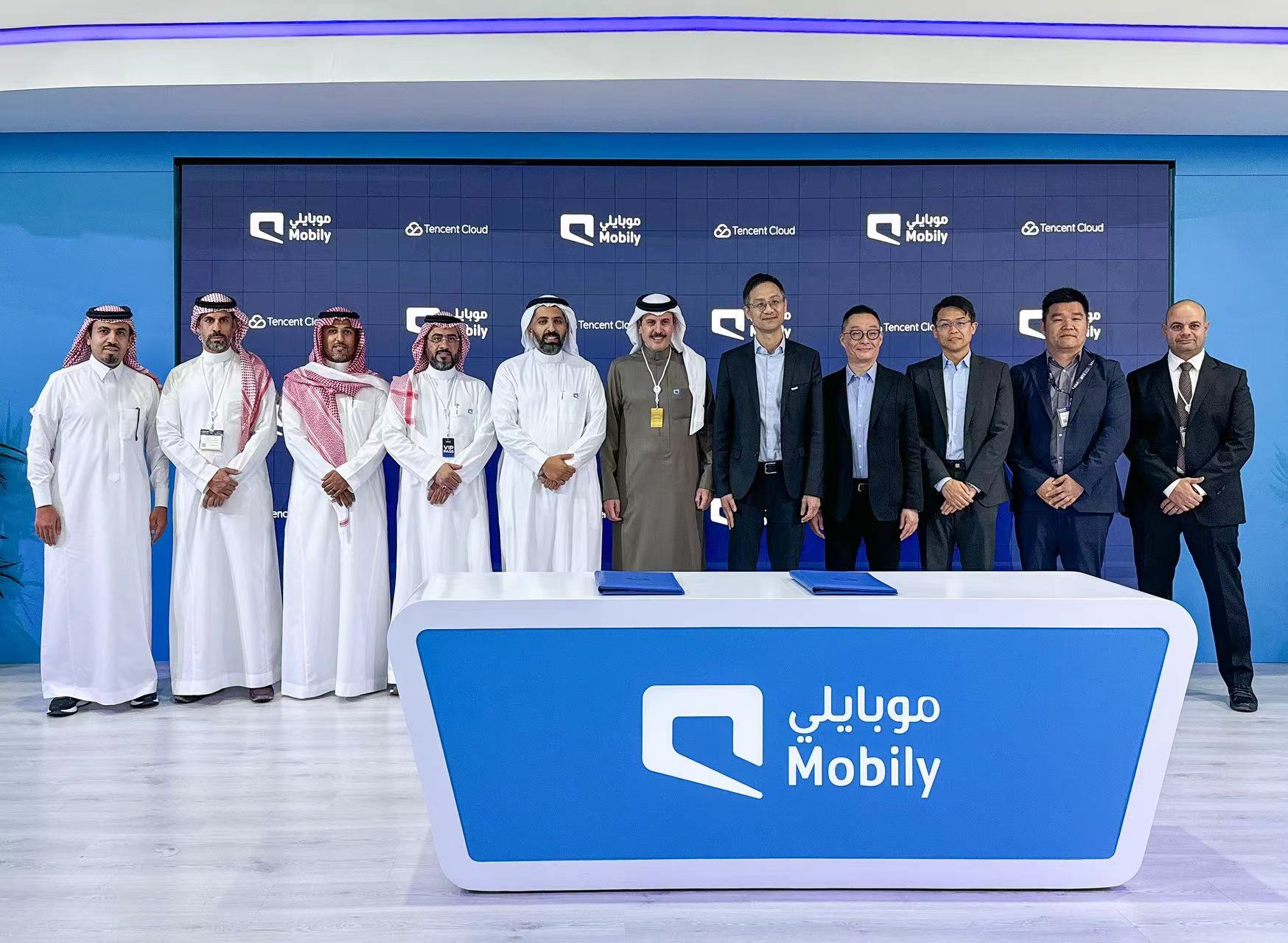
Tencent Cloud has unveiled plans to launch its inaugural Middle East Cloud Region in Saudi Arabia, marking a pivotal expansion in the company’s global infrastructure. Announced at the LEAP 2025 technology summit in Riyadh, the new cloud region will encompass two availability zones, each designed with full redundancy to ensure robust and reliable services. This development is slated to become operational by 2025, aligning with Saudi Arabia’s ambitious Vision 2030 objectives to foster digital transformation and economic diversification.

The strategic move includes an investment exceeding $150 million over the forthcoming years, underscoring Tencent Cloud’s commitment to bolstering the Kingdom’s burgeoning digital economy. Dan Hu, Vice President of Tencent Cloud International for the Middle East and North Africa, emphasized the significance of this initiative, stating, “We’re excited to have grown alongside the Kingdom of Saudi Arabia and look forward to ramping up cloud support for the Middle East. The new Cloud Region strengthens our ability to support the country’s digital transformation journey.”

This expansion will integrate Saudi Arabia into Tencent Cloud’s extensive global network, which currently comprises over 50 availability zones across 21 regions. The new infrastructure is poised to deliver a comprehensive suite of advanced cloud services, including artificial intelligence capabilities, data analytics, and digital media solutions. These offerings are tailored to meet the diverse needs of industries such as finance, gaming, media, and e-commerce within the region.

Saudi Arabia’s cloud computing market is experiencing rapid growth, driven by the government’s proactive digital initiatives and the private sector’s increasing adoption of cloud technologies. Projections indicate that annual spending on public cloud services in the Kingdom is expected to reach $2.5 billion by 2026, reflecting a compound annual growth rate of 25%. This surge is attributed to the nation’s focus on emerging technologies, including AI, cloud computing, and the Internet of Things , as integral components of its Vision 2030 plan.

The LEAP 2025 summit, where Tencent Cloud’s announcement was made, has emerged as a significant platform for technological collaboration and investment in Saudi Arabia. The event witnessed the Kingdom securing $14.9 billion in new investments aimed at advancing its digital infrastructure and AI capabilities. Notably, global cloud service providers are increasingly recognizing the potential of the Saudi market. For instance, Amazon Web Services has partnered with stc Group to accelerate cloud adoption and AI-driven innovation across various sectors, including healthcare, finance, and education.

Tencent Cloud’s entry into the Middle East market is anticipated to intensify competition among cloud service providers, offering businesses in the region a broader array of options to enhance their digital operations. The establishment of local data centers is particularly advantageous, as it addresses data residency requirements and reduces latency, thereby improving the performance of cloud-based applications and services.

In addition to infrastructure development, Tencent Cloud is expected to collaborate with local enterprises and governmental bodies to provide training and support, fostering a skilled workforce adept in cloud technologies. This initiative aligns with Saudi Arabia’s broader goals of nurturing innovation and entrepreneurship, ultimately contributing to a diversified and knowledge-based economy.

The Middle East’s strategic importance in the global technology landscape is increasingly evident, with countries like Saudi Arabia investing heavily in digital transformation. Tencent Cloud’s expansion into the region not only signifies confidence in the local market’s potential but also reinforces the Kingdom’s position as a burgeoning hub for technological advancement and innovation.

As the cloud computing landscape in Saudi Arabia continues to evolve, the presence of global players like Tencent Cloud is poised to accelerate the adoption of cutting-edge technologies. This development is expected to drive economic growth, enhance competitiveness, and pave the way for new business models and opportunities within the region.

Alibaba Cloud has inaugurated its second data center in Thailand, aiming to meet the growing demand for cloud computing services and support the country’s digital transformation initiatives. This development aligns with Thailand’s strategic efforts to enhance its digital economy and infrastructure.

The new facility is designed to provide advanced cloud services, including support for artificial intelligence applications, to businesses and government agencies across Thailand. By expanding its data center footprint, Alibaba Cloud seeks to offer more robust and reliable services, catering to the increasing needs of enterprises adopting digital technologies.

Thailand has been actively pursuing a comprehensive digital transformation strategy, encapsulated in policies like “Thailand 4.0” and the “National Digital Economy and Society Development Plan.” These initiatives focus on building high-capacity digital infrastructure, promoting e-government solutions, and fostering innovation and technology adoption across various sectors. The government’s commitment is further evidenced by the approval of the national AI strategy and action plan , which aims to drive AI development and integration throughout the country.

The establishment of Alibaba Cloud’s second data center is poised to bolster these governmental efforts by providing the necessary infrastructure to support AI and other emerging technologies. This move is expected to enhance the competitiveness of Thai businesses, particularly small and medium-sized enterprises , by offering scalable and secure cloud solutions that facilitate innovation and efficiency.

In addition to infrastructure development, Thailand is focusing on digital skills enhancement and inclusivity. The government has launched initiatives to train individuals through community digital centers, aiming to bridge the digital divide and ensure that the benefits of digital transformation are accessible to all segments of the population. These efforts are crucial in creating a digitally literate workforce capable of leveraging new technologies to drive economic growth.

The collaboration between global technology providers like Alibaba Cloud and the Thai government signifies a strategic partnership that leverages international expertise to accelerate national digital goals. Such alliances are instrumental in positioning Thailand as a regional digital hub, attracting further investments, and fostering a vibrant ecosystem of innovation and technological advancement.

As Thailand continues to implement its digital economy strategies, the expansion of cloud infrastructure by industry leaders like Alibaba Cloud will play a pivotal role in supporting the nation’s objectives. This development not only addresses the immediate needs for advanced computing resources but also lays the foundation for sustainable digital growth in the years to come.

The integration of enhanced cloud services is anticipated to have a transformative impact on various sectors, including finance, healthcare, education, and manufacturing. By providing scalable and efficient cloud solutions, businesses can innovate more rapidly, improve operational efficiencies, and deliver better services to their customers. Moreover, the availability of local data centers ensures compliance with data sovereignty requirements, which is a critical consideration for many organizations.

In the financial sector, for instance, banks and fintech companies can leverage cloud-based AI analytics to offer personalized services and detect fraudulent activities more effectively. The healthcare industry can utilize cloud platforms to manage patient data securely and deploy telemedicine solutions, expanding access to medical services, especially in remote areas. Educational institutions can adopt e-learning platforms hosted on the cloud, providing students with flexible and interactive learning experiences. Manufacturers can implement IoT solutions to monitor production lines in real-time, enhancing productivity and reducing downtime.

VISHNU RAJA
RYO YAMADA
HITORI GOTOH
IKUYO KITA