Just in:
Ta’ziz finalises $1.39bn funding for Ruwais industrial facilities // Middle East governments assess Iran war after US vote // e-Crime Bureau Signs Cybersecurity Partnership With Smart Africa, Reinforcing Its Global Expansion // Emirates Group records AED 4.1 billion half-year profit // After Reaching 7 Million Users in the Philippines, Skyro Launches Transparent Cash Loans in Malaysia // Burying Head In “India Made Poverty Reduction” Data Is Dangerous // Cloudflare unveils Zero Wire vulnerability intelligence service // xCube Access Welcomes Entrust Capital Limited  Expanding Access to Professional Portfolio Management // UK air traffic outage inflicted £33m financial losses // Vance attributes Republican midterm defeats to Iran conflict // Cyberport Venture & Capital Forum 2026 Grand Opening // CR Longdation Aethereal Cybersecurity × Global Cybersecurity Alliance (GCSA) Join Hands to Establish the “AI and Cybersecurity Research Centre” // SC to examine students’ exam plea today // APT29-linked campaign exploits outdated Apple and Android software // Pinarayi faults UDF over mounting road crashes // Democrats capture Senate majority with seven Republican seats // Fast Just Got Fastest: STING Energy Boost™ Celebrates Kimi Antonelli’s Formula 1® World Championship and the Fan Energy Behind It // Meraas showcases five residential zones at Dubai Design Week // Oil and chip shares retreat after Democratic victories // AI trust gap reveals distinct retail priorities: Divergent paths to consumer growth in Hong Kong and the GBA //

News related to
intelligence

HANOI, VIETNAM – Media OutReach Newswire – 7 March 2025 – As Artificial Intelligence (AI) and robotics have increasingly reshaped industries and societies, promising to be the multibillion-dollar opportunity in the next decade, the VinFuture Prize is committed to recognizing and honoring pioneers who have driven this technological revolution. After the 2024 Grand Prize honored five scientists for their contributions to advancing deep learning, the Prize Council […]

DuckDuckGo, the search engine renowned for its commitment to user privacy, has introduced a suite of artificial intelligence tools aimed at enhancing user experience while maintaining strict privacy standards. These developments mark a significant step in the company’s efforts to integrate advanced AI functionalities without compromising its foundational principles. The company has officially launched Duck.ai, an AI chatbot designed to provide users with conversational interactions. This feature […]

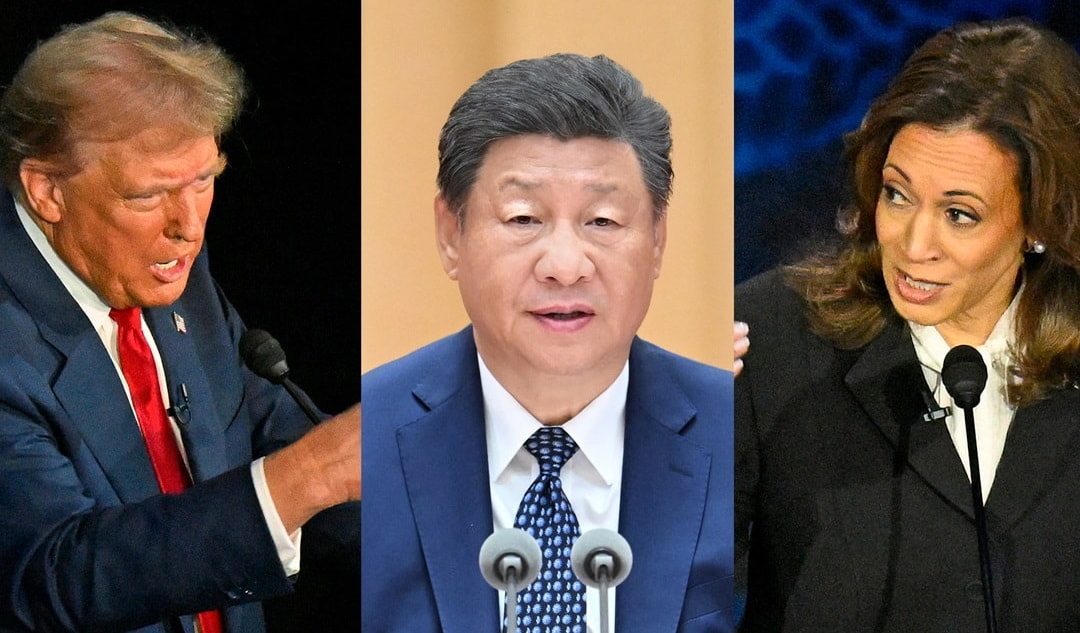
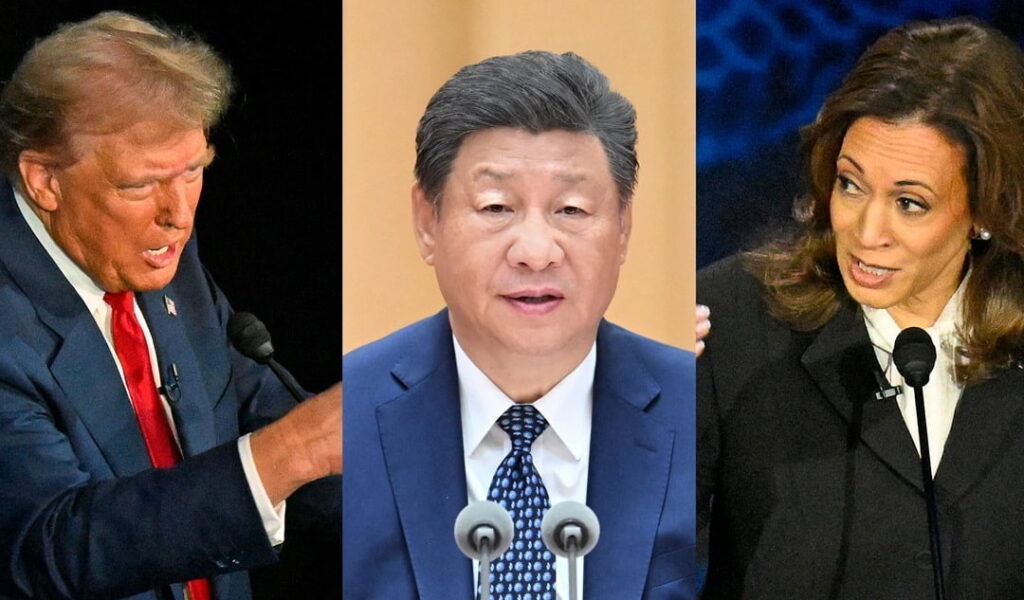
By Nitya Chakraborty How is China, the second largest economic and military power of the world after the United States is planning to confront the second term U.S. President Donald Trump’s resurgence disrupting the so long established global order to impose his total domination on international politics? Every political analyst is looking at the current […]

The UK government’s proposal to reform copyright law to accommodate artificial intelligence development has ignited a heated debate among creative professionals and industry leaders. The proposed changes aim to allow AI companies to utilize copyrighted works without prior permission from rights holders, provided that the creators do not explicitly opt out. This initiative seeks to position the UK as a leader in AI innovation by simplifying access […]

BANGKOK, THAILAND – Media OutReach Newswire – 5 March 2025 – vivo is boldly integrating art, technology, and social responsibility to redefine mobile photography and inspire creators. As part of its commitment to user-inspired innovation, vivo invited seven visionary photographers from different backgrounds to explore love’s boundless forms with the vivo V50. Their breathtaking results can be seen at the vivo VLOVE Portrait Gallery at Central World […]

China has set an ambitious economic growth target of approximately 5% for 2025, maintaining the same figure as the previous year, despite ongoing tensions with the United States in the form of a prolonged tariff war. This announcement comes at a time when both countries are embroiled in a cycle of escalating trade restrictions, and experts are closely watching the impact these developments will have on global economic stability.

The Chinese government’s decision to maintain its 5% growth target for 2025 is indicative of its continued focus on achieving steady economic expansion in the face of significant external challenges. The target is in line with that of 2024, as the country seeks to navigate its way through a complicated geopolitical landscape. Despite the slowdown in the global economy and intensifying trade disputes with Washington, the Chinese government is prioritising stability, especially as it prepares for its own domestic policy goals, including technological self-sufficiency and boosting domestic consumption.

In an attempt to strengthen its economic position, China has introduced retaliatory tariffs on key American imports, notably targeting agricultural products. These include 15% tariffs on chicken, wheat, corn, and cotton from the U.S., alongside a 10% levy on a broader range of agricultural commodities such as sorghum, soybeans, pork, beef, aquatic products, fruits, vegetables, and dairy products. This is a clear response to U.S. tariffs that have impacted Chinese industries, particularly in sectors such as electronics and consumer goods. The trade dispute, which has evolved over the years, now impacts critical supply chains, particularly in sectors where the U.S. and China have intertwined economies.

In parallel with the tariff increases, China has expanded its list of American companies subject to export controls. The Chinese Ministry of Commerce recently added 15 more American firms to its export control list, including drone manufacturer Skydio. This measure is aimed at restricting Chinese firms from providing dual-use technologies—equipment that can serve both civilian and military purposes—to these companies. The move is a direct response to U.S. actions, particularly those targeting Chinese firms like Huawei and TikTok in previous years. By limiting access to advanced technology, China seeks to ensure its technological independence, especially in areas of high strategic importance, such as artificial intelligence, semiconductors, and aerospace.

The trade war, which began under former President Donald Trump, has seen both countries impose tariffs on billions of dollars’ worth of goods. Although the Biden administration initially sought to soften the stance, tensions have reignited as both nations continue to use tariffs as a bargaining chip. The announcement of a 5% growth target comes as China faces several challenges, not only from the trade war but also from domestic economic pressures such as rising debt levels, a struggling property sector, and an aging population.

While the 5% growth target may appear conservative compared to China’s previous years of double-digit expansion, analysts argue that it reflects a more sustainable growth trajectory in the current global climate. The focus is now shifting towards quality growth, with an emphasis on high-tech industries, innovation, and green development. For the Chinese government, maintaining this growth rate is essential for ensuring social stability and reinforcing the Communist Party’s control over the country.

The U.S.-China trade war has led to significant disruptions in global markets, with both sides suffering economic consequences. For instance, the U.S. has seen its farmers and manufacturers experience difficulties due to China’s retaliatory tariffs. At the same time, Chinese companies have faced hurdles in securing advanced technology from U.S. suppliers. This has led to shifts in global supply chains, as companies increasingly seek to diversify their production away from China to avoid the risks posed by further trade escalation.

In response to these challenges, China has been actively exploring alternative markets. This includes strengthening its trade ties with countries in Asia, Africa, and Latin America, as well as making efforts to deepen its economic integration with the European Union. Furthermore, China has focused on boosting its domestic consumption, aiming to reduce its reliance on exports as a driver of growth. This approach has led to the expansion of industries such as electric vehicles and renewable energy, which are seen as crucial for the country’s long-term economic future.

Despite the economic headwinds, China’s leadership remains resolute in its plans to ensure economic growth through a mixture of policy tools. Measures such as infrastructure spending, financial support for key industries, and a continued push for technological advancements are central to these plans. The government’s ability to navigate through this tumultuous period will largely depend on its ability to manage both domestic challenges and international relations, particularly with the U.S.


Offering Both General and Life Insurance to Meet Customers’ Various Protection Needs HONG KONG SAR – Media OutReach Newswire – 5 March 2025 – PAO Bank Limited (“PAObank”) announced that it has been granted an Insurance Agency Licence from the Insurance Authority (“IA”) and has signed strategic partnership agreements with China Ping An Insurance (Hong Kong) Company Limited (“PAHK”) and FWD Hong Kong (“FWD”) respectively. PAObank is […]

Advertisements

Sharon AI, Inc., a high-performance computing company specializing in artificial intelligence and cloud GPU infrastructure, has partnered with New Era Helium, Inc., a helium exploration and production firm, to develop a 250-megawatt net-zero energy AI and high-performance computing data center in Ector County, Texas. The joint venture, Texas Critical Data Centers, LLC , has signed a letter of intent with GROW Odessa, an economic development corporation, to […]

A U.S. federal court has denied Elon Musk’s request for a preliminary injunction aimed at halting OpenAI’s transition into a for-profit entity. U.S. District Judge Yvonne Gonzalez Rogers ruled that Musk failed to meet the necessary criteria for such an injunction. OpenAI, initially established as a non-profit organization dedicated to advancing artificial intelligence for the benefit of humanity, has undergone significant structural changes in recent years. The […]

ByteDance, the parent company of TikTok, has initiated a new share buyback program for its U.S.-based employees, offering $189.90 per share. This marks an 11% increase from the previous buyback prices of $171 and $181 per share. The latest valuation positions ByteDance at approximately $315 billion, reflecting a significant recovery from its valuation dip in 2023.

The company’s robust balance sheet, bolstered by its expanding domestic and global operations, underpins this enhanced valuation. Despite facing potential U.S. bans over national security concerns, ByteDance continues to demonstrate financial strength. Congress passed legislation last year requiring ByteDance to divest TikTok by January 19, or face a ban in the United States. The enforcement of this ban was postponed for 75 days, allowing the company time to explore its options.

ByteDance’s consistent share buyback programs not only provide liquidity to its investors and early employees but also serve as a testament to its confidence in sustained growth. The company’s valuation trajectory has been noteworthy; in December 2023, a buyback offer valued ByteDance at $268 billion, and by November 2024, this figure had risen to $300 billion.

The company’s flagship product, TikTok, boasts a user base of 170 million Americans. Despite its popularity, TikTok has been under scrutiny due to national security concerns, leading to legislative actions aimed at curbing its operations in the U.S. ByteDance has been actively engaging with the U.S. administration to devise a plan that would allow TikTok to continue operating in the country.

In addition to its share buyback initiatives, ByteDance is making significant investments in artificial intelligence infrastructure. The company plans to spend over $12 billion on AI infrastructure in 2025, with approximately $5.5 billion allocated for acquiring AI chips in China, doubling its expenditure from the previous year. About 60% of these purchases will come from Chinese suppliers like Huawei and Cambricon, with the remainder from Nvidia, modified to comply with U.S. export controls. Furthermore, ByteDance plans to invest around $6.8 billion overseas to enhance its AI model training capabilities.

These strategic investments in AI are part of ByteDance’s efforts to bolster its technological capabilities and maintain a competitive edge in the rapidly evolving digital landscape. The company’s focus on AI aligns with industry trends, as rivals like Baidu, Alibaba, and Tencent also ramp up their AI initiatives.

However, ByteDance’s expansion and valuation growth are not without challenges. The company faces regulatory hurdles, particularly in the U.S., where concerns about data security and potential Chinese government influence have led to calls for stricter oversight or outright bans of TikTok. In response, ByteDance has filed a federal lawsuit against the proposed ban, arguing that it infringes on users’ free speech rights.

A massive security breach at Dubai-based cryptocurrency exchange Bybit has resulted in the theft of approximately $1.5 billion in Ethereum , marking one of the largest heists in the digital currency sector. The attack, attributed to North Korean hacking groups Lazarus and TraderTraitor, has raised significant concerns about cybersecurity within the cryptocurrency industry.

The Federal Bureau of Investigation has linked the theft to these North Korean-affiliated hackers, who reportedly utilized malware-infected cryptocurrency trading applications to infiltrate Bybit’s systems. This method allowed them to drain substantial amounts of Ethereum from the exchange’s reserves. The stolen funds are believed to be funneled into North Korea’s nuclear and missile programs, highlighting the geopolitical implications of such cybercrimes.

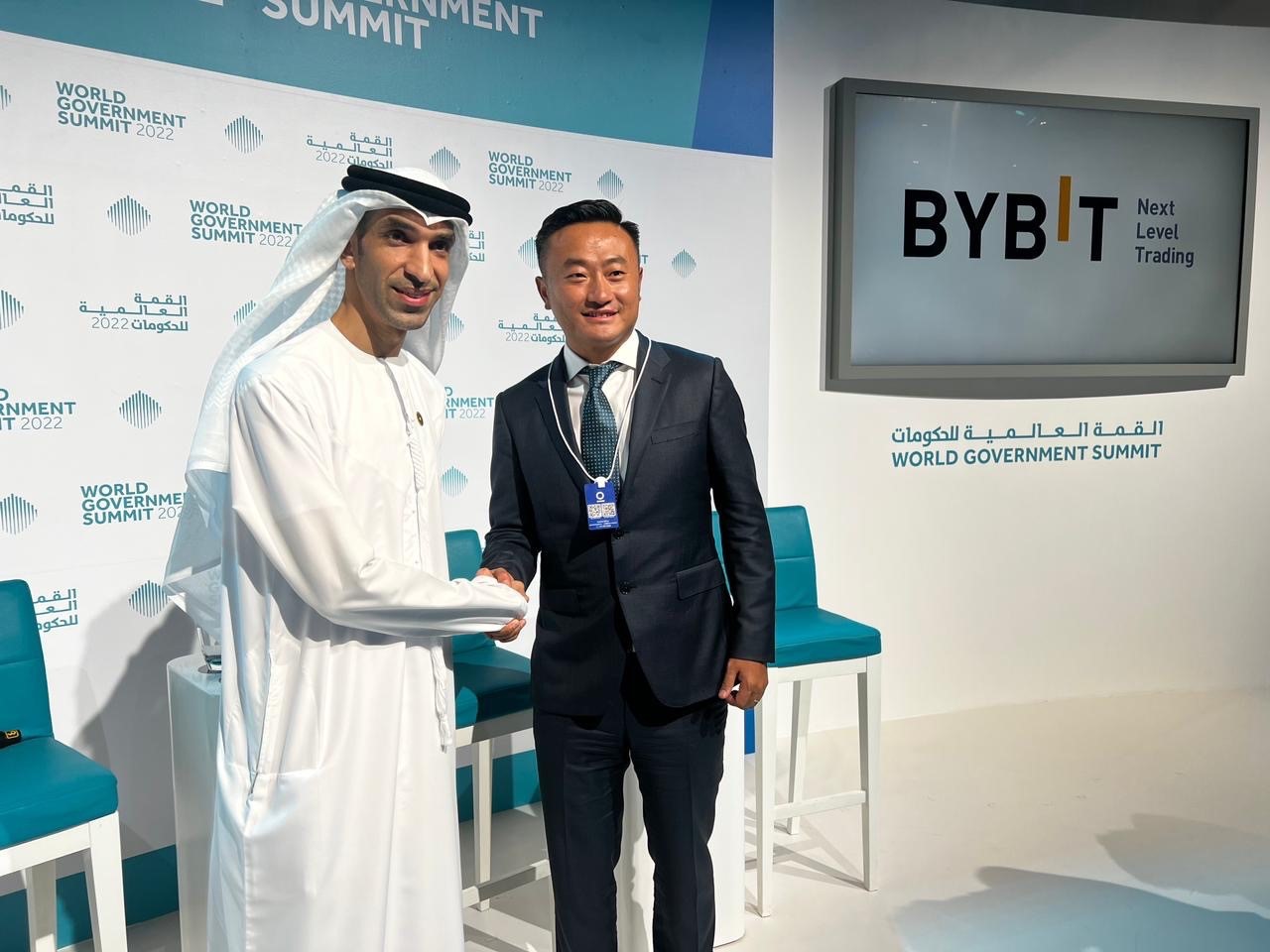
In response to the breach, Bybit’s CEO, Ben Zhou, announced that the exchange has fully restored its Ethereum reserves. The company secured approximately 446,870 ETH through strategic acquisitions and loans, ensuring that all client assets remain backed on a one-to-one basis. This swift action aims to maintain customer trust and stabilize the platform following the unprecedented hack.

The impact of the theft extended beyond Bybit, affecting the broader cryptocurrency market. Funding rates across various platforms experienced a decline, reflecting heightened uncertainty among investors. Ethereum’s price volatility increased as traders reacted to the news, with some large holders, or “whales,” expressing caution amid the fluctuating market conditions.

Despite the initial shock, there are signs of recovery within the market. Bybit’s replenishment of its Ethereum reserves has contributed to a gradual restoration of confidence among users and investors. Additionally, the exchange has launched a $140 million bounty program to incentivize information leading to the recovery of the stolen assets and the identification of the perpetrators.

The hackers have reportedly laundered approximately $335 million of the stolen funds, leaving around $900 million unaccounted for. This ongoing movement of assets poses challenges for authorities attempting to trace and recover the stolen cryptocurrency. The laundering process involves complex techniques, including transferring funds across multiple blockchains and utilizing mixing services to obscure the transaction trail.

Bybit has pledged to enhance its security protocols to prevent future breaches. The exchange is collaborating with international law enforcement agencies and cybersecurity firms to investigate the hack and mitigate potential risks. This incident underscores the critical need for robust security measures within the cryptocurrency industry, as exchanges remain prime targets for sophisticated cyberattacks.

The broader implications of the Bybit hack have prompted discussions about regulatory oversight and the responsibility of exchanges to protect user assets. As the digital currency market continues to evolve, ensuring the security of platforms and the integrity of transactions remains a paramount concern for both industry participants and regulators.

In the aftermath of the hack, Bybit conducted a comprehensive audit to verify the restoration of its reserves. The exchange plans to release an updated proof-of-reserves report, utilizing a Merkle tree structure to provide transparency and reassure clients of the platform’s solvency. This move aims to rebuild trust and demonstrate Bybit’s commitment to safeguarding user assets.

The cryptocurrency community has rallied in support of Bybit, with industry leaders emphasizing the importance of collective efforts to combat cyber threats. Collaborative initiatives are being explored to share threat intelligence and develop standardized security practices across exchanges. These efforts aim to fortify the industry’s defenses against increasingly sophisticated hacking groups.

While the Bybit hack serves as a stark reminder of the vulnerabilities within the cryptocurrency ecosystem, it also highlights the resilience of platforms and their ability to respond to crises. By swiftly restoring its reserves and implementing enhanced security measures, Bybit aims to turn this challenging episode into an opportunity to strengthen its operations and contribute to the overall security of the digital asset landscape.

OPPO is one of the first smartphone brands to implement Private Computing Cloud and has further integrated applications with Google Gemini so users can soon take action across OPPO apps in Gemini. During MWC2025, OPPO unveiled new AI features, including AI Call Translator and AI VoiceScribe, and has committed to releasing new AI updates roughly every month. OPPO plans to bring generative AI features to around 100 […]

Apple’s efforts to revolutionise its voice assistant, Siri, with advanced artificial intelligence capabilities have encountered notable setbacks. Internal sources indicate that a fully modernised, conversational version of Siri is now projected to debut with iOS 20, anticipated in 2027, marking a substantial delay from earlier plans.  The tech giant had initially aimed to integrate large language models into Siri, enhancing its ability to understand and process natural […]

The longstanding business model of India’s information technology industry is facing obsolescence due to the rapid advancements in artificial intelligence , according to industry leaders. At the recent Nasscom Technology and Leadership Forum in Mumbai, HCL Technologies’ CEO, C Vijayakumar, emphasized the urgency for IT companies to adopt a “paranoid” mindset to remain relevant and drive growth.

Vijayakumar highlighted that the traditional model, characterized by a linear scaling of revenues and personnel over the past three decades, is now ripe for disruption. He revealed that HCL has been challenging its teams to achieve double the revenue with half the workforce, leveraging AI-driven automation to enhance productivity. This approach underscores the necessity for the industry to rethink its operations in the face of AI’s transformative potential.

Echoing this sentiment, Infosys CEO Salil Parekh concurred on the need for vigilance to stay relevant in the evolving landscape. He noted that a significant portion of the industry operates on input-based models and stressed the importance of transitioning to output and platform-based services. Parekh emphasized that AI is a massive productivity development tool, bringing in new work that otherwise wouldn’t have been possible.

The rise of generative AI technologies, which can automate tasks such as code generation, has been identified as a significant factor disrupting current business models. Vijayakumar pointed out that AI’s impact is considerably different from past technological shifts like cloud computing and digitization, necessitating proactive measures including the creation of new revenue streams and business ventures. For instance, generative AI can greatly enhance productivity by accelerating project timelines, exemplified by a potential reduction of a billion-dollar, five-year tech program to three and a half years.

To mitigate dependency on external models and geopolitical risks, Vijayakumar advocated for Indian tech firms to invest in building their own language models, citing the decreasing costs of setting up training infrastructure. This move could offer a long-term competitive advantage as costs decrease. Infosys has already taken steps in this direction by launching an open-source responsible AI toolkit to enhance trust and transparency in AI, furthering its commitment to creating an inclusive AI ecosystem that ensures safety, security, privacy, and fairness.

TAIPEI, TAIWAN – Media OutReach Newswire – 3 March 2025 – The Asian Electronics Online Exhibition 2025 (ASIANTRONICS 2025) is set to redefine global sourcing and collaboration in the electronics sector. Running from March 3, 2025, to June 30, 2025, this hybrid event seamlessly integrates virtual and physical elements, providing an unparalleled platform for buyers to connect with top-tier Asian suppliers, manufacturers, and exporters. Jointly organized by […]

The United Arab Emirates has firmly established itself as a leading global investment destination, attracting substantial foreign direct investment inflows that have significantly bolstered its economic landscape. In 2023, the UAE’s FDI inflows surged by 34.97% to reach $30.69 billion, up from $22.74 billion in 2022, marking a notable increase in investor confidence and economic resilience. This remarkable growth positions the UAE as the second-largest recipient of […]

Chinese artificial intelligence startup DeepSeek has unveiled data suggesting its V3 and R1 models could achieve a theoretical daily cost-profit ratio of 545%. citeturn0news9 This revelation has significant implications for the AI industry, particularly concerning operational efficiencies and cost structures.

According to DeepSeek’s disclosure, the daily operational cost for these models amounts to $87,072. This figure is based on the rental expense of Nvidia’s H800 graphics processing units , priced at $2 per hour. In contrast, the models are projected to generate daily revenues of $562,027, leading to the stated 545% cost-profit ratio. citeturn0news9

However, DeepSeek has cautioned that actual revenues may be lower due to various factors, including different model costs, free access via web and app platforms, and reduced developer fees during off-peak hours. citeturn0news9

The company’s pricing strategy has been notably aggressive. DeepSeek recently announced discounts of up to 75% for developers during off-peak hours, specifically from 1630 GMT to 0030 GMT. This move aims to attract a broader developer base and challenge global competitors by offering more affordable integration options. citeturn0news10

Beijing has expressed support for DeepSeek’s advancements, emphasizing that the company seeks to complement, rather than compete directly with, U.S. AI giants like OpenAI and Google DeepMind. The Chinese embassy in Washington highlighted the collaborative potential of global AI developments, reflecting a preference for cooperation over competition. citeturn0news11

DeepSeek’s models have seen rapid adoption across various sectors in China, including hospitals, local governments, car manufacturers, and state-owned enterprises. This widespread integration is attributed to the models’ low deployment costs and the company’s open-source strategy, which have facilitated seamless adoption. Notably, endorsements from President Xi Jinping and major Chinese corporations like Tencent, BYD, and Great Wall Motor have further propelled DeepSeek’s prominence in the AI landscape. citeturn0news12

The company’s cost-efficient approach has raised questions about the high expenditure models prevalent among U.S. AI firms. DeepSeek’s ability to deliver competitive performance using less powerful and more affordable hardware challenges the existing paradigms of AI development and deployment costs.

Microsoft has officially announced the end of Skype’s era as the company shifts its focus towards Teams as its primary platform for video calling and communication. After 23 years of providing messaging, voice, and video calling services to millions globally, Skype will no longer be a key player in Microsoft’s communication strategy. This move underscores a broader trend in the tech industry where organisations are consolidating their […]

Abu Dhabi National Oil Company has formalised a 15-year sales and purchase agreement with Japan’s Osaka Gas, committing to supply up to 0.8 million tonnes per annum of liquefied natural gas from its Ruwais LNG project. This definitive contract transitions a prior heads-of-agreement into a binding commitment, marking the inaugural long-term LNG supply arrangement between the two corporations. The Ruwais LNG facility, currently under development in Al […]

A significant gathering of influential figures from the cryptocurrency and technology sectors will take place at the White House next week, marking a pivotal moment in the ongoing discussions around the future of digital currencies and artificial intelligence. U.S. President Donald Trump will join key stakeholders, including the nation’s Crypto and AI Czar, David Sacks, alongside prominent founders, CEOs, and investors.

The meeting comes as the U.S. government intensifies its efforts to define a clearer regulatory framework for cryptocurrency markets and artificial intelligence technologies. This roundtable aims to address critical issues surrounding the regulation of digital assets, the role of emerging technologies in the economy, and how the U.S. can maintain its competitive edge on the global stage.

David Sacks, appointed as the Crypto and AI Czar, will play a central role in leading the conversation. Known for his leadership in both the cryptocurrency and technology spaces, Sacks brings a wealth of experience from his work with major tech companies and his active involvement in crypto ventures. His insights into the intersection of digital assets and artificial intelligence are expected to shape the discourse during the session, where attendees will discuss the potential impact of AI on financial markets and the wider economy.

The roundtable also comes amid growing concerns over the security and integrity of cryptocurrency markets. Following the surge in digital currency trading, alongside the increasing adoption of blockchain technologies, the sector has faced a wave of scrutiny. Critics have raised questions about the potential for illicit activities, market manipulation, and investor protection. The White House meeting aims to establish a clear regulatory stance on these issues, with particular focus on ensuring the safe integration of crypto technologies within the broader financial ecosystem.

At the same time, artificial intelligence continues to raise both opportunities and concerns within the tech world. While AI presents significant benefits in fields ranging from healthcare to autonomous vehicles, its application within the cryptocurrency industry has sparked debates. Many believe that AI-driven systems could transform the way digital currencies are mined, traded, and secured, but they also fear that AI could be used to exploit market vulnerabilities. The White House gathering is set to delve into the risks and rewards of incorporating AI in crypto markets, seeking to strike a balance between innovation and regulatory oversight.

The presence of top industry leaders at the roundtable signals the growing recognition of the importance of dialogue between government and the private sector in addressing these complex challenges. With major players from Silicon Valley and the broader cryptocurrency industry involved, the meeting will offer a platform for high-level discussions aimed at aligning policy with the evolving landscape of digital finance.

President Trump’s participation underscores his administration’s commitment to engaging directly with the tech and crypto sectors to shape policies that will impact both domestic and international markets. The outcome of the discussions could have far-reaching consequences, setting the stage for future policy decisions that might influence everything from tax laws and securities regulations to international trade agreements.

As the U.S. seeks to position itself as a leader in both cryptocurrency and artificial intelligence, the White House is taking a proactive stance in shaping the regulatory environment. The administration’s focus on these emerging technologies reflects a broader global trend, as governments worldwide grapple with the implications of digital transformation. In Europe, regulators have already taken steps to impose stricter regulations on cryptocurrencies, while Asian markets continue to innovate in the blockchain and AI space. The outcome of the White House roundtable could help to inform similar policy frameworks across the globe.

Merger and acquisition activity in the Middle East and North Africa region experienced a significant uptick in 2024, with total deal value reaching $92.3 billion, a 7% increase from the previous year. The number of deals also rose by 3%, totaling 701 transactions compared to 679 in 2023. This growth has been largely attributed to substantial reforms in capital markets, strategic policy changes, and enhanced efforts to attract foreign investments.

The Gulf Cooperation Council countries were at the forefront of this surge, accounting for 580 deals worth $90 billion. Cross-border transactions played a pivotal role, representing 52% of the total deal volume and 74% of the overall value. Sovereign wealth funds such as the Abu Dhabi Investment Authority , Mubadala Investment Company from the United Arab Emirates , and the Public Investment Fund from Saudi Arabia were instrumental in driving this activity.

The UAE emerged as a key player, recording the region’s largest M&A deal of the year. Clayton Dubilier & Rice, Stone Point Capital, and Mubadala Investment announced the acquisition of Truist Insurance for $12.4 billion. Following closely, Saudi Aramco acquired a 22.5% stake in Rabigh Refining and Petrochemical Company from Japan’s Sumitomo Chemical for $8.9 billion. Additionally, a consortium comprising PAG, Mubadala, and ADIA acquired a 60% stake in China’s Zhuhai Wanda Commercial Management Group for $8.3 billion.

Outbound deals dominated the M&A landscape, contributing 61% of the total deal value with 199 transactions amounting to $56.6 billion. The MENA region continued to attract foreign direct investment, with 163 inbound deals valued at $11.4 billion, marking an 18% increase in volume and a 42% surge in value compared to 2023.

Sector-wise, technology and consumer products led in deal volume, each experiencing a 10% year-on-year increase. The United States stood out as the largest acquiring country outside the region, with 48 transactions totaling $4.6 billion.

The UAE maintained its position as a preferred investment destination, achieving the highest volume and value for inbound transactions. The country recorded 96 deals valued at $7.6 billion, representing 67% of the total deal value. The technology sector was particularly vibrant, with 35 deals driven by the nation’s focus on artificial intelligence, cybersecurity, and digital transformation. Notably, Microsoft’s $1.5 billion acquisition of Abu Dhabi’s Group 42 underscored the strengthening ties between the UAE and the United States.

Saudi Arabia also attracted significant investment, with the UAE and Saudi Arabia collectively reporting 318 deals valued at $29.6 billion. Both countries were among the top bidders in the MENA region, highlighting their active participation in the M&A landscape. In 2024, the United States was the favored target destination for MENA investors, with 41 deals amounting to $19.9 billion.

Domestic M&A activity saw an uptick, contributing 48% of the total deal volume with 339 deals, up from 333 in 2023. The combined disclosed value of domestic transactions stood at $24.4 billion. The technology and consumer products sectors attracted increased investor interest, fueled by digital transformation and evolving consumer behaviors, together accounting for 35% of the total domestic deal volume.

The oil and gas sector continued its upward trajectory, leading in disclosed deal value with $9 billion, representing 37% of the total domestic deal value. This was largely due to Saudi Aramco’s $8.9 billion acquisition of Rabigh Refining and Petrochemical Company.

Matein Khalid Had Warren Buffett, oracle of Omaha, been born North Indian, he would have summarized Wall Street’s temper tantrum since last Friday with his famous observation “only when the tide goes out do you discover who’s been swimming nanga punga (naked)”. When history’s most iconic value investor ran up $300 billion in cash, I knew that the tide had run out for this deliciously profitable but […]

Cryptocurrency exchange Bybit has secured in-principle approval from the United Arab Emirates’ Securities and Commodities Authority to establish a virtual asset platform within the country. This significant regulatory milestone positions Bybit closer to obtaining a full operational license, enabling the firm to offer a comprehensive range of digital asset services to both retail and institutional clients in the UAE.

The approval, dated 18 February 2025, arrives at a pivotal moment for Bybit. On 21 February, the exchange experienced a substantial security breach, resulting in the loss of approximately $1.4 billion in digital assets. The incident, among the largest in cryptocurrency history, occurred during a transfer between Bybit’s cold and hot wallets. Despite this setback, the SCA’s in-principle approval underscores confidence in Bybit’s commitment to regulatory compliance and operational resilience.

Ben Zhou, co-founder and CEO of Bybit, expressed gratitude for the SCA’s decision, stating, “We are honored to have received the in-principle approval from the SCA. This approval marks a crucial step in our journey to providing secure and transparent crypto trading solutions.” Zhou emphasized Bybit’s dedication to collaborating with regulators to foster a compliant and innovative digital asset ecosystem for investors in the UAE.

The UAE has been proactive in positioning itself as a global hub for cryptocurrency and blockchain innovation. Bybit’s regulatory progress aligns with the nation’s forward-thinking stance on digital assets, aiming to create a secure and compliant environment for trading activities. The SCA’s approval of Bybit is indicative of the UAE’s commitment to attracting reputable crypto platforms and fostering a robust digital economy.

In addition to its advancements in the UAE, Bybit is actively expanding its regulatory footprint worldwide. The exchange has secured approvals in several key markets, including India, Georgia, Kazakhstan, and Turkey. Notably, on 25 February 2025, Bybit announced its re-entry into the Indian market after successfully registering with the Financial Intelligence Unit . This move followed a temporary suspension due to compliance issues, during which Bybit paid a $1 million penalty for operating without proper registration. The exchange has since aligned with Indian regulatory standards, resuming full services for existing users and gradually onboarding new clients.

However, Bybit’s global expansion has not been without challenges. In late 2024, the exchange temporarily adjusted its operations within the European Economic Area to comply with the region’s Markets in Crypto-Assets regulations. This decision reflects Bybit’s commitment to adhering to varying regulatory landscapes and ensuring compliance across jurisdictions.

The recent security breach has also prompted scrutiny from regulatory bodies. In Japan, the Financial Services Agency has urged major app stores to delist Bybit and other unregistered crypto exchanges, citing concerns over unlicensed operations and potential risks to investors. This development highlights the importance of robust security measures and regulatory compliance as Bybit continues its global expansion.

In response to the security incident, Bybit has taken steps to mitigate the impact on its users. The exchange has replaced the stolen Ether to ensure that customer funds remain unaffected. This action demonstrates Bybit’s commitment to maintaining user trust and upholding the integrity of its platform.

The cryptocurrency market has been closely monitoring Bybit’s developments, especially in light of the recent security breach. Market analysts suggest that while the in-principle approval from the SCA is a positive development, Bybit’s ability to enhance its security infrastructure and navigate complex regulatory environments will be critical to its sustained growth and reputation.

In a significant advancement for the United Arab Emirates’ financial sector, Hubpay, a cross-border payments platform, has partnered with Aquanow, a leading digital asset infrastructure provider, to launch the nation’s first fully regulated cryptocurrency payment gateway tailored for businesses and small to medium-sized enterprises . This collaboration enables companies across various sectors—including real estate, manufacturing, and general trading—to securely accept cryptocurrency payments alongside traditional fiat transactions.

The introduction of this regulated crypto payment facility comes in the wake of the UAE Central Bank’s Payment Token Services Regulation , which was enacted on 6 July 2024. The PTSR establishes a comprehensive framework for digital payment services in the UAE, particularly those involving cryptocurrency ‘payment tokens’ or ‘stablecoins’. Under this regulation, entities offering payment token services must obtain appropriate licensing or registration from the Central Bank to operate within the country.

Aquanow, recognized for its comprehensive trading and payment solutions in the digital asset space, has been awarded a Virtual Asset Service Provider license by Dubai’s Virtual Assets Regulatory Authority . This license authorizes Aquanow to offer broker-dealer services, management and investment services, and lending and borrowing services related to virtual assets within the Emirate. The partnership with Hubpay leverages Aquanow’s licensed infrastructure to facilitate seamless and secure cryptocurrency transactions for businesses operating in the UAE.

The UAE has been proactive in positioning itself as a global hub for the cryptocurrency industry. Government-owned licensing firm KIKLABB in Mina Rashid, Dubai, now accepts cryptocurrency payments—including Bitcoin , Ethereum , and Tether —for various trade licenses and visas. Additionally, the Dubai Financial Services Authority has announced plans to develop a comprehensive crypto-regulatory framework, further solidifying the nation’s commitment to embracing digital assets.

VISHNU RAJA
RYO YAMADA
HITORI GOTOH
IKUYO KITA
Just in:
AI trust gap reveals distinct retail priorities: Divergent paths to consumer growth in Hong Kong and the GBA // Burying Head In “India Made Poverty Reduction” Data Is Dangerous // OpenAI identifies 948 Linux privilege escalation flaws using AI // APT29-linked campaign exploits outdated Apple and Android software // Hong Kong mandates crypto transaction disclosures to tax authorities // Asia Left Behind: Ten international companies have yet to report delivering on their cage-free egg pledges across the region // xCube Access Welcomes Entrust Capital Limited  Expanding Access to Professional Portfolio Management // U.S. Mid Term Result Is A Clear Verdict Against Trump’s Authoritarianism // Middle East governments assess Iran war after US vote // Meraas showcases five residential zones at Dubai Design Week // e-Crime Bureau Signs Cybersecurity Partnership With Smart Africa, Reinforcing Its Global Expansion // Fast Just Got Fastest: STING Energy Boost™ Celebrates Kimi Antonelli’s Formula 1® World Championship and the Fan Energy Behind It // Anthropic to prohibit persistent abuse of Claude chatbot // Ta’ziz finalises $1.39bn funding for Ruwais industrial facilities // Govt opposes Arlekar’s PSC action // Cloudflare unveils Zero Wire vulnerability intelligence service // CR Longdation Aethereal Cybersecurity × Global Cybersecurity Alliance (GCSA) Join Hands to Establish the “AI and Cybersecurity Research Centre” // UK air traffic outage inflicted £33m financial losses // Vance attributes Republican midterm defeats to Iran conflict // SC to examine students’ exam plea today //