News related to
intelligence

KUALA LUMPUR, MALAYSIA – Media OutReach Newswire – 11 November 2024 – AI has already made a profound impact on the financial markets. Its ability to predict trends, execute trades swiftly, and manage risk is transforming investment strategies at its core. Since it allows companies to provide enhanced user experience with improved accuracy and personalisation, businesses have started to adopt the tech and implement AI-based solutions. NVIDIA’s […]

Iceland’s reputation as a sustainable data hub is strengthening as atNorth, a Nordic high-performance computing and colocation provider, scales its Iceland operations in response to rising global demand for artificial intelligence (AI) and high-performance computing (HPC). Leveraging the country’s abundant geothermal and hydroelectric energy, atNorth is set to expand its infrastructure, which supports sectors from scientific research to advanced AI model training, by enhancing capacity at its […]

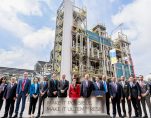
Qatar Development Bank (QDB) has formalized a strategic partnership with Qatar National Bank (QNB) Group, aimed at enhancing support for Qatari exporters. The agreement, structured as a memorandum of understanding (MoU), marks a significant step toward facilitating international trade for Qatari businesses. Under the terms of the MoU, the two entities will leverage their complementary strengths to provide tailored financial services, market access, and business solutions to exporters in Qatar.

QNB, recognized as the largest financial institution in the Middle East and Africa, brings extensive international reach and financial acumen to the partnership. Its expansive network and experience in delivering innovative financial products are expected to provide Qatari exporters with enhanced access to global markets. This partnership aligns with QDB’s continued efforts to support local businesses and foster economic growth in Qatar, particularly by expanding the reach of Qatari companies on the global stage.

The collaboration will focus on a range of key areas, including financing solutions, trade facilitation, and market expansion. QNB will provide export financing services, helping companies manage the financial aspects of their trade operations. This includes offering competitive rates and flexible terms that make it easier for Qatari businesses to engage in cross-border trade. The partnership also emphasizes access to advanced digital solutions, aimed at streamlining international transactions and improving the overall efficiency of trade processes.

The MoU comes at a time when Qatari businesses are increasingly looking to expand their presence in international markets, supported by the nation’s robust economic policies and strategic position as a key player in global trade. QDB has long been dedicated to fostering export growth and providing local companies with the necessary tools to navigate the complexities of international business. This agreement with QNB is a direct response to the growing need for accessible and efficient financial solutions that can facilitate this expansion.

With QNB’s established presence in over 31 countries, its role in offering cross-border financial services will be crucial in bridging the gap for Qatari exporters looking to enter new markets. The bank’s strong international footprint allows Qatari businesses to benefit from the expertise and infrastructure of a global financial institution. This enables them to mitigate risks and unlock opportunities in diverse markets, particularly in regions where trade relations are vital to Qatari economic interests.

QDB’s focus on supporting exporters is underscored by its strategic initiatives aimed at driving the non-hydrocarbon sectors of the economy, including manufacturing, technology, and services. Through its various financial programs, QDB has long played a key role in empowering Qatari businesses to diversify their export portfolios and enhance their competitive edge globally.

The partnership with QNB also reflects Qatar’s broader efforts to strengthen its position as a regional business hub, fostering an environment conducive to investment and international trade. By aligning with a leading financial institution like QNB, QDB is positioning itself to better serve the evolving needs of Qatari exporters in a rapidly changing global economic landscape.

In addition to financial solutions, the collaboration will also encompass a comprehensive suite of advisory services. QNB’s vast expertise in trade and export markets will provide Qatari exporters with insights into market trends, regulatory frameworks, and strategic business practices that can help them navigate challenges and identify new opportunities. This advisory role is particularly important for smaller and mid-sized businesses seeking to expand beyond local borders but lacking the necessary expertise to do so.

Both QDB and QNB have committed to jointly organizing workshops, training sessions, and seminars for exporters. These educational programs will cover various aspects of international trade, including best practices, digital transformation in trade finance, and sustainable export strategies. The goal is to equip Qatari businesses with the knowledge and resources needed to thrive in competitive global markets.

The MoU also highlights the growing importance of innovation in international trade. As businesses increasingly turn to digital platforms for trade transactions, both QDB and QNB are keen to support the digitalization of Qatar’s export sector. This includes the implementation of blockchain technology, artificial intelligence, and other digital tools that are revolutionizing the global trade landscape.

Through this partnership, QDB and QNB are not only enhancing the global competitiveness of Qatari exporters but also contributing to the broader objectives of Qatar’s National Vision 2030. This ambitious blueprint for the country’s development emphasizes economic diversification, the growth of the private sector, and the fostering of international partnerships to drive sustainable economic progress. By investing in the export sector, the QDB-QNB partnership aligns with these long-term goals, helping Qatar position itself as a leading trade and investment hub in the region.

Both entities have expressed their commitment to continuously evolving the terms of their partnership to meet the dynamic needs of the export sector. This includes adapting to new global trade dynamics, shifts in consumer demand, and the increasingly important role of sustainability in international business practices.

While the immediate benefits of the partnership are focused on providing financial solutions and expertise to exporters, the long-term impact is expected to be even more transformative. The collaboration could set the stage for further international partnerships that extend beyond the financial sector, opening doors for Qatari businesses to explore new markets, form alliances, and participate in global supply chains.


The Nasdaq 100 Index surged to a record high, bolstered by significant gains in megacap technology stocks following the US presidential election. This marks the index’s first new peak since July, as investor optimism around the political outcome combined with robust performances from major tech players helped fuel market momentum.

On the day following the election, the Nasdaq 100 surged by 2.7%, an impressive jump that extended its gains for the year. The rise comes on the back of a broader rally in tech stocks, a sector that has seen consistent growth in 2024. Among the leaders were companies like Apple, Microsoft, Amazon, and Alphabet, all of which have played a pivotal role in propelling the Nasdaq 100 to this milestone. The performance of these companies, coupled with a favorable market environment, suggests that the growth trend in big tech could continue into the near future.

The post-election optimism appears to have resonated across the broader tech sector, where investors are betting on the continued dominance of leading companies. With the political uncertainty following the election largely resolved, the focus has shifted back to the strong earnings reports and growth potential from these firms. These companies are not only capitalizing on existing trends like artificial intelligence and cloud computing but also making strategic investments in new technologies, which investors believe will continue to drive future growth.

While the Nasdaq 100 has experienced significant growth, its recent rally underscores the broader shift in market sentiment. The favorable political landscape, paired with a stable economic outlook, has resulted in a more risk-on environment, with tech stocks once again becoming the focal point for investors. The rally also highlights a growing divergence in the market, with big tech stocks significantly outperforming other sectors, such as energy and industrials.

As of now, the outlook for tech remains positive, with analysts noting that the fundamentals of many leading companies remain strong. The increasing adoption of AI technologies, for instance, has been a key driver of growth, with companies in the tech space expanding their product lines and services to meet the growing demand. This trend has been reflected in the strong earnings growth of companies like Nvidia, which has seen its stock price soar as a result of its leadership in AI chip development.

However, concerns about valuation levels persist. While the Nasdaq 100’s climb is impressive, some analysts caution that the continued rise of these tech stocks could signal overvaluation, particularly in a market where growth expectations are already high. Despite this, the current market conditions, including low interest rates and strong consumer demand, provide a favorable backdrop for tech stocks to continue their upward trajectory.

The performance of the Nasdaq 100 is also a reflection of broader investor sentiment toward the US economy. With consumer spending remaining resilient and inflation pressures easing, the outlook for the US economy seems more optimistic than it has been in previous years. This has provided investors with confidence that the strong performance in tech stocks will continue, despite any potential headwinds that may emerge in the broader market.

Global trends, such as the ongoing digital transformation in various industries, are also contributing to the bullish sentiment surrounding tech stocks. Companies that have successfully adapted to the evolving landscape, especially in areas like AI, 5G, and automation, are being rewarded by the market. The increasing reliance on technology in both consumer and enterprise sectors suggests that the demand for innovative solutions will remain robust, further supporting the growth trajectory of these companies.

SINGAPORE – Media OutReach Newswire – 8 November 2024 – The 2024 Singapore FinTech Festival took place from November 6 to 8 at the Singapore Expo, gathering central banks, regulatory authorities, industry leaders, entrepreneurs, investors, and innovators from around the world to discuss how to shape the future of the global financial ecosystem through coordinated regulation, innovation, and technology, with a focus on the potential of artificial […]

Unveiling The Future of Communication: AI-Powered, People-Centric, and Hyper-personalised SINGAPORE – Media OutReach Newswire – 8 November 2024 – Live Group has officially launched Envoku, an innovative platform that leverages artificial intelligence to revolutionise communication, engagement, and inclusivity across events, workplaces, and customer interactions. With a people-first approach, Envoku bridges gaps between diverse audiences, providing hyper-personalised experiences that foster deeper connections and engagement. In a world where […]

Dubai has secured the top position among Middle Eastern and North African cities in the 2024 Global City Index, outperforming other regional hubs in several key metrics including economic activity, global connectivity, and infrastructure. The ranking highlights Dubai’s increasing prominence as a center for commerce, tourism, and innovation, a status bolstered by its advanced digital infrastructure and its appeal to global investors. The Global City Index, an […]

Advertisements

HOHHOT, CHINA – Media OutReach Newswire – 7 November 2024 – In Q4 2024, the World Economic Forum (WEF) announced its latest group of “Lighthouse Network,” with Mengniu Group’s cutting-edge facility – Mengniu Ningxia Factory, being honored as a “Lighthouse Network.” This achievement marks a significant milestone as the first in China’s dairy industry and the world’s inaugural liquid milk factory to receive this prestigious designation. Fully […]

The facility caters to high-tech end-user industries, such as Aerospace, Healthcare, 5G, Artificial Intelligence (AI) and Electric Vehicles (EV) SINGAPORE – Media OutReach Newswire – 7 November 2024 – SABIC, a global diversified chemicals company, today announced the official launch of its new US$170 (S$220) million ULTEM™ resin manufacturing facility in Singapore, marking the company’s first advanced specialty chemical manufacturing facility in the region producing the high-performance […]

Strengthening Ties in Innovation and Investment with the Middle East HONG KONG SAR – Media OutReach Newswire – 6 November 2024 – At the Future Investment Initiative Institute 8th Edition (FII8), held from 29th October to 31st October in Riyadh, Saudi Arabia, the Hong Kong Science and Technology Parks Corporation (HKSTP) made significant strides in bridging Hong Kong and the Middle East’s innovation and technology (I&T) ecosystems […]

The UAE has unveiled its long-term National Investment Strategy 2031, aiming to attract and retain investments that will fortify the country’s economic diversification and accelerate its status as a global hub for business. The strategy is poised to reshape the investment landscape, focusing on key sectors including advanced technology, renewable energy, healthcare, and financial services.

The UAE’s leadership emphasized that the strategy is a pivotal element of the country’s broader economic transformation plan, building on its recent successes in establishing itself as a leading center for trade, technology, and innovation. As part of the strategy’s goals, the country is looking to increase the volume of foreign direct investment (FDI), enhance local businesses, and promote the integration of sustainable economic practices across industries.

Underpinning this ambitious strategy is the objective to improve the UAE’s competitive position in the global market by tapping into sectors of emerging global importance. This approach is intended not only to attract new investments but also to foster innovation that will drive growth across both traditional and non-traditional sectors. By 2031, the UAE aims to position itself as a key player in the global knowledge economy, with sustainable and cutting-edge technologies leading the charge.

One of the most critical components of the strategy is a comprehensive focus on advanced industries, particularly those that integrate artificial intelligence (AI), data science, and renewable energy technologies. In line with global trends, the UAE is seeking to capitalize on the opportunities brought about by climate change adaptation and green technologies. By investing in renewable energy projects, including solar and nuclear power, the nation is positioning itself to become a leader in sustainable energy solutions while contributing to global climate goals.

Another key feature of the strategy is its emphasis on strengthening the healthcare sector. As the world faces growing challenges related to aging populations and pandemics, the UAE is investing in health technologies that promise to not only improve the quality of healthcare services but also reduce costs and enhance healthcare delivery. This includes advancements in medical research, biotechnology, and digital health technologies, all aimed at improving efficiency and accessibility in the health sector.

A focal point of the UAE’s National Investment Strategy is also its effort to encourage the expansion of the financial services industry, particularly focusing on fintech innovations. By tapping into emerging trends such as blockchain, digital currencies, and decentralized finance, the UAE seeks to redefine its financial ecosystem, making it more agile and globally competitive. This is part of a broader initiative to attract a new generation of entrepreneurs and investors, particularly those in the tech and financial sectors.

The strategy also acknowledges the importance of a flexible and attractive regulatory framework for investors. The UAE plans to introduce measures that further ease the process of setting up businesses, reducing bureaucratic hurdles, and promoting an environment conducive to innovation. These steps include improvements in intellectual property laws, enhancing access to venture capital, and increasing transparency within the market. In this context, the UAE’s government is also aiming to make significant strides in digitizing the business registration process and enhancing the speed and efficiency with which new enterprises can operate.

The announcement of the National Investment Strategy 2031 comes at a time when the UAE is already seeing notable investments flowing into its economy. The UAE government has actively pursued bilateral investment agreements with countries across the globe, resulting in increased foreign capital inflows. The goal is to build on this momentum and ensure that the country remains an attractive proposition for investors and entrepreneurs seeking a stable and profitable business environment.

The strategy also aligns with the UAE’s Vision 2030, which places heavy emphasis on sustainability and economic diversification. It seeks to reduce the country’s reliance on oil exports and move towards a more knowledge-based economy. This vision aims to diversify revenue streams while fostering innovation and ensuring a more resilient economy in the face of global economic fluctuations. To support this transition, the UAE has been progressively creating a conducive ecosystem for high-tech industries, incorporating digital and green solutions into its infrastructure projects, and providing substantial incentives for businesses engaged in sustainability.

At the heart of the National Investment Strategy is the creation of new partnerships with global technology companies, investors, and academic institutions. These collaborations are expected to drive research and development activities, particularly in sectors that focus on sustainability, health, and innovation. Such partnerships are intended to propel the country’s efforts in creating a vibrant innovation ecosystem, fostering an environment where groundbreaking ideas can thrive and scale up quickly.

The strategy’s success will be closely tied to its ability to leverage the UAE’s geopolitical position as a bridge between East and West. Positioned at the crossroads of Europe, Asia, and Africa, the UAE has long served as a gateway for international trade, investment, and commerce. This strategic location, combined with its advanced infrastructure and growing talent pool, will help the UAE remain a prominent player on the global investment map.

The UAE has unveiled a bold new plan aimed at significantly increasing foreign direct investment (FDI) inflows to the country. By 2031, the government aims to attract Dh1.3 trillion in FDI, marking a major leap in the nation’s economic diversification efforts. This new strategy is part of a broader push to solidify the UAE’s position as a global business hub, leveraging its strategic location, business-friendly policies, and […]

EDGE Group, a key player in the UAE’s defense and advanced technology sector, has entered into a strategic partnership with Italian shipbuilding giant Fincantieri to develop next-generation underwater solutions. This collaboration, announced in a series of formal statements, seeks to combine the strengths of both companies to advance the development of cutting-edge maritime technology. The joint venture is expected to significantly bolster both nations’ defense capabilities and […]

Abu Dhabi National Oil Company (Adnoc) has signed a landmark agreement worth $920 million to enhance its artificial intelligence (AI) initiatives across an extensive network of 2,000 oil wells. This strategic move is aimed at modernizing operations and optimizing production efficiencies as the oil and gas industry increasingly embraces technological advancements.

This significant investment is part of Adnoc’s broader strategy to integrate cutting-edge technologies into its operations, positioning the company as a leader in the region’s energy sector. By harnessing the power of AI, Adnoc plans to improve data analysis, predictive maintenance, and resource management, ultimately driving cost efficiencies and maximizing output.

AI technology has gained traction within the oil and gas industry, transforming how companies approach exploration, production, and maintenance. By implementing AI-driven analytics, operators can identify patterns in production data, predict equipment failures, and optimize drilling processes. Adnoc’s expansion of its AI program is expected to yield substantial improvements in well performance, potentially increasing production rates while reducing operational costs.

The expansion involves deploying advanced algorithms and machine learning models designed to process vast amounts of data generated by oil wells. This technology will enable real-time monitoring and decision-making, allowing Adnoc to respond swiftly to any anomalies or operational challenges. The integration of AI into the company’s workflows is set to enhance safety protocols and reduce the environmental impact of drilling activities.

This investment aligns with the United Arab Emirates’ vision to diversify its economy and reduce reliance on oil revenues. By adopting innovative technologies, Adnoc aims to improve its operational efficiency while contributing to the sustainability goals set forth by the UAE government. The move is expected to position Adnoc at the forefront of the global energy transition, demonstrating its commitment to sustainable practices.

Industry experts recognize the potential of AI in reshaping the oil and gas landscape. Analysts highlight that companies leveraging AI can achieve significant competitive advantages by optimizing production processes and enhancing decision-making capabilities. As a result, firms that embrace AI technologies are better equipped to navigate market fluctuations and operational challenges.

Adnoc’s focus on AI is part of a broader trend observed across the global energy sector, where firms are increasingly investing in digital transformation initiatives. Companies are deploying AI solutions to analyze seismic data, streamline supply chain operations, and improve asset management. This shift reflects a recognition that advanced technologies are essential for maintaining competitiveness in an evolving market.

The financial commitment to the AI program signals Adnoc’s confidence in the long-term viability of oil and gas operations, even amid pressures to transition towards renewable energy sources. The company has been actively exploring new business models and investment opportunities, including renewable energy projects and carbon capture technologies, which complement its traditional oil and gas portfolio.

As part of the agreement, Adnoc plans to collaborate with technology partners and academic institutions to advance its AI capabilities further. This collaborative approach will allow the company to tap into cutting-edge research and innovations, ensuring that its AI program remains at the forefront of industry developments. By fostering partnerships, Adnoc aims to create a robust ecosystem for technological advancement, driving efficiency and sustainability across its operations.

The agreement is also expected to generate significant economic benefits for the UAE, supporting job creation and skills development in the technology sector. By investing in AI and related technologies, Adnoc is likely to enhance its workforce capabilities, ensuring that employees are equipped with the necessary skills to operate advanced systems. This investment in human capital aligns with the UAE’s broader goals of fostering innovation and developing a skilled workforce.

In addition to operational improvements, the AI initiative has the potential to enhance Adnoc’s reputation as a forward-thinking company committed to innovation and sustainability. As the global energy landscape shifts towards greater environmental accountability, companies that prioritize technological advancements will likely be better positioned to meet regulatory expectations and societal demands.

The adoption of Central Bank Digital Currencies (CBDCs) in the UAE is fostering closer collaboration between financial institutions and FinTech companies, marking a transformative shift in the country’s financial landscape. In response to the rapid advancement of digital currencies, the UAE government and its financial regulators have emphasized the importance of integrating CBDCs into the nation’s economy. This development is shaping the future of financial transactions and reshaping the relationship between traditional banks and emerging FinTech players.

The UAE’s Central Bank has been at the forefront of digital currency discussions, focusing on exploring a digital dirham, which could enhance the country’s financial infrastructure. The initiative, as part of a broader effort to modernize the financial system, is seen as a strategic move to diversify the nation’s economy, reduce its reliance on oil, and boost its global competitiveness. Banks are now working closely with FinTech firms to understand and integrate CBDCs, aligning with the government’s vision of becoming a hub for digital finance innovation.

One of the driving forces behind this collaboration is the need to create a more efficient and secure payment system. CBDCs, unlike cryptocurrencies, are state-backed and carry the guarantee of the central bank. This makes them an attractive proposition for banks, which are seeking to improve their payment systems while staying ahead of the competition in a rapidly digitizing market. For FinTech companies, the introduction of CBDCs offers a unique opportunity to expand their services, leveraging blockchain technology and other digital tools to enhance financial inclusion and streamline transactions.

Among the key players in this space are traditional banks such as Emirates NBD, First Abu Dhabi Bank (FAB), and Mashreq Bank, which are increasingly working with technology providers and startups to develop CBDC solutions. These banks are testing various use cases for digital currencies, including faster cross-border payments, improved customer experiences, and more secure digital wallets. By collaborating with FinTech firms, these banks aim to bridge the gap between traditional banking services and the fast-evolving digital economy.

FinTech companies, on the other hand, are seizing this moment to expand their footprint in the UAE’s financial sector. Many have already established partnerships with banks to develop CBDC platforms that are more agile and adaptable to user needs. These firms are leveraging their expertise in areas like digital payments, cybersecurity, and blockchain to build innovative solutions that can seamlessly integrate with the UAE’s financial ecosystem. As digital currencies become more mainstream, these partnerships between banks and FinTech firms are expected to accelerate, leading to the rapid development of CBDC infrastructures.

One notable collaboration between traditional banks and FinTech firms is the establishment of new payment systems, which will enable faster, more secure transactions. For instance, several financial institutions are exploring the use of blockchain technology to create a more efficient digital payment infrastructure. Blockchain’s decentralized nature offers enhanced security, transparency, and reduced transaction fees—features that are appealing to both banks and consumers.

The UAE’s regulatory environment plays a crucial role in facilitating these partnerships. The Central Bank has been proactive in introducing regulations that support the development of digital currencies while ensuring financial stability. In 2024, the Central Bank announced that it would begin testing a digital dirham, focusing on its integration with existing financial systems. The success of these trials could lead to the widespread adoption of CBDCs, which could further enhance the UAE’s position as a regional leader in digital finance.

The UAE’s ongoing push towards financial innovation is supported by the Dubai International Financial Centre (DIFC), which serves as a hub for global FinTech companies. The DIFC has established itself as a key player in attracting investment in digital finance and supporting the development of blockchain-based solutions. The centre’s efforts are complemented by the UAE’s broader ambition to integrate artificial intelligence (AI) and blockchain into financial services, further driving the collaboration between banks and FinTech firms.

Despite the promise that CBDCs hold, there are still challenges to overcome. Security concerns, the risk of cyber-attacks, and regulatory uncertainties remain top of mind for both banks and FinTech companies. To address these issues, collaboration between financial institutions, technology providers, and regulators will be critical. As these stakeholders continue to work together, they will need to develop robust cybersecurity frameworks and ensure that the legal and regulatory frameworks are agile enough to accommodate the rapid pace of digital innovation.

Another challenge is the need for public awareness and education. While the benefits of CBDCs are widely recognized within the financial industry, consumer adoption remains a key hurdle. Banks and FinTech companies are tasked with educating their customers about the advantages of digital currencies, including faster transaction times, lower fees, and greater financial inclusion. The success of CBDC integration depends not only on the technological and regulatory landscape but also on how well these digital currencies are received by the public.

ADNOC, Masdar, and Microsoft are joining forces to spearhead initiatives that fuse artificial intelligence with low-carbon technology, aiming to accelerate the energy sector’s transition to a more sustainable and efficient future. The collaboration among the three companies focuses on the application of advanced technologies to reduce carbon emissions and drive the development of cleaner, smarter energy solutions across the globe. At the core of the partnership lies […]

Lumen Technologies has entered a significant partnership with Amazon Web Services (AWS) to transform its network capabilities and boost cloud infrastructure. This collaboration is set to bring advanced artificial intelligence (AI) and machine learning (ML) technologies into Lumen’s network services, aiming to optimize data transfer speeds, strengthen security measures, and enhance overall cloud connectivity across the United States. As part of this partnership, Lumen will leverage AWS’s […]

AC Milan has embarked on a transformative partnership with Pure Storage to significantly upgrade its digital and data management capabilities, impacting both fan engagement and player performance. This collaboration is enhancing the club’s digital outreach and enabling data-driven insights, particularly through the integration of artificial intelligence (AI) for sports analytics and improved fan content delivery. Through Pure Storage’s platform, AC Milan has managed to increase the speed […]

Unity Technologies, the well-known platform for creating and operating interactive, real-time 3D content, has appointed Alex Blum as its new Chief Operating Officer. This strategic move aims to bolster Unity’s operational capabilities and enhance its leadership in the competitive landscape of gaming and augmented reality development. Blum joins Unity following a successful tenure as the Chief Financial Officer at DigitalOcean, where he was instrumental in guiding the […]

A new open-source code editor named Zed is gaining traction in the developer community, touted for its performance and features rooted in modern programming practices. Developed by the same team that created the now-defunct Atom editor, Zed aims to provide a seamless coding experience that integrates artificial intelligence with a Rust-based architecture. This innovative approach positions Zed as a next-generation tool, appealing to developers looking for enhanced […]

Verax AI has successfully completed a seed funding round, amassing $7.6 million to enhance its enterprise AI solutions aimed at promoting transparency and control. This funding round, which has attracted significant attention in the tech industry, was spearheaded by TQ Ventures, with participation from Concept Ventures, Cardumen Capital, Seedcamp, InMotion Ventures, and XTX Ventures. The investment reflects the growing demand for reliable and transparent AI technologies as […]

Rackspace Technology has formalized a multi-year Strategic Collaboration Agreement (SCA) with Amazon Web Services (AWS), marking a significant expansion of their partnership. This agreement aims to enhance Rackspace’s ability to deliver a comprehensive suite of cloud services, including hybrid and multicloud solutions, as well as artificial intelligence capabilities to its clients. As enterprises increasingly pivot toward cloud-based infrastructures, this collaboration positions Rackspace to play a pivotal role […]

Establishing itself as a premier destination for cybersecurity innovation, the UAE has become a thriving hub for startups focused on securing digital assets. This surge in activity is fueled by the government’s commitment to enhancing national cybersecurity and supporting entrepreneurial ventures within this critical sector. The UAE Cybersecurity Council is pivotal in fostering this ecosystem, launching programs such as CyberE71, aimed at incubating promising cybersecurity startups. This […]

Dubai’s Crown Prince, Sheikh Hamdan bin Mohammed bin Rashid Al Maktoum, has assessed the Roads and Transport Authority’s (RTA) ambitious infrastructure plan, which encompasses an investment of approximately $4.35 billion for the years 2024 to 2027. This extensive project aims to enhance road networks across the emirate, reflecting the ongoing commitment to improving transportation infrastructure in alignment with Dubai’s strategic vision for growth and sustainability. During a […]

VISHNU RAJA
RYO YAMADA
HITORI GOTOH
IKUYO KITA