News related to
intelligence

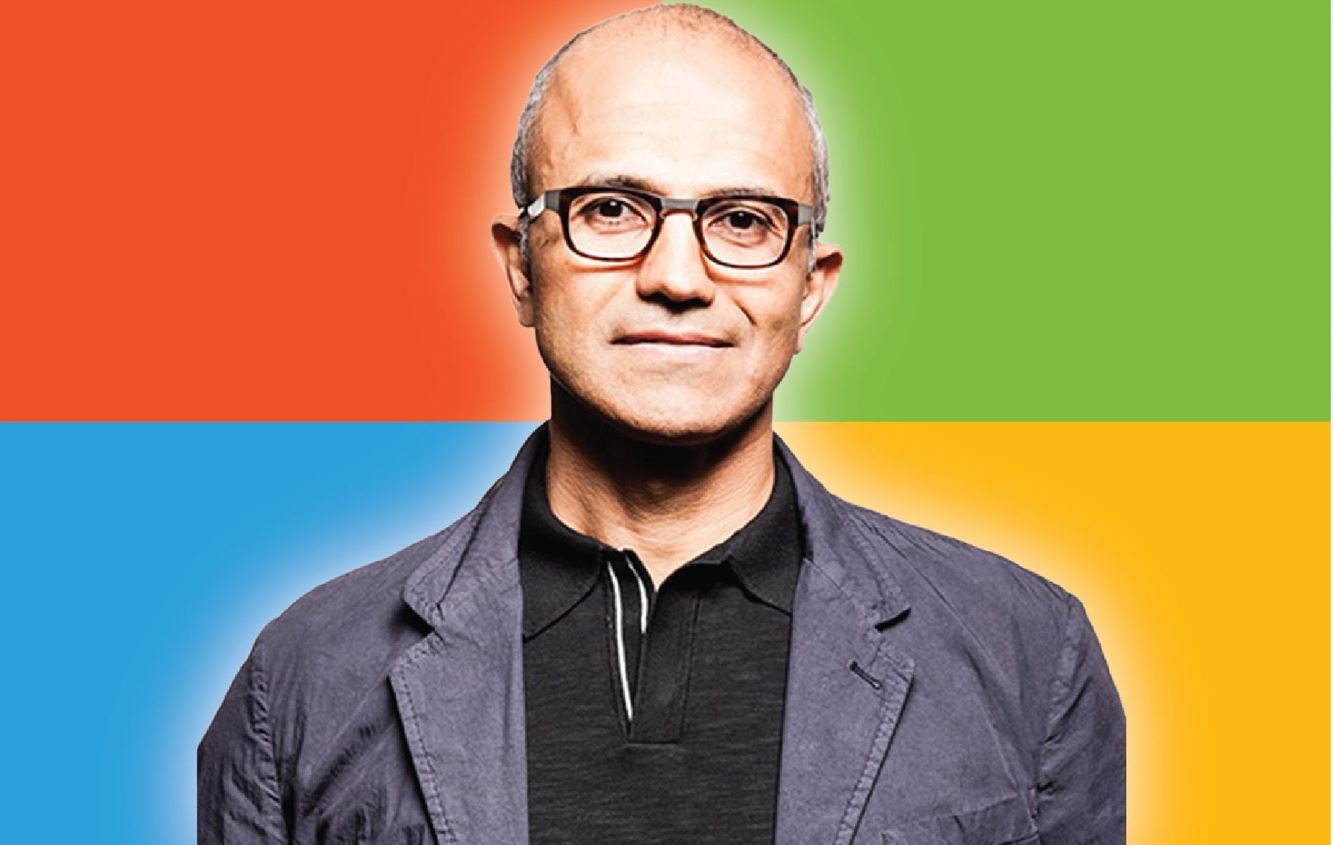
By K Raveendran Microsoft’s deepening engagement with India is both a strategic imperative and a reflection of its renewed focus on emerging technologies under the leadership of Satya Nadella. Nadella’s connection to India goes beyond his heritage; his initiatives underscore a profound appreciation for the country’s pivotal role in shaping the future of technology. As […]

NCKUH embraces digitization, revolutionizing patient care through technology TAIPEI, TAIWAN – Media OutReach Newswire – 8 January 2025 – Smart hospitals are at the forefront of a global transformation in healthcare, integrating advanced technologies to improve patient outcomes, enhance operational efficiency, and reduce costs. By leveraging innovations such as artificial intelligence, wearable devices, telehealth services, and big data analytics, smart hospitals are addressing critical challenges in the […]

SINGAPORE – Media OutReach Newswire – 8 January 2025 – More than 340 young scientists[1] will have a rare chance to engage with leading experts in science and technology from around the world at the Global Young Scientists Summit (GYSS) 2025. The Summit has drawn participants from 49 countries, a 40 per cent increase from 2024[2], marking the highest number in the past five years and reflecting […]

HONG KONG SAR – Media OutReach Newswire – 10 January 2025 – Today, IX Asia Indexes announced the 2nd Half 2024 Review of the IX Digital Asset Industry Classification System (“DAICS®“), aiming to provide the professionals worldwide with a transparent and standardized classification scheme to determine sector and exposure of particular digital assets. DAICS® classifies digital assets into 2 main categories: a) Cryptocurrencies and b) Asset Backed […]

Bank Alfalah has secured a strategic investment in Jingle Pay, a prominent UAE-based fintech company, marking a significant step in its pursuit of growth in the digital financial sector. The acquisition comes amid an ongoing trend of traditional financial institutions increasingly eyeing fintech ventures as a means of broadening their service offerings in the region.

Jingle Pay, which has gained considerable traction with its innovative solutions in digital payments, is expected to benefit from the partnership by leveraging Bank Alfalah’s extensive network and resources. The deal signifies a pivotal moment for both entities, with Bank Alfalah positioning itself as a key player in the UAE’s fast-evolving digital payments landscape.

The strategic move is part of a broader strategy by Bank Alfalah to capitalize on the rapid growth of fintech in the Gulf Cooperation Council (GCC) countries, driven by rising demand for mobile banking services, peer-to-peer transactions, and other digital finance solutions. The deal will not only strengthen Bank Alfalah’s footprint in the UAE market but also enable Jingle Pay to scale its offerings to a larger customer base across the region.

Industry analysts see this as a critical partnership that underscores the increasing convergence between traditional banks and fintech startups. The global rise of digital payments, coupled with a shift in consumer preferences toward cashless transactions, has created fertile ground for such collaborations. As consumers embrace digital wallets and online payment systems, financial institutions are moving quickly to incorporate such technologies into their service offerings.

The UAE’s fintech ecosystem has become a focal point for global investors, spurred on by a favorable regulatory environment, including initiatives like the Dubai International Financial Centre’s (DIFC) fintech hub. The country’s commitment to fostering innovation and digital transformation in financial services is reflected in its rapid adoption of technologies such as blockchain, artificial intelligence, and machine learning, which are revolutionizing financial services.

Bank Alfalah, one of Pakistan’s largest private banks, has been diversifying its portfolio with a focus on tech-driven financial products. Its move into fintech partnerships aligns with its goal of offering enhanced financial solutions to both individual consumers and businesses in the GCC region. The strategic acquisition of a stake in Jingle Pay enhances its ability to deliver next-generation payment systems, addressing the growing demand for seamless and secure payment methods.

Jingle Pay, which offers both individual and corporate clients a wide array of financial services including mobile wallet solutions and bill payment facilities, is well-positioned to benefit from this infusion of capital and expertise. With the backing of Bank Alfalah, the company plans to accelerate its expansion and continue innovating in the fast-paced fintech space. Jingle Pay’s growth trajectory will also be boosted by its ability to tap into Bank Alfalah’s robust infrastructure, which includes a vast network of ATMs, branches, and financial products, giving the fintech company access to a broader spectrum of potential clients.

This partnership could also set a precedent for further consolidation in the fintech sector as larger financial institutions continue to seek out emerging players in the digital payments space. As more banks embrace digital transformation, the line between traditional banking services and fintech solutions continues to blur, creating new opportunities for both established financial players and disruptive startups. For consumers, this is likely to mean more options for managing their finances digitally, from making payments to accessing loans and other financial products, all from their smartphones.

For the UAE market, this deal between Bank Alfalah and Jingle Pay is expected to contribute to the growth of the fintech sector, offering greater competition and innovation in the financial technology space. The integration of traditional banking resources with fintech innovation has the potential to reshape how consumers and businesses interact with financial institutions, making digital finance more accessible and efficient.

As India becomes the world’s fastest growing major diamond jewellery market, industry leaders De Beers Group and GJEPC will collaborate to support the gem and jewellery trade with education and promotional assets to support the natural diamond narrative MUMBAI, INDIA – Media OutReach Newswire – 9 January 2025 – De Beers Group, the world’s leading diamond company, and the Gem & Jewellery Export Promotion Council (GJEPC), India’s […]

Actively Pursuing Vast Opportunities in GreenTech and AI in Southeast Asia HONG KONG SAR – Media OutReach Newswire – 9 January 2025 – The Hong Kong Science and Technology Parks Corporation (HKSTP) participated in the “Think Business, Think Hong Kong” promotional event organised by the Hong Kong Trade Development Council in Jakarta, Indonesia, on 8 January. During the event, HKSTP highlighted innovative green technologies and artificial intelligence […]

Advertisements

AACHEN, GERMANY – Newsaktuell – 9 January 2025 – FEV, a leading global innovation driver for the mobility of tomorrow, presents CogniSafe, a state-of-the-art Driver Monitoring System (DMS) that significantly increases road safety. The system uses advanced technologies such as deep learning and computer vision to monitor driver conditions such as distraction, fatigue and inattention in real time and under even the most challenging conditions. FEV’s CogniSafe […]

Advanced portfolio of cutting-edge features showcases tech’s transformative role in document management and demonstrates CamScanner’s commitment to accelerating the AI revolution JAKARTA, INDONESIA – Media OutReach Newswire – 8 January 2025 – CamScanner, a global leader in document-scanning apps with over 300 million users, is advancing the integration of Artificial Intelligence in 2025 with innovative features designed to improve user productivity. The company’s portfolio of cutting-edge AI […]

By K Raveendran As we enter 2025, the accelerating proliferation of artificial intelligence (AI) is poised to reshape the global landscape in ways akin to the transformational impact the internet had in the late 20th century. Within the first few days of the year, AI-driven technology stocks have seen substantial surges, with shares of major […]

The Abu Dhabi National Oil Company (ADNOC) is poised for significant expansion in global markets, with its CFO, Alvaro Silva, indicating that this growth could play a crucial role in boosting the development of the company’s drilling units. The state-owned oil giant, one of the largest and most profitable energy firms globally, is concentrating on increasing its international footprint as part of a broader strategy to diversify […]

Emirati billionaire Hussain Sajwani has pledged to invest $20 billion in the U.S. data center industry, a move announced alongside President-elect Donald Trump at his Mar-a-Lago residence in Palm Beach, Florida.

Sajwani, chairman of Dubai-based DAMAC Properties, expressed his intention to potentially exceed the $20 billion investment, contingent upon favorable market conditions. This substantial commitment underscores the growing demand for data infrastructure to support advancements in artificial intelligence and cloud services.

DAMAC Properties, under Sajwani’s leadership, has a history of collaboration with the Trump Organization, notably developing the Trump International Golf Club in Dubai, which opened in 2017. Sajwani’s relationship with Trump has been well-documented, with the two families sharing both business and personal ties.

The announcement comes amid a surge in investments in AI technology and the necessary infrastructure to support it. Since the introduction of OpenAI’s ChatGPT in late 2022, there has been a significant increase in funding directed toward generative AI technology and the infrastructure required to support it. For instance, Microsoft announced plans to invest approximately $80 billion this fiscal year to expand its AI capacity.

President-elect Trump has emphasized his commitment to bolstering domestic industries and attracting foreign investment. During his campaign, he proposed higher tariffs on Chinese goods to limit China’s access to advanced data center technology. The announcement of Sajwani’s investment aligns with Trump’s economic agenda, aiming to stimulate job creation and technological advancement within the United States.

However, it’s worth noting that not all previously announced investments have come to fruition. Early in his first term, Trump announced a $10 billion investment by Foxconn in a Wisconsin factory, which promised thousands of jobs but was largely abandoned. Despite such precedents, the current investment climate, particularly in AI and data infrastructure, appears more robust, with multiple tech giants committing substantial funds to expand their capabilities.

Sajwani’s investment is expected to focus on the construction of data centers across various U.S. states, including Texas, Arizona, Oklahoma, Ohio, Illinois, Louisiana, Michigan, and Indiana. These facilities will play a crucial role in supporting the growing demands of AI applications and cloud computing services.

The U.S. data center industry has been experiencing significant growth, with estimates suggesting that the country could attract up to $1 trillion in data center investments over the next five years. Sajwani’s commitment represents a notable contribution to this expanding sector, highlighting the increasing importance of data infrastructure in the digital economy.

In addition to his ventures in real estate and data centers, Sajwani has diversified his business interests through his private investment firm, which acquired Italian fashion group Roberto Cavalli in 2019. He has also invested in luxury developments in London, including the Versace-branded DAMAC Tower in Nine Elms.

The collaboration between Sajwani and Trump has not been without scrutiny. Their business dealings have raised questions about potential conflicts of interest, given Trump’s political position and the international scope of their ventures. Nonetheless, both parties have maintained that their relationship is strictly professional, centered around mutually beneficial business opportunities.

As the U.S. continues to tighten restrictions on the export of AI chips to China, investments like Sajwani’s are seen as strategic moves to bolster domestic technological infrastructure. The Biden administration had previously implemented measures to limit China’s access to advanced AI technology, a stance that President-elect Trump appears poised to continue with key appointments in his administration.

Sajwani’s commitment to investing in U.S. data centers reflects a broader trend of international investors recognizing the potential of the American technology sector. With the increasing integration of AI and cloud services into various industries, the demand for robust data infrastructure is set to rise, making such investments both timely and strategically significant.

The announcement has been met with optimism from industry analysts, who view it as a positive indicator of continued growth and innovation in the U.S. technology sector. As these data centers become operational, they are expected to create numerous job opportunities and contribute to the advancement of AI and cloud computing technologies.

While the full impact of Sajwani’s investment will unfold over the coming years, its alignment with current technological trends and economic policies suggests a significant boost to the U.S. data center industry. As the digital economy expands, the importance of such infrastructure investments cannot be overstated, positioning the United States as a continued leader in technological innovation.

Foster Environmental, Social and Governance (ESG) adoption by Singapore enterprises through national frameworks, grants, and a hub to align with global sustainability standards. Accelerate innovation through increased funding for the development of sustainable technologies and the adoption of artificial intelligence. Strengthen workforce capabilities with targeted professional growth programmes, leadership benchmarks, and micro-credentialling to prepare talent for global challenges. SINGAPORE – Media OutReach Newswire – 8 January 2025 […]

State-owned investors, notably sovereign wealth funds (SWFs) and public pension funds (PPFs), are significantly increasing their presence in global private markets. With combined assets under management exceeding $13 trillion, these entities are reshaping investment landscapes by channeling substantial capital into sectors such as private equity, real estate, and infrastructure. Mubadala Investment Company, Abu Dhabi’s sovereign wealth fund, exemplifies this trend. In 2024, Mubadala’s investments surged by 67% […]

Mashreq Bank, a leading financial institution in the Middle East and North Africa (MENA) region, has completed the sale of a majority stake in its digital payments subsidiary, NEOPAY, for $385 million. The stake was acquired by a consortium comprising Arcapita Group Holdings Limited, a global alternative investment firm based in Bahrain, and DgPays, a prominent financial infrastructure technology provider in the Europe, Middle East, and Africa […]

PureHealth’s subsidiary, Ardent Health, has executed a strategic move to bolster its presence in the United States healthcare market. The UAE-based health provider announced the acquisition of a significant U.S. healthcare player, marking a pivotal moment in its global expansion strategy. This development positions Ardent Health as a more formidable force within the competitive American healthcare landscape, aligning with PureHealth’s long-term goals to diversify and expand its operations internationally.

The deal, valued at billions of dollars, grants Ardent Health an influential role within the U.S. healthcare sector, which has seen increasing demand for services, particularly in the aftermath of the COVID-19 pandemic. Ardent Health, which already operates a network of hospitals, outpatient centers, and healthcare services across the U.S., will leverage this acquisition to further expand its geographical footprint and service offerings. Experts believe this acquisition reflects a calculated strategy to access new patient populations, advance healthcare innovation, and enhance service delivery across different states.

The acquisition involves several hospitals and healthcare facilities, adding more than 2,000 beds to Ardent Health’s network, enhancing its capacity to meet growing demand for healthcare services, particularly in underserved regions. This move further aligns with the increasing trend of healthcare consolidation in the U.S., as healthcare providers look to increase their operational efficiencies and compete with larger hospital networks.

The acquisition also opens up new opportunities for Ardent Health to integrate its healthcare models with the acquired facilities. With a focus on innovative care delivery systems, Ardent aims to introduce cutting-edge technologies such as telemedicine, digital health solutions, and artificial intelligence-driven diagnostics to improve patient outcomes. This integration could provide Ardent with a competitive advantage, positioning it as a leader in offering cost-effective, patient-centric care.

For PureHealth, this acquisition aligns with its broader strategy to diversify its portfolio and deepen its international presence. The company’s growth trajectory has been marked by aggressive expansion into various international markets, with a particular emphasis on the U.S., a market that has shown resilience and growth even amidst economic challenges. PureHealth’s CEO, who has been instrumental in orchestrating the acquisition, commented that the move is crucial for achieving the company’s goal of becoming a leading global player in healthcare by 2025.

Healthcare analysts have noted that this acquisition also represents a shift towards a more integrated and patient-focused healthcare model. By expanding its reach in the U.S., Ardent Health is poised to compete with well-established U.S.-based healthcare systems. This growth will likely allow Ardent Health to capitalize on the growing trend toward value-based care, which incentivizes healthcare providers to improve patient outcomes while reducing costs.

The deal underscores the growing importance of international investment in the U.S. healthcare sector, as foreign entities increasingly recognize the opportunities in one of the world’s largest and most lucrative healthcare markets. This acquisition also highlights the ongoing trend of Middle Eastern healthcare giants making strategic inroads into Western markets, a move that reflects the global nature of the healthcare industry and the increasing demand for quality care worldwide.

Ardent Health, under the leadership of PureHealth, is expected to continue its trajectory of growth, driven by this acquisition and other strategic initiatives. The acquisition process, which is still subject to regulatory approvals, will likely face scrutiny from U.S. antitrust regulators. However, experts anticipate that the deal will clear these hurdles, as it is expected to strengthen competition and improve healthcare service delivery in the affected regions.

The expansion of Ardent Health’s footprint is seen as a response to the broader challenges facing U.S. healthcare, such as rising costs, an aging population, and disparities in access to quality care. By acquiring facilities in underserved markets, Ardent Health aims to bridge some of these gaps while enhancing its overall service offerings. Furthermore, the acquisition aligns with PureHealth’s emphasis on improving healthcare infrastructure in emerging markets, where there is a pressing need for advanced healthcare systems.

As the healthcare sector evolves globally, players like PureHealth’s Ardent Health are capitalizing on mergers and acquisitions to achieve economies of scale, increase their market share, and enhance patient care. The success of this acquisition will likely have a ripple effect across the industry, prompting further consolidation and strategic partnerships within the healthcare sector.

HONG KONG SAR – Media OutReach Newswire – 6 January 2025 – The Hong Kong Industrial Artificial Intelligence and Robotics Centre (FLAIR), specialising in AI and robotics application R&D, will make its debut at CES 2025 in Las Vegas, USA, from 7 to 10 January. CES 2025: A Hub for Global Tech Innovation CES, the world’s most influential technology event, connects global brands, industry leaders, and innovators […]

Dubai has firmly established itself as one of the world’s most influential urban centers, securing a spot among the top 10 cities globally in the 2024 Global Power City Index (GPCI). The index, which evaluates cities based on various economic, cultural, political, and environmental factors, underscores Dubai’s growing status as a critical global hub for finance, innovation, and infrastructure.

The GPCI is a highly regarded tool that ranks major cities worldwide according to their strength in multiple categories, including business environment, human capital, cultural interaction, and quality of life. Dubai’s ascent in the rankings is attributed to its robust economic performance, advanced technological infrastructure, and the expansion of its global reach through strategic international partnerships.

One of the primary factors behind Dubai’s rise is its dominance in the business and financial sectors. The city has become an increasingly important player in global markets, offering a favorable environment for both startups and multinational corporations. It is home to a dynamic economy, buoyed by its position as a key financial hub in the Middle East, drawing significant foreign investment and becoming the headquarters for numerous international firms.

Dubai’s business-friendly regulatory environment has contributed significantly to this growth. Policies that promote ease of doing business, combined with tax incentives and world-class infrastructure, have made it a magnet for companies and entrepreneurs seeking to establish a presence in the region. The city’s ambitious plans to further develop its financial sector and embrace emerging technologies such as blockchain and fintech have also cemented its place as a future-facing global economic powerhouse.

The city’s commitment to technological innovation has also played a crucial role in its rising global standing. Dubai has been at the forefront of the tech revolution in the Middle East, with a heavy focus on smart city initiatives and advancements in artificial intelligence, digital payments, and autonomous transport systems. The government’s initiatives, such as the Dubai Smart City project, have positioned it as a model for cities worldwide seeking to integrate technology into urban development.

Dubai has been increasingly recognized for its role in international trade. The city’s ports and logistics infrastructure, including the world-renowned Jebel Ali Port, have made it a central node in global shipping and freight networks. The expansion of Dubai’s air transport sector, led by Emirates Airlines, has further strengthened its position as a vital air transit hub, connecting it to key global markets and boosting its tourism industry.

Dubai’s influence extends well beyond the financial and technological sectors. The city is also gaining recognition for its leadership in cultural and lifestyle offerings. The growth of its art, entertainment, and sports industries has enhanced its soft power, attracting international events such as the Dubai International Film Festival and Formula 1 Grand Prix. The city’s unique blend of modernity and tradition appeals to a diverse range of visitors and residents, making it an increasingly sought-after destination for global talent.

On the social front, Dubai’s focus on enhancing the quality of life for its residents has helped it climb in the GPCI rankings. The city’s government has invested heavily in developing green spaces, improving public transportation, and providing high-quality healthcare and educational facilities. These efforts contribute to Dubai’s reputation as a livable city with a high standard of living, further attracting expatriates from around the world.

Dubai’s dynamic real estate market also plays a pivotal role in its positioning on the global stage. The city’s skyline, dominated by landmarks such as the Burj Khalifa and other ultra-modern developments, has become synonymous with cutting-edge architectural design and luxury living. With ongoing projects in sustainable urban development and the continued growth of residential, commercial, and tourism sectors, Dubai’s real estate market remains a key driver of its economic growth and global visibility.

The city’s tourism industry continues to thrive, drawing millions of visitors annually for business, leisure, and cultural experiences. Dubai’s attractions, including iconic landmarks, shopping festivals, and luxury resorts, attract travelers from around the world, bolstering its image as a global tourism destination. The government’s strategic focus on expanding the city’s tourism infrastructure and diversifying its offerings, such as through cultural initiatives and major international exhibitions, has contributed to its international appeal.

Dubai’s rise in the GPCI rankings is a testament to the city’s forward-thinking approach and its ability to adapt to changing global dynamics. Its growth trajectory aligns with its broader vision of becoming a global leader in innovation, sustainability, and economic development. As Dubai continues to attract global talent, investment, and attention, it is poised to solidify its position as a central player in the global urban landscape.

This transformation is also reflected in the city’s ambitious plans for the future. Dubai aims to continue enhancing its competitiveness by investing in next-generation infrastructure, sustainable urban planning, and new industries such as space exploration. Its growing stature in the GPCI highlights its resilience and capacity to navigate challenges, from geopolitical uncertainties to global economic shifts, while maintaining its upward trajectory.


By K. Raveendran The government has notified draft rules relating to the digital privacy protection law. Undoubtedly, this underscores a critical moment in the ongoing evolution of privacy legislation. The law, ostensibly designed to safeguard citizens, particularly children, from the darker corners of the digital realm, also raises profound concerns about the potential for governmental […]


HONG KONG SAR – Media OutReach Newswire – 2 January 2025 – Since the global AI boom sparked by ChatGPT in December 2022, the artificial intelligence industry has consistently attracted market attention, with investment enthusiasm only increasing over the past two years. For most, however, the future of AI remains opaque. Despite its prominence, questions persist about the technology’s evolution and its impact on markets and investors. […]

KUALA LUMPUR, MALAYSIA – Media OutReach Newswire – 3 January 2025 – The Malaysia Global Business Forum (MGBF) has opened individual membership in time for Malaysia’s ASEAN Chairmanship, with the objective of bringing a suite of strategic solutions to a broader membership base. This was only previously available to the corporate sponsors and supporters of the high-profile advocacy platform. In this exciting move, timed to be part […]

LAS VEGAS, USA – Media OutReach Newswire – 2 January 2025 – VinAI has announced its participation in the Consumer Electronics Show (CES) 2025, taking place from January 7 to January 10, 2025, in Las Vegas, USA. At CES 2025, VinAI will showcase cutting-edge AI technologies such as DrunkSense and Touch2Park in an exclusive in-vehicle demonstration, reaffirming their superior integration capabilities and commitment to delivering groundbreaking mobility […]

Dubai Police have successfully apprehended Ridouan Taghi, a notorious international fugitive and the leader of the criminal organization ‘Angels of Death,’ marking a significant achievement in global law enforcement efforts. Taghi, who is 41 years old, had been listed on INTERPOL’s most-wanted list for years, known for his involvement in a string of violent crimes across multiple countries, particularly the Netherlands.

Taghi, a Moroccan-Dutch national, was considered one of the most dangerous individuals on the international criminal radar. His organization, the ‘Angels of Death,’ is infamous for its role in numerous murders, drug trafficking, and organized crime syndicates. Dutch authorities had been hunting him for his alleged involvement in orchestrating a series of high-profile killings, many of which were tied to the growing conflict between rival crime families in Europe. His arrest is being hailed as a major breakthrough in efforts to dismantle the vast criminal networks operating in Europe and beyond.

The fugitive was arrested in Dubai after a carefully coordinated operation involving multiple international law enforcement agencies, including the Dutch National Police and INTERPOL. The capture of Taghi is seen as a key success for international cooperation in the fight against organized crime. Dubai’s strategic position as a global hub for business and travel has made it a focal point for law enforcement operations targeting high-profile criminals seeking to evade capture.

Authorities revealed that Taghi had been living under a false identity, using sophisticated methods to conceal his whereabouts. His arrest was the result of months of surveillance and intelligence-sharing between international agencies, which eventually led investigators to Dubai. His criminal empire, which spanned several continents, involved activities such as arms trafficking, money laundering, and the coordination of several brutal assassinations. Taghi was a prime figure in a criminal syndicate that operated with brutal precision, spreading fear and violence in both his home country and across Europe.

Dutch law enforcement officials expressed relief and satisfaction at the news of Taghi’s arrest. The head of the Dutch National Police emphasized that this operation is a monumental step forward in their efforts to dismantle organized crime. “Ridouan Taghi has been at the center of one of the most violent and dangerous criminal organizations in Europe,” said the official. “His arrest is not only a victory for Dutch police but also for the international community.”

Taghi’s criminal network had long been a thorn in the side of European authorities. His involvement in high-profile killings, such as the murder of investigative journalist Peter R. de Vries, who had been reporting on the criminal activities surrounding Taghi, brought his activities into the global spotlight. The murder of de Vries shocked the Netherlands and raised concerns about the growing influence of organized crime in the country.

In addition to orchestrating murders, Taghi is also believed to have been deeply involved in the narcotics trade, particularly in the trafficking of cocaine. His ability to navigate international borders and evade capture for so long had earned him a reputation as a master of evasion. His criminal activities spanned countries, including the Netherlands, Belgium, Spain, and Morocco, and he is said to have enjoyed the protection of powerful criminal factions that further complicated efforts to bring him to justice.

The investigation into Taghi’s activities also brought attention to the role of international cooperation in combating organized crime. The success of his capture highlights the increasing importance of information-sharing and coordination among law enforcement agencies. INTERPOL, which played a key role in the operation, noted that the arrest sends a strong message to other criminals who believe they can hide from the law.

Following his arrest, Taghi was immediately placed in custody and is expected to be extradited to the Netherlands to stand trial. Dutch authorities have charged him with numerous offenses, including murder, attempted murder, and involvement in a criminal organization. His trial will be closely monitored, as it is expected to shed light on the inner workings of his criminal network and the extent of its operations.

Taghi’s arrest is likely to have significant implications for organized crime across Europe. It is expected to destabilize the power structure of the criminal organizations that have long relied on his leadership and influence. Moreover, it serves as a warning to other high-profile fugitives that international law enforcement agencies are more determined than ever to pursue them across borders.

Experts in international law enforcement have pointed out that Taghi’s capture is a rare example of the global reach of criminal organizations being successfully confronted through collaborative policing. It highlights how organized crime, which once seemed untouchable due to the complex networks that shielded its leaders, is becoming increasingly vulnerable to coordinated efforts.

Abu Dhabi’s sovereign wealth fund Mubadala has taken the lead in global investment deals, outshining Saudi Arabia’s Public Investment Fund (PIF) with a remarkable $29 billion in recent transactions. The massive deals, which span various sectors from energy to technology, signal Mubadala’s growing influence in international markets and its strategic approach to diversifying assets. This shift also highlights the evolving power dynamics between the Gulf’s financial titans, with each country intensifying efforts to bolster its economic position amid fluctuating oil prices and geopolitical shifts.

Mubadala’s landmark investments come at a time when Saudi Arabia has aggressively expanded the reach of its PIF, particularly through high-profile acquisitions and a focus on sectors such as entertainment, tourism, and green energy. However, Mubadala’s swift maneuvers in the market have positioned it to not only compete with the PIF but potentially reshape the future of the investment landscape in the Middle East. The fund’s most notable deals include a series of investments in technology companies, as well as strategic moves in the renewable energy sector, aimed at securing long-term returns in an increasingly volatile global economy.

Experts suggest that Mubadala’s success is tied to its methodical approach to diversification. Unlike the PIF, which has been bold in pursuing large-scale, high-risk investments, Mubadala has focused on stabilizing its portfolio with balanced investments across a wide range of industries. This includes a heightened focus on cutting-edge industries such as artificial intelligence, clean energy, and biotechnology. As a result, Mubadala has emerged as a significant player in these high-growth areas, while also maintaining a strong foothold in more traditional sectors like real estate and infrastructure.

The timing of Mubadala’s recent success also speaks volumes about its ability to adapt to changing market conditions. Amid rising inflation and shifting investor sentiments, the fund has strategically pivoted towards companies with promising growth prospects, even as market conditions become more unpredictable. The diversification strategy has not only paid off but has also placed Mubadala in a position to capitalize on opportunities in the rapidly changing global economy.

Saudi Arabia, meanwhile, is determined to maintain the prominence of the PIF as the engine driving the kingdom’s economic transformation under its Vision 2030 plan. The PIF has ramped up its investments in global companies, most notably in the entertainment and sports sectors, including stakes in firms like Lucid Motors and endeavors such as the development of the $500 billion smart city, Neom. But despite the PIF’s ambitious projects and high-profile investments, critics argue that its heavy reliance on the oil sector makes it vulnerable to market fluctuations, a concern that Mubadala’s diversified approach may be better positioned to mitigate.

Saudi officials have defended the PIF’s strategy, stating that it plays a critical role in advancing the country’s non-oil economy. The PIF’s investments, particularly in the entertainment and sports sectors, are expected to bring long-term returns and aid in the creation of new jobs, especially for Saudi youth. Yet, this aggressive pursuit of diversification has raised questions about the risk of spreading its resources too thin. Mubadala, on the other hand, has positioned itself to weather global downturns by maintaining a more balanced portfolio, one that includes significant investments in both emerging technologies and established industries.

VISHNU RAJA
RYO YAMADA
HITORI GOTOH
IKUYO KITA