News related to
intelligence

Oil markets have experienced an unusual shift, with algorithmic trading exerting increasing influence on prices. What has been seen as a continuous slide in crude oil prices appears to be linked more to advanced trading programs than traditional market fundamentals. This shift highlights the growing dominance of algorithm-driven strategies, leaving oil increasingly vulnerable to swings driven by computer models rather than supply and demand factors alone. The […]

Through a combination of technological innovation and a commitment to social responsibility, Vingroup is setting new standards for corporate sustainability in Southeast Asia. HANOI, VIETNAM – Media OutReach Newswire – 27 September 2024 – The role of big corporations in the shift to a sustainable future is a topic widely discussed by many. Vingroup is demonstrating how large corporations can play a pivotal role in creating a […]

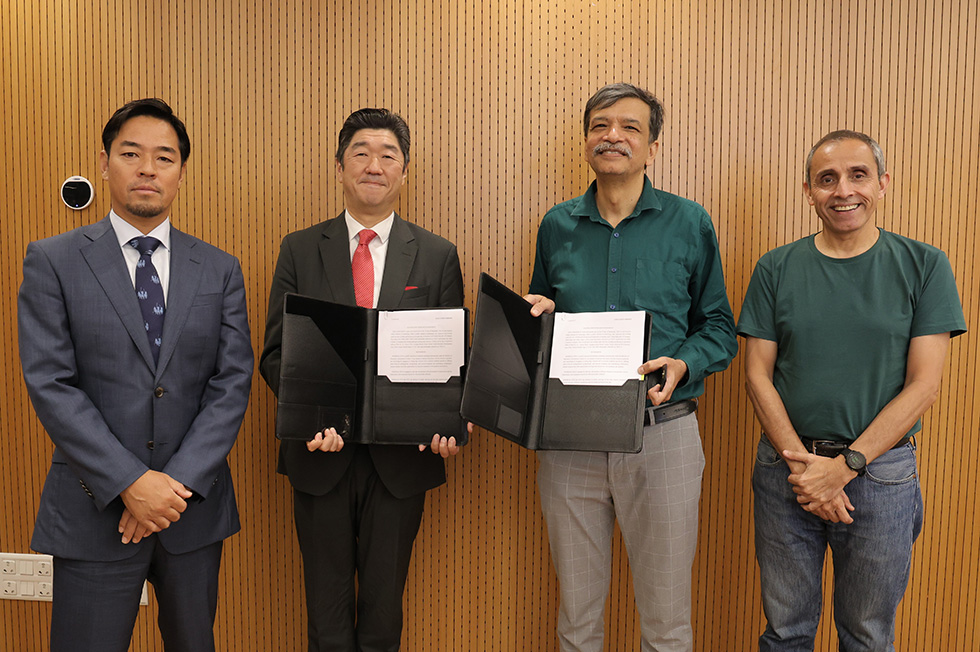
A significant collaboration between the Indian Institute of Technology Delhi (IIT Delhi) and Honda Cars India Ltd. (HCIL) is poised to reshape the future of mobility in India. The two entities have entered into a Memorandum of Understanding (MoU) aimed at advancing cooperative intelligence (CI) technologies that could pave the way for safer, more efficient transport systems. This partnership underscores the growing trend of academia-industry collaboration in the rapidly evolving field of intelligent transportation systems.

The MoU brings together the expertise of IIT Delhi’s researchers and Honda’s engineers, particularly those from HCIL and Honda R&D Co., Ltd., a subsidiary focused on research and development. The goal is to conduct joint research on CI technologies that can potentially reduce traffic collisions, enhance road safety, and enable automated driving systems. With India’s road safety record being a significant concern, such efforts to reduce human errors in driving are considered crucial for the future.

India has long struggled with high rates of traffic accidents, largely attributed to human error. The collaboration between IIT Delhi and Honda aims to address these issues through the development of advanced driver-assistance systems (ADAS) and other mobility solutions. ADAS, which involves technologies like adaptive cruise control, lane-keeping assistance, and collision avoidance systems, has the potential to significantly lower the risk of accidents and make roads safer for all users.

While Honda has been a key player in automotive innovation, this partnership marks a significant step in its efforts to explore more complex applications of artificial intelligence (AI) in driving. Honda’s engineers will work closely with IIT Delhi’s faculty and students to explore new algorithms, machine learning models, and data analytics techniques that can improve vehicle decision-making in real-time. The research will also focus on leveraging big data and connectivity technologies to anticipate traffic conditions, respond to sudden changes on the road, and ensure safer driving experiences.

IIT Delhi’s role in this collaboration is equally significant, given its strong reputation for cutting-edge research in artificial intelligence, robotics, and transportation systems. The institution’s researchers are expected to bring advanced expertise in areas like machine learning, sensor technologies, and networked vehicles. This collaboration provides a platform for academic researchers to apply theoretical knowledge to practical challenges faced by the automotive industry.

Through this MoU, both parties are set to explore the concept of cooperative intelligence, which involves enabling communication between vehicles, infrastructure, and other road users to create an interconnected transportation network. The aim is to develop intelligent transport systems that can predict traffic patterns, communicate with surrounding vehicles, and make autonomous decisions that enhance overall road safety. As automated and connected vehicles gain momentum globally, these technologies will play an essential role in the future of mobility.

Cooperative intelligence, as a concept, goes beyond traditional vehicle automation. It focuses on creating systems where vehicles not only respond to their environment but also interact with other vehicles and infrastructure to optimize the flow of traffic and prevent accidents. This vision aligns with Honda’s global initiative to develop “Safety for Everyone” technologies, which seek to eliminate road fatalities by utilizing AI and machine learning tools.

While the research aims to contribute to global advancements in automated driving, there is a particular focus on addressing India-specific challenges. Road conditions in India vary widely, with congested urban streets, rural roads, and highways posing distinct challenges for vehicles. The CI technologies developed under this MoU will need to adapt to these diverse environments. The hope is that future vehicles equipped with CI technologies will not only improve safety on India’s roads but also enhance overall driving comfort and reduce the stress associated with navigating through heavy traffic.

The collaboration also opens doors for students and researchers at IIT Delhi to gain hands-on experience working with real-world automotive challenges. By partnering with Honda, they will have the opportunity to apply their knowledge to cutting-edge projects that could have significant implications for the future of mobility. This real-world experience is expected to help prepare a new generation of engineers and researchers who can contribute to the development of safer and smarter transportation systems, both in India and globally.

As part of the agreement, IIT Delhi and Honda will jointly work on research projects and share intellectual resources. The partnership also allows for the testing and evaluation of prototypes developed as part of the research. This will ensure that the solutions developed are practical, effective, and can be scaled up for real-world application.

The MoU signifies Honda’s commitment to India, a market where it has a strong presence but faces increasing competition from both global and domestic automakers. As the automotive industry shifts towards electric vehicles (EVs) and autonomous driving technologies, partnerships like this one with IIT Delhi are crucial for staying competitive in a rapidly changing landscape. By collaborating with leading academic institutions, Honda aims to maintain its edge in innovation while contributing to the advancement of mobility technologies that are not only relevant to India but also to global markets.


HANGZHOU, CHINA – Media OutReach Newswire – 26 September 2024 – The third Global Digital Trade Expo (GDTE) unveiled its curtain in Hangzhou, capital of Zhejiang province, on September 25, providing significant opportunities for bolstering the growth of digital trade and injecting strong impetus into the high-quality development of the digital economy. With “Digital Trade, Global Access” as its permanent theme, the 5-day expo strives to establish […]

Lenovo has expanded its Neptune liquid-cooling technology to a new line of ThinkSystem V4 servers, offering enhanced efficiency for AI and high-performance computing (HPC) workloads. This new addition is designed to support businesses as they seek to consolidate IT resources, reduce power consumption, and leverage artificial intelligence (AI) for advanced analytics. With Intel® Xeon® 6 processors at its core, the ThinkSystem SC750 V4 supercomputing infrastructure combines peak performance with energy-efficient designs, making it a critical tool for enterprises handling intensive workloads.

The Neptune liquid-cooling ecosystem, which has been pivotal in Lenovo’s growth in the HPC sector, is now even more versatile. Originally focused on large-scale data centers, the technology has been optimized for smaller environments without sacrificing performance. The compact design addresses the growing demand for space-efficient systems that do not compromise on processing capabilities, making it ideal for enterprises managing large data transactions in tight spaces.

Scott Tease, Lenovo’s Vice President and General Manager of High-Performance Computing and AI, emphasized the transformative potential of the new ThinkSystem V4 solutions. He noted that the combination of advanced computing power and the space-optimized liquid-cooling system marks a significant leap forward for enterprises aiming to bring AI use cases to fruition. “Lenovo is helping enterprises of every size and across every industry bring new AI use cases to life based on improvements in real-time computing, power efficiency, and ease of deployment,” Tease said.

The expanded lineup includes solutions that are tailored for AI workloads, with a focus on maximizing real-time data processing and analytics. The use of Intel Xeon® 6 processors enables higher compute density, which is essential for tasks such as AI training, predictive analytics, and large-scale data management. These new systems allow companies to process more data in less time, giving them an edge in industries where speed and accuracy are critical.

Lenovo’s Neptune technology, which utilizes direct-to-node liquid cooling, has been a driving force behind its growth in the HPC space. Unlike traditional air-cooling systems, Neptune provides direct cooling to the most heat-intensive components, significantly reducing the energy required for cooling while maintaining optimal performance levels. The compact nature of the ThinkSystem V4 systems makes it possible for businesses to deploy liquid-cooling technology in environments where space is a constraint, without sacrificing the advantages of the Neptune ecosystem.

The integration of liquid cooling with AI-optimized hardware positions Lenovo to meet the needs of a growing number of enterprises seeking to capitalize on AI technologies. Many organizations face challenges with power consumption and cooling as they scale up their AI operations. Traditional air-cooled systems often struggle to keep up with the increased heat generated by high-performance processors, leading to higher energy costs and reduced efficiency. Neptune’s liquid cooling mitigates these issues, offering a more sustainable solution for AI-driven data centers.

Lenovo has made significant advancements in ease of deployment, allowing enterprises to integrate these high-performance systems with minimal downtime. The SC750 V4 servers are designed for rapid installation, which can help businesses reduce operational disruptions and quickly harness the power of AI for mission-critical applications. This is particularly important for industries such as finance, healthcare, and scientific research, where AI-driven insights can lead to breakthroughs in decision-making and innovation.

The scalability of the Neptune-cooled systems is another highlight of the new ThinkSystem V4 lineup. Enterprises can easily expand their AI and HPC capabilities by adding more nodes to their existing infrastructure without overhauling their cooling systems. This modularity offers businesses the flexibility to scale according to their needs, whether they are running simulations, deep learning models, or real-time analytics.

In terms of power efficiency, the new ThinkSystem V4 solutions deliver a marked improvement over previous iterations. The use of Neptune’s liquid-cooling technology has led to reductions in energy consumption, which translates into lower operational costs for businesses. The efficiency gains are particularly significant for companies managing large data centers, where cooling can account for a substantial portion of energy expenditures.

As AI continues to drive innovation across various sectors, the demand for systems that can handle complex, data-intensive workloads is growing. Lenovo’s ThinkSystem V4 portfolio aims to meet this demand by providing enterprises with the tools they need to scale their AI capabilities efficiently. The combination of Neptune liquid cooling and Intel-powered processing units positions Lenovo as a key player in the evolving AI and HPC landscapes.

The evolution of large language models (LLMs) has introduced a new frontier in artificial intelligence, with advancements in retrieval mechanisms becoming a critical factor in optimizing performance. As the AI landscape shifts, Retrieval-Augmented Generation (RAG) is increasingly giving way to a more sophisticated framework: Retrieval-Integrated Generation (RIG). While both systems enhance LLMs by incorporating external data into responses, RIG presents a more refined approach, revolutionizing how machines […]

Meta has announced the launch of Llama 3.2, its groundbreaking multimodal artificial intelligence model, during the recent Meta Connect event. This advancement represents a notable leap in the capabilities of large language models, integrating both text and image processing to enhance user experiences across a diverse range of applications. During the event, CEO Mark Zuckerberg highlighted Llama 3.2 as the company’s first open-source multimodal model, emphasizing its […]

Advertisements

Concerns have surfaced among customers in the UAE regarding banks issuing credit cards without adequate identity verification. This has raised alarms about potential risks related to fraud and financial security, leading to calls for stricter regulatory measures. Several individuals have expressed dissatisfaction, citing instances where they received credit cards without having completed the necessary verification steps.

Reports indicate that this situation stems from a broader trend of banks prioritizing speed and convenience in their services. As financial institutions aim to attract new customers and enhance their market share, the protocols for identity verification have, in some cases, been compromised. This practice not only puts individual customers at risk but also jeopardizes the integrity of the banking system as a whole.

Industry experts have weighed in on the situation, noting that the lax enforcement of identity verification protocols can facilitate fraudulent activities, including identity theft and the unauthorized use of credit cards. The potential for misuse becomes particularly concerning when combined with advancements in technology, which can enable hackers to exploit weaknesses in the system.

A spokesperson for the Central Bank of the UAE has acknowledged these customer concerns and emphasized the importance of compliance with stringent identification procedures. The central bank has mandated that financial institutions follow rigorous guidelines to ensure the safety of their customers and the overall financial ecosystem. However, the enforcement of these rules has reportedly been inconsistent across various banks, leading to gaps in security.

Financial analysts point to the rapid digital transformation within the banking sector as a contributing factor. The introduction of online banking services and mobile applications has made it easier for customers to apply for credit cards. However, this ease of access can lead to oversights in proper identification processes. As banks increasingly rely on technology, ensuring robust verification measures is vital to maintain customer trust.

Customer feedback has been mixed, with some praising the convenience of obtaining credit cards online, while others voice serious concerns regarding the implications of insufficient ID checks. One dissatisfied customer recounted their experience of receiving a credit card shortly after applying online, despite not being asked for comprehensive identification documentation. They expressed frustration, stating that the lack of stringent checks makes them feel vulnerable to fraud.

The situation has prompted some banks to review their internal processes and enhance their verification protocols. Institutions are reportedly investing in advanced identity verification technologies, such as biometric authentication and artificial intelligence-driven fraud detection systems. These innovations aim to strengthen the verification process and provide a safer banking environment for customers.

Consumer advocacy groups are urging the central bank to implement stricter regulations governing identity verification in banking. They argue that more transparent policies will not only protect customers but also enhance the overall credibility of the banking sector. The need for a cohesive strategy among banks is essential to restore consumer confidence and ensure a uniform standard of security.

There have been discussions about the necessity of increasing public awareness regarding the importance of monitoring credit card activity. Customers are encouraged to regularly check their financial statements and report any discrepancies immediately. Financial literacy campaigns could play a significant role in educating customers about their rights and responsibilities concerning credit cards and identity theft.

The issue of credit card issuance without proper ID verification has also led to a broader conversation about the balance between convenience and security in the financial services sector. As banks strive to innovate and attract customers, they must remain vigilant in safeguarding the personal information of their clients.

Despite the advancements in technology that enable efficient banking processes, the fundamental principles of identity verification must not be overlooked. The integrity of the banking system relies on trust between financial institutions and their customers, which can be easily eroded by lapses in security protocols.

In light of these developments, stakeholders within the banking industry are recognizing the need for comprehensive strategies to mitigate risks associated with inadequate verification practices. The dialogue between banks, regulatory authorities, and consumer groups is crucial to establishing a framework that emphasizes security without sacrificing convenience.

Evaluated for completeness of vision and ability to execute HONG KONG SAR – Media OutReach Newswire – 26 September 2024 – Trend Micro Incorporated (TYO: 4704; TSE: 4704) a global cybersecurity leader, today announced it has been positioned by Gartner® in the Leaders’ Quadrant of the 2024 Gartner® Magic Quadrant™: Endpoint Protection Platforms (EPP) 1. Trend Micro has been named a Leader 19 times in a row […]

HONG KONG SAR – Media OutReach Newswire – 25 September 2024 – Hong Kong’s vibrant economy and strategic location offer boundless opportunities for European firms. Starting in Spain, a delegation led by Hong Kong’s Financial Secretary Paul Chan, is visiting Madrid (September 22-25, 2024) and London (September 25-28, 2024) to promote Hong Kong’s advantages, in particular the city’s burgeoning innovation and technology ecosystem. In a keynote speech […]

SHANGHAI, CHINA – Media OutReach Newswire – 25 September 2024 – As a globally renowned event for the entire liquid food industry chain, China Brew China Beverage (CBB 2024) will be held from October 28 to 31, 2024 at the Shanghai New International Expo Center. This exhibition will gather well-known enterprises and industry giants from around the world to showcase cutting-edge innovative achievements, high-end technologies, intelligent solutions, […]

OBERKOCHEN, GERMANY – Media OutReach Newswire – 25 September 2024 – The global smartphone market is in a constant state of transformation, driven by rapid advances in technology and evolving consumer preferences. But no matter how much the technology changes, the smartphone’s most important function remains unchanged – it fulfils our human need to connect and communicate. vivo has always aimed to build a bridge between humans […]

Etihad Airways has announced an ambitious plan to invest $7 billion by the year 2030, signaling a significant commitment to enhancing its operations and services. The airline’s CEO, Antonoaldo Neves, emphasized that this financial injection will focus on improving customer experience, expanding the fleet, and embracing sustainability initiatives as part of a broader strategy to maintain its competitive edge in the aviation sector. The investment is part […]

Ajeej Capital and Nuwa Capital have announced the launch of a $100 million fund aimed at accelerating the growth of technology companies in the Middle East. This initiative comes amid a rapidly evolving regional tech landscape characterized by innovation and increased investment activity. The fund is designed to provide vital financial support to startups, enabling them to scale their operations and enhance their competitive edge in the global market.

The joint venture between Ajeej Capital, a private equity firm known for its focus on technology and sustainable investments, and Nuwa Capital, a venture capital firm with a robust portfolio in the MENA region, reflects a growing commitment to nurturing the technology ecosystem in the area. The fund will primarily target early-stage and growth-stage tech companies, providing them with the necessary capital, mentorship, and strategic guidance to foster innovation and drive economic development.

Several factors contribute to the burgeoning technology sector in the Middle East. Governments in the region have implemented initiatives aimed at diversifying their economies beyond oil dependency, encouraging entrepreneurship and digital transformation. The United Arab Emirates and Saudi Arabia, in particular, have introduced several policies that create a conducive environment for tech startups, including tax incentives, regulatory support, and infrastructure development. As a result, the region is witnessing a surge in venture capital investments, with more players entering the market and recognizing the potential for growth in technology.

Ajeej Capital and Nuwa Capital’s $100 million fund will not only support individual companies but also strengthen the overall technology ecosystem. The firms aim to leverage their extensive networks and industry expertise to foster collaboration among startups, established businesses, and investors. By creating a synergistic environment, they hope to facilitate knowledge sharing and accelerate innovation across various tech sectors, including fintech, health tech, and artificial intelligence.

Experts believe that this initiative is timely, as the demand for digital solutions continues to grow across the region. The COVID-19 pandemic has further highlighted the importance of technology in various sectors, prompting businesses to adopt digital strategies to remain competitive. As a result, there is an increasing appetite for investment in tech companies that can provide innovative solutions to meet these evolving demands.

The fund is expected to play a pivotal role in identifying promising startups and providing them with the resources they need to thrive. With a focus on sectors that align with the region’s economic priorities, Ajeej Capital and Nuwa Capital are poised to drive significant advancements in technology. Their commitment to supporting businesses that promote sustainability and social impact will also resonate with the values of many investors who are increasingly looking to align their investments with their ethical beliefs.

Ajeej Capital and Nuwa Capital have outlined their investment strategy as one that emphasizes not only financial returns but also the long-term sustainability of the companies they support. They plan to implement a rigorous selection process to identify startups with strong growth potential and innovative business models. Additionally, the fund will provide strategic guidance to help these companies navigate challenges and capitalize on emerging opportunities in the market.

As part of their broader mission, Ajeej Capital and Nuwa Capital are also keen on fostering a culture of innovation within the region. By providing mentorship and support to entrepreneurs, they aim to empower the next generation of leaders in the tech industry. This focus on human capital development is essential for building a robust ecosystem that can sustain growth and drive future advancements.

Investors are closely monitoring this initiative, as the successful deployment of the fund could signal a shift in the investment landscape of the Middle East. With a growing number of venture capital firms and private equity players entering the market, competition for high-potential startups is intensifying. The ability of Ajeej Capital and Nuwa Capital to identify and nurture promising ventures will be crucial in positioning them as key players in the tech investment arena.

The collaboration between Ajeej Capital and Nuwa Capital underscores a trend of partnerships among investment firms, which are increasingly recognizing the value of combining resources and expertise to maximize impact. This cooperative approach is likely to lead to more innovative funding models and investment strategies, benefiting the entire tech ecosystem in the region.

As the Middle East continues to evolve into a technology hub, the launch of this $100 million fund represents a significant step forward in supporting the growth of innovative companies. By addressing the funding gap and providing comprehensive support to startups, Ajeej Capital and Nuwa Capital are contributing to a vibrant tech landscape that has the potential to drive economic diversification and growth.

Investment flows from the Middle East into China have surged to unprecedented levels, reflecting an evolving economic partnership driven by substantial cash reserves and a shared interest in diversification and innovation. As the global economy continues to grapple with geopolitical tensions and supply chain disruptions, companies from the Gulf region are increasingly looking to capitalize on China’s robust market potential.

Several factors have contributed to this notable increase in investment. The post-pandemic recovery in China, coupled with the Belt and Road Initiative, has created fertile ground for collaboration. This initiative aims to enhance global trade routes, and Middle Eastern firms see significant opportunities in infrastructure, technology, and renewable energy sectors. Recent data indicates that investments from Gulf Cooperation Council (GCC) countries reached a record high, with a noticeable increase in transactions related to technology and logistics.

A pivotal player in this investment wave is Saudi Arabia, which has been actively seeking to diversify its economy under the Vision 2030 plan. The Kingdom’s Public Investment Fund (PIF) is increasingly channeling resources into Chinese technology firms, particularly in artificial intelligence and e-commerce. This aligns with the Saudi strategy to leverage advancements in technology to bolster local industries and foster economic growth. The PIF has made substantial investments in Alibaba and other tech giants, marking a significant shift in its investment portfolio.

UAE firms are also playing a critical role in this trend. Abu Dhabi’s Mubadala Investment Company has expanded its footprint in China, investing heavily in sectors such as healthcare, renewable energy, and telecommunications. The strategic focus on technology and innovation mirrors the UAE’s own economic diversification goals, emphasizing a move away from oil dependency. Additionally, Dubai’s position as a global trading hub enables UAE companies to act as a conduit for investments flowing into China, facilitating partnerships and joint ventures.

Emerging sectors are at the forefront of this investment boom, particularly in technology and renewable energy. Middle Eastern firms are increasingly recognizing the importance of digital transformation, leading to significant investments in Chinese tech startups. The push for innovation aligns with global trends in artificial intelligence, fintech, and e-commerce. Companies from the Middle East are particularly interested in leveraging China’s advanced technological infrastructure to enhance their own capabilities.

The renewable energy sector is another focal point for investment. As part of their commitment to sustainability, many GCC countries are investing in clean energy projects. China’s leadership in solar and wind technology presents attractive opportunities for collaboration. Recent joint ventures between Chinese and Middle Eastern firms in solar energy projects highlight a growing trend towards sustainability in their investment strategies. This synergy not only addresses the energy needs of the region but also contributes to global efforts in combating climate change.

China’s growing consumer market also attracts substantial interest from Middle Eastern companies. With a burgeoning middle class, demand for high-quality products and services is on the rise. Companies from sectors such as food and beverage, luxury goods, and health products are looking to tap into this lucrative market. The expanding trade relationship is expected to yield significant benefits for both parties, as Middle Eastern firms introduce their products and services to Chinese consumers.

The geopolitical landscape plays a crucial role in shaping these investment dynamics. As tensions between the U.S. and China escalate, Middle Eastern nations are finding themselves in a unique position to act as intermediaries. The desire for strategic partnerships allows Gulf countries to leverage their relationships with both Western and Eastern powers. This balancing act is critical for maintaining economic stability and fostering trade relationships that benefit all parties involved.

Despite the promising outlook, challenges remain. Regulatory barriers and varying business practices can complicate cross-border investments. However, many companies are finding ways to navigate these obstacles through strategic alliances and local partnerships. Building relationships with Chinese firms is essential for understanding market dynamics and ensuring successful investment outcomes.

As Middle Eastern firms continue to increase their presence in China, the implications for global trade are profound. The growing interdependence between these regions highlights a shift in the traditional investment landscape. Analysts predict that this trend will not only bolster economic ties but also create new avenues for collaboration across various sectors.

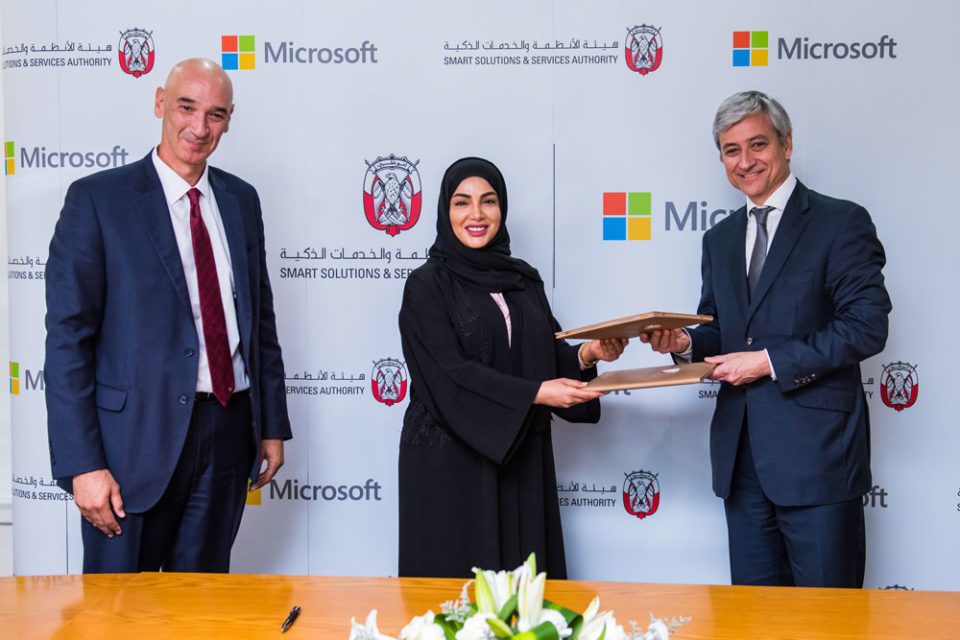
Microsoft has officially announced the establishment of its first engineering development center in the Arab world, located in Abu Dhabi. This initiative is a significant step forward in the company’s ongoing investment strategy aimed at enhancing its technological footprint in the region. The center is expected to focus on developing innovations in artificial intelligence, cloud technologies, and advanced cybersecurity solutions, contributing to a global ecosystem of technological advancement.

The new center will align with Microsoft’s broader goals to harness cutting-edge technologies and drive economic growth while fostering job creation. Satya Nadella, Microsoft’s Chairman and CEO, emphasized the company’s commitment to ensuring that transformative technologies benefit local communities and contribute to global innovation. The center will not only create technological solutions for Microsoft’s global operations but also attract top talent to the UAE, positioning the country as a leader in tech innovation.

Sheikh Khaled bin Mohamed bin Zayed Al Nahyan, Crown Prince of Abu Dhabi, highlighted the strategic advantages of the UAE as a hub for innovation. He noted the country’s advanced infrastructure and geographical position, which facilitate impactful developments across various industries. This sentiment was echoed by Peng Xiao, CEO of G42, who described the establishment of the center as a testament to the growing importance of the UAE in the global tech landscape.

Investors have witnessed a marked shift in market behaviour in recent weeks. The once seemingly invincible Big Tech stocks have faced pressure, no longer reaching new all-time highs, even as the broader S&P500 index posted record highs earlier this week (Monday). Nvidia—the poster child of the recent tech renaissance—has seen its stock price fall 8.5% from its August peak, despite reporting impressive second-quarter earnings on August 28th […]

Work on the $2.72 billion Dubai Expo City expansion is expected to begin soon, according to officials familiar with the city’s masterplan. The project, which forms part of a broader initiative to transform the Expo 2020 site into a long-term economic and cultural hub, has drawn attention due to its scale and ambition. Key infrastructure, urban development, and residential components are part of the masterplan, aiming to […]

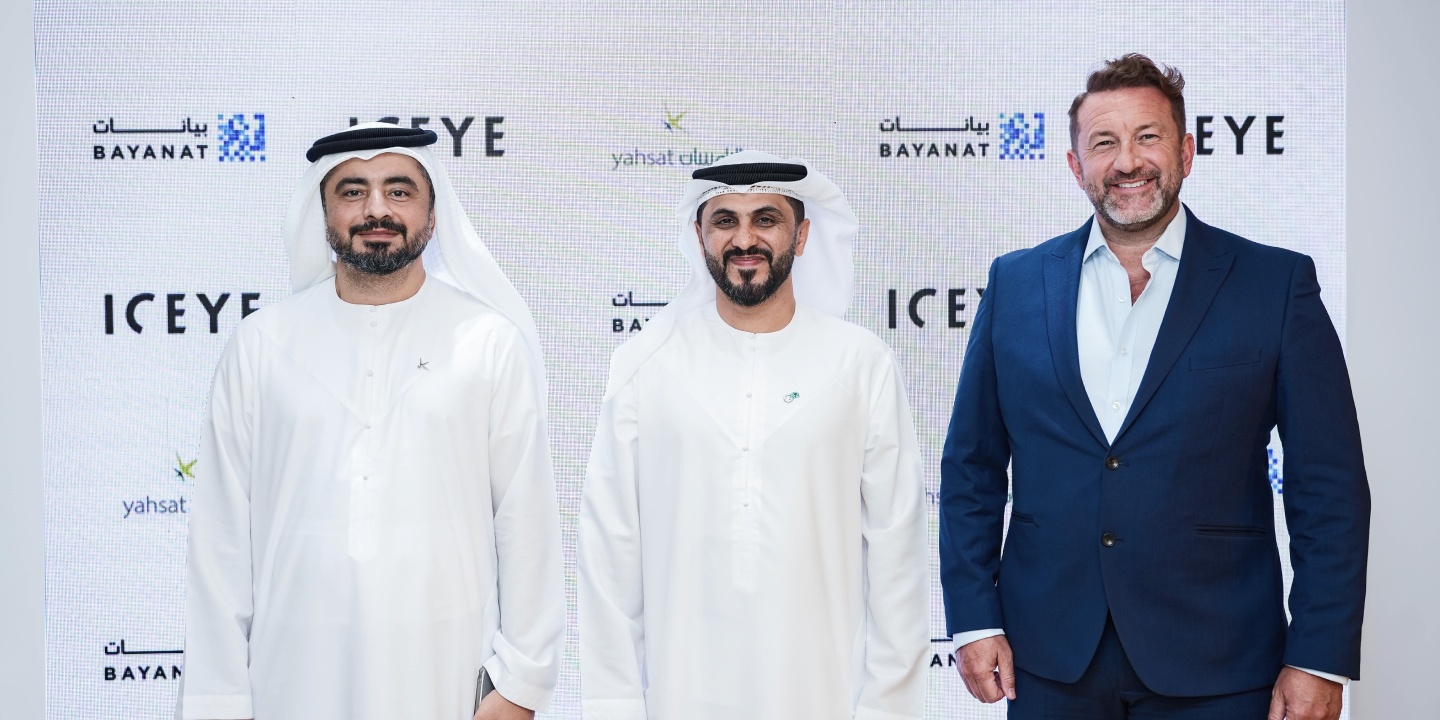
Bayanat, a prominent geospatial data analytics firm, and Yahsat, a leading satellite communications provider, are poised to finalize their merger by next month. This strategic union aims to enhance service delivery across the Middle East and North Africa (MENA) region, leveraging each company’s strengths in data analytics and satellite technology.

The merger represents a significant consolidation in the geospatial and satellite sectors, allowing the combined entity to offer a more robust suite of services. By integrating Bayanat’s advanced analytics capabilities with Yahsat’s satellite infrastructure, the companies plan to provide innovative solutions tailored to a variety of sectors, including government, defense, telecommunications, and natural resources.

As part of the merger, the leadership teams of both companies have emphasized a shared vision of fostering technological advancements and promoting digital transformation. Bayanat’s expertise in big data analytics is expected to complement Yahsat’s satellite communication services, allowing for real-time data processing and improved decision-making for clients. The collaboration is expected to facilitate enhanced services such as remote sensing, location-based services, and real-time monitoring for clients across various industries.

The merger is also positioned as a response to the increasing demand for high-quality geospatial data and reliable communication solutions in the region. As businesses and governments seek to optimize operations and improve efficiency, the ability to access and analyze geospatial information has become more crucial. Yahsat’s satellite technology will enable the delivery of data in remote areas, ensuring that organizations can benefit from Bayanat’s analytical insights regardless of their geographic location.

With this merger, the companies aim to position themselves as market leaders in the geospatial intelligence and satellite communications space. Industry analysts anticipate that the combined entity will have a significant competitive edge over its rivals due to the synergies generated from their respective technologies and expertise.

The merger has been welcomed by various stakeholders, including government entities that recognize the potential benefits of improved data services and satellite connectivity. This union aligns with broader governmental strategies focused on enhancing technological capabilities within the region. By improving access to data-driven insights, the merger is expected to support national initiatives in various sectors, from urban planning to disaster management.

Yahsat, which has been expanding its operations since its inception in 2007, has established itself as a leader in satellite communication, offering services that span the globe. The company operates multiple satellites and has formed strategic partnerships to enhance its service offerings. Bayanat, a subsidiary of the Abu Dhabi-based Group 42, specializes in AI-driven analytics, offering advanced solutions that harness big data for actionable insights. This merger marks a new chapter in both companies’ histories, combining their respective strengths to create a formidable entity in the tech landscape.

The merger has also sparked discussions regarding the future of the satellite and geospatial sectors within the MENA region. Experts highlight the importance of such consolidations in driving innovation and enhancing service delivery. As the demand for data services continues to grow, companies that can effectively integrate technology and analytics will be better positioned to meet market needs.

Looking ahead, the combined resources of Bayanat and Yahsat are expected to accelerate research and development initiatives. Both companies have indicated plans to invest in new technologies that enhance their service capabilities, focusing on next-generation satellite technologies and advanced analytical tools. This emphasis on innovation is crucial in a rapidly evolving market where clients increasingly expect sophisticated solutions.

In addition to enhancing their technological capabilities, the merger is anticipated to have significant implications for the regional job market. As the combined entity grows, it is expected to create new employment opportunities in tech development, project management, and customer support. This aligns with broader economic goals within the UAE to foster job creation in high-tech industries.

The merger has also raised questions about regulatory considerations, as the consolidation of two major players in the geospatial and satellite sectors may draw scrutiny from regulatory bodies. Ensuring compliance with local and international regulations will be essential for the newly formed entity as it seeks to navigate the complexities of the market.

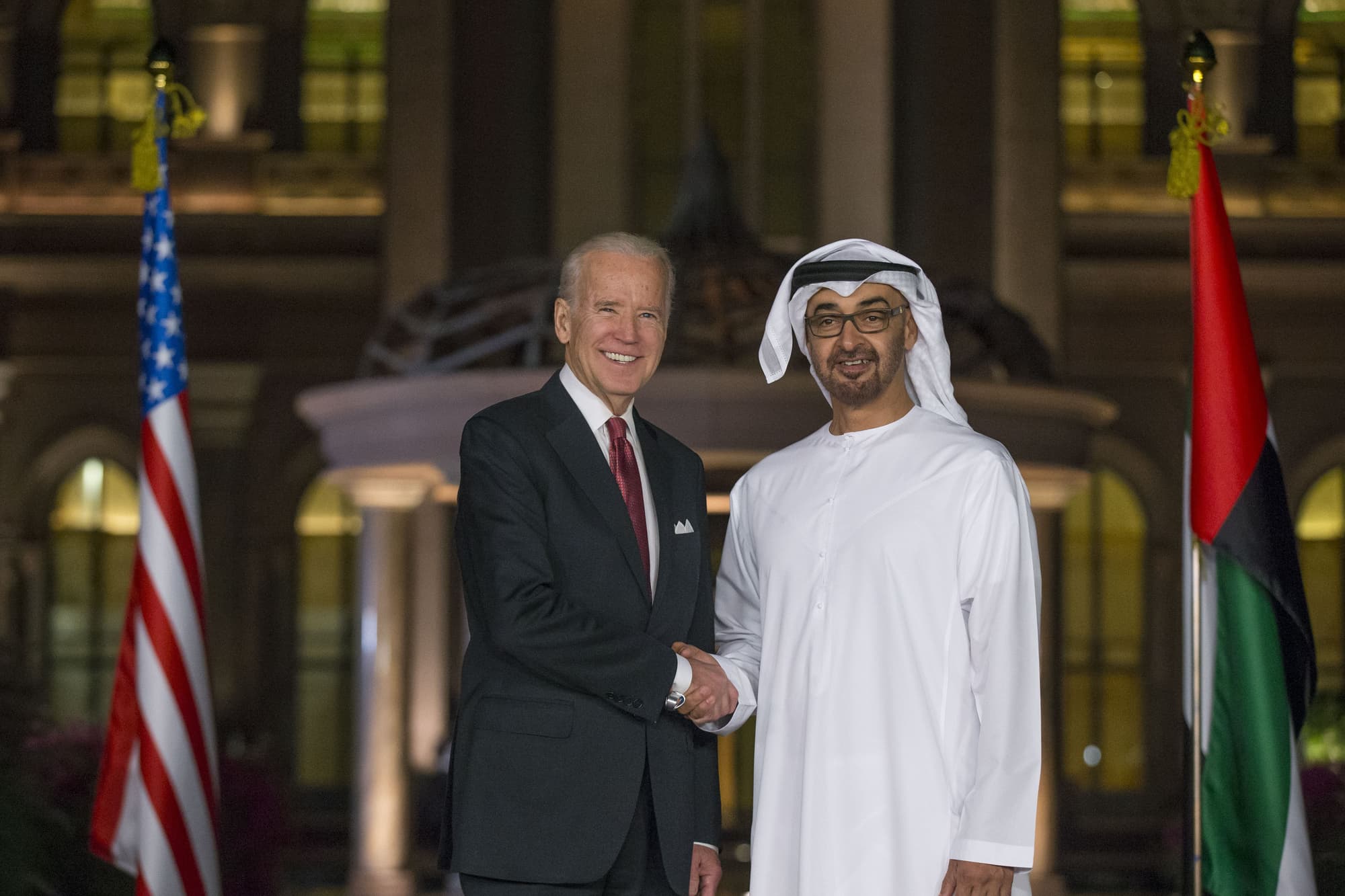
President Joe Biden has officially designated the United Arab Emirates as a major defense partner of the United States, solidifying the nation’s strategic role in the region. This move comes shortly after a similar designation was awarded to India, underscoring Washington’s efforts to build stronger alliances with Gulf and South Asian powers in the face of shifting global security dynamics. The announcement marks a significant step in US-UAE relations, enhancing defense cooperation and reaffirming the UAE’s importance in American military strategy.

The decision highlights the UAE’s evolving role as a critical player in regional security. With this designation, the UAE joins a select group of countries that enjoy preferential treatment when it comes to military cooperation with the United States. The relationship allows for greater access to advanced defense technology, streamlined military sales processes, and deeper intelligence collaboration. These developments come amid ongoing efforts by the US to recalibrate its security commitments in the Middle East, pivoting towards nations capable of contributing more significantly to their own defense.

Biden’s formal recognition of the UAE as a defense partner builds on decades of close military ties between the two nations. The UAE has long been a hub for US military operations in the region, hosting troops and serving as a staging ground for operations in neighboring conflict zones. The move is also seen as part of Washington’s broader strategy to reinforce its influence in the Gulf, where rising geopolitical tensions and the involvement of foreign powers like Russia and China continue to shape the security landscape.

For the UAE, this designation is not merely symbolic. It solidifies the nation’s status as a regional security leader and elevates its position on the global stage. It also provides the UAE with more direct access to sophisticated US defense systems, which will be critical in enhancing its defense capabilities amidst growing concerns over missile threats and other regional challenges. The UAE has long sought to upgrade its military arsenal, focusing on cutting-edge technology such as advanced fighter jets and missile defense systems. This new designation could accelerate these procurements, allowing for a faster, more seamless process.

The US government has been increasingly focused on forging deeper security ties with countries it sees as vital to countering both state and non-state actors. The UAE has been a crucial partner in US-led efforts to combat terrorism and ensure maritime security in the Gulf, particularly through its involvement in anti-piracy and anti-smuggling operations. The nation’s strategic location and military infrastructure have made it an indispensable ally in addressing threats posed by extremist groups and hostile states in the region.

Meanwhile, this development coincides with broader geopolitical shifts, as the US grapples with its role in a multipolar world. The Biden administration’s defense policy has focused on reducing its military footprint in some traditional hotspots while doubling down on partnerships that bolster regional security autonomously. The designation of both the UAE and India as major defense partners reflects a recalibrated approach to ensuring stability through cooperation, rather than direct military involvement.

The strategic importance of the UAE extends beyond the Middle East. Its influence in Africa, Central Asia, and the Indian Ocean region makes it a key player in a wider arc of geopolitical interests. With major global powers vying for influence in the Middle East, Washington’s decision to deepen its defense ties with Abu Dhabi also signals its intention to counter growing Russian and Chinese influence. China’s Belt and Road Initiative and increasing arms sales to Gulf countries, including the UAE, are clear indicators that the region is a key battleground for global influence.

The UAE’s defense relationship with the United States has grown in complexity in recent years. The two nations have regularly conducted joint military exercises, and the UAE has made substantial purchases of US-made defense equipment, including F-16 fighter jets, missile defense systems, and advanced drones. More recently, the UAE has expressed interest in acquiring next-generation US fighter jets, including the F-35, as part of its efforts to enhance its military edge. The partnership also extends to counterterrorism operations, where the two nations collaborate closely in intelligence sharing and tactical support to neutralize extremist threats.

The decision to elevate the UAE’s status comes against the backdrop of broader regional realignments. The Abraham Accords, which normalized diplomatic relations between the UAE and Israel, have reshaped the strategic landscape of the Middle East, offering new opportunities for cooperation between key US allies. This trilateral relationship between the US, UAE, and Israel is likely to deepen in the defense sphere, with potential collaborations in areas like missile defense and cybersecurity.

At the same time, the UAE faces growing security concerns closer to home. The conflict in Yemen, where the UAE has been heavily involved, continues to pose risks to regional stability. Iranian-backed Houthi rebels have launched missile and drone attacks against UAE infrastructure, raising the stakes for Abu Dhabi’s defense posture. The new designation from Washington could pave the way for more robust US support in addressing such threats, with the potential for more advanced defense systems aimed at countering missile and drone attacks.

US defense experts have praised the move, calling it a logical step in strengthening bilateral ties with a trusted partner in the Gulf. They argue that bolstering the UAE’s defense capabilities is not only in the interest of regional stability but also aligns with the US strategy of building self-reliant regional security partners. The UAE’s growing military spending and its focus on modernizing its armed forces further bolster the case for Washington’s decision.

Telegram’s CEO Pavel Durov has announced major improvements to the platform’s search functionality, aimed at safeguarding users from illegal content. With over a billion users globally, Telegram has faced criticism for enabling the spread of illicit material through its public channels. In response, Durov revealed that the app’s search feature has been revamped, integrating artificial intelligence (AI) to help identify and remove harmful content more effectively. This […]

Vice President Kamala Harris made a notable commitment to bolster investments in artificial intelligence (AI) and cryptocurrency during a high-profile fundraising event in New York City, held as part of her 2024 presidential campaign. Addressing a crowd of key Democratic donors, Harris emphasized the importance of emerging technologies and outlined her vision for fostering growth in the AI and crypto sectors, promising significant support if elected to […]

OpenAI’s recent redesign of its logo has ignited significant criticism and concern among employees. The changes, unveiled during a company-wide meeting, aimed to modernize the branding and reflect the organization’s growth trajectory. However, feedback from staff has largely been negative, expressing dissatisfaction with the new aesthetic and its implications for the company’s identity. The updated logo, featuring a more minimalist design and altered color scheme, was intended […]

Huawei has unveiled significant advancements in its fiber to the office (FTTO) technology, launching FTTO 2.0 and a suite of new products tailored for various industries, including education, healthcare, and hospitality. These innovations were announced at HUAWEI CONNECT 2024, with a strong emphasis on enhancing campus networks and transitioning to Wi-Fi 7 standards. The FTTO 2.0 system integrates cutting-edge optical networking technology to support the evolving demands […]

VISHNU RAJA
RYO YAMADA
HITORI GOTOH
IKUYO KITA
Just in:
Hong Kong mandates crypto transaction disclosures to tax authorities // Meraas showcases five residential zones at Dubai Design Week // TVM –Mangaluru Vande Bharat claims top spot // CR Longdation Aethereal Cybersecurity × Global Cybersecurity Alliance (GCSA) Join Hands to Establish the “AI and Cybersecurity Research Centre” // Fast Just Got Fastest: STING Energy Boost™ Celebrates Kimi Antonelli’s Formula 1® World Championship and the Fan Energy Behind It // Miss Universe Hong Kong Jen Zhou Departs for Puerto Rico to Compete in the 75th Miss Universe World Final // APT29-linked campaign exploits outdated Apple and Android software // Asia Left Behind: Ten international companies have yet to report delivering on their cage-free egg pledges across the region // After Reaching 7 Million Users in the Philippines, Skyro Launches Transparent Cash Loans in Malaysia // Ta’ziz finalises $1.39bn funding for Ruwais industrial facilities // Kochi police detain two actors over bid to honey trap doctor // Utilities pursue ₹1,992 cr in unpaid bills // Middle East governments assess Iran war after US vote // Dubai boat show confirms international shipyard line-up for November // Millions Of Indians May Soon Be Deprived Of Government Assistance // Cloudflare unveils Zero Wire vulnerability intelligence service // Trump’s Iran War Has A Share Of Contribution To His Midterm Debacle // ADIA and partners establish $1.4 billion aviation venture // e-Crime Bureau Signs Cybersecurity Partnership With Smart Africa, Reinforcing Its Global Expansion // UK air traffic outage inflicted £33m financial losses //