News related to
leadership

By Dr. Gyan Pathak India’s National Human Rights Commission has been losing its global credibility very fast. Since June 1, 2024, the post of NHRC Chairperson has been lying vacant and its re-accreditation with the Global Alliance of National Human Rights Institutions (GANHRI) was deferred for 12 months, for a second consecutive year. Now, on […]

BANGKOK, THAILAND – Media OutReach Newswire – 24 December 2024 – The Asia Corporate Excellence and Sustainability (ACES) Awards 2024 spotlighted Thailand’s corporate champions, underscoring the country’s ascent as a force for sustainable innovation and community empowerment. With 118 nominations out of 682 entries from 17 countries and a strong showing among the 250 finalists, Thailand’s business leaders are reshaping expectations for growth, environmental responsibility, and social […]

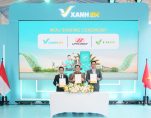
JAKARTA, INDONESIA – Media OutReach Newswire – 23 December 2024 – V-GREEN and PT Xanh SM Green and Smart Mobility Indonesia (Xanh SM Indonesia) today announced the signing of a Memorandum of Understanding (MoU) with Lippo Karawaci, a prominent Indonesian real estate development company. This strategic partnership aims to leverage Lippo Karawaci’s established reputation and extensive real estate network to develop a green ecosystem that integrate seamlessly […]

By D Raja History of the Communist Party of India in the last 100 years is a glorious saga of struggles and sacrifices for our country and its people. History of our freedom movement and our progress after independence are incomplete without the blood and sweat of communists all over the country. The foundation day […]

JAKARTA, INDONESIA – Media OutReach Newswire – 19 December 2024 – Novo Nordisk, AstraZeneca, and Diversey have been recognized as the top three best places to work in Indonesia for 2024, according to the prestigious Best Places to Work certification program. These companies have been honored for their unwavering commitment to creating employee-centric cultures that prioritize well-being, growth, and development. Novo Nordisk has secured the top spot […]

JAKARTA, INDONESIA – Media OutReach Newswire – 19 December 2024 – Xanh SM, Vietnam’s all-electric mobility service provider, announced the signing of a Memorandum of Understanding (MOU) with nine major partners in Indonesia, namely XL Axiata Business Solutions, Lippo, Bank Central Asia (BCA), ASRI, VISA, Huawei, Lotte Group, Vietjet, and FPT. This event underscores Xanh SM’s credibility and prospects for expansion in Southeast Asia, while reaffirming the […]

DUBAI, UAE – Media OutReach Newswire – 19 December 2024 – The Best Places to Work organization has officially announced the Top 50 Best Places to Work in the Middle East for 2024, showcasing the companies that lead the way in employee satisfaction, engagement, and workplace culture. This year’s rankings highlight organizations that have demonstrated exceptional commitment to creating positive work environments, fostering employee growth, and embracing […]

Advertisements

Employers in the ICT and Creative Media Industries Place Greater Emphasis on Soft Skills; Growing Recognition for Higher Diploma Graduates’ Competencies HONG KONG SAR – Media OutReach Newswire – 20 December 2024 – Led by Hong Kong Baptist University (HKBU) and funded by The Hong Kong Jockey Club Charities Trust, the Jockey Club Multiple Pathways Initiative – CLAP-TECH Pathway (CLAP-TECH) has conducted its second annual survey, exploring […]

Arabian Post Staff -Dubai Jared Kushner’s investment firm, Affinity Partners, has secured an additional $1.5 billion in funding from the Qatar Investment Authority and Abu Dhabi-based asset manager Lunate. This significant capital infusion extends the investment period of Affinity’s debut fund to 2029, positioning the firm for sustained growth in the competitive private equity landscape. Kushner, founder of the Miami-based firm, disclosed these developments during an episode […]

DP World, the Dubai-based global logistics leader, has issued a $100 million Blue Bond, marking the Middle East and North Africa’s inaugural corporate Blue Bond. This five-year bond, priced at a 5.25% coupon rate, aims to fund sustainable projects in marine transportation, port infrastructure, marine pollution mitigation, and water-positive initiatives. The primary investor in this groundbreaking issuance is T. Rowe Price Associates, Inc., a prominent investment management […]

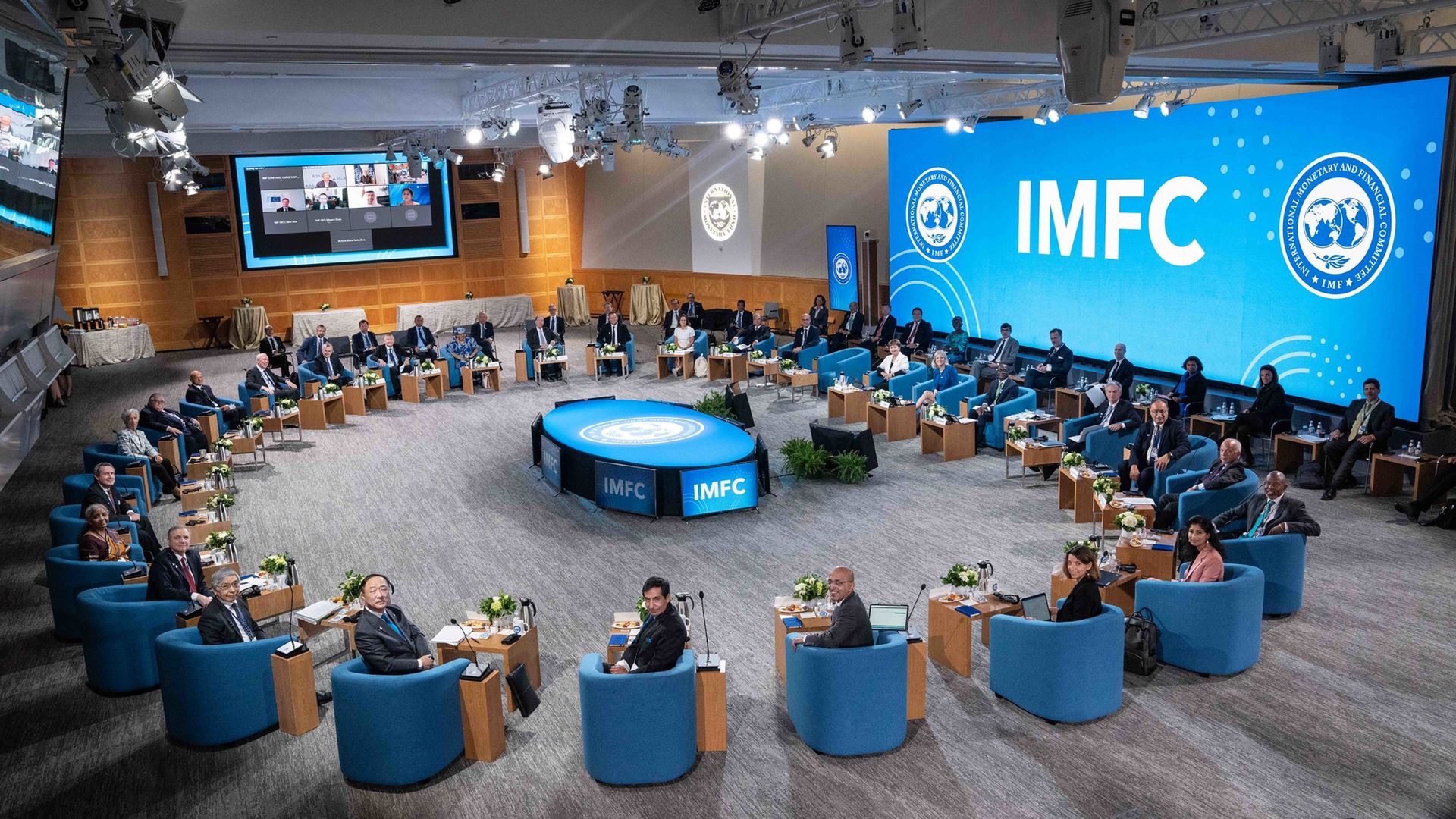
The Gulf economies are expected to continue their upward trajectory despite ongoing geopolitical tensions across the Middle East, according to the latest report from the International Monetary Fund (IMF). The region’s resilience, the IMF suggests, is driven by its diversified economic base, robust fiscal policies, and higher oil prices, which have counterbalanced the adverse effects of regional instability.

While the Middle East remains a hotspot for geopolitical risks, including tensions in Yemen, Syria, and Iran, the Gulf Cooperation Council (GCC) states—namely Saudi Arabia, the UAE, Qatar, Kuwait, Bahrain, and Oman—are poised for solid growth. The IMF’s economic outlook for the Gulf for the upcoming year signals a stable trajectory, with growth projections ranging from 3.2% to 3.5% for most of the member states. This comes on the back of strong economic fundamentals and the region’s strategic efforts to diversify away from oil dependency.

According to the IMF, the GCC’s fiscal prudence and economic diversification initiatives are vital drivers of the positive outlook. Non-oil sectors such as finance, real estate, tourism, and technology have become key contributors to economic growth. Saudi Arabia, for instance, has ramped up its Vision 2030 reform plan, focusing on broadening its economic base and reducing the country’s dependency on hydrocarbons. These efforts have led to an uptick in foreign direct investment and economic activity outside of oil.

The region’s handling of fiscal policies has played a crucial role in shielding it from the negative impacts of external shocks. Governments in the Gulf have generally maintained sound fiscal policies, with substantial fiscal surpluses bolstering state coffers, even as global oil prices fluctuate. For instance, Saudi Arabia and the UAE have used their oil revenues to fund ambitious infrastructure and diversification projects that promote long-term stability.

Saudi Arabia’s economic transformation efforts, notably under the leadership of Crown Prince Mohammed bin Salman, are already yielding results. The kingdom’s GDP has experienced robust growth, especially in non-oil sectors such as entertainment, sports, and tourism. Major projects like Neom, the futuristic city being developed in the northwest, and the Red Sea Project are expected to generate significant economic activity in the coming years. These initiatives reflect a long-term vision to create new economic hubs and reduce reliance on oil.

The UAE, another key player in the Gulf, has also shown a remarkable shift towards diversifying its economy. Dubai’s push to become a global center for technology and finance is starting to pay off, with the city positioning itself as a regional leader in both fintech and blockchain. Abu Dhabi’s focus on renewable energy and clean technologies is further strengthening the UAE’s long-term economic resilience. With such initiatives, the UAE is set to continue its strong performance, with growth forecasts suggesting the economy will expand by 4% over the next year.

Qatar has similarly proven its economic resilience. The country’s investment in liquefied natural gas (LNG) projects has enhanced its export capabilities, enabling it to weather external market fluctuations. Qatar has also shifted its focus to developing a more diverse economy, emphasizing finance, sports, and education, particularly through initiatives like the Qatar National Vision 2030.

The IMF also highlighted that Kuwait and Oman are expected to experience moderate growth, driven by their diversified economies and investments in non-oil sectors, including infrastructure and services. Although Oman has faced fiscal challenges in the past, its recent economic reforms and strategic investments are expected to yield positive results in the coming years. Similarly, Kuwait’s substantial sovereign wealth fund continues to provide a financial cushion, enabling the country to continue its development plans despite challenges.

Despite the ongoing tensions in neighboring countries, the Gulf states have managed to maintain political stability, a crucial element in sustaining investor confidence. The UAE’s role as a neutral hub for international trade, coupled with Qatar’s robust diplomatic efforts, has further insulated the region from potential instability. While conflicts in Yemen, Syria, and Iraq present challenges, the Gulf countries have largely shielded their economies from these disturbances through strong governance and military spending.

The Gulf’s active participation in global energy markets continues to provide it with a cushion against external shocks. Oil remains a crucial driver of revenue, but the higher global oil prices in the past year have supported economic resilience. Saudi Arabia and the UAE have also taken steps to ensure that their energy resources are used sustainably, with the UAE focusing on clean energy initiatives and Saudi Arabia looking to become a leader in green hydrogen production.

The region’s financial markets have also performed admirably in the face of geopolitical risk. Stock exchanges across the Gulf have been showing positive growth, with investors confident in the long-term prospects of the region. The UAE, in particular, has seen a surge in its financial markets, fueled by investor confidence in its economic diversification plans. Furthermore, the region’s strong banking sectors and their adaptation to digital banking and fintech have made them more attractive to foreign investors.

On the global stage, the Gulf has increasingly become a key partner in trade and investment. Its strategic location, at the crossroads of Europe, Asia, and Africa, continues to make it a central hub for international trade. In addition, initiatives such as the GCC’s Free Trade Agreement and the bloc’s involvement in the World Trade Organization (WTO) strengthen its position as a trade powerhouse.


Charabanc Transportation has unveiled a new fleet of Ankai buses in the UAE, marking a significant expansion of its operations. The move is set to revolutionize the region’s public transport infrastructure and enhance the travel experience for commuters across the country.

The fleet of Ankai buses, produced by the Chinese manufacturer Ankai, has been designed with advanced features aimed at improving comfort, efficiency, and sustainability. Charabanc’s decision to invest in these buses comes as part of its long-term strategy to modernize its offerings, catering to the growing demand for eco-friendly and technologically advanced public transport solutions.

The introduction of Ankai buses signals a significant step in the UAE’s ongoing efforts to develop a more sustainable and modern transportation network. The country has been focusing on reducing its carbon footprint, with various initiatives aimed at promoting electric and hybrid vehicles across different sectors. By adding Ankai’s energy-efficient buses to its fleet, Charabanc is not only contributing to these sustainability goals but also providing a more reliable and comfortable option for passengers.

Ankai buses are known for their high standards of quality, durability, and safety. With a wide range of models tailored for different needs—ranging from city buses to long-distance coaches—the company offers a versatile solution for urban and intercity travel. The new fleet in the UAE will include both electric and hybrid models, further aligning with the region’s commitment to environmental sustainability. These buses come equipped with state-of-the-art technology, offering features such as enhanced air filtration systems, Wi-Fi connectivity, and real-time passenger tracking, ensuring a modern and seamless travel experience.

The addition of these buses is also expected to boost Charabanc’s competitive edge in the UAE’s growing transportation sector. As one of the key players in the region’s bus transportation industry, the company is positioning itself to meet the demands of an increasingly urbanized population. The UAE’s population is rapidly expanding, with a growing number of residents and tourists in major cities like Dubai, Abu Dhabi, and Sharjah. This surge in population, coupled with increasing urbanization, has placed a heavy burden on the existing transportation infrastructure, highlighting the need for more efficient, reliable, and sustainable public transport options.

By introducing Ankai buses, Charabanc is addressing these challenges while enhancing the overall quality of public transportation. The company’s decision also comes as the UAE government has been investing heavily in infrastructure, with a focus on green transportation initiatives. The UAE Vision 2021 plan, which aims to make the country a hub for sustainable development, has spurred investment in green technology, especially in the transportation sector.

As part of its rollout, Charabanc Transportation has focused on not only expanding its fleet but also ensuring that the buses meet the stringent safety and environmental standards set by the UAE authorities. The buses are equipped with cutting-edge safety systems, including collision detection, automated emergency braking, and advanced driver-assistance systems. These features are designed to improve road safety and reduce the likelihood of accidents, contributing to the overall safety of commuters.

The introduction of Ankai buses also signals the company’s commitment to improving the overall experience for passengers. As cities become more congested, the demand for efficient, comfortable, and environmentally friendly transport options continues to rise. Charabanc aims to meet this demand by offering a modernized fleet that not only meets the practical needs of commuters but also enhances their travel experience. The addition of onboard amenities like Wi-Fi, air conditioning, and ergonomic seating ensures that passengers have a comfortable journey, whether they are traveling for business or leisure.

The UAE government’s support for sustainable public transport solutions has played a critical role in shaping the industry landscape. With the nation’s leadership prioritizing green initiatives, Charabanc’s introduction of Ankai buses aligns well with the government’s goals. Public transport is seen as a crucial component of the country’s broader environmental strategy, and the integration of eco-friendly buses into the system is expected to be a major step forward in reducing the carbon footprint of transportation in the UAE.

Ankai buses are already widely used in several countries, including China, where the manufacturer is headquartered. The company has built a reputation for producing high-quality buses that are both cost-effective and eco-friendly, making them an attractive choice for public transport operators worldwide. By choosing Ankai, Charabanc is tapping into a trusted brand that has proven its reliability in various international markets.

Charabanc’s investment in this new fleet comes at a time when many transportation companies are looking to modernize their services to meet the needs of the 21st century. The shift towards more sustainable, efficient, and technologically advanced transport solutions is becoming increasingly important in the UAE and beyond. As the region’s public transport infrastructure continues to evolve, the introduction of Ankai buses represents a forward-thinking approach that blends innovation with sustainability.

Google’s Tensor Processing Units (TPUs) are rapidly gaining traction in the artificial intelligence (AI) hardware market, presenting a formidable challenge to NVIDIA’s longstanding dominance. Recent analyses indicate that Google’s TPU sales have surged, with estimates ranging between $6 billion and $9 billion, contributing significantly to Broadcom’s semiconductor revenue.

NVIDIA has maintained a commanding presence in the AI hardware sector, particularly with its Graphics Processing Units (GPUs) designed for data centers. In 2023, NVIDIA shipped approximately 3.76 million data center GPUs, securing a 98% revenue share in this segment. This dominance has been largely unchallenged until the recent rise of Google’s TPUs.

Google’s TPUs, custom-designed to accelerate machine learning tasks, have been integral to the company’s AI initiatives. The introduction of TPU v4 in 2021 marked a significant advancement, coinciding with the growing adoption of large language models. This development has propelled Google to become a notable player in the data center processor market, with some reports positioning it as the third-largest entity in this space.

The increasing demand for TPUs is not only enhancing Google’s internal AI capabilities but also influencing the broader market dynamics. Broadcom, a key partner in manufacturing these chips, has repeatedly revised its AI semiconductor revenue targets upward, now aiming for $12 billion this year. This upward trajectory underscores the substantial impact of Google’s TPU orders on the semiconductor industry.

Despite this momentum, NVIDIA continues to innovate and expand its product offerings. The company unveiled its Blackwell architecture in March 2024, introducing the B100 and B200 data center accelerators designed to meet the evolving demands of generative AI applications. NVIDIA’s CEO, Jensen Huang, emphasized that these processors are tailored for the generative AI era, highlighting the company’s commitment to maintaining its leadership position.

Industry analysts observe that while Google’s TPUs are making significant inroads, NVIDIA’s established ecosystem and continuous innovation present substantial barriers to displacement. The AI chip market is poised for further growth, with projections indicating a compound annual growth rate (CAGR) of 31.9% from 2024 to 2030, potentially reaching a market size of $78.5 billion by 2027.

The competitive landscape is further intensified by other tech giants developing custom AI chips to reduce reliance on third-party suppliers. Companies like Amazon and Meta are investing in proprietary solutions, contributing to a diversified market where multiple players vie for prominence.

In this evolving scenario, NVIDIA’s market share, which has been as high as 98% in data center GPUs, may experience shifts as competitors like Google continue to expand their hardware capabilities. The AI hardware market’s future trajectory will likely be shaped by ongoing innovations, strategic partnerships, and the scalability of solutions offered by these tech behemoths.

BANGKOK, THAILAND – Media OutReach Newswire – 20 December 2024 – DBP has once again been recognized as a trailblazer in sustainability with the conferment of two prestigious accolades at the ACES Awards 2024: the Outstanding Leaders in Asia Award and the Green Initiative Award. These honors recognize DBP’s enduring commitment to environmental stewardship, responsible economic growth, and social inclusion—principles that have guided the institution since its […]

KUALA LUMPUR, MALAYSIA – Media OutReach Newswire – 19 December 2024 – Commerce Dot Com (CDC) concludes its milestone 25th anniversary year on a high note by receiving the esteemed Digitech BestBrands Award 2024 – Visionary Tech. The recognition as a Visionary Tech leader underscores CDC’s pivotal role in shaping the landscape of procurement through cutting-edge technology and transformative solutions. Datuk Muzafar receiving the Brandlaureate Digitech BestBrands […]

HANOI, VIETNAM – Media OutReach Newswire – 19 December 2024 – Vietnam continues its robust efforts to implement the European Commission’s (EC) recommendations for combating illegal, unreported and unregulated (IUU) fishing, with a commitment to securing the removal of the ‘IUU yellow card’ in the coming months. Following the EC’s fourth inspection in October 2023, the government of Vietnam has maintained close oversight in addressing IUU fishing […]

BERLIN/ROERMOND, GERMANY – Newsaktuell – 19 December 2024 – On 1 January, Ingo Kästner, Managing Director of PMG Presse-Monitor, will also take over the management of X-CAGO. The Dutch company is a leading international specialist for data and content conversion in the international publishing industry. The previous Managing Director and founder, Koos Hussem, will be taking his well-deserved retirement at the turn of the year, but will […]

Marathon Digital Holdings, a leading cryptocurrency mining company, has significantly increased its Bitcoin reserves through strategic financial maneuvers. In November and December 2024, the firm raised approximately $1.93 billion via zero-coupon convertible senior notes. These funds facilitated the acquisition of 15,574 Bitcoins at an average price of $98,529 per coin, totaling around $1.53 billion. Additionally, Marathon repurchased approximately $263 million of its existing convertible notes maturing in 2026. As of December 18, 2024, the company holds 44,394 Bitcoins, valued at approximately $4.45 billion, based on the spot price of $100,151 per Bitcoin.

The initial offering, completed on December 4, 2024, involved $850 million in zero-coupon convertible senior notes due 2031. Marathon granted initial purchasers an option to buy an additional $150 million in notes, potentially increasing the total to $1 billion. The net proceeds of approximately $835.1 million were designated primarily for Bitcoin acquisitions and repurchasing existing convertible notes due in 2026.

Subsequent to this offering, Marathon continued its strategy by raising additional funds through similar financial instruments. The company utilized these proceeds to purchase 11,774 Bitcoins for about $1.1 billion, averaging $96,000 per Bitcoin. This purchase increased Marathon’s total Bitcoin holdings to 40,435, valued at approximately $3.9 billion, based on a Bitcoin price of $96,500 at the time.

Marathon’s aggressive accumulation of Bitcoin aligns with a broader trend among major corporations integrating cryptocurrency into their financial strategies. Companies like MicroStrategy and Riot Platforms have similarly expanded their Bitcoin holdings, viewing the digital asset as a viable store of value and a hedge against traditional market fluctuations. This corporate adoption reflects growing confidence in Bitcoin’s long-term potential and its role in diversified investment portfolios.

The use of convertible notes has become a favored method for companies to raise capital for cryptocurrency investments. These financial instruments allow firms to secure funds at low or zero interest rates, with the option to convert debt into equity under specific conditions. This approach provides flexibility in capital management and aligns with the dynamic nature of the cryptocurrency market.

Marathon’s strategic investments have also been accompanied by efforts to enhance its mining operations. The company has entered into agreements to acquire renewable energy assets, such as a wind farm in Hansford County, Texas, with 240 MW of interconnection capacity and 114 MW of nameplate wind capacity. This initiative reflects Marathon’s commitment to integrating sustainable energy sources into its mining activities, addressing environmental concerns associated with cryptocurrency mining.

Despite these advancements, Marathon has faced challenges in the financial markets. The announcement of convertible debt offerings has led to stock price volatility, with shares experiencing declines due to potential shareholder dilution. For instance, following the announcement of a $250 million convertible debt offering in August 2024, Marathon’s stock dropped over 10%.

Nevertheless, Marathon’s leadership remains optimistic about the company’s strategic direction. By leveraging convertible notes to finance Bitcoin acquisitions and repurchase existing debt, Marathon aims to strengthen its balance sheet and enhance shareholder value. The company’s substantial Bitcoin holdings position it favorably to capitalize on potential future appreciation of the digital asset.

SINGAPORE – Media OutReach Newswire – 19 December 2024 – Novo Nordisk, Samudera, and Diversey have been recognized as the top three best places to work in Singapore for 2024, according to the prestigious Best Places to Work certification program. These organizations have been celebrated for their exceptional commitment to employee well-being, development, and creating people-first workplace cultures. Novo Nordisk, a global healthcare leader, secured the top […]

A new direction for digital asset regulation is taking shape as the Trump administration’s Digital Chamber’s Token Alliance discusses key priorities with pro-crypto SEC Commissioners Hester Peirce and Mark Uyeda. The priorities, set forth by the group, aim to dismantle or reconsider several regulations affecting the cryptocurrency and broader digital asset markets.

The alliance presented its day-one agenda, signaling an aggressive stance against existing regulatory frameworks that many in the crypto space consider overly broad or impractical. Central to their agenda is the overhaul of the 2019 framework for analyzing “investment contracts” in digital assets, which the alliance believes unnecessarily expanded the scope of what is considered an investment contract. Critics argue that this move left too much room for uncertainty, complicating the regulatory landscape for crypto assets.

One of the most significant shifts proposed is the reconsideration of amendments to Rule 3b-16, which had sought to expand the definition of “exchange” to include decentralized finance (DeFi) markets. The rule, if enforced, would have placed stricter regulatory requirements on decentralized exchanges, potentially curbing the growth of decentralized finance, a sector that has flourished despite regulatory challenges. The proposal to reconsider this rule reflects a growing consensus that current regulations might not adequately address the unique characteristics of decentralized platforms.

Further scrutiny will also be applied to ongoing legal actions and investigations concerning digital assets. The alliance has urged the SEC to immediately review all ongoing digital-asset-related investigations and Wells Notices. These notices, which are issued as part of enforcement actions, could lead to charges against companies or individuals violating securities laws. The call to halt and reassess these investigations is a direct challenge to the existing enforcement posture of the SEC, particularly under its previous leadership.

A critical aspect of the alliance’s agenda is the withdrawal of proposed Safeguarding Rules, which would have excluded state-chartered banks and trust companies from being considered qualified custodians for digital assets. These rules were seen by many in the industry as an unnecessary barrier, limiting the ability of traditional financial institutions to engage with digital assets. By advocating for the withdrawal of these rules, the alliance aims to ensure that more financial entities can participate in the digital asset ecosystem, helping to provide the infrastructure needed for growth.

The group seeks to rescind SAB 121, a standard that has caused significant friction within the digital asset community. The rule requires custodial entities to hold crypto assets on their balance sheets, creating potential accounting and financial reporting issues for companies holding client assets. The alliance argues that this requirement creates undue burdens on businesses, potentially discouraging them from offering custodial services for digital assets. The SEC’s rescinding of SAB 121 would be a major victory for crypto service providers, many of whom have cited it as a significant obstacle to growth.

The Trump administration’s proposed changes to these regulatory frameworks come at a time when digital assets are becoming an increasingly important part of the global financial landscape. As cryptocurrencies and blockchain technologies continue to gain mainstream acceptance, the need for clear and practical regulations has never been more pressing. However, the challenge remains for regulators to balance innovation with investor protection, ensuring that the digital asset market can thrive without opening the door to greater risks of fraud, manipulation, or financial instability.

Key figures in the industry are closely watching the evolving regulatory landscape. While the proposals to revisit the 2019 framework and rescind several key rules have been welcomed by many in the crypto space, the shift in regulatory policy is not without controversy. Some argue that loosening regulations too quickly could expose investors to greater risks. Others are concerned that too much regulation could stifle innovation and drive blockchain projects away from the U.S., especially as other countries such as the European Union are moving ahead with their own regulatory frameworks.

The debate surrounding the future of digital asset regulation highlights the growing importance of cryptocurrency in the global economy. Whether the Trump administration’s regulatory overhaul will have long-term positive effects on the industry remains to be seen, but it signals a willingness to reconsider outdated regulations that may not align with the evolving digital economy. What is clear is that the push for deregulation could reshape the way digital assets are viewed by both regulators and the broader public, offering new opportunities for growth and development in the sector.

As the regulatory environment continues to shift, stakeholders in the digital asset space are preparing for potential changes. Advocacy groups, blockchain companies, and financial institutions are aligning their strategies to take advantage of a regulatory landscape that may be more accommodating to innovation. However, this also brings a renewed focus on the need for clarity, as businesses seek to navigate the complex and often contradictory world of cryptocurrency regulation.

HONG KONG SAR – Media OutReach Newswire – 19 December 2024 – XTransfer, the World’s Leading & China’s No.1 B2B Cross-Border Trade Payment Platform, proudly announced it has been selected as a constituent company of the Corporate Innovation Index (CII) 2024, published by the Asia-Pacific Institute of Business (APIB) at The Chinese University of Hong Kong (CUHK). XTransfer is the only cross-border payment platform to rank in […]

Crypto.com has withdrawn its lawsuit against the U.S. Securities and Exchange Commission (SEC) after CEO Kris Marszalek met with President-elect Donald Trump. The lawsuit, filed in October, challenged the SEC’s classification of certain digital assets as securities, alleging regulatory overreach. The voluntary dismissal, filed in the U.S. District Court for the Eastern District of Texas, coincided with Marszalek’s meeting with Trump at Mar-a-Lago on December 16.

During the meeting, Marszalek and Trump discussed the future of cryptocurrency regulation in the United States, including the President-elect’s proposal to establish a national Bitcoin reserve. This initiative aims to bolster the U.S. position in the global digital asset market. Marszalek shared a photo of the meeting on social media, expressing his honor at participating in the discussions.

The timing of the lawsuit’s withdrawal suggests a strategic alignment with the incoming administration’s pro-crypto stance. Trump’s campaign emphasized integrating cryptocurrencies into the financial system, and his victory has been met with optimism in the crypto community. Industry leaders anticipate a more favorable regulatory environment, potentially easing constraints imposed by the SEC under current leadership.

Trump’s proposal for a national Bitcoin reserve involves the U.S. government purchasing significant quantities of Bitcoin over several years, similar to strategic reserves of commodities like oil. This plan is intended to strengthen the U.S. dollar’s status as the world’s reserve currency and address national debt concerns. However, critics highlight the volatility of Bitcoin and potential risks to financial stability.

The President-elect’s engagement with crypto industry leaders, including Marszalek, signals a shift towards embracing digital assets at the federal level. Discussions have included potential appointments within the administration that could influence crypto policy, indicating a move towards regulatory clarity and support for the industry.

Grammarly, the AI-powered writing assistant, has acquired Coda, a productivity platform originally designed as an advanced alternative to Google Docs. Coda’s evolution into a project management tool that combines the functionalities of documents, spreadsheets, and databases aligns with Grammarly’s strategy to enhance its own suite of AI-driven tools. While the specific terms of the deal remain undisclosed, the acquisition is expected to propel Grammarly’s capabilities in integrating more sophisticated collaborative and project management features with its writing solutions.

Founded in 2014, Coda initially aimed to streamline the process of document creation by offering a more dynamic and customizable alternative to traditional word processors. However, over the years, it has morphed into a platform that allows teams to build their own tools for managing workflows, tracking projects, and creating shared documents that function like interactive applications. Coda’s shift toward AI integration, especially with the introduction of Coda Brain, appears to have been a pivotal factor in attracting Grammarly’s attention. This product, designed to leverage AI to optimize workflows and enhance productivity, aligns with Grammarly’s existing portfolio of writing aids that use machine learning and natural language processing.

The acquisition also marks a significant strategic move for Grammarly, which has primarily been known for its grammar and style-checking capabilities. With Coda’s advanced project management features, Grammarly is set to diversify its product offerings and expand into new markets, particularly in collaborative team environments. Coda’s CEO, Shishir Mehrotra, will step into the role of CEO at Grammarly, bringing his leadership experience to a broader scope of operations. Mehrotra’s leadership has been integral to Coda’s success, and his transition into Grammarly’s top spot signals a new era for both companies.

The acquisition signals growing competition in the AI-driven productivity tool market, as more companies seek to consolidate their offerings. As major players like Microsoft and Google continue to incorporate AI into their suites of tools, Grammarly’s acquisition of Coda may offer it a competitive edge in a crowded field. By blending its natural language processing strengths with Coda’s project management and workflow capabilities, Grammarly can appeal to a wider range of professionals seeking integrated AI solutions for both writing and organizational tasks.

Coda’s platform has garnered significant attention over the years due to its flexibility and user-centric design, which empowers teams to create custom workflows tailored to their specific needs. This adaptability has made it popular among startups and large organizations alike. In addition to its core document and project management functions, Coda has gained traction for its innovative use of AI, particularly in automating repetitive tasks and offering smart recommendations that improve efficiency. With the increased demand for AI solutions across industries, the integration of Coda’s capabilities into Grammarly’s platform is seen as a move to capture a larger share of the growing AI productivity tool market.

The financial details surrounding the acquisition have not been disclosed, though Coda was valued at $1.3 billion in its last funding round, which took place in 2021. Given this valuation and Coda’s established presence in the market, the purchase price is likely to be substantial. Analysts suggest that Grammarly’s decision to acquire Coda reflects a long-term investment in the development of more sophisticated AI-powered tools designed to serve a broader range of users beyond just writers.

Grammarly, which has raised over $500 million in funding to date, has seen significant growth in recent years. Its AI-powered writing assistant, which checks for grammar, spelling, and style issues, has become a staple for millions of users worldwide. The company has expanded its offerings to include tools for teams and businesses, allowing users to manage communication, collaborate on documents, and maintain consistency across written content. By acquiring Coda, Grammarly can now leverage the platform’s customizable project management tools to create a more integrated and collaborative workspace for teams, making it easier to incorporate AI-driven features directly into the collaborative process.

The acquisition also positions Grammarly to capitalize on the shift towards remote and hybrid work environments, where collaboration tools have become increasingly critical. By adding Coda’s features, Grammarly can better serve teams and businesses looking for ways to manage projects and communication in a more efficient, AI-enhanced environment. In turn, this will likely bolster Grammarly’s ability to compete against other AI-powered productivity platforms, as the company positions itself as a one-stop solution for writing, collaboration, and workflow optimization.

Grammarly’s expansion into project management and AI-driven workflows is a logical progression for the company, as it builds on its strengths in natural language processing and AI. The combination of writing tools with customizable project management capabilities enables Grammarly to offer a more comprehensive suite of tools that can appeal to a broader audience. With Coda’s advanced AI features and customizable workflows, Grammarly is well-positioned to continue expanding its offerings and meeting the needs of businesses and professionals seeking an all-in-one productivity platform.

Derek Gee, a 27-year-old cyclist from Ottawa, is gearing up to take the helm of the Israel-Premier Tech team at the upcoming Giro d’Italia. This marks his second appearance in the prestigious race, having made a significant impact in the previous edition. His leadership role signals a growing recognition of his talents and potential in the professional cycling world. Gee’s career trajectory has been closely followed by […]

VISHNU RAJA
RYO YAMADA
HITORI GOTOH
IKUYO KITA