News related to
leadership

The Israeli Defense Forces (IDF) have announced the death of Mohammed Deif, a senior military commander for Hamas, in a targeted strike on Gaza. This operation, executed on July 13, represents a significant escalation in the ongoing conflict between Israel and Hamas.

Deif, who had long been a high-value target for Israeli forces, was reportedly eliminated during an airstrike in Gaza City. The IDF has described the strike as a successful operation aimed at dismantling the leadership structure of Hamas, a militant organization that has been involved in numerous conflicts with Israel.

The Israeli government has framed Deif’s death as a strategic victory, suggesting that it will weaken Hamas’s ability to coordinate attacks against Israeli targets. Deif was known for his role in orchestrating several high-profile attacks against Israel, including rocket launches and other military operations. His death is anticipated to have significant repercussions on Hamas’s operational capabilities.

Hamas has not officially confirmed the death of Deif but has condemned the strike as an act of aggression. The group has vowed retaliation, indicating that it views the death of one of its senior leaders as a direct challenge to its resilience and resistance efforts.

This latest development comes amid heightened tensions in the region. The ongoing conflict has seen numerous casualties and has exacerbated humanitarian issues within Gaza. Both sides continue to exchange fire, with civilian areas frequently caught in the crossfire, leading to a growing international concern over the impact on non-combatants.

The impact of Deif’s death on Hamas’s operational strategy is still unfolding. Analysts suggest that while the loss of a key leader could disrupt Hamas’s immediate military strategies, it is unlikely to bring an end to the conflict. The group has shown a capacity for adaptation and resilience, often rebuilding its command structures even after significant losses.

The international community remains vigilant, monitoring the situation as it evolves. Efforts to mediate and negotiate peace have been ongoing, but achieving a lasting resolution has proven challenging. The cycle of violence continues to affect both Israelis and Palestinians, with significant implications for regional stability.

As the situation develops, further updates from both the Israeli government and Hamas will be crucial in understanding the full ramifications of this strike. The death of a high-profile figure like Mohammed Deif inevitably shifts the dynamics of the conflict, potentially influencing future military and diplomatic strategies on both sides.

Israel has launched a series of targeted strikes, escalating tensions in the Middle East. The assassination of Ismail Haniyeh, a top Hamas leader, has particularly inflamed the conflict. Haniyeh, who was in exile, was killed in a missile strike in Tehran. This action is part of Israel’s broader campaign against militant leaders across the region.

The Israeli government has confirmed the strike, labeling it a critical blow to Hamas’ leadership. The attack has sparked significant international reactions, with Iran and its allies condemning the assassination. Iranian leaders have vowed retaliation, promising that Israel will regret this action.

The Israeli military is preparing for potential retaliatory strikes from Iran and its proxies. In addition to Haniyeh’s killing, Israel also conducted strikes in Beirut, targeting Hezbollah’s military chief. These operations mark a significant escalation, expanding the conflict beyond Gaza and into neighboring countries.

Palestinian Authority President Mahmoud Abbas has declared a day of mourning for Haniyeh, denouncing the killing as cowardly. Pro-Hamas marches have erupted in various cities, including a significant demonstration in Istanbul, where Turkish President Recep Tayyip Erdoğan condemned the assassination.

The strikes have also complicated ongoing hostage negotiations. Egypt and Qatar have criticized the timing of the attacks, suggesting they undermine efforts to secure the release of captives held by Hamas. U.S. Secretary of State Antony Blinken has emphasized the necessity of a ceasefire to facilitate these talks.

The United Nations Security Council held an emergency meeting to address the escalating tensions. Members of the Iran-backed axis, including Hezbollah, have harshly criticized Israel, calling the situation a dangerous escalation. Security experts predict that while Iran and its allies are likely to respond, they may not be able to reverse Israel’s strategic gains in Gaza.

This series of high-profile killings highlights Israel’s extended reach and intelligence capabilities. The assassination of Haniyeh in Tehran underscores the deep penetration of Israeli operations in Iran, a point acknowledged by various analysts. As the conflict enters a new phase, the potential for wider regional instability looms large.

The situation remains volatile, with both sides bracing for further developments. The international community continues to monitor the conflict closely, urging restraint and the pursuit of diplomatic solutions to prevent further escalation.

Diplomatic efforts to revive peace talks between Israel and Gaza have intensified following the death of Ismail Haniyeh, a key figure in the Hamas leadership. The US government is actively engaging with regional stakeholders to address the potential implications of Haniyeh’s death on the ongoing conflict and peace negotiations. Ismail Haniyeh, who served as the political leader of Hamas, passed away due to health complications. His death […]

The UAE has voiced significant apprehension regarding ongoing escalations, emphasizing their potential impact on regional security and stability. Officials from the country underscored the imperative of fostering dialogue, upholding international law, and honoring national sovereignty as pivotal to mitigating tensions. Recent developments have prompted heightened scrutiny from UAE authorities, who are closely monitoring unfolding dynamics in the region. The nation’s stance underscores a commitment to proactive engagement […]

Sheikh Abdullah bin Zayed Al Nahyan, the Deputy Prime Minister and Minister of Foreign Affairs of the United Arab Emirates, held a significant meeting with Iran’s newly inaugurated President Masoud Pezeshkian. This high-profile discussion, which took place in Tehran, focused on enhancing regional peace and stability amid shifting geopolitical dynamics.

The meeting between Sheikh Abdullah and President Pezeshkian marks a notable moment in UAE-Iran relations, reflecting a mutual interest in addressing long-standing regional tensions. Sheikh Abdullah’s visit underscores the UAE’s commitment to fostering dialogue and cooperation with its neighbors in the Middle East. The talks are seen as a crucial step towards building bridges and finding common ground on issues that impact the stability of the region.

During the meeting, both leaders emphasized the importance of collaborative efforts to tackle pressing challenges, including security concerns and economic development. They expressed a shared vision for a peaceful and prosperous region, with an emphasis on resolving conflicts through diplomatic means rather than confrontational approaches.

The UAE has consistently sought to play a mediating role in regional conflicts, advocating for dialogue and engagement as pathways to resolution. Sheikh Abdullah’s discussions with President Pezeshkian are part of a broader strategy to strengthen bilateral ties and encourage a cooperative atmosphere in the Gulf and beyond. This approach aligns with the UAE’s broader foreign policy objectives of promoting stability and fostering economic partnerships.

Iran, under President Pezeshkian’s leadership, has also indicated a willingness to engage more constructively with its regional neighbors. The new administration has expressed a commitment to addressing various regional issues through diplomatic channels, aiming to improve relations with Gulf countries and other key stakeholders. This shift is expected to influence regional dynamics positively, potentially leading to more collaborative efforts on shared challenges.

The discussions between Sheikh Abdullah and President Pezeshkian are particularly timely given the current geopolitical landscape. With ongoing tensions in the Middle East and evolving alliances, the UAE and Iran’s dialogue could serve as a catalyst for broader regional cooperation. Both leaders have recognized the necessity of finding common ground and working together to address issues that affect the stability and prosperity of their respective countries and the broader region.

This meeting also reflects a broader trend of increased diplomatic engagement in the Middle East, as nations seek to navigate complex regional relationships and emerging global challenges. Sheikh Abdullah’s visit and the ensuing discussions signify a proactive approach by the UAE to strengthen ties with Iran and other neighboring countries, contributing to a more stable and interconnected regional environment.

The UAE’s efforts to engage with Iran and other regional actors underscore its strategic interest in fostering a stable and cooperative Middle East. By prioritizing dialogue and mutual understanding, the UAE aims to enhance its role as a key player in regional diplomacy and contribute to a more harmonious geopolitical landscape.

As the UAE and Iran continue their diplomatic engagement, the outcomes of these discussions will be closely watched by other nations and stakeholders in the region. The success of this dialogue could pave the way for further collaboration and mutual understanding, setting a positive precedent for future interactions among regional powers.

Boeing has appointed Kelly Ortberg as its new CEO, a move aimed at steering the company through challenging financial waters. Ortberg, who previously led Rockwell Collins and boasts extensive experience in aviation, takes the helm at a pivotal time for Boeing. The company has reported a substantial increase in its second-quarter losses, reflecting ongoing difficulties and operational hurdles.

Ortberg’s appointment comes as Boeing grapples with a significant financial downturn. For the second quarter of the fiscal year, Boeing’s losses widened compared to the same period last year. The company’s financial report reveals a steep decline in revenue and ongoing struggles within its commercial and defense sectors. The worsening financial performance underscores the persistent challenges Boeing faces, including supply chain disruptions and delays in aircraft deliveries.

The decision to bring Ortberg on board signals Boeing’s intent to revitalize its leadership and address its financial issues head-on. Ortberg, known for his successful tenure at Rockwell Collins, is expected to leverage his industry expertise to navigate Boeing through its current crisis. His leadership is anticipated to play a crucial role in reshaping Boeing’s strategy and improving operational efficiencies.

Boeing’s financial woes have been compounded by several factors, including reduced demand for new aircraft and increased costs associated with production and regulatory compliance. The company’s recent struggles reflect broader issues within the aerospace industry, where manufacturers are contending with a fluctuating market and evolving technological requirements.

As Boeing seeks to stabilize its financial situation, the appointment of Ortberg is seen as a strategic move to restore confidence among investors and stakeholders. The aviation veteran’s background in leading major aerospace companies provides a foundation for addressing the complex challenges Boeing faces. The company hopes that Ortberg’s leadership will drive a turnaround and position Boeing for long-term success.

The broader aerospace sector is experiencing a period of transformation, with companies adjusting their strategies in response to changing market dynamics and technological advancements. Boeing’s focus on improving its financial performance and operational effectiveness aligns with industry trends, as manufacturers adapt to new demands and evolving customer expectations.

Boeing’s financial outlook will be closely monitored in the coming quarters to assess the impact of Ortberg’s leadership. The company’s ability to address its current challenges and achieve financial stability will be critical in determining its future trajectory. The appointment of a seasoned executive like Ortberg reflects Boeing’s commitment to navigating its difficulties and striving for a more resilient operational model.

With Ortberg now at the helm, Boeing is poised to undertake a strategic reassessment of its operations and financial strategies. The aviation industry’s evolving landscape will present both opportunities and obstacles, and Boeing’s ability to adapt and respond effectively will be key to its future success.

By Nitya Chakraborty The Middle East was thrown into an unprecedented turmoil on Wednesday as the news came of the killing of the Hamas leader Ismail Haniyeh in Teheran in the morning by unidentified gunmen in his residence. Though the Iranian government said that they were investigating the killing and the Israeli government kept officially […]
Advertisements

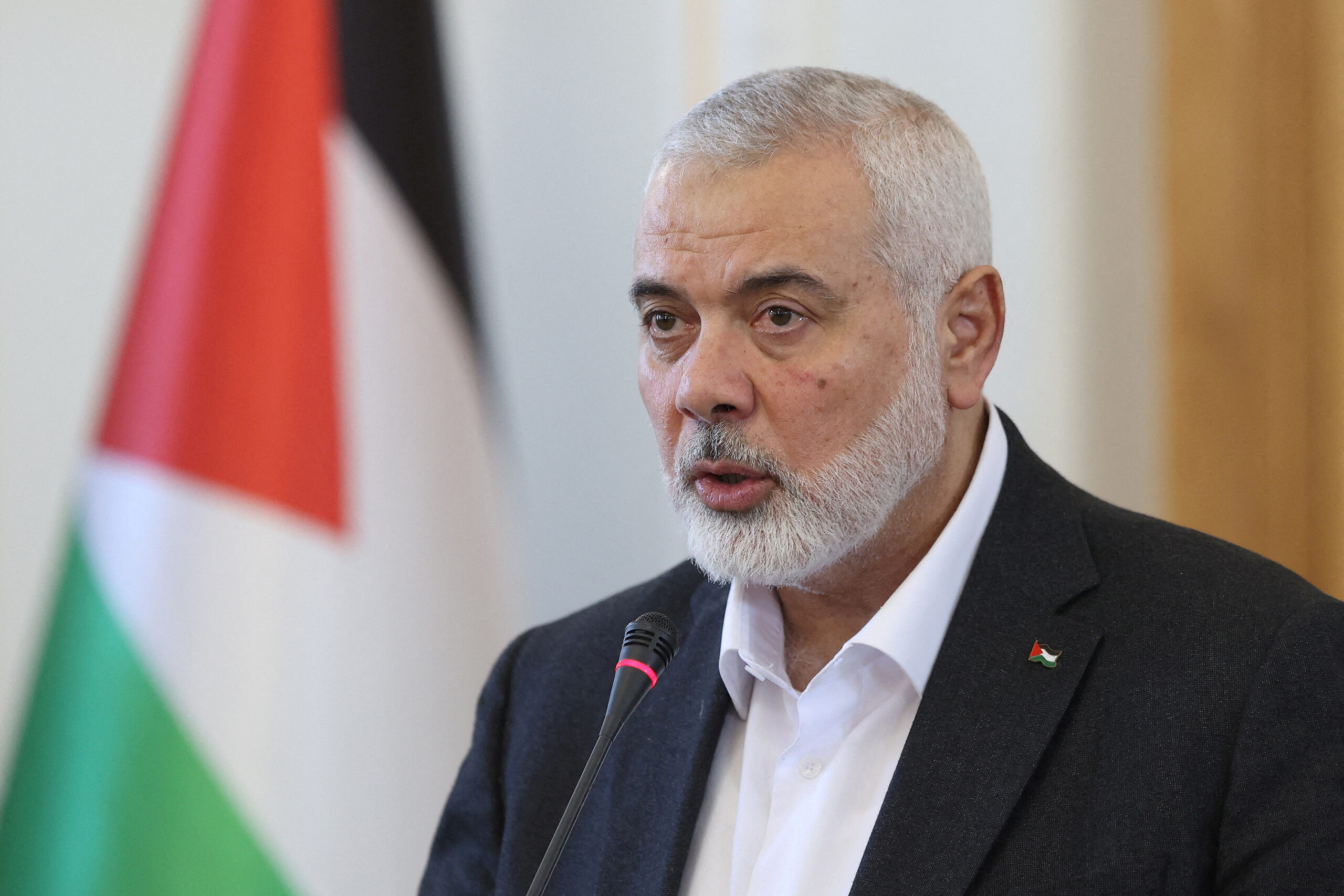
Hamas’s political chief, Ismail Haniyeh, was killed in an attack on his residence in Tehran, Iran. This incident, which also claimed the life of one of his bodyguards, marks a significant escalation in the ongoing tensions involving the Palestinian militant group. The attack has drawn immediate condemnation and concern from international leaders and analysts.

According to initial reports, the assailants targeted Haniyeh’s residence with a coordinated assault, leading to his death and the injury of several others. The circumstances surrounding the attack remain under investigation, and no group has yet claimed responsibility. The Iranian government has vowed a thorough investigation into the incident, emphasizing its commitment to combating terrorism and securing the safety of its citizens.

Haniyeh, a prominent figure in Hamas, has been a central player in the group’s leadership and operations. His death could potentially shift the balance within Hamas and affect its strategies and alliances. Analysts are closely watching for potential repercussions on regional stability and the broader Israeli-Palestinian conflict.

The assassination of Haniyeh represents a critical development in the ongoing conflict dynamics. His leadership was instrumental in Hamas’s political and militant activities, and his absence might create a power vacuum within the organization. This event is likely to provoke varied responses from different factions, both within the region and internationally.

International reactions have been swift, with calls for restraint and dialogue from various world leaders. The attack underscores the volatile nature of the geopolitical landscape in the Middle East, highlighting the persistent risks associated with high-profile figures in conflict zones. The implications of Haniyeh’s death will unfold in the coming days as the situation develops and more information becomes available.

As the investigation continues, the global community remains on alert for potential repercussions. The situation reflects the ongoing complexities of Middle Eastern politics and the enduring challenges in achieving lasting peace and stability in the region.

An Israeli airstrike targeted Hezbollah commander Fouad Shukr in Beirut, marking a significant escalation in tensions between Israel and Hezbollah. Shukr, a senior military figure within the Lebanese group, is known for his close ties to Hezbollah’s leadership and his involvement in strategic operations.

The airstrike occurred late Tuesday, with initial reports indicating that Shukr was among the primary targets. Lebanese media confirmed the attack, noting damage to several buildings in the southern suburbs of Beirut, a Hezbollah stronghold. The area, often referred to as Dahiyeh, has seen similar strikes in the past, but this operation specifically aimed at Shukr signals a more direct confrontation.

Fouad Shukr, also known by his nom de guerre, Al-Hajj Mohsin, has been a prominent figure in Hezbollah for decades. His military career began in the early 1980s, and he has since ascended through the ranks, becoming a key advisor to Hezbollah’s Secretary-General Hassan Nasrallah. Shukr’s expertise in military tactics and his role in coordinating operations in Syria have made him a critical asset to the organization.

Hezbollah’s involvement in the Syrian conflict has been extensive, with Shukr playing a pivotal role. His strategic planning and operational oversight have contributed to the group’s efforts to support the Syrian government, particularly in key battles such as those in Aleppo and Qusayr. These operations have cemented Shukr’s reputation as a skilled military leader within Hezbollah’s ranks.

The Israeli government has long viewed Shukr as a significant threat. His role in planning and executing operations against Israeli targets, both within Lebanon and abroad, has placed him high on Israel’s list of adversaries. Israeli officials have accused Shukr of being involved in the 1983 Beirut barracks bombings, which killed 241 U.S. service members, a claim that Hezbollah has consistently denied.

This targeted strike on Shukr is part of a broader Israeli strategy to disrupt Hezbollah’s military capabilities. Israel has repeatedly stated its intent to prevent Hezbollah from acquiring advanced weaponry and strengthening its position along the Israeli-Lebanese border. Over the years, Israel has conducted numerous airstrikes in Syria and Lebanon aimed at intercepting weapons shipments destined for Hezbollah.

The timing of this strike is particularly noteworthy. It comes amid heightened tensions in the region, with ongoing conflicts in Syria and escalating confrontations between Israel and Iranian-backed militias. Hezbollah’s close alliance with Iran has further complicated the dynamics, as Israel seeks to counter Iranian influence in the Middle East.

Reactions to the strike have been swift. Hezbollah condemned the attack, vowing retaliation and reinforcing its commitment to resist Israeli aggression. The Lebanese government, while acknowledging the attack, has called for restraint to avoid further escalation. International reactions have been mixed, with some countries urging both sides to de-escalate and others expressing concern over the potential for a broader conflict.

Analysts suggest that this strike could have significant implications for the stability of the region. Hezbollah’s response will likely determine the immediate future of Israeli-Lebanese relations. Should Hezbollah choose to retaliate, the possibility of a larger military confrontation cannot be ruled out. However, the group may also opt for a more calculated response, avoiding direct confrontation while continuing to strengthen its military infrastructure.

The situation remains fluid, with the potential for rapid developments. As both Israel and Hezbollah navigate this latest escalation, the international community will be closely monitoring the unfolding events. The strike on Fouad Shukr underscores the persistent volatility in the region and the ongoing struggle for power and influence between Israel and Hezbollah.

Hezbollah’s next moves, coupled with Israel’s strategic objectives, will shape the regional landscape in the coming months. This episode highlights the fragile nature of the current ceasefire and the ever-present risk of conflict in the Middle East.

UAE President Sheikh Mohamed bin Zayed Al Nahyan and Vice Presidents Sheikh Mohammed bin Rashid Al Maktoum and Sheikh Mansour bin Zayed Al Nahyan have conveyed their heartfelt condolences to President Droupadi Murmu and Prime Minister Narendra Modi following devastating floods in India that have resulted in significant loss of life and property. The catastrophic floods have affected various states, causing severe damage to infrastructure, displacing thousands, […]

An Israeli airstrike hit Beirut on Tuesday night, targeting senior Hezbollah commander Fouad Shukr. This move marks a significant escalation in the long-standing tension between Israel and Hezbollah, a militant group based in Lebanon.

Fouad Shukr, a senior member of Hezbollah’s military wing, has been a key figure in the organization’s operations for decades. He is alleged to have played a pivotal role in the planning and execution of various military actions against Israel. Shukr’s involvement in the group’s military strategies has made him a high-value target for Israeli forces.

The strike on Beirut was part of a broader campaign by Israel to neutralize Hezbollah’s leadership and diminish its operational capabilities. Israeli officials have accused Hezbollah of stockpiling weapons and preparing for attacks against Israeli targets. The targeting of Shukr is seen as a strategic move to disrupt Hezbollah’s command structure and weaken its ability to coordinate attacks.

This development comes amid heightened tensions in the region. Over the past few weeks, both sides have exchanged threats and accusations, with Hezbollah leaders vowing to retaliate against Israeli aggression. The group has a substantial presence in Lebanon and is known for its sophisticated military capabilities, including a significant arsenal of rockets and missiles.

Israel’s intelligence services have been closely monitoring Hezbollah’s activities, aiming to thwart potential threats before they materialize. The decision to strike Shukr was likely based on actionable intelligence indicating his involvement in planning imminent attacks against Israel. The precision strike underscores Israel’s commitment to defending its borders and deterring hostile actions from Hezbollah.

Hezbollah’s leadership has yet to issue an official statement regarding the strike on Shukr. However, sources within the group have indicated that they are assessing the damage and planning a response. The strike is expected to provoke a strong reaction from Hezbollah, which has a history of retaliating against Israeli military actions.

The international community has expressed concern over the escalation of hostilities between Israel and Hezbollah. The United Nations has called for restraint from both sides to prevent a further deterioration of the situation. Diplomatic efforts are underway to de-escalate the conflict and encourage dialogue between the parties involved.

The strike on Fouad Shukr highlights the ongoing volatility in the Middle East and the fragile balance of power in the region. Both Israel and Hezbollah possess significant military capabilities, and any further escalation could lead to a broader conflict with severe consequences for the region.

The Lebanese government, which has limited control over Hezbollah’s activities, is also under pressure to address the situation. Lebanon is already facing a myriad of challenges, including a severe economic crisis and political instability. The strike adds another layer of complexity to the country’s already precarious situation.

In the coming days, the focus will be on Hezbollah’s response to the strike and how Israel will manage the fallout. The potential for a broader conflict remains high, and the international community will be watching closely to see how the situation unfolds.

As tensions continue to simmer, the prospect of a full-scale confrontation looms, posing a significant threat to regional stability. Both sides will need to weigh their options carefully to avoid a catastrophic escalation that could engulf the entire region in conflict.

By Tirthankar Mitra Reduced to a single Lok Sabha member from West Bengal post 2024 elections, the state Congress unit is busy picking up the pieces of the jigsaw which would help it arrive at the causes of its dismal state and chart its path of revival. Apart from an organisational rejig and the search […]


ABU DHABI, 30 July 2024 — ADNOC has unveiled a significant advancement in its offshore operations with the Satah Al Razboot (SARB) oil field achieving a 25% increase in production capacity. This development is attributed to the integration of advanced digital technologies aimed at optimizing efficiency and output. The expansion comes as ADNOC continues to leverage cutting-edge technology to boost its production capabilities. The SARB field, which […]

By Arun Srivastava Give a bad name to the dog and kill it. This is actually happening with the railways. Recurring train accidents are the best motives for marketing the train services to private sector. Selling a profit making organisation would invite severe public outcry and criticism. It would give a bad name to the […]

ABU DHABI, 30th July 2024 — President His Highness Sheikh Mohamed bin Zayed Al Nahyan of the United Arab Emirates has conveyed heartfelt congratulations to King Mohammed VI of Morocco on the occasion of Throne Day. The UAE’s top leadership sent their best wishes to the Moroccan monarch, marking a celebration that underscores the strong and enduring ties between the two nations. Throne Day, celebrated annually on […]

OPEC Secretary General Haitham Al-Ghais emphasized the continued importance of oil in the global energy landscape, highlighting its critical role despite ongoing transitions to renewable energy sources. Addressing industry stakeholders, Al-Ghais underscored that oil remains indispensable for various sectors, advocating for a balanced approach that includes all forms of energy to ensure stability and meet future demands. Al-Ghais pointed out that even as the world shifts towards […]

Gulf Air has finalized a collective labor agreement with the Gulf Air Pilots Trade Union (GAPTU), resolving a prolonged dispute between the airline and its pilots. This accord marks a significant step in addressing concerns raised by the pilots over working conditions and compensation. The negotiation process, which began several months ago, was pivotal in overcoming challenges related to salary adjustments, benefits, and job security. The agreement […]

Dubai’s status as a global aviation hub was further solidified at the Dubai Airshow 2023, which saw significant participation from major players in the aerospace industry. The event, held from November 13-17 at Dubai World Central, was inaugurated under the patronage of His Highness Sheikh Mohammed Bin Rashid Al Maktoum. The show highlighted the UAE’s commitment to innovation and sustainability in the aviation sector. Keynote speakers, including […]

The UAE’s National Program for Artificial Intelligence, in partnership with the University of Birmingham, kicked off the sixth edition of the UAE AI Camp on 28th July 2024. The event, aimed at equipping youth with cutting-edge AI knowledge and skills, attracted a large number of participants from across the country. The AI Camp, an annual initiative, is a cornerstone of the UAE’s broader strategy to become a […]

Private sector companies across the UAE have been cautioned by the Ministry of Human Resources and Emiratisation (MOHRE) against engaging in fraudulent activities related to the Emiratisation program. Authorities highlighted wage manipulation and other deceitful practices as significant concerns, emphasizing the severe penalties for violators. MOHRE’s latest directive aims to reinforce the integrity of the Emiratisation initiative, which seeks to increase the employment of UAE nationals in […]

Puducherry’s Coalition Govt Facing Rebellion From Disgruntled BJP MLAsPuducherry’s Coalition Govt Facing Rebellion From Disgruntled BJP MLAsBy Harihar Swarup Puducherry is said to be the BJP’s plan B to get a foothold in the Dravida land. But it took a serious hit in the Lok Sabha elections when its candidate in the lone constituency in the union territory, home minister A. Namassivayam, suffered a humiliating loss against the Congress’s V. Vaithilingam. […]

The first trailer for DC’s upcoming animated show, *Creature Commandos*, has been released, setting the stage for one of the initial projects under James Gunn’s new leadership. Scheduled for a December release, the show promises to follow in the footsteps of *The Suicide Squad* with a unique twist on the team of misfit characters. The trailer, posted on the official Max YouTube channel, reveals that *Creature Commandos* […]

Centre’s Withdrawal Of Ban On Govt Employees To Join RSS Has Ominous ConsequencesCentre’s Withdrawal Of Ban On Govt Employees To Join RSS Has Ominous ConsequencesBy Arun Srivastava Prime Minister Narendra Modi lifting the 44-year-old ban on government employees from joining RSS and allowing them to actively participate in its programmes, might be construed as a tactical move to buy peace with RSS chief Mohan Bhagwat, but more than that, it is a move to legalise RSS interference in managing […]

Deputy Prime Minister Heng Swee Keat presented RGE with the highest distinction under the enhanced Company of Good Recognition system SINGAPORE – Media OutReach Newswire – 25 July 2024 – RGE Pte Ltd. has been distinguished as a ‘Champion of Good’ at the National Volunteer and Philanthropy Centre’s (NVPC) Company of Good (COG) Conferment ceremony on 18 July 2024. The award recognizes RGE’s commitment to sustainable practices […]

VISHNU RAJA
RYO YAMADA
HITORI GOTOH
IKUYO KITA