News related to
leadership

Dubai’s economy saw a notable growth of 3.3% in the second quarter of 2024, reaching a value of Dh116 billion ($31.58 billion), fueled by strong performance in key non-oil sectors like tourism, technology, and trade. This growth reflects the emirate’s continued diversification efforts and its ability to capitalize on emerging global trends.

Tourism has played a significant role in this expansion, with the sector experiencing a remarkable uptick in activity. Dubai’s tourism sector has long been a major contributor to its GDP, and in 2024, it was buoyed by the city’s robust tourism campaigns and major international events. The city hosted several high-profile exhibitions, concerts, and sporting events, which, along with the easing of global travel restrictions, have increased visitor numbers. This has had a direct impact on hospitality, retail, and entertainment industries, driving substantial revenue growth in these areas.

The technology sector also made impressive strides, contributing heavily to Dubai’s overall economic performance. Investment in tech infrastructure and innovation continues to push the boundaries of the city’s capabilities, attracting both regional and global players. Dubai has positioned itself as a hub for digital innovation and a global destination for tech startups. With Dubai’s Smart City initiative and various tech-centric projects, the city is setting a benchmark in AI, fintech, and blockchain adoption. These technological advancements are expected to play an even larger role in sustaining growth as the global digital economy expands.

Real estate, a longstanding pillar of Dubai’s economy, continues to show resilience. Despite global uncertainties, the property market has shown consistent demand, especially in the luxury sector. The city’s ambitious developments, including the Expo City Dubai, have helped maintain investor confidence. In addition, increased construction and infrastructural developments have stimulated job creation and supported economic activity in related sectors.

Trade, another critical non-oil sector, also saw an uptick, benefiting from Dubai’s strategic position as a global trade hub. The emirate has expanded its trade relationships, particularly in Asia and Africa, further cementing its status as a gateway for goods flowing into the Middle East and beyond. Efforts to enhance logistics, including advanced port facilities and a strong air cargo network, have been pivotal in boosting the trade sector.

While non-oil sectors remain the driving force, the overall economy has benefited from Dubai’s proactive stance in securing long-term partnerships and fostering innovation. Dubai has capitalized on global shifts, such as the rise of e-commerce and increased demand for digital services, leveraging its infrastructure and regulatory environment to support these industries.

However, challenges remain, particularly in global economic uncertainties and geopolitical factors that could affect trade and investment. The city’s leadership is aware of the need for sustainable growth, and they continue to promote policies aimed at ensuring resilience in the face of global risks. A strong focus on sustainability and green technologies is expected to be a cornerstone of Dubai’s development in the coming years, as part of efforts to diversify and future-proof the economy.

The Dubai government has approved an ambitious succession planning framework, focusing on securing continuity and resilience in public sector leadership. The newly introduced system, announced by Dubai’s Executive Council, aims to cultivate a pool of capable Emirati leaders across various government departments, ensuring that vital functions within the emirate are sustained without disruption.

Developed as part of a broader strategy to enhance corporate risk management, this framework is designed to support smooth leadership transitions and maintain operational consistency. With an emphasis on leadership training and skill-building for younger Emirati professionals, the initiative aims to create a structured approach to identifying and preparing potential successors for senior roles. This structured model is a key step forward, addressing risks tied to unforeseen vacancies and fostering stability across critical sectors.

Dubai’s succession plan aligns with the emirate’s vision of building a competitive and sustainable government workforce. This move also dovetails with Dubai’s larger strategic goals under the Dubai Plan 2021, which seeks to foster an innovative and adaptive public sector while reducing reliance on expatriate expertise in high-stakes roles. By focusing on developing a robust pipeline of national leaders, the government aspires to elevate Emirati talent within its civil service, ensuring a stronger, locally-led workforce.

Several departments, including the Dubai Chamber of Commerce and the Department of Economic Development, have already set up pilot programs to assess the new model’s effectiveness. These early trials have showcased positive outcomes in fostering Emirati leadership across finance, trade, and economic regulation roles. The Dubai Chamber has also emphasized that by formalizing succession planning processes, it aims to enhance efficiency, bring fresh perspectives to strategic decision-making, and address long-term staffing needs.

SINGAPORE – Media OutReach Newswire – 8 November 2024 – The Asia Pacific Enterprise Awards (APEA) 2024 Regional Edition is pleased to honor Ariescope EL Mejor Trading Pte Ltd (Ariescope Trading) as an exemplary business in Asia. Organized by the NGO Enterprise Asia, the APEA is an unparalleled platform for fostering entrepreneurial growth in Asian economies. Ariescope Trading stands at the forefront of the Trading & Wholesaling […]

HO CHI MINH CITY, VIETNAM – Media OutReach Newswire – 8 November 2024 – KBTG Vietnam, the technological arm of KASIKORN Business-Technology Group (KBTG), in partnership with Techsauce, celebrates the successful hosting of Techsauce Global Summit 2024 in Vietnam. The event, held in Ho Chi Minh City, embodies a shared dedication to nurturing a sustainable digital economy throughout ASEAN and Southeast Asia. KBTG Vietnam celebrates the successful […]

Avaada, a renewable energy firm backed by Brookfield, is making strides toward entering the green hydrogen sector with a major project in the UAE. The company, which has already established a significant footprint in solar energy, has announced plans to invest in green hydrogen production, marking its expansion into an emerging and strategically important industry in the region. The move highlights the UAE’s growing interest in clean […]

Europe is preparing for the potential implications of a second Trump presidency, concerned about renewed trade tensions and significant shifts in the transatlantic security framework. European leaders recall the policies of Trump’s first term, marked by tariffs on European imports, withdrawal from the Paris Climate Accord, and a confrontational approach to NATO contributions. With 2024 U.S. elections looming, European officials are not only bracing for a resurgence of similar tactics but also assessing ways to assert greater autonomy in defense and trade.

European officials and diplomats have begun emphasizing readiness to avoid a repeat of the challenges that caught many off-guard in 2016. Some leaders, including former French President François Hollande, advocate for a proactive stance, urging the European Union to prepare for a United States that may distance itself from Europe. This contingency plan comes amid heightened anxieties that Trump, unbound by re-election concerns, might intensify his stance on Europe’s defense spending and reduce American military presence in the region.

A renewed Trump administration could increase pressure on Europe to adjust its strategic and defense priorities. With his past criticisms of NATO members’ defense spending, particularly Germany’s, Trump’s possible return to the White House has led to a revival of European conversations on strategic autonomy. During Trump’s initial tenure, he consistently advocated for NATO countries to boost their contributions, often singling out Germany, which at the time did not meet NATO’s 2% GDP defense expenditure target. While Germany has since increased its defense spending, concerns persist that Trump may push for even more significant European financial commitments or explore alternative alliances outside NATO.

In Germany, which has experienced some of the most direct effects of Trump’s policies, the federal government is intensifying its preparations. German Foreign Minister Annalena Baerbock’s outreach to U.S. Republican counterparts exemplifies a strategic approach to establish dialogue channels with influential American conservatives. However, many German policymakers, including influential parliamentarian Norbert Röttgen, question the depth of current preparation efforts, noting that Europe’s primary response to Trump’s 2016 election was inadequate and highlighting the importance of independent defense planning as a hedge against potential U.S. policy shifts.

Across the EU, there is a growing trend to diversify defense and trade partnerships beyond the U.S. European Commission officials have coordinated increased production of military supplies, such as ammunition, to bolster Ukraine’s defense—a move that reflects a broader commitment to strengthening the EU’s defense capabilities independently of the U.S. Former Estonian President Toomas Hendrik Ilves observed that Europe has substantially ramped up its weapons support for Ukraine, surpassing even U.S. assistance in some aspects, which has reinforced confidence in Europe’s evolving defense autonomy.

Another key area of concern is the potential impact on U.S.-EU trade relations. Trump’s previous term saw the imposition of tariffs on European steel and aluminum, sparking a transatlantic trade dispute. A new administration could see these tariffs reintroduced or new tariffs placed on high-value European exports, such as automobiles, which could disrupt key European industries. European economies, particularly Germany’s automotive sector, could experience significant repercussions from any new tariffs, given the close integration of global supply chains. In light of these risks, the EU has been ramping up its trade outreach to diversify markets and secure alternative trade agreements.

The strategic and political implications of a second Trump term also extend to the sensitive issue of European alliances. Poland, for instance, has maintained strong relations with the U.S. regardless of leadership, with initiatives like “Fort Trump”—a symbolic reference to enhanced U.S. troop presence in Poland. While Poland has benefited from U.S. support, including defense cooperation, Trump’s campaign rhetoric about achieving a “peace deal” with Russia within a day has stirred unease. Given Poland’s critical position in NATO’s eastern flank and its robust support for Ukraine, Polish officials are wary of any potential pivot by Washington that could undermine NATO’s collective stance against Russia.

In response to these uncertainties, several European countries have taken steps to build relationships with influential American Republicans, including House and Senate members. Efforts to enhance diplomatic engagement have been evident in the diplomatic visits of figures like former British Prime Minister Boris Johnson, who held talks with Texas Governor Greg Abbott to anticipate changes in U.S.-UK ties in a Trump-led America.

PHNOM PENH, CAMBODIA – Media OutReach Newswire – 8 November 2024 – Neak Oknha Chen Zhi, Chairman of Prince Holding Group, has been honored with the title “Visionary Philanthropist of the Year – Cambodia” for his ongoing contributions to community development and sustainable growth across Cambodia. Presented by The Business Pinnacle Awards, this accolade acknowledges Chen Zhi’s commitment to philanthropy, emphasizing sustainable impact through well-targeted programs. Neak […]

Advertisements

HONG KONG SAR – Media OutReach Newswire – 8 November 2024 – Hong Kong Design Centre (HKDC) is thrilled to reveal the winners of DFA Hong Kong Young Design Talent Award (DFA HKYDTA) 2024. A total of 17 young and exceptional designers from Hong Kong have been selected by a panel of distinguished judges. Among them, 13 winners will receive financial sponsorships to pursue education or work […]

TAIPEI, TAIWAN – Media OutReach Newswire – 7 November 2024 – TVBS is a leading media brand in Taiwan and the TVBS Originals drama “Living” set a record at the 59th Golden Bell Awards, winning six awards and becoming the most-awarded single drama in the network’s history. The series achieved significant success in Taiwan and received its first nomination at the Asia Contents Awards & Global OTT […]

By Nitya Chakraborty On November 5 late night, even before the presidential election results gave Donald Trump a majority of 270, former President of Brazil Jair Bolsonaro wrote an ecstatic message in X the former Twitter congratulating his mentor on his magnificent win saying this will have a big impact on Latin American politics. Bolsonaro […]

The facility caters to high-tech end-user industries, such as Aerospace, Healthcare, 5G, Artificial Intelligence (AI) and Electric Vehicles (EV) SINGAPORE – Media OutReach Newswire – 7 November 2024 – SABIC, a global diversified chemicals company, today announced the official launch of its new US$170 (S$220) million ULTEM™ resin manufacturing facility in Singapore, marking the company’s first advanced specialty chemical manufacturing facility in the region producing the high-performance […]

SINGAPORE – Media OutReach Newswire – 7 November 2024 – Held at the Grand Hyatt Taipei on 13 September, the much-anticipated Asia Pacific Enterprise Awards (APEA) 2024 Taiwan recognized many leading companies and entrepreneurs for their success and excellent leadership. The APEA is Asia’s premier awards recognition program promoting outstanding entrepreneurship, bringing together top entrepreneurs, and fostering networking between various industries. Alljack Technologies, Inc. was among the […]

By Nitya Chakraborty Finally, the U.S. election results are out. The Republican candidate Donald Trump has swept the polls by winning convincingly in the presidential contest as also leading the Republican Party to majority in both the Senate and the House of Representatives. There is no grey area. It is apparent that the majority of […]

Tajul Islam Donald Trump’s recent critique of Bangladesh on social media, branding it as a nation rife with “barbaric violence” against religious minorities and claiming it exists in a “total state of chaos,” has drawn significant attention. This statement, made just days before the US presidential election, appears to be an effort to appeal to Hindu-American voters, a demographic that has increasingly urged Trump to address issues related […]

Abu Dhabi’s National Marine Dredging Company (NMDC) is pursuing its first significant acquisition in the Gulf region, with plans to finalize a deal by the end of the year. The state-backed firm, which has expanded its portfolio through several infrastructure and engineering projects, has been actively exploring new ventures in the region to diversify its operations and strengthen its position in the global construction and marine services […]

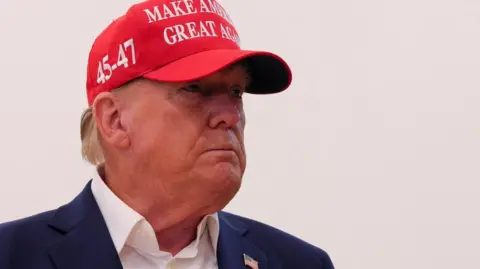
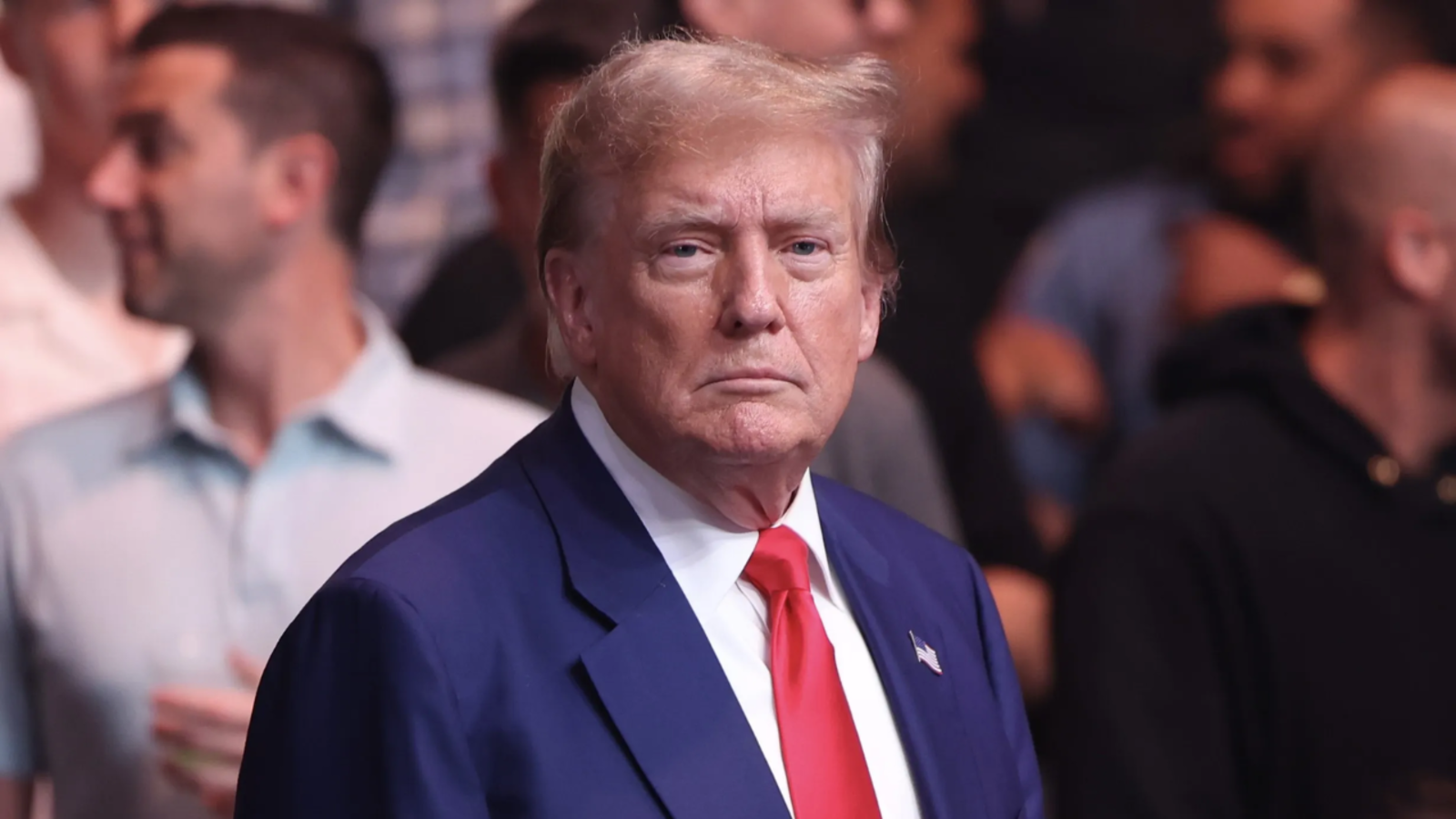
Donald Trump declared a resounding victory following his success in a pivotal electoral contest, marking a significant milestone in his political journey. Speaking to a fervent crowd of supporters, Trump praised his campaign’s momentum and emphasized the importance of his victory in shaping the nation’s future. His remarks came after securing a crucial state that many had anticipated to be a tight race.

Trump’s win has sent shockwaves through the political landscape, igniting debates over the direction of the upcoming election cycle. Political analysts have been quick to weigh in on the implications of his victory, with some suggesting it could be a precursor to a broader surge in support, while others caution that the battle for the White House is far from over.

The former president’s victory in this key state highlights his continuing influence within the Republican Party. In his speech, Trump reinforced his stance on major issues, including immigration, trade, and national security, reiterating promises to restore economic prosperity and strengthen America’s global standing. His remarks were a clear message to his rivals that he is ready to reassert control over the political narrative leading up to the next presidential election.

Trump’s political allies have rallied behind his victory, seeing it as a reaffirmation of his strength as a candidate. Republican figures, many of whom had initially been skeptical about his potential candidacy, have now aligned themselves with his vision for the future. Several prominent party members have voiced their support, underscoring the idea that Trump’s victory could pave the way for a unified Republican front as the race for 2024 intensifies.

Meanwhile, the Democratic Party is bracing for what promises to be a fiercely contested election. Trump’s message of economic recovery and national security resonated with voters in key battleground states, suggesting that his ability to galvanize support among certain demographic groups remains a formidable force. This victory has reignited concerns among Democratic strategists about Trump’s potential to sway critical swing voters.

In the aftermath of his speech, there has been an outpouring of both support and criticism from various quarters. While many of his supporters cheered his victory, praising his leadership and vision, others expressed concerns over the divisive rhetoric that has often characterized his political career. Opponents argue that Trump’s approach to governance, particularly his handling of issues like healthcare, social justice, and climate change, has been polarizing and detrimental to the broader social fabric of the country.

The race for the presidency has undoubtedly entered a new phase, with Trump’s electoral success serving as a reminder of the enduring strength of his political brand. As he continues to rally supporters, the coming months will likely see heightened scrutiny of his policies and public statements. The Republican Party, meanwhile, faces a critical decision as it assesses how best to position itself for the approaching election cycle.

As political analysts digest the implications of this victory, attention is turning to the potential candidates who could emerge to challenge Trump for the Republican nomination. While several prominent figures have already signaled their intentions to run, none have yet been able to replicate the level of support Trump continues to command among a significant portion of the electorate.

The broader political environment remains unpredictable, with many questioning how the next phase of the race will unfold. In the coming months, both parties will focus their efforts on winning over key voting blocs, particularly in swing states, where Trump’s influence has been most keenly felt. As he capitalizes on this victory, Trump will need to navigate both internal party dynamics and external opposition to maintain his political dominance.

The UAE has unveiled its long-term National Investment Strategy 2031, aiming to attract and retain investments that will fortify the country’s economic diversification and accelerate its status as a global hub for business. The strategy is poised to reshape the investment landscape, focusing on key sectors including advanced technology, renewable energy, healthcare, and financial services.

The UAE’s leadership emphasized that the strategy is a pivotal element of the country’s broader economic transformation plan, building on its recent successes in establishing itself as a leading center for trade, technology, and innovation. As part of the strategy’s goals, the country is looking to increase the volume of foreign direct investment (FDI), enhance local businesses, and promote the integration of sustainable economic practices across industries.

Underpinning this ambitious strategy is the objective to improve the UAE’s competitive position in the global market by tapping into sectors of emerging global importance. This approach is intended not only to attract new investments but also to foster innovation that will drive growth across both traditional and non-traditional sectors. By 2031, the UAE aims to position itself as a key player in the global knowledge economy, with sustainable and cutting-edge technologies leading the charge.

One of the most critical components of the strategy is a comprehensive focus on advanced industries, particularly those that integrate artificial intelligence (AI), data science, and renewable energy technologies. In line with global trends, the UAE is seeking to capitalize on the opportunities brought about by climate change adaptation and green technologies. By investing in renewable energy projects, including solar and nuclear power, the nation is positioning itself to become a leader in sustainable energy solutions while contributing to global climate goals.

Another key feature of the strategy is its emphasis on strengthening the healthcare sector. As the world faces growing challenges related to aging populations and pandemics, the UAE is investing in health technologies that promise to not only improve the quality of healthcare services but also reduce costs and enhance healthcare delivery. This includes advancements in medical research, biotechnology, and digital health technologies, all aimed at improving efficiency and accessibility in the health sector.

A focal point of the UAE’s National Investment Strategy is also its effort to encourage the expansion of the financial services industry, particularly focusing on fintech innovations. By tapping into emerging trends such as blockchain, digital currencies, and decentralized finance, the UAE seeks to redefine its financial ecosystem, making it more agile and globally competitive. This is part of a broader initiative to attract a new generation of entrepreneurs and investors, particularly those in the tech and financial sectors.

The strategy also acknowledges the importance of a flexible and attractive regulatory framework for investors. The UAE plans to introduce measures that further ease the process of setting up businesses, reducing bureaucratic hurdles, and promoting an environment conducive to innovation. These steps include improvements in intellectual property laws, enhancing access to venture capital, and increasing transparency within the market. In this context, the UAE’s government is also aiming to make significant strides in digitizing the business registration process and enhancing the speed and efficiency with which new enterprises can operate.

The announcement of the National Investment Strategy 2031 comes at a time when the UAE is already seeing notable investments flowing into its economy. The UAE government has actively pursued bilateral investment agreements with countries across the globe, resulting in increased foreign capital inflows. The goal is to build on this momentum and ensure that the country remains an attractive proposition for investors and entrepreneurs seeking a stable and profitable business environment.

The strategy also aligns with the UAE’s Vision 2030, which places heavy emphasis on sustainability and economic diversification. It seeks to reduce the country’s reliance on oil exports and move towards a more knowledge-based economy. This vision aims to diversify revenue streams while fostering innovation and ensuring a more resilient economy in the face of global economic fluctuations. To support this transition, the UAE has been progressively creating a conducive ecosystem for high-tech industries, incorporating digital and green solutions into its infrastructure projects, and providing substantial incentives for businesses engaged in sustainability.

At the heart of the National Investment Strategy is the creation of new partnerships with global technology companies, investors, and academic institutions. These collaborations are expected to drive research and development activities, particularly in sectors that focus on sustainability, health, and innovation. Such partnerships are intended to propel the country’s efforts in creating a vibrant innovation ecosystem, fostering an environment where groundbreaking ideas can thrive and scale up quickly.

The strategy’s success will be closely tied to its ability to leverage the UAE’s geopolitical position as a bridge between East and West. Positioned at the crossroads of Europe, Asia, and Africa, the UAE has long served as a gateway for international trade, investment, and commerce. This strategic location, combined with its advanced infrastructure and growing talent pool, will help the UAE remain a prominent player on the global investment map.

Bitcoin has surged to an all-time high as traders factor in the possibility of a Donald Trump victory in the upcoming U.S. presidential election. The cryptocurrency reached new heights, surpassing the $40,000 mark for the first time, driven by a combination of factors, including growing political uncertainty, the appeal of Trump’s economic policies, and an increasing demand for decentralized assets as hedges against inflation.

As the election race intensifies, market analysts are closely monitoring how Trump’s political resurgence could impact traditional markets and the broader economy. Traders seem to be betting that a second Trump presidency would lead to favorable conditions for Bitcoin, particularly given his past rhetoric on the benefits of digital currencies and his critical stance toward centralized financial systems.

Bitcoin’s rapid rise comes at a time when the broader global economy is grappling with uncertainty. The U.S. economy, though resilient in many ways, faces challenges such as inflation, supply chain disruptions, and a fluctuating stock market. With the Federal Reserve’s interest rate hikes and the push for tightening monetary policy, many investors are looking for assets that provide an alternative to traditional banking systems. Bitcoin, often viewed as a store of value similar to gold, fits the bill.

Trump’s influence on Bitcoin’s price movement is not entirely new. In 2017, during his first presidential campaign, Bitcoin saw significant price appreciation, as his anti-establishment rhetoric resonated with many investors seeking refuge from a perceived unstable traditional financial system. His leadership style, coupled with calls to deregulate the financial sector, has always aligned with the ideals of the crypto community, which champions decentralization and reduced government oversight.

The current market sentiment surrounding Bitcoin reflects growing confidence in the cryptocurrency’s long-term potential, especially among traders who perceive Trump’s economic policies as supportive of asset appreciation. Trump’s stance on cryptocurrencies has evolved over time. Initially dismissive, his recent statements have indicated a more favorable approach, particularly with the rise of Bitcoin’s mainstream appeal.

While Bitcoin’s value continues to climb, it has also drawn attention from traditional financial institutions, who are taking a closer look at the asset class. Major financial firms are increasingly open to the idea of incorporating Bitcoin into their portfolios, with some even offering products that allow clients to invest directly in the cryptocurrency. This shift represents a growing mainstream acceptance of Bitcoin, which was once viewed as a speculative and volatile asset.

The surge in Bitcoin’s price is not solely attributable to political factors. The rise of institutional investment, the increasing adoption of blockchain technology, and regulatory clarity are all contributing to the cryptocurrency’s appeal. In countries like El Salvador, where Bitcoin has been adopted as legal tender, the digital currency’s role as a financial tool has become more apparent. The growing use of blockchain technology in industries ranging from supply chain management to healthcare also bodes well for Bitcoin’s future, as it becomes increasingly intertwined with global economic systems.

In the U.S., Bitcoin’s role in the political sphere is also gaining attention. Some political figures, particularly those aligned with the Republican Party, have expressed support for digital currencies, viewing them as a way to counterbalance the influence of the Federal Reserve and the U.S. dollar. Trump, despite his criticisms of the current administration, has been vocal in supporting policies that could benefit the cryptocurrency market. His stance on cryptocurrency has been a mixture of endorsement and skepticism, but his broader economic agenda, which favors lower taxes, deregulation, and less government intervention, aligns with the pro-crypto sentiment prevalent in the market.

Despite Bitcoin’s bullish momentum, there are concerns about the potential risks associated with such rapid price increases. Critics warn that Bitcoin’s volatility could result in a market correction, particularly if traders begin to overextend their positions. Additionally, global regulatory pressures could affect the asset’s price trajectory. Some governments, including China and the European Union, have signaled that they may take a more stringent approach to cryptocurrency regulation, which could influence market sentiment and investor behavior.

SINGAPORE – Media OutReach Newswire – 6 November 2024 – Artistic Biomedical Limited Company took home two awards at this year’s Asia Pacific Enterprise Awards (APEA) 2024 Taiwan Chapter, held at the Grand Hyatt Taipei on 13 September. The APEA is Asia’s leading awards ceremony recognizing outstanding entrepreneurship, innovation, and sustainable leadership in business. Since its founding in 2012, Artistic Biomedical has transformed the Taiwanese dental market. […]

The UAE has unveiled a bold new plan aimed at significantly increasing foreign direct investment (FDI) inflows to the country. By 2031, the government aims to attract Dh1.3 trillion in FDI, marking a major leap in the nation’s economic diversification efforts. This new strategy is part of a broader push to solidify the UAE’s position as a global business hub, leveraging its strategic location, business-friendly policies, and […]

ADNOC, Masdar, and Microsoft are joining forces to spearhead initiatives that fuse artificial intelligence with low-carbon technology, aiming to accelerate the energy sector’s transition to a more sustainable and efficient future. The collaboration among the three companies focuses on the application of advanced technologies to reduce carbon emissions and drive the development of cleaner, smarter energy solutions across the globe. At the core of the partnership lies […]

BANGKOK, THAILAND – Media OutReach Newswire – 5 November 2024 – Indorama Ventures Public Company Limited, a global sustainable chemicals company, celebrated the success of the Waste Fiction Challenge, a pioneering initiative that rallied young people from over 90 countries to envision zero-waste schools by 2030. Mrs. Suchitra Lohia The Waste Fiction Challenge is a global competition designed to engage youth in crafting imaginative stories of a […]

International Forum for sustainable development gathered political and commercial leaders HONG KONG SAR – Media OutReach Newswire – 4 November 2024 – To celebrate its 35th Anniversary, Hong Kong Quality Assurance Agency (HKQAA) held the 35th Anniversary Forum cum Celebration Ceremony at Ballroom, Level 3, JW Marriott Hotel Hong Kong. The Forum in the morning session was officiated by Mr Christopher Hui, GBS, JP, Secretary for Financial […]

Unity Technologies, the well-known platform for creating and operating interactive, real-time 3D content, has appointed Alex Blum as its new Chief Operating Officer. This strategic move aims to bolster Unity’s operational capabilities and enhance its leadership in the competitive landscape of gaming and augmented reality development. Blum joins Unity following a successful tenure as the Chief Financial Officer at DigitalOcean, where he was instrumental in guiding the […]

VISHNU RAJA
RYO YAMADA
HITORI GOTOH
IKUYO KITA