News related to
leadership

M A Hossain The upcoming US presidential election on November 5, 2024, carries significant implications for the entire world, including Bangladesh’s political landscape. With the recent ouster of Prime Minister Sheikh Hasina and her fleeing the country thus taking refuge in India, Bangladesh stands at a political crossroads, facing unprecedented geopolitical pressures. An intriguing aspect of this shift is the waning interest of foreign lobbyists in Washington, […]

Ryan Salame, the former co-CEO of FTX Digital Markets, has commenced his 7.5-year prison sentence as a result of his role in the collapse of the FTX cryptocurrency exchange. His sentencing on October 11 follows a guilty plea in September to charges related to campaign finance violations and operating an unlicensed money transmitting business, adding another chapter to the saga that has seen multiple executives from the […]

Theme: “Converge! Blooming Our Business in Transition” HANGZHOU, CHINA – Media OutReach Newswire – 30 September 2024 – The 2024 Smart City Expo World Congress · Hangzhou Stage has concluded with great success, uniting over 150 international organizations from 18 countries, nearly 200 global smart city leaders, and more than 70 city delegations. With the theme “Converge! Blooming Our Business in Transition,” the event showcased the latest […]

SHAH ALAM, MALAYSIA – Media OutReach Newswire – 8 October 2024 – On December 1, 2022, BEST Group officially launched its cargo network in Malaysia. In just two years, BEST Cargo has rapidly risen to become a major driver in Malaysia’s logistics industry, achieving 100% nationwide coverage. This comprehensive network has significantly contributed to the expansion of Southeast Asia’s logistics landscape. In just two years, BEST Cargo […]

By Dr. Gyan Pathak Haryana assembly election the result of which came out on Tuesday, has sprung up great surprise belying almost all political projections and analyses predicting Congress to wrest power from the BJP. However, Congress met a serious setback and the BJP spectacularly gained. It marks the reversal of political fortune, which shows […]

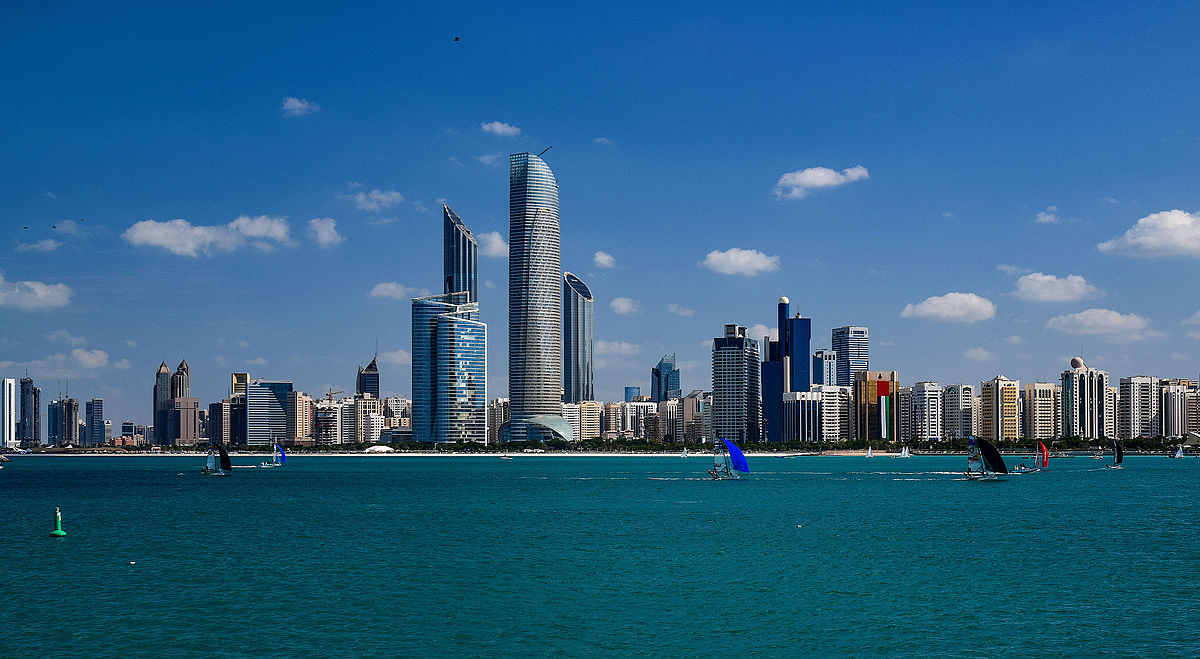
Abu Dhabi Investment Authority (ADIA), one of the world’s largest sovereign wealth funds, has established a subsidiary in Gujarat International Finance Tec-City (GIFT City), India’s first operational smart city and International Financial Services Centre (IFSC). This strategic move underlines ADIA’s growing interest in India’s financial ecosystem and is expected to accelerate the UAE’s investments in key sectors of the Indian economy.

ADIA’s decision aligns with the broader UAE-India economic collaboration that has deepened in recent years, driven by the Comprehensive Economic Partnership Agreement (CEPA). Signed in May 2022, CEPA has already resulted in substantial gains in bilateral trade, particularly in non-oil sectors, reaching $28.2 billion in the first half of 2024 alone. This agreement, designed to remove trade barriers, has also spurred significant foreign direct investment (FDI) inflows into India, with ADIA playing a prominent role.

The new subsidiary will benefit from GIFT City’s unique regulatory and tax advantages, enhancing ADIA’s capacity to manage and diversify its global portfolio from India. GIFT City offers a conducive environment for international businesses, with simplified tax regimes, ease of operations, and direct access to Indian and global markets, making it an attractive hub for financial activities. ADIA’s expansion into this zone signals a potential increase in UAE-driven investments, particularly in infrastructure, real estate, and technology sectors, areas where India is actively seeking foreign capital.

This development follows a series of UAE-led initiatives in India, such as the establishment of food parks and logistics hubs, and marks the strengthening of bilateral ties under the leadership of Indian Prime Minister Narendra Modi and UAE President Sheikh Mohamed bin Zayed Al Nahyan. Both leaders have emphasized the significance of UAE’s investments in India, with projects spanning across infrastructure, renewable energy, and technology sectors. The bilateral focus is not just on economic gains but also on fostering sustainable growth and innovation.

ADIA’s growing footprint in India is part of a broader trend of Middle Eastern sovereign wealth funds seeking to diversify their investment portfolios amidst global economic uncertainties. India, with its burgeoning middle class, robust consumption patterns, and ambitious infrastructure development plans, has emerged as a prime destination for such funds. ADIA’s investments are not only expected to boost India’s financial services sector but also contribute to the creation of high-skilled jobs and the development of a sophisticated financial ecosystem.

The subsidiary in GIFT City is anticipated to further bolster ADIA’s long-standing presence in India, where it has already invested in a variety of sectors including logistics, highways, and affordable housing. Over the past few years, the fund has also collaborated with local partners to channel investments into emerging sectors like e-commerce, technology, and healthcare. The new base in GIFT City could facilitate the expansion of ADIA’s investment portfolio, providing opportunities for greater collaboration with Indian companies and startups, especially those focusing on cutting-edge technologies like artificial intelligence (AI) and renewable energy.

With ADIA’s move into GIFT City, the potential for synergies between UAE’s sovereign funds and India’s development goals has significantly increased. GIFT City is positioned to be a critical financial hub, and the entry of global players like ADIA could accelerate the transformation of this zone into a regional powerhouse. India’s policymakers have been actively promoting GIFT City as a destination for international financial services, aiming to attract leading global financial institutions to establish a presence there. ADIA’s entry could prompt other sovereign funds and multinational corporations to follow suit, further cementing GIFT City’s role in global finance.

The announcement of ADIA’s subsidiary comes at a time when India is also witnessing a surge in foreign investments across various sectors, thanks in part to favorable government policies and the country’s economic resilience. Despite global headwinds, India remains one of the fastest-growing economies in the world, and its government has been keen on securing investments that contribute to long-term growth. The cooperation between India and the UAE, symbolized by initiatives such as ADIA’s expansion, is seen as a key pillar in India’s broader strategy to bolster its economic prospects through strategic partnerships with key global players.

Saudi Arabia’s food giant Almarai is poised for a major expansion in the region with its decision to acquire Jordan’s Hammoudeh Food Industries for $70 million. This strategic move aims to bolster Almarai’s dairy and cheese production capabilities through its subsidiary, Teeba Investment. The deal is seen as part of Almarai’s broader efforts to deepen its presence in core markets across the Middle East.

Hammoudeh Food Industries, a leading producer of dairy, juices, and other related products in Jordan, represents a crucial addition to Almarai’s portfolio. The acquisition, valued at SR263 million (roughly $70 million), will be financed through Almarai’s internal cash flows. This investment not only solidifies the company’s foothold in Jordan but also aligns with its long-term growth strategy. The acquisition is still subject to regulatory approvals in both Jordan and Saudi Arabia, and adjustments to the final price may occur as the process progresses.

The acquisition is expected to provide Almarai with significant operational leverage, enabling it to enhance its product offerings and scale operations across the region. Almarai’s strategic move aligns with ongoing trends in the Middle East’s food and beverage sector, where companies are increasingly looking to consolidate their presence in key markets and diversify their product lines. For Almarai, this acquisition marks another step in maintaining its competitive edge as one of the largest dairy producers in the region.

The company has been eyeing expansion opportunities in key markets like Jordan, where Hammoudeh’s established brand and operational capabilities complement Almarai’s ambitions to enhance its supply chain and distribution networks. This move is likely to have significant implications for Almarai’s growth trajectory as it works to tap into Jordan’s growing dairy market and further expand its consumer base.

Almarai’s financial performance has been robust, reflecting its successful execution of strategic acquisitions and operational efficiencies. Over the years, the company has maintained a strong presence in the GCC, and the acquisition of Hammoudeh is expected to solidify its position as a leading player in the region’s dairy market. This latest acquisition will enable Almarai to extend its product range, which includes milk, cheese, and other dairy products, while also leveraging economies of scale to drive profitability.

The Middle East’s dairy market has seen a surge in demand driven by shifting consumer preferences toward healthier food options. Companies like Almarai have responded by investing in innovation and expanding their product lines to cater to these trends. Almarai’s recent financial results also demonstrate the company’s resilience and ability to adapt to changing market conditions. In its latest trading updates, Almarai’s stock price climbed by 1.62% following the announcement of the acquisition, signaling strong investor confidence in its expansion strategy.

Almarai’s acquisition of Hammoudeh Food Industries also comes at a time when regional trade relationships are being strengthened. Saudi Arabia and Jordan have been enhancing economic cooperation, especially following the signing of the Comprehensive Economic Partnership Agreement (CEPA), which aims to boost trade between the two nations. The trade between Saudi Arabia and Jordan is projected to reach $8 billion in the near future, a sign of the deepening ties between these neighboring nations. Almarai’s investment in Jordanian assets could serve as a catalyst for further collaborations between businesses in the two countries, strengthening economic ties and creating opportunities for other sectors as well.

This acquisition is seen as a continuation of Almarai’s strategy of diversifying its business and enhancing its regional footprint. Previously, the company had made strategic acquisitions and investments to expand into new product segments, particularly in the food and beverage industry. This focus on expansion has enabled Almarai to maintain its leadership in the market, especially amid growing competition in the sector.

Looking ahead, Almarai is expected to continue seeking out new growth opportunities in the region, with a particular focus on emerging markets that offer strong consumer demand for dairy products. The acquisition of Hammoudeh is just one piece of the puzzle in Almarai’s broader growth strategy, as the company works to enhance its production capabilities, streamline its supply chain, and expand its distribution network across the Middle East.

Advertisements

Reinforcing Its Status as the No. 1 Global Destination for Tourists Worldwide BANGKOK, THAILAND – Media OutReach Newswire – 7 October 2024 – ICONSIAM, the global landmark along the Chao Phraya River and one of the key projects by Siam Piwat Group, the owner and operator of premium global shopping destinations, in joint venture with Charoen Pokphand Group (CP) and Magnolia Quality Development Corporation (MQDC), has reinforced […]

The possibility of Dan Gallagher, Robinhood’s Chief Legal Officer, becoming the next SEC chair is gaining traction, particularly in the event of a Donald Trump presidency. His candidacy signals a shift in regulatory priorities, especially concerning the highly scrutinized cryptocurrency sector. Gallagher, who previously served as an SEC commissioner, has expressed clear opposition to the SEC’s current stance on crypto enforcement, arguing for more nuanced, tailored regulations that support market growth while ensuring investor protection.

As discussions about the leadership of the SEC intensify, Gallagher’s approach to cryptocurrency regulation has garnered support among certain industry players. His emphasis on creating crypto-specific regulations contrasts sharply with the current SEC chair Gary Gensler’s aggressive enforcement of registration requirements for crypto platforms. Gensler has focused heavily on pursuing platforms like Binance and Coinbase, accusing them of offering unregistered securities, a stance Gallagher views as a misapplication of regulatory authority. He contends that such efforts stifle innovation and fail to recognize the unique nature of crypto assets.

The SEC’s crypto enforcement actions have triggered heated debates within the industry. Gallagher has been vocal about the need to differentiate fraud prevention from registration violations, arguing that targeting platforms purely for registration failures doesn’t address the real risks in the crypto market. This perspective has resonated with crypto advocates who view the SEC’s current actions as excessive. Should Gallagher assume leadership, it is expected that the SEC would take a more crypto-friendly approach, reducing its focus on punitive enforcement and prioritizing fraud-related cases.

Gallagher’s potential leadership also raises questions about the future of cryptocurrency exchange-traded funds (ETFs). Under Gensler, the SEC has been reluctant to approve spot Bitcoin ETFs, citing concerns about market manipulation and investor protection. However, there is speculation that a Gallagher-led SEC would be more open to approving these financial instruments, which are seen as crucial for providing retail investors with safer exposure to cryptocurrencies.

The broader implications of Gallagher’s potential appointment extend beyond crypto regulation. His past tenure at the SEC was marked by a strong pro-business stance, advocating for policies that would increase market access and reduce regulatory burdens. This outlook aligns with the broader deregulatory agenda expected from a Trump administration, which would likely seek to roll back several Biden-era policies across financial regulation, including ESG (Environmental, Social, and Governance) disclosure requirements that have been a point of contention.

Industry insiders have pointed out that if Gallagher takes the helm, he may also influence the SEC’s stance on initial public offerings (IPOs) and special purpose acquisition companies (SPACs), which have faced stricter scrutiny under Gensler. Gallagher’s leadership could usher in a period of relaxed oversight, encouraging more companies to go public through traditional IPOs or SPACs without facing stringent SEC regulations.

The SEC, historically structured to maintain a balance between political affiliations, could see a significant shift if Gallagher assumes the role. Currently, only two of the five commissioners are Republicans, with the remaining three appointed by Democratic administrations. However, should a Republican win the presidency, the SEC’s composition would likely change, with more appointees favoring Gallagher’s pro-business, market-friendly regulatory approach. His nomination would also mark a departure from the leadership of Gensler, who has been criticized by both Republican commissioners and crypto proponents for his enforcement-heavy approach.

Meanwhile, Gallagher’s critics argue that a more lenient regulatory approach could pose risks, particularly in a sector as volatile and rapidly evolving as cryptocurrency. They point to the collapse of major crypto firms like FTX, emphasizing the importance of stringent oversight to protect investors. Skeptics warn that weakening the SEC’s enforcement actions could leave gaps in investor protection, potentially leading to fraud and market manipulation.

BANGKOK, THAILAND – Media OutReach Newswire – 7 October 2024 – Thai Cement Manufacturers Association (TCMA) reveals another step forward of “SARABURI SANDBOX LOW CARBON CITY” to the World Economic Forum’s global project, “Transitioning Industrial Clusters Initiative”, marking the first industrial cluster in Thailand, the third in ASEAN, and the 21st worldwide to join this initiative. This milestone underscores the bold collaborative action and TCMA’s leadership in […]

The recent release of Mario Draghi’s long-awaited report on European Union competitiveness has sparked discussions across the financial and business world. While the report is rich in policy recommendations for bolstering Europe’s competitive edge, one striking detail stands out: In the last 50 years, no EU company with a market capitalization exceeding €100 billion has been created from scratch. Meanwhile, in the United States, six companies—most famously […]

The 44th edition of GITEX Global 2024, taking place in Dubai, is set to become a significant milestone for RNTrust as it unveils groundbreaking solutions in generative AI and hyperautomation. With the rapidly evolving landscape of digital transformation, RNTrust’s roadmap promises to redefine how enterprises approach digital innovation. Showcased at Novotel DWTC, Dubai, their latest release of the SPITrust Coopera platform is designed to facilitate end-to-end digital content management and hyperautomated workflows, enabling businesses to streamline operations with AI-driven scalability.

The event marks a critical moment for companies worldwide looking to adopt next-generation technologies. RNTrust, a leading player in business orchestration, has positioned itself at the forefront of automation and AI-powered solutions, aiming to meet the growing demand for seamless digital integration in business processes. The Coopera platform combines Business Orchestration and Automation Technology (BOAT) with Enterprise Content Management (ECM) to handle content capture, hyperautomation, and long-term data preservation efficiently.

Coopera’s enhanced capabilities will assist organizations in scaling their operations, integrating AI tools to improve workflows and making it easier for businesses to manage their digital assets. The platform’s AI-powered automation features not only reduce manual processes but also enhance security and compliance, ensuring data integrity throughout its lifecycle. This is expected to resonate strongly with businesses seeking to remain competitive in a digital-first world.

RNTrust’s vision aligns with the broader goals of GITEX Global 2024, which is positioned as a hub for showcasing the latest innovations in AI, cybersecurity, and digital transformation. This year’s edition of the event features an impressive roster of speakers and exhibitors, including pioneers in AI, cybersecurity, and biotech. One of the major highlights is the introduction of GITEX Editions, an initiative aimed at fostering growth among global startups with the goal of creating 30 unicorns in Dubai by 2030.

The focus on artificial intelligence at GITEX is more pronounced than ever, with major industry players such as Axelera AI, InSilico Medicine, and Horizon Quantum Computing leading the discussions on how AI can shape industries ranging from life sciences to edge computing. Speakers like Fabrizio del Maffeo of Axelera AI and Dr. Alexander Zhavoronkov of InSilico Medicine are set to explore the future of AI infrastructure, drug discovery, and synthetic biology, adding to the excitement of the event.

Cybersecurity also takes center stage at GITEX 2024. With increasing threats in the digital realm, companies are keen to learn about the latest strategies and solutions in this critical area. Experts like Chenxi Wang of Rain Capital and Ekaterina Serban of Bosch will lead sessions focusing on the integration of AI into security frameworks. The cybersecurity conference is expected to shed light on the most pressing issues facing businesses today, including AI-powered live hacks and corporate board strategies for cybersecurity.

Adding to the event’s global flair, the Pakistan Software Export Board has been named GITEX’s Tech Destination of the Year. This partnership reflects Pakistan’s growing influence in the global tech ecosystem, driven by innovation and international collaboration. Shaza Fatima Khawaja, Pakistan’s Minister of State for IT & Telecommunication, emphasized the significance of the country’s tech talent and its potential for global leadership.

GITEX 2024 has also attracted a wide range of global tech leaders, from Sony AI to Adobe, with their experts discussing the future of generative AI in creative fields. These first-time participants highlight the event’s status as a premier destination for digital innovation. Michael Spranger from Sony AI and Chris Duffey from Adobe are among the prominent figures set to deliver insights into the transformative impact of AI on industries ranging from content creation to aerospace.

The introduction of Gen AI and hyperautomation solutions by RNTrust at GITEX is poised to make a substantial impact on how organizations address their digital challenges. The SPITrust Coopera platform’s AI-driven approach to content and workflow management is designed to not only increase efficiency but also to future-proof businesses in an increasingly complex digital landscape.

HONG KONG SAR – Media OutReach Newswire – 7 October 2024 – Alpha Technology Group Limited (Nasdaq: ATGL) is proud to announce that Anthony Tsang, Executive Director and President of the company, has been honored with the prestigious 18th World Outstanding Chinese Award on 8 September 2024. This award celebrates Tsang’s visionary leadership and transformative contributions to the fields of finance and artificial intelligence (AI), further cementing […]

Creators from across the Middle East gathered in Riyadh last month for the TikTok Creator Summit, which provided a platform for content creators to delve into new trends and learn strategies to enhance their presence on the popular platform. The event, hosted by TikTok, showcased the company’s commitment to the evolving content landscape in the Middle East, focusing on content strategy, creator education, and the platform’s role […]

RNTrust is gearing up to present its groundbreaking advancements in artificial intelligence and hyperautomation at the 2024 edition of GITEX Global in Dubai. The company’s updated SPITrust Coopera platform, set to be unveiled at the Novotel DWTC, is designed to reshape the digital transformation landscape for businesses by offering a comprehensive solution for business orchestration, automation, and enterprise content management (ECM). This new version of Coopera is […]

BAODING, CHINA – Media OutReach Newswire – 5 October 2024 – On October 1st, Great Wall Motor (GWM) and tens of thousands of its owners set the Alxa Desert ablaze with the grandeur of the “Hero Festival.” Featuring the TANK series, GWM POER Series, and the newly launched 2nd generation GWM HAVAL H9, GWM united off-road enthusiasts from around the world for an exhilarating celebration of off-road […]

Family offices are playing a transformative role in Abu Dhabi’s economic landscape, driving diversification and growth across various sectors. Representing a significant portion of privately owned businesses in the UAE, these entities have expanded beyond traditional investments in real estate and finance, contributing to the emirate’s ambitions for sustainability and innovation.

Key developments in Abu Dhabi, such as the Abu Dhabi Industrial Strategy (ADIS), highlight the growing importance of family offices in fostering industrial growth, technology advancement, and clean energy projects. Under this strategy, the industrial sector’s GDP saw a remarkable surge from AED 83 billion in 2022 to AED 101 billion by 2023, with family offices continuing to boost these efforts through large-scale investments.

Family offices are now focusing on high-impact sectors like infrastructure, technology, and renewable energy, aligning with the emirate’s long-term goals. Their involvement is particularly notable in collaborative initiatives with the Abu Dhabi government, exemplified by agreements under programs like the Musataha initiative, which fosters private investment in state-owned land for community-driven projects.

The leadership in Abu Dhabi, including figures like Ahmed Jasim Al Zaabi, chairman of the Abu Dhabi Department of Economic Development, has been vocal about the strategic role of these family-owned businesses. Al Zaabi emphasized how initiatives like ADIS are not only growing the industrial sector but also positioning the emirate as a hub for innovation, advanced manufacturing, and clean technology.

DUBAI, UAE – EQS Newswire – 4 October 2024 – The 10th World Green Economy Summit (www.WorldGreenEconomy.org) hosted a high-level roundtable that featured HE Surangel Whipps Jr, President of Palau; HE Dr Amna bint Abdullah Al Dahak, UAE Minister of Climate Change and Environment; HH Abdulla Balalaa, Assistant Minister for Energy and Sustainable Affairs at the UAE Ministry of Foreign Affairs; Dr Mahmoud Fathallah, Director of the […]

Abu Dhabi National Energy Company, known as TAQA, has successfully issued $1.75 billion in dual-tranche bonds, reflecting robust investor confidence in the energy giant. The bonds, which were launched as two separate offerings of $1 billion maturing in 2029 and $750 million set to mature in 2034, were well-received by a global investor base. The issuance attracted substantial interest, with demand exceeding $4.6 billion, demonstrating the strong […]

Dubai has maintained its position as the world’s top destination for greenfield foreign direct investment (FDI) projects in the first half of 2024, solidifying its leadership in global markets. The city attracted a high volume of investments, surpassing all other major financial hubs globally. These investments, particularly in greenfield projects, continue to play a significant role in driving the city’s economic diversification and positioning it as a […]

The 15th edition of IGEM will bring together thought leaders worldwide to share breakthrough technologies and strategies for achieving net zero emissions. KUALA LUMPUR, MALAYSIA – Media OutReach Newswire – 4 October 2024 – The International Greentech & Eco Products Exhibition and Conference Malaysia (IGEM) returns for its landmark 15th edition from 9 to 11 October 2024. As one of Southeast Asia’s largest green technology showcases, IGEM […]

India stands at the cusp of an AI-driven revolution, a transformation led by its burgeoning software-as-a-service (SaaS) market and a rapidly growing talent pool in artificial intelligence. As global demand for AI-based solutions intensifies, India’s developers are crucial to harnessing this opportunity. The country’s tech landscape is expanding with AI start-ups, cutting-edge research, and AI-powered platforms, yet a significant gap remains: a shortage of highly specialized developers needed to accelerate this transformation.

The Indian SaaS sector is uniquely positioned to benefit from artificial intelligence. As businesses worldwide shift towards cloud computing and automation, Indian companies are emerging as key players in delivering scalable AI-powered solutions. Indian SaaS firms have been instrumental in providing software that caters to a wide array of industries, from healthcare to financial services, retail, and logistics. AI integration into these sectors can provide enhanced decision-making capabilities, process automation, and predictive analytics. But the key enablers for such integration are India’s developers, who must possess the requisite skills to drive innovation.

India already has a solid base of AI talent, with thousands of engineers graduating from prestigious institutions every year. These developers are skilled in areas like machine learning, natural language processing, and computer vision. However, many experts believe that a gap still exists between the number of developers available and the demand for highly specialized talent in AI development. As artificial intelligence becomes more sophisticated, businesses require developers who can design complex AI models, scale algorithms efficiently, and apply AI to solve real-world problems. Closing this gap is critical to ensuring that India remains a global leader in AI innovation.

Many challenges hinder the development of a more robust AI developer ecosystem in India. The skill gap is one of the foremost concerns, especially as AI evolves into more complex fields like deep learning, generative adversarial networks, and reinforcement learning. These advanced concepts require developers to be fluent not only in programming languages but also in mathematical modeling, data science, and statistical analysis. While India produces a significant number of developers each year, few receive formal training in such advanced AI technologies. Bridging this educational divide is essential to boosting India’s competitiveness in AI.

A lack of industry-relevant exposure for developers remains a bottleneck. Much of the AI research happening in academic institutions does not always translate into industry-ready applications. Many developers, while skilled in theory, lack practical experience with large-scale AI projects or are unfamiliar with integrating AI solutions into business ecosystems. This disconnect between academia and industry must be addressed through greater collaboration between educational institutions and the corporate sector. Providing developers with opportunities to work on real-world AI projects, whether through internships, mentorship programs, or partnerships with tech companies, is essential.

Another barrier to strengthening India’s AI developer community is the challenge of retaining talent. With the global demand for AI professionals skyrocketing, Indian developers often find themselves being recruited by foreign companies. This talent drain means that many of India’s most skilled AI developers leave the country to work on high-profile projects abroad. While this is a testament to the strength of India’s tech talent, it also creates a vacuum domestically. Indian companies must create environments that foster innovation and offer competitive compensation to keep talent from leaving. Moreover, providing opportunities for continuous learning and professional growth will ensure that developers remain engaged and invested in contributing to the AI landscape in India.

Building a strong AI developer community also requires investment in infrastructure and resources. Developing AI solutions requires access to vast amounts of data, computing power, and sophisticated tools for model building and testing. Start-ups and smaller companies, especially in the SaaS sector, may not have the necessary resources to invest in these technologies on their own. Government initiatives and public-private partnerships can help by providing grants, funding research, and setting up AI innovation hubs where developers can collaborate on projects. Creating a supportive ecosystem where developers have access to the tools they need is vital for fostering AI innovation.

One of the most promising areas of growth for India’s AI sector is the integration of AI into traditional industries like agriculture, manufacturing, and healthcare. These sectors are ripe for disruption through AI-powered technologies, whether by using predictive analytics for crop yields, automating manufacturing processes, or deploying AI-driven diagnostics in healthcare. However, for this transformation to occur, developers must be equipped to work with industry-specific data and understand the unique challenges these sectors face. Investing in upskilling programs that target AI applications in these sectors could significantly boost India’s AI capabilities and ensure that developers can build solutions tailored to the needs of these industries.

Another challenge that India’s developer community must overcome is ensuring ethical and responsible AI development. As AI becomes more pervasive, concerns about privacy, data security, and algorithmic bias have become increasingly prevalent. Developers play a crucial role in addressing these concerns by designing AI systems that are transparent, fair, and accountable. This requires a deep understanding of the ethical implications of AI and a commitment to developing technologies that benefit society as a whole. Training developers to approach AI development with these ethical considerations in mind will be key to ensuring that India leads in the responsible deployment of AI technologies.

The role of government policy in shaping India’s AI future cannot be overstated. Encouraging innovation in AI development requires regulatory frameworks that strike a balance between fostering innovation and protecting public interests. Policies that promote AI research, provide funding for start-ups, and incentivize companies to invest in AI development will help create an environment where developers can thrive. Furthermore, government support for AI education initiatives, whether through funding universities or creating AI-specific learning modules for schools, can help nurture the next generation of AI developers.

India’s strong cultural affinity for education and technology positions the country to capitalize on the AI boom, but this potential will only be realized if the developer community is nurtured and supported. The demand for AI-driven business solutions is set to grow exponentially, and the SaaS market is well-placed to ride this wave. However, without a strong developer base, India risks falling behind in the global AI race. Investing in education, infrastructure, industry collaboration, and ethical AI practices will be critical in closing the skill gap and ensuring that India can fully leverage the power of artificial intelligence.

The global AI race is intensifying, with countries around the world vying for leadership in AI innovation. While India has established itself as a key player in the global tech landscape, maintaining its edge in the AI sector will require sustained efforts to build a stronger developer ecosystem. The demand for AI professionals is increasing, and as businesses move towards more advanced AI technologies, the need for highly specialized developers will become even more pronounced.


Cloud backup provider Eon has emerged from stealth mode, securing $127 million in funding as it aims to redefine the management of cloud backup systems. This next-generation startup is leveraging its expertise in cloud migration and disaster recovery to introduce innovative solutions in a rapidly growing market, where data security and management have become critical for organizations worldwide. Founded by experienced entrepreneurs Ofer Ehrlich, Ziv Stein, and […]

A groundbreaking initiative has been announced by Dubai Airports, marking the launch of the world’s largest solar rooftop project in collaboration with Etihad Clean Energy Development Company, a fully owned subsidiary of the Dubai Electricity and Water Authority (DEWA). This ambitious project aims to enhance the airport’s sustainability efforts and significantly contribute to Dubai’s clean energy targets.

The project involves the installation of solar photovoltaic panels on the rooftops of Dubai International Airport (DXB) and Dubai World Central (DWC). This effort is part of a broader commitment by Dubai Airports to adopt sustainable practices and support the emirate’s goal of becoming a global leader in renewable energy. The installation will generate a substantial amount of electricity, contributing to the operational energy needs of the airports while reducing carbon emissions.

Expected to generate up to 8 megawatts of power, the solar rooftop installation will occupy over 60,000 square meters of rooftop space across both airports. This initiative aligns with Dubai’s Clean Energy Strategy 2050, which aims to increase the share of clean energy in the city’s total energy mix to 75 percent by 2050. The solar project not only enhances the airports’ sustainability profile but also sets a benchmark for energy efficiency in the aviation sector.

This collaboration underscores the commitment of both Dubai Airports and DEWA to drive sustainable growth and innovation. The installation of solar panels at the airports is a pivotal step towards enhancing energy resilience and reducing reliance on fossil fuels. As part of the project, it is anticipated that the solar energy generated will power various airport facilities, thus optimizing operational efficiency.

The strategic partnership between Dubai Airports and Etihad Clean Energy Development Company highlights the importance of public-private collaborations in achieving sustainability goals. This project is poised to pave the way for similar initiatives in other sectors, reinforcing the UAE’s leadership in renewable energy adoption. Moreover, it exemplifies the proactive measures being taken by Dubai to address environmental challenges while supporting economic growth.

Several key players have contributed to the formulation and execution of this initiative. The project was developed following extensive feasibility studies and consultations with industry experts to ensure that it meets the highest standards of efficiency and effectiveness. DEWA, recognized for its commitment to innovation and sustainability, has been instrumental in supporting the integration of renewable energy solutions across the emirate.

Dubai Airports has a history of implementing sustainability measures, including the introduction of energy-efficient technologies and practices aimed at minimizing the environmental footprint of airport operations. The launch of the solar rooftop project represents a significant milestone in this ongoing effort and showcases Dubai’s ambition to lead by example in the global aviation industry.

In addition to the environmental benefits, the project is expected to have positive economic implications, providing job opportunities in the renewable energy sector and stimulating growth within the local economy. The focus on sustainability aligns with the broader vision of the UAE to diversify its economy and reduce its dependence on oil.

As part of its commitment to sustainability, Dubai Airports continues to explore innovative solutions to reduce energy consumption and enhance operational efficiency. The implementation of solar energy solutions is just one aspect of a comprehensive sustainability strategy that encompasses various initiatives aimed at minimizing waste, conserving resources, and promoting environmentally friendly practices.

This project represents a significant step forward in Dubai’s journey towards achieving a more sustainable future. The commitment to renewable energy aligns with the global shift towards cleaner energy sources and highlights the potential for airports and other major infrastructure to contribute positively to environmental sustainability.

Dubai’s leadership has emphasized the importance of such projects in realizing the emirate’s long-term sustainability goals. The solar rooftop initiative not only demonstrates the feasibility of large-scale renewable energy projects but also serves as a model for other cities and countries looking to enhance their sustainability efforts.

VISHNU RAJA
RYO YAMADA
HITORI GOTOH
IKUYO KITA