News related to
leadership

BANGKOK, THAILAND – Media OutReach Newswire – 12 December 2024 – The ACES Awards 2024, organized by MORS Group, brought together an impressive constellation of Asian companies and leaders who are reshaping the regional business landscape with inspiring vision, sustainable strategies, and community-driven values. Representing 682 nominations across 41 industries and 17 countries, the honourees collectively demonstrate how strategic foresight, responsible growth, and inclusive engagement can forge […]

BANGKOK, THAILAND – Media OutReach Newswire – 13 December 2024 – The ACES Awards, organised by MORS, spotlight a dynamic spectrum of leaders and enterprises across Asia that exemplify the power of strategic innovation, sustainability, and community engagement. With a diverse array of honourees—from satellite communications in Brunei and financial services in Hong Kong, to renewable energy in the Maldives and coffee craftsmanship in Vietnam—this year’s recognitions […]

Forecast Projected Growth of Chinese Luxury Market in 2025: A Shift Towards Experience, Innovation, Chinese Brands and Sustainability HONG KONG SAR – Media OutReach Newswire – 13 December 2024 – MDRi, a leading provider of business insights, today released its China Luxury Consumer Forecast 2025, presenting an in-depth analysis of luxury consumption trends in Mainland China and Hong Kong. The report highlights a market in transition, where […]

Hong Kong Listed Companies with Increasing Focus on ESG Practices Top Performing Companies Adopted Robust Governance Structure HONG KONG SAR – Media OutReach Newswire – 12 December 2024 – Catherine Leung, Chairperson of the Chamber of Hong Kong Listed Companies (CHKLC) said at the Hong Kong Corporate Governance & ESG Excellence Awards 2024 (Awards) Gala Dinner tonight, “Hong Kong is at the stage of transition faced with […]

Dubai Electricity and Water Authority (DEWA) has forged a strategic partnership with the Electric Power Research Institute (EPRI), aiming to accelerate the shift towards renewable energy. This collaboration aligns with DEWA’s long-term goal to enhance energy sustainability and address the evolving global energy challenges. By joining forces, both organizations seek to leverage cutting-edge technologies and drive forward Dubai’s ambitious clean energy agenda.

The agreement between DEWA and EPRI will focus on various aspects of the energy transition, including grid modernization, renewable energy adoption, and advanced energy storage solutions. With EPRI’s extensive research capabilities and DEWA’s robust infrastructure, the two entities plan to create a framework for knowledge exchange, joint projects, and innovation. The partnership is poised to play a pivotal role in the development and implementation of modern energy technologies, helping to shape the future of energy in Dubai and beyond.

As part of the collaboration, the two organizations will engage in training and development programs aimed at equipping professionals with the skills needed to navigate the challenges of the energy sector. These training initiatives will cover a range of topics, including energy efficiency, clean power generation, and grid resilience. This aspect of the partnership underscores the importance of developing human capital to support the energy transformation process.

DEWA has made significant strides in transitioning towards a more sustainable energy mix, with projects such as the Mohammed bin Rashid Al Maktoum Solar Park serving as flagship examples. The solar park, which is one of the largest in the world, has been a critical part of Dubai’s strategy to reduce carbon emissions and meet its renewable energy targets. By expanding its renewable energy portfolio and collaborating with global leaders like EPRI, DEWA is reinforcing its position as a leader in the Middle East’s energy sector.

EPRI, a US-based non-profit organization, brings decades of expertise in power systems, energy generation, and environmental sustainability. The institute works with utilities, governments, and other stakeholders worldwide to research and develop solutions for the energy industry. EPRI’s contribution to the collaboration with DEWA will be instrumental in driving innovations in smart grid technologies, energy storage systems, and the integration of renewable energy sources into the existing power infrastructure.

The collaboration is timely, as global energy systems are undergoing profound changes. Governments and organizations worldwide are facing the dual challenge of increasing energy demand while reducing environmental impact. In Dubai, DEWA’s leadership in renewable energy is essential for meeting the emirate’s energy goals, which include generating 50% of its power from clean sources by 2050. To achieve these targets, the emirate is focusing on solar, wind, and other renewable technologies, alongside improvements in energy efficiency and grid management.

Energy storage is one area that will benefit from the DEWA-EPRI collaboration. As renewable energy sources like solar and wind are intermittent, energy storage solutions are crucial for ensuring a stable and reliable power supply. The partnership will explore innovative energy storage technologies to better manage fluctuations in energy generation, enabling DEWA to enhance grid stability and reduce reliance on fossil fuels.

The focus on grid modernization will be vital as Dubai looks to incorporate a larger share of renewable energy into its power mix. Modernizing the grid involves upgrading infrastructure to handle decentralized and variable energy sources. This is particularly important as more renewable energy is generated locally through distributed systems, such as solar panels on buildings. Advanced grid technologies, such as smart meters and automation, will help integrate renewable energy more effectively while maintaining reliability and minimizing energy losses.

DEWA’s collaboration with EPRI also underscores the growing importance of international partnerships in addressing global energy challenges. As nations worldwide aim to meet climate goals set under international agreements such as the Paris Agreement, sharing knowledge and expertise becomes crucial. By working with EPRI, DEWA taps into a global network of energy innovators, ensuring that its energy transition strategies are informed by the latest research and best practices.

Dubai’s clean energy push is part of a broader trend across the region, where energy producers are increasingly embracing sustainable practices. The UAE has made significant investments in renewable energy projects, such as the Barakah nuclear power plant and the Noor Abu Dhabi solar plant. These efforts are not only aimed at reducing the country’s carbon footprint but also at diversifying its energy sources and enhancing energy security.

The DEWA-EPRI partnership also highlights the critical role of technological innovation in the energy sector. The growing adoption of digital tools and advanced analytics is transforming how utilities manage energy systems. Artificial intelligence, big data, and machine learning are becoming essential in optimizing grid performance and predicting energy demand patterns. These technologies will play a central role in the collaboration, helping to improve the efficiency and flexibility of Dubai’s energy infrastructure.

Another key area of focus for DEWA is enhancing energy efficiency across various sectors, including transportation and buildings. The collaboration with EPRI will explore how advanced technologies can be applied to optimize energy use in these areas, helping to reduce consumption and lower costs. Additionally, the partnership aims to promote the integration of electric vehicles (EVs) into Dubai’s transport network, providing a sustainable alternative to traditional fuel-powered vehicles.


Modon Real Estate has set a groundbreaking milestone in the UAE’s real estate sector by becoming the first developer in the region to commit to using low-carbon steel in its construction projects. This achievement comes as a result of a strategic partnership with EMSTEEL Group, the UAE’s largest steel and building materials manufacturer. The two companies signed a Memorandum of Understanding (MoU), solidifying their commitment to advancing sustainability and reducing carbon emissions in the country’s construction industry.

The alliance between Modon and EMSTEEL is a significant step forward in the UAE’s efforts to become a global leader in sustainable development. The use of low-carbon steel in construction, a vital component in reducing environmental impact, aligns with the UAE’s broader goals for environmental responsibility, particularly its National Climate Change Plan and the UAE Green Agenda 2030. The partnership is expected to enhance the nation’s sustainability credentials while transforming the local construction industry.

Low-carbon steel is produced with fewer greenhouse gas emissions compared to traditional steel, which is a significant contributor to carbon pollution globally. By incorporating this material, Modon is setting a new benchmark for the region’s real estate sector, making substantial progress toward creating more environmentally friendly urban environments. The collaboration between Modon and EMSTEEL is expected to pave the way for other developers in the UAE to adopt similar sustainable practices.

EMSTEEL, known for its cutting-edge manufacturing technologies and leadership in the steel industry, has long been committed to sustainability. The company’s partnership with Modon marks a new chapter in its efforts to support green building initiatives across the UAE. The company has pioneered various innovations in steel production, and its involvement in the low-carbon steel initiative aligns with the growing global trend of reducing carbon emissions in industrial processes.

The introduction of low-carbon steel into construction is part of a broader shift in the construction industry toward more sustainable materials. With the global construction sector accounting for a large portion of the world’s carbon emissions, the push for greener alternatives is gaining momentum. Low-carbon steel offers a solution to this issue, as it has the potential to reduce the carbon footprint of buildings and infrastructure projects significantly.

The impact of this collaboration goes beyond just environmental benefits. Modon and EMSTEEL’s MoU reflects a growing recognition of the importance of sustainable construction practices not only in the UAE but also in the Middle East region. As the demand for green buildings and sustainable infrastructure grows, the partnership is expected to attract significant attention from developers and industry leaders looking to align with the global trend toward sustainability.

This partnership could also have economic implications, as the construction industry is a major contributor to the UAE’s economy. By adopting low-carbon steel and other sustainable practices, developers can differentiate themselves in an increasingly competitive market. Sustainability is becoming a key factor for buyers, investors, and tenants who prioritize environmental responsibility in their purchasing and leasing decisions.

Modon, which is known for its focus on building vibrant and sustainable communities, has been at the forefront of implementing eco-friendly initiatives in its developments. This partnership with EMSTEEL is a natural extension of the company’s long-standing commitment to sustainability. Modon’s focus on creating green, energy-efficient communities aligns with the UAE’s vision of reducing its carbon footprint and ensuring a sustainable future for future generations.

The UAE has made significant strides in sustainability over the years, with initiatives such as the Dubai Clean Energy Strategy and Abu Dhabi’s Masdar City driving the push for cleaner, greener practices in the construction sector. The country’s ambitious goals for reducing carbon emissions are reflected in the growing number of partnerships and initiatives like the one between Modon and EMSTEEL, which aim to reduce the carbon intensity of construction materials and processes.

The construction sector is now entering a new era, where sustainable practices are no longer optional but are becoming a requirement. As part of this transformation, the use of low-carbon steel is gaining traction as a viable solution to reduce the environmental impact of building materials. With the support of companies like EMSTEEL, Modon is paving the way for a future where sustainable development is integrated into every aspect of urban planning and construction.

Brian Quintenz, the head of crypto policy at Andreessen Horowitz, has emerged as a frontrunner for the position of chair at the Commodity Futures Trading Commission (CFTC). This potential appointment has generated considerable attention, particularly in the context of shaping the future of cryptocurrency regulation in the United States. Quintenz’s deep-rooted experience with the regulatory landscape, particularly his tenure at the CFTC under the Trump administration, positions him as a key figure in guiding the U.S. government’s approach to digital assets and derivatives markets.

During his tenure as a commissioner at the CFTC from 2017 to 2021, Quintenz made a significant impact in the world of financial regulation. He was one of the first regulators to recognize the growing importance of digital assets, including cryptocurrencies like Bitcoin and Ethereum, and the need to develop a regulatory framework that both fosters innovation and protects investors. Quintenz was known for his support of the crypto industry, advocating for clearer and more consistent rules governing digital asset markets. His work on derivatives, particularly around crypto futures contracts, laid the foundation for much of the regulatory framework in place today.

Quintenz’s appointment to the CFTC chair could signal a more crypto-friendly regulatory environment in the U.S., one that aligns with the priorities of industry advocates who have long argued for clearer rules to enable innovation without stifling growth. The CFTC, under Quintenz’s guidance, is expected to build upon his prior work, including his advocacy for creating a comprehensive regulatory framework that supports digital asset trading while ensuring financial stability.

Quintenz’s potential leadership is seen as crucial for addressing the growing demand for regulation in the cryptocurrency space, particularly as institutional interest in digital assets continues to rise. The U.S. has been grappling with questions around the appropriate regulatory body to oversee crypto markets, with the CFTC and the Securities and Exchange Commission (SEC) often at odds over jurisdictional issues. Quintenz, however, has long argued that the CFTC is best suited to oversee crypto derivatives and related markets due to its expertise in futures and commodities. If confirmed, Quintenz could play a pivotal role in resolving these jurisdictional disputes and advancing a clear, unified regulatory framework.

Under Quintenz’s leadership, the CFTC could also take a more proactive role in fostering innovation within the digital asset space. His track record at Andreessen Horowitz, one of Silicon Valley’s most influential venture capital firms, shows his keen understanding of the intersection between technology and regulation. At the firm, Quintenz has worked closely with emerging blockchain companies and crypto projects, providing guidance on navigating the complex regulatory landscape. This experience gives him a unique perspective on how to balance the need for regulation with the desire for innovation, making him a natural fit to lead the CFTC as it continues to evolve its approach to crypto.

The crypto industry, which has faced increasing scrutiny from lawmakers and regulators, would likely welcome a more consistent and favorable regulatory framework under Quintenz’s leadership. While some in the industry have expressed concerns about regulatory overreach, many are hopeful that Quintenz’s appointment could provide the clarity and stability needed to drive continued growth. The ongoing battle over cryptocurrency regulations has been marked by conflicting signals from different regulatory bodies, with the SEC taking a more aggressive stance on enforcement, particularly against centralized exchanges. In contrast, the CFTC has been more focused on ensuring that financial markets, including crypto derivatives, function within a legal framework that promotes transparency and market integrity.

One of the key challenges that Quintenz would face as CFTC chair is the evolving nature of the crypto market. With innovations like decentralized finance (DeFi) and non-fungible tokens (NFTs) continuing to gain popularity, the regulatory framework needs to be adaptable enough to keep pace with rapid changes in the industry. Quintenz’s previous work at the CFTC, where he helped craft rules for Bitcoin futures and other digital asset contracts, suggests he understands the importance of staying ahead of market developments and ensuring that regulation evolves in tandem with technological advancements.

Quintenz’s approach to digital asset regulation will likely focus on protecting consumers without stifling innovation. His stance during his time at the CFTC and his work at Andreessen Horowitz indicate that he views regulation as a tool to create a level playing field for all market participants while fostering innovation. This would be in stark contrast to some of the more stringent regulatory approaches favored by other factions within the U.S. government, which seek to impose more controls over the growing crypto market.

His potential appointment also comes at a time when the U.S. is facing mounting pressure to establish a clear and consistent regulatory framework for digital assets. Other countries, such as the European Union, have moved forward with comprehensive crypto regulation, and the U.S. risks falling behind in the global race to regulate emerging financial technologies. Quintenz’s appointment could help solidify the U.S.’s position as a leader in digital asset regulation, ensuring that the country remains competitive while safeguarding the financial system.

Advertisements

The Organization of the Petroleum Exporting Countries (OPEC) has revised its global oil demand forecast downward for 2024, marking the fourth consecutive adjustment. The latest update now projects global oil consumption to increase by 1.82 million barrels per day (bpd), a reduction from the previously anticipated 1.93 million bpd. This cut reflects ongoing uncertainties in global energy markets, influenced by factors such as slower economic recovery in […]

Dubai Islamic Bank (DIB) is open to acquiring other banks and financial technology (FinTech) businesses as part of its strategy to expand its market presence and strengthen its service offerings. CEO of DIB, Adnan Chilwan, highlighted the bank’s interest in further diversifying its portfolio to meet the evolving needs of customers. This approach is in line with DIB’s broader growth strategy, which has already seen significant investments […]

Google has unveiled its latest AI model, Gemini 2.0, which the tech giant positions as a critical step in the evolution of artificial intelligence. With a focus on enhancing decision-making and multi-step reasoning capabilities, Gemini 2.0 aims to serve as a powerful AI tool for both individual and business use. CEO Sundar Pichai, in his announcement, highlighted the model’s capacity to understand complex contexts, predict outcomes, and autonomously perform tasks for users, all of which are part of Google’s vision for what they call “agentic AI.”

Gemini 2.0 builds on Google’s previous AI models by adding more sophistication and versatility, designed to better serve a range of functions across Google products. One of its major enhancements is its ability to process and output various forms of data simultaneously—text, images, video, and even audio. This expansion comes as part of the company’s efforts to make its AI more integrated with other tools, such as Google Search and the broader Gemini platform. As part of the rollout, Gemini 2.0 will be available initially to developers and select testers, with a broader release planned for 2025.

For developers, the potential for innovation with Gemini 2.0 is immense. Powered by Google’s advanced TPU (Tensor Processing Unit) hardware, called Trillium, this new model promises substantial improvements in processing speed and efficiency. Google has also announced that its new model will be integrated into numerous Google products that already serve billions of users globally. This deployment is expected to expand rapidly, particularly through the Gemini app, which will incorporate Gemini 2.0 Flash for faster performance in multiple languages and regions.

The competition in AI is intensifying, with major players like OpenAI, Meta, and Amazon all making strides to develop more advanced models. Yet, Google’s focus on integrating agentic AI—AI capable of taking autonomous actions to meet specific goals—could give it an edge in applications that require deep contextual understanding and proactive decision-making.

One notable feature of Gemini 2.0 is its focus on enhancing the user experience by making AI more intuitive. The model’s enhanced ability to make decisions on behalf of users in various contexts is positioned as a way to add tangible value. For instance, AI agents can help users navigate complex workflows, assist in content creation, or automate decision-making processes that would traditionally require human intervention.

While the AI space continues to be dominated by hardware giants like Nvidia, which supplies the chips for much of the training behind these models, Google’s strategic use of its own hardware—Trillium—marks a significant step in its ambition to maintain leadership in AI development. The company’s decision to roll out Gemini 2.0 while ensuring its compatibility across multiple platforms will likely reinforce its dominance in the sector.

Looking forward, the integration of Gemini 2.0 into Google’s flagship products like Search promises to transform how users interact with information. Early testers have lauded the new model for its ability to provide more relevant, context-aware responses. This aligns with Google’s broader goal of refining how AI can streamline information retrieval, decision-making, and creative processes.

The West Africa Energy Cooperation Summit (WA-ECS), held in Lomé, Togo, from December 3-5, brought together governments and international energy leaders for three days of discussions and debate, addressing project development challenges in the ECOWAS region, promoting sustainable energy growth across West Africa, with two projects already signed. LOMÉ, TOGO – EQS Newswire – 11 December 2024 – On Tuesday 3 December, after welcome remarks from Abdoulaye […]

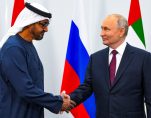
The United Arab Emirates has concluded a major series of trade agreements with Russia, enhancing economic ties and positioning itself as a key player in the evolving global market. These developments come after high-level meetings at the Innoprom industrial exhibition in Yekaterinburg, where an Emirati delegation led by Dr. Sultan Al Jaber, Minister of Industry and Advanced Technology, negotiated deals on a range of strategic sectors. These agreements are expected to facilitate the establishment of a free-trade zone between the two nations and improve agricultural technology supply chains, among other initiatives.

A focal point of the discussions was the removal of trade barriers to accelerate bilateral commerce. Russian Industry and Trade Minister Anton Alikhanov expressed optimism about the future of these trade relations, highlighting the potential for significant growth once these barriers are overcome. In a statement, Alikhanov said that removing these obstacles would be key to maximizing the economic benefits of this partnership.

The UAE, which has emerged as one of Russia’s most important economic partners in the Middle East, continues to strengthen its position as a leading global trade hub. President Vladimir Putin, during his visit to Abu Dhabi in December 2023, underscored the UAE’s role as Russia’s top investor in the region. This growing economic relationship is not just limited to Russia; the UAE is also seeking to diversify its trading partnerships globally, with Russia playing a significant part in that strategy.

These deals further reflect the UAE’s broader approach to international trade, which involves forging deeper ties with nations like Russia while diversifying its economic portfolio. The Emirati leadership is keen to leverage its technological advancements and infrastructure, particularly in energy and agriculture, to build a more robust trading network with both traditional and emerging markets.

Abu Dhabi Investment Office (ADIO) has entered into a strategic collaboration with PGIM, the global asset management division of Prudential Financial Inc., to establish the RealAssetX Innovation Center in Abu Dhabi. The initiative, unveiled at the Abu Dhabi Finance Week (ADFW), aims to create an innovative ecosystem for real asset technology and solutions, which will bolster the emirate’s position as a leader in financial and technological advancements.

This partnership, solidified by key figures such as Badr Al-Olama, Director General of ADIO, and Raimondo Amabile, Co-CEO and Global Chief Investment Officer of PGIM, is set to tap into the growing global demand for digital transformation in real assets. The center will provide a platform for developing and testing cutting-edge solutions in sectors such as infrastructure, real estate, and energy.

RealAssetX will serve as a collaborative space where global investors, technology innovators, and market experts can partner to address the challenges facing real estate and infrastructure sectors. It is designed to foster the exchange of ideas, accelerate the commercialization of new technologies, and help participants navigate the complexities of digital transformation. The center is also expected to contribute to the UAE’s wider economic goals, supporting its diversification strategy away from oil dependency and enhancing its financial services sector.

The collaboration between ADIO and PGIM underscores Abu Dhabi’s growing role as a hub for innovation, particularly in the realm of financial technologies and asset management. The new center is strategically aligned with the UAE’s ongoing push to attract international investments and create a conducive environment for innovation and entrepreneurship. Moreover, it highlights the emirate’s commitment to sustainability and its role in advancing global efforts to meet the challenges of climate change.

ADIO’s involvement in this partnership reflects its broader objectives of fostering economic diversification and positioning Abu Dhabi as a leader in high-tech, future-focused sectors. Under Badr Al-Olama’s leadership, ADIO has been actively pursuing initiatives to strengthen the emirate’s investment climate, promoting sectors such as technology, manufacturing, and financial serviceslAssetX Innovation Center is expected to drive these efforts by offering a unique space for collaboration between various stakeholders, from tech startups to global enterprises.

For PGIM, this partnership marks a significant step in further expanding its footprint in the Middle East. The firm’s involvement is part of its wider strategy to increase its presence in high-growth markets. PGIM’s commitment to the initiative will also bring a wealth of expertise in asset management, supporting the center’s goal of integrating technology into the real assets sector.

MicroStrategy, a software firm underpinned by a strong Bitcoin investment strategy, is set to be included in the prestigious Nasdaq 100 Index. This significant milestone comes as the firm continues to outperform expectations, particularly driven by its large Bitcoin holdings. The inclusion of MicroStrategy, expected to be announced soon, would replace other underperforming firms within the Nasdaq 100, such as Moderna, with an anticipated integration as early as December.

Since 2020, MicroStrategy has made an ambitious and controversial bet on Bitcoin. Under the leadership of Executive Chairman Michael Saylor, the company has accumulated over 331,000 Bitcoins, making it the largest corporate holder of the cryptocurrency globally. These holdings, worth billions, were acquired through a strategic balance sheet manipulation involving bond issuances, allowing the company to leverage Bitcoin’s volatile yet profitable nature. This strategy has paid off handsomely, with the company’s stock surging 634% over the past year, outpacing Bitcoin’s own growth by a significant margin.

The company’s Bitcoin holdings now account for roughly 1.3% of the entire Bitcoin supply, and with Bitcoin nearing its all-time high, MicroStrategy’s stock is poised to continue benefiting from the asset’s upward trajectory. At the time of writing, the firm’s Bitcoin holdings are valued at approximately $95,775 per Bitcoin, far exceeding the $49,874 average purchase price. This profitable strategy has positioned MicroStrategy as an outlier in the software industry, highlighting the growing intersection between traditional businesses and the evolving cryptocurrency market.

Despite skepticism around Bitcoin’s volatility and long-term prospects, MicroStrategy’s strategy has found favor among investors. Its stock has consistently outperformed not only Bitcoin but also the broader market, making it an attractive option for risk-tolerant investors looking to capitalize on the cryptocurrency boom. However, the company’s reliance on Bitcoin introduces inherent risks, with market fluctuations directly impacting its financial health. Nonetheless, the firm’s performance is undeniable, and its decision to embrace Bitcoin has reshaped its market profile.

The Nasdaq 100 index is known for including the most significant non-financial companies, and MicroStrategy’s upcoming inclusion is a testament to its success in turning a bold investment strategy into tangible financial performance. The firm’s Bitcoin holdings have transformed it from a niche software company into a high-profile entity with a growing influence in the tech and financial sectors.

BANGKOK, THAILAND – Media OutReach Newswire – 11 December 2024 – The Asia Corporate Excellence and Sustainability (ACES) Awards 2024 brought together some of the most forward-thinking organisations and individuals from across Asia, highlighting their outstanding contributions to innovation, leadership, sustainability, and social impact. Since its inception in 2014, the ACES Awards has grown to become one of the region’s most esteemed accolades, consistently celebrating excellence and […]

A proposal urging Microsoft to integrate Bitcoin into its financial reserves faced rejection during the company’s shareholder meeting, reflecting a cautious stance toward cryptocurrency adoption among major corporate players. The resolution, championed by MicroStrategy’s Michael Saylor, highlighted Bitcoin’s potential to augment shareholder value and align with broader technological trends. However, Microsoft’s leadership and a significant majority of its investors opposed the move, signaling concerns about volatility and strategic misalignment.

Michael Saylor, known for steering MicroStrategy toward aggressive Bitcoin investments, presented a compelling case during the meeting. He suggested that Microsoft could enhance its valuation by leveraging Bitcoin as a strategic asset, proposing a reallocation of the company’s $80 billion in cash reserves toward cryptocurrency acquisitions. Saylor argued that this shift could potentially add trillions of dollars to the company’s market value, citing the broader acceptance of Bitcoin among institutional investors and governments.

The proposal drew mixed reactions. While some retail investors, constituting approximately 23.5% of Microsoft’s shareholder base, expressed interest in exploring Bitcoin’s long-term benefits, institutional investors, who hold nearly 70% of Microsoft shares, were more reserved. Prominent shareholders, including Vanguard Group, BlackRock, and State Street, echoed concerns about Bitcoin’s price volatility, regulatory uncertainties, and its alignment with Microsoft’s core business strategy.

Microsoft’s executive team, led by CEO Satya Nadella, also maintained a cautious approach. Despite acknowledging the transformative potential of blockchain and decentralized technologies, the leadership emphasized the importance of prudent financial management and alignment with shareholder expectations. The decision to reject the proposal was reinforced by the belief that Microsoft’s current capital allocation strategies, such as stock buybacks and dividend payouts, deliver more predictable and stable returns.

Michael Saylor’s advocacy for Bitcoin stems from his own company’s extensive experience in cryptocurrency investments. MicroStrategy has acquired over 386,000 Bitcoins since 2020, with its holdings significantly appreciating in value during Bitcoin’s bullish phases. However, this strategy has also exposed the company to criticism and financial risks during market downturns.

The debate surrounding Microsoft’s potential adoption of Bitcoin highlights a broader discussion within corporate America about cryptocurrency’s role in financial and technological ecosystems. While tech-focused companies like Tesla and Square have embraced Bitcoin as a reserve asset, others remain hesitant, prioritizing stability and regulatory compliance over speculative gains.

This shareholder decision underscores the growing polarization over cryptocurrency in corporate governance. While proponents argue that Bitcoin can serve as a hedge against inflation and a catalyst for technological innovation, skeptics warn of its inherent risks and regulatory challenges. As Microsoft moves forward, its rejection of this proposal reaffirms its commitment to traditional financial prudence, signaling a reluctance to adopt untested financial strategies despite evolving market trends.

The rejection may influence broader corporate sentiment toward cryptocurrency adoption, especially among technology giants. It reflects a prevailing view that while blockchain technologies may hold significant promise, their integration into mainstream financial operations remains fraught with challenges. This decision will likely serve as a reference point for other corporations evaluating Bitcoin’s role in their financial frameworks.

Argentina has approved the use of cryptocurrency-based exchange-traded funds (ETFs), signaling a transformative step in the nation’s financial sector. This move permits investors to engage in assets like Bitcoin, Ethereum, and gold, broadening Argentina’s investment landscape and aligning it with global market standards.

The introduction of these ETFs comes under the libertarian leadership of President Javier Milei, whose policies emphasize decentralization and financial innovation. By embracing crypto ETFs, Argentina positions itself as a forward-thinking player in a rapidly evolving global financial ecosystem. The initiative aims to attract both domestic and international investors, diversifying portfolio options and fostering economic growth.

Crypto ETFs provide a structured way to invest in volatile assets by bundling cryptocurrencies into a single financial product traded on exchanges. This development holds particular significance in a country grappling with inflation and limited access to traditional foreign investment instruments. By enabling the public to invest in alternative assets, the measure seeks to empower individuals and enhance market participation.

The country’s Comisión Nacional de Valores (CNV) played a central role in approving these ETFs, marking a pivotal regulatory shift. The CNV has outlined strict compliance measures to ensure transparency and mitigate risks associated with cryptocurrencies. These steps reflect a balancing act between innovation and safeguarding investor interests, particularly amid global concerns about the volatility and regulatory challenges of digital currencies.

Market analysts view this decision as a strategic alignment with international financial trends, where cryptocurrency ETFs have gained traction in regions like North America and Europe. Argentina now joins a league of nations pioneering regulated access to digital assets, furthering its ambition to modernize its financial infrastructure.

This approval aligns with President Milei’s broader economic agenda, which includes fostering a free-market economy and reducing state intervention. His administration’s focus on financial decentralization resonates with the ethos of cryptocurrency, which advocates for autonomy and borderless transactions. The president has frequently highlighted the potential of digital currencies to address economic challenges, including hyperinflation and currency devaluation, issues that have long plagued the Argentine economy.

Cryptocurrency adoption in Argentina has seen substantial growth in recent years, driven by a combination of economic instability and technological advancements. With limited trust in traditional banking systems, many Argentines have turned to cryptocurrencies as a hedge against inflation and currency depreciation. The legalization of crypto ETFs is expected to amplify this trend, making digital assets more accessible to a broader audience.

The move also aligns with the global shift towards integrating blockchain technology into traditional finance. Experts suggest that Argentina’s adoption of crypto ETFs could catalyze further innovations in the Latin American financial market, setting a precedent for neighboring countries to follow. This regional influence could spur economic collaboration and attract tech-focused investments across borders.

Dubai-based fintech platform Stake has officially launched its operations in Saudi Arabia, marking a significant step in its expansion strategy across the Middle East. This move is set to bolster the company’s position in the region’s growing digital financial landscape, which has seen rapid growth amid Saudi Arabia’s push to diversify its economy under the Vision 2030 framework. Stake, which has established itself as a leading player […]

Emirates Biotech, a prominent player in the UAE’s growing biotechnology sector, has announced plans to construct what is poised to become the world’s largest production facility for polylactic acid (PLA). The plant, set to break ground in the coming months, aims to revolutionize the global bioplastic industry by providing a sustainable alternative to petroleum-based plastics, which have long been associated with environmental damage. With a sharp focus […]

Abu Dhabi-based CYVN has finalized an agreement to acquire McLaren’s automotive division, marking a significant shift for the renowned British car manufacturer. The deal, valued at an estimated £1.2 billion, aims to secure McLaren’s future in the high-performance sports car sector, while ensuring its long-term growth and innovation. This agreement also signals the latest chapter in McLaren’s ongoing restructuring efforts, which have been crucial in navigating the challenges of global economic uncertainty and the shifting dynamics of the automotive market.

CYVN, a prominent investment group from the UAE with interests in luxury and high-tech industries, has been actively seeking strategic acquisitions to expand its portfolio in the automotive sector. The buyout of McLaren’s automotive business, which produces some of the world’s most coveted hypercars, aligns with CYVN’s goal to further solidify its presence in the global luxury market. McLaren’s automotive arm, known for its innovative designs and engineering prowess, will now be under the strategic guidance of CYVN’s management, which is expected to inject fresh capital and technological expertise.

The deal comes after a period of financial restructuring for McLaren, which has faced mounting debt and a need for investment to sustain its position in a competitive market. Over the past few years, McLaren has been exploring various avenues to maintain its financial health while continuing to produce high-performance cars that blend cutting-edge technology with luxury. The acquisition deal is expected to provide McLaren with the necessary funds to stabilize its operations and drive forward its plans for innovation, particularly in electric vehicle development and other eco-friendly technologies.

The automotive industry is undergoing a major transformation, with manufacturers pivoting towards sustainability, electrification, and advanced technologies. This shift has been a focal point for McLaren in recent years, with the brand aiming to integrate hybrid and electric powertrains into its lineup. The acquisition by CYVN is seen as an opportunity to accelerate these ambitions, as the investment group has already expressed interest in expanding McLaren’s electric vehicle capabilities.

For CYVN, the purchase represents a strategic move to gain a foothold in the ultra-luxury car market, which has shown resilience despite global economic fluctuations. The growing demand for high-end, bespoke vehicles, particularly among the wealthy elite in emerging markets, has created a favorable environment for investment in this sector. McLaren, with its strong brand heritage and established presence in key markets, presents an ideal acquisition target for CYVN to further enhance its standing in the global luxury goods and automotive industries.

This acquisition also positions McLaren to tap into new markets, particularly in Asia and the Middle East, where demand for luxury cars has been increasing. The UAE, a key hub for high-end automobiles, is expected to play a central role in McLaren’s continued expansion. The deal could potentially lead to new manufacturing facilities or partnerships within these regions, further strengthening McLaren’s market presence.

The automotive sector, particularly the luxury segment, has witnessed a surge in consolidation and strategic partnerships in recent years. Industry experts suggest that the combination of CYVN’s financial backing and McLaren’s engineering expertise could create a powerful synergy capable of rivaling the industry’s largest players. As competition intensifies, especially with the push towards sustainable technologies, automakers must remain agile, investing in innovation while maintaining profitability. McLaren, with its deep engineering heritage and now bolstered by CYVN’s resources, is positioned to play a significant role in the next generation of high-performance vehicles.

Although the deal was welcomed by many industry observers, it also raises questions about McLaren’s future identity. The brand, once fully independent, now faces the challenge of aligning its operations and vision with the broader strategic goals of its new owner. The transition may involve shifts in McLaren’s production processes, management structure, and product offerings. However, the emphasis on maintaining McLaren’s engineering excellence and brand prestige is expected to remain a top priority for CYVN.

McLaren’s existing leadership, including CEO Michael Fleischmann, is expected to retain their positions, although the influence of CYVN’s management will likely be felt across key areas of the business. The company has reiterated its commitment to preserving the iconic status of its automotive division, ensuring that future models will continue to offer the exceptional performance and design that McLaren fans have come to expect.

Partnership launched to transition Nguyen Gia Livestock Production Cooperative’s 50,000 hens to 100% certified cage-free production systems, providing solutions for Vietnamese companies to meet their cage-free commitments. HANOI, VIETNAM – Media OutReach Newswire – 10 December 2024 – Global Food Partners (GFP) has partnered with Nguyen Gia Livestock Production Cooperative, led by Mr. Nguyen Huu Tue, one of North Vietnam’s largest egg producers, to spearhead the country’s […]

BANGKOK, THAILAND – Media OutReach Newswire – 10 December 2024 – Jeffrey C. Lim, President of SM Prime Holdings, Inc., has been instrumental in transforming SM Prime into a leading property conglomerate, a journey now recognized with the Eminent Leaders in Asia Award at the Asia Corporate Excellence & Sustainability (ACES) 2024 Awards. An exceptional moment of recognition: Jeffrey Lim, President of SM Prime Holdings, Inc. (left […]

HANOI, VIETNAM – Media OutReach Newswire – 9 December 2024 – By electrifying its taxi fleet, Jakarta could significantly reduce emissions and improve air quality, as shown by the success of electric taxis in cities around the world. One standout example is Xanh SM in Vietnam, which has also reshaped public attitudes toward electric vehicles (EVs). Xanh SM fleet in Vietnam. Photo: GSM Jakarta is no stranger […]

Khaldoon Al Mubarak’s leadership of Mubadala Investment Company has positioned the UAE-based sovereign wealth fund as a key global player in transforming the way sovereign funds engage with markets and investments. Al Mubarak, who is not a member of the ruling royal family, stands out in the Gulf as an influential figure overseeing one of the world’s largest and most diversified wealth funds. Under Al Mubarak’s guidance, […]

VISHNU RAJA
RYO YAMADA
HITORI GOTOH
IKUYO KITA