Just in:
OpenAI identifies 948 Linux privilege escalation flaws using AI // Meraas showcases five residential zones at Dubai Design Week // Kochi police detain two actors over bid to honey trap doctor // Anthropic to prohibit persistent abuse of Claude chatbot // Asia Left Behind: Ten international companies have yet to report delivering on their cage-free egg pledges across the region // Vance attributes Republican midterm defeats to Iran conflict // TVM –Mangaluru Vande Bharat claims top spot // Pinarayi faults UDF over mounting road crashes // SC to examine students’ exam plea today // Middle East governments assess Iran war after US vote // e-Crime Bureau Signs Cybersecurity Partnership With Smart Africa, Reinforcing Its Global Expansion // CR Longdation Aethereal Cybersecurity × Global Cybersecurity Alliance (GCSA) Join Hands to Establish the “AI and Cybersecurity Research Centre” // ADIA and partners establish $1.4 billion aviation venture // Hong Kong mandates crypto transaction disclosures to tax authorities // Fast Just Got Fastest: STING Energy Boost™ Celebrates Kimi Antonelli’s Formula 1® World Championship and the Fan Energy Behind It // Ta’ziz finalises $1.39bn funding for Ruwais industrial facilities // After Reaching 7 Million Users in the Philippines, Skyro Launches Transparent Cash Loans in Malaysia // Ousted top Kochi cop gets IG post // Emirates Group records AED 4.1 billion half-year profit // UK air traffic outage inflicted £33m financial losses //

News related to
research

Security weaknesses in Jenkins and a widely used plugin have raised fresh concerns over the resilience of software development pipelines, with researchers warning that attackers could exploit the flaws to gain deep access to enterprise systems. The vulnerabilities, disclosed through an official advisory from the Jenkins project, affect the core automation server as well as the LoadNinja plugin, a tool used for performance testing. Security analysts indicate […]

Cushman & Wakefield Interpretation Report Highlights Eight Impact Areas for Real Estate Market

HONG KONG SAR – Media OutReach Newswire – 20 March 2026 – Global real estate services firm Cushman & Wakefield has released its China’s Two Sessions 2026: Interpreting the Government Work Report publication. Against a backdrop of increasingly complex domestic and international conditions, the 2026 government work report outlines more flexible and adaptive targets for national economic development. These policy directions will have a profound influence on the real estate sector. The market’s transition from focusing on incremental expansion to revitalizing and optimizing existing assets — combined with the accelerating integration of artificial intelligence across industries —will reshape market structures, redefine asset values, and reconfigure spatial development patterns in far-reaching ways.

Macroeconomic Stability Strengthens the Foundation for Commercial Real Estate Stabilization

China’s core economic targets for 2026 are clearly defined, with GDP growth set between 4.5%–5%, balancing the dual objectives of stabilizing growth and adjusting structure. This forms a strong macro foundation for the stabilization and gradual recovery of the commercial real estate sector. Between 2024 and 2025, GDP growth remained steady at around 5.0%. For 2026, the fiscal deficit ratio is maintained at a relatively high 4.0%, with RMB4.4 trillion in local special‑purpose bonds. The quota for ultra‑long‑term special treasury bonds is further expanded to RMB1.3 trillion. Coordinated fiscal and monetary policies will continue to support leasing demand recovery and improved business sentiment in the commercial property market.

Accelerated Industry Transformation Sees Quality Enhancement of Existing Assets Become the Core Theme

The report emphasizes a three‑pronged approach of “city‑specific policies to control new supply, reduce inventory, and improve quality”, while encouraging diverse channels to revitalize existing housing stock and advancing the construction of “good homes.” This marks an accelerated shift from incremental expansion to quality enhancement of existing assets. In 2024, China’s real estate value‑added as a proportion of GDP was just 6.3%, far below the 12.56% average of developed economies. This reflects a structural imbalance characterized by heavy investment in development and insufficient focus on services and leasing. The ongoing transition will make asset management, property services, and leasing operations increasingly central to asset valuation.

Consumption‑Driven Momentum Creates a New Growth Window for Retail Properties

Consumption‑boosting policies are injecting new vitality into the retail property market. The government work report allocates RMB250 billion of ultra‑long‑term special treasury bonds to support product upgrades and replacement, complemented by RMB100 billion in coordinated fiscal‑financial funds — creating a RMB350 billion consumption stimulus package. In 2025, China’s total retail sales of consumer goods exceeded RMB50 trillion, with per‑capita GDP reaching USD13,953, signaling a critical inflection point where service‑oriented consumption accelerates. With services currently accounting for just 46.1% of consumption, there remains significant room for growth. Policies promoting “high‑quality service consumption” and “new consumption scenarios,” combined with the promotion of staggered school holidays in spring and autumn, will create opportunities for high‑quality shopping centers focused on experiential and social retail formats.

AI‑Powered Intelligent Economy Drives an Upgrade in Office Market Demand

The rapid evolution of the intelligent economy is reshaping office market demand. The work report calls for expansion of “AI+,” wider deployment of intelligent agents, and accelerated development of large‑scale computing clusters, indicating the transition of AI into commercialized and scaled applications. In 2025, China’s core digital economy industries accounted for more than 10.5% of GDP, with the target set at 12.5% during the 15th Five‑Year Plan. AI‑related companies are expected to become key new leasing drivers in 2026. This will also stimulate a fresh investment cycle for data centers and industrial parks, with core computing hub cities — in the Beijing‑Tianjin‑Hebei region, Yangtze River Delta, and the Guangdong‑Hong Kong‑Macao Greater Bay Area — set to benefit first.

Capital Market Reforms Expand, Enabling a Full “Investment–Financing–Management–Exit” Cycle for Commercial Real Estate

Capital market reforms continue to support expansion in commercial real estate investment. The work report calls for deepened reform of comprehensive investment and financing mechanisms, expanded exit channels for private equity and venture capital, and accelerated growth of the public REITs market. By 2025, China’s public REITs issuance exceeded RMB210 billion, making it the largest REITs market in Asia. In 2026, commercial public REITs enter their first year of development, with pilots extended to hotels and commercial offices. This establishes a “dual‑engine” landscape of “infrastructure + commercial real estate” and enables a more complete investment‑financing‑management‑exit cycle

Further Opening‑Up Boosts Cross‑Border Logistics and Foreign Investment Demand

China’s opening‑up objectives in 2026 feature two core characteristics: expanding services sector openness to attract foreign investment, and promoting standardized, high‑quality development of cross‑border e‑commerce. In 2025, China’s cross‑border e‑commerce imports and exports totaled RMB2.75 trillion, with growth outpacing overall trade for the fourth consecutive year. The sector’s demand for high‑specification warehouses — characterized by high density and rapid turnover —continues to rise. Cushman & Wakefield data shows that the warehouse market is experiencing volume growth alongside price adjustment, with notable regional differences. As cross‑border e‑commerce becomes more regulated, and cold‑chain logistics demand continues to expand, green‑certified, intelligent high‑spec warehouses are expected to gain a competitive advantage.

Advancement of New Urbanization Brings Opportunities for Urban Clusters and Urban Renewal

A notable highlight among 2026 urbanization policies is the first‑ever proposal to build “innovation‑driven industrial communities and business communities.” This concept breaks the traditional boundary between industrial parks and business districts, fostering integrated complexes that combine office, commercial, and residential functions. The report also supports the development of world‑class city clusters in the Beijing‑Tianjin‑Hebei region, the Yangtze River Delta, and the Greater Bay Area, while enhancing the dual‑city Chengdu‑Chongqing Economic Circle and accelerating growth in the middle‑Yangtze city cluster — further intensifying regional differentiation in the commercial property market. Urban renewal and revitalization of existing stock assets are core pillars of the current urbanization strategy. Policies promoting the reuse of existing land and idle buildings align closely with efforts to revitalize existing housing stock. For owners and operators of prime urban assets, regeneration projects offer strategic opportunities for repositioning and value enhancement.

Green Transformation Prompts Sustainability Certifications to Become a Key Competitive Advantage

The work report dedicates a standalone section to the green transition, announcing dual controls on total carbon emissions and intensity, as well as new policy tools such as zero‑carbon parks and a national low‑carbon transition fund. In 2025, China’s national carbon market saw 235 million tons of allowances traded, with transaction value reaching RMB14.63 billion, up approximately 24% year‑on‑year. Carbon costs have become an increasingly important factor in corporate leasing and location decisions. With 97.9% of newly built urban buildings in 2024 meeting green standards, green retrofits of existing buildings are gaining momentum. Commercial properties certified under LEED, WELL, and China’s Green Building Label standard enjoy notable advantages in rental premiums and tenant attraction.

Sabrina Wei, Chief Policy Analyst and Head of Research, North China, Cushman & Wakefield, said, “The 2026 government work report outlines a clear development vision for commercial real estate characterized by macroeconomic stability, targeted policies, and structural transformation. A GDP growth rate of 4.5%-5% will provide market stability, a RMB350 billion consumption stimulus will activate demand for retail properties, “AI+” will reshape the office market; capital market reforms and public REITs will enable a full “Investment–Financing–Management–Exit” cycle, urban renewal will unlock values of existing assets, and green certification will define new competitiveness for the industry. As the real estate industry transitions from a construction‑focused model to one centered on operations and services, institutions with strong capabilities in asset management and high‑quality operational service delivery will be best positioned to capture the emerging opportunities of this transformative new cycle.”

To access the full report please click here.
Hashtag: #CushmanWakefield

The issuer is solely responsible for the content of this announcement.

About Cushman & Wakefield

Cushman & Wakefield (NYSE: CWK) is a leading global commercial real estate services firm for occupiers and investors with approximately 53,000 employees in over 350 offices and nearly 60 countries. In Greater China, a network of 23 offices serves local markets across the region. In 2025, the firm reported revenue of $10.3 billion across its core services of Valuation, Consulting, Project & Development Services, Capital Markets, Project & Occupier Services, Industrial & Logistics, Retail, and others. Built around the belief that Better never settles, the firm receives numerous industry and business accolades for its award-winning culture. For additional information, visit or follow us on LinkedIn ().

A security weakness in Ubuntu Desktop 24.04 and later versions has raised fresh concerns over the resilience of widely used Linux environments, after researchers confirmed that local attackers can exploit the flaw to gain full administrative control. The vulnerability, described as a local privilege escalation issue, allows a user with limited access to elevate permissions and execute commands as the root user, effectively compromising the entire system. […]

  Authorities across multiple jurisdictions have dismantled a vast network of compromised Internet of Things devices linked to some of the largest distributed denial-of-service attacks ever recorded, with traffic surges reaching an estimated 30 terabits per second. The coordinated operation targeted command-and-control infrastructure that enabled four separate botnets to orchestrate high-volume cyber assaults on critical digital services worldwide. Investigators said the infrastructure had been used to overwhelm […]

A zero-day vulnerability in widely deployed Cisco firewall systems has been exploited for months by a ransomware group, with security teams warning that the breach highlights deep gaps in enterprise network defences and patch management practices. Analysis by Amazon Web Services’ security leadership indicates that attackers began abusing the flaw as early as January, gaining unauthorised access to targeted environments before the vulnerability became publicly known. The […]

A malicious Python package masquerading as a legitimate Telegram development tool has been identified as a vehicle for remote code execution attacks, raising concerns about supply chain security within open-source ecosystems. Cybersecurity researchers have flagged a package named “pyronut” that was uploaded to the Python Package Index, presenting itself as a functional alternative to Pyrogram, a widely used Telegram MTProto API framework relied upon by developers to […]

Anchored in a “Single Brand, Multi-categories, Diversified Channels” Strategy
Technology and Premium Sports Resources Drive Our Competitive Edge

FINANCIAL HIGHLIGHTS

  • During the year, the Group recorded the following operating results:
    • Revenue rose by 3.2% to RMB29,598 million; gross profit margin declined by 0.4 percentage points to 49%
    • Net operating cash inflow was RMB4,852 million
    • Net profit attributable to equity holders was RMB2,936 million with net profit margin of 9.9%, and EBITDA margin was 20.8%
  • Working capital remained at a healthy level:
    • The percentage of gross average working capital to revenue was 7.7%
    • The cash conversion cycle was at 37 days, two days longer than last year
  • The Board has recommended the payment of final dividend of RMB23.36 cents per ordinary share for the year ended 31 December 2025, together with the interim dividend of RMB33.59 cents per ordinary share paid in September 2025, the total dividend for the year ended 31 December 2025 will amount to RMB56.95 cents per ordinary share or a total dividend payout ratio of 50%.

OPERATIONAL HIGHLIGHTS

  • The retail sell-through for the overall platform remained flat, including online and offline channels.
  • Offline new product sell-through accounted for 83% of overall offline sell-through, maintaining at healthy and reasonable level.
  • The overall channel inventory turnover was at 4 months, channel inventory level and ageing structure remained healthy.

HONG KONG SAR – Media OutReach Newswire – 19 March 2026 – Li Ning Company Limited (the “Company” or “Li Ning Company”; together with the subsidiaries, the “Group”; stock codes: 2331 (HKD counter) and 82331 (RMB counter)) today announced its audited annual results for the year ended 31 December 2025 (the “Year”).

Financial Results

In 2025, the Group continued to enhance the technological features of its products, optimising channel efficiency, and strengthening the brand’s professional positioning, delivering stable operating performance. During the year, the Group’s revenue amounted to RMB29,598 million, representing an increase of 3.2% compared with 2024 (2024: RMB28,676 million). Gross profit amounted to RMB14,489 million, up 2.4% from 2024 (2024: RMB14,156 million). The overall gross profit margin decreased by 0.4 percentage points to 49.0% (2024: 49.4%).

During the year, the net profit attributable to equity holders was RMB2,936 million (2024: RMB3,013 million). The margin of net profit attributable to equity holders was 9.9% (2024: 10.5%). Return on equity attributable to equity holders was 10.9% (2024: 11.9%). Basic earnings per share was RMB113.91 cents (2024: RMB116.98 cents). The Board has recommended the payment of a final dividend of RMB23.36 cents per ordinary share for the year ended 31 December 2025. Together with the interim dividend of RMB33.59 cents per ordinary share paid in September 2025, the total dividend for the year ended 31 December 2025 will amount to RMB56.95 cents per ordinary share or a total dividend payout ratio of 50% (2024: 50%).

In cash flow management, the Group’s net cash generated from operating activities during the year amounted to RMB4,852 million (2024: RMB5,268 million). As at 31 December 2025, cash and cash equivalents (including cash at banks and on hand, and fixed-term deposits with an original maturity of no more than three months) amounted to RMB16,717 million, an increase of RMB9,218 million compared with 31 December 2024. Adding back the amount recorded as fixed-term deposits held at banks, cash balance at 31 December 2025 amounted to RMB19,973 million, representing a net increase of RMB1,833 million compared with 31 December 2024. During the year, revenue increased year-on-year, while cash-based expenses including marketing costs and tax payments rose, coupled with the settlement time lag of e-commerce platforms, leading to a year-on-year decrease in net cash generated from operating activities. Meanwhile, the maturity and redemption of time deposits led to a significant increase in net cash generated from investing activities. The Group will continue to place extra emphasis on cash flow management to ensure the stable development of the Company in the long term.

Operational Summary

In 2025, the Group remained anchored in its “Single Brand, Multi-categories, Diversified Channels” strategy, advancing development through product upgrades, channel optimisation, and brand marketing.

The Group focused on six core categories—running, basketball, training, badminton, table tennis and sports casual—while actively pursuing opportunities in emerging fields and exploring new sports subcategories, such as outdoor, tennis and pickleball. During the year, the Group continued to upgrade its products through technological innovation and enhance the deployment of professional sports resources, guided by three key pillars: reinforcing a professional sports mindset, showcasing sports-fashion aesthetics, and honouring Chinese cultural heritage. In addition, it worked proactively to strengthen brand influence and increase brand recognition and visibility through diversified, and comprehensive marketing campaigns.

As the official partner of the Chinese Olympic Committee, the Group leveraged its deep expertise and strong professional sports credibility to blend sportsmanship with cutting-edge technology and Eastern aesthetics—all under the narrative theme “China’s Glory, Together with LI-NING.” During the year, it opened the world’s first LI-NING “Loong Store” and launched the “Glory Gold Label” product series, transforming exclusive, top-tier scarce sports resources into a driving force for brand reputation and market recognition, continuously strengthening consumers’ perception of LI-NING’s professional capabilities and product reliability.

In terms of channel development, the Group continued to advance a multi-dimensional channel network layout to expand market coverage while enhancing operational efficiency. In high-end markets, the Group deepened synergistic collaborations with top-tier commercial complexes and leading outlet malls, jointly promoting the planning and implementation of innovative stores. During the year, the Group successfully launched an independent outdoor store “COUNTERFLOW”, marking an important milestone for the brand’s official entry into the outdoor segment. The Group actively carried out cross-industry collaborations, partnering with top IPs embodying Chinese cultural heritage such as the Palace Museum, and launched marketing campaigns by collaborating with channel partners through diverse initiatives, effectively improving brand reach and conversion. In terms of efficiency enhancement, the Group continued to optimize the channel structure and improved rental structures and cooperation models, enhancing overall channel health and operational sustainability through a series of strategic optimization measures. As of 31 December 2025, the LI-NING brand (including LI-NING Core Brand and LI-NING YOUNG) operated a total of 7,609 conventional stores, flagship stores, China LI-NING stores, factory outlets, and multi-brand stores, representing a net increase of 24 POS compared with 31 December 2024.

In terms of retail operations, the Group built a highly profitable, efficient, and replicable single-store operating model. In high-level markets, targeted brand strategies were implemented across key regions, strengthening brand image and improving product operation efficiency through optimised channel structure, store product mix, and shopping experience. The Group established a distribution management model to improve operational efficiency and sustainable development capabilities of the distribution system. In addition, the Group strengthened the efficient coordination between retail outlets and the logistics system. Through refined planning systems, flexible supply chain construction and digital support, channel inventory turnover and full lifecycle product management were realised, thereby comprehensively improving operational quality and efficiency.

In terms of e-commerce operations, the Group made precise deployments that effectively enhanced consumer awareness and market share during major e-commerce campaigns such as Tmall Celebration Day and Tmall Super Product Day. During the year, core IP products such as “Zhui Feng”, “DLO”, “ULTRALIGHT” and “LI REN” delivered outstanding performance, successfully penetrating multiple consumer segments including Gen Z, professional sports and trendy fashion, ranking highly in both sales and reputation across segmented markets. By leveraging top athletes, celebrities, trending events and channel resources, the Group not only enhanced product exposure and achieved traffic acquisition and promotional sales conversion, helping inventory optimisation, but also supported offline business and drove overall revenue growth.

In terms of supply chain, the Group continuously optimised the supplier matrix, aligning high-quality supplier resources for high-end sports, outdoor, premium and sponsored product lines. Meanwhile, the Group aligned with its major product plan by adopting segmented production planning and data-driven management to achieve high-level coordination among product planning, supply chain, logistics, and retail outlets. To improve operational efficiency, the Group adopted multiple measures such as integration of fabric resources, optimization of process structures, large-scale procurement of materials and staggered production scheduling, further improving the cost structure, while enhancing production efficiency. In addition, the Group continued to integrate sustainable development into supply chain management and promoted green products, with the proportion of eco-friendly products exceeding annual targets during the year.

In terms of logistics, the Group launched a channel logistics project to connect the order system with logistics operations, improving product circulation efficiency and fulfilment timeliness. On the digital front, the Group introduced a warehouse coordination system and adopted SKU-level refined management. In terms of automation, automated equipment was introduced into various warehouses, enabling multi-scenario coverage and data visualization management. In December 2025, the East China and North China warehouses took the lead in adopting RFID full-process warehouse management, achieving full-process traceability of logistics data, greatly strengthening inventory management precision, and deployment across all warehouses is expected to be completed in the first quarter of 2026 to continuously drive cost reduction and efficiency improvement.

In terms of its kidswear business, LI-NING YOUNG continued to focus on professional sports and children’s developmental needs, advancing product optimization and exclusive IP creation. In terms of channel strategy, the Group continued to strengthen outlet channel development, improve single-store efficiency and optimize overall channel structure while accelerating its e-commerce deployment. LI-NING YOUNG maintained a coordinated development of wholesale and direct retail. Through refined management and strategic layout, both scale and quality were improved. In terms of marketing, LI-NING YOUNG centred its efforts around three core pillars “Event Cooperation + User Stories + IP Collaboration” to build professional recognition and accumulate its user foundation, successfully expanding its influence among youth and family demographics. As at 31 December 2025, the total number of LI-NING YOUNG POS was 1,518, representing a net increase of 50 POS since 31 December 2024.

Outlook

Entering 2026, the Group will seize the development opportunities arising from the continuous release of domestic demand potential. The Group will remain committed to its core value of “serving the public with sportsmanship,” meticulously refine its “LI-NING’s experience value,” and strive to become the preferred professional sports brand.

1. Technology-driven product upgrades: The Group will firmly implement the development strategy of “Single Brand, Multi-categories, Diversified Channels”, empowering product iterative upgrades with technology to build core competitiveness and market differentiation barriers. Relying on the technical accumulation and R&D of the LI-NING technology innovation platform, the Group will focus on deep cultivation of core categories and actively expand into emerging segments such as outdoor sports. The Group aims to respond to increasingly diversified and personalised consumer demands, achieving full-scenario coverage from professional competitive sports to daily wear. By promoting the ingenious integration of cutting-edge technology and fashion design, the Group will create a product system that combines excellent functionality, technological texture, and aesthetic value. Furthermore, the Group will continuously strengthen the efficiency of transforming scientific and technological achievements, promoting the rapid realization of frontier technologies into product competitiveness.

2. Olympic marketing empowering the brand: The Group will drive value creation through sports marketing, establish emotional connections with consumers, and facilitate the steady enhancement of brand value. By continuously deepening the cooperation with the Chinese Olympic Committee, the Group will seize the development window of the Olympic cycle and promote the brand to achieve a leap from resource cooperation to value co-creation. LI-NING will fully explore the diversified value of the cooperation with the Chinese Olympic Committee. Through systematic marketing layout and technological equipment support, it will convey the story of the mutual growth of LI-NING and Chinese sports, highlighting the technological strength and cultural confidence of the national brand.

3. Dual improvement in quality and efficiency of business operations: The Group will continue to focus on improving quality and efficiency across all aspects of its business. By deepening channel layout, strengthening product operations, and optimising supply chain management, the Group aims to build an efficient operational system, achieve simultaneous improvements in operational quality and efficiency, and lay a solid foundation for the high-quality growth of the enterprise. Offline channels will focus on improving efficiency in high-tier markets and penetrating emerging markets, while exploring new business models. Online channels will strengthen domain synergy and resource integration, promoting complementarity between online and offline channels. In terms of product operations, the Group will optimize the precision of full-chain planning and flexible supply capabilities, and accelerate inventory turnover. The supply chain will achieve coordinated optimization of cost, quality, and delivery time across the entire chain, thereby enhancing overall operational efficiency.

4. Consolidating the foundation to safeguard development: The Group will continuously strengthen three core support capabilities: talent, finance, and digital intelligence, to lay a solid bedrock for high-quality development. In terms of talent strategy, talent development will focus on selection, incentives, and efficiency. In terms of financial management, emphasis will be placed on precise resource allocation and risk control. In terms of digitalization, the Group will promote the deep integration of AI and big data with business operations, enhance operational efficiency and the scientific nature of decision-making, and provide systematic safeguards for the long-term development of the Group.

Mr. Li Ning, Executive Chairman and Joint CEO of the Group, concluded: “2026 marks the first year of the 15th Five-Year Plan. With the strategic goal of accelerating the development of a sports powerhouse, the nation will further unlock sports consumption potential while driving the transformation and upgrading of the sporting goods manufacturing industry. We expect this to release domestic demand potential and create both strong support and a vast stage for the sports industry to thrive.”

“We will remain rooted in the local market while looking ahead, seizing opportunities of the era with greater foresight and more efficient execution. We will continue to deepen the Group’s ‘Single Brand, Multi-categories, Diversified Channels’ strategy, optimising and upgrading our core category matrix while exploring emerging segments. Most importantly, we will keep strengthening the core advantages of our products—professional performance, technological capability, and sports experience—by empowering them with innovative technology and design aesthetics to reward consumer trust.”

Hashtag: #LiNing

The issuer is solely responsible for the content of this announcement.

About Li Ning Company Limited

Li Ning Company Limited is one of the leading sports brand companies in China, mainly operating professional and leisure footwear, apparel, equipment and accessories under the LI-NING brand. The Group has comprehensive research and development, design, manufacturing, marketing, distribution and retail management capabilities. It has established an extensive retail distribution network and supply chain management system in China. We are committed to be the most prominent, stylish, world-leading sports brand from China.

In addition to its core LI-NING brand, the Group also manufactures, develops, markets, distributes, sells various sports products which are self-owned by or licensed to the Group, including Double Happiness (table tennis), AIGLE (outdoor sports) and Kason (badminton), which are operated through joint venture/associate with third parties of the Group.


Advertisements

A banking malware strain known as Horabot has re-emerged in Mexico with a more sophisticated infection chain, combining phishing emails, deceptive CAPTCHA prompts and automated email propagation techniques to compromise victims and harvest financial data. Cybersecurity analysts tracking the campaign say the latest iteration marks a significant evolution in both delivery and persistence. The malware is being distributed through carefully crafted phishing emails that appear to originate […]

A coordinated cybercrime operation built around a fraudulent cryptocurrency tool branded “ShieldGuard” has been dismantled after investigators confirmed it functioned as a malicious browser extension harvesting user credentials and digital assets. Security researchers say the campaign had been active across multiple platforms, targeting retail crypto investors through deceptive online promotions and fake security assurances. The extension, presented as a protective utility for safeguarding cryptocurrency wallets, was distributed […]

Arabian Post Staff -Dubai United Arab Emirates has introduced the first phase of a national research and development tax incentives programme, offering businesses a non-refundable tax credit of up to 50 per cent on qualifying expenditures as authorities intensify efforts to position the country as a regional hub for innovation and advanced industries. The Ministry of Finance confirmed that the initiative is designed to stimulate private-sector investment […]

Exposure to stress during early childhood may significantly increase the risk of long-term digestive disorders, according to a growing body of scientific research that is reshaping understanding of how the gut and brain interact over a lifetime. Evidence from large-scale human studies and controlled laboratory experiments suggests that adverse experiences in formative years can alter biological systems governing digestion, leading to conditions such as irritable bowel syndrome, […]

Cloud infrastructure provider Vultr has introduced a production-ready artificial intelligence inference stack built on NVIDIA’s Rubin platform, marking a significant expansion of their collaboration as enterprises accelerate adoption of generative AI workloads. The deployment is designed to provide scalable, cost-efficient inference capabilities across Vultr’s global cloud network, targeting businesses seeking to operationalise AI models without the high capital expenditure typically associated with dedicated infrastructure. The Rubin platform, […]

Rapid deployment of AI-driven surveillance systems across multiple African cities is drawing scrutiny from rights groups and policy analysts, who warn that expanding digital monitoring networks risk eroding civil liberties while outpacing regulatory safeguards. Urban centres from Nairobi to Lagos and Johannesburg are integrating smart city technologies designed to improve traffic management, crime detection and public service delivery. These systems increasingly rely on facial recognition, biometric databases […]

A newly identified Android attack technique that alters the operating environment rather than modifying applications has raised fresh concerns over the resilience of mobile payment systems, with researchers warning that conventional app-level protections may no longer be sufficient. Security analysts at CloudSEK have detailed a method that leverages a framework known as LSPosed to manipulate how Android apps behave at runtime. Instead of injecting malicious code directly […]

Security researchers have identified a technique that could allow attackers to execute malicious code within AI-assisted development environments by manipulating installation links, raising fresh concerns about the integrity of modern coding workflows. The method, termed “CursorJack”, exploits how some AI development tools handle external package installation and repository linking. By redirecting or tampering with these links, attackers can introduce harmful code into a developer’s environment without immediate […]

Deepens “One Core and Two Wings” Strategy Continues to Strengthen Core Competitiveness to Enhance Shareholder Returns

HONG KONG SAR – Media OutReach Newswire – 18 March 2026 – The world’s largest telecommunications infrastructure service provider China Tower Corporation Limited (“China Tower”, or the “Company”) (Stock Code: 0788.HK) is pleased to announce its annual results for the year ended 31 December 2025.

Performance Highlights

RMB Million 2025 2024 Change
Operating revenue 100,411 97,772 2.7%
EBITDA[1] 65,814 665.59 -1.1%
Profit attributable to owners of the Company 11,630 107.29 8.4%
Basic earnings per share (RMB yuan) (Re-presented) 0.6653 0.6138 8.4%
Dividend per share (RMB yuan) 0.45789 0.41696 9.8%
Key operating data
Number of tower sites (thousand) 2,149 2,094 2.6%
Number of tower tenants (thousand) 3,856 3,791 1.7%
Tenancy ratio (tenants / tower site) 1.79 1.81 -1.1%

In 2025, the Company’s operating revenue maintained stable growth and profitability remained strong. Operating revenue for the year reached RMB100,411 million, an increase of 2.7% year-on-year. EBITDA reached RMB65,814 million, a decrease of 1.1% year-on-year, with an EBITDA margin[2] of 65.5%. Profit attributable to the owners of the Company reached RMB11,630 million, an increase of 8.4% year-on-year, with a net profit margin of 11.6%.

The Company maintained a strong and stable cash flow. Net cash generated from operating activities for the year amounted to RMB56,116 million, an increase of RMB6,648 million year-on-year. Capital expenditures stood at RMB29,486 million while free cash flow[3] reached RMB26,630 million, up by RMB9,103 million year-on-year.

As at 31 December 2025, our total assets amounted to RMB336,579 million, with interest-bearing liabilities of RMB90,460 million and a gearing ratio[4] of 27.7%, representing a decrease of 3.3 percentage points from the end of 2024. Our financial position remains healthy and stable.

The Company has always attached great importance to shareholder returns. After considering our profitability, cash flow and future development needs, the board of directors of the Company has recommended a final dividend of RMB0.32539 per share (pre-tax) for the year ended 31 December 2025. Together with the interim dividend distributed, the total full-year dividend amounted to RMB0.45789 per share (pre-tax), equivalent to a payout ratio of 77% of our annual distributable net profit.

Refined operations enabled steady progress in TSP business

The Company continued to play a leading role in new 5G infrastructure construction, further deployed the Dual-Gigabit network joint-entry implementation, and made solid progress in supporting special projects such as upgrading signal strength, extending broadband coverage to all border areas, forests and grasslands. Capturing the strategic opportunities arising from the wide-area 5G network coverage expansion and enhancement of in-depth coverage, we focused on enhancing intensive sharing of network resources and fully satisfying customers’ demands for network construction. As a result, our TSP business maintained stable growth in 2025, recording revenue of RMB84,725 million, an increase of 0.7% year-on-year.

Tower business. The Company seized opportunities arising from customers’ ongoing network expansion requirements and leveraged our competitiveness as a service provider by offering efficient delivery, superior maintenance and optimal cost structure, while minimizing management risks. We deepened the embedded service mechanism, precisely captured customers’ network planning needs, and comprehensively secured construction demands in key scenarios and key regions. Leveraging our site resources and base station data, we proactively conducted coverage analysis to enhance network optimization capabilities. We also enhanced our collaborations with TSPs to provide customers with better services. By adhering to a customer-oriented philosophy, we continued to optimize end-to-end business processes and management standards to enhance service capabilities across the board. In 2025, revenue from our Tower business amounted to RMB75,498 million, a decrease of 0.3% year-on-year. As at the end of 2025, the Company managed a total of 2.149 million tower sites, an increase of 55,000 from the end of 2024. We have gained 23,000 new TSP tenants since the end of 2024, bringing the total number of TSP tenants to 3.567 million at the end of 2025. Our TSP tenancy ratio was 1.70.

DAS business. We continued to focus on high-value and livelihood-critical scenarios, systematically enhancing resource coordination and sharing, and collaborative construction capabilities, as well as accelerating 5G network upgrades on high-speed railways. At the same time, we deployed shared repeaters at scale in everyday scenarios such as elevators, underground parking lots, tunnels, and residential communities, helping TSPs achieve efficient and low-cost network coverage extension. We continued to optimize the integrated active and passive DAS sharing solutions and promoted the implementation of innovative solutions such as shared frequency shifting in existing DAS 5G upgrades. By doing so, we enhanced product and service competitiveness to efficiently meet customer needs. In 2025, our DAS business achieved relatively high growth, with revenue reaching RMB9,227 million, an increase of 9.5% year-on-year. By the end of 2025, we had covered buildings with a cumulative area of 15.15 billion square meters, up by 19.5% year-on-year, while the coverage in railway tunnels and subways reached a cumulative length of 33,661 kilometers, an increase of 14.8% year-on-year.

Vertical advancement supported strong growth in Two Wings business

In the Two Wings business, we seized market opportunities while continuing to strengthen product competitiveness and drive rapid growth of the business. In 2025, revenue of the Two Wings business reached RMB14,985 million and accounted for 14.9% of our overall operating revenue, an increase of 1.2 percentage points over the same period last year.

Smart Tower business. Focusing on spatial digital intelligence governance and leveraging ourrich resources and capabilities, we continued to enhance our Smart Tower business, achievingrevenue in excess of RMB10 billion. We continued to deepen our presence in key industries andscenarios, steadily increasing market share in key areas such as straw burning prohibition, farmlandprotection, and disaster alert. We advanced our nationwide distributed platform, optimizingalgorithm service capabilities for mid-to-high point scenarios, with further improvements inplatform response speed, algorithm accuracy, and application availability. We maintained our focuson implementing the “AI+” special project, promoting the application of large models for spatialdigital intelligence governance, which were included in the first batch of strategic high-value AIscenarios for central state-owned enterprises. Customers are always at the center of everything wedo. Therefore, we strengthened the development of product iterations, construction delivery,and operation and maintenance support, as well as expanding our integrated technical support teams,with an aim to respond actively and promptly to customers’ needs. In 2025, our Smart Tower business generated revenue of RMB10,172 million, up by 14.2% year-on-year, among which, revenue from our Tower Monitoring business reached RMB6,327 million, accounting for 62.2% of the Smart Tower business revenue.

Energy business. We focused on key business segments such as battery exchange and powerbackup. By improving refined operations and strengthening core capabilities and competitiveadvantages in products, services, and platforms, we continued to develop our specialty in theEnergy business. For the battery exchange business, we continued to expand our share in the fooddelivery mass market while accelerating the expansion of our corporate customer base, resulting instable user growth. As at 31 December 2025, we had approximately 1.477 million battery exchangeusers, an increase of 173,000 since the end of 2024, further solidifying our leading position inthe low-speed electric vehicle battery exchange market. We accelerated the construction of acommunity-based low-speed electric vehicle charging facility network while optimizing operationalefficiency, resulting in expanded service coverage and user scale. For the power backup business,we continued to focus on pivotal industries and our premium customer base, creating the ChinaTower “energy butler” integrated industry solutions and enhancing the value of our “energy butler”brand. In 2025, our Energy business achieved revenue of RMB4,813 million, a year-on-year increase of 7.5%, of which the battery exchange business accounted for RMB3,029 million, an increase of21.2% year-on-year, and with its contribution to the Energy business reaching 62.9%.

Innovation strategy resulted in remarkable technology empowerment

We made concrete progress in developing the “four lists” working mechanism of competencies and capabilities, task and project planning, resource allocation, and the commercialization of research outcomes. Focusing on the “One Core and Two Wings” businesses, we continued to intensify our efforts to address the challenges in key and core technologies, and accelerated the transformation of technological achievements to inject new momentum into high-quality business development. In 2025, our R&D investment and the number of R&D personnel increased by 82% and 22% respectively, compared to 2024. The number of patent applications and the cumulative number of patent authorizations increased by 77% and 54%, respectively, compared to the year before. We participated in the formulation of multiple international standards. A range of innovative products were commercialized and deployed at scale such as shared micro repeaters, monitoring platforms, and “one code for all”. Our technological innovation system continued to strengthen, as shown in the high-quality construction and development of six regional technological innovation centers, the expansion and quality improvement of joint innovation platforms, and the steady enhancement of innovation efficiency and performance.

Mr. Zhang Zhiyong, Chairman of China Tower said, “In 2025, we remained focused on high-quality development, promoting stability through progress while improving quality and efficiency. As a result, throughout the year our business maintained healthy, steady growth and demonstrated a positive outlook. Looking ahead, we will continue to uphold the philosophy of resource sharing and adhere to the “One Core and Two Wings” strategy to further enhance our core competitiveness, promote high-quality development, and create value for shareholders, customers, and society.”

[1] EBITDA is calculated by operating profit plus depreciation and amortization.

[2] EBITDA margin is calculated by dividing EBITDA by operating revenue, and multiplying the resulting value by 100%.

[3] Free cash flow is the net cash generated from operating activities minus the capital expenditures.

[4] Gearing ratio is calculated as net debts divided by the sum of total equity and net debt, then multiplying the result by 100%. Net debt is calculated as the amount of interest-bearing liabilities minus the amount of cash and cash equivalents.

Hashtag: #ChinaTower

The issuer is solely responsible for the content of this announcement.

About China Tower (Stock Code: 0788.HK)

China Tower is the world’s largest telecommunications tower infrastructure service provider, and the Company always adheres to the philosophy of shared development and implements the “One Core and Two Wings” strategy. The Company is principally engaged in the construction, maintenance and operation of base station ancillary facilities such as telecommunications towers, public network coverage in railway tunnels and subways, and large-scale indoor Distributed Antenna Systems (DAS). Meanwhile, relying on unique resources to provide energy application services such as information application and intelligent battery exchange and power backup to the society, the Company strives to build itself into a world-class integrated digital infrastructure service provider, and a highly competitive information and new energy applications provider. As of the end of 2025, the Company’s total assets amounted to RMB336,579 million. China Tower operated and managed 2.119 million tower sites across 31 provinces, municipalities and autonomous regions in the PRC, and served over 3.856 million tenants with the tenancy ratio of 1.79.

X has started introducing a long-anticipated “dislike” button, marking a notable shift in how users can engage with content on the platform formerly known as Twitter. The feature, which had been tested in limited formats over the past few years, is now being rolled out more broadly, according to updates shared by the company and early user feedback. The move signals a recalibration of X’s interaction design […]

Cybersecurity analysts have uncovered a method that enables attackers to bypass behavioural protections in Palo Alto Networks’ Cortex XDR platform, raising fresh concerns over the resilience of endpoint detection systems widely used by enterprises. The findings centre on the platform’s Behavioural Indicators of Compromise, or BIOC rules, which are designed to identify suspicious activity beyond traditional signature-based detection. Researchers demonstrated that these rules, distributed in encrypted form […]

Gaps between on-premise and cloud identity systems are creating a growing security blind spot, as organisations adopting hybrid Active Directory environments struggle to maintain consistent user credentials across platforms. Security analysts warn that “identity drift” — a condition where user attributes, permissions or credentials fall out of sync between systems — is emerging as a critical vulnerability in enterprise infrastructure. Hybrid identity setups, commonly built around Microsoft’s […]

Security researchers have uncovered a vulnerability in Amazon Web Services Bedrock’s code interpreter environment, raising concerns over the robustness of isolation safeguards in generative AI systems and prompting renewed scrutiny of cloud-based development tools used by enterprises. The flaw, identified in Bedrock’s sandboxed execution layer, centres on weaknesses in DNS handling that could allow data exfiltration from supposedly isolated environments. Analysts say the issue highlights structural challenges […]

South Africa’s long-term inflation expectations have fallen to their lowest level on record, signalling a shift in sentiment among households, businesses and financial analysts as price pressures ease and monetary policy credibility strengthens. The Bureau for Economic Research’s latest quarterly inflation expectations survey, covering the first three months of the year, shows average expectations for inflation over the next five years declining notably compared with previous readings. […]

PETALING JAYA, MALAYSIA – Media OutReach Newswire – 17 March 2026 – CARSOME Group Inc (CARSOME or the Group), Southeast Asia’s largest integrated car e-commerce platform, today announced a strategic investment round of more than USD 30 million from a set of new and existing investors including the Hong Kong Investment Corporation Limited (HKIC), Gobi Partners, and Asia Partners. This fundraise underscores the investors’ confidence in CARSOME’s journey to profitability and long-term vision across the region, as demonstrated by the recent record FY25 results. These funds will further accelerate its profitable growth in the region for the coming years.

CARSOME Group Inc (CARSOME or the Group), Southeast Asia’s largest integrated car e-commerce platform, today announced a strategic investment round of more than USD 30 million from a set of new and existing investors including the Hong Kong Investment Corporation Limited (HKIC), Gobi Partners, and Asia Partners.

This investment and partnership reflect a shared ambition to strengthen connections between Southeast Asia and Greater China, leveraging Hong Kong’s role as a regional gateway for advanced automotive capabilities, technology development, and global talent. With the support from the HKIC, CARSOME will drive initiatives across areas such as supply chain sourcing and technology collaboration, accelerating the application of data and artificial intelligence (AI) in the automotive sector, which further empowers CARSOME for its regional expansion.

“CARSOME has spent the last several years focused on building a resilient, profitable business with strong fundamentals,” said Eric Cheng, CARSOME Group Co-founder and CEO. “This strategic collaboration and fundraise is a vote of confidence in our continued momentum and long-term vision. This partnership gives us crucial access to innovation capabilities, cross-border networks, and world-class talent that will support our work in AI, data, and next-generation mobility services across Southeast Asia.”

Clara Chan, Chief Executive Officer of the HKIC, said, “We are pleased to support CARSOME as part of our continued effort to harness technology to drive industry transformation, contributing to Hong Kong’s long-term economic development and resilience. With Hong Kong’s unique position as a gateway connecting global innovation and investment opportunities, CARSOME exemplifies the type of high-conviction, technology-driven enterprise that aligns with the HKIC’s mandate to foster scalable innovation across our strategic sectors. We look forward to supporting forward-thinking companies like CARSOME in creating tangible value for the future of Hong Kong.”

Chibo Tang, Managing Partner of Gobi Partners, said, “CARSOME is a leading example of how Southeast Asian startups are well-positioned to create close ties with partners in Greater China, leveraging each region’s unique strengths. We are pleased to be a returning investor in CARSOME, having supported them for almost a decade. Gobi was an early believer in CARSOME’s ability to scale across international borders, and we are happy to see their early potential come to fruition as they reimagine the way consumers across Asia purchase vehicles.”

Hashtag: #CARSOME


The issuer is solely responsible for the content of this announcement.

About CARSOME

CARSOME is Southeast Asia’s largest integrated car e-commerce platform. With operations across Malaysia, Indonesia, Thailand, and Singapore, CARSOME aims to digitize the region’s used car industry by reshaping and elevating the car transaction and ownership experience.

Together with subsidiary brands , , and , , and , CARSOME provides end-to-end solutions to consumers and used car dealers across the decision funnel, from car content consumption, car inspection, and ownership transfer to financing and other ancillary services, as well as an automotive training institution, promising to bring trust, transparency, and choice to our customers. For more information, please visit .

About Hong Kong Investment Corporation Limited (HKIC)

The HKIC was established in 2022 as the Patient Capital institution wholly owned by and representing the HKSAR Government. It adopts an “Investment +” approach, seeking reasonable financial return in the medium to long term and at the same time creating and supporting growth impetus with a view to contributing to Hong Kong’s economy and society.

The HKIC currently manages the “Hong Kong Growth Portfolio”, “Greater Bay Area Investment Fund”, “Strategic Tech Fund”, and “Co-Investment Fund”. At this stage, it is focusing on three key sectors, namely Hard and Core Technology, Biotech, and New Energy and Green Technology, as well as the relevant applications.

As of January 2026, the HKIC has invested in over 170 projects. Every Hong Kong dollar invested by the HKIC has attracted over 6 Hong Kong dollars from long-term capital for investment. Visit the website for more information: https://www.hkic.org.hk/

About Gobi Partners

Founded in 2002, Gobi Partners is a leading pan-Asian investment firm specialising in bespoke capital solutions for family offices, sovereign wealth funds, financial institutions and corporate investors. Headquartered in Hong Kong and Kuala Lumpur, Gobi manages US$1.7 billion across 20 funds, investing in early to growth-stage companies with the potential for generational and global impact.

The firm’s team of over 90 investment professionals operates from 17 locations, curating a diversified portfolio of more than 400 companies, with 75 exits achieved to date. Gobi is recognised for its long-term, values-aligned approach, building ecosystems at the intersection of technology, sustainability, and inclusion. From pioneering TaqwaTech for two billion Muslims, to advancing the circular economy, to promoting gender-diverse leadership, Gobi backs the trends that are reshaping societies.

Gobi’s edge lies in identifying structural and demographic shifts, forging partnerships with universities and institutions of higher education; bridging world-class research with private capital and bringing deep technology breakthroughs to commercialisation.

For more information, please visit:

About Asia Partners

Asia Partners is a growth equity firm focused on the next generation of high-growth technology and technology-enabled companies that will transform the Southeast Asia economy. Its mission is to empower founders to build a new generation of tech giants, through deploying capital that directly addresses the region’s ‘Series C/D Gap’, and expertise in operating skills, drawing upon its collective experience of growing eight multi-billion dollar companies, including three in Southeast Asia.

Visit the website for more information:

CEOs rarely reach the top by accident. They get there because they make difficult decisions under pressure, synthesize complex information quickly, and move forward when uncertainty would slow others down. Yet the very structure of leadership can quietly undermine those strengths. Research referenced in Harvard Business Review suggests that nearly 60% of CEOs acknowledge that isolation at the top affects their effectiveness, largely because honest feedback becomes […]

HONG KONG SAR – Media OutReach Newswire – 16 March 2026 – The Hong Kong University of Science and Technology (HKUST) today officially launched its 35th Anniversary celebrations with a vibrant ceremony, bringing together distinguished government officials, industry leaders, and members of the university community to reflect on an extraordinary journey of excellence.

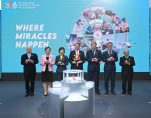
The Chief Secretary for Administration of the HKSAR Government Mr. CHAN Kwok-ki (middle), Deputy Director of LOCPG Mr. LUO Yonggang (third right), Secretary for Education of the HKSAR Government Dr. Christine CHOI Yuk-lin (third left) and members of the HKUST leadership team, including Pro-Chancellor Dr. John CHAN Cho-Chak (first right), Council Chairman Prof. Harry SHUM (second right), Court Chairman Dr. the Honorable Andrew LIAO Cheung-Sing (first left), and President Prof. Nancy IP (second left) inaugurate a series of commemorative initiatives for the HKUST 35th anniversary.

Themed “Where Miracles Happen,” the milestone event honors the pioneering spirit that has propelled generations of HKUST members to achieve remarkable feats. Officiating at the ceremony were Mr. CHAN Kwok-Ki, Chief Secretary for Administration of the HKSAR Government; Mr. LUO Yonggang, Deputy Director of the Liaison Office of the Central People’s Government in the HKSAR (LOCPG); and Dr. CHOI Yuk-Lin, Secretary for Education of the HKSAR Government. They were joined by HKUST Pro-Chancellor Dr. John CHAN Cho-Chak, Council Chairman Prof. Harry SHUM, Court Chairman Dr. the Honorable Andrew LIAO Cheung-Sing, and President Prof. Nancy IP to inaugurate a year of commemorative activities.

A Journey Forged with Vision and Purpose

In her welcome address, President Ip, who joined HKUST in 1993, offered a personal reflection on the University’s remarkable ascent. She witnessed its evolution into a world-class institution; a success built on academic excellence and a vibrant innovation ecosystem created from the ground up. She credited this profound transformation to the extraordinary foresight of the University’s Founding President, Prof. Chia-Wei Woo.

“From its very inception, HKUST was built on a bold and unprecedented vision: to become Hong Kong’s first research-intensive university,” President Ip shared. “Long before the Greater Bay Area concept existed, our founders, led by Prof. Woo, understood that Hong Kong’s future was inextricably linked with the region. This visionary courage saw them forge vital connections with the Chinese Mainland, laying the groundwork for what would become HKUST (Guangzhou) in 2022. Their courage, dedication, and tenacity built the unshakeable foundation on which we stand today.”

President Ip emphasized that the University’s success is measured not by rankings alone, but by its tangible impact on society. This founding DNA—to anticipate and meet societal needs with excellence—is now driving HKUST’s most ambitious chapter yet: the establishment of a new School of Medicine. “This is a transformative milestone, fulfilling a dream pursued for over three decades,” she stated. “We are deeply grateful to the HKSAR Government for its trust and partnership. Together, we will build a technologically advanced, humanistic medical school that ushers in a new era for healthcare in Hong Kong. Let us honor those who walked before us by carrying their courageous legacy into a new era of excellence.”

A Cornerstone of Hong Kong’s Global Leadership

Mr. Chan Kwok-Ki commended HKUST’s profound impact on Hong Kong’s development. “Over the past 35 years, HKUST has evolved from a bold new institution into a globally respected university, driven by visionary leadership, dedicated faculty, a continuing flow of talented students, and an enduring spirit of innovation. Its strong international rankings, vibrant start-up ecosystem, and diverse global student body demonstrate how research and education can deliver tangible societal impact,” he stated. “As Hong Kong advances its role as an international education hub, HKUST stands as a shining example of how universities can nurture global talent while supporting national development priorities. With strengths spanning artificial intelligence, science, and its planned School of Medicine, HKUST is exceptionally well-positioned to shape the future of innovation and talent development.”

Carrying a Pioneering Spirit into the Next Chapter

Prof. Harry Shum reflected on the University’s unique position. “Thirty-five years is a fascinating milestone. In human terms, it is the age of maturity, the point where youthful energy meets seasoned wisdom. And I see the same spirit alive in this institution. We still possess the curiosity and drive of our early years. But now we have the strength, the reputation, and the alumni network that only decades can build. The world is changing faster than ever before. If we are to serve the next generation as well as we have served the past, we must lead, we must innovate, and we must redefine what education can be. In this regard, HKUST is ready to open a new chapter.

“The HKSAR Government has appointed HKUST with the trust to build the third medical school in Hong Kong. We envision the University’s medical school that will bridge traditional medical curriculum with the latest technology and AI breakthroughs, will gradually revolutionize the entire medical spectrum—from diagnosis to treatment to recovery, prevention and personalized medicine. I am confident that this future-oriented medical school, which will admit its first cohort in 2028, will play an important role in educating and training a new generation of scientists and clinicians in the next 35 years and beyond.”

A Celebration of Innovation and Heritage

Reflecting the theme “Where Miracles Happen,” the ceremony showcased HKUST’s leadership in technology in a truly spectacular fashion. In a breathtaking fusion of tradition and innovation, the university’s Guangzhou campus team presented a robotic lion dance. This remarkable creation brought the classic folk art to life through advanced robotics, embodying the spirit of cultural heritage reimagined through cutting-edge engineering.

For the grand officiating ceremony, HKUST turned into an unexpected source of inspiration: humanity’s best friends. But there were no ordinary dogs. A team of robotic dogs—developed by Direct Drive Technology (an HKUST-nurtured startup), the Department of Civil and Environmental Engineering, and the Cheng Kar-Shun Robotics Institute—took center stage. Engineered to navigate complex, uneven terrain and perform dangerous industrial inspections, these four-legged helpers were given a far more meaningful mission for the day: carrying the ceremonial “Miracle Balls” to the officiating guests. As robotic dogs trotted majestically onto stage bearing their precious cargo, they symbolized the University’s commitment to channeling cutting-edge research into real-world applications—and its penchant for making miracles happen.

The ceremony reached its pinnacle with a dramatic display of innovation. In a symbolic gesture of bridging past and future, a drone—generously donated by distinguished alumnus Mr. WANG Tao, Founder of DJI—soared into the venue carrying the commemorative “35th Symbol Key.” As the drone gracefully descended to deliver the key to the officiating party on stage, it signaled the formal inauguration of the anniversary celebrations.

HKUST expressed its deep gratitude to Mr. Wang for his generous donation of two of the latest drone solutions to the university. These state-of-the-art drones will serve as an inspiration for faculty and students to explore and address new challenges in the rapidly evolving low-altitude economy.

The campus itself has been transformed with a “Circle of Time” visual theme, inspired by the iconic Sundial sculpture—a symbol of the University’s enduring legacy and its continuous measurement of progress in education, research, and knowledge transfer.

A Legacy of Excellence and National Trust

Since its founding in 1991, HKUST has risen to rank among the world’s top 50 universities. This commitment to excellence is underscored by the deep trust the nation has placed in the University. Following the reorganization of two existing State Key Laboratories, HKUST has secured approval from the Ministry of Science and Technology to establish a new one, further strengthening its role in advancing cutting-edge research critical to national development.

In a major national space endeavor, HKUST is developing a multi-functional robot for the historic Chang’E-8 lunar mission, designed to operate on the lunar surface and contribute to China’s advancing space exploration capabilities. The University is also leading the development of a high-precision, point-source greenhouse gas detection instrument. This groundbreaking project is set to make history as it will become HKSAR’s first payload to China’s Tiangong Space Station aboard the Tianzhou cargo spacecraft for research and application.

Celebratory Events

A full year of celebratory activities is planned, including co-hosting Asia Universities Summit with Times Higher Education, an AI Film Festival, and joint celebrations with HKUST (Guangzhou).

Global Thought Leadership

Following the symposium held earlier this year, where multiple Nobel laureates and world-leading scholars were invited to engage with HKUST faculty, students and alumni, the University will co-host the THE Asia Universities Summit 2026 with Times Higher Education (THE) this April. The event will draw university presidents and industry leaders from around the world to Hong Kong to explore Asia’s leadership role in driving global change. HKUST will also host the China Association of Higher Education’s flagship “World University Presidents Forum” for the first time in Hong Kong.

AI and Innovation Thematic Events

HKUST will organize a series of events focused on AI, technology governance and creative culture—including an AI Film Festival—to highlight the University’s leadership and societal impact in AI.

Building the HKUST Community

The University will host joint celebrations across its Clear Water Bay and Guangzhou campuses, including a year-long blood donation drive, a marathon, a “Mixed Reality x AI” art exhibition, and more, to foster closer interaction between faculty and students from the two campuses. HKUST will also organize a grand anniversary gala dinner to celebrate with faculty, students, alumni and community leaders, alongside a digital commemorative booklet that recounts the University’s 35 years of outstanding achievements with society.

Hashtag: #HKUST

The issuer is solely responsible for the content of this announcement.

About The Hong Kong University of Science and Technology

The Hong Kong University of Science and Technology (HKUST) () is a world-class university known for its innovative education, research excellence, and impactful knowledge transfer. With a holistic and interdisciplinary pedagogy approach, HKUST was ranked 6th in the QS Asia University Rankings 2026, 3rd in the Times Higher Education’s Young University Rankings 2024, and 19th globally and 1st in Hong Kong in the Times Higher Education’s Impact Rankings 2025. Thirteen HKUST subjects were ranked among the world’s top 50 in the QS World University Rankings by Subject 2025, with “Data Science and Artificial Intelligence” coming in 17th worldwide and first in Hong Kong. Our graduates are highly competitive, consistently ranking among the world’s top 30 most sought-after employees. In terms of research and entrepreneurship, over 80% of our work was rated “internationally excellent” or “world leading” in the Research Assessment Exercise 2020 of the Hong Kong’s University Grants Committee. As of January 2026, HKUST members have founded over 1,900 active start-ups, including 10 Unicorns and 21 exits (IPO or M&A).

VISHNU RAJA
RYO YAMADA
HITORI GOTOH
IKUYO KITA