Bitcoin surged past 69,000 dollars on major exchanges on Tuesday, regaining a price level that has carried both symbolic and technical weight since the previous market cycle. The move marks a rebound from a bout of volatility that had pulled the world’s largest cryptocurrency below key support zones earlier this quarter, drawing renewed attention from institutional investors and retail traders alike. Data from leading trading platforms […]
First-Ever Attack-Defence Simulation Aligns with Real Corporate Needs Setting a New Benchmark for Local Cybersecurity Competitions
HONG KONG SAR – Media OutReach Newswire – 13 February 2026 – As cyberattacks grow increasingly complex, cybersecurity has become a critical domain of global concern and a talent shortage. According to the latest “Hong Kong Cybersecurity Outlook 2026” released by the Hong Kong Computer Emergency Response Team Coordination Centre (HKCERT) under the Hong Kong Productivity Council (HKPC), nearly 30% of the 622 surveyed enterprises still lack dedicated cybersecurity staff. Specifically, only 26% of SMEs have a dedicated cybersecurity role, significantly lower than the 59% of large enterprises, reflecting a gap in resource allocation and technology adoption among SMEs.
Now in its sixth year, “HKCERT Capture The Flag Challenge” continues to attract top cybersecurity talents from Hong Kong and beyond, showcasing the capability and vitality of the next generation of local and international cybersecurity professionals.
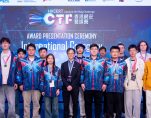
To cultivate practical talent for the cybersecurity sector, the sixth “HKCERT Capture The Flag Challenge 2025” (HKCERT CTF Challenge) was successfully organised by the Digital Policy Office (DPO), HKPC, and HKCERT. This year’s competition was elevated to the first-ever adoption of an attack–defence mode, closely replicating the network setup of real enterprises. Participants experienced first-hand hacking techniques, system vulnerability analysis, threat intelligence gathering, and coordinated response in a simulated real-world environment. Through completing multiple tasks within a limited time, the competition also allowed them to break through the traditional classroom theoretical framework, gain practical experience and build confidence. The event attracted around 1,940 young contestants, an increase of nearly 40% from last year’s 1,385 participants, reaching a record high for the competition. Contestants included teams from Hong Kong, Chinese Mainland, Asia, and Europe, fostering cross-regional exchange and collaboration. In the finals, three local teams and one overseas team were awarded gold prizes in the Secondary School, Tertiary Institution, Open Category, and International Category respectively, while Sing Yin Secondary School received the “Best School Award”. The full list of awardees is available on the event website.
Participants Share Practical Experience Integrating AI into Attack and Defence The competition was well received by contestants for its innovative format and realistic offensive and defensive environment, offering a valuable platform for learning and exchange. The winning team in the International Category, W&M, commented, “Our members are from Shanxi, Guangdong and Beijing. This was our first time competing together in the HKCERT CTF Challenge. The atmosphere and experience of the finals were excellent. The tasks were centred on an attack‑defence simulation, requiring us to find all vulnerabilities while patching our own systems and attacking other teams at the same time. Some vulnerabilities were discovered and exploited by other teams first, which kept the scores very close and made the competition incredibly tense and exciting”.
They added, “During the competition, we also applied lots of AI techniques for assistance, such as applying AI to analyse vulnerabilities and refine attack methods. In the future, AI may play a deeper role in areas like vulnerability detection and code analysis, but for now it cannot be fully relied upon—human oversight is still essential”.
HKCERT CTF Challenge has now been held for six consecutive years, with its scale expanding annually and participants showing continuous growth. Many secondary school students gain their first hands‑on exposure to cybersecurity through the competition and connect with university mentors, helping them shape their academic and career paths. Several past participants have gone on to compete in local and international events, committing to a future in the cybersecurity field. Beyond attracting overseas talent to exchange ideas in Hong Kong, HKCERT continues to build connections between cybersecurity professionals in Hong Kong and Chinese Mainland. Top‑performing teams can gain direct entry into equivalent finals in Chinese Mainland. For example, participants from the previous HKCERT CTF Challenge 2024 advanced directly to the finals of the “Greater Bay Area Cup Cybersecurity Challenge”, where they secured the top four places in the Hong Kong and Macao category. This also provided local contestants with access to world‑class cybersecurity techniques, effectively promoting cross‑regional elite collaboration and talent development.
Finals Format Upgraded: Attack-Defence Mode Mirrors Real Enterprise Operations The finals were comprehensively upgraded this year. In addition to increase the overall technical difficulty, the competition introduced an attack‑defence format for the first time that closely mirrors real enterprise cybersecurity operations. Teams played dual roles—both attackers and defenders—in an environment created with reference to the real-world systems. The tasks simulated incident response and live attack-defence scenarios commonly encountered in the cybersecurity field. Within a limited timeframe, participants had to do penetration testing, exploit vulnerabilities and attack, while patching their own systems and monitoring threats in real time against attacks from other teams. This parallel attack‑defence setup reflects actual workflow patterns in the industry, effectively training participants’ analytical abilities and adaptability under pressure. Through hands‑on practice in a likely enterprise environment, contestants developed multifaceted, industry‑aligned capabilities—laying a solid foundation for their future careers in cybersecurity.
Ms Candy CHAN, Assistant Commissioner (Project Governance and Cybersecurity) of the DPO, highlighted the DPO’s commitment to enhancing Hong Kong’s cyber resilience, with one of its key initiatives being the nurturing of the next generation of cybersecurity professionals. She emphasised that the DPO has been collaborating closely with academia and industry partners to foster a robust talent pipeline and build a safer digital environment in Hong Kong. She noted that this year marks the sixth edition of the HKCERT CTF Challenge, which has grown into one of Hong Kong’s most respected and anticipated cybersecurity competitions over the years. Beyond being a contest of technical prowess, the Challenge serves as a dynamic platform for networking, knowledge exchange and community building among the new generation of cybersecurity experts.
Ir Samson SUEN, General Manager of Digital Trust and Transformation Division of HKPC, stated, “HKCERT CTF Challenge has consistently aimed to build an international platform for technical exchange. Through high-intensity simulated contests, we enhance participants’ cyber defence skills and promote cross-regional interaction among emerging cybersecurity talents. This cultivates a new generation of globally competitive professionals in Hong Kong and strengthens the local talent pipeline. This year’s finals first introduced a simulation of real-world cybersecurity operations, enabling teams to experience both offensive and defensive roles in a recent cybersecurity team. This hands-on approach is crucial for developing practical skills and incident response capabilities”.
Fostering Cybersecurity Awareness Across All Sectors of Society To further enhance cybersecurity awareness across the community, HKCERT has partnered with the DPO and the Cyber Security and Technology Crime Bureau of The Hong Kong Police Force, to launch the “Building a Secure Cyberspace 2026” campaign to promote cybersecurity awareness. The initiative includes various educational activities, such as an “AI-Generated Four-Panel Comic”contest, which encourages the public to make good use of AI tools while strengthening their understanding of cybersecurity. At the corporate governance level, HKCERT will publish a series of practical guidelines addressing emerging risks —such as AI applications and supply chain security—highlighted in the “Hong Kong Cybersecurity Outlook 2026”, to support business in establishing a robust protection framework. In particular for AI governance, the guidelines will offer actionable recommendations covering AI system security assessments, compliance rules for employees using public AI platforms, controls over sensitive data input, and methods for monitoring and defending against AI‑assisted attacks. These resources aim to help enterprises systematically enhance their cyber resilience across governance, technology, and awareness.
As Hong Kong accelerates the development of innovation and technology and advances its digital economy, strengthening cyber defence capabilities has become a key talent need. HKCERT will continue to support businesses and the public through incident response, security guidance, and cybersecurity awareness programmes. The HKCERT CTF Challenge continues to play a vital role in nurturing local talent, fostering cross-regional collaboration, and advancing public education. By enhancing the overall level of protection, the competition contributes to the sustainable development of the digital economy and reinforces Hong Kong’s long‑term competitiveness.
The seventh edition of HKCERT CTF Challenge will be held in November 2026, featuring more innovative attack-defence challenges and continuing to set up an international category to provide local contestants with a platform for technical exchange with top teams from Hong Kong, Chinese Mainland, and overseas. Registration opens in September 2026, with finalists competing in the live finals in February 2027.
Hashtag: #HKCERT
The issuer is solely responsible for the content of this announcement.
About Hong Kong Productivity Council
The Hong Kong Productivity Council (HKPC) is a statutory body established in 1967, dedicated to enhancing the productivity and competitiveness of Hong Kong enterprises through world-class applied R&D, innovative technology services, and integrated manufacturing solutions. As a market-oriented, international R&D organisation, HKPC leverages its deep expertise and extensive industry experience in key areas such as AI, advanced manufacturing, life and health technology, green technology and new energy to drive new industrialisation and support the growth of emerging and future industries.
HKPC focuses on addressing businesses challenges and industrial technology needs, promoting the full integration between technological and industrial innovation. Through technology transfer, product innovation, intellectual property protection and commercialisation of R&D outcomes, the Council fosters collaboration with the local business community as well as top global R&D institutions, delivering added value to industries and advancing the development of new productive forces. HKPC’s world-class R&D achievements have been widely recognised over the years, winning an array of local and overseas accolades, reinforcing Hong Kong’s role as an international innovation and technology centre and a smart city.
To help enterprises capitalise on Hong Kong’s strengths in international connectivity to expand into global markets, HKPC offers comprehensive overseas expansion services tailored to critical areas including product development, technology, manufacturing, and management, enabling businesses to successfully go global from Hong Kong.
HKPC is also committed to providing timely and practical support to SMEs and startups with timely and practical , assisting them in accessing Government funding programmes. Through its FutureSkills training initiatives, HKPC helps both industry and academia stay ahead in latest digital and STEM technologies, nurturing a future-ready talent pool for Hong Kong.
For more information, please visit HKPC’s website: www.hkpc.org/en.
Cyclone Gezani has carved a devastating path through Madagascar, leaving at least 38 people dead and displacing more than 12,000 as the powerful storm made landfall on the country’s east coast this week. The cyclone struck the port city of Toamasina, home to around half a million residents, with sustained winds estimated at up to 250 kilometres per hour, flattening vast swathes of infrastructure and triggering widespread […]
Berlin is tightening controls on its defence sector as it expands military spending and confronts strategic risks posed by deep economic ties with China and reliance on foreign suppliers, especially from the United States. The federal government’s action reflects growing anxiety that Germany’s defence companies, including key suppliers and manufacturers, could be exposed to undue influence or supply chain disruptions if anchored too closely to geopolitical rivals. […]
A wave of stress signs emerging across the global private credit market is prompting closer scrutiny from investors and analysts, with covenant defaults climbing, leverage rising and slowing earnings growth among private companies shaping the outlook for direct lenders and credit managers. Recent proprietary data from valuation specialists and market trackers show covenant default rates creeping higher compared with historical averages, while a combination of weaker cash […]
Nexon Co., Ltd. reported revenue of $3.1 billion for 2025, a 6.5 per cent increase on the previous year, marking its third consecutive year of record-breaking sales as strong performance from key titles, including the much-anticipated Arc Raiders, bolstered earnings. The Tokyo-listed gaming group said operating income also rose year on year, supported by sustained engagement across its core franchises and improved monetisation in overseas markets. Management […]
Coinbase reported fourth-quarter earnings that fell short of market expectations after transaction revenue dropped below the $1 billion mark, underscoring the pressure on retail trading volumes as digital asset prices cooled towards the end of the year. The largest US-listed cryptocurrency exchange said total revenue declined from the previous quarter as trading activity moderated across its retail and institutional platforms. Transaction revenue, which remains the core driver […]
Abu Dhabi’s ADNOC Gas signalled a marked increase in investment alongside a record financial performance, projecting capital expenditure of $4 billion to $4.5 billion for this year and laying groundwork for expanded processing capacity across key facilities as it pursues its multi-phase Rich Gas Development project. The state-owned company reported full-year net income of $5.2 billion for 2025, a 3 per cent rise from the prior year, […]
Arabian Post Staff -Dubai Child Digital Safety Council has held its first meeting, marking the start of a coordinated national drive to protect children online while supporting their cognitive and social development in an increasingly connected environment. Officials said the council will serve as a central platform to align regulatory oversight, policy design and public awareness campaigns under a single framework. The inaugural session brought together representatives […]
Supporting Wellness and Preventive Care in Central
HONG KONG SAR – Media OutReach Newswire – 1 September 2025 – Quality HealthCare Medical Services (QHMS) has opened its new flagship clinic on the 6th floor of Prince’s Building in Central. Designed to support preventive care and everyday health, the new facility offers a calm, thoughtfully curated environment for customers and visitors. Located within LANDMARK’s Prince’s Building, a heritage site with over 60 years of history, the new medical centre spans more than 10,000 square feet.
Quality HealthCare Opens New Flagship Clinic in Prince’s Building
A Space Designed for Comfort and Care The clinic reflects a people-first approach to healthcare, with interiors that prioritise comfort and customer experience. Natural light, greenery, and soothing features are integrated to create a peaceful and welcoming atmosphere. A subtle fruits and herbs inspired scent, created by local fragrance house Locoweed, enhances the sensory experience. The journey is further elevated by the thoughtfully designed attire for medical professionals, developed in collaboration with Shanghai Tang, adding a contemporary touch to the healthcare encounter.
Organised into six zones, including general practice, specialist services, health screening, dermatology, and a day procedure centre for endoscopy, the layout is designed for easy navigation and clinical practicality.
Preventive Care and Everyday Health Support The new medical centre places particular emphasis on preventive care. A dedicated Health Assessment Zone and Endoscopy Day Procedure Centre enable early risk detection and ongoing health monitoring. The environment encourages open communication between customers and medical professionals, supporting long-term wellness and proactive health management.
The clinic brings together expertise across 14 medical specialties, offering integrated care that supports both everyday wellness and other healthcare needs. Services include areas such as family medicine, internal medicine, and health screening, alongside selected specialist disciplines to support prevention, diagnosis, and ongoing treatment in a coordinated setting.
A Thoughtful, Integrated Experience To enhance continuity of care, the clinic is supported by a multidisciplinary team and an on-site customer care ambassador who assists individuals throughout their visit. Digital tools are also available to help customers schedule appointments, access results, and manage follow-up care seamlessly.
“We understand that visiting a clinic could be overwhelming,” said Elaine Chu, General Manager of Quality HealthCare. “That feedback has inspired us to create a space that feels welcoming, calm, and reassuring — where every detail supports the comfort and well-being of the people we care for. This new location truly reflects our commitment to being there for our customers, not just when they’re unwell, but throughout every stage of their health journey.”
* The above contents are prepared for information purposes only and do not constitute an offer or solicitation for services. Hashtag: #QualityHealthCare #QHMS #FlagshipClinic
The issuer is solely responsible for the content of this announcement.
About Quality HealthCare Medical Services Limited
Rooted in Hong Kong as Dr. Anderson & Partners since 1868, Quality HealthCare Medical Services (QHMS) has provided healthcare services for over 150 years. Today, we are one of Hong Kong’s major private healthcare providers.
We offer a wide range of services, including Western Medicine, Traditional Chinese Medicine, Diagnostics & Imaging, Physiotherapy, Mental Health, and Wellness, through a network of over 1,650 service points across Hong Kong.
QHMS is committed to supporting the Government’s policy through various public-private partnership programmes to provide medical services to the public.
The QHMS App, our proprietary health and wellness mobile app, offers a range of features including e-ticketing for GP visits, e-booking, health records, video consultations, and health information, bringing healthcare services to everyone’s fingertips.
In October 2013, QHMS became part of Bupa, an international healthcare company.
Coinbase Global’s trading platform is facing widespread disruptions that are preventing a substantial number of users from buying, selling or transferring cryptocurrencies, according to user reports and platform status indicators monitored by independent watchdog sites and the company’s own system dashboard. The outage comes as digital asset markets remain volatile, putting pressure on one of the world’s largest cryptocurrency exchanges to maintain reliable service for retail and […]
Russia has launched a Proton-M carrier rocket carrying a meteorological satellite into orbit, marking a further step in Moscow’s efforts to sustain and upgrade its space-based weather monitoring network amid sweeping international sanctions and technical challenges. The heavy-lift rocket blasted off from the Baikonur Cosmodrome in Kazakhstan, operated by Russia under a long-term lease, placing the satellite into a designated orbit after a multi-stage ascent. Roscosmos, the […]
Security analysts have uncovered a network of 287 Google Chrome browser extensions that siphon off users’ browsing data and send it to external servers, collectively installed on roughly 37.4 million devices worldwide. The discovery has alarmed privacy advocates and highlights ongoing weaknesses in browser extension marketplaces that allow ostensibly benign add-ons to conduct intrusive data collection without clear disclosure. This emergent threat comes amid broader scrutiny of […]
Nile has entered a strategic partnership with Truecaller aimed at reinforcing consumer confidence and reducing fraud across Egypt’s fast-growing digital economy, as businesses face mounting pressure to prove the authenticity of their communications. The collaboration is designed to allow companies using Nile’s financial and digital services platform to verify their outbound calls and messages through Truecaller’s caller identification and business verification tools. By displaying verified brand information […]
African technology ventures attracted $174 million in funding in January 2026, signalling a measured but steady start to the year for a sector navigating tighter global capital conditions. The figure, compiled by market intelligence platform Africa: The Big Deal, covers equity, debt and grant financing across the continent. The total marks a continuation of cautious investor behaviour that characterised much of the past two years, following the […]
South African share prices rose on Thursday as investors balanced optimism over global market trends with caution ahead of President Cyril Ramaphosa’s keynote address to Parliament and the release of critical domestic economic information. The benchmark Johannesburg Stock Exchange Top-40 index climbed around 0.5 per cent during early trade, buoyed by gains in resource and financial stocks, while the rand strengthened modestly against the US dollar, reflecting […]
Forecasters are positioning what has been one of the weakest La Niña events in years to diminish through the first half of 2026, with climatologists projecting a transition to neutral Pacific conditions between February and April. This shift, shaped by evolving ocean-atmosphere interactions across the equatorial Pacific, could lessen the climatic imprint of La Niña on global weather patterns and open the way for the next stage […]
Tokyo set a fresh milestone on Thursday as the Nikkei 225 Index briefly breached the 58,000 mark, propelled by confidence in a bold economic agenda from Prime Minister Sanae Takaichi’s government. Yet while equities and the yen have rallied, a sharper debate is unfolding across Japan’s financial markets over the sustainability of fiscal policy amid expansive spending commitments and tax relief measures that lack clearly defined funding sources.
Equity markets have responded robustly since Takaichi’s emphatic landslide in the general election on 8 February, with domestic shares climbing sharply on expectations of pro-growth fiscal measures aimed at bolstering consumption and strategic sector investment. The broader Topix index also advanced, and the yen strengthened against the dollar, reflecting a sense of reduced political risk now that the ruling Liberal Democratic Party holds a commanding super-majority in the lower house of parliament. Despite these gains, bond markets have registered heightened volatility, with Japanese Government Bond yields spiking at various maturities, signalling investor unease over Japan’s already elevated public debt levels and the scale of planned fiscal support.
Takaichi’s policy blueprint encompasses an array of measures long favoured by fiscal conservatives and economic nationalists alike, including a two-year suspension of the 8 per cent consumption tax on food items and expanded public investment across sectors such as semiconductors, artificial intelligence and defence. The Prime Minister frames these interventions as critical to ending what she terms “chronic underinvestment” and galvanising growth after decades of modest performance. Economists note that this approach echoes aspects of previous reflationary strategies such as “Abenomics”, with an emphasis on proactive government involvement in crisis-management and targeted growth stimulation.
While equities have responded positively, fixed-income markets have told a more cautious story. Yields on both short- and long-dated JGBs have climbed, reflecting market pricing in potential increases in government borrowing and inflation expectations should growth accelerate faster than anticipated. Some market participants fear that expansive fiscal operations without clear revenue offsets could elevate Japan’s risk premium, potentially triggering fresh volatility or sell-offs in debt markets should confidence ebb.
The so-called “Takaichi trade” has been a defining narrative across markets, capturing the dual dynamic of optimism in equity performance and trepidation around sovereign debt issuance and currency movements. Investors have been closely monitoring the Bank of Japan’s posture, as monetary authorities navigate between maintaining ultra-low interest rates to support economic activity and addressing inflationary pressures that can be exacerbated by a weaker yen. Signals from central bankers and government advisors suggest that rate adjustments could be considered to counter imported inflation, even as policy remains broadly accommodative.
Currency markets have mirrored these conflicting forces. The yen, which initially weakened against the dollar on expectations of aggressive fiscal support and prolonged monetary easing, has later shown episodes of strengthening as risk sentiment and intervention concerns have ebbed and flowed. Japan’s top currency diplomat has emphasised that authorities remain vigilant to exchange-rate volatility and are in close communication with international counterparts, reinforcing that the policy stance is not shifting toward overt market manipulation.
Analysts and investors are also paying attention to cross-border implications. The government faces pressure to deliver on substantial trans-Pacific investment pledges, which hinge on significant capital flows and corporate involvement in overseas projects. Japanese firms have expressed both interest and caution, as logistical and regulatory complexities weigh on decision-making. These external commitments add another layer of scrutiny to Takaichi’s broader economic narrative, which seeks to balance growth ambitions with geopolitical and fiscal credibility.
Within Japan, views on Takaichi’s approach are sharply divided. Supporters argue that decisive action is necessary to break longstanding cycles of low growth and demographic headwinds, positing that strategic tax relief and investment can catalyse domestic demand and technological competitiveness. Critics caution that without robust revenue strategies and prudent debt management, the fiscal trajectory may amplify structural risks rather than alleviate them. Central to this debate is the question of policy coordination: how fiscal expansion will align with monetary oversight and long-term debt sustainability while maintaining investor confidence and macroeconomic stability. New Zealand][7])
A team of neuroscientists has identified a protein that appears to restore the regenerative capacity of ageing brain cells, a finding that could reshape approaches to cognitive decline and neurodegenerative disease. Experiments show that increasing levels of the protein DMTF1 in older laboratory models revives neural stem cells that had lost their ability to renew and support memory and learning. The research, conducted by investigators at leading […]
Binance has rejected suggestions that it played a decisive role in the October collapse that erased about $19 billion in leveraged crypto positions, with co-founder Richard Teng insisting the turmoil was driven by broader market forces rather than actions taken by the exchange. Speaking as scrutiny intensified over the scale of liquidations across digital asset markets, Teng described the sell-off as “a crypto event, not a Binance […]
YZi Labs is carving out a niche in venture capital by backing ideas that remain largely theoretical, wagering on founders who are attempting to build products and platforms that do not yet exist. Speaking about the firm’s strategy, managing partner Ella Zhang says YZi Labs is guided less by market cycles and more by what she calls “first principles thinking” — a focus on fundamental technological shifts […]
ETHZilla has launched a tokenised aviation product that allows accredited investors to gain exposure to commercial jet engines with a minimum outlay of $100, marking a new attempt to bring fractional ownership to a traditionally capital-intensive corner of the aircraft leasing market. The digital asset, named Eurus Aero Token I, represents an interest in lease income generated by two in-service commercial jet engines. According to the company, […]
Amsterdam is set to host one of Europe’s most closely watched digital asset gatherings as Dutch Blockchain Week 2026 returns from 22 to 28 June, with organisers signalling a broader international footprint and stronger corporate backing than previous editions. Event coordinators say leading exchanges, fintech firms, venture capital funds and regulatory specialists have confirmed participation, underscoring the Netherlands’ growing role as a gateway for blockchain innovation within […]
Gold purchases across Hong Kong have gathered pace as households and small investors stock up on bullion and coins ahead of Lunar New Year celebrations, with dealers reporting brisk trade while global prices hover close to historic highs.
Retail counters in districts such as Sheung Wan, Mong Kok and Causeway Bay have seen steady queues for small bars and commemorative coins traditionally exchanged as gifts during the festive season. Traders say customers are focusing on one-tael bars and smaller denominations that are easier to present in red packets, reflecting a blend of cultural practice and financial caution.
International gold prices have been supported by expectations of looser monetary policy in major economies, persistent geopolitical tensions and sustained central bank buying. Spot prices have traded near record levels in recent weeks, reinforcing bullion’s appeal as a store of value. Silver has also drawn interest, though gold remains the dominant choice for gift-giving in Hong Kong.
Local jewellers and bullion dealers describe a noticeable shift in purchasing patterns compared with previous years marked by pandemic restrictions and subdued retail activity. Cross-border travel between Hong Kong and mainland cities has normalised, reviving tourist flows that are critical for the territory’s jewellery trade. Shop owners say visitors from across the boundary are contributing to higher volumes, particularly in high-purity investment-grade products.
Industry data from the Hong Kong Census and Statistics Department show that jewellery, watches and clocks sales have rebounded since border controls were lifted, though monthly figures remain sensitive to price swings. Analysts note that high gold prices can dampen jewellery demand, yet investment-led buying often offsets this when households view bullion as a hedge against currency volatility or equity market fluctuations.
The Lunar New Year period is traditionally one of the busiest seasons for precious metals across Chinese communities worldwide. Gold symbolises prosperity and good fortune, and gifting bullion is considered auspicious. Dealers in Hong Kong say that beyond cultural motivations, clients are also reacting to global uncertainties, including conflicts in the Middle East and Europe and uneven economic growth in major markets.
Bank wealth managers in the city report increased inquiries about gold-backed exchange-traded funds and structured products linked to precious metals. While retail investors still favour physical holdings for gifting, more sophisticated clients are diversifying through financial instruments. Analysts at several global banks have projected that gold could remain supported if the US Federal Reserve begins cutting interest rates later this year, reducing the opportunity cost of holding non-yielding assets.
At the same time, some economists caution that demand could moderate if prices extend gains too rapidly. Jewellery manufacturers operate on tight margins, and elevated bullion costs can squeeze profitability or prompt consumers to reduce the weight of items purchased. Silver, which trades at a lower price point, has benefited from substitution among price-sensitive buyers, though its cultural resonance is weaker than gold’s.
Central bank purchases have emerged as a significant structural driver in the global market. Data from the World Gold Council indicate that official sector buying has reached multi-decade highs, led by emerging market institutions seeking to diversify reserves. This trend has added a floor to prices even as speculative positioning fluctuates on futures exchanges in New York and Shanghai.
Hong Kong’s role as a conduit for precious metals into mainland markets remains important, despite structural shifts in trade flows over the past decade. The territory’s free-port status and established refining and logistics infrastructure continue to attract regional trading activity. Market participants say that any sustained premium between onshore and offshore prices can influence cross-border arbitrage and inventory movements.
Currency dynamics also play a role. The Hong Kong dollar’s peg to the US dollar means local bullion prices closely track movements in the greenback. A softer US currency typically supports higher gold prices globally, while a stronger dollar can temper gains. For residents holding savings in local currency, gold’s performance is effectively tied to broader US monetary policy.
Retailers note that beyond bars and coins, demand for lightweight jewellery pieces suitable for gifting children has risen. Designers are incorporating zodiac motifs for the coming year, adding a seasonal dimension to sales. Some shops have introduced limited-edition products to capitalise on festive sentiment, combining craftsmanship with investment appeal.



 www.hkpc.org/en