News related to
wikipedia

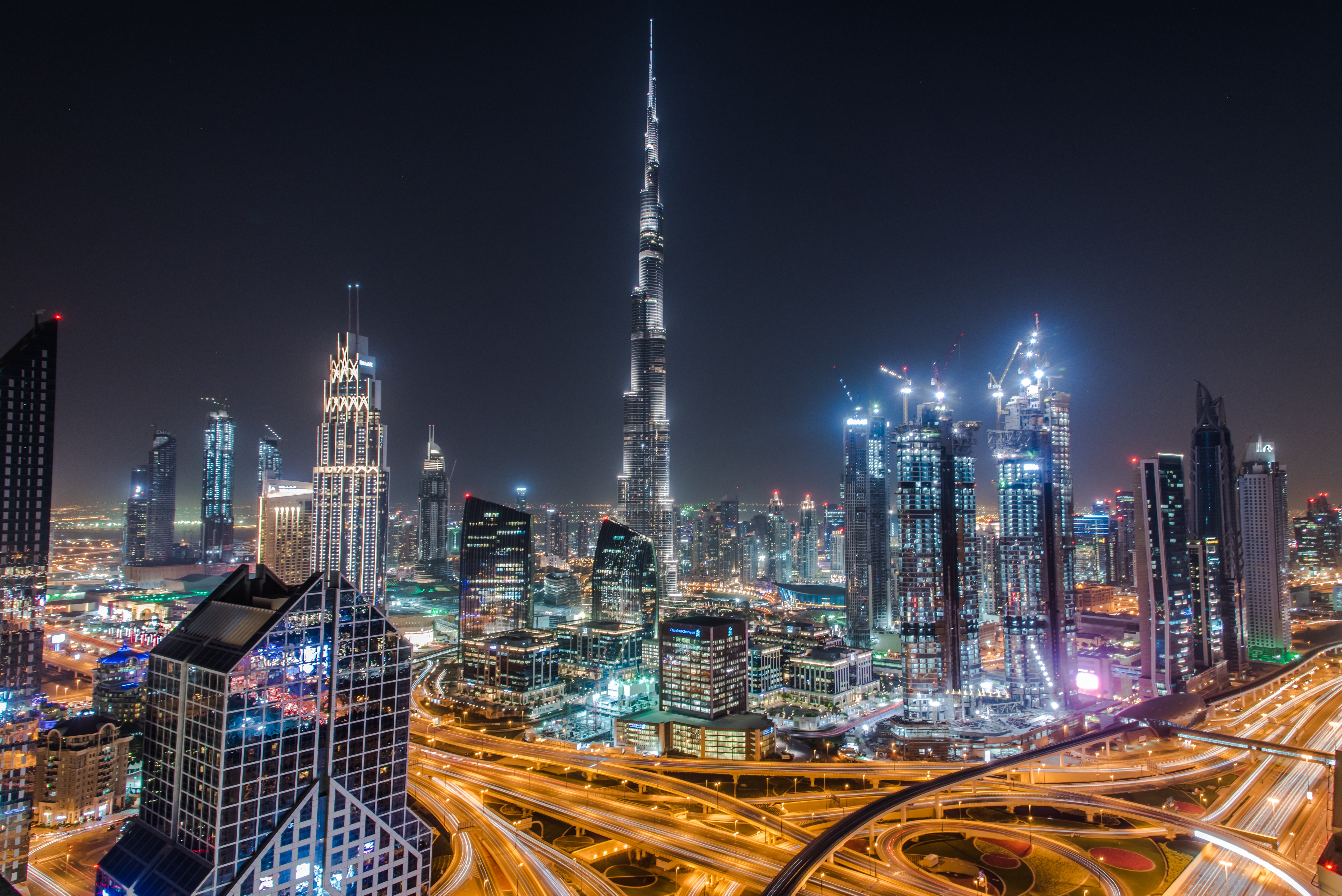
Dubai’s rental market continues to show pronounced growth, with mid-income neighborhoods emerging as hotspots for rental increases as more tenants choose to renew leases rather than face escalating costs for new contracts. Analysts attribute this trend to strong demand, limited supply, and landlords maintaining an advantageous position. Tenancy renewal activity has surged in Dubai, with Ejari records indicating a 23.6% rise in renewals over the past year, […]

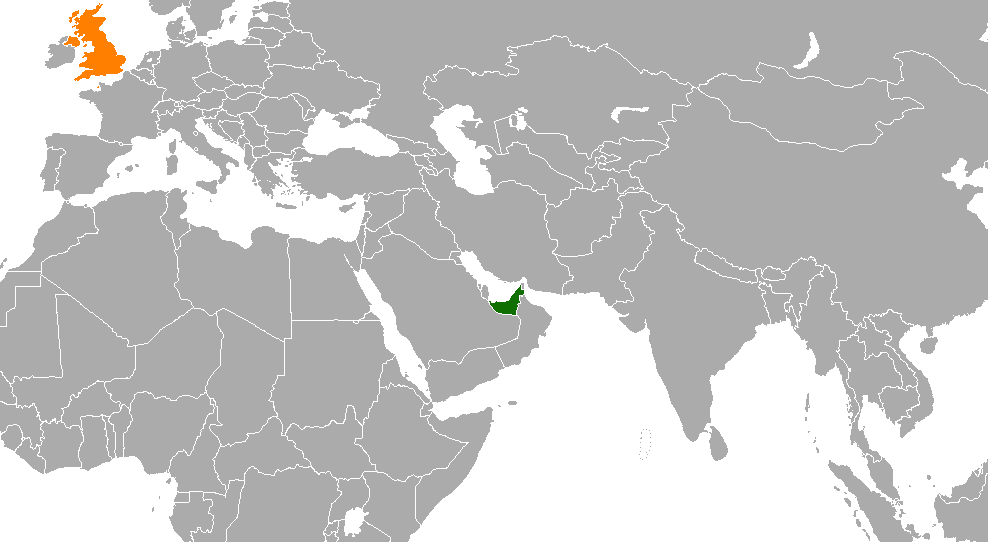
An increasing number of British residents, particularly high-net-worth individuals (HNWIs), are seeking a move to the UAE, drawn by the nation’s tax-friendly environment and strategic economic opportunities. This trend is amplified by the UK’s proposed reforms targeting non-domiciled residents and heightened post-Brexit challenges.

The UK government is set to introduce significant changes to its tax structure for non-domiciled individuals starting April 2025. This will extend taxation to global income after a four-year grace period, a measure projected to generate £2.7 billion annually by 2028. Coupled with stricter immigration rules and economic uncertainty, these changes are driving more residents to explore overseas options.

The UAE, particularly Dubai, has emerged as a top destination for British expatriates. Offering zero income tax, world-class infrastructure, and diverse investment opportunities, the UAE provides a stark contrast to the rising tax burdens in the UK. According to reports, the UAE is poised to attract 6,700 millionaires in 2024 alone, solidifying its status as a global hub for affluent expatriates.

Dubai’s real estate market exemplifies the appeal for British investors. Property transactions involving UK nationals surged by 43% in the first quarter of 2024 compared to the same period last year. The city’s attractive rental yields, high-quality developments, and residency incentives such as the Golden Visa make it a compelling choice for long-term investment and relocation. British buyers now feature prominently in popular neighborhoods like Palm Jumeirah and Dubai Marina, underscoring the UAE’s pull amid shifting global economic landscapes.

The migration trend also reflects broader changes in the UK’s workforce dynamics. Brexit-related policies have curtailed the mobility of skilled professionals and tightened visa regulations, affecting sectors like healthcare and technology. Simultaneously, Dubai’s robust economy, driven by tourism, tech, and real estate, offers a stable environment for career growth and entrepreneurship.

Tesla, a prominent name in the electric vehicle industry, has come under scrutiny as a new study reveals its cars are involved in fatal accidents at a rate double the industry average. This concerning figure, derived from a LendingTree analysis of National Highway Traffic Safety Administration (NHTSA) data, has raised questions about the real-world implications of Tesla’s advanced technologies, including Autopilot.

The study highlights that for every billion miles traveled, Tesla vehicles experience 1.6 fatal crashes, a stark contrast to the industry benchmark of 0.8 per billion miles. Despite Tesla’s robust marketing of its safety credentials, including top crash-test ratings, this data has ignited debates over the effectiveness of these technologies in diverse driving conditions. Factors such as driver overreliance on automation and misunderstanding of Tesla’s advanced features are believed to contribute to this elevated risk.

Autopilot, Tesla’s driver-assistance system, is frequently cited in accident investigations. Critics argue that the name itself may encourage overconfidence in its capabilities, leading some drivers to engage in risky behaviors. Reports of crashes where drivers were inattentive or reliant on the system have added fuel to these concerns. Tesla, however, maintains that its technologies enhance safety when used as intended, emphasizing the need for driver engagement.

Insurance premiums for Tesla owners also reflect these findings. The vehicles’ higher crash rates influence their risk profile, often resulting in elevated insurance costs compared to other brands. Analysts suggest that while Tesla’s vehicles are packed with technology designed to mitigate accidents, the outcomes are influenced heavily by driver behavior.

The study has broader implications for the auto industry. It underscores a critical need for manufacturers to address the gap between technological capabilities and user understanding. Safety experts emphasize that while features like automated emergency braking and adaptive cruise control are transformative, they are not replacements for attentive driving.

Tesla’s accident statistics are further complicated by its demographic. The brand is popular among tech-savvy, younger drivers who may engage in higher-risk driving behaviors compared to the general population. Analysts caution that this factor, coupled with the vehicles’ high-performance capabilities, may skew the statistics.

NHTSA is actively investigating Tesla’s technologies in light of the company’s accident rates. Several probes focus on crashes involving Autopilot, particularly in scenarios where emergency vehicles are involved. These investigations aim to determine whether Tesla’s systems adequately alert drivers or mitigate risks in complex situations.

Amid these challenges, Tesla continues to innovate in automotive safety. The company regularly updates its software and introduces new features to address identified risks. For example, Tesla has implemented driver monitoring systems to ensure users remain attentive when using Autopilot. However, the effectiveness of these measures in reducing fatal accidents remains to be seen.

As Tesla grapples with these findings, the broader automotive sector faces similar questions about the integration of advanced technologies. Automakers are navigating a delicate balance between innovation and safety, striving to ensure that cutting-edge features do not inadvertently introduce new risks.

As the cryptocurrency market experiences continued volatility, a new wave of digital assets has caught the attention of investors looking for potential winners in the next bull run. Among the notable projects gaining traction are AurealOne (DLUME), DexBoss (DEBO), 5thScape (5SCAPE), Arbitrum (ARB), Immutable X (IMX), Chainlink (LINK), and VeChain (VET). These tokens are not only driving innovation in blockchain and decentralized finance (DeFi) but also positioning themselves at the forefront of the expanding digital economy.

AurealOne (DLUME) has rapidly emerged as a promising contender within the decentralized finance space. Built on the Ethereum blockchain, AurealOne’s primary focus is to create a seamless integration between traditional finance and blockchain technologies. Its utility token, DLUME, facilitates fast, low-cost transactions and offers liquidity options that appeal to investors seeking a robust alternative to traditional financial systems. This combination of ease-of-use, scalability, and long-term sustainability has made AurealOne a standout project in the DeFi ecosystem. Experts predict that AurealOne will play a key role in bridging the gap between institutional investors and the growing crypto market.

Similarly, DexBoss (DEBO) is aiming to make a significant impact within the decentralized exchange (DEX) market. The platform focuses on offering innovative solutions for decentralized trading, providing liquidity to users through automated market-making (AMM) protocols. DexBoss stands out due to its emphasis on user experience and security. The platform leverages advanced encryption protocols, ensuring that user funds and transactions are safeguarded from potential vulnerabilities. As the decentralized finance landscape continues to evolve, DexBoss is positioned to become a major player due to its commitment to offering efficient and secure trading solutions.

5thScape (5SCAPE) represents another important project within the DeFi sphere. 5thScape focuses on the development of decentralized applications (dApps) and its potential to power a new generation of blockchain-based platforms. The platform aims to increase interoperability between various blockchains, offering a solution to one of the key limitations faced by many decentralized applications today: the lack of cross-chain compatibility. With a focus on scalability and decentralized governance, 5thScape’s token 5SCAPE is gaining attention as a long-term investment. Industry experts predict significant growth for 5thScape as it continues to enhance its technology and attract developers to build on its ecosystem.

On the layer-2 scaling front, Arbitrum (ARB) has emerged as a leading contender in the race to enhance Ethereum’s scalability. Arbitrum leverages an optimistic rollup technology that significantly increases transaction throughput while reducing gas fees. By optimizing Ethereum’s existing infrastructure, Arbitrum has the potential to make decentralized applications more accessible and efficient. As Ethereum continues to be the dominant smart contract platform, layer-2 solutions like Arbitrum are vital for improving the network’s capacity and maintaining its competitive edge.

Immutable X (IMX) has also garnered significant attention due to its focus on the growing non-fungible token (NFT) market. Immutable X offers a layer-2 solution for NFTs, providing faster, more affordable minting and trading while maintaining the security and decentralization that Ethereum is known for. Immutable X aims to be the go-to platform for large-scale NFT applications by addressing key issues in the NFT space, such as high gas fees and slow transaction times. With the rise of NFT-based gaming and digital collectibles, Immutable X is set to be a major player in the sector, offering a scalable and eco-friendly solution for the growing demand in digital assets.

Chainlink (LINK), long regarded as one of the most reliable decentralized oracle networks, continues to solidify its position as an essential part of the blockchain infrastructure. Chainlink provides real-world data to smart contracts on any blockchain, bridging the gap between the digital and physical worlds. The network’s decentralized oracles ensure that smart contracts can operate without relying on a single source of truth, which adds a layer of trust and security to decentralized applications. As more enterprises and DeFi protocols look to integrate smart contracts into their operations, Chainlink is expected to maintain its crucial role in the ecosystem, further increasing demand for LINK tokens.

VeChain (VET) stands out in the blockchain space due to its focus on supply chain management and enterprise solutions. By leveraging blockchain technology, VeChain enables businesses to track products through their entire lifecycle, from production to delivery. The platform provides an immutable, transparent record of transactions that can be used to verify the authenticity and quality of products. As supply chain issues continue to be a global challenge, VeChain’s innovative approach to enhancing efficiency, transparency, and accountability in logistics has earned it recognition across various industries. VeChain’s growing partnerships with major corporations suggest that it has the potential to become a leading force in enterprise blockchain applications.

What makes these projects especially attractive is their ability to innovate beyond the basic principles of cryptocurrency. They are not merely digital assets; each project represents a unique contribution to the blockchain ecosystem, whether through scaling solutions, NFTs, or enterprise applications. Their development is centered around providing tangible solutions to real-world problems, such as high transaction fees, slow processing times, and lack of interoperability between blockchains.

ADVERTISEMENT

Salik, the toll operator for Dubai’s roadways, has posted a significant increase in its earnings, signaling a promising growth trajectory. The toll operator, which manages Dubai’s Salik toll system, revealed that its profits have surged, bolstered by an uptick in traffic volumes and improved operational efficiencies. The company, which operates the electronic toll collection system across Dubai, saw its revenues climb sharply. The key factor behind this […]

Abu Dhabi’s sovereign wealth fund, the Abu Dhabi Investment Authority (ADIA), is significantly increasing its allocations to private equity in a strategic pivot to enhance long-term returns. This move underscores ADIA’s growing interest in high-risk, high-reward investment opportunities as it adapts to global market shifts. The fund’s decision comes at a time when traditional investment avenues are facing unprecedented volatility and when private equity is seen as […]

UAE investors have seen their wealth soar following a remarkable surge in Bitcoin prices, attributed to the political and economic shifts following Donald Trump’s victory in the US election. The cryptocurrency, which had been volatile in the years preceding the win, experienced unprecedented growth as markets reacted to the shifting political landscape, with many investors in the UAE now seeing significant returns on their investments.

Bitcoin’s price surged sharply after the US election results were confirmed, with many financial analysts predicting the trend would continue as uncertainty around Trump’s policies drove investors toward assets perceived as safer or potentially more profitable. The volatile nature of cryptocurrencies makes them an attractive option for those willing to accept the risks for the potential rewards. For investors in the UAE, Bitcoin presented a new opportunity, and many took advantage of the fluctuating prices in anticipation of future growth.

Several prominent cryptocurrency investment platforms have seen increased activity in the UAE, with more people turning to Bitcoin as a hedge against inflation and political instability. The surge in Bitcoin’s value has not only been a boon for individual investors but also for cryptocurrency trading platforms and firms offering Bitcoin-based investment products. Several such platforms reported a spike in sign-ups and transactions in the wake of Trump’s election win, which, combined with the global economic uncertainty that followed, has sparked an interest in digital currencies as an alternative to traditional investments.

In Dubai, where many investors have a global outlook, Bitcoin is quickly becoming a key component of wealth management strategies. The local cryptocurrency market has witnessed a rise in demand for both Bitcoin and other digital assets. Investors are diversifying their portfolios with more aggressive positions in cryptocurrency, banking on the potential for continued growth amid the global economic challenges. Some have even opened Bitcoin-specific funds, offering high-risk, high-reward opportunities to those seeking to capitalize on the digital currency’s upward trajectory.

A key factor contributing to this wave of Bitcoin investment is the cryptocurrency’s appeal as an alternative store of value. With concerns around traditional financial systems, particularly in the Middle East, many are seeking to protect their wealth by investing in assets that are decentralized and not subject to the fluctuations of regional currencies or government policies. Bitcoin, with its promise of independence from state-controlled monetary systems, offers a solution that is increasingly attractive to investors in the UAE.

The global appeal of Bitcoin, combined with its growing legitimacy, has made it a more palatable option for UAE investors, many of whom are looking to broaden their financial horizons. The UAE’s status as a financial hub with a progressive regulatory environment for cryptocurrencies has further contributed to the growing interest. While cryptocurrencies remain largely unregulated in many parts of the world, the UAE has been one of the leading countries in the region to introduce frameworks aimed at fostering innovation while protecting investors.

The surge in Bitcoin prices has also prompted a flurry of interest from young, tech-savvy investors in the UAE. As more millennials and Gen Z individuals enter the investment landscape, they are increasingly looking toward digital currencies as a means of growing their wealth. The UAE has one of the highest concentrations of cryptocurrency holders in the Middle East, with a growing number of younger investors taking positions in Bitcoin as part of a broader trend of tech-driven financial strategies.

While the surge in Bitcoin’s price has created substantial wealth for some investors, the cryptocurrency market remains highly volatile, and many caution against overexposure. Financial advisors emphasize the importance of diversifying portfolios, as the rapid rise in Bitcoin’s value could be followed by equally dramatic declines. Investors are urged to remain cautious, keeping in mind that the cryptocurrency market’s unpredictability makes it unsuitable for all types of investors.

The geopolitical factors that contributed to Bitcoin’s rise are also critical to understanding the broader trends at play. Following Trump’s win, the global economy experienced shifts in trade relations and economic policies, which, in turn, affected investor behavior. As Bitcoin’s value continues to fluctuate in response to these political developments, the currency remains a speculative asset. However, for many in the UAE, the rewards have been substantial, allowing some to realize returns on their investments that were previously unimaginable.

Advertisements
ADVERTISEMENT

Rhodolith beds, critical marine ecosystems formed by free-living coralline algae, are increasingly vulnerable to the accelerating impacts of ocean climate change. These habitats, often referred to as “marine rainforests,” are vital for supporting marine biodiversity by providing shelter and feeding grounds for a wide variety of marine species. However, research indicates that both the structural integrity of these beds and the underlying sediments are under significant threat […]

The United Kingdom is preparing to roll out blockchain-powered digital government bonds within the next two years, marking a significant step towards modernizing its financial markets. This initiative is expected to streamline the process of issuing gilts, traditionally used by the UK government for borrowing, by leveraging blockchain technology. The formal announcement of the project is anticipated on November 14.

City Minister Tulip Siddiq has been a key advocate for this move, which aims to enhance efficiency and reduce the costs associated with traditional bond issuance processes. Blockchain’s ability to provide transparency and cut out middlemen is seen as a major advantage. Supporters of the initiative argue that it could also offer greater security and streamline the trading process by reducing administrative burdens.

However, the proposal has encountered resistance, particularly from the UK Debt Management Office (DMO), which has expressed concerns about the feasibility of implementing such a system at scale. The DMO, which manages the issuance and redemption of government debt, has voiced reservations regarding the technical challenges of transitioning to a fully digital platform. These concerns center on the complexity of blockchain integration into existing financial structures and the readiness of key stakeholders to adopt the new technology.

Despite this, Siddiq remains steadfast in her belief that blockchain represents a crucial step forward. She has pushed for the adoption of blockchain to not only modernize the financial sector but also to maintain the UK’s competitive edge in global markets. The proposal could potentially place the UK at the forefront of adopting blockchain in public sector financial services, offering a model for other nations to follow.

Emaar Properties, one of the largest real estate developers in the UAE, has reported a modest growth in its profits for the first nine months of the year. The company’s net income rose compared to the same period last year, driven primarily by strong performance in its core real estate development and retail segments. The Dubai-based developer, which operates a diverse portfolio of real estate and hospitality […]

ADVERTISEMENT

DAMAC Properties, the UAE-based real estate giant, has ventured into the world of premium travel with the launch of DAMAC Air, a luxury airline designed for high-end tourists seeking bespoke experiences in some of the world’s most exotic destinations. This new venture comes as part of the company’s expansion from real estate and hospitality into the luxury travel sector, continuing its tradition of offering elite services. DAMAC […]

The growing financial links between Asia and the Middle East are poised to significantly influence global capital flows, according to new insights from HSBC. The accelerating collaboration between these two regions is already reshaping the landscape of international investments, with both sides benefitting from a convergence of economic goals, financial strategies, and geopolitical interests. With Asia’s expanding markets and the Middle East’s substantial financial resources, the deepening […]

Nakheel, a leading Dubai-based developer, has unveiled plans for a collection of luxury waterfront villas located on the iconic Palm Jebel Ali. The development is set to redefine high-end living, with exclusive designs aimed at offering a prestigious lifestyle on one of the world’s most sought-after real estate locations. The new project will feature a series of ultra-luxurious homes, offering sweeping views of the Arabian Gulf. The […]

Nano Labs, a leading Chinese integrated circuit design company, has made a groundbreaking move by announcing it will now accept Bitcoin payments for its products. The company, based in Hangzhou and known for its cryptocurrency-mining chips, unveiled this decision on November 11, 2024. This marks the first time a Chinese company has embraced Bitcoin as a payment option since Baidu briefly accepted it back in 2013 before halting due to government restrictions.

The decision to integrate Bitcoin payments is part of Nano Labs’ broader strategy to align itself with the growing digital economy and the increasing demand for cryptocurrency transactions. By offering Bitcoin payments through a business account on Coinbase, the company is seeking to provide greater payment flexibility to its clients and reduce the delays and high fees associated with traditional banking methods. This shift highlights Nano Labs’ proactive stance in the evolving tech and cryptocurrency sectors, positioning the company to attract a broader customer base interested in forward-thinking financial solutions.

As part of its expansion into digital assets, Nano Labs has also expressed interest in holding Bitcoin in its reserves, although no official announcement has been made on this matter. The move reflects a larger trend of businesses increasingly recognizing the potential of cryptocurrencies, particularly Bitcoin, for secure, efficient cross-border transactions. This development could signal the beginning of more widespread acceptance of cryptocurrency by Chinese companies, despite the government’s generally restrictive stance on digital currencies.

The announcement was met with positive market reception, with Nano Labs’ stock rising by 5.6% following the news. Investors and analysts alike are speculating that this bold move could pave the way for other tech companies in China to explore similar options. Additionally, the integration of Bitcoin payments could allow Nano Labs to enhance its global reach, appealing to international clients seeking alternative payment methods.

Founded in 2019 by Kong Jianping and Sun Qifeng, Nano Labs went public in 2022, raising $20 million through a U.S. IPO. The company is best known for designing integrated circuits used in cryptocurrency mining, such as the Cuckoo 1.0 and Darkbird 1.0 chips. With most of its revenue coming from within China, Nano Labs has been keen to explore international markets, and the move to accept Bitcoin could be seen as a step toward global expansion.

ADVERTISEMENT

Dubai’s morning peak traffic has seen a significant reduction, with travel times decreasing by as much as 30%. This shift comes in the wake of widespread adoption of flexible working hours and remote work policies that have reshaped daily commutes across the city. The transformation highlights the growing impact of workplace changes on urban mobility patterns and traffic congestion.

The move towards more adaptable work schedules, accelerated by the pandemic, has seen a marked decline in the number of commuters rushing to the office during traditional hours. As companies continue to embrace hybrid work models, employees have greater autonomy over when they begin their workday, thus spreading out peak travel times.

Dubai, one of the world’s most bustling cities, had long struggled with traffic congestion. The morning rush hour often brought gridlock to key roads, with long waits on highways and delays in public transportation. However, the integration of flexible hours has provided a unique solution. According to traffic management experts, the reduction in office-bound commuters during the congested morning period has relieved pressure on the city’s infrastructure.

The Dubai government’s push for digital transformation and work flexibility has been central to this change. Various private and public sector organizations implemented remote work and staggered hours as part of their long-term business strategies. These policies have allowed workers to avoid the intense traffic rush typical of the early morning commute, particularly along major roads like Sheikh Zayed Road and Emirates Road.

For commuters, the effects of these changes are tangible. Daily travel times have shortened, not only for those who work from home but also for individuals who now choose to drive or take public transportation during non-peak hours. Traffic reports indicate a steady decline in congestion around office-heavy districts such as Business Bay and Dubai International Financial Centre (DIFC).

Dubai’s government has also introduced new traffic management strategies, which include rerouting certain traffic flows and expanding the metro network. These measures, combined with flexible work policies, have created a more efficient and less stressful commuting experience. Authorities have noted that traffic data collected over the past few months shows improved traffic speeds during the early hours of the workday, corroborating the positive effects of these adjustments.

Experts argue that this shift could have long-term benefits for the city’s infrastructure. By spreading out commuting times and reducing the number of vehicles on the road at any given moment, Dubai may be able to delay or even avoid costly investments in road expansions or additional public transport services. Furthermore, the environmental impact is expected to be favorable, with fewer vehicles idling during peak hours, reducing emissions and contributing to the city’s sustainability goals.

Flexibility in the workplace is also expected to continue influencing the way people travel. While Dubai has long been known for its emphasis on innovation, the trend of remote and hybrid working is likely to become a permanent fixture in the city’s labor landscape. This shift also aligns with global trends, as more businesses worldwide adopt similar policies in response to employee demands for better work-life balance.

Local businesses have taken notice of these changes and adjusted their operations accordingly. Companies are increasingly offering employees the option to work from home or choose flexible hours as part of their standard benefits packages. As a result, more people are opting to work remotely for at least part of the week, which further contributes to the reduction in commuter traffic during the busiest hours.

Public transport systems have also seen a positive shift, with trains, buses, and taxis benefiting from a more balanced distribution of passengers throughout the day. The Dubai Metro, which serves as a key mode of transportation for many, has experienced less overcrowding in the morning, offering a more comfortable ride for those who continue to commute to work.

The shift to remote work and flexible hours has also led to noticeable changes in the behavior of businesses. Firms in sectors like technology, finance, and consulting have been quick to embrace hybrid work models, recognizing both the benefits to employee satisfaction and the reduction in operational costs. For employees, this new approach to work offers greater autonomy, allowing them to optimize their schedules for productivity and personal well-being.

Despite these successes, some challenges remain. Although traffic congestion has been alleviated, certain areas of Dubai, particularly near popular commercial hubs, continue to see significant numbers of commuters at specific times of the day. Some business owners worry that widespread adoption of remote work could have unintended consequences, such as a decline in in-person collaboration and innovation. However, many firms are mitigating these concerns by establishing clear guidelines for when employees should be in the office, ensuring that face-to-face meetings and team-building activities continue to play a vital role in business operations.

A clash between former president Donald Trump and tech mogul Elon Musk could be imminent, according to experts tracking the dynamics of their relationship. Despite Musk’s enthusiastic support for Trump’s 2024 presidential campaign, some predict that a power struggle may arise, driven by their competing ambitions for dominance in the public sphere. Kara Swisher, a well-known tech journalist and columnist, has voiced concerns that, while Trump has […]

The Iraq Stock Exchange (ISX) witnessed significant growth in October, with the Rabee Securities Iraq Stock Exchange Index (RSISX Index) recording an impressive 17.6% increase. This gain, underscoring renewed investor confidence, comes after months of relatively stable but modest market performance, highlighting a robust interest across Iraq’s leading financial sectors.

Driven by strong showings from major banking stocks and telecom companies, the RSISX Index’s October growth reflects increased market activity as Iraq’s economy continues to recover from pandemic-related challenges. Major players in the banking sector, such as Al-Mansour Bank, the National Bank of Iraq, and the Commercial Bank of Iraq, reported substantial gains, positioning banking stocks as the driving force behind the index’s rise. Telecommunications giant Asiacell also contributed significantly to the index’s success, underscoring the sector’s role as a stabilizing force in Iraq’s economic landscape.

Analysts attribute the market’s growth to increased trading volumes, reflecting greater domestic and foreign interest in Iraqi equities. Notably, total trading volume in September hit USD 41.8 million, with a particular increase in transactions outside cross-border trades, which surged by 24% to reach USD 31.9 million. The banking sector commanded nearly 72% of the trading volume, followed by telecoms, industry, agriculture, and hospitality, sectors which collectively contributed to this upward trend.

September’s positive momentum set the stage for October’s robust gains, as the ISX benefited from several factors boosting investor sentiment. A significant development involved a strategic partnership between the International Finance Corporation (IFC) and Iraq’s Central Bank to bolster sustainable financing and introduce a roadmap for environmental and social risk management. This initiative, combined with the announcement of an extended U.S.-led international mission in Iraq through 2025, has added a layer of economic stability that investors have been quick to capitalize on.

Rabee Securities, a leading financial services firm in Iraq, has remained optimistic about Iraq’s stock market potential, highlighting the improving fundamentals within the country’s corporate sector. Thirty-five companies saw their share prices increase in September, with 29 stocks climbing by over 5%, including standout performers like Iraqi Engineering Works, which rose by a remarkable 171.4%, and veterinary firm AL-Kindi, which posted a 50.6% increase. These gains helped propel the RSISX Index upward and fueled investor confidence in Iraq’s broader economic growth.

Iraq’s continued focus on sustainable finance and governance has further positioned its capital markets for sustainable growth. The IFC’s seven-year Sustainable Finance Roadmap, now in collaboration with Iraq’s Central Bank, is poised to set new standards in environmental, social, and governance (ESG) principles across Iraq’s banking sector, marking a significant step toward attracting long-term institutional investors focused on sustainable growth opportunities.

ADVERTISEMENT

DigitalOcean’s Q3 2024 results show a marked rise in growth and profitability, as the cloud service provider reported a 12% year-over-year revenue increase, reaching $198 million. The results underscore the company’s strategic emphasis on innovation in AI infrastructure, helping to position DigitalOcean among competitive tech players targeting small- and medium-sized businesses (SMBs). With its latest launches in AI, DigitalOcean aims to address the shifting needs of developers, […]

The Nasdaq 100 Index surged to a record high, bolstered by significant gains in megacap technology stocks following the US presidential election. This marks the index’s first new peak since July, as investor optimism around the political outcome combined with robust performances from major tech players helped fuel market momentum.

On the day following the election, the Nasdaq 100 surged by 2.7%, an impressive jump that extended its gains for the year. The rise comes on the back of a broader rally in tech stocks, a sector that has seen consistent growth in 2024. Among the leaders were companies like Apple, Microsoft, Amazon, and Alphabet, all of which have played a pivotal role in propelling the Nasdaq 100 to this milestone. The performance of these companies, coupled with a favorable market environment, suggests that the growth trend in big tech could continue into the near future.

The post-election optimism appears to have resonated across the broader tech sector, where investors are betting on the continued dominance of leading companies. With the political uncertainty following the election largely resolved, the focus has shifted back to the strong earnings reports and growth potential from these firms. These companies are not only capitalizing on existing trends like artificial intelligence and cloud computing but also making strategic investments in new technologies, which investors believe will continue to drive future growth.

While the Nasdaq 100 has experienced significant growth, its recent rally underscores the broader shift in market sentiment. The favorable political landscape, paired with a stable economic outlook, has resulted in a more risk-on environment, with tech stocks once again becoming the focal point for investors. The rally also highlights a growing divergence in the market, with big tech stocks significantly outperforming other sectors, such as energy and industrials.

As of now, the outlook for tech remains positive, with analysts noting that the fundamentals of many leading companies remain strong. The increasing adoption of AI technologies, for instance, has been a key driver of growth, with companies in the tech space expanding their product lines and services to meet the growing demand. This trend has been reflected in the strong earnings growth of companies like Nvidia, which has seen its stock price soar as a result of its leadership in AI chip development.

However, concerns about valuation levels persist. While the Nasdaq 100’s climb is impressive, some analysts caution that the continued rise of these tech stocks could signal overvaluation, particularly in a market where growth expectations are already high. Despite this, the current market conditions, including low interest rates and strong consumer demand, provide a favorable backdrop for tech stocks to continue their upward trajectory.

The performance of the Nasdaq 100 is also a reflection of broader investor sentiment toward the US economy. With consumer spending remaining resilient and inflation pressures easing, the outlook for the US economy seems more optimistic than it has been in previous years. This has provided investors with confidence that the strong performance in tech stocks will continue, despite any potential headwinds that may emerge in the broader market.

Global trends, such as the ongoing digital transformation in various industries, are also contributing to the bullish sentiment surrounding tech stocks. Companies that have successfully adapted to the evolving landscape, especially in areas like AI, 5G, and automation, are being rewarded by the market. The increasing reliance on technology in both consumer and enterprise sectors suggests that the demand for innovative solutions will remain robust, further supporting the growth trajectory of these companies.

Dubai has secured the top position among Middle Eastern and North African cities in the 2024 Global City Index, outperforming other regional hubs in several key metrics including economic activity, global connectivity, and infrastructure. The ranking highlights Dubai’s increasing prominence as a center for commerce, tourism, and innovation, a status bolstered by its advanced digital infrastructure and its appeal to global investors. The Global City Index, an […]

Dubai has launched the Middle East’s first net-positive mosque, a pioneering structure at the crossroads of spirituality and sustainability. With its energy-efficient design, the eco-friendly mosque generates more energy than it consumes, marking a significant step in Dubai’s ambition to lead sustainable development in the region. Located in Al Hudaiba and named after the UAE’s founding father, Sheikh Mohammed bin Zayed Al Nahyan, the mosque represents an […]

Several central banks in the Gulf Cooperation Council (GCC) have moved in close alignment with the United States Federal Reserve, adjusting interest rates as a preemptive measure against inflationary trends and to stabilize financial markets. In the latest developments, central banks in the UAE, Saudi Arabia, Bahrain, and Qatar have either maintained their rates or slightly adjusted them in response to the Fed’s monetary policy shifts, which […]

Europe is preparing for the potential implications of a second Trump presidency, concerned about renewed trade tensions and significant shifts in the transatlantic security framework. European leaders recall the policies of Trump’s first term, marked by tariffs on European imports, withdrawal from the Paris Climate Accord, and a confrontational approach to NATO contributions. With 2024 U.S. elections looming, European officials are not only bracing for a resurgence of similar tactics but also assessing ways to assert greater autonomy in defense and trade.

European officials and diplomats have begun emphasizing readiness to avoid a repeat of the challenges that caught many off-guard in 2016. Some leaders, including former French President François Hollande, advocate for a proactive stance, urging the European Union to prepare for a United States that may distance itself from Europe. This contingency plan comes amid heightened anxieties that Trump, unbound by re-election concerns, might intensify his stance on Europe’s defense spending and reduce American military presence in the region.

A renewed Trump administration could increase pressure on Europe to adjust its strategic and defense priorities. With his past criticisms of NATO members’ defense spending, particularly Germany’s, Trump’s possible return to the White House has led to a revival of European conversations on strategic autonomy. During Trump’s initial tenure, he consistently advocated for NATO countries to boost their contributions, often singling out Germany, which at the time did not meet NATO’s 2% GDP defense expenditure target. While Germany has since increased its defense spending, concerns persist that Trump may push for even more significant European financial commitments or explore alternative alliances outside NATO.

In Germany, which has experienced some of the most direct effects of Trump’s policies, the federal government is intensifying its preparations. German Foreign Minister Annalena Baerbock’s outreach to U.S. Republican counterparts exemplifies a strategic approach to establish dialogue channels with influential American conservatives. However, many German policymakers, including influential parliamentarian Norbert Röttgen, question the depth of current preparation efforts, noting that Europe’s primary response to Trump’s 2016 election was inadequate and highlighting the importance of independent defense planning as a hedge against potential U.S. policy shifts.

Across the EU, there is a growing trend to diversify defense and trade partnerships beyond the U.S. European Commission officials have coordinated increased production of military supplies, such as ammunition, to bolster Ukraine’s defense—a move that reflects a broader commitment to strengthening the EU’s defense capabilities independently of the U.S. Former Estonian President Toomas Hendrik Ilves observed that Europe has substantially ramped up its weapons support for Ukraine, surpassing even U.S. assistance in some aspects, which has reinforced confidence in Europe’s evolving defense autonomy.

Another key area of concern is the potential impact on U.S.-EU trade relations. Trump’s previous term saw the imposition of tariffs on European steel and aluminum, sparking a transatlantic trade dispute. A new administration could see these tariffs reintroduced or new tariffs placed on high-value European exports, such as automobiles, which could disrupt key European industries. European economies, particularly Germany’s automotive sector, could experience significant repercussions from any new tariffs, given the close integration of global supply chains. In light of these risks, the EU has been ramping up its trade outreach to diversify markets and secure alternative trade agreements.

The strategic and political implications of a second Trump term also extend to the sensitive issue of European alliances. Poland, for instance, has maintained strong relations with the U.S. regardless of leadership, with initiatives like “Fort Trump”—a symbolic reference to enhanced U.S. troop presence in Poland. While Poland has benefited from U.S. support, including defense cooperation, Trump’s campaign rhetoric about achieving a “peace deal” with Russia within a day has stirred unease. Given Poland’s critical position in NATO’s eastern flank and its robust support for Ukraine, Polish officials are wary of any potential pivot by Washington that could undermine NATO’s collective stance against Russia.

In response to these uncertainties, several European countries have taken steps to build relationships with influential American Republicans, including House and Senate members. Efforts to enhance diplomatic engagement have been evident in the diplomatic visits of figures like former British Prime Minister Boris Johnson, who held talks with Texas Governor Greg Abbott to anticipate changes in U.S.-UK ties in a Trump-led America.

VISHNU RAJA
RYO YAMADA
HITORI GOTOH
IKUYO KITA
Social Media Auto Publish Powered By : XYZScripts.com