Just in:
Indonesia wildfire haze darkens skies, closes Timor schools // US Treasury yields surge after inflation exceeds forecasts // Dubai Aerospace targets $2.1 billion dual-currency financing // Houthi missile fragments injure expatriate in Riyadh // Siam Paragon Bangkok International Fashion Week 2026 Unites Thai Designers to Drive the Future of Thailand’s Fashion Industry // Dubai Holding plans additional water park at resort // Copper extends losing streak as US inflation accelerates // Meta notifies 1,500 after GitHub code theft // Google introduces Gemini 4 Argon to AI Studio // IEA projects prolonged diesel supply squeeze through 2027 // Google and Singapore unveil private smartphone scam detector // AI features in 84% of surveyed ransomware incidents // AIMCONNECT 2026 Held in Singapore, Bringing Global Automotive Leaders Together to Explore the Future of AI, Trust and Connected Mobility // Microsoft and G42 detail AI agents in investment decisions // Cybersecurity shares retreat as AI competition concerns emerge // Amid Mounting Global Health Crises, World Health Summit Closes in Berlin with New Commitments // A Women-Led Dubai Holiday Homes Operator Grows 42-Fold In Six Months // GFH Partners transfers Chicago logistics facility for $151 million // Discover Surprising Southern Taiwan: Taiwan Tourism Administration Teams Up with Airlines & Travel Platforms with Multi-Million Rewards for International Travelers // UAE passport leads 2026 mobility ranking with 182 destinations //

News related to
wikipedia

Bybit, a leading player in the cryptocurrency industry, has released a joint report with BlockScholes, offering a deep dive into how Bitcoin (BTC) could respond to the upcoming U.S. election and the Federal Reserve’s anticipated rate cuts cycle. As the global economic landscape braces for continued market shifts, crypto investors are closely examining how these key events may influence digital assets, particularly Bitcoin, amid heightened volatility.

The report highlights that Bitcoin is expected to play a pivotal role in shaping the investment portfolios of many as traders weigh traditional and digital assets in a volatile environment. Bybit’s collaboration with BlockScholes, a well-regarded firm specializing in digital asset analysis, provides a timely look at how Bitcoin’s market positioning could shift as macroeconomic conditions evolve in the United States.

Increased volatility is forecasted as the U.S. gears up for its election cycle, coupled with the Federal Reserve signaling rate cuts aimed at addressing inflation and promoting economic growth. The report notes that Bitcoin’s decentralized nature, combined with its growing adoption among institutional investors, positions it as a potential hedge against traditional economic risks, such as inflationary pressures and fluctuations in interest rates.

Experts within the report suggest that Bitcoin could see more significant price fluctuations in the lead-up to the U.S. election as political uncertainty traditionally drives volatility in markets. While rate cuts are generally seen as supportive for risk assets, the impact on Bitcoin is expected to vary, given its unique role within the broader financial system. The report underscores that Bitcoin’s correlation with traditional assets, such as equities, has weakened, allowing it to act as a relatively independent asset class under certain macroeconomic conditions.

Cryptocurrency’s growing prominence in the U.S. election has emerged as a key theme in the report. Regulatory developments and policy stances on digital assets are increasingly coming to the forefront of the political discourse. The report indicates that political candidates’ positions on crypto regulation could directly impact market sentiment, particularly if the regulatory environment tightens or loosens significantly.

Federal Reserve’s impending rate cuts are another critical component analyzed within the report. Traditionally, rate cuts boost liquidity in financial markets and can lead to increased investments in high-risk assets. Bitcoin, often referred to as “digital gold,” has historically reacted to monetary policy shifts in unique ways. Its supply cap of 21 million coins, coupled with its decentralized network, makes it immune to inflationary policies that typically affect fiat currencies. Thus, Bitcoin has become an attractive store of value for those looking to protect their wealth from fiat debasement.

However, the report also warns that Bitcoin’s price volatility, a defining characteristic of the asset, may deter risk-averse investors. This volatility may be further compounded by the uncertain geopolitical environment, including the upcoming U.S. election, which could result in unpredictable swings in market sentiment. As political parties finalize their campaign platforms, their approaches to digital currency regulation could heavily influence Bitcoin’s trajectory.

One of the key insights provided in the report revolves around Bitcoin’s potential to act as a hedge against inflationary pressures that are likely to emerge from the rate cuts cycle. Historically, Bitcoin’s price has shown a correlation with inflation expectations. With the Federal Reserve expected to implement rate cuts to stimulate economic growth, the possibility of higher inflation looms large, leading some investors to turn to Bitcoin as a protective asset.

Bybit and BlockScholes also address the growing institutional interest in Bitcoin. Institutional investors have been increasingly incorporating Bitcoin into their portfolios as a diversification tool. According to the report, Bitcoin’s risk-adjusted returns remain attractive compared to traditional assets, particularly during periods of monetary easing. The report suggests that institutional adoption will likely accelerate if Bitcoin continues to outperform traditional assets, further solidifying its place in the financial ecosystem.

While the report provides an optimistic view of Bitcoin’s role amid macroeconomic uncertainties, it also emphasizes the risks associated with regulatory overreach. Stringent crypto regulations could stifle innovation and adoption, creating headwinds for Bitcoin’s growth. The U.S. election could act as a critical inflection point for the future of cryptocurrency regulation, and any shifts in the political landscape may directly affect Bitcoin’s price movements.

Additionally, Bybit and BlockScholes explore the implications of central bank digital currencies (CBDCs) and their potential impact on Bitcoin. As more governments, including the U.S., explore the introduction of digital currencies, the competition with decentralized cryptocurrencies like Bitcoin could intensify. The report suggests that while CBDCs offer greater control to governments and central banks, Bitcoin’s appeal lies in its decentralized nature, which could bolster its attractiveness as a hedge against centralization.

The report’s findings come at a time when the crypto market is experiencing renewed interest, driven by global economic uncertainty and growing distrust in traditional financial systems. Bybit’s CEO, Ben Zhou, remarked that Bitcoin is poised to benefit from the confluence of economic and political factors, though caution is warranted due to the unpredictable nature of both the election and the rate cuts.

Bybit’s partnership with BlockScholes ensures a thorough and data-driven approach to analyzing Bitcoin’s future prospects. The report consolidates a wide range of market data, including historical performance, macroeconomic trends, and political analysis, providing a holistic view of Bitcoin’s potential paths forward.

PlayStation enthusiasts are gearing up for the highly anticipated release of “God of War Ragnarok,” set to launch globally on November 9, 2024. This sequel to the critically acclaimed “God of War” (2018) continues the journey of Kratos and his son Atreus as they navigate the treacherous landscapes of Norse mythology. Developed by Santa Monica Studio, “God of War Ragnarok” promises to deliver an expansive and immersive […]

Efforts to manage and relocate venomous snakes in Goa have intensified as wildlife activists Benhail Antao and Louise Remedios tackle a surge in snake-related incidents. Their work is critical amid growing concerns over human-snake conflicts exacerbated by habitat encroachment and urbanization. Antao and Remedios, well-regarded figures in wildlife conservation circles, are at the forefront of snake rescue operations in Goa. Their expertise is vital as the region […]

Australia is set to implement stringent regulations for video games that include elements resembling gambling, aiming to tackle the growing concern over potential gambling addiction among younger players. These new regulations will mandate that games with gambling-like features be classified under a new category, ensuring that both developers and consumers are well-informed about the content before purchase. The Australian Classification Board, responsible for rating games and media […]

Arrowhead Game Studios’ creative director has voiced support for a more challenging difficulty mode in *Helldivers 2*, following player feedback and reactions to the latest game update. The recent patch, dubbed the “buff everything” update, has led to widespread player discussions about the need for enhanced difficulty settings to address gameplay balance and engagement issues. The “buff everything” update was intended to address various balance issues and […]

Intel and Amazon Web Services (AWS) have significantly advanced their collaboration with a new multi-billion dollar investment aimed at revolutionizing AI chip technology. This extended partnership underscores a strategic push to enhance AWS’s cloud computing capabilities and bolster Intel’s position in the semiconductor market. The agreement, revealed earlier this week, marks a substantial escalation from their previous engagements, focusing on the development of custom silicon solutions tailored […]

Saudi Arabia’s Savola Group has garnered substantial investor interest, with its recent rump offering of shares being oversubscribed by an astonishing 814.2%. This significant oversubscription underscores robust confidence in Savola’s market position and future prospects. The rump offering, which was part of a larger capital increase strategy by the Savola Group, was initiated to accommodate the strong demand for additional shares. The offering involved a sale of […]

Advertisements

DP World and Nedbank have announced a strategic partnership aimed at enhancing trade finance solutions across Africa. This collaboration seeks to address the continent’s working capital needs, offering a robust framework designed to support businesses engaged in import and export activities. The alliance between the global logistics giant DP World and the South African banking institution Nedbank aims to streamline financial processes and improve accessibility to trade […]

Central banks across the Gulf Cooperation Council (GCC) are poised to adjust interest rates downward, aiming to stimulate their economies beyond the oil sector. This move, if implemented, is anticipated to improve credit conditions and accelerate growth within the region’s non-oil industries. The GCC’s reliance on oil has long been a cornerstone of its economic model, but there is a growing consensus among policymakers and economists that […]

The United Arab Emirates (UAE) and Japan are set to begin formal discussions aimed at establishing a comprehensive trade agreement. This move reflects a strategic push by both nations to bolster their economic relationship and enhance bilateral trade flows.

The announcement of these forthcoming negotiations comes amidst a broader global trend where countries are seeking to solidify economic alliances and diversify their trade partnerships. For the UAE, a key player in the Middle Eastern economy, this deal is expected to open new avenues for trade and investment, particularly in sectors such as technology, energy, and infrastructure. Japan, renowned for its advanced technology and industrial capabilities, views this agreement as a strategic opportunity to strengthen its economic presence in the Gulf region.

Current trade between the UAE and Japan is robust, yet both countries believe that there is significant untapped potential. According to the latest figures, Japan is one of the UAE’s leading trading partners in Asia, with a notable presence in areas like automotive and electronics. However, both nations see the potential to expand their economic ties beyond these sectors, focusing on high-tech industries and sustainable development projects.

The trade discussions are expected to address a range of issues, including tariff reductions, market access, and investment protections. The goal is to create a mutually beneficial framework that not only enhances economic cooperation but also facilitates smoother business operations for companies in both countries.

Economic experts suggest that the deal could significantly impact the trade dynamics of the region. By integrating Japan’s technological advancements with the UAE’s strategic location and energy resources, the agreement may lead to innovative collaborations and investments. This aligns with the UAE’s Vision 2030, which aims to diversify its economy away from oil dependence and foster innovation and sustainability.

In recent developments, both governments have been actively preparing for these negotiations by conducting preparatory meetings and consultations with key industry stakeholders. The UAE’s Ministry of Economy and Japan’s Ministry of Foreign Affairs have been working closely to outline the negotiation framework and key areas of focus.

The potential trade agreement could also pave the way for deeper economic integration between the two nations. For Japan, which has been seeking to expand its economic footprint in the Middle East, this deal represents a significant step towards achieving greater market penetration. The UAE, on the other hand, is looking to leverage this partnership to enhance its role as a global business hub.

Additionally, the agreement is likely to cover aspects such as intellectual property rights, regulatory cooperation, and environmental standards, reflecting a modern approach to international trade agreements that goes beyond traditional tariff issues. This comprehensive approach aligns with global trade practices aimed at fostering sustainable and equitable economic growth.

Both nations are also expected to explore collaborative opportunities in emerging sectors such as renewable energy, digital technology, and advanced manufacturing. The UAE has been making substantial investments in renewable energy and technological innovation, while Japan is a global leader in high-tech industries. This alignment could lead to joint ventures and projects that benefit both economies.

As the UAE and Japan embark on these trade discussions, there is considerable optimism about the potential outcomes. The agreement is anticipated to strengthen economic ties, promote mutual investment, and contribute to regional stability. For businesses in both countries, this deal could open new markets and opportunities, further enhancing the economic relationship between these two important partners.

Kuwait’s Gulf Bank has signed a memorandum of understanding (MoU) with Boubyan Bank to explore the potential for a merger, a move that could reshape the financial landscape in the region. This step signifies a significant shift in the Kuwaiti banking sector, reflecting ongoing consolidation trends and evolving market dynamics.

The agreement, announced today, sets the stage for both banks to conduct detailed due diligence and evaluate the strategic benefits of merging. If successful, the merger would combine Gulf Bank’s extensive retail banking network with Boubyan Bank’s specialized services in Islamic finance, creating a more diversified and robust financial institution.

This potential merger aligns with broader regional trends where banks are consolidating to enhance their competitive edge and operational efficiencies. Such moves are often driven by the need to achieve economies of scale, expand market reach, and leverage complementary strengths.

The Gulf Bank, established in 1960, has a long-standing presence in Kuwait’s banking sector, providing a wide range of financial services including retail, corporate, and investment banking. Boubyan Bank, on the other hand, was founded in 2004 and has positioned itself as a leader in Islamic banking with innovative Sharia-compliant products and services.

Key players in the Kuwaiti financial sector view this potential merger as a strategic alignment that could offer enhanced growth opportunities and a stronger market position. The combined entity would benefit from an expanded customer base, a broader range of financial products, and increased operational efficiency.

Both banks have stated that the MoU is an exploratory agreement, and there is no certainty that a definitive merger agreement will be reached. The process will involve extensive negotiations and regulatory approvals. This includes assessing the financial health of both institutions, evaluating potential synergies, and ensuring compliance with Kuwait’s regulatory framework.

The merger, if it proceeds, would likely trigger a wave of consolidation across the Gulf Cooperation Council (GCC) region. Financial institutions across the GCC are increasingly pursuing mergers and acquisitions as a strategy to enhance their competitive positioning amidst a dynamic economic environment. Such consolidation often aims to create stronger, more resilient financial entities capable of navigating economic uncertainties and seizing growth opportunities.

Analysts suggest that this move could also be part of a broader trend of regional banks seeking to diversify their offerings and geographic presence. By integrating their operations, Gulf Bank and Boubyan Bank could strengthen their ability to compete with larger regional and international banks. The merger would potentially lead to improved financial stability and greater investment capacity, enabling the combined bank to better serve its clients and capitalize on emerging market trends.

Moreover, this potential merger highlights the evolving landscape of banking in Kuwait, where the emphasis is shifting towards greater efficiency, innovation, and enhanced customer service. The integration of traditional banking services with cutting-edge technology and Sharia-compliant financial products could set a new standard for the industry.

As both banks move forward with their due diligence process, they will need to address various challenges related to integration, including aligning corporate cultures, harmonizing operational processes, and managing customer expectations. Effective communication with stakeholders, including employees, customers, and shareholders, will be crucial in ensuring a smooth transition and maximizing the benefits of the merger.

Air France-KLM and Deutsche Lufthansa AG have temporarily suspended flights to Israel and Lebanon due to escalating regional tensions. This move by major European carriers highlights the growing concerns over passenger safety amidst ongoing geopolitical unrest. Air France-KLM’s decision to halt flights affects both direct services to Tel Aviv and connections through other European hubs. The airline cited a “significant deterioration in the security situation” as the […]

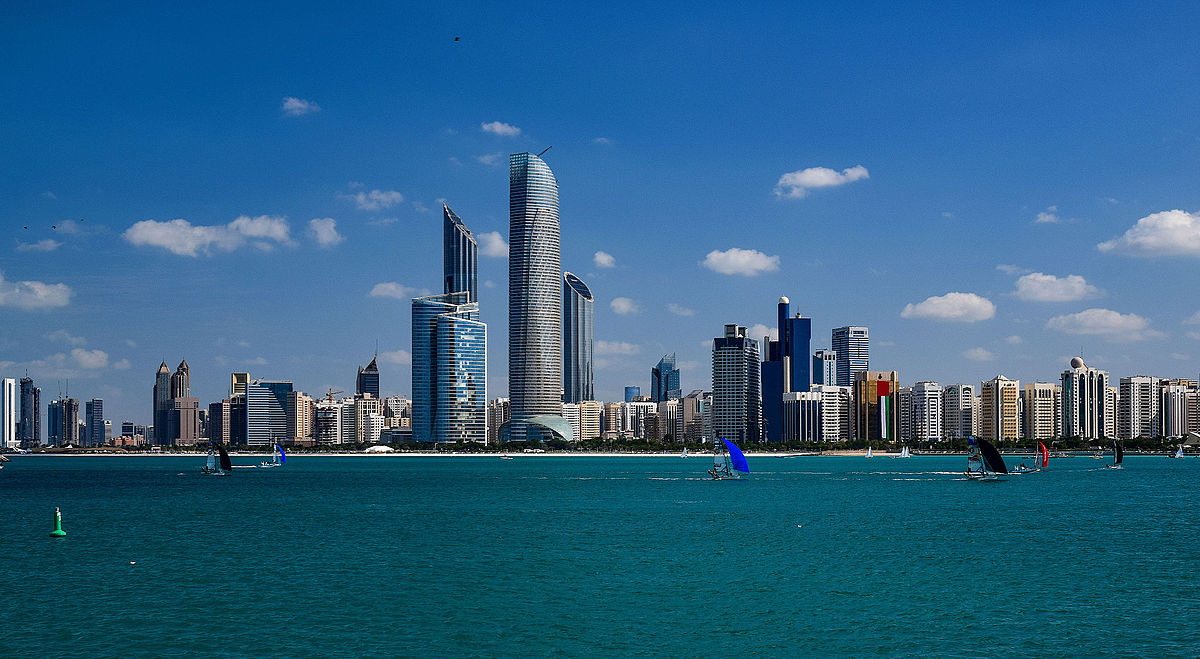
Abu Dhabi has introduced an advanced taxi booking system aimed at streamlining public transport across the emirate. This initiative, led by the Integrated Transport Centre (Abu Dhabi Mobility), marks a significant leap in the modernization of urban transport services.

The newly launched system integrates state-of-the-art technology to enhance user experience and operational efficiency. Through a user-friendly mobile application, residents and visitors can now book taxis with greater ease. The app offers real-time tracking, automated fare calculations, and various payment options, ensuring a seamless and transparent experience for users.

Key features of the system include a sophisticated algorithm designed to optimize routes and reduce wait times. This is expected to improve overall efficiency and reliability of taxi services in Abu Dhabi. Additionally, the integration of GPS technology allows for more accurate and timely pickups, addressing one of the common issues faced by passengers.

The new system also prioritizes safety and convenience. Enhanced safety measures include real-time monitoring of taxi locations and driver details, which are accessible to both passengers and regulatory authorities. This move aims to address concerns related to passenger security and ensure a safe travel experience.

From an operational perspective, the initiative is set to benefit both taxi operators and the broader transport infrastructure. By leveraging data analytics, the system helps in optimizing fleet management and operational planning. Taxi operators can gain insights into demand patterns, allowing for better allocation of resources and improved service levels.

This move aligns with Abu Dhabi’s broader vision of leveraging technology to enhance urban mobility. It reflects a commitment to creating a more connected and efficient transport network within the emirate. The system is also expected to play a role in reducing traffic congestion by encouraging the use of public transport over private vehicles.

The introduction of this system follows a series of pilot programs and extensive testing phases designed to ensure its reliability and effectiveness. The feedback from initial users has been largely positive, highlighting the system’s efficiency and ease of use. As the system becomes fully operational, it is anticipated to further integrate with other transport services in the emirate, contributing to a more cohesive public transport network.

Dubai continues to assert its dominance in the maritime industry, securing a place among the top five cities in the 2024 International Shipping Centre Development Index (ISCD). This marks the fifth consecutive year that Dubai has been recognized as a leading global shipping hub. The city’s enduring success in the ISCD underscores its pivotal role in international trade and shipping.

The ISCD, which is published annually, evaluates major maritime cities based on various factors including shipping services, port infrastructure, and connectivity. Dubai’s performance in this index reflects its strategic position, sophisticated infrastructure, and robust maritime services that cater to global trade demands.

Dubai’s port facilities, notably the Jebel Ali Port, play a crucial role in its high ranking. As one of the largest and most advanced ports in the world, Jebel Ali has been instrumental in facilitating extensive cargo handling and logistics operations. The port’s capacity and efficiency continue to attract significant maritime traffic, reinforcing Dubai’s status as a major international shipping center.

Another key factor contributing to Dubai’s top position is its advanced maritime services sector. The city hosts a range of shipping-related services, including ship management, brokerage, and maritime law. The presence of these services enhances Dubai’s appeal to global shipping companies and reinforces its role as a central hub for maritime business.

Dubai’s strategic initiatives in maritime infrastructure development also bolster its position. Investments in new technologies, expansion of port facilities, and the development of logistics hubs have all contributed to enhancing the city’s shipping capabilities. These developments ensure that Dubai remains competitive in an increasingly globalized maritime industry.

Moreover, Dubai’s favorable business environment and regulatory framework support its shipping industry. The city’s policies and regulations are designed to facilitate ease of doing business, which is crucial for attracting international shipping companies. This business-friendly environment, coupled with Dubai’s commitment to continuous improvement, solidifies its position as a leading global shipping center.

Donald Trump has taken a surprising turn by fully embracing cryptocurrency, unveiling a digital platform called World Liberty Financial. Once a vocal critic of Bitcoin, labeling it a “scam,” Trump’s shift comes as part of a larger political strategy, aligning with his 2024 presidential campaign. The former U.S. president announced his new project, aimed at the decentralized finance (DeFi) space, during a livestream on X Spaces, where […]

Wizz Air, the low-cost carrier, has projected a substantial increase in its passenger traffic for the upcoming year, aiming for a growth rate of 15-20%. This optimistic forecast reflects the airline’s confidence in its expansion strategy and recovery trajectory following the pandemic. The Hungarian-based airline, which operates a vast network across Europe and beyond, has been navigating a volatile market landscape. Despite challenges such as fluctuating fuel […]

The United Arab Emirates is advancing a new solar energy initiative aimed at reducing electricity bills for homes in the Northern Emirates. This initiative, introduced by the UAE’s Energy and Infrastructure Ministry, focuses on leveraging solar power to enhance energy efficiency and decrease dependence on conventional electricity sources. Under this initiative, homeowners in the Northern Emirates will be encouraged to install solar panels on their properties. The […]

The International Atomic Energy Agency (IAEA) has entered a strategic partnership with the Women in Energy Association (WIEA) through a newly signed memorandum of understanding (MoU), aiming to strengthen the role of women in the fields of science, technology, engineering, and mathematics (STEM). This collaboration is designed to support capacity building in these sectors and foster greater female participation in nuclear science and other STEM-related industries.

Signed in the presence of high-profile dignitaries including Prince Abdulaziz bin Salman, Saudi Arabia’s Minister of Energy, the agreement reflects an ongoing global movement to promote gender equality in fields traditionally dominated by men. Princess Mishaal bint Saud AlShalan, the Chairwoman of WIEA, and Rafael Mariano Grossi, Director General of the IAEA, both played key roles in securing this alliance, which places a clear focus on creating new opportunities for women to engage in STEM, particularly in nuclear energy.

The partnership will emphasize enhancing educational opportunities, mentorship programs, and creating a more inclusive work environment across various energy sectors. These efforts align with the broader goals of international organizations, which increasingly recognize that achieving gender balance in industries such as nuclear science is critical for innovation and sustainability.

This initiative also comes at a time when energy demands are rapidly changing, and countries are turning toward cleaner energy solutions, including nuclear energy, as a way to mitigate climate change. The IAEA has been active in promoting peaceful nuclear technologies and sees this collaboration as an essential step in driving inclusive progress in this field.

As global initiatives gain momentum for diversity in STEM, both organizations are optimistic about the prospects of their collaboration. It is anticipated that the joint efforts of IAEA and WIEA will inspire more women to pursue careers in science, particularly in regions where female representation in these fields remains limited. The move aims to empower women, contributing to a stronger, more diverse workforce capable of addressing global energy challenges.

Sources from credible outlets detail how the newly formed alliance builds on years of work by WIEA to advance gender equality within the energy sector. Similarly, the IAEA has consistently promoted programs focused on the peaceful use of nuclear energy, advocating for a balanced and skilled workforce to meet future energy demands. The MoU marks a significant milestone in combining the strengths of both organizations to push for educational reforms, networking opportunities, and policy initiatives aimed at increasing the participation of women in high-tech industries.

A groundbreaking trial in London is about to reshape how blood samples are transported between hospitals, using drones to streamline the process. The six-month project, a collaboration between the National Health Service (NHS), drone service provider Apian, and technology firm Wing, aims to improve medical logistics by reducing delivery times for blood samples. This initiative is set to begin within weeks at Guy’s Hospital and St. Thomas’ […]

Middle Eastern countries are poised to become pivotal players in the global artificial intelligence (AI) landscape, thanks to their abundant energy resources. This potential was underscored by a recent statement from a World Economic Forum (WEF) official, who highlighted how the region’s energy assets could significantly boost AI advancements.

The Middle East’s vast reserves of oil and natural gas have long been a cornerstone of its economic strategy. However, their role in supporting emerging technologies is gaining increasing attention. The WEF’s insights suggest that the region’s energy surplus offers a unique advantage for AI development, especially as the technology demands substantial computing power.

The substantial energy resources in the Gulf states, including Saudi Arabia and the United Arab Emirates, present an opportunity to power AI infrastructure that requires extensive data centers and high-performance computing capabilities. The WEF official emphasized that this energy surplus not only supports the operational needs of AI systems but also underpins investments in AI research and development.

Saudi Arabia, with its Vision 2030 initiative, is actively investing in AI and related technologies. The kingdom’s strategic investments aim to diversify its economy away from oil dependency, placing a strong emphasis on technology and innovation. Recent developments in the Saudi AI sector include partnerships with global tech giants and the establishment of research hubs focused on AI advancements.

Similarly, the UAE has launched ambitious projects to enhance its technological landscape. The country’s national AI strategy outlines plans to integrate AI into various sectors, from healthcare to transportation. Dubai’s role as a technology and innovation hub in the region is complemented by its energy resources, which support the infrastructure required for these technological advancements.

The growing synergy between the Middle East’s energy sector and AI research is evident in the region’s increasing investment in data centers and supercomputing facilities. These investments are crucial for developing and deploying AI technologies, as they provide the necessary computational power and storage capabilities.

Moreover, the WEF official pointed out that the Middle East’s focus on AI aligns with global trends where technology plays a central role in economic growth. The region’s ability to leverage its energy resources for technological progress reflects a broader strategy to enhance its global economic standing.

The rise of AI-driven industries in the Middle East also presents opportunities for job creation and economic diversification. As AI technologies advance, there is a growing need for skilled professionals in data science, machine learning, and related fields. The region’s investments in AI are likely to stimulate growth in these areas, contributing to its economic resilience and technological leadership.

In addition to these developments, the Middle East’s strategic geographic location enhances its role in the global AI ecosystem. The region’s connectivity between Europe, Asia, and Africa positions it as a crucial player in the international technology arena. The energy advantage, combined with strategic investments, enables the Middle East to act as a bridge between various global markets and technological advancements.

However, the shift towards AI and technology also presents challenges. Ensuring that the workforce is equipped with the necessary skills to thrive in an AI-driven economy is critical. Educational and training programs must evolve to meet the demands of this new technological landscape.

Furthermore, while energy resources provide a significant advantage, the transition to a technology-driven economy requires careful management of environmental impacts. Balancing energy use with sustainability goals is essential to maintain the region’s environmental and economic health.

Hong Kong is actively courting affluent investors from the Gulf region to rejuvenate its status as a leading wealth-management center. This strategic push comes as the city grapples with a decline in foreign investment, which has affected its position as a crucial gateway to China. Over the past two years, interest groups in Hong Kong have intensified their efforts to attract high-net-worth individuals and family-linked entities from the Middle East, marking a significant shift in their investment strategy.

According to several analysts and industry insiders, Hong Kong’s renewed focus on the Gulf region is driven by a need to counterbalance the diminished allure it has experienced in recent years. The city, once a bustling hub for international capital flowing into China, has faced challenges with its investment climate, partly due to political uncertainties and the pandemic’s economic impact. In response, local interest groups have ramped up their outreach efforts, inviting more prominent Gulf investors to explore opportunities in Hong Kong’s financial markets.

The Gulf’s ultra-wealthy families and investment groups have been drawn to Hong Kong’s appeal as a stable financial environment and a gateway to China’s vast market. This shift aligns with broader trends observed in global capital flows, where investors are increasingly looking for safe havens and diversified portfolios amid economic uncertainties. Hong Kong’s attractiveness lies in its sophisticated financial infrastructure, tax incentives, and a well-established regulatory framework that offers a favorable environment for wealth management.

The surge in Gulf investor interest is also reflective of a strategic reorientation by Hong Kong’s financial sector. Financial institutions and advisory firms in the city are tailoring their services to cater to the specific needs of Middle Eastern investors. This includes personalized investment strategies, bespoke financial products, and enhanced customer service aimed at building long-term relationships with Gulf clients.

Moreover, Hong Kong’s effort to attract Middle Eastern capital is part of a broader strategy to diversify its investor base and reduce dependency on traditional markets. The city’s financial services sector is working closely with local government bodies to create a more conducive environment for foreign investors, including those from the Gulf. Initiatives include hosting exclusive investment forums, organizing networking events, and providing tailored investment advice to address the unique requirements of Gulf investors.

The shift in focus also comes at a time when Gulf investors are looking to broaden their investment horizons. With increasing wealth in the region and a growing appetite for international investments, the Gulf’s high-net-worth individuals are seeking opportunities beyond their traditional markets. Hong Kong, with its robust financial sector and strategic location, presents an attractive option for these investors looking to expand their portfolios and access new markets.

Industry reports indicate that Gulf investors are particularly interested in sectors such as real estate, technology, and financial services. Hong Kong’s vibrant real estate market, coupled with its role as a technology and financial hub, provides ample opportunities for investment in these areas. The city’s strategic location and economic policies are seen as favorable factors for Gulf investors looking to tap into China’s economic growth and other regional markets.

Meta, the parent company of Facebook, has taken decisive action against Russian state-controlled media networks, intensifying its efforts to curb what it identifies as covert influence operations. The company announced the ban on RT, Rossiya Segodnya, and several other Russian outlets, stating that these entities had engaged in deceptive practices to manipulate online content. This move comes as part of Meta’s broader efforts to combat foreign interference, […]

A man charged in connection with an alleged assassination attempt on former President Donald Trump was in close proximity to his golf course for 12 hours before his arrest, according to authorities. This extended period of surveillance has raised questions about security and the effectiveness of protective measures at high-profile events.

The suspect, identified as an individual with a known history of erratic behavior, was first observed around the golf course perimeter early Sunday morning. Reports indicate that he was initially unnoticed as he made his way onto the grounds, evading detection by security personnel. It wasn’t until later in the day, following a tip-off from a vigilant observer, that law enforcement intervened and took him into custody.

Authorities have revealed that the suspect was found carrying multiple weapons and materials believed to be intended for a more extensive attack. His prolonged presence near the venue, coupled with the type of equipment discovered, has intensified concerns about how such a breach could occur despite stringent security protocols.

Security agencies are currently reviewing their procedures and the effectiveness of their coordination with event organizers. Investigators are also scrutinizing whether there were any lapses in communication or misjudgments that allowed the suspect to remain undetected for so long. This review is part of a broader effort to enhance security measures for future events involving high-profile figures.

The incident has prompted a wider discussion on the need for improved security at public and private events where high-profile individuals are present. Experts argue that the existing security frameworks may need to be reassessed to prevent similar occurrences in the future. They emphasize the importance of integrating advanced surveillance technologies and better coordination between various security agencies to address potential threats more effectively.

This event follows a series of high-profile security incidents that have underscored the challenges faced by law enforcement in protecting prominent figures. The incident at the golf course, however, stands out due to the unusually long duration the suspect was able to remain in close proximity without detection. It highlights potential vulnerabilities that could be exploited by individuals with malicious intent.

The suspect is expected to face multiple charges, including attempted assassination and possession of illegal weapons. Legal experts anticipate that the case will involve a thorough examination of the suspect’s motives and any potential connections to broader extremist networks. The legal proceedings are likely to shed more light on the details of the suspect’s plans and any possible accomplices.

Meanwhile, the golf course and surrounding areas have been cleared and secured as the investigation continues. Local authorities have assured the public that measures are being taken to prevent such incidents in the future. They have also expressed a commitment to addressing any security gaps that may have contributed to the breach.

TikTok is facing renewed scrutiny as legal battles in the United States escalate, with the Biden administration viewing the app as a potential threat to national security. The popular video-sharing platform, owned by China-based ByteDance, has been embroiled in a prolonged conflict with U.S. authorities, who allege that the app collects sensitive user data that could be accessed by the Chinese government.

The app’s future in the U.S. is at stake as government officials push for a ban unless ByteDance divests its ownership of the platform. Concerns primarily stem from the app’s algorithm and the extensive data it collects, which officials warn could be manipulated by foreign entities to influence U.S. public opinion. Despite these allegations, TikTok has consistently denied sharing user data with Chinese authorities and insists that user data is stored outside of China.

This legal standoff has moved into the courts, where judges are evaluating arguments from both the U.S. government and TikTok. Attorneys representing TikTok have argued that banning the app could have serious consequences for American users, especially content creators and businesses that rely on the platform for exposure. For instance, Paul Tran, a small business owner, testified that TikTok was critical to saving his skincare company from collapse, highlighting the app’s unique ability to connect businesses with audiences.

U.S. officials, on the other hand, remain firm in their stance that TikTok poses an unacceptable risk due to its ties with ByteDance. As part of the legal proceedings, the Justice Department has expressed concerns that the app’s vast user data could be exploited by the Chinese government, despite ByteDance’s denials. The ongoing case is not just about TikTok’s business but also raises significant First Amendment questions regarding free speech and access to information for millions of American users.

The core of the government’s case is the potential manipulation of TikTok’s algorithm by the Chinese government, with the fear that it could be used to control what content users see, particularly during critical moments such as elections. ByteDance has offered proposals to mitigate these concerns, including third-party monitoring of its algorithms, but government negotiators have so far rejected these solutions.

VISHNU RAJA
RYO YAMADA
HITORI GOTOH
IKUYO KITA
Just in:
AI features in 84% of surveyed ransomware incidents // Dubai Aerospace targets $2.1 billion dual-currency financing // Vingroup Announces the Establishment of VERTA – A New Educational Model for a Generation Growing Up in the Age of AI // Cybersecurity shares retreat as AI competition concerns emerge // Binance bStocks holdings cross $1 billion within four months // Discover Surprising Southern Taiwan: Taiwan Tourism Administration Teams Up with Airlines & Travel Platforms with Multi-Million Rewards for International Travelers // GFH Partners transfers Chicago logistics facility for $151 million // BR Shetty pursues $15bn damages against Bank of Baroda // Siam Paragon Bangkok International Fashion Week 2026 Unites Thai Designers to Drive the Future of Thailand’s Fashion Industry // IEA projects prolonged diesel supply squeeze through 2027 // Microsoft and G42 detail AI agents in investment decisions // Australia proposes mandatory crypto tax reporting from 2027 // Ransomware attackers target families as artificial intelligence spreads // Dell shares tumble as Barclays questions AI valuations // Google introduces Gemini 4 Argon to AI Studio // A Women-Led Dubai Holiday Homes Operator Grows 42-Fold In Six Months // Amid Mounting Global Health Crises, World Health Summit Closes in Berlin with New Commitments // UAE passport leads 2026 mobility ranking with 182 destinations // Meta notifies 1,500 after GitHub code theft // De Beers Group and The Government of The Republic of Botswana Extend Partnership with Olympic Champion Letsile Tebogo as Global Ambassador //